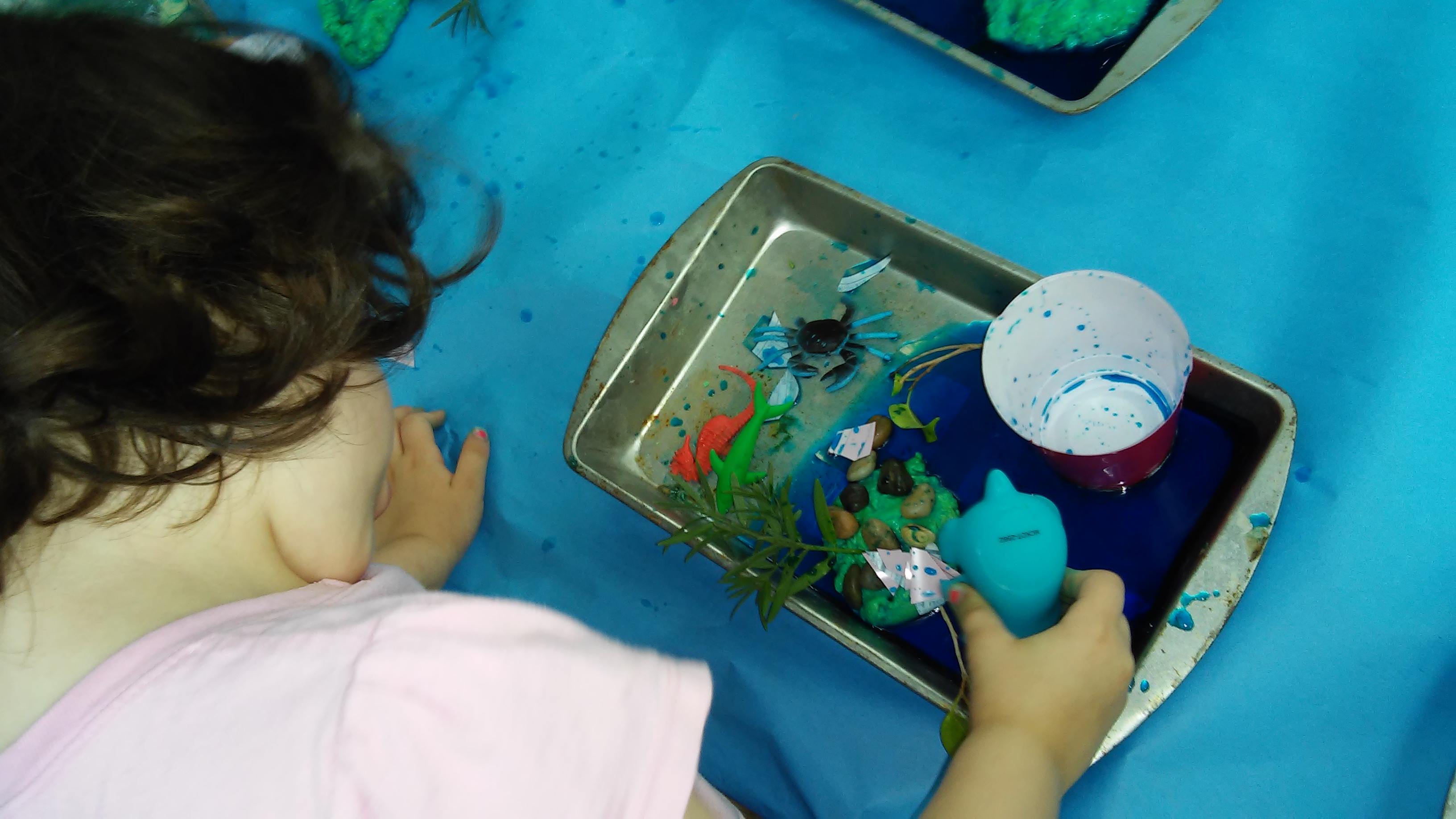
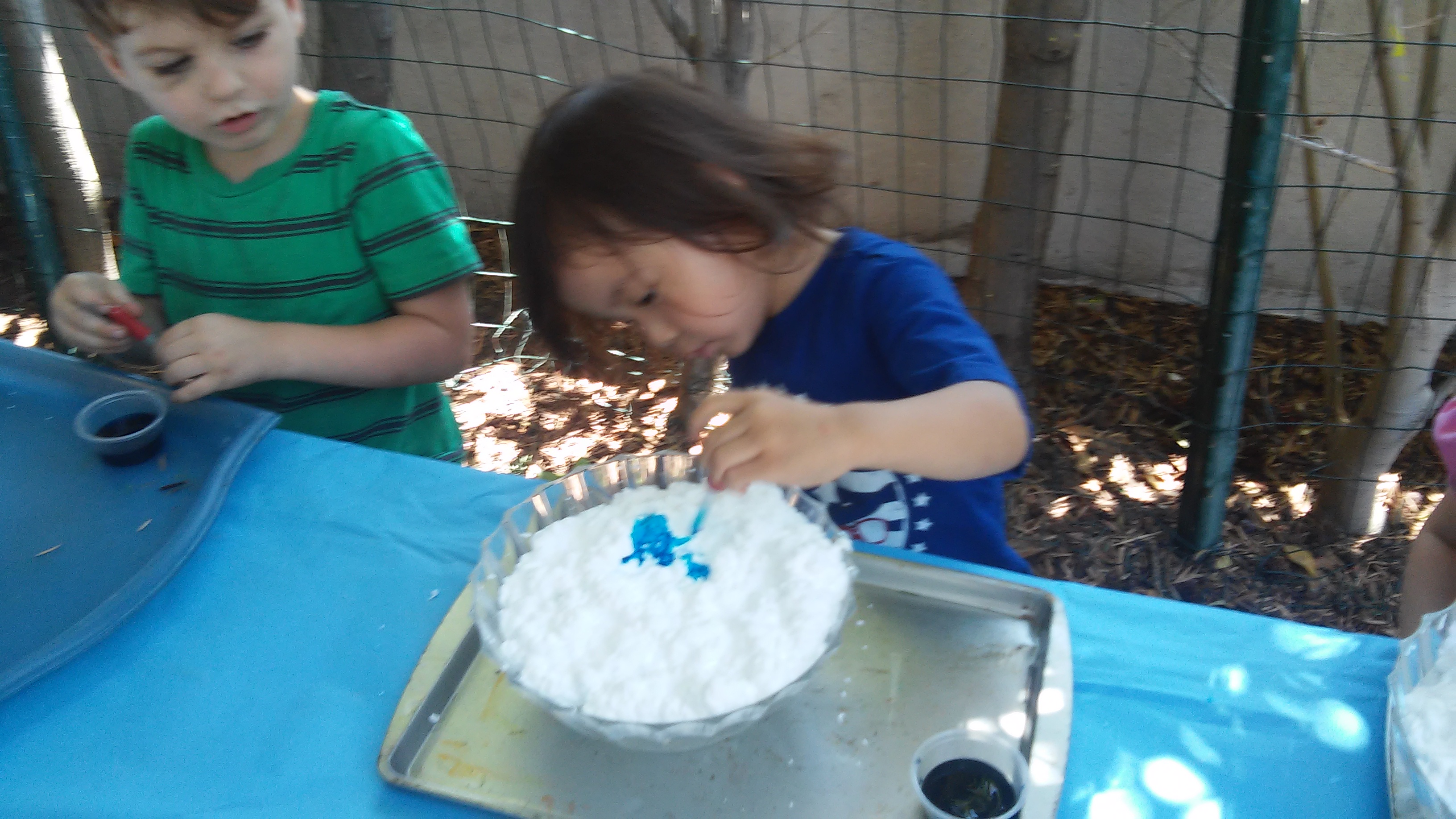
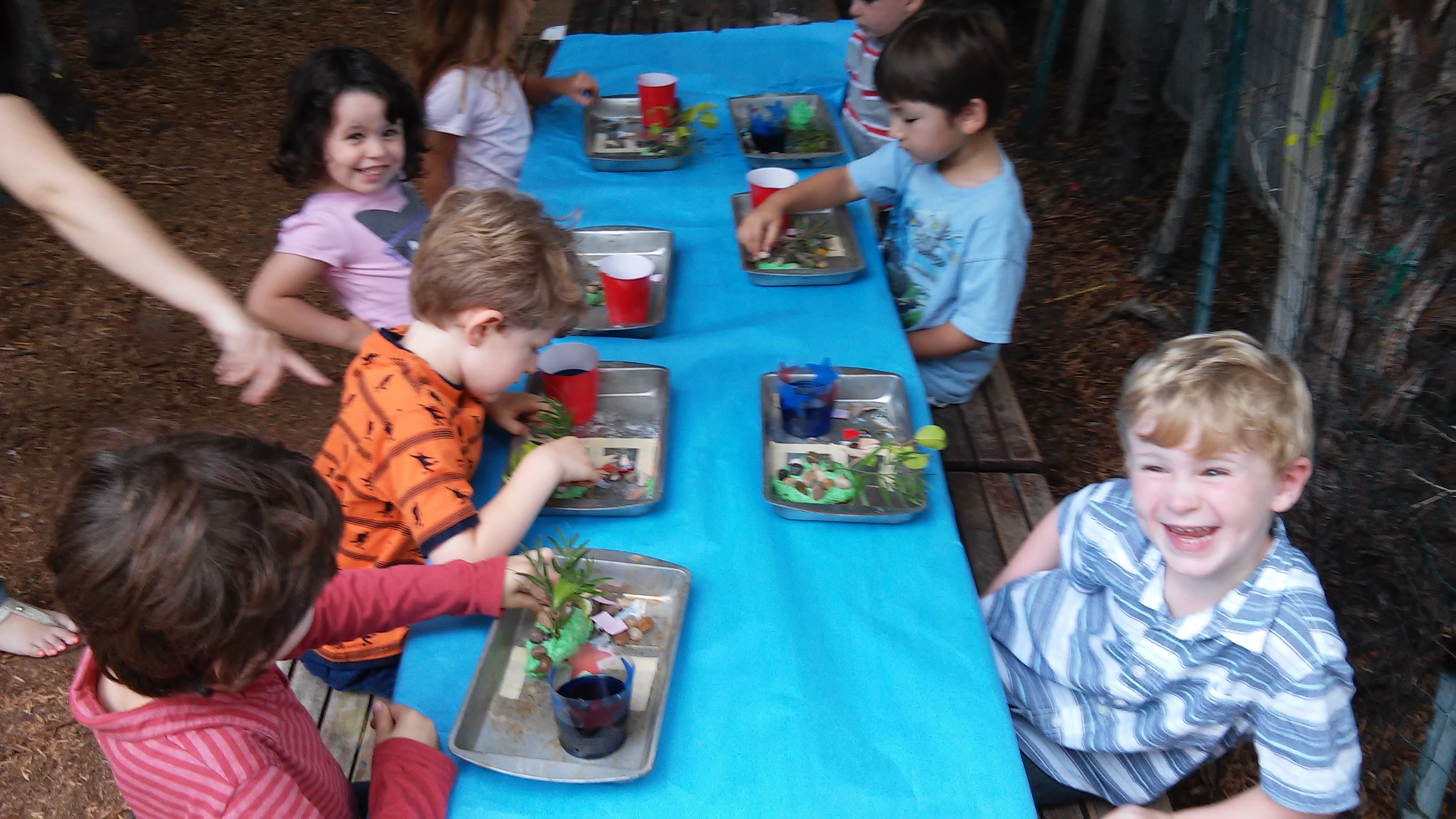
Teaching scientific concepts to young children poses unique challenges, so in our classroom we use simple vocabulary and fun projects to keep them captivated! Water rotation and its affects on ocean pollution is an ideal introduction to this component of our Environmental Awareness theme, so we talked about where rain comes from and where it goes! With Playdoh, sticks, salt shakers, and blue water, we practiced making it rain on our “land” and then watched as it returned to the “ocean”. We then added trash to our land masses, and observed what happens was the rain pours down on top of it. We talked about how the rain and trash wash into our sewers, and eventually out to the ocean. Hands-on activities such as these reinforce complicated concepts and allow your preschoolers to grasp how rain works!
Monthly Archives: August 2014
Clouds and the Water Cycle
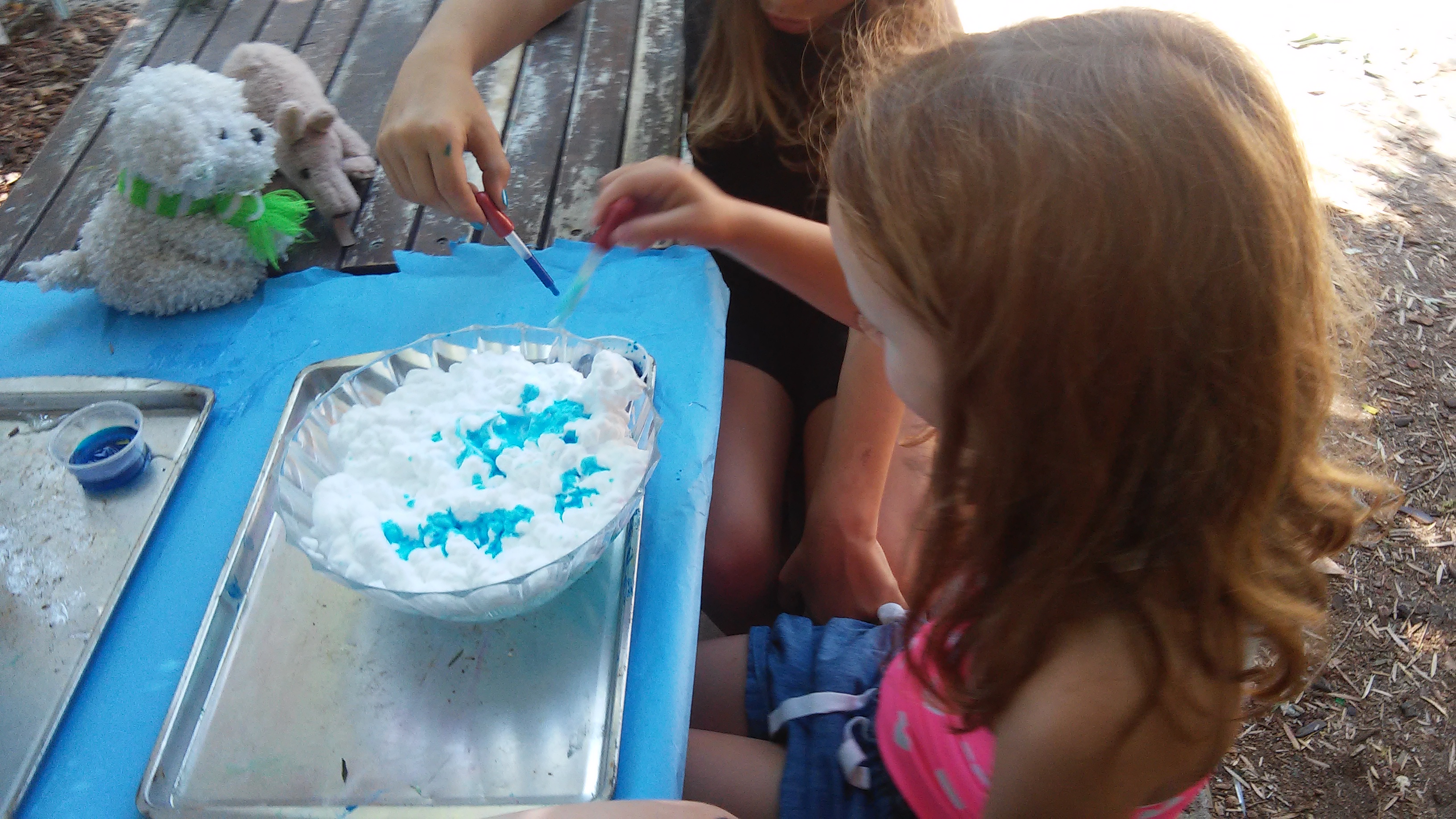
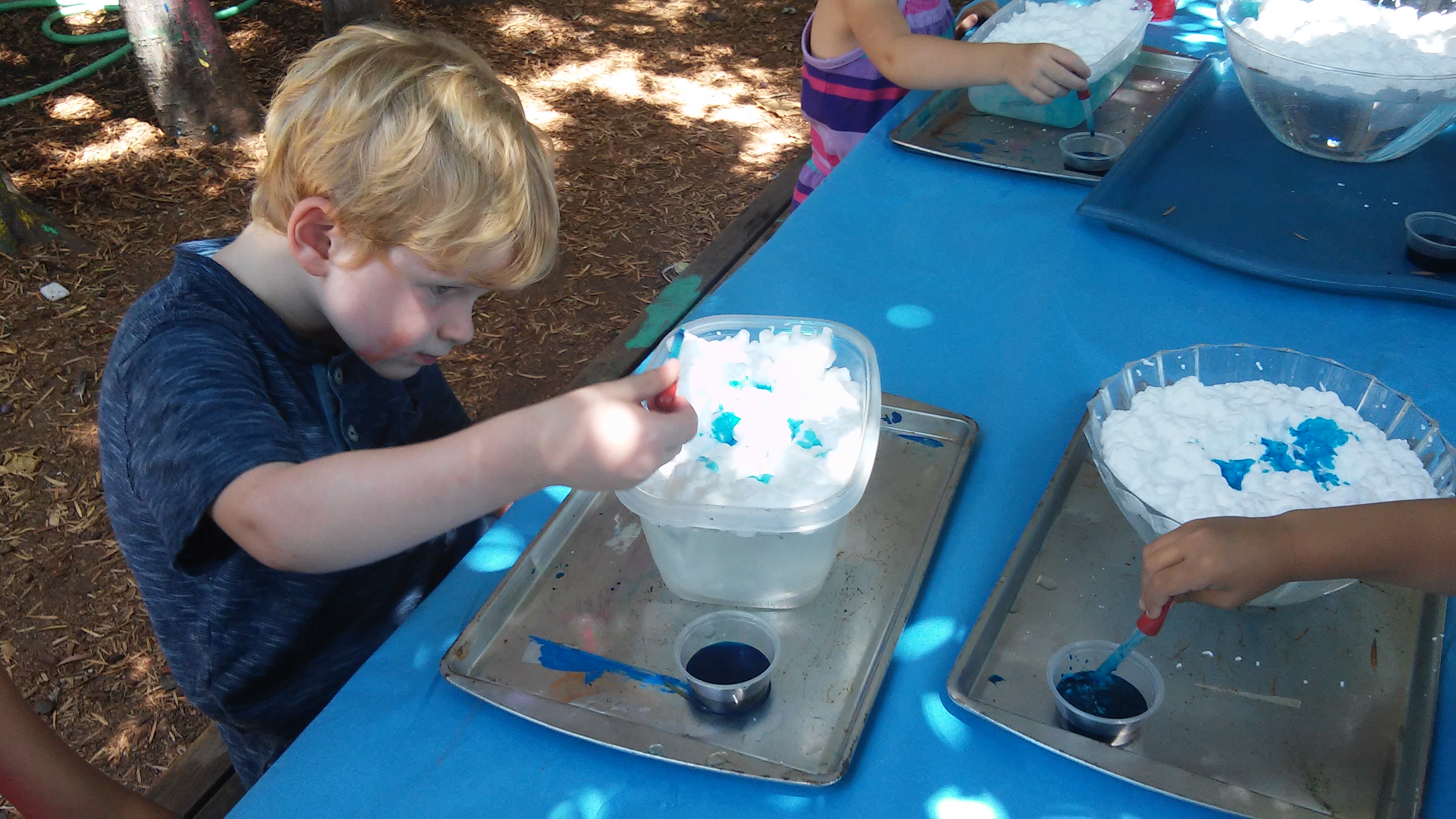
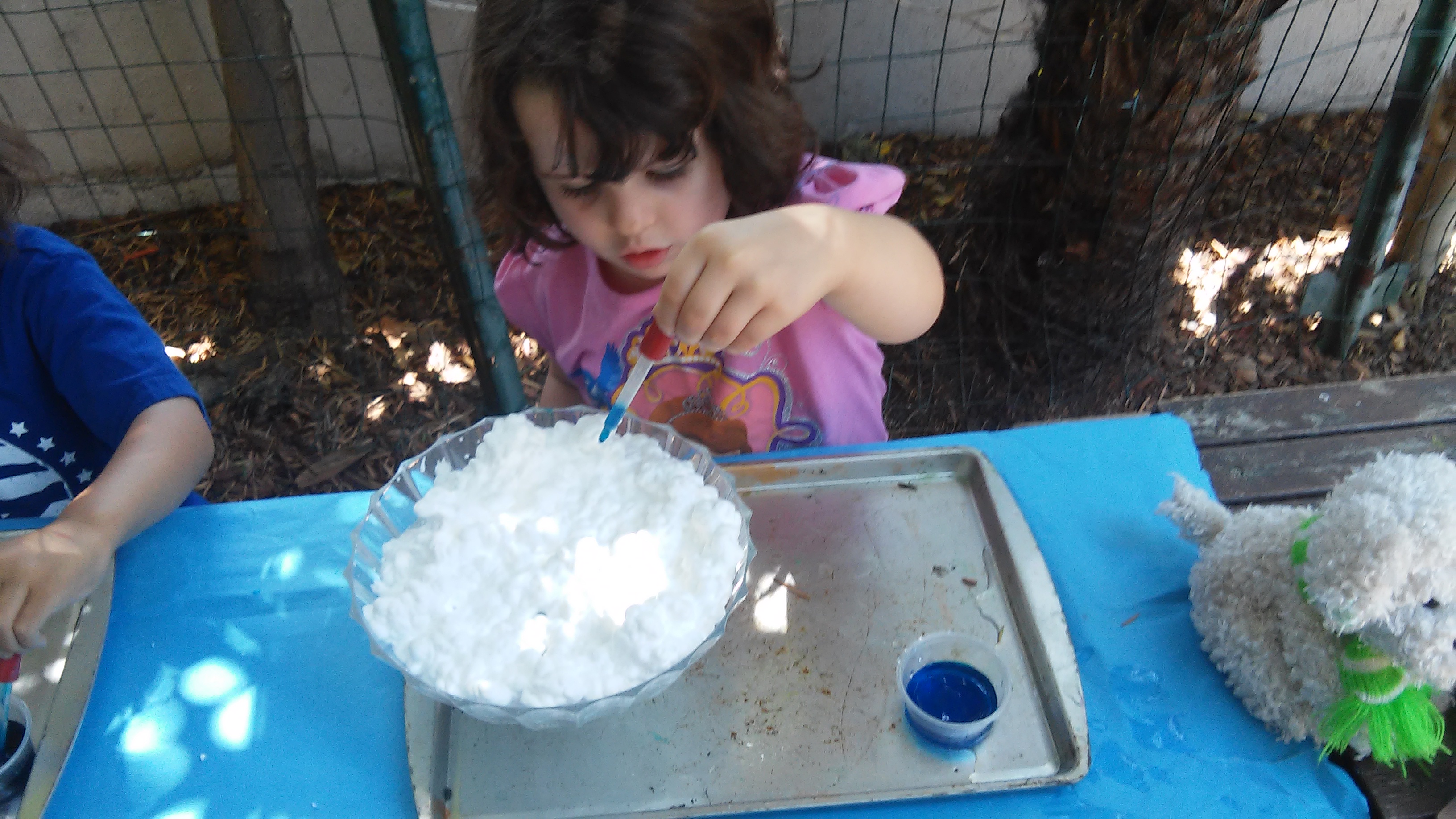
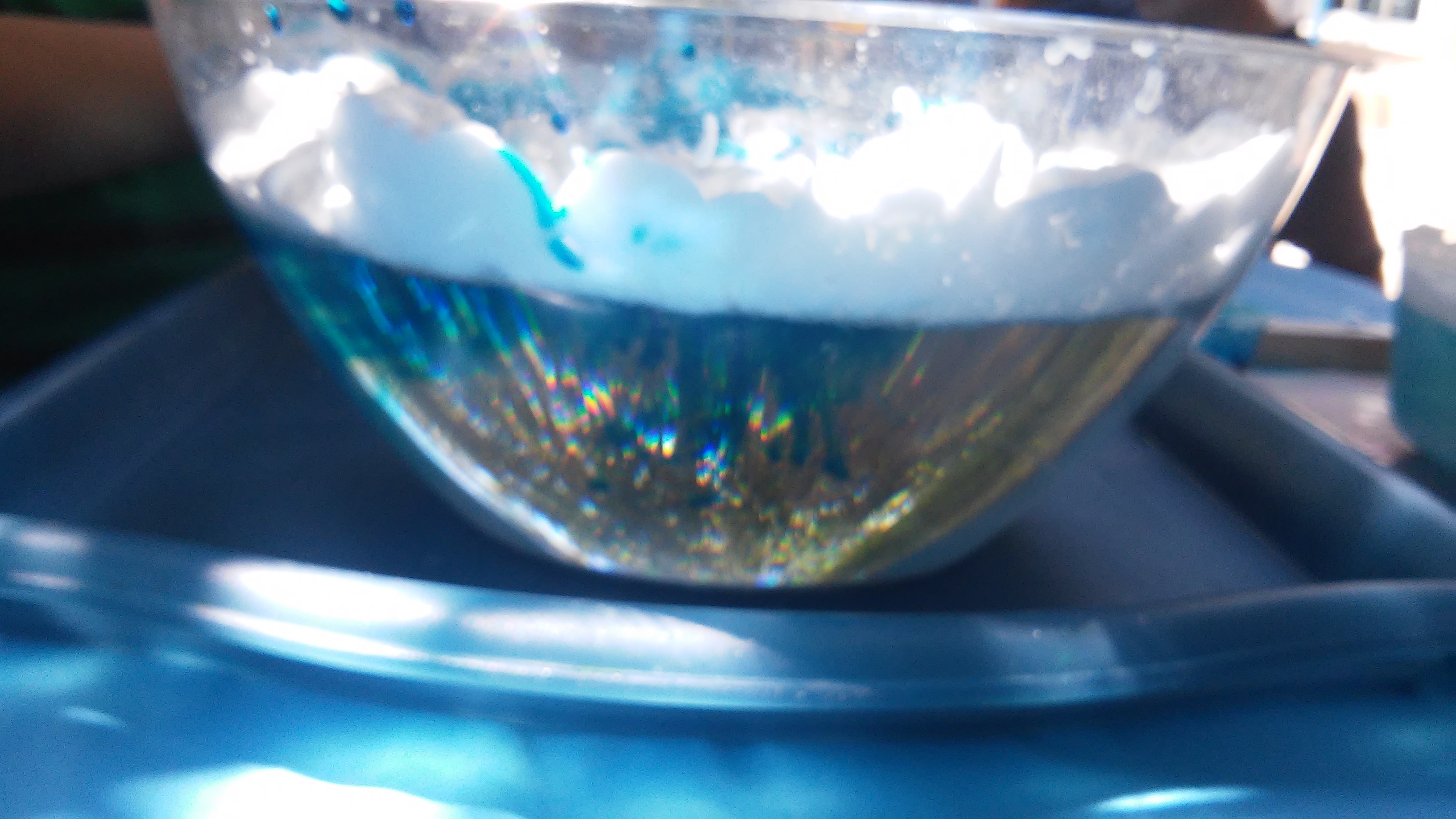
Have you ever wondered how clouds form? We all learn the water cycle in school – water falls from the clouds in the form of rain or snow and collects on the ground. The water on the ground heats up and turns to vapor and the vapor travels up into the atmosphere and creates clouds. When a rain cloud gets so full of water or mass, the water has to go somewhere and will break through the cloud and start to fall to the ground. To demonstrate this phenomenon on a preschool level, your child created a shaving cream cloud! As they poured or dripped the water over the shaving cream cloud, the blue water started to break through the foamy mass. Doing so enable your budding meteorologist to observe their cloud as it gained mass and altered its composition.
An Abundance of Antonyms
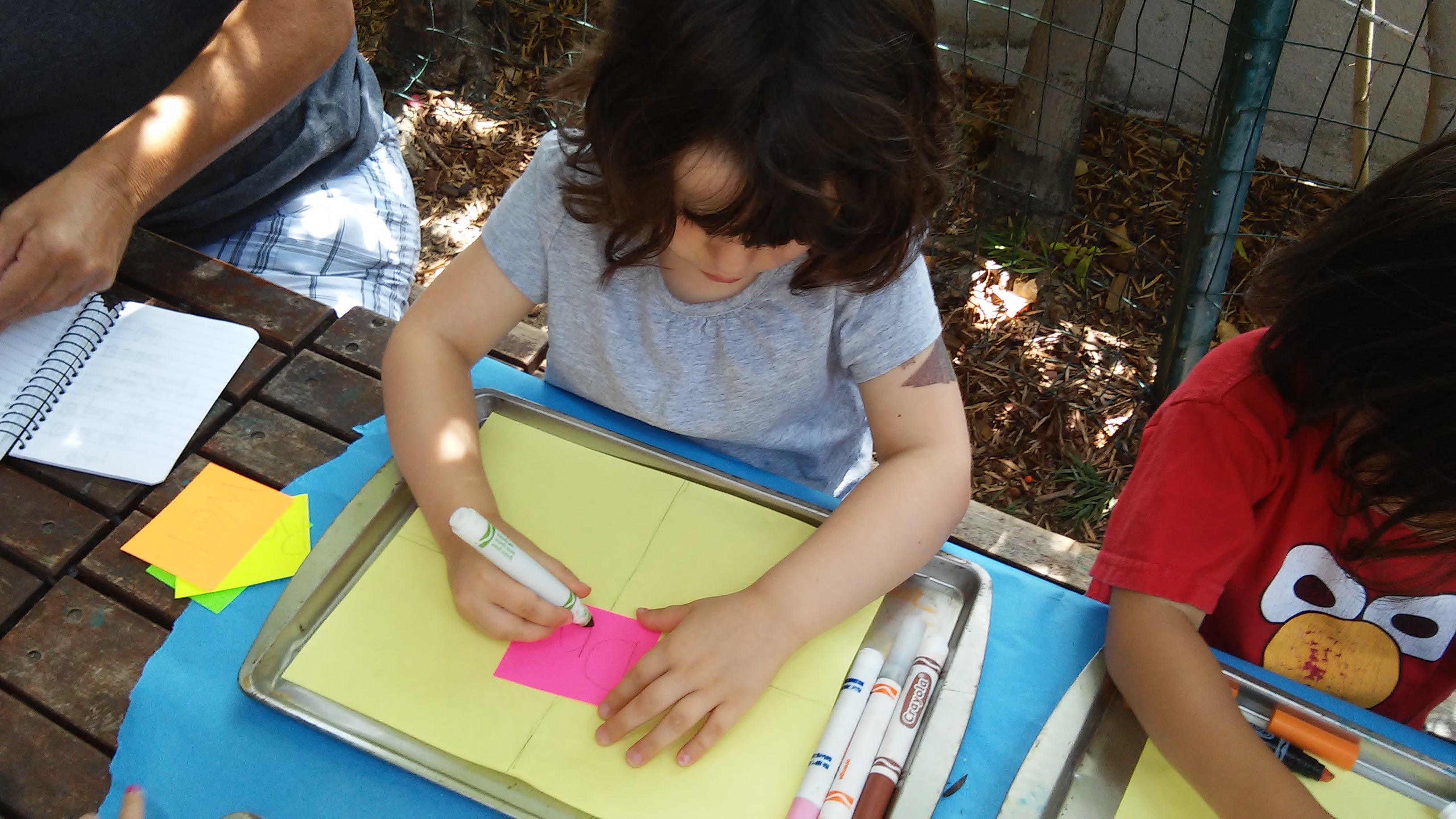
Children first attempt writing by scribbling marks. Around age four or so, they begin to distinguish writing from drawing. But the role of letters as the “true” meaning-markers in writing can still confuse children up to six years of age. In fact, one of the hardest things young children do as emerging readers and writers is learn how to turn marks into real words. Learning to write is hard because it requires children to use several physical and mental processes at once. Their tiny hands have to grasp and control a writing tool. Their active minds must focus attention on making marks that express ideas. But hardest of all, they must follow certain rules to make the marks readable later on and understandable to others. For all of these reasons, we incorporate writing into our daily routine with a variety of different activities, that not only aim to foster their fine motor skills, but add to their understanding of how words work. For this activity, your little one went on a hunt for different items around the front yard. They selected four different elements and placed them onto a tray to observe with a magnifying glass. Each of these four components was selected because of their contrasting qualities. One was hard, one was soft, one was wet, and one was dry. Your little one was then directed to trace the words with marker, and divide their paper into four different sections. As a result, your little one further strengthened their ability to handle a writing utensil as they investigated the patterns between different words.