Garland Discrimination

Although most children develop the ability to focus visually and to make fine discriminations in visual images as they grow, some children will take longer to develop these skills and may need some additional help, or additional practice. Good visual perception is an important skill, especially for school success.

20141215_101952

Children need good visual perception to discriminate well, copy text accurately, develop visual memory of things observed, develop good eye-hand coordination and integrate visual information while using other senses in order to perform tasks like recognizing the source of a sound, etc.
20141215_102209

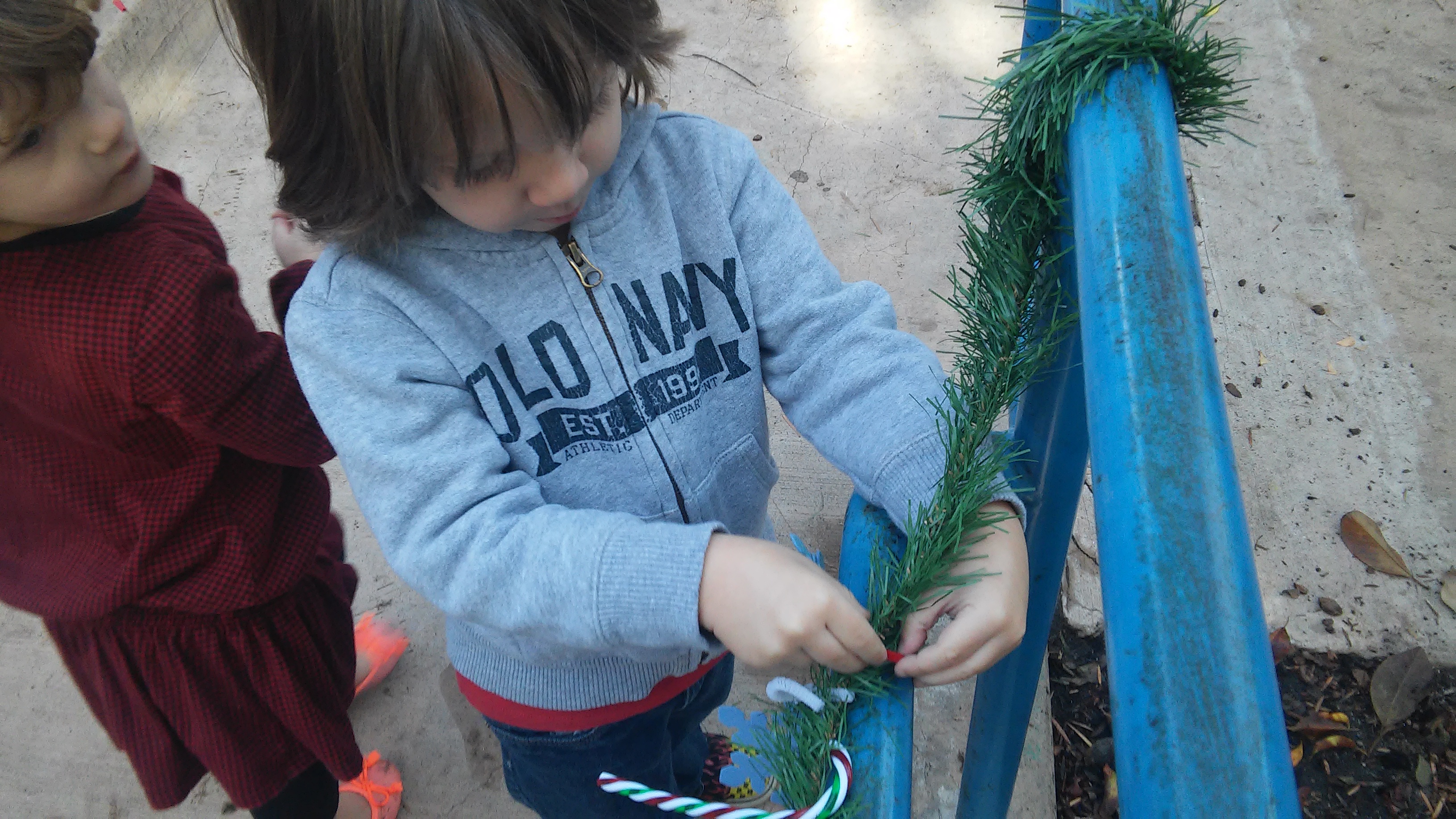
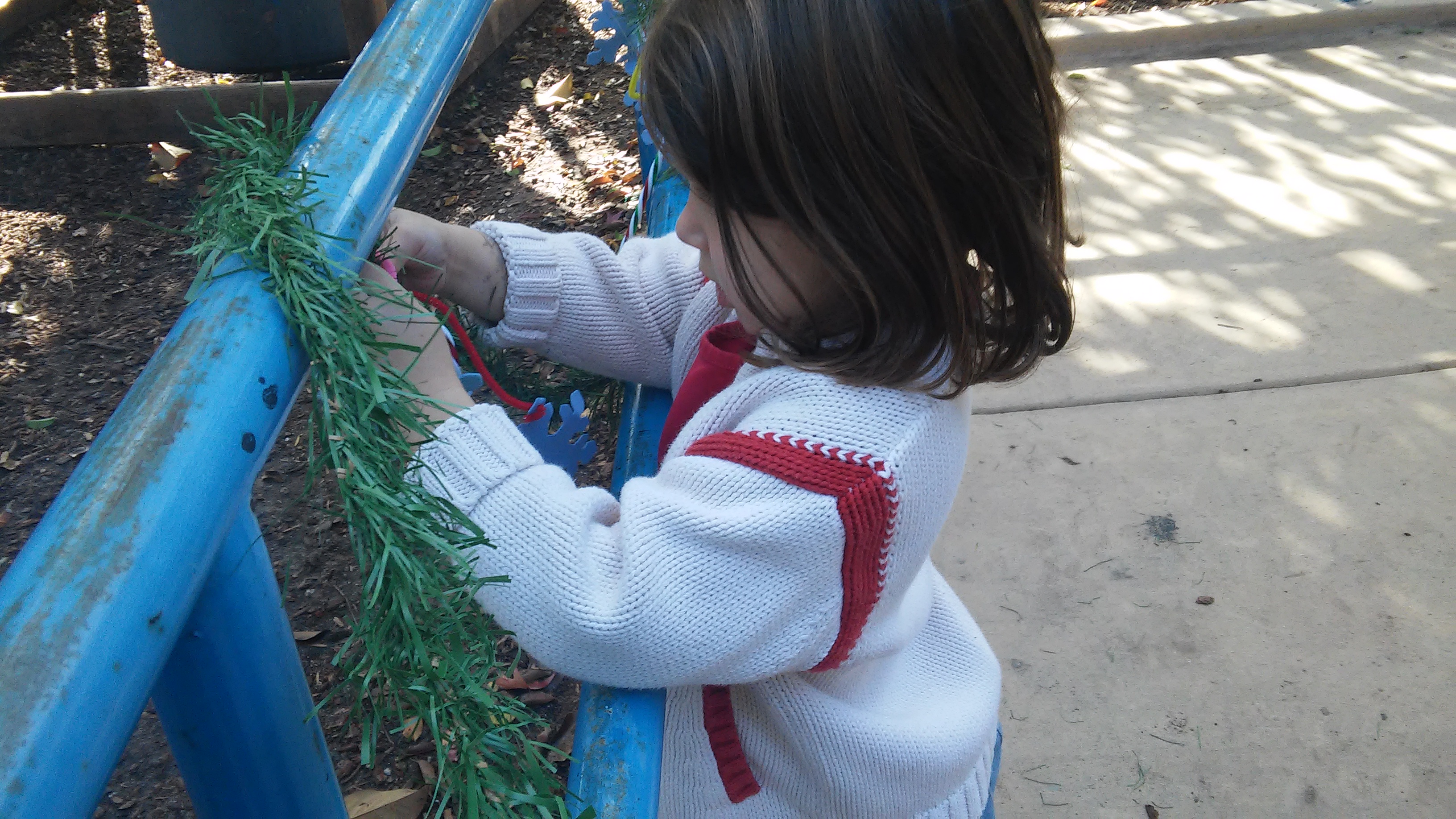
This activity accessed these pertinent skills. Using plastic candy canes and snowflake ornaments, your little ones weaved items into a plastic garland, which targeted their ability to perceive spatial relations.
20141215_102202

Doing so enhanced their visual memory and figure ground distinction. Visual memory was acquired, because, when placing each item into the garland, they were encouraged to recall and apply the spatial orientation of the item in correlation to the garland. Visual figure ground distinction was accessed because your little one focused on important impressions (e.g. the blue of the snowflake, the green of the candy cane) amidst many (e.g. the winding of the garland around the pole).

Candy Cane Science

During the holiday season, candy is prevalent in all aspects of the celebration.
20141217_105513
To capitalize on all of the sugar, we decided to conduct a science experiment! Using candy canes, M&Ms, and water, we observed the interaction between water and these sugary treats.
20141217_105505
This activity enabled your little one to explore concepts such as dissolving, the polarity of water (how it is a universal solvent), density, and the structure of candy.
20141217_110128
After the various candies were placed in water, they eventually dissolved.
20141217_110348
Young children are naturally curious.
20141217_110143
To help foster their understanding of how the world works, it is essential that they learn about the various materials in their lives, and the interactions between them. This activity also cultivated their observation skills.

Walrus Habitats

Your little one participated in yet another fun sensory activity!

20141128_104437

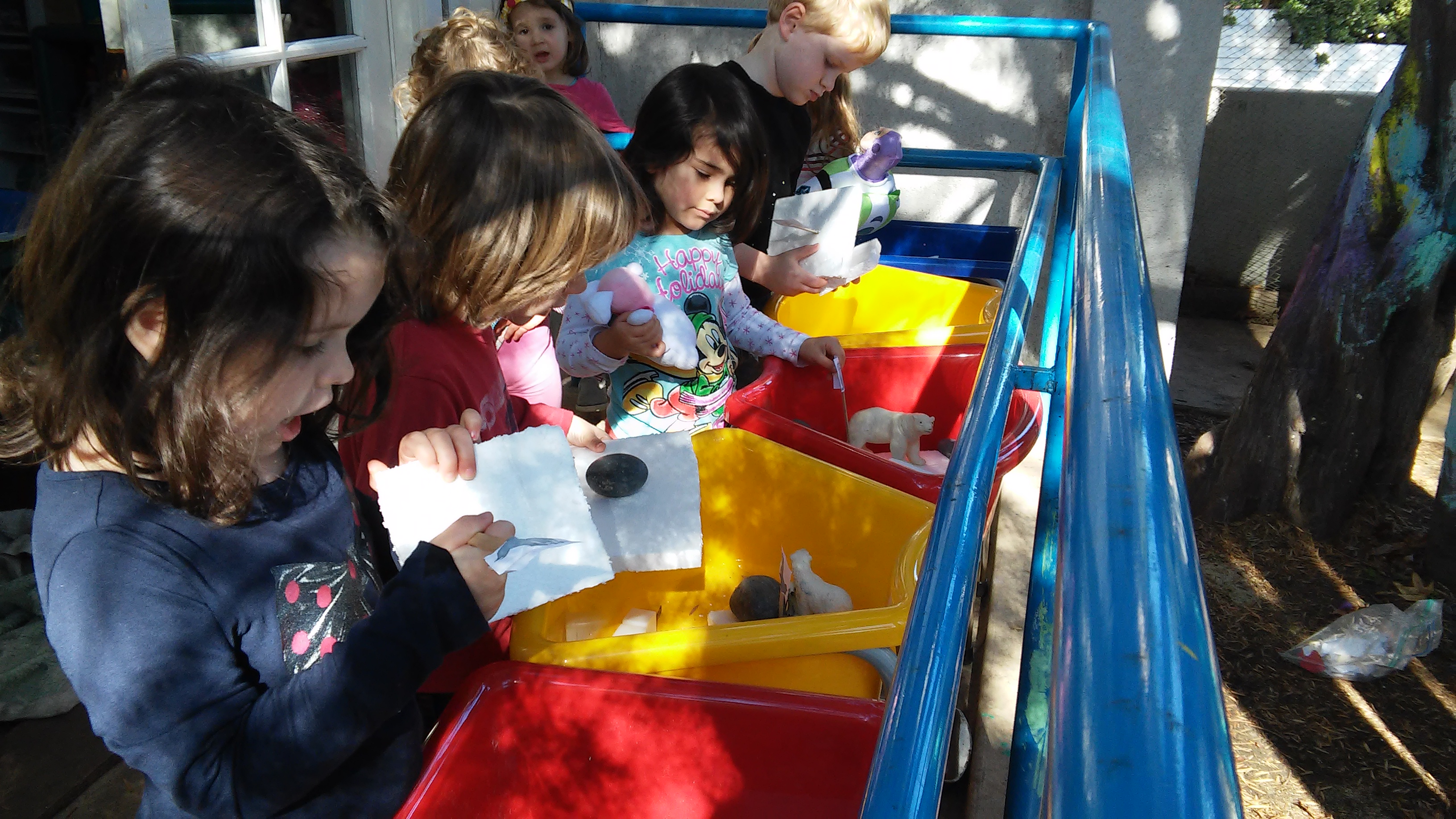
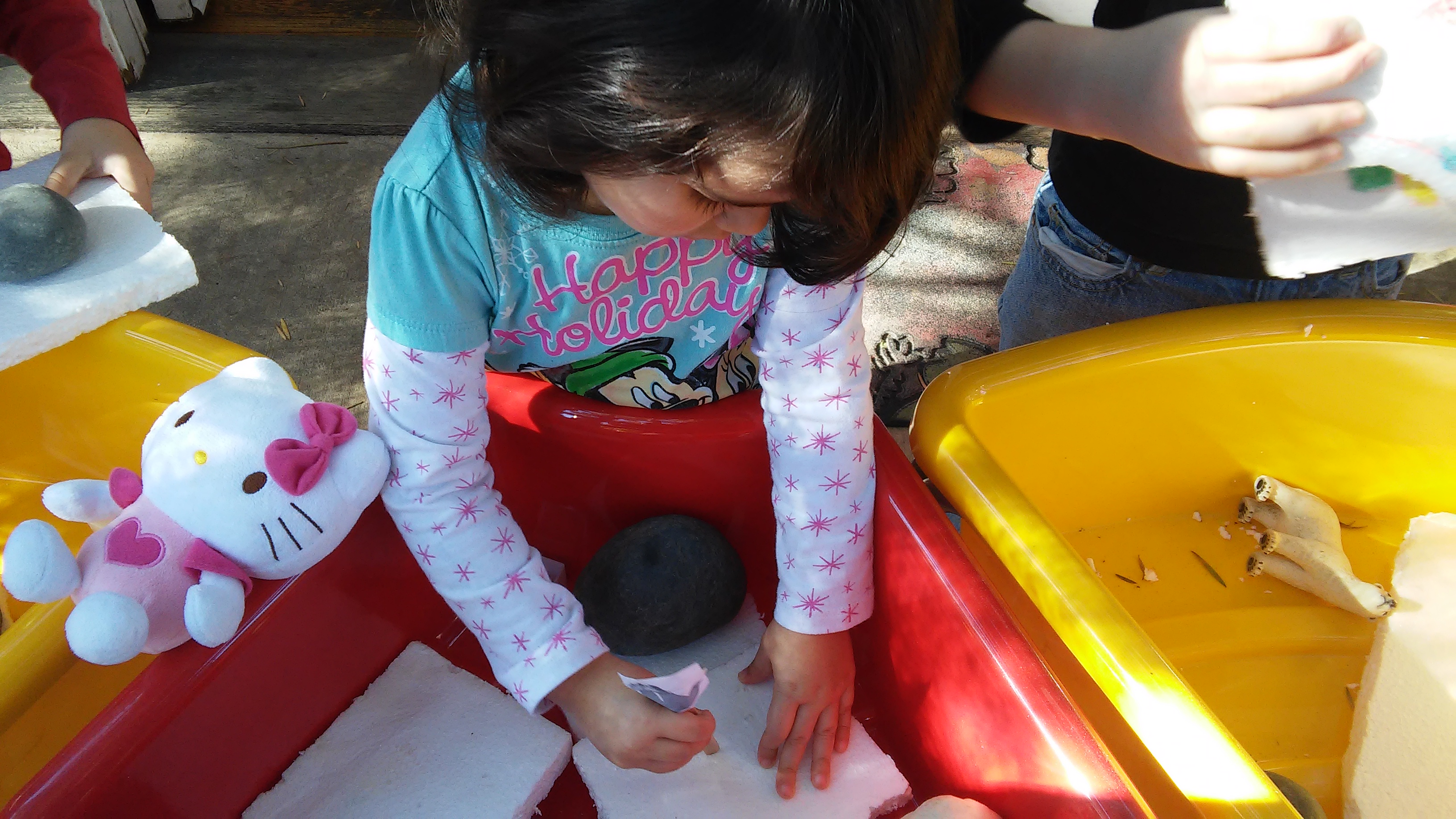
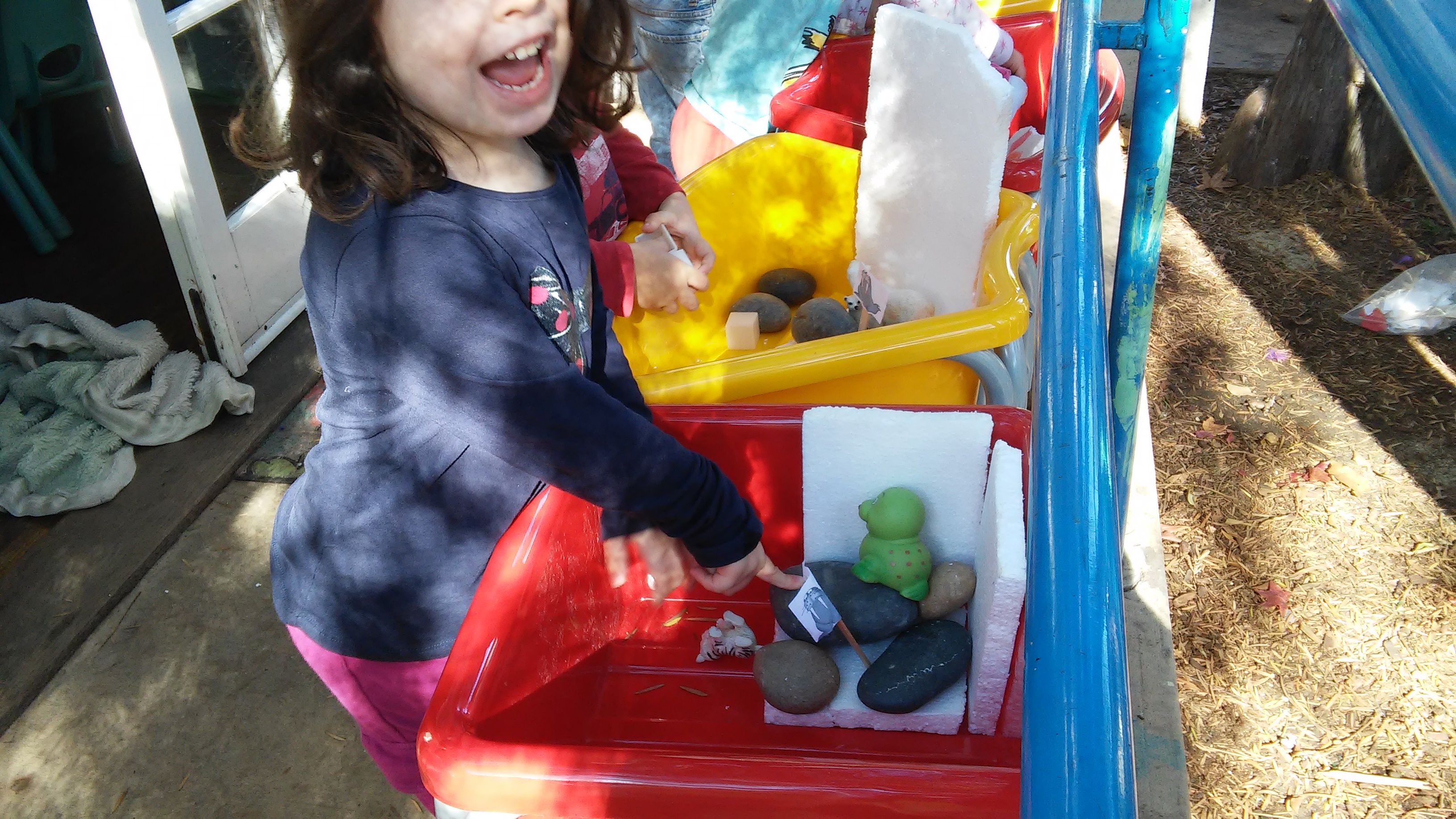
Using large styrofoam as ice, rocks, and walruses, your little one created their very own winter wonderland!

20141128_104552

We began this activity with a discussion and review of the various arctic animals that we have been learning about.

20141128_104603

We then talked about where these creatures lived.

20141128_104718

Our discussion concluded with a review of the new vocabulary that we have been learning, such as glacier, albatross, walrus, Antarctica, and leopard seal.

20141128_104609

Your little explorer then happily constructed the perfect living space for his walrus. This was the definite favorite for the week, as your little one applied their understanding of various vocabulary and scientific concepts.

20141128_104422

Fine Motor Snowman

Fine motor activities are the most difficult for young children to practice on a consistent basis.

20141129_122812

Because they are mobile and constantly on the move, they tend to prefer gross motor activities such as jumping, running, pulling, and pushing.

20141129_123010

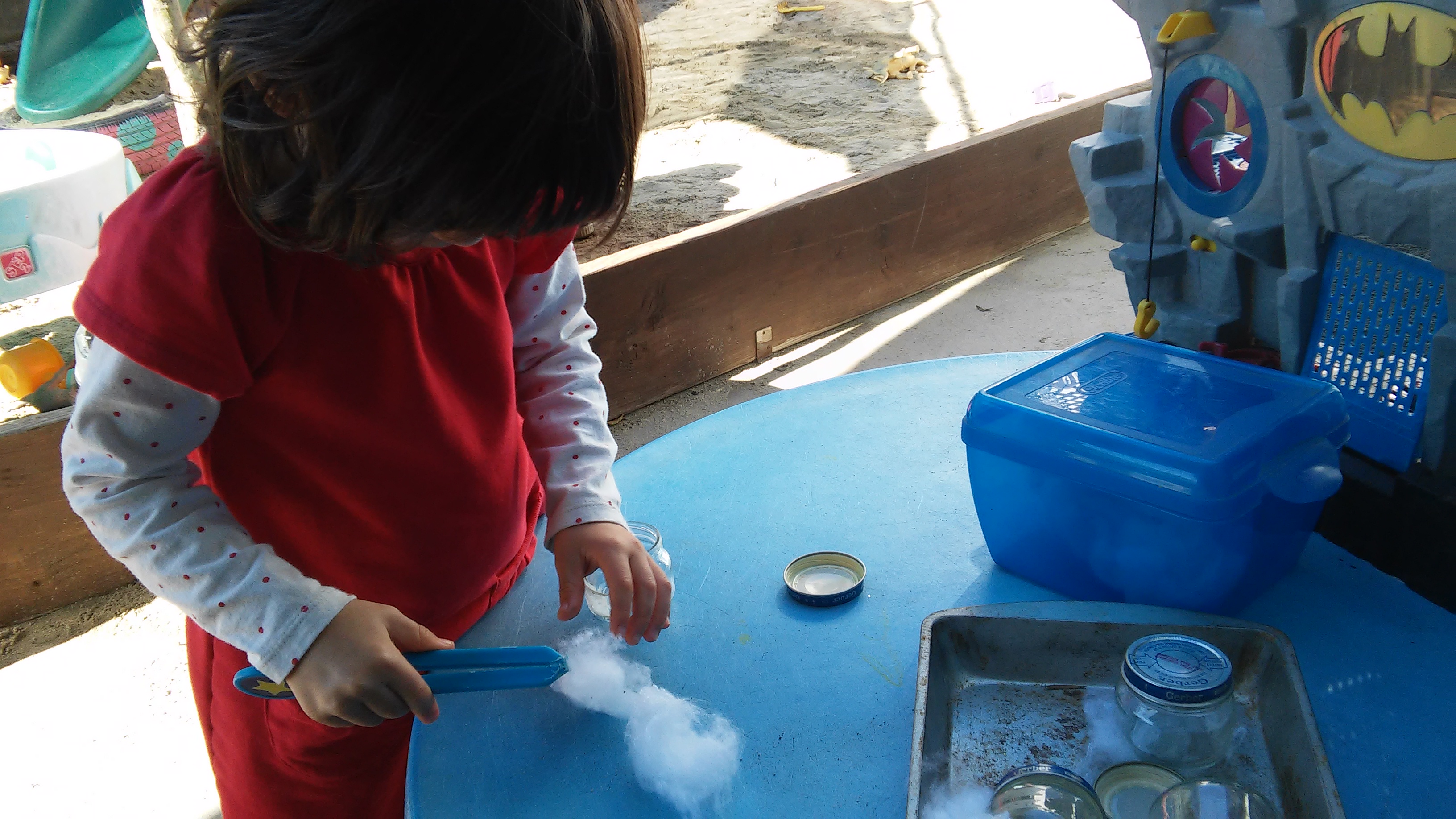
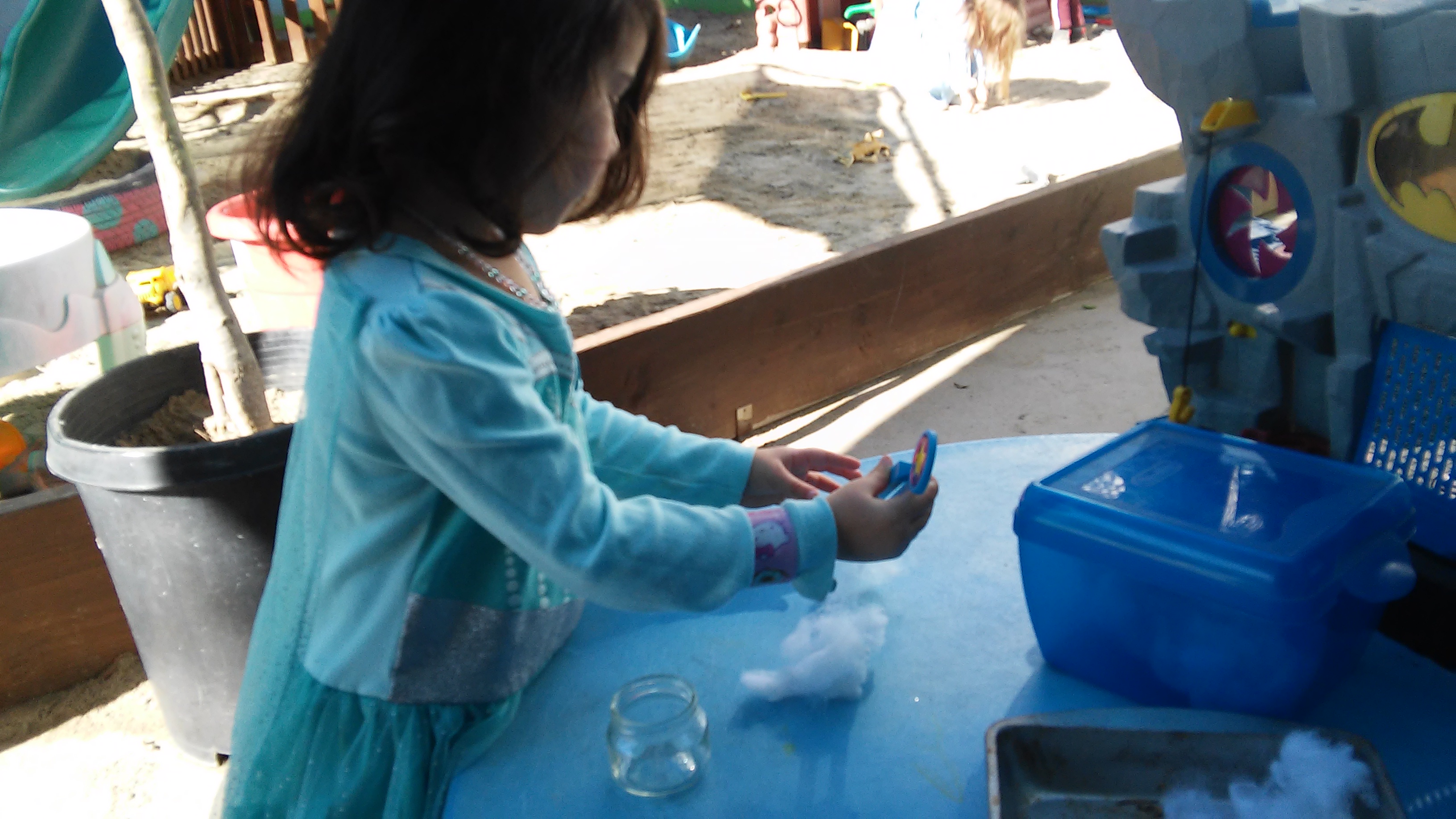
To continue to hone these necessary skills, your little one participated in a special activity designed to build and refine the small muscles in their hands.

20141129_122331

Experiences such as these aid your little one’s ability to grasp a writing instrument, manipulate tiny objects, and handle scissors. For this activity, your little one was directed to grab cotton with a large pair of tweezers. Their task was to maintain a firm grip on the cotton as they placed it into the jar.

20141129_122411

20141211_161756

Kwanzaa Kinaras

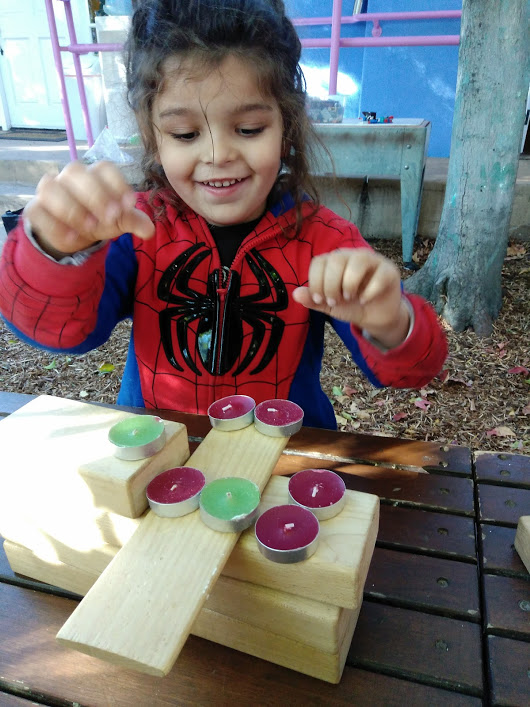
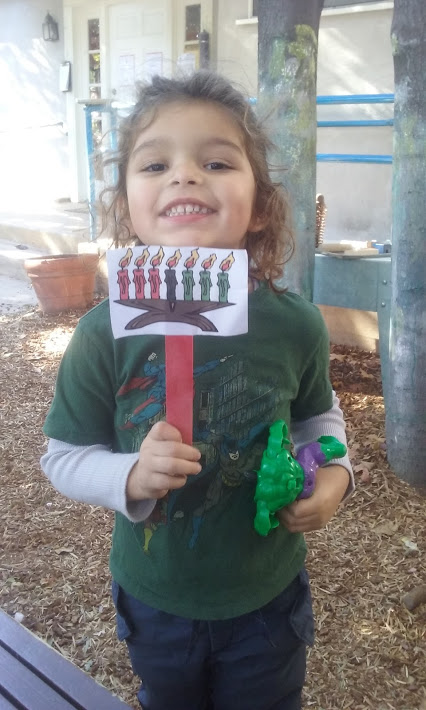
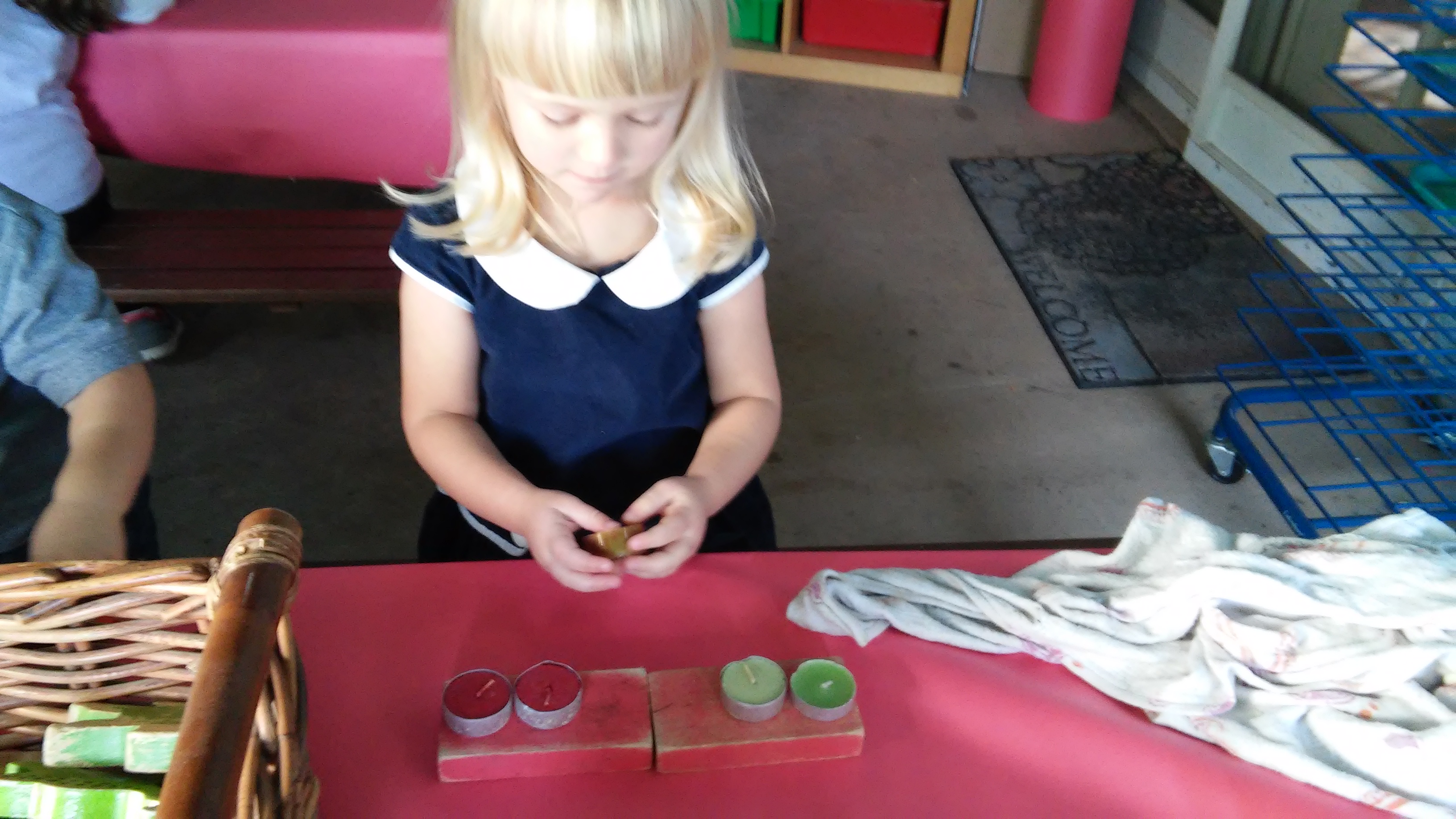
During Kwanzaa, candles are placed in a special candleholder called the kinara.
kinara2
There are seven candles used, each representing one of the seven principles of Kwanzaa.
kinara
Using blocks, craft sticks, and tea light candles, we constructed our own kinaras!
trikin3
We learned new words associated with the seven principles, and applied our understanding of their meanings throughout the week during circle time.
kinara1
 Every day we would hands and chant “umoja” as we discussed preschool-friendly words (friendly, caring, helping) associated with the Kwanzaa principles of unity, self-determination, and collective responsibility.
kinara3
kinara
We incorporated these principles through singing, games, chanting, and musical demonstrations for one another. These activities helped your little ones understand how different people might celebrate the holidays during the same time as they do, but in a different way.

Ice Fishing

Animals use a number of tactics during the winter months to survive.

icefish

Polar bears will hibernate, while certain types of birds migrate to warmer climates. Fish remain in rivers and lakes during winter, making ice fishing a popular activity for people living in colder climates.

icefish1

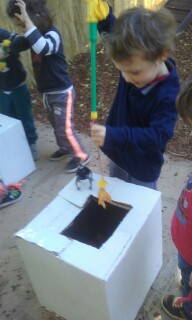
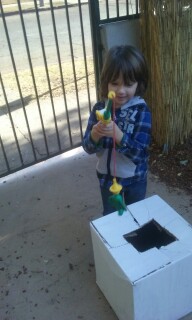
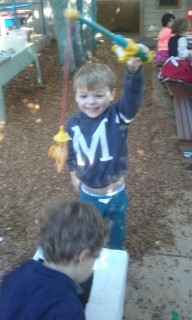
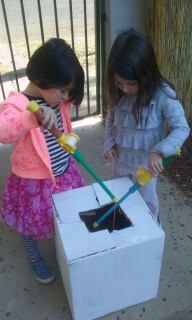
Using a box covered with white paper to resemble ice, fishing poles, and magnetic fish, we went ice fishing!

icefish4

To truly understand the definition of a concept of a word, young children must act physically on a concept in which the word is used.

icefish5

When children have tested a concept by exploration and manipulation, then it has meaning.

icefish2

Ice fishing provided the avenue to explore new vocabulary, which included the words fishing pole, casting, and reeling.

icefish3

Kwanzaa Abundance Bowls

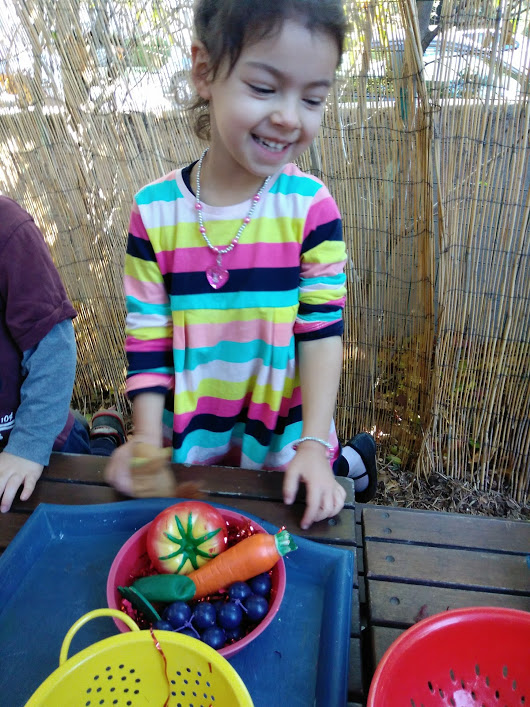
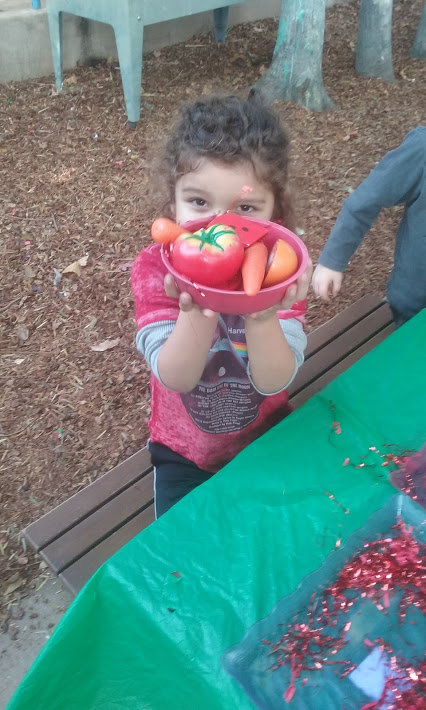
One of the traditions of Kwanzaa is to place fruit in a basket on the table to  symbolize a bountiful harvest.

abundance2

These centerpieces or “bowls” may also be adorned with candies, flowers, corn, and other symbols of abundance.

abundance

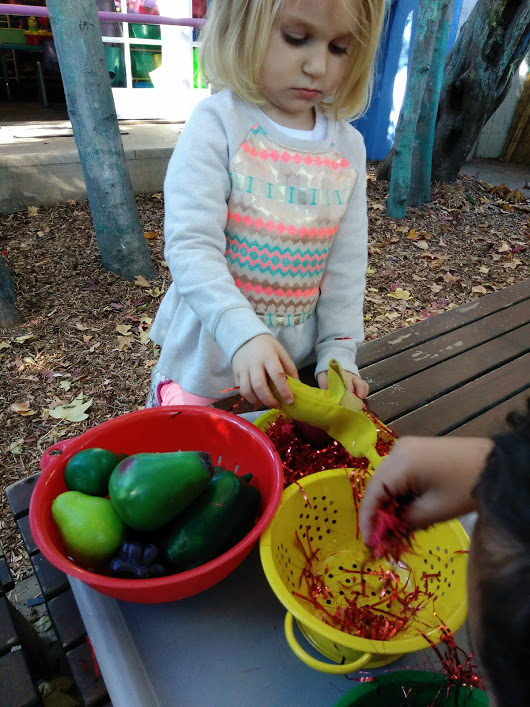
Using plastic fruit and silk flowers, we constructed our very own centerpieces!

abundance1

Teaching young children about the benefits of fruits and flowers, and what they represent (abundance), instills gratitude for the things they may take for granted (food), and fosters a sense of piosity for the environment.

bowl2

The act of placing the items into the bowl encourages the application of physical properties (how much to allow the flower to stand straight, how much space to allot for all of them items), and handling different materials engages their senses and imaginations.

abundance6

Walrus Puzzle

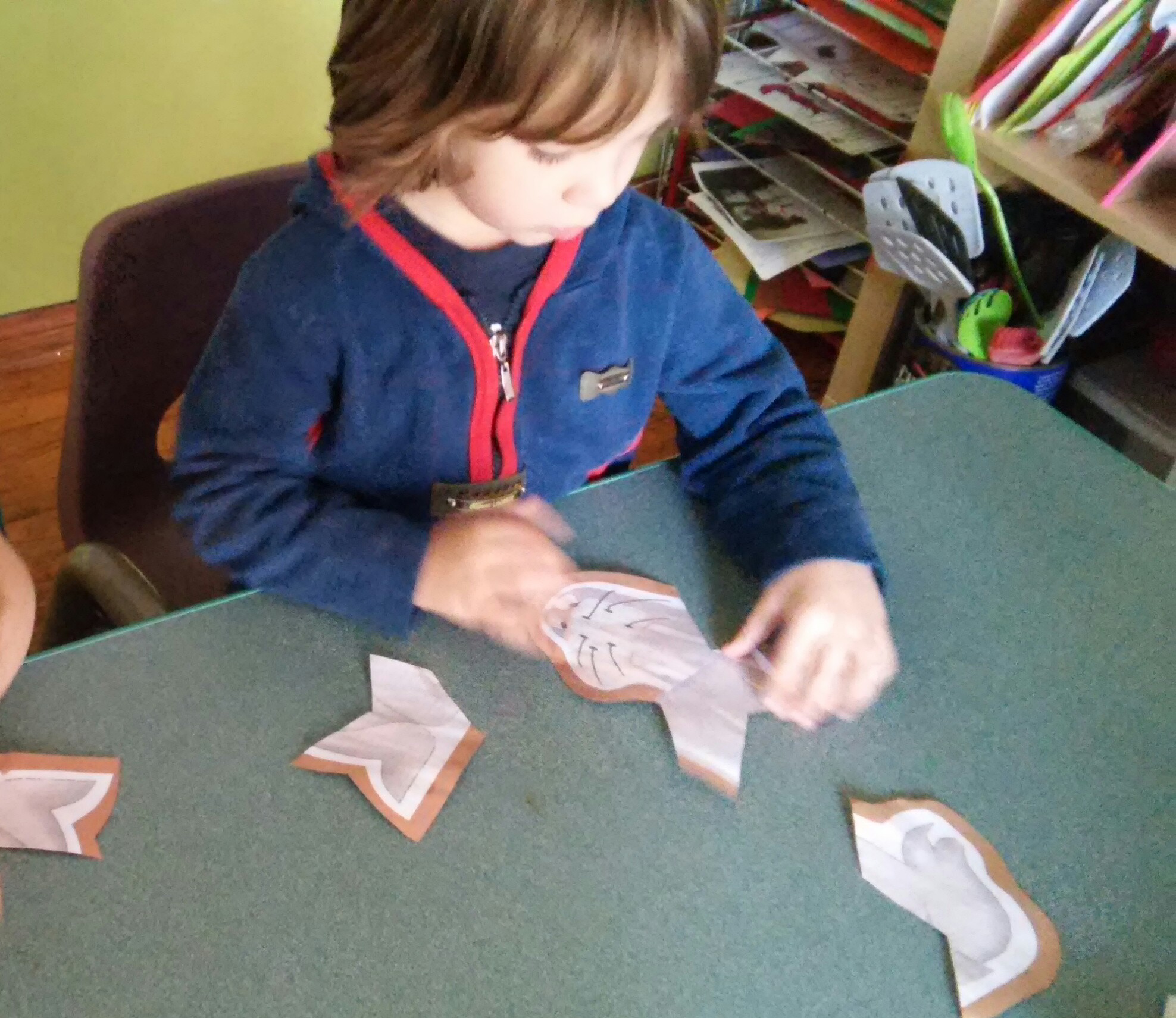
Using pre-cut pictures, we practiced putting walruses together! Puzzles help young children build the skills they need to read, write, solve problems, and coordinate their thoughts and actions – all of which they will use in school and beyond. They also help them begin to recognize colors and shapes, and come to realize that the sum of parts make up a whole – a concept that will help them with math later on. By arranging pieces into the puzzle, your little one also develops the muscle group used for writing, or the “pincer” grasp.

20141208_144905-1

Christmas Tree Shapes

When you look out your window, you may not be saying it, but your mind is noticing and identifying the green trees, brown rectangle buildings, square windows, and blue sky. Color and shape are ways children observe and categorize what they see. These very recognizable characteristics encourage children to define and organize the diverse world around them.

These first teachings in preschool and kindergarten are basics that your child needs to know before she learns the “other basics” of reading, writing, and math. Understanding color and shape is a tool for learning many skills in all curriculum areas, from math and science to language and reading. For example, when your child learns to discern the similarities and differences between colors and shapes, she is using the same skills she needs to recognize the differences between letters and numerals.

20141210_152529

We all use shape as a way of identifying and organizing visual information. Very early, your child begins to make a connection between familiar objects and their shapes. Changes in these can be surprising. For example, at first he may not want to eat round waffles or square cookies. But once he experiences this new shape information (and finds out it is still delicious!), he can easily integrate the new shape into his pantheon of shape knowledge.

20141210_153030

When your child explores different shapes, she is using one of the most basic educational processes: the observation of same and different. This concept provides her with a basic process that she will be able to use in observing, comparing and discussing all she sees and encounters.

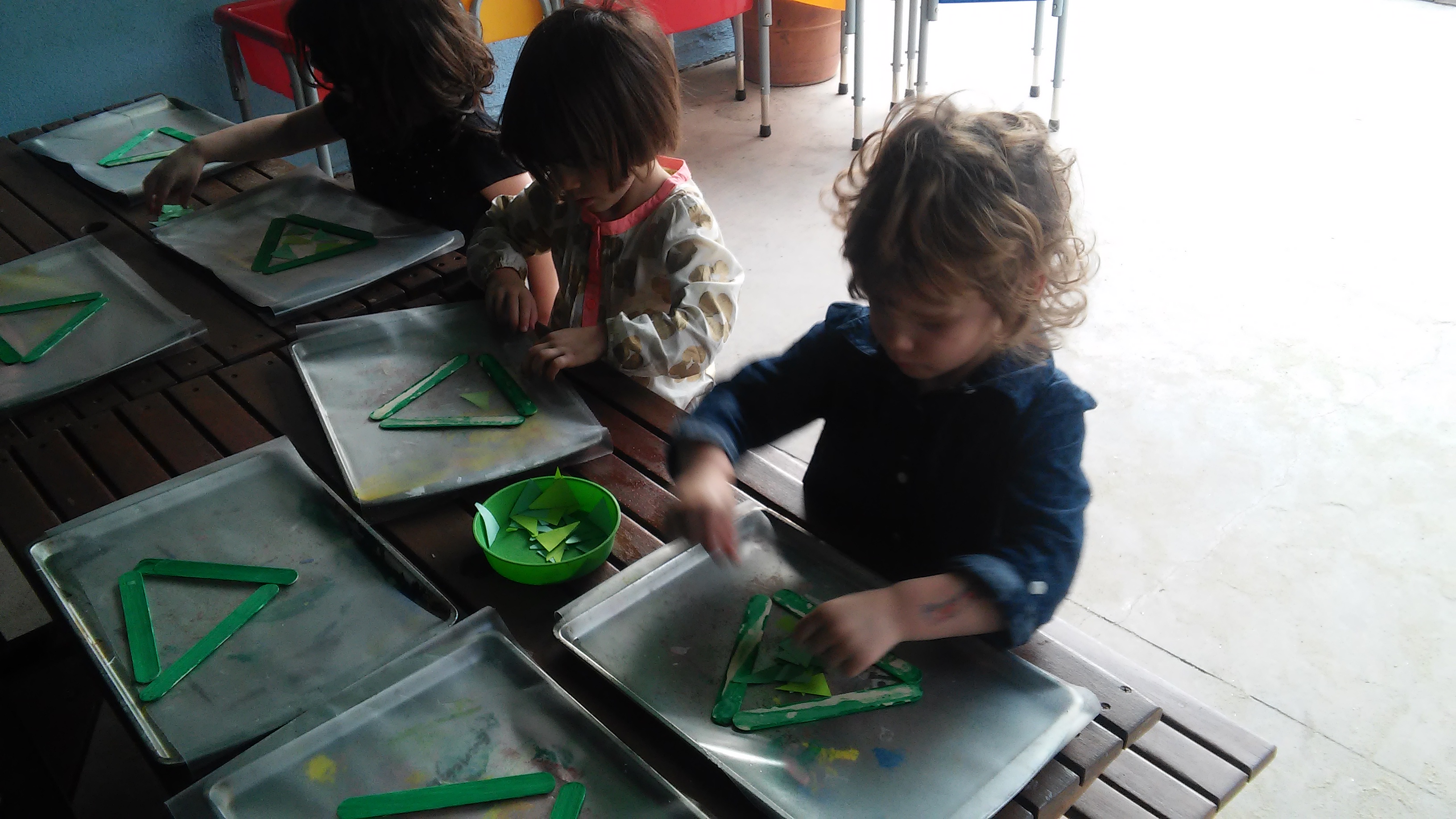
For this activity, we created Christmas trees using craft sticks, paper, and contact paper. Your child was directed to place pre-cut pieces of paper onto the contact paper, manipulating space to fill in and complete the triangle.

Letter W Flour Tracing

Writing is a skill that most people use every single day, whether it be writing a note to a friend or writing a check to a utility company. Even in the age of technology, the written word is still everywhere. But how do you teach a young child the proper way to write? The first step is simple… pre-writing. Pre-writing is learning the skills necessary to begin writing. Pre-writing is an important step because it teaches children the correct way to hold a pencil, how to use a good, firm grip, and emphasizes the use of fine motor skills. Pre-writing also helps children with the development of hand/eye coordination, learn that words go left to right, and that lines of writing go top to bottom on a page.

20141211_104403

Ideally, the first materials used are not markers and pencils but materials that allow children to strengthen the muscles in their hands needed to properly hold writing implements. We add a tactile (kinesthetic) component when we practice shaping the letters with different materials. Shaping letters with dough, tracing them on textured paper cutouts, and writing in the sand or salt trays all help children internalize the shape of the letter, while developing their fine motor skills.

20141211_104412

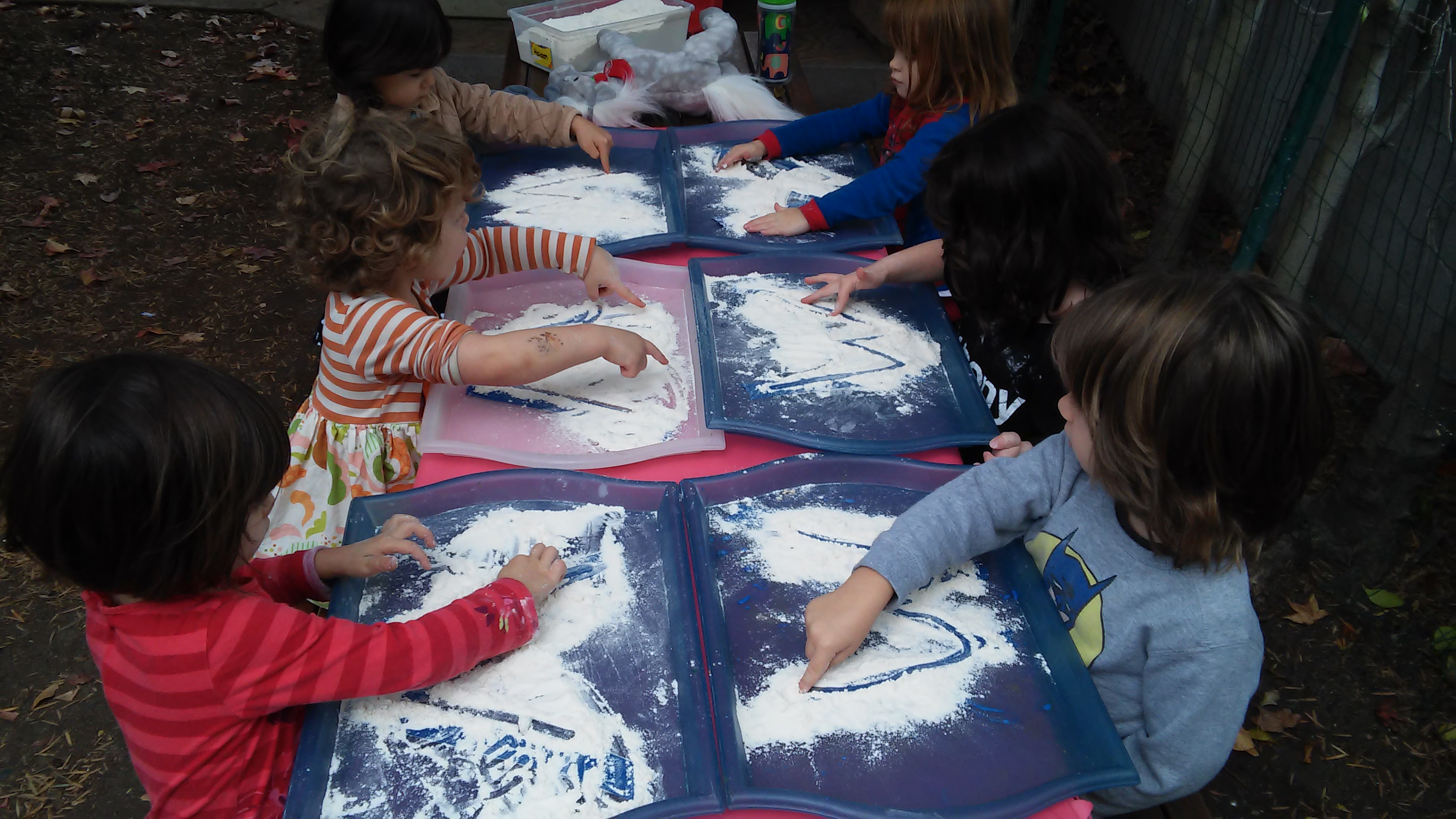
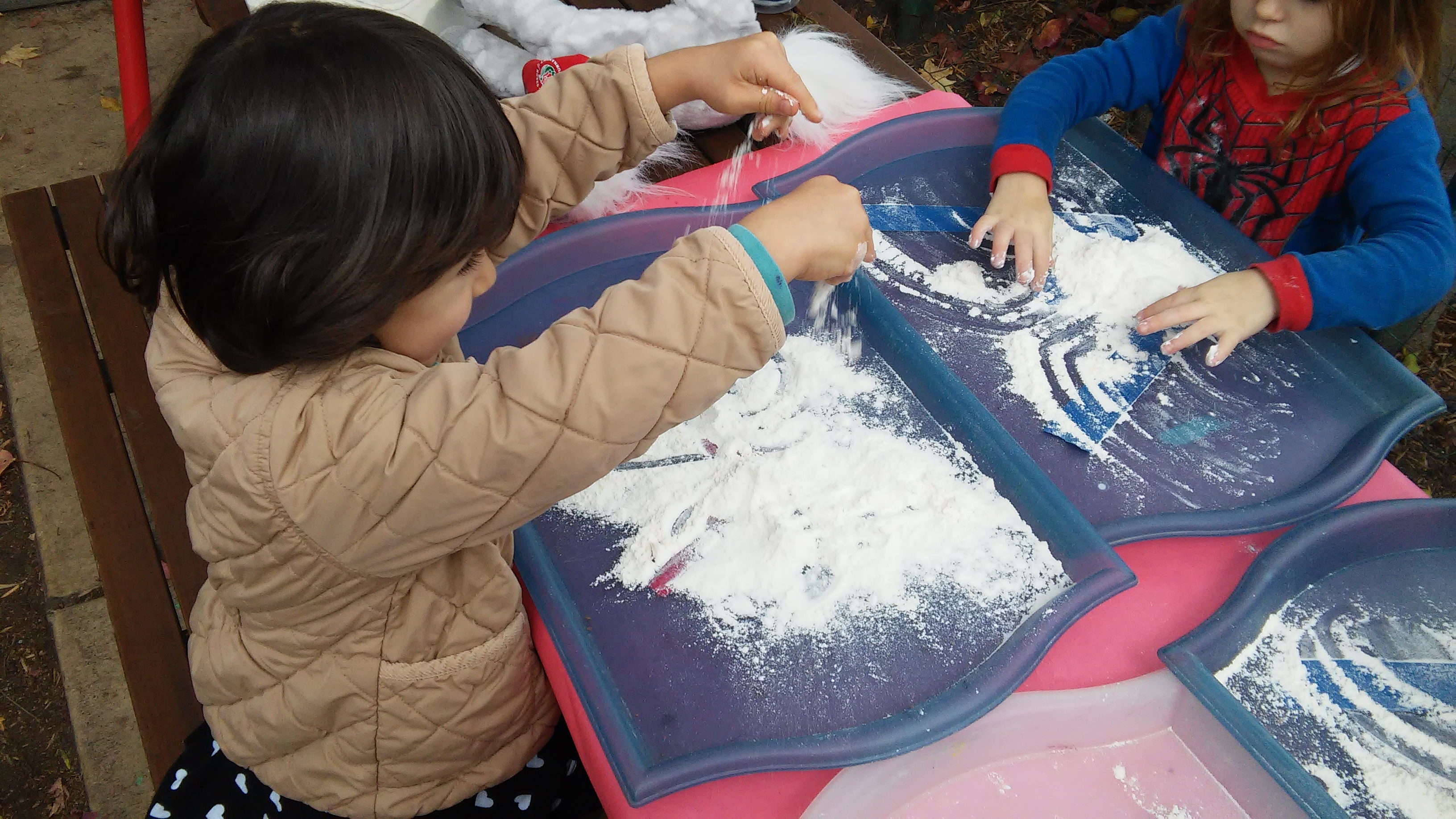
For this activity, we practiced tracing the letter W with flour! Your child was directed to trace the letter W into the flour. Doing so helped your child develop stronger familiarity with the structure of W, integrating the sense of touch to create a visual representation of the letter.