Rubber Gloves, Walruses, and Blubber

Walruses deposit most of their body fat into a thick layer of blubber – a layer of fat reinforced by fibrous connective tissue that lies just below the skin.
walblub4

The blubber layer insulates the walrus and streamlines its body. It also functions as an energy reserve.

walblub3

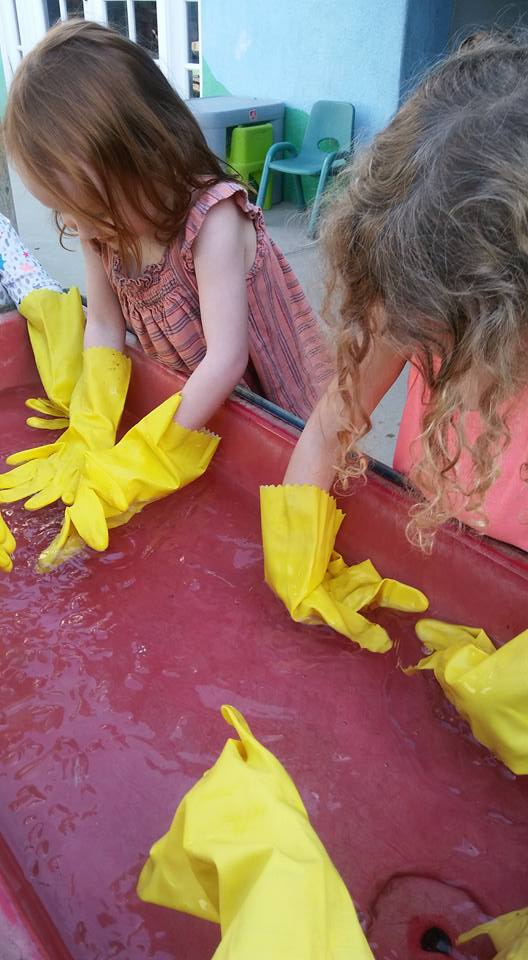
Using rubber gloves, our hands, and ice water, we learned about how our marine friends stay warm in their cold environments! We first dipped our hands into icy water, and talked about words associated with the cold, such as ice, chilly, frozen, icy, and snow!
walblub

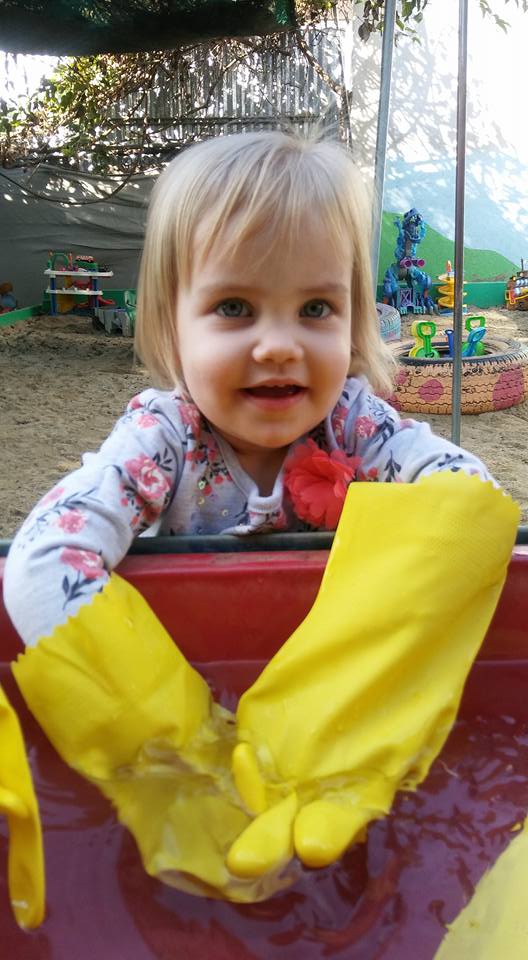
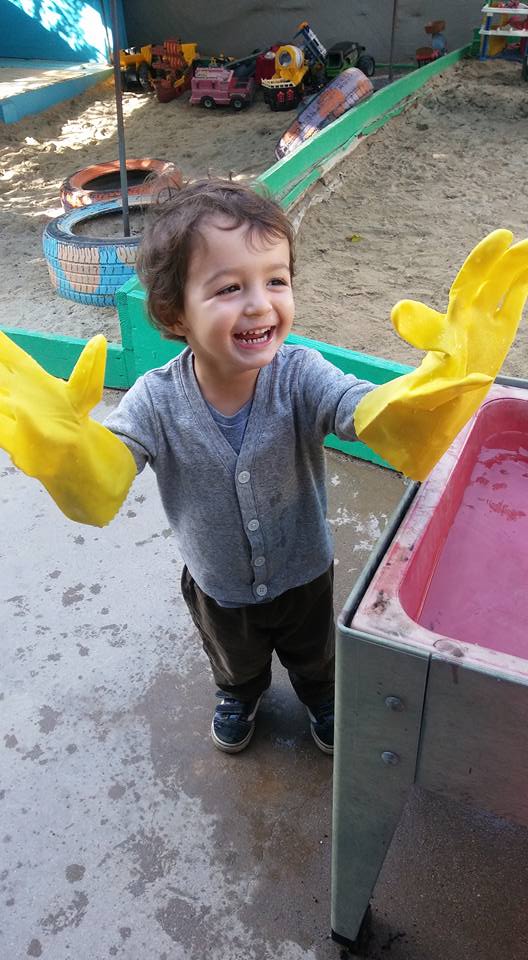
We then talked about what blubber was, and compared it to a thick rubber glove. After that, we put on a rubber glove and dipped our hands again into the water.

walblub2

Each child was then asked whether or not their hand felt warmer or colder with the glove on. Lastly, we talked about other uses for blubber and why some animals need to protect themselves from the cold.
walblub1

This activity allowed your adventurer to explore the concept of animal adaptations through investigation and application.

Large Shape Sorting

Preschool shape activities help your child develop early math skills.

20150129_105832

Although recognizing objects as red or blue, round or square might seem like child’s play, it’s actually integral to a young child’s cognitive development, and sets the stage for math concepts from sorting and patterning to geometry, and beyond!

20150129_105632

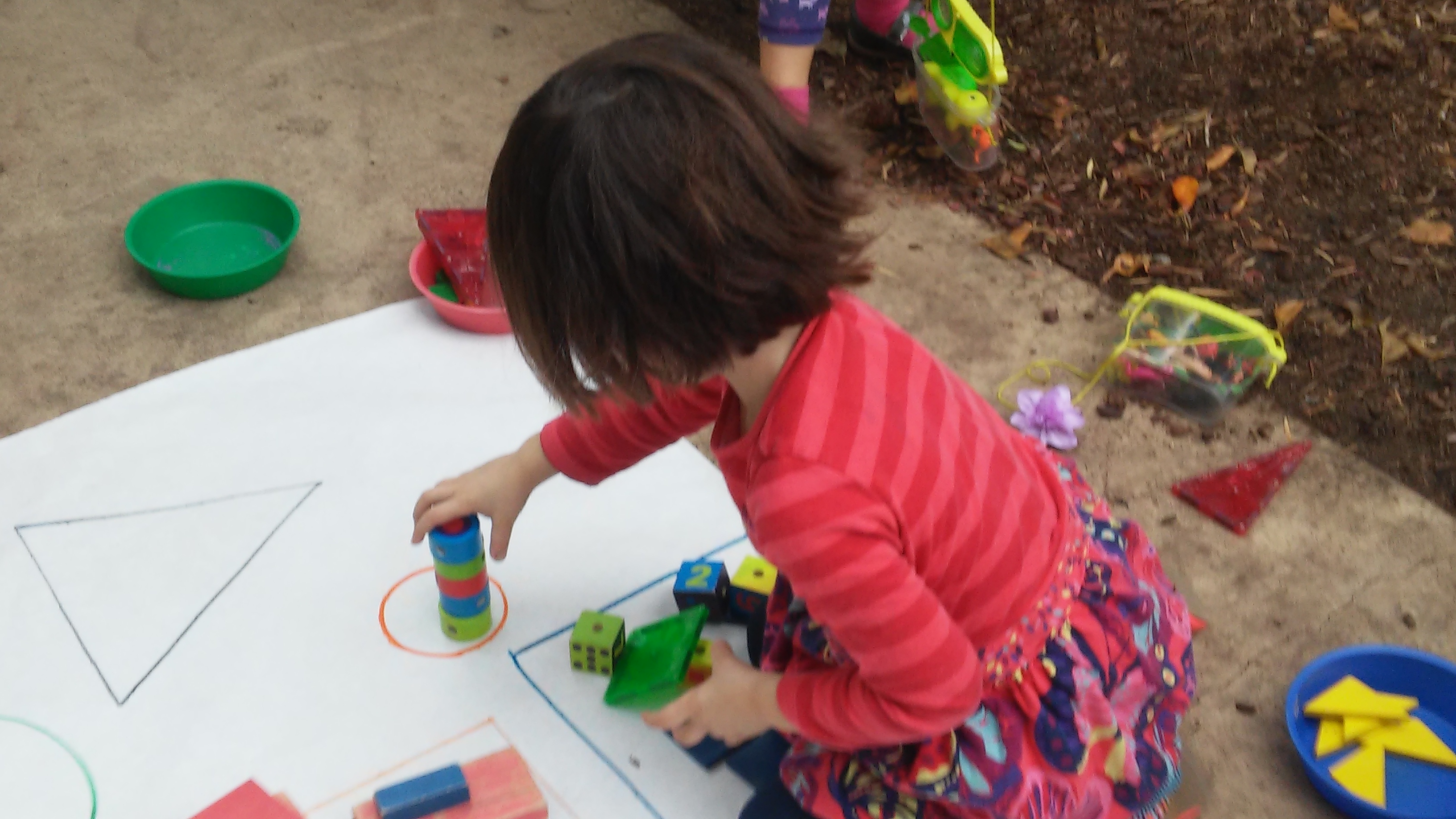
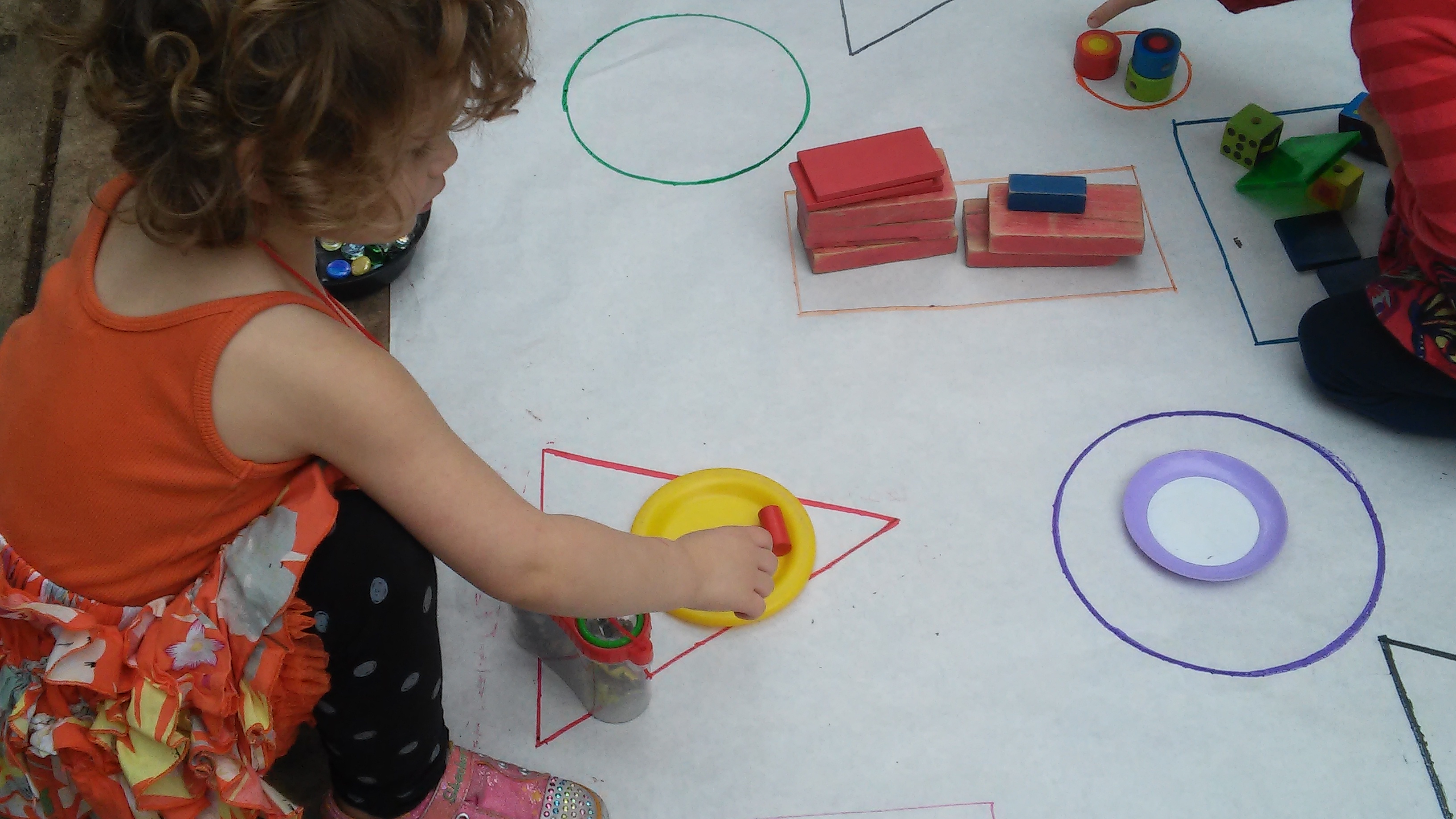
For this activity, we used a variety of objects, such as blocks, legos, plates, jewels, and beads in a sorting activity. Sorting is a beginning math skill. It may seem that a big chunk early math is about learning numbers and quantity, but there’s much more to it. By sorting, children understand that things are alike and different as well as that they can belong and be organized into certain groups.

20150129_105736

Getting practice with sorting at an early age is important for numerical concepts and grouping numbers and sets when they’re older. This type of thinking starts them on the path of applying logical thinking to objects, mathematical concepts and every day life in general.

20150129_105637

Studies have even been shown that kids who are used to comparing and contrasting do better in mathematics later on.

20150129_105650

Gross Motor Music (for the two year-old)

Gross motor skills are movements that help children develop large muscle control in arms, legs and the entire body. As a toddler, it is important for young children to keep exercising these muscles to enable them to run, jump, throw, climb, etc. To target this skill, your little one participated in a gross motor activity that helped them learn the notes on the piano!

20150129_112420

For very young children, music has power and meaning that go beyond words. First, and most important, sharing music with young children is simply one more way to give joy and receive joy. Music and music experiences also support the formation of important brain connections that are being established over the first three years of life.

20150129_112524

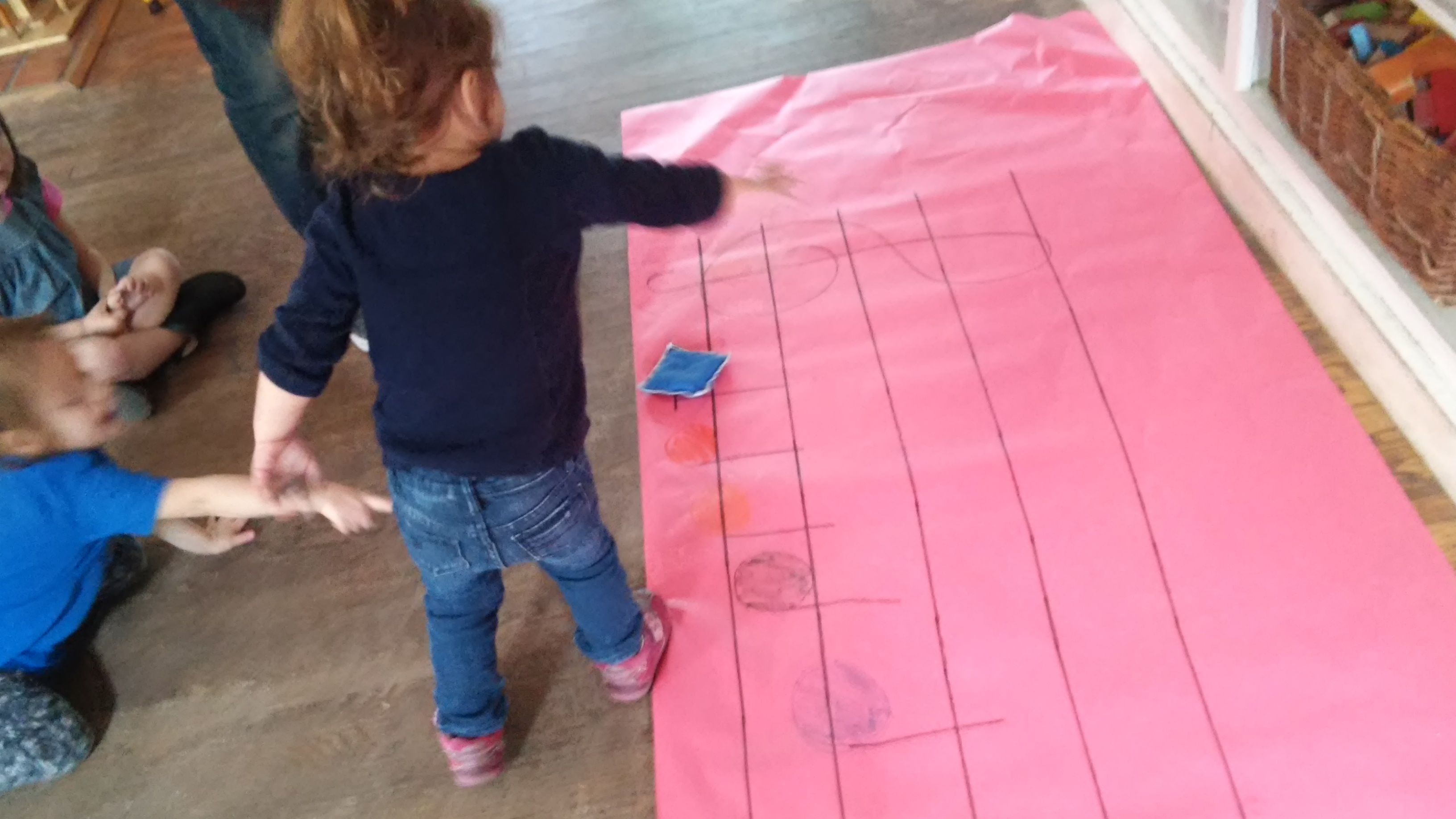
Because note reading is not typically introduced until the elementary school years, our class uses a color system to delineate between different notes. For example, middle C is red, D is orange, and E is yellow. Before starting the gross motor portion of our music class, your budding pianists played around with these three notes, experimenting with the different sounds that they made. They then used a bean bag that they tossed onto a piece of butcher paper. A staff, complete with notes C. D and E, were drawn, and students had to use their “big” muscles to throw the bean bag onto the correct note.

20150129_112359

Scissors and Icicles

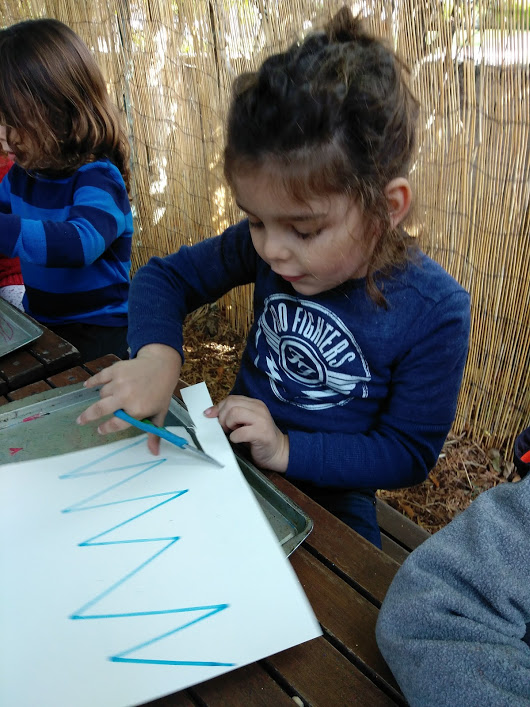
Cutting with scissors requires the skill of hand separation, which is the ability to use the thumb, index, and middle fingers separately from the pinkie and ring fingers.

ice

This can be challenging for a youngster with small hands.

ice1

Although many three and four year-olds have the skills needed to snip and cut, scissor skills are not fully developed until around age six.

ice2

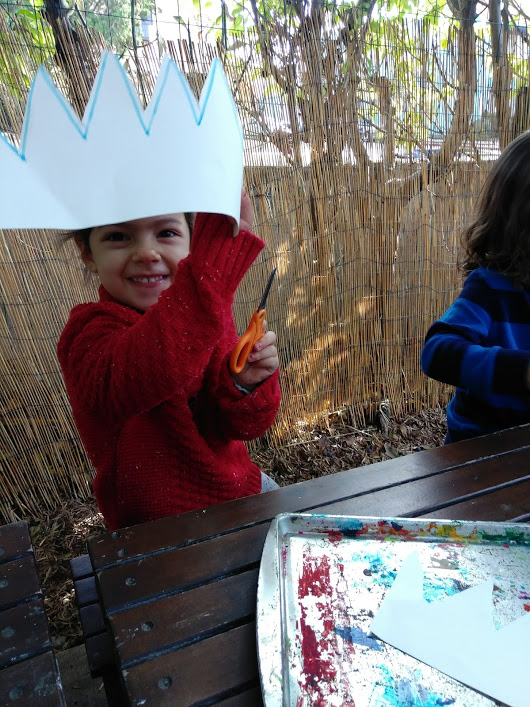
To help your little one practice their cutting skills, we cut out icicles. Following this, they painted a piece of paper blue and attached their “icicles” to it!

ice3