Shaving Cream Clouds and the Water Cycle

Have you ever wondered how clouds form? We all learn the water cycle in school – water falls from the clouds in the form of rain or snow and collects on the ground.

cloudcream

The water on the ground heats up and turns to vapor and the vapor travels up into the atmosphere and creates clouds.

cloudcream1

shaving cream 4

When a rain cloud gets so full of water or mass, the water has to go somewhere and will break through the cloud and start to fall to the ground.

shaving cream 2

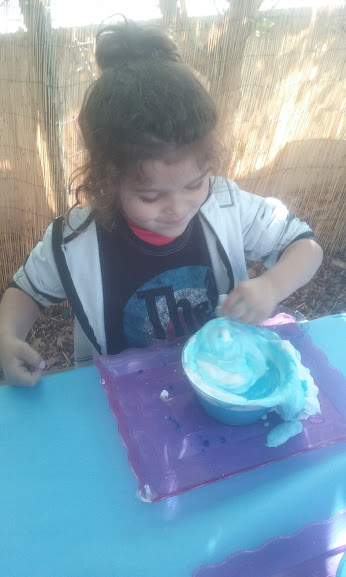
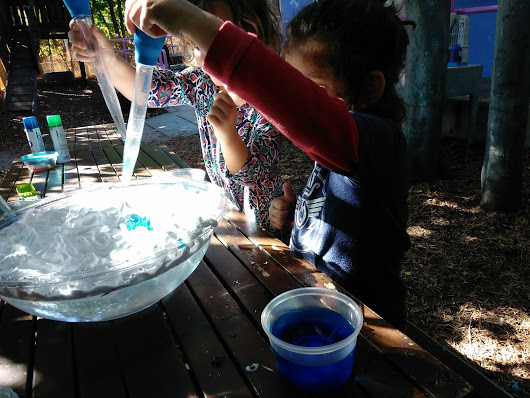
To demonstrate this phenomenon on a preschool level, your child created a shaving cream cloud!

cloudcream4

As they poured or dripped the water over the shaving cream cloud, the blue water started to break through the foamy mass.

cloudcream2

Doing so enable your budding meteorologist to observe their cloud as it gained mass and altered its composition.

cloudcream3

Sound and Water

Sound in water and sound in air are both waves that move similarly and can be characterized the same way. Sound waves can travel through any substance, including gases (such as air), liquids (such as water), and solids (such as the seafloor).

pots

Did you know that sound cannot exist if it doesn’t have something to travel through? For example, sound cannot travel through outer space because it is a vacuum that contains nothing to carry sound.

sound1

Even though sound waves in water and sound waves in air are basically similar, the way the sound levels in water and sound levels in air are reported is very different, and comparing sound levels in water and air must be done carefully.

pots1

When we describe a sound as loud or soft, scientists say that the sound has a high or low amplitude or intensity. Amplitude refers to the change in pressure as the sound wave passes by.
pots4

If you increase the amplitude of a sound, you are making it louder, just as you do when you turn up the volume on your radio. If you decrease the amplitude, you are making the sound softer, just as when you turn down the volume.
pots5

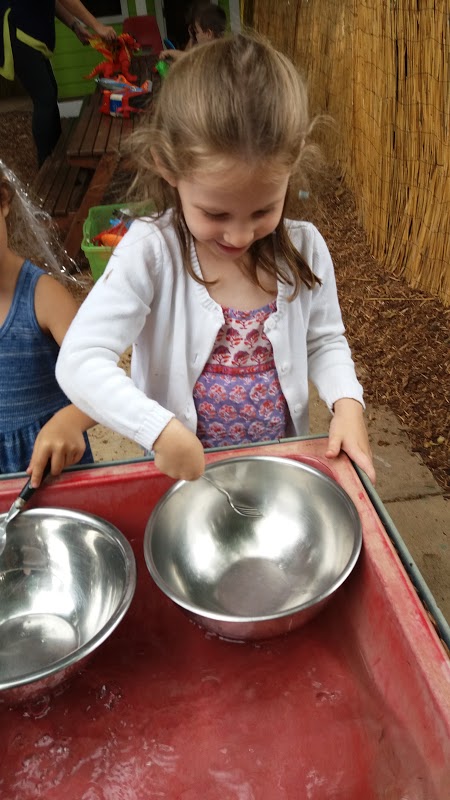
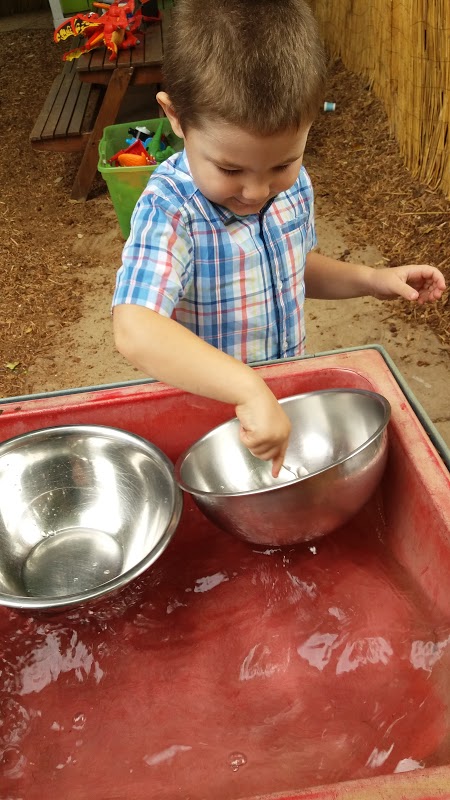
We wanted to see how this happens in the real world, so we did a music experiment with water, drum sticks, and metal bowls! First, we placed some metal bowls into the water table. Using drum sticks, we tapped the bowls, and talked about some of the sounds we heard.

pots7

We used words such as ping, loud, soft, echo. metallic, and thunder. Next, we added water to the water table, and placed the bowls inside. We again tapped the bowls, and talked about any differences we observed. Some students found that they sounded softer in the water, while others thought they sounded louder. For this half of the activity, we used words such as amplitude, sound waves, liquid, and air to describe what we were hearing.

pots8


Rabbit Burrows

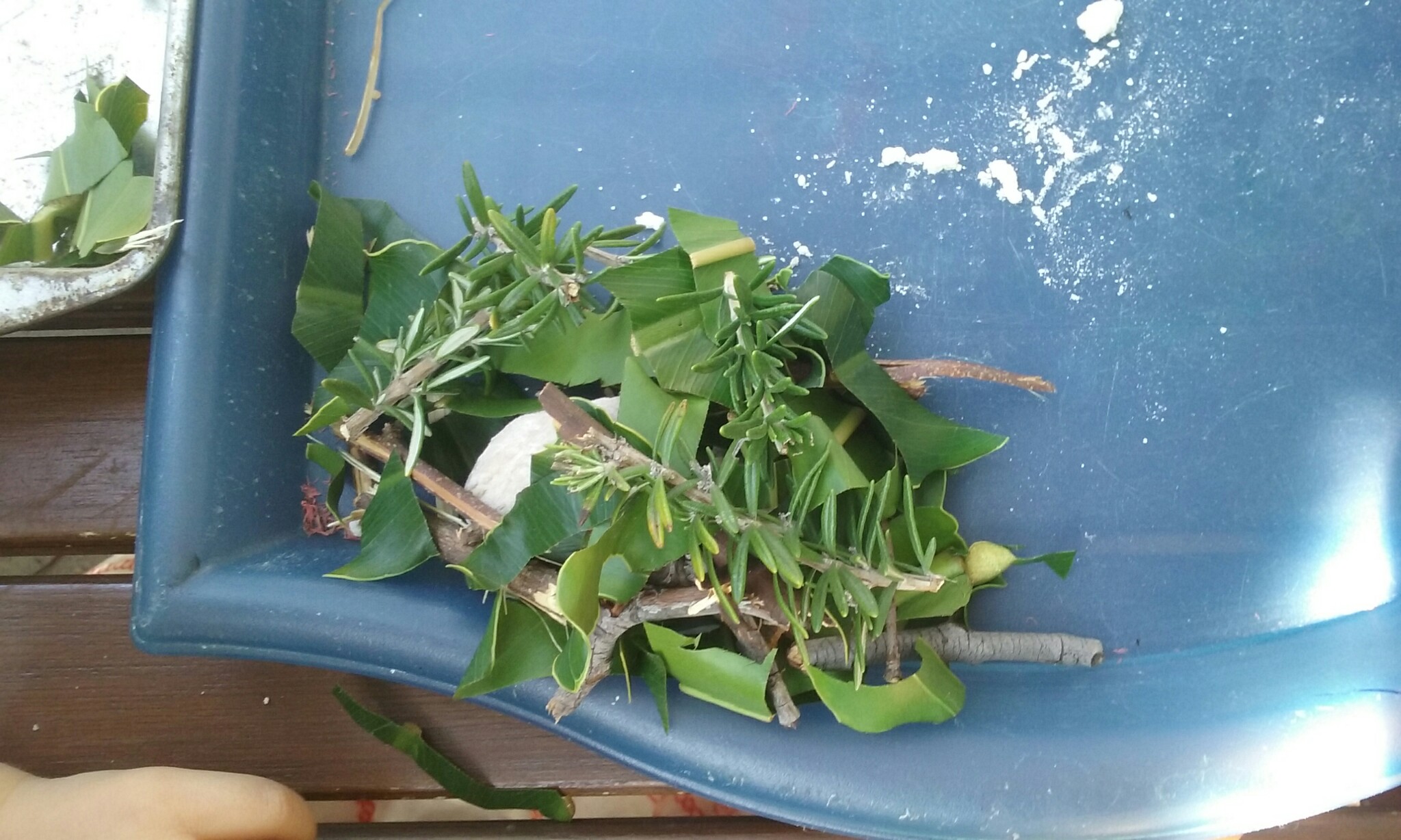
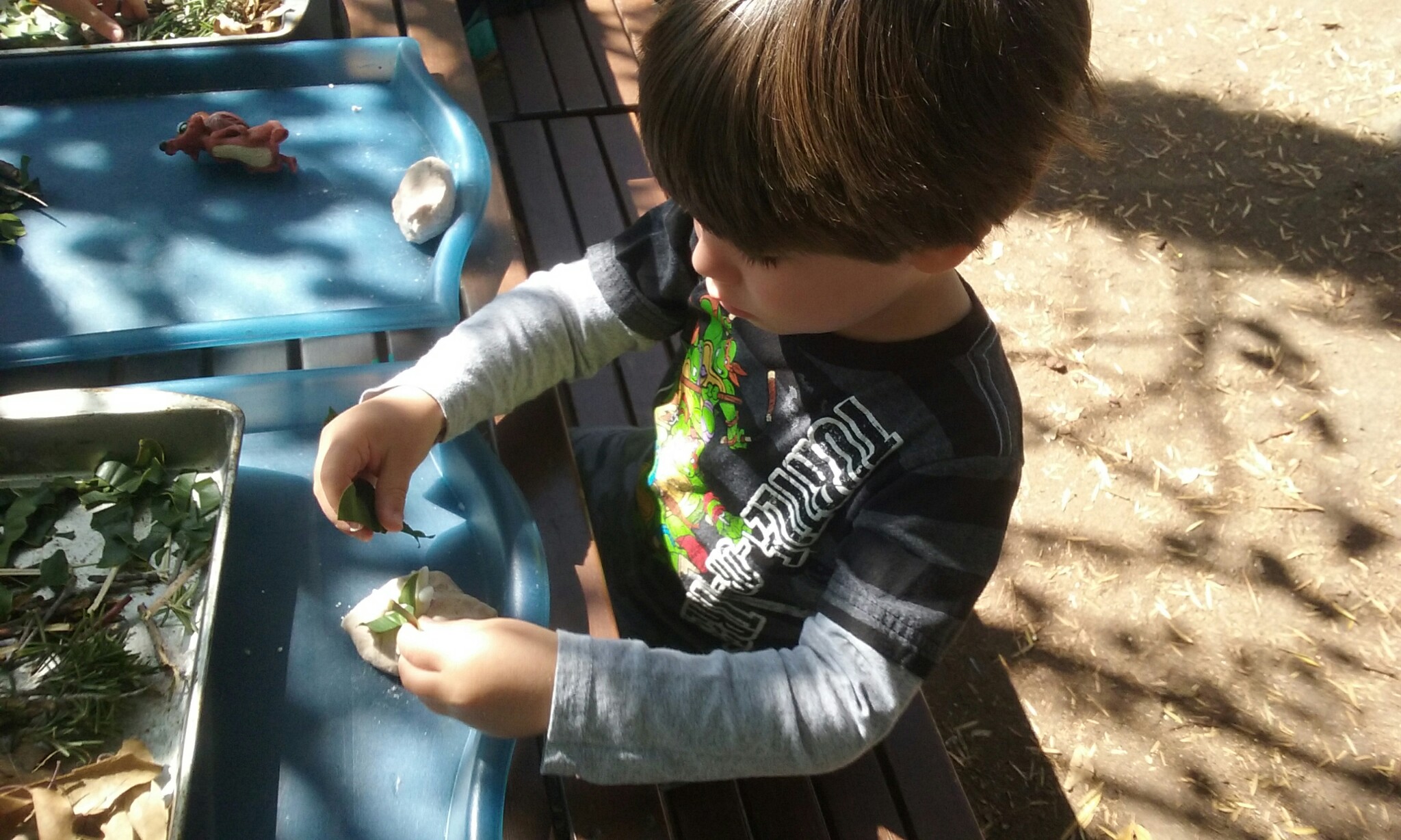
Rabbits live in burrows, so we made our very own! Using play dough as a medium and small plastic rabbits, we created habitats for our rabbits that included a nest, a place for food, and an area for sleep!

burrow1

rabbit3

This activity also revisited and reinforced vocabulary words such as inside, outside, under and over.

burrow2

rabbit4

Using play dough helped your little one practice using certain physical skills with their hands as they manipulated the dough with their fingers.

burrow4

rabbit

Children can also practice skills such as pinching, squeezing or poking while they play with play dough.

burrow3

rabbit7

Lastly, using play dough helps a child practice using their imaginations while they exercise other cognitive skills such as imitation, symbolism and problem solving.

burrow5

rabbit6This helps your little ones learn more about their environment as they make and mimic everyday objects with the play dough.

rabbit2


Stack ‘Em, Don’t Crack ‘Em!

Strategically planned tape measure activities can make for an engaging, hands-on math lesson.

STACKCRACK

Teaching your child to use a tape measure helps him develop his measurement and estimation skills, while familiarizing him with basic units of measurement. These skills are needed for life in the real world and act as a foundation for more advanced math concepts.

tack1

For this activity, students were given a pile of “egg halves”. They were then instructed to stack the eggs, one at a time, until their pile “cracked” (or fell).

STACKCRACK1

Once they determined the adequate amount of eggs required for the perfect tower, they were given a tape measure to measure their creation!

eggstacking

Easter Egg Sequences

With the help of plastic eggs and a board of colorful illustrations, we created varying sets of sequences, both counting and creating patterns to enhance cognitive and mathematical skills.

egg sequence2

seq

The children delighted in the variety of sequences, and loved counting and predicting what the next egg was on the board.

eggsequence

Searching for Chicks

Children love sensory activities, so we hid baby chicks in little sensory tubs while everyone searched for them!

egg3

Our little ones delighted in finding their baby chicks (and eggs) laughing, and gleefully announcing their discoveries!

egg

Sensory play gives our students the opportunity to explore and engage in meaningful experiences.

egg2

As we share dialogue with them about what they are observing and sensing, we give them new language tools to connect with these more familiar sensory tools, building language as well as supporting cognitive concepts specific to the experience.

egg1

Chicken Puzzles

From toddlers to adults, people love to solve puzzles. Puzzles are intriguing, the goal is clear and when you solve them, you get that sense of accomplishment that makes us all feel good about ourselves. Preschoolers can play with puzzles without even realizing how many skills they are developing. In order to solve a puzzle of any kind, your child needs to stop and think about how to go about reaching her goal. When using a board puzzle, she develops a strategy on how she will try to place each piece in the correct space in order to make all of the pieces fit.

45g

She uses her problem-solving skills by developing solutions in order to accomplish completing her goal, just as she will use these skills during the course of her adult life. Puzzles can help a preschooler develop important cognitive skills. Your child will be asked to take step-by-step directions during his impending school career, and puzzles help him develop the ability to accomplish goals one step at a time and to understand why certain tasks need to be done in this manner. They can also help your preschooler develop visual spatial awareness because of the many colors, shapes and themes they come in. This activity involved your preschooler in putting pieces of a chicken together. There were a variety of puzzles, so each time your little one attempted to put the pieces together, he had to start all over again with the same puzzle broken into different shaped pieces.

324

Four Leaf Cupcakes

Playdough play at home or school supports development and learning in many areas. When children use playdough, they explore ideas and try different approaches until they find one that works.

366

They compare and contrast objects (“Mine’s a fat pancake and yours is skinny”), actions (“No, don’t cut it! Scrape it, like this”), and experiences (“We’re not making a snake—we’re making a road”).

765

In their experimenting, children come up with their own ideas, satisfy their curiosity, and analyze and solve problems.

674

These are all skills that help children learn and succeed in school.

755

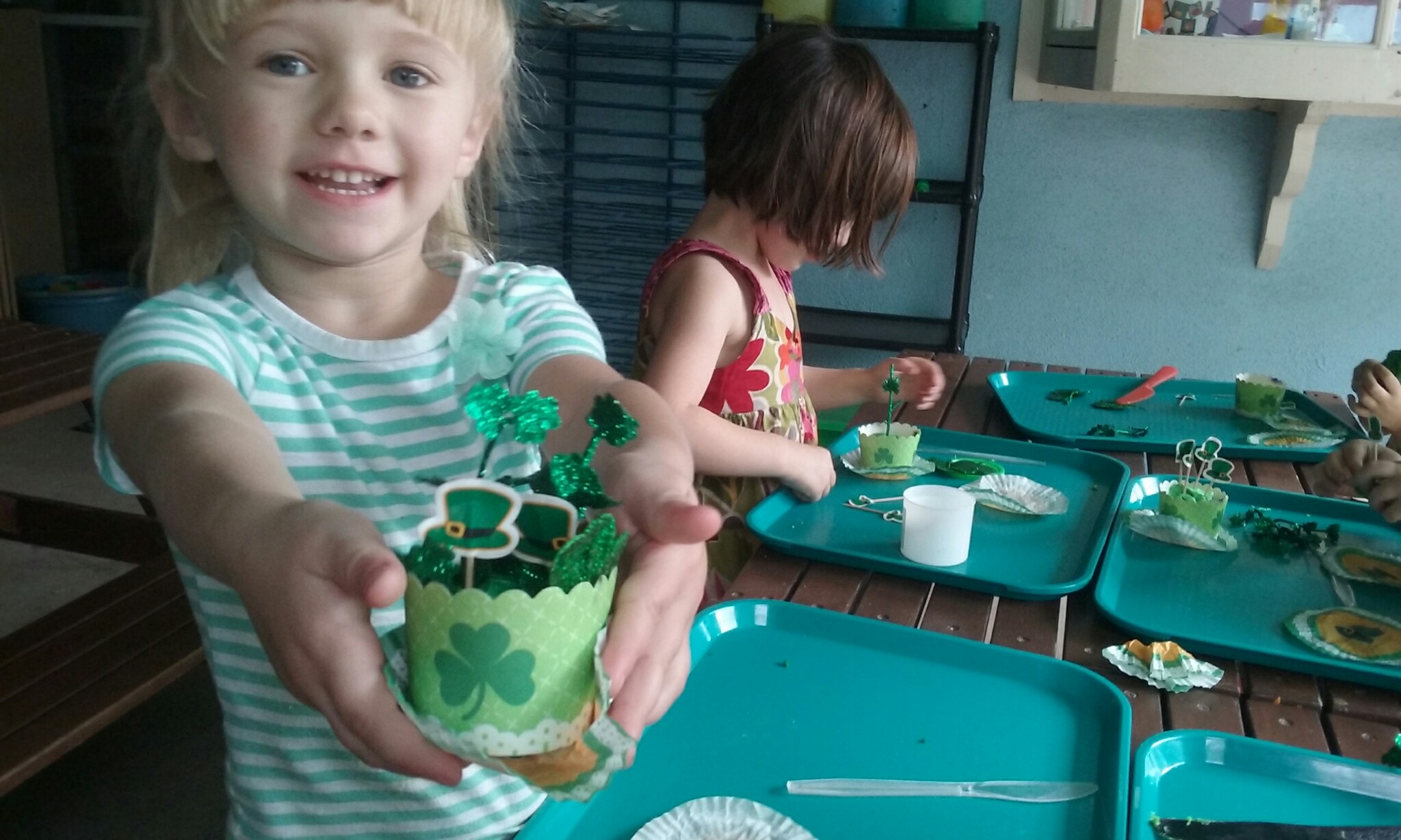
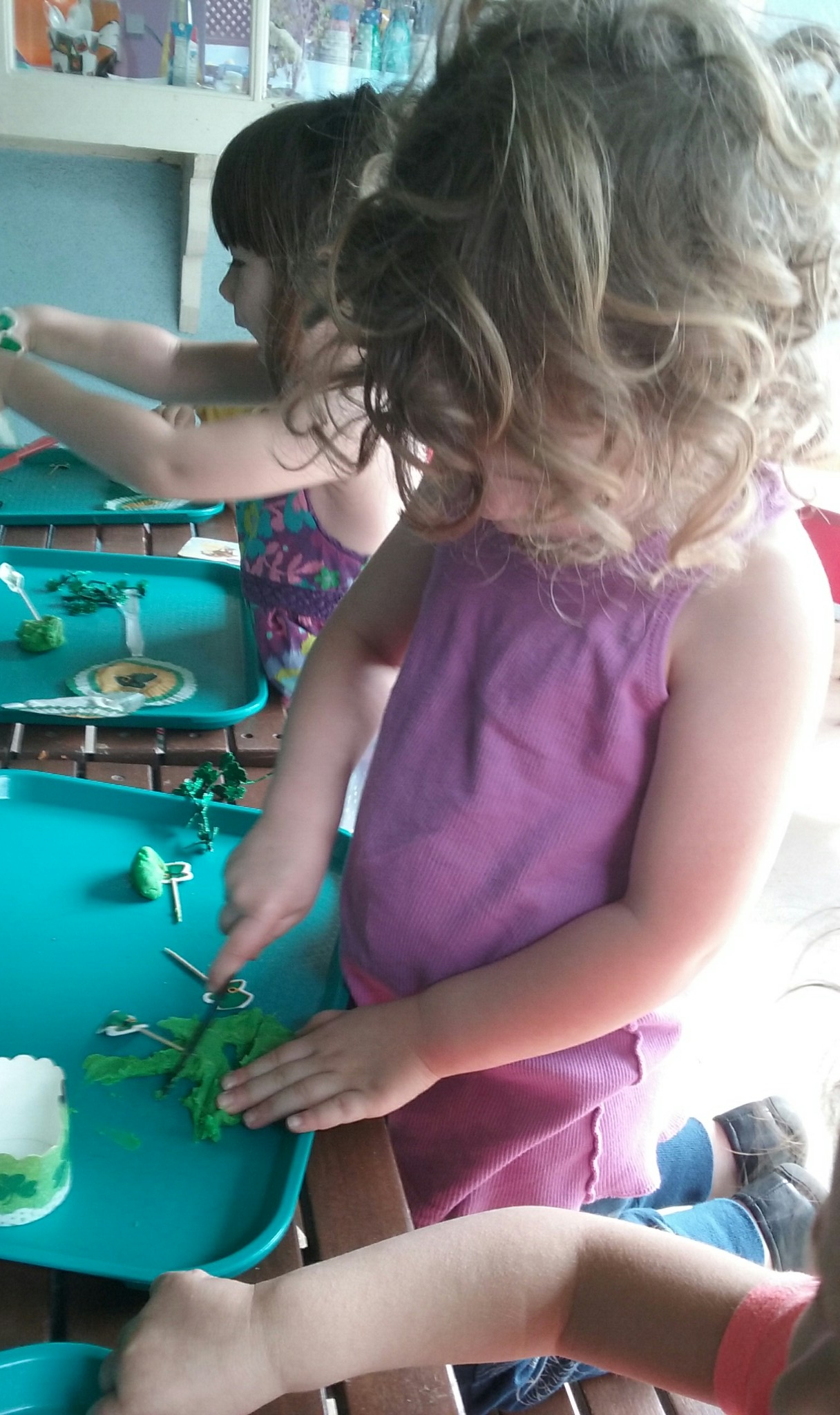
For this activity, we combined playdough with a variety of Saint Patrick’s accessories to create the perfect Saint Patrick’s Day cupcake.

343

Leprechaun Letter Match

Many children have problems learning the letters of the alphabet. Since letter recognition depends on understanding a sequence of features, the best way to teach children the sequence of features in making a letter is by guided practice.

665

Because of this, we partake in a variety of letter “games” that encourage your child to recognize, enunciate, and match the concept of a letter to its print form.

444

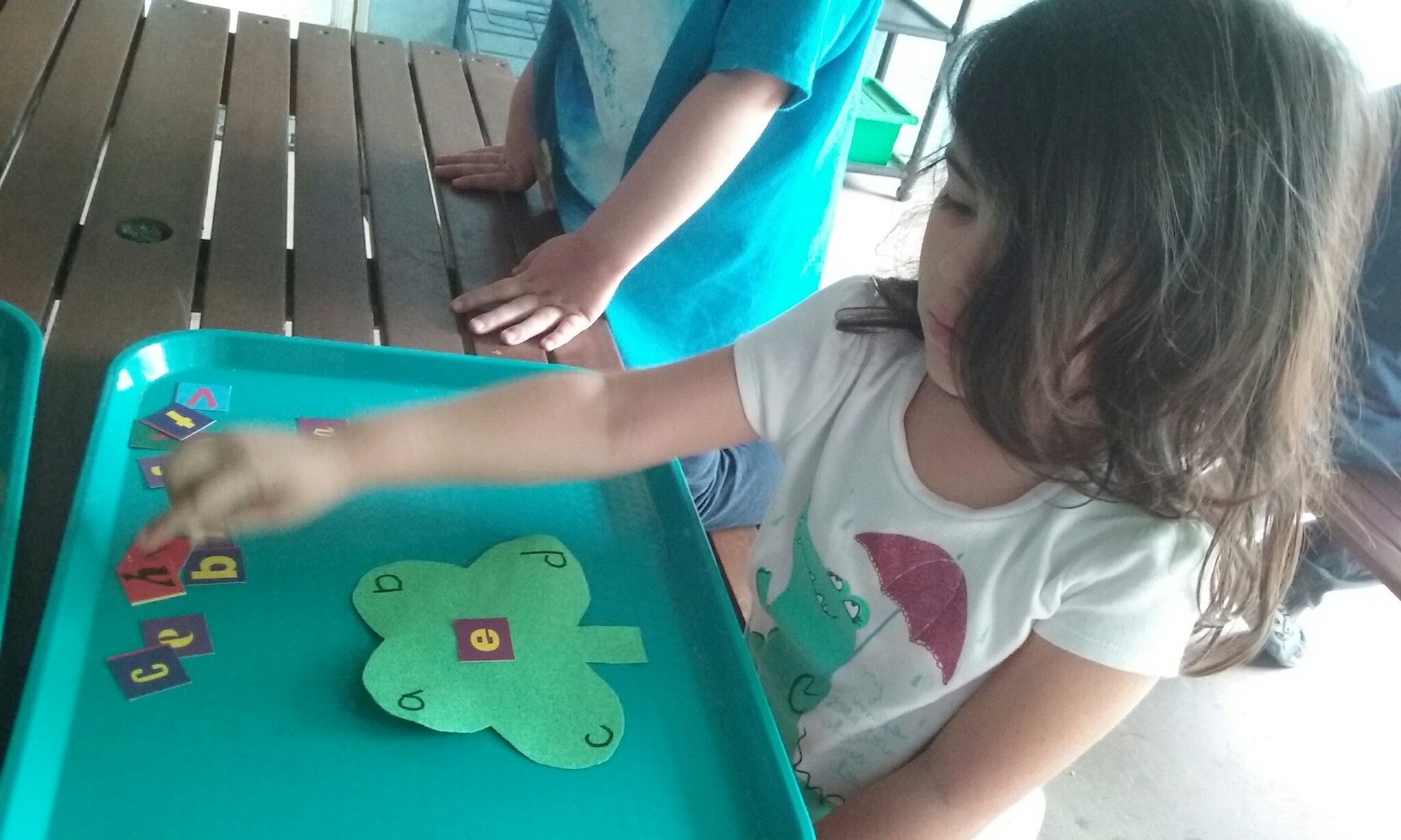
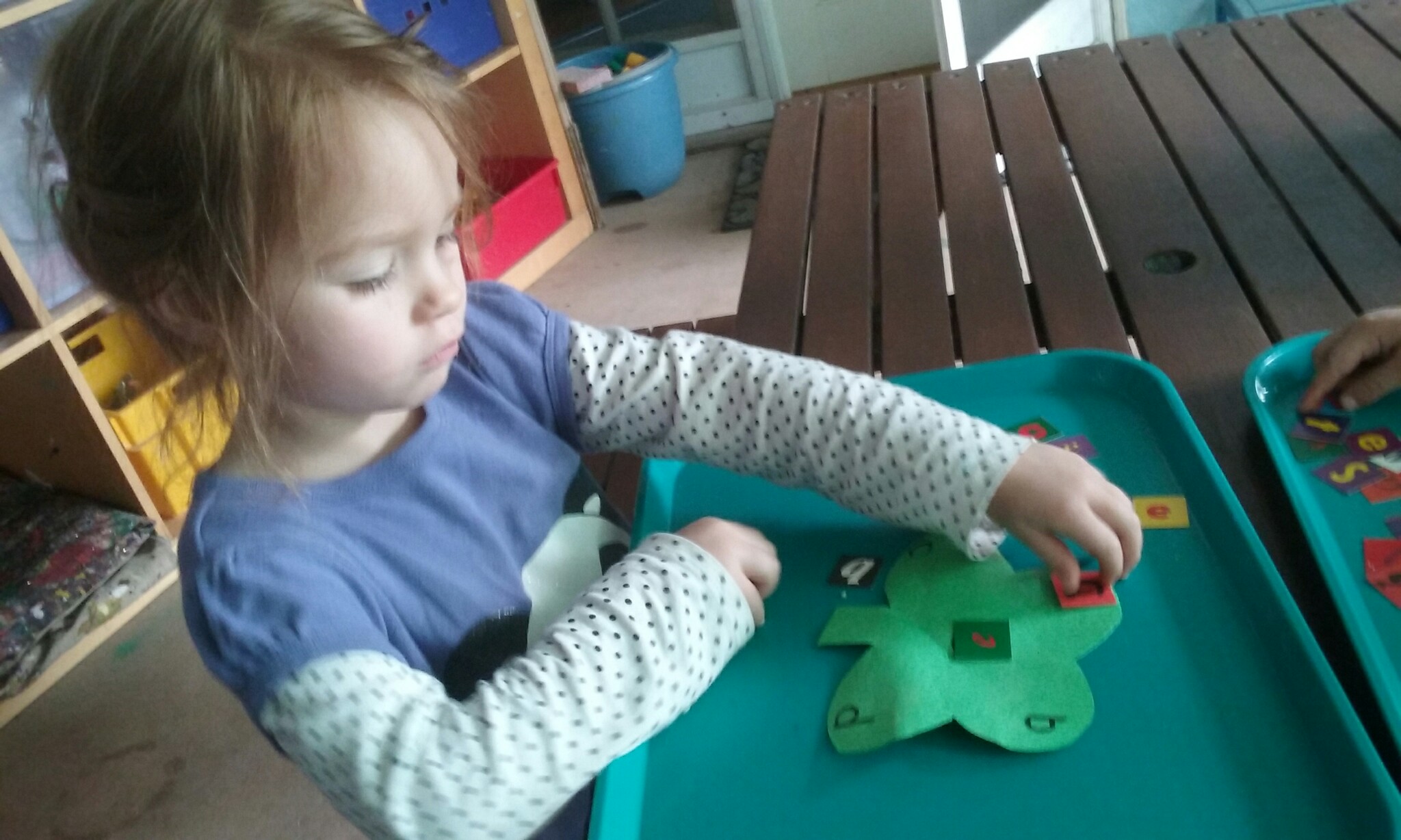
Young children learning letters need vivid, concrete language to understand the abstract component of the written word. For this activity, we practiced matching cardboard cutouts of letters to letters written on a four leaf clover.

765

Leprechaun Shapes Puzzles

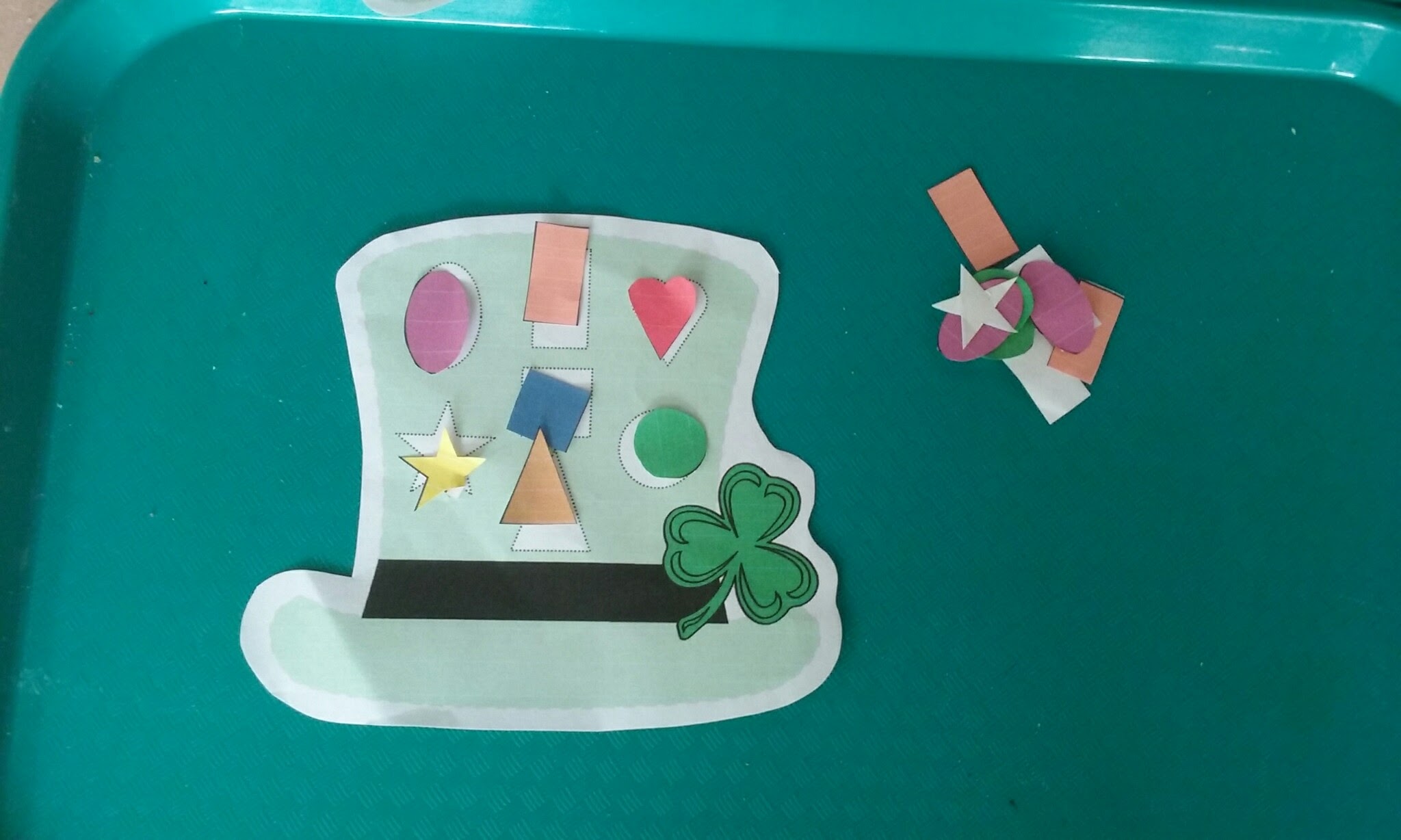
Puzzle games are an early learning favorite for educators and children alike! By matching the shapes to complete the picture, students enjoy themselves while developing important skills such as problem solving and shape, pattern and color recognition. This game is intuitive and fun, with a variety of shapes designed to help your preschooler think critically.

312

The skill of effective problem solving is a valuable and important one. As a child looks at various pieces and figures out where they fit or don’t fit, he or she is developing this vital skill.

111

A puzzle, after all, can’t be completed by cheating! It either works and fits or it doesn’t. So puzzles teach children to use their own minds to figure out how to solve problems and think in a logical way.
789