Color Changing Carnations

Young children are biologically prepared to learn about the world around them, just as they are biologically prepared to learn to walk and talk and interact with other people.

dye7Because they are ready to learn about the everyday world, young children are highly engaged when they have the opportunity to explore.

carnationThey create strong and enduring mental representations of what they have experienced in investigating the everyday world.

carnation1They readily acquire vocabulary to describe and share these mental representations and the concepts that evolve from them.
carnation2

Children then rely on the mental representations as the basis for further learning and for higher order intellectual skills such as problem solving, hypothesis testing, and generalizing across situations.

carnation3

While a child’s focus is on finding out how things in her environment work, her family and teachers may have a somewhat different goal. Research journals, education magazines, and the popular press are filled with reports about the importance of young children’s development of language and literacy skills. Children’s natural interests in science can be the foundation for developing these skills.
dye12

Whereas many adults think of science as a discrete body of knowledge, for young children science is finding out about the everyday world that surrounds them.

dye3

This is exactly what they are interested in doing, all day, every day. In the preschool classroom or in the university research laboratory, science is an active and open-ended search for new knowledge.
dye14

It involves people working together in building theories, testing those theories, and then evaluating what worked, what didn’t, and why.

dye15

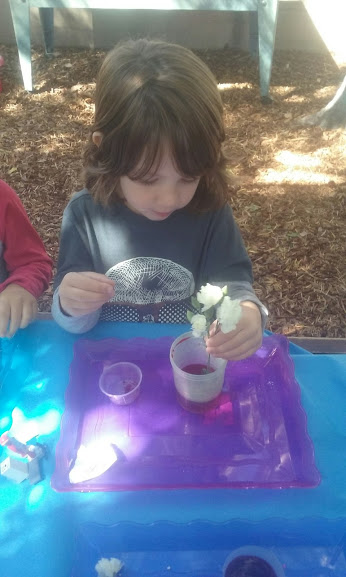
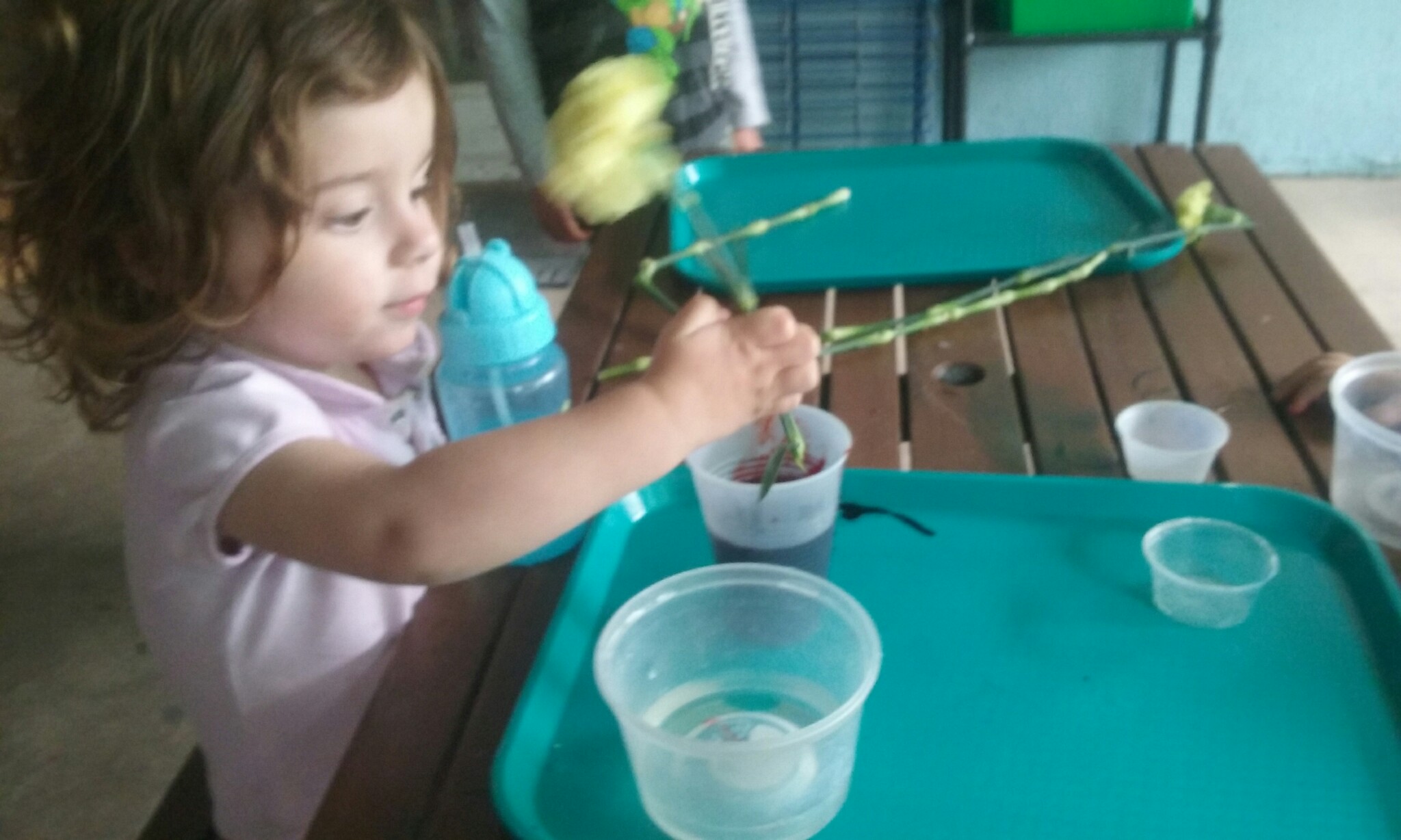
It is for this reason that your little one participated in an experiment with flowers, food coloring, and their thinking minds. Your little ones initially learned about what a stem is, and how it carries water up from the ground to the flower petals so that they flower can “drink” when it is thirsty.

dye16

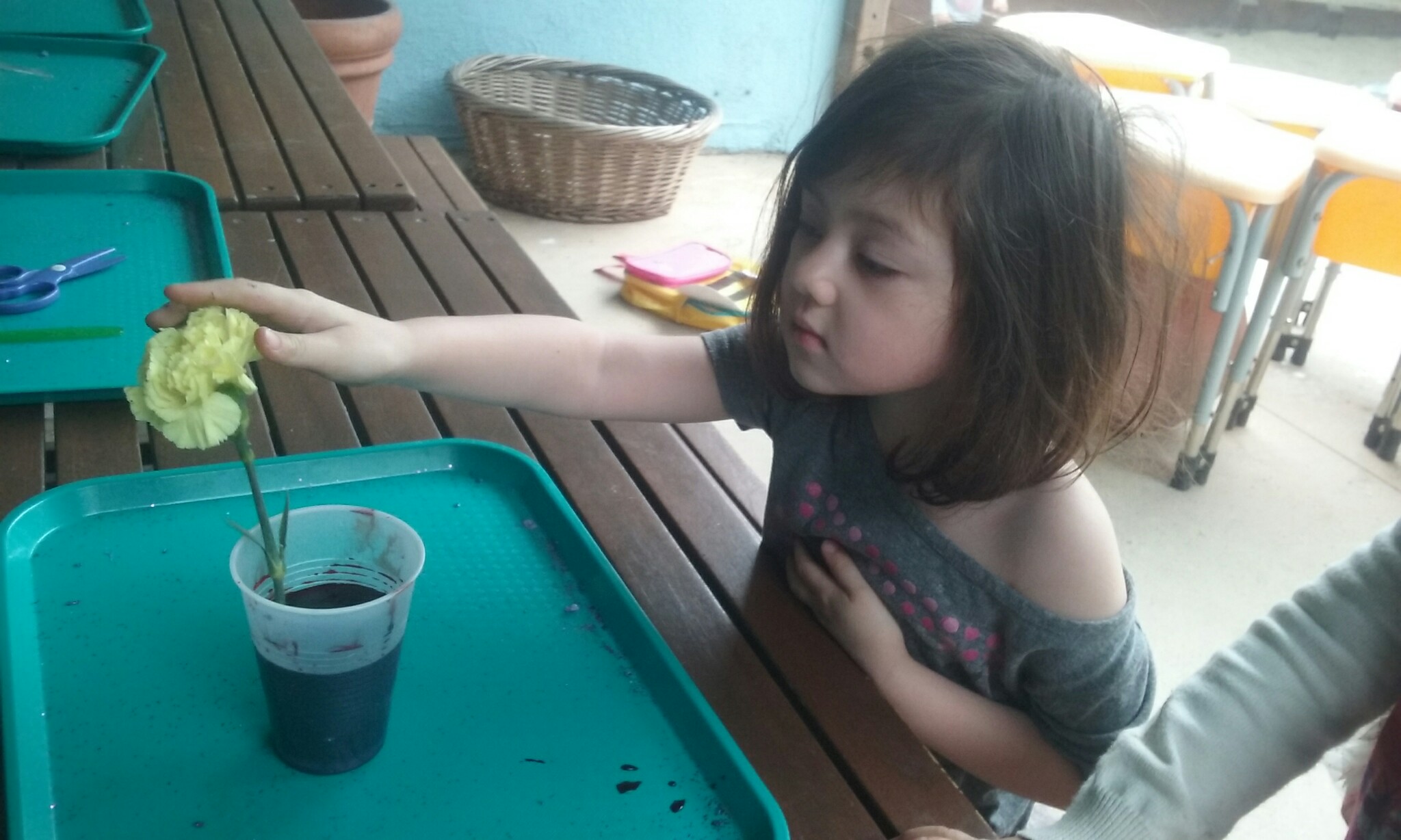
They were then asked to pour colored water into several bowls and place white carnations inside.

dye17

Following this, they were asked to predict what color they thought the carnations would turn. Lastly, they waited to see the end result!


Plant Handbooks

This week, we focused on the fascinating world of plants. Through books and other print materials (and exploration of actual plants) your little ones identified plants as living things, examined the parts of plants, experimented with what plants need to live and grow, and appreciated the importance of plants to people and other living things.

plantnote

For this activity your students created notebooks to help them grow their green thumbs. Students initially learned that plants have three main parts—roots, stems, and leaves.

planetnote2

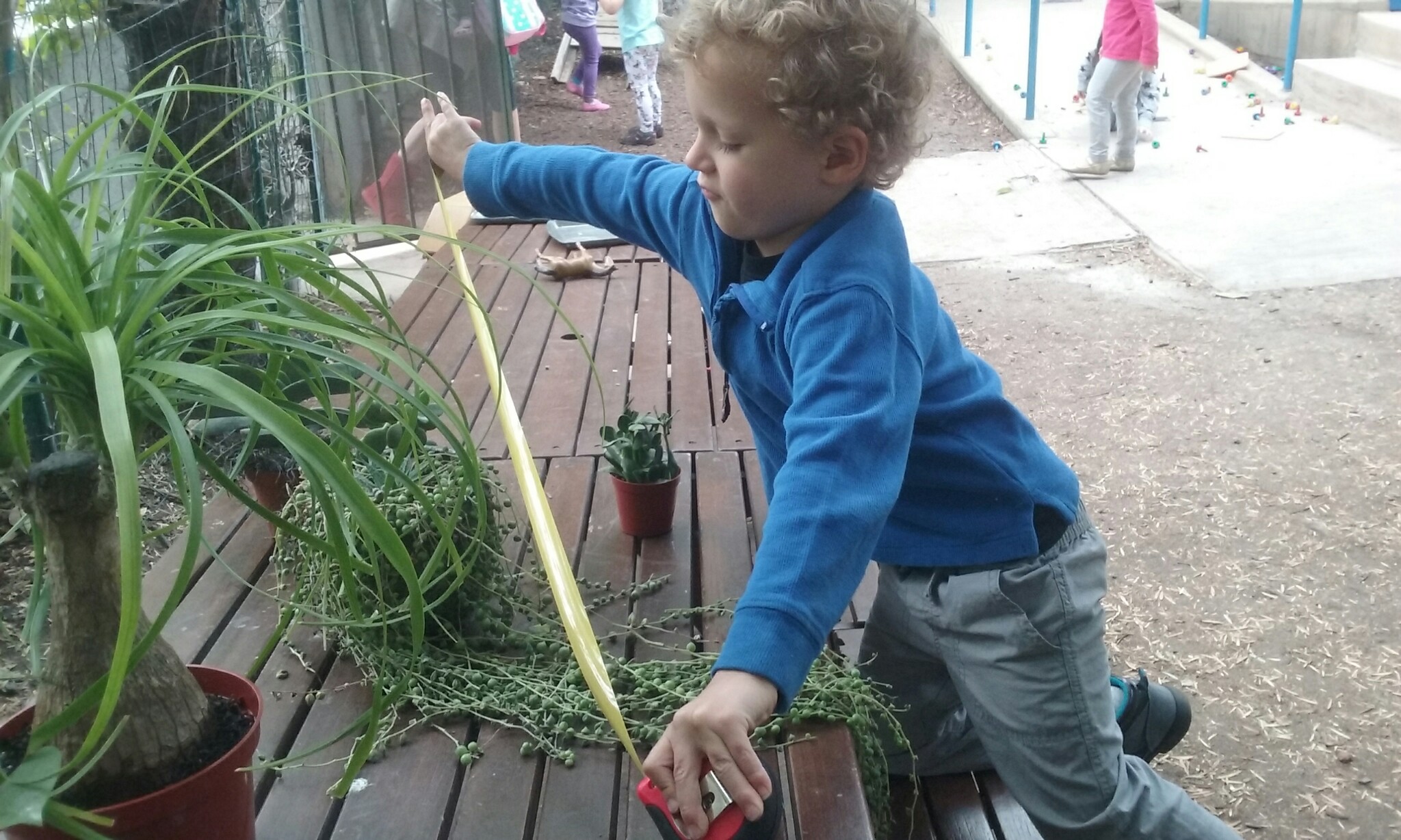
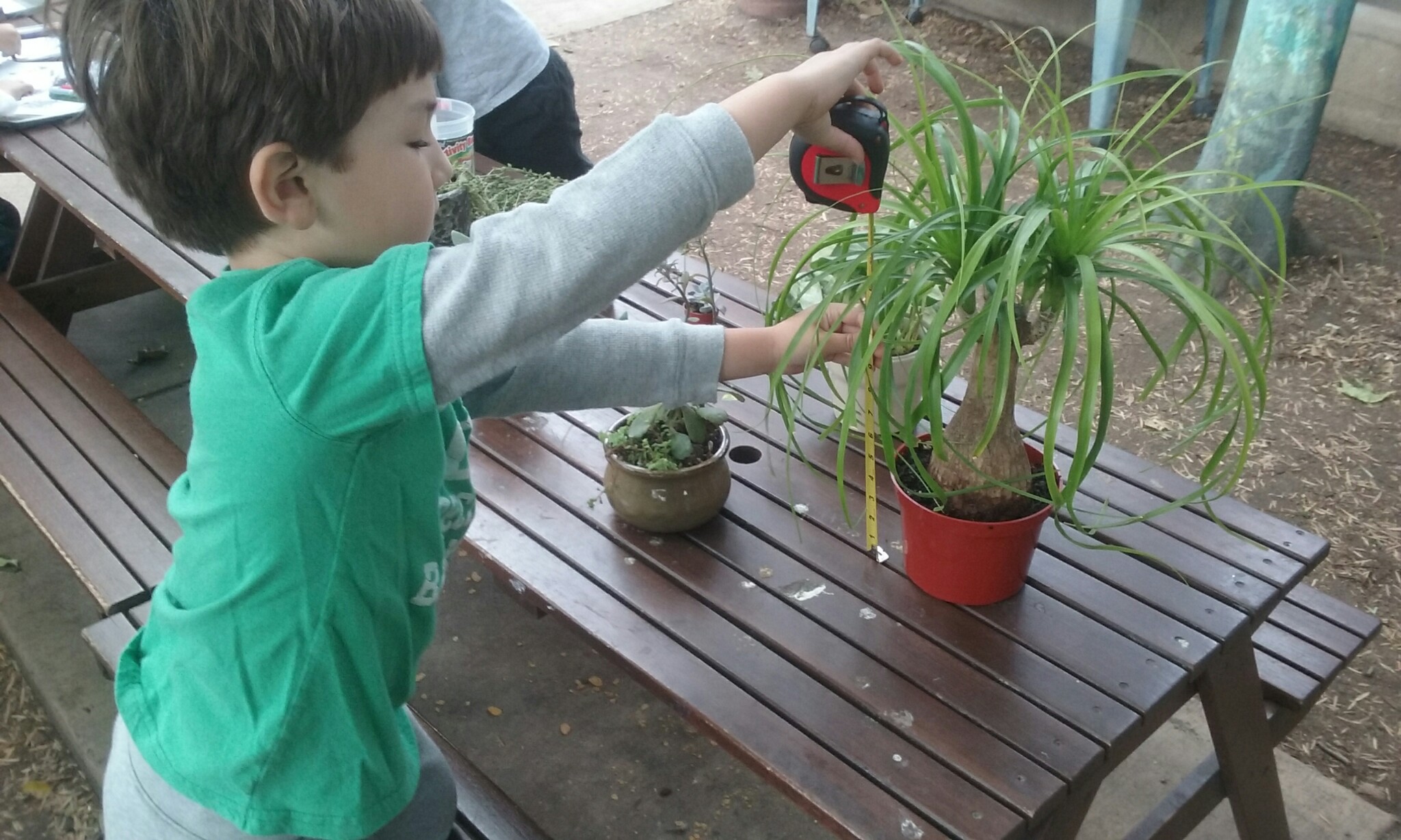
They learned that roots usually grow underground and absorb minerals and water from the soil. They were also told that the stem supports the plant and transports water and nutrients from the roots. Leaves contain chlorophyll, a light-absorbing green pigment used in photosynthesis. After this, they used a tape measure to measure each plant, comparing the “bigger” plants with the smaller ones.

plantnote3

plantnote4

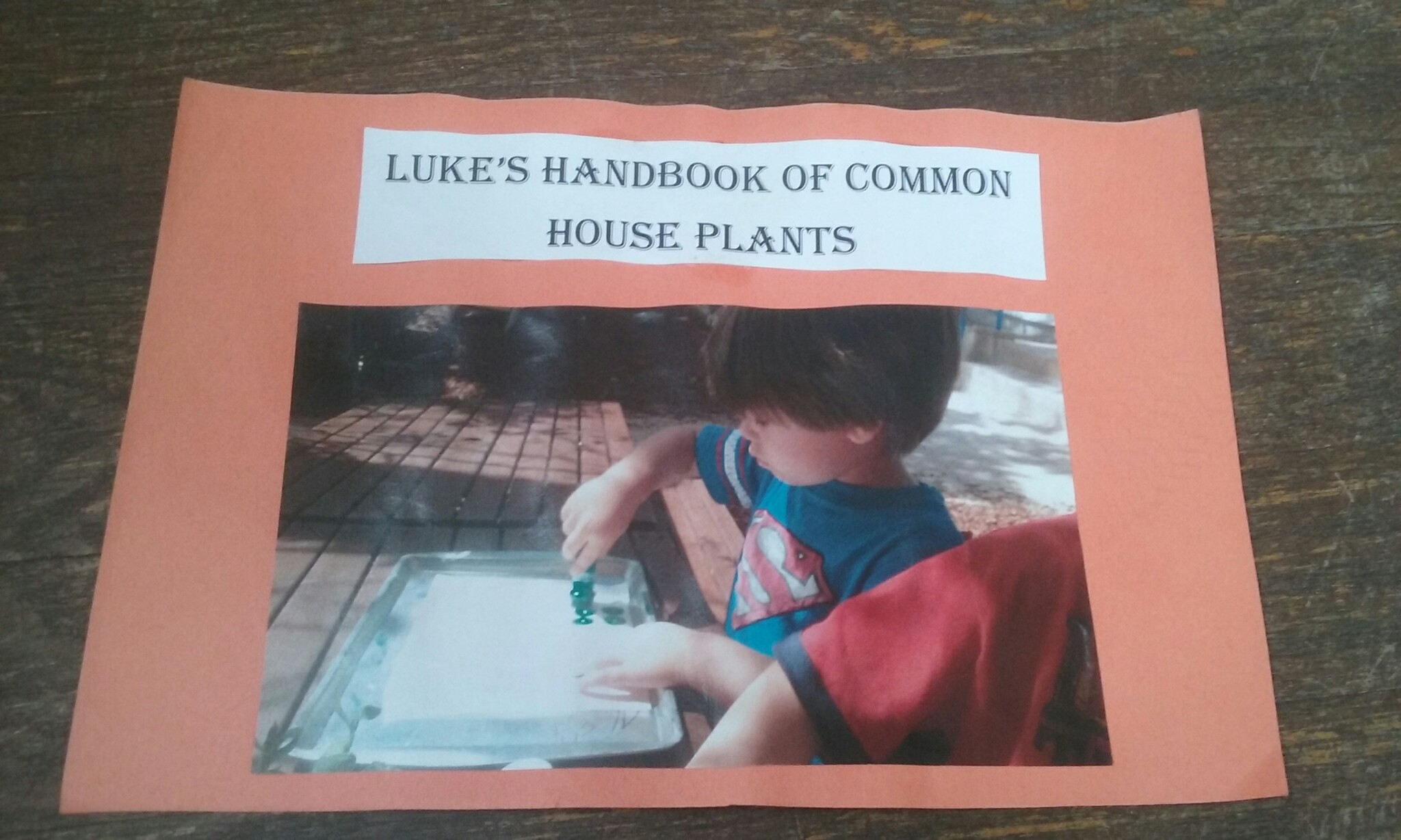
Gardening gives children a chance to learn an important life skill, one that is overlooked in standard school curriculums. Gardening is also a great way to teach environmental awareness by exploring the workings of nature. It is this reason that we not only observed a measured a variety of common house plants, we documented all of the wonderful things we learned by recording our experiences in plant books! Please enjoy one of our handbooks below!

handbook1

handbook2

handbook3

handbook4

Tree Planting

Tree planting is the most popular Earth Day event and one of the most common activities people associate with helping the Earth. Before starting this activity, we took a walk around the front yard and took of tour of the different trees.

treew6

Each student was asked a series of questions. What is your favorite tree? Why do you like trees? How do trees help us? How can we help the world by planting trees? After that we planted to small saplings into a planter. Students each took a turn, digging a small hole. They then worked together to place the tree inside the hole, and finished up the job by covering it with earth.

treew7

Tree Detectives

For preschoolers, daily life IS learning. Research indicates that all children can learn about anything and should have the opportunity to become scientifically literate as early as possible.  Effective science learning requires hands-on contact with materials, time to investigate and manipulate those materials and time to contemplate the results.

treew1

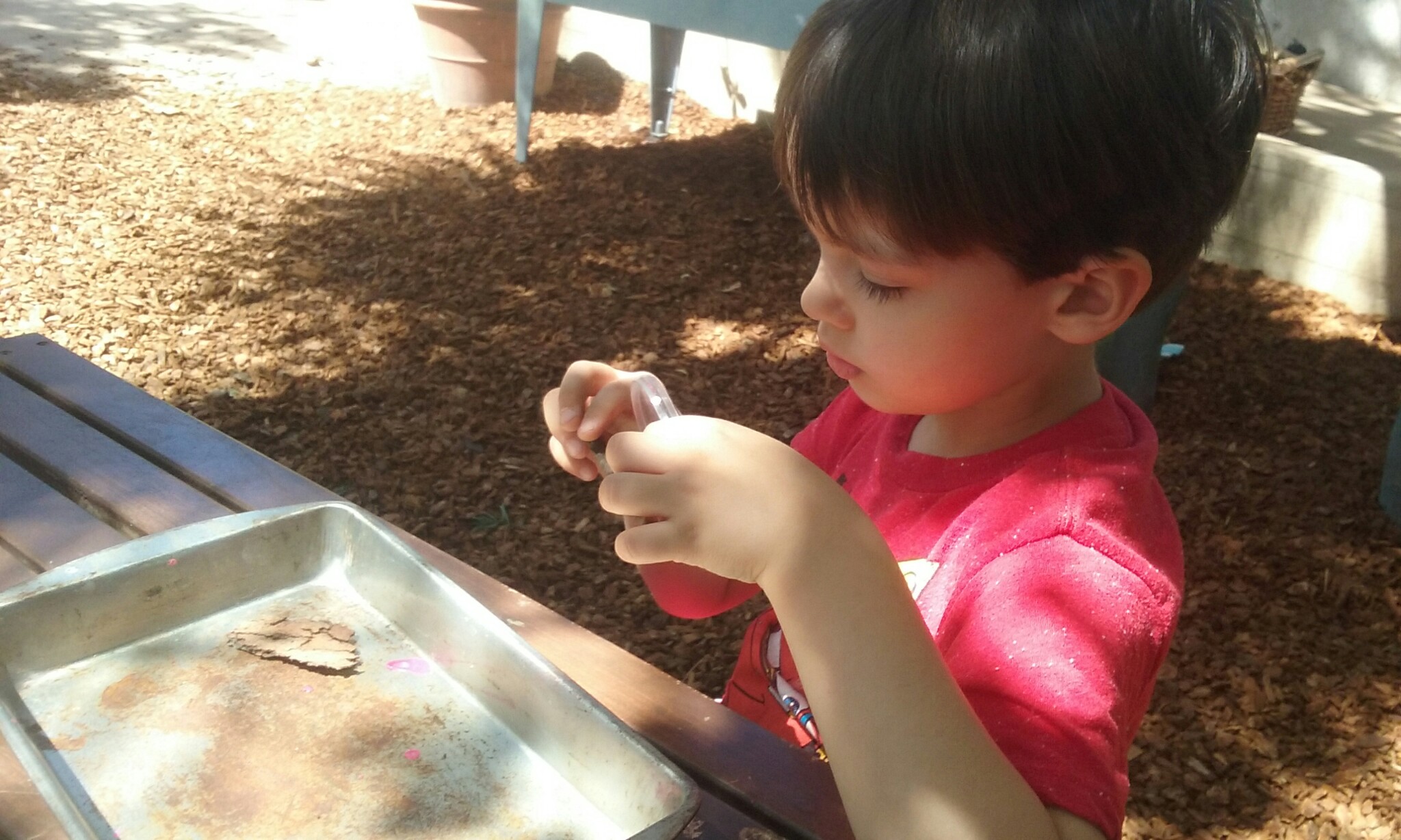
Researchers also note that active, hands-on learning provides the most meaningful and relevant learning experiences for children. It is for this reason that your child was given the opportunity to observe and manipulate the various parts of a tree. To begin with, we read a short book about the various components of a tree.

treew3

Your child learned about the trunk (located underground), the vascular tissue (which carries water from the roots to the leaves), the bark (which protects the inside of the tree), and the leaves. Your child then examined a piece of bark with a magnifying glass, using words to describe it.

treew2

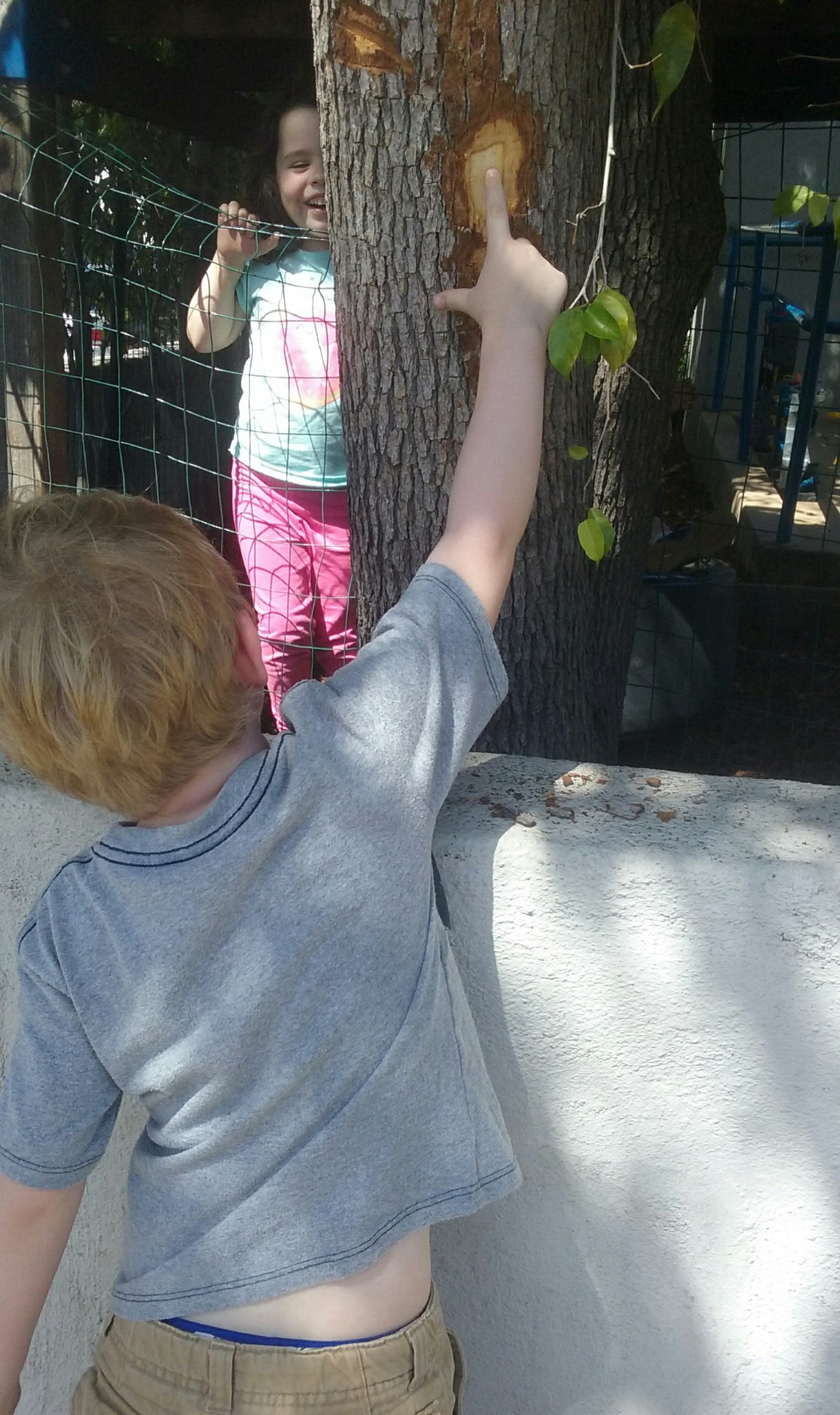
Some students regarded it as bumpy, scratchy, hard, and rubbery. Following this, your child felt both the bark on a real tree, and the vascular tissue underneath.

treew4

Students used words to descibe the vascular tissue as well. Some words they used for this feature was soft, smooth, shiny, and wet.

treew5

Chicka Chicka 1,2, Playdoh

Recent trends in education have focused on an integrated curriculum. Children learn best when subject matter is meaningful and useful, and literature brings meaning to science. Education that is organized in such a way that it cuts across subject-matter lines, bringing together various aspects of the curriculum into meaningful association, provides children with a better understanding of the subject.  It views learning and teaching in a holistic way and reflects the real world, which is interactive.

Since we have been learning all about trees this week, we decided to expand upon this theme with the book, Chicka Chicka 1,2,3. Chicka Chick 1,2,3 is a counting story book that first counts 1-20 as the numbers climb the apple tree.

chicka

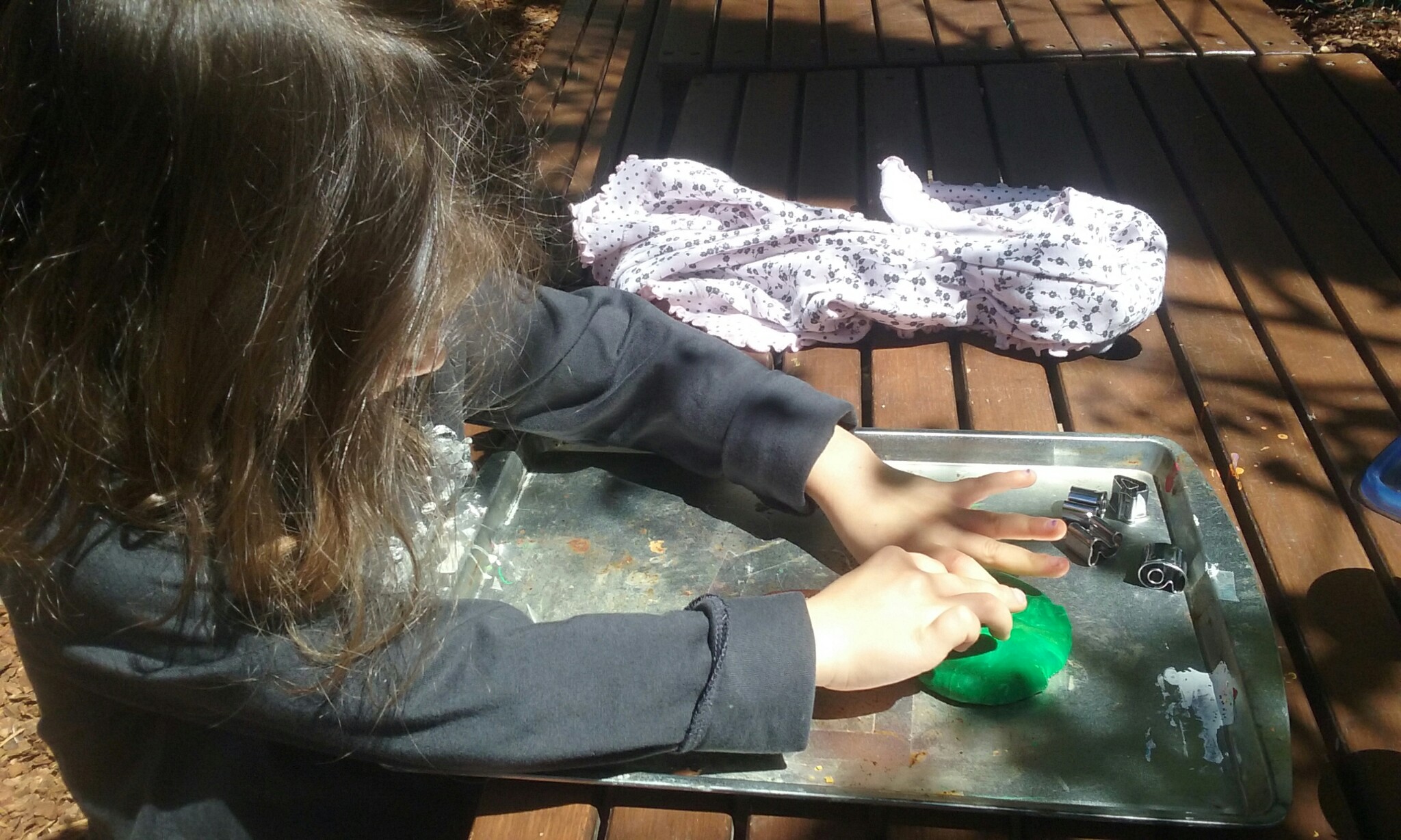
After numbers 1-20 are in the apple tree the story then counts by tens, eventually reaching 100. We initially read this book during snack, and then your little ones built their very own trees with playdoh and cookie cutter numbers.

chicka1

This activity served several developmental purposes. First, it demystified the concept of a large number to, it encouraged counting and one-to-one correspondence, and strengthened students’ fine motor skills as the manipulated the playdoh.

chicka2

Class Forest – Mediterranean Woodlands

Southern California’s four national forests (Los Padres, Angeles, San Bernardino, and Cleveland) boast some of the nation’s most popular places to hike, camp, picnic, fish and hunt, bird-watch, rock-climb, mountain bike, horseback ride, stargaze, and indulge in a host of other nature-based activities.

califforest4

These are known as Mediterranean forests.  Mediterranean Forests, Woodlands, and Scrub ecoregions are characterized by hot and dry summers, while winters tend to be cool and moist.

califfores5

Most precipitation arrives during these months. To incorporate this type of woodland into our theme, we created an artificial environment of these trees.

califforest6

When children create an artificial environment, they bring three-dimensional reality to any concept.

califforest

Though your little ones are aware of what a forest is, they may not fully comprehend what they look like, how they support life, and how important they are to our planet.

califforest3

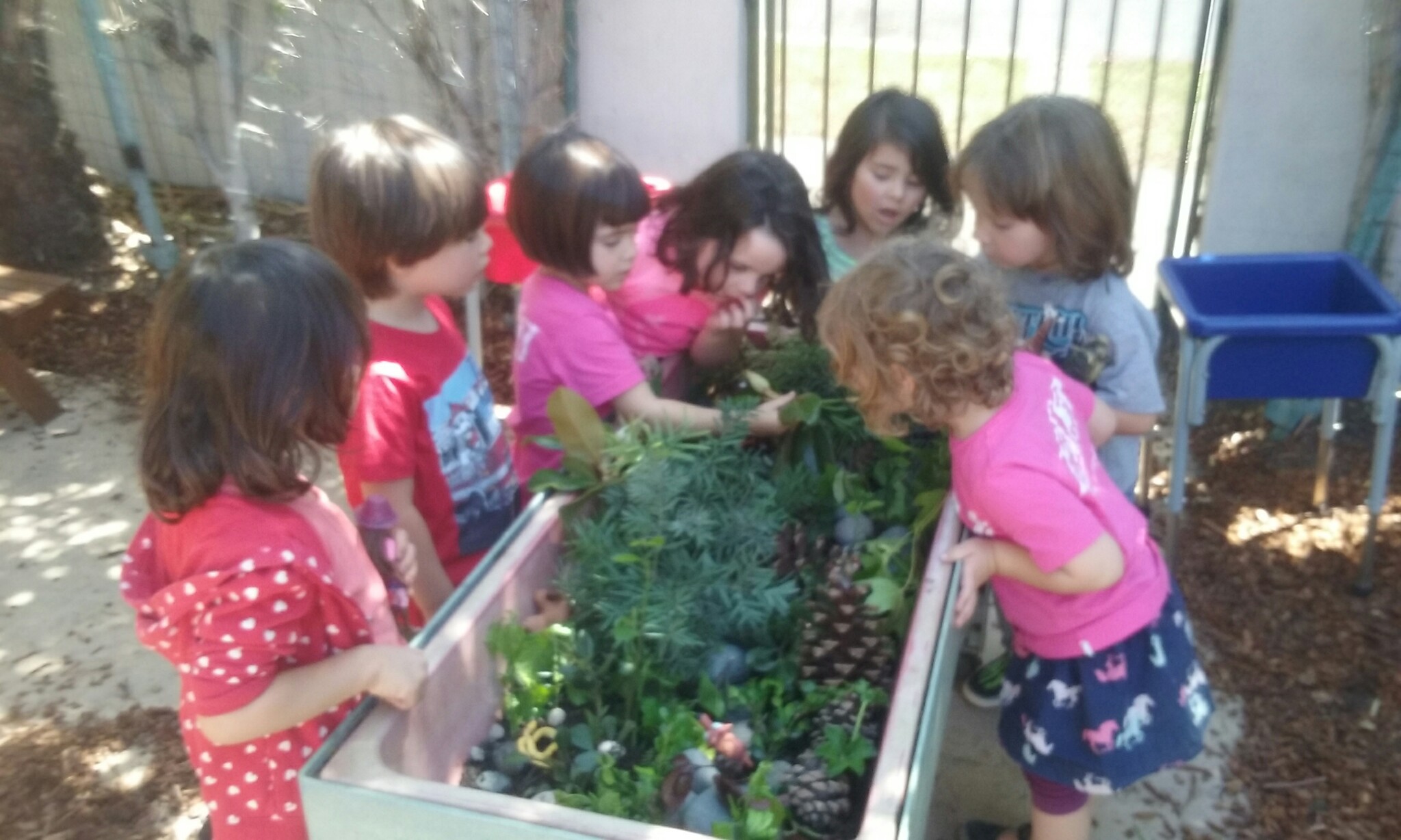
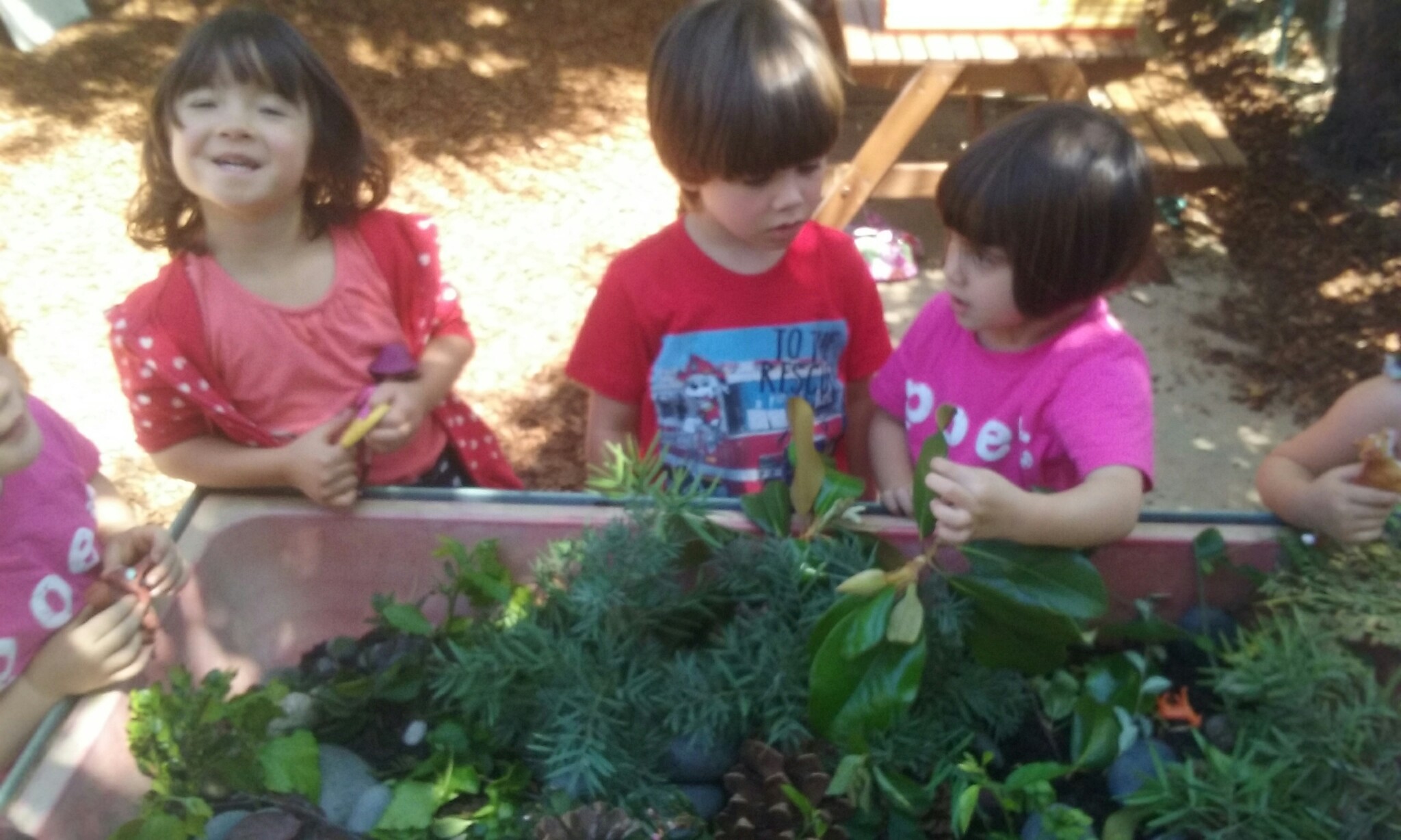
To help our budding arborists connect to this idea, we decided to create our very own mediterrean forest!


Tropical Biomes

The severe seasonal droughts that help define this forest type have led to some unusual animal adaptations among certain amphibians and insects such as estivation, a summer-long sleep similar to hibernation.

biome6

Other animals show increased mobility as they seek out distant water holes and creek beds to wait out the scorching heat until the rains return.

biome44

biome

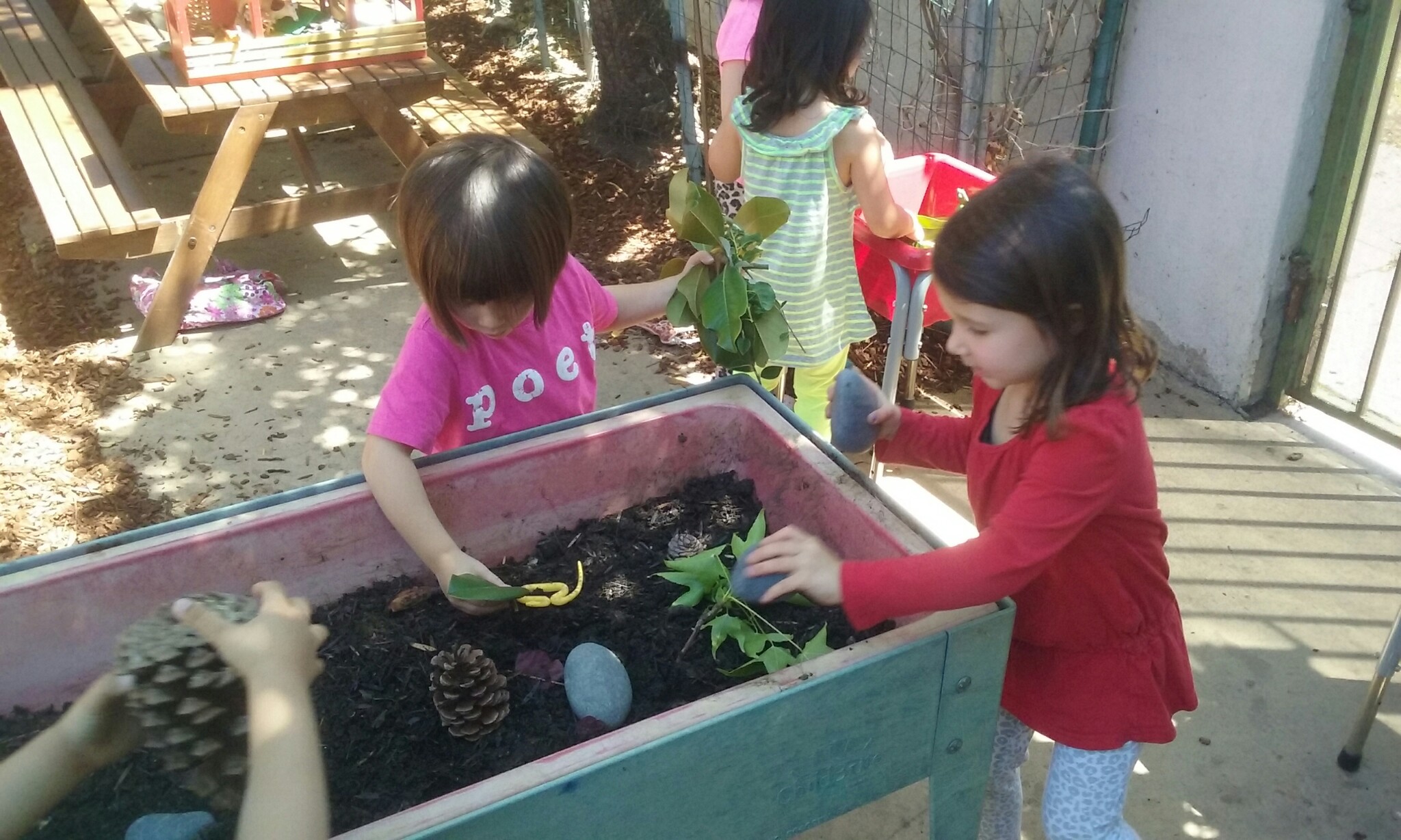
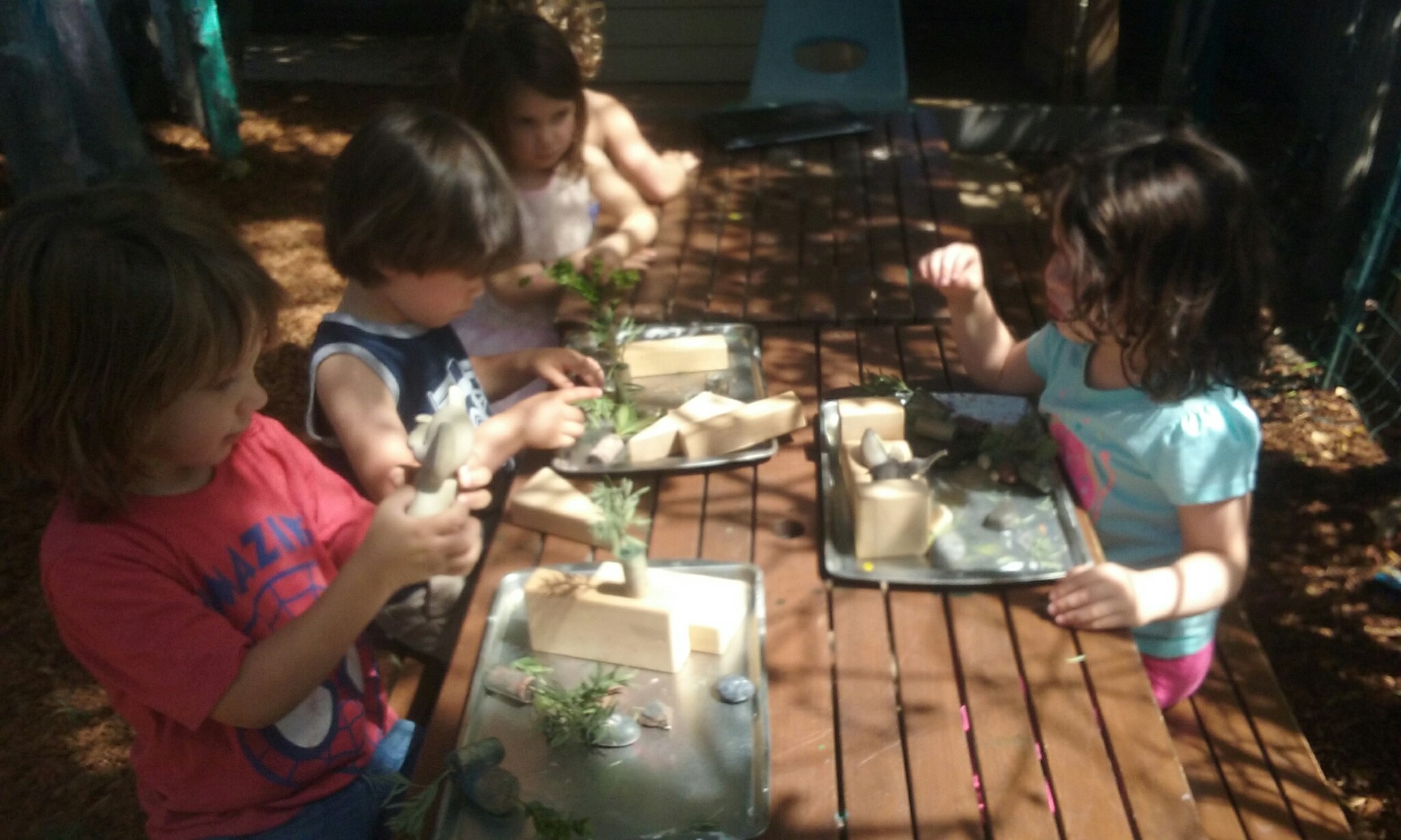
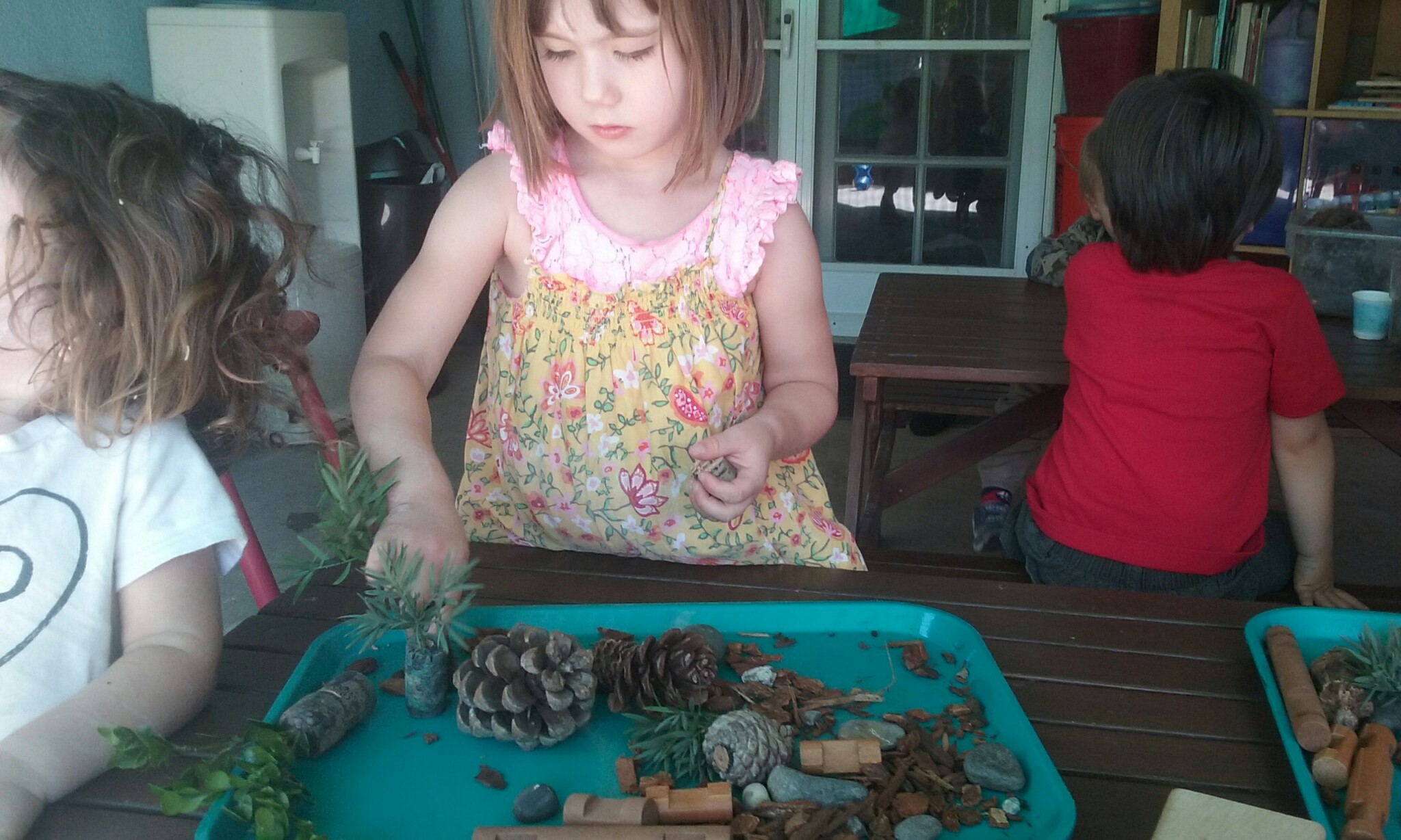
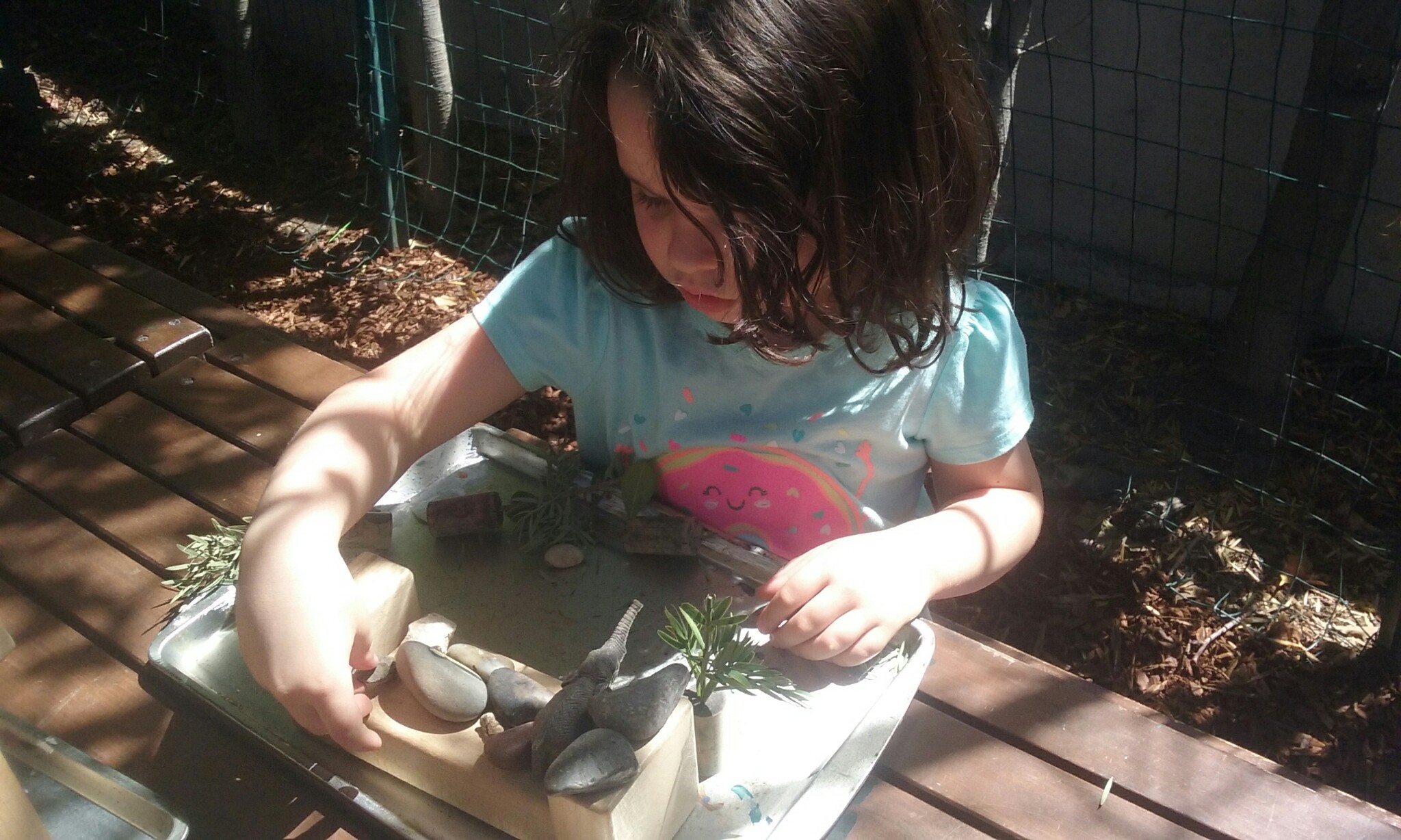
To help us understand the dynamics of this fascinating biome, we created our very own tropical dry forests with wine cork trees, rocks, wood shavings, and animals.

biome66

biome55

biome3

Your little ones initially learned about where these forests are located.

biome77

biome5

They tend were shown a globe to see specifically what regions of the globe house these amazing wonders. Lastly, they created their own!

biome2