Hippopotamus Puzzles

When children work on puzzles, they are actually “putting the pieces together” in more ways than one. Puzzles help children build the skills they need to read, write, solve problems, and coordinate their thoughts and actions—all of which they will use in elementary school and beyond.

Hippo puzzle 1

A puzzle with a picture that has particular interest for a child may help her begin to recognize colors and letters, and come to realize that the sum of parts make up a whole—a concept that will help her with math later on.
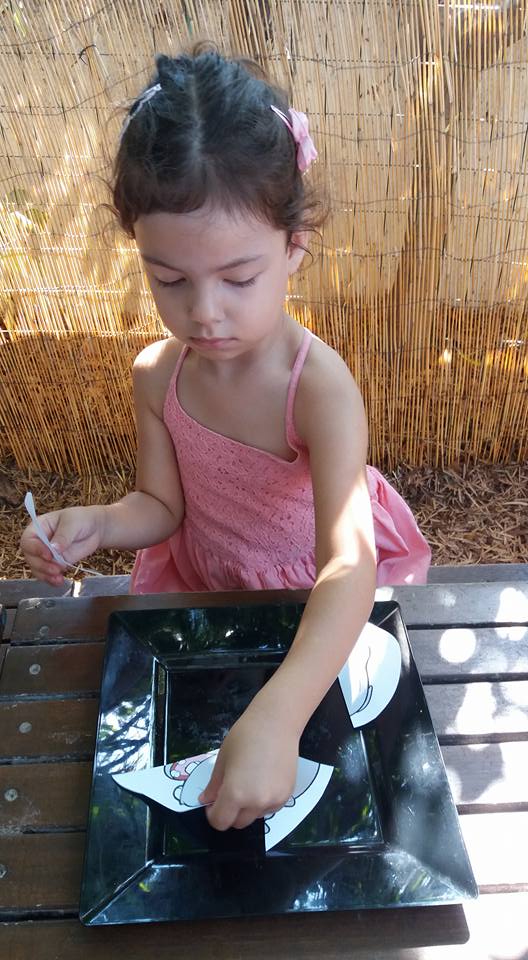
Hippo Puzzle 2

By inserting pieces into the puzzle, children also develop the muscle group used for writing, or the “pincer” grasp. Children can work on puzzles by themselves, without the help of adults or other children. They can also work together on large puzzles and practice compromising and getting along. Because each child must concentrate on the puzzle individually, he experiences a sense of satisfaction as he picks up a piece, rotates it, and discovers the spot in which it fits.

Hippo Puzzle 3

Piece by piece, he begins to recognize the picture that the puzzle represents. For this activity, your little ones took pieces of a hippopotamus, and combined them to create their own large hippopotamus!

 

Coffee Ground Bears

Sensory painting is a great sensory art activity that appeals not only to the visual side of your child, but to his olfactory sense as well.

Coffee

This kind of “sensory” art is so important for children,  giving them a way to examine, discover, categorize and make sense of the world around them.

Coffee3

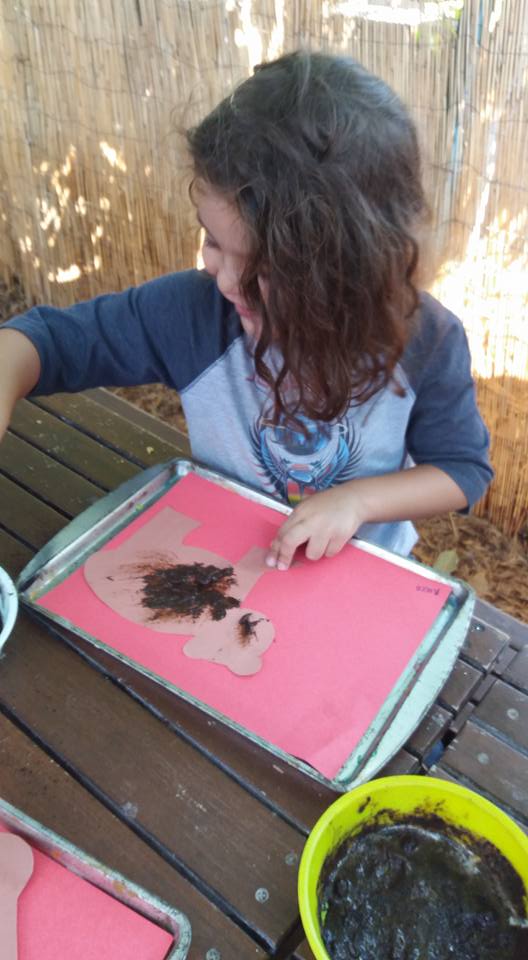
For this activity, we painted brown bears with coffee grounds and white paint.

Coffee1

Using paint brushes, students “scooped” the coffee grounds and paint onto their papers, creating their very own brown bears!

Coffee4

Hippo Counting

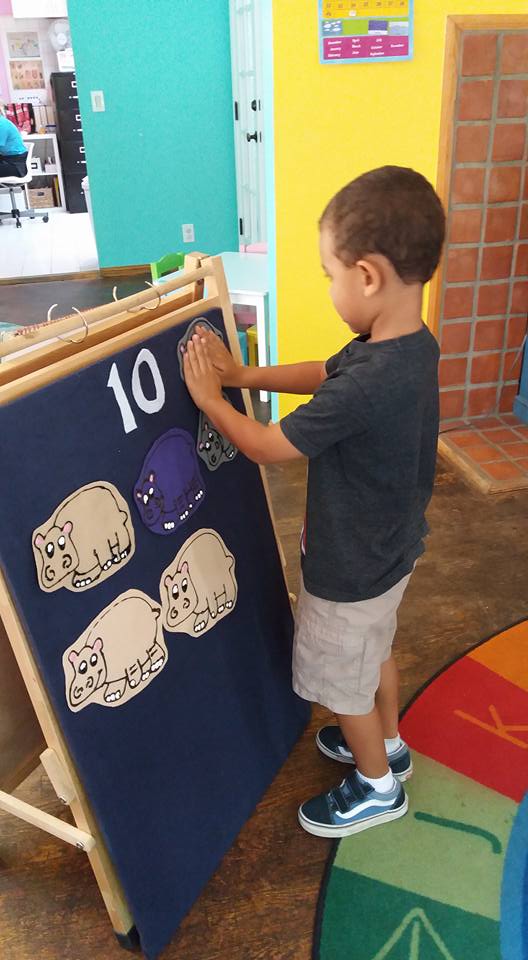
In the preschool classroom, being able to count includes both procedural skills and conceptual understandings. For the young child, this includes a few key components. First of all, is the ability for them to be able to follow the procedure of saying the number words in the correct order; to demonstrate one-to-one correspondence by saying only one of these counting words as they point to each item.

Hippo Counting 1

Secondly, is the capacity for students to understand conceptually that when counting is executed correctly, the final number is the answer to how many and thus represents the manyness or quantity of the set. This is called understanding cardinality.

Hippo Counting 2

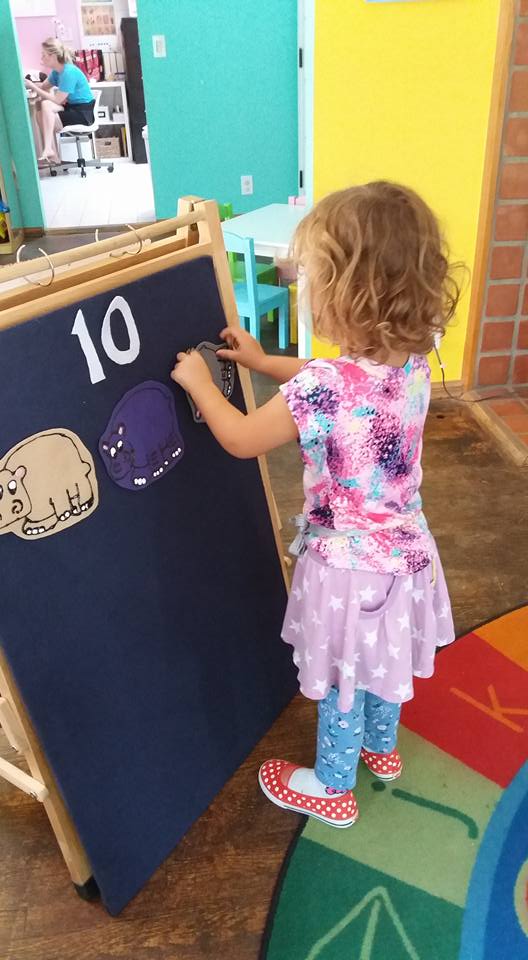
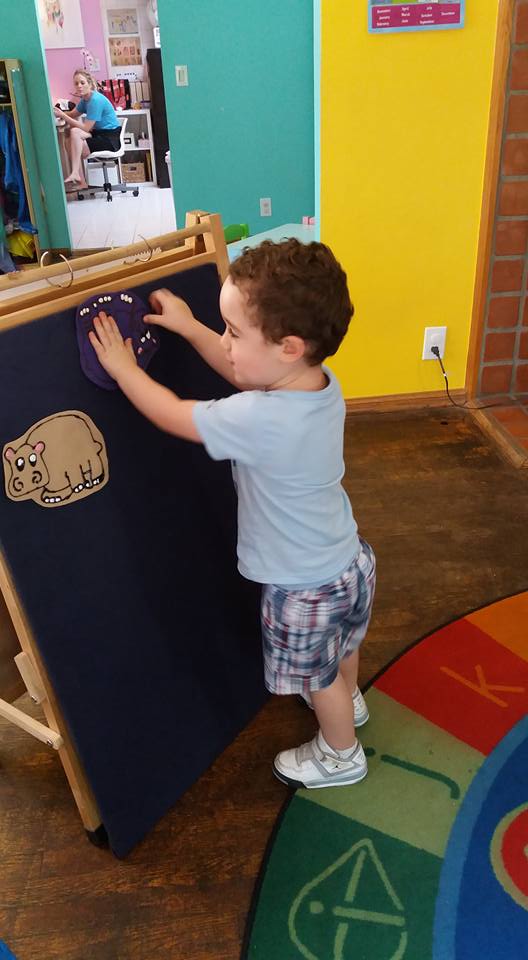
In our classroom, we integrate counting into all of our activities.We not only have a number of the week, but a daily activity that reinforces the number. During the week of the hippopotamus, we talked about the number 10. For a circle time activity, students were each given a hippo made out of felt. One by one, they brought their hippos to a giant felt board as they counted from 1 to 10. Following this, we sang a silly song called Ten Little Hippos. Lastly, we practiced adding and subtracting hippos, to see how this changed the quantity.

Hippo Counting 3


Lake Manyara

Lake Manyara is sometimes referred to as the “Little Big Park”. Located in Tanzania, it covers an area of 95 square miles. More than 300 species of birds flock to this body of water, most of them looking for food or places to build their nests.

14184314_1286868344680331_5555232942005420387_n

There are many other animals in Manyara, most importantly, the hippopotamus! When a hippopotamus enters the water, their eyes and ears stick up so they can be alert to all around them. Under their big imposing noses, their wide mouths are ideal for grazing on the grasses growing in the meadows around the lake.

14224878_1286868518013647_8802563125374735588_n

They keep their mouths open, but they’ve got a good reason. It’s all about comparing the sizes of their jaws, since a hippo’s jaws are what establish its position on the social scale. Their large eyeteeth also play an important role in the struggles and rituals within the social group. Using a few natural materials, we created our own version of Lake Manyara.

14222143_1286868424680323_864738109041249004_n

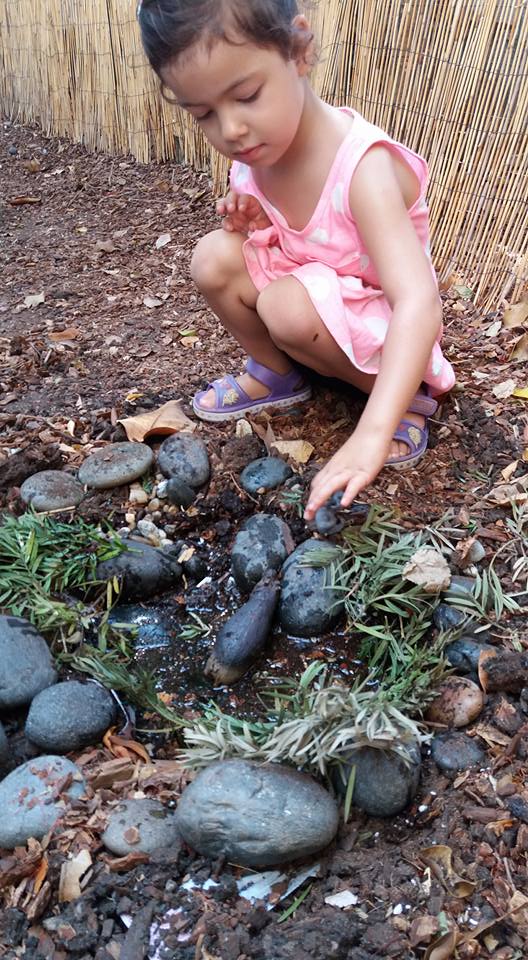
Though you cannot see it, we used a liner that was placed into a hole in the front yard. Students then filled this hole with water and placed rocks around it to hold the liner in place. Lastly, your little ones submerged their hippos in the water alongside their friends! As a result of this activity, we learned some new vocabulary to help us with our hippo theme! These words included sink, jaws, and herd.

14203234_1286868551346977_4964373945907912783_n

Bear Caves – Small World Play

Small world play occurs when children use miniature items such as toys, found objects, or replicas to act out scenes or ideas from real life, stories, or books.

76638828_2861472673886549_5045535645842276352_n

76714108_2861475193886297_4552539761801166848_n

Small worlds often include sensory elements which add even more depth to the experience and create more opportunities for language stimulation.

75418232_2861472790553204_8140957368214093824_n

75610605_2861474847219665_372091910413615104_n

For this activity, we boxes, and then used these boxes to act out all that we have been learning about brown bears!

73495255_2861472620553221_575220073690562560_n

76601276_2861474660553017_1234150520269045760_n

Each cave came with a several toy bears, and was decorated with wood chips and green rice to represent grass.

75588203_2861472523886564_5551954281935929344_n

75282231_2861473490553134_907679911387332608_n

This activity was open-ended, which means that your little ones were given the freedom to explore and create their own experience.

14055026_1278383768862122_529148539571663312_n


Habitat Sorting

The materials we choose to bring into our classroom reveal the choices we have made about knowledge and what we think is important to know. How children are invited to use the materials indicates the role they shall have in their learning. Materials are the text of early childhood classrooms.

14212715_1286872564679909_1579488382011384964_n

Unlike books filled with facts and printed with words, materials are more like outlines. They offer openings and pathways by and through which children may enter the world of knowledge. Materials become the tools with which children give form to and express their understanding of the world and the meanings they have constructed.

14117856_1286872504679915_7370365459649911926_n (2)

It is for this reason that almost all of our thematic activities are hands-on. We often integrate manipulatives, story trays, and natural materials to help your little one gain an understanding of the theme of the week.

14102738_1286872538013245_7798912323835934750_n

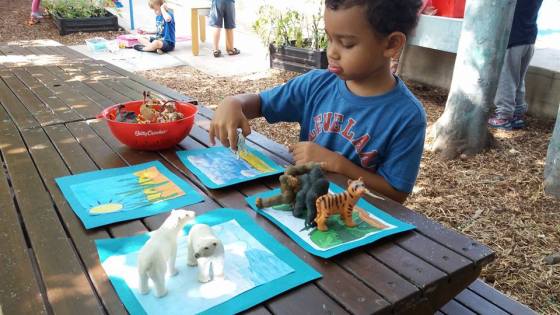
For this activity, we used toy creatures and pictures of different habitats to practice comparing and contrasting environments. Students were given four different pictures. One included a picture of a desert, another a picture of a jungle, another a picture of an arctic scene, and finally a picture of a savannah. Students were then invited to sort and place their creatures in the environment that their creature might prefer.

14184324_1286872694679896_4331660196327693780_n