Zucchini Cactus

For many of our play dough activities, your little one is engaging in the important skill of bilateral coordination.

gplus-1011628030

This refers to coordinating the left and right sides of the body in a purposeful way.

gplus-107539476

When students use two hands to manipulate dough (as they did in this project), they are learning how to attune the fine motor movement associated with the left side of the brain to the right. Play dough is one of our favorite ways to learn, because it is so easy and so fun!

gplus387023099

Because our second week of desert activities revolved around vegetation, your little one participated in creating several cacti and succulents out of a variety of materials. For this activity specifically, students were encouraged to place toothpicks into play dough. Once situated, they were then directed to slide pink beads onto the toothpicks.

gplus739065211 (1)

This entire week involved reading a book about the Sonoran Desert, so we enjoyed talking about the great saguaro. We started the week with creating cacti out of play dough, and then moved onto zucchini (using most of the same materials)! Students loved creating their plants out of food for Tuesday’s project. When finished, we displayed our creations, while using the extra pieces as a yummy snack!

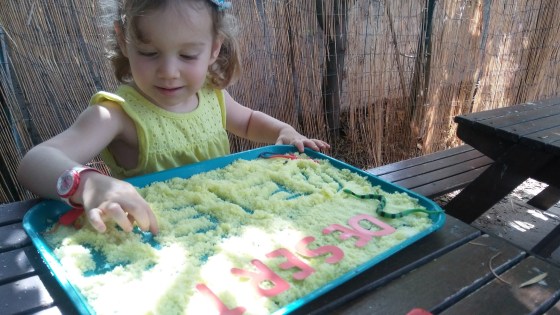
 

D-E-S-E-R-T Tracing

Activities that develop a child’s control of the small muscles of the hands (fine motor skills) allow children to make the precise movements necessary for forming letters and improve hand/eye coordination.

gplus-548683014

For this activity, we talked about the letters in the word DESERT. We then talked about which sounds each letter makes.

gplus724210062

Lastly, we traced the letters D-E-S-E-R-T into yellow sand. Through each week of our desert theme, we picked a different word to study.

gplus1630747816 (1)

During circle (and project) time, we created these words in a variety of ways. Doing so allows your little one to use their different senses to practice their pre-writing and pre-reading skills.

Death Valley Dunes

Many first time visitors to Death Valley are surprised it is not covered with a sea of sand. Less than one percent of the desert is covered with dunes, yet the shadowed ripples and stark, graceful curves define “desert” in our imaginations.

For dunes to exist there must be a source of sand, prevailing winds to move the sand, and a place for the sand to collect.

The eroded canyons and washes provide plenty of sand, the wind seems to always blow (especially in the springtime), but there are only a few areas in the park where the sand is “trapped” by geographic features such as mountains.

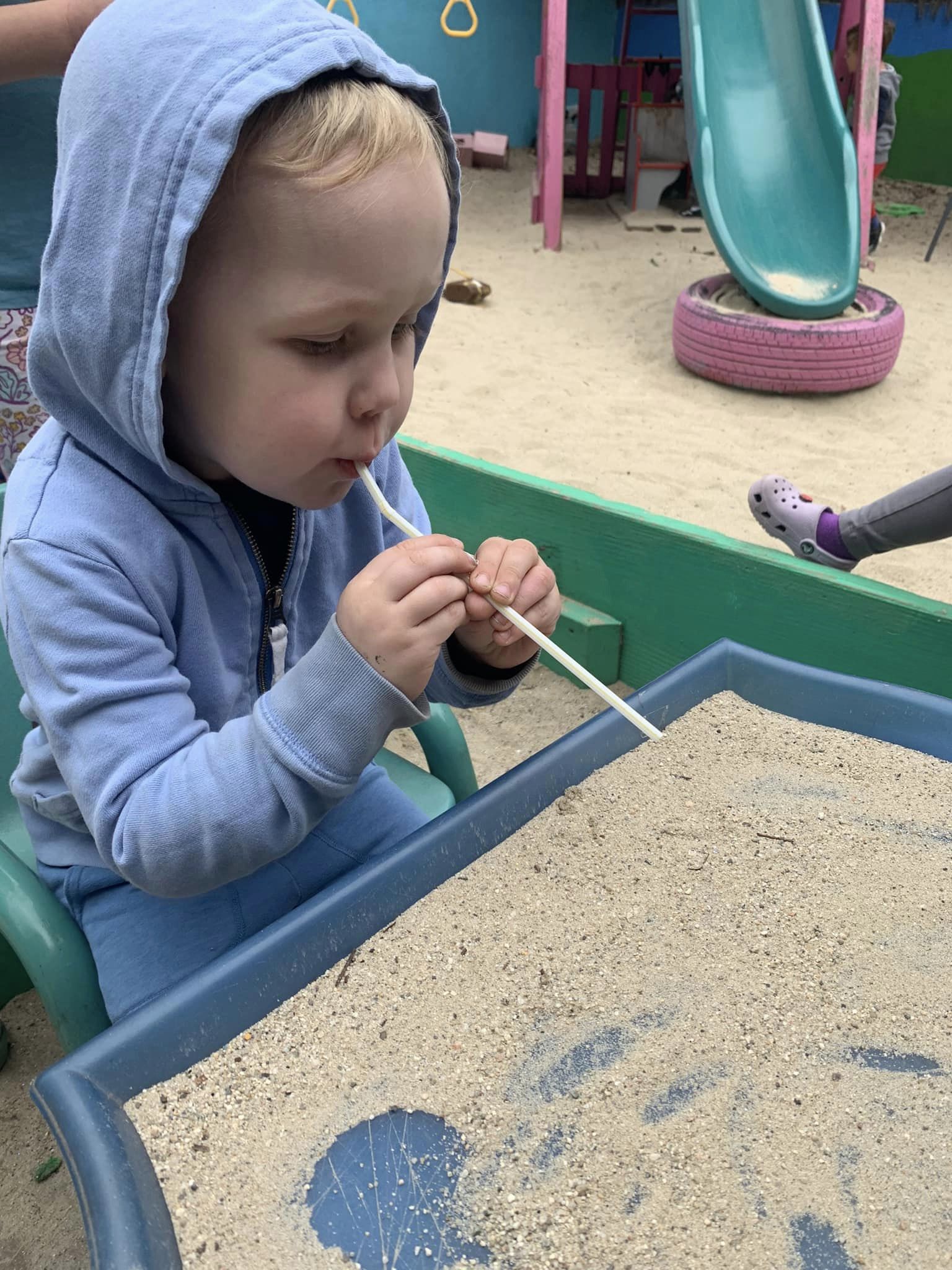
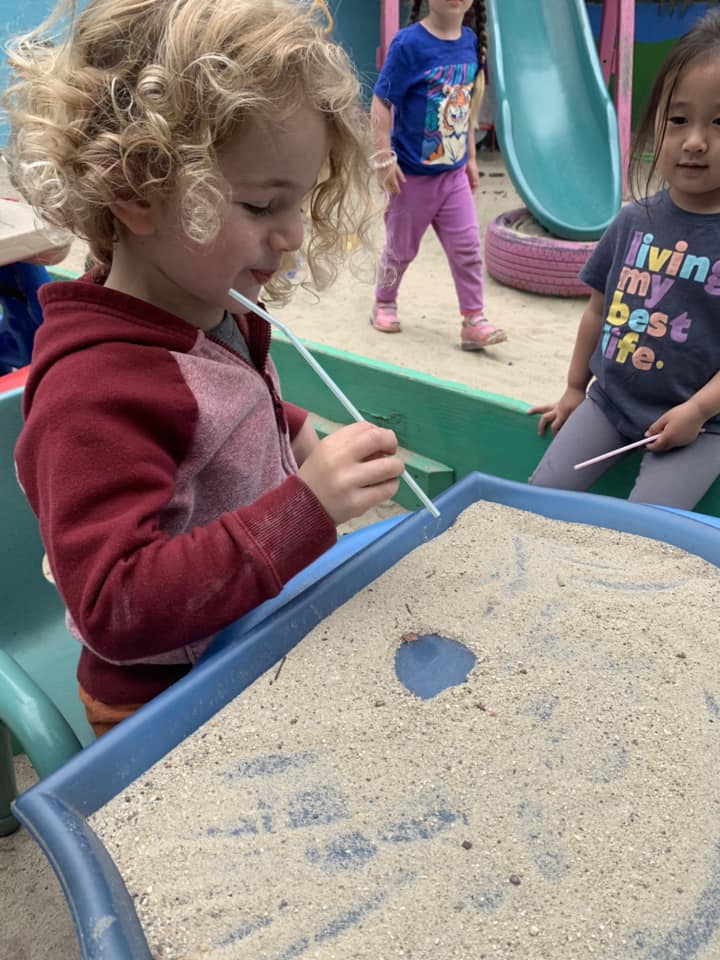
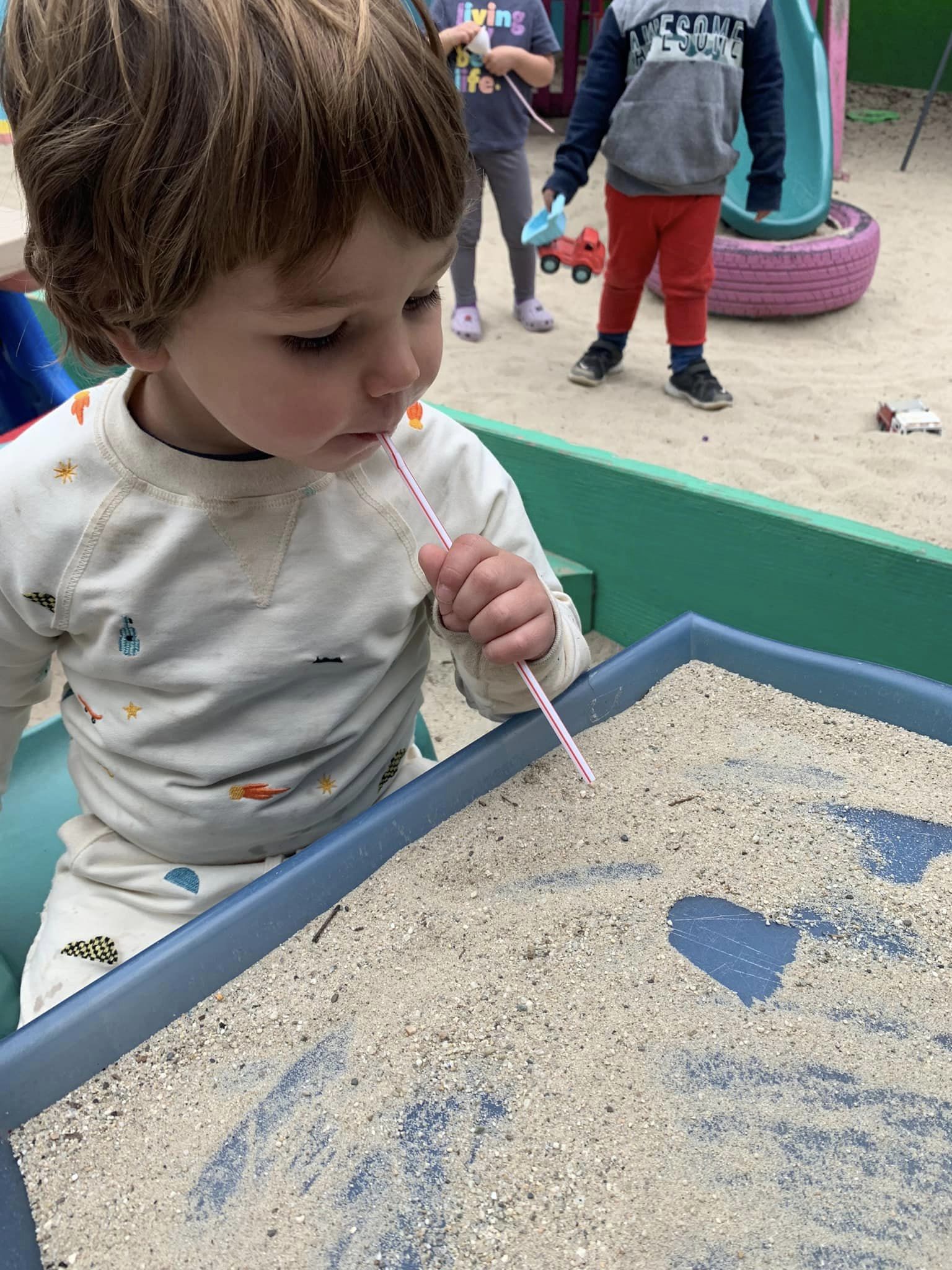
To recreate the famous Mesquite Flat Dunes of Death Valley, we used straws and sand to create ripples in small trays.

We noticed how the shape of the sand changed when we blew into the straws. Students enjoyed adding new words to the changes they saw, and giggled as they cleared their trays of sand!

Desert Landscapes

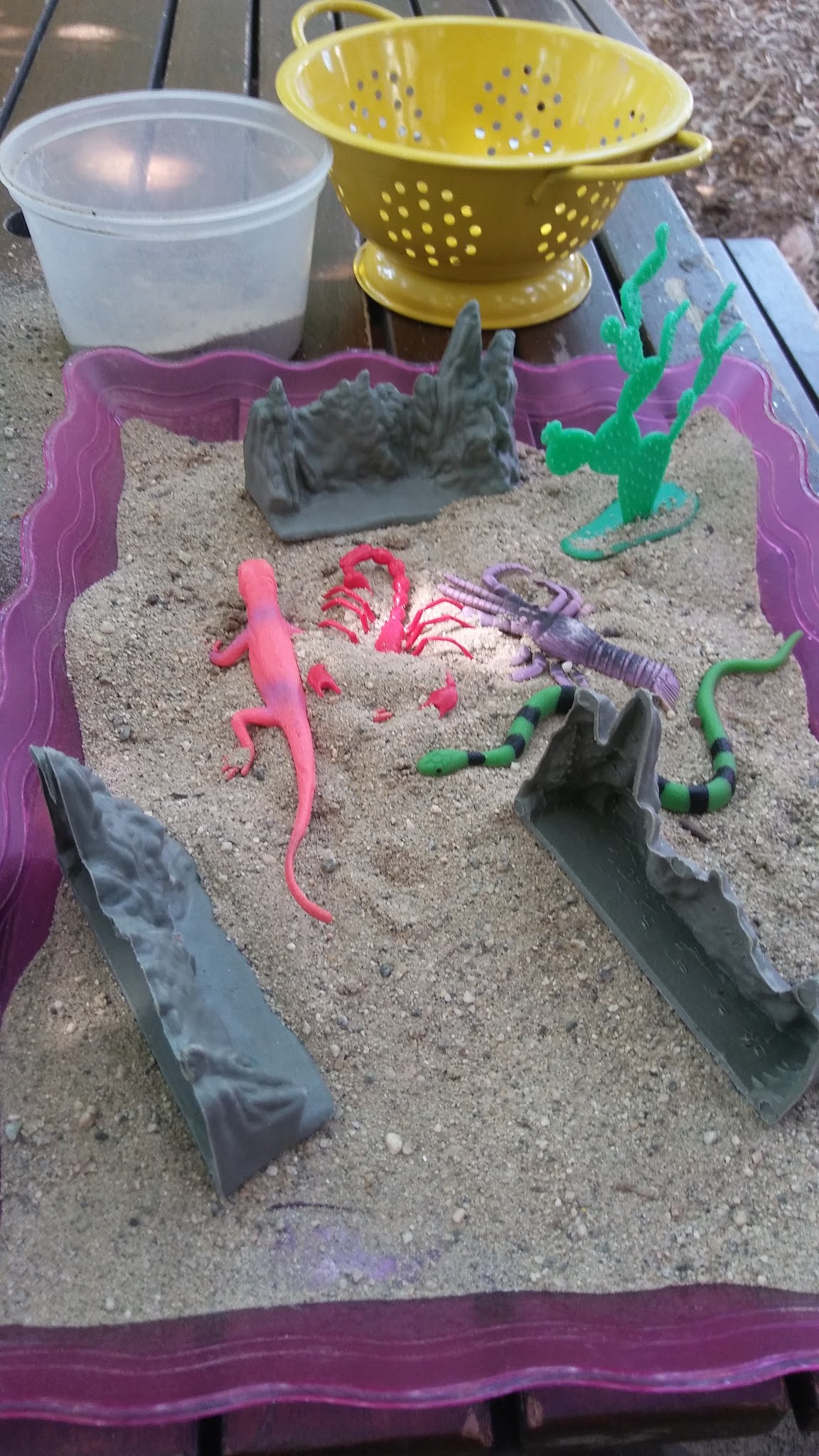
Small world [lay enables young learners to recreate some of the environments that they have been learning about in class.

gplus1257911512

Since the first week of our desert theme involved the physical geography of the desert, we used a variety of materials to create this.

gplus-778690411

Using sand, toy cacti, toy creatures, and rocks, we designed and later interacted with our very own desert landscapes!

gplus1075252358