Fault Block Mountains

Fault block mountains are distinguished by great sheer rock faces.

fault5

These form when enormous underground pressure forces a whole rock mass to break away from another.
fault4

The line at which this break takes place is called a fault. On one side of this break the rocks rise; on the other side they sink down.
fault

Some of the most spectacular mountain scenery anywhere are the great rock walls of the Sierra Nevada which are actually the sides of huge tilted fault blocks. The Sierra Nevada are in fact the broken upper edge of a huge plate that tilts down toward the west to nearly five miles below the surface of the Pacific Ocean.
fault1

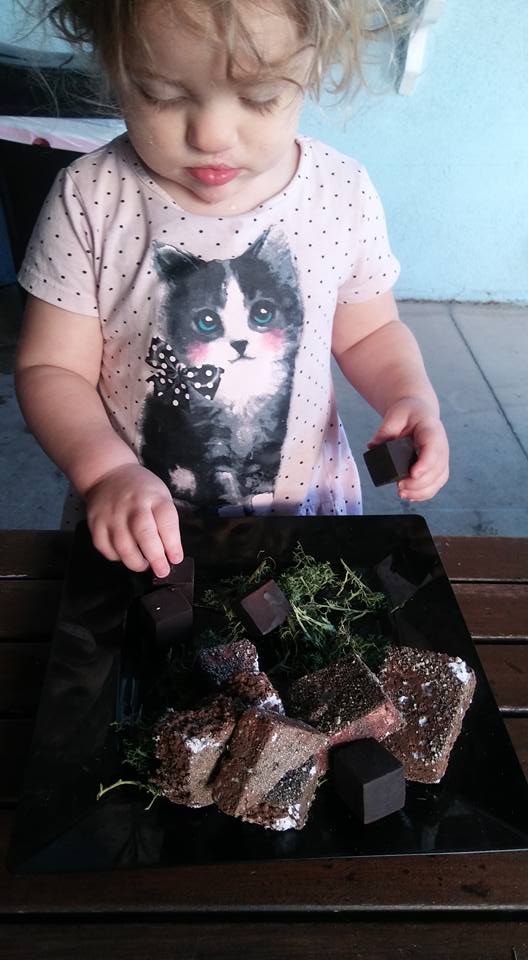
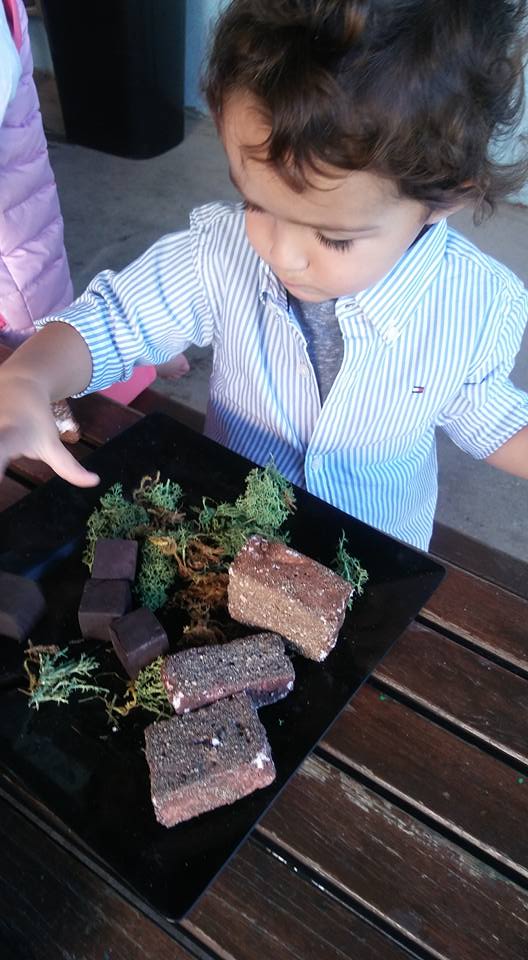
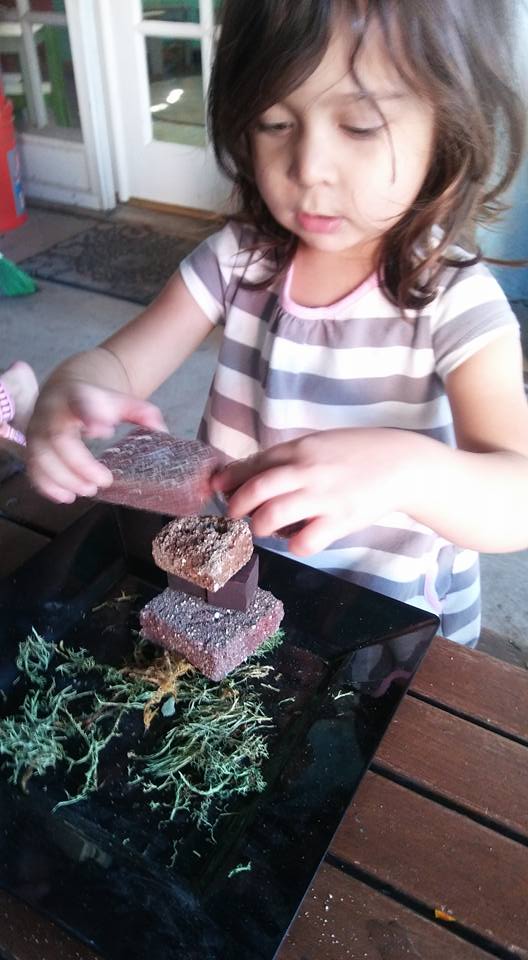
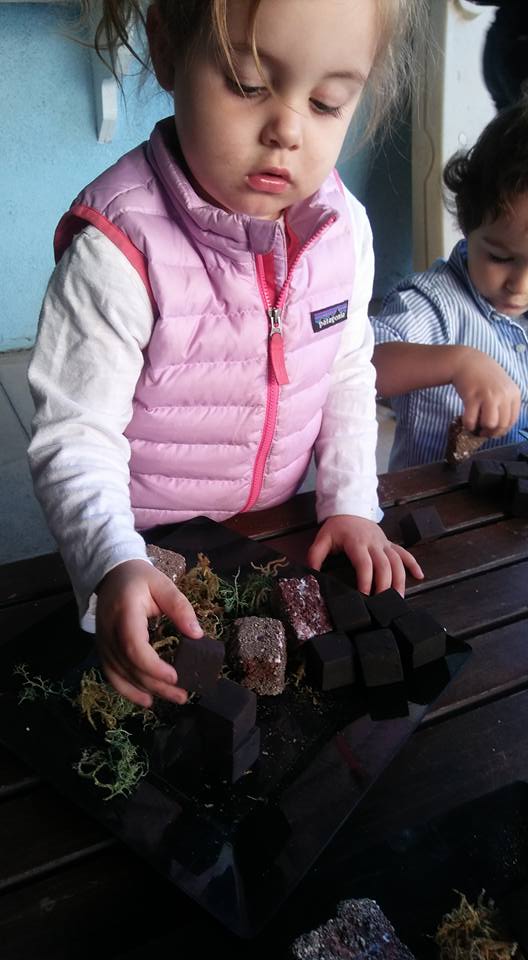
To help us further understand these magnificent structures, we created our own fault block mountains using artificial grass, styrofoam blocks, and regular blocks.
fault3

Sensory Prairies

Children (and adults) learn best and retain the most information when they engage their senses.

pray

By giving children the opportunity to investigate materials with no preconceived knowledge, you’re helping them develop and refine their cognitive, social and emotional, physical, creative and linguistic skillsets.

pray7

These sensory experiences provide open-ended opportunities where the process is more important than the product; how children use materials is much more important than what they make with them.

pray5

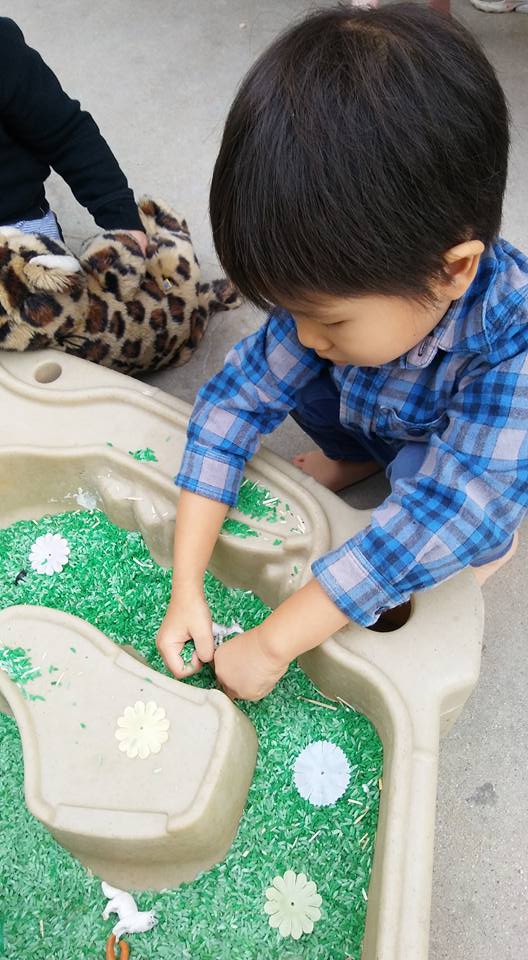
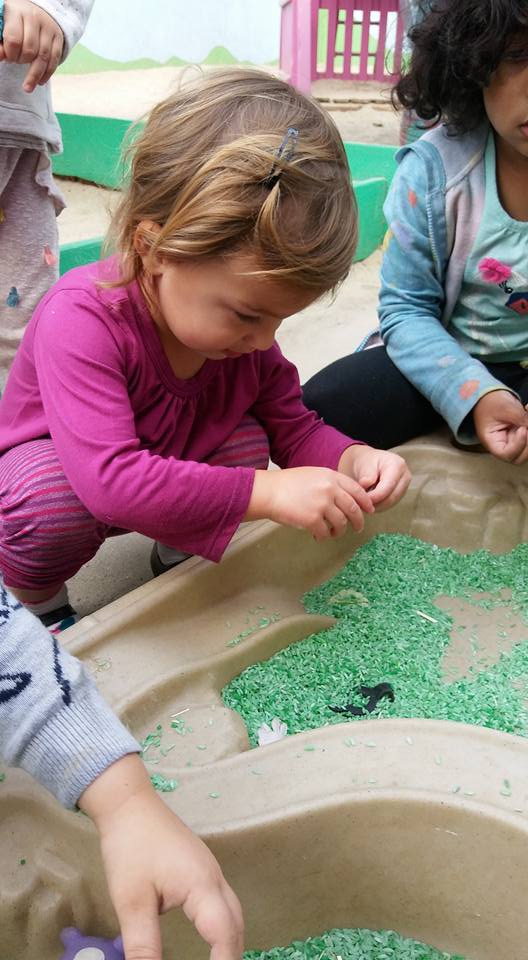
For this activity, we explored the physical properties of a prairie using colored rice. As your little ones manipulated the rice with their hands, they used many different words to describe its texture and temperature, giggling with their friends as they did so!

pray4


The Tree Line

The tree line is the edge of the habitat at which trees are capable of growing. It is found at high elevations and in frigid environments. Beyond the tree line, trees cannot tolerate the environmental conditions (usually cold temperatures or lack of moisture).

line

At the tree line, tree growth is often sparse and stunted, with the last trees forming densely matted bushes, known as krummholtz.

line2

The tree line, like many other natural lines (lake boundaries, for example), appears well-defined from a distance, but upon sufficiently close inspection, it is a gradual transition in most places.

line5

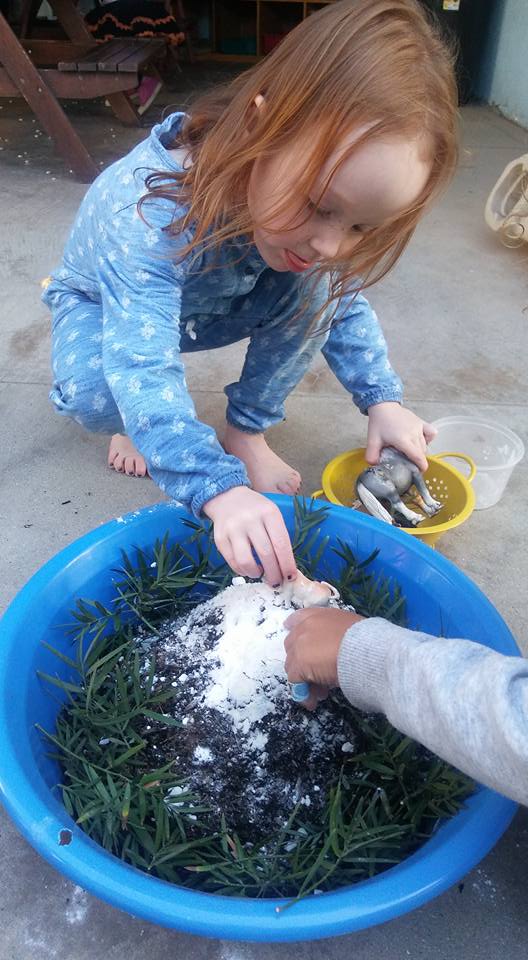
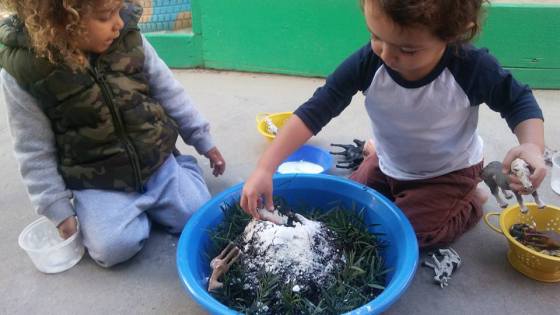
Trees grow shorter towards the inhospitable climate until they simply stop growing. For this activity, we talked about what a tree line was. We then used dirt, branches, and flour to create the tree line. Lastly, we added animals to our mountains and play with them among our friends!

line4

Mount Everest

Mount Everest, also known as Sagarmatha or Chomolungma—is the highest mountain on Earth, as measured by the height of its summit above sea level.

eve3

The mountain, which is part of the Himalayan range in High Asia, is located on the border between Nepal and Tibet.

eve2

Its summit was first reached in 1953 by Edmund Hillary of New Zealand and Tenzing Norgay of Nepal.

eve8

Its exact height is debated, but is approximately 29,000 feet above sea level.

eve6

To include this in our week of mountains, we used a few different materials to create this magnificent mountain.

eve9

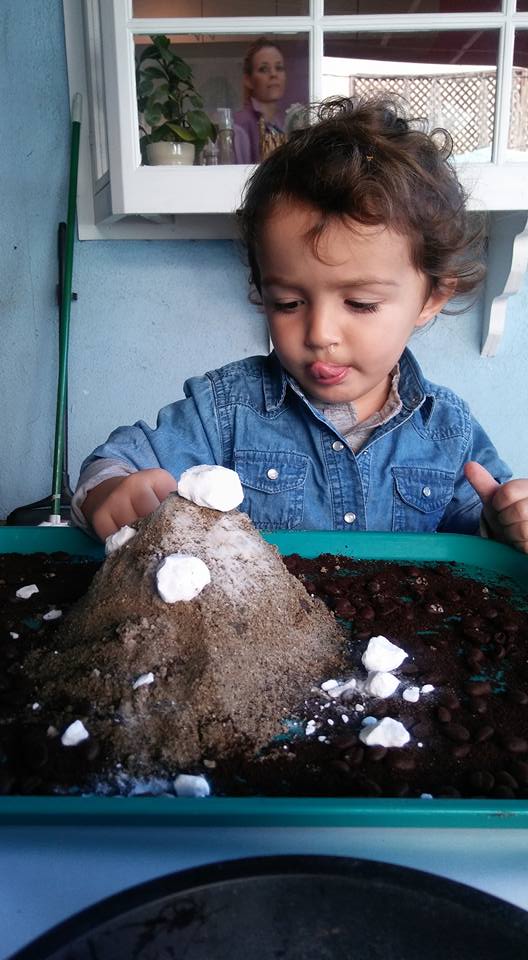
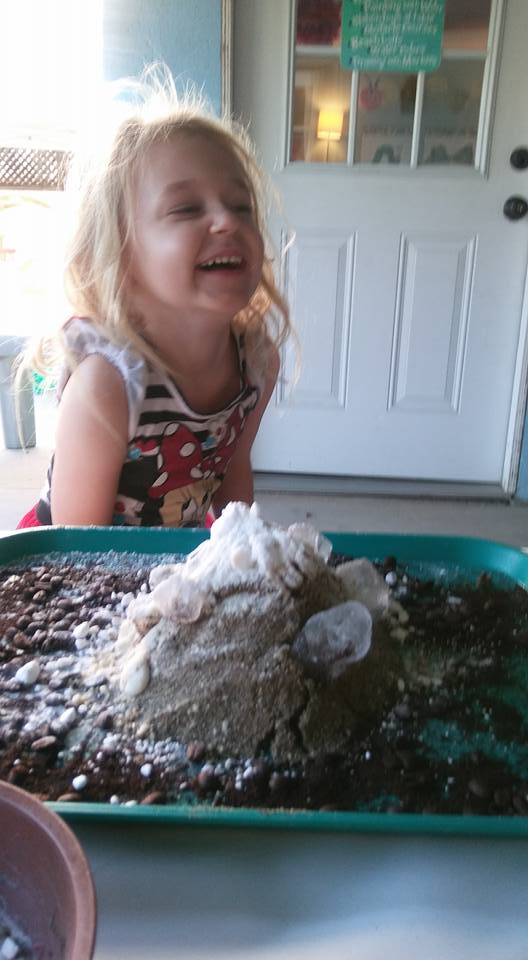
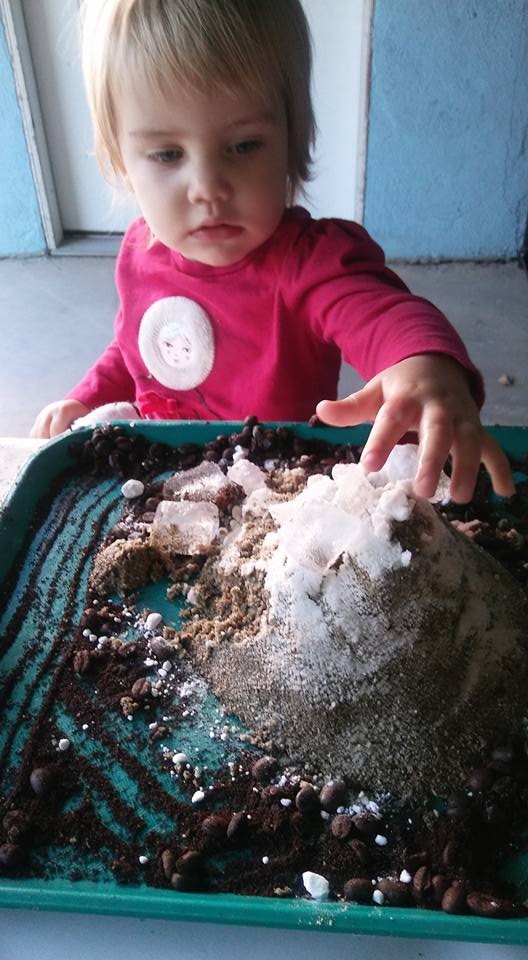
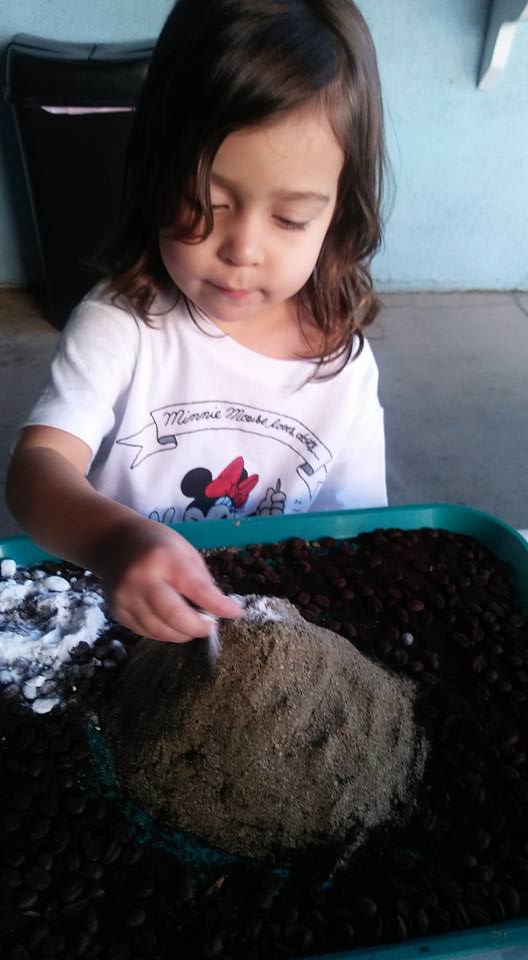
Using ice, dirt, and insta-snow, we enjoyed seeing who could make the tallest mountain among our friends!

eve5

Mountains and Trees

Creative art activities can help children in all areas of development. The first of these involve your little one’s large and small muscle development, as well as their eye-hand coordination.

alpine1

Using crayons, markers, and paint brushes helps children practice the fine motor control they will need for writing later on. The second, involves social development.

alpine4

When children work together in the art area, they learn to share, to interact with others, to be responsible for cleanup, and to put materials away.

alpine2

These are positive and important changes for social learning. The third domain includes cognitive development.

alpine5

Young children can learn the names of colors and shapes through creative art activities.

alpine7

They find out what happens when they mix various shapes together to get a final product.

alpine3

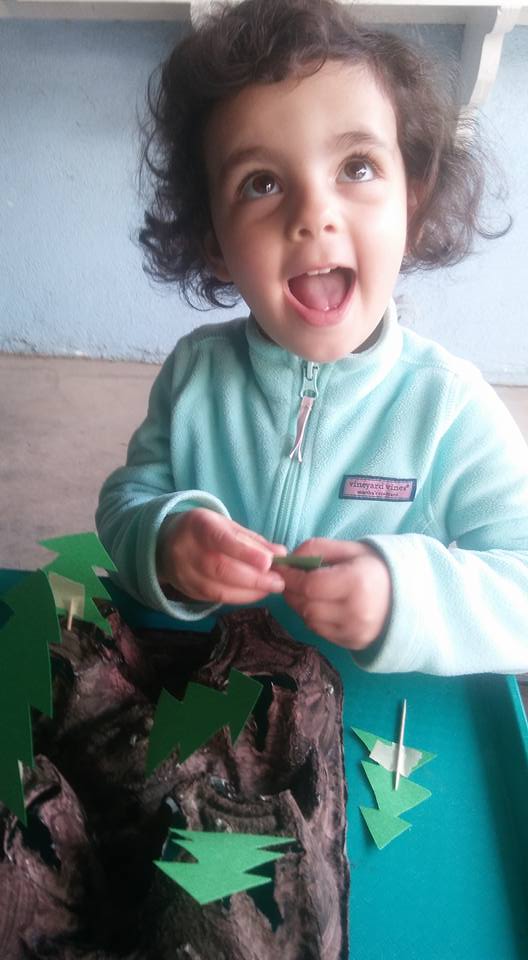
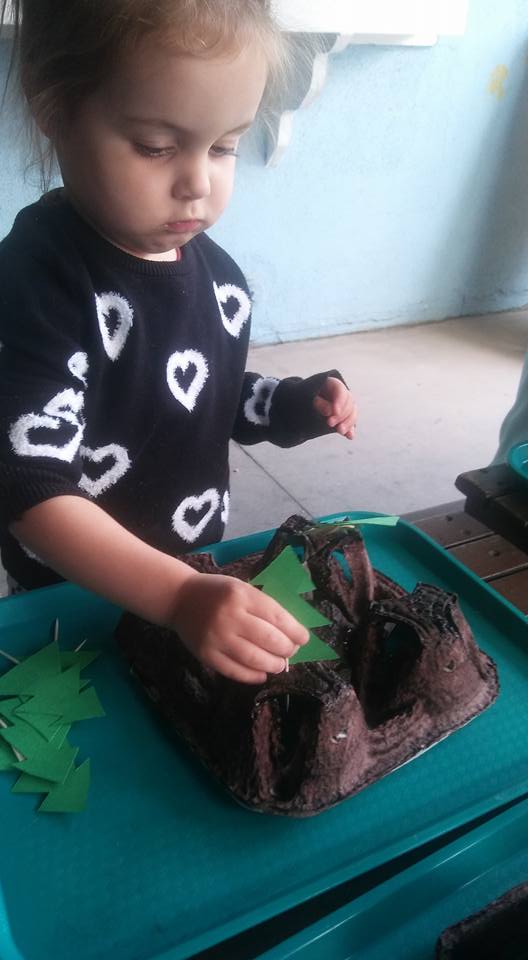
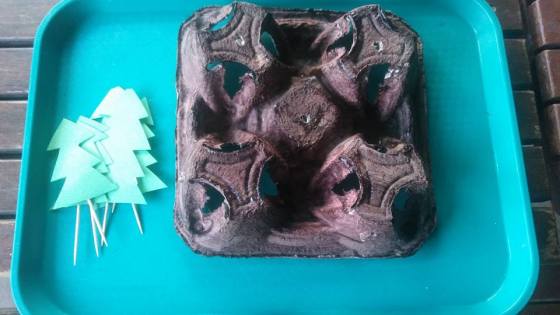
For this creative art activity, we used brown paint, cup holders, toothpicks, tree cut-outs and our thinking minds to create our very own alpine forest!

alpine6

Mountain Climbing

People have climbed mountains for the whole of human history, and they have done so for a variety of reasons—spiritual, strategic, prospecting and hunting, surveying, and probably simple curiosity.

mc1

Mountains were climbed in ancient and classical times, and even before recorded history.

mc3

Mountain climbing, often called “mountaineering” and sometimes “Alpinism,” is the activity of attempting to reach the summits of mountains.

mc4

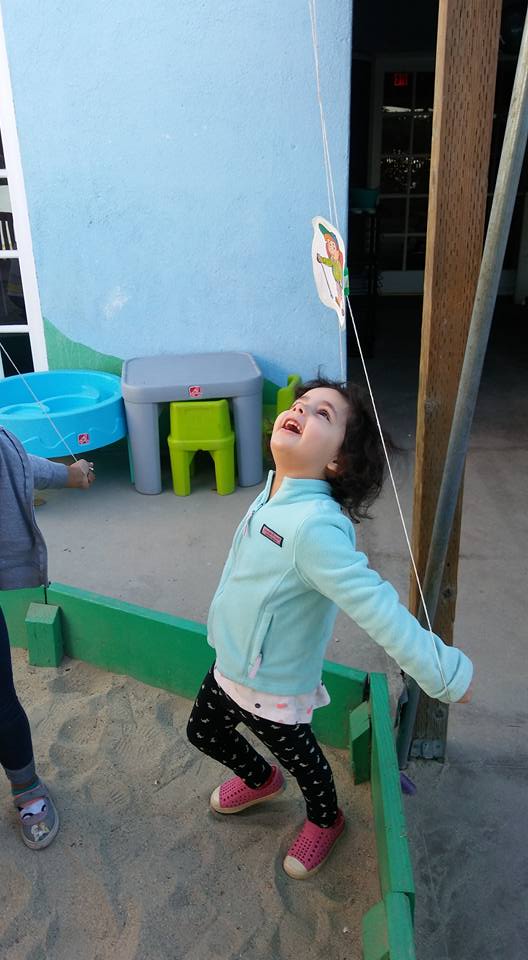
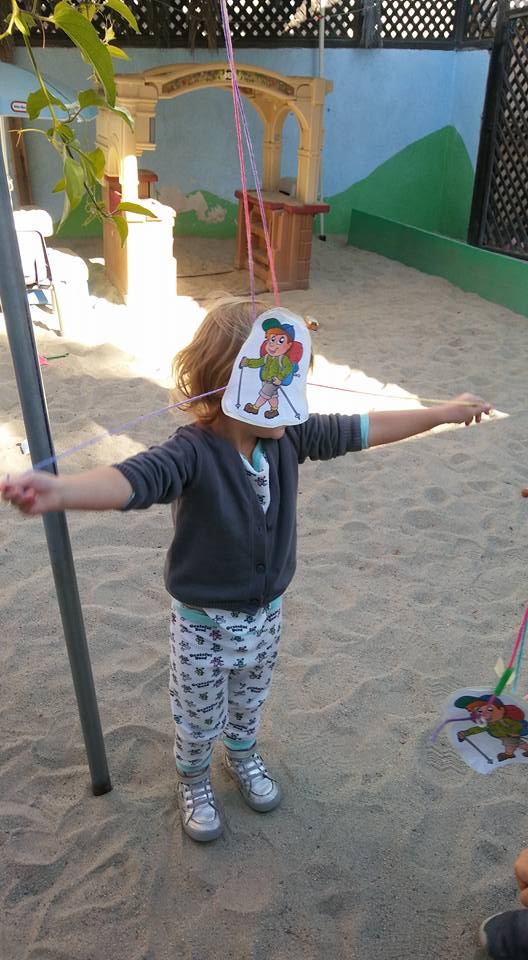
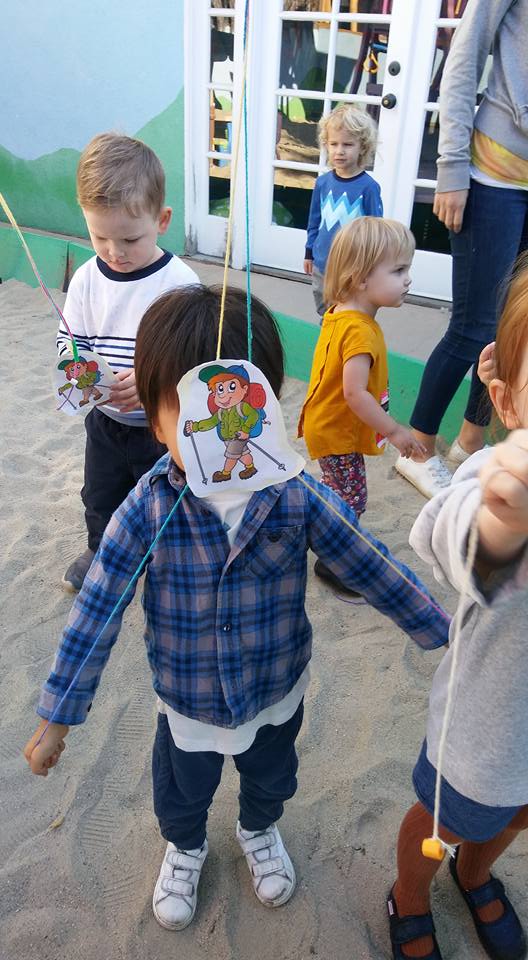
The activity is distinguished from hiking or backpacking by the difficulty of the ascent. For this activity, we used a little bit of engineering to demonstrate the process of “rappelling”.

mc5

Rappelling involves descending a rock face or other near-vertical surface by using a doubled rope coiled around the body and fixed at a higher point.

mc7

Using yarn, beads, pictures of mountain climbers and some engineering, we enjoyed watching our mountain climbers rise and fall with our arm motions!

mc6