Triangle Structures

We love block play at preschool because it fulfills so many developmental domains!

As students stack blocks, they are learning essential mathematical skills, such as matching, counting, and sorting!

As students organize them by shape and color, they are practicing early literacy skills (fulfilling the Language and Literacy Domain) such as symbolization and representation.

We can’t even begin to mention the fine and gross motor skills (Physical Domain), observation and divergent thinking (required for the Science Domain), and a host of other pertinent areas of development. For this activity, students created different structures with three-dimensional paper triangles.
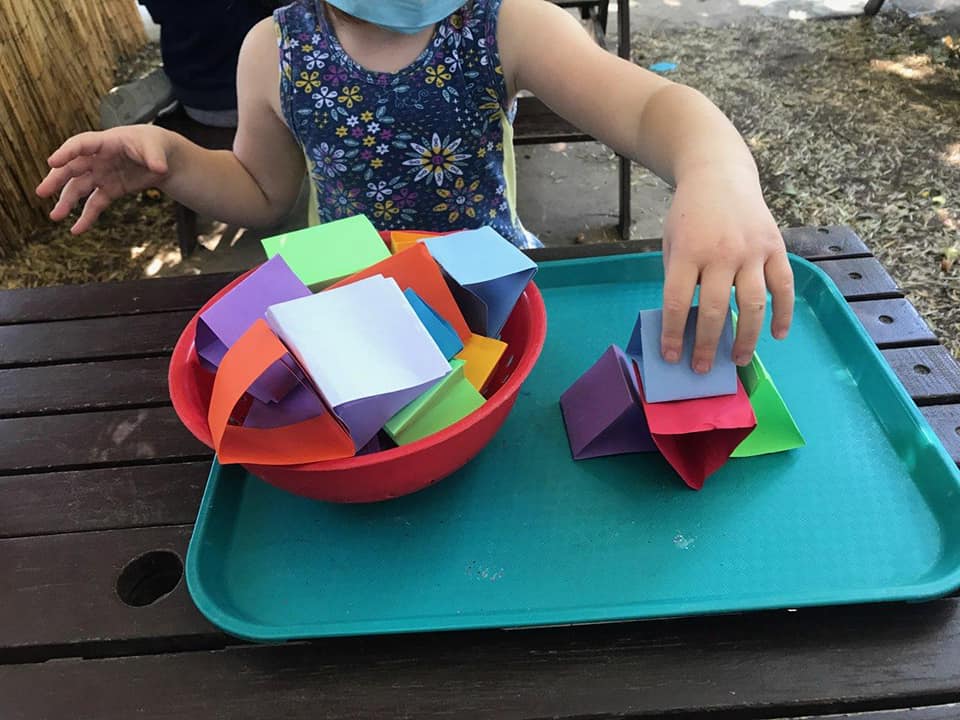
Because these triangles were lightweight and flimsy, students had to concentrate on creating their structures without the triangles deteriorating or their “towers” falling!
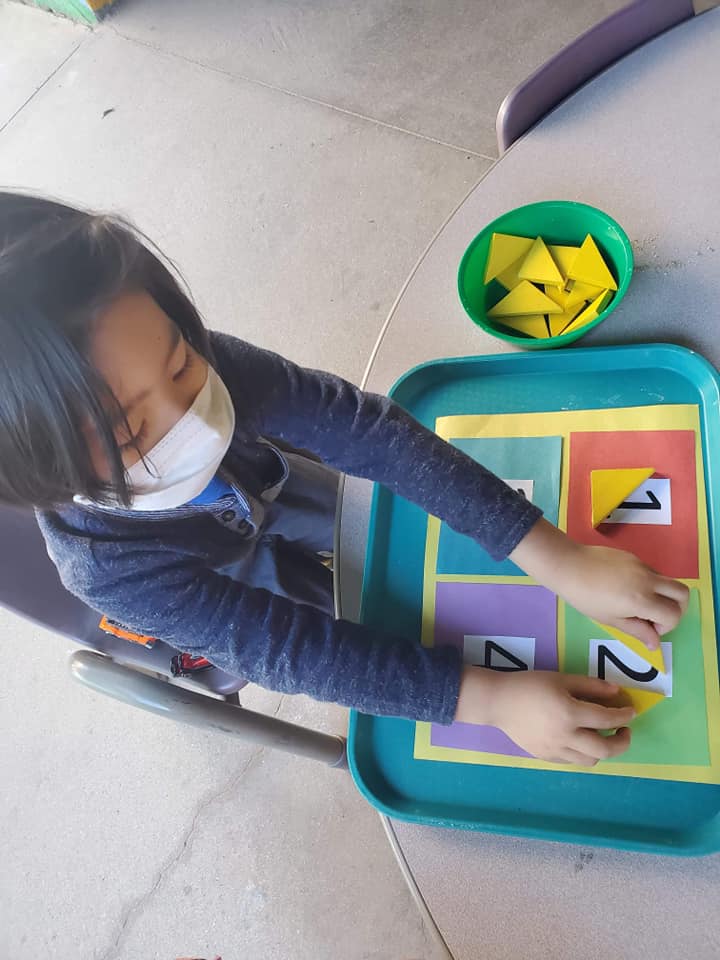
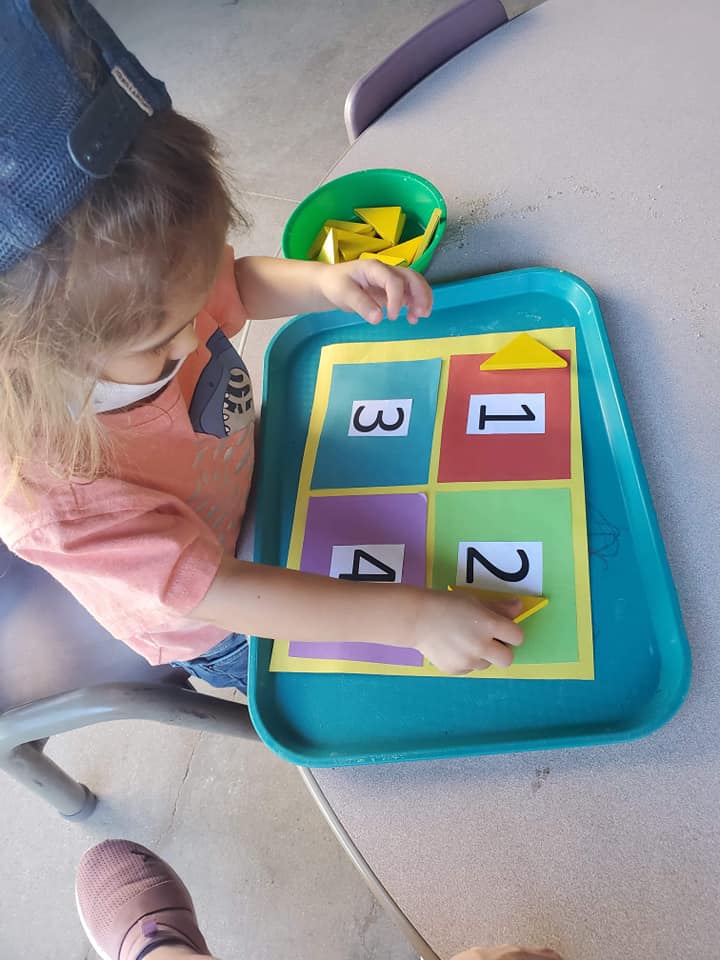
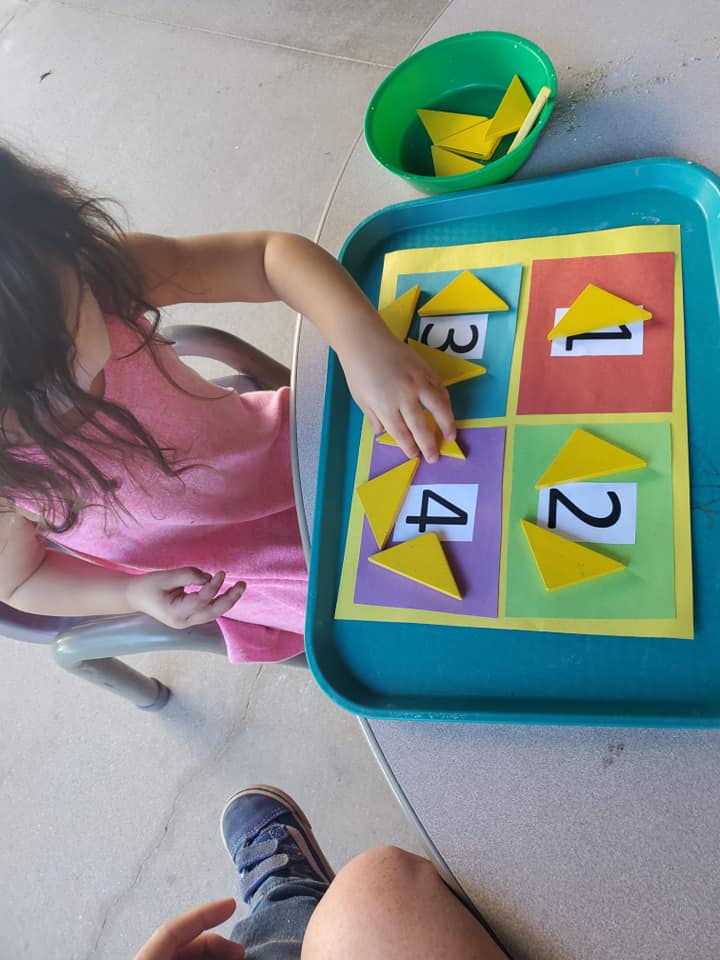
Counting Triangle Quantities

At our preschool, we like to help our students learn number quantities and associate those number quantities with the written symbol for the number.

In general, young children can understand quantities sooner than they can understand the number symbol associated with that quantity.

For example, scientific experiments have shown that even very little babies can differentiate between a quantity of one and a quantity of two.

What takes longer to develop is the understanding that ‘2’ is a written symbol representing the quantity of two.

Many young students struggle with this connection.

This Counting Triangle Quantities activity helps your little ones make the connection between number symbols, number names, and quantities.

Tracing the numbers with their fingers also supports the preschooler’s knowledge of number symbols in addition to their emerging writing skills.

Fine Motor Triangles

As parents, you play a critical role in your child’s fine motor development.

The most important thing you can do is to provide opportunities that are fun and interactive for your child.

Developing fine motor skills in early childhood education helps build the foundation for important future skills like writing and self-care.

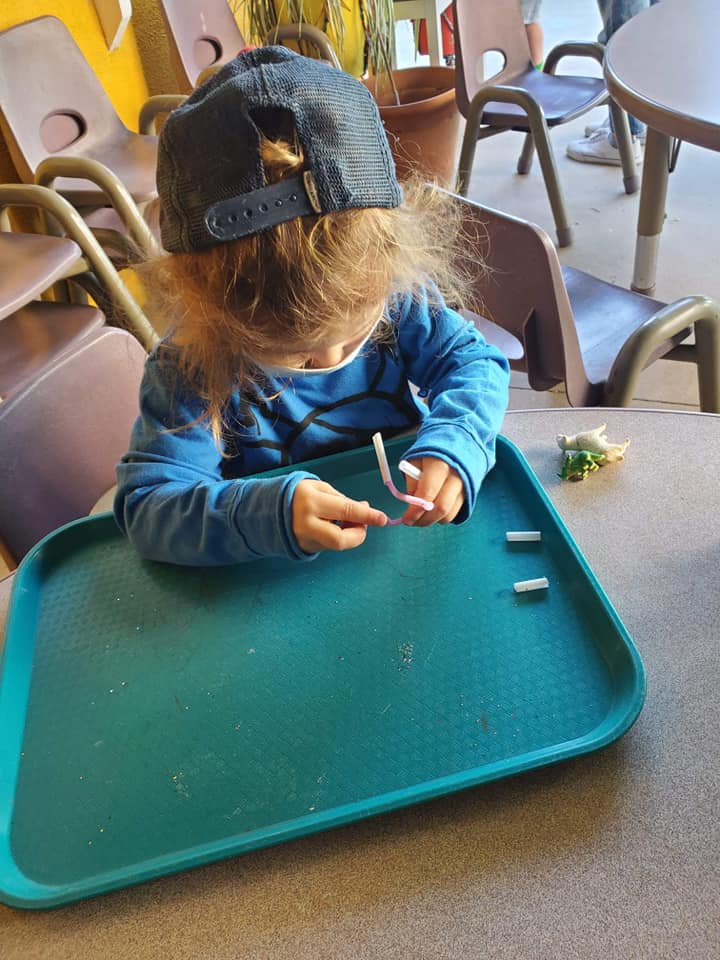
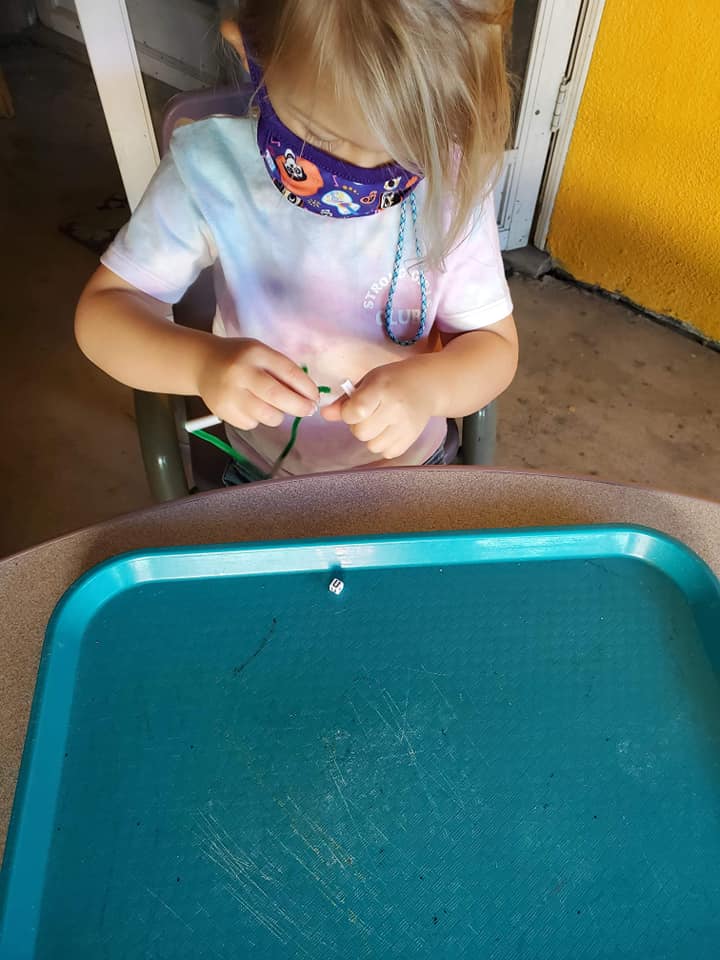
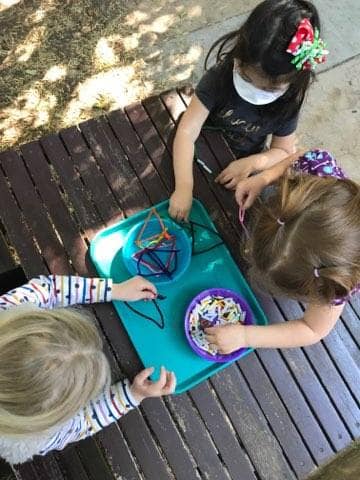
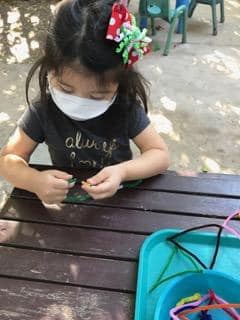
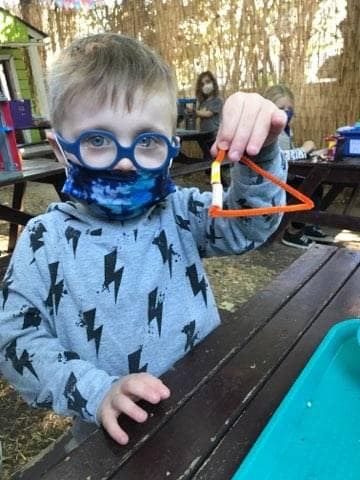
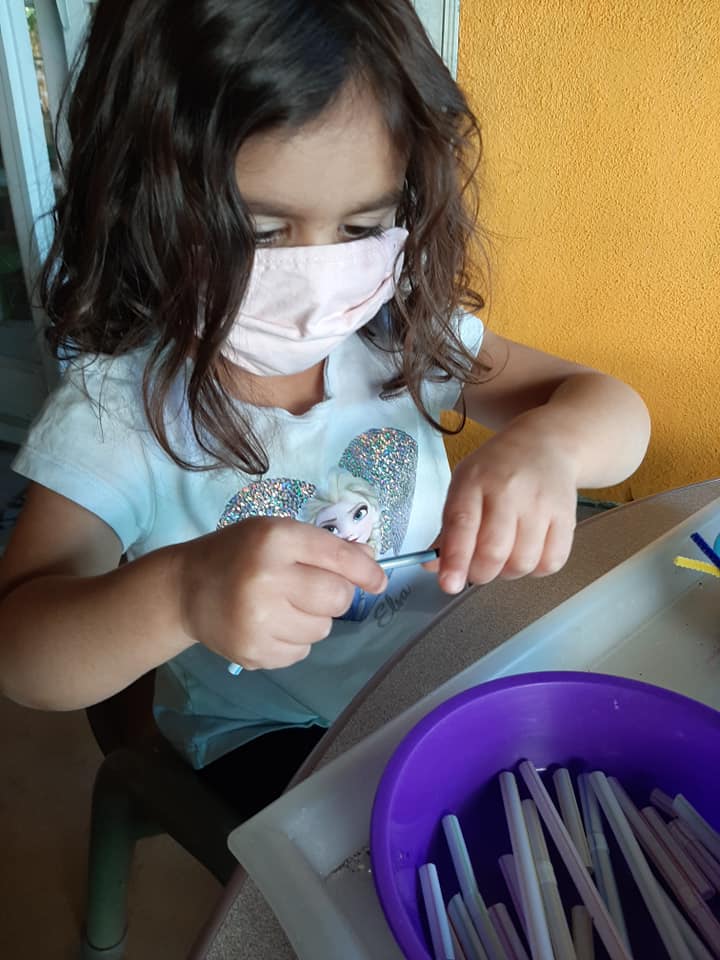
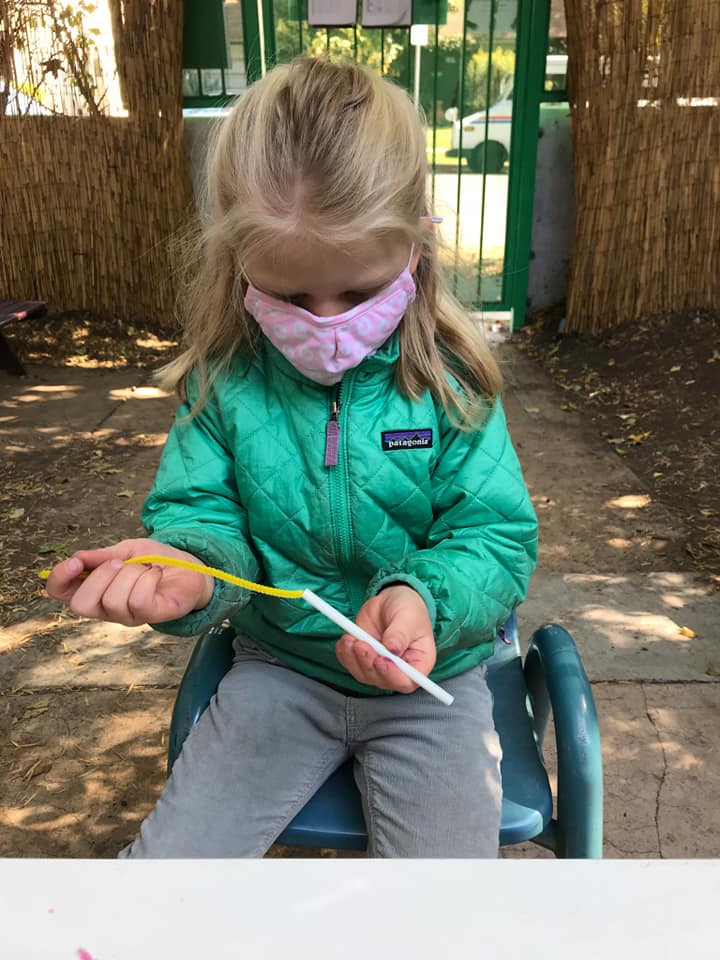
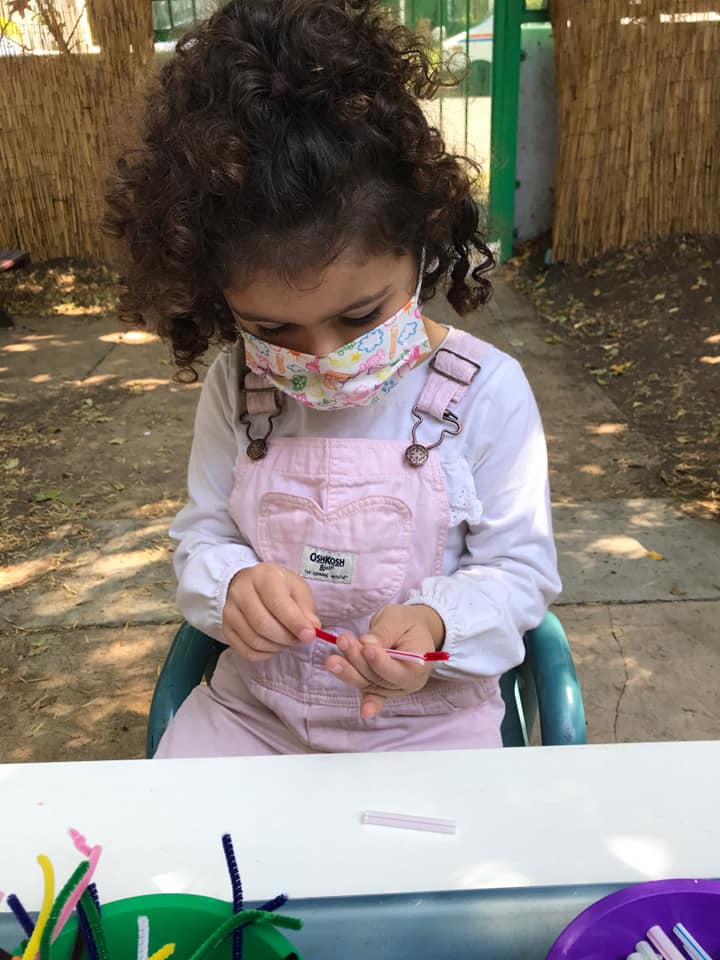
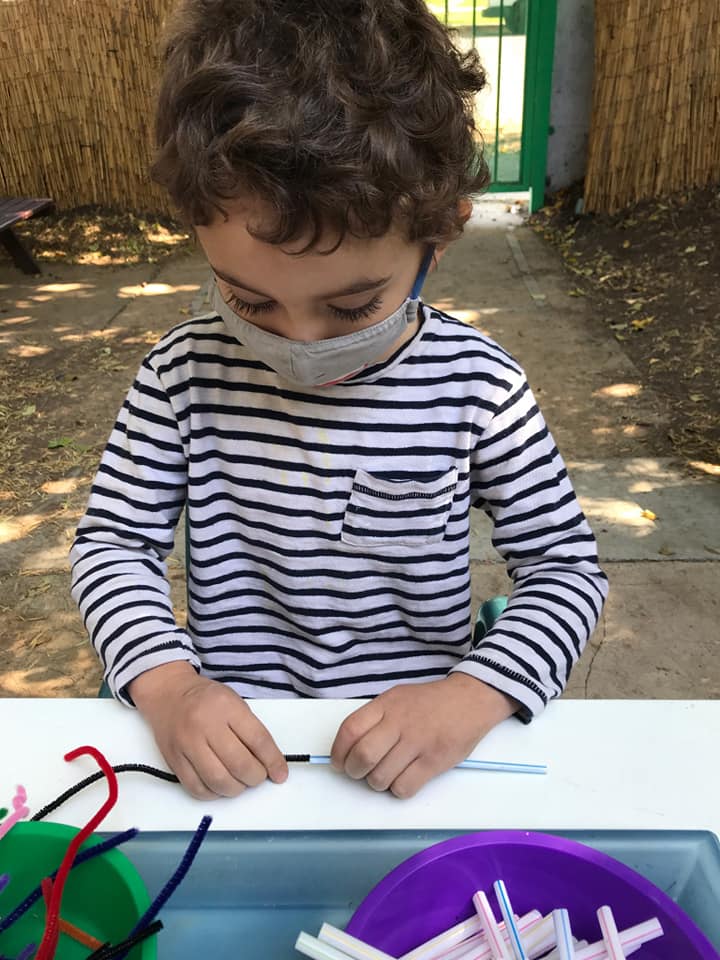
To hone your little ones’ fine motor skills, we created pipe-cleaner triangles with pipe cleaners and beads!

Using their tiny fingers, students slid each bead onto their pipe cleaner until they completed a triangle!

STEM Triangles

Science, technology, engineering, and mathematics workers play a key role in the sustained growth and stability of the U.S. economy, and are a critical component to helping your little ones’ thinking minds!

STEM activities also increase science literacy and enables the next generation of innovators!

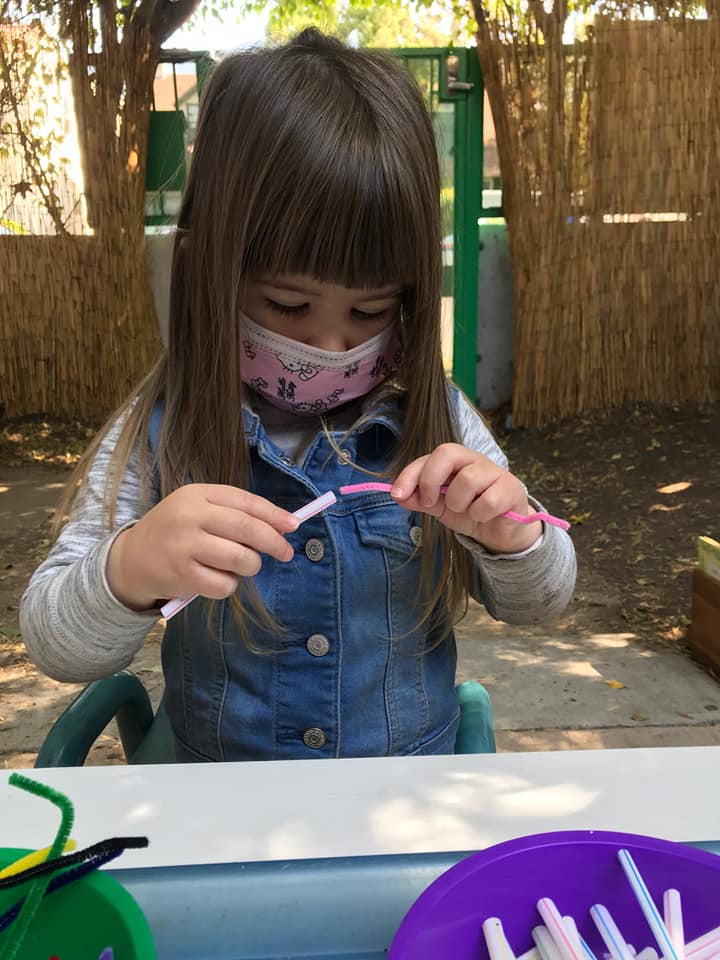
For this activity, students used straws and pipe cleaners to create pyramids!

Our younger learners created triangles, while our older students created more complex structures.

Heart Handwriting

Technology is an undeniable fact of everyday life and can support students’ learning. But there are limits to that: Completely replacing handwriting instruction with keyboarding instruction in elementary school can be detrimental to students’ literacy acquisition. Why are handwriting and letter formation so important?

Research has demonstrated a correlation between letter-naming and letter-writing fluency, and a relationship between letter-naming fluency and successful reading development. There’s a strong connection between the hand and the neutral circuitry of the brain – as students learn to write the critical features of letters, they also learn to recognize them more fluently. This recognition of letters lead to greater letter-writing fluency, which leads to greater overall reading development.

Heart Trees

Many of your child’s daily activities—like getting dressed, eating, and writing—require control of small muscles in the hands.

We call these skills fine motor skills.

Your child can do more things for himself when he has opportunities to practice these skills.

There are lots of activities that can increase muscle strength and coordination, preparing children for more advanced skills, from writing with a pencil, using a computer mouse, or playing a musical instrument.

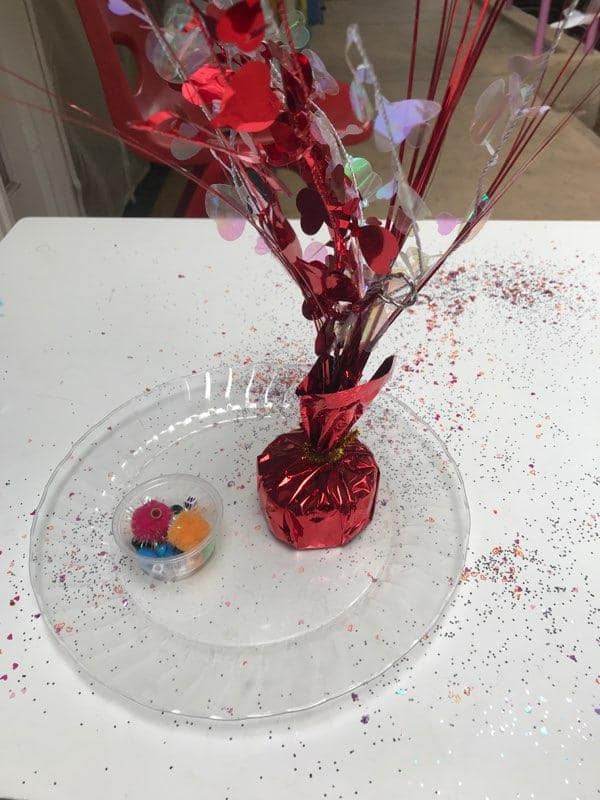
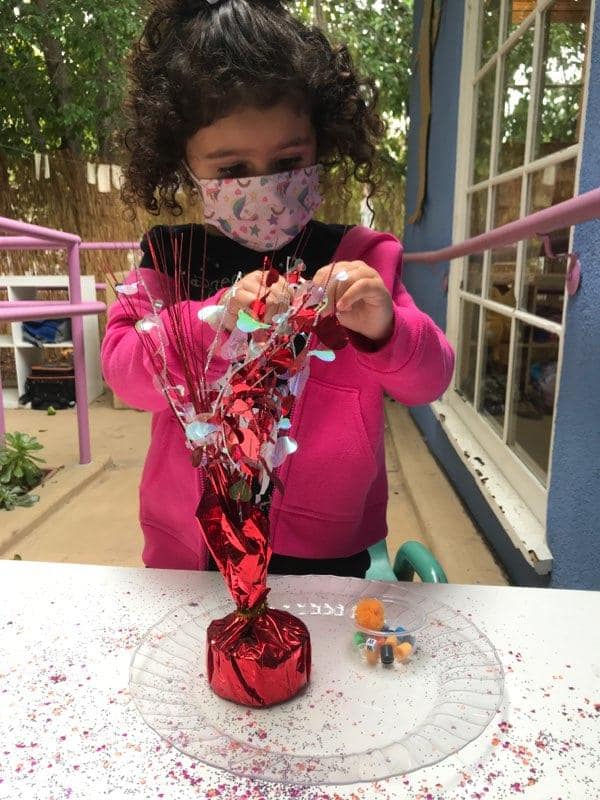
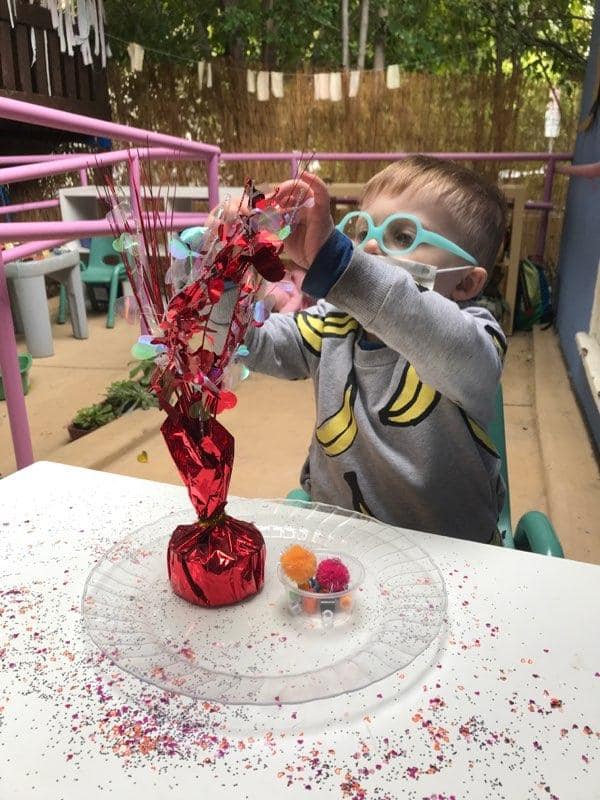
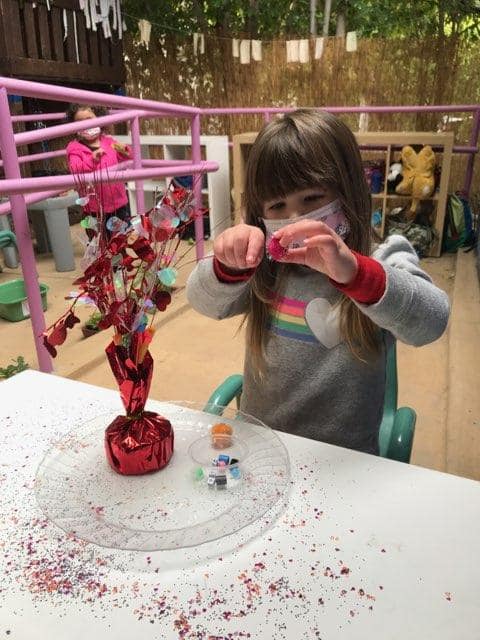
For this activity, we used our fine motor skills to create these fun Heart Trees!

Using beads and their fingers, students were encouraged to slide the beads onto their trees.

This also fostered hand-eye coordination.

Heart Sensory Bin

Research shows that sensory play builds nerve connections in the brain’s pathways, which enables young children to complete more complex learning tasks.

Sensory play also supports language development, cognitive growth, fine and gross motor skills, problem solving skills, and social interaction.

Lastly, sensory play aids in developing and enhancing memory.

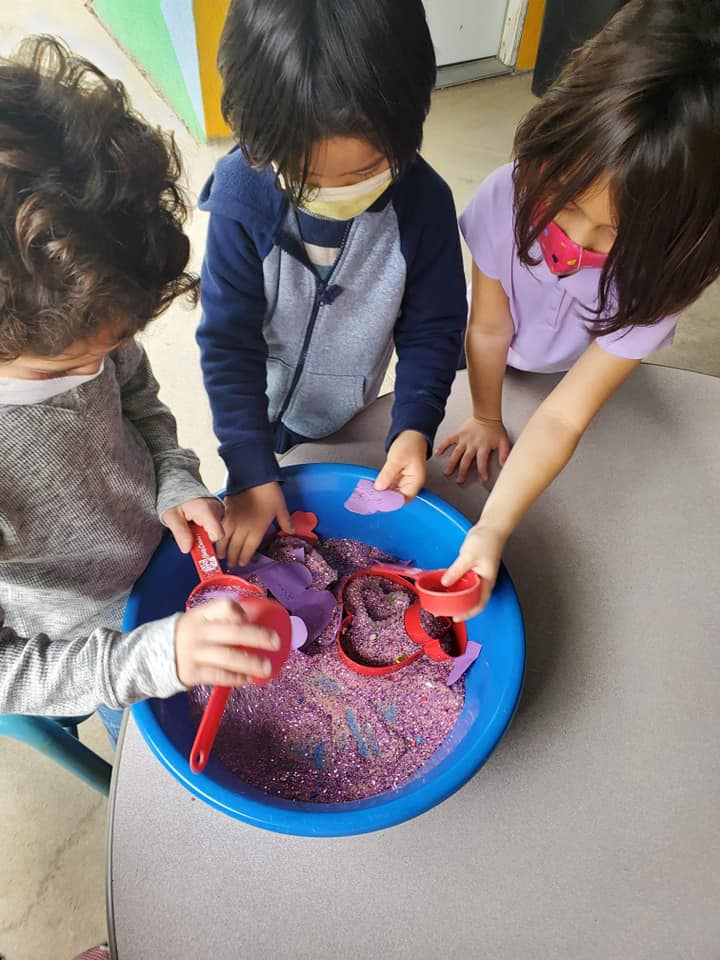
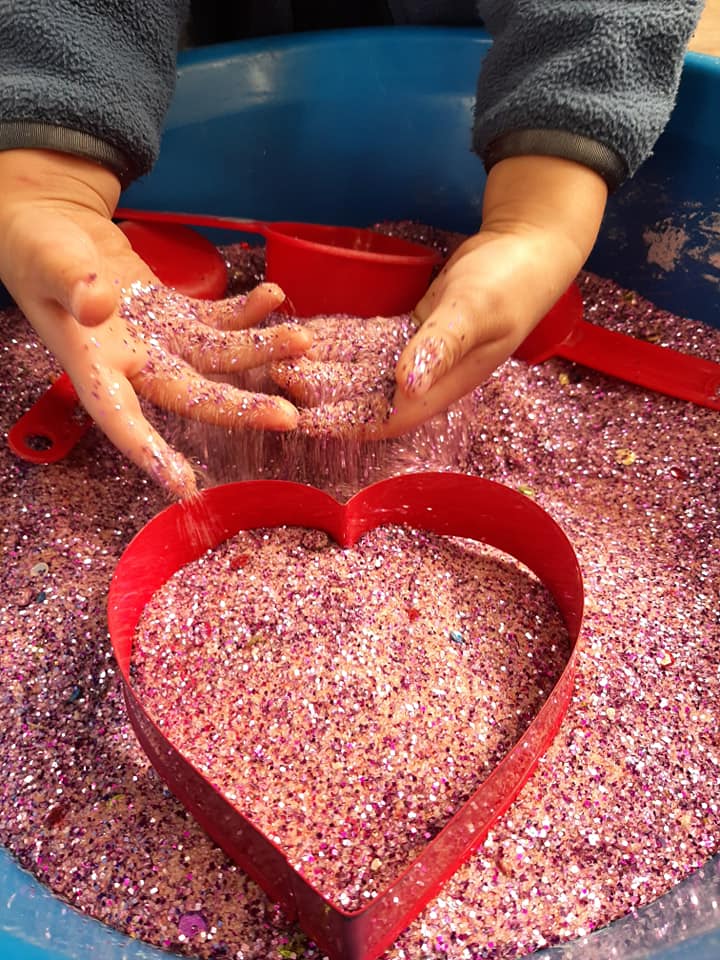
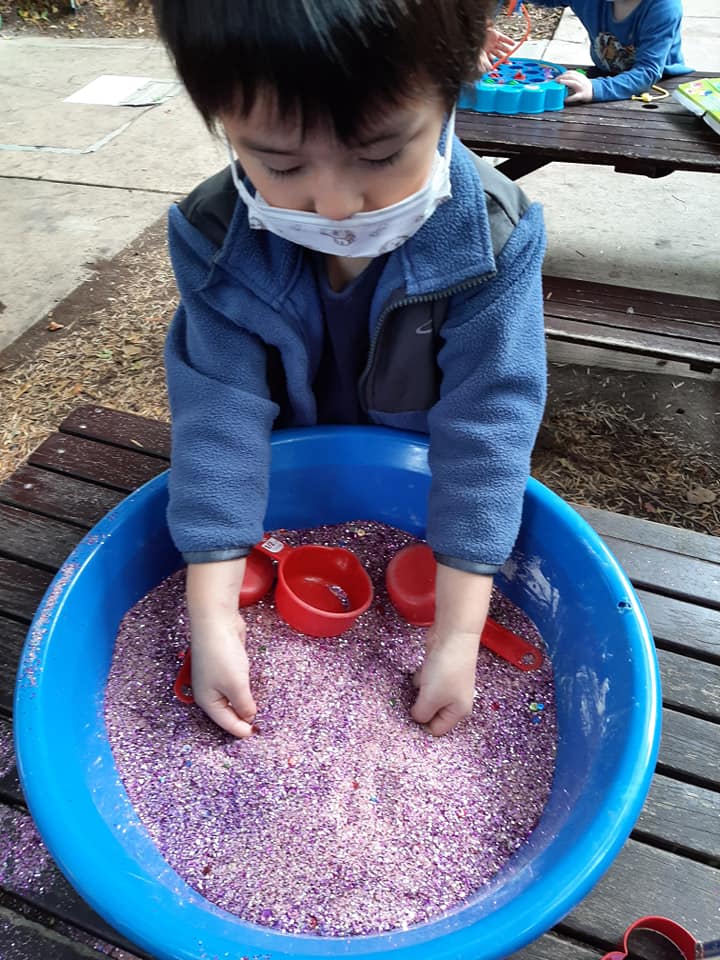
For this activity, we interacted with a variety of materials in this fun Heart Sensory Bin!

Using their hands, students manipulated the materials and had fun while doing so!