Puzzles are a must have for every toddler…..and they have been for a long time!
The very first puzzle is said to have been made in the 1760s, meaning kids have been tackling puzzles for more than two centuries now!
There’s a good reason why puzzles have been a staple in every child’s toy box for so long – they’re fun, they’re challenging and each time a child finishes a puzzle, they walk away with more experience and more developed skills like concentration, problem solving and patience.
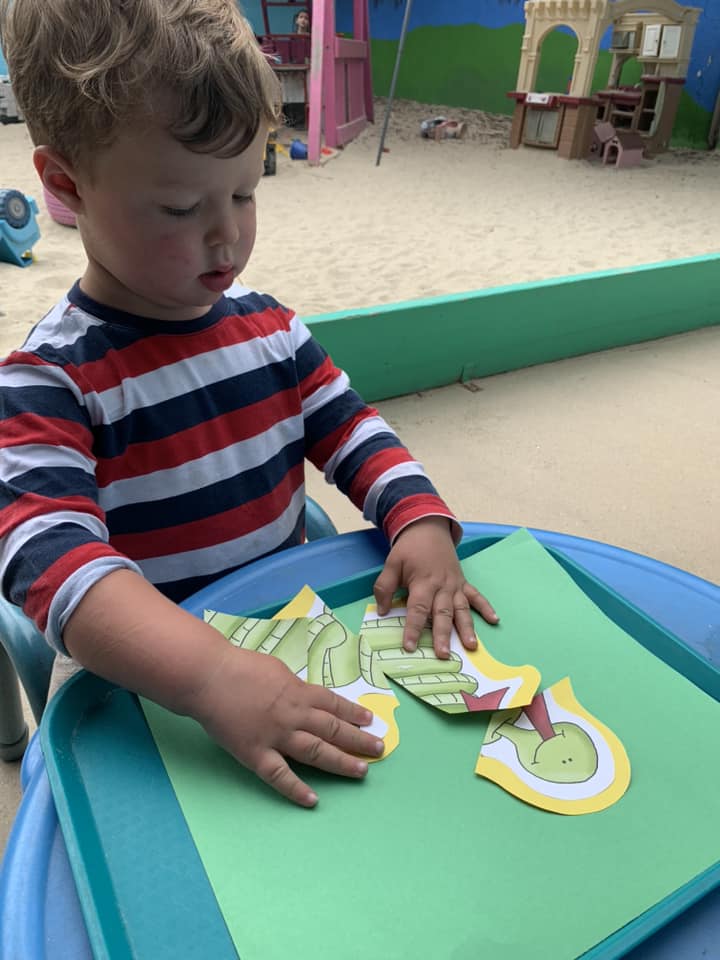
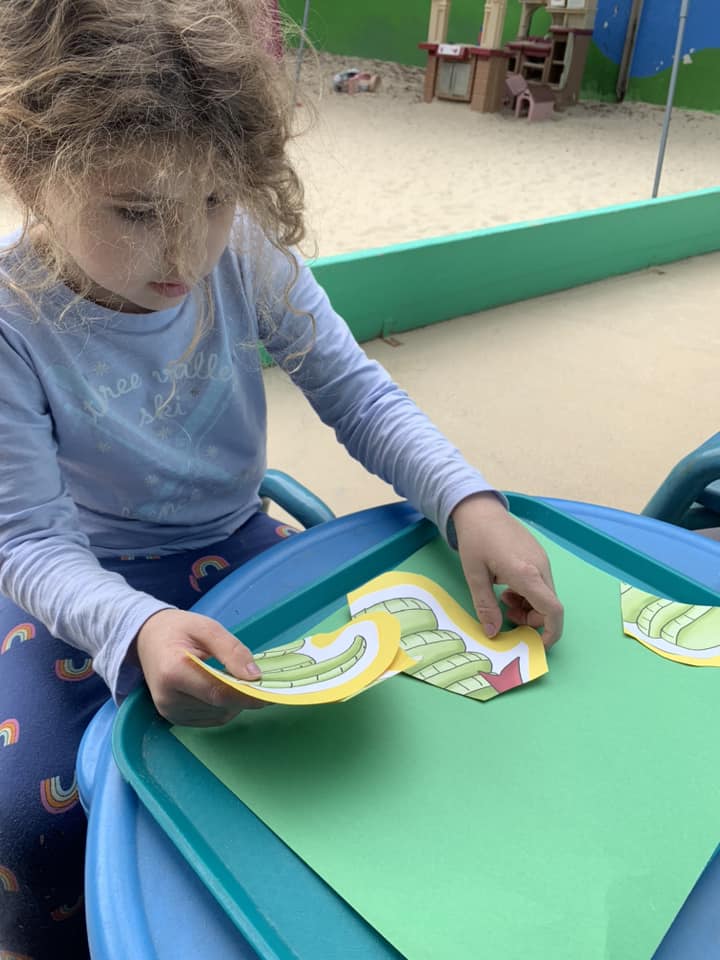
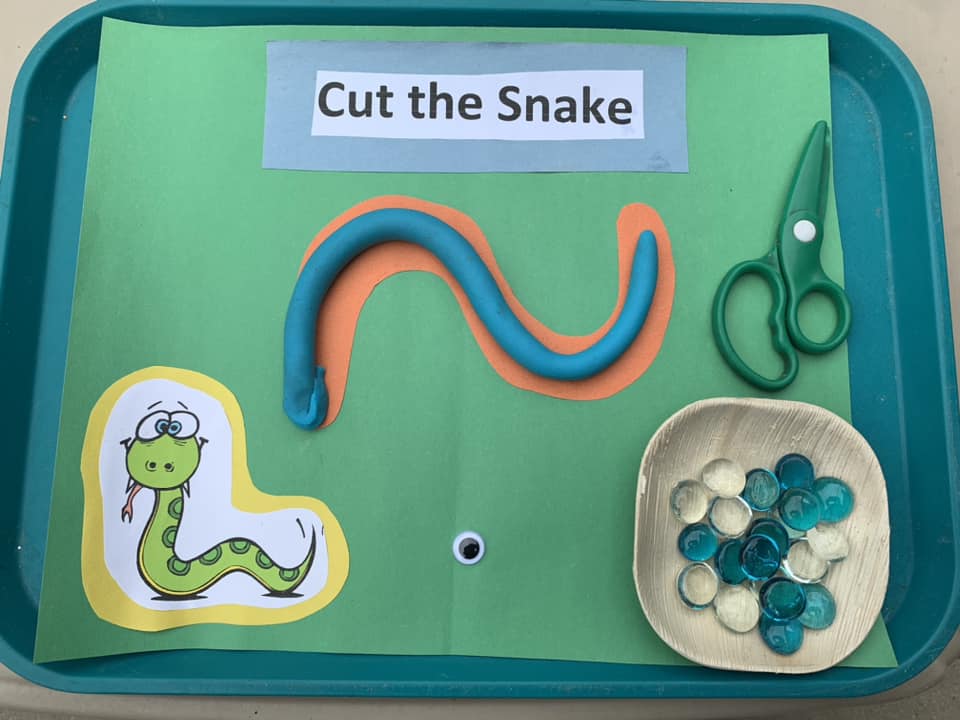
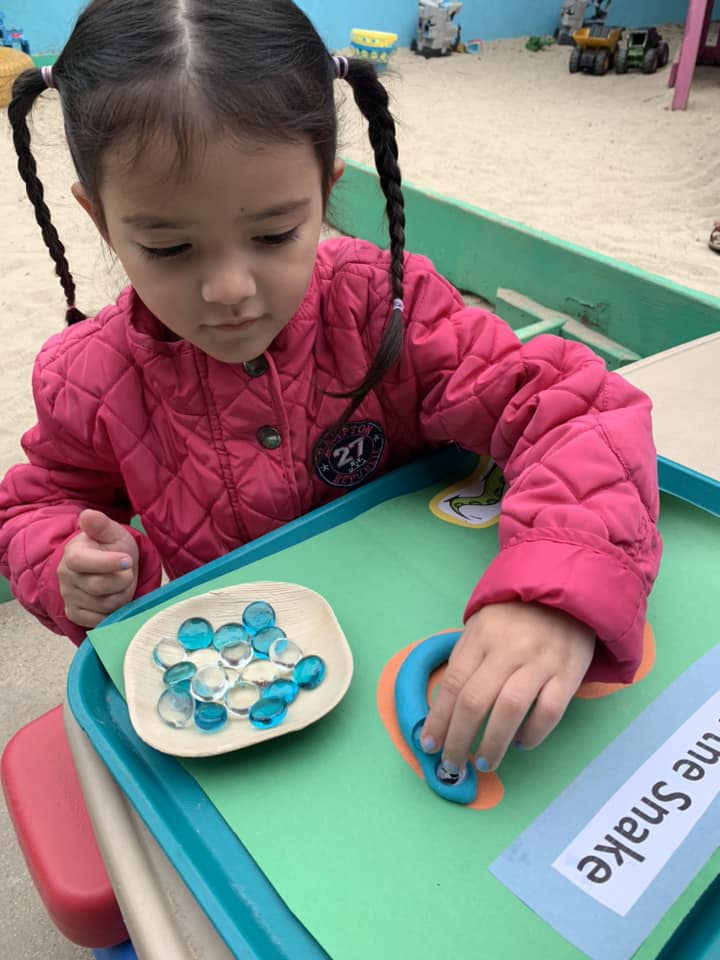
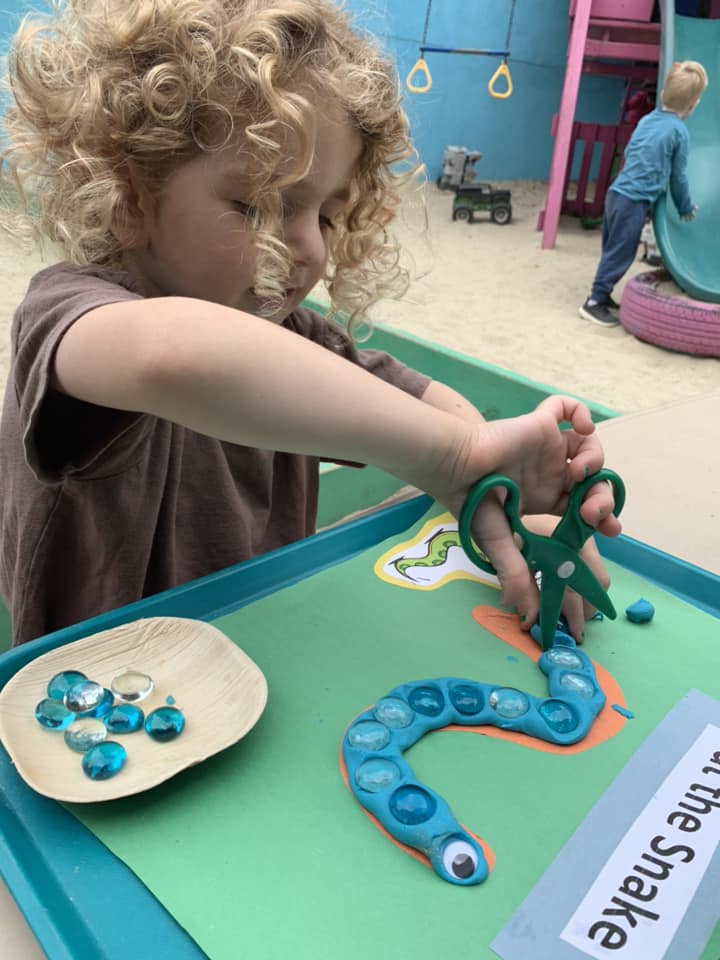
For this activity, students put together the pieces of a paper snake. They were encouraged to first look at each piece individually and then to combine them to form the perfect snake!
Manipulatives give children the opportunity to interact with the alphabet through hands-on play.
They are able to feel the shape of the objects and arrange multiple items to form letters and words.
They can see the curves and the lines that come together to form each letter, and some manipulatives even allow children to explore letter formation and tracing.
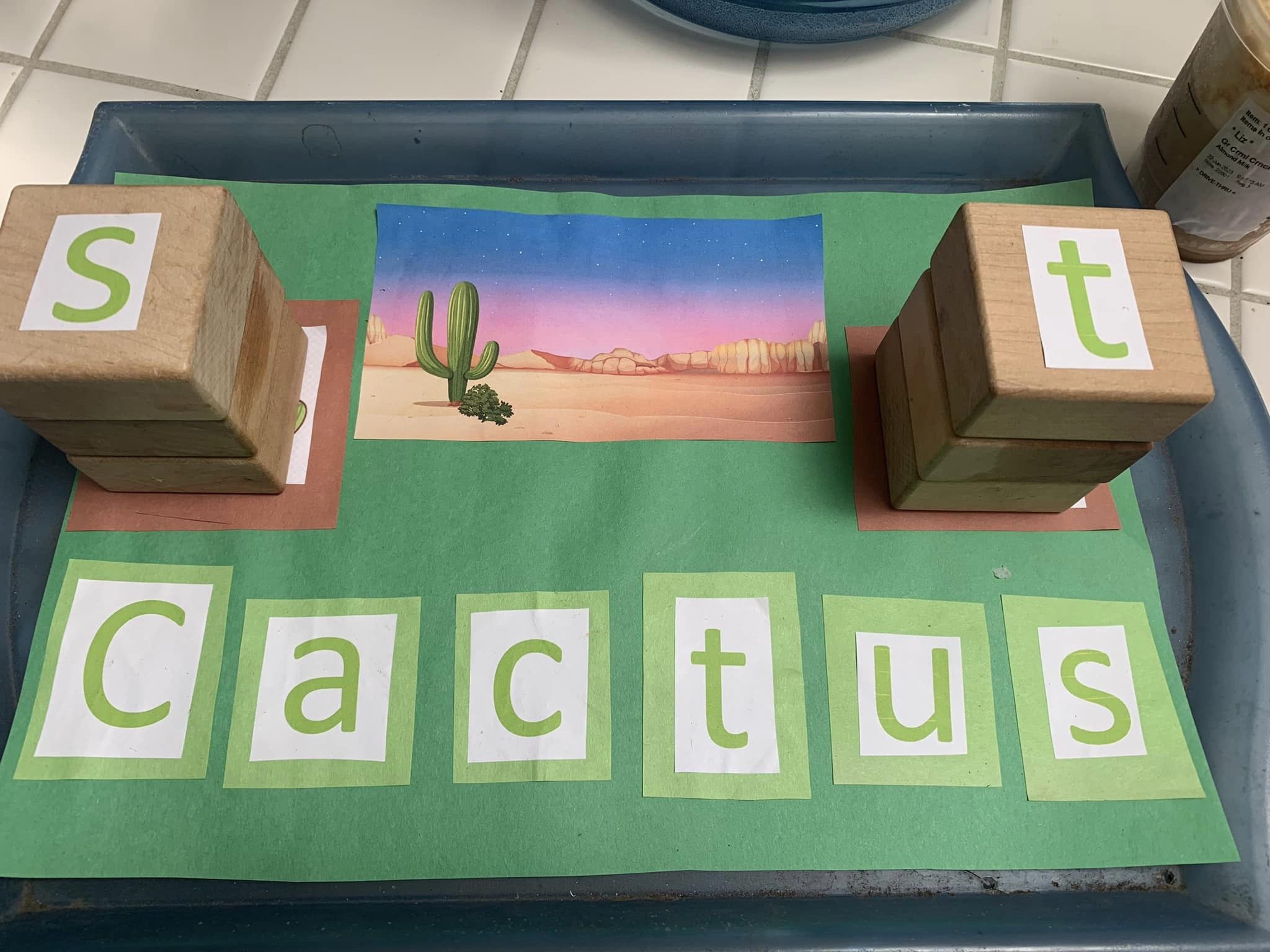
For this activity, we used manipulatives to spell the word CACTUS.
Students used block letters to accomplish this.
They did so by sounding out each letter, matching it to the correct letter shape, and combining sounds to create a word!
Fine motor math is more than just a fine motor activity with math concepts. Here, we are covering specifically, the topic of how fine motor skills and math skills are connected. Increasing research is showing the connection between math and fine motor skills. In this activity, we’re looking at how these two seemingly different areas are closely connected.
In young learners, we see fine motor and math more often than with older students. The ability to problem solve (an early math building block) and fine motor go hand in hand. But it doesn’t stop there. We see in early learning the use of counters to support one-to-one correspondence.
Other early math skills that utilize fine motor skills include shapes, spatial concepts, math patterns, same and different skills, number identification, and counting objects. These early mathematical concepts support numerical skills and more abstract thinking further on. The development of early mathematical skills builds upon itself.
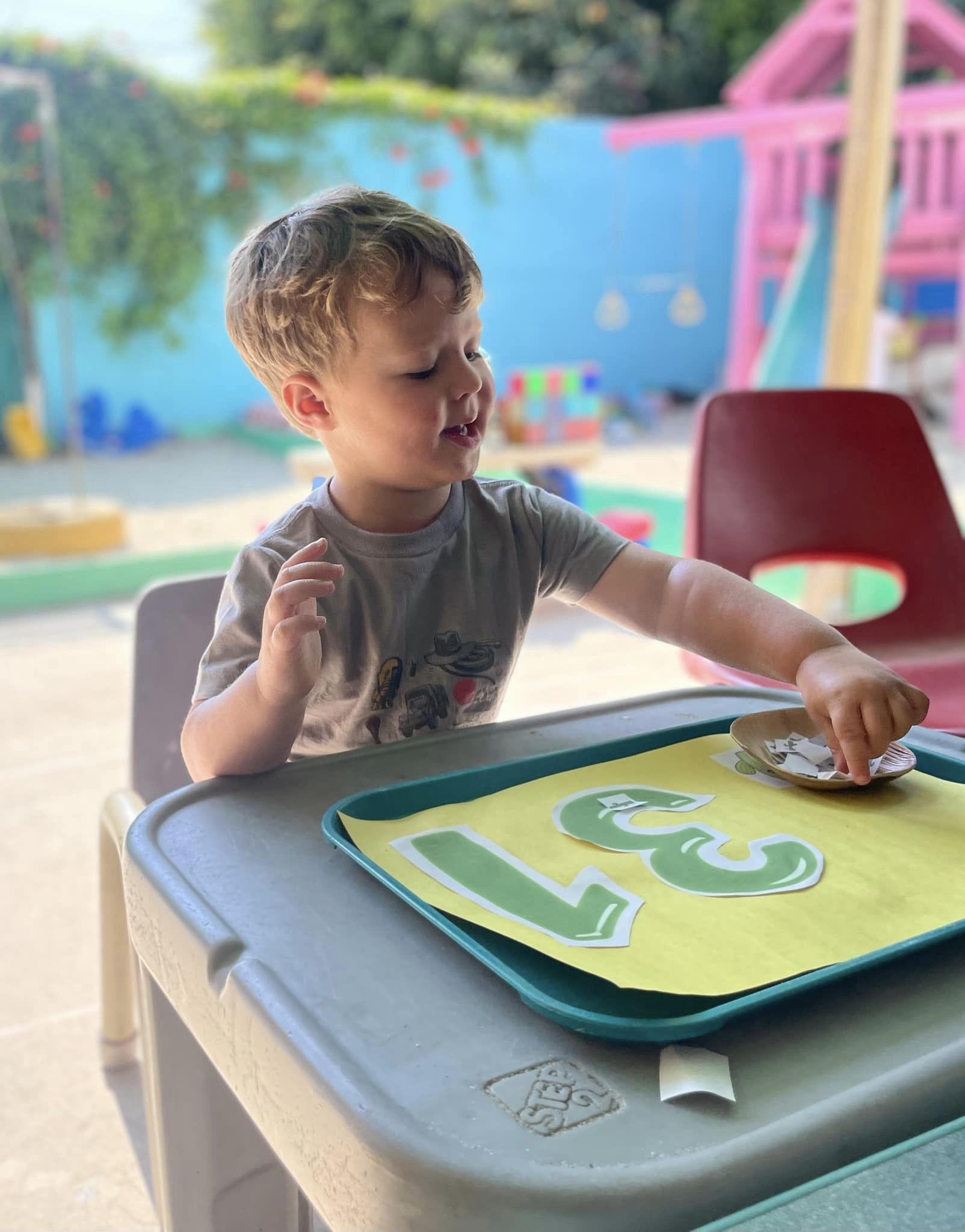
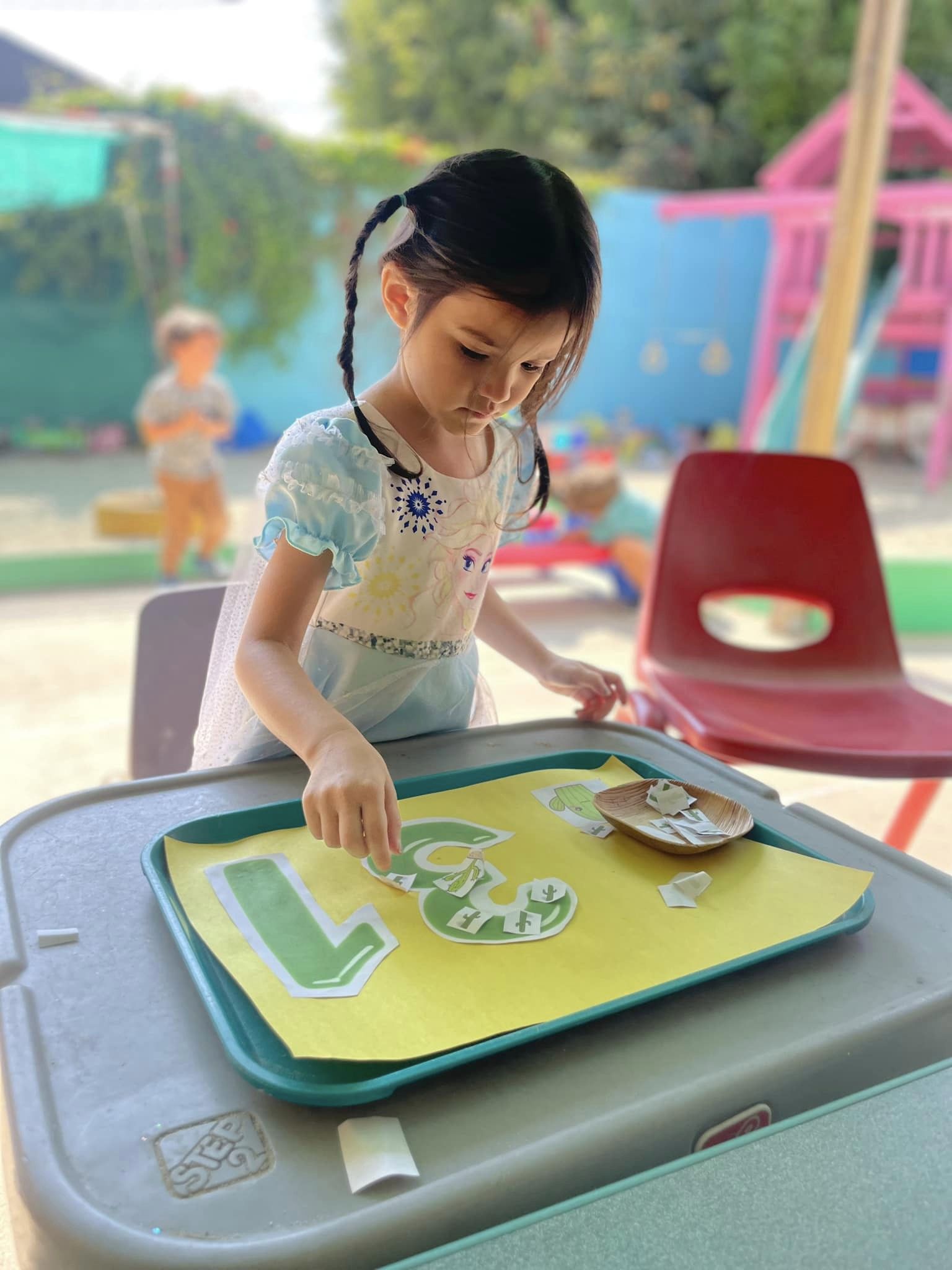
For this activity, we incorporated our Desert Cities theme into the developmental domain of mathematics to help our little ones practice these fine motor skills. Initially, they were directed to clap and count to 31 with their teacher. Following this, they were instructed to trace the number 31 with their finger. Thirty-one was our number of the week, so everyone had lots of practice learning about this big number! Thirdly, students were given 31 cactus cut-outs to place onto the numeral of thirty-one. Counting is fun when we do it together!















 misscarriescorner