Dirt Bike Counting

Of all the math skills that children will acquire, counting is one that most children will already be doing before they reach school-age.

Rote counting (or saying numbers in a sequence from memory) is what most children will be able to do, but this does not mean that they can actually determine the amount in a collection.

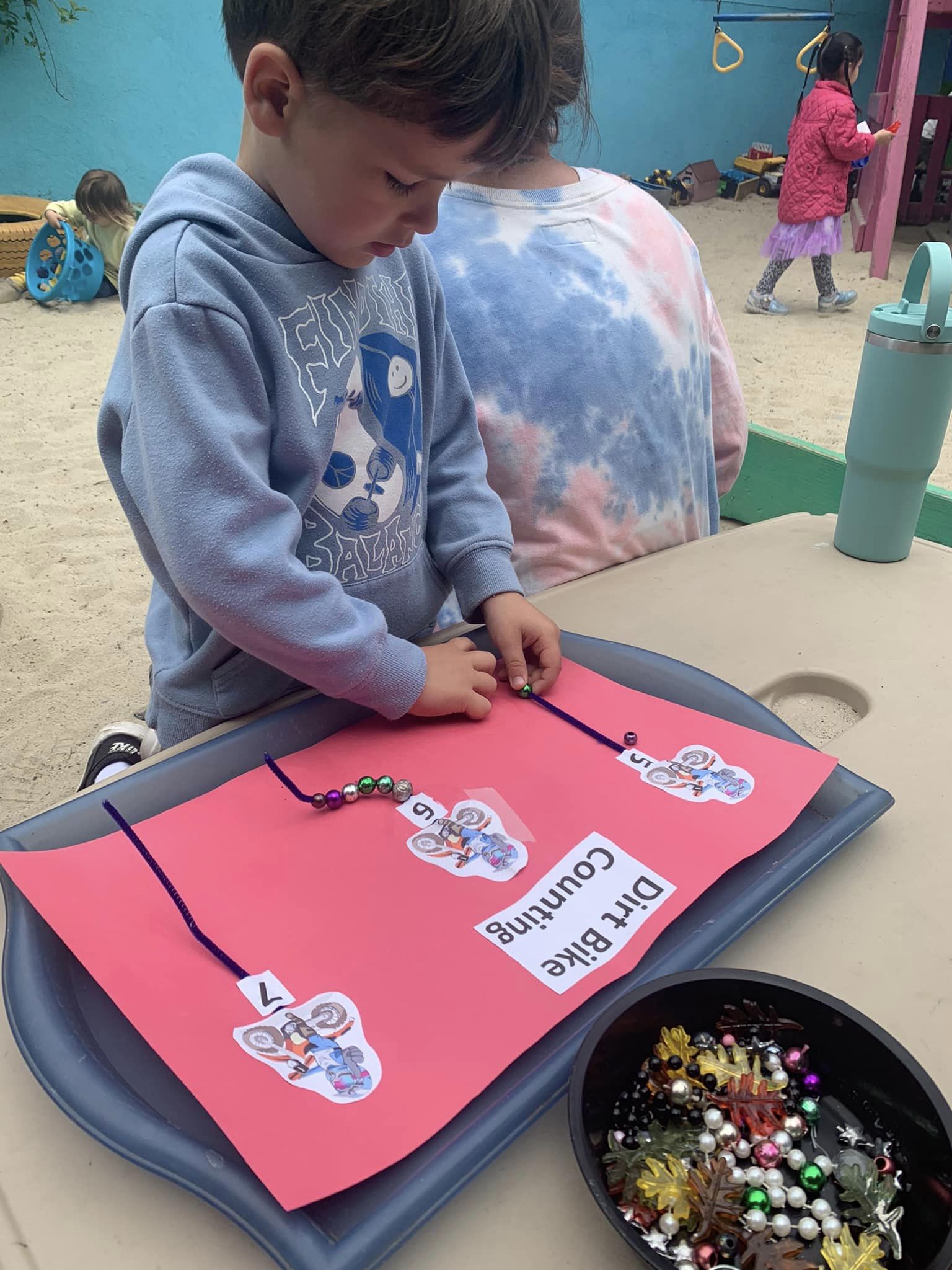
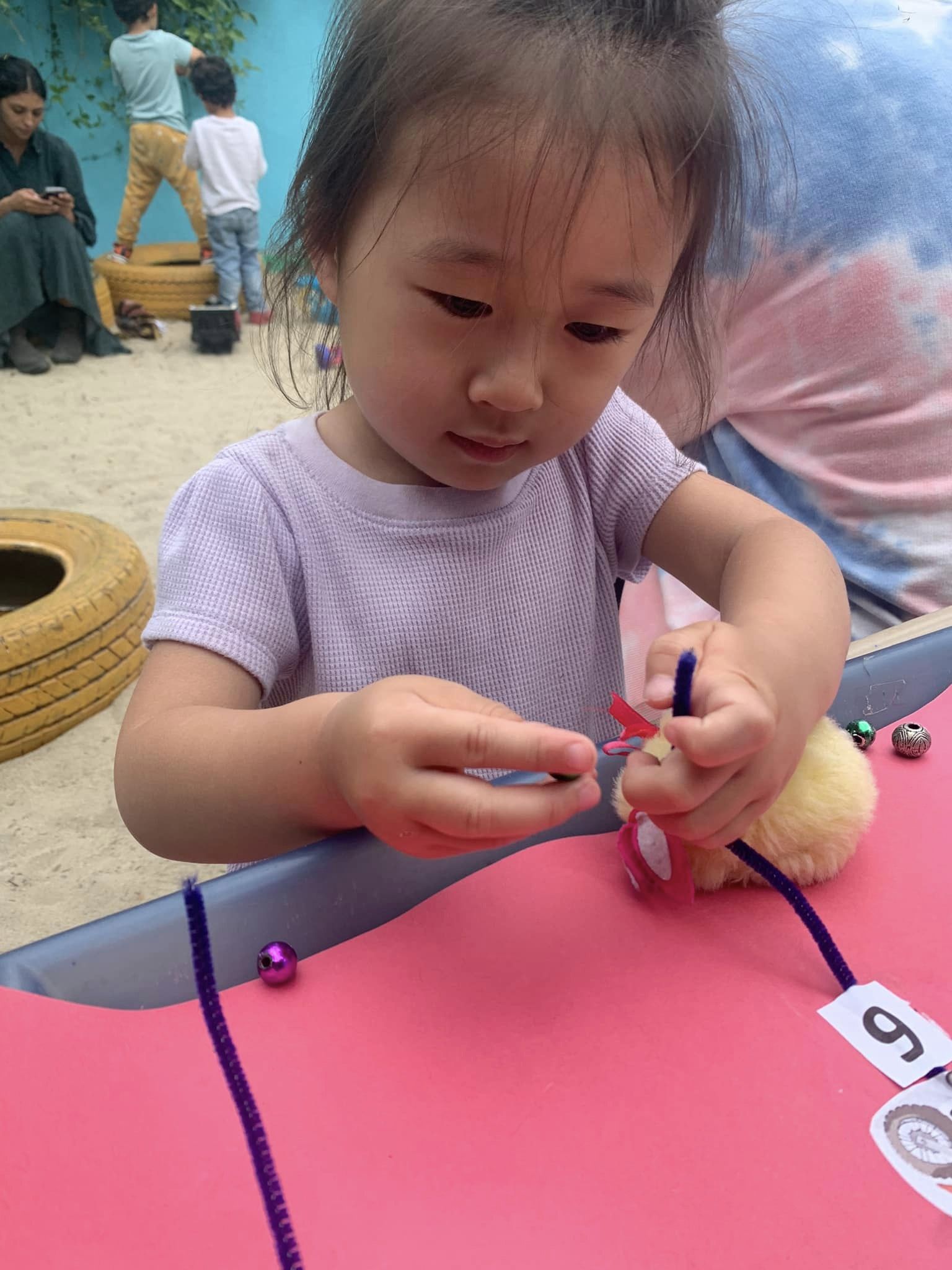
In order to help our students develop an actual understanding of numbers and how counting relates to real life, we did a hands-on activity with beads and dirt bike illustrations aimed at developing their one-to-one correspondence.

By placing a certain amount of beads on a pipe cleaner (counting as they did so), participants were able to make a connection between the spoken numeral and a concrete amount.

Desert Landscape Small World Play

Small world play is a style of imaginative play which uses toys or props.

It encourages children to use these small props and their imaginations to create detailed and playful worlds. By doing so, they can have fun expressing their knowledge of the world around them in a creative way. Small world play can also inspire meaningful learning.

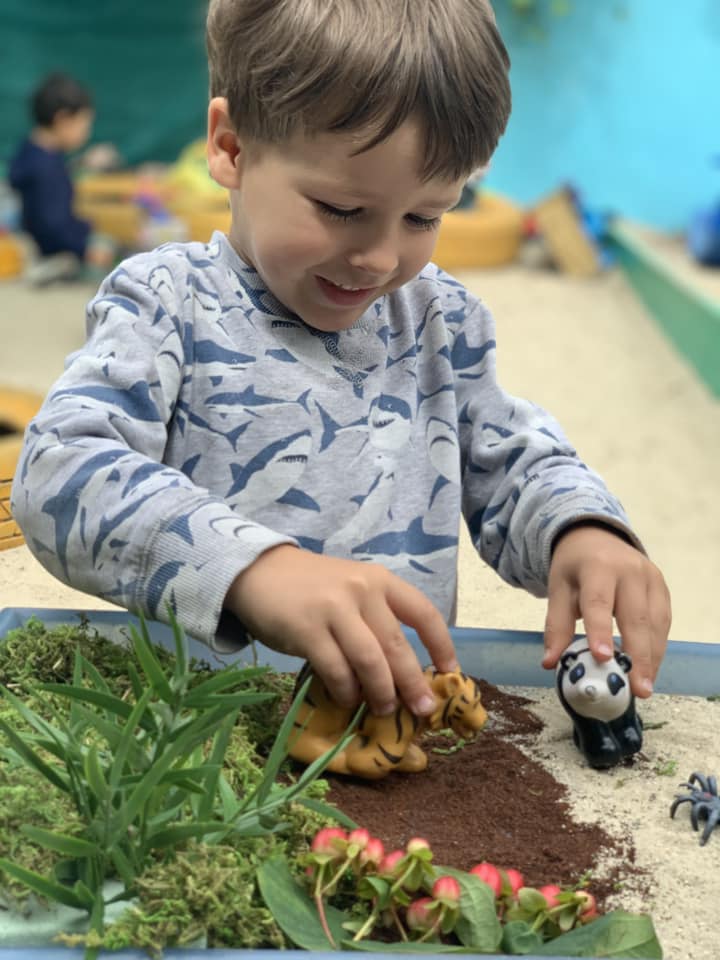
They can create scenarios based on what they have learned in a way that is meaningful for them. For this activity, students created a three types of landscapes using both natural and artificial materials.

These materials consisted of a real cactus, sand, and other vegetation. They then were given toy creatures with which they engaged in this small world alongside their friends!

Desert City Writing Tray

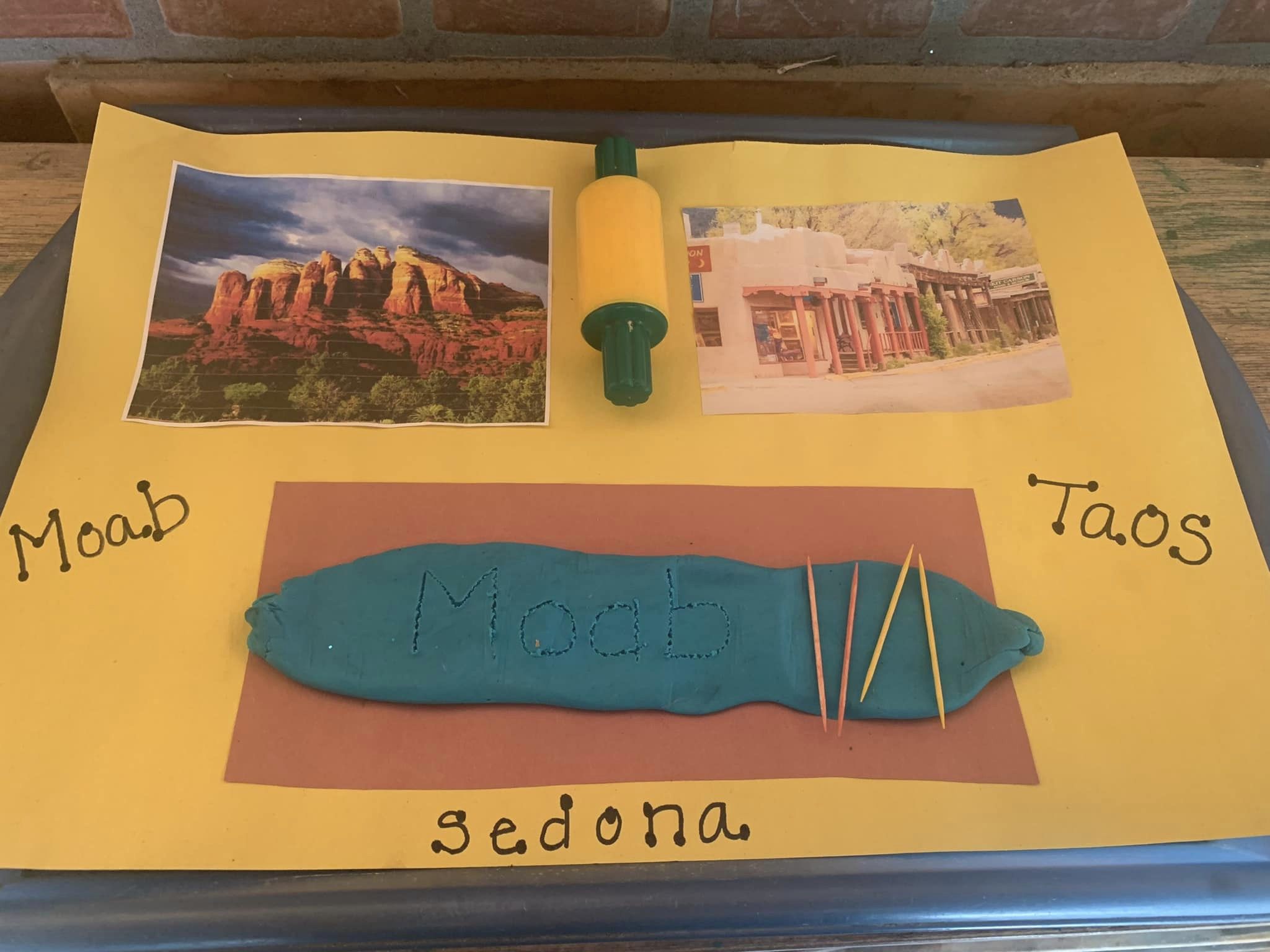
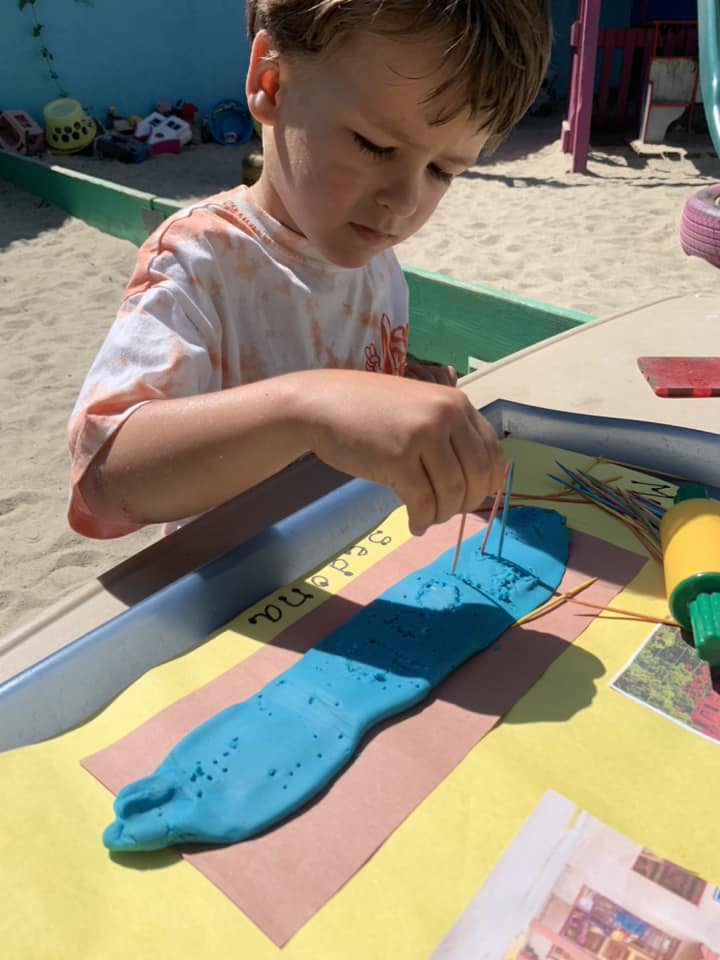
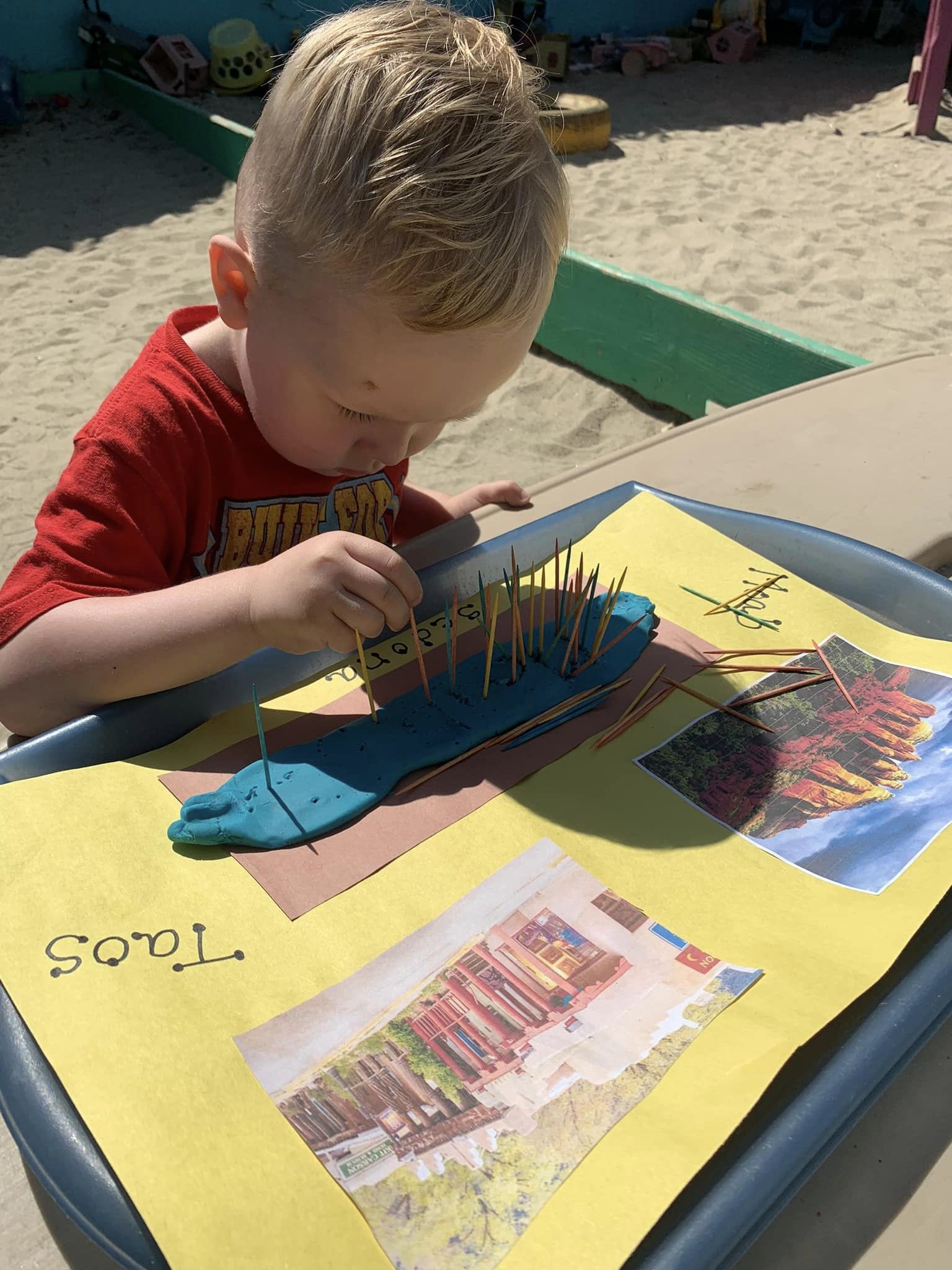
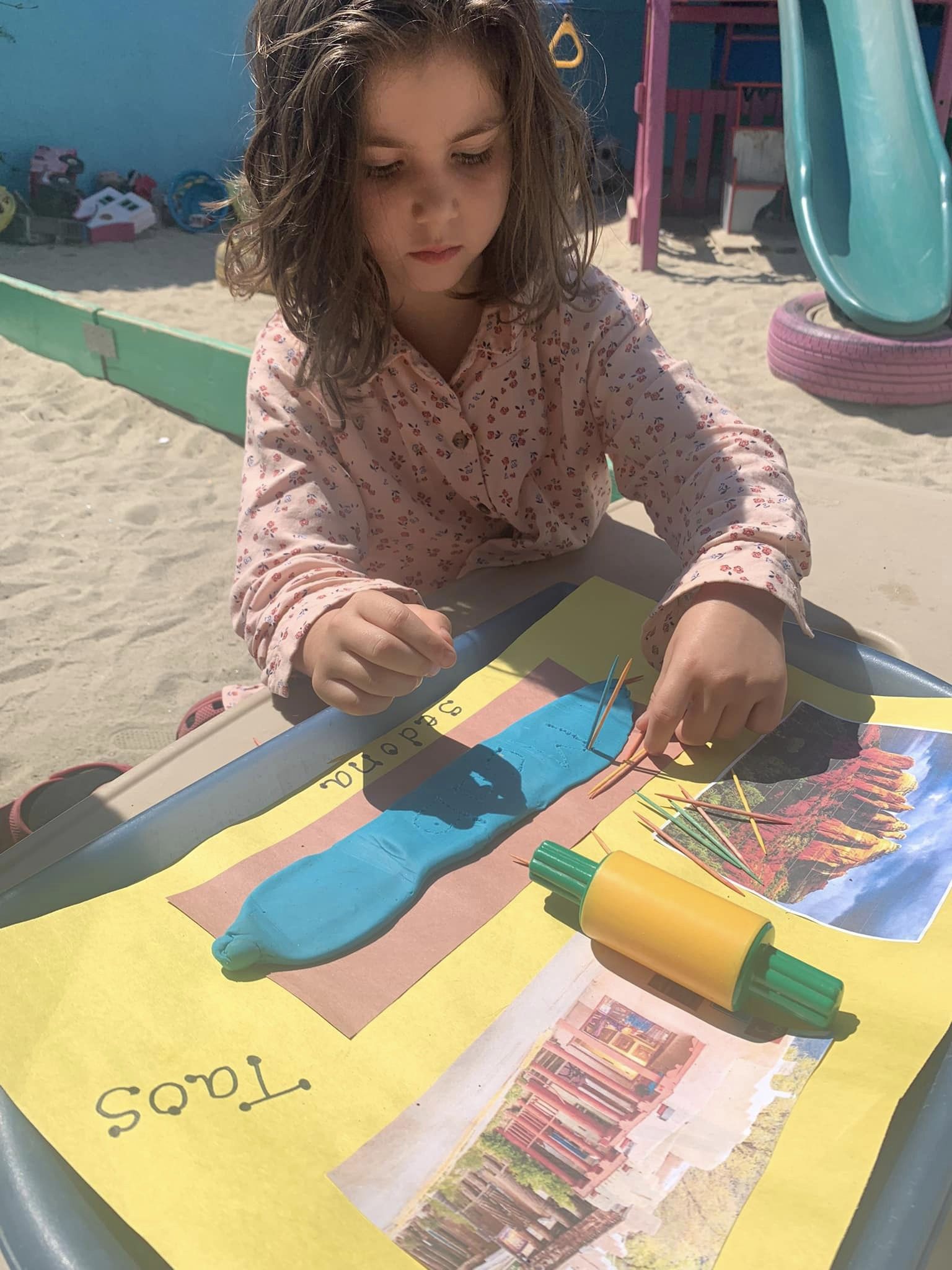
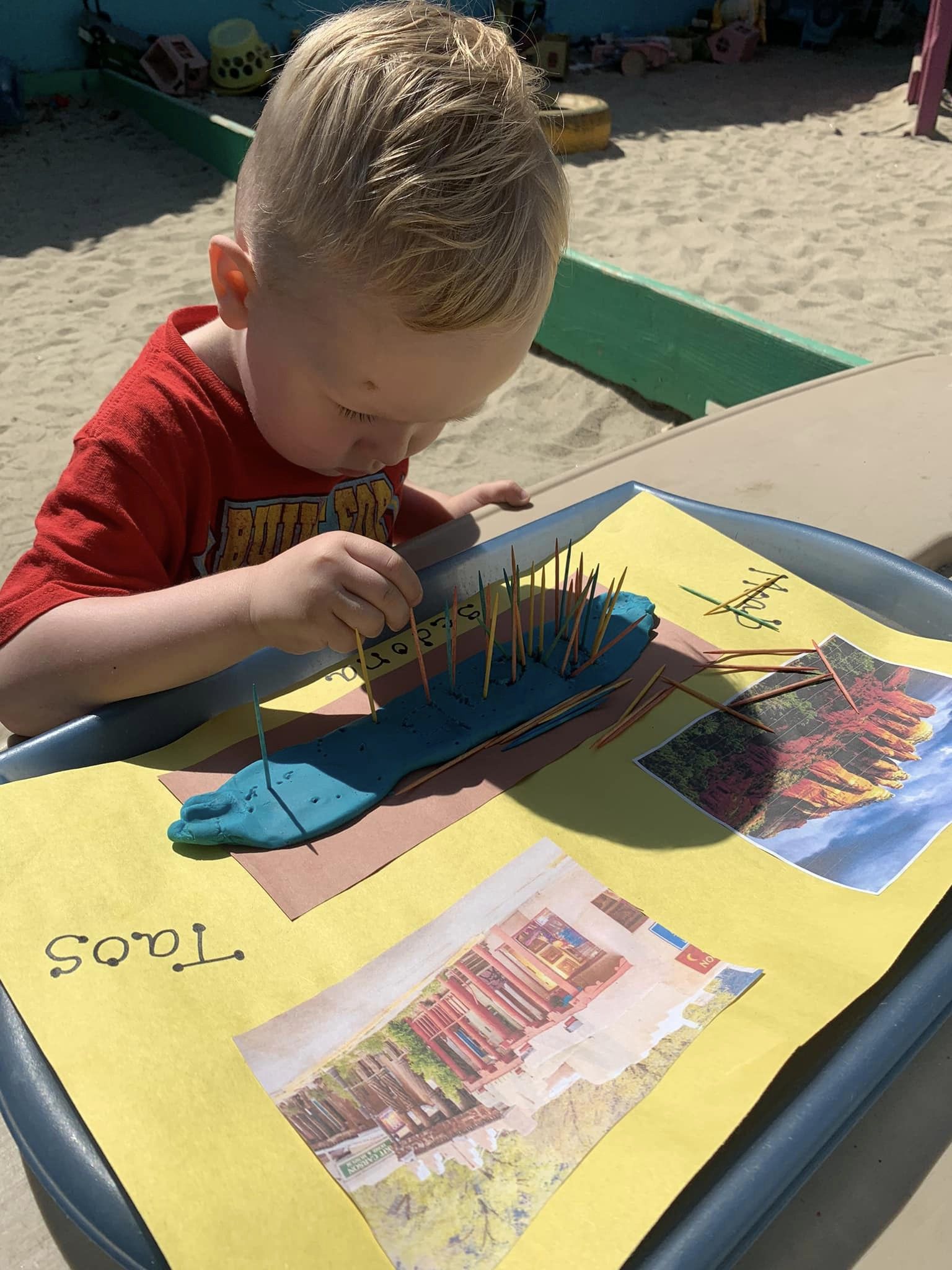
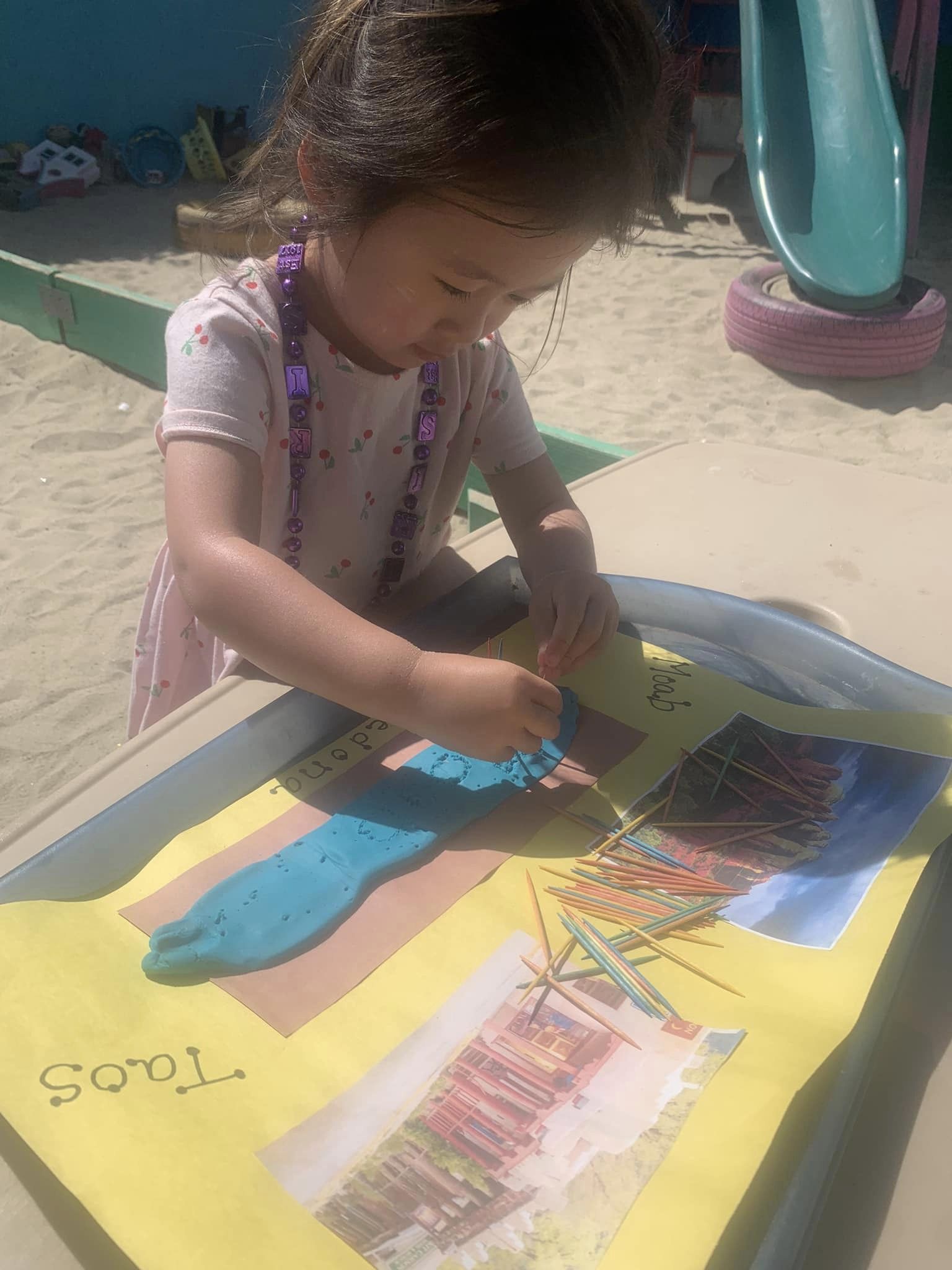
During our Desert City week, we learned about three different cities: Moab, Sedona, and Taos.

To fulfill the Language/Literacy domain, we used toothpicks and play dough to spell the different city names.

We love using writing trays because they help us write without picking up a pencil!

This eliminates the frustration that often accompanies using writing implements.

For this activity, students were encouraged to spell one of three words.

This word was etched into play dough.

Students were then directed to place toothpicks into each letter.

Lastly, your little ones were encouraged to sound out each letter in each word!

Snake Puzzles

Puzzles are a must have for every toddler…..and they have been for a long time!

The very first puzzle is said to have been made in the 1760s, meaning kids have been tackling puzzles for more than two centuries now!

There’s a good reason why puzzles have been a staple in every child’s toy box for so long – they’re fun, they’re challenging and each time a child finishes a puzzle, they walk away with more experience and more developed skills like concentration, problem solving and patience.

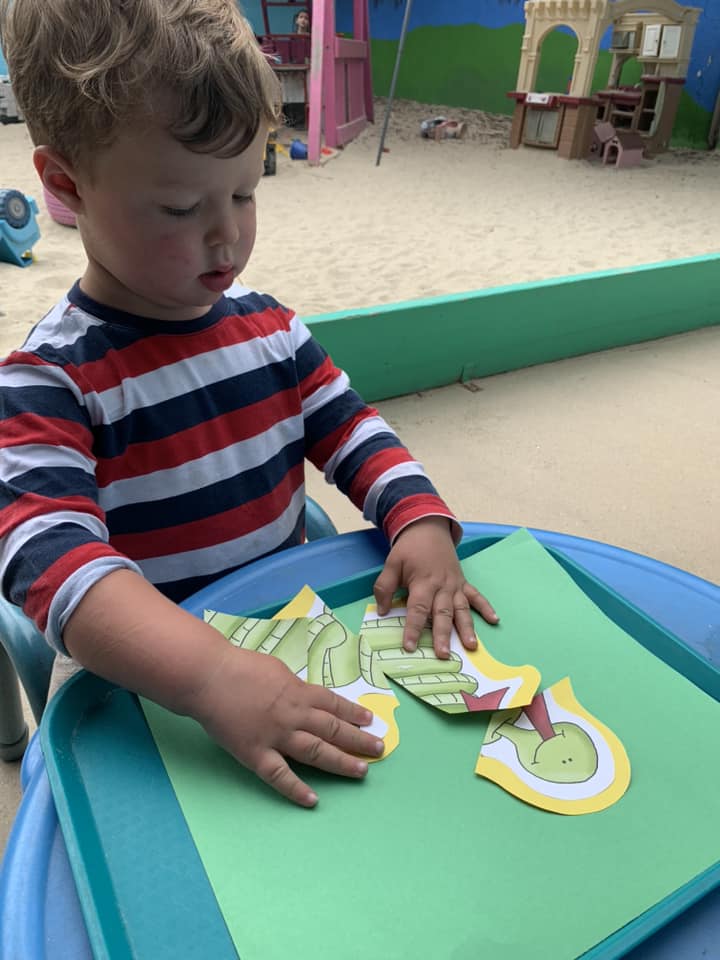
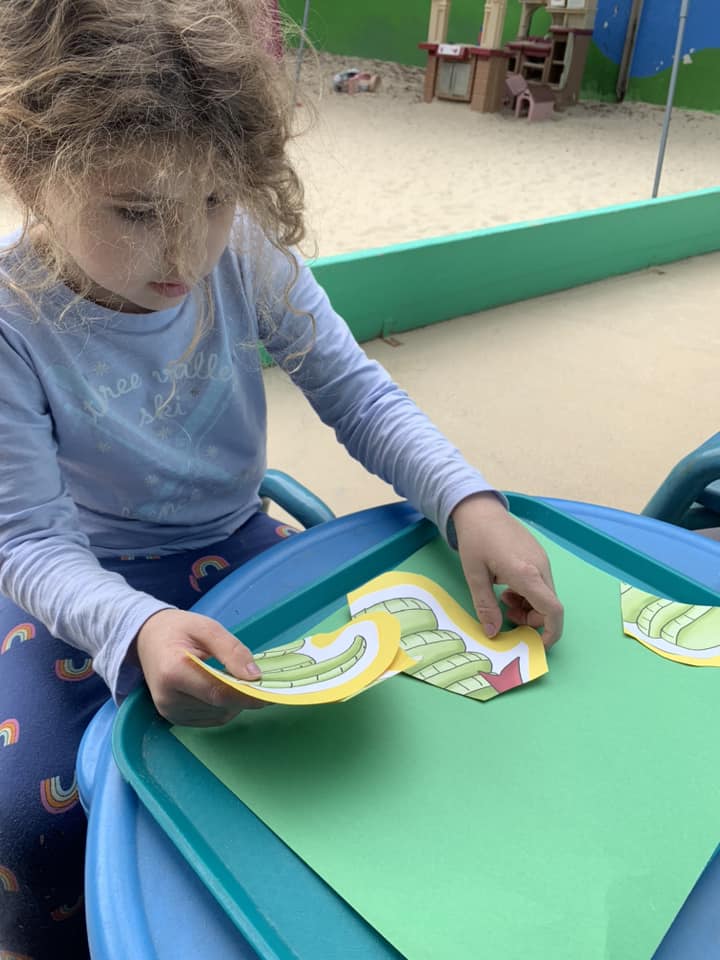
For this activity, students put together the pieces of a paper snake. They were encouraged to first look at each piece individually and then to combine them to form the perfect snake!

Cutting Snakes

While some may find this surprising, play dough has a wide array of developmental, learning, and sensory benefits for kids.

This is why play dough is a staple in almost every early childhood classroom.

Its versatility makes play dough one of those items that should be part of every childhood.

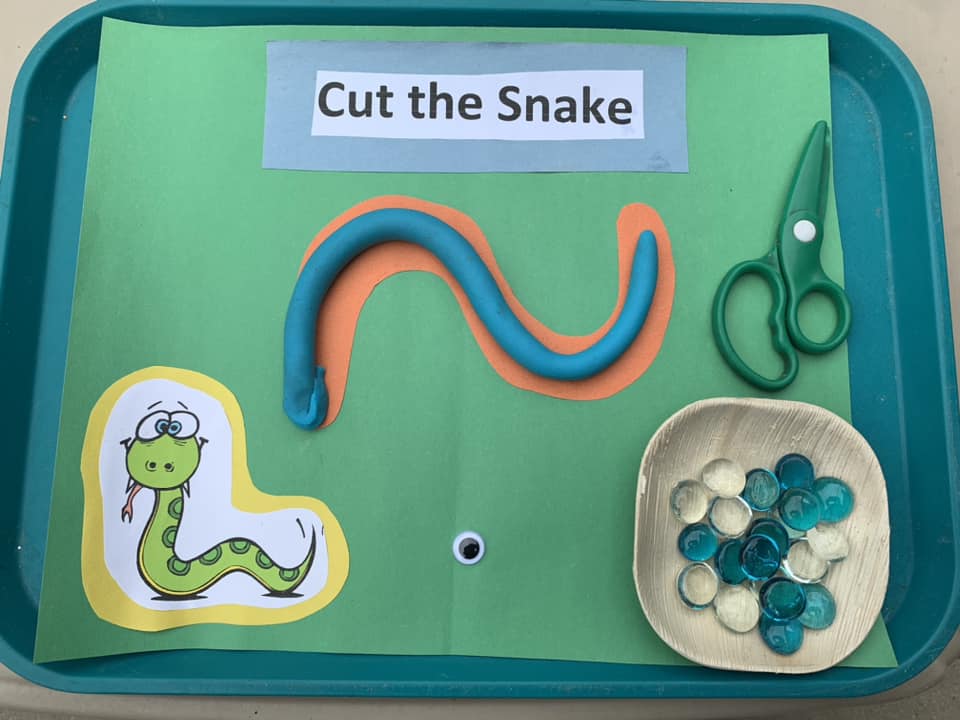
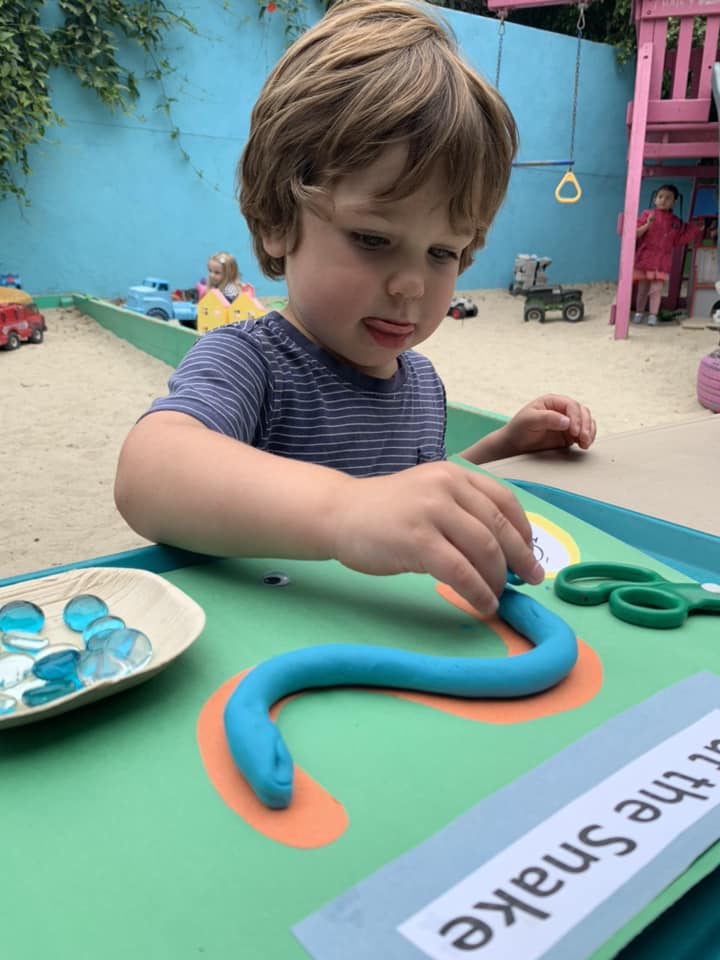
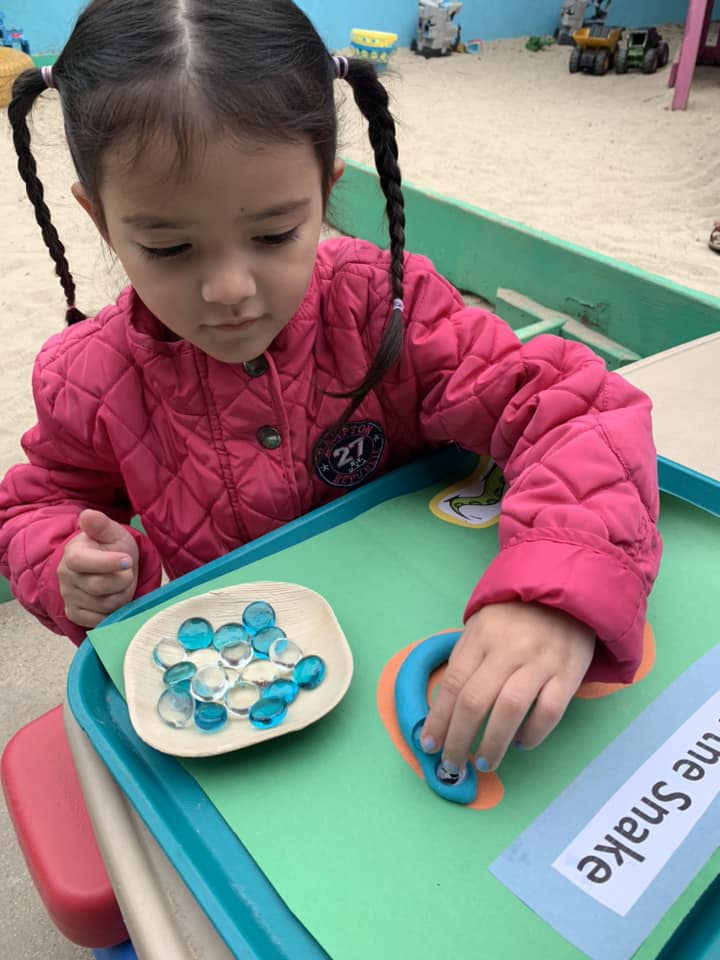
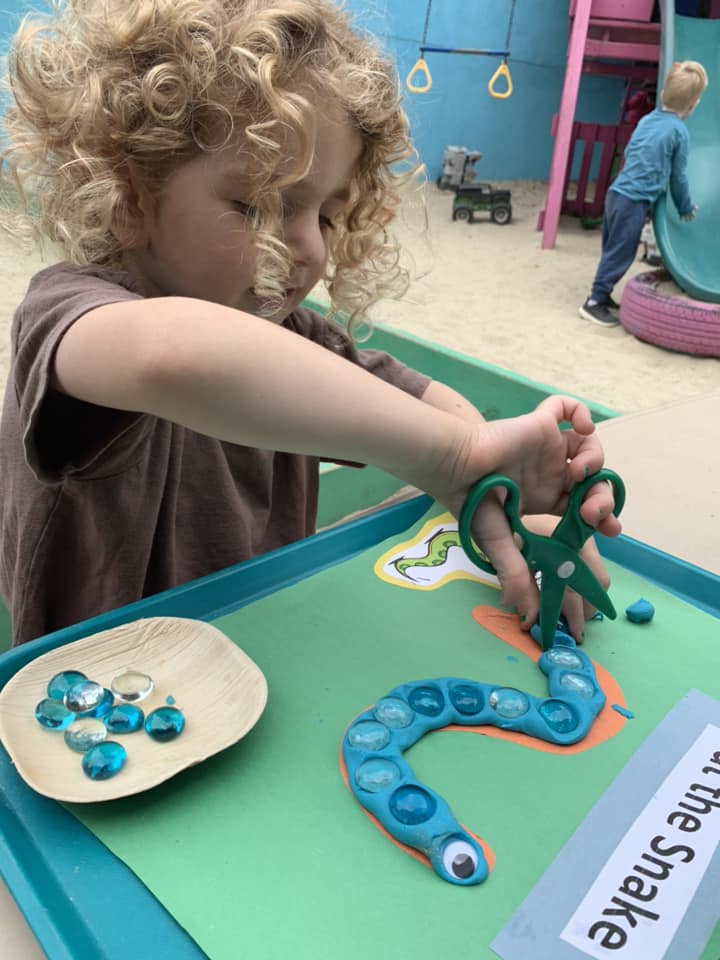
For this activity, we used play dough to hone our cutting skills!

We did this by creating snakes out of play dough and then using play dough scissors to cut them!

Because snakes are prevalent in any desert, they fit in perfect with our Desert Animal Week!

Cactus Manipulatives

Manipulatives give children the opportunity to interact with the alphabet through hands-on play.

They are able to feel the shape of the objects and arrange multiple items to form letters and words.

They can see the curves and the lines that come together to form each letter, and some manipulatives even allow children to explore letter formation and tracing.

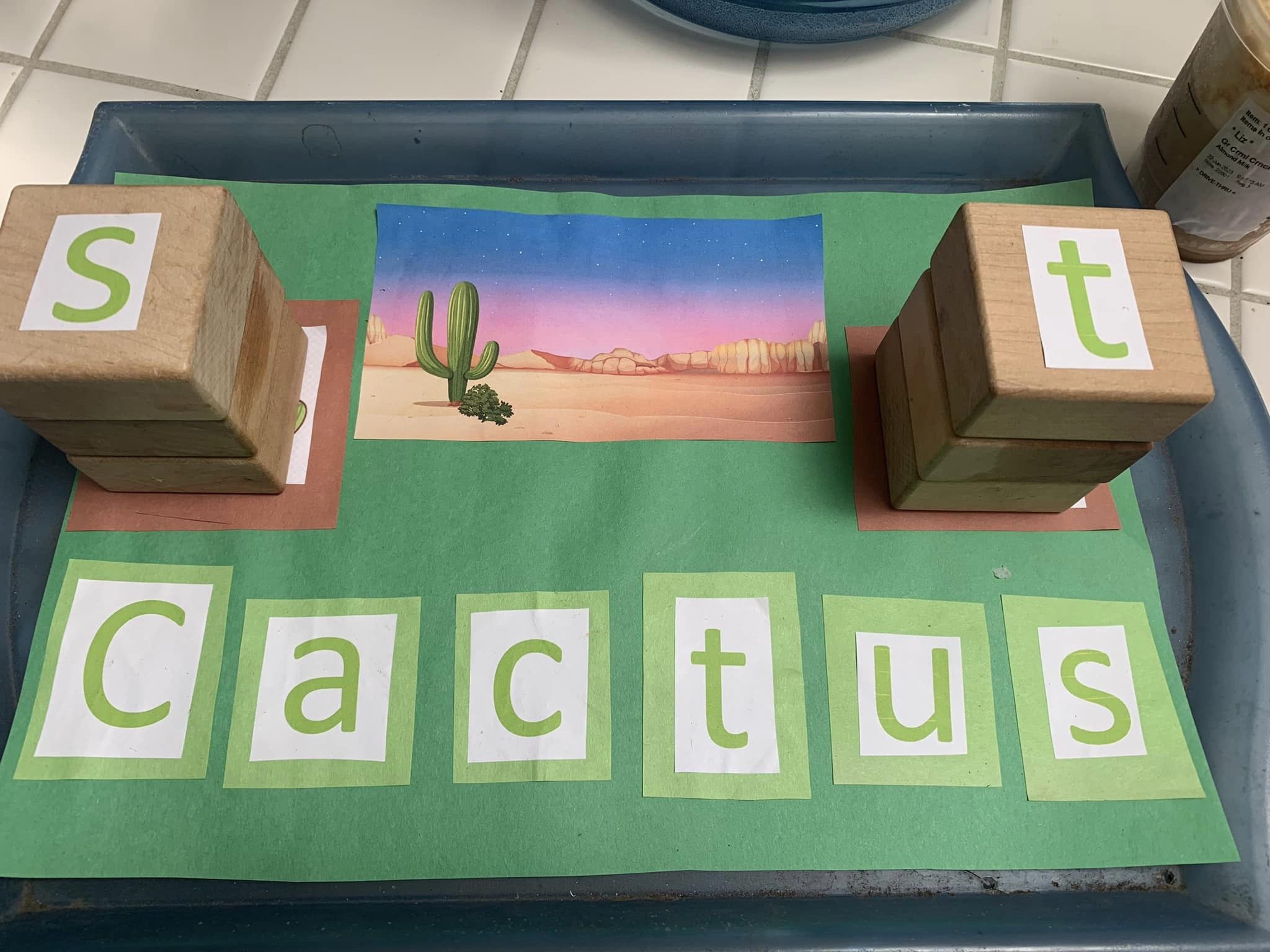
For this activity, we used manipulatives to spell the word CACTUS.

Students used block letters to accomplish this.

They did so by sounding out each letter, matching it to the correct letter shape, and combining sounds to create a word!

Prickly Pear Cucumber Cactus

Working with real items helps foster a sense of understanding in young learners.

To the preschool mind, learning must occur in three dimensions if it is to be effective.

Rather than showing a picture of something to a young child, it helps to actually have them interact with the item.

This happens because their little brains think in such concrete terms.

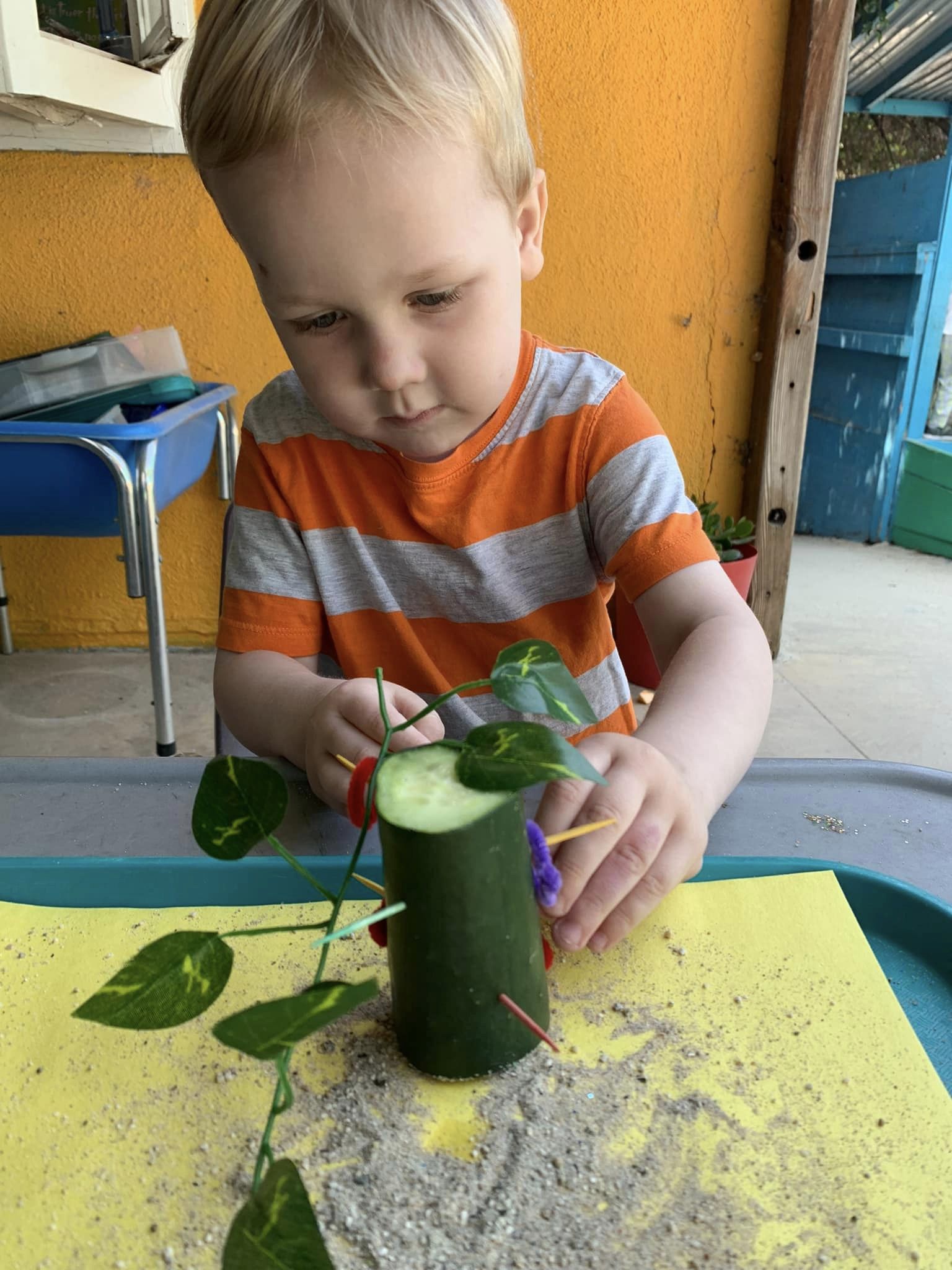
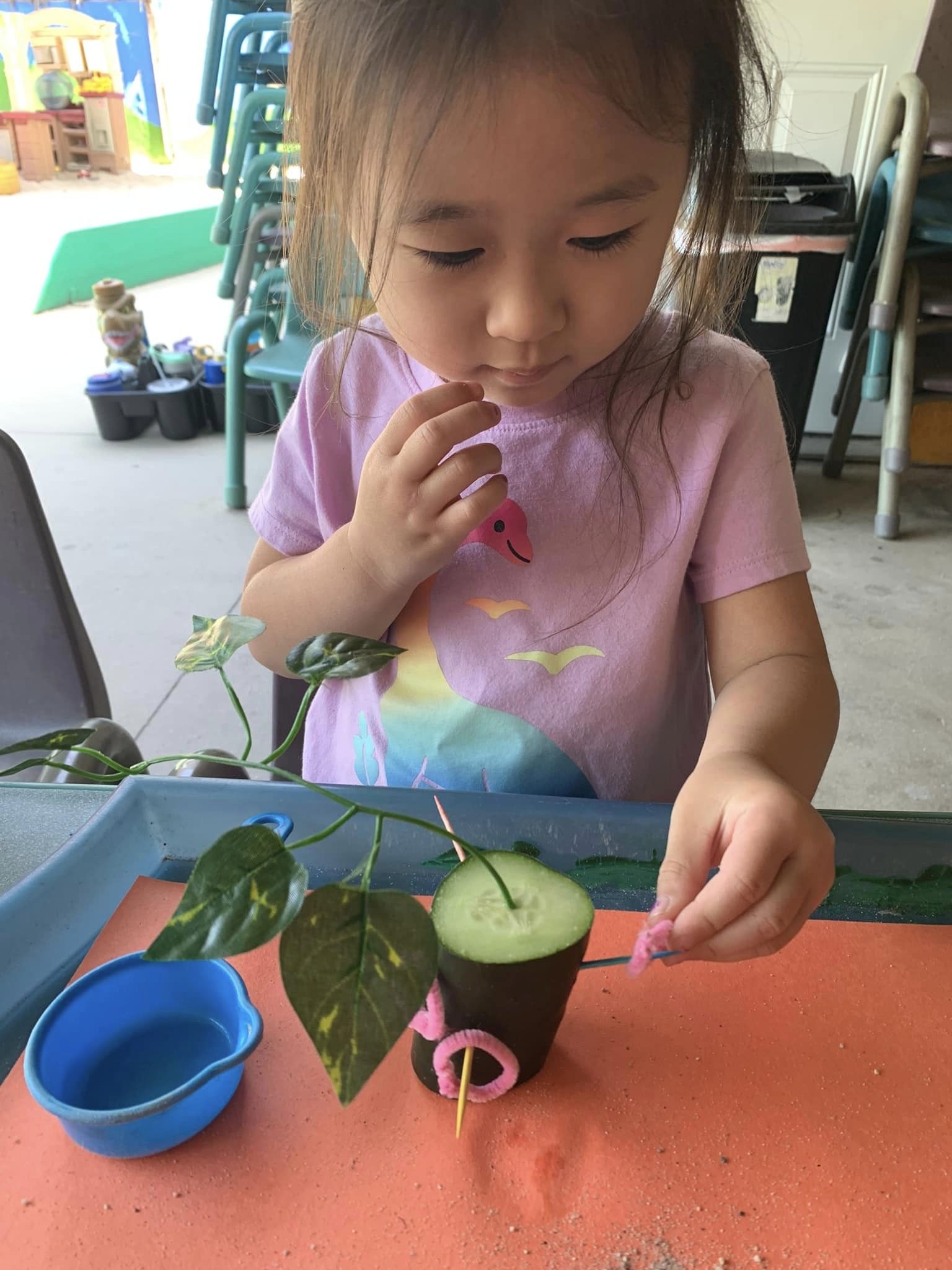
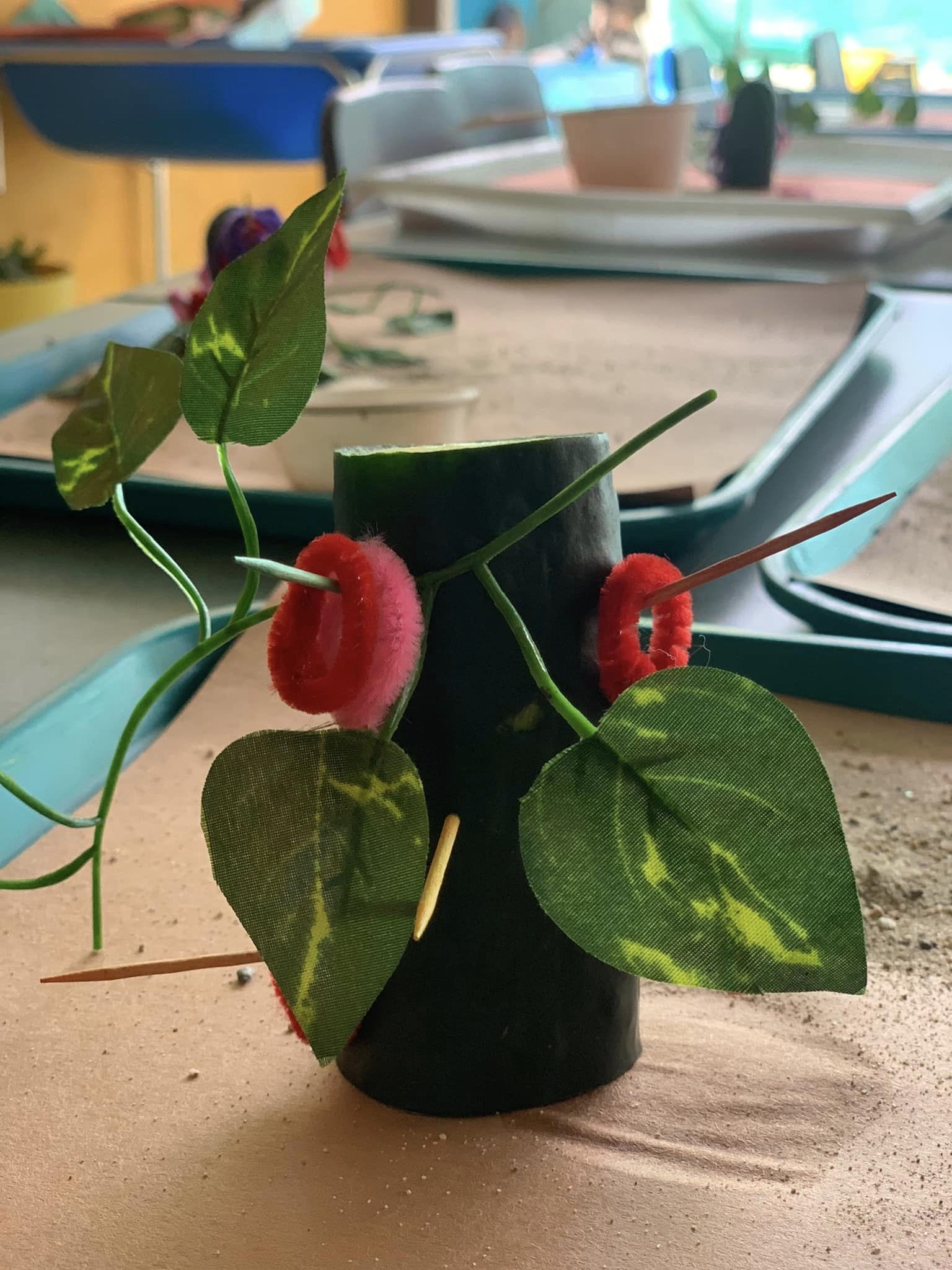
For this activity, we used cucumbers to represent the Prickly Pear Cactus.

Using different manipulatives, students decorated their cacti alongside their friends!

Desert City Cactus Counting

Fine motor math is more than just a fine motor activity with math concepts. Here, we are covering specifically, the topic of how fine motor skills and math skills are connected. Increasing research is showing the connection between math and fine motor skills. In this activity, we’re looking at how these two seemingly different areas are closely connected.

In young learners, we see fine motor and math more often than with older students. The ability to problem solve (an early math building block) and fine motor go hand in hand. But it doesn’t stop there. We see in early learning the use of counters to support one-to-one correspondence.

Other early math skills that utilize fine motor skills include shapes, spatial concepts, math patterns, same and different skills, number identification, and counting objects. These early mathematical concepts support numerical skills and more abstract thinking further on. The development of early mathematical skills builds upon itself.

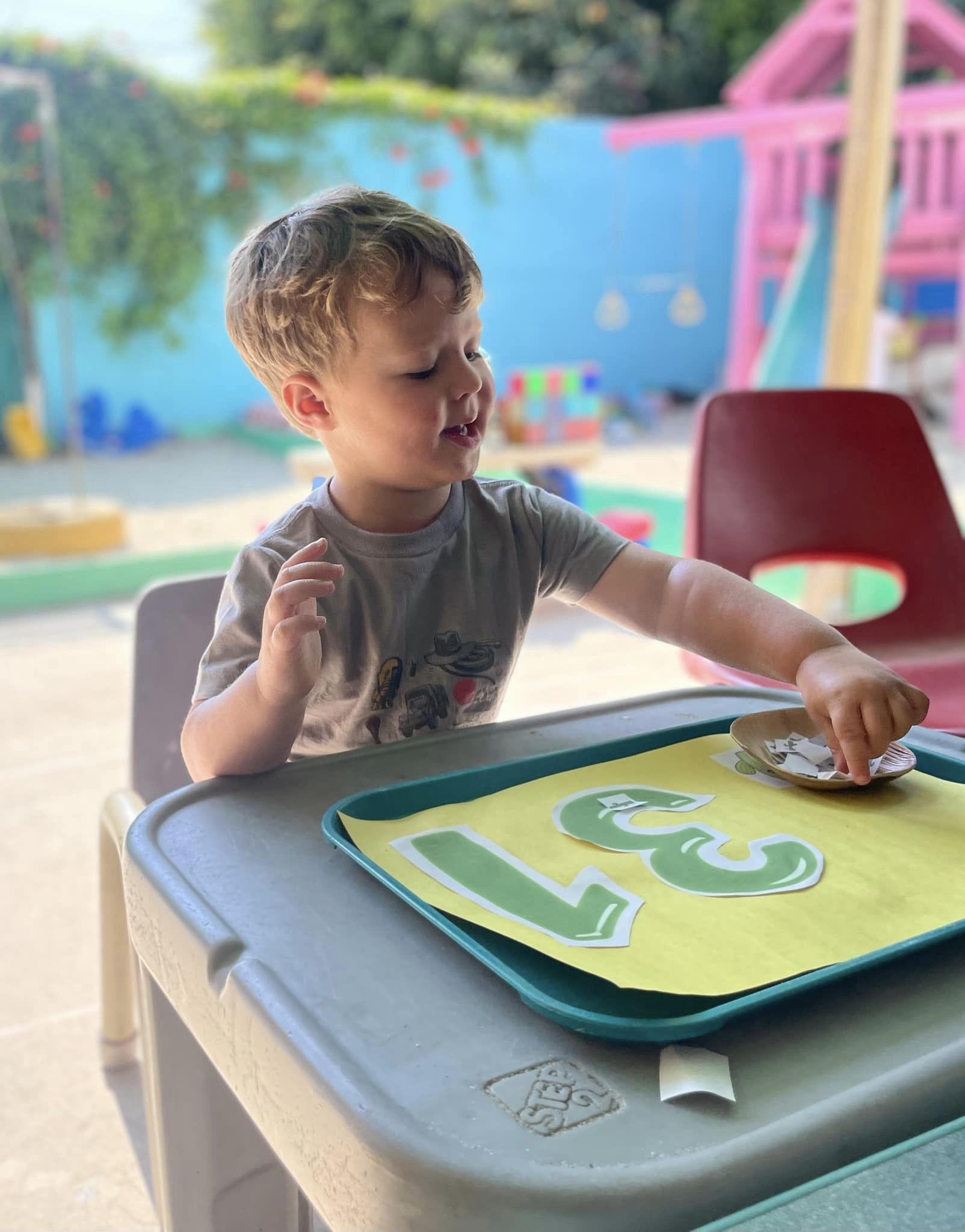
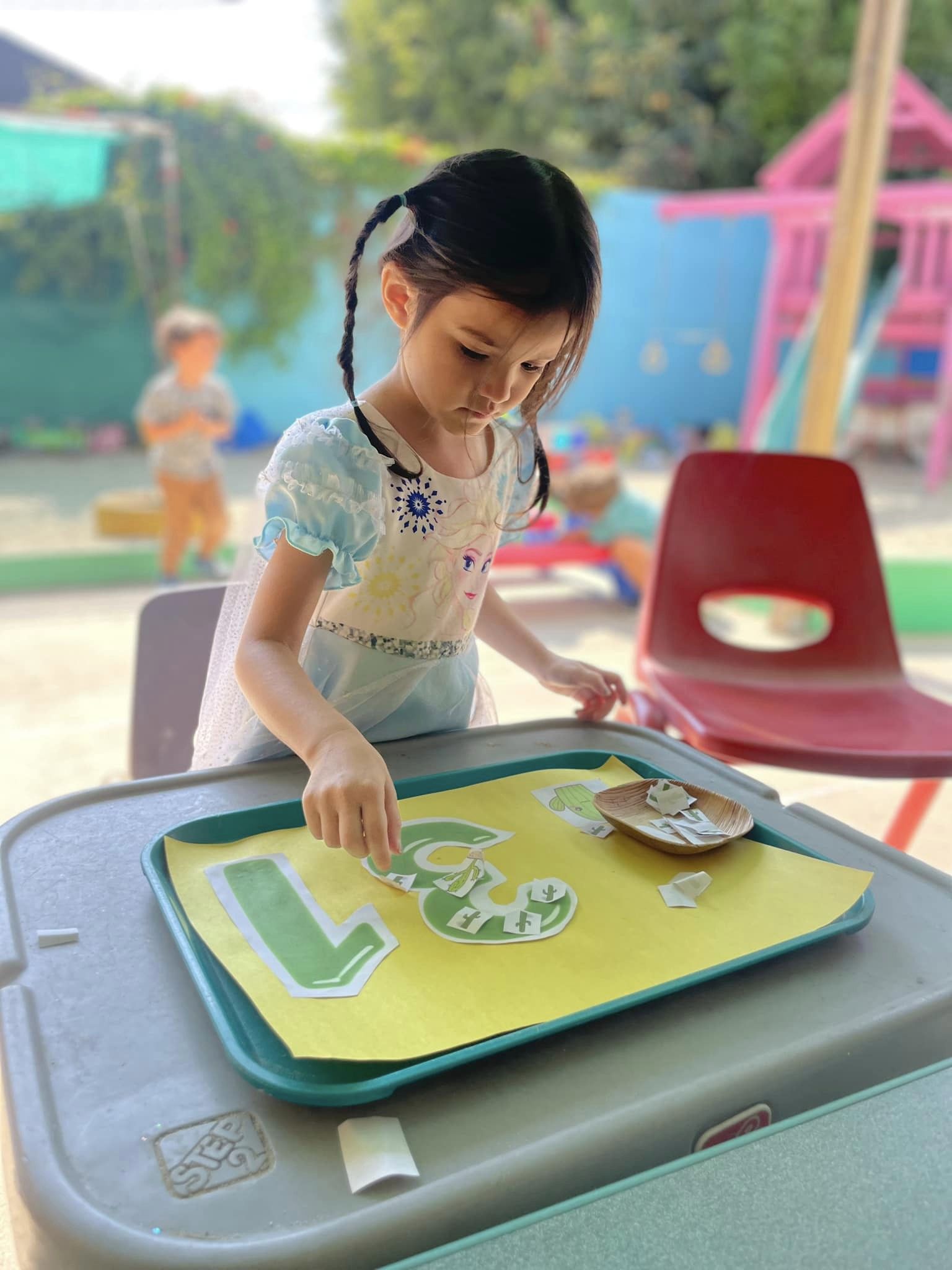
For this activity, we incorporated our Desert Cities theme into the developmental domain of mathematics to help our little ones practice these fine motor skills. Initially, they were directed to clap and count to 31 with their teacher. Following this, they were instructed to trace the number 31 with their finger. Thirty-one was our number of the week, so everyone had lots of practice learning about this big number! Thirdly, students were given 31 cactus cut-outs to place onto the numeral of thirty-one. Counting is fun when we do it together!

Desert City Writing Tray

Writing trays are a creative way to help kids learn to write letters, numbers, shapes, and pre-writing strokes.

There are a ton of different ways that writing trays can be set up and used in letter formation.

Essentially, a writing tray uses a low container (or tray) and a medium that can be moved and shifted for writing.

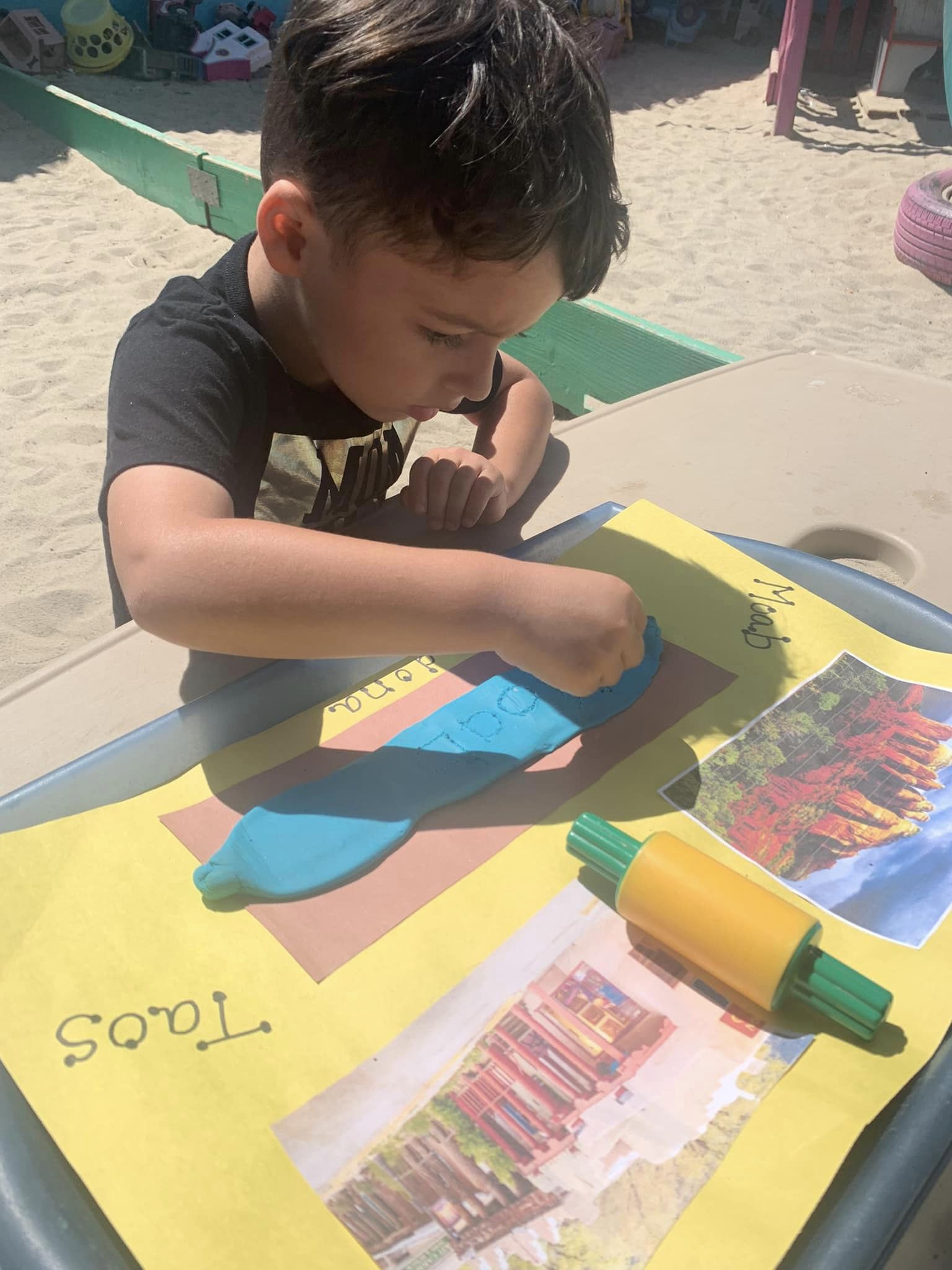
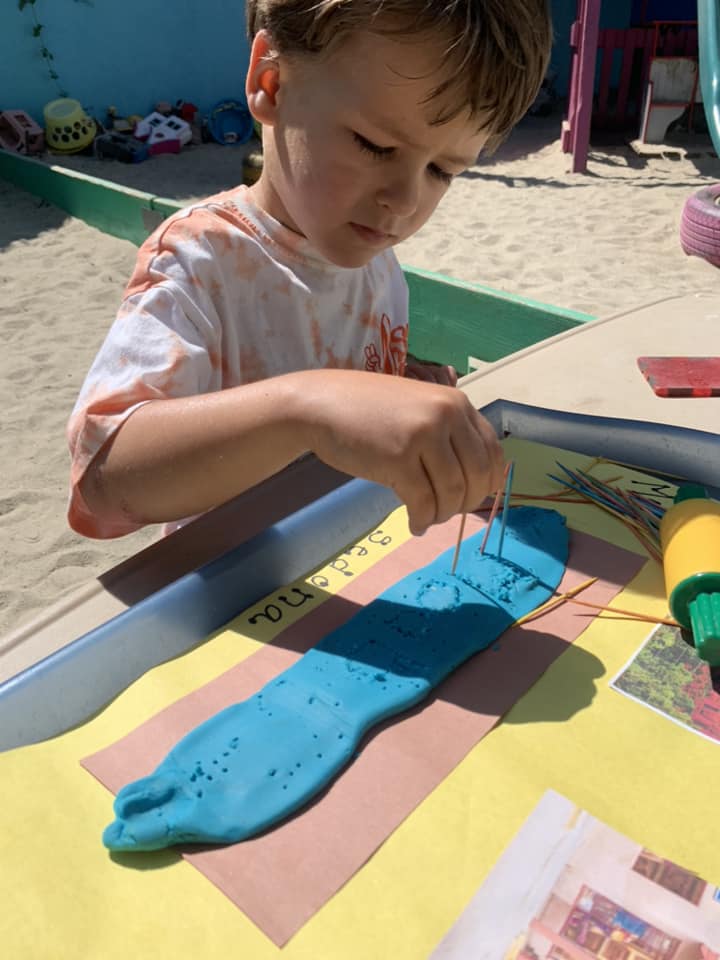
For this activity, we used a writing tray to spell the words SEDONA, MOAB, and TAOS.

The word was etched into play dough using toothpicks.

Students were then directed to look at a picture of the city that was spelled out.

Lastly, students placed toothpicks into the play dough.

Gross Motor Diving

We live in a multi-dimensional world, but most traditional education is restricted to two dimensions, either with pen and paper worksheets or on a screen.

Studies have shown that working on children’s spatial thinking skills will in the future support their achievement in math and science.

It is for this reason that we are always engaging in sensory experiences.

These experiences bring abstract concepts to the concrete minds of preschoolers.

As part of our swim week, we talked all about diving.
Because we don’t have a real swimming pool, we decided to create one using one of our water tables.

We filled up this water table with water, watercolors, glitter and shaving cream.

Following this, students were provided with different figures.

In addition to this, they were directed to teach their figures how to “dive” into the pool.

Everyone enjoyed interacting with the glittery water alongside their friends, creating different dives and “swimming” in the pool!