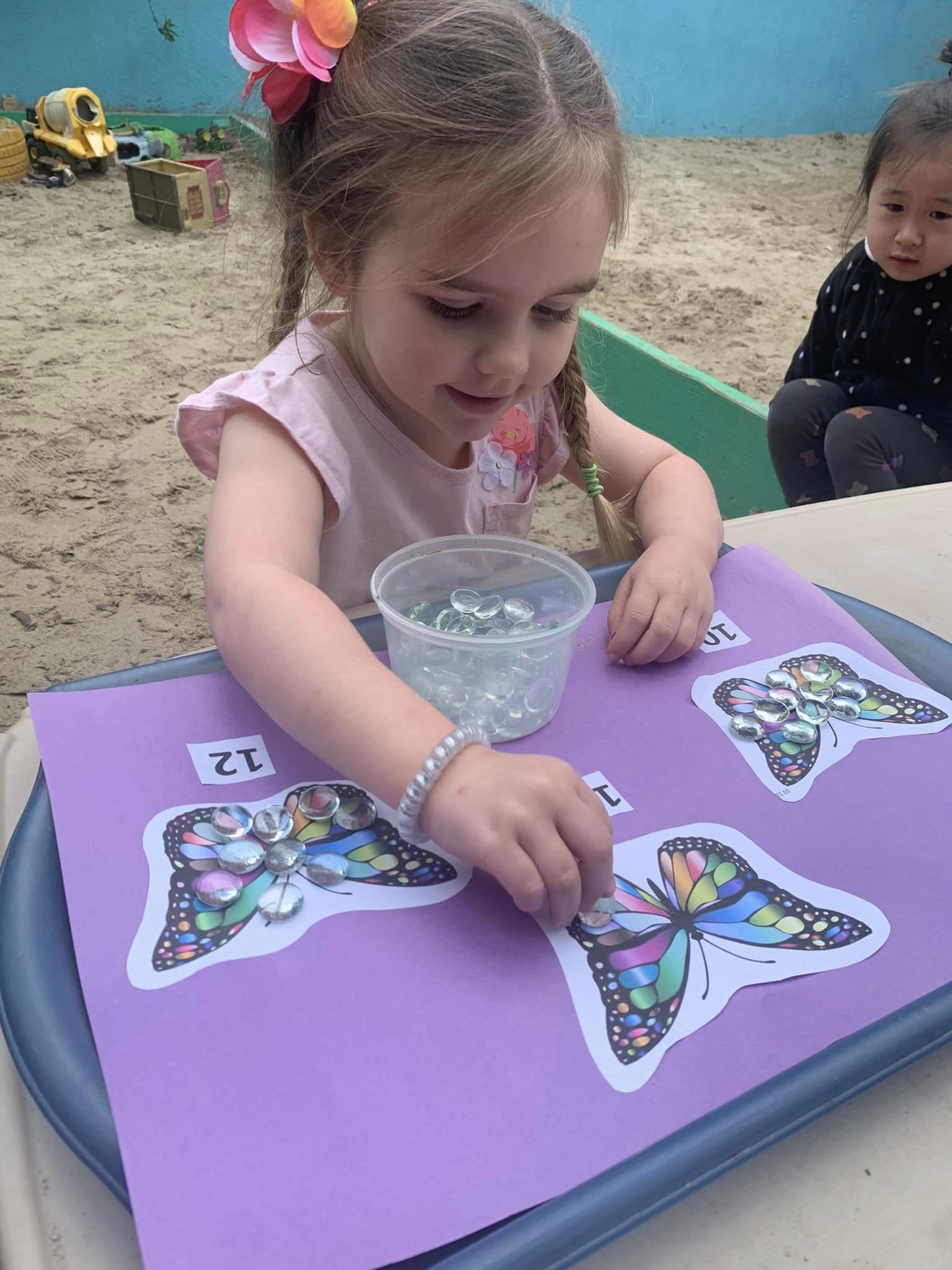
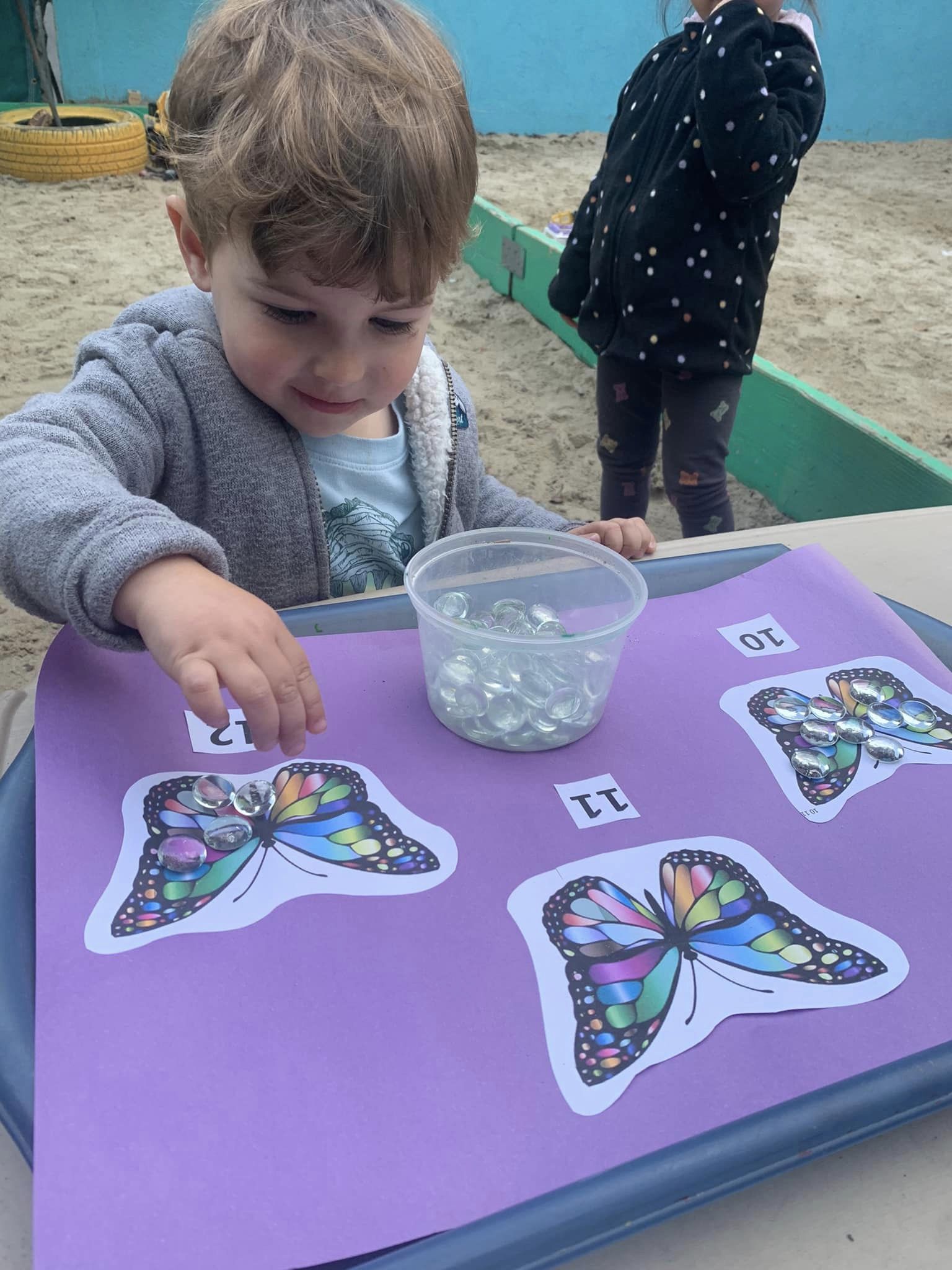
Monarch Butterfly Release

Many preschools make the mistake of providing strictly academic experiences that entail pencils and worksheets. While this may be appropriate for school-age children, preschoolers suffer greatly when only allowed traditional tutelage. This is why learning through play is so important.

Unlike older children, little ones are incapable of abstract thought. Things like recognizing symbols and numbers must come from three-dimensional activities. Worksheets do not offer that. This is why most of our activities are hands-on. For this activity, one of our students brought in cocoons of REAL Monarch butterflies! We read all about this fascinating creature with a fun, interactive book and then gazed upon the interesting cocoons. One of the butterflies was ready for release so we let him go in our back playground. Such an amazing experience!

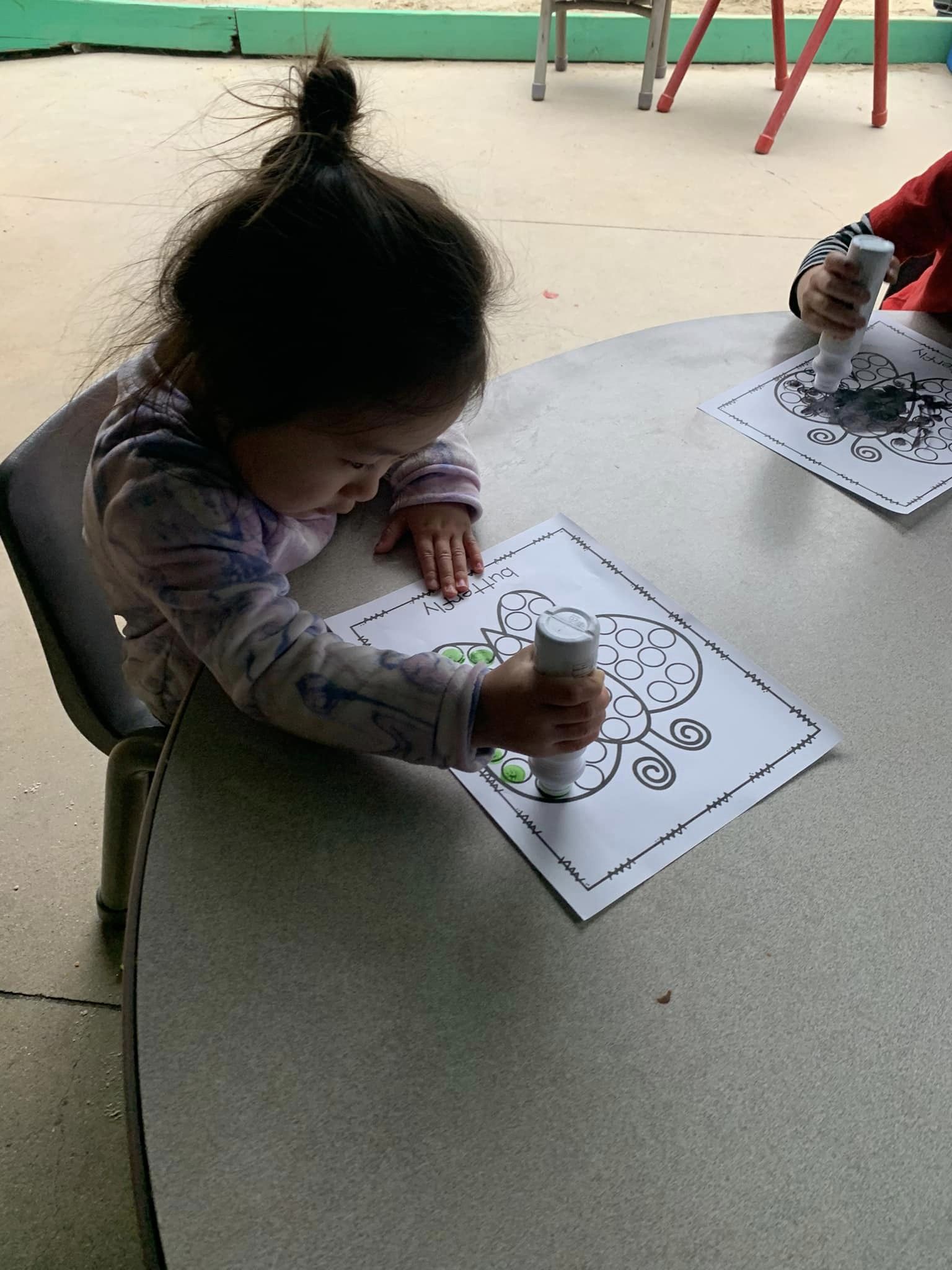
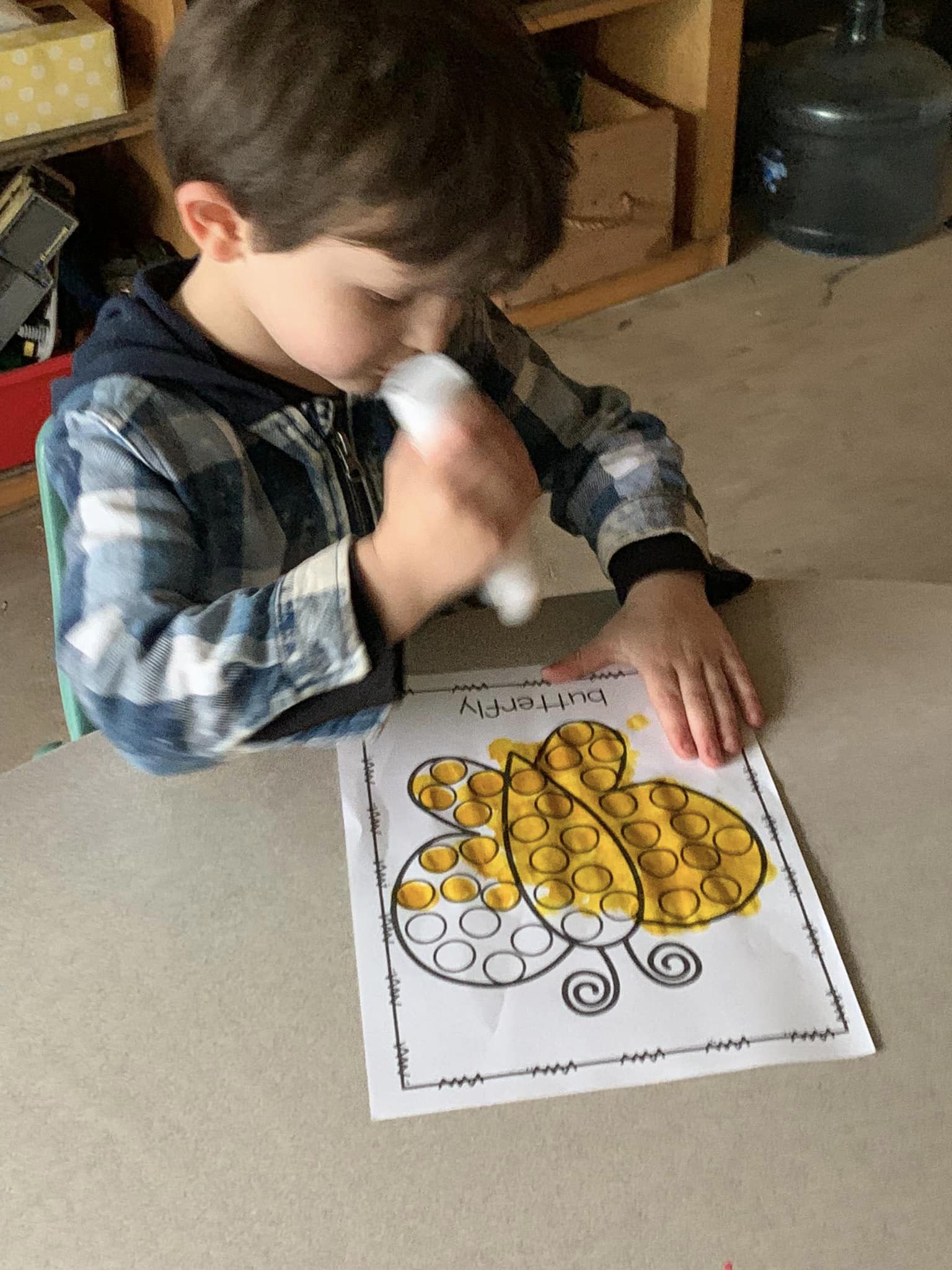
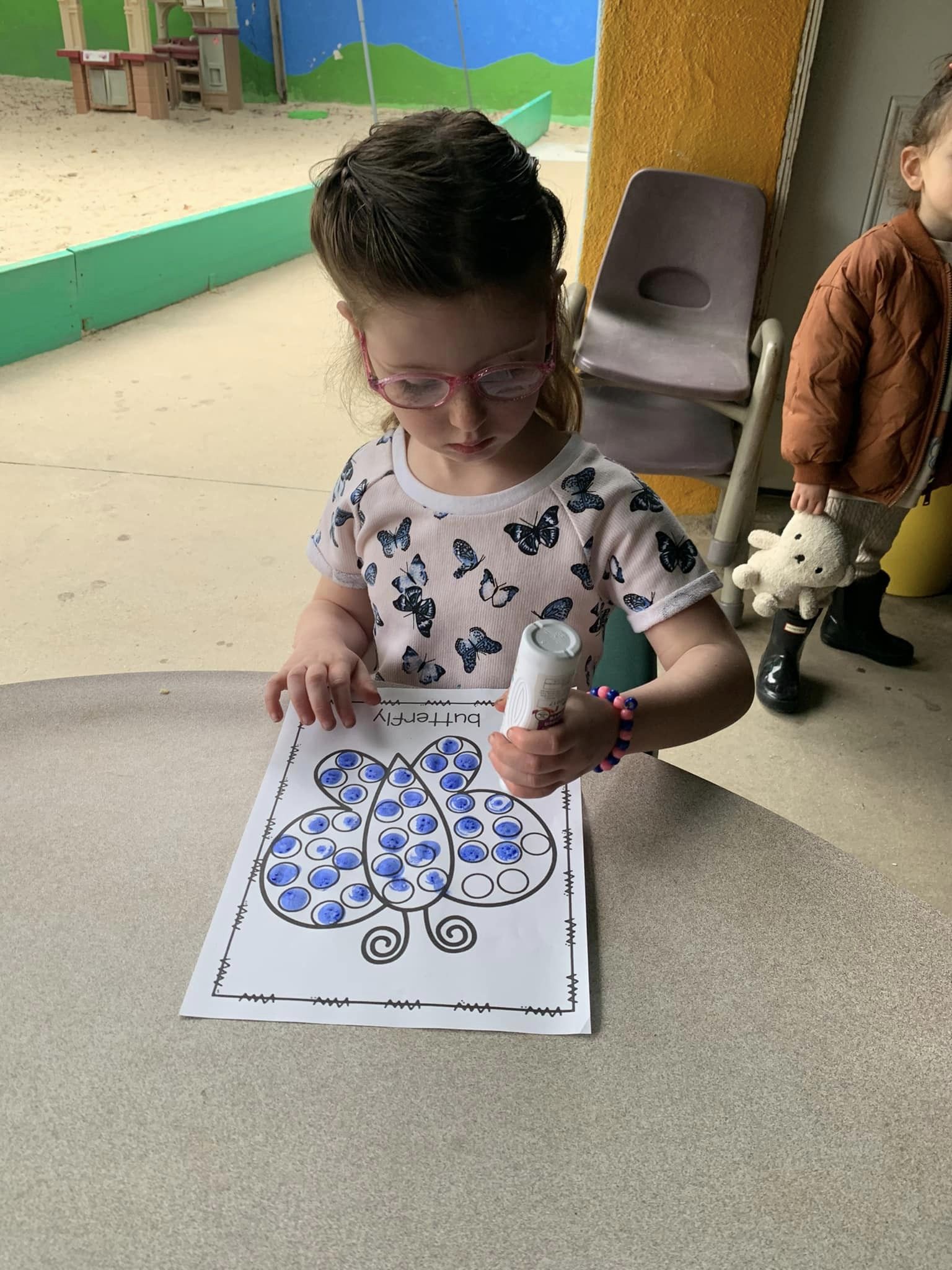
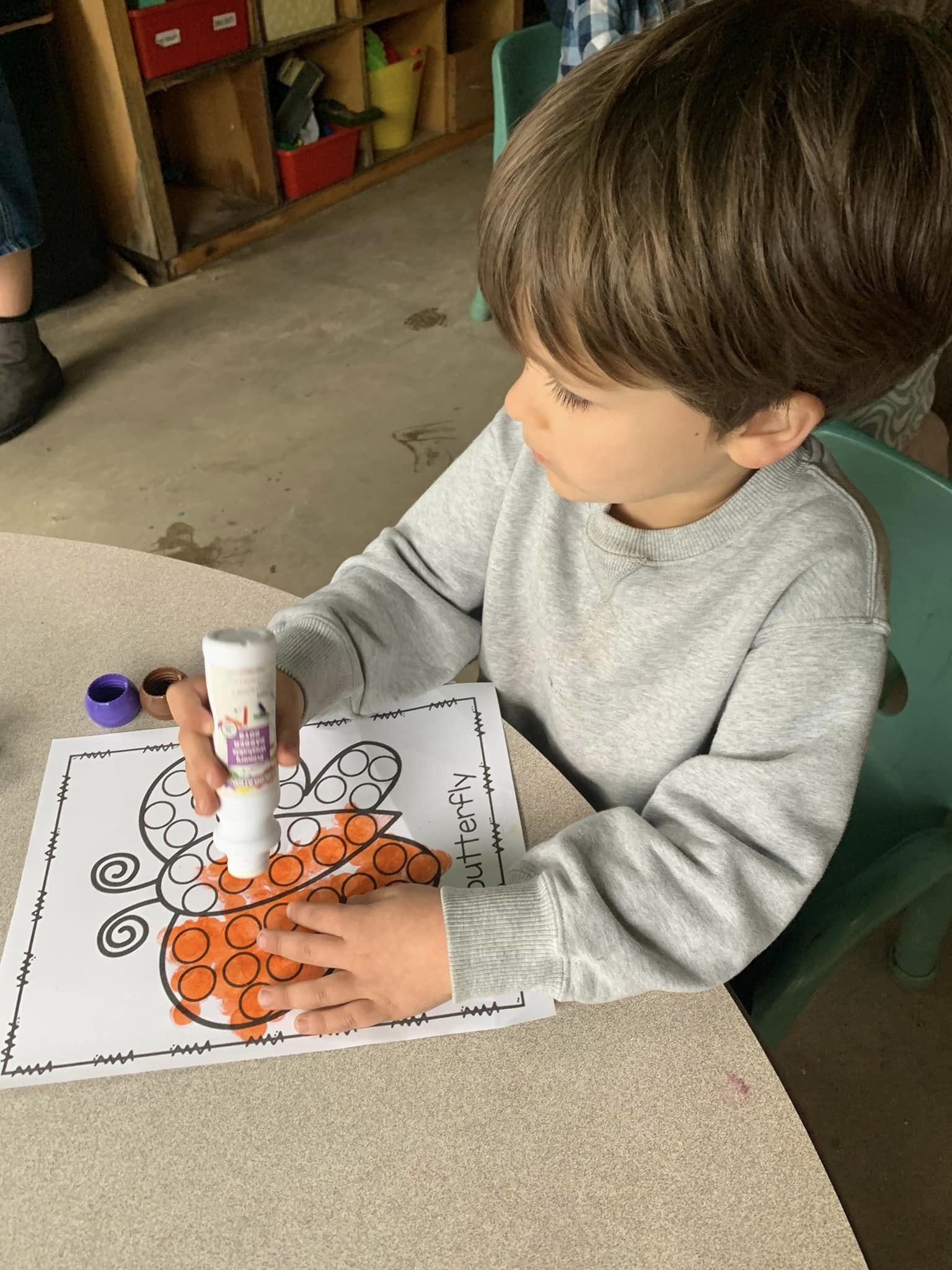
Bingo Dauber Butterflies

Bingo daubers are great tools of the preschool classroom.

These chunky ink makers are perfect for little hands to grab.

For our two different groups, they help with letter formation, number marking, coloring, and creating art!

This activity entailed placing small dots onto a butterfly printout.

Using a variety of colors, students enjoyed creating and adding life to their illustrations!

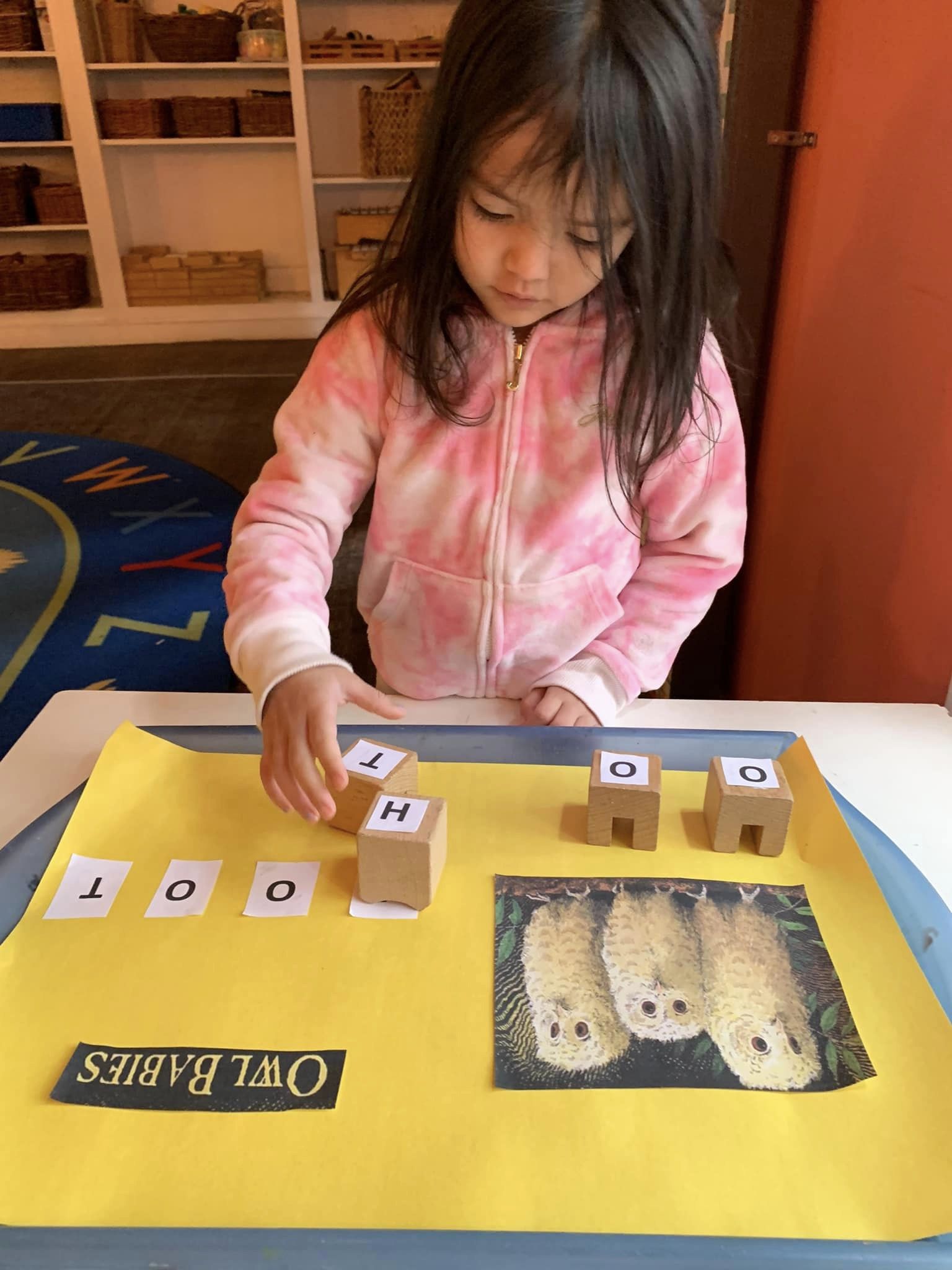
Owl Babies Literacy Tray

Owl Babies is a tender tale that reminds the youngest of children that Mommy always comes back.

We read this book as part of Forest Birds Week.

Following this, students engaged in a literacy tray. For those of you not familiar, a literacy tray is a tool educators use to organize plot themes and ideas for young learners.

They can involve sensory materials, counting activities, and words associated with a story. This activity consisted of students using blocks to spell the word HOOT.

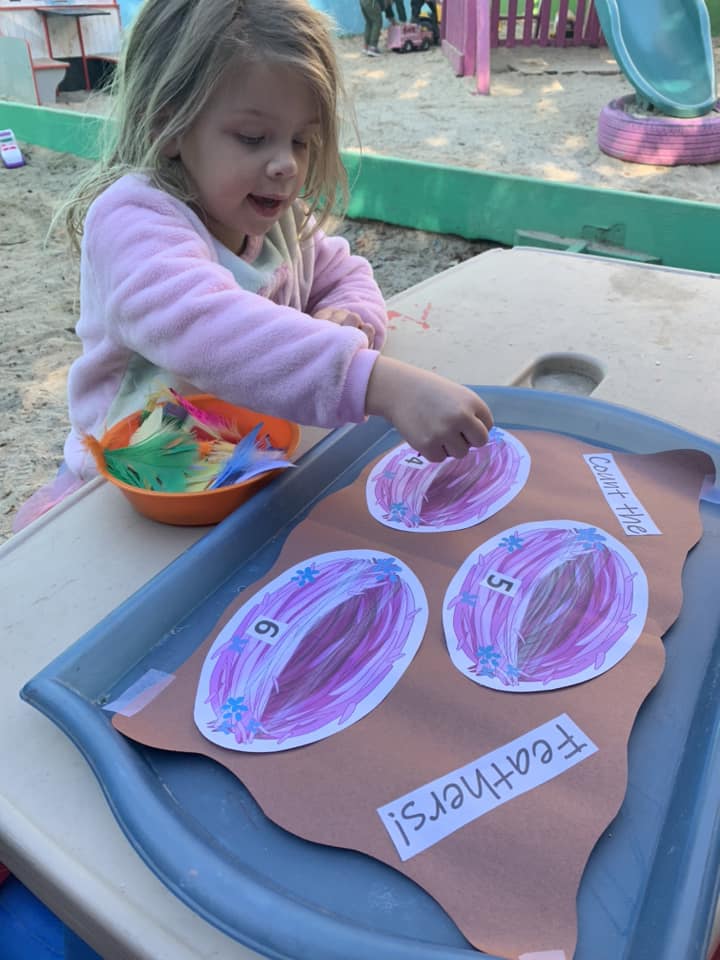
Forest Bird Play Dough Nests

Three dimensional media occupies space defined through the dimensions of height, weight and depth. It includes sculpture, installation and performance art, decorative art and product design.

Two processes are responsible for all three dimensional art: additive, in which material is built up to create form, and subtractive, where material is removed from an existing mass, such as a chunk of stone, wood, or clay.

The additive piece that we created involved a few key materials.

With flour, twigs, googly eyes, and pipe cleaners, we assembled them to create two items: a bird and his nest. Students modeled their nests in several different ways. They enjoyed making up stories about their birds and watching their friends. 

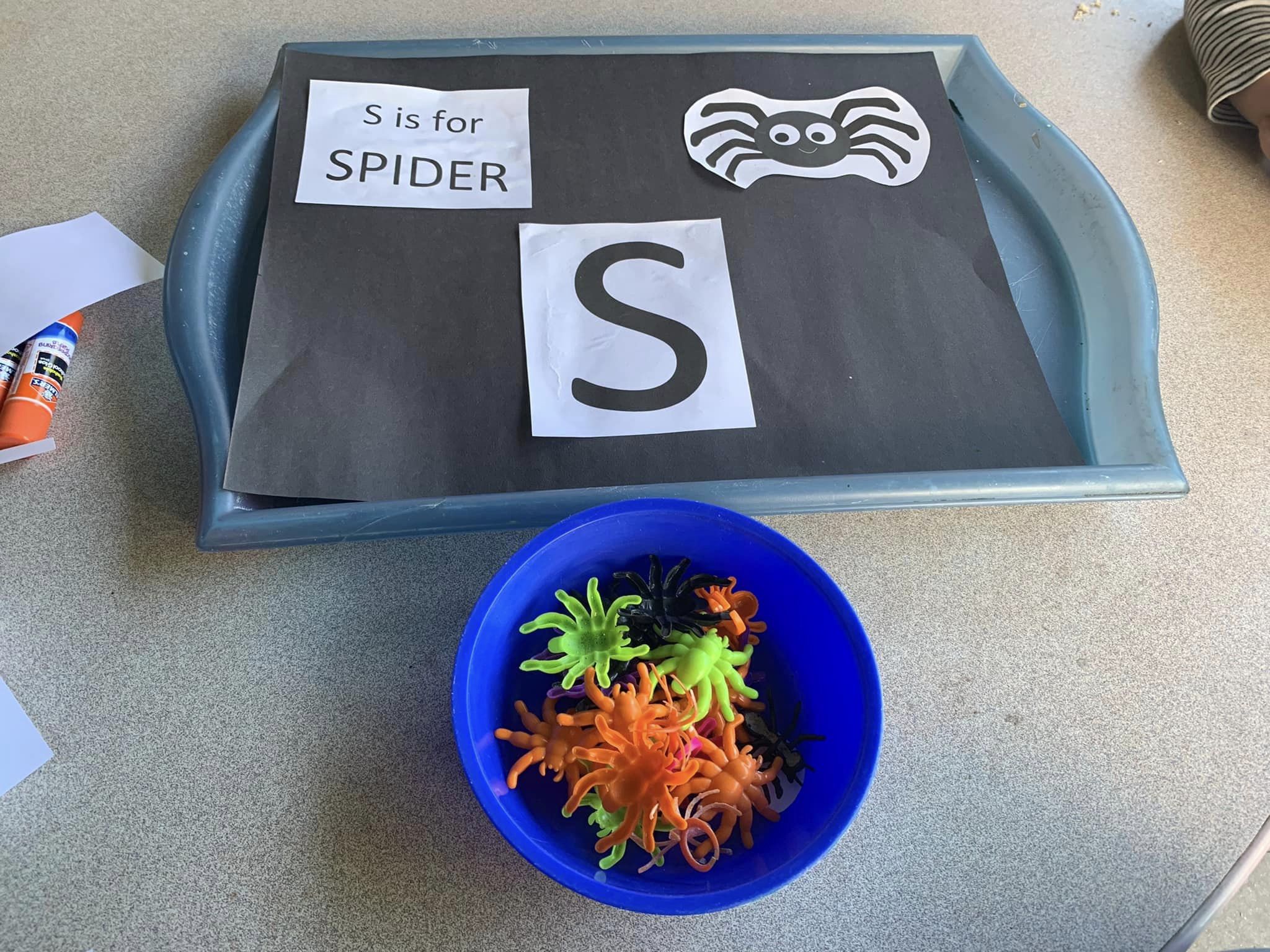
S is for Spider

The origins of the long s, ſ, can be traced all the way back to old Roman cursive, a script used in Rome for everyday, informal writing from the first century AD to about the third century.

In this script, the letter s was written as a vertical downstroke with a small curve at the end of it, and a diagonal upstroke at the top. It looked almost like a check mark, with an added diagonal line on top of it. I

n new Roman cursive, which developed between the third and seventh century AD, s was written almost as we write the lowercase r today: a vertical downstroke, followed by an upstroke with a curve.

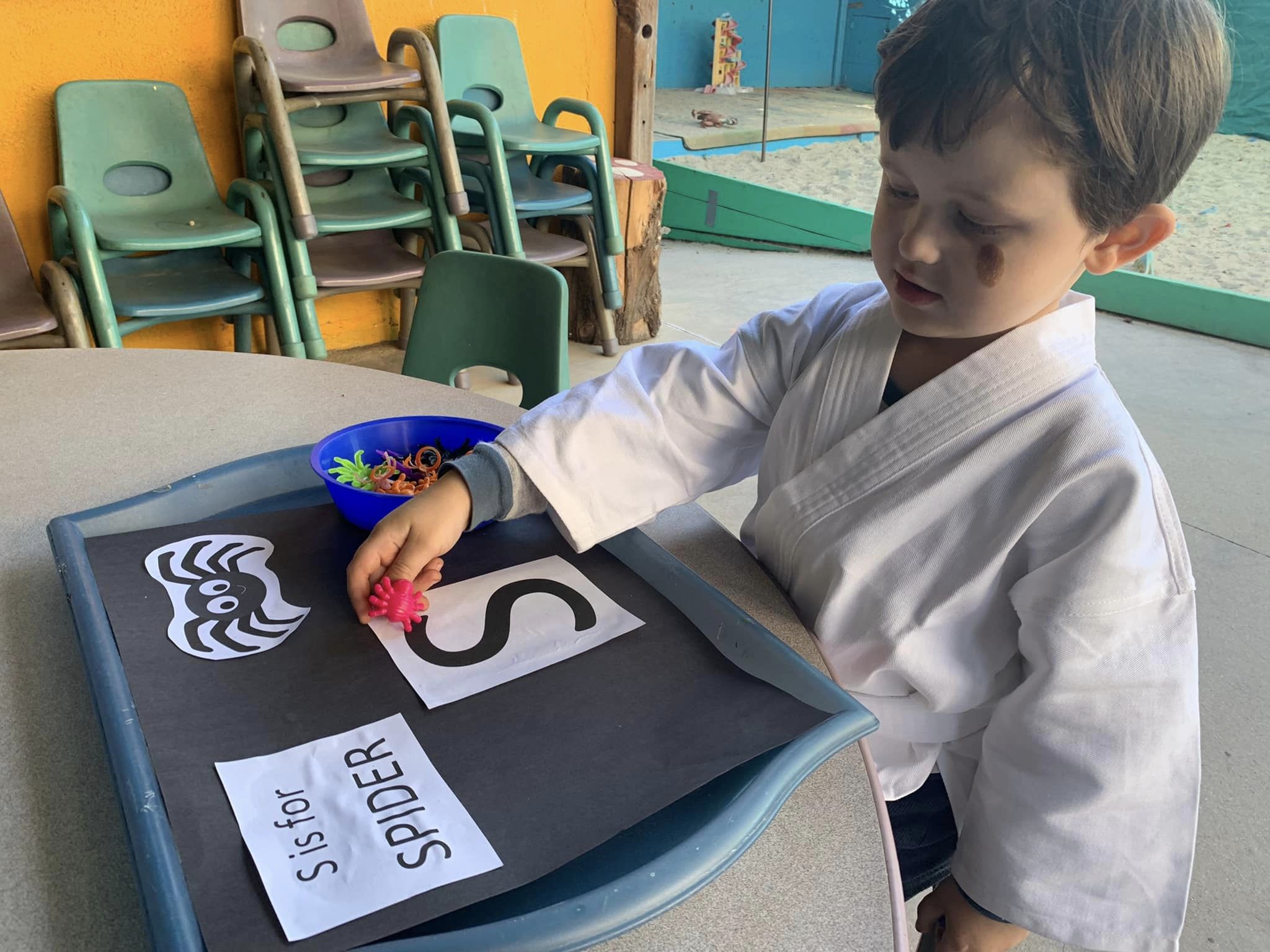
For this activity, we learned all about the long s sound found in the word SPIDER.

To do so, students used manipulatives (in this case, toy spiders) to cover the letter S.

This letter S was placed onto a letter card. Students enjoyed playing with the spiders and putting them into different shapes on the letter.

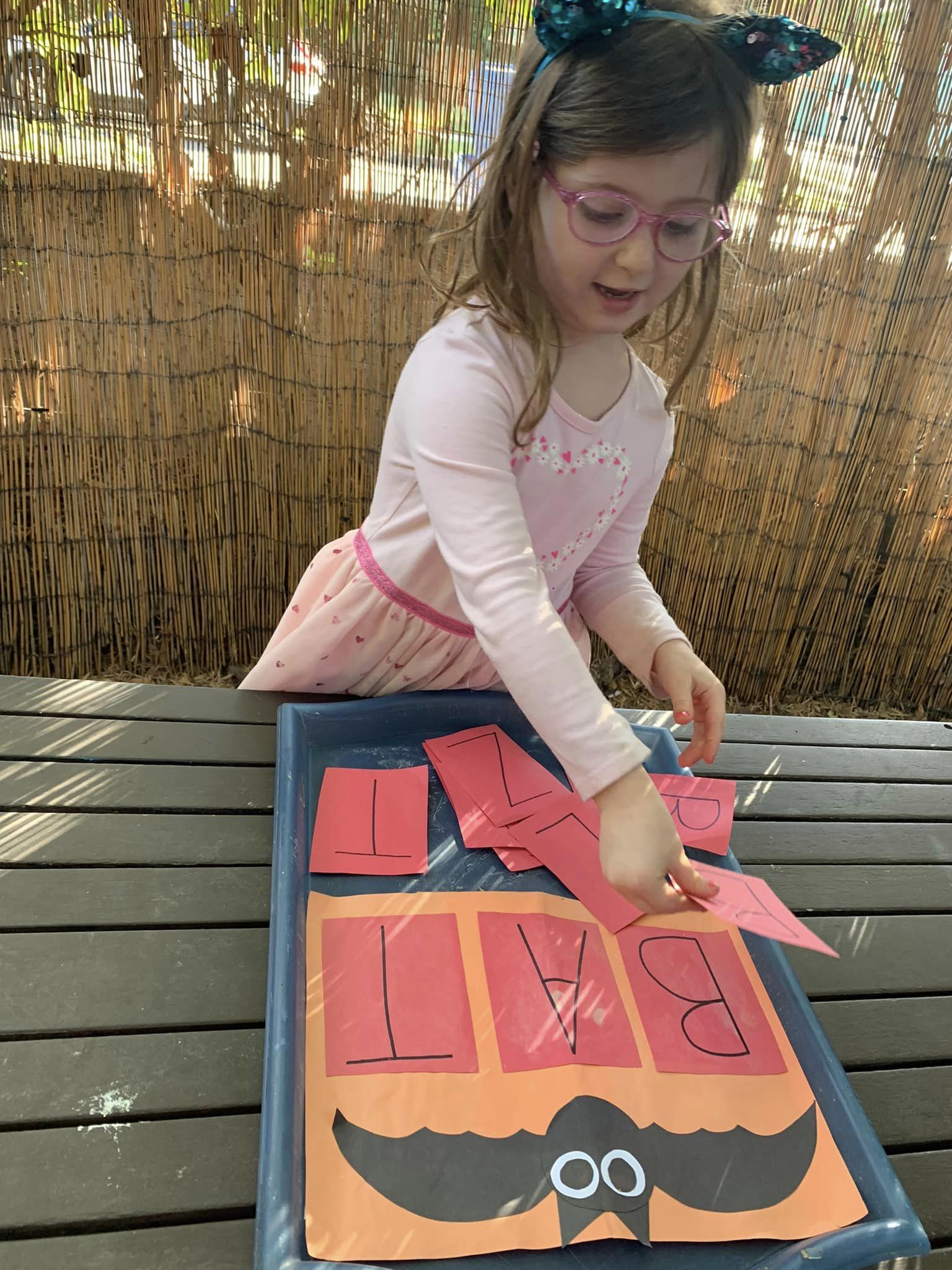
B-A-T: Spelling with Manipulatives

Manipulatives give children the opportunity to interact with the alphabet through hands-on play.

They are able to feel the shape of the objects and arrange multiple items to form letters and words.

They can see the curves and the lines that come together to form each letter, and some manipulatives even allow children to explore letter formation and tracing.

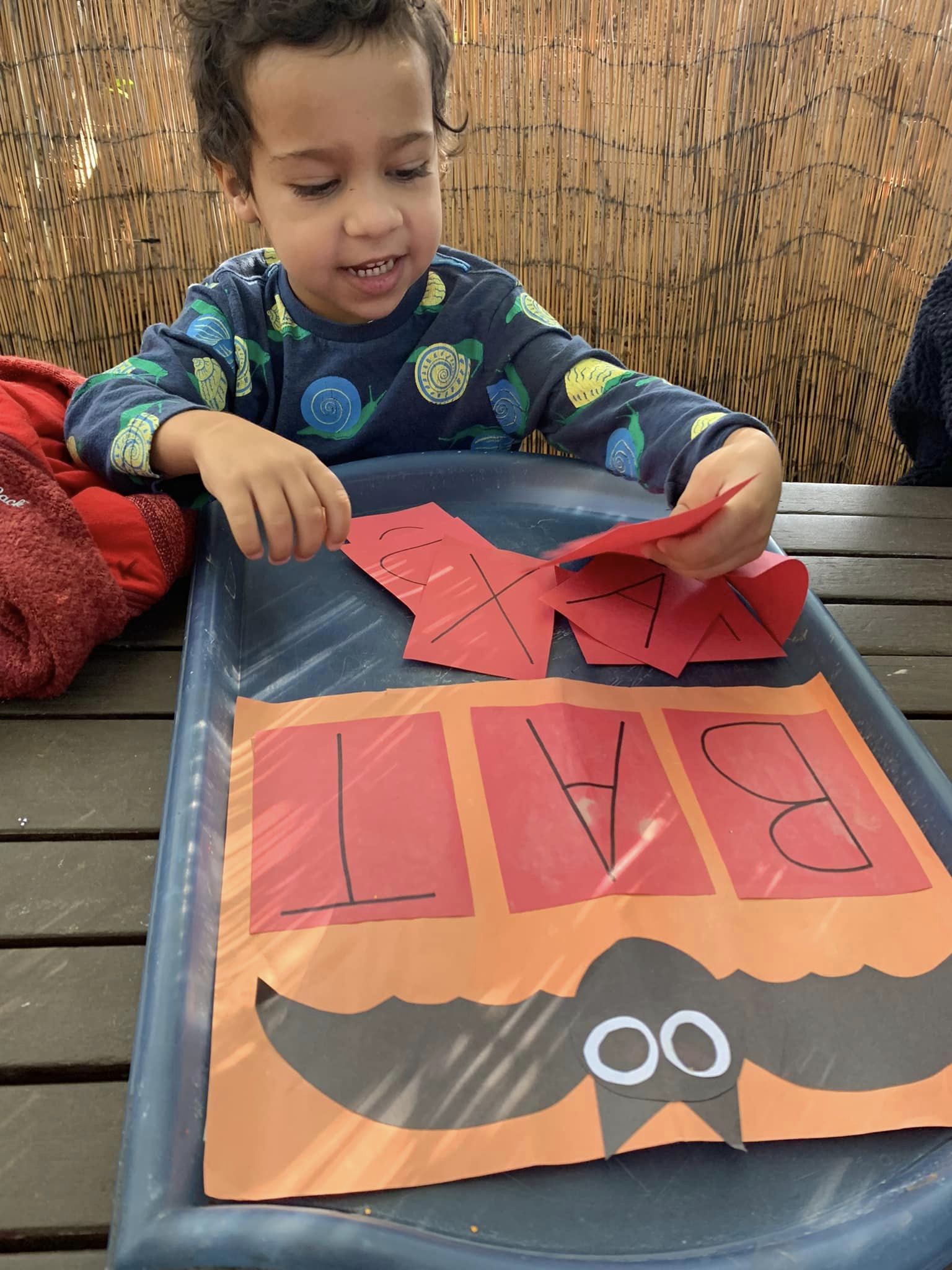
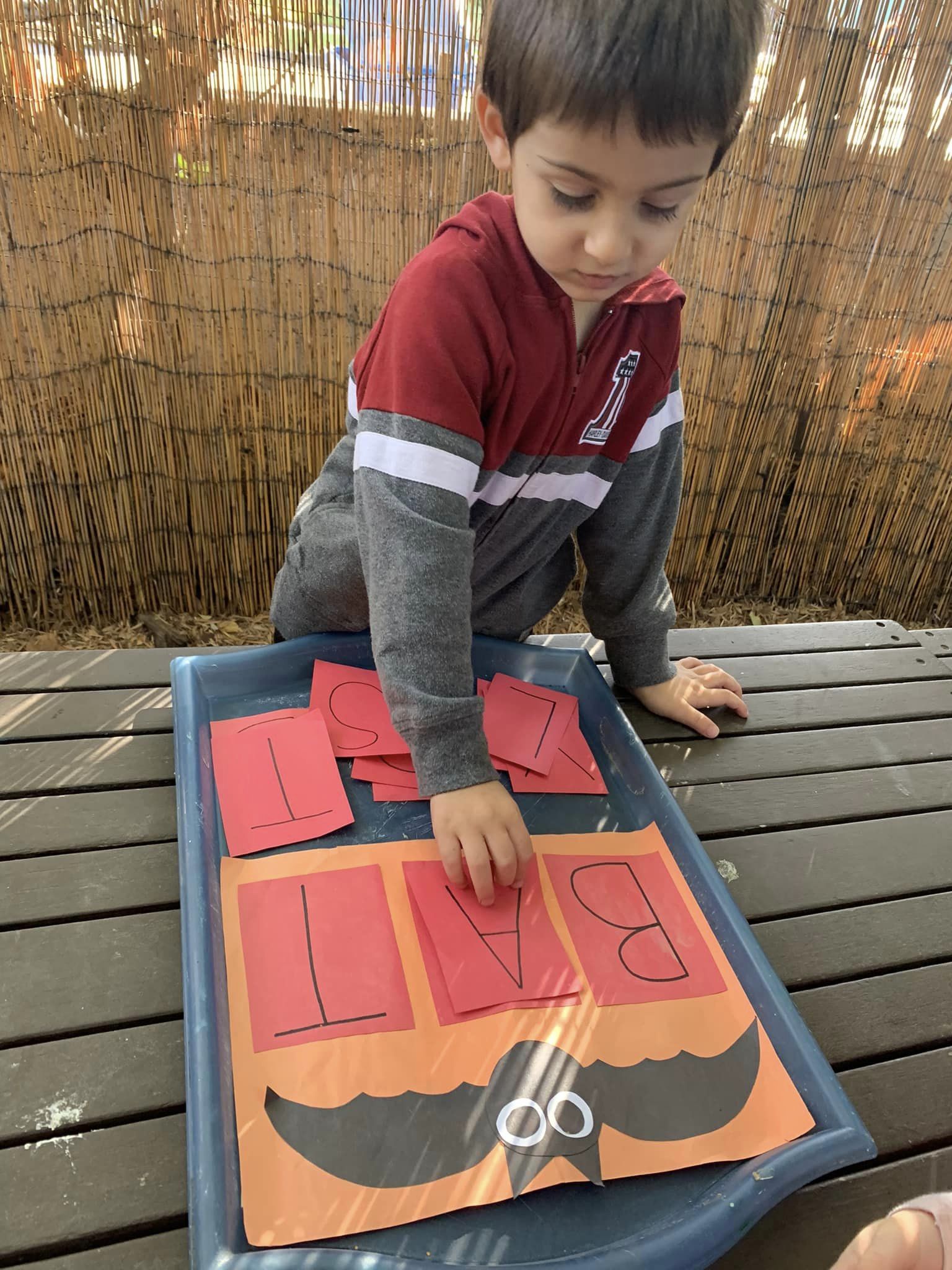
We used manipulatives (in this case, letter cards) as part of our bat theme.

To do this, we did a couple of things.

First, the students were given a note card with the word BAT written on it.

Then, they were given the cards (manipulatives) to match to the correct letter.

Lastly, we sounded out each letter until we created the word!

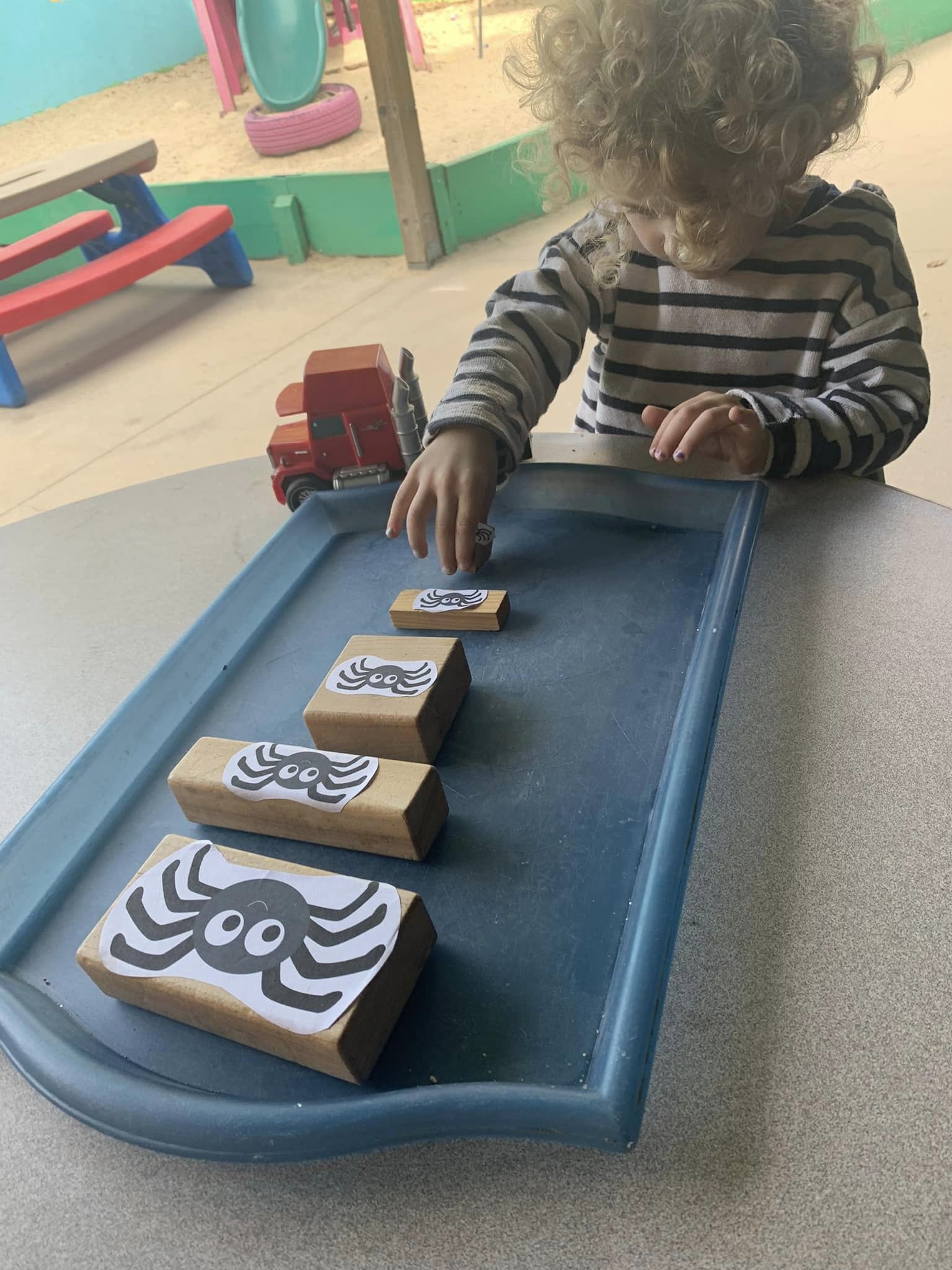
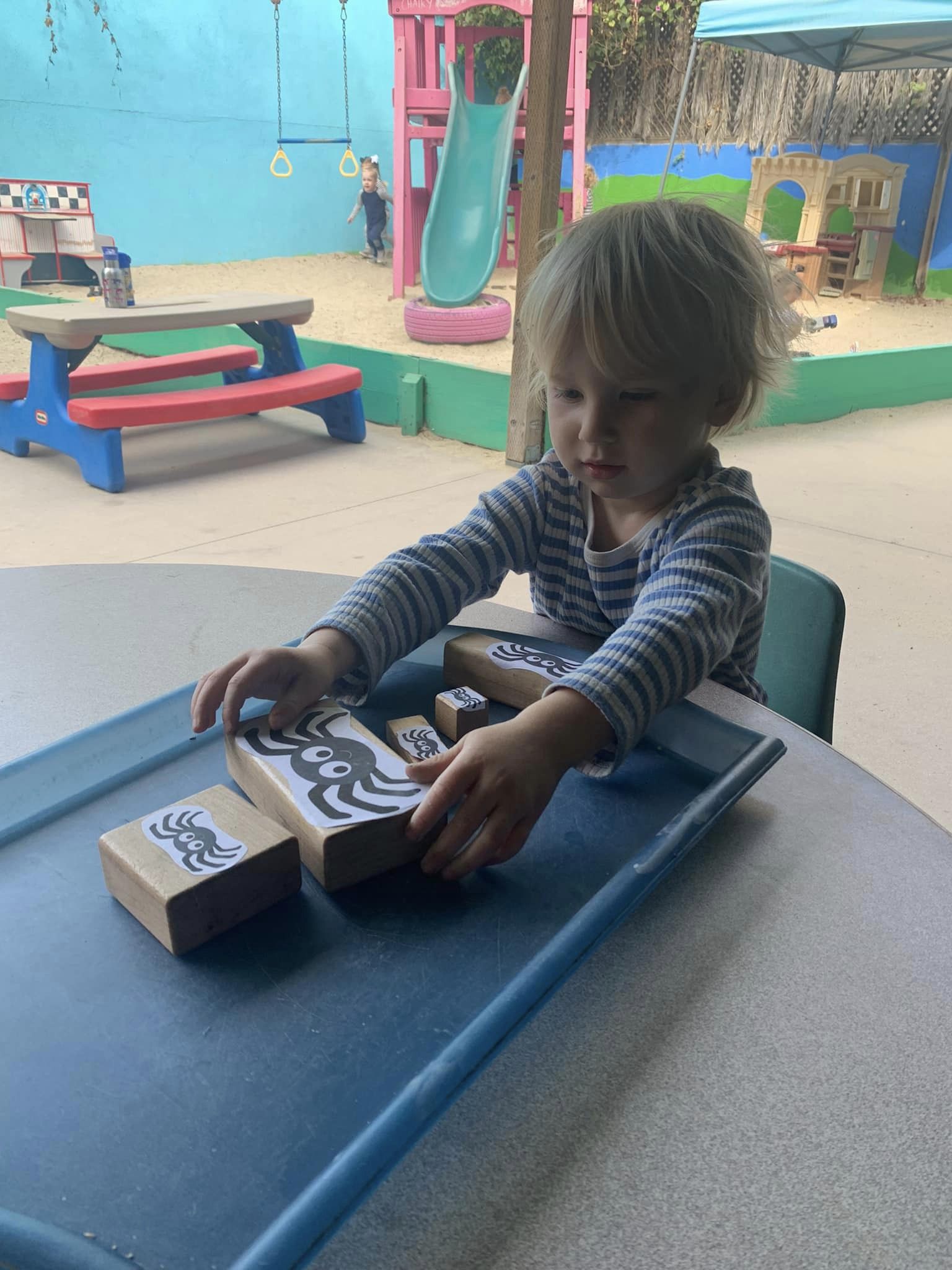
Sorting Spiders: Smallest to Biggest

Measurement concepts are often a part of children’s interactions.

“My dad is bigger,” “I can jump higher,” and “I have more play dough than you!” are common comparisons that children make.

From the child’s perspective, these statements compare quantity; however, they also provide a nice introduction to measurement.

Unfortunately, it is an often neglected content standard in early childhood classrooms.

Throughout the many projects we do throughout the week, we are constantly measuring, comparing, and contrasting items related to the theme.

For this activity, your little one was presented with a problem.

They were each given five different-sized blocks with pictures of different-sized spiders on them. They were then asked to sort them by size. The target words for this activity were small, big, bigger, biggest, smaller, and smallest.

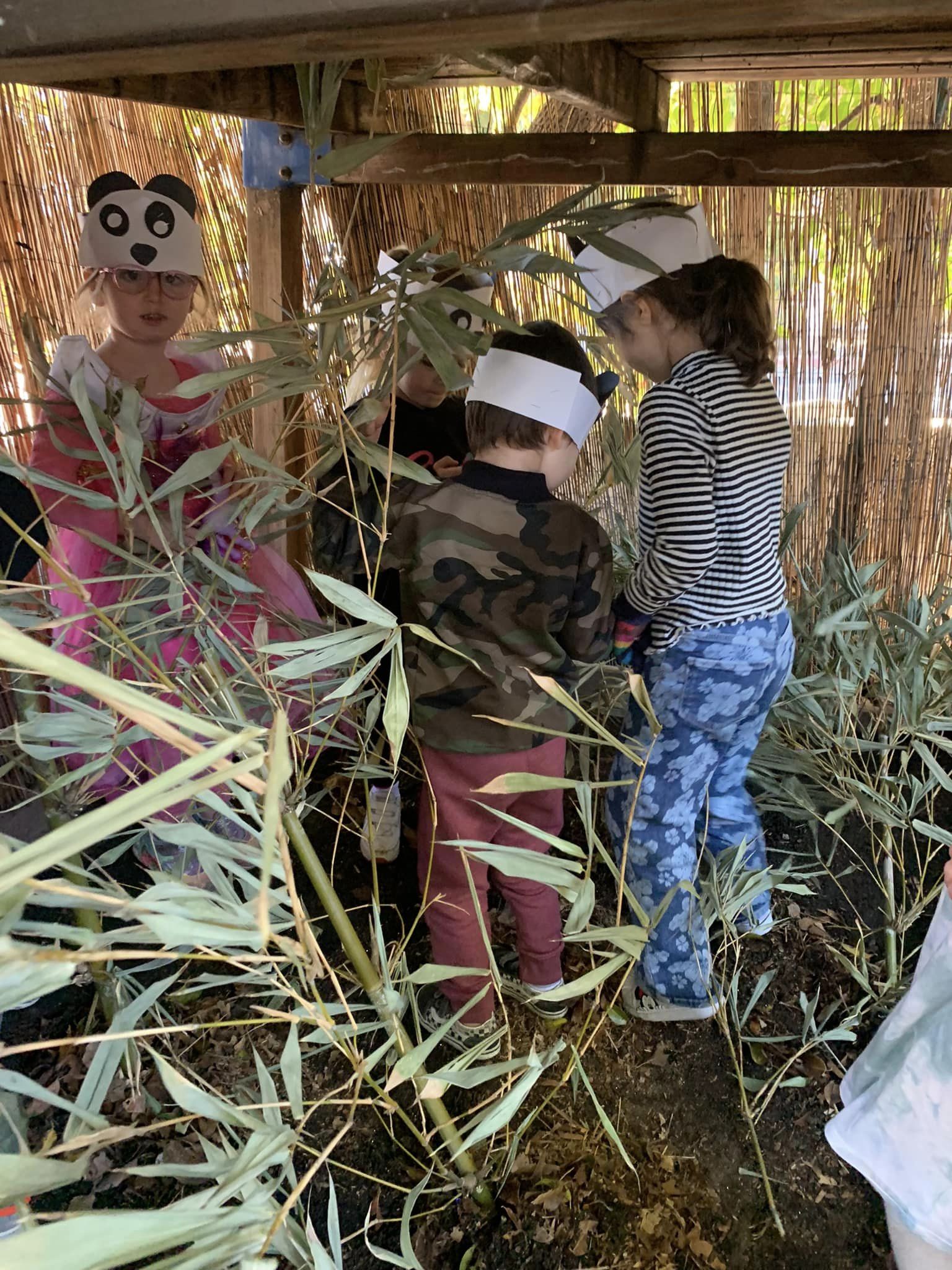
Bamboo Forest Dramatic Play

There are over 1600 species of bamboo around the world.

A member of the grass family, it is found on every continent except Europe and Antarctica.

Bamboo’s resilience, versatility, and unique ability to grow quickly and create complex root systems make it a vital species in its native ecosystem.

It provides a habitat for biodiversity, reduces land degradation, stabilizes slopes, and produces oxygen, absorbs heavy metals, sequesters carbon, and has over 1000 uses – including replacing plastics, paper, and wood.

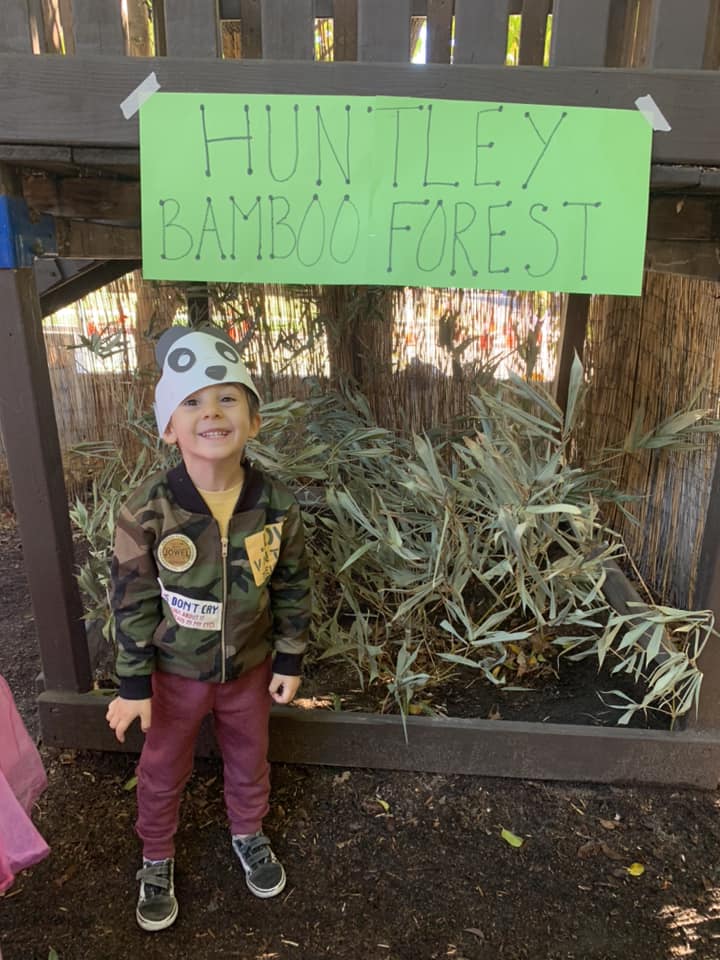
As part of our Forest Bears week, we decided to explore this fascinating ecosystem.

To do so, students wore panda bear masks.

They were also encouraged to interact with our “real” bamboo forest – a collection of bamboo stalks “planted” at the school.

Fine Motor Moons

Fine motor skills are finger and hand skills such as writing, cutting, opening lunch boxes, and tying shoe laces.

The development of these skills relies upon age appropriate development of physical skills (such as core trunk control and shoulder strength) providing the stable base from which the arm and hand can then move with control.

For this activity, we used Q-tips and paint to write on the moon!

To begin with, students dipped their Q-tips in white paint. They they added white dots onto the word MOON.