Collaborative Reef

Group projects can help young children develop a host of skills that are increasingly important in their future endeavors.

Positive group experiences, moreover, have been shown to contribute to student learning, retention, and overall student success.

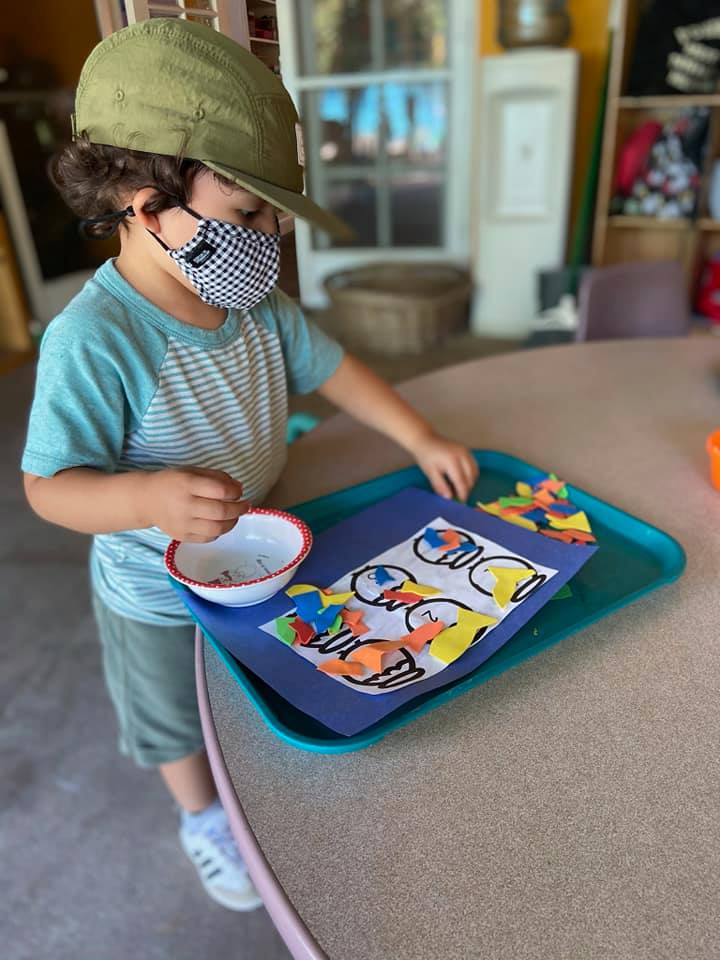
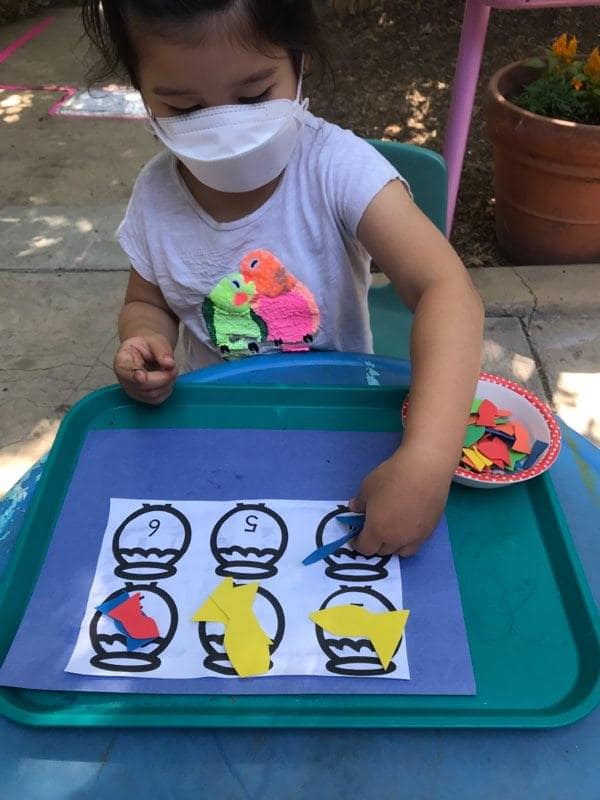
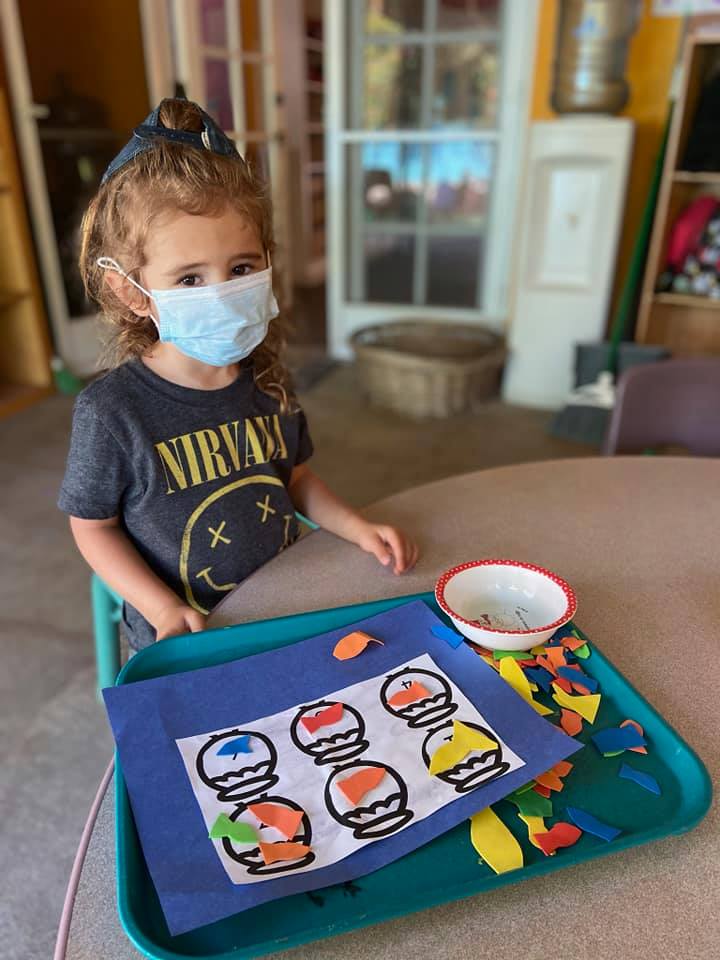
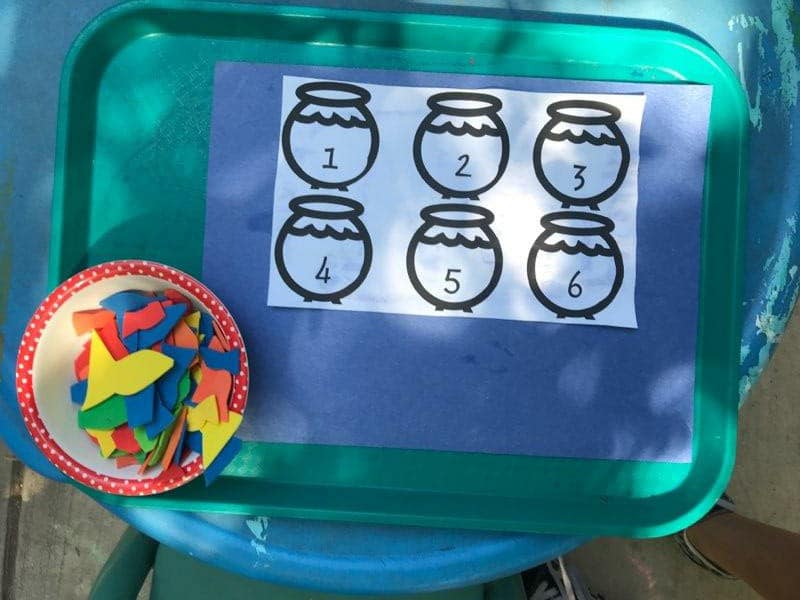
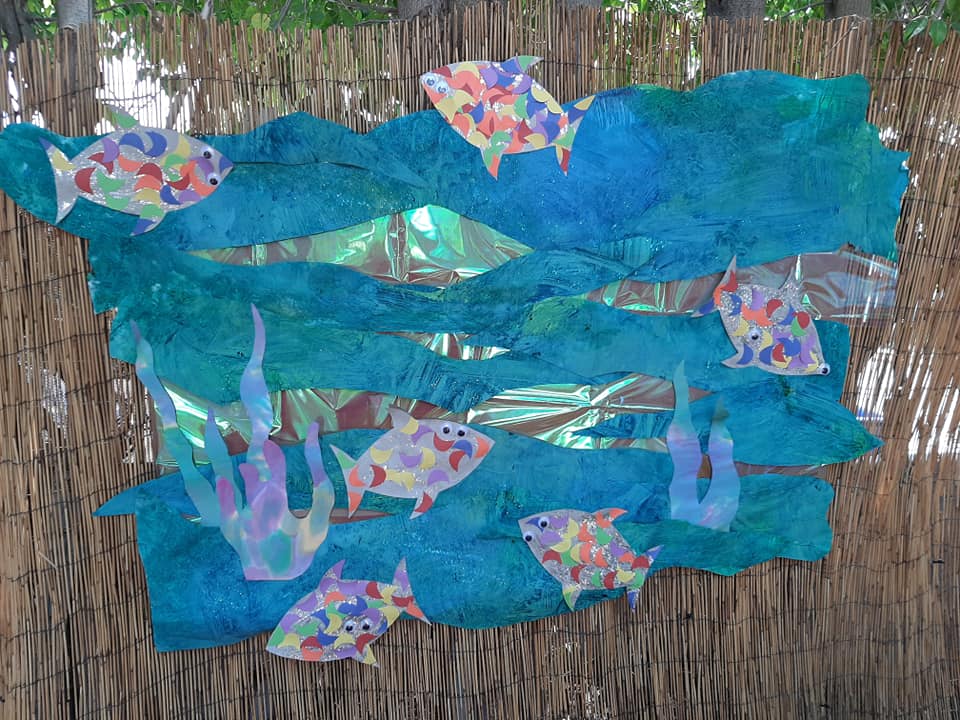
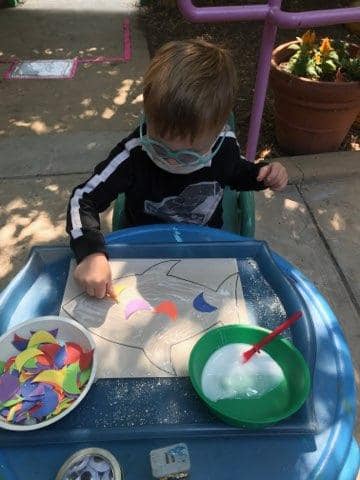
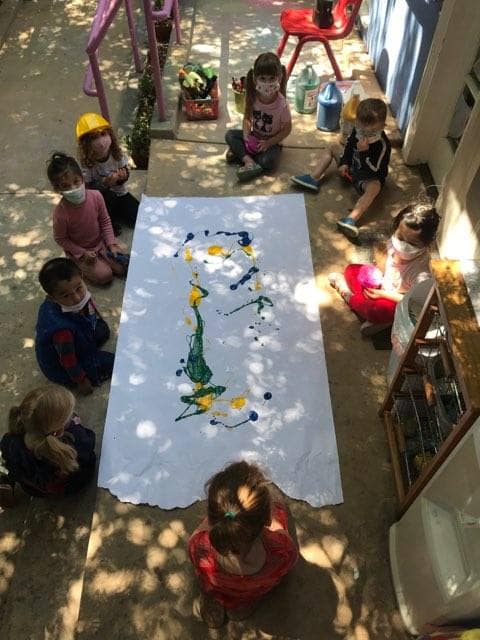
For this activity, students created fish to be a part of a larger art installation.

This project was set up into stages and then hung up for all to enjoy! Each student participated in each stage of the process!

Cheerio Tentacles

Octopuses are sea animals famous for their rounded bodies, bulging eyes, and eight long arms.

These cool critters live in all the world’s oceans, but they’re especially abundant in warm, tropical waters.

Like their cousin the squid, octopuses are often considered ‘monsters of the deep’, lurking in the depths of the seas.

However, there are some kinds of octopuses that live in relatively shallow water.

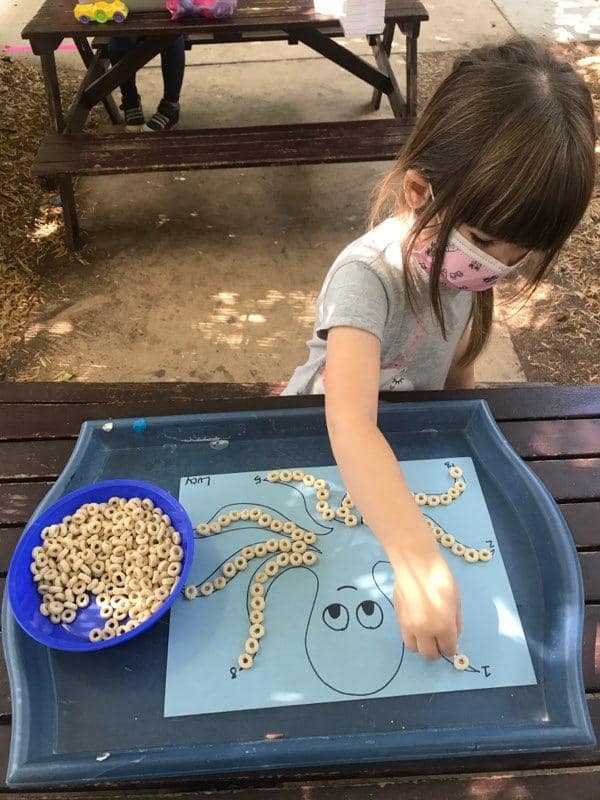
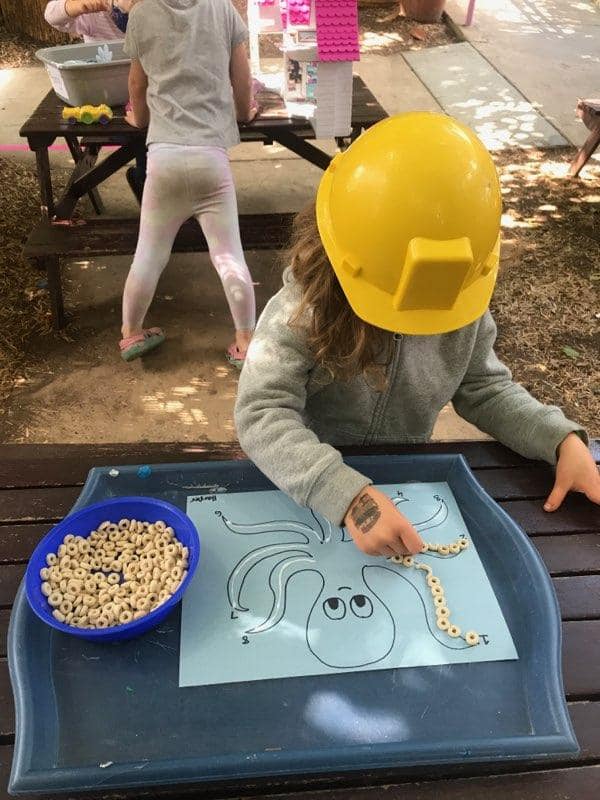
To help tie in our octopus theme with our math domain, your little ones participated in a fun cheerio counting activity.

Using cheerios and octopus illustrations, the practiced counting and placing cheerios onto tentacles!

Octopus Letter Match

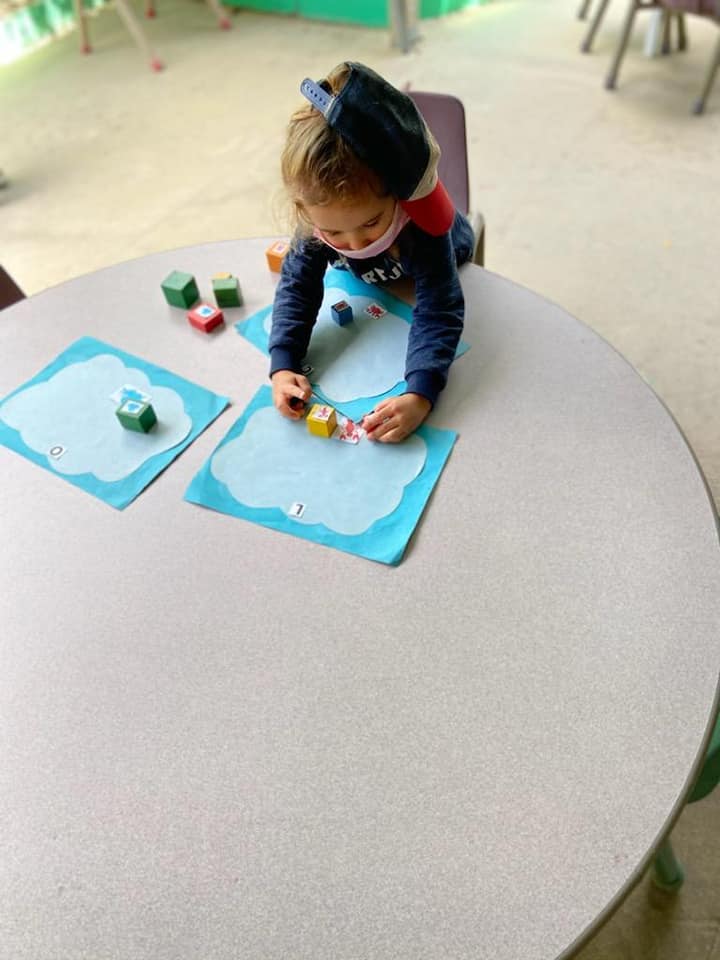
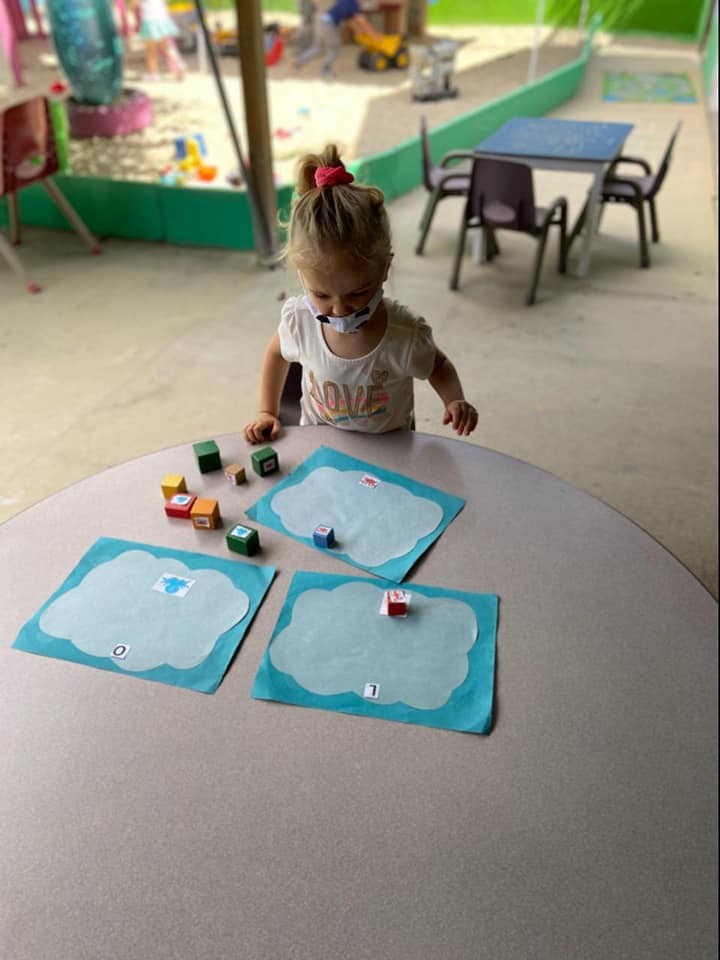
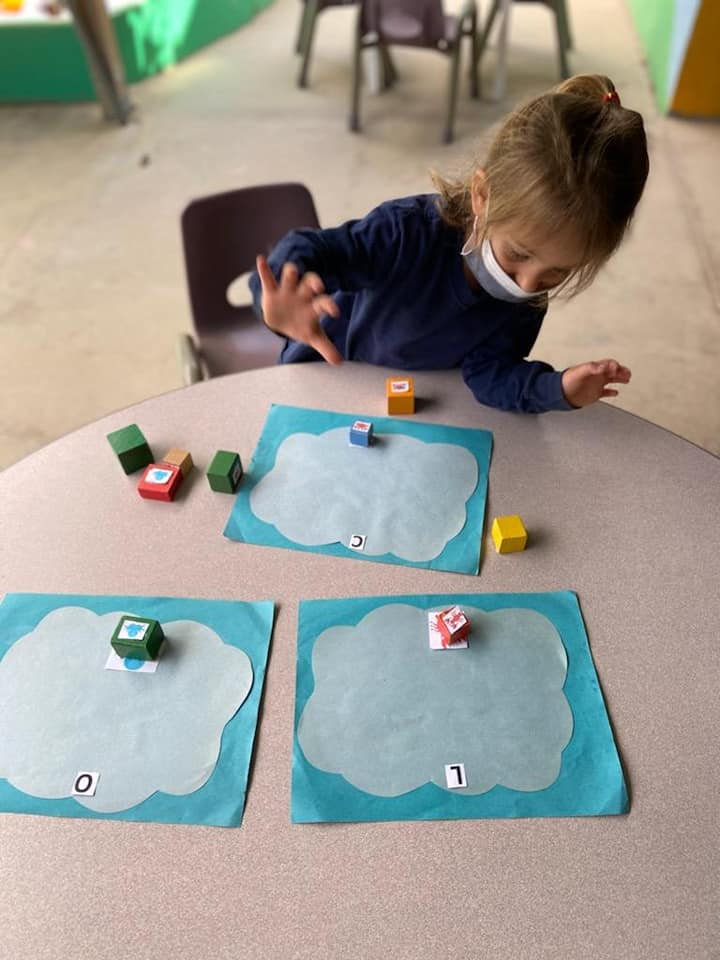
For this activity, students matched three different sea creatures by the first letter in the word.

Using blocks as manipulatives, students were introduced to three different ocean mats.

Each had a different letter written on it.

There was O for Octopus, F for Fish, and C for Crab.

Each block was affixed with a picture of the creature on it. Students enjoyed the colorful illustrations, and successfully matched each creature with its letter!

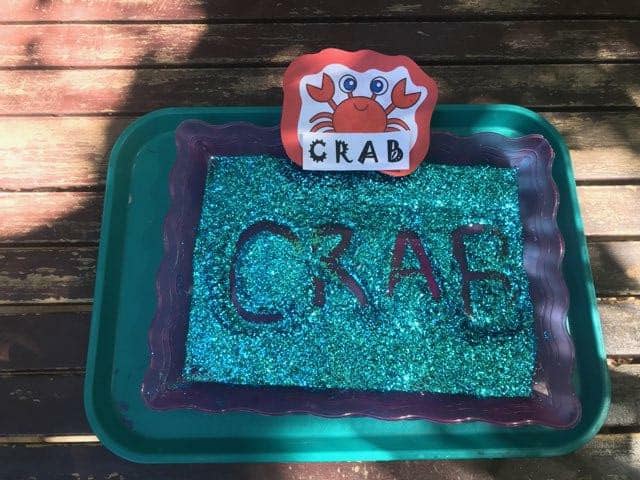
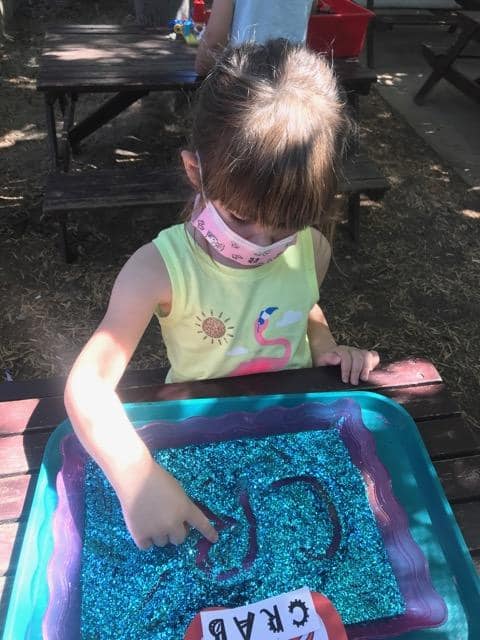
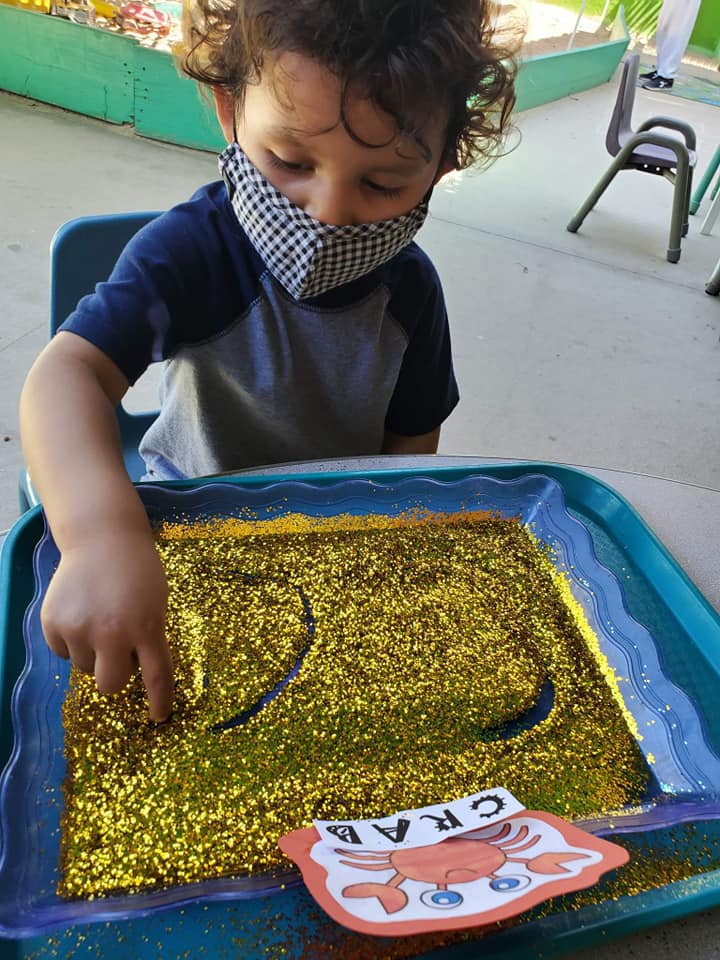
Crab Word Trace

Toddlers love to scribble as they explore their creativity and put their ideas on paper.

It is also considered “pre-writing” – a task that gets them one step closer to writing letters and words.

When you add tracing to your little one’s drawing time, it helps refine those pre-writing skills, laying a strong foundation for drawing and emerging writing.

For this activity, we used glitter to trace the word CRAB. Using their fingers, students traced each letter, one at a time. While doing so, the learned about the sound that each letter makes. Finally, they enjoyed the feeling of glitter on their fingers and especially washing it off!

Crab Sensory Play

Sensory play includes any activity that stimulates your young child’s senses: touch, smell, taste, movement, balance, sight, and hearing.

Sensory activities facilitate exploration and naturally encourage children to use scientific processes while they play, create, investigate and explore.

They sensory activities allow children to refine their thresholds for different sensory information helping their brain to create stronger connections to process and respond to sensory information.

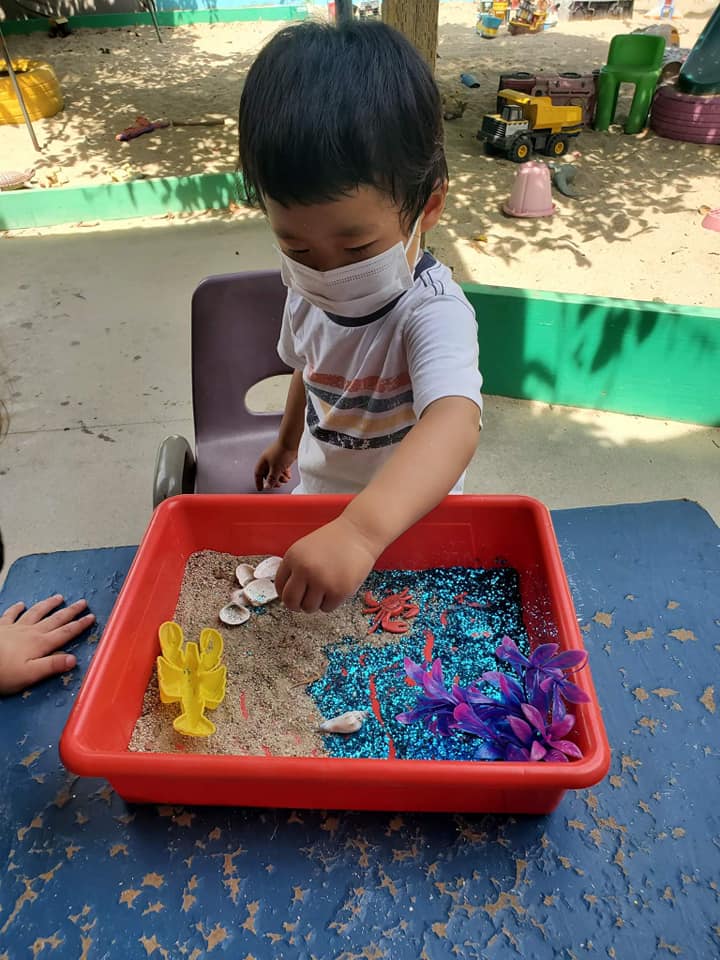
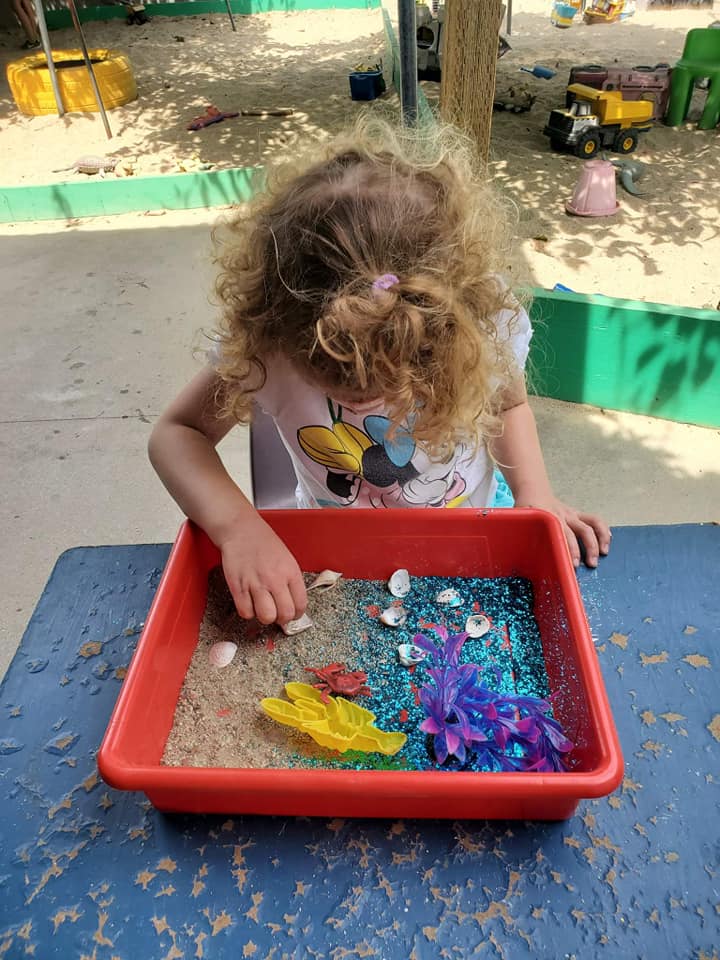
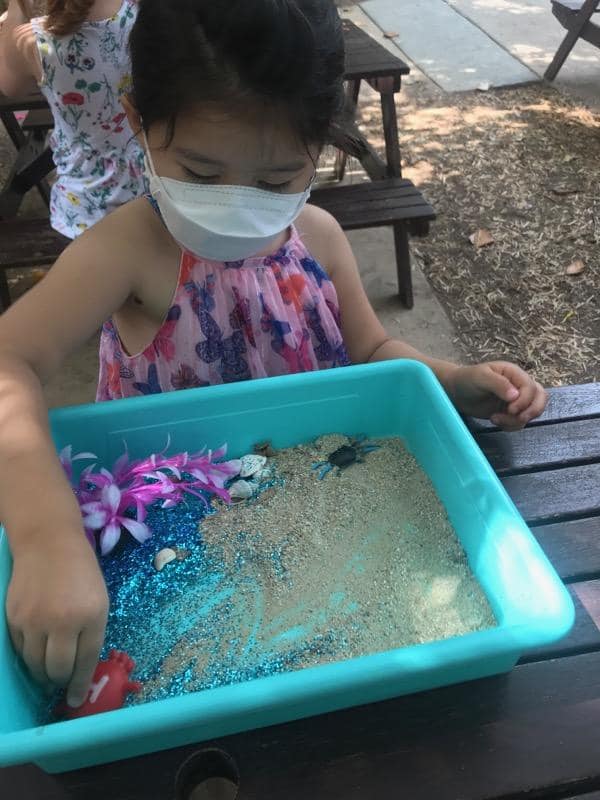
To incorporate this kind of play into our crustacean curriculum (and tie into our science domain), we decided to create crab habitats.

Using a few natural materials (and some not so natural!), we created the perfect home for our crustacean friends!

Crustacean Dough

In our classroom, we are always in interacting with play dough

.The most important benefit of playdough is the word “play”.

When teachers introduce playdough, they usually do not have an ultimate agenda or ending outcome – the children are simply given the opportunity to play.

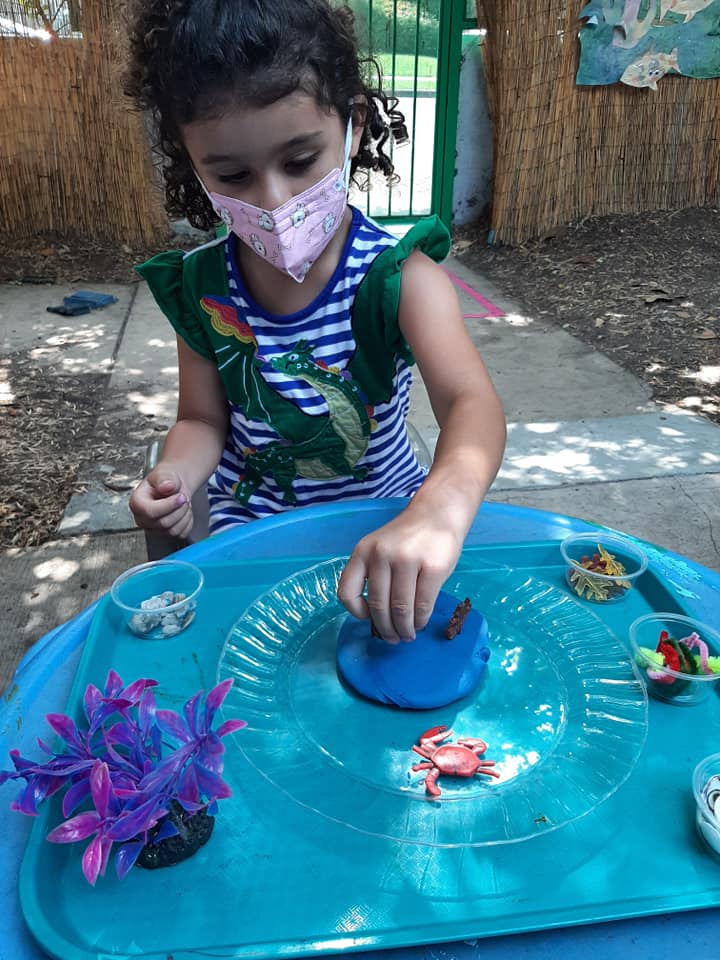
To capitalize on this open-ended activity, we tied this in to our crustacean theme! Using play dough, crustacean shovels, and sand toys, we created the perfect crustacean environment.

Shark Bay

You may think that preschoolers are too young to learn about environmental conservation and sustainability. But it’s actually the perfect age.

If you’ve ever sat and watched young children playing outside, you know how kids just seem to have an innate connection to nature. They’re fascinated by the clouds in the sky, the dandelions in a field, the bugs crawling in the dirt.

Environmental education for kids builds on their natural interest, encouraging their curiosity and helping them grow into adults who consider the environmental in everything they do. For this activity, we talked about pollution and how it affects ocean life.

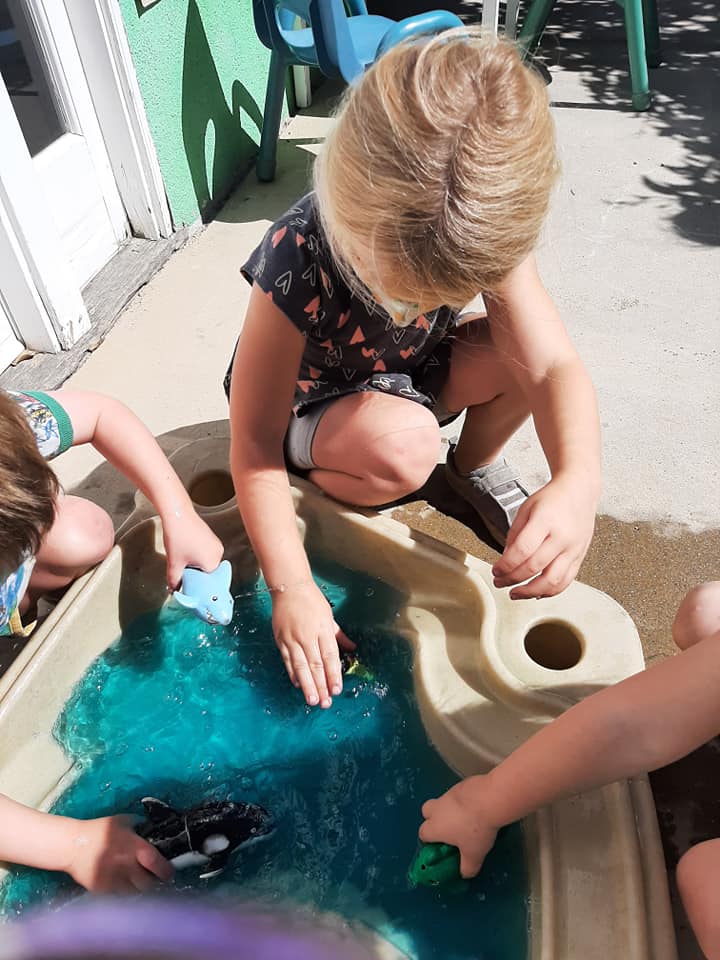
To tie this in with our shark theme, we decided to both create and then “clean up” shark bay. Students were first presented with a sensory table full of “dirty” water and “trash”.

They were given nets, recycling bin, and a trash bin to remove the trash.

Following this, students were presented with a sensory table full of clean water, abundant with sea life. Lastly, we had a discussion about why it is so important to throw our trash away in trash cans.

Rainbows: Color Science

Color has been an intense topic of interest for thousands of years. Mathematicians, philosophers, physicists, physiologists, poets, and other disciplines have all contributed to our understanding of color.

In the 1600s, English physicist and mathematician Isaac Newton began a series of experiments with sunlight and prisms. He demonstrated that clear white light was composed of seven visible colors. Throughout our Rainbow Week, we really enjoyed manipulating different colors to see what would happen when they were combined!

For this activity specifically, we really enjoyed using paint and Ziploc bags to combine different colors.

Our young students enjoyed it because of the squishy texture of the bags, and the teachers enjoyed it because it was easy to clean up!

Rainbow Counting

We just love to count at our preschool!

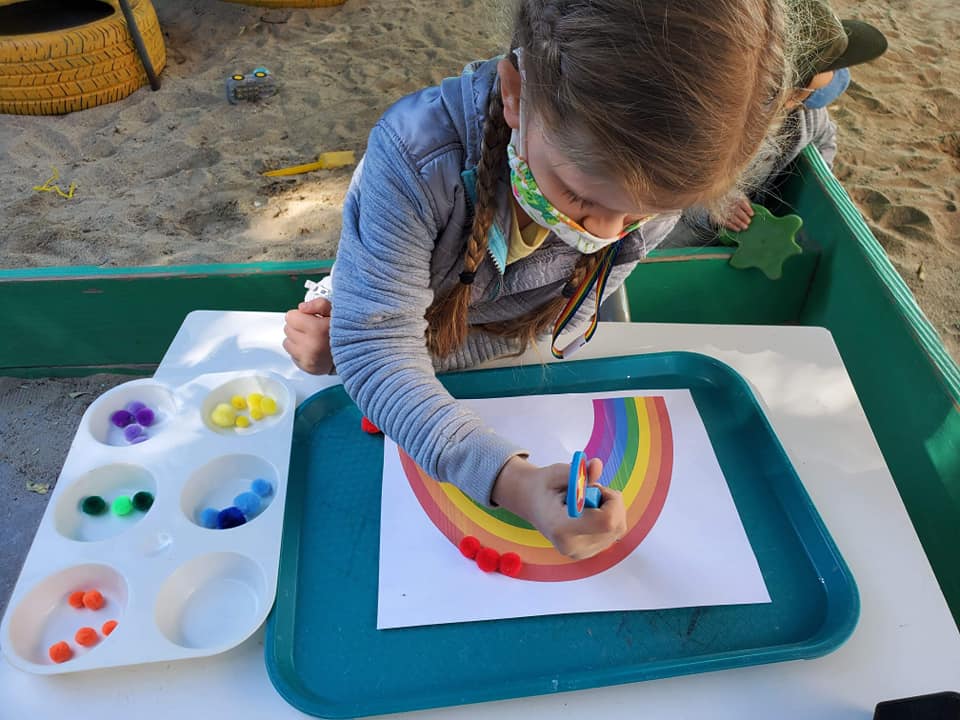
We are engaging in all sorts of counting activities! As part of our Rainbow Week, we used a few different materials to not only count, but create rainbows as well!

To do so, each student was given three different rainbow cards, upon which a number was attached. In addition to this, a pipe cleaner was taped to each card. Students were encouraged to slides beads onto each pipe cleaner.

They counted and matched the number of beads with the numeral on the card!