Letter S Snow Tracing

Although the formal study of reading and writing does not occur until kindergarten, young children are capable of recognizing letters and their functions.

Snowtrace

Providing regular opportunities to practice pre-reading skills, is essential in gaining knowledge of the alphabet and its association to how words work.
Snowtrace1

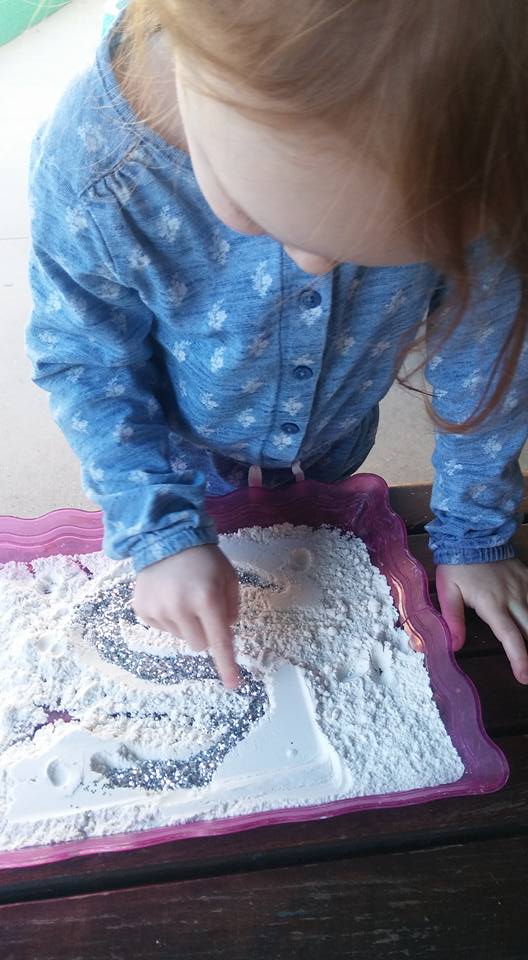
Using insta-snow and our fingers, we practiced tracing the letter S.
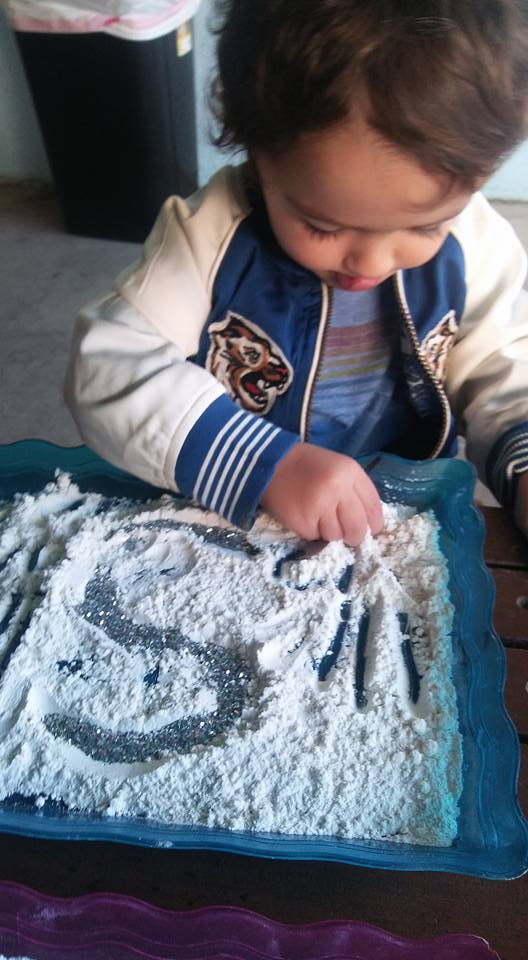
Snowtrace2

Throughout the week, we have been talking about different words that start with the letter S.
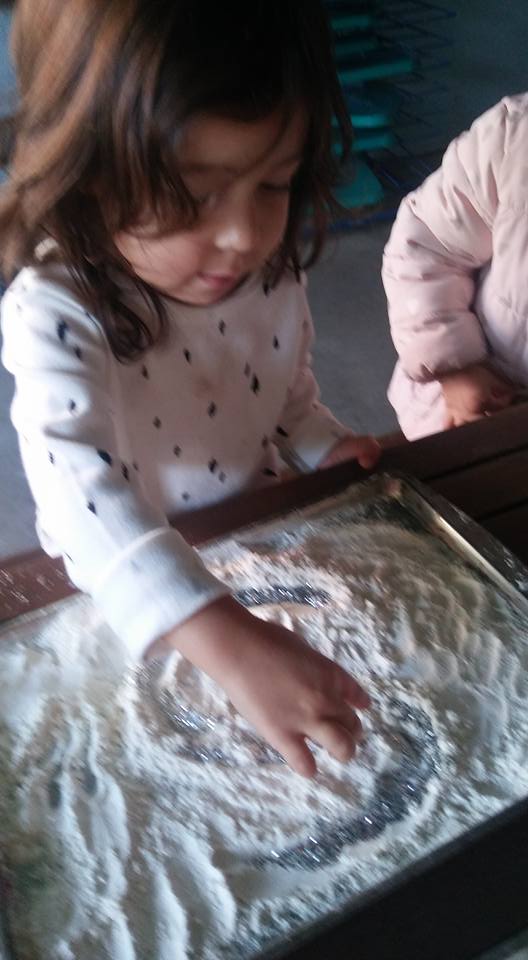
Snowtrace3

We have additionally been singing songs that reinforce the different sounds that S makes. Lastly, we traced these Ss, then constructed snowballs out of our insta-snow!
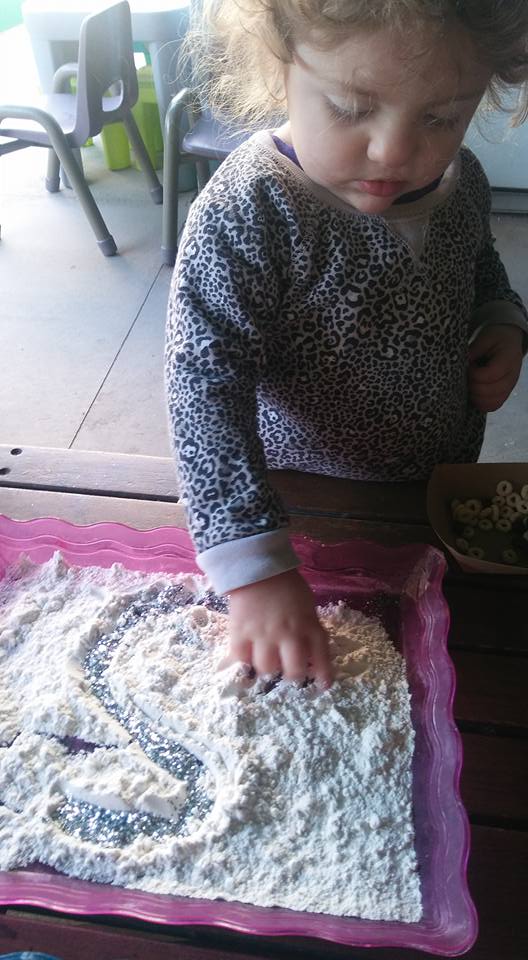
Snowtrace5

Rubber Gloves, Walruses, and Blubber

Walruses deposit most of their body fat into a thick layer of blubber – a layer of fat reinforced by fibrous connective tissue that lies just below the skin.

walblub4

The blubber layer insulates the walrus and streamlines its body. It also functions as an energy reserve.

walblub3

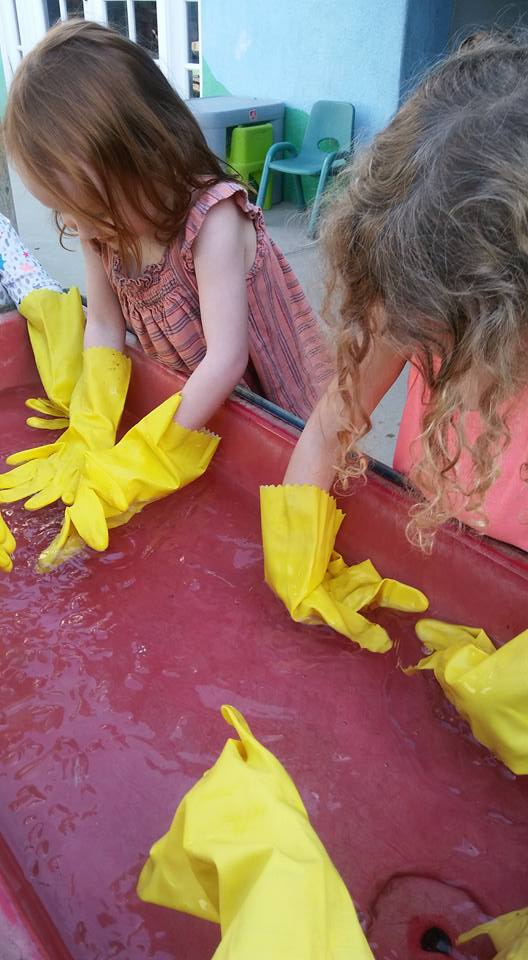
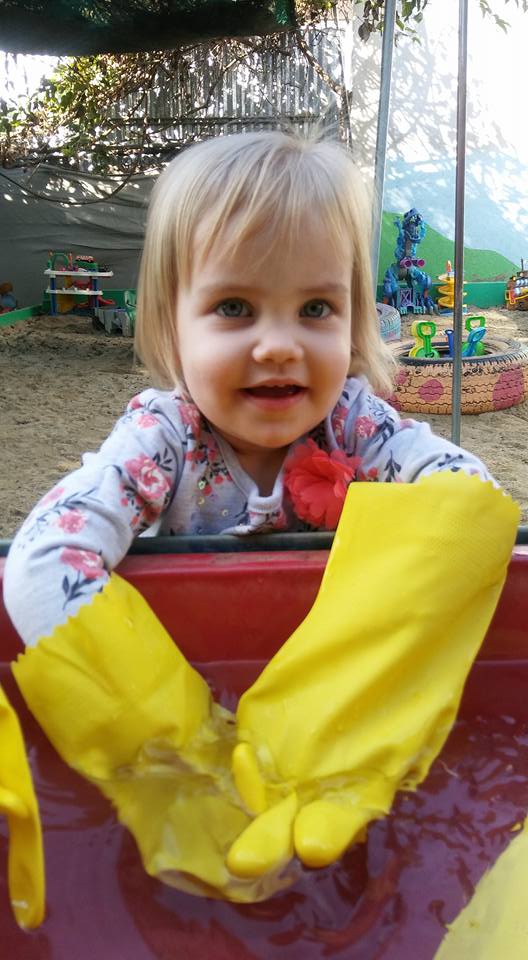
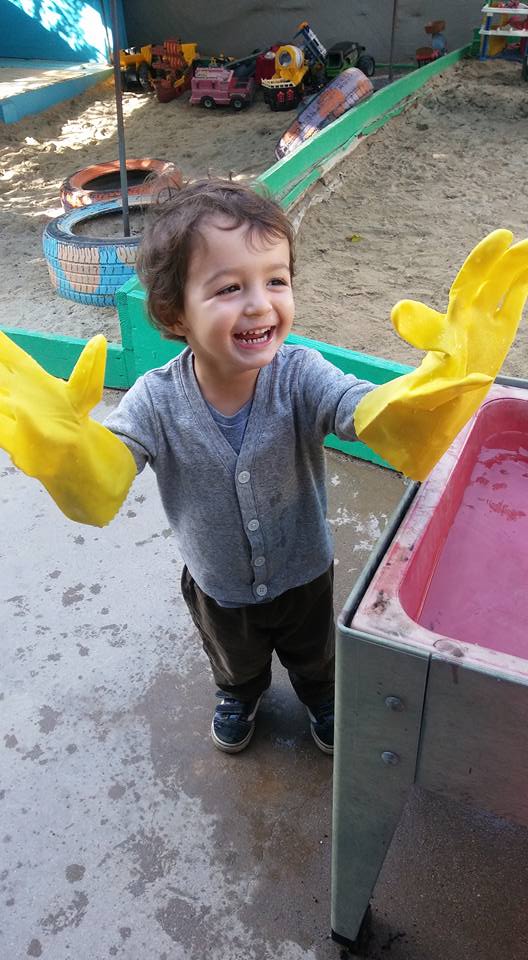
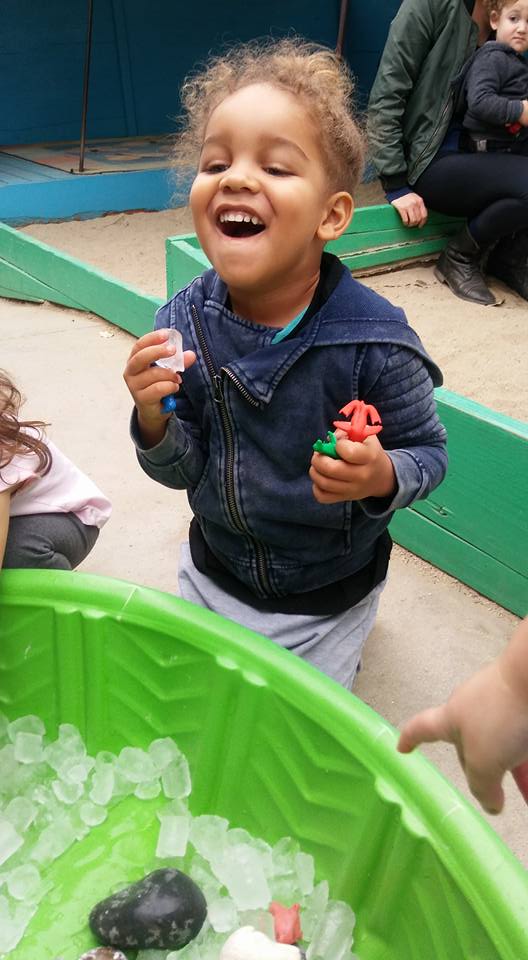
Using rubber gloves, our hands, and ice water, we learned about how our marine friends stay warm in their cold environments! We first dipped our hands into icy water, and talked about words associated with the cold, such as ice, chilly, frozen, icy, and snow!

walblub

We then talked about what blubber was, and compared it to a thick rubber glove. After that, we put on a rubber glove and dipped our hands again into the water.

walblub2

Each child was then asked whether or not their hand felt warmer or colder with the glove on. Lastly, we talked about other uses for blubber and why some animals need to protect themselves from the cold.

walblub1

This activity allowed your adventurer to explore the concept of animal adaptations through investigation and application.

Scissors and Icicles

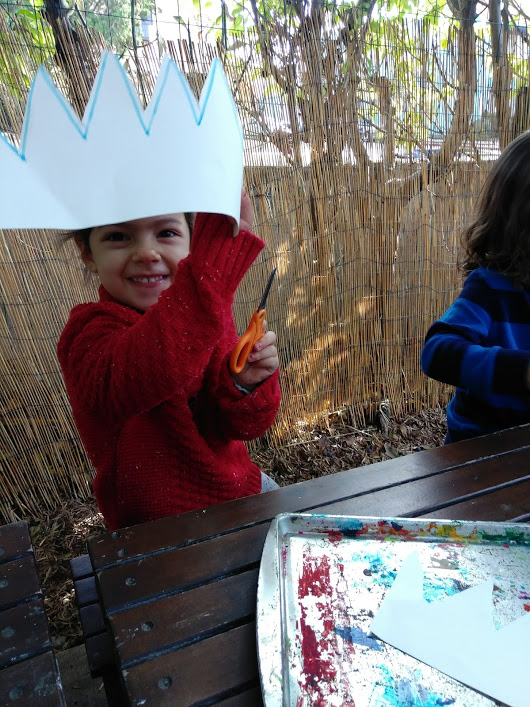
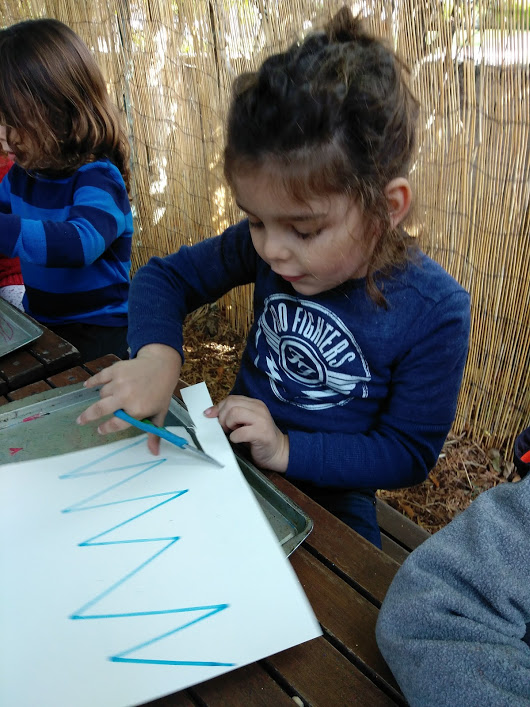
Cutting with scissors requires the skill of hand separation, which is the ability to use the thumb, index, and middle fingers separately from the pinkie and ring fingers.

ice

This can be challenging for a youngster with small hands.

ice1

Although many three and four year-olds have the skills needed to snip and cut, scissor skills are not fully developed until around age six.

ice2

To help your little one practice their cutting skills, we cut out icicles. Following this, they painted a piece of paper blue and attached their “icicles” to it!

ice3

Polar Bear Habitats

Teaching young children about the importance of the Arctic in our planet’s ecosystem is an important first step to developing environmental consciousness.

polar

By providing your little one with the opportunity to construct their own polar bear habitats, they are learning about how these living structures function and thrive.

20150121_112908

polar1

polar2

As your child creates their individual den, they are formulating combinations of how shapes fit together.

polar3Open-ended play such as this also prompts them to group like objects together, an important precursor to more complicated mathematical concepts.
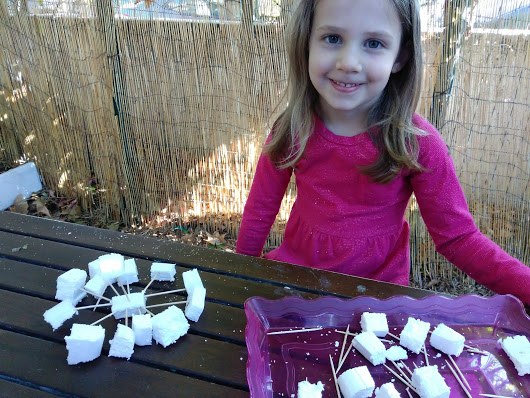
polar4


Ice Sculptures

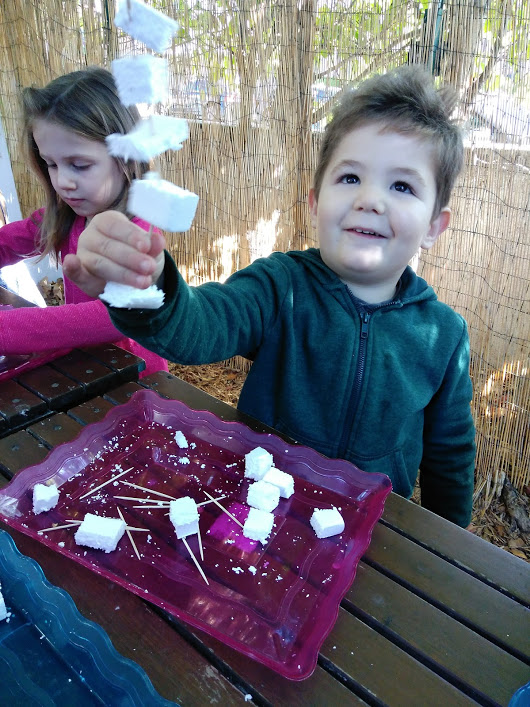
Using toothpicks, and styrofoam pieces, your little architect constructed their very own structures!
sculpture
 Playing with a variety of building materials is critical for the development of spatial thinking, or envisioning where different items go in relation to each other as they build.
sculpture4
scupt3
Deciding how to structure the pieces, connect them together, and configuring whether they are aligned or perpendicular to one another, are just the kinds of skills that support later learning in science, technology, engineering and math.
sculpture2
scupt5