Creating the International Space Station

The International Space Station is the largest, most complex international science project in history.  The permanently crewed orbital laboratory enables scientific research supporting innovation on Earth and future deep space exploration.

20140909_105932

For this activity, students were introduced to the International Space Station, with information about its structure, operation, and key experiments. Before starting, the children engaged one another with questions such as: What do you think it is like to live in space? Would you float instead of walk? How would you sleep? What would you eat? This project was designed to answer these questions, and many more.
20140909_105900

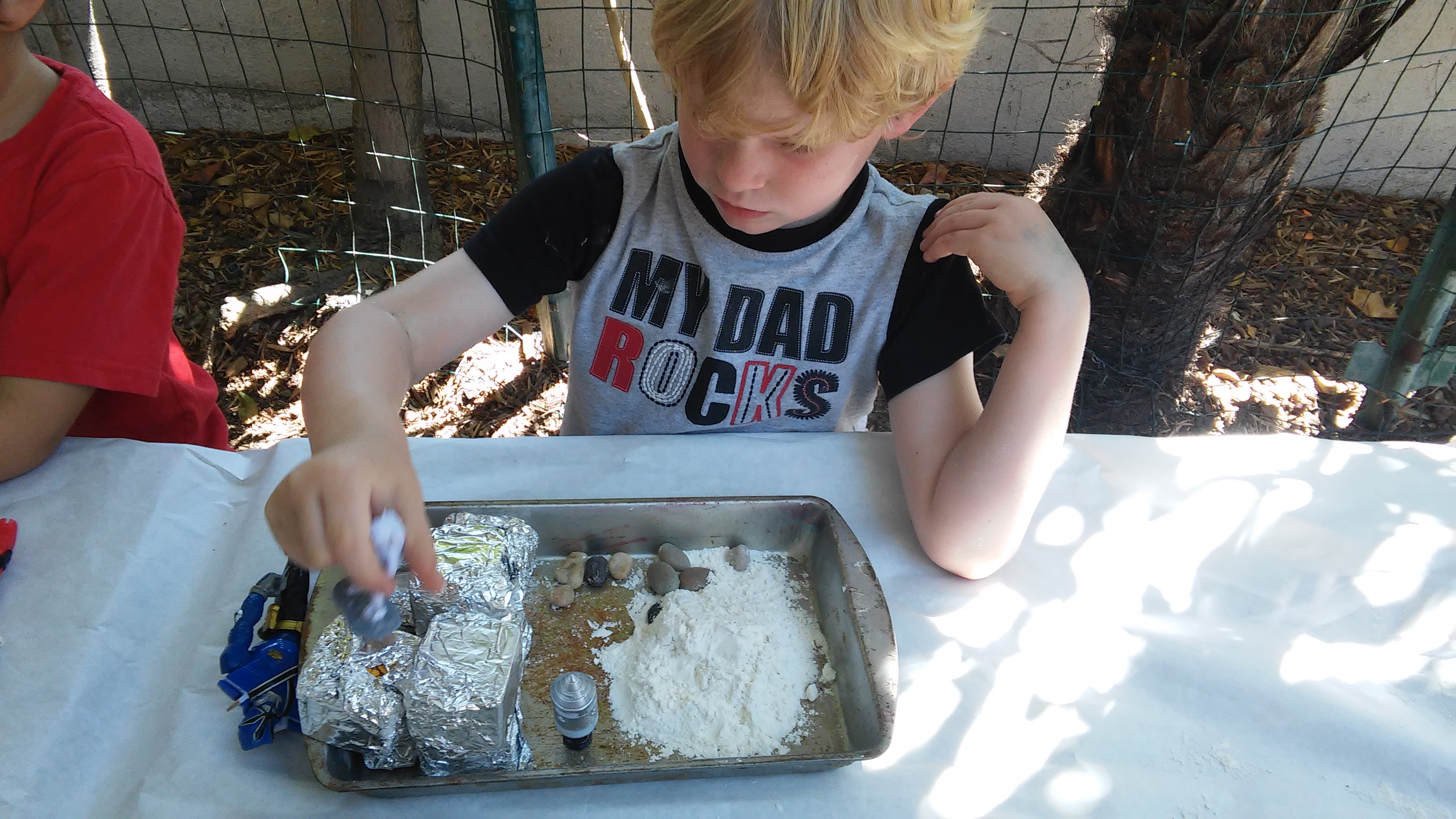
Using foil-covered blocks, astronaut figurines, and plastic space toys, we created our version of the International Space Station. As a result, students acquired new vocabulary as they experimented with visual perception, spatial orientation, and coordination.

M is for Moon Pre-Writing Activity

It all begins with scribbles. Aside from the decorative swirls, a few letters, and perhaps even their own names, most preschoolers start school not knowing how to write. Fortunately, this does not have to be as challenging as many parents believe.  From tracing the ABCs (culminating in higher level thinking skills like forming, organizing, and expressing complete thoughts), to using a pen and pencil on lined paper, writing is a learning adventure, similar to all of the other ones your child has experienced!

20140909_100451

The key to learning how to write is to break it into small, manageable steps. To prepare your child for this most exciting endeavor, we participate in an array  of “pre-writing” activities that make writing fun.

20140909_100433


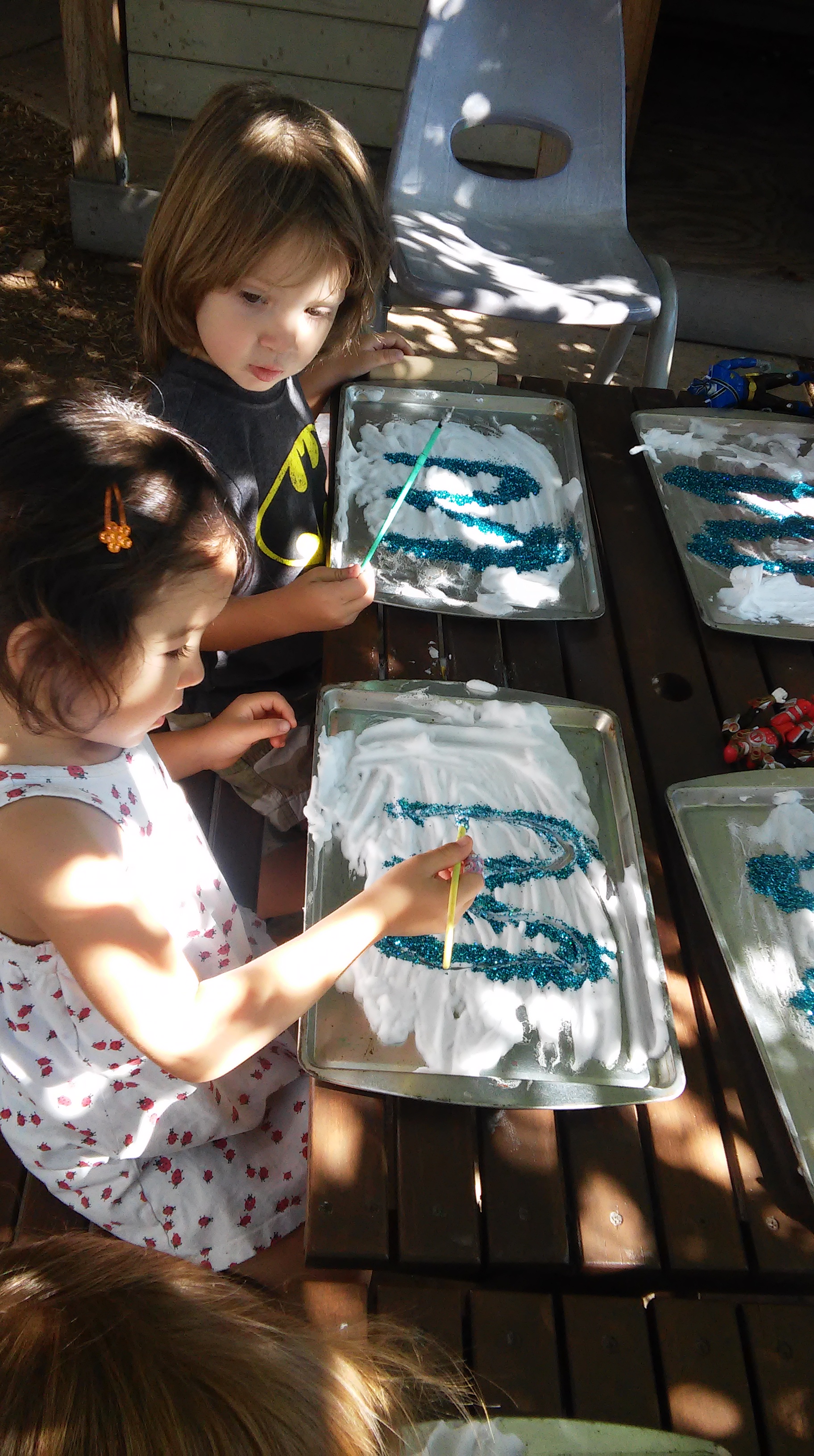
For this one in particular, we practiced writing the letter M, using shaving cream and glitter. With their paint brushes, your little one learned that all letter making starts from up to down and left to right. A paint brush is a nice introductory implement, because they are familiar, and easy to grasp. Lastly, this activity aided your budding writer in their continual mastery of the tripod grasp.

20140909_100439

20140909_100505


Star Grid Game

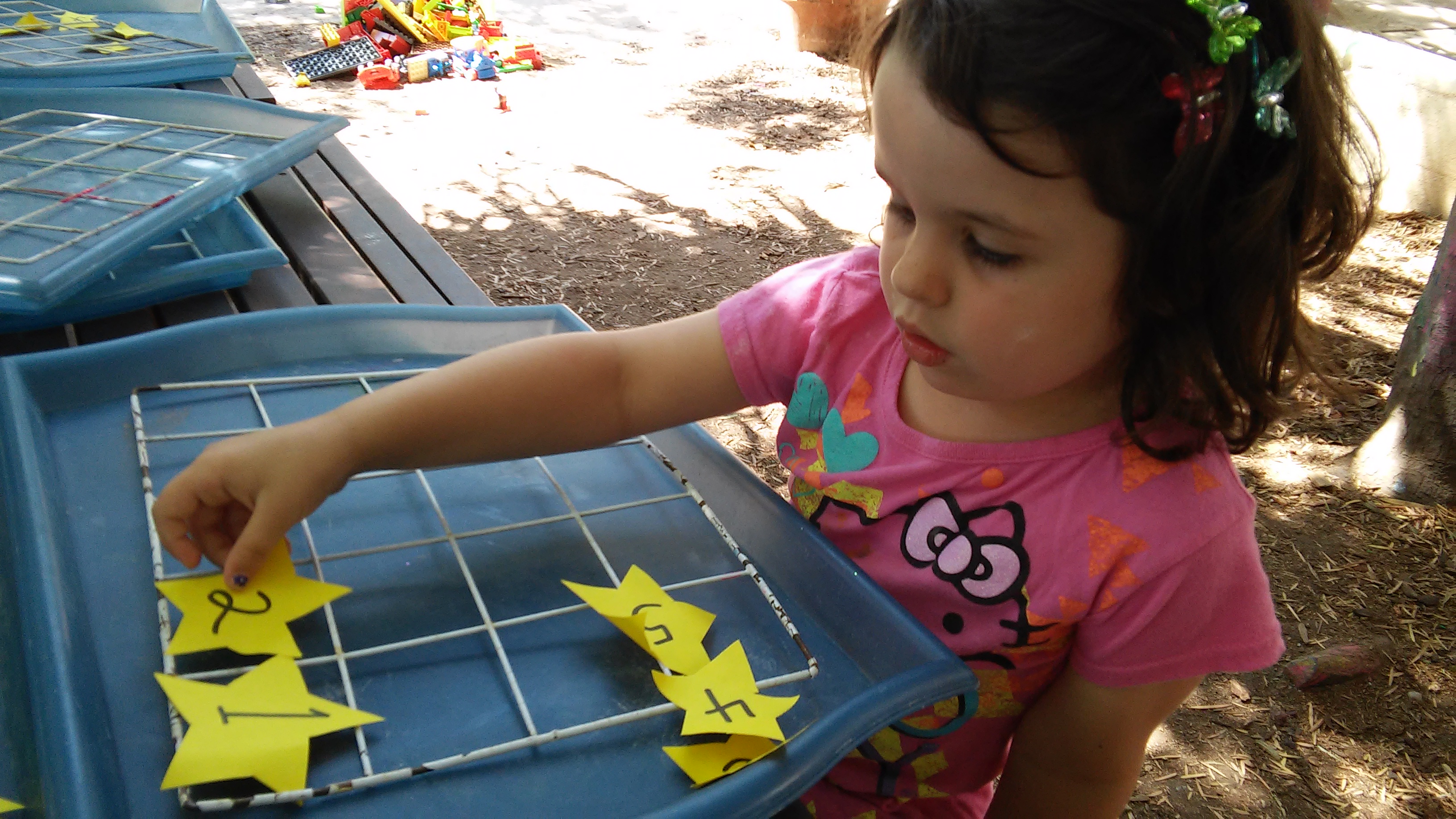
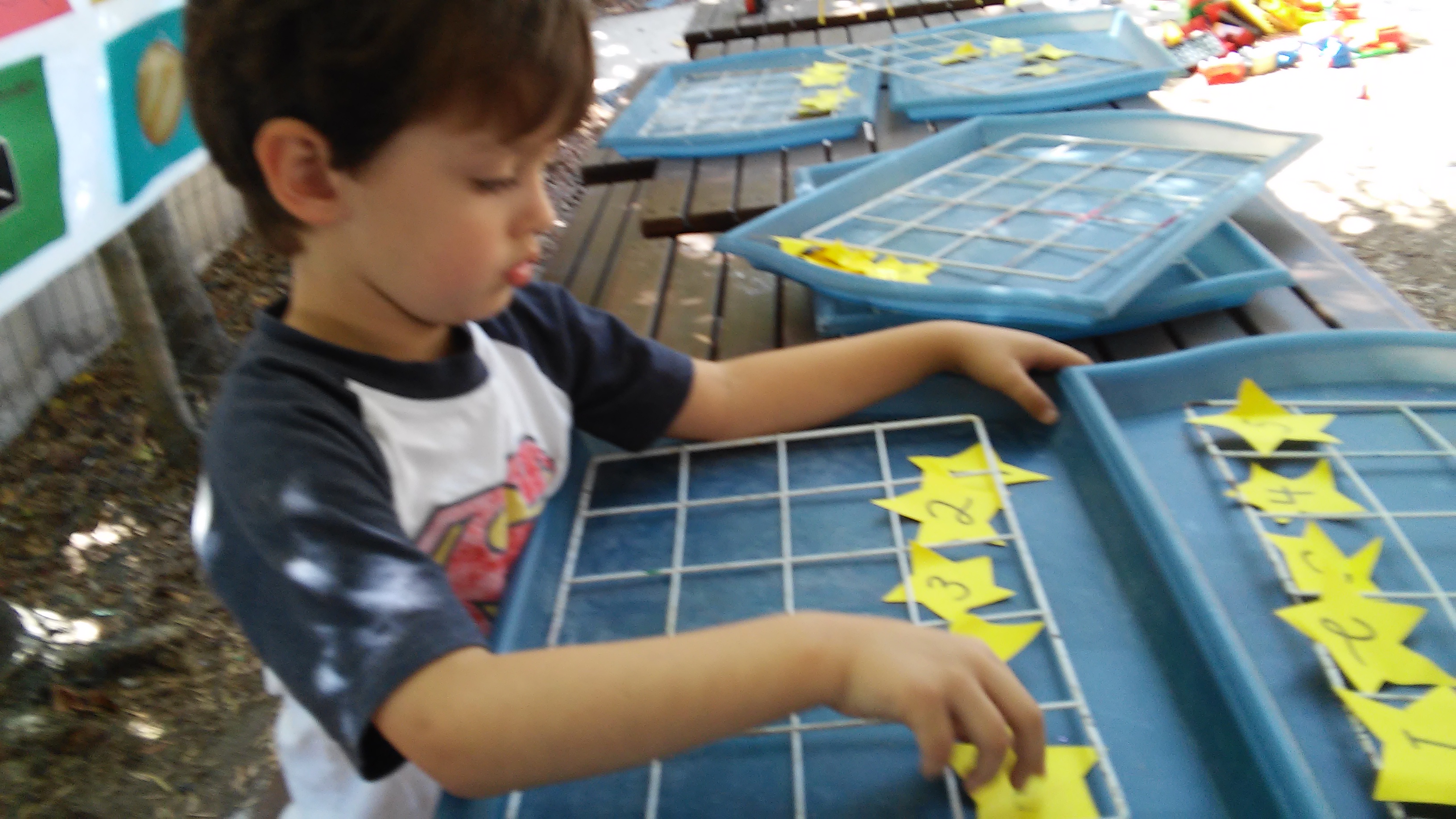
Grid games teach one to one correspondence, counting, and numeral identification to the preschool learner. To play this grid game, students rolled a game die, identified the numeral, and counted out that amount of manipulatives.

20140911_113533

Each manipulative was placed over a star in the grid. We played until the whole grid was full! These grids are a really useful tool when teaching young children counting and math. Displaying a specific range of numbers is also easy for students to read and allow for a range of activities.

20140911_113631