Caterpillars on a Branch

Caterpillars are the larvae of butterflies.
cathab1

They feed almost exclusively on plants. The plants that caterpillars eat are called host plants.

cathab2

A caterpillar may spend its entire lifetime on one host plant, as he consumes the leaves needed to sustain him within his cocoon. To help foster your little one’s understanding of the caterpillar diet, we constructed our very own habitats!
cathab5

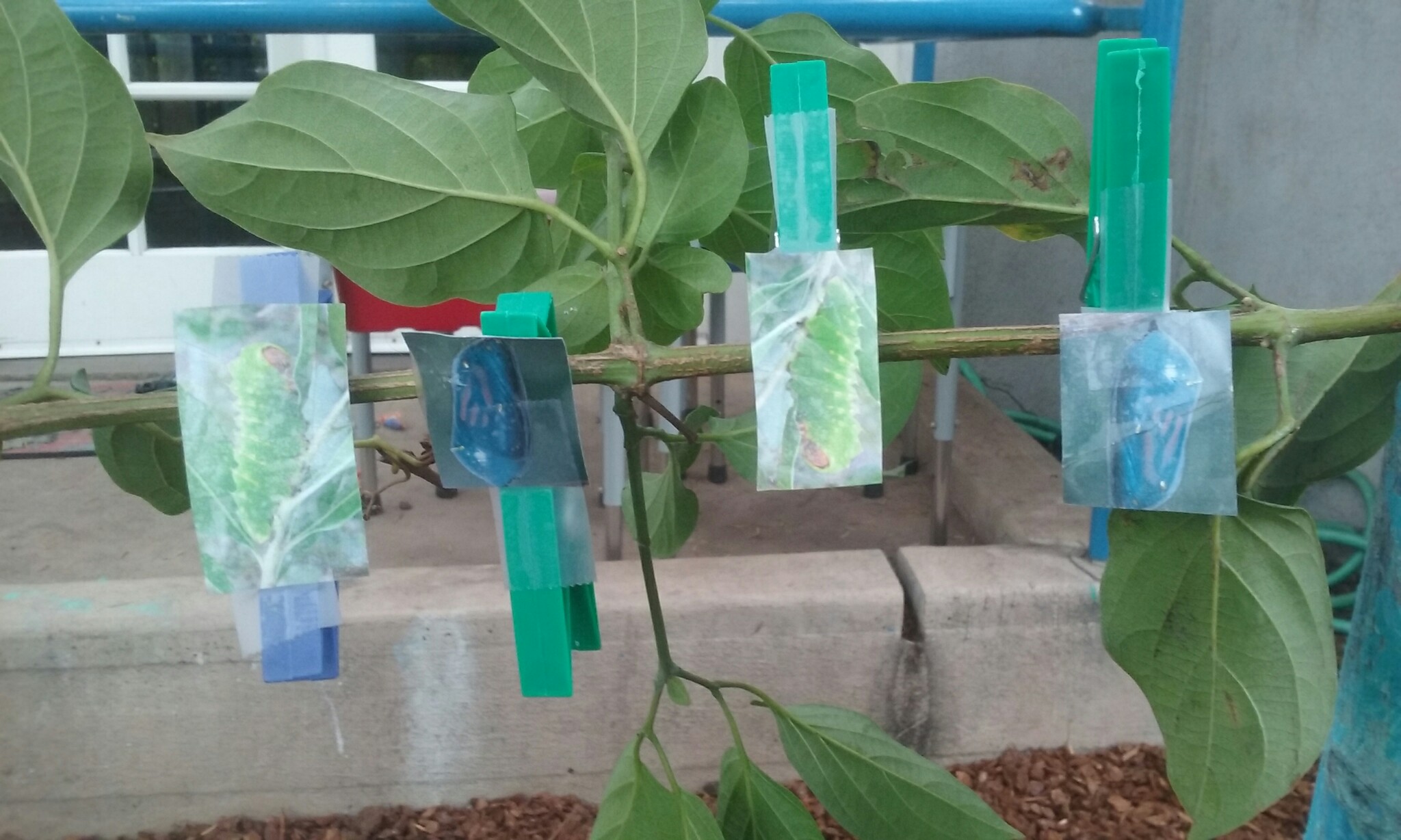
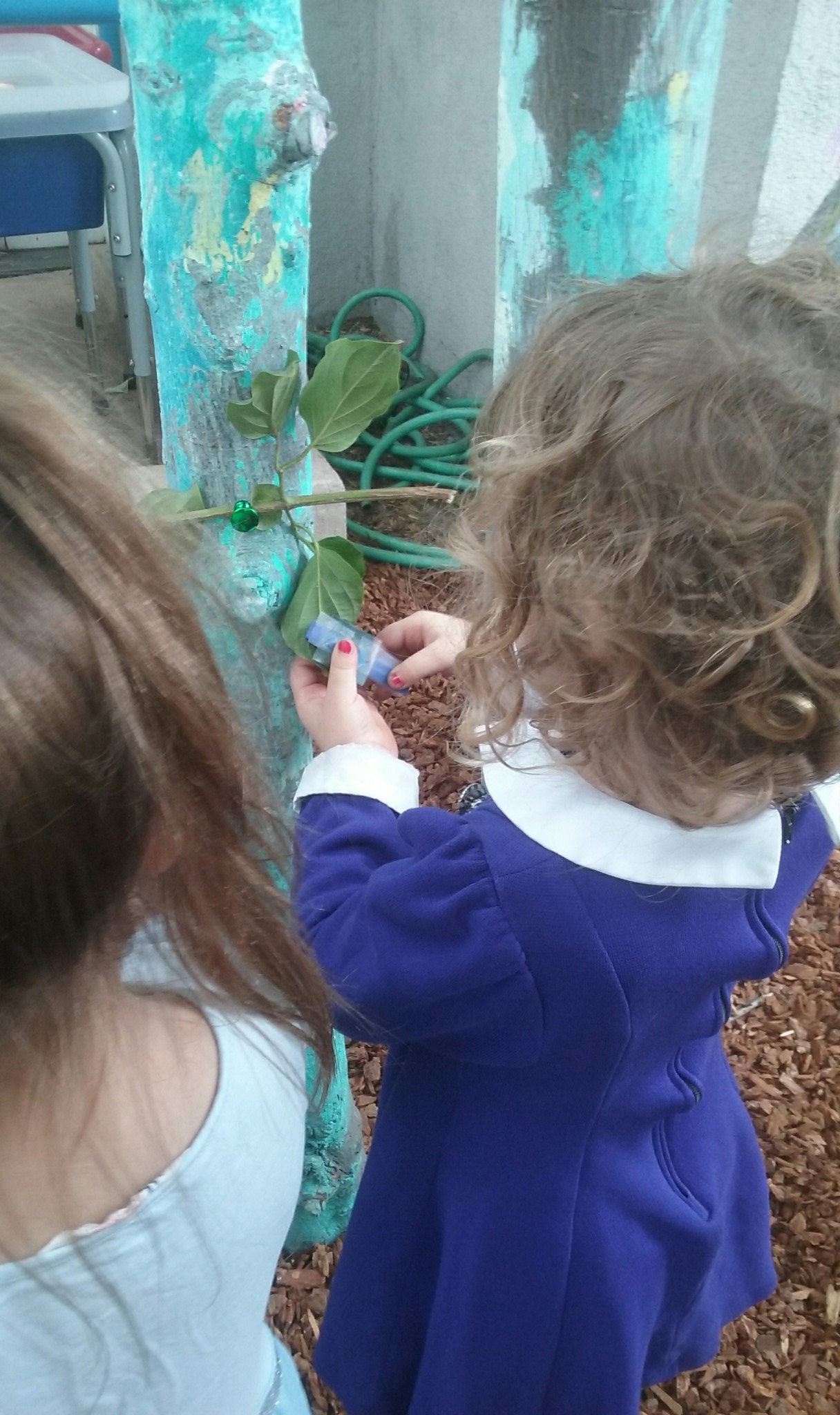
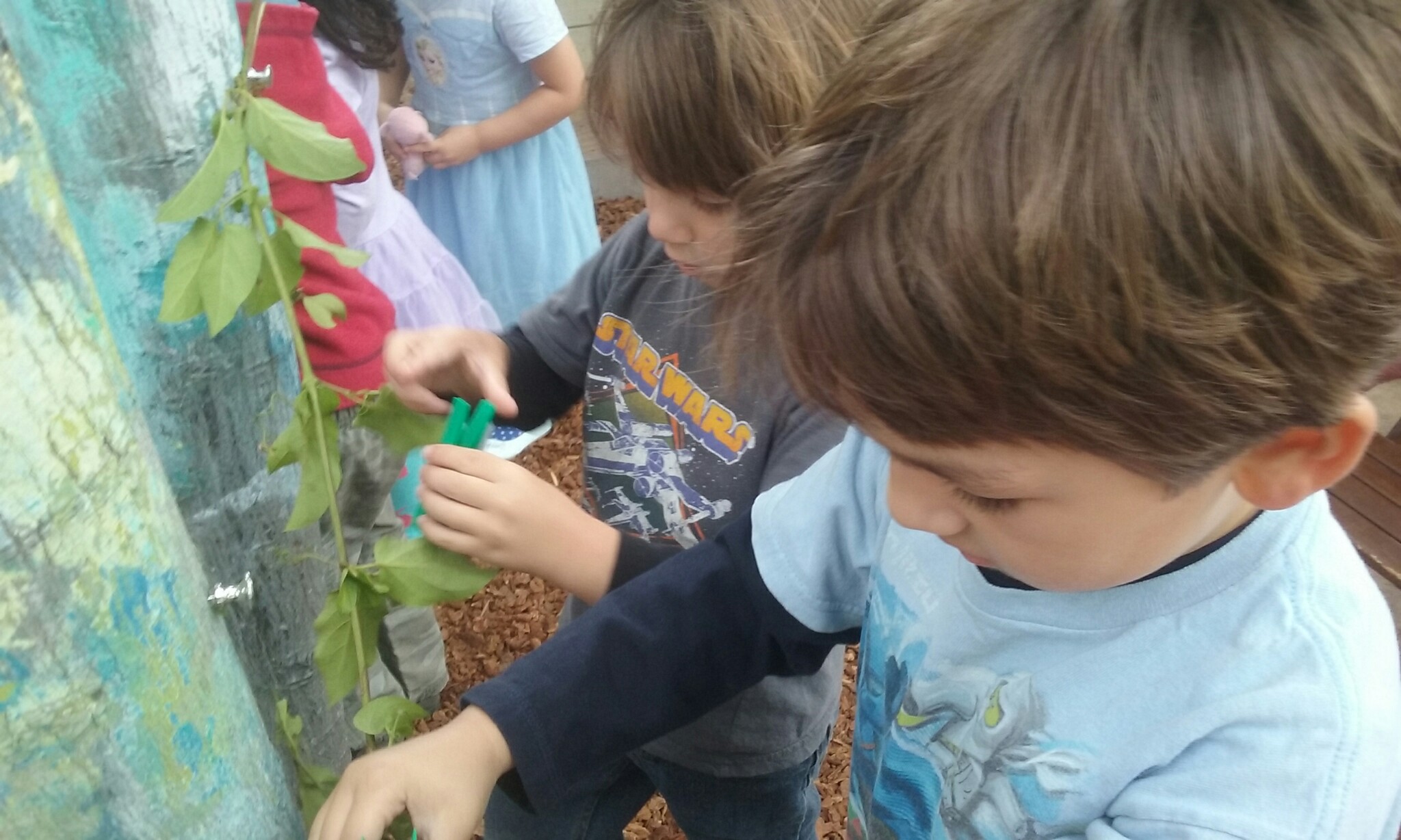
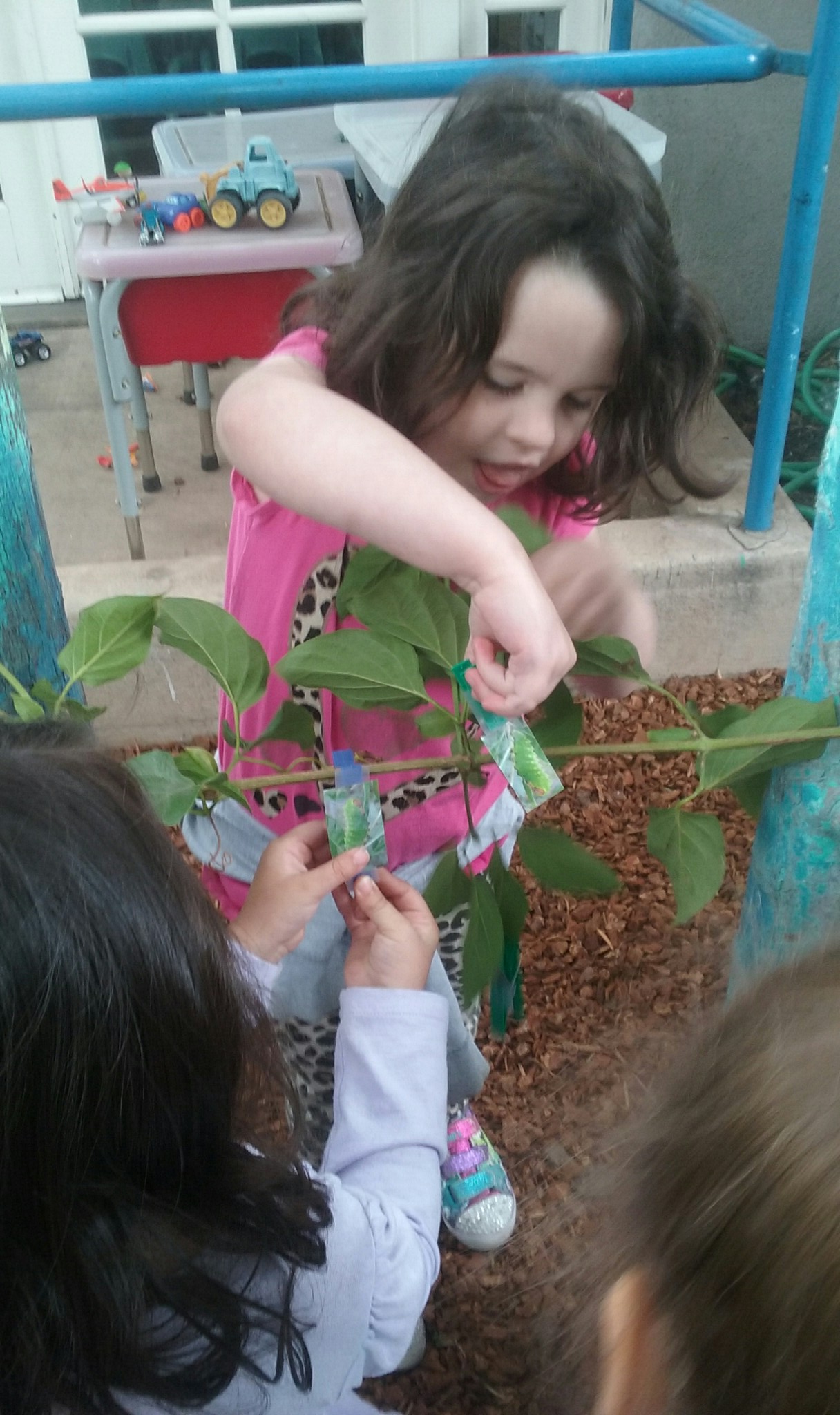
Using clothespins with pictures of caterpillar cocoons on them, and branches that were fastened to the trees in our front play yard, we helped our creatures find a spot for their metamorphosis.
cathab3

Collaborative learning projects enable your little one to develop valuable social skills as they grasp new vocabulary. Through hands-on experimenting with natural materials, your little one was able to exchange ideas with their friends, working together to better understand the world around them. The squeezing of the clothespins also helped your little one with their fine motor skills as it strengthened the tiny muscles in their hands.
cathab4

Making Nectar

Butterflies do not obtain their nutritional needs through traditional means.
nectar1
They possess a long, narrow tube in their mouth called a proboscis that acts as a straw for drinking.
nectar2
The most common form of acquiring nutrients is by gathering nectar from flowers.
nectar3
Using their proboscis, they suck the nectar out of the flower.
nectar4
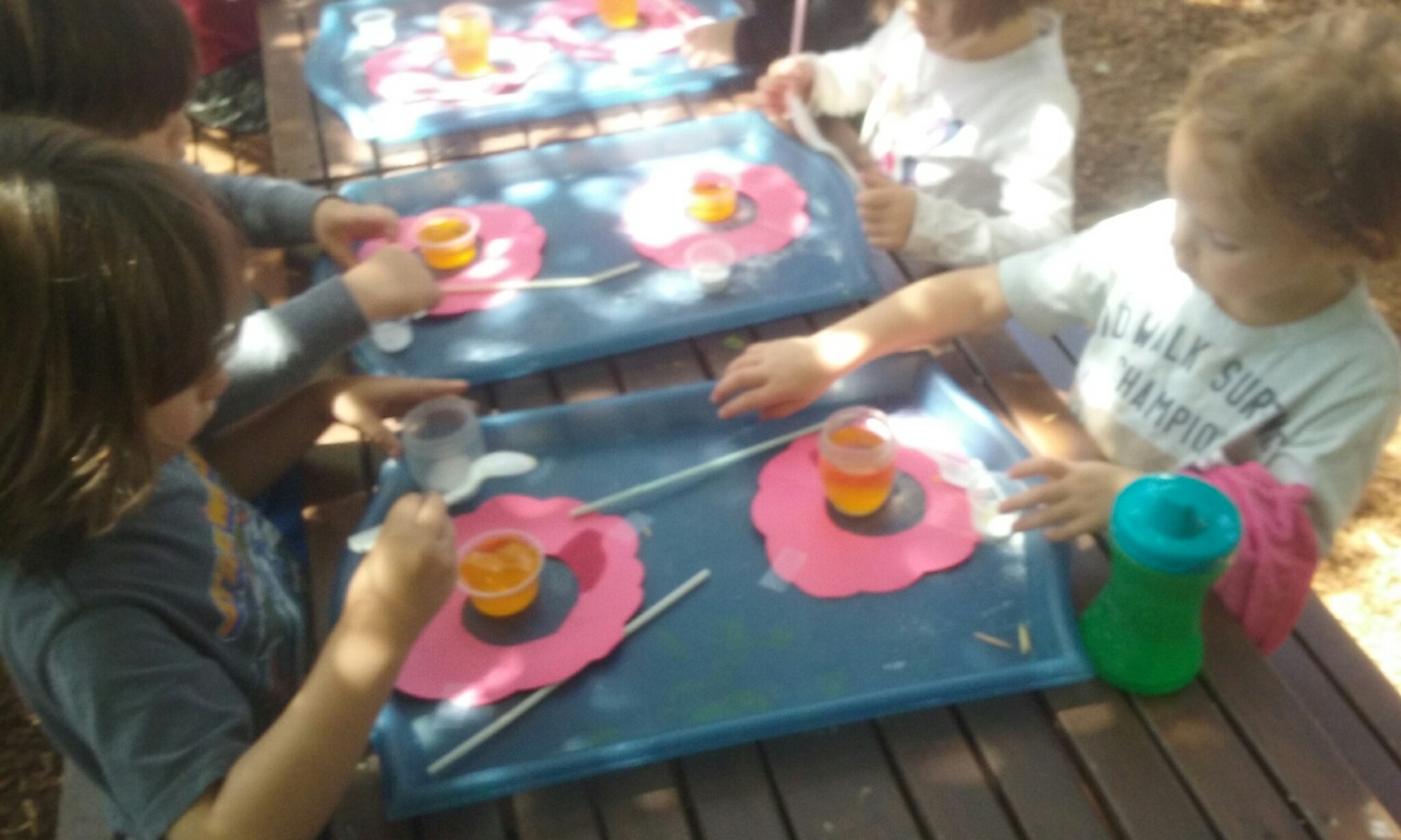
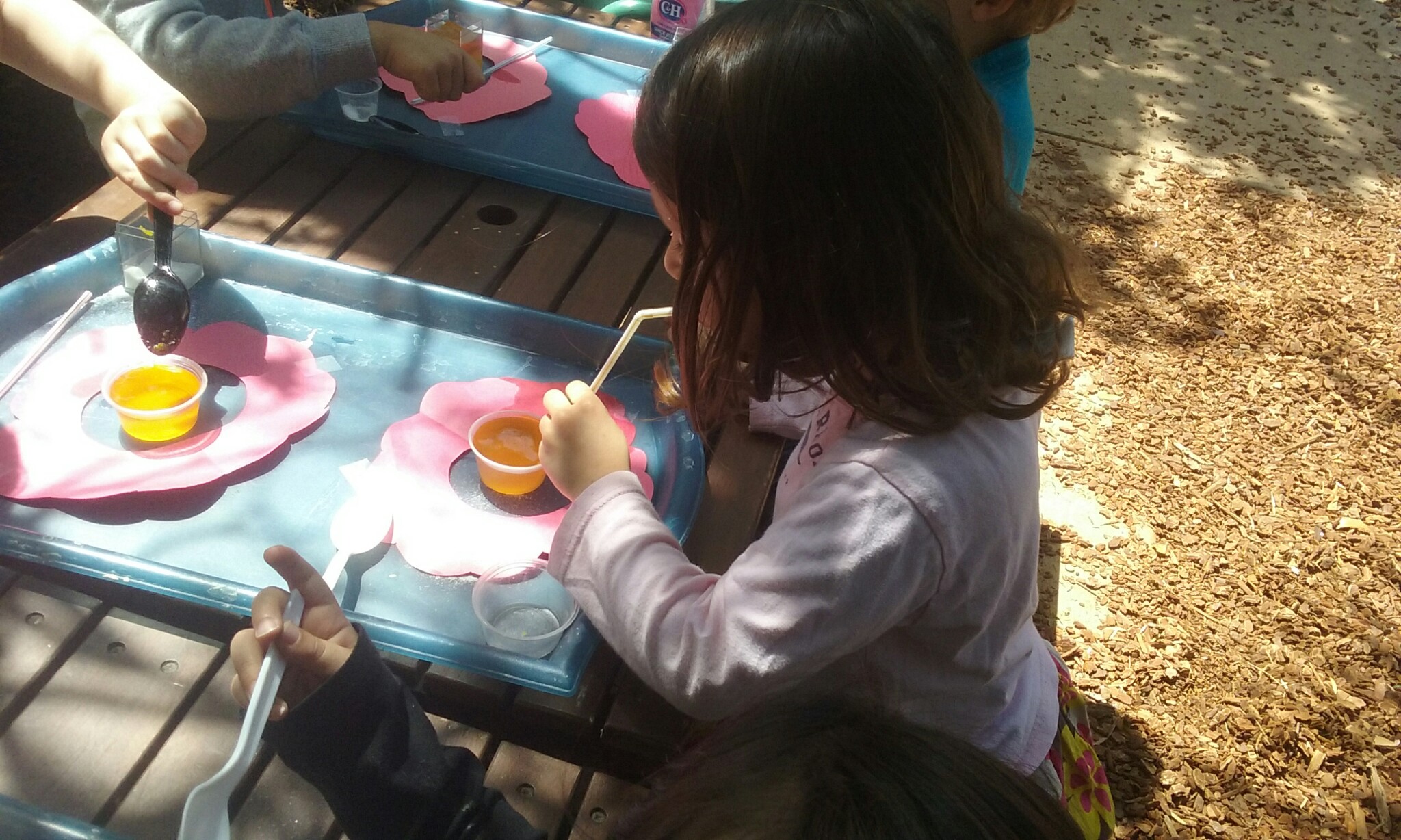
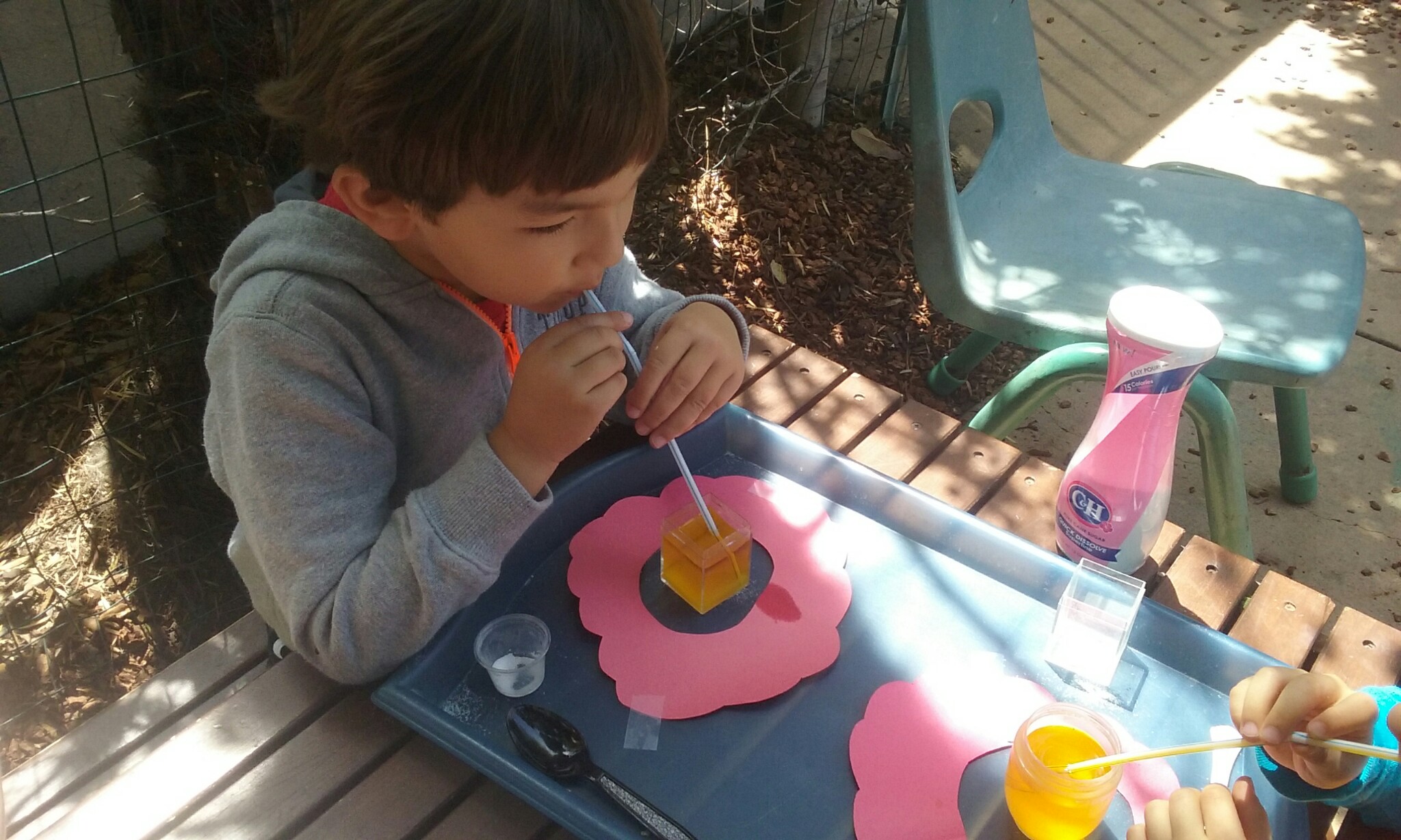
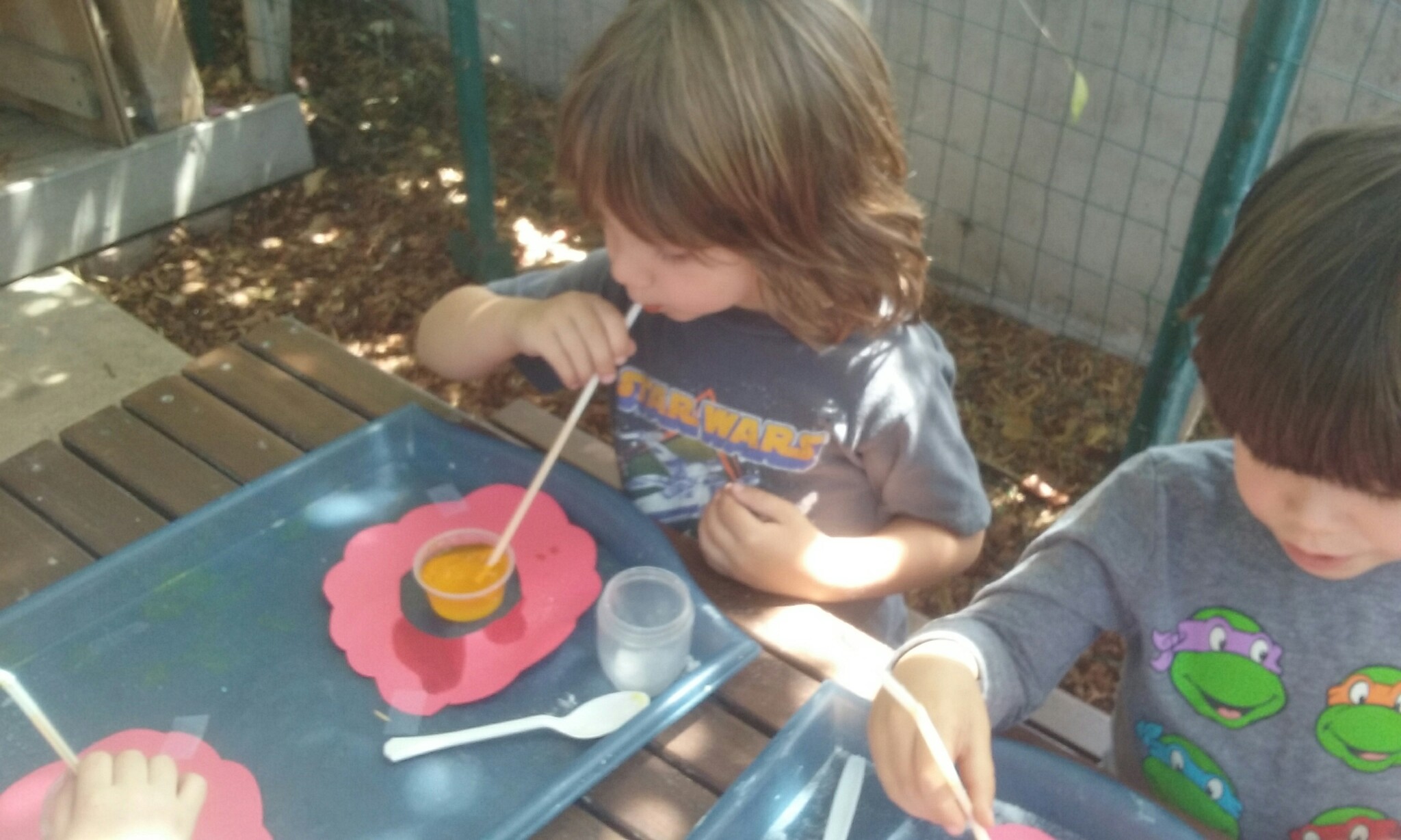
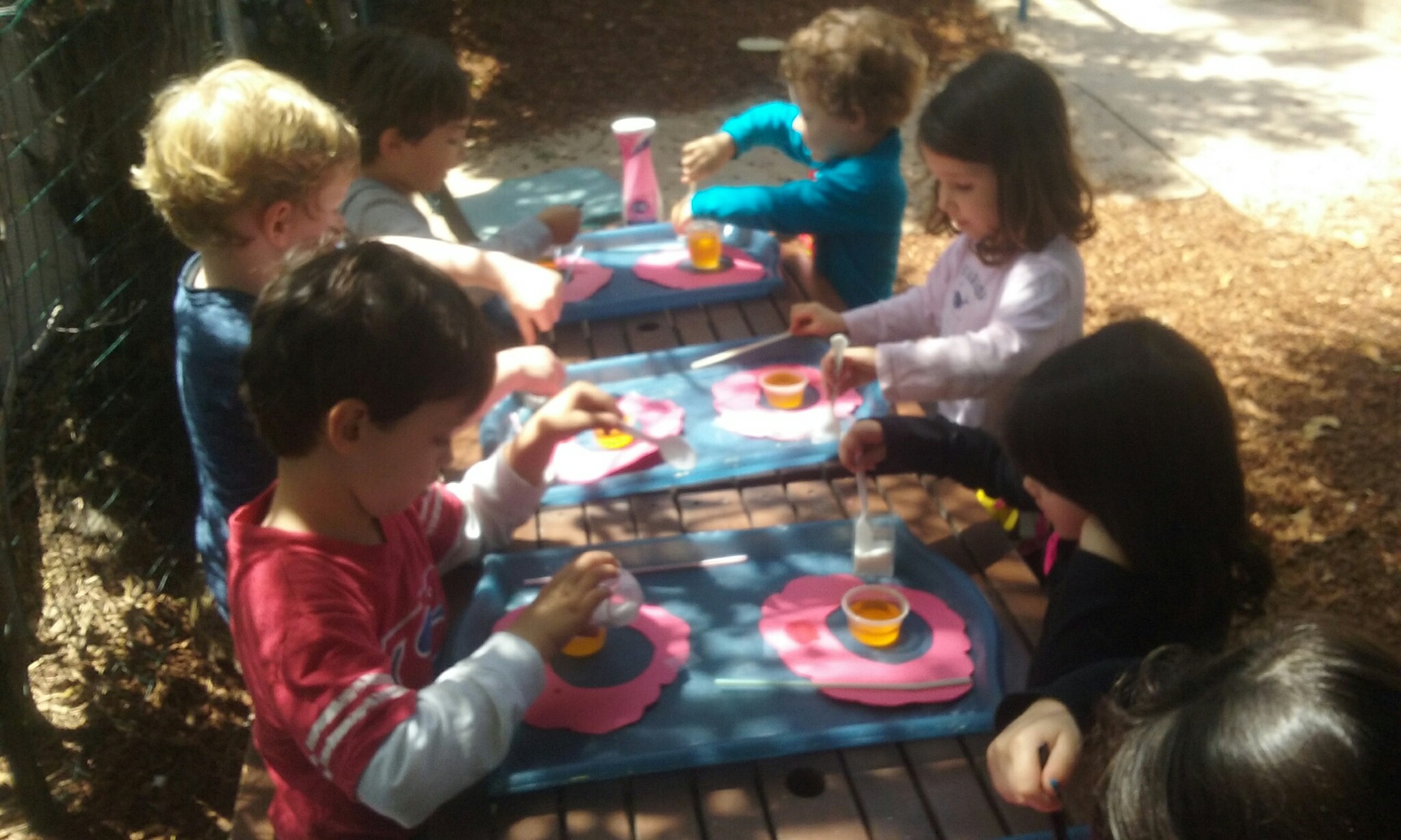
To help you little one understand how this works, we created our very own nectar with sugar and water.
nectar5
We then used straws to enjoy to our delicious treat!
nectar6
Young children are able to grasp new information more readily when they are able to recreate what they are learning.

Cocoon Wrapping Game

Group games involve two or more individuals and are one of the most exhilarating, exciting and fulfilling interactive experiences for children.

cocoon1

These games are memorable because they are shared with friends, and are irreplaceable gems that provide a foundation for the development of social skills.

cocoon2

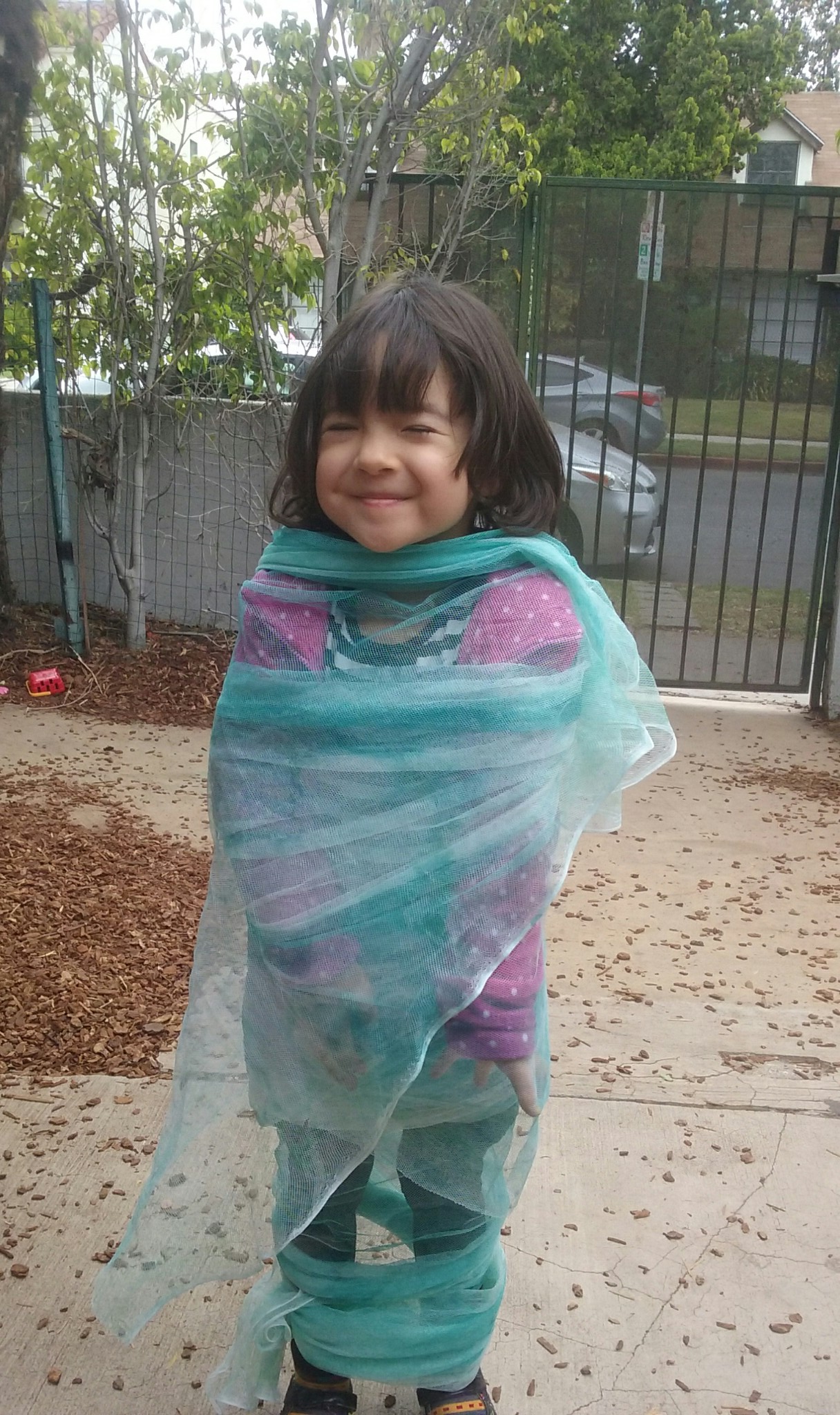
This activity involved wrapping our friends up into “cocoons.”

ccocoon3

Each child was given a long piece of light blue fabric that they were to “wrap” around their partner. This helped your little one understand a little bit about how metamorphosis works. Learning about the metamorphosis of a caterpillar into a butterfly can be a very rewarding experience for young children.  Their open and vivid imaginations enable them to watch in awe as these critters transform before their very eyes. As they regard what these creatures are doing at each stage in their life cycle, they gain a greater understanding of the changes we all experience, and a deeper appreciation for nature.

Ant Farm

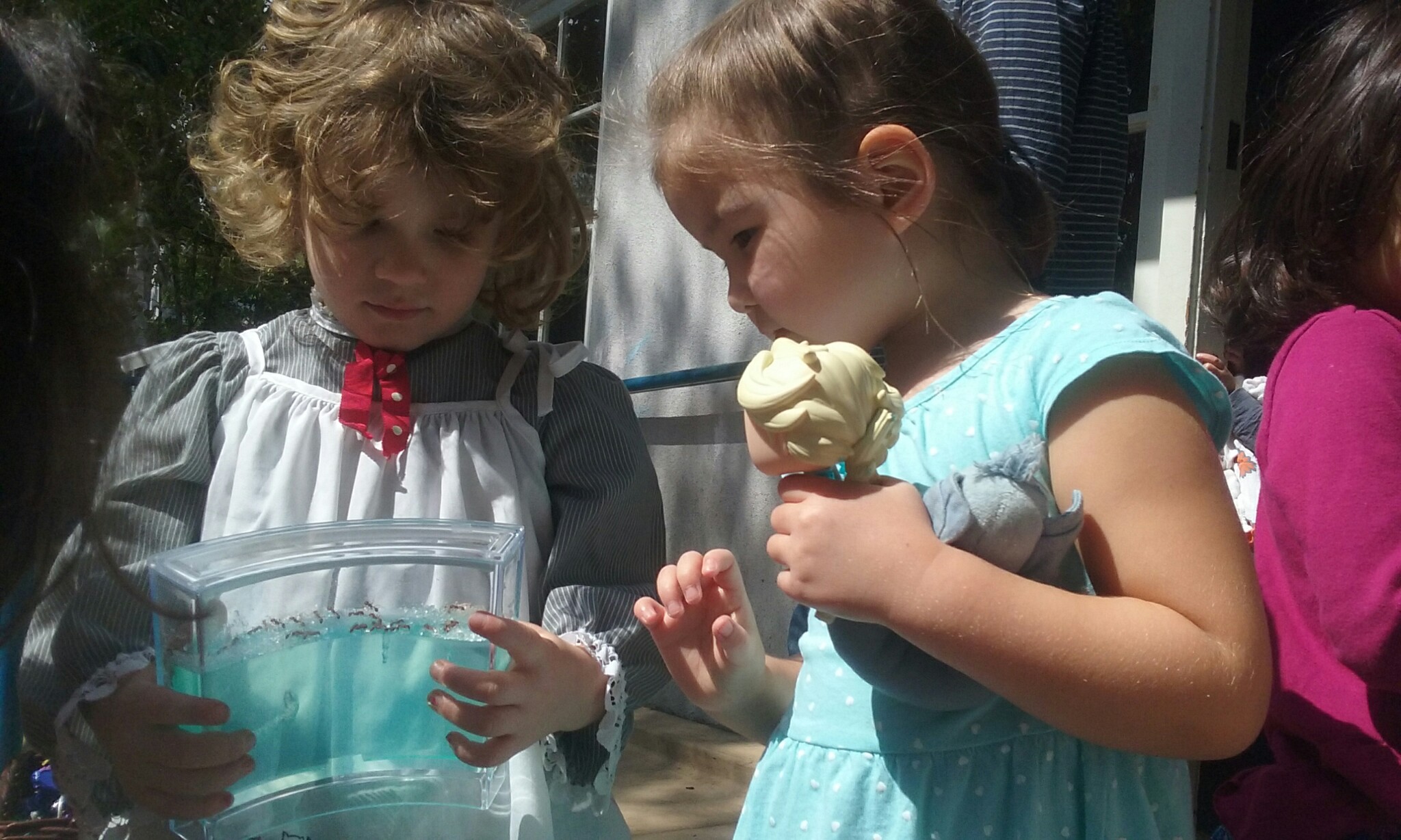
Most of our students are delighted by all the little creepy crawlies they observe as they are playing outdoors, and ants are no exception.

IMG_2771

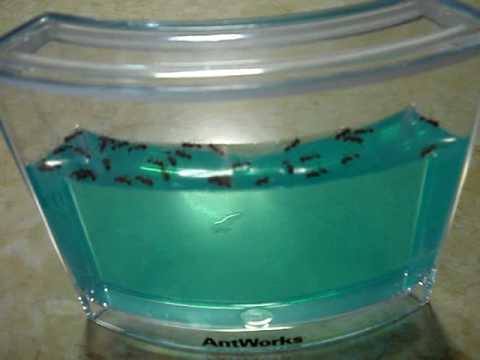
After all, they work together as a team in every task to build their community and can lift several times their own weight – pretty cool!

hqdefault

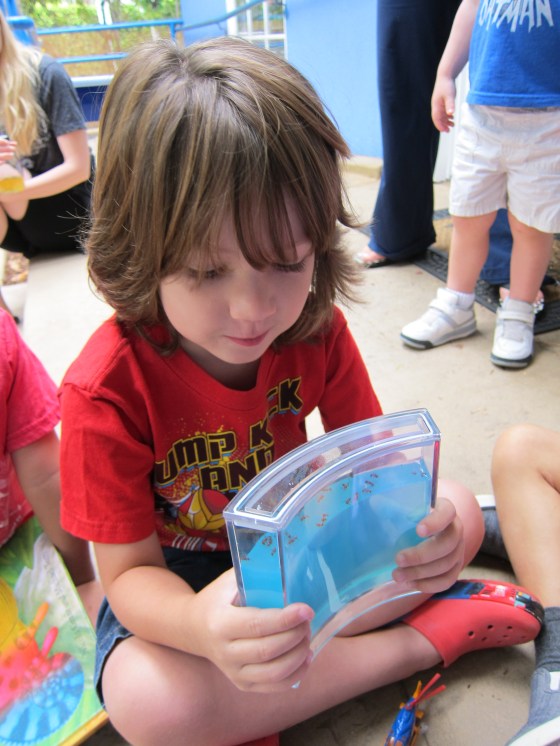
This was a fun and easy way for your little ones to experience a real ant farm! After waiting a couple of days for the ants to complete their tunnels, your little ones spent days observing these amazing insects.

IMG_2774

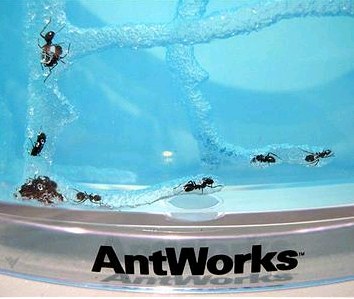
This gel-based ant farm was based on the 2003 NASA Space Shuttle experiment designed to determine whether ants would tunnel in zero gravity, and was marketed to be sold to the public.

ant_works

The result is a bluish gel that provides all nutrition to a variety of ant types, and a beautiful network of canals available to your little one.

IMG_2781

A is for Ant- Emergent Writing Activities

Phonological awareness activities are activities that increase children’s awareness of the sounds of language.

antwrit1

These activities include playing games and listening to stories, poems, and songs that involve rhyme, alliteration, sound matching, and emergent writing.

antwrit2

Emergent writing encourages children to  emergent forms of writing, such as scribble writing, random letter strings, and invented spelling.

antwrit31

To enhance your children’s phonological awareness of the letter A (which we learned about Monday, Tuesday, and Wednesday of last week), we participated in a variety of activities that supported this.

antwrit4

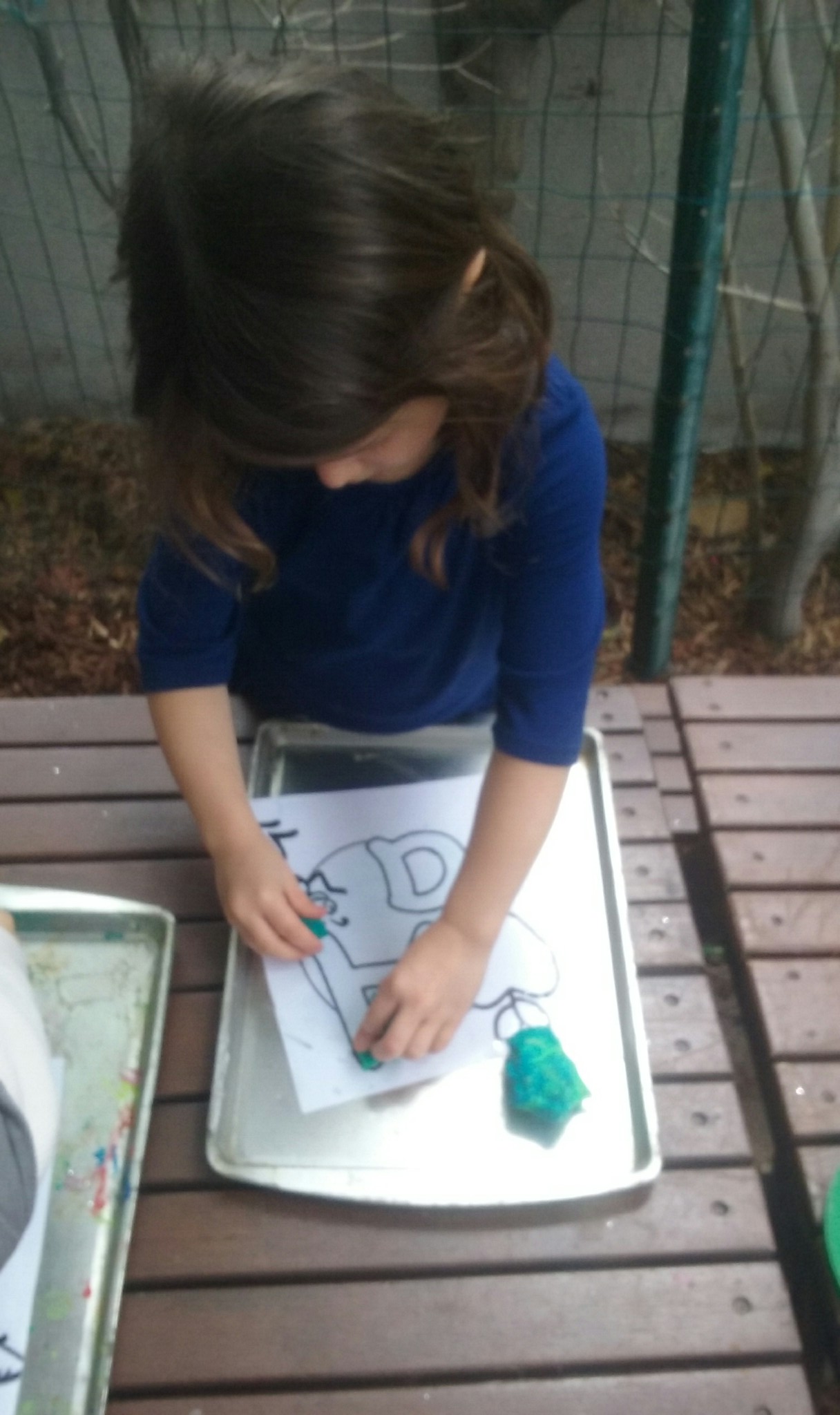
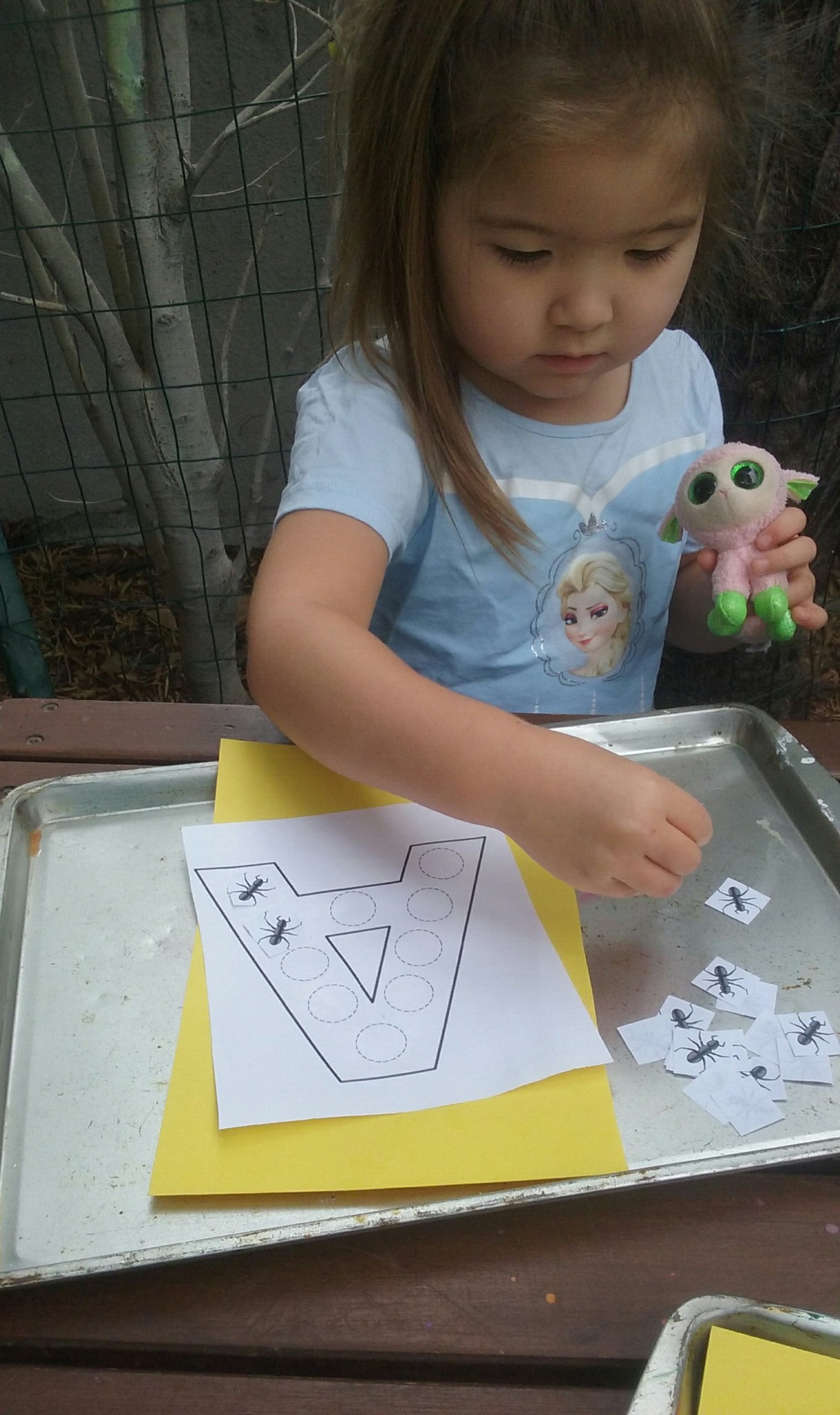
We inititally used tweezers and paper ants to create the letter A, and then we used playdoh to make the letter A.

aantwrit5

In addition to strengthening phonological awareness, these activities also supported their fine motor skills.

antwrit6

Ant Hills

Ant hills are an impressive feature of the grasslands throughout the United States.

anthill1

In some areas, many hundreds of these mounds form wonderful ant-created landscapes, many decades or even centuries old.

anthill2

Each ant hill is the result of many lifetimes of labor by thousands of tiny ants.

anthill3

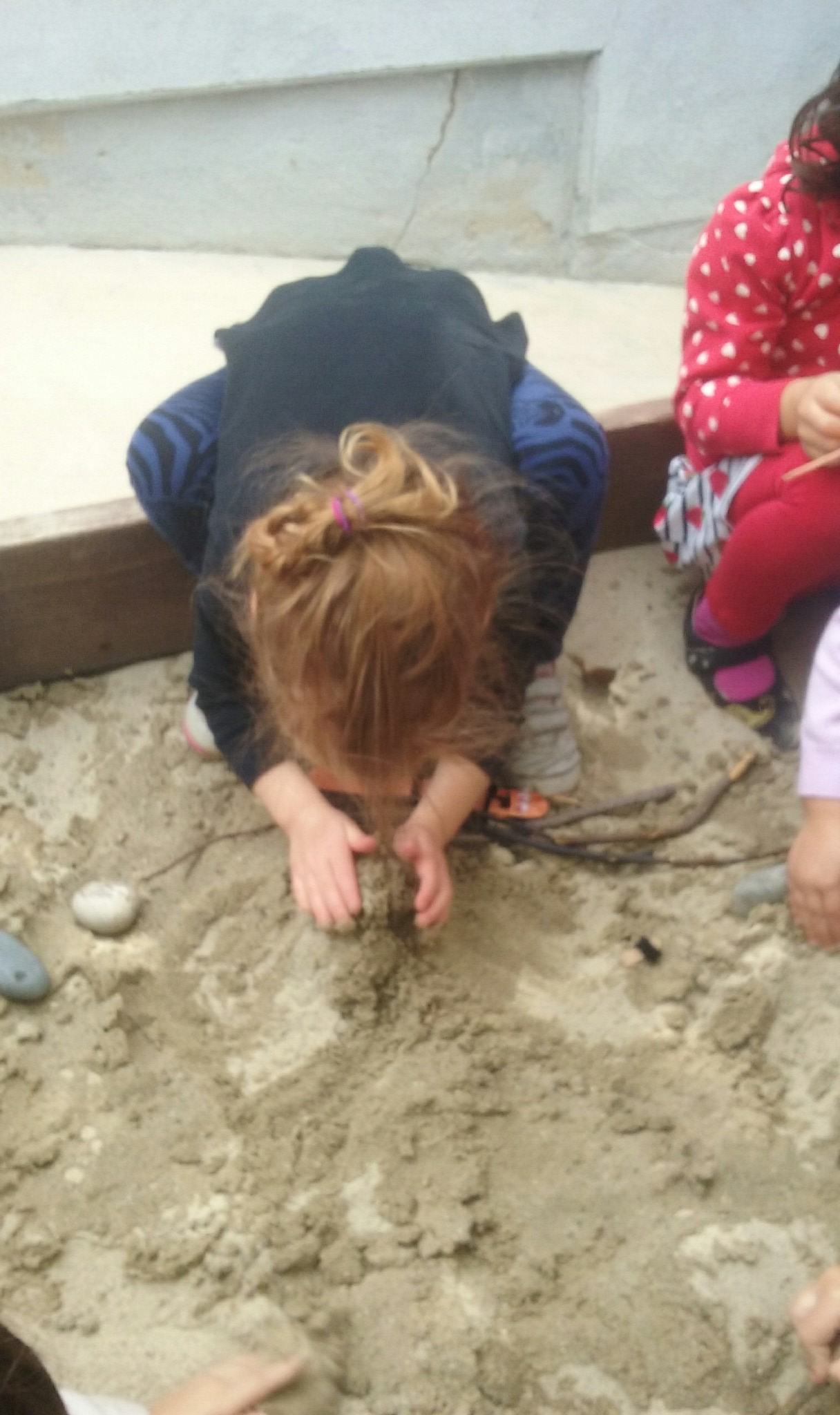
Ant hills are of great ecological importance, and so we created our very own!

anthill4

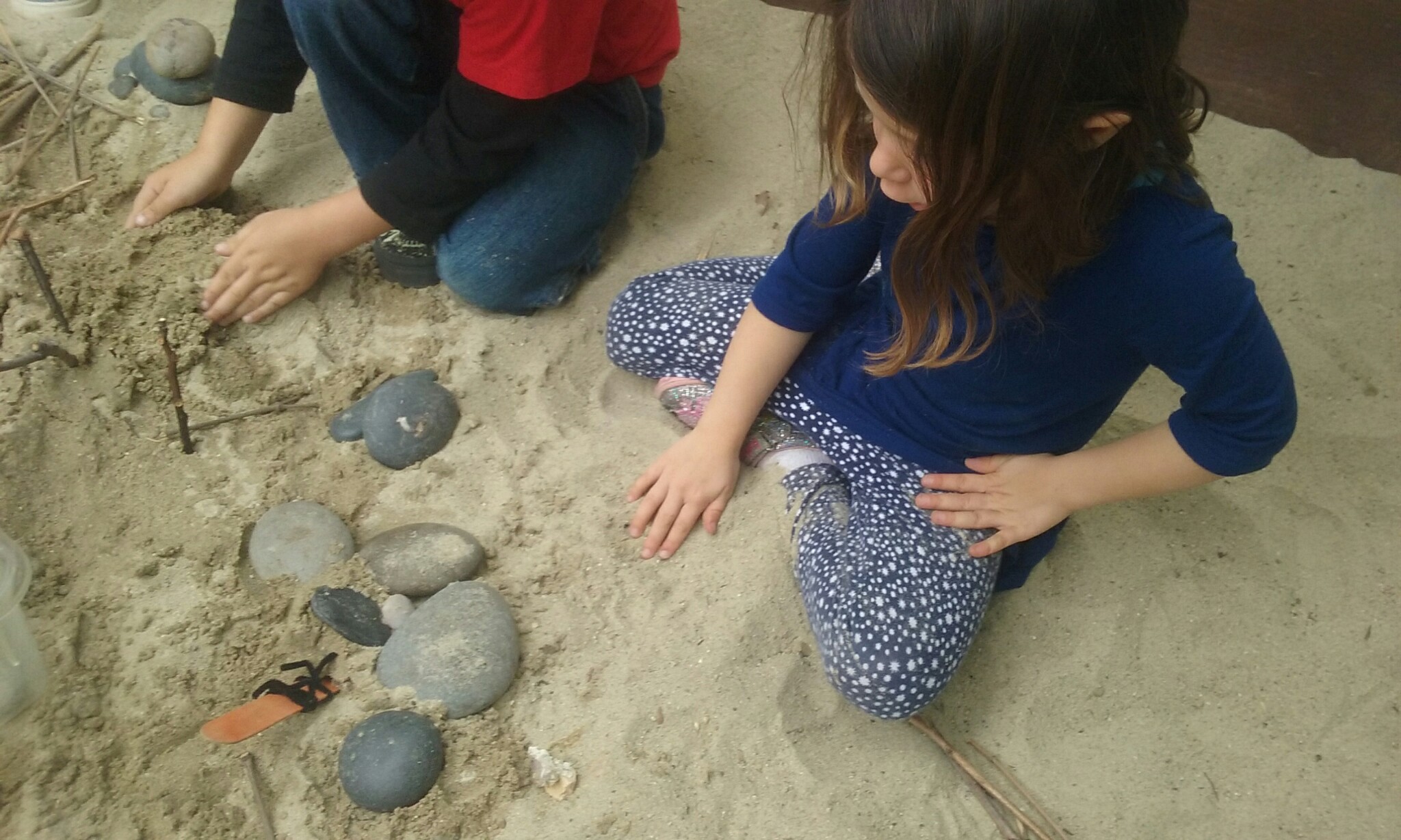
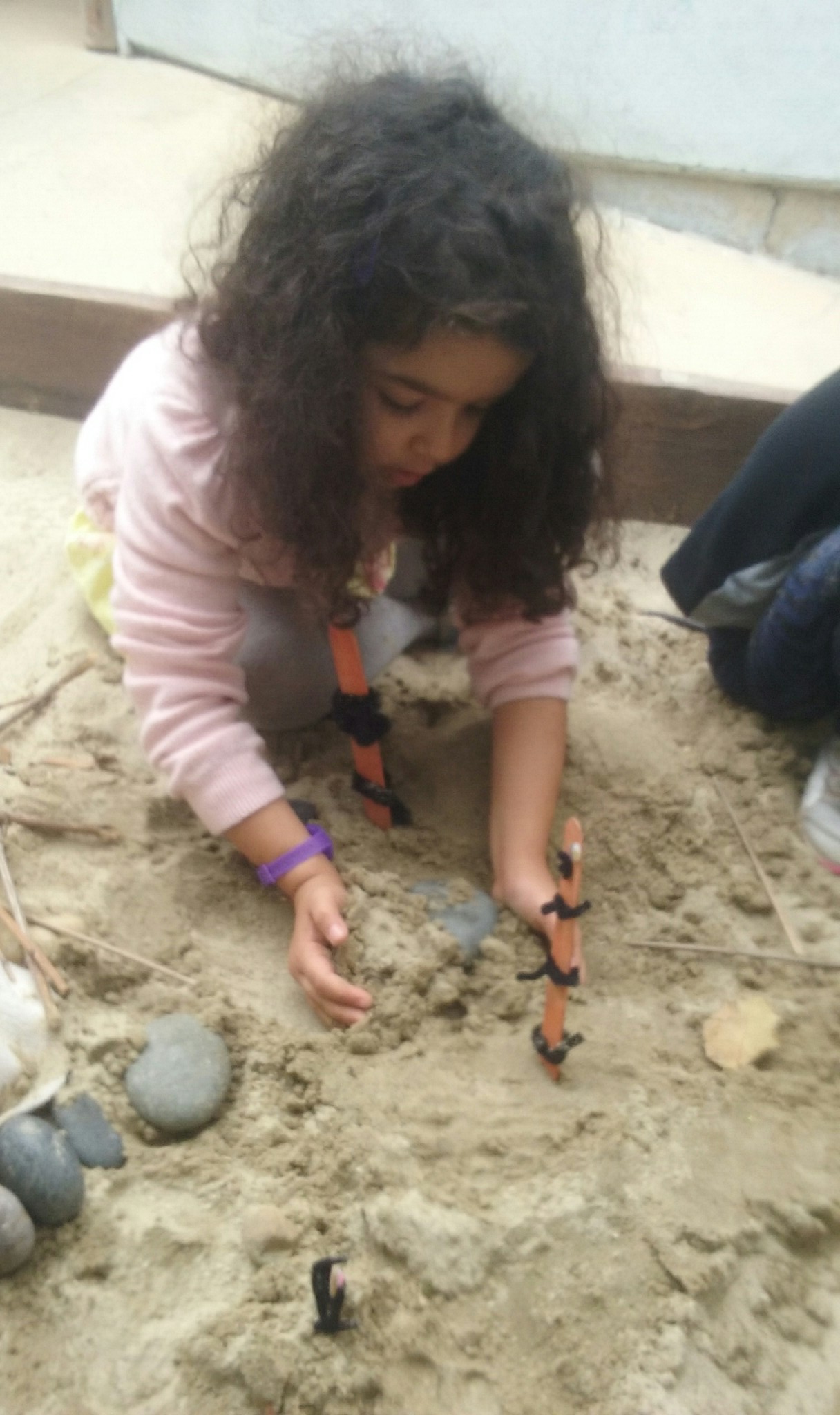
Using popsicle stick ants, rocks, sticks, and sand, we created our very own ant hills!

antshill5

Insects and other small animals are a key part in any food chain, a subject your students will study in elementary science.

anthill6

Knowing about them and having respect for insects now will help them better appreciate insects’ importance later.

Worm Weaving

Weaving is such an excellent activity to try with preschoolers!

weave

Weaving not only promotes fine motor skills, but helps children learn how to create patterns and work through problems they may encounter while weaving.

weave2

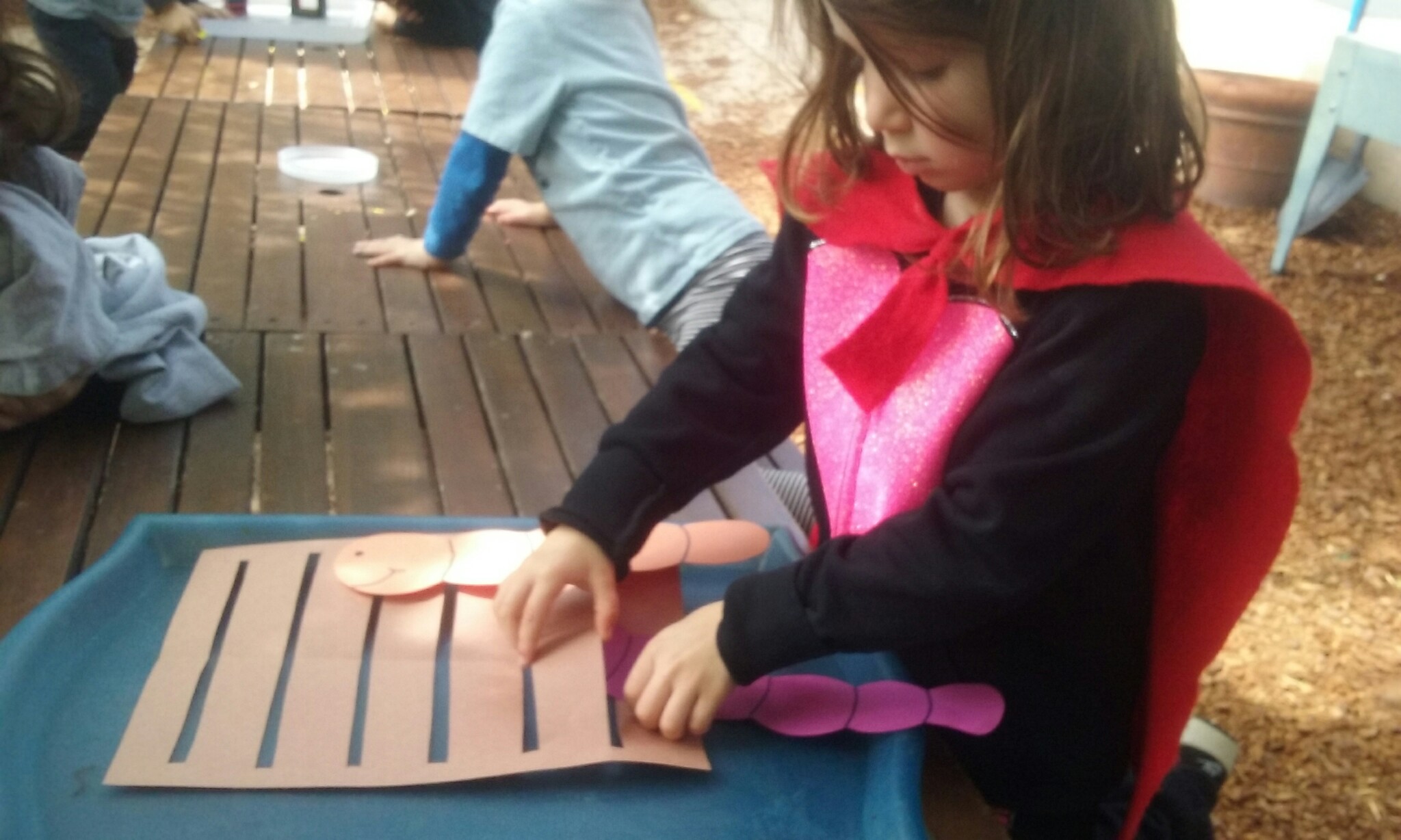
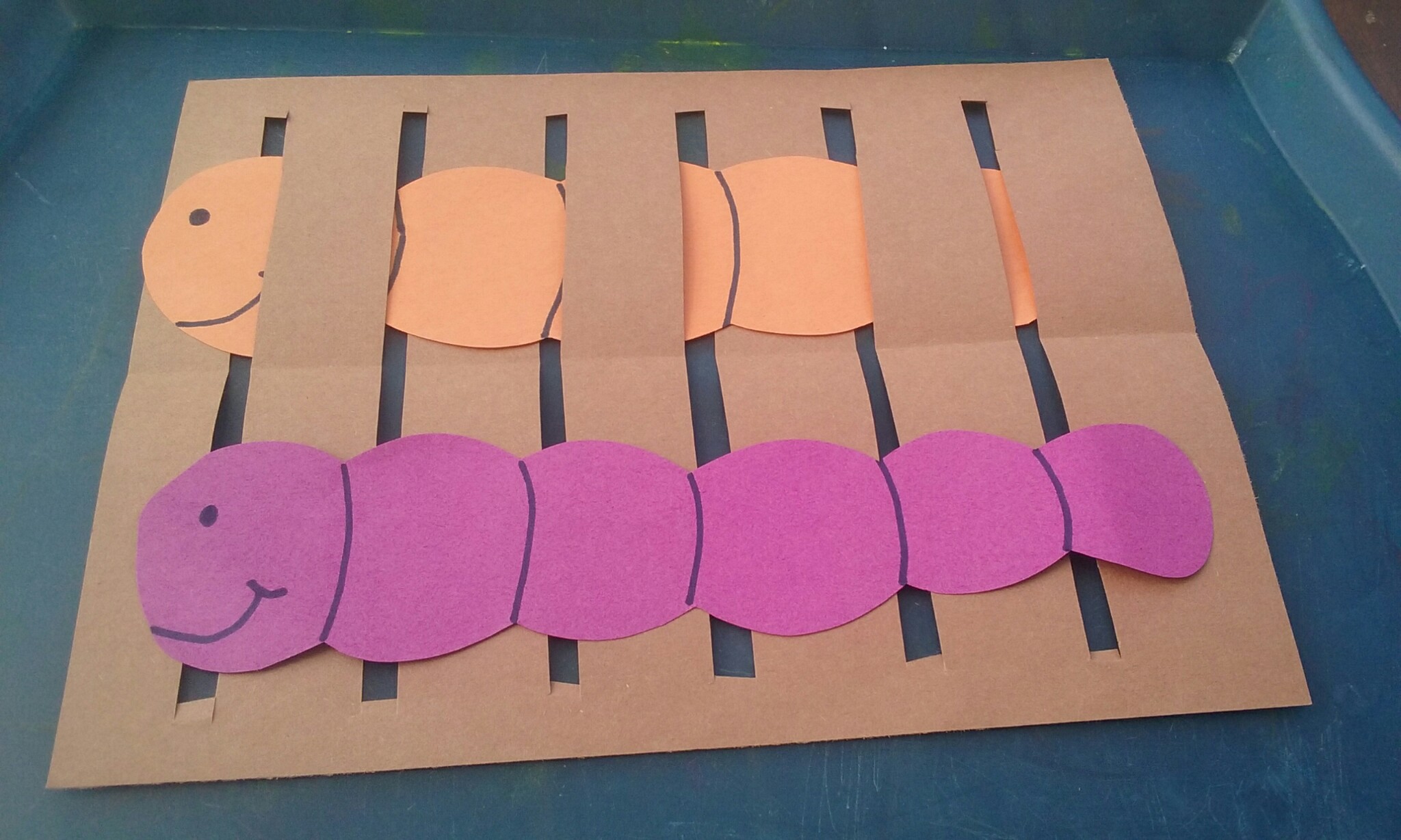
It can also be a beautiful way for children to express themselves artistically. For this activity, we weaved worms into paper “soil” using orange and burgundy worms. Your little one weaved strips of paper through their “dirt”, to create a beautiful piece of worm art!

weave3

Worm Observation Table

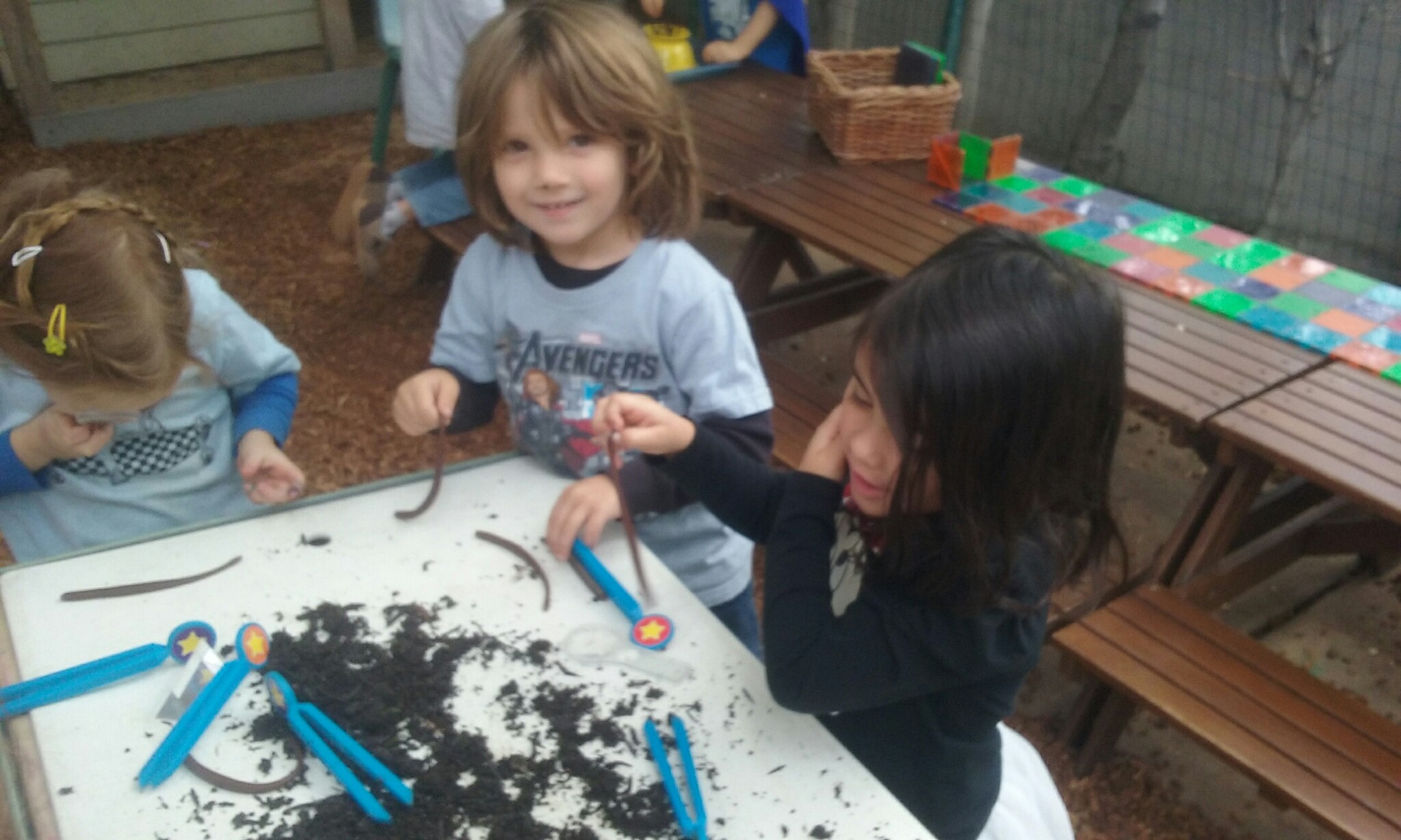
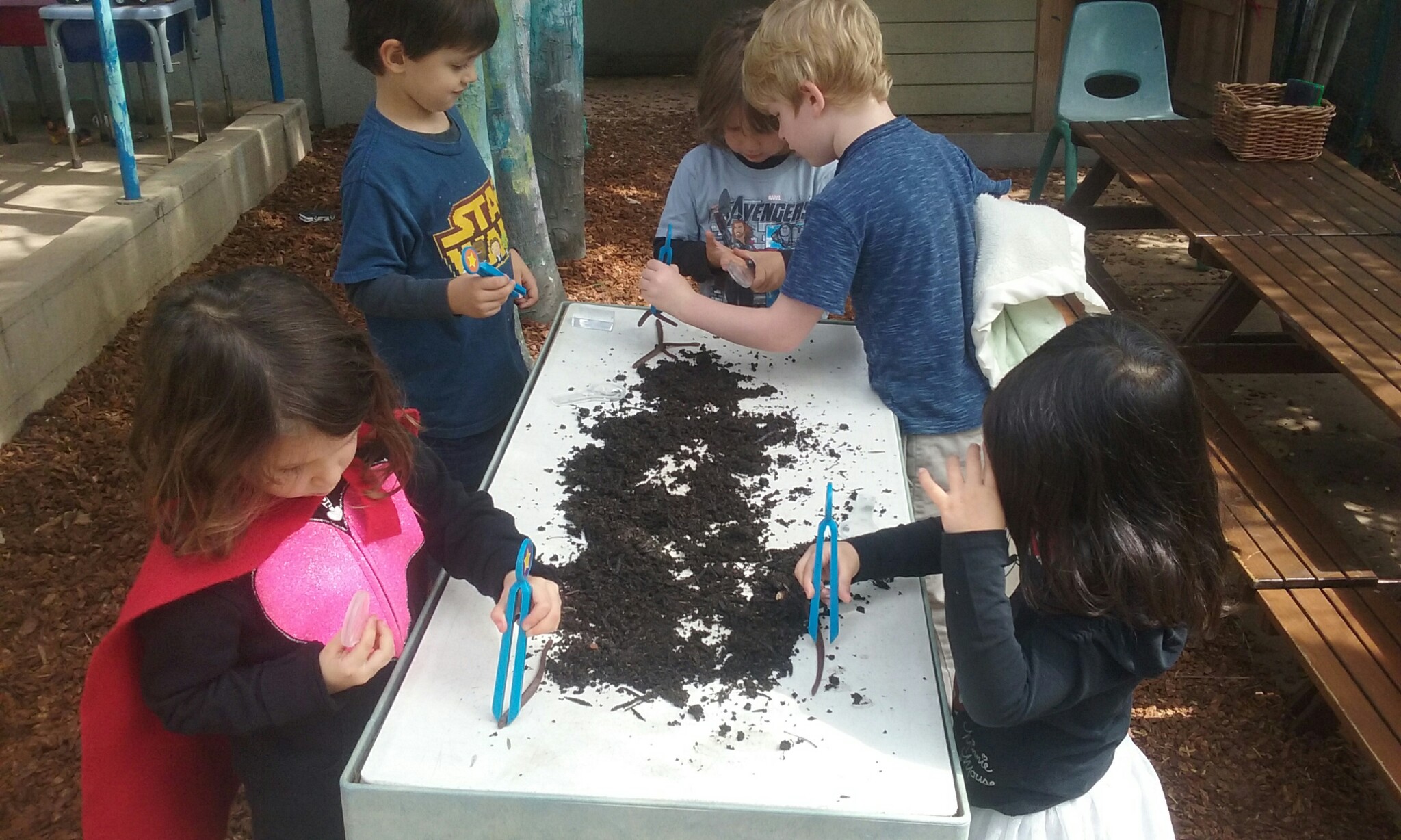
When your little ones came to school for this activity, they found worms on the water table for some viewing.  I propped the lid up onto the water table and sprinkled it with soil and plastic worms.

obserworm

Students used magnifying glasses to watch the wiggly worms and large tweezers to observe them more closely. We then used small notebooks to make observations about  what they looked like. First, we talked about their segmented bodies. Then we sang a song called W is for Willy, Who Is a Worm.

obserworm2

Following that, we practiced our observation skills by posing the worms in various positions that we thought may help them eat, sleep, and wriggle around. Some children created little hills for them, others placed them underneath the dirt, and others thought they would enjoy going inside the water table.

obserworm4

Through observation and documentation (recording what they see), your child is learning to make associations and differentiate between how things look and act.

obserworm3

Measuring Worms

Measurement occupies a host of important occupational and life skills, and can be a difficult task for young children to master. To initiate a discussion on measurement, your little one arranged pipe cleaner snakes by shortest to longest. Following this, your little one used a tape measure to measure each snake. This activity enabled your little one to practice their counting, observation, and critical thinking skills.

measurement4

Measurement can be a tricky concept for preschoolers to grasp, so experimenting with real objects assists them in the understanding of complex measurement concepts. When relaying concepts of measurement, it’s best for your budding scientists to stay concrete because that’s how preschoolers think at this stage of their development.

measureworm1

measurement6

Still, the basics of measurement can be taught at the preschool level with great effectiveness by using a ruler, as long as they are utilized to compare and contrast objects only.

measreumentworm2

The paper ruler activity below helps develop a sense of the awareness that every day objects have a certain length. The acquisition of measurement concepts also includes new vocabulary.

measurement5

Throughout the activity, your little one was encouraged to use words such as longer, smaller, heavier, lighter, and variations of the terms such as large, larger, and largest.

measurement3 1

Worm Habitats

We began our bug month with a lesson about all things wormy!!

worm1

Although native to Europe, earthworms are found throughout North America and western Asia.

worm3

Earthworms’ bodies are made up of ringlike segments called annuli.

worm2

These segments are covered in setae, or small bristles, which the worm uses to move and burrow.

worm4

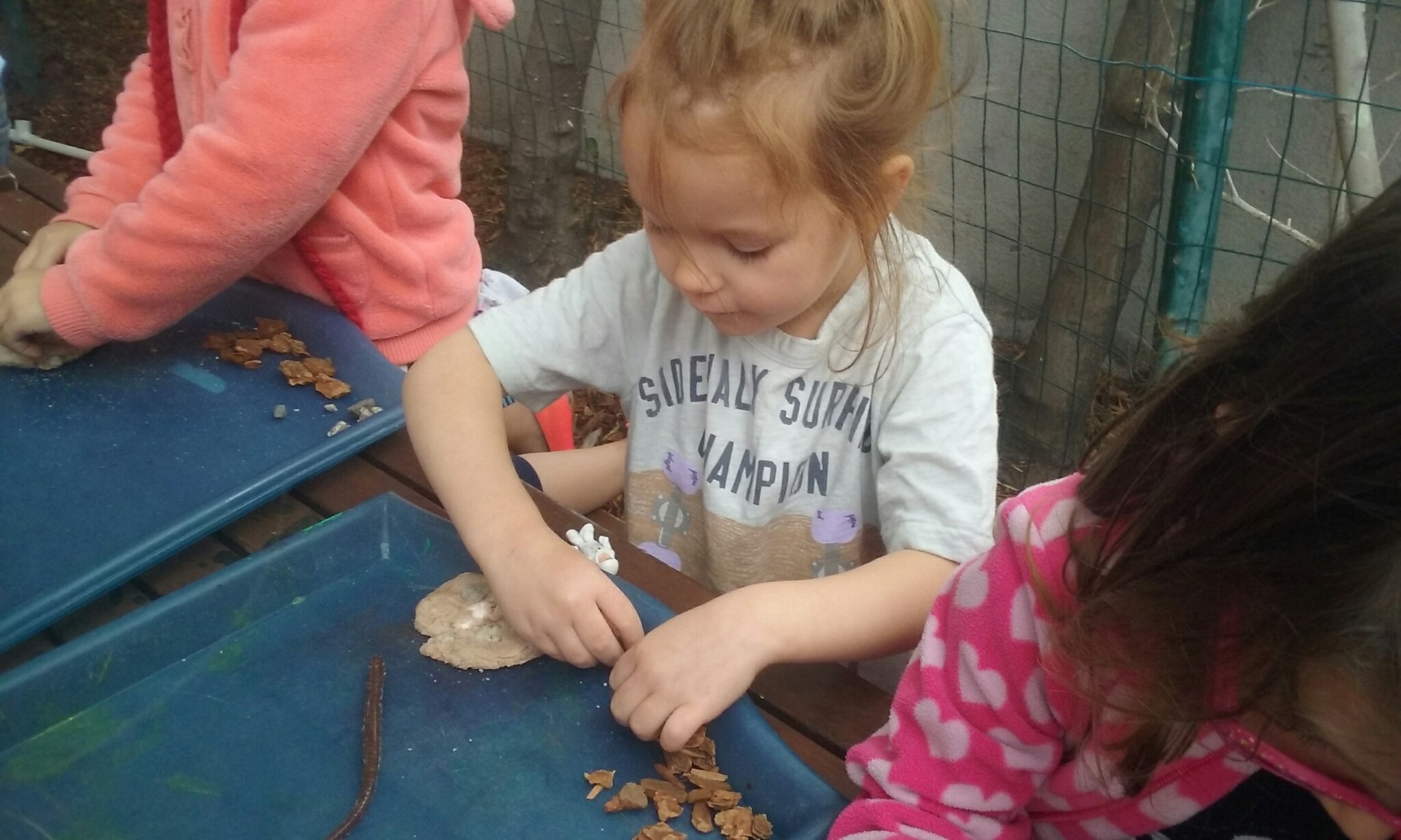
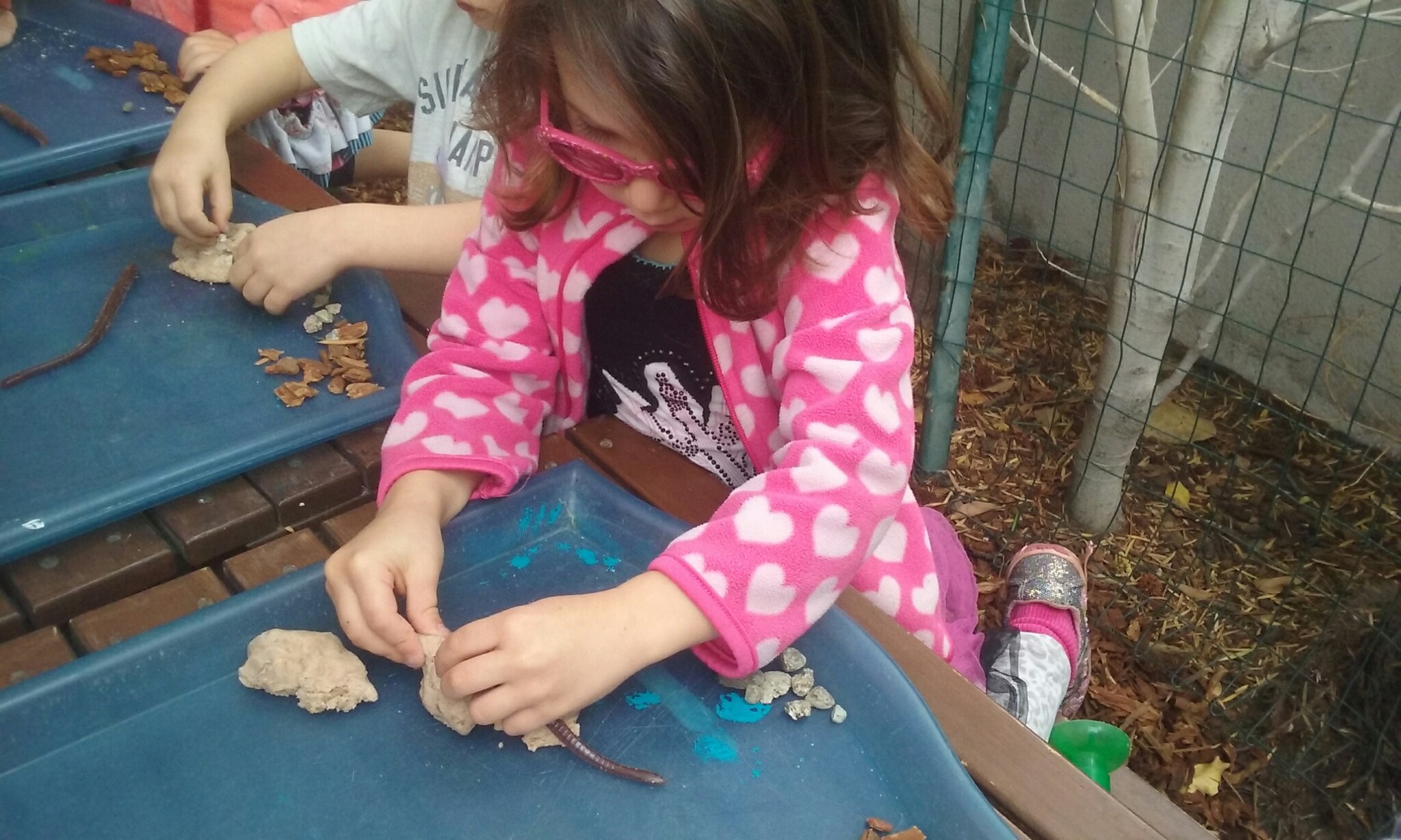
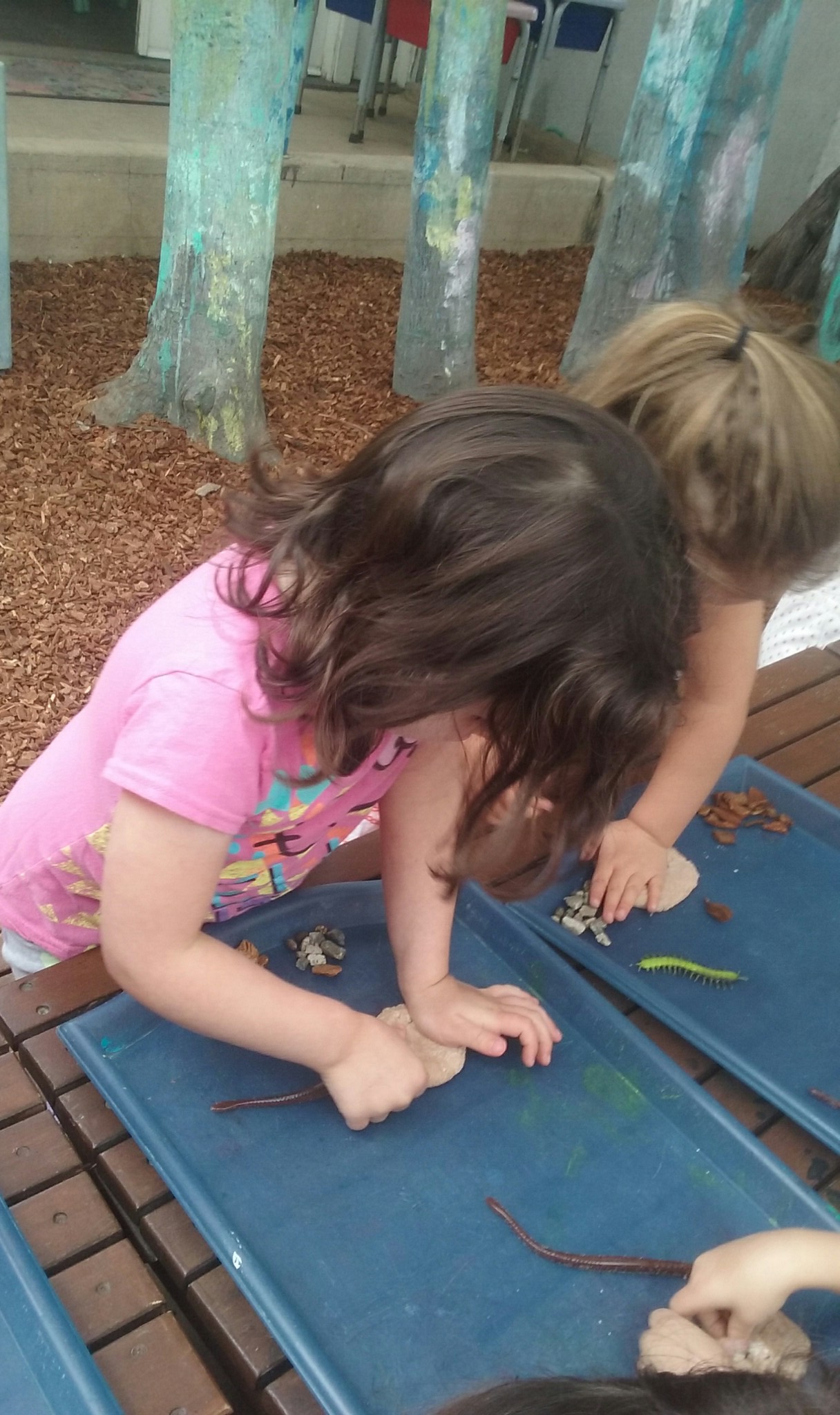
Using realistic looking worms, brown playdoh, wood chips, and rocks, we created our very own worm habitats.

worm5

Your little ones learned that earthworms are vital to soil health and to plants growing in it because they transport nutrients and minerals from below to the surface via their waste.

woem6

They then watched a brief video about earthworms, read a book about them (with our flannel board), and then set out to construct their very own habitats!!

worm7