Of all the math skills that children will acquire, counting is one that most children will already be doing before they reach school-age.
Rote counting (or saying numbers in a sequence from memory) is what most children will be able to do, but this does not mean that they can actually determine the amount in a collection.
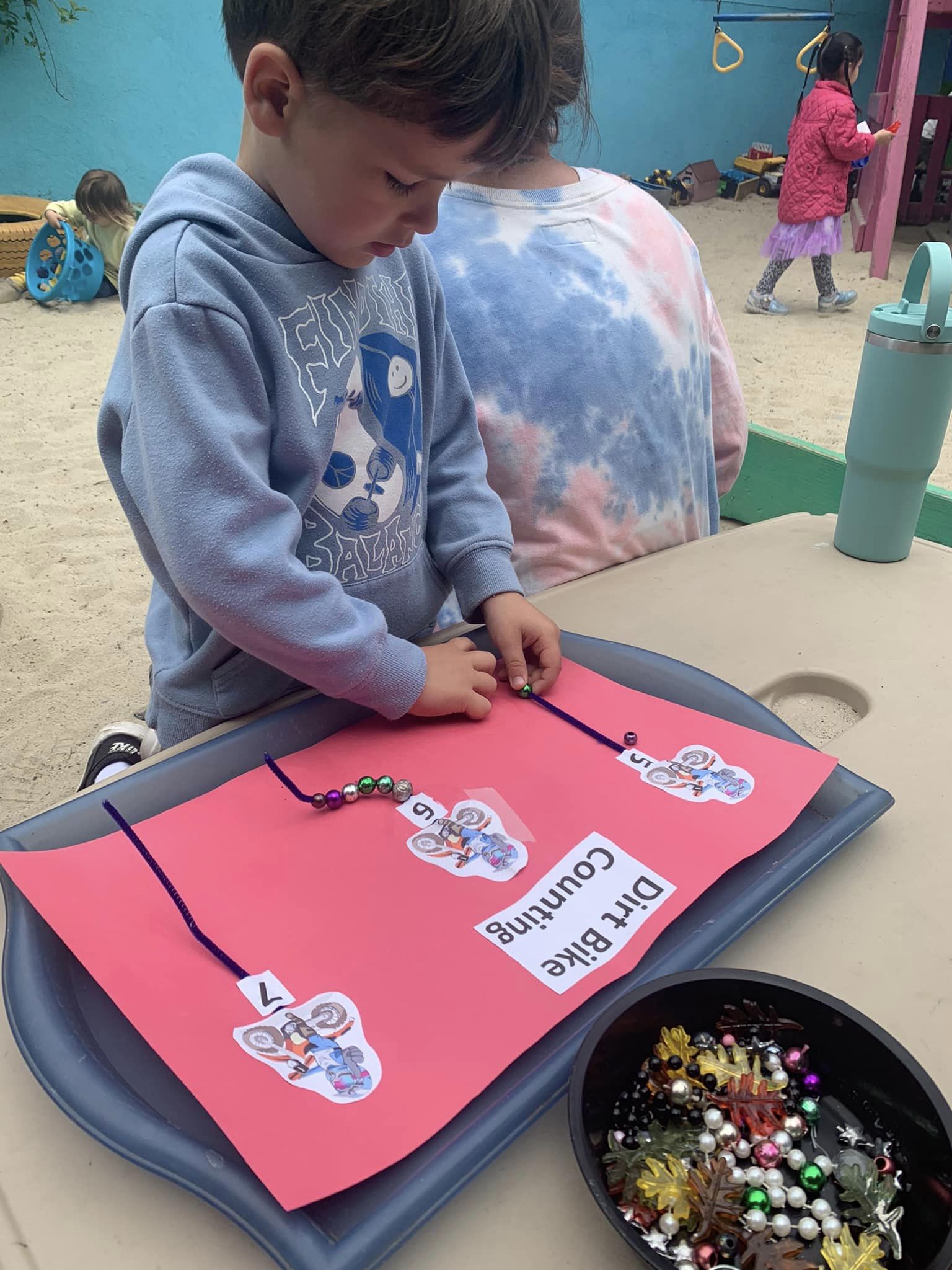
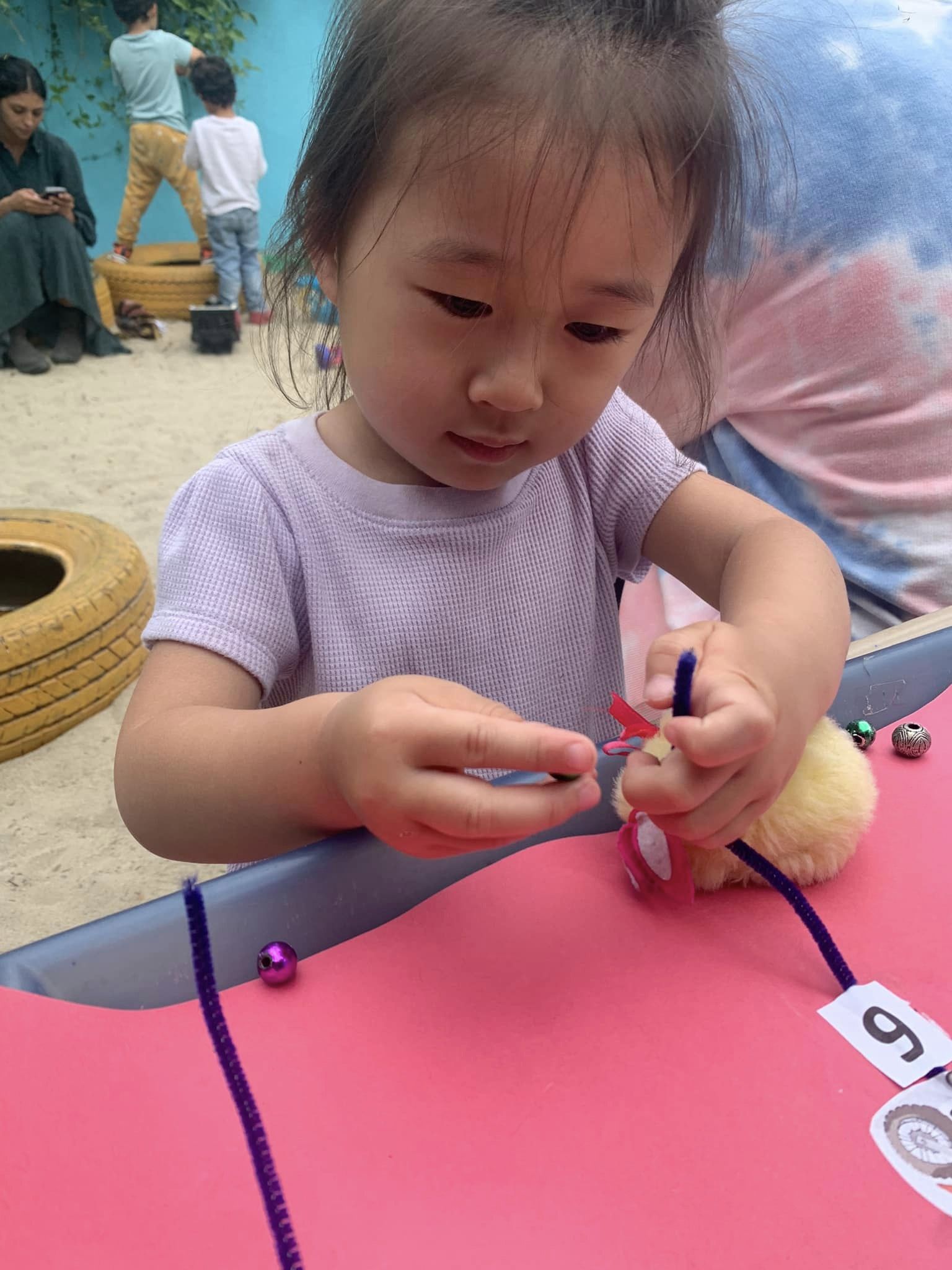
In order to help our students develop an actual understanding of numbers and how counting relates to real life, we did a hands-on activity with beads and dirt bike illustrations aimed at developing their one-to-one correspondence.
By placing a certain amount of beads on a pipe cleaner (counting as they did so), participants were able to make a connection between the spoken numeral and a concrete amount.
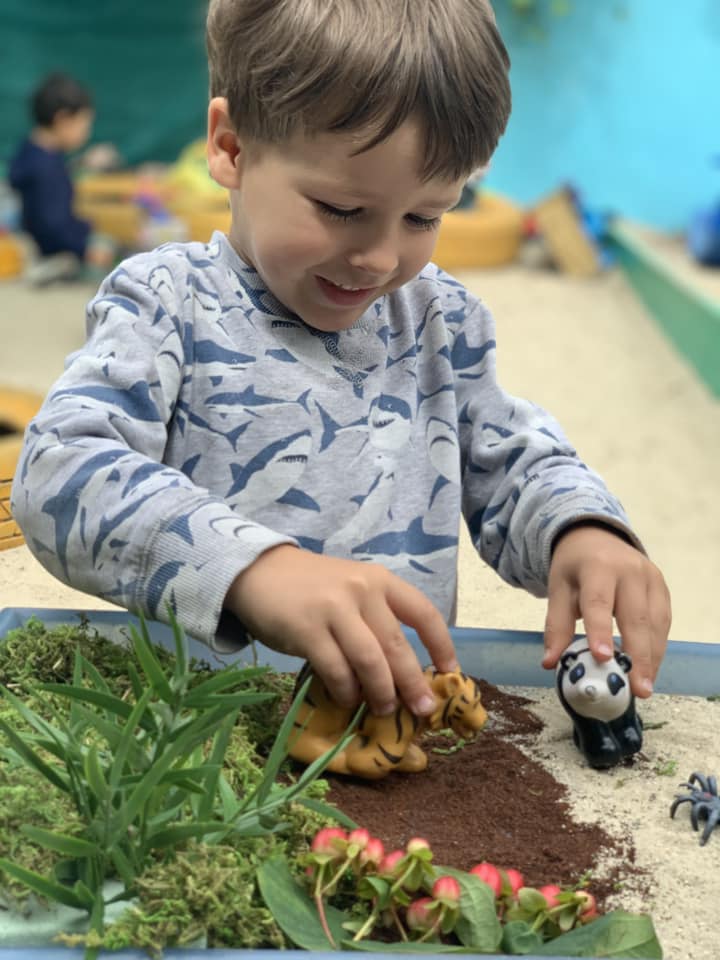
Small world play is a style of imaginative play which uses toys or props.
It encourages children to use these small props and their imaginations to create detailed and playful worlds. By doing so, they can have fun expressing their knowledge of the world around them in a creative way. Small world play can also inspire meaningful learning.
They can create scenarios based on what they have learned in a way that is meaningful for them. For this activity, students created a three types of landscapes using both natural and artificial materials.
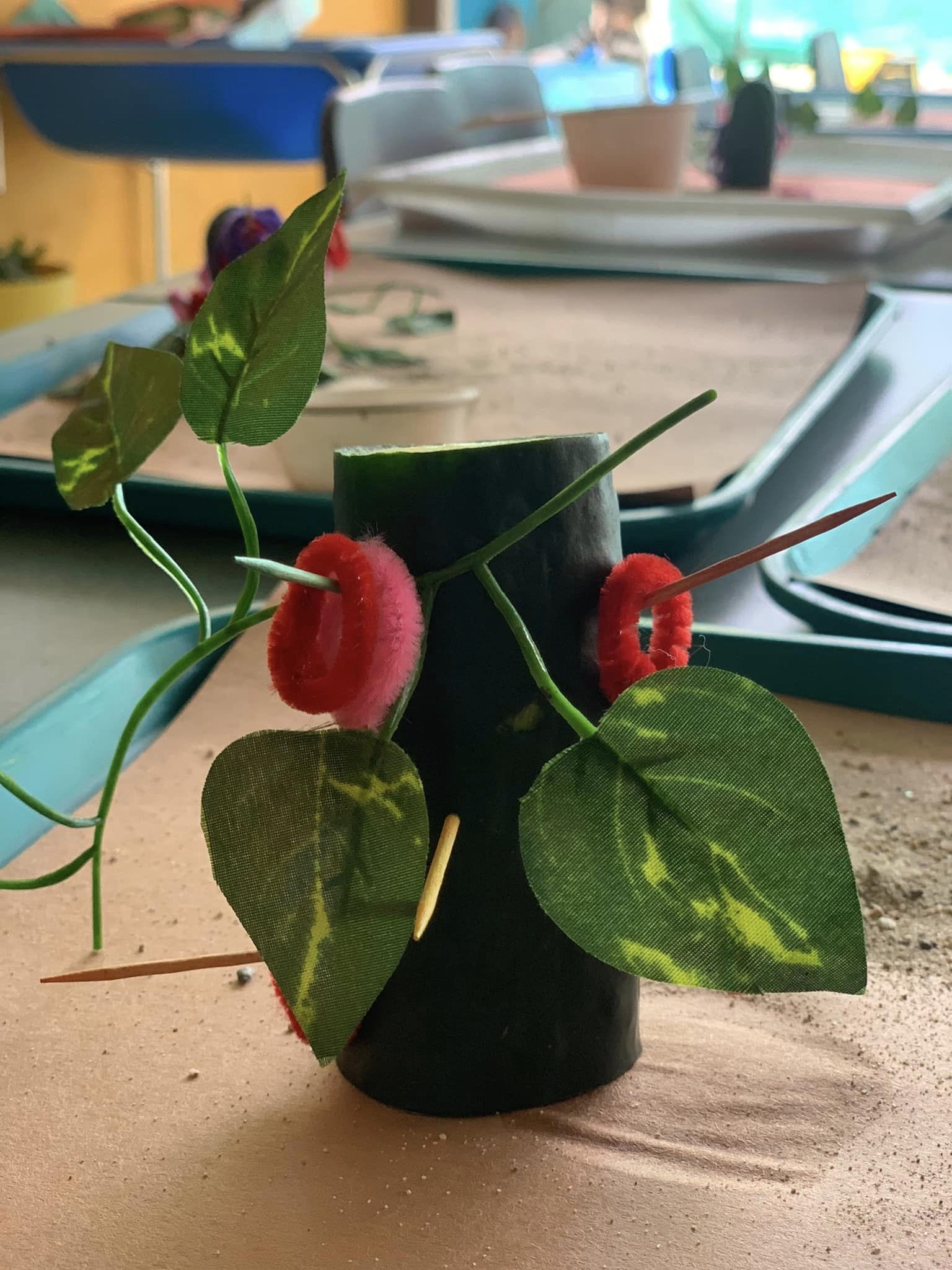
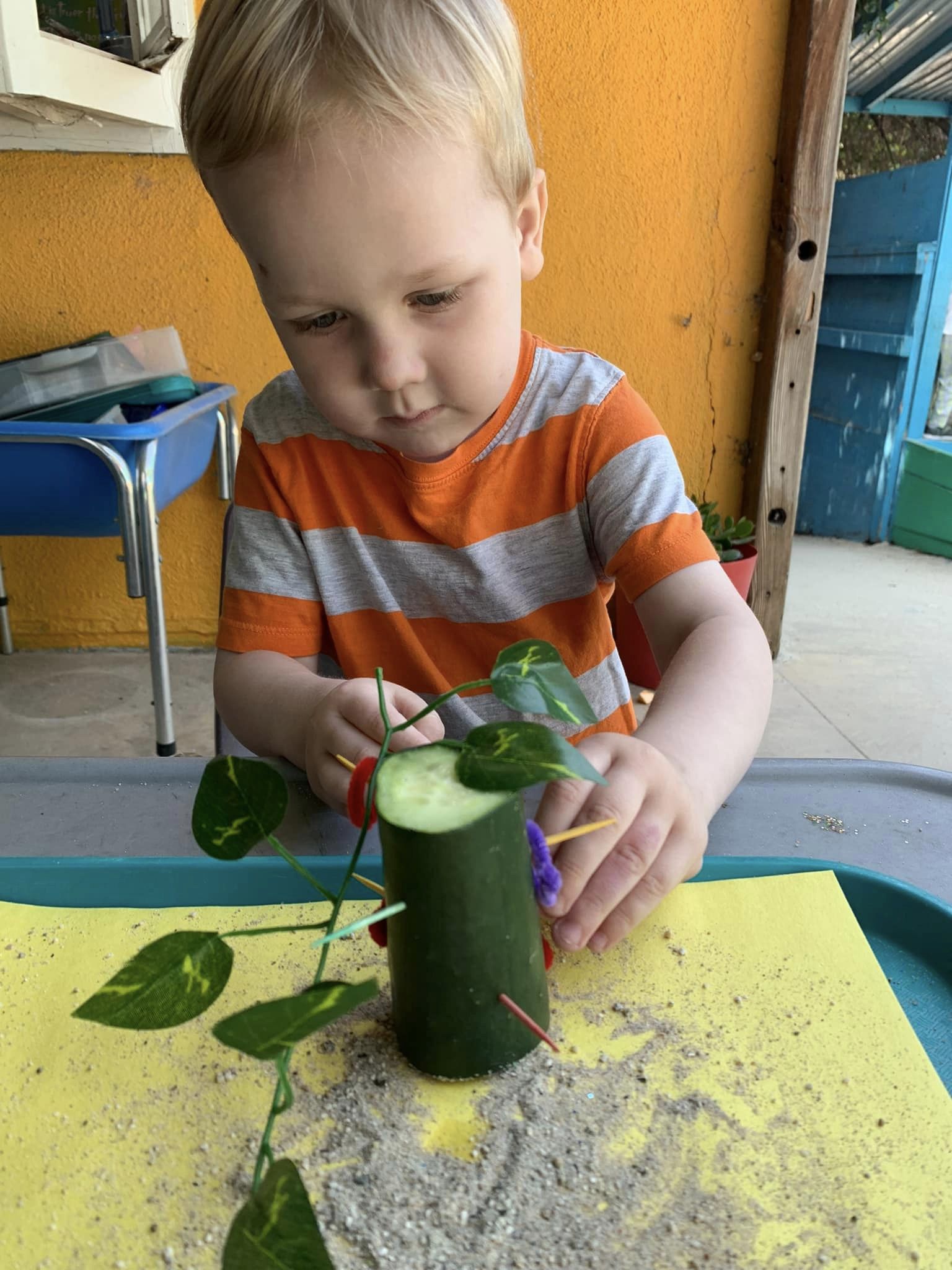
These materials consisted of a real cactus, sand, and other vegetation. They then were given toy creatures with which they engaged in this small world alongside their friends!
Puzzles are a must have for every toddler…..and they have been for a long time!
The very first puzzle is said to have been made in the 1760s, meaning kids have been tackling puzzles for more than two centuries now!
There’s a good reason why puzzles have been a staple in every child’s toy box for so long – they’re fun, they’re challenging and each time a child finishes a puzzle, they walk away with more experience and more developed skills like concentration, problem solving and patience.
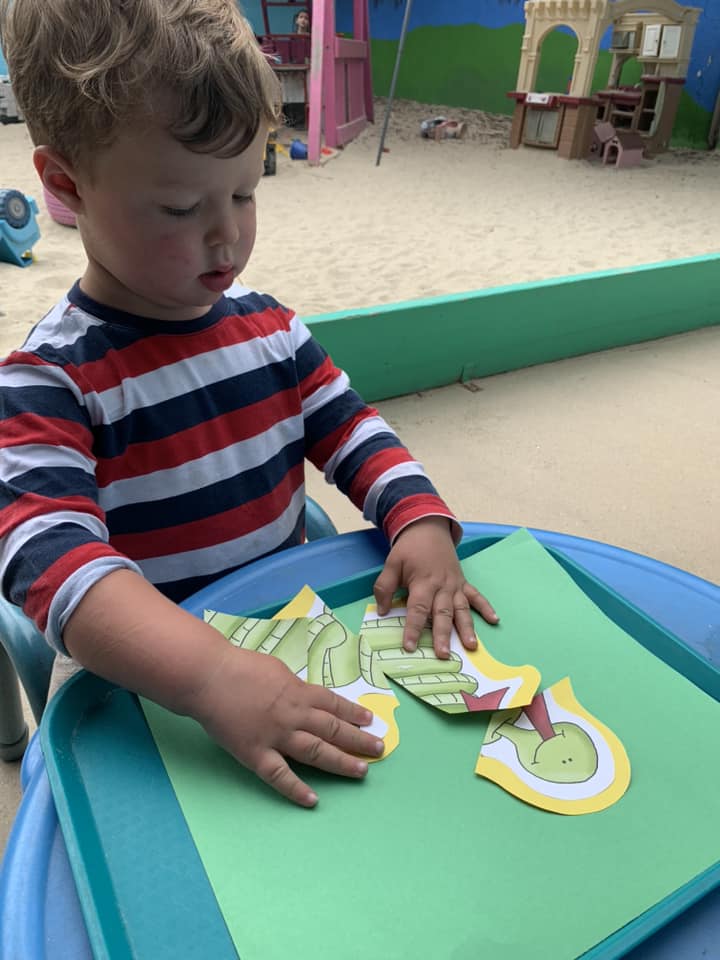
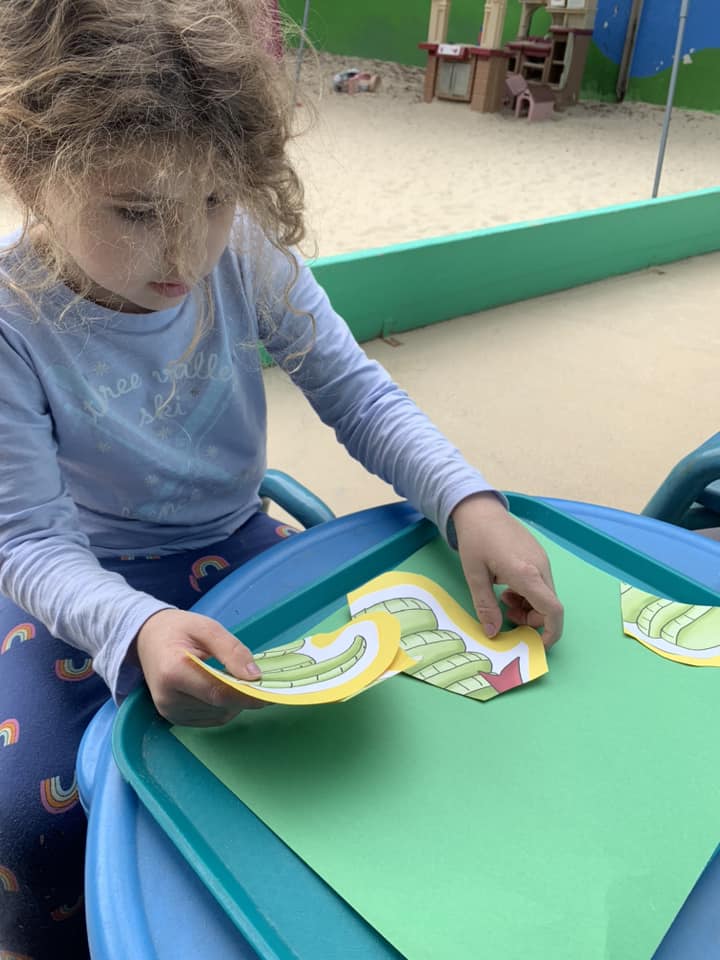
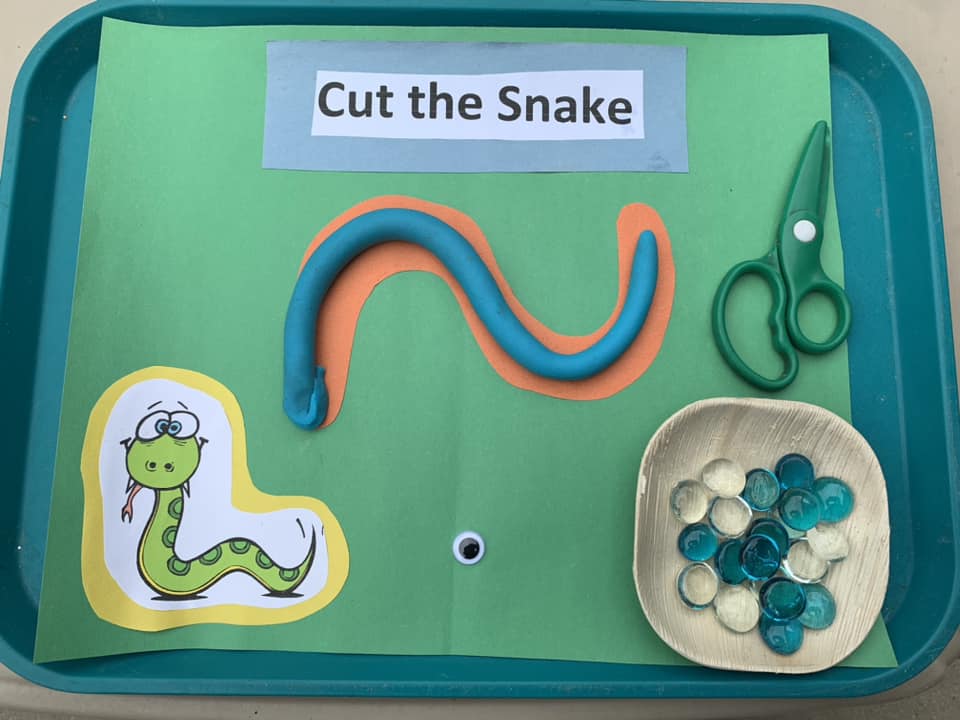
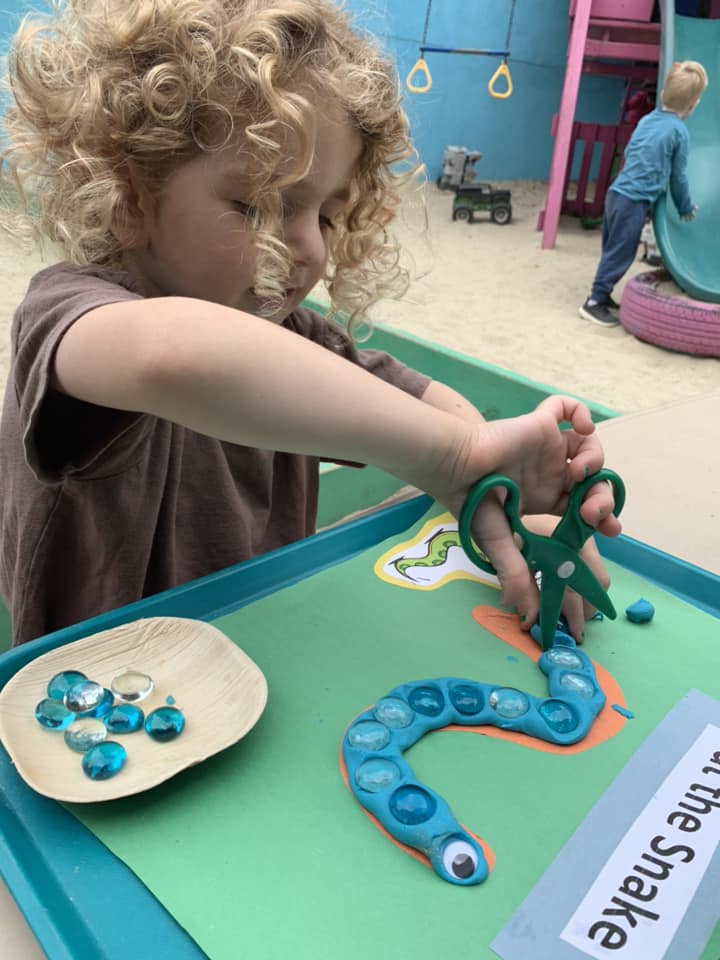
For this activity, students put together the pieces of a paper snake. They were encouraged to first look at each piece individually and then to combine them to form the perfect snake!
Manipulatives give children the opportunity to interact with the alphabet through hands-on play.
They are able to feel the shape of the objects and arrange multiple items to form letters and words.
They can see the curves and the lines that come together to form each letter, and some manipulatives even allow children to explore letter formation and tracing.
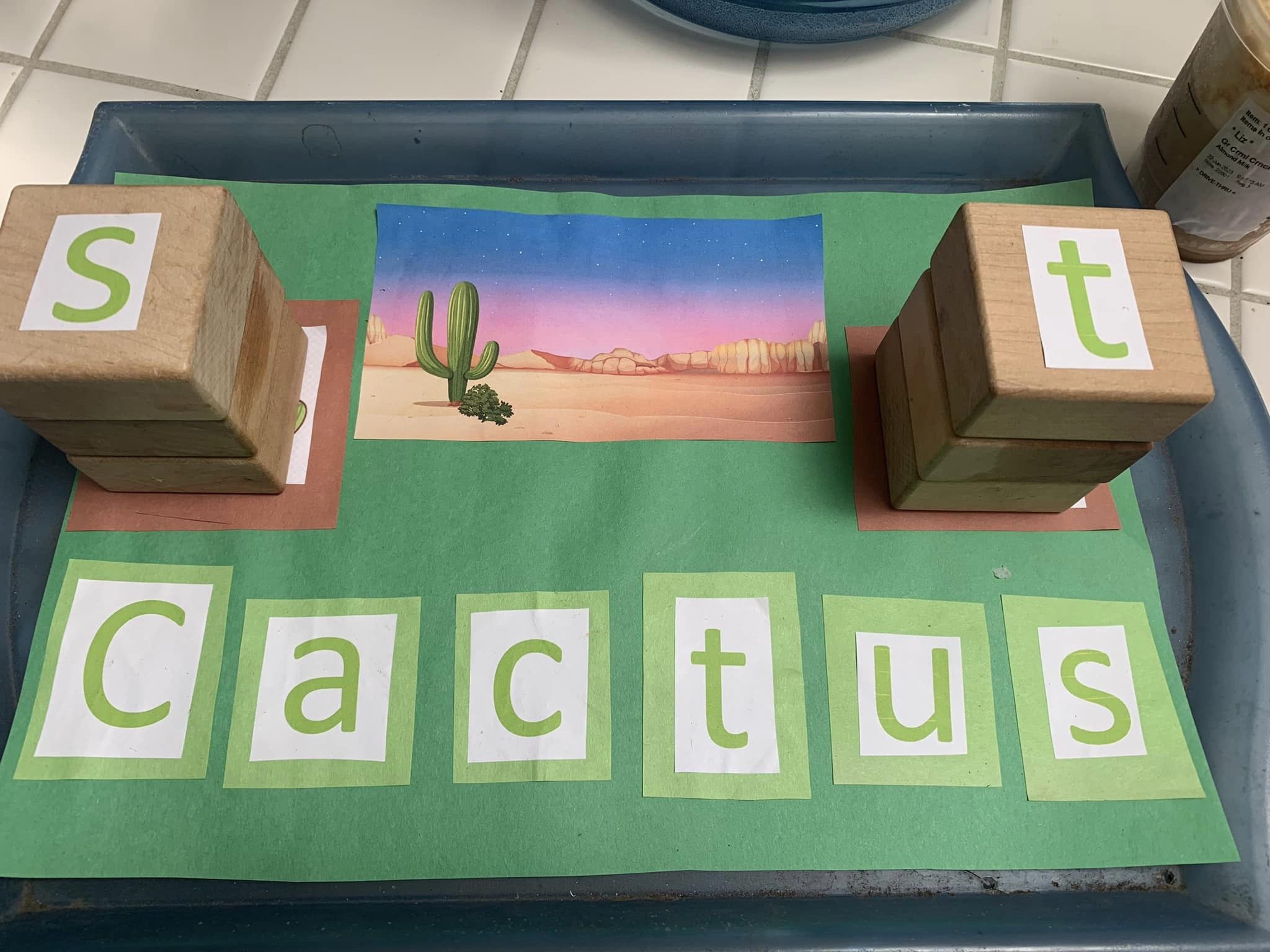
For this activity, we used manipulatives to spell the word CACTUS.
Students used block letters to accomplish this.
They did so by sounding out each letter, matching it to the correct letter shape, and combining sounds to create a word!
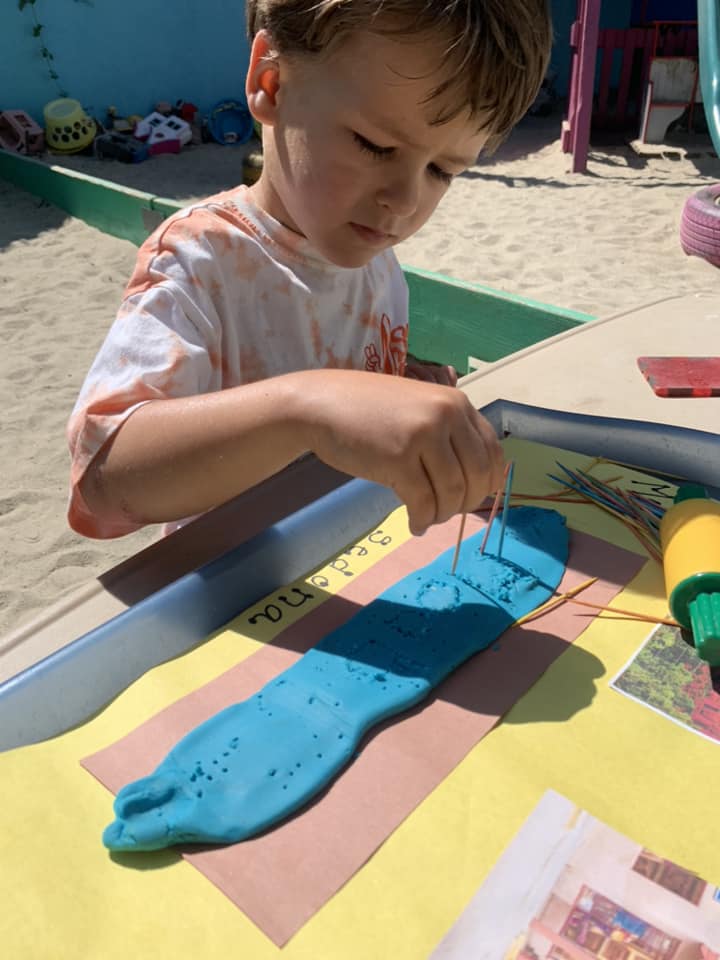
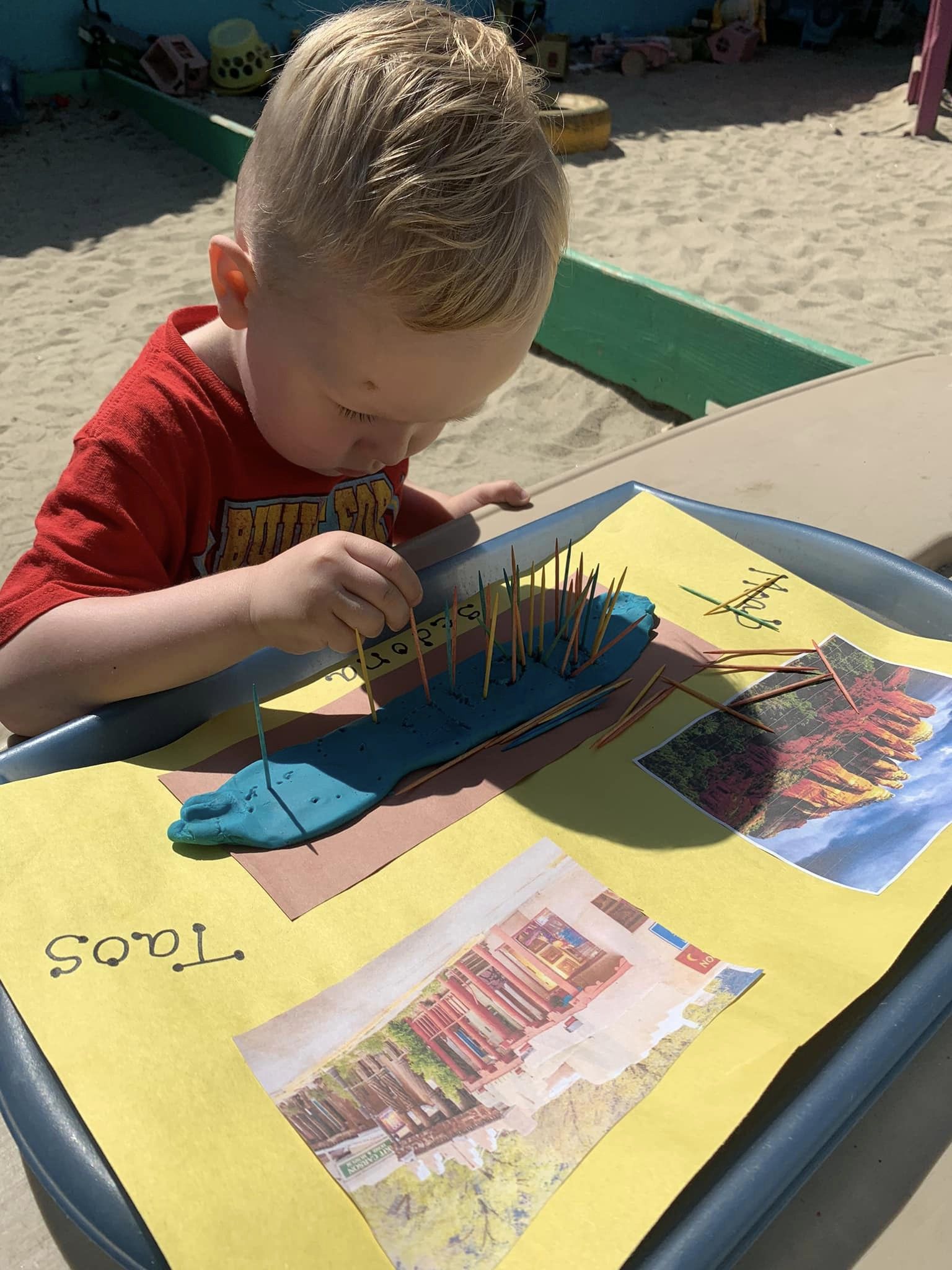
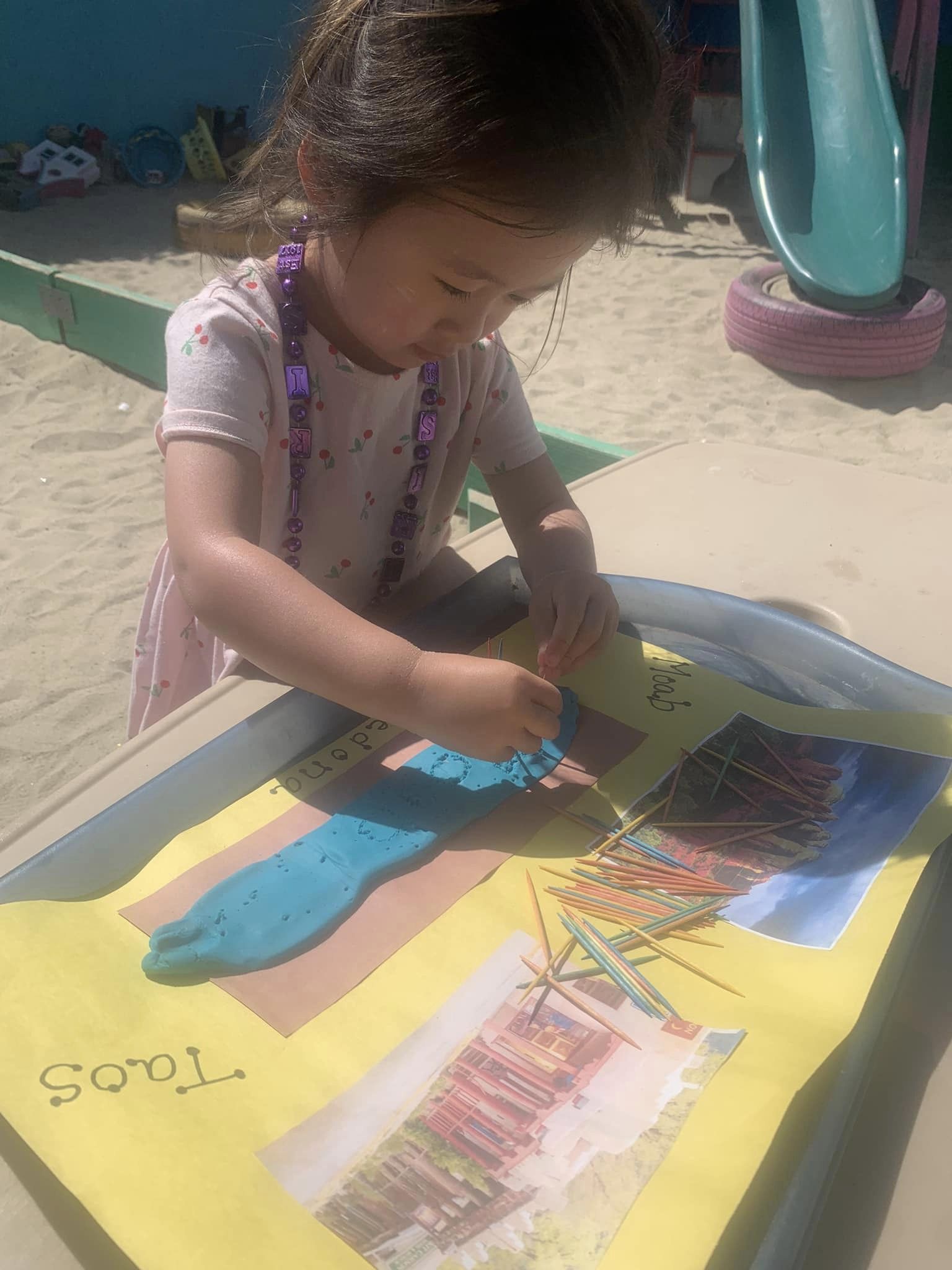
Fine motor math is more than just a fine motor activity with math concepts. Here, we are covering specifically, the topic of how fine motor skills and math skills are connected. Increasing research is showing the connection between math and fine motor skills. In this activity, we’re looking at how these two seemingly different areas are closely connected.
In young learners, we see fine motor and math more often than with older students. The ability to problem solve (an early math building block) and fine motor go hand in hand. But it doesn’t stop there. We see in early learning the use of counters to support one-to-one correspondence.
Other early math skills that utilize fine motor skills include shapes, spatial concepts, math patterns, same and different skills, number identification, and counting objects. These early mathematical concepts support numerical skills and more abstract thinking further on. The development of early mathematical skills builds upon itself.
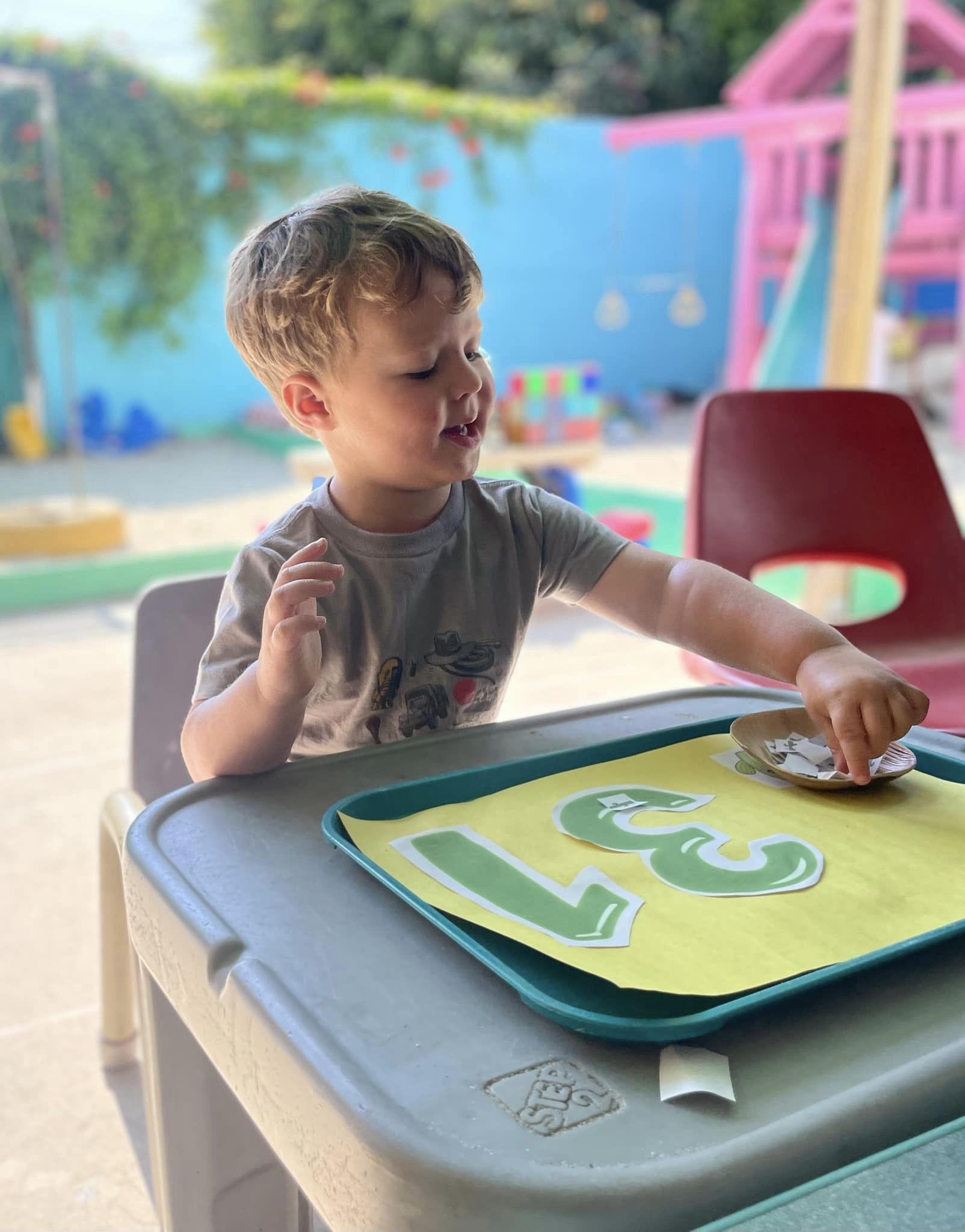
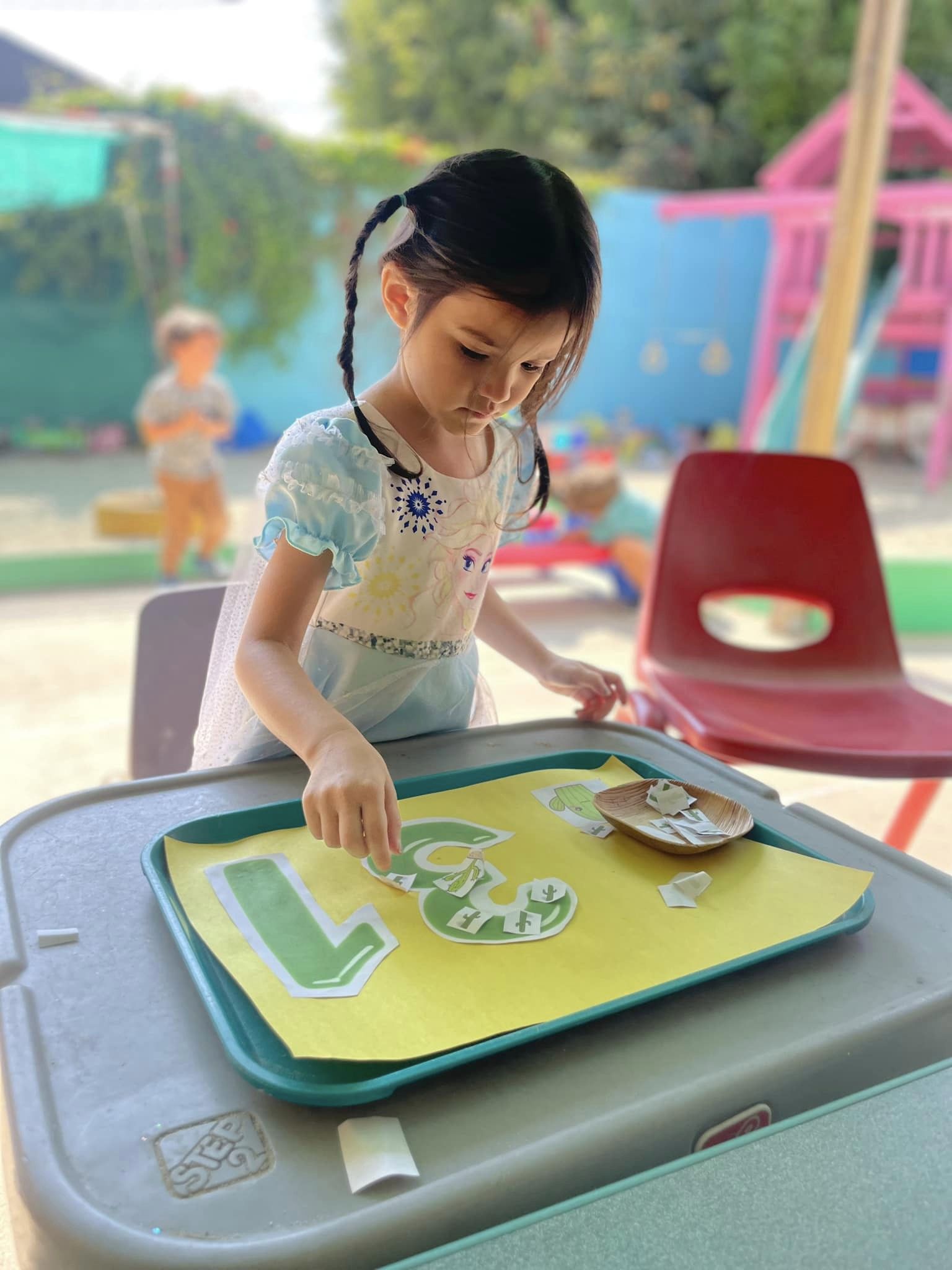
For this activity, we incorporated our Desert Cities theme into the developmental domain of mathematics to help our little ones practice these fine motor skills. Initially, they were directed to clap and count to 31 with their teacher. Following this, they were instructed to trace the number 31 with their finger. Thirty-one was our number of the week, so everyone had lots of practice learning about this big number! Thirdly, students were given 31 cactus cut-outs to place onto the numeral of thirty-one. Counting is fun when we do it together!
When creativity is fostered within the preschool classroom, children thrive. They thrive because of art. The use of art and other creative activities are important because they enable your little one to benefit across many domains. For example, art may boost young children’s ability to analyze and problem-solve in myriad ways. As kids manipulate a paintbrush, their fine motor skills improve.
By counting pieces and colors, they learn the basics of math. When children experiment with materials, they dabble in science. Most important perhaps, when kids feel good while they are creating, art helps boost self-confidence.
And children who feel able to experiment and to make mistakes feel free to invent new ways of thinking, which extends well beyond the craft room. For this activity, we created fennec fox burrows. Using paint, glue, and woodchips, students painted cardboard tubes to create the perfect home for their foxes. Following this, students participated in a sensory activity with their new burrows. Once completed, students were able to take their burrows home!
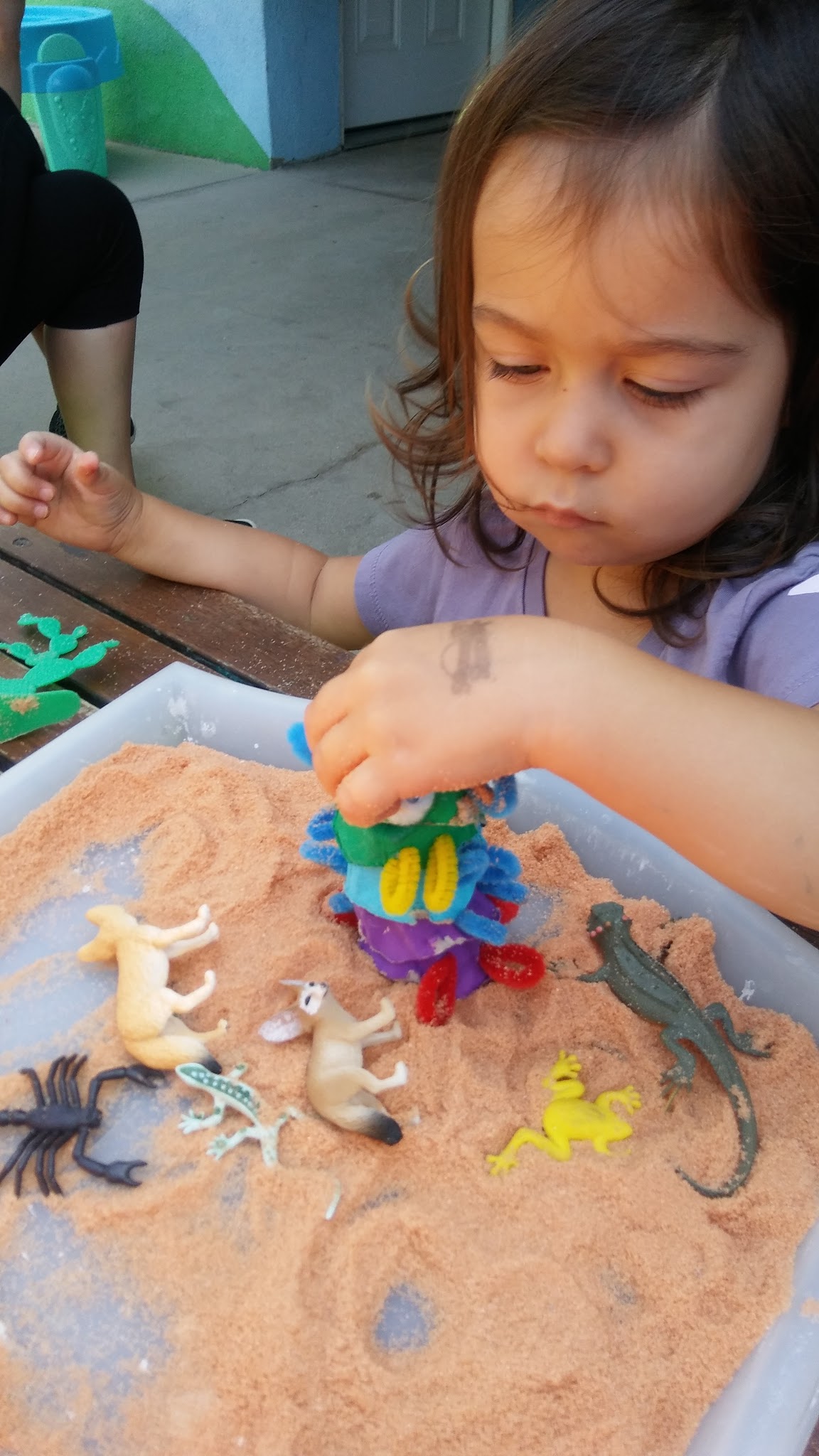
The desert tortoise is a species of tortoise that is endemic to the Sonoran and Mojave deserts of northwestern Mexico and southwestern United States. There are only two species of desert tortoise and their hardiness lies in their ability to dig burrows underground. Desert tortoises are herbivores, capable of living in extreme weather conditions.
They are able to do this by escaping into underground burrows during hot days. To help us connect with this creature, we stacked tortoises made out of egg cartons. Using their fine motor skills, students practiced stacking tortoises on top of one another. This fostered their cognitive skills as students concentrated on balancing their tortoises without allowing them to fall! Once finished, students were encouraged to count their tortoises and start all over again!






















 misscarriescorner