Stacking Turtles

Throughout the early years of life, children notice and explore mathematical dimensions of their world. They compare quantities, find patterns, navigate in space, and grapple with real problems such as balancing a tall block building or sharing toys fairly with a playmate.
stackMath­ematics helps children make sense of their world outside of school and helps them construct a solid foundation for success in school.
stack6In our classroom, we use play and sensory experiences (in addition to more direct academic approaches) to relay these integral math concepts to your little ones.
stack1

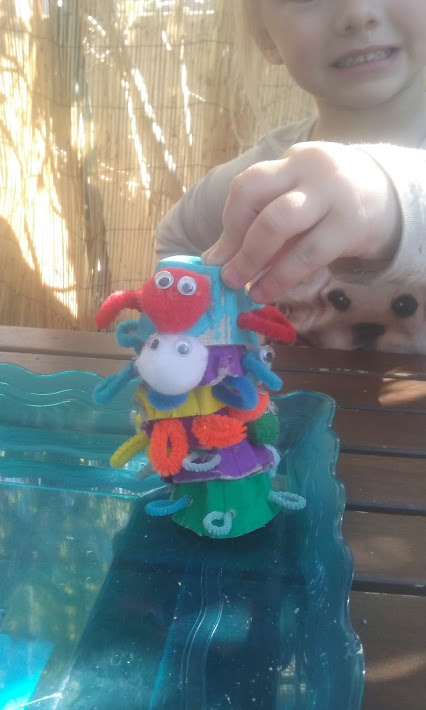
This activity involved stacking egg carton turtles onto one another in this Yertle the Tertle activity. In the story, Yertle commands the turtles of Sala-ma-Sond to pile onto each other so that Yertle could grab the moon.

stack5The very act of stacking presented a host of counting opportunities for our class, so we put our learning into action! Students were first directed to stack their turtles.
stack2This was a bit tricky, as it required them to focus. Doing so enabled them to witness the magic of cause and effect. Once fully stacked, students were then urged to count their pile.
stack4Following the mastery of this task, students broke their piles into smaller groups and counted them as well!

Turtle Lacing

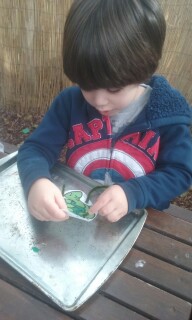
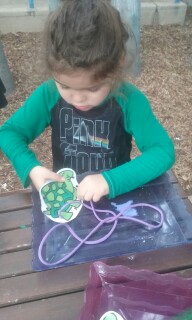
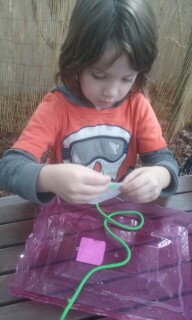
To help us hone our fine motor skills, we strung shoestrings through a turtle-themed lacing card.

lace4

Parents may think that activities like these have very little developmental significance, but the truth is just the opposite.

lace

Activities like this are crucial because they allow a break in the sometimes monotonous tasks of tracing or even coloring, and provides a wide range of motion that young writers can use.

lace1

Lacing activities also enable young children to become aware of the roles of their dominant and non-dominant hands.

lace3

Stabilizing the cards while working the shoestring through the holes strengthens those little fingers and muscles.

lace2

Turtle Ts

In our classroom, we use a variety of ways to teach your little one about literacy.

turtledough

Throughout each theme, we select a letter related to it, and integrate into our activities throughout the week.

turtledough1

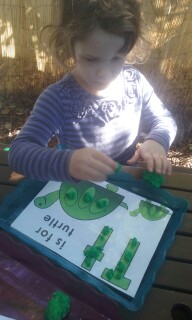
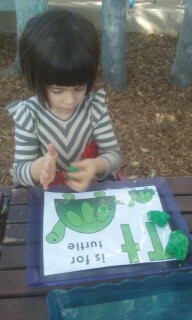
For this activity, we used green play dough to make the letter T. Each student was given a play dough mat with the letter T and a picture of a turtle on it.

turtledough2

Everyone was then directed to pinch pieces of the dough off to place onto the map, which enabled them to practice their fine motor skills.

turtledough3

Sala-ma-Sond Sensory Play

The story of Yertle the Turtle was a favorite of the children. Yertle is the king of the pond, but he wants more. He demands that other turtles stack themselves up so he can sit on top of them to survey the land.

turtlepond

Mack, the turtle at the bottom, is exhausted. He asks Yertle for a rest; Yertle ignores him and demands more turtles for a better view.

turtlesensory4

Eventually, Yertle notices the moon and is furious that anything dare be higher than himself, and is about ready to call for more turtles when Mack burps.

turtlesensory5

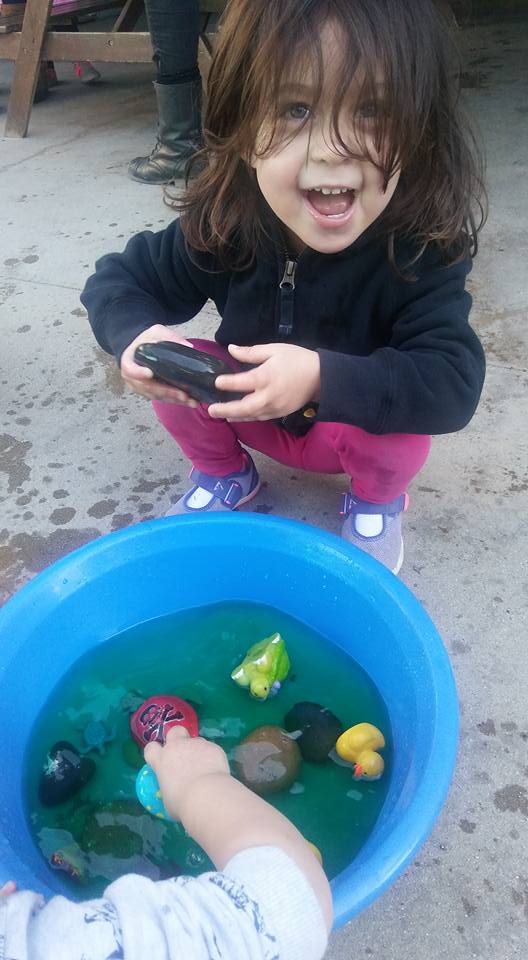
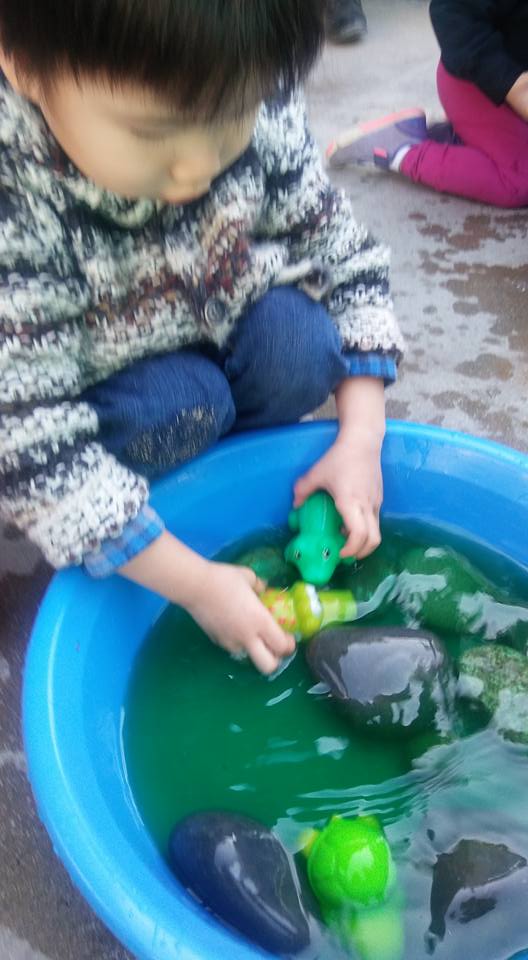
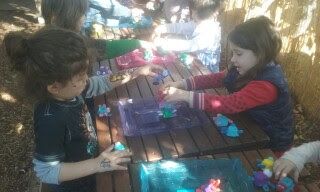
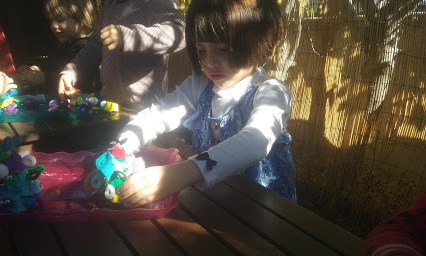
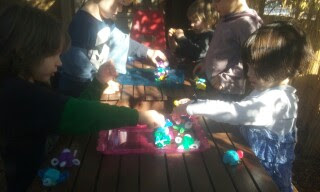
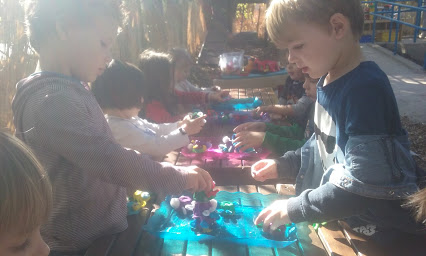
This sudden movement topples the whole stack, sends Yertle flying into the mud, and frees the rest of the turtles from their stacking duty. The students loved the story and requested that we read it over and over again. For this activity, we recreated Sal-ma-Sond, the pond in which Yertle lived. Using green water, plastic plants, and turtles we recreated the story with sensory materials!

turtlesensory3

Cat and the Hat Story Tray

Children love to discover the world with their senses; they love stories; they love to play!

cattray

cattray1

Story trays use a preschooler’s natural enthusiasm for sensory play and stories by telling stories in the tray and inviting them to retell the story with creative materials.

cattray9

cattray3

It is an intermodal expressive arts tool that can be used to relay a variety of concepts to the young learner.

cattray10

cattray4

In our Cat and the Hat story trays, students are provided with an engaging way to present the story line of the book in a meaningful and personal way.

cattray5

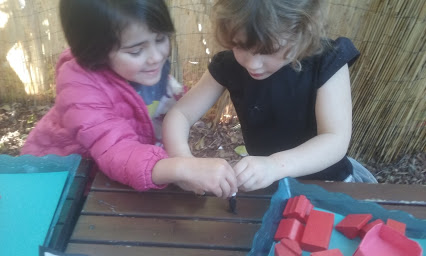
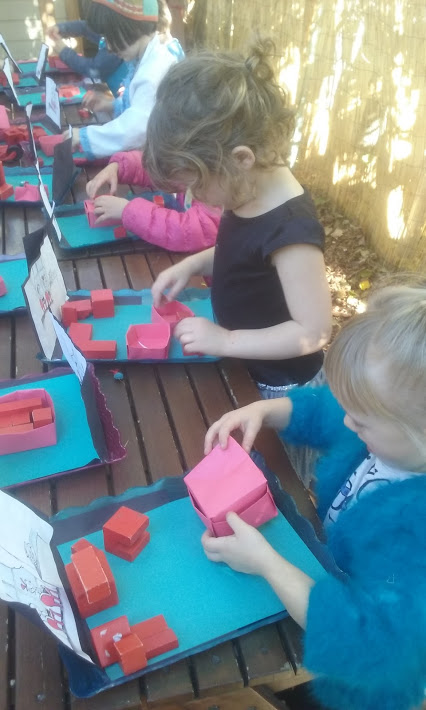
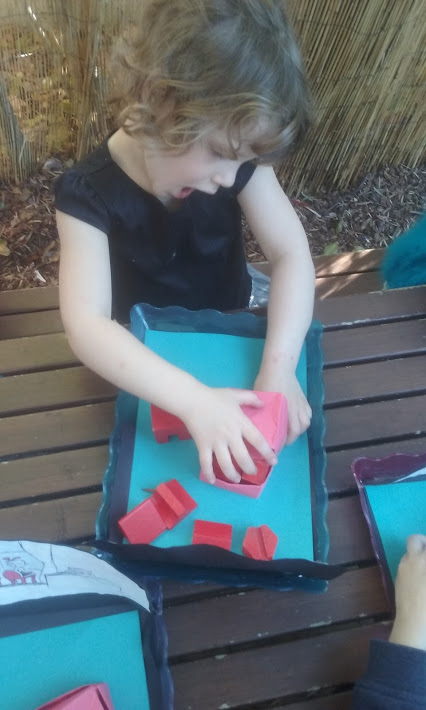
For this activity, we used a back drop of the two children in the story, combined with figurines of the Cat and Thing One and Thing Two, red boxes, red blocks, and our imaginations to retell the story!

cattray7

Cat and the Hat Matching

Visual discrimination helps a child to see subtle differences between objects or pictures and to see if something matches up.

visdis1

This visual perceptual skill can be described as “paying attention to detail”.

visdis

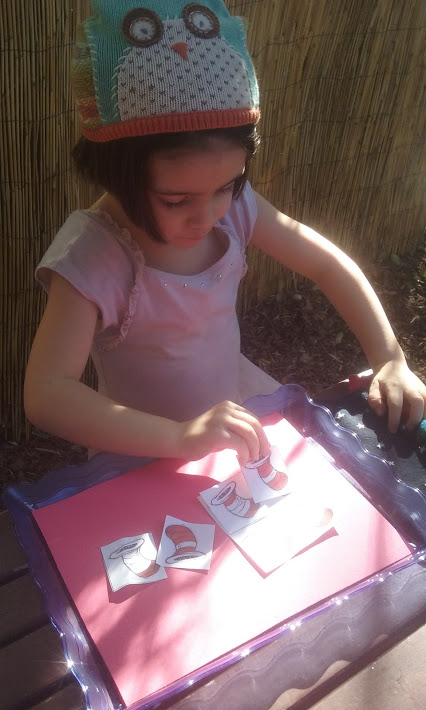
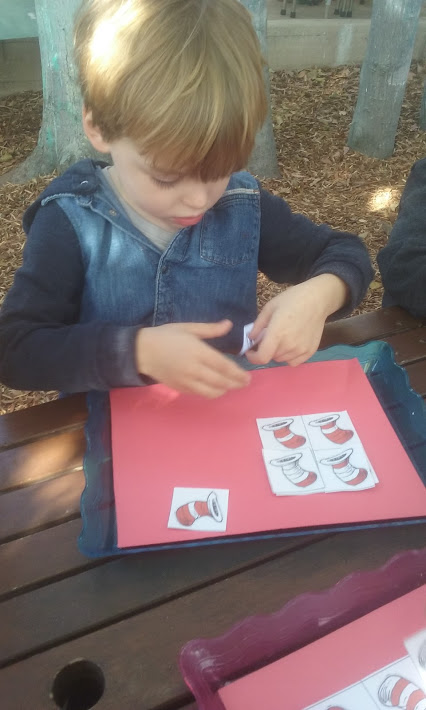
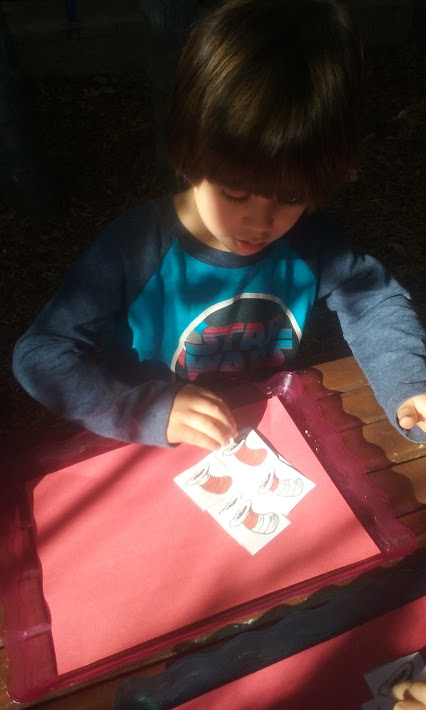
For this activity, students matched up pictures of the Cat and the Hat’s “hat” that had subtle differences.

visdis2

Students were asked to find these differences and match each hat with it’s “twin.”

visdis4

Cat and the Hat Story Board

A storyboard a story telling device used to visually “sketch out” the actions of a story that are told in a visual medium like animation, pictures, or felt pieces.

catstory

In this activity, students participated in a discussion about the cat in the hat using a story board.

catstory1

By using a story board, that students explore aspects of a story they may not have noticed while reading it, such as how it develops, what’s missing, the use of language, how words and pictures work together, and what the story means to them.

catstory2

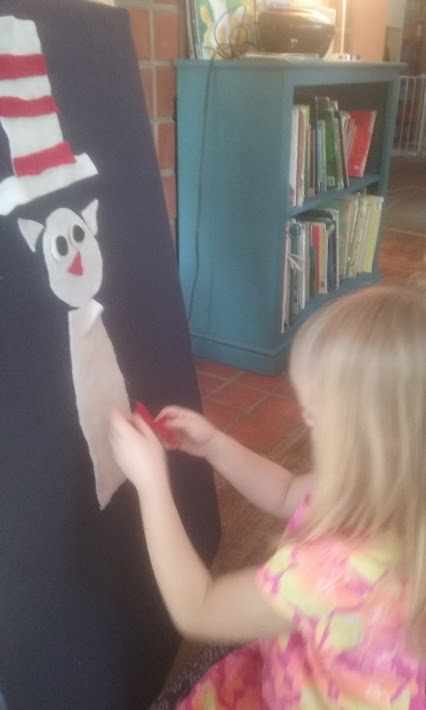
For this activity, we read the Cat and the Hat while constructing our very own!

catstory3

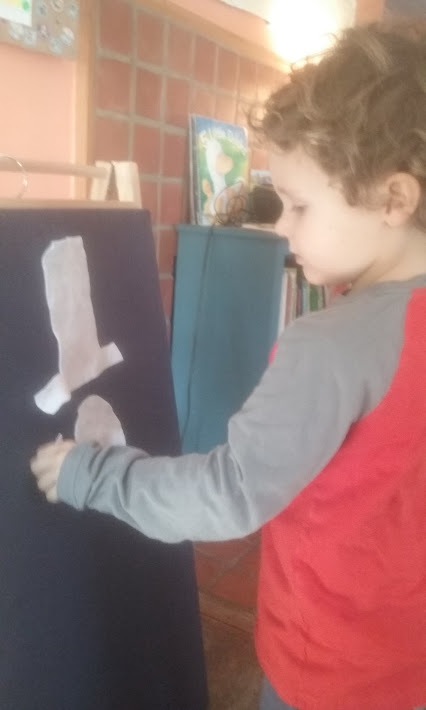
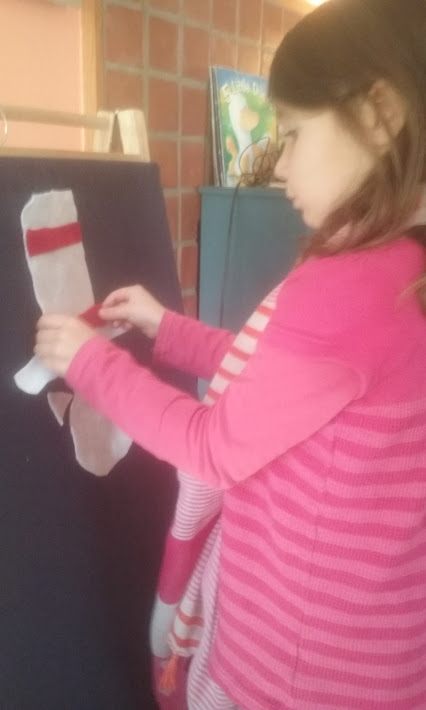
After each page was read, a student would bring their “piece” of the story board up for everyone to see.

catstory5

They would then place it onto a flannel board to relay their part!