Counting Cows

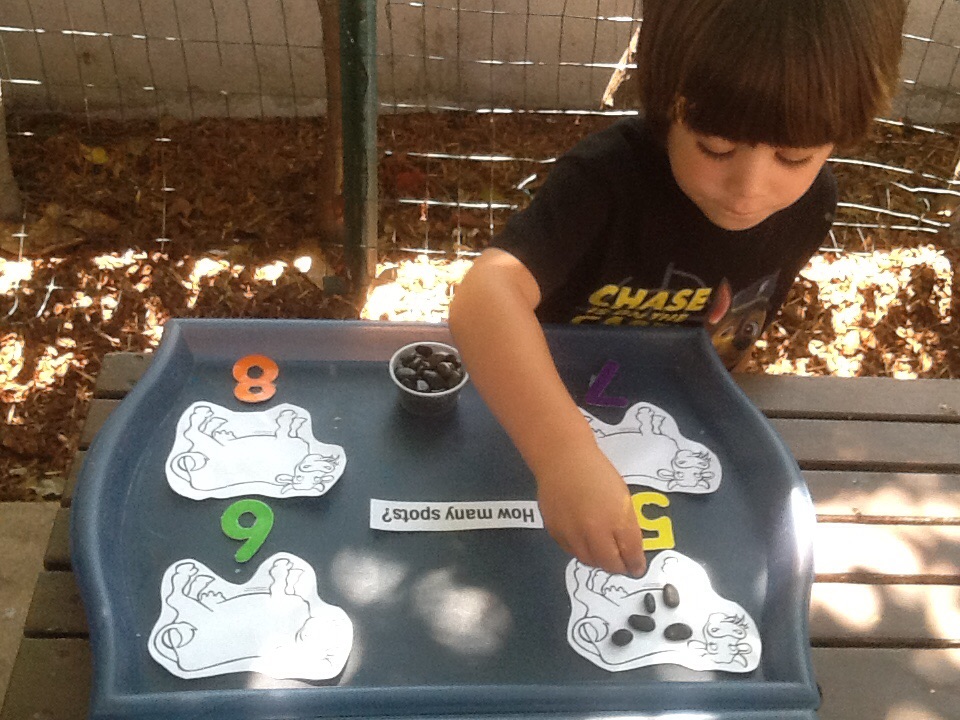
Using black stones, we learned about dairy cows, counting, and numbers!

image

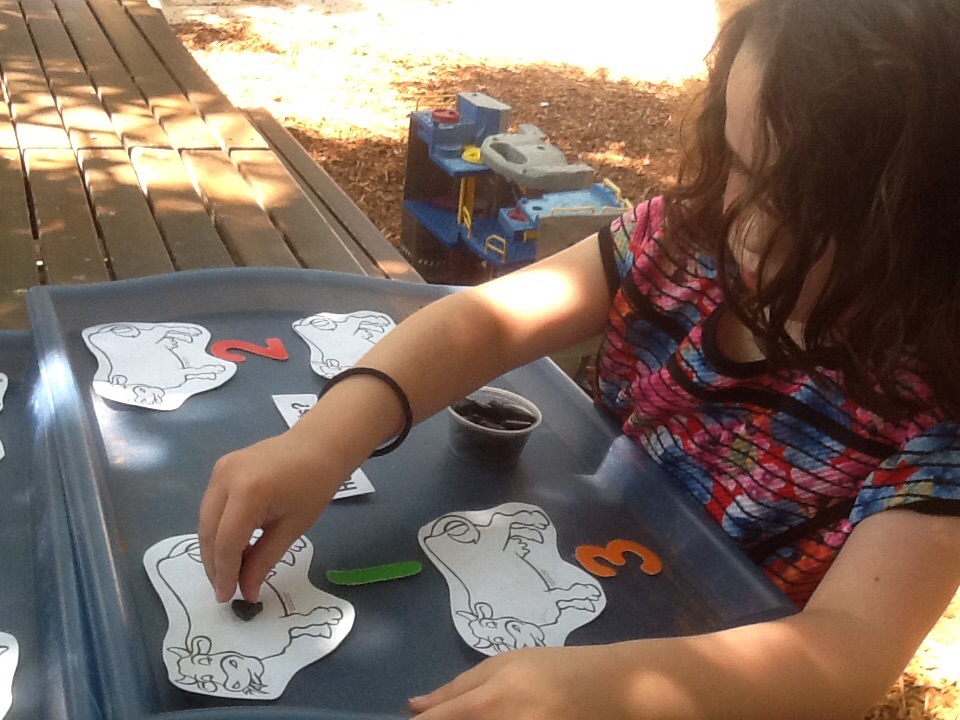
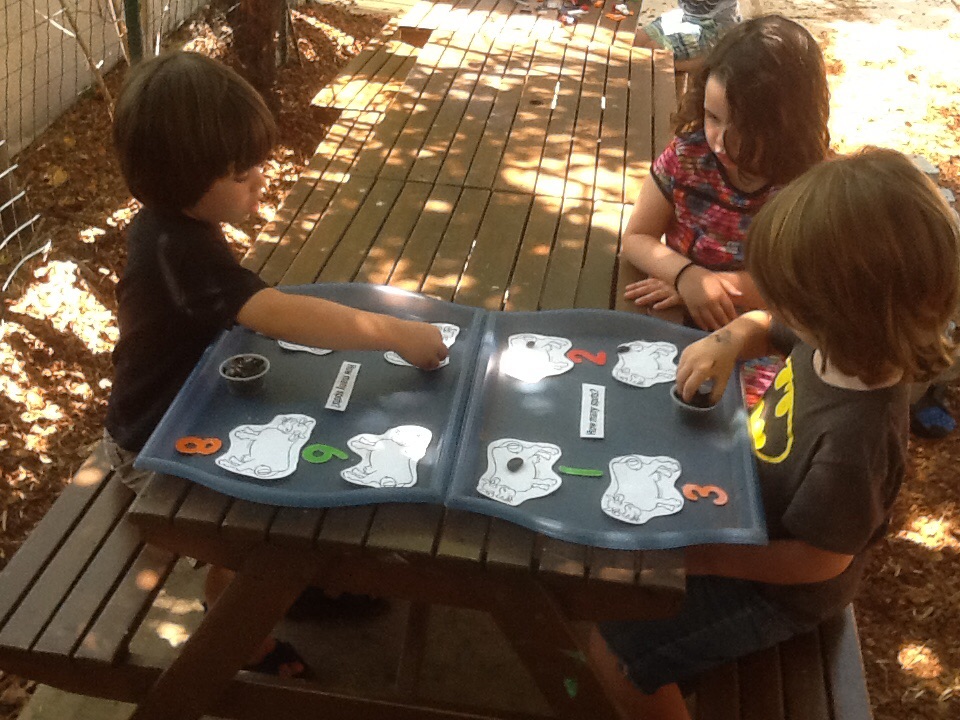
Each child was given a group of white dairy cows with various numbers written below them. They then placed the correct number of “spots” onto each cow, counting as they did so.

image

After this, we talked about what the various numbers look like.

image

By counting, young children gain an understanding of concrete relationships.

image

By counting, our students also learn that each object gets one number. In gaining insight of concrete relationships, they further their comprehension that things continue to exist.

image image

How Many Legs?

Young children experience a great sense of accomplishment when they learn how to distinguish between different amounts.

image

By noting differences in numbers, they are building a foundation for more complex mathematical thinking.

image

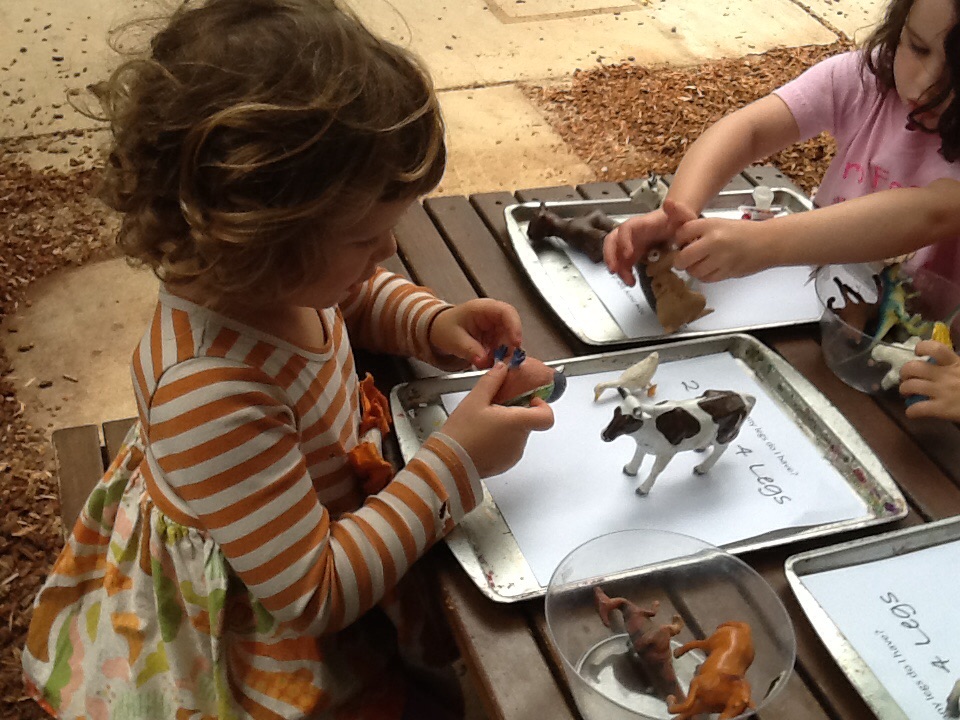
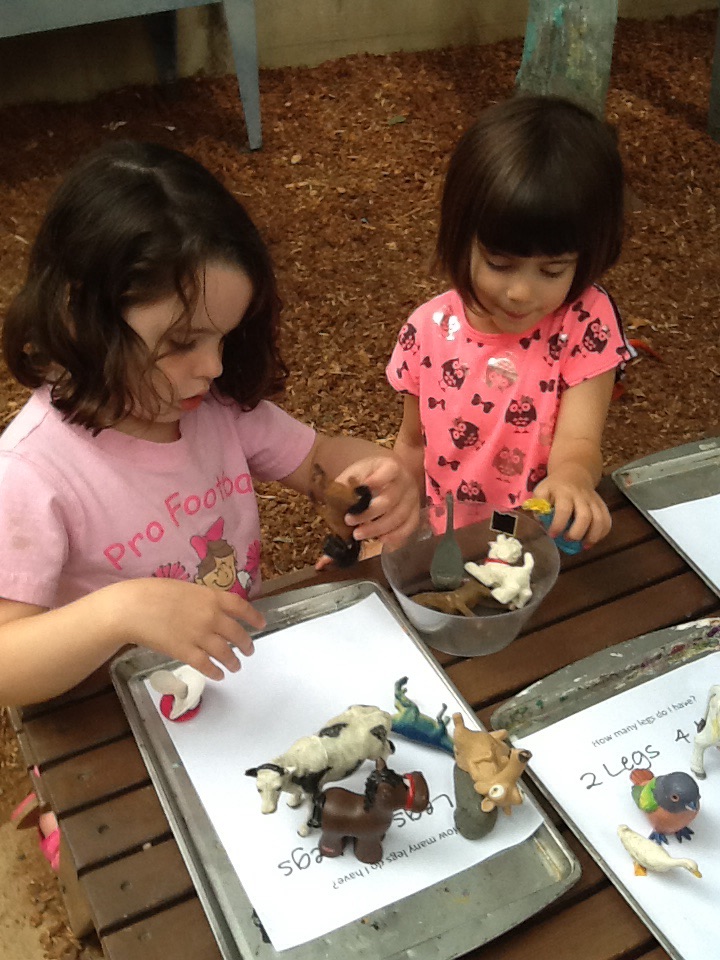
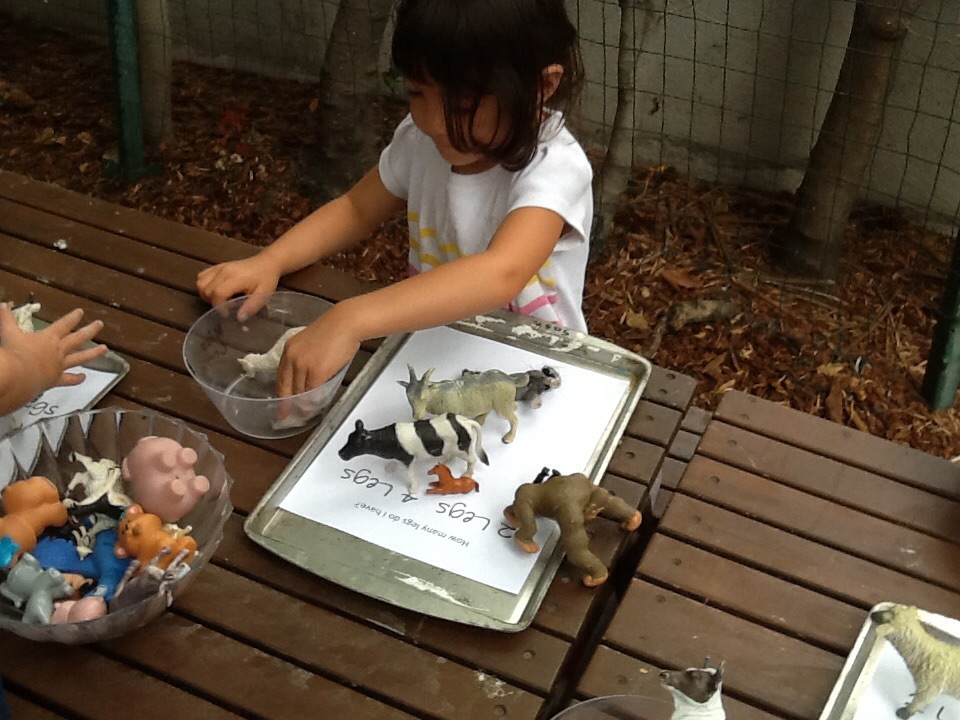
Using picture diagrams, we practiced sorting and counting some of our favorite farm critters!

image

There were two categories: animals with two legs, and animals with four legs. Each student placed their creatures under the correct number after counting the number of legs.

image

Hopping Corn

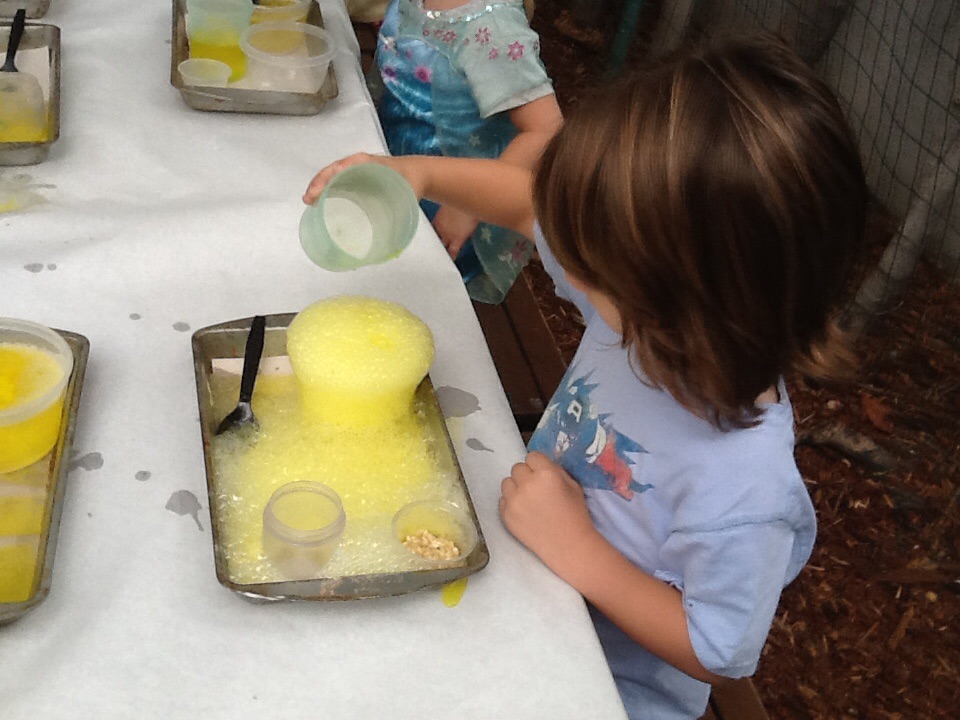
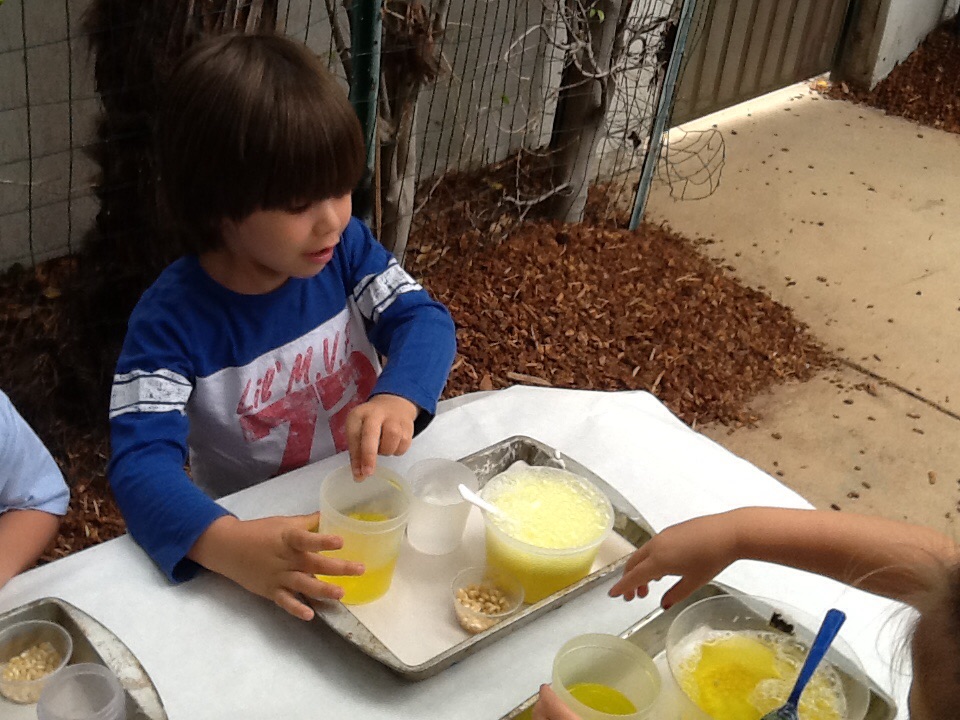
This was a really entertaining science activity meant to teach your little farmers that corn has multiple uses! With a few steps, we made popping corn become HOPPING corn!

image

This corn hopped up and down repeatedly in each container for over an hour.
image

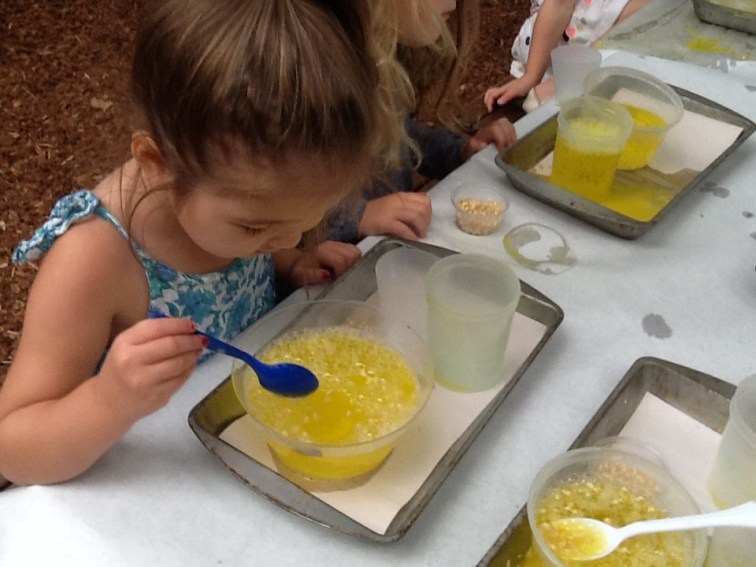
It’s so much fun to watch (mesmerizing would be the best word to describe it) and it created a great opportunity to talk about gases, liquids, and solids with your budding agriculturalists. Each child first filled their jars with water and added a couple drops of food coloring.

image

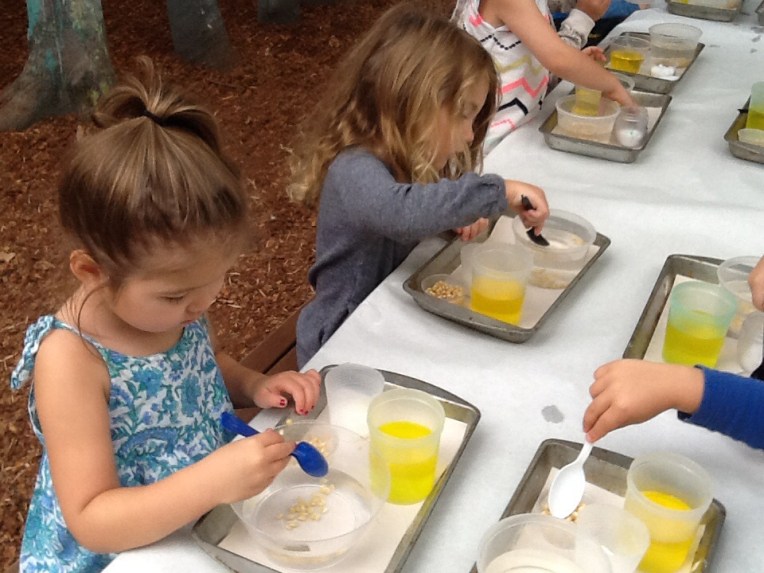
They then added baking soda and stirred until it was all dissolved. Following that, we added a small handful of popping corn kernels. Lastly, we added the vinegar and watched the corn start to hop up and down!  The science behind the activity is that when the baking soda and vinegar combine, they react to form carbon dioxide (CO2) gas.
image

The gas forms bubbles in the water which circle around the corn kernels.
image

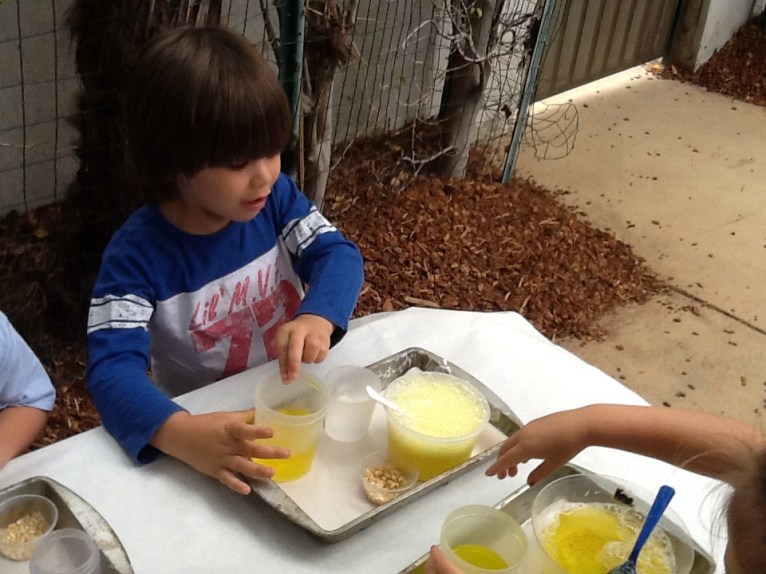
The bubbles lift the kernels up to the surface and when they get there they pop and the kernels sink again.

image

The “hopping” continues until the vinegar and baking soda have finished reacting. For us, it lasted over an hour!
Harvesting Corn

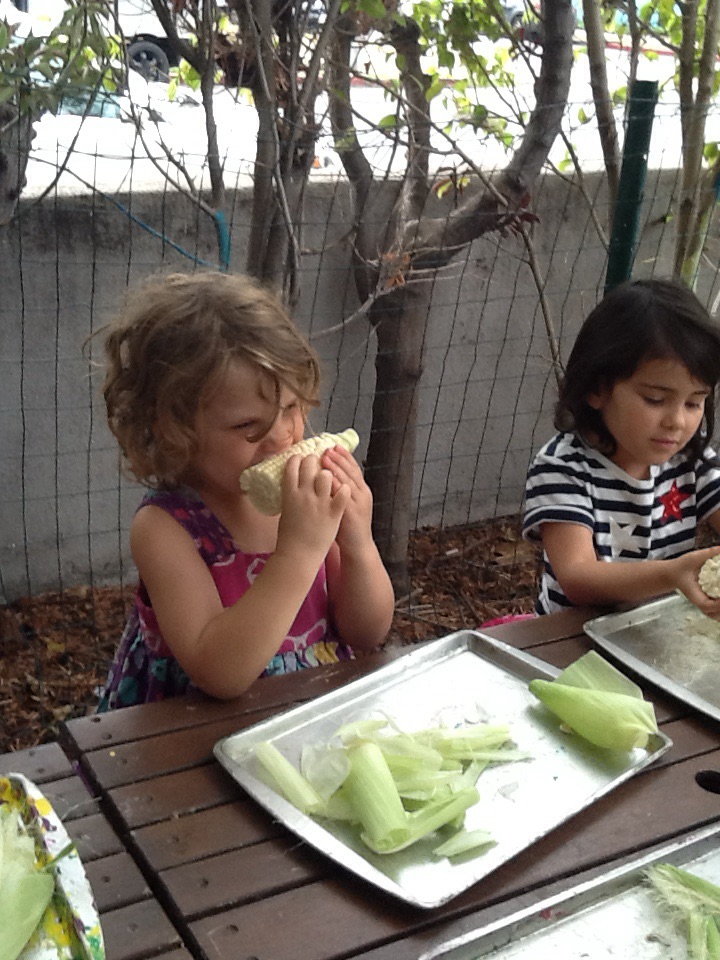
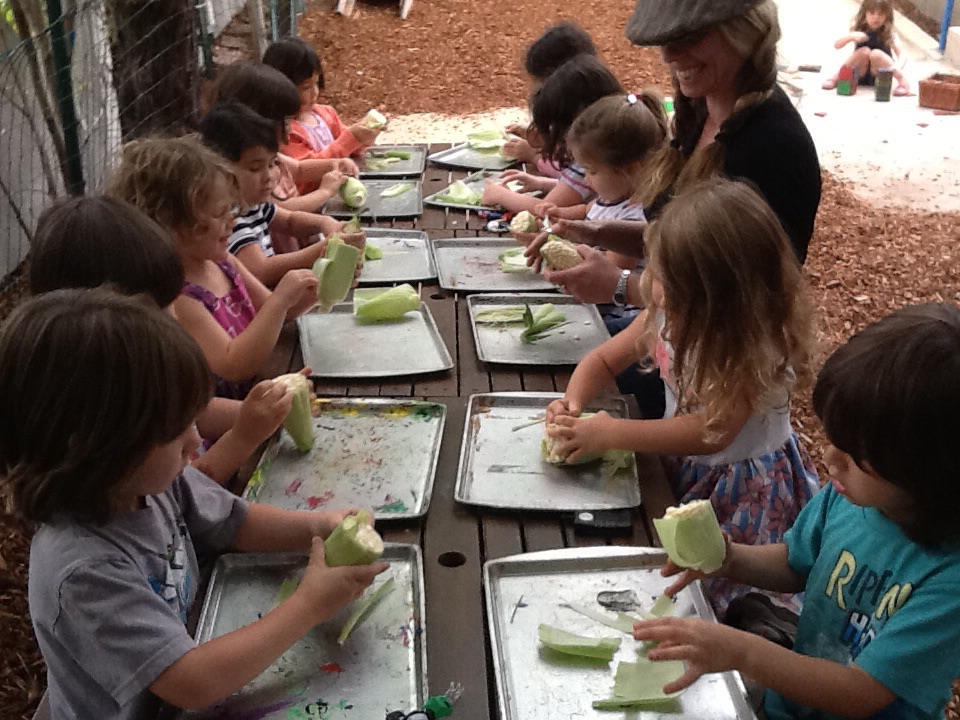
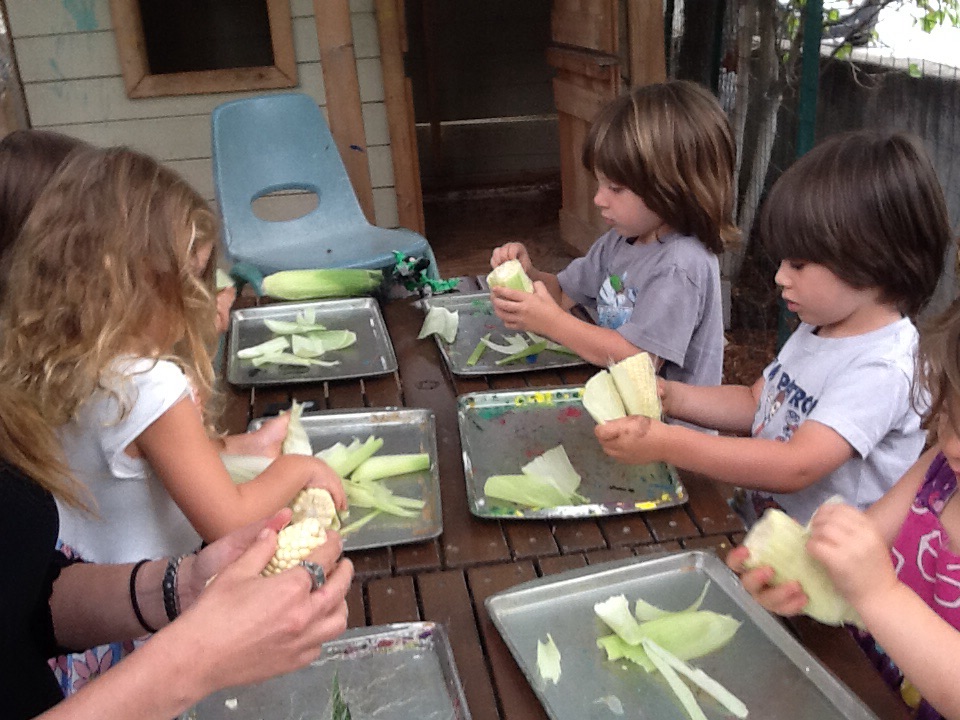
We not only learned about the history of corn, but its anatomy, how it grows, and most importantly, how to eat it! Using our fingers, we removed the husks from sweet corn, cooked it, and ate it for snack!

image

image

When children are involved with food experience and food preparation, they are more interested in trying it.

image

Husking corn gives children an opportunity to see how corn looks when it leaves the field.

image

They are learning that corn simply does not come out of the freezer or a can off the shelf.

image

image

It is an opportunity to touch, see the husk of the corn kernels, and hear the snap and crackle of the corn husk as it is pulled off of the ear.

Garden Sensory Bin

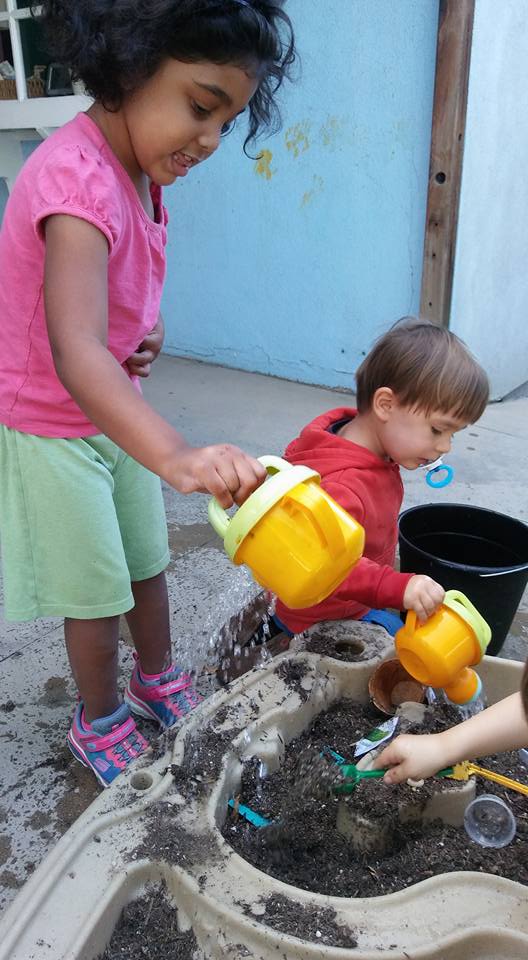
Every garden offers children a rich, sensory playground, full of interesting things to discover and learn about.

garden

There’s a whole lot of science happening right before their eyes.

garden1

gardensens2

The garden can also be a place to develop math and literacy skills, as the outdoors offers up plenty of invitations to count seeds and learn new plant names.

garden2

gardensens3

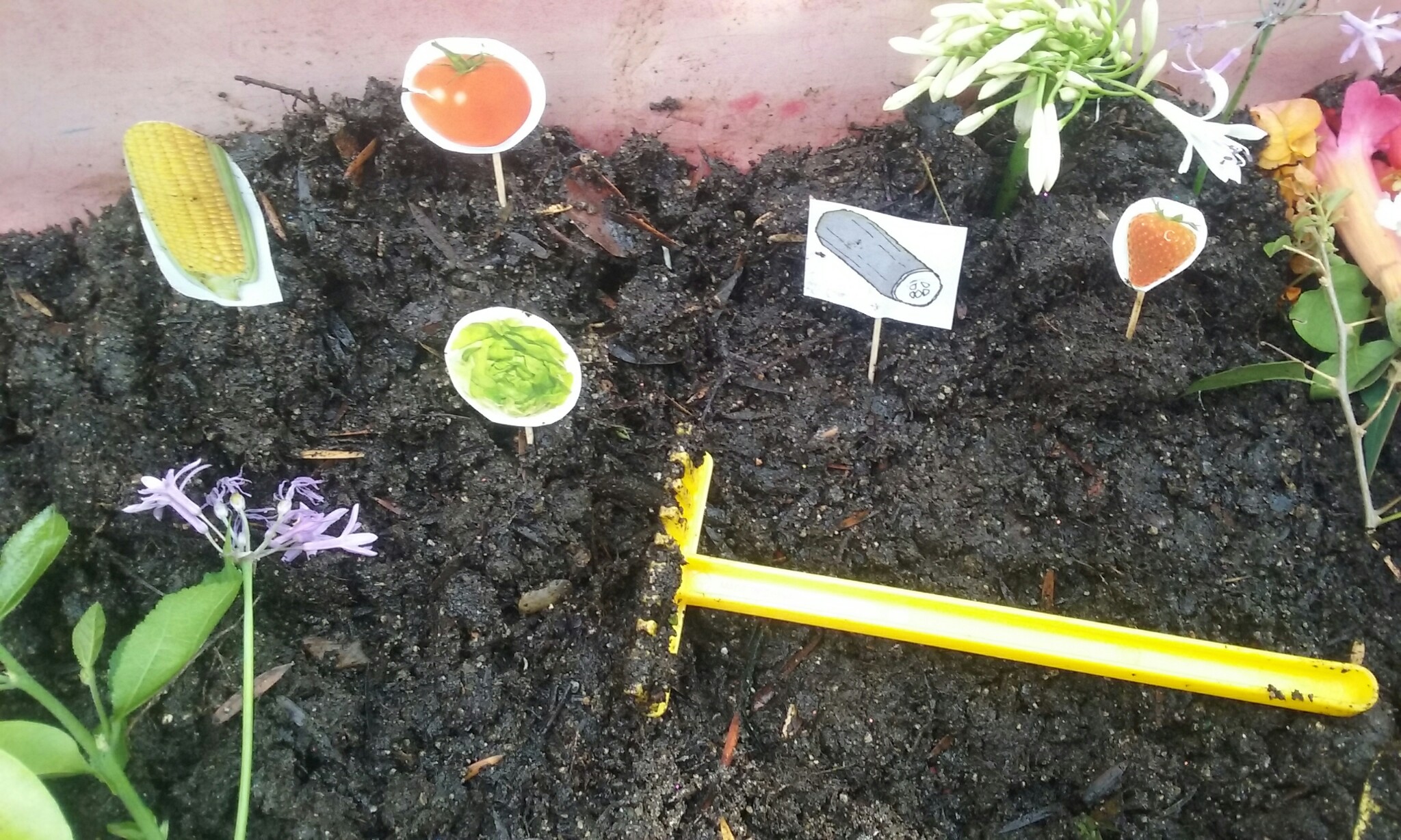
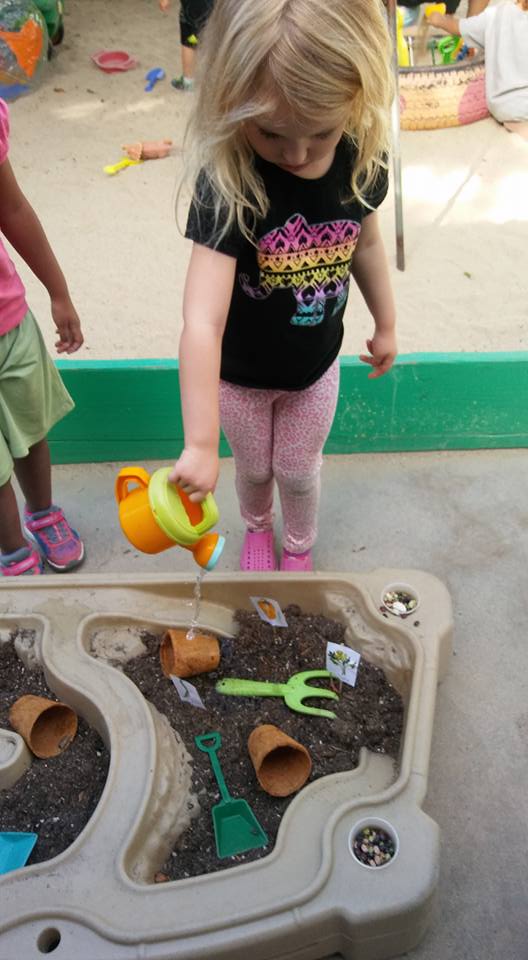
The garden classroom is a place where plants grow, and where children grow too. For this activity, we used soil, seeds, shovels, plant labels (toothpicks with pictures on them), and our imaginations to create our very own garden!

garden3

Students worked together to create their very own masterpiece of flowers. oranges. cucumbers, and other exciting foliage to help them be the best gardeners they could be!

garden4