Feelings Pumpkins

Felt pieces are fun and inexpensive and allow children to practice creative and problem-solving skills. We try to use as many open-ended activities as possible, so your child is motivated to think divergently. Open-ended materials are those which young children can use for creative play in any way they like, within a set of guidelines for safety and clean up. Open-ended materials are like open-ended questions.

pumpface1

There is no “one” answer or one “right” way to use them. Any child can enjoy, and be successful in creating with a few simple materials, such as felt. Using open-ended materials nurtures both the child’s creativity and self esteem. Blocks, dress ups, props, recycled items, and natural materials like seeds, earth, sand, and water are also open ended materials which can be used in many ways. For this activity, we used felt pieces to create a variety of faces on felt pumpkins. There was no right or wrong answer. Each child created an expression that they saw fit, according to their own understanding of the various facial expressions they saw on a few pictures.

pumpface

Spider Web Weaving

To help us hone our fine motor skills, we strung pipe cleaners through an spider-shaped colander. Parents may think that activities like these have very little developmental significance, but the truth is just the opposite.

lace

Activities like these are crucial because they allow a break in the sometimes monotonous tasks of tracing or even coloring, and provides a wide range of motion that young writers can use. dominant hands. Stabilizing the cards while working the pipe cleaner through the holes strengthens those little fingers and muscles.

lace1

Q-Tip Skeletons

The skill of effective problem solving is a valuable and important one.

72710075_2763169607050190_2156697770189127680_n

As a child looks at various pieces and figures out where they fit or don’t fit, he or she is developing this vital skill.

20181008_101123_HDRDiagrams, puzzles, and tangrams do just that.

72556523_2763169777050173_5428631086374584320_n

Because the study of the human skeleton may seem like an abstract one for the average preschooler, we try to involve your little one in activities that appeal to their sense of play. For this activity, students used q-tips to construct a skeleton.

71890975_2763169270383557_8263949292947898368_n

With a place mat as their guide, they placed q-tips onto various bones, counting as they did so.

71817609_2763169700383514_3763797798466617344_n

Activities such as these teach children to use their own minds to figure out how to solve problems and think in a logical way.

71932565_2763169853716832_3093077829869371392_n (1)

Ghost Addition

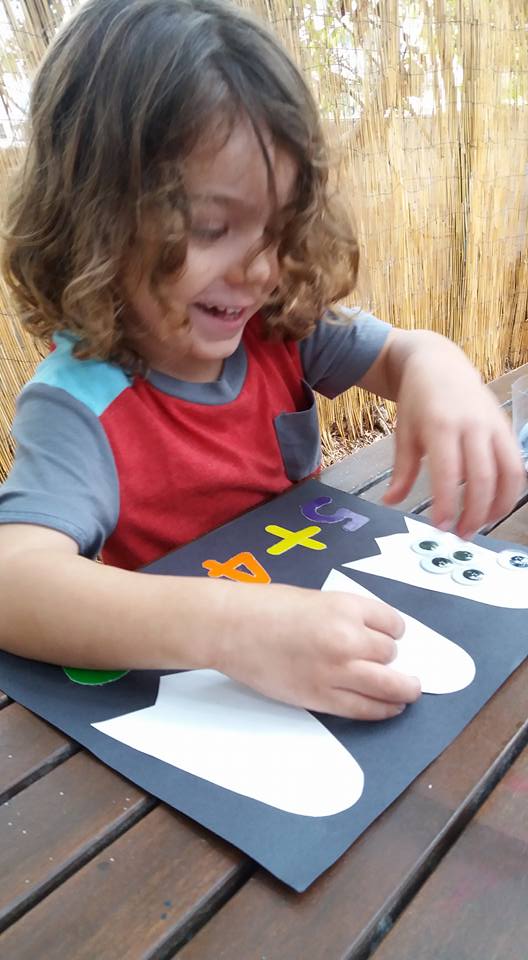
With the aid of colorful illustrations (including googly eyes) we discussed what it means to add something to an object. In this case, there were two paper ghosts.

math

Underneath each ghost was a number. Between each ghost was a “plus” sign.

math3

A class discussion was then initiated as a means to relay the meaning of this exciting symbol.

math7

We then added a counting element to this activity. Using googly eyes, we practiced adding them to our ghosts. Using real life items illustrates this complicated concept for young children, and enables them to make connections not allotted by simply using a paper and pencil.

math1

Manipulating colorful materials also provides instant feedback, which enables students to create meaningful connections between a concept and its application to real world situations.

math6

Skeleton Puzzle Match

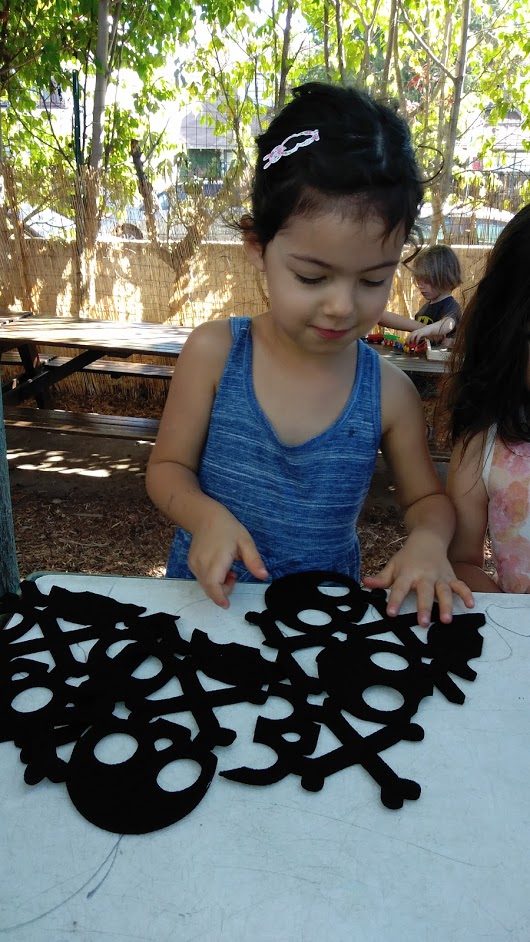
Puzzle games are an early learning favorite for educators and children alike! By matching the shapes to complete the picture, students enjoy themselves while developing important skills such as problem solving and shape, pattern and color recognition. This game was intuitive and fun, with a variety of shapes designed to help your preschooler think critically. For this activity, your little one was gently guided to match pieces of a skeleton placemat together.

puzzle1

The puzzle was made out of a foam mat, so it had the added bonus of being easy to grip. The skill of effective problem solving is a valuable and important one. As a child looks at various pieces and figures out where they fit or don’t fit, he or she is developing this vital skill. A puzzle, after all, can’t be completed by cheating! It either works and fits or it doesn’t. So puzzles teach children to use their own minds to figure out how to solve problems and think in a logical way.

puzzle


Static Electricity Bats

Static electricity is the result of an imbalance between negative and positive charges in an object.

static

These charges can build up on the surface of an object until they find a way to be released or discharged.

static1

For this activity, we experimented with static electricity to create moving bats!

static2

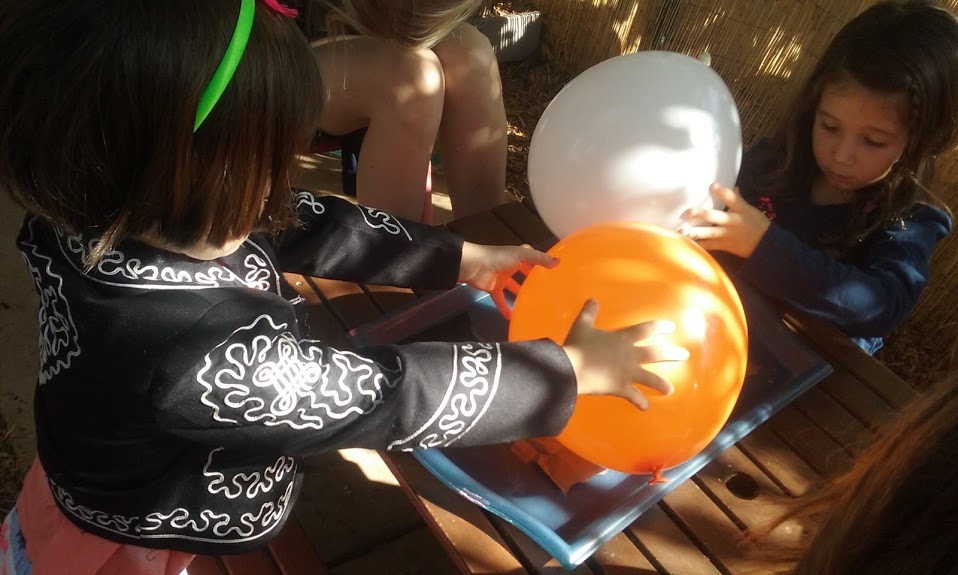
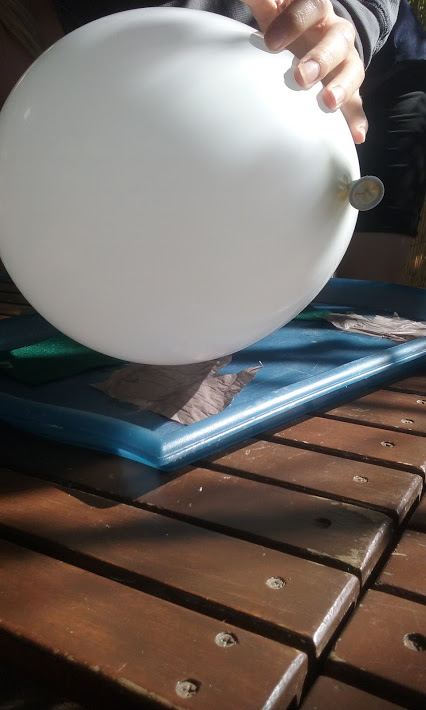
We first rubbed the balloon on a piece of felt to create an electric charge.

static3

We then moved the balloon over our bats, which were made out of tissue paper.

static4

The static electricity enabled the bats to fly!

static6

Pumpkin Play Dough

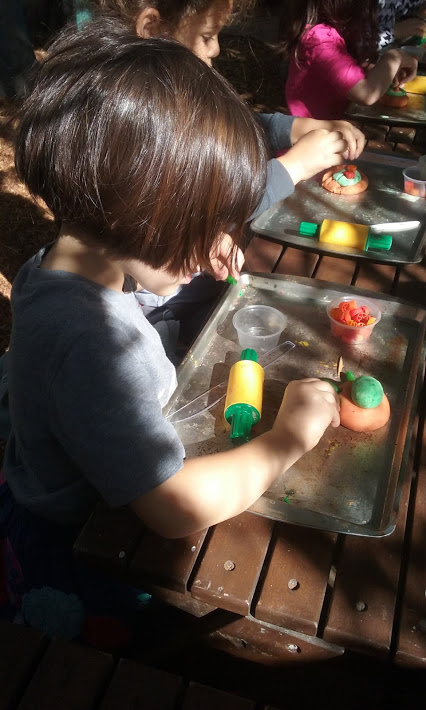
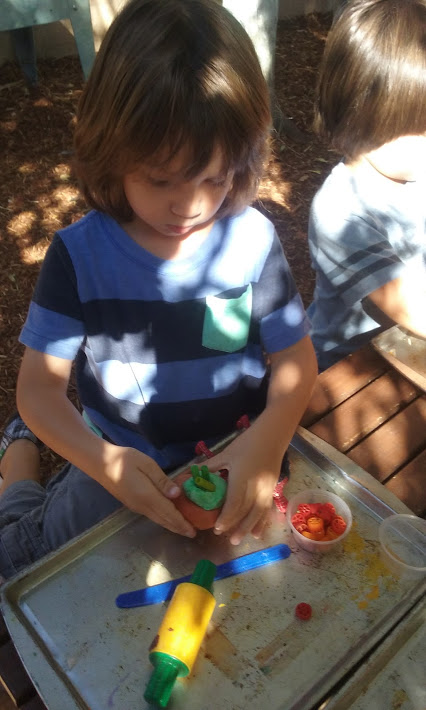
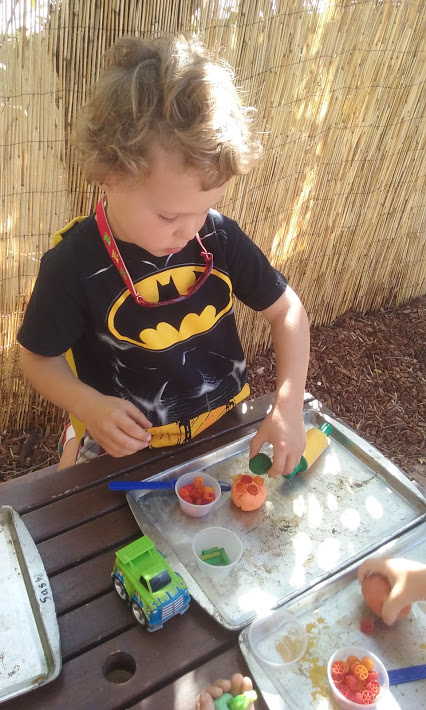
We have been learning all about pumpkins, so we made our very own!

pump1

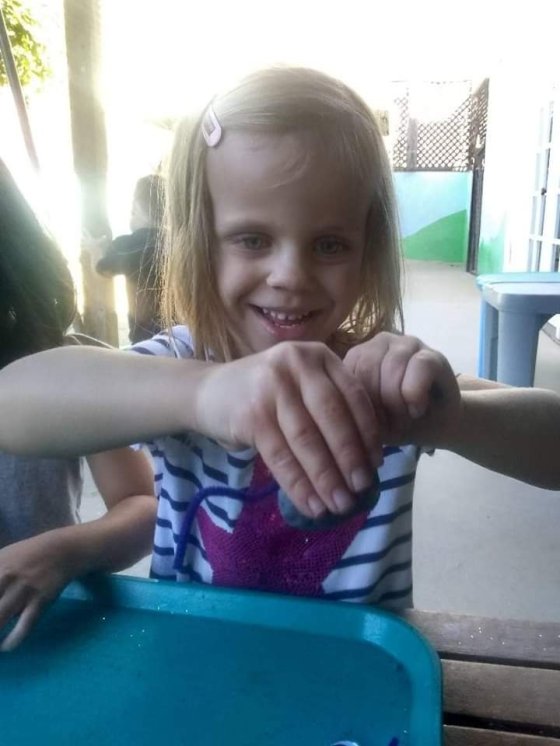
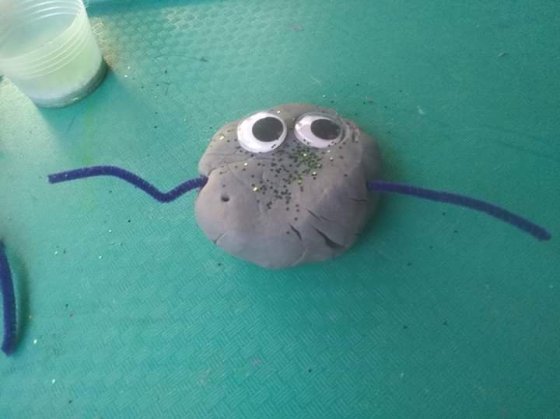
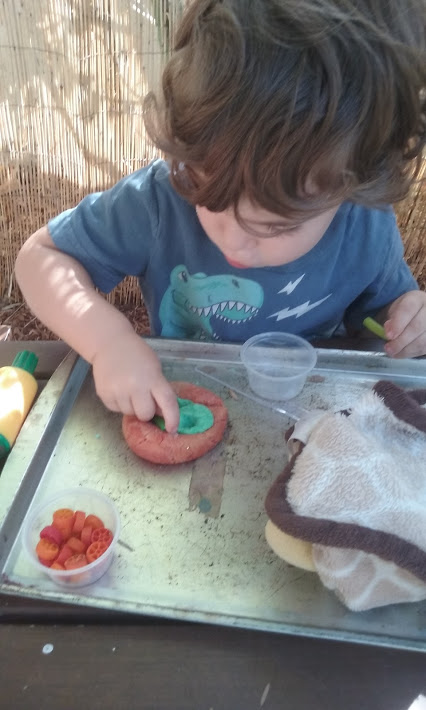
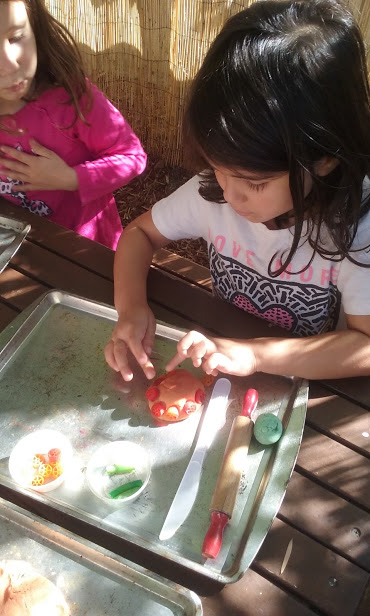
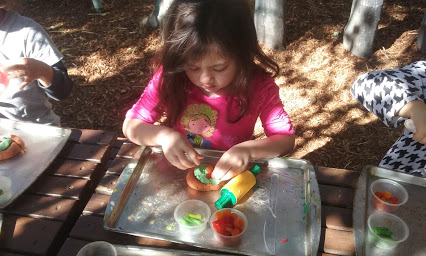
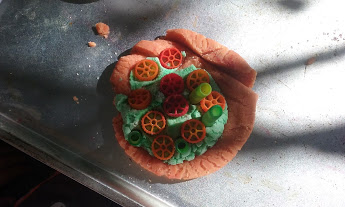
Using play dough as a medium and colored pasta, we created our favorite Halloween plant!

pump2

This activity also revisited and reinforced such vocabulary as “stem”, “pumpkin patch”, “top” and, and “bottom”.

pump3

Using play dough helps a child practice using certain physical skills with the hands when they manipulate the dough with their fingers.

pump5

Children can practice skills such as pinching, squeezing or poking while they play with the dough.

pump6

Lastly, using play dough helps a child practice using imagination and other cognitive abilities such imitation, symbolism and problem solving.

pump7

This helps our little ones learn more about their environment as they make and mimics everyday objects with the play dough.

pump

pump8

Pumpkin Pounding

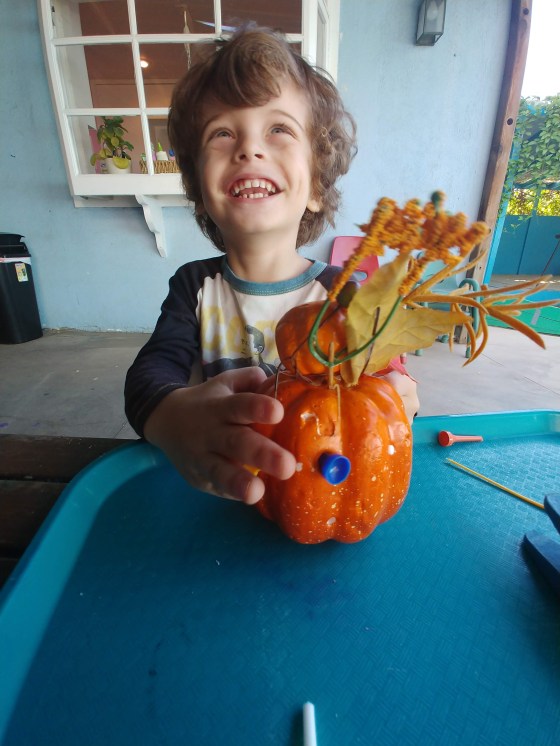
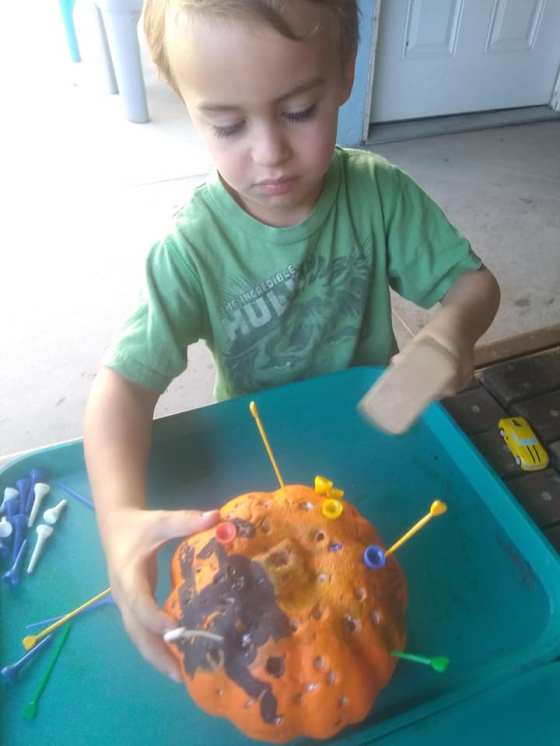
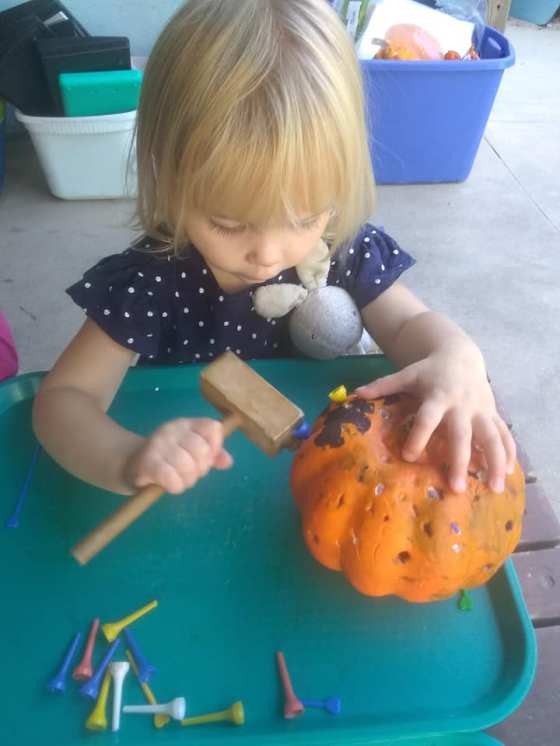
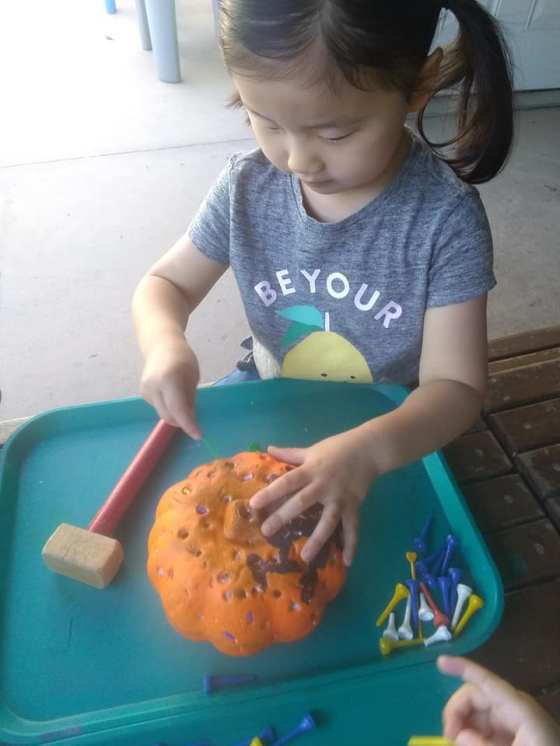
Using golf tees and wooden hammers, we practiced hammering golf tees into styrofoam pumpkins.
20181005_101628
This encouraged motor development, hand-eye coordination, creativity, and math and science skills!
71274845_2750600934973724_8012235798193635328_n
As young children explore with age-appropriate tools, they use small and large muscles.
71642255_2750600124973805_7321711838473748480_n
As they make decisions about the orientation of the golf tees, they participate in problem solving skills.
72669500_2750599924973825_920114528904019968_n
Lastly, as they complete their project, they experience a feeling of accomplishment.
71804726_2750599744973843_8018412742849331200_n
Most importantly, they had fun while doing it!

Bat Caves

Most bats are nocturnal. They fly and forage for their food (bugs) at night.

This means that they need safe places to sleep during the day.
22688906_1727347950632366_7900297536231021380_n
Caves provide the kind of protected shelter in which bats can thrive.

Hanging from the ceiling of a cave, bats are out of reach of most of their enemies.
cave8
Some of the most successful species of bats live in large cave colonies. Some of these colonies have millions of members, even up to 20 million!

Using dirt, rocks, toy bats, and our imaginations, we created our own caves!

Sensory play is an integral part of how your child examines, discovers, categorizes, and makes sense of their world.

As they create their caves, they are taking in new information through their senses, acquiring language skills, and collaborating with their peers.