Monster Charades

Young children are brimming with passionate energy, and have a need to expel the creative images forever simmering within their minds. Often times the wild play that preschoolers can engage in comes from the need to externalize their imagination. In the context of the preschool classroom, a great way to help a child reach their full creative self is to guide them through different theater games.

20141017_105415

Age appropriate games help the child to explore the depths of their own creations as well as open themselves up to the ideas and thoughts of others. For this particular activity, we used monster masks that we had previously created in class, to play a silly form of the game Charades. Each child acted out the kind of monster they wanted to emulate, as their classmates cheered them on. Some of our favorite monsters were the cow monster, baby monster, and grandpa monster.

20141017_105322

Exploding Pumpkins

Your little ones love to explore with the many science activities that we do throughout the week.

20141009_112049

These activities not only engage your child, but explain the physical properties of objects, teach cause and effect, and provide the necessary hands-on experience most conducive to learning.

explode

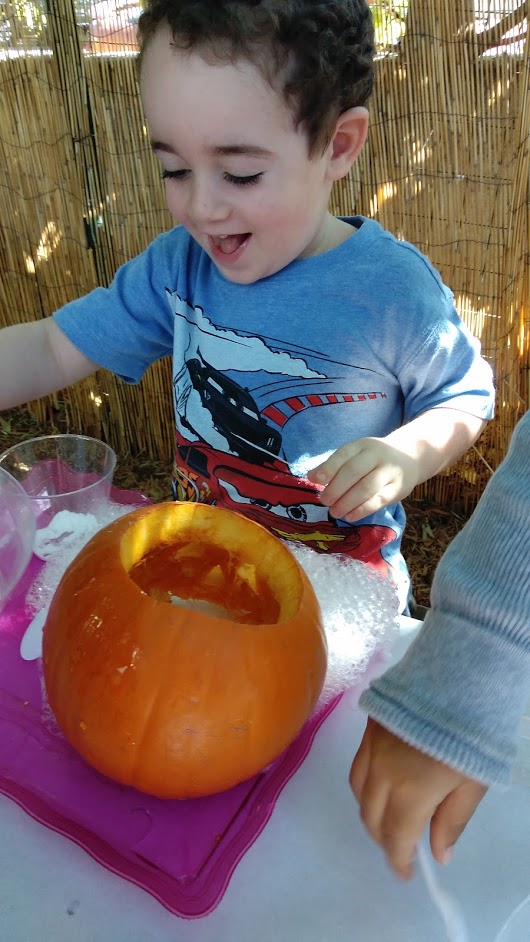
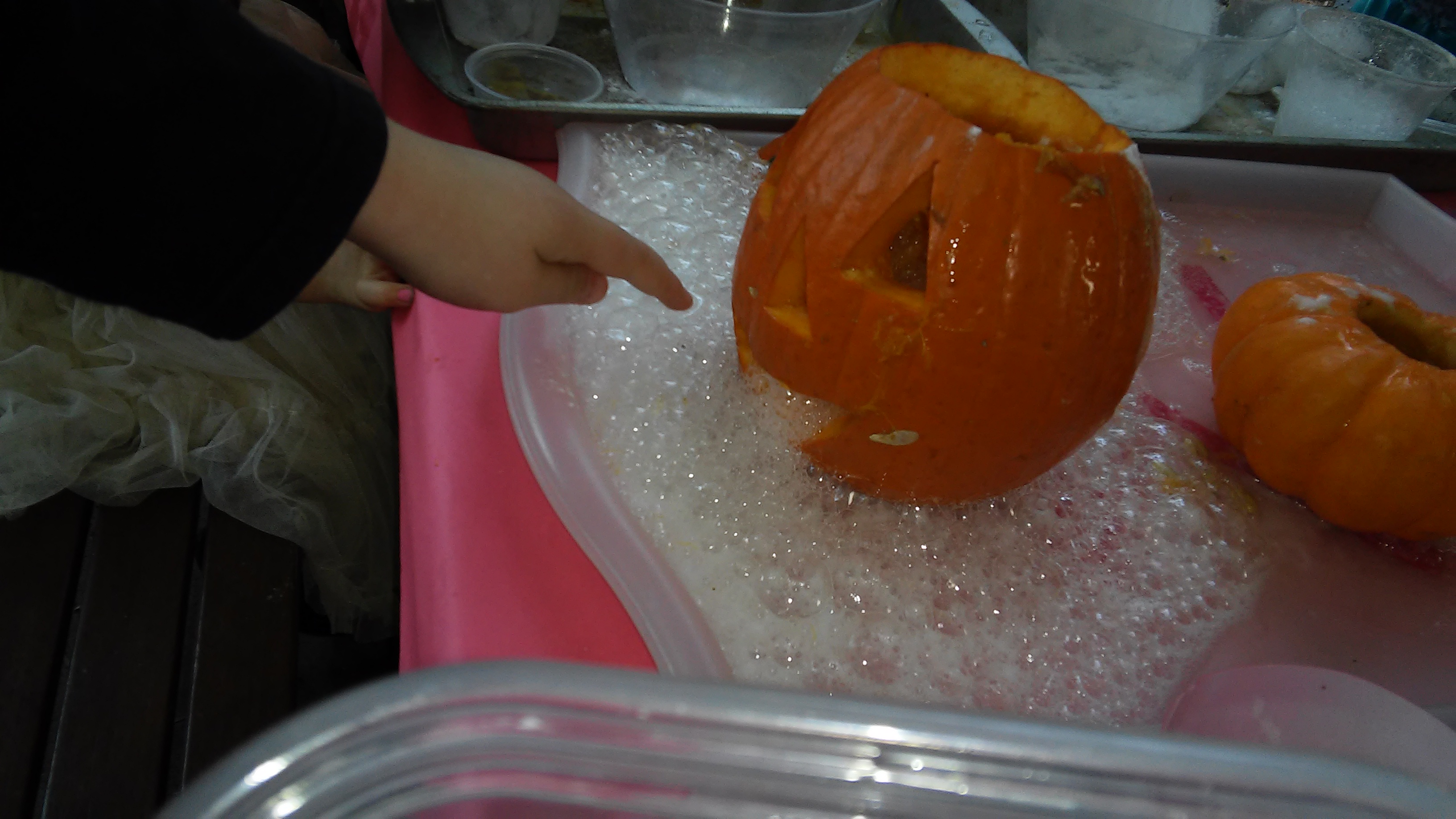
Using baking soda and vinegar, we mixed the ingredients, and poured them into our jack-o-lanterns.

explode1

This was the favorite of the week, and everyone enjoyed watching the fizzing bubbles, as they oozed out of the pumpkin faces.

explode2

Pumpkin Carving

Young children benefit most when they have experiences with objects they can manipulate.
pumpkincarve2
By carving pumpkins, your little ones learn about handling utensils, and the physical properties of a pumpkin!
pumpkincarve1
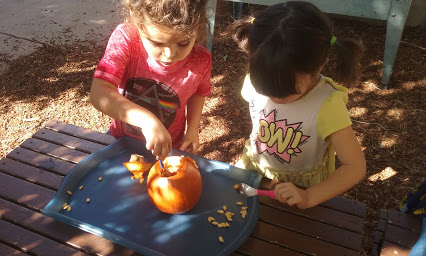
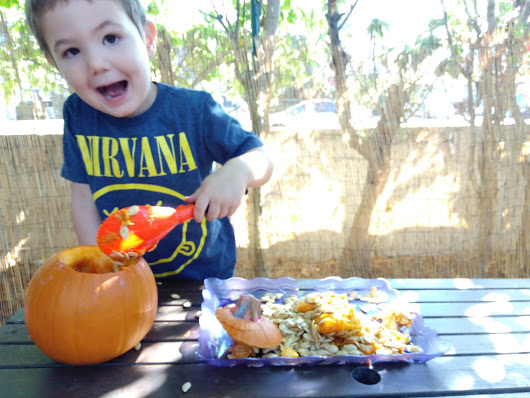
Each child was given their own small pumpkin, and with a spoon, scooped out the insides!
pumpkincarve3
This activity was significant because it fostered goal-oriented behavior, and encouraged creative reasoning, as the seeds were, at times, tricky to scoop out, and your little ones had to figure out how to do it!

Sink or Float

Young children enjoy learning about how things work.

float

By participating in a vast array of science activities, they are learning important critical thinking and observation skills.

float1

These activities also promote their inherent sense of curiosity about the world.

float2

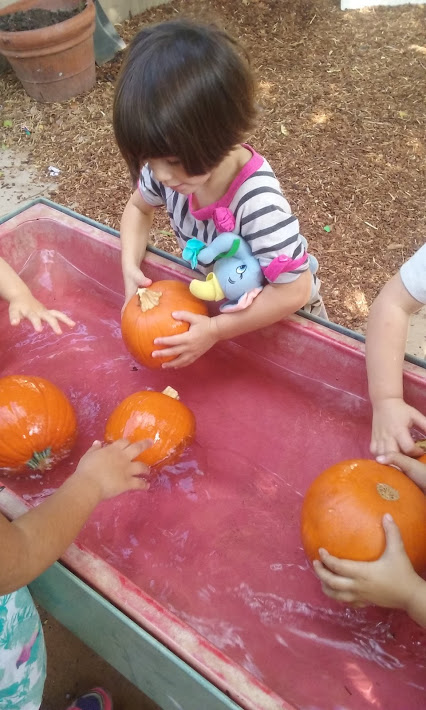
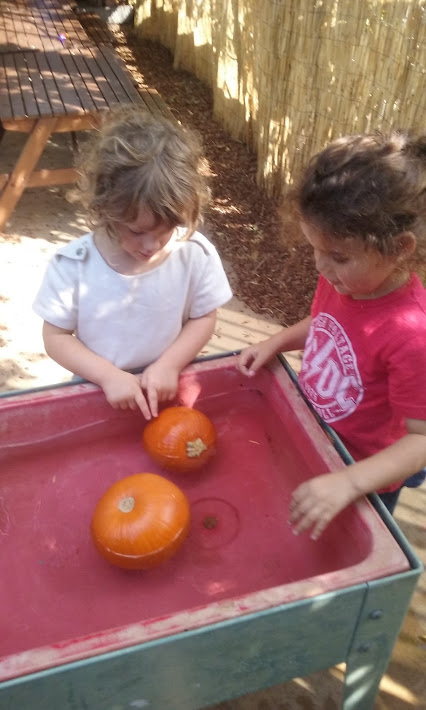
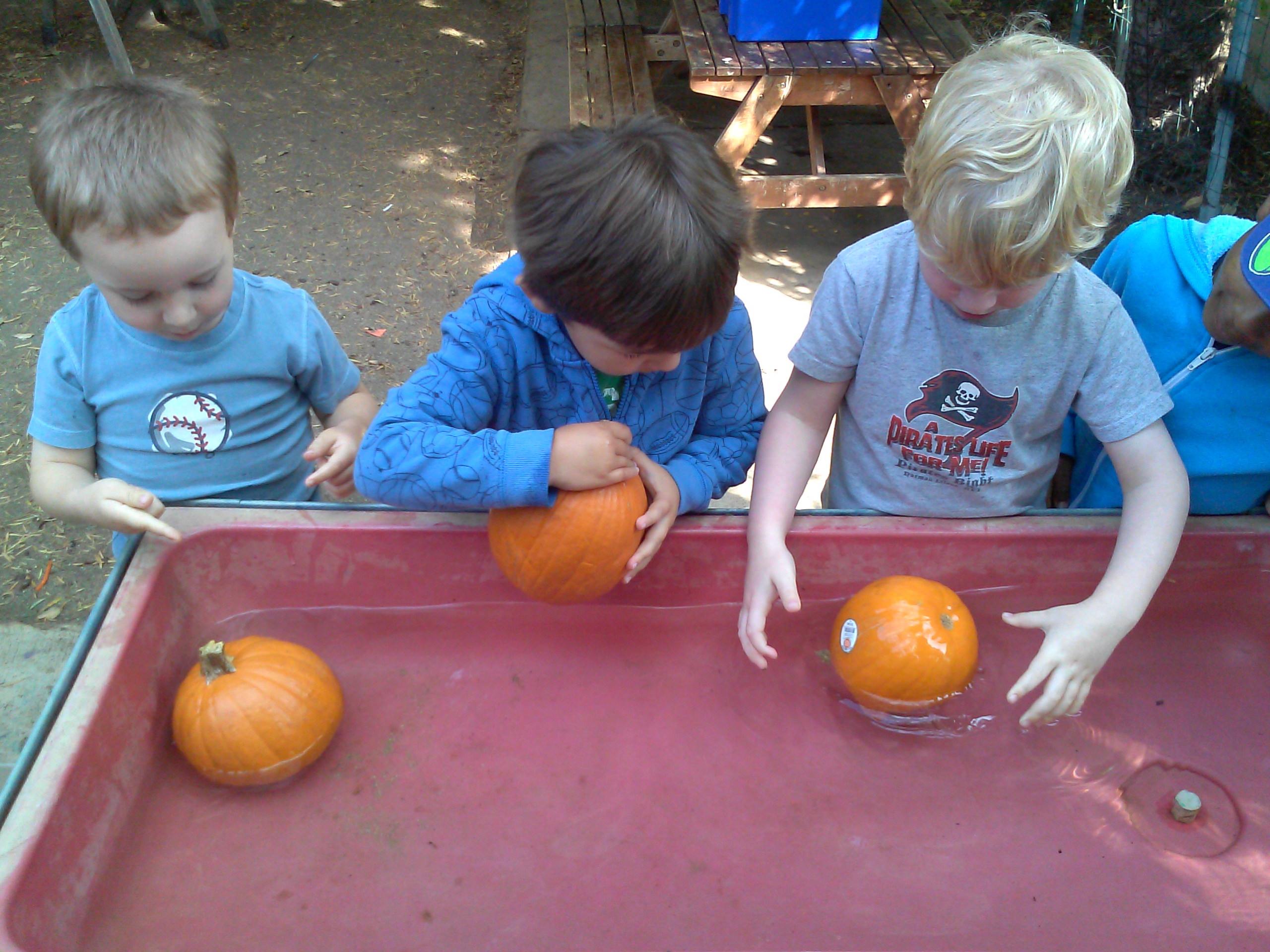
For this activity we experimented with sinking and floating.

float4

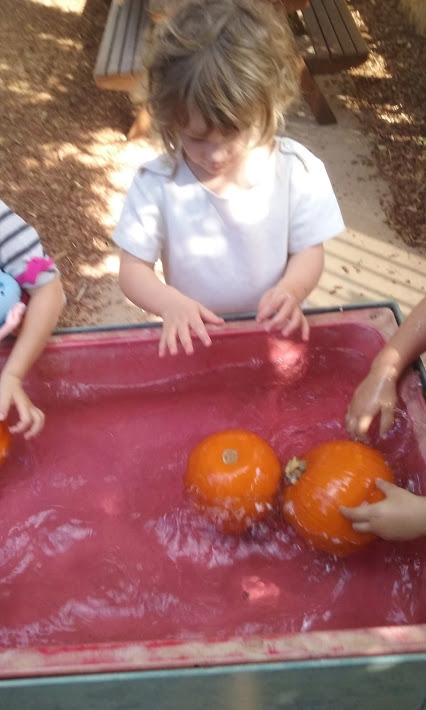
Using real pumpkins, we placed them in water to observe whether they would sink or float.

float5


Legos and Measurement

Measurement allows us to analyze the objects in our world.

measure

We are constantly doing it.

measure1

We measure the ingredients in food, objects, space, and time.

measure2

Before they are even aware of this new vocabulary, young children are constantly measuring items.

measure3

Fostering an awareness of measurement can not only help them master everyday tasks, but nourish their growing ability to think critically.

measure4

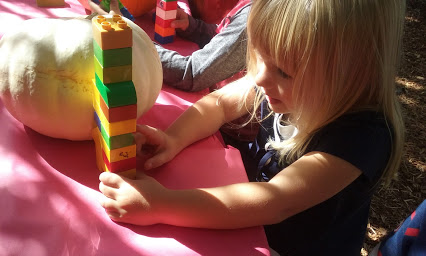
For this particular activity, we discussed the difference between height and width.

measure5

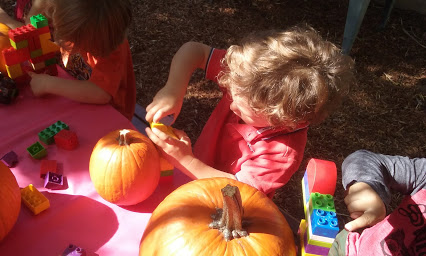
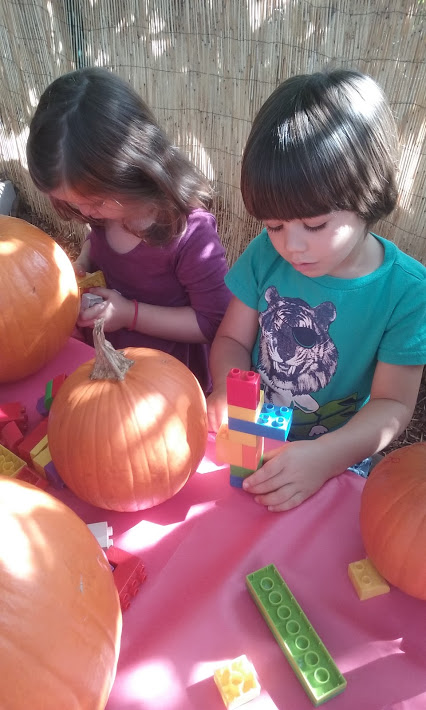
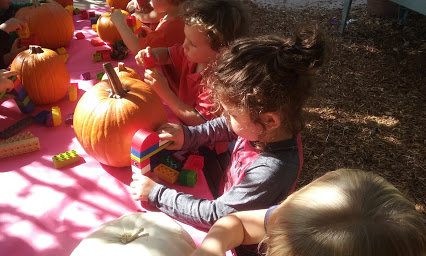
We then measured the height of a pumpkin with Legos.

measure6


Banana Ghosts

Strong counting skills will help your preschoolers progress as mathematical  concepts become more complex.

22310618_1716948048339023_2065436702423582933_n

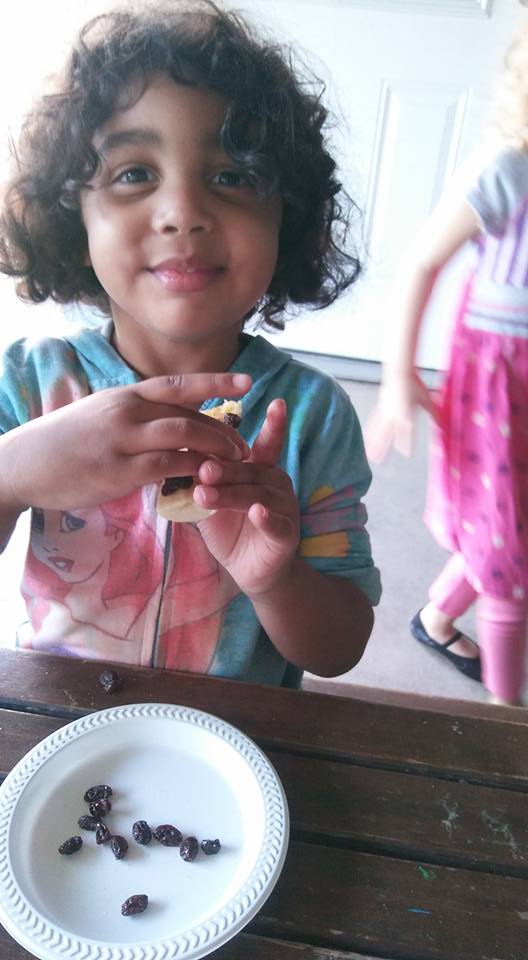
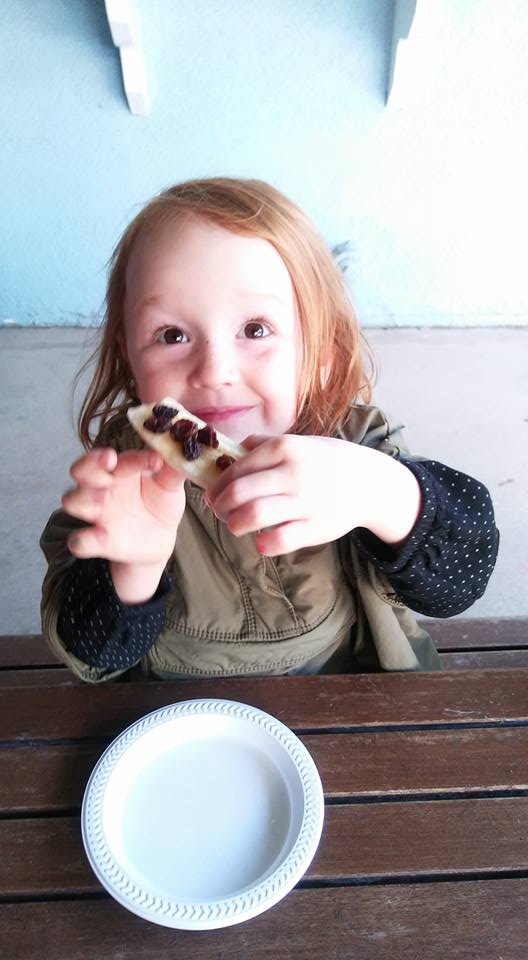
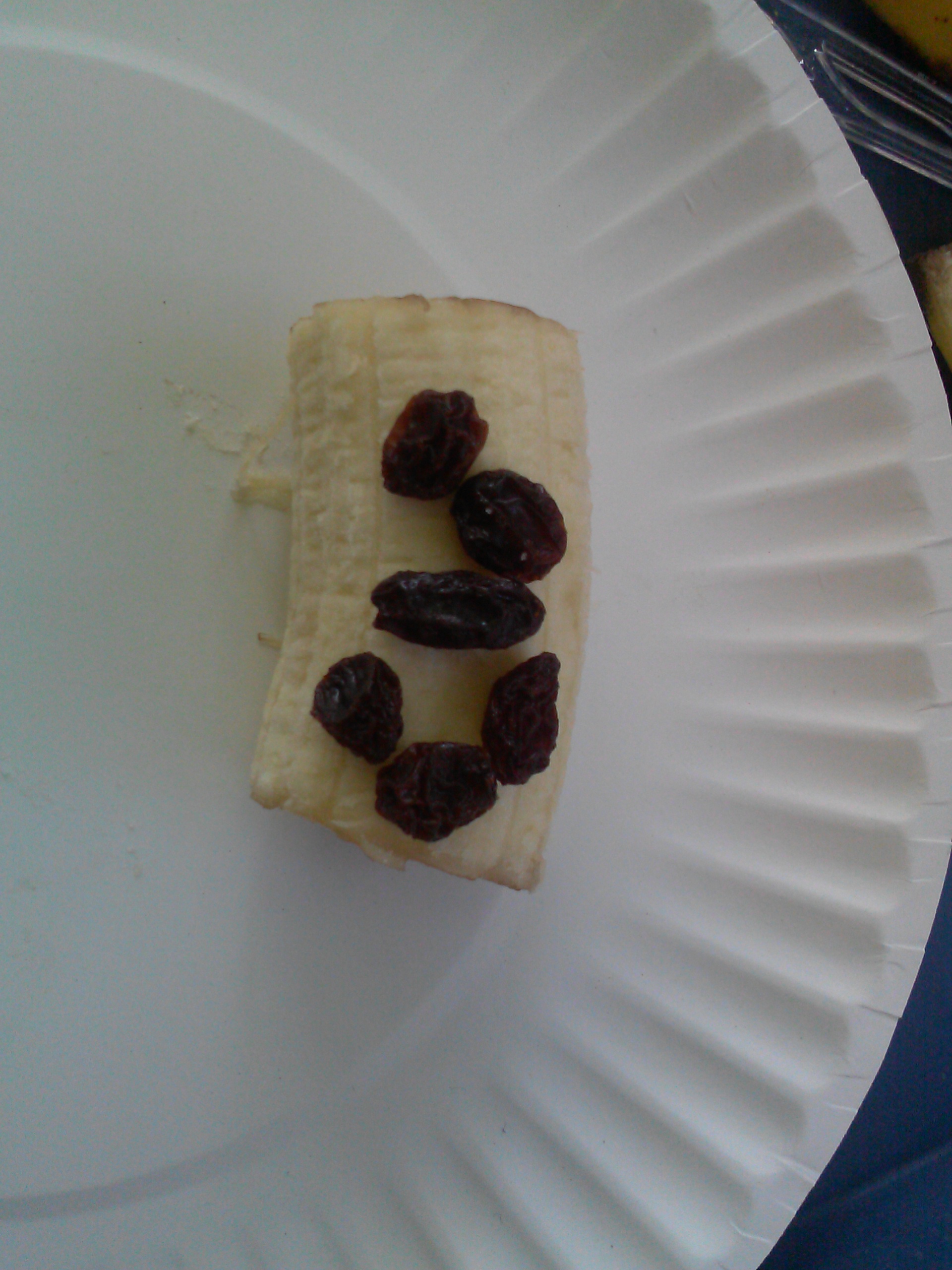
There are several ways to practice counting. To integrate this task into our theme, we created ghosts out of bananas and raisins.

22406279_1716948105005684_4236216793681419227_n

We discussed how many eyes the ghost should have and then counted the number on our fingers.

22448142_1716948131672348_5340328946260743663_n

We then acknowledged that we all have only one nose, and that more raisins would be required to create a mouth.

22491955_1716948158339012_1500809041173818626_n

Mastering number facts, such as sequencing and its application to real world experience, are necessary for the continual development of pre-math skills.

Image

Gooey Ghosts

Young children perceive their world through their hands. They are constantly on the move, manipulating things and arranging items as a means to understand their functions.

22281709_1713018288731999_247255160134511726_n

Providing materials and experiences that contribute to the acclimation on new concepts facilitates discovery and intrigue.

22282118_1713018338731994_8187020413376372157_n

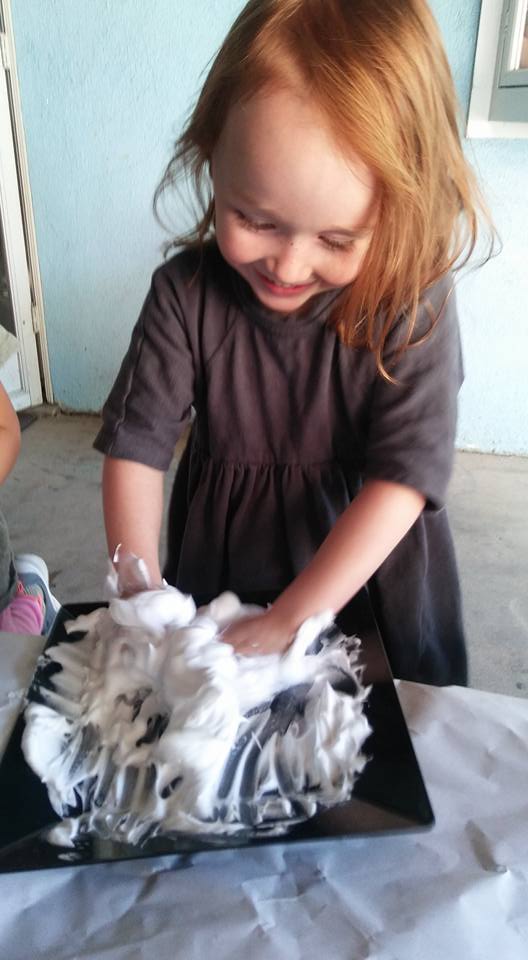
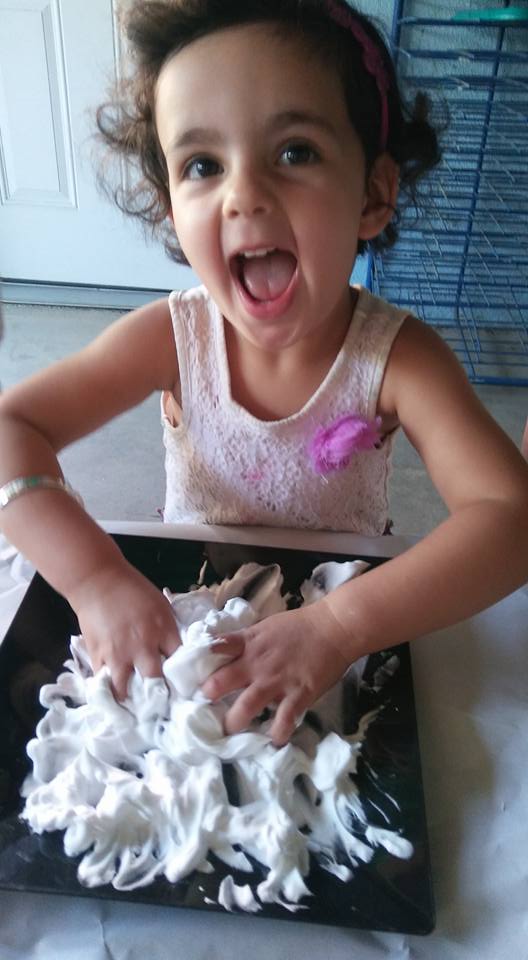
Using black pasta pieces, shaving cream, and baking soda, we created our own ghosts!

22366741_1713018405398654_3130627192393417776_n

Your little one squirted shaving foam out of a can and combined it with baking soda to create a dough.

22405496_1713018198732008_4089984372940040837_n (1)

They then added pasta pieces for the eyes. Lastly, they added vinegar, as they watched their ghosts foam and fizzle!


Ghost Patterns

When young children categorize items, they are beginning to perceive the relationships between things. As they evolve in their ability to compartmentalize objects, they start to understand how things work together. In this activity, your budding mathematician learned how to recognize and continue number patterns within the scope of our ghost theme. Using buttons, black pasta, and plastic eye balls, we placed five items onto three paper ghosts, counting and naming the patterns that emerged as a result. We rearranged items, extended patterns, and described the differences we saw.
ImageImageImage

Ghosts in a Jar – Density Experiment

A primary vehicle to scientific instruction is that of example.

jar

Because the study of scientific concepts incorporate both observation and experimentation, our classroom activities strive to both display and apply this type of instruction.

jar1

Your budding chemist learned that all things are made up of molecules.

jar5

We talked about how some molecules are bound really close together while some molecules are bound further apart, and the word that describes this phenomena is known as “Density”.

jar2

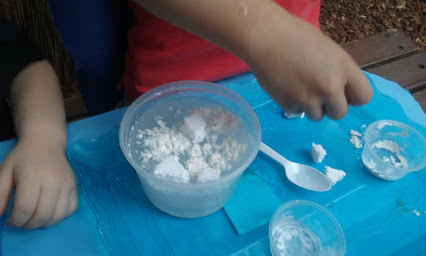
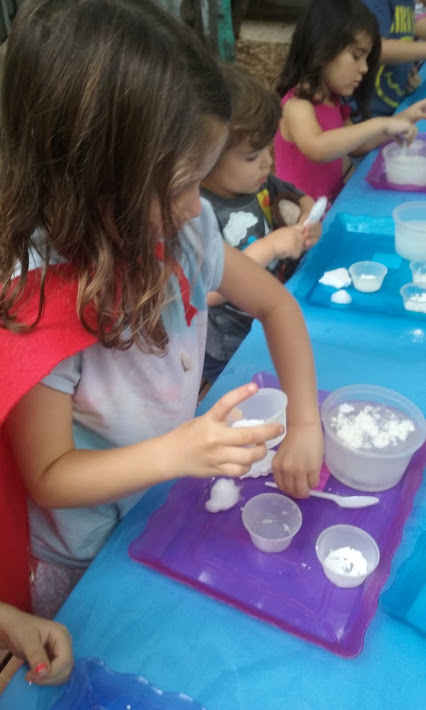
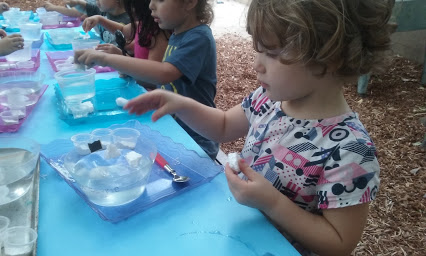
Using three different materials (all the color white to go with our ghost theme), we placed each into a bowl of water and observed how each material dissolved.

jar4

We then discussed why we thought some materials “disappeared” faster than others.

jar3