The presence of music in young children’s lives can sometimes be taken for granted. In most early childhood classrooms, children and teachers sing a song or two at circle time. Parents often sing lullabies and traditional rhymes to their young children. Nevertheless, there is a growing awareness that music is underused and underaddressed in early childhood education. In the early years, musical aptitude is still developing. Infancy and early childhood are prime times to capitalize on children’s innate musical spontaneity, and to encourage their natural inclinations to sing, move, and play with sound.
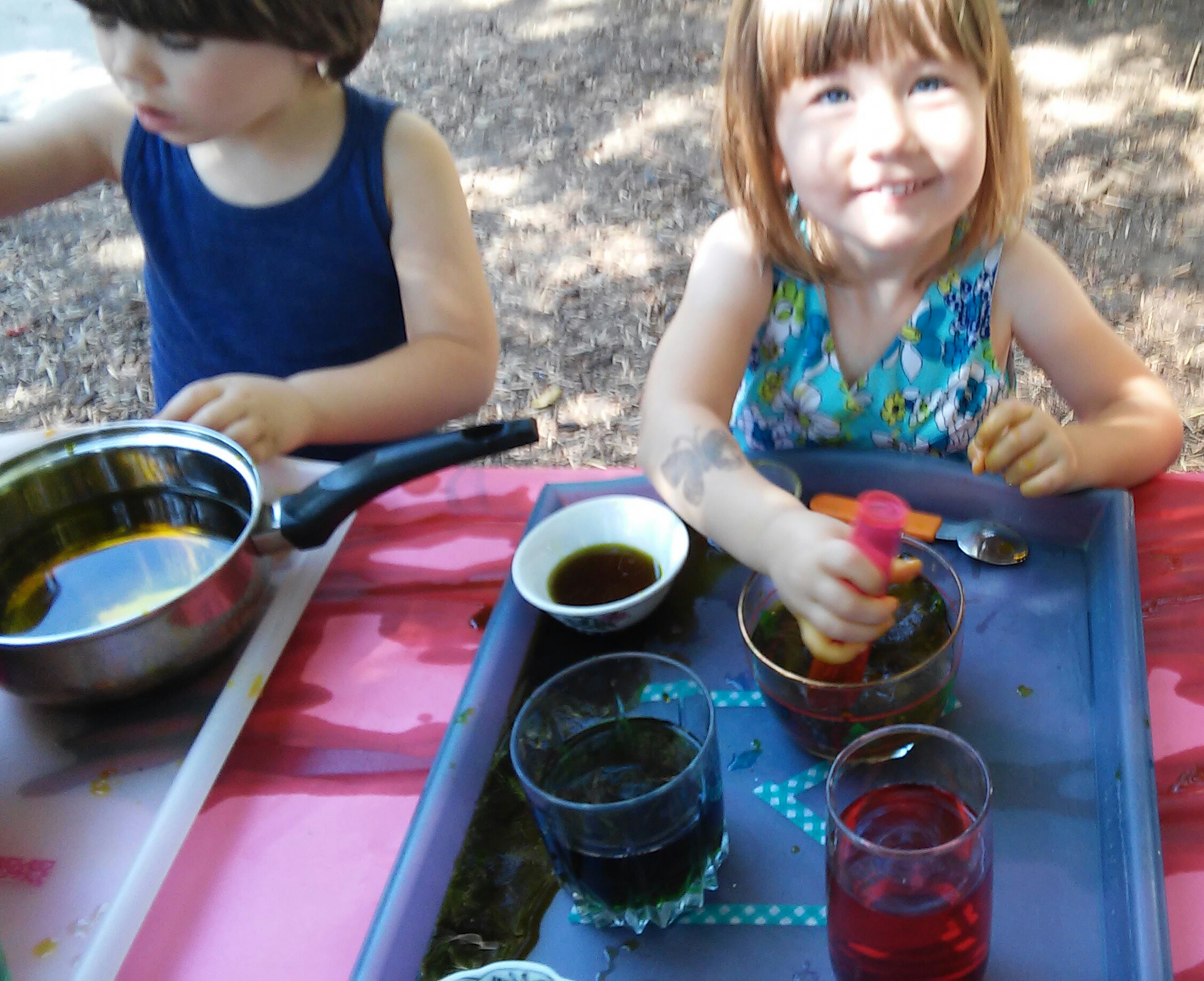
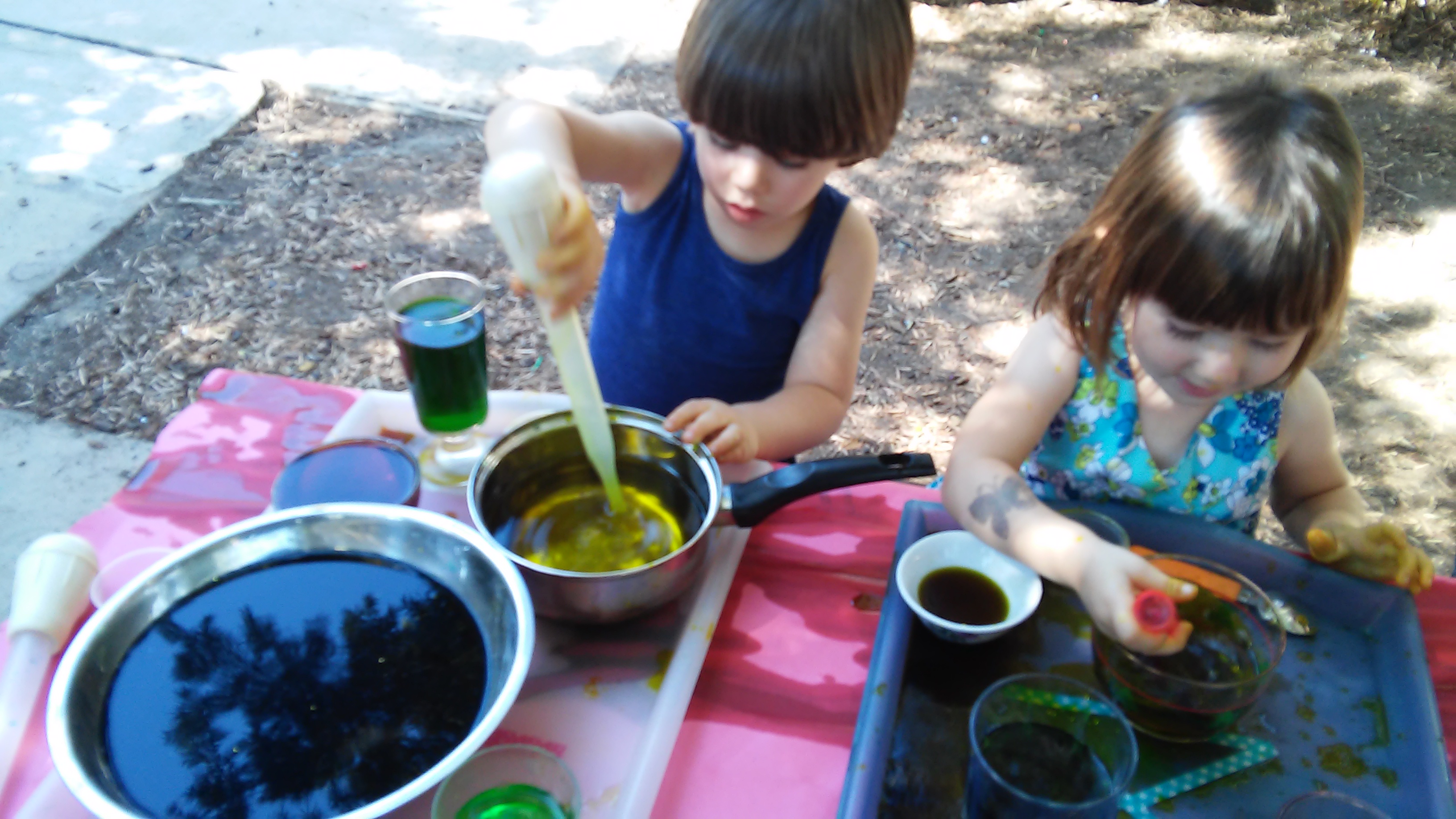
When offered a variety of implements, children play with the different tones they hear. For this activity, we poured water into different containers. Some were made of glass; some of metal, and some were made of plastic. We also experimented with quantity. Some of our containers had only a small amount of water, while others were filled to the top. Using a metal spoon, they gently tapped each container. Our final component involved the fun and “messy” portion of our activity. Using turkey basters, spoons, small cups, and bowls, we mixed our colored water among the different containers. In addition to its musical advantages, this segment invited your child to experiment with math concepts such as more/less, same/different, empty/full, before/after, greater than/less than, and counting. By exploring and “messing around,” your budding musicians discovered that they can make one sound by hitting one container and a different sound while hitting another!

 misscarriescorner