Your preschooler consistently expresses her preference for tactile play.
 As young children seek to grasp new information, this form of play provides the perfect forum to apply newly acquired concepts.

 As they interact with peers, their teacher, and provided materials, your budding ornithologist forms relationships to learned notions that enable them to make sense of their world.
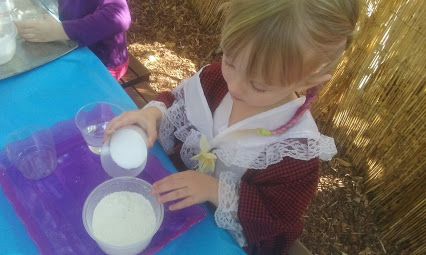
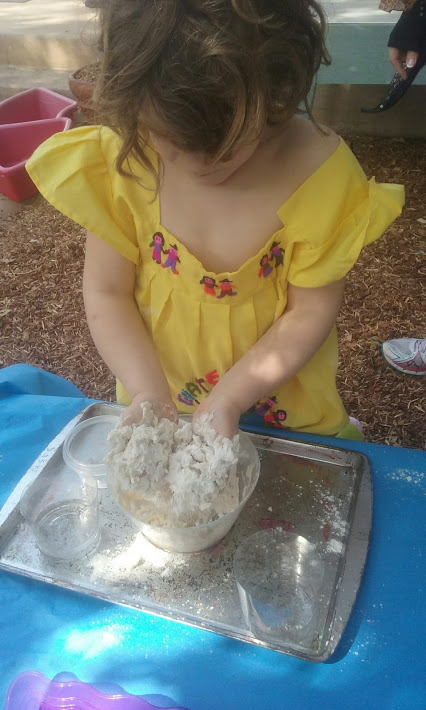
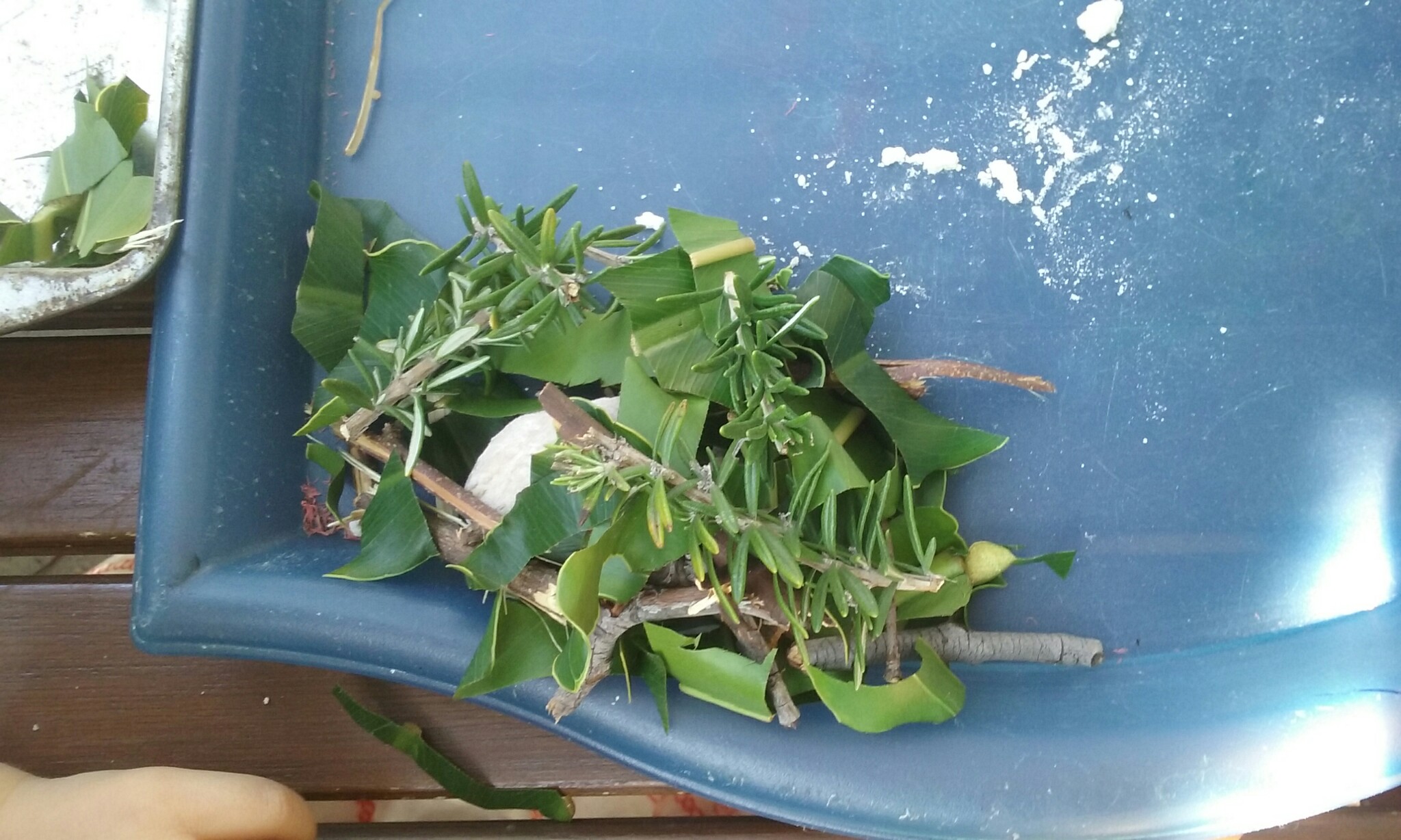
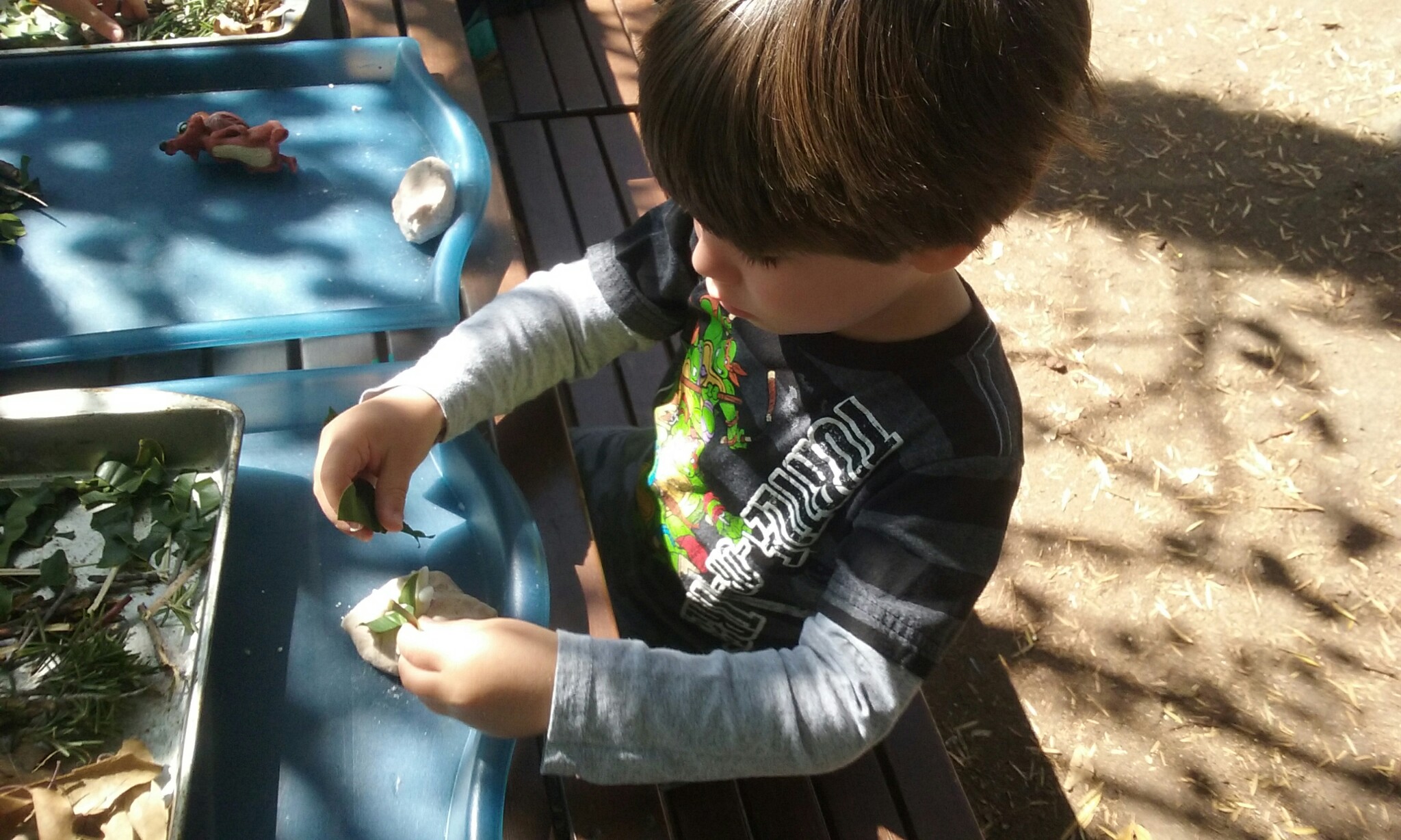
 For this particular activity, we learned about how baby birds are born. Because they are reptiles, most birds lay eggs. Using play dough, tiny birds, sticks, and rocks, we created our very own bird nests!
 We first made the play dough (using salt, flour and water), and then created our nests!
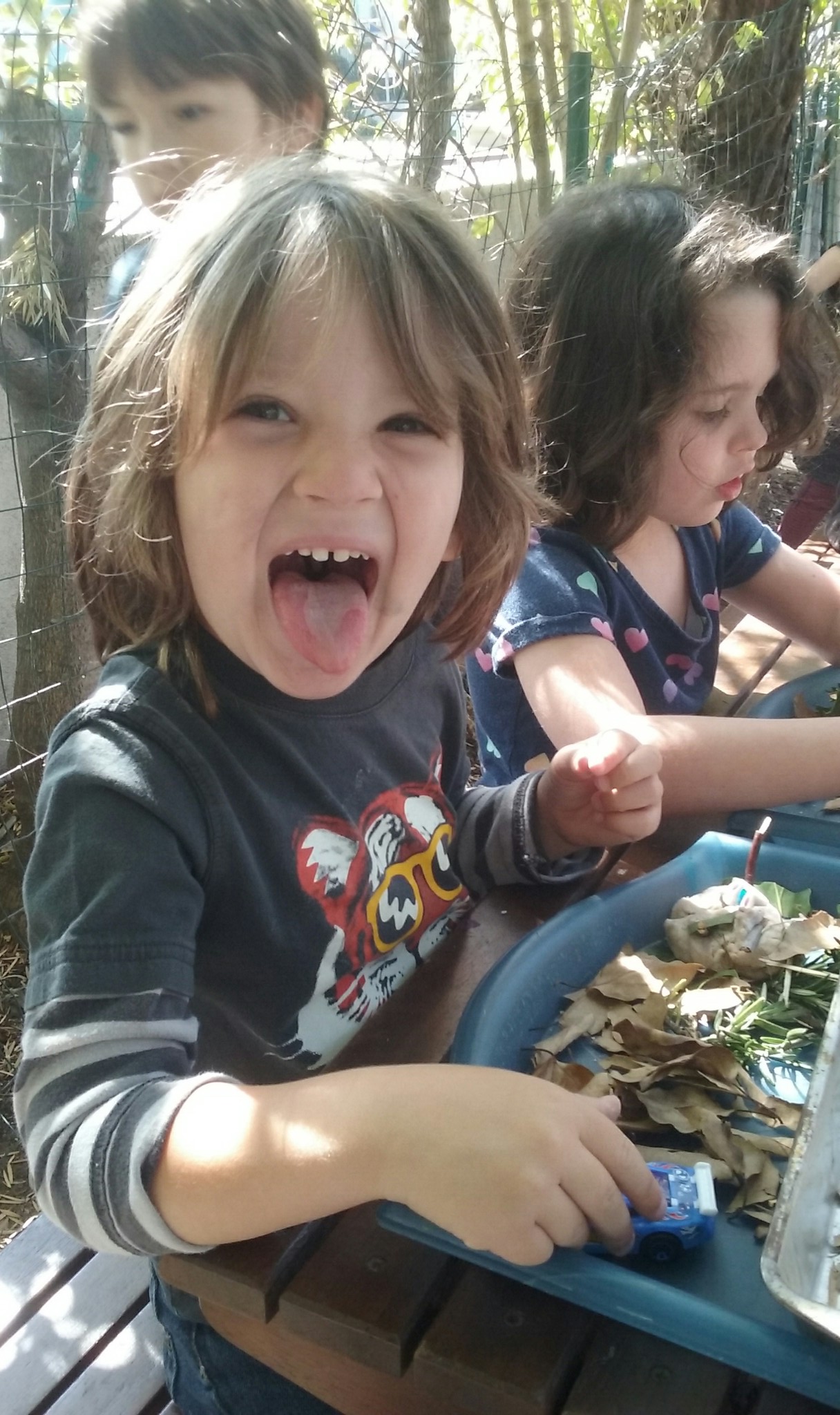
 Your little scientist enjoyed spinning elaborate tales of baby birds cavorting through the “forest” as they followed their “parents”.
 Their conversations allowed for the processing of new vocabulary and the enjoyment of working together toward an idealized goal.






 misscarriescorner