Lake Manyara

Lake Manyara is sometimes referred to as the “Little Big Park”. Located in Tanzania, it covers an area of 95 square miles. More than 300 species of birds flock to this body of water, most of them looking for food or places to build their nests.

14184314_1286868344680331_5555232942005420387_n

There are many other animals in Manyara, most importantly, the hippopotamus! When a hippopotamus enters the water, their eyes and ears stick up so they can be alert to all around them. Under their big imposing noses, their wide mouths are ideal for grazing on the grasses growing in the meadows around the lake.

14224878_1286868518013647_8802563125374735588_n

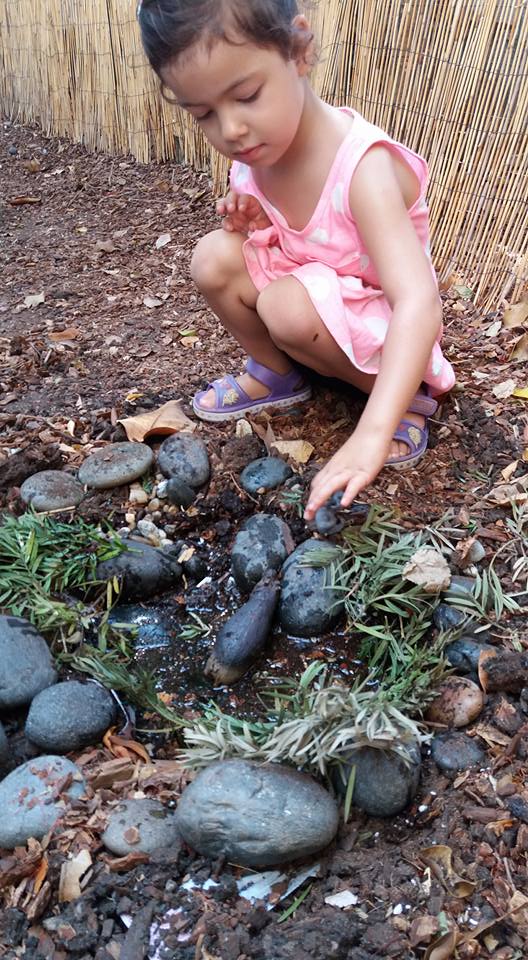
They keep their mouths open, but they’ve got a good reason. It’s all about comparing the sizes of their jaws, since a hippo’s jaws are what establish its position on the social scale. Their large eyeteeth also play an important role in the struggles and rituals within the social group. Using a few natural materials, we created our own version of Lake Manyara.
14222143_1286868424680323_864738109041249004_n

Though you cannot see it, we used a liner that was placed into a hole in the front yard. Students then filled this hole with water and placed rocks around it to hold the liner in place. Lastly, your little ones submerged their hippos in the water alongside their friends! As a result of this activity, we learned some new vocabulary to help us with our hippo theme! These words included sink, jaws, and herd.

14203234_1286868551346977_4964373945907912783_n

Habitat Sorting

The materials we choose to bring into our classroom reveal the choices we have made about knowledge and what we think is important to know. How children are invited to use the materials indicates the role they shall have in their learning. Materials are the text of early childhood classrooms.

14212715_1286872564679909_1579488382011384964_n

Unlike books filled with facts and printed with words, materials are more like outlines. They offer openings and pathways by and through which children may enter the world of knowledge. Materials become the tools with which children give form to and express their understanding of the world and the meanings they have constructed.
14117856_1286872504679915_7370365459649911926_n (2)

It is for this reason that almost all of our thematic activities are hands-on. We often integrate manipulatives, story trays, and natural materials to help your little one gain an understanding of the theme of the week.
14102738_1286872538013245_7798912323835934750_n

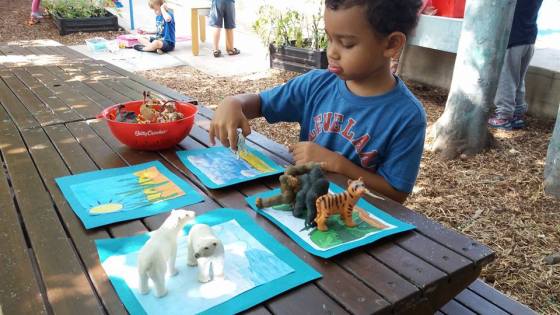
For this activity, we used toy creatures and pictures of different habitats to practice comparing and contrasting environments. Students were given four different pictures. One included a picture of a desert, another a picture of a jungle, another a picture of an arctic scene, and finally a picture of a savannah. Students were then invited to sort and place their creatures in the environment that their creature might prefer.

14184324_1286872694679896_4331660196327693780_n

Polar Bear Gloves – A Lesson on Blubber

Polar Bears deposit most of their body fat into a thick layer of blubber – a layer of fat reinforced by fibrous connective tissue that lies just below the skin.

14045959_1282306815136484_1386656663110060348_n

The blubber layer insulates the polar bear and streamlines its body. It also functions as an energy reserve.

14045954_1282307685136397_8453531883876729545_n

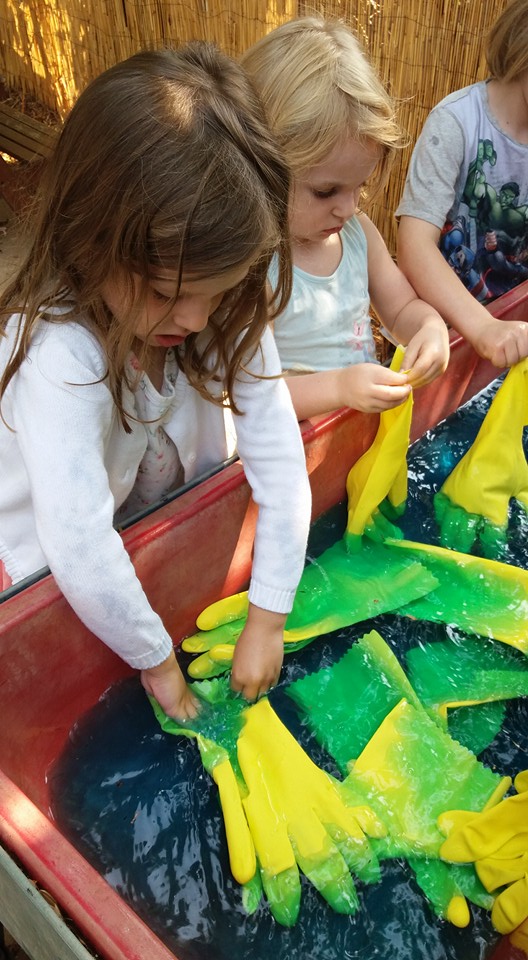
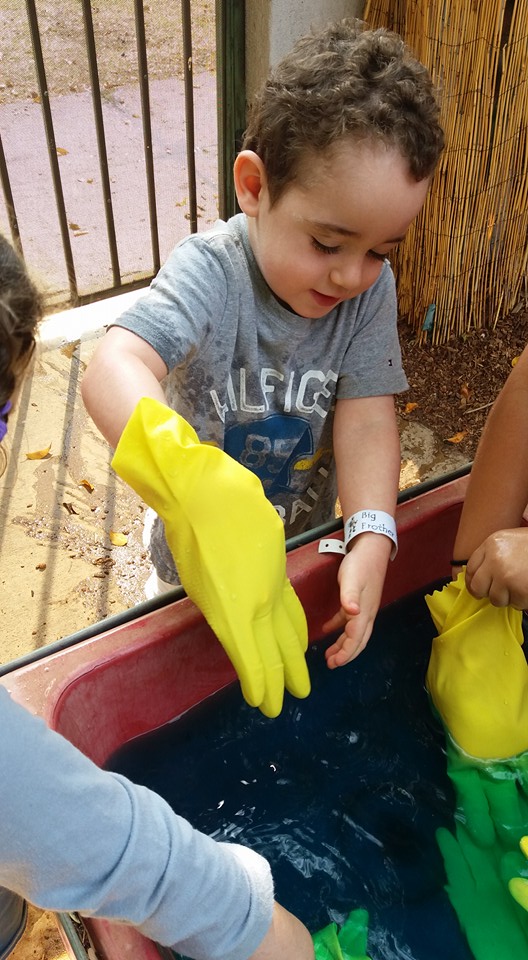
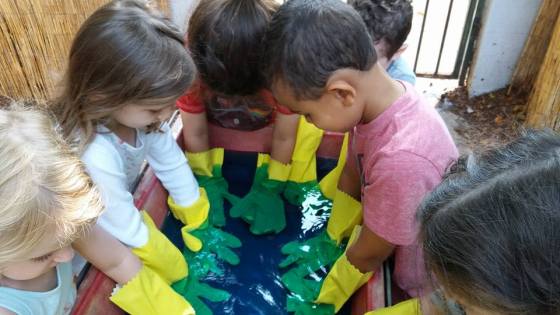
Using rubber gloves, our hands, and ice water, we learned about how our polar bear friends stay warm in their cold environments!

14046017_1282306955136470_8212720319383425783_n

We first dipped our hands into icy water, and talked about words associated with the cold, such as ice, chilly, frozen, icy, and snow!

14046102_1282307348469764_35189063797452581_n

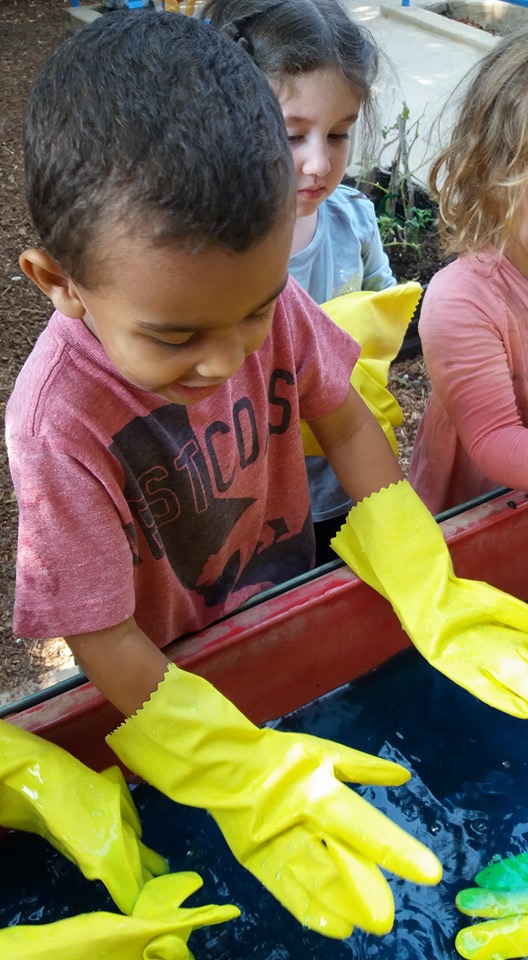
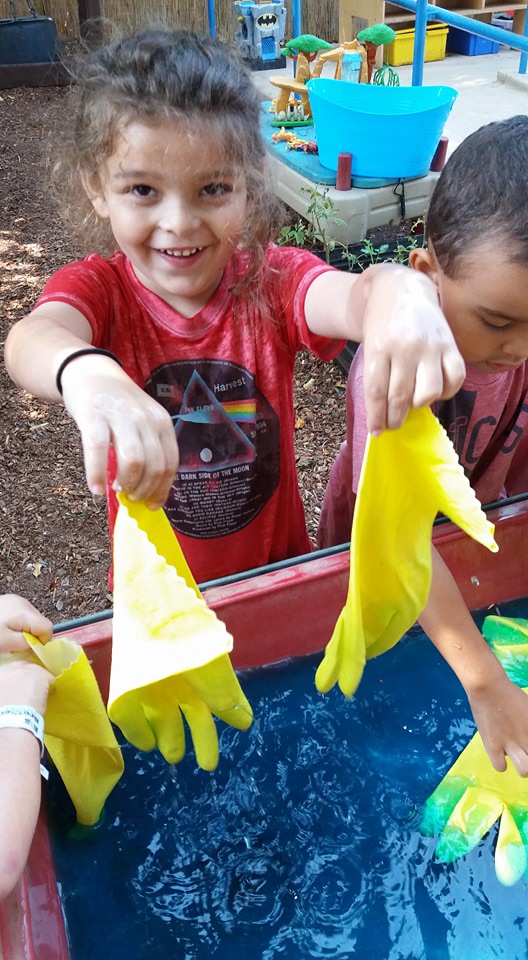
We then talked about what blubber was, and compared it to a thick rubber glove. After that, we put on a rubber glove and dipped our hands again into the water.

14051583_1282306858469813_3734972446130353693_n

Each child was then asked whether or not their hand felt warmer or colder with the glove on.

14079781_1282307481803084_6878262684648608046_n

Lastly, we talked about other uses for blubber and why some animals need to protect themselves from the cold.

14051711_1282307031803129_7556150155084095589_n

This activity allowed your adventurer to explore the concept of animal adaptations through investigation and application.

14055091_1282307661803066_5890156816335887220_n

Disappearing Ants

Young children enjoy learning about how things work. They love experimenting with the physical properties of objects to understand how they function.

IMG_3112

By participating in activities that foster this experimentation, your little ones are learning important critical thinking and observation skills.

IMG_3128

These activities not only promote their inherent curiosity about the things around them but foster the pure joy of cause and effect.

IMG_3121

For this activity, we experimented with food coloring to create disappearing ants! Using eye droppers, students dropped red food coloring onto a white piece of paper.

IMG_3131

These papers were spotted with ants drawn with white crayons. As they dropped their dye, they saw “red” ants mysteriously appear!

IMG_3136

Queen Ant Puzzles

Puzzles are a great way for preschoolers to develop hand-eye coordination and problem solving skills. They also provide an engaging introduction to the critical thinking skills necessary for elementary school learning.

IMG_3092

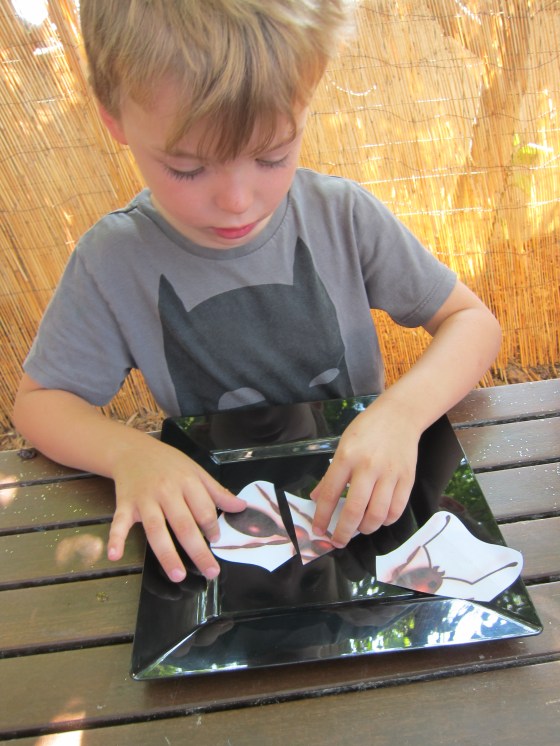
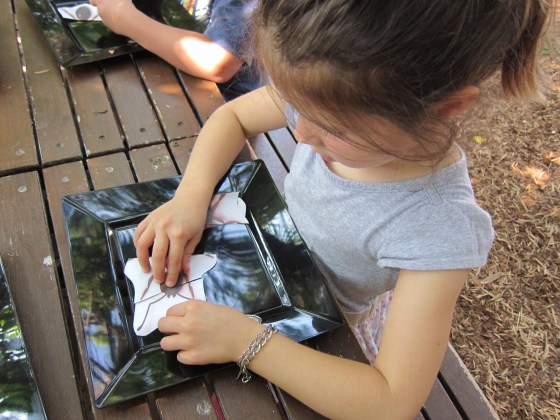
For this particular activity, we discussed the differences between a queen ant and a worker ant. We then reviewed the colors and anatomy of an ant. Lastly, we constructed our own ants using pre-made puzzle pieces.

IMG_3094

While working on these puzzles, your little ones were directed to recognize the colors they saw, and later learned that they sum of parts make up a whole – a concept that will foster math skills later on.

IMG_3096

Ant Colony – Group Project

Focused learning and cooperative play are the hallmarks of small group activities.

IMG_2996

IMG_3001

IMG_3006

The preschool classroom is the perfect place to learn the give and take of working together with other students. When paired with engaging projects, cooperative learning stimulates cognitive growth and promotes prosocial behavior.

IMG_3008

IMG_3023

IMG_3026

IMG_3029

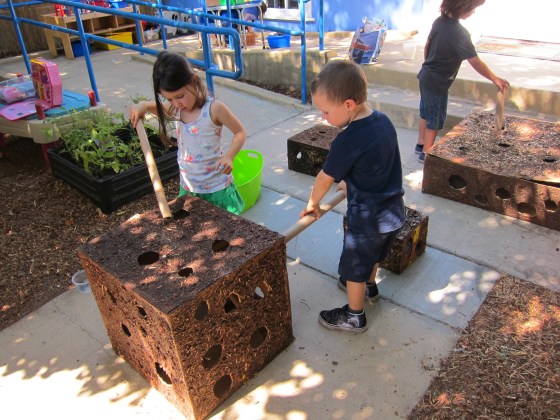
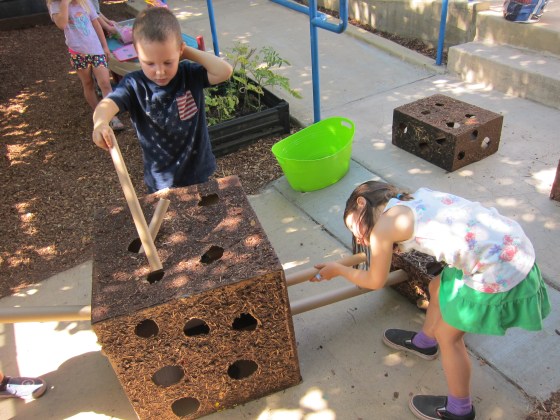
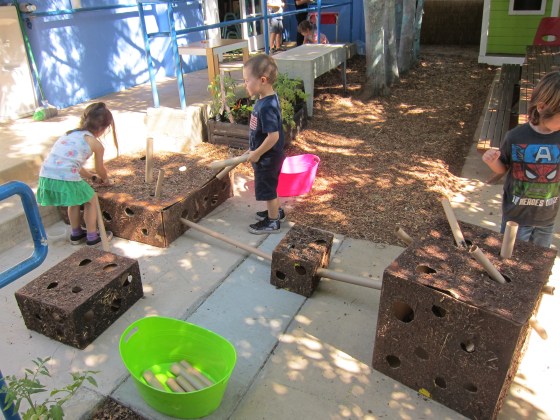
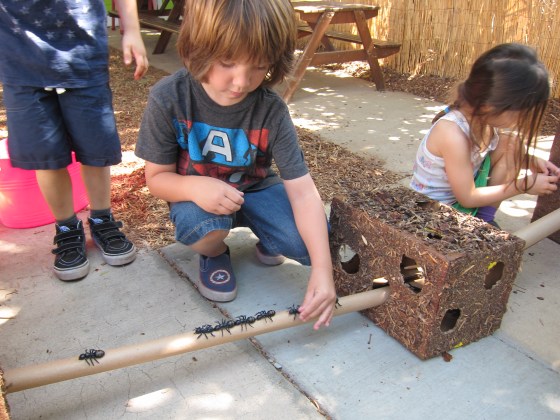
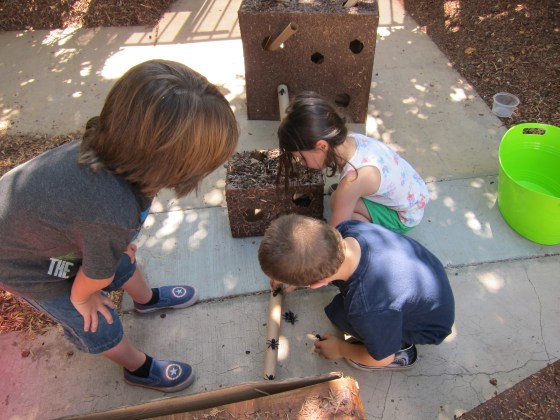
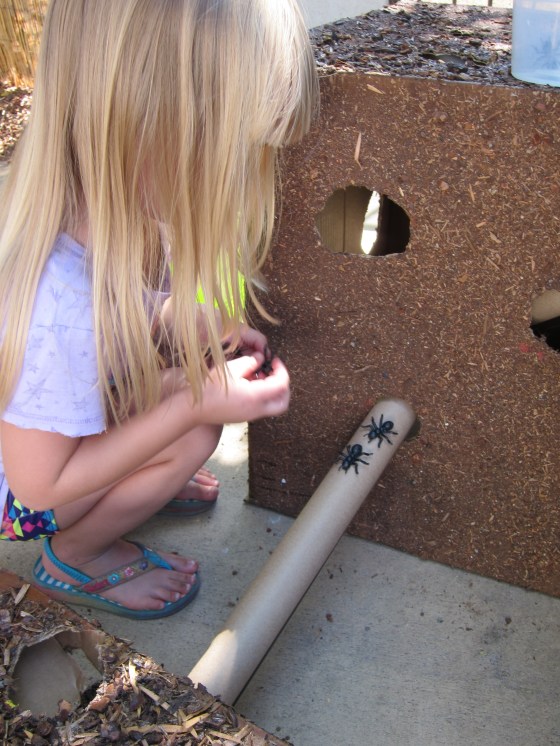
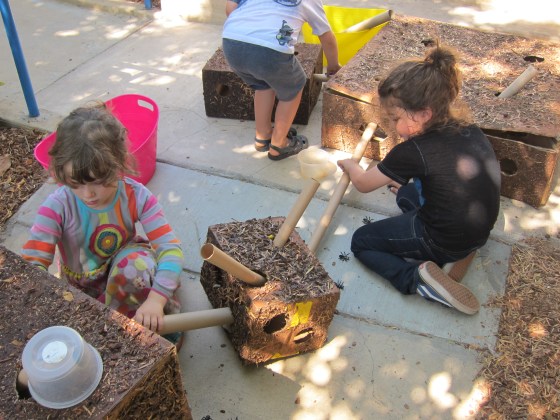
For this activity, we used a few materials to create an ant colony. Before starting, we talked about what an any colony was. We then read the book Ant Cities, by Arthur Dorros.

IMG_3039

In this book, we learned that ants create networks of tunnels. These tunnels enable them to live  and support their colony.

IMG_3034

IMG_3063

IMG_3044

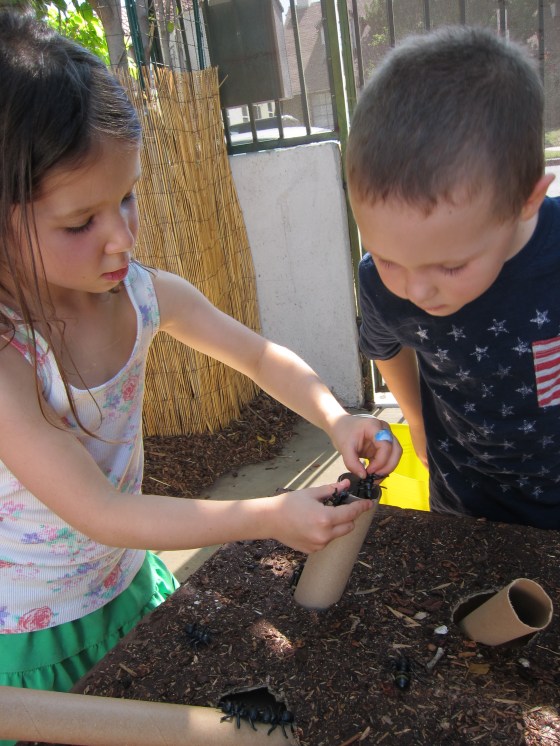
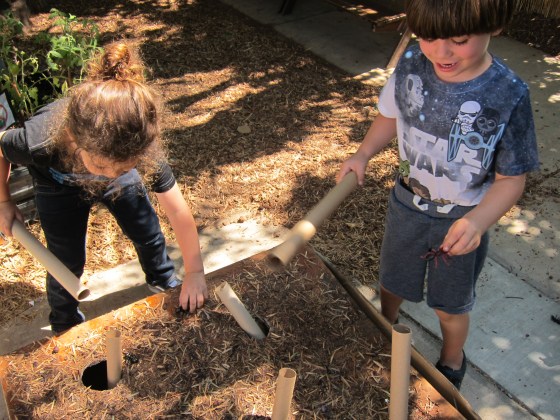
Using boxes, toy ants, and cardboard tubes, we created the tunnels we saw in the book. With our friends, we pretended to be “worker ants”, working together to create a home!

Ants on a Log

When children participate in the kitchen, they are learning important life skills.

IMG_2951

With specific direction, they can create tasty dishes, and enjoy the sense of autonomy that is fostered as a result.

IMG_2952

These kinds of activities provide endless opportunities for building self-esteem and increasing vocabulary!

IMG_2960

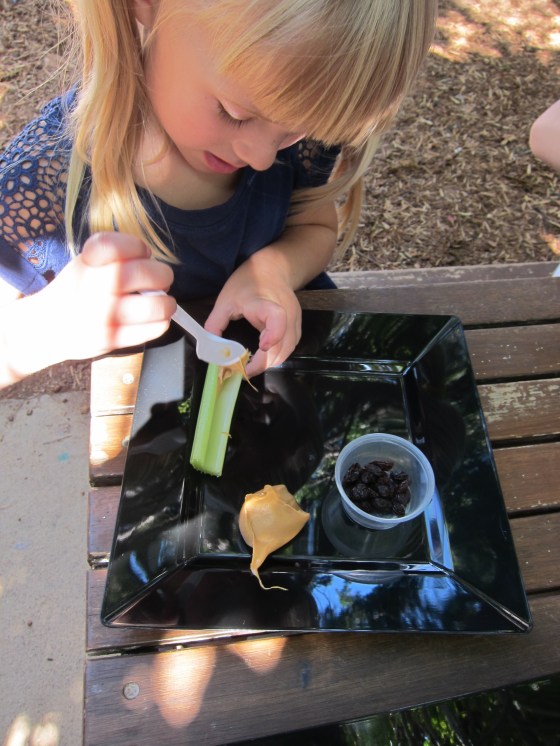
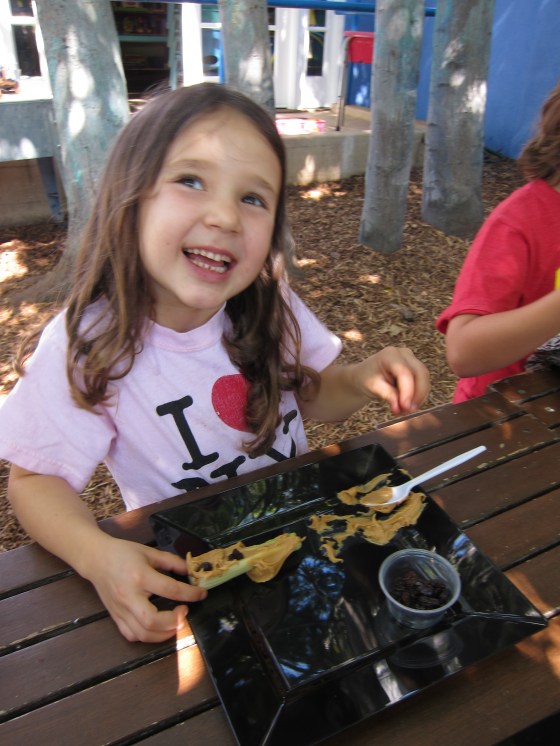
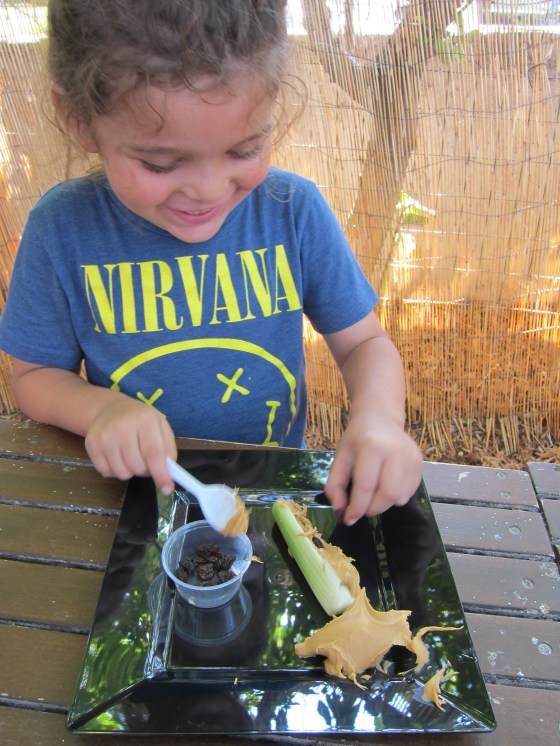
For this particular activity, we created a traditional snack called Ants on a Log.

IMG_2973

With the assistance of a picture diagram, your little ones learned how to combine raisons, peanut butter, and celery to create their very own snack!


Ants in the Grass

Several species of ants commonly inhabit home lawns and ornamental plantings of trees and shrubs.

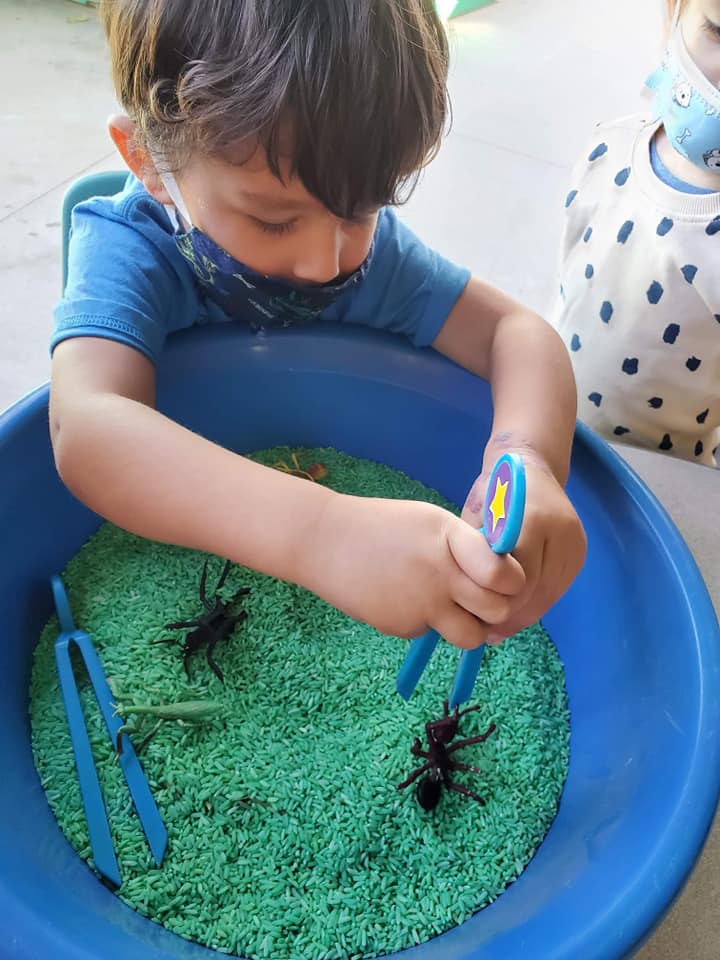
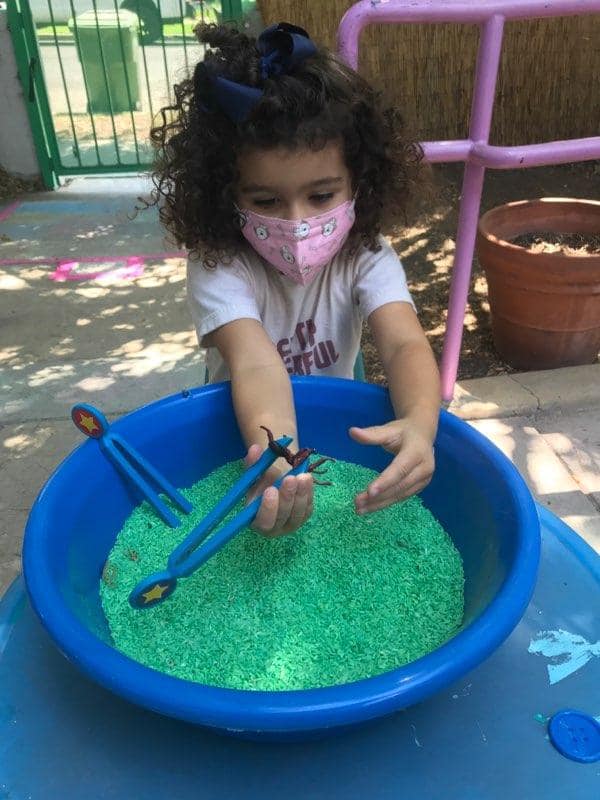
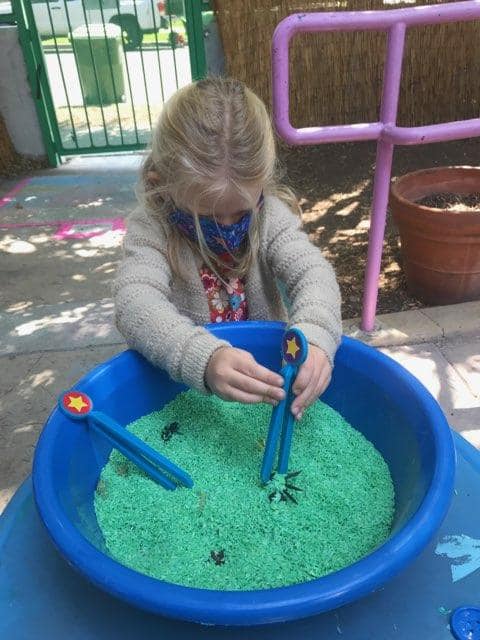
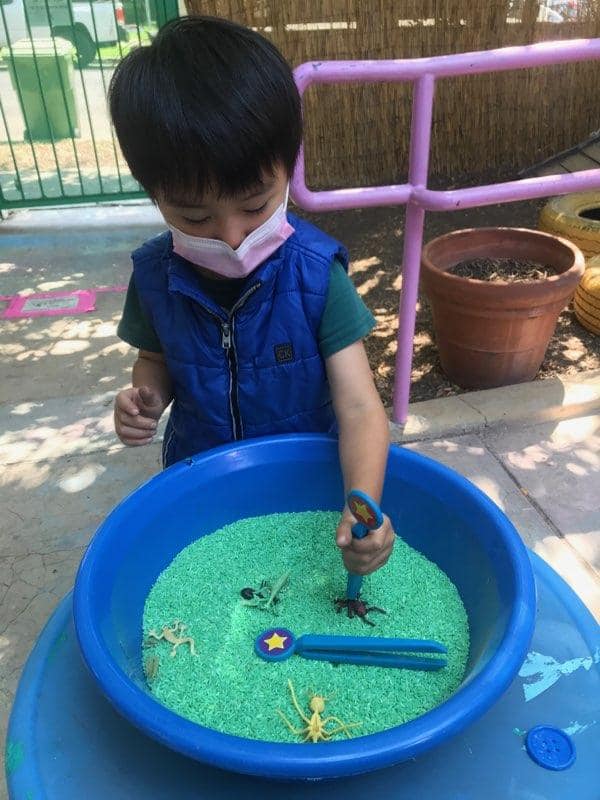
Using tweezers, plastic ants, and plastic grass, we practiced our fine motor skills by looking for these interesting critters.

Before we began this activity, we talked about what kinds of ants live in urban areas. Your little one learned that a wide variety of ants owe their existence to large urban areas like Los Angeles and New York City.

Some ants they learned about included carpenter ants, pavement ants, acrobat ants, little black ants, and fire ants. 

This activity encouraged fine motor development, the application of new subject matter, and hand-eye coordination.

Ant Life Cycle

Ants undergo complete metamorphosis, passing through a sequence of four stages: egg, larva, pupa, and adult. An ant’s life begins as an egg. Ant eggs are soft, oval, and tiny – about the size of a period at the end of a sentence.

IMG_2829

Not all eggs are destined to become adults – some are eaten by nest mates for extra nourishment. An egg hatches into a worm-shaped larva with no eyes or legs. Larvae are eating machines that rely on adults to provide a constant supply of food. As a result, they grow rapidly, molting between sizes.

IMG_2830

When a larva is large enough, it metamorphoses into a pupa. This is a stage of rest and reorganization. Pupae look more like adults, but their legs and antennae are folded against their bodies. They start out whitish and gradually become darker. The pupae of some species spin a cocoon for protection, while others remain uncovered, or naked. Finally, the pupa emerges as an adult.

IMG_2841

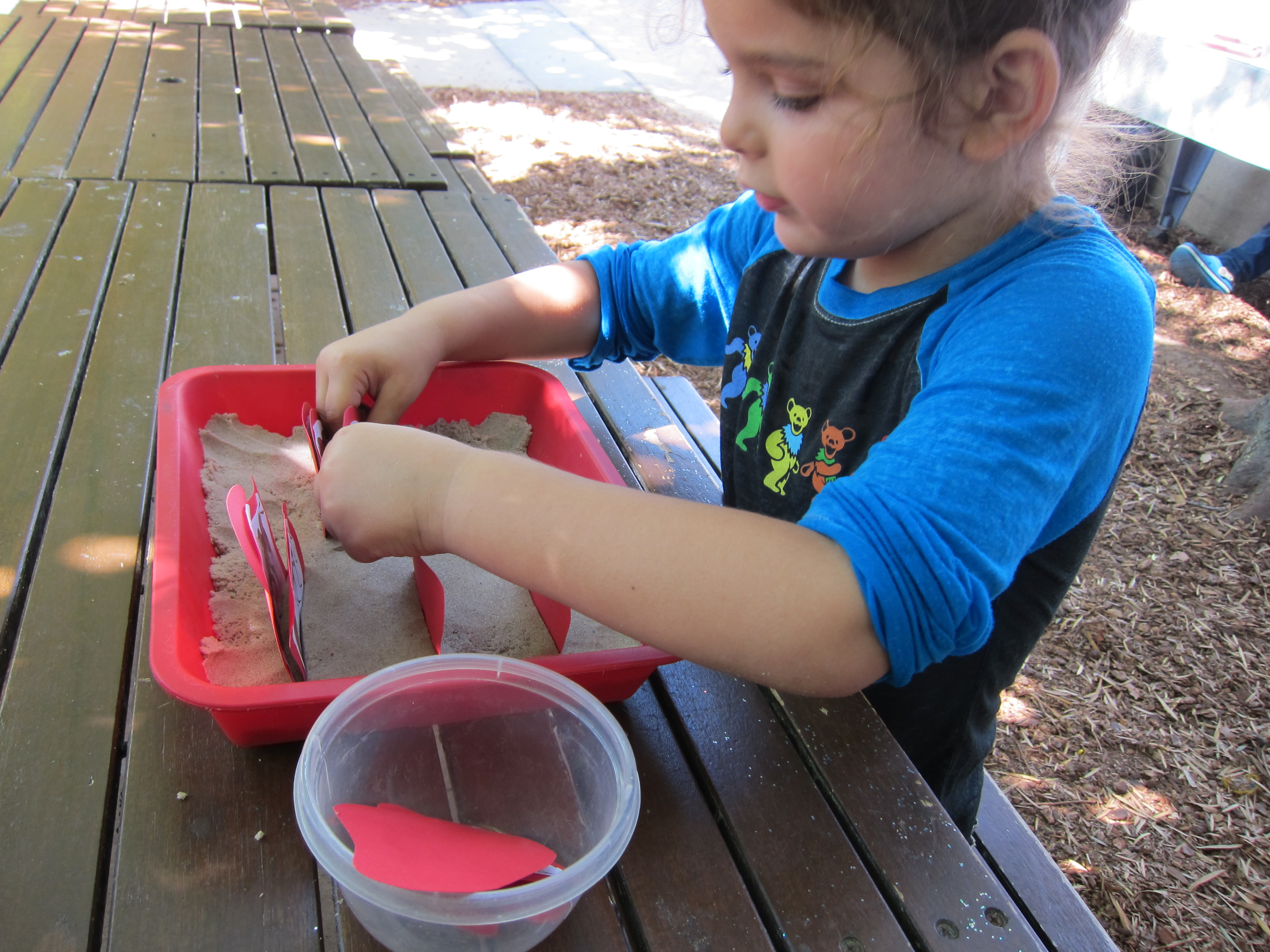
Young adults are often lighter in color, but darken as they age. The process of development from egg to adult can take from several weeks to months, depending on the species and the environment. For this activity, we talked about the ant life cycle and the different ants within the colony. Using pre-made cutouts, students completed the life cycle by placing them into kinetic sand: starting with the queen, moving on to a larva, continuing to a pupa, and finishing with a worker ant!

IMG_2854

Ant Manipulatives

Though most preschoolers are unable to yet read, there are several activities they can partake in that promote literacy.
IMG_2811
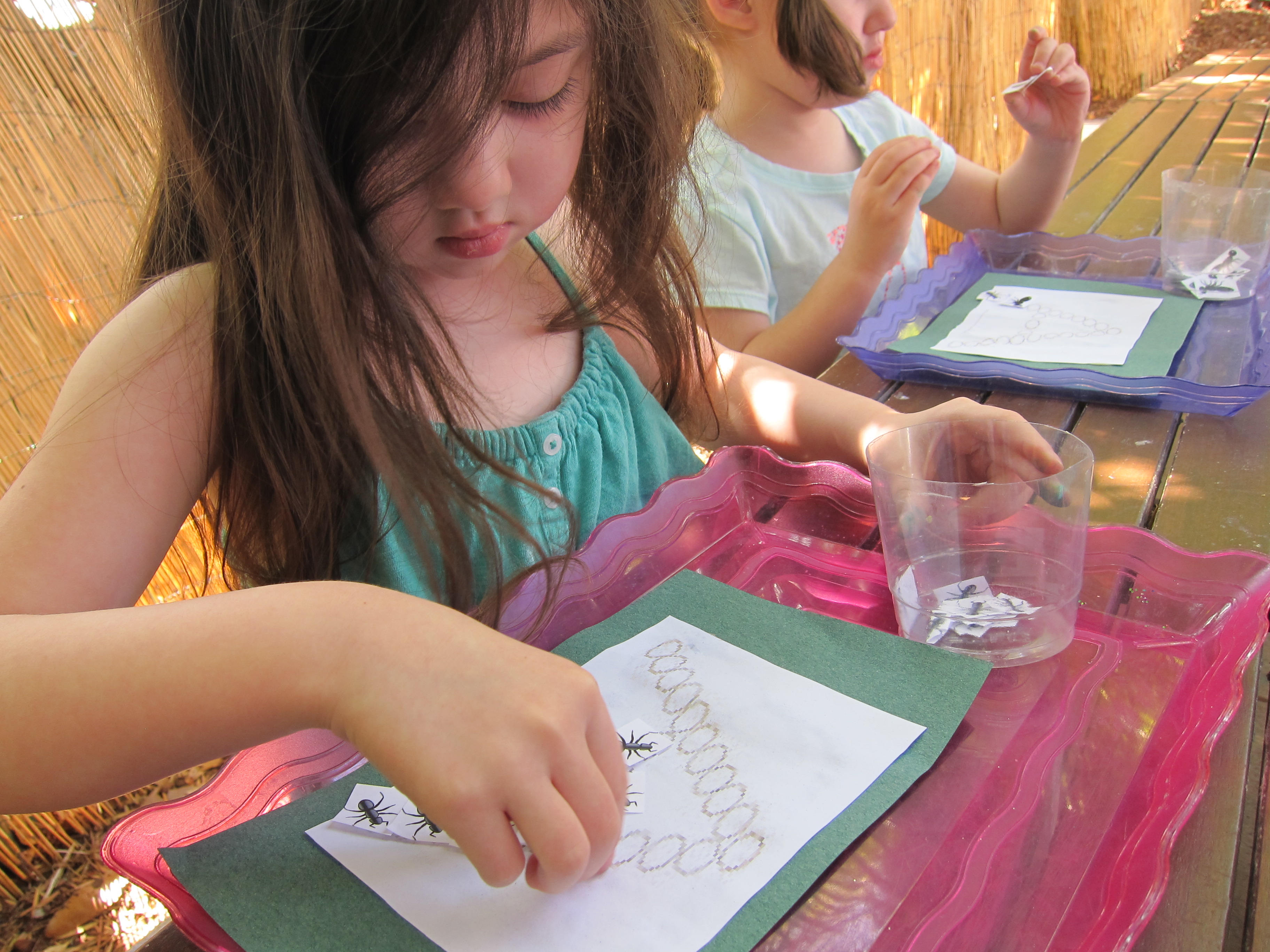
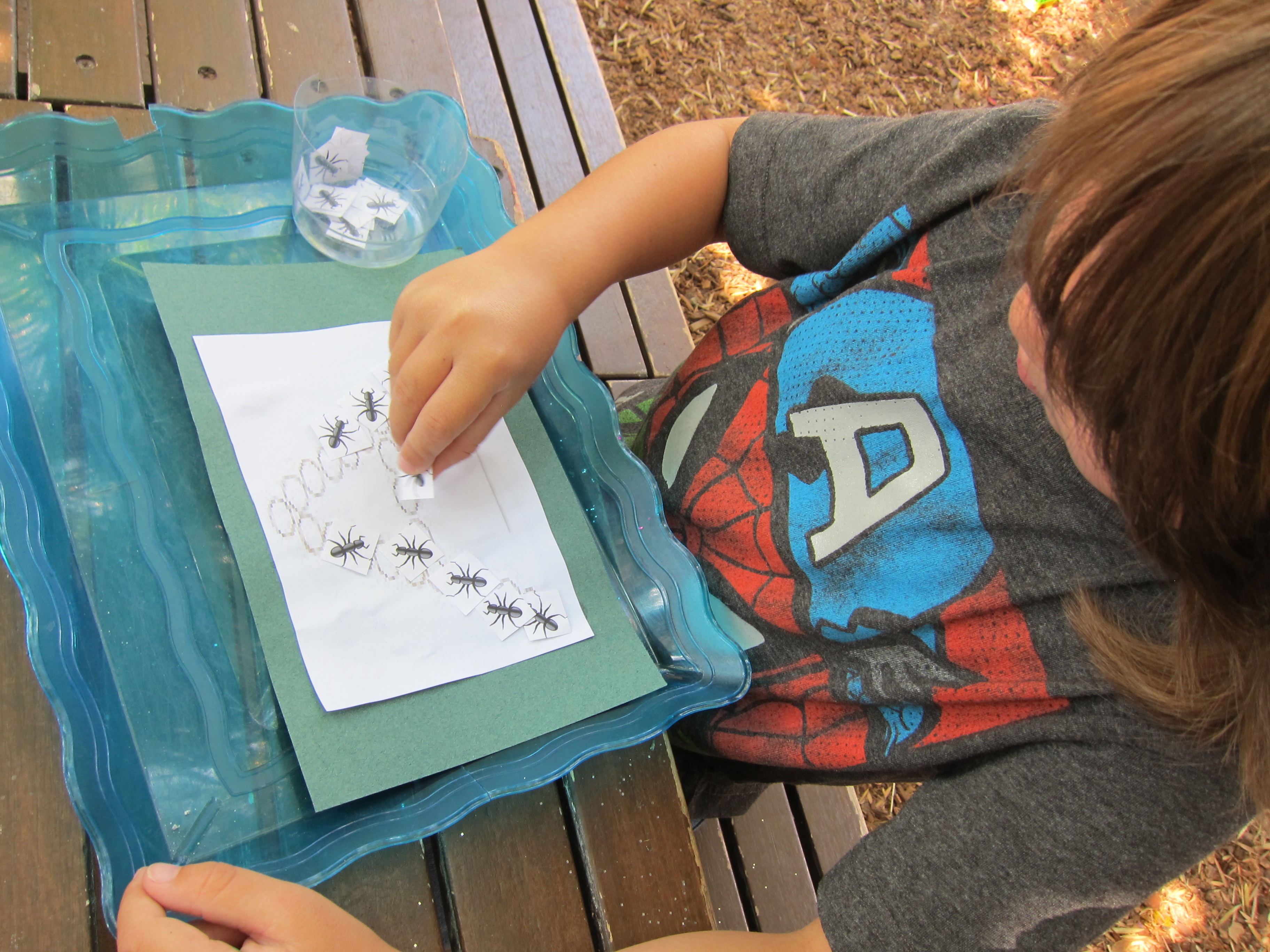
One of these activities is recognizing letters and working with manipulatives. To encourage focus, and promote an experience that will foster their pre-reading skills, your little one placed “ants” onto a bingo dauber card (to which an A was attached).
IMG_2813
Activities involving manipulatives are an ideal means to introduce your little one to essential literacy and prewriting skills. They provide a fun, hand-on experience that your budding reader is sure to relate to.
 IMG_2817