D-E-S-E-R-T Tracing

Activities that develop a child’s control of the small muscles of the hands (fine motor skills) allow children to make the precise movements necessary for forming letters and improve hand/eye coordination.

gplus-548683014

For this activity, we talked about the letters in the word DESERT. We then talked about which sounds each letter makes.

gplus724210062

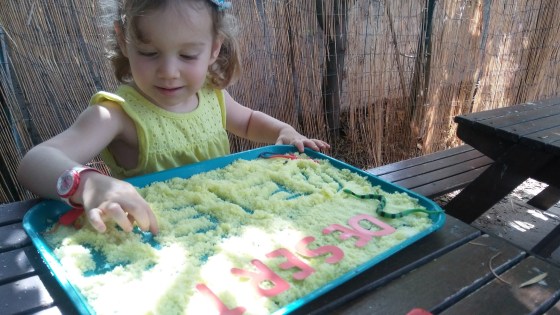
Lastly, we traced the letters D-E-S-E-R-T into yellow sand. Through each week of our desert theme, we picked a different word to study.

gplus1630747816 (1)

During circle (and project) time, we created these words in a variety of ways. Doing so allows your little one to use their different senses to practice their pre-writing and pre-reading skills.

Death Valley Dunes

Many first time visitors to Death Valley are surprised it is not covered with a sea of sand. Less than one percent of the desert is covered with dunes, yet the shadowed ripples and stark, graceful curves define “desert” in our imaginations.

For dunes to exist there must be a source of sand, prevailing winds to move the sand, and a place for the sand to collect.

The eroded canyons and washes provide plenty of sand, the wind seems to always blow (especially in the springtime), but there are only a few areas in the park where the sand is “trapped” by geographic features such as mountains.

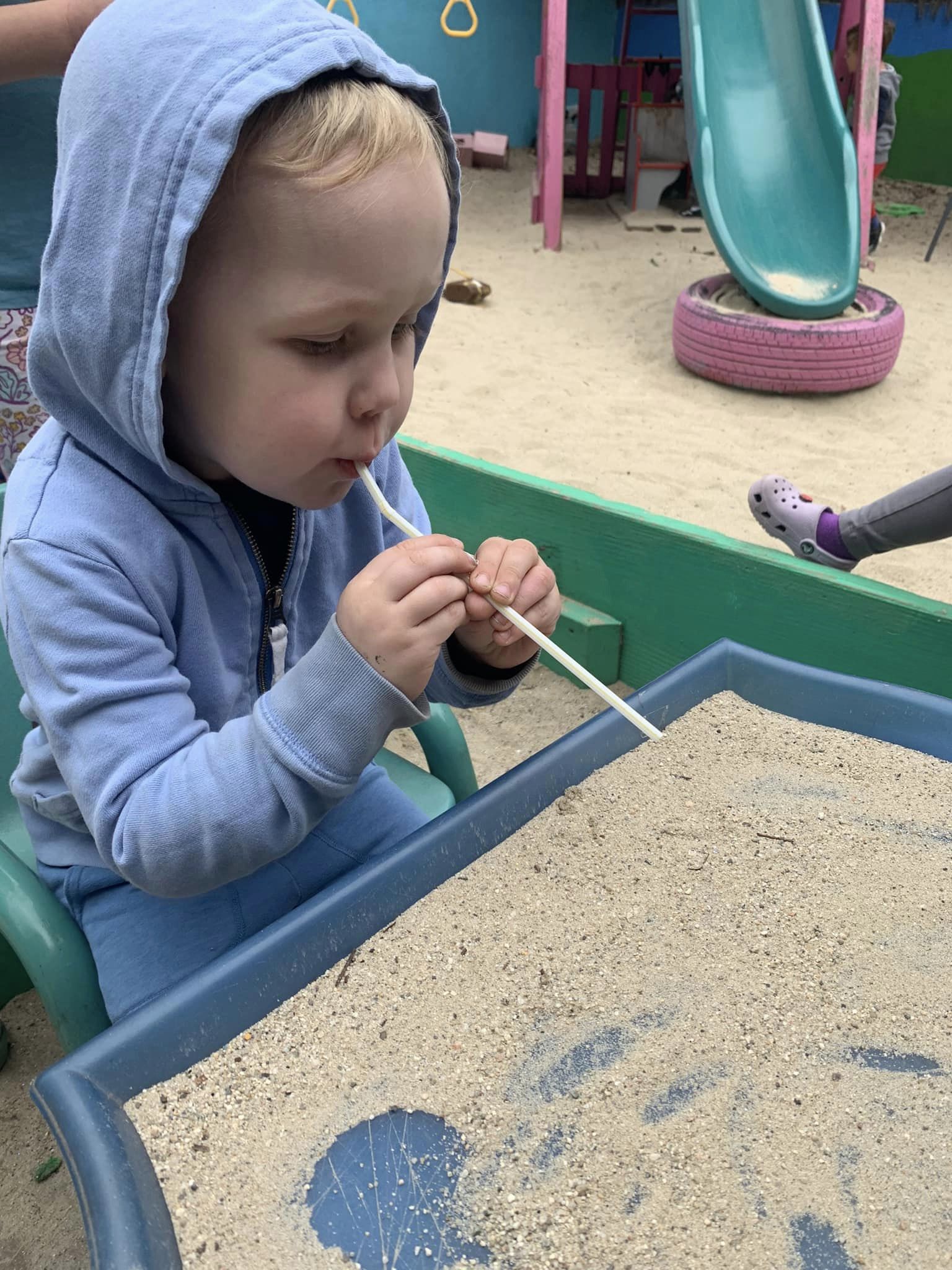
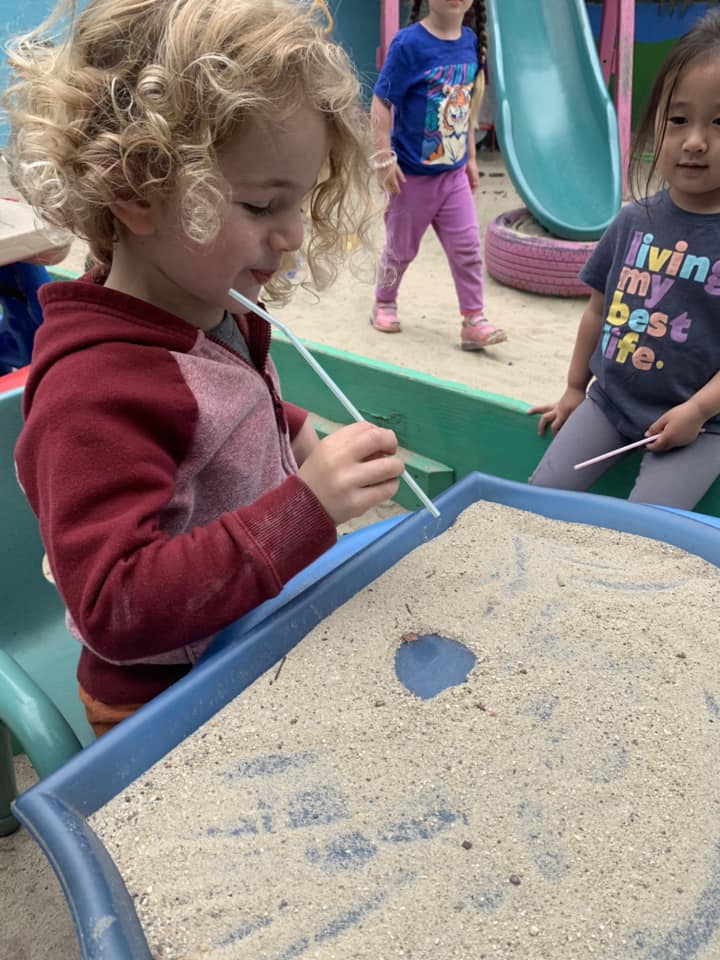
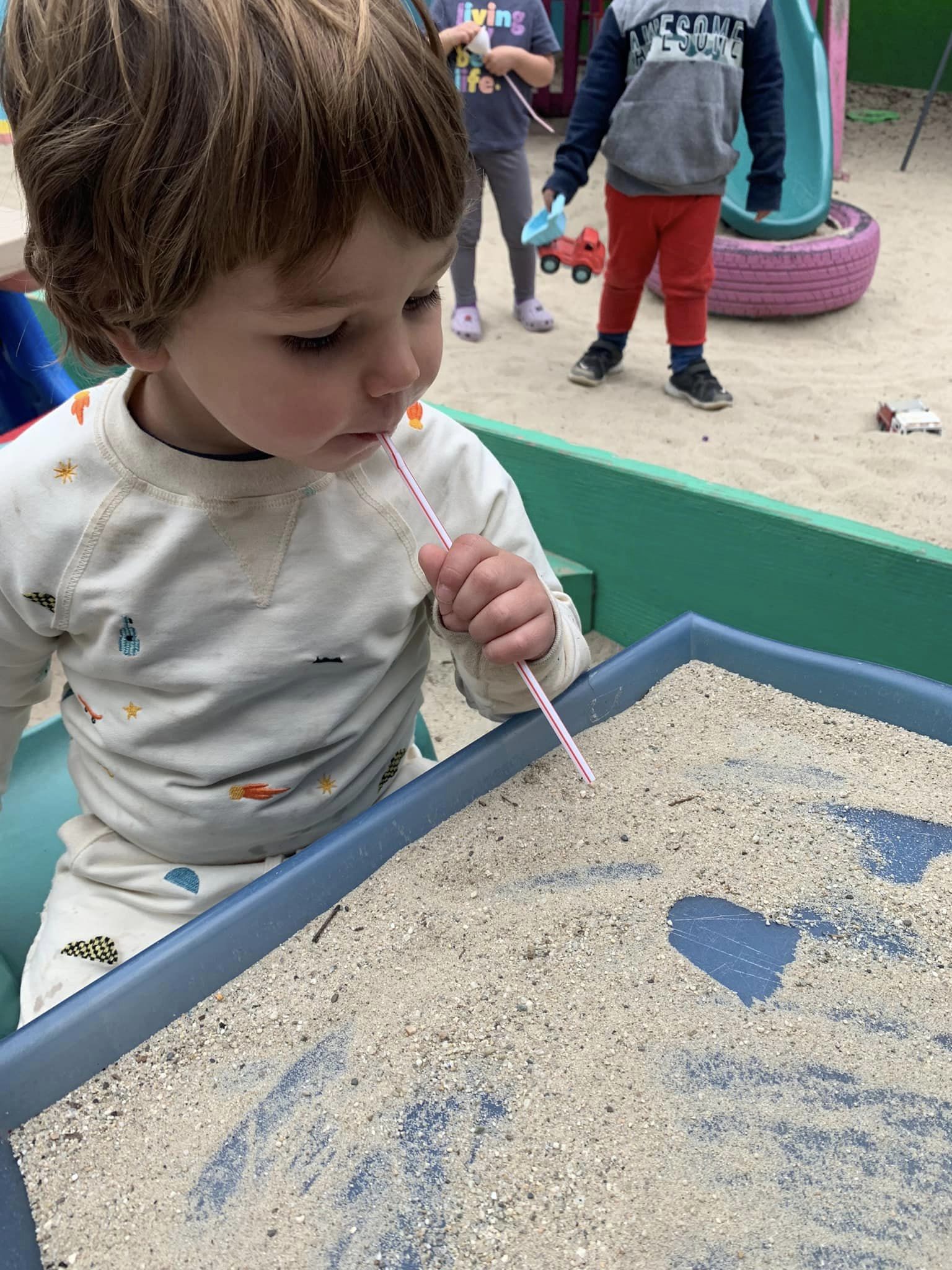
To recreate the famous Mesquite Flat Dunes of Death Valley, we used straws and sand to create ripples in small trays.

We noticed how the shape of the sand changed when we blew into the straws. Students enjoyed adding new words to the changes they saw, and giggled as they cleared their trays of sand!

Desert Landscapes

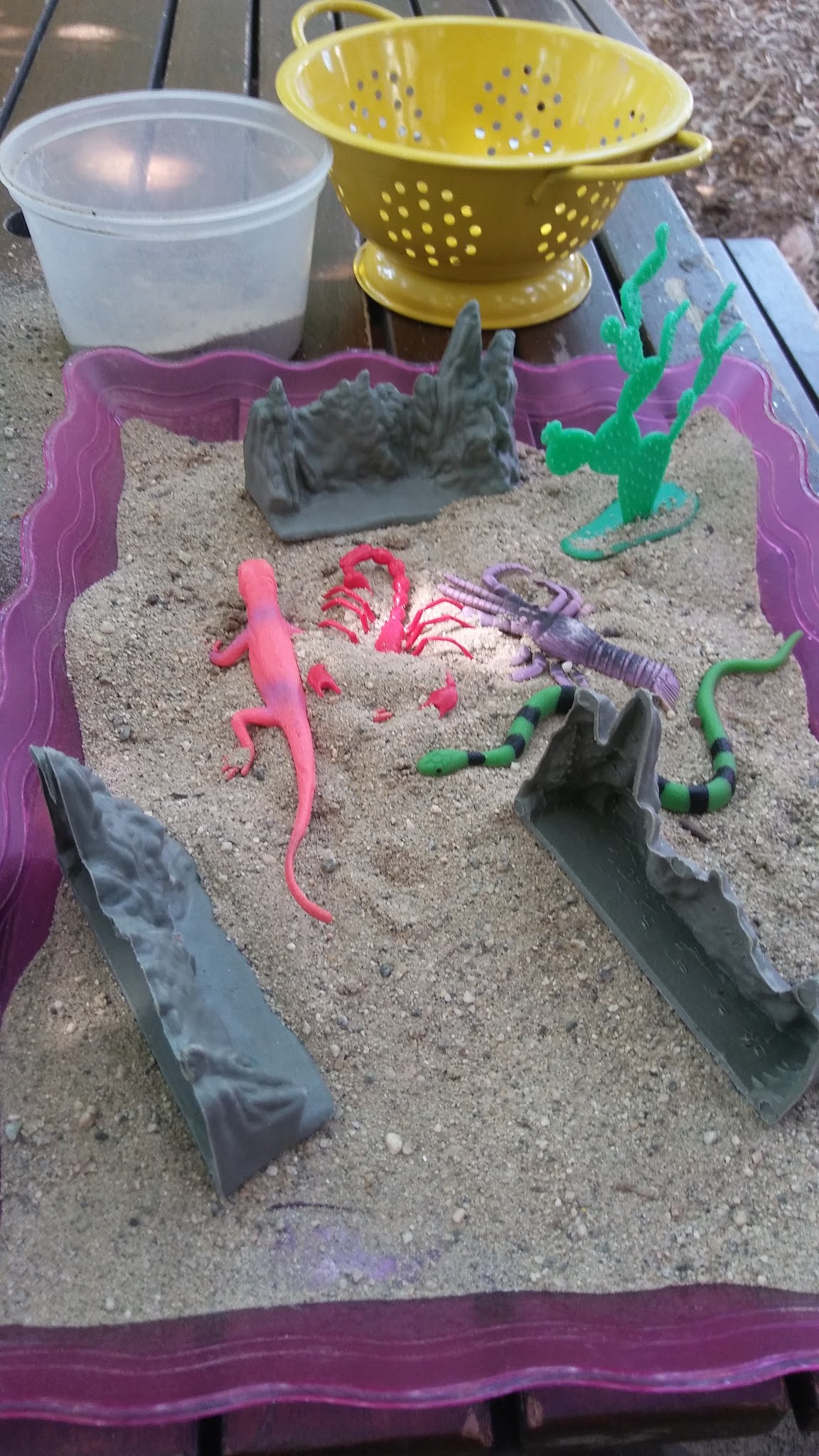
Small world [lay enables young learners to recreate some of the environments that they have been learning about in class.

gplus1257911512

Since the first week of our desert theme involved the physical geography of the desert, we used a variety of materials to create this.

gplus-778690411

Using sand, toy cacti, toy creatures, and rocks, we designed and later interacted with our very own desert landscapes!

gplus1075252358

Lunar Rover Vehicles

After an amazingly brief seventeen months of designing and testing, the Lunar Rover or “Moon Buggy” was used from 1971-1972 as a key component for missions fifteen through seventeen of the Apollo program.

lunar1

Created primarily to extend the range of terrain that the two Apollo crew members could explore during their stay on the Moon’s surface, four fully space worthy lunar rovers along with seven test models were built in preparations for these J-Missions.

lunar2

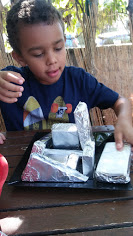
The fourth sibling from the LRV family, however, never had the opportunity to enter space, as after the announced dissolution of the Apollo program, it was relegated to providing spare parts for the other rovers. To recreate this fascinating machine, we used aluminum foil covered blocks. Armed only with a toy astronaut and about five blocks each, students created their version of the Lunar Rover!

lunar

Glittery Mermaid Letters

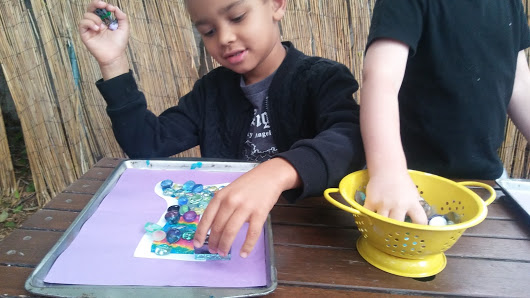
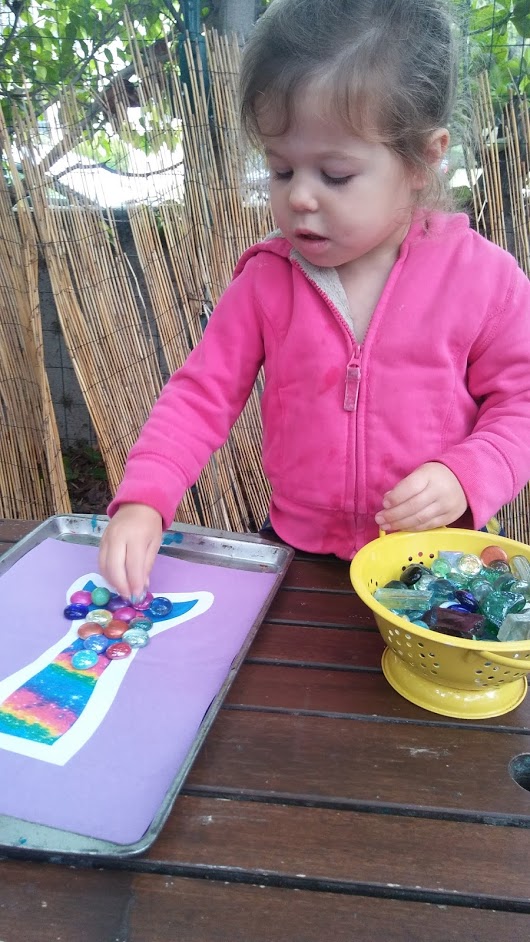
Writing is a skill that most people use every single day, whether it be writing a note to a friend or writing a check to a utility company. Even in the age of technology, the written word is still everywhere. But how do you teach a young child the proper way to write? The first step is simple… pre-writing. Pre-writing is learning the skills necessary to begin writing.

mermaid1

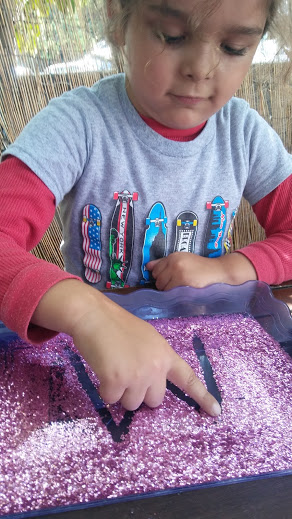
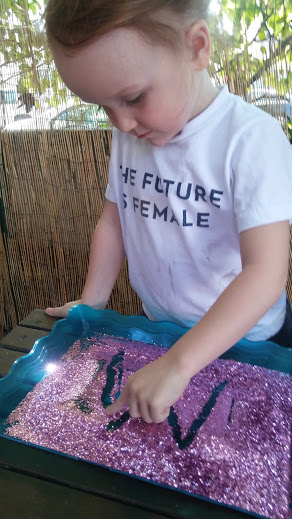
Pre-writing is an important step because it teaches children the correct way to hold a pencil, how to use a good, firm grip, and emphasizes the use of fine motor skills. Pre-writing also helps children with the development of hand/eye coordination, learn that words go left to right, and that lines of writing go top to bottom on a page. For this activity, we traced the letter M into trays full of glitter. Students were first instructed to trace a pre-made letter, and then were guided to create their own! Although it was much more fun to create mountains out of the glitter, we are very proud of some of the magnificent letters we created!

mermaid

Unicorn Horn Sort

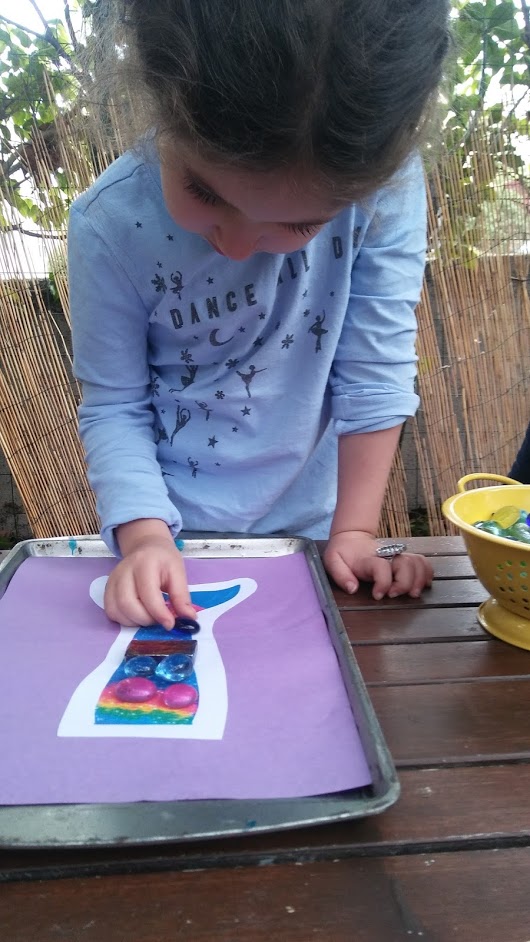
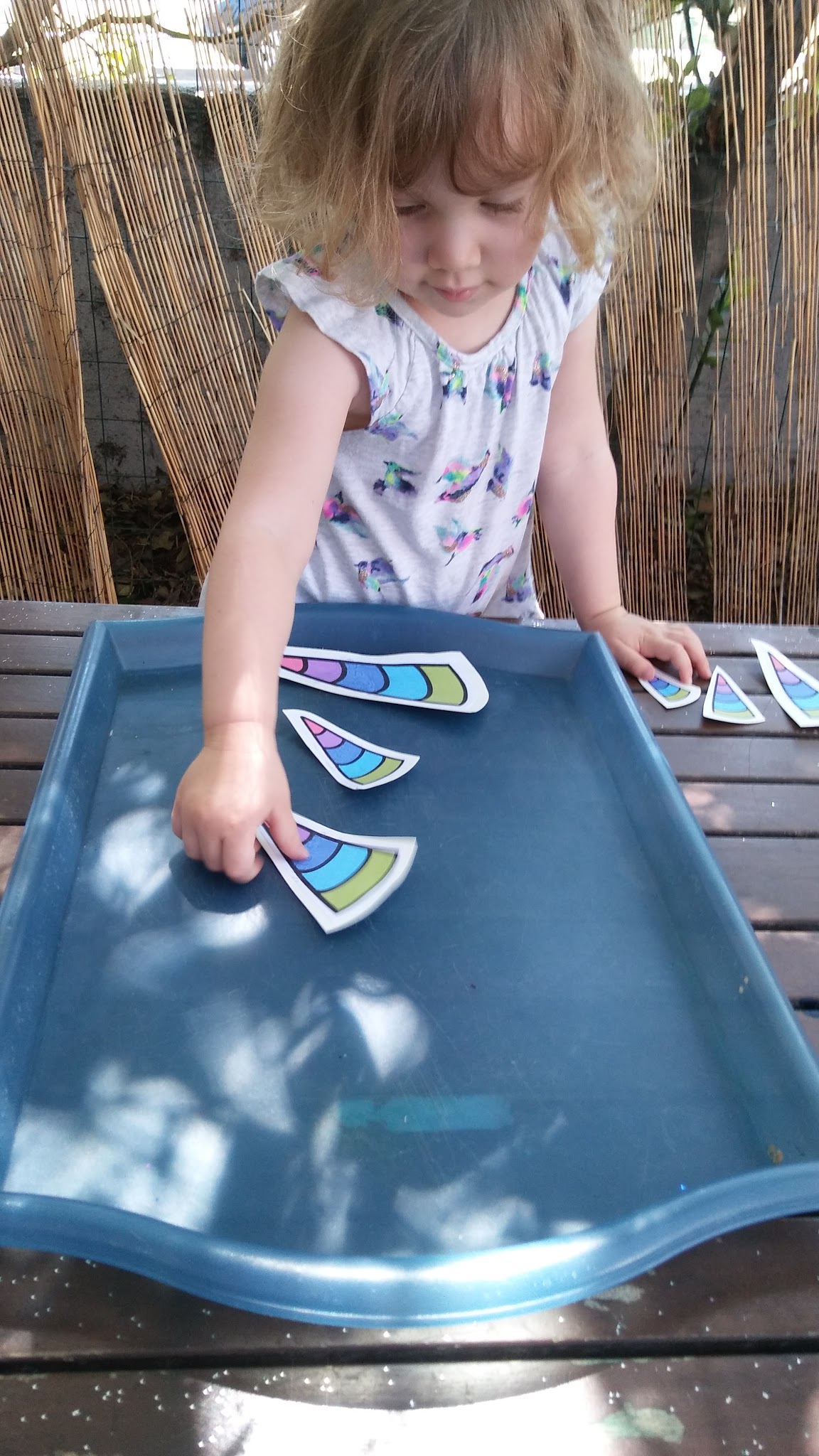
There’s more to preschool math than counting! Children ages 3-5 may wonder about measuring many things – from how tall they are to how long it takes to walk around the play ground. They hear adults talking about miles, pounds, gallons, acres and minutes. They see adults using measuring tools. Measurement activities can help young children understand basic math skills. They also hone their ability to compare and contrast objects, an important precursor to geometry. For this activity, we practiced sorting unicorn horns. Using their thinking minds, students placed larger horns at the top of the tray and smaller ones at the bottom.

Unicorn Horn

Triceratops Habitat

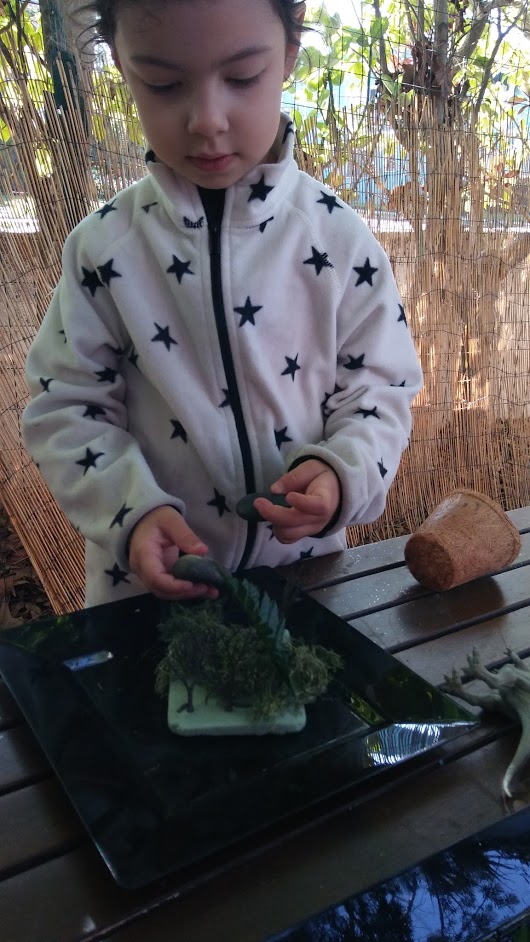
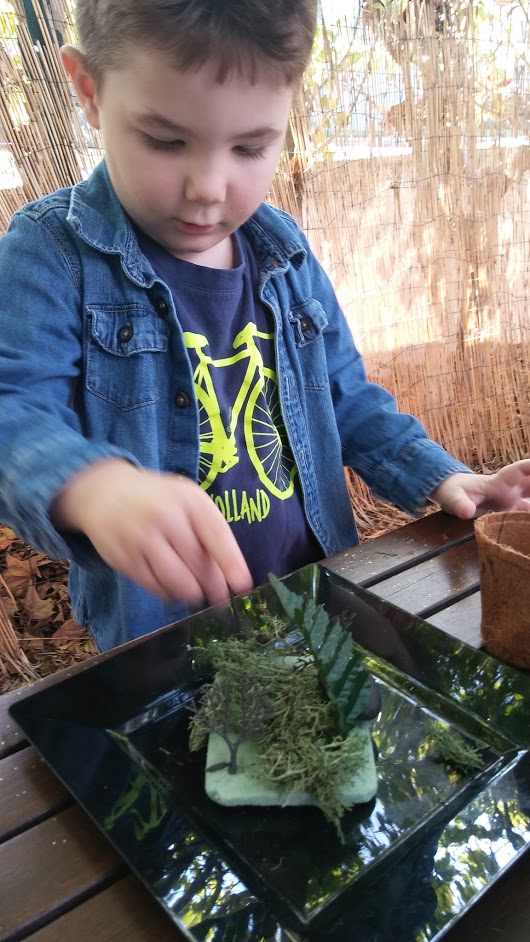
The triceratops lived during the end of the Cretaceous Period, around 67 million years ago. These giant lizards lived in North America, somewhere between Montana and South Dakota. Grazing on grass in herds, these dinosaurs roamed around together, residing in large family units.

rhino1

For this activity, we used a variety of sensory materials to recreate its lush habitat.  With the help of green flower foam, toy triceratops, peat moss, and tiny trees, we made the perfect home for our dinosaur friends.

rhino

T-Rex Puzzle Match

From toddlers to adults, people love to solve puzzles. Puzzles are intriguing, the goal is clear and when you solve them, you get that sense of accomplishment that makes you feel good about yourself. Preschoolers can play with puzzles without even realizing how many skills they are developing. This happens because, in order to solve a puzzle of any kind, your child needs to stop and think about how to go about reaching her goal.
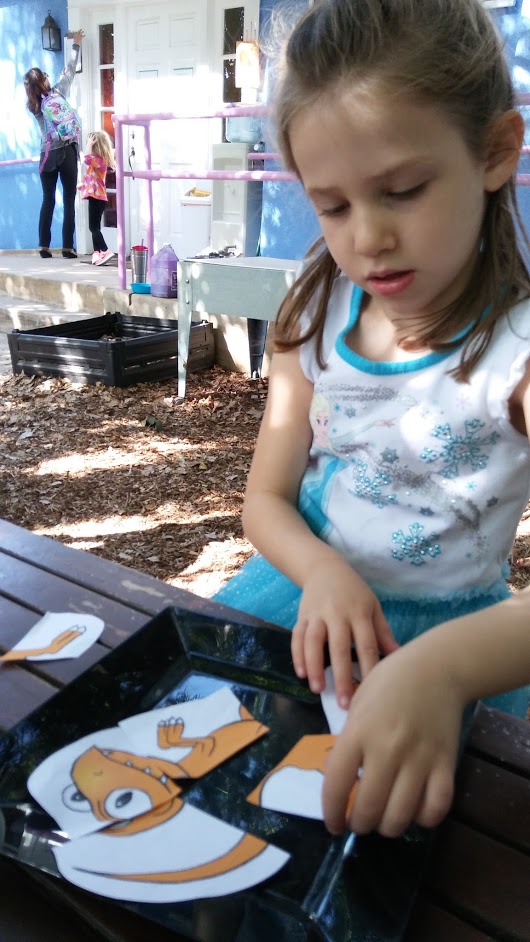
trex1

When using a board puzzle, she develops a strategy on how she will try to place each piece in the correct space in order to make all of the pieces fit. She uses her problem-solving skills by developing solutions in order to accomplish completing her goal, just as she will use these skills during the course of her adult life. Puzzles can also help a preschooler develop important cognitive skills. For example, when your child will is asked to take step-by-step direction, puzzles help him develop the ability to accomplish goals one step at a time and to understand why certain tasks need to be done in this manner.
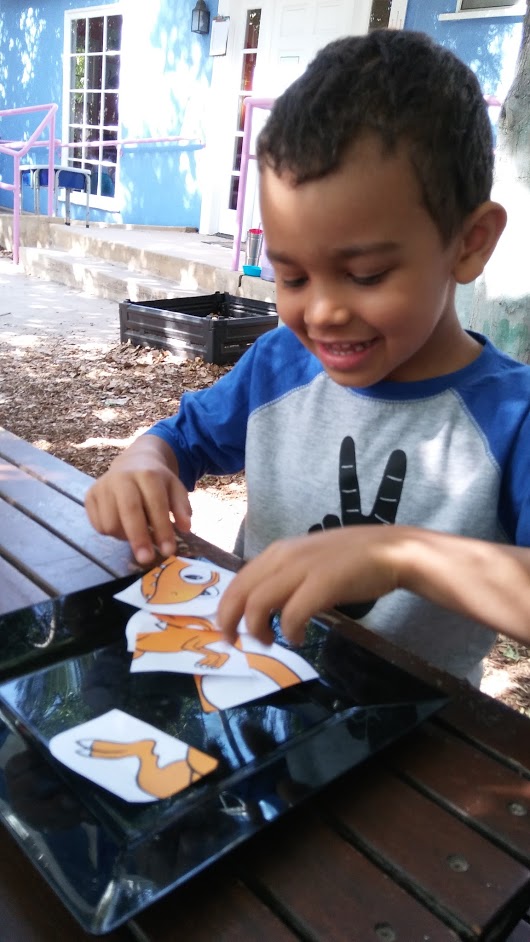
trex

They can also help your preschooler develop visual spatial awareness because of the many colors, shapes and themes they come in. For this activity, we used a puzzle to learn more about the magnificent tyrannosaurus rex!  There were six pieces, so each time your little one attempted to put the pieces together, he had to make sure that they all matched before he proceeded to add the next one.

Velociraptor Footprints

The velociraptor roamed the Earth around 70 million years ago. The word “velociraptor” is derived from the Latin words “velox” and “raptor”, which translated, mean “swift robber”. Despite its sleek appearance and small size, the velociraptor was a predator.  Relating more to birds than to reptiles, the velociraptor stood merely 2 feet tall, the size of a small turkey.

veloc4

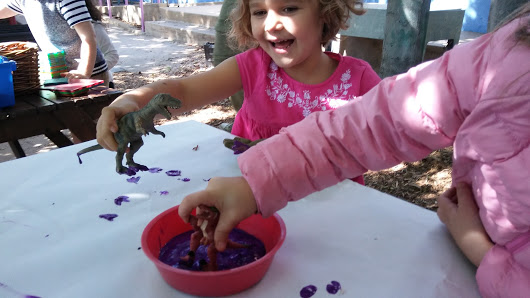
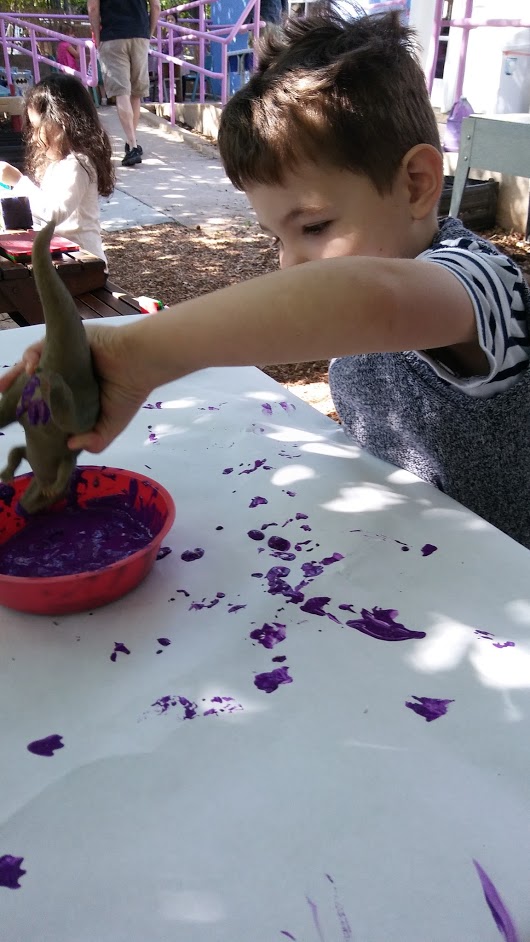
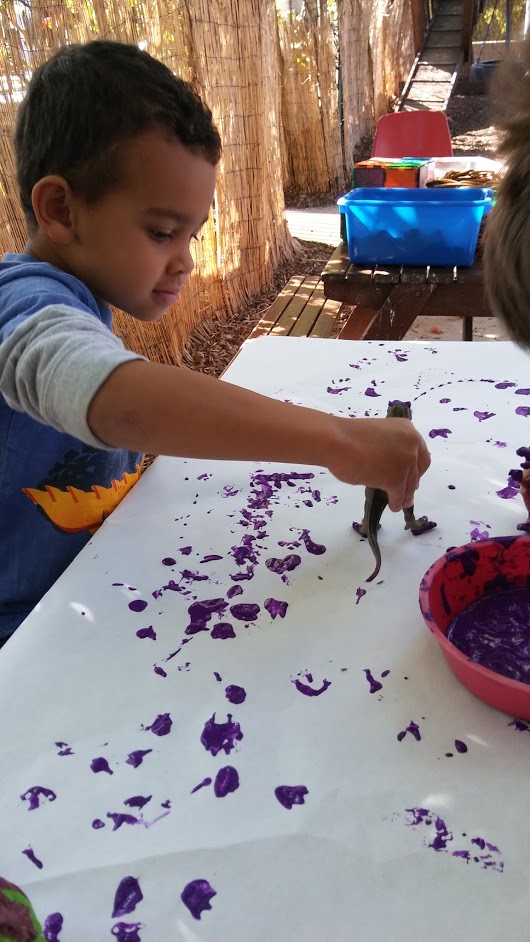
Some scientists believe that these creatures could at one time, fly. One thing is certain: the velociraptor loved to run. For this activity, we discussed the words “slow”, “swift”, and “carnivore”. To demonstrate the actions associated with these words, we used paint and toy raptors.

veloc3

Dipping our dinosaurs into the paint, your little one made a series of footprints on a piece of butcher paper. They were first asked to create slow, deliberate footprints. Then they were asked to create regular footprints. Lastly, they were directed to create swift footprints. This activity strengthened hand-eye coordination and supported the acquisition of new vocabulary.

veloc2