Weather Writing

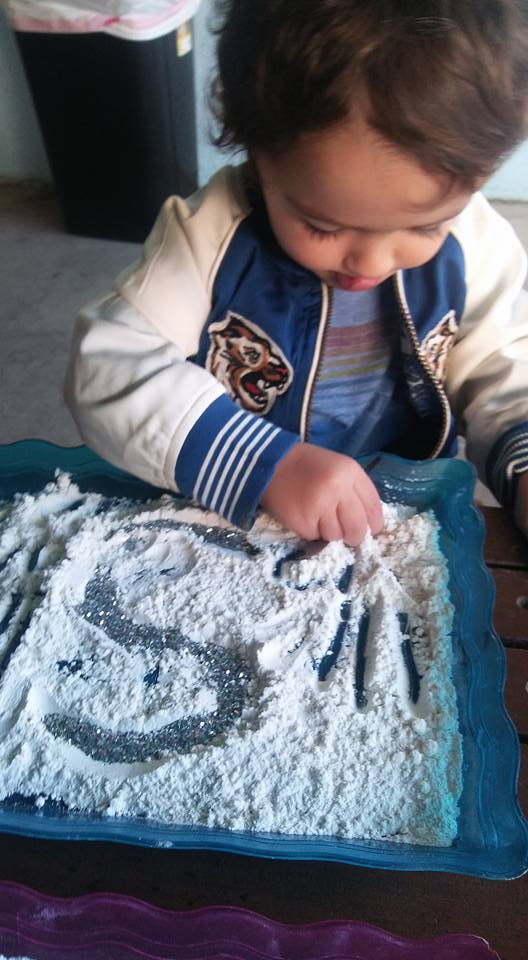
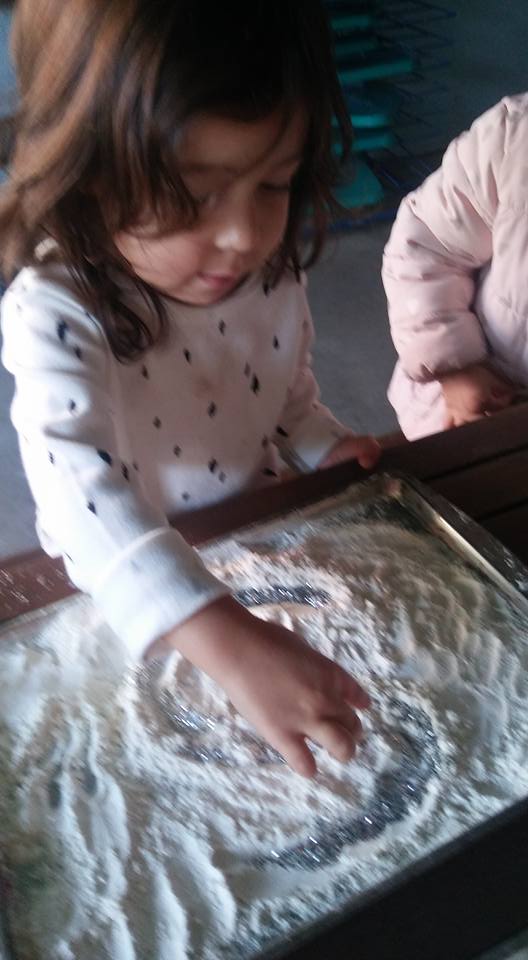
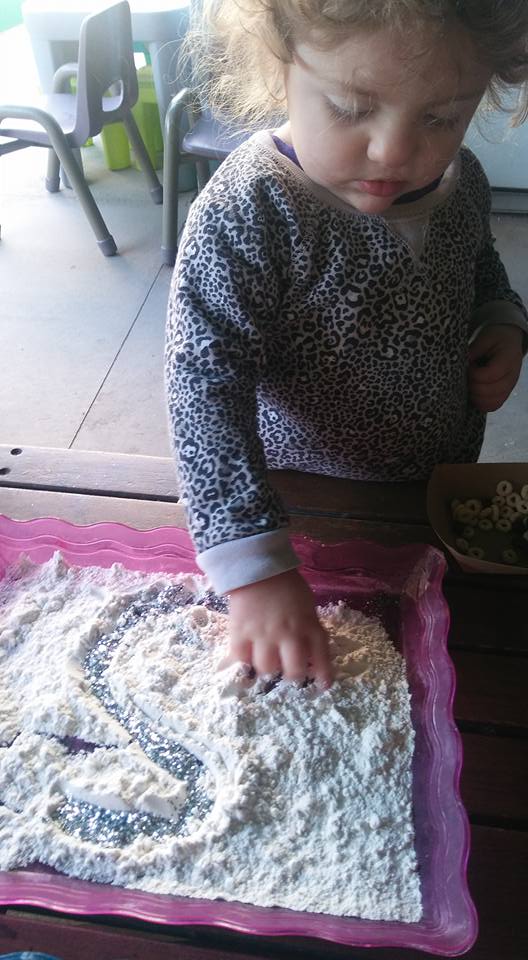
We spend about 30 minutes writing every day. Twenty of these minutes are spent writing on worksheets, and ten of these minutes are spent writing with tactile materials.

cloudwrite

In all of my experience, I have learned that children learn more from meaningful experiences than they do with two-dimensional materials, such as paper.
cloudwrite1

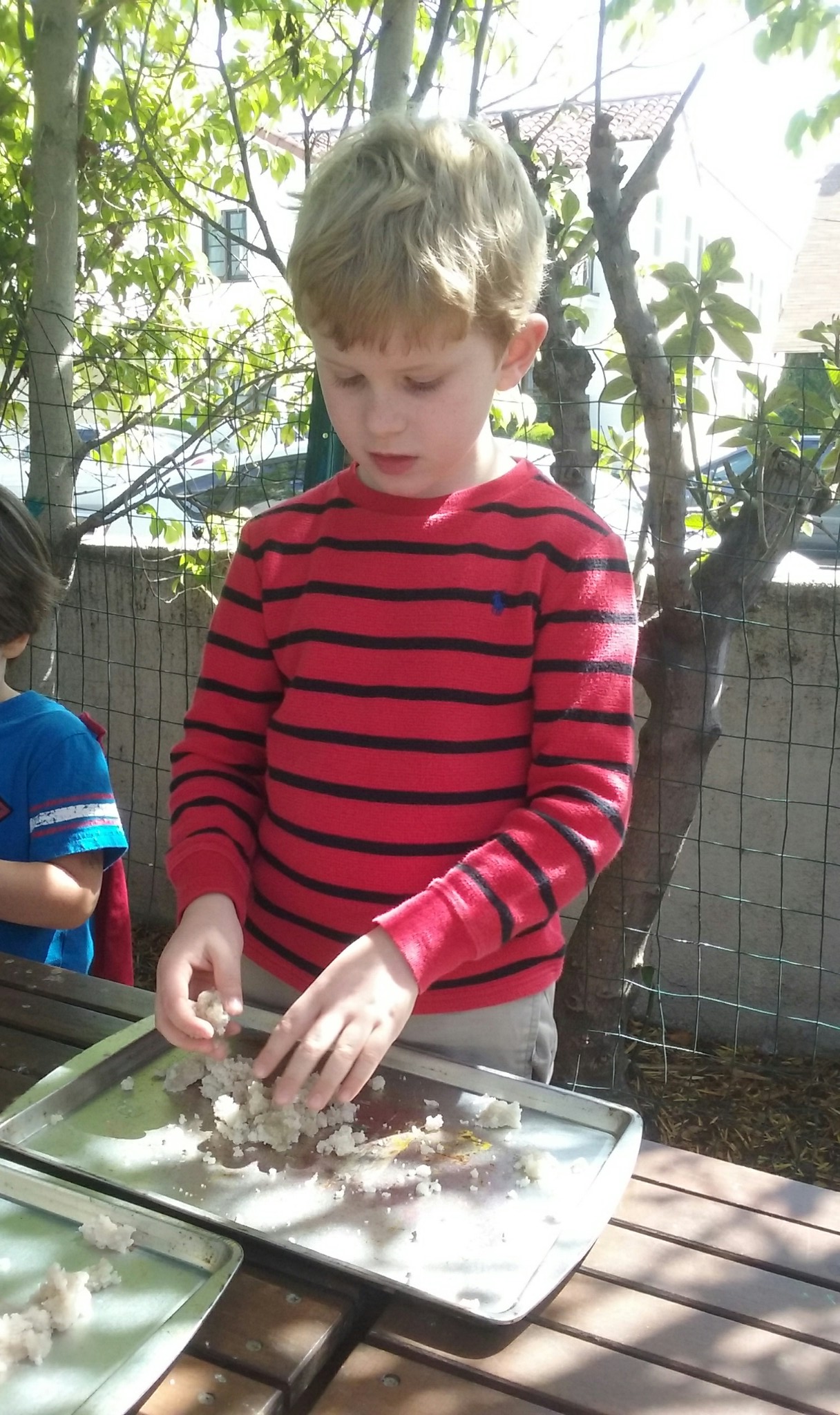
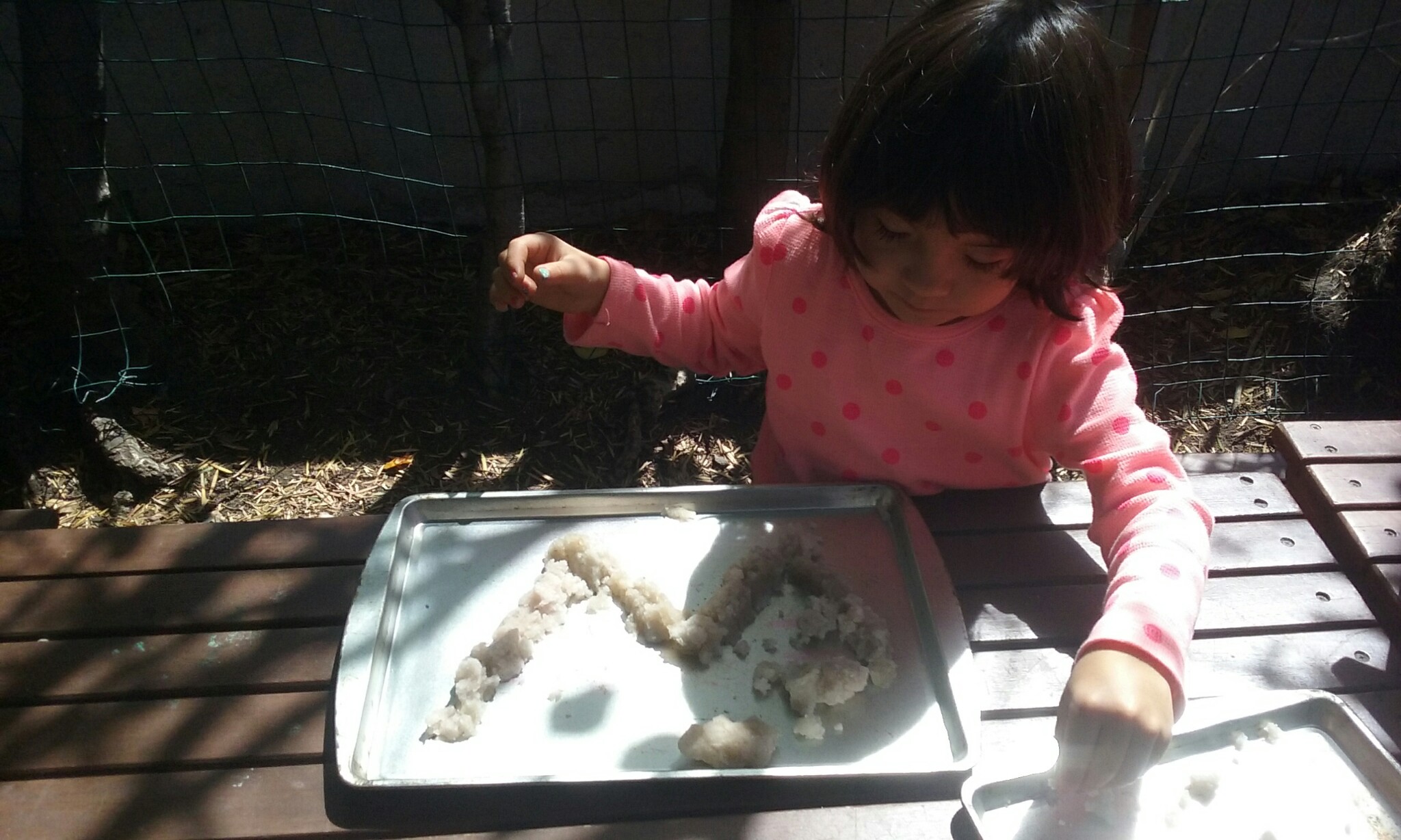
It is for this reason that we write on everything! On walls, the sidewalk, and even the table! We also use EVERYTHING we can find to write: markers, crayons, chalk, play dough, and even mud!

sunwrite

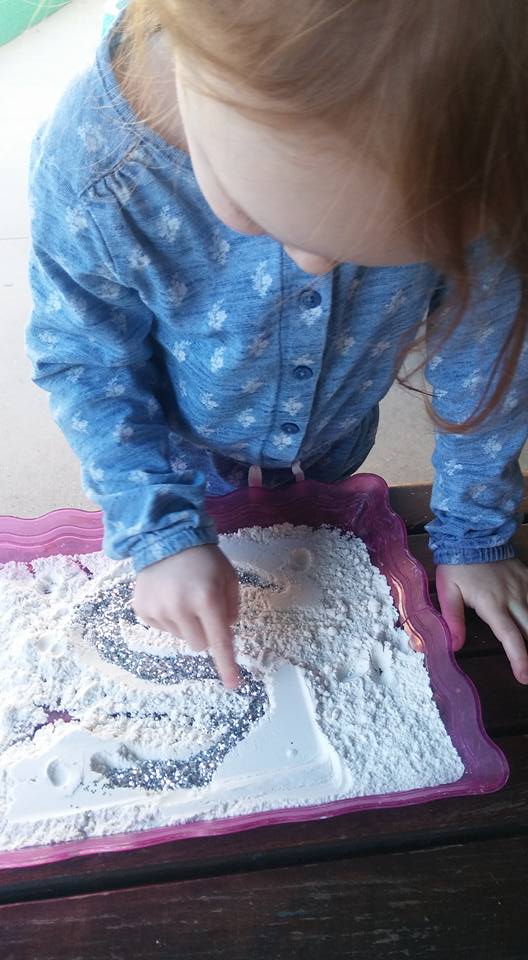
For these two activities, we explored two different letters that corresponded to our month of weather. The first of these letters was C for cloud, and the second of these letters was S for sun. For the cloud portion, we traced letter Cs into flour. A few weeks later, we traced the letter Ss into orange glitter.

glittery


Shadow Structures

Children investigate shadows indoors and outside to develop their understanding of the sun as a light source and how it’s apparent motion across the sky changes the size and direction of the shadows they see.

shadow

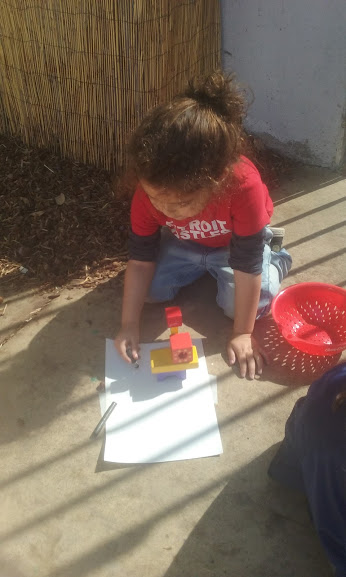
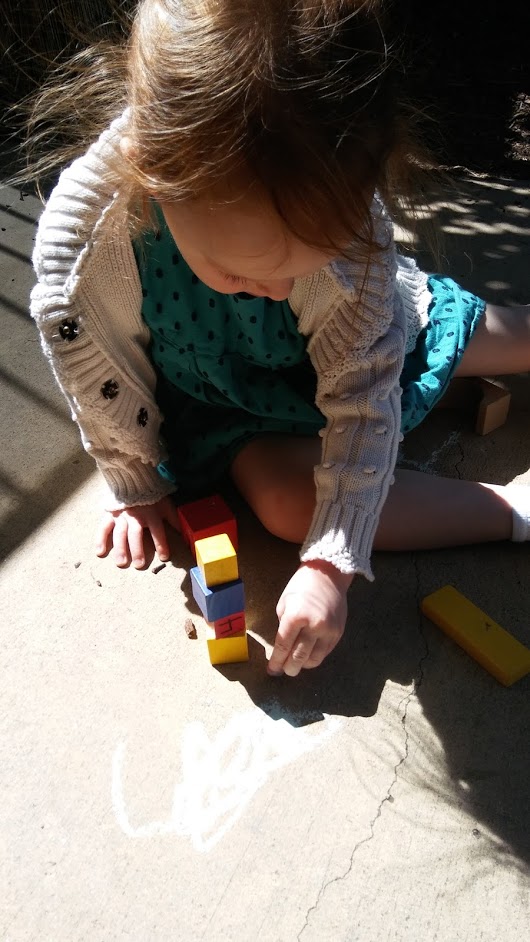
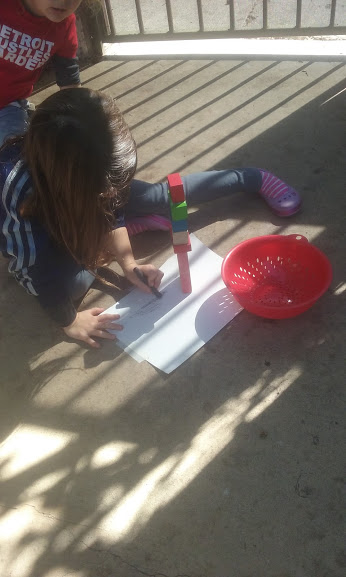
Because no unit on spring weather would be complete without some fun with the sun (and the shadows it creates), we constructed our very own shadow structures. Students were first given blocks and a white piece of paper.

shadow1

They were then told to build a tower with their blocks.

blockshad1

Next, they used crayons to draw the shadow of their structures.

blockshad

Lastly, we talked about how the sun makes shadows!

shadow2

Letter S Snow Tracing

Although the formal study of reading and writing does not occur until kindergarten, young children are capable of recognizing letters and their functions.

Snowtrace

Providing regular opportunities to practice pre-reading skills, is essential in gaining knowledge of the alphabet and its association to how words work.

Snowtrace1

Using insta-snow and our fingers, we practiced tracing the letter S.

Snowtrace2

Throughout the week, we have been talking about different words that start with the letter S.

Snowtrace3

We have additionally been singing songs that reinforce the different sounds that S makes. Lastly, we traced these Ss, then constructed snowballs out of our insta-snow!

Snowtrace5

Snowballs, Spheres, and the Letter W

Snow is formed when temperatures are low and there is moisture – in the form of tiny ice crystals – in the atmosphere.

snow2

snow1

When these tiny ice crystals collide they stick together in clouds to become snowflakes. If enough ice crystals stick together, they’ll become heavy enough to fall to the ground.

snow3

Using insta-snow, your little one performed two actions.

snow5

They first learned about what a sphere is, and formed one with their “snow”, and then talked about the letter W, and used their snow to make their very own letter W!

snow6

Your little ones have a powerful desire to explore and question the world around them.

snow7

They couple their imaginations with accessible materials to recreate many of the situations they learn about on a daily basis.

snow8

They do this as a means to integrate the known with the unknown.

snow10

snow9

Rain Rain, Go Away

A number of studies have indicated that games can help kids develop essential emotional and intellectual skills that support academic achievement.  For most preschoolers, collaborative games are a highly-social activity. In many of these games, players work together in teams to achieve goals, compete against other players or both. Their teamwork abilities are put to the test, and they must hone their communication and interpersonal skills in order to progress.

rain

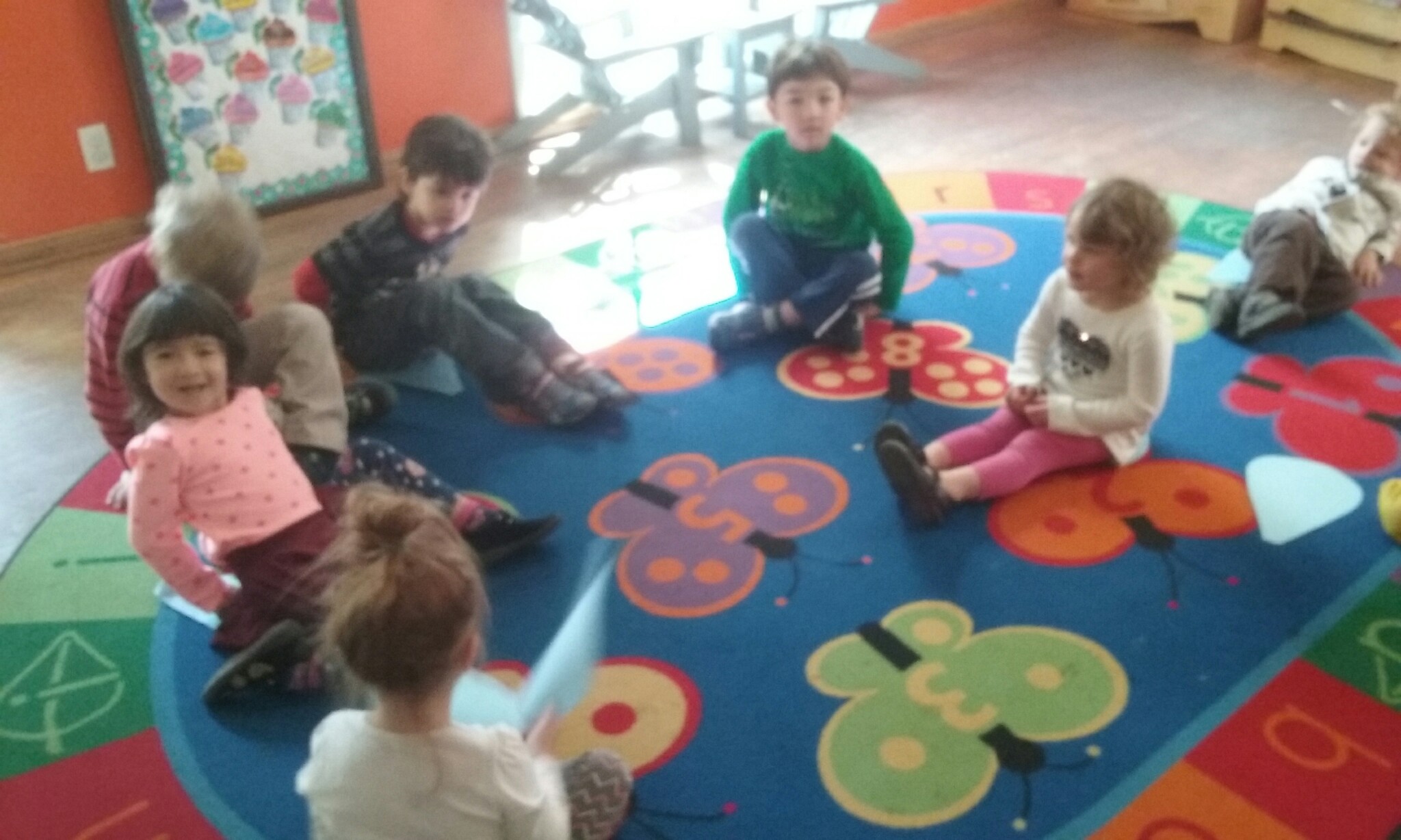
These pro-social behaviors are critical for healthy social development — children with positive social skills are more likely to have high self-esteem, good peer relationships and achieve in school. For this activity, we played a game called Rain Rain, Go Away. Each child was given a paper raindrop that they were told to hold onto as they walked across the circle rug.

rain2

They would do this during the music, and when the music stopped, they were instructed to put their raindrops on the ground to sit on. There were also segments in the music where rain sounds would initiate, and during this portion, students placed their raindrops over their heads.

rain1

In addition to the social benefits acquired, your little one was given the opportunity to practice their listening skills! Listening skills are very important because they help children learn how to develop their language skills, so we are constantly playing games that foster this important developmental task.

rain3

Where Does Rain Come From?

Teaching scientific concepts to young children poses unique challenges, so in our classroom, we use simple vocabulary and fun projects to keep them captivated!

paper5

papertow

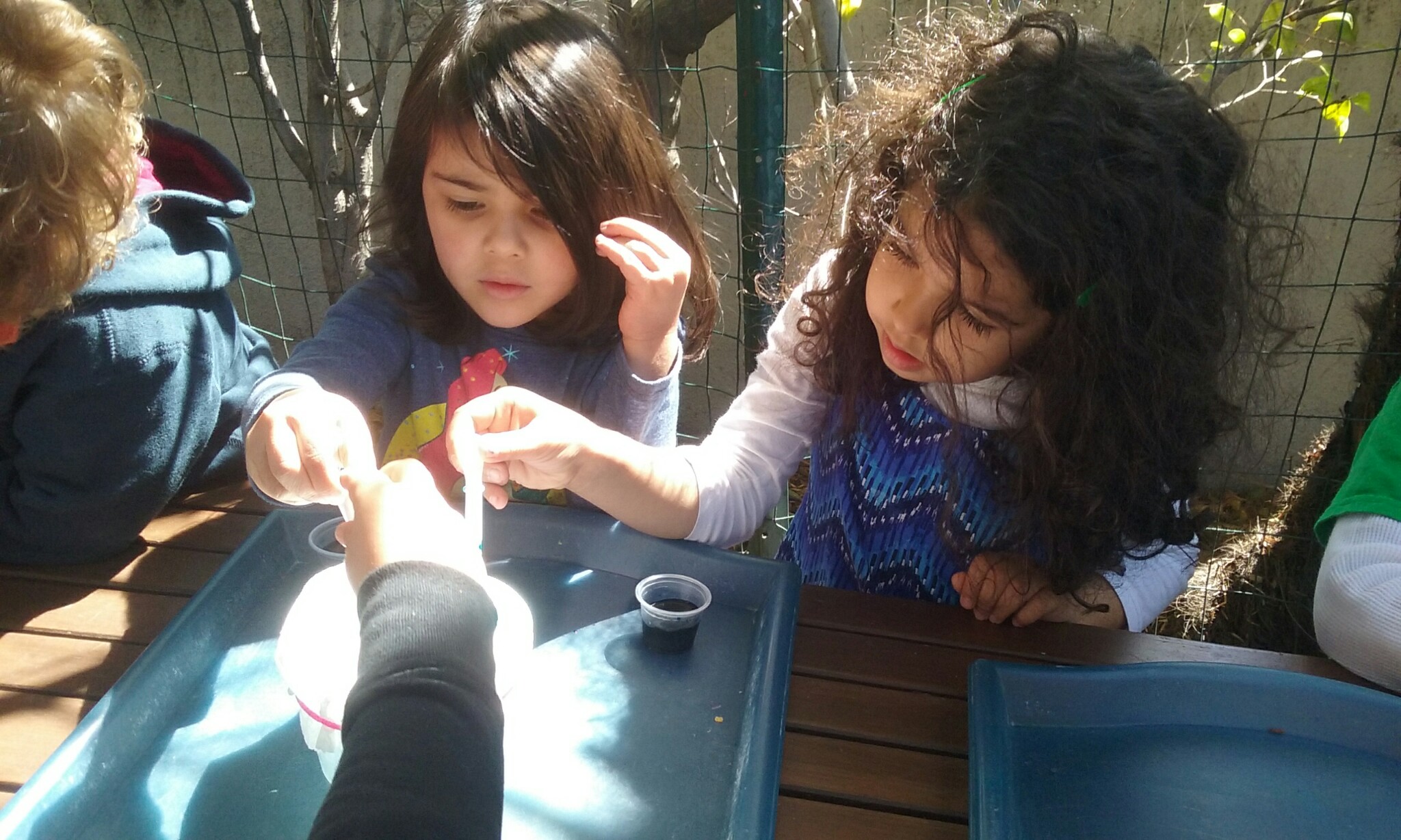
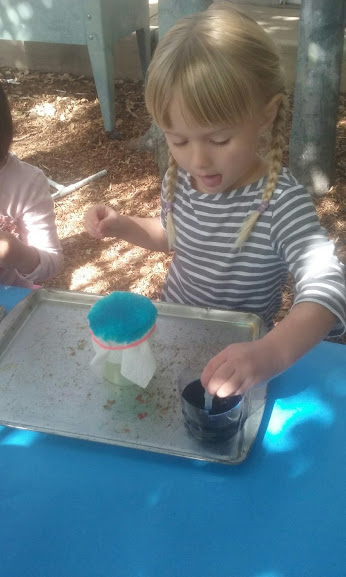
Water rotation is an ideal introduction to rain formation, so we talked about where rain comes from and where it goes!

paper45

paper3

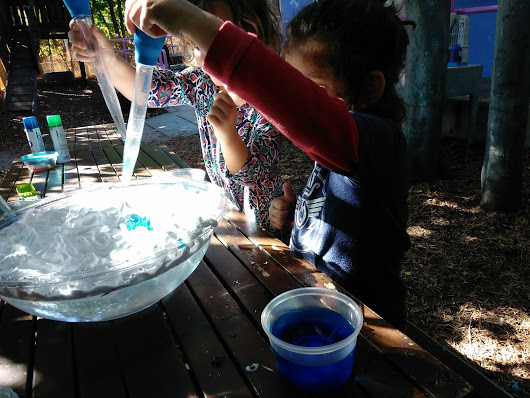
With paper towels, plastic droppers, bowls, and blue water, we practiced dropping rain on our “clouds” and then watched as it dropped into the bowls!

papertow2

Hands-on activities such as these reinforce complicated concepts and allow your preschoolers to grasp how rain works!

papertow3

paper4

Collaborative Thunderbolts

These days, curriculum often recommends using partner chats, turn-and-talk, and other one-on-one conversation strategies to help students reflect on and deepen their learning. Although it may seem like a simple thing, chatting with a partner involves a complex set of skills that many children do not come to school with: listening and speaking in turn, staying on topic, and not monopolizing the conversation, to name just a few.

ww1

Conversation skills are important for academic and social learning at all ages. The school day is full of conversations—we talk with each other in large group gatherings, at work and choice times, and of course during snack, recess, and lunch. Children who are not skilled in this arena may struggle, academically and socially. That’s why it’s important to teach conversation skills explicitly. I’ve found that taking time to teach first grade students how to chat with a partner has had striking benefits—for individual students, and for our classroom community.

ww2

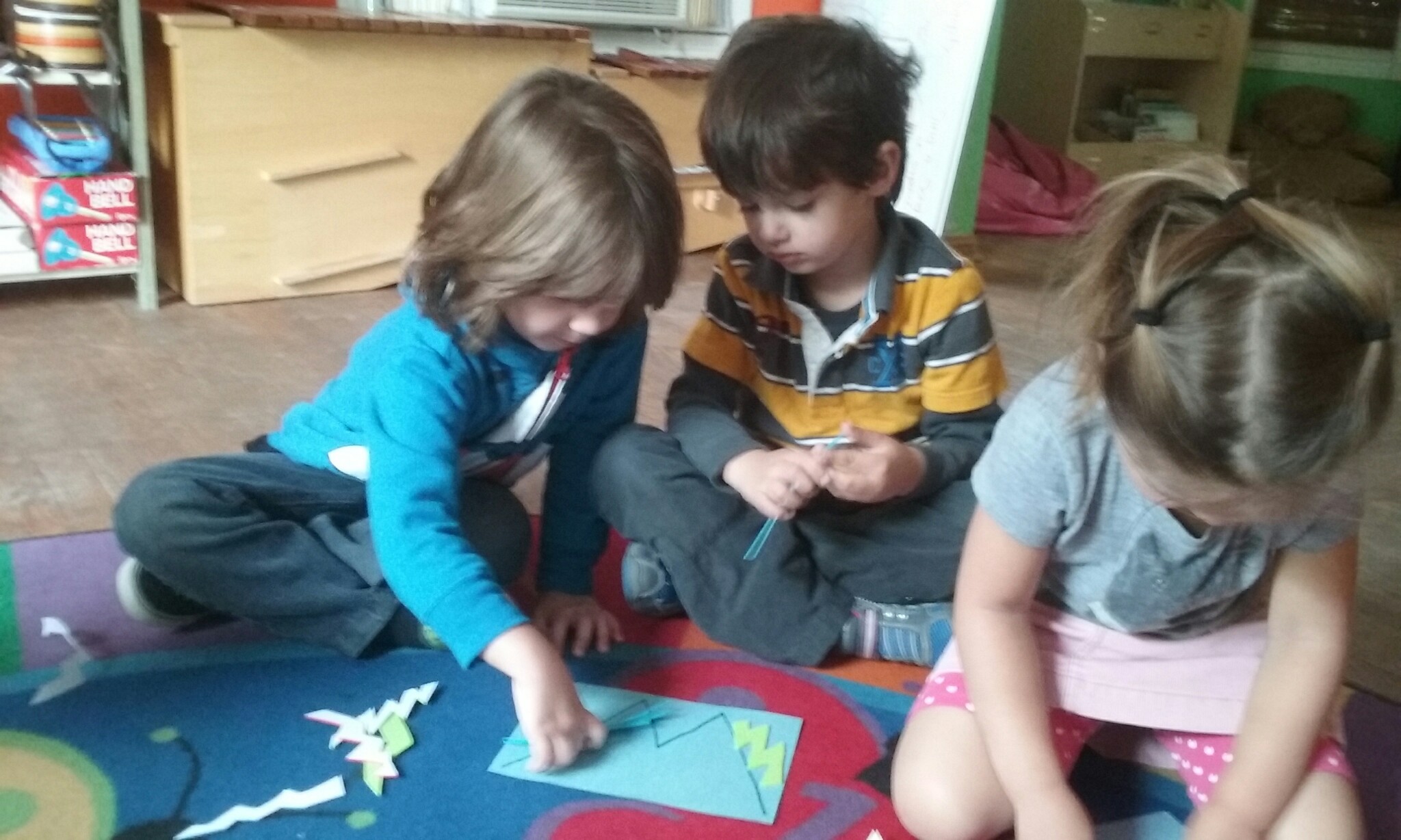
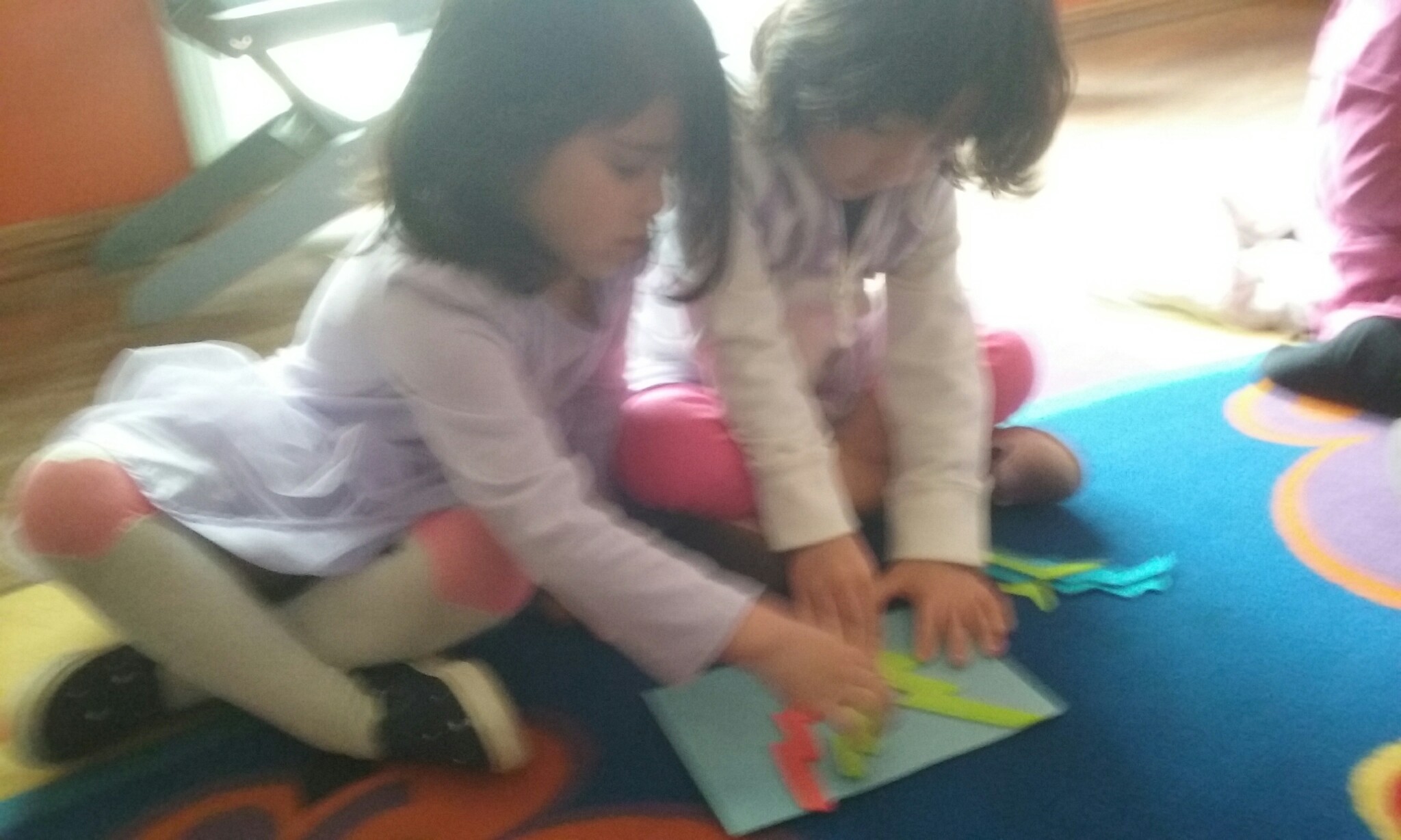
For this activity, we used circle time to learn about the letter W with a partner! Using lightning bolts made out of foam, we created our letters. Before starting, your little ones were informed that the letter W is made up of a series of different shaped lines. These lines attach to form W! With their partners, they attached these “lightning bolts” together to form a W!

ww3

Shaving Cream Clouds and the Water Cycle

Have you ever wondered how clouds form? We all learn the water cycle in school – water falls from the clouds in the form of rain or snow and collects on the ground.

cloudcream

The water on the ground heats up and turns to vapor and the vapor travels up into the atmosphere and creates clouds.

cloudcream1

shaving cream 4

When a rain cloud gets so full of water or mass, the water has to go somewhere and will break through the cloud and start to fall to the ground.

shaving cream 2

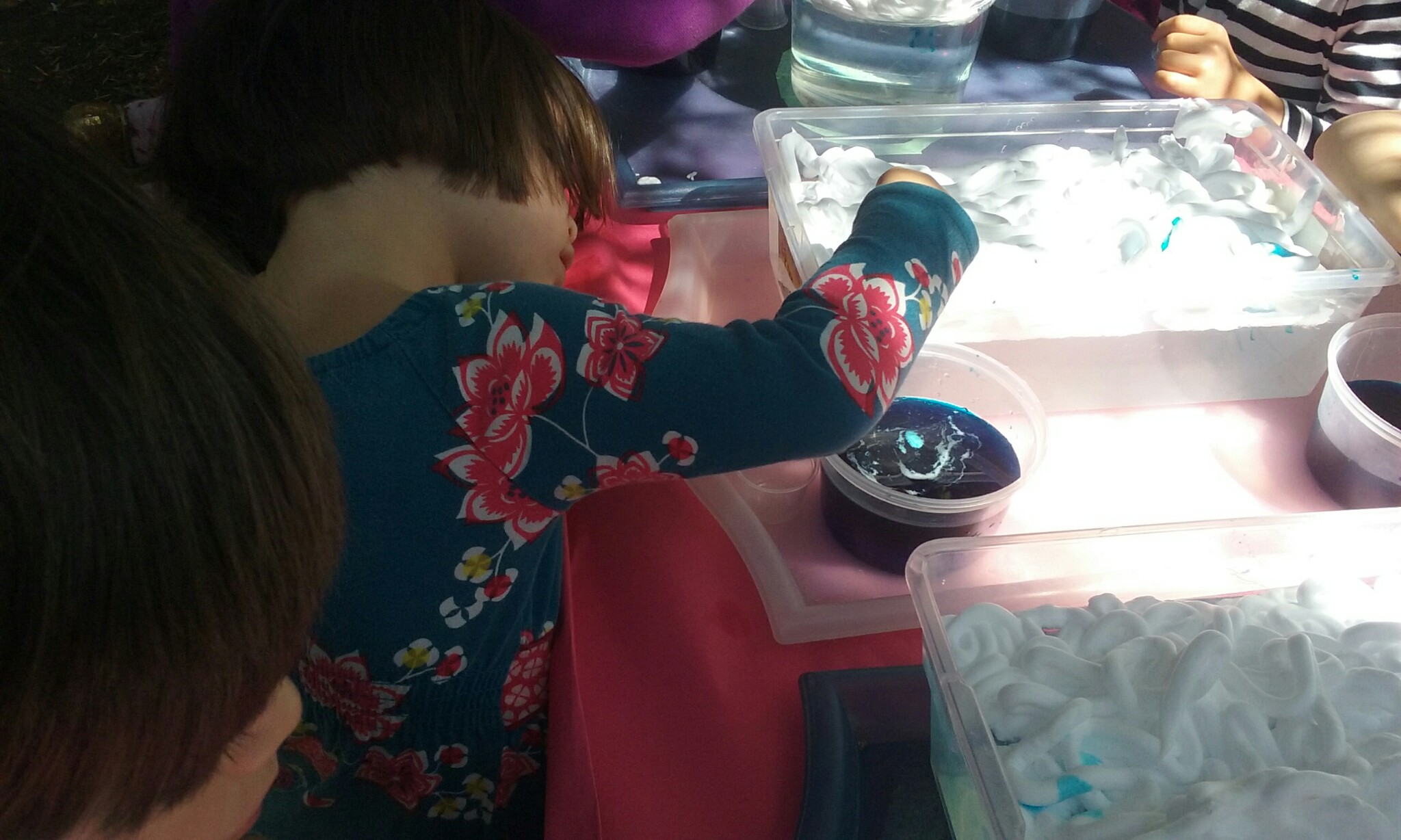
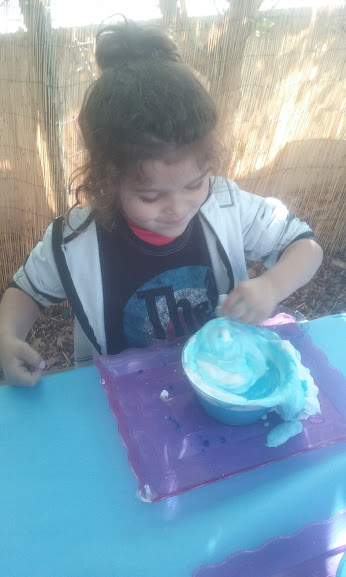
To demonstrate this phenomenon on a preschool level, your child created a shaving cream cloud!

cloudcream4

As they poured or dripped the water over the shaving cream cloud, the blue water started to break through the foamy mass.

cloudcream2

Doing so enable your budding meteorologist to observe their cloud as it gained mass and altered its composition.

cloudcream3

Scissors and Icicles

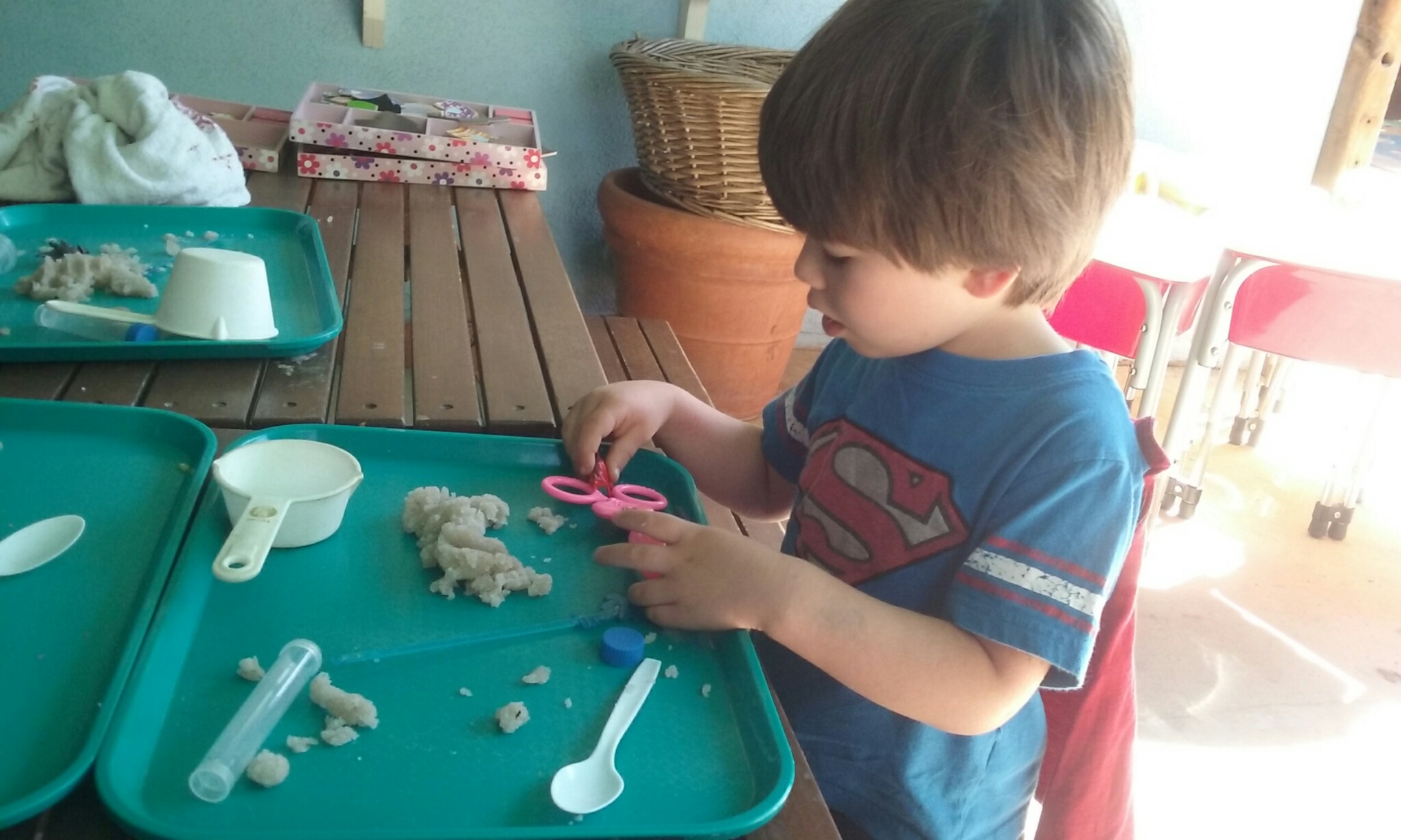
Cutting with scissors requires the skill of hand separation, which is the ability to use the thumb, index, and middle fingers separately from the pinkie and ring fingers.

ice

This can be challenging for a youngster with small hands.

ice1

Although many three and four year-olds have the skills needed to snip and cut, scissor skills are not fully developed until around age six.

ice2

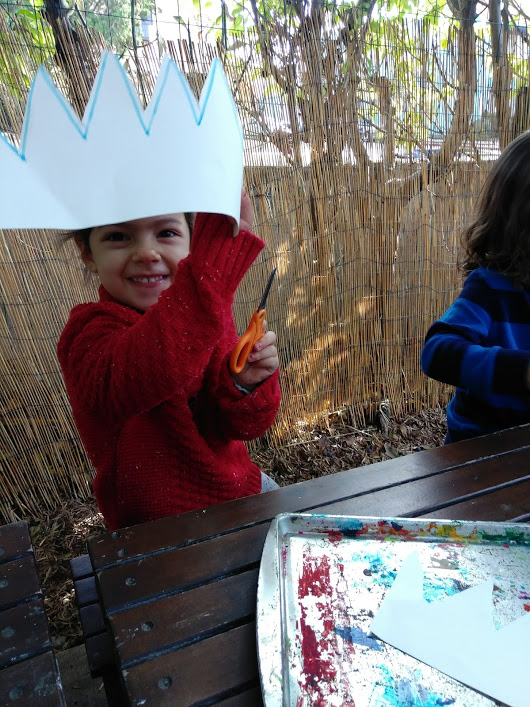
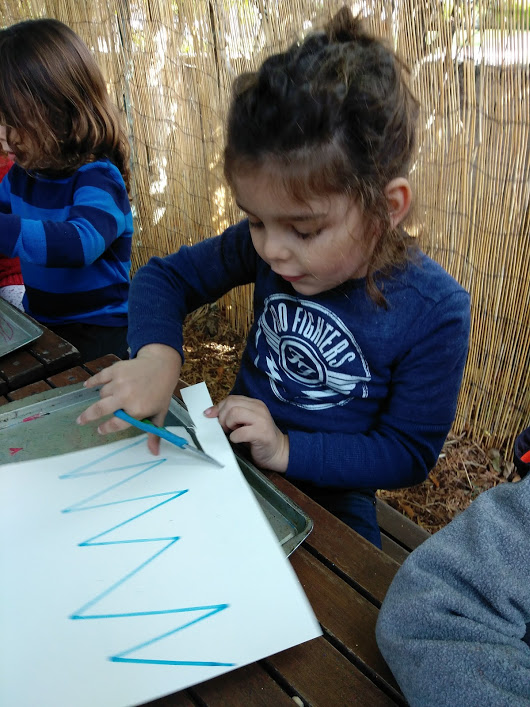
To help your little one practice their cutting skills, we cut out icicles. Following this, they painted a piece of paper blue and attached their “icicles” to it!

ice3

Ice Sculptures

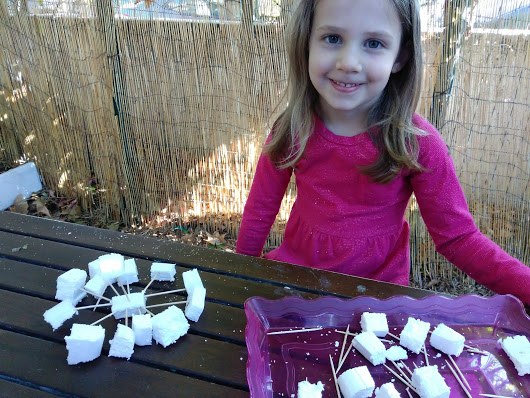
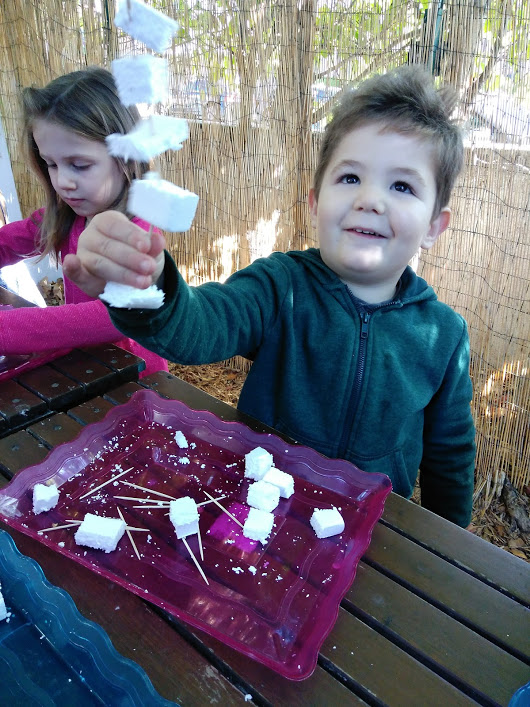
Using toothpicks, and styrofoam pieces, your little architect constructed their very own structures!
sculpture
 Playing with a variety of building materials is critical for the development of spatial thinking, or envisioning where different items go in relation to each other as they build.
sculpture4
scupt3
Deciding how to structure the pieces, connect them together, and configuring whether they are aligned or perpendicular to one another, are just the kinds of skills that support later learning in science, technology, engineering and math.
sculpture2
scupt5