Ireland Sensory Bin

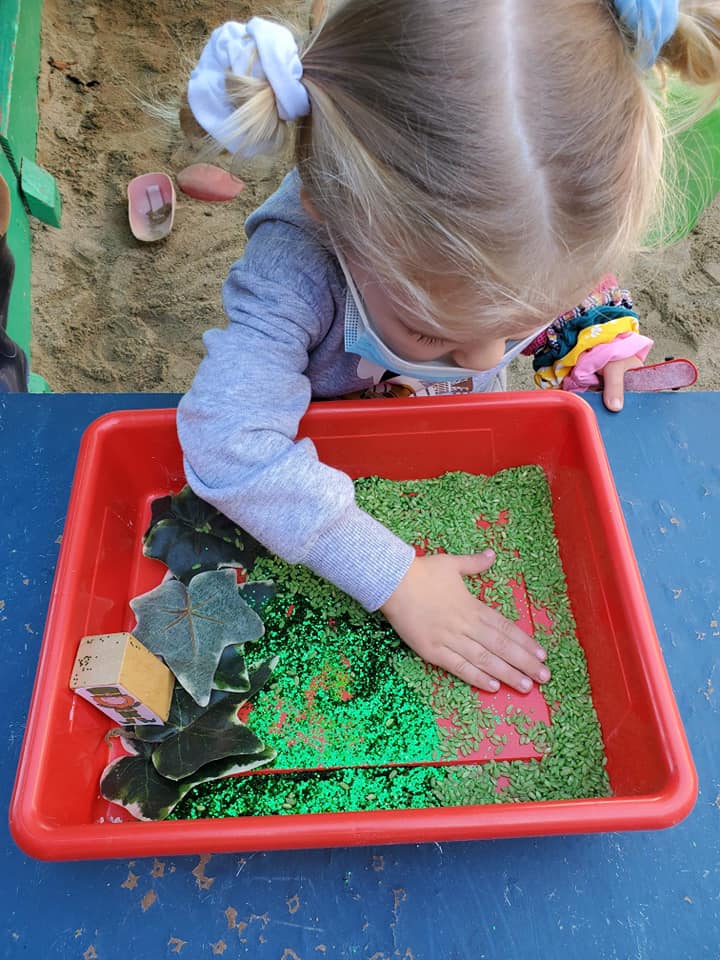
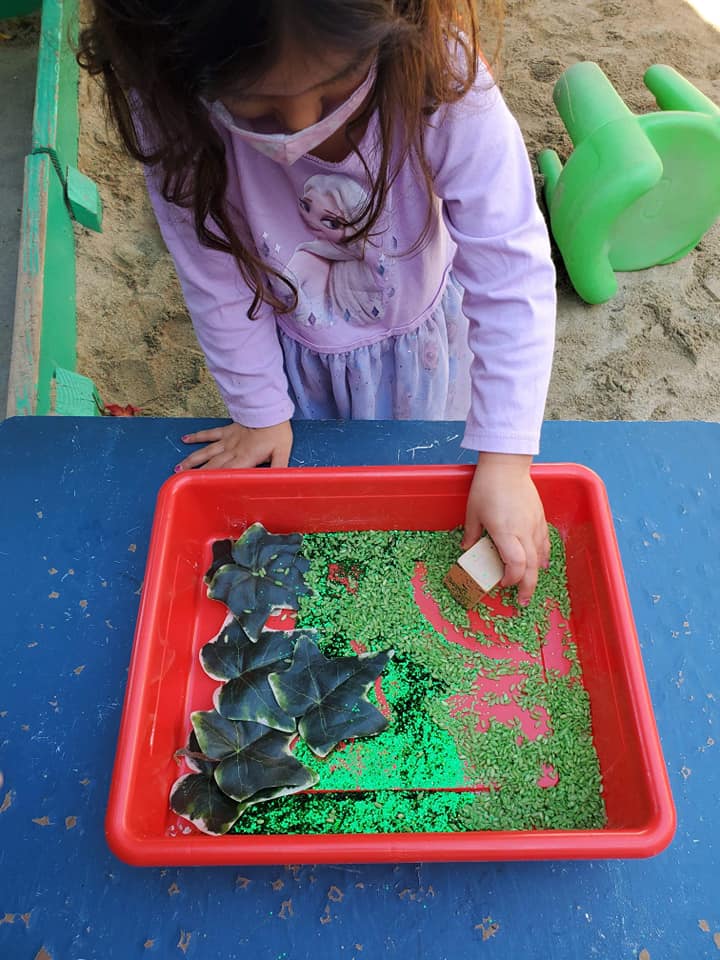
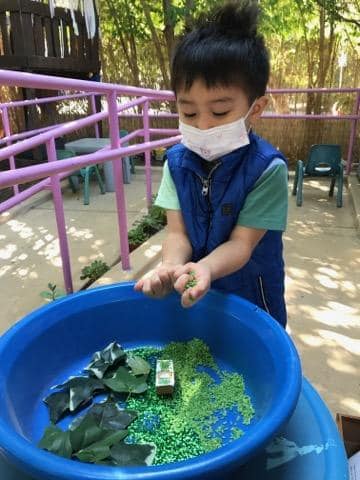
Ireland is an island in Northwestern Europe in the north Atlantic Ocean.

The island lies on the European continental shelf, part of the Eurasian plate.

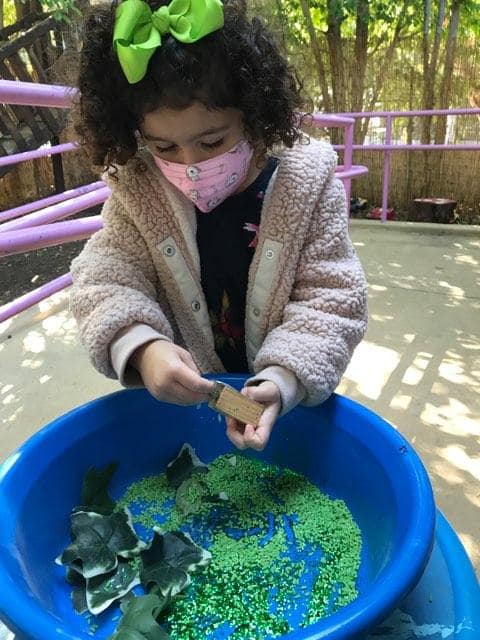
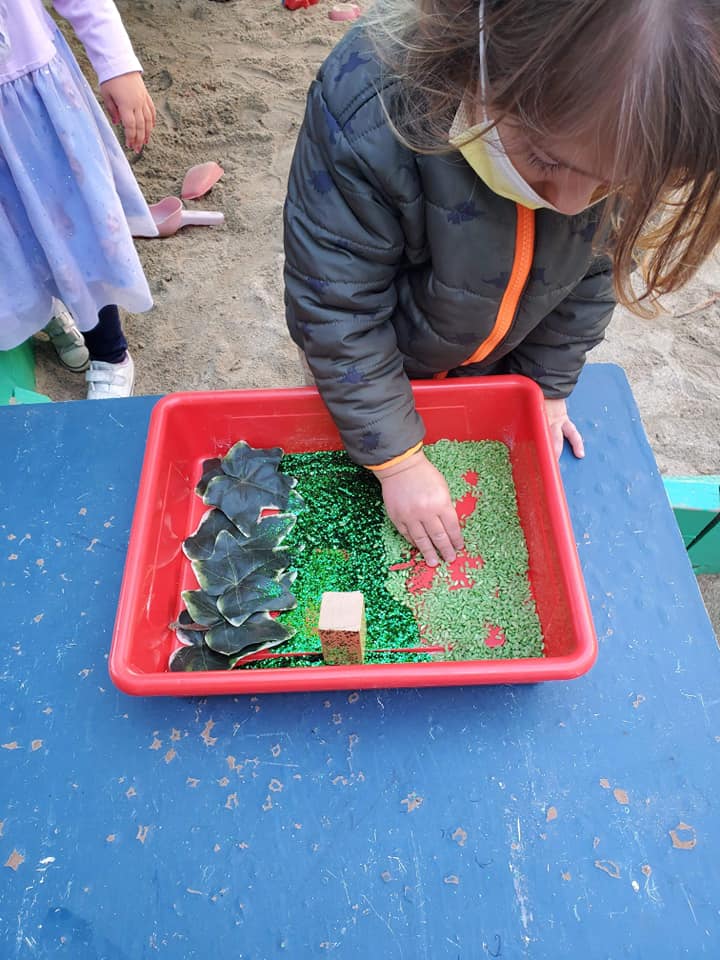
The island’s main geographical features include low central plains surrounded by coastal mountains.

To recreate these geographical features, we decided to create our very own sensory bins!

Sensory play is an integral part of early learning, because it allows the whole child to participate in his own learning, using all of his senses while doing it!

Gaelic Football

Gaelic football is an Irish team sport.

It is played between two teams of fifteen players on a rectangular grass pitch.

The object of the sport is to score by kicking or punching the ball into the other team’s goals or between two upright posts above the goals and over a crossbar 8.2 feet above the ground.

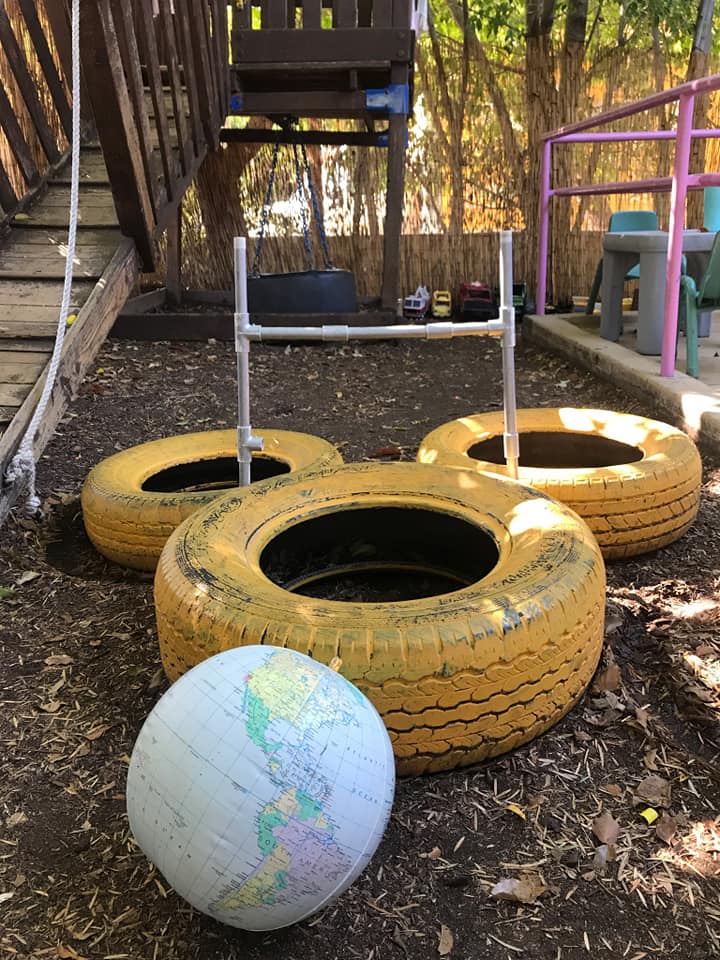
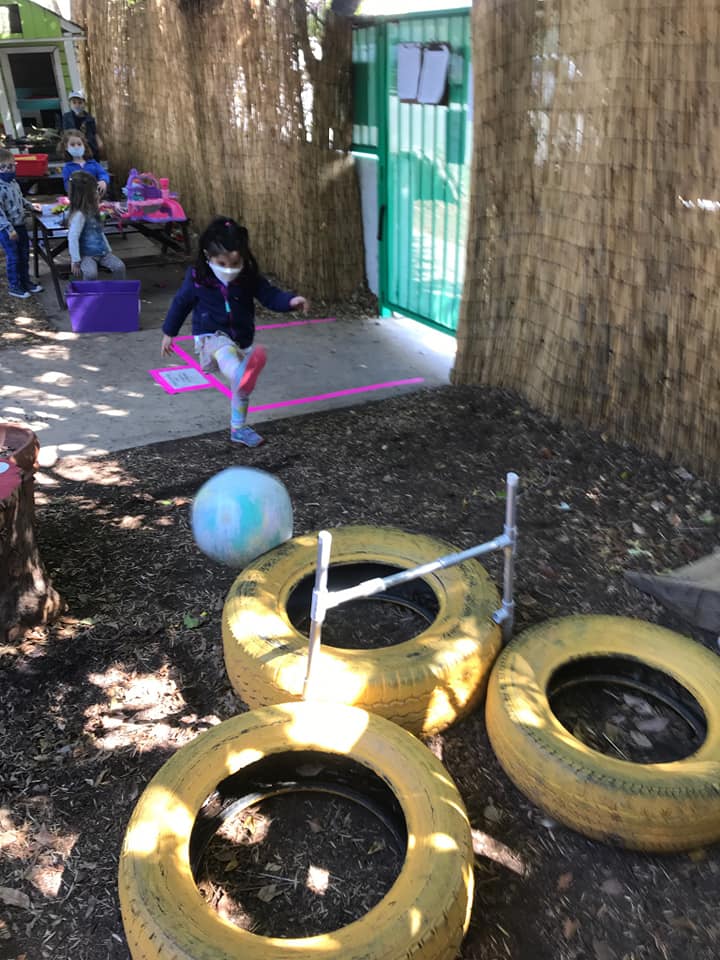
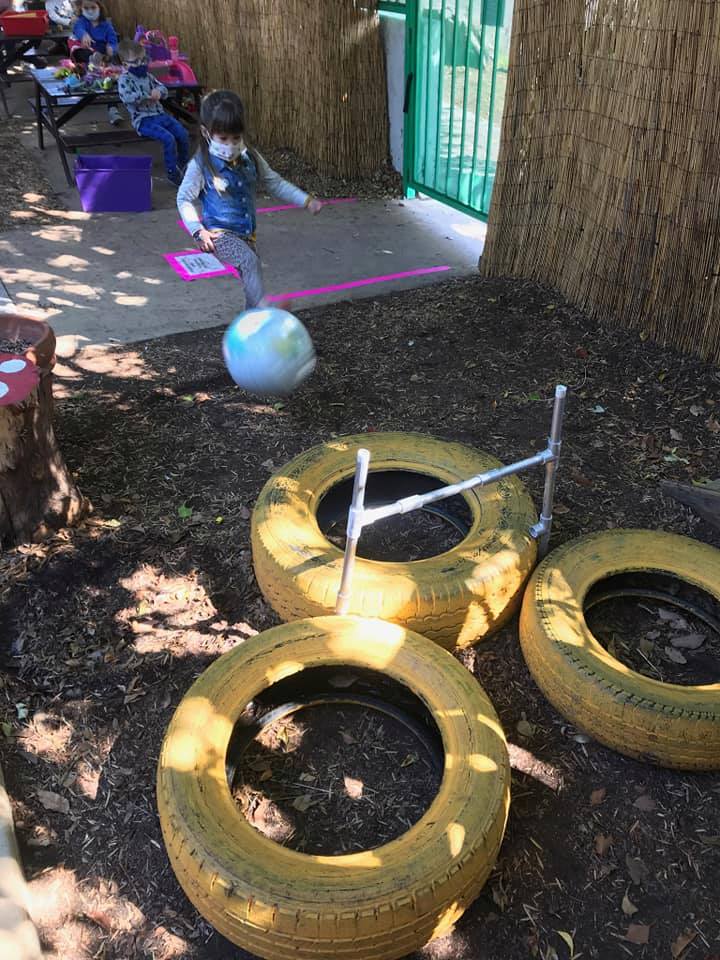
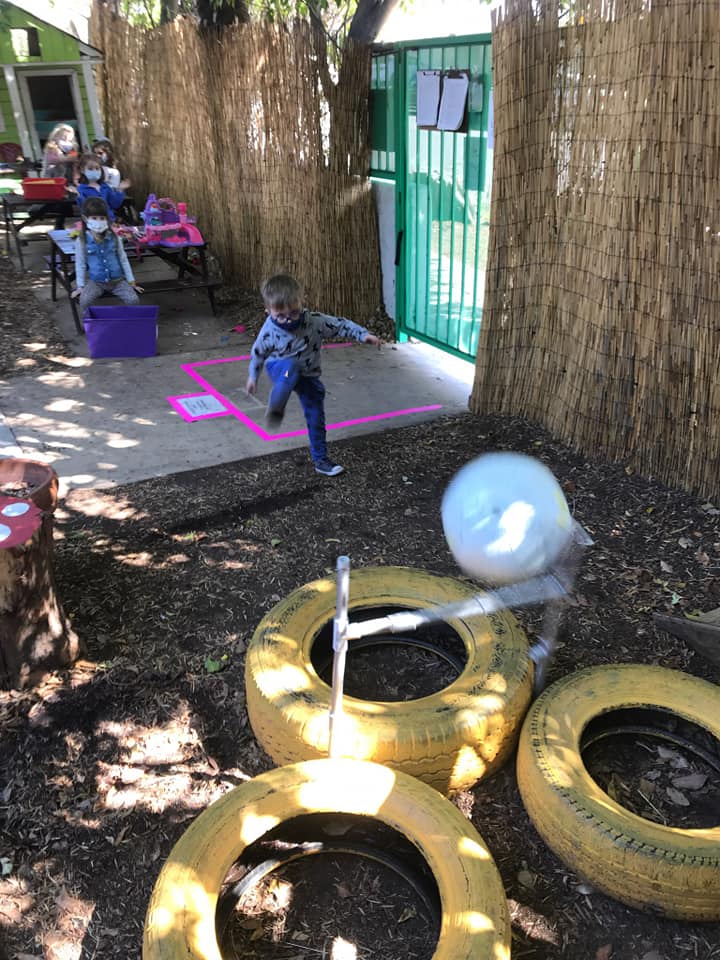
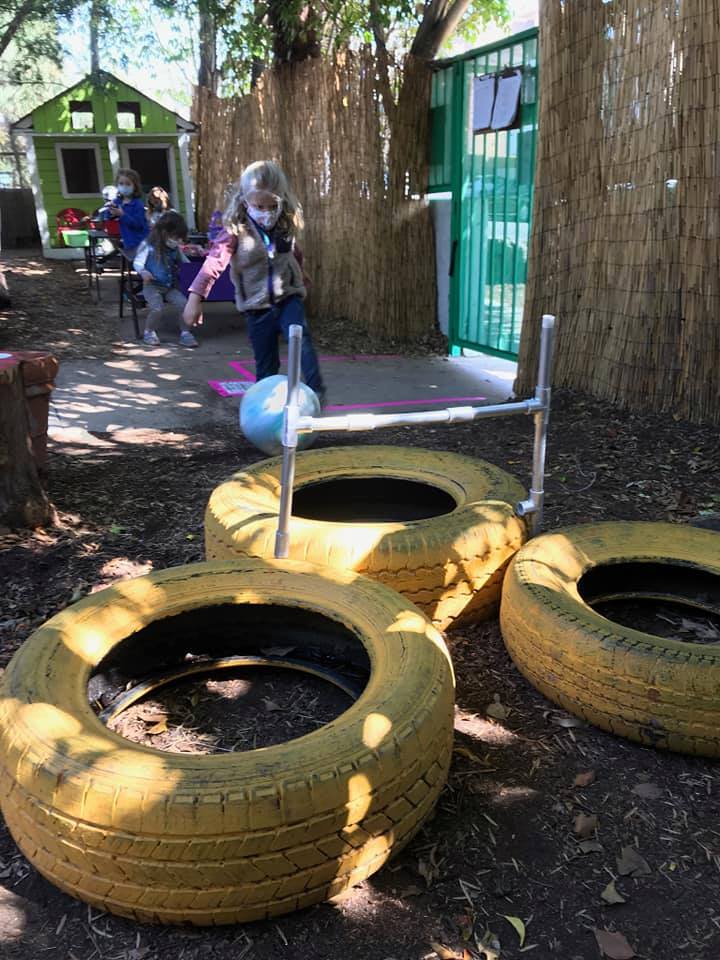
To incorporate this fun game into both our Irish theme and the Gross Motor Developmental Domain, we decided to create a preschool version of this!

Using tires, tubes, and a bowl, we constructed our own H-shaped goals and gave every child the opportunity to score by throwing a ball into the goal.
We had so much fun doing it!

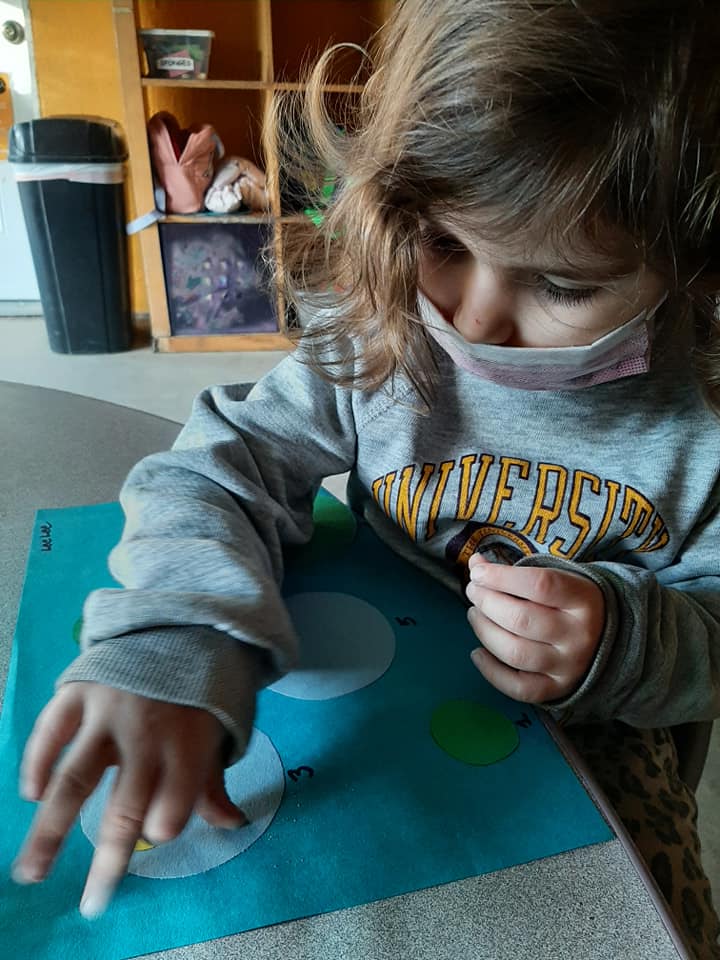
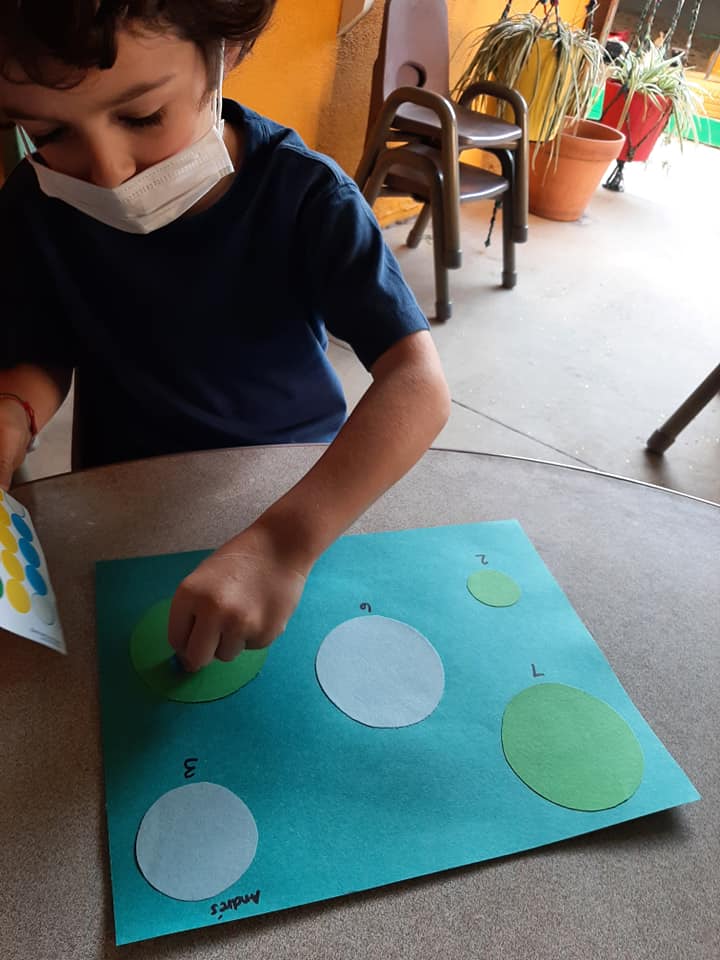
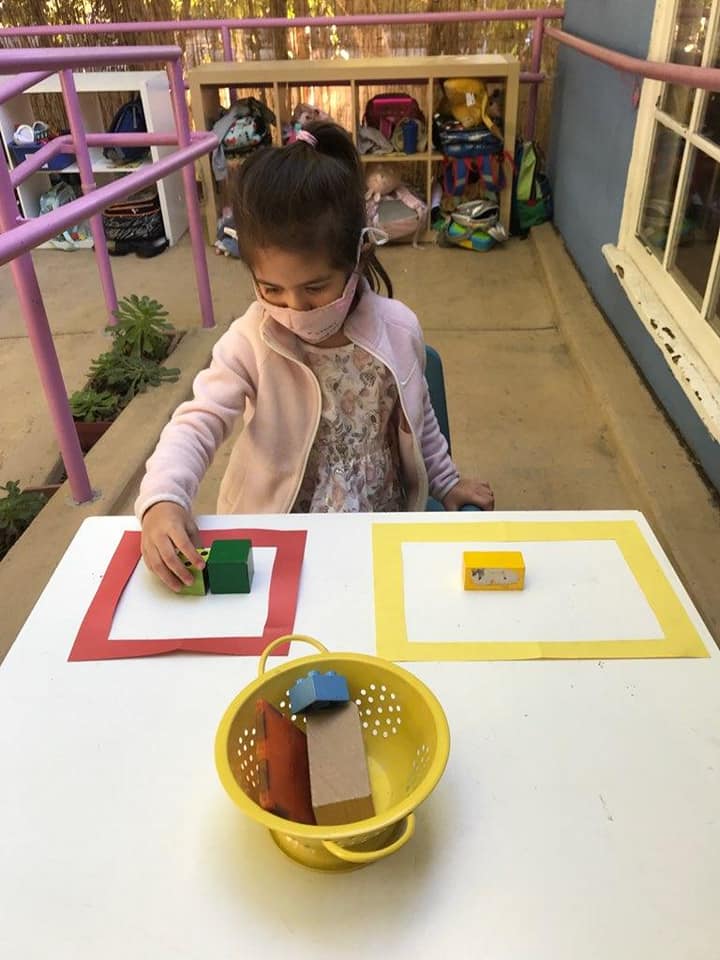
Circle Sort and Count

Classifying and sorting activities help children to develop a range of thinking skills and build the foundations for later problem-solving.

The visual memory and discernment involved, and the ability to identify patterns, relationships, similarities and differences, assists children in learning about early number representation and problem-solving.

For this activity, students practiced counting and sorting circles by number.

They learned that each symbol represents and quantity and had fun placing the different colored circles onto each large circle!

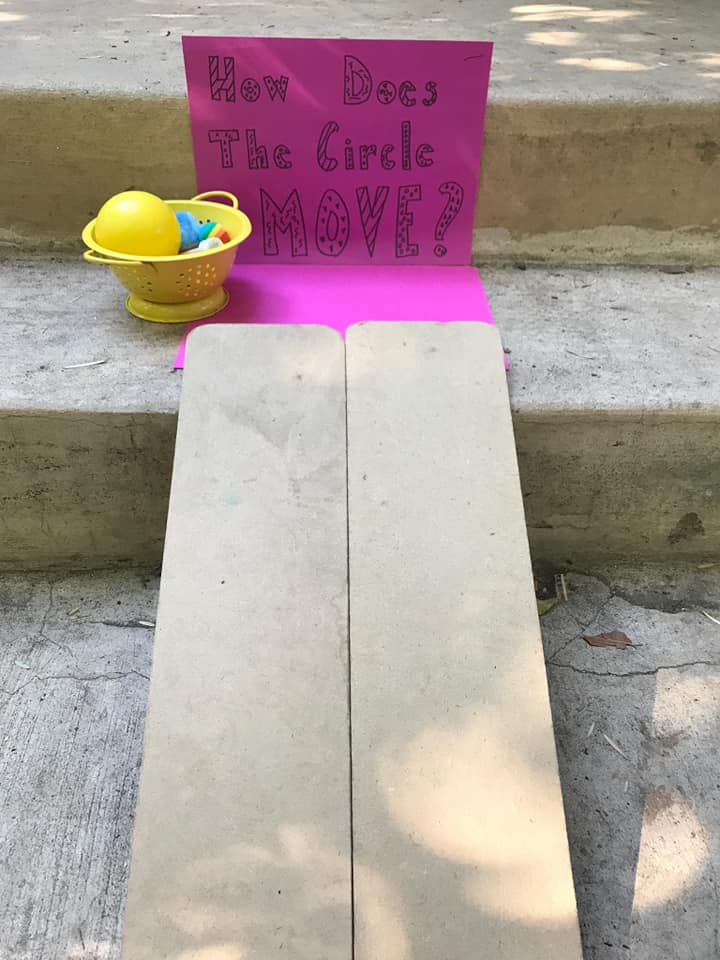
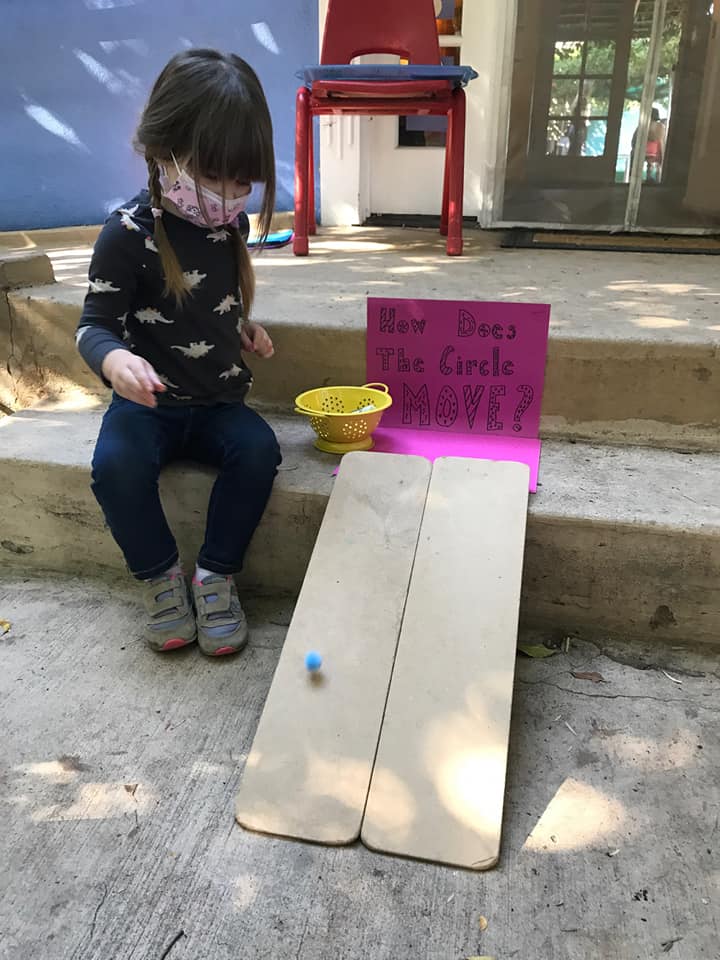
How does the circle move?

We love to learn all about circles at our school. For this activity, students studied the science behind movement.

They learned about how two-dimensional items can also be three-dimensional items, and that these three-dimensional items have motion.

Out of blocks, we created a ramp and enjoyed observing how different circular objects rolled down it.

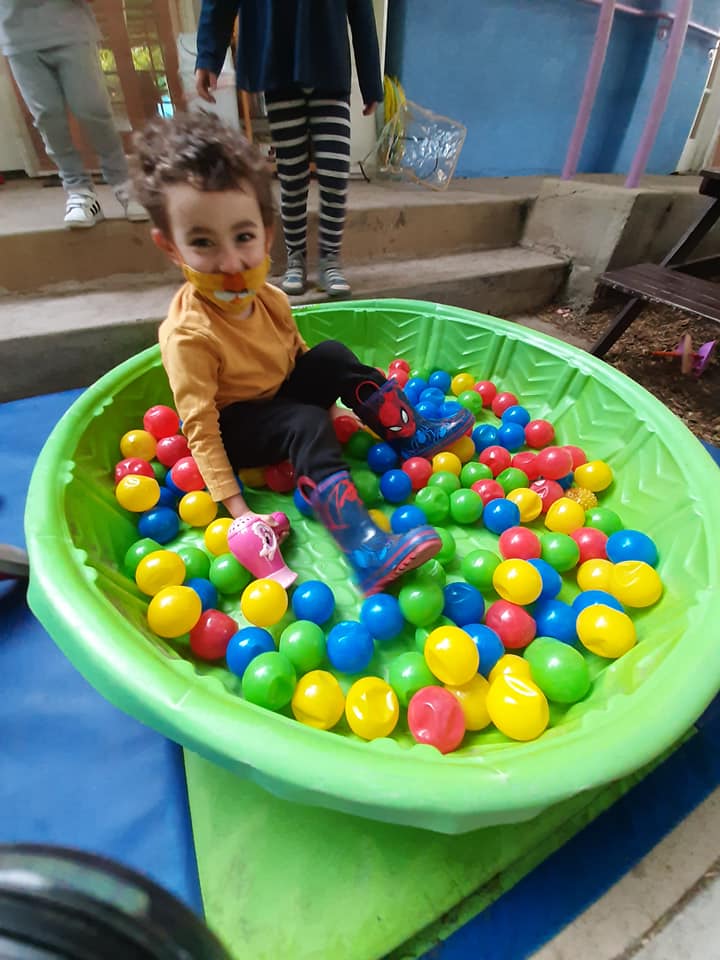
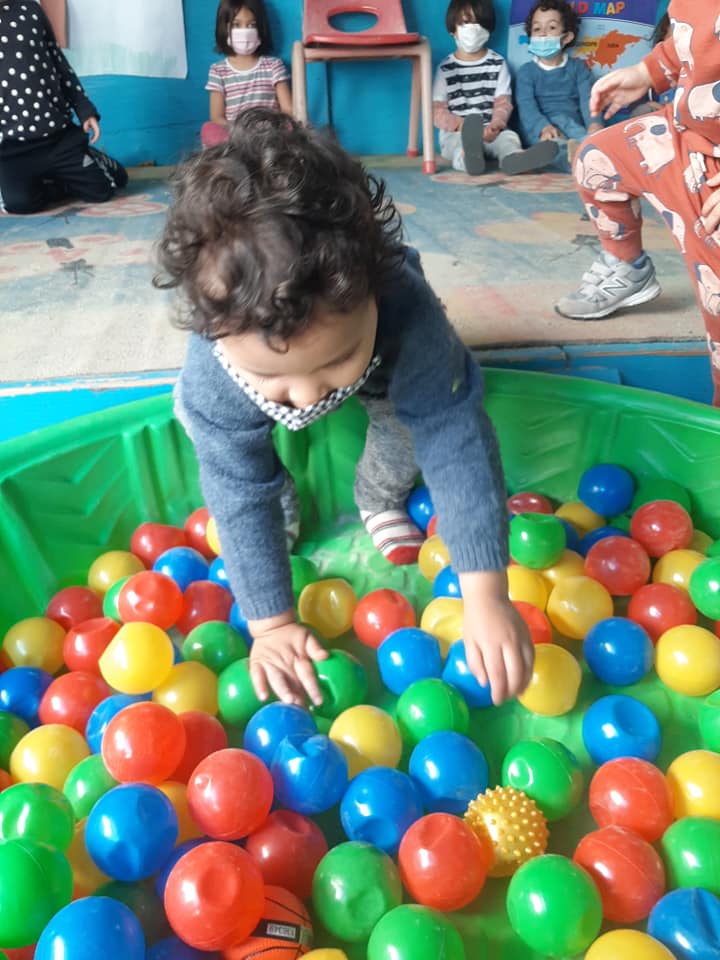
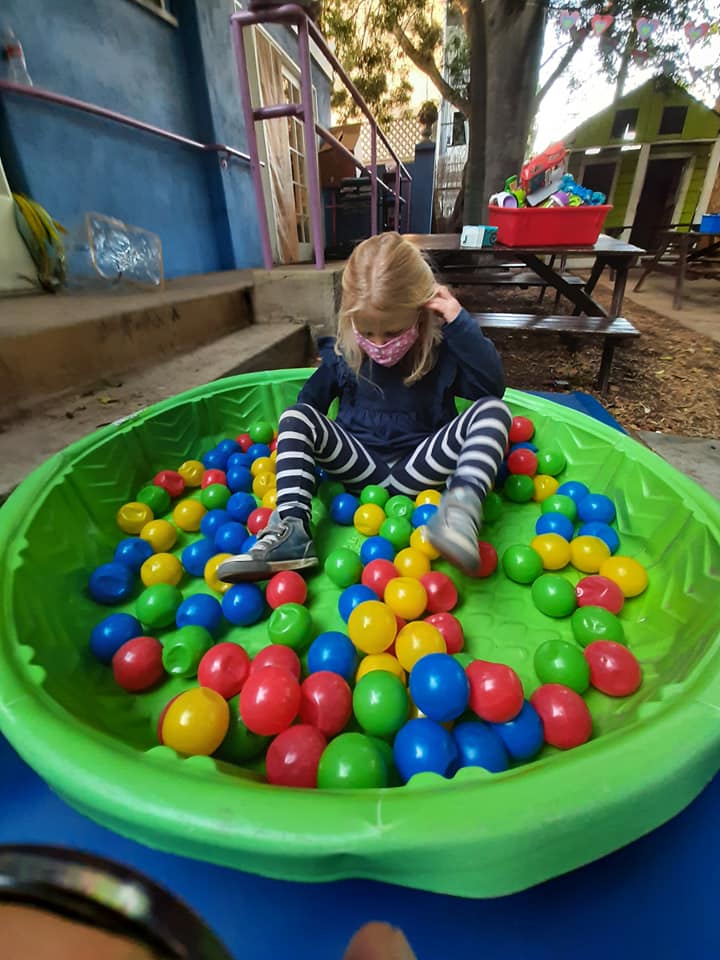
Circle Sensory Bin

Gross motor skills involve movements of the large muscles of the arms, legs, and torso.

Young children rely on motor skills for everyday activities at school, at home, and in the community.

As a developmental domain, we enjoy applying gross motor skills throughout our week.

From dancing to tossing, our little ones are always on the move! For this activity specifally, students learned how to jump into a pool! To apply this to our circle theme, they were told that three-dimensional circles are called balls.

They jumped and enjoyed manipulating the objects with their arms and legs!


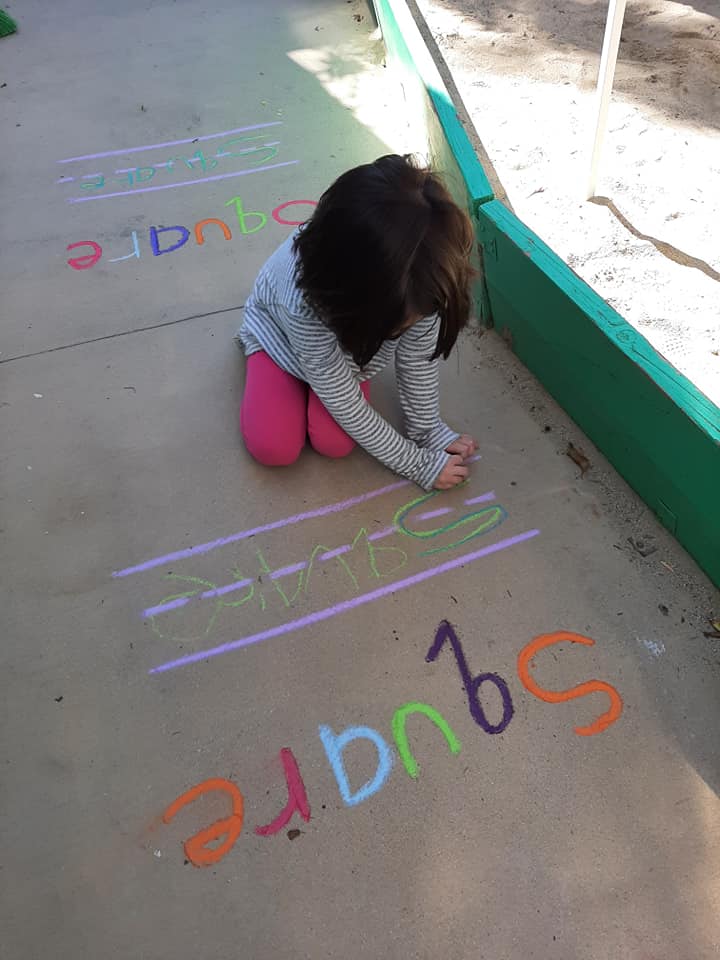
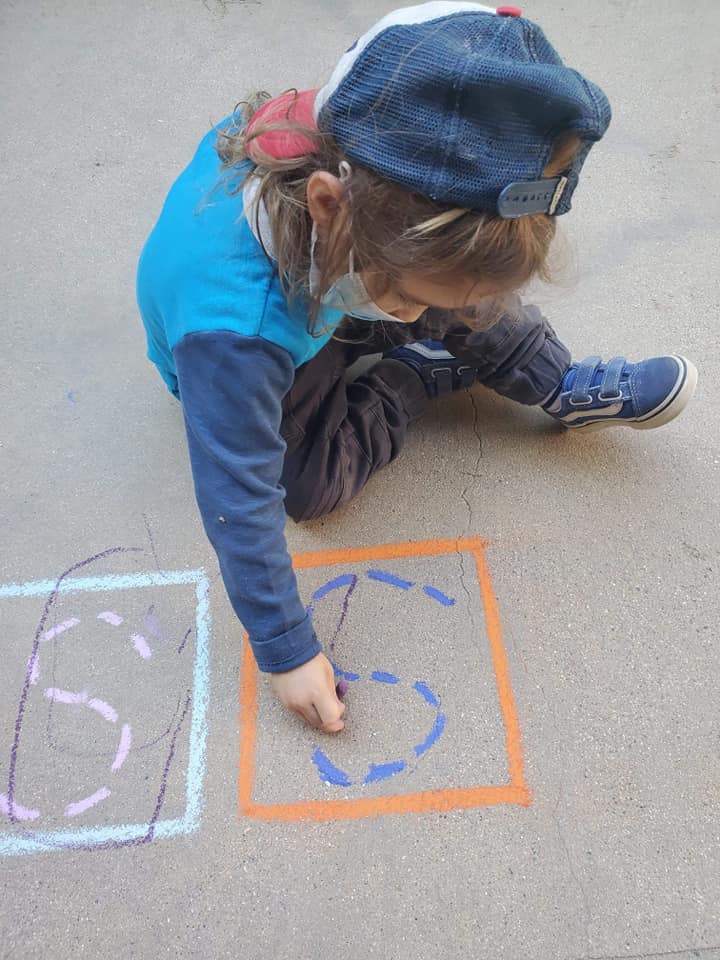
S is for Square

We love writing at our school!

From coloring with crayons to handwriting with a pencil, students gain many developmental milestones when given access to the written word.

This activity was modified for our older learners, but whether two years old or ten years old, who doesn’t love chalk?

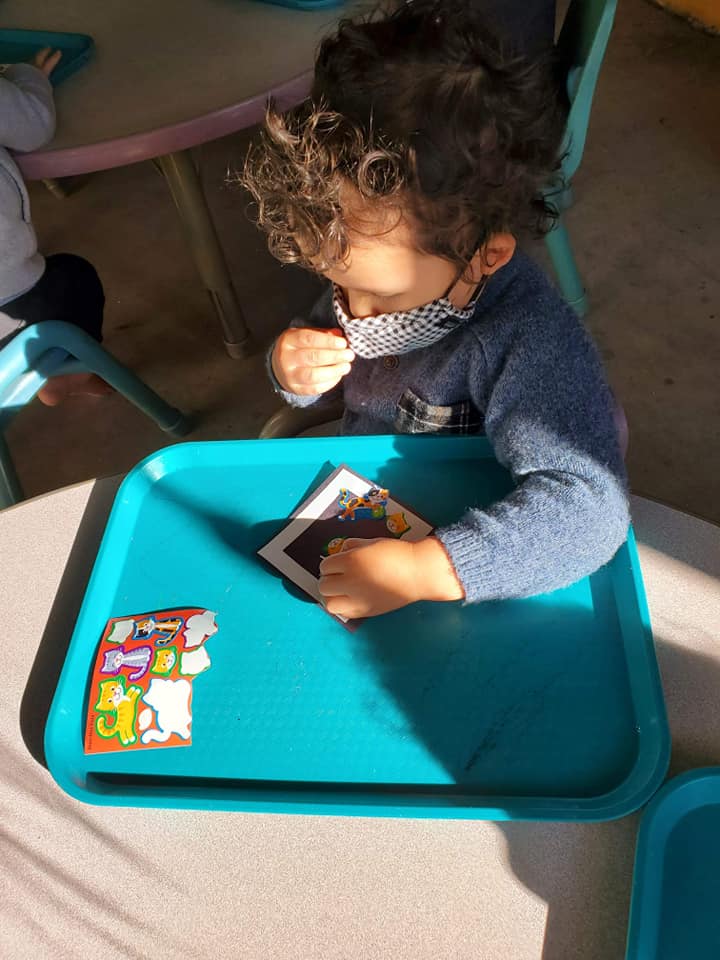
Sticker Squares

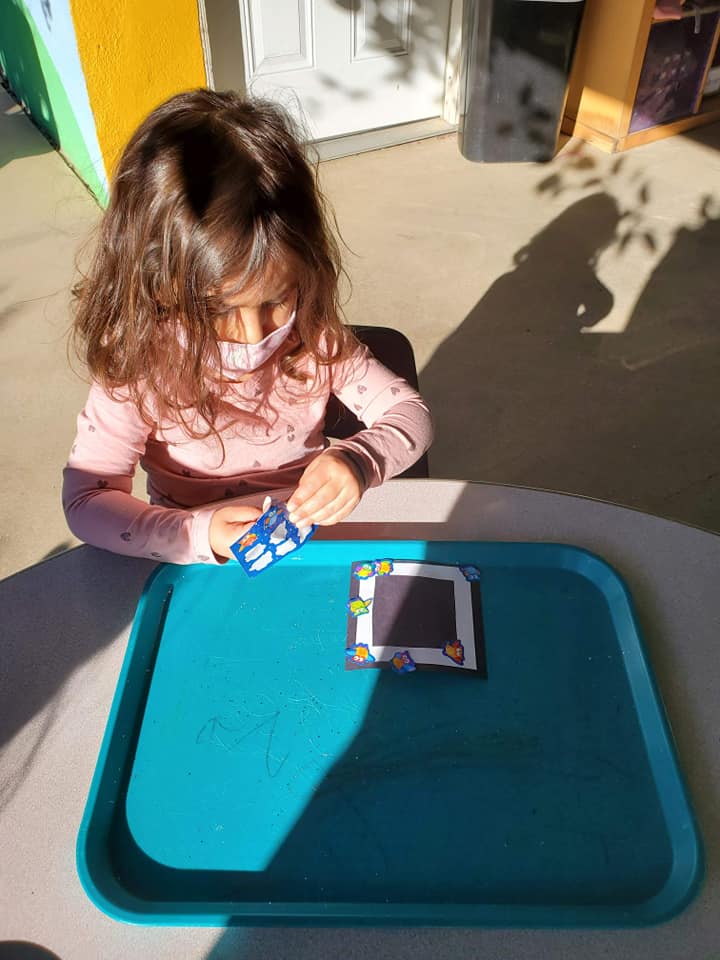
Dexterity refers to the ability to manipulate objects efficiently using our hand and finger muscles.

Activities involving the application of dexterity include manipulating stickers, using pencils, construction with Legos, doing up buttons, and of course, handwriting!

For this activity, students removed stickers from a pack and attached them to construction paper squares.

It was fun watching them place them on different areas of the shape!

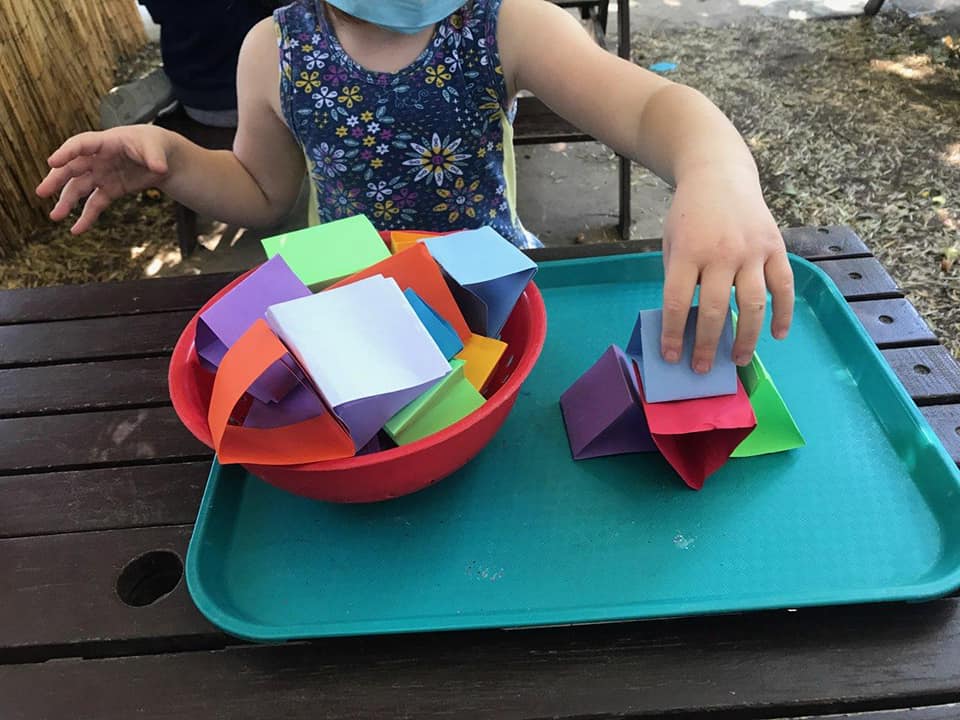
Triangle Structures

We love block play at preschool because it fulfills so many developmental domains!

As students stack blocks, they are learning essential mathematical skills, such as matching, counting, and sorting!

As students organize them by shape and color, they are practicing early literacy skills (fulfilling the Language and Literacy Domain) such as symbolization and representation.

We can’t even begin to mention the fine and gross motor skills (Physical Domain), observation and divergent thinking (required for the Science Domain), and a host of other pertinent areas of development. For this activity, students created different structures with three-dimensional paper triangles.

Because these triangles were lightweight and flimsy, students had to concentrate on creating their structures without the triangles deteriorating or their “towers” falling!

Counting Triangle Quantities

At our preschool, we like to help our students learn number quantities and associate those number quantities with the written symbol for the number.

In general, young children can understand quantities sooner than they can understand the number symbol associated with that quantity.

For example, scientific experiments have shown that even very little babies can differentiate between a quantity of one and a quantity of two.

What takes longer to develop is the understanding that ‘2’ is a written symbol representing the quantity of two.

Many young students struggle with this connection.

This Counting Triangle Quantities activity helps your little ones make the connection between number symbols, number names, and quantities.

Tracing the numbers with their fingers also supports the preschooler’s knowledge of number symbols in addition to their emerging writing skills.