An exciting pre k activity is that of sequencing. You can learn how to sequence anything from stories to numbers to objects! Sequencing is important for young learners because it provides an introduction to pattern recognition, an important skill for math. For this activity, we used mermaid manipulatives to create various patterns. These were two and three color patterns that they were asked to repeat. Everyone enjoyed seeing just how many mermaids they could fit into their sequences!


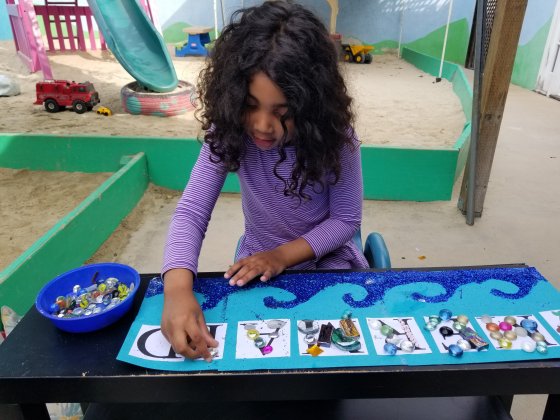
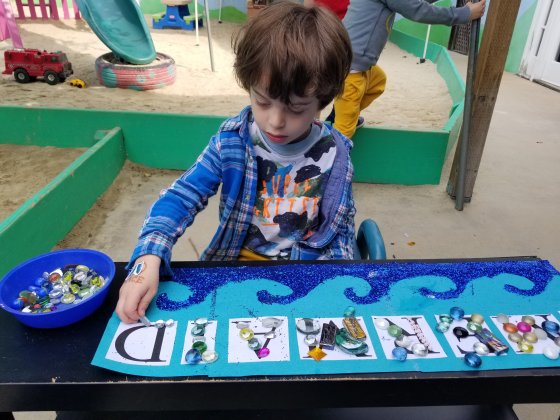

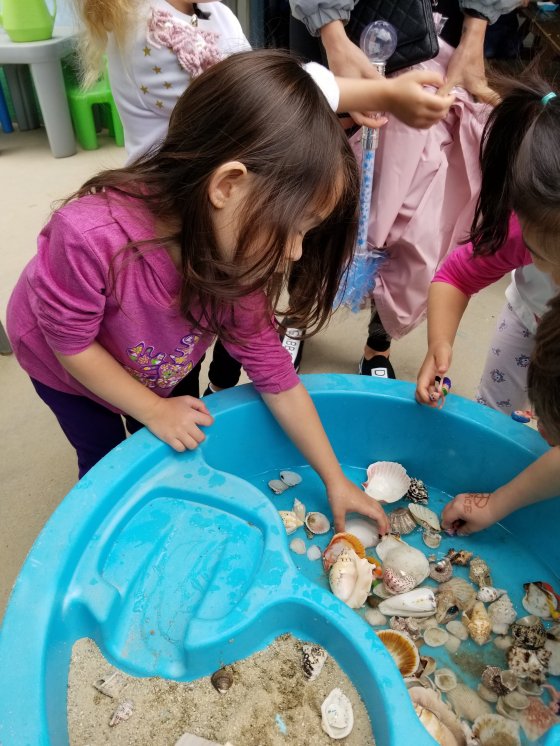


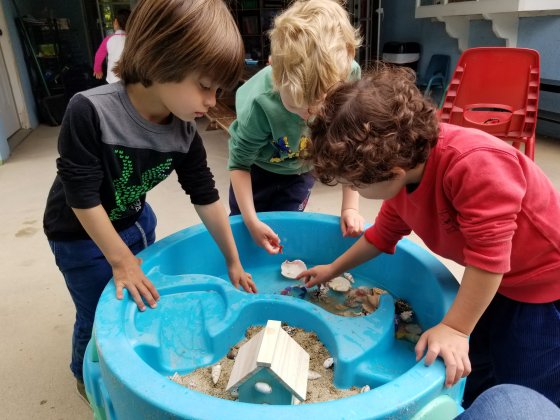


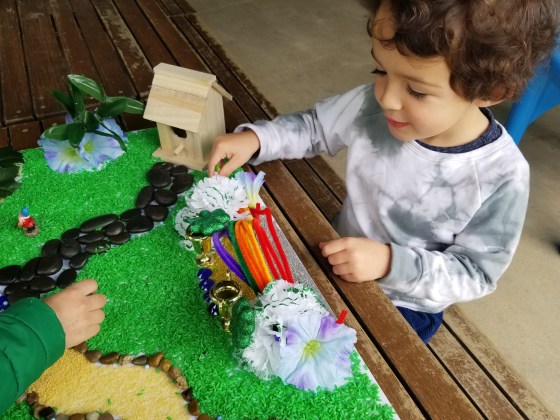
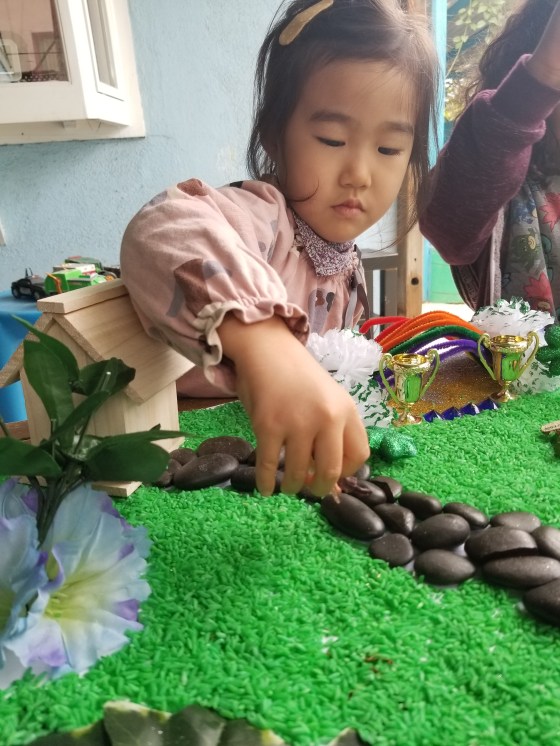


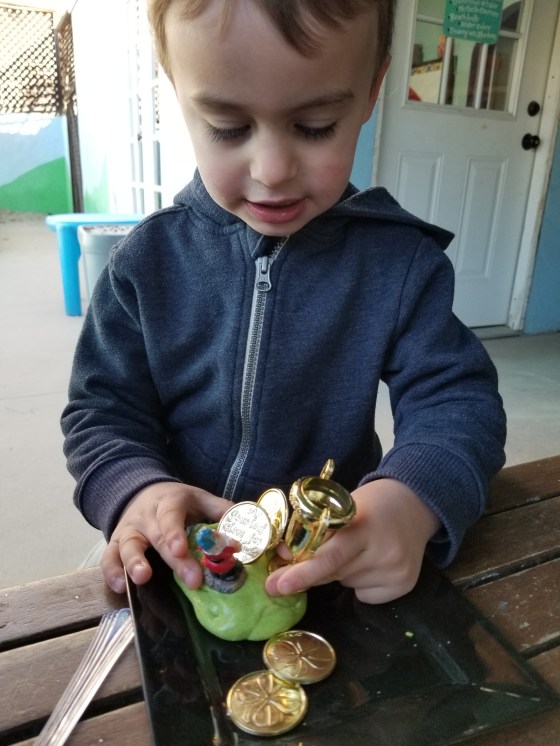
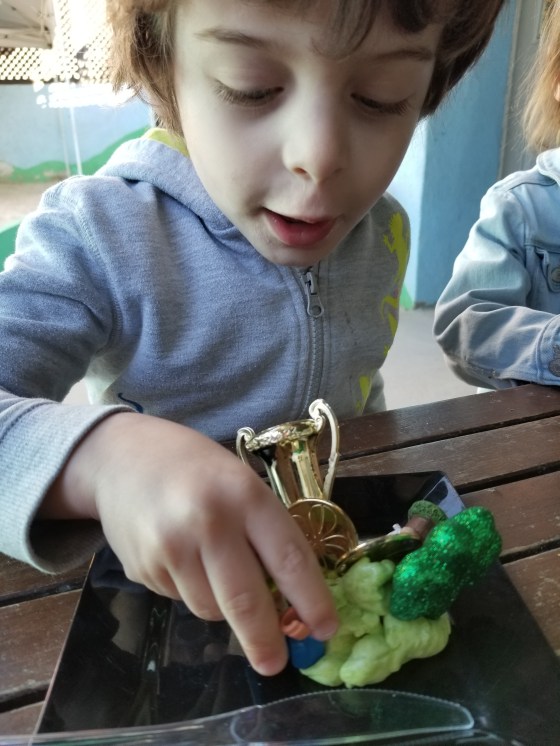
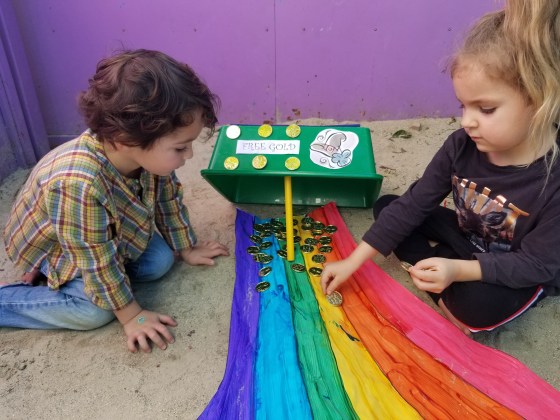

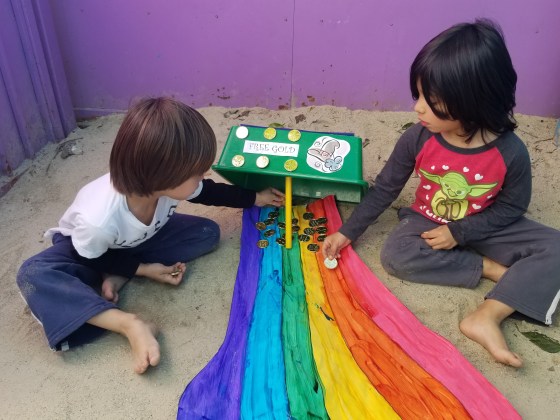
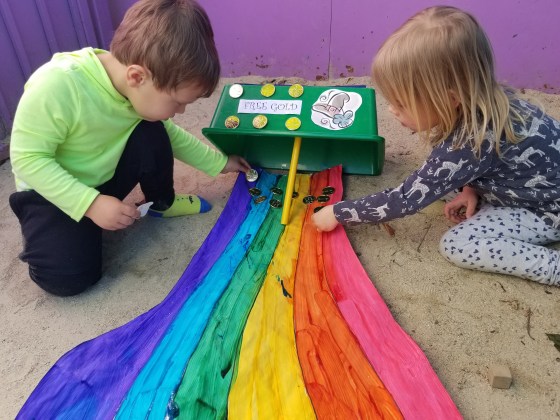
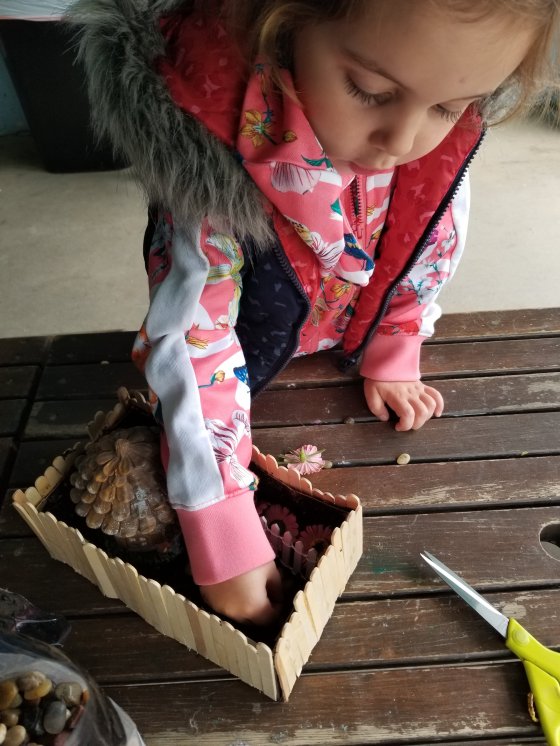




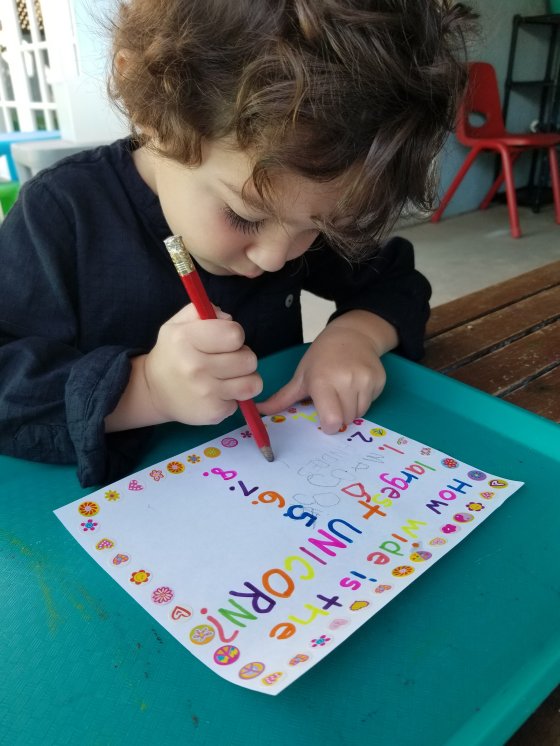
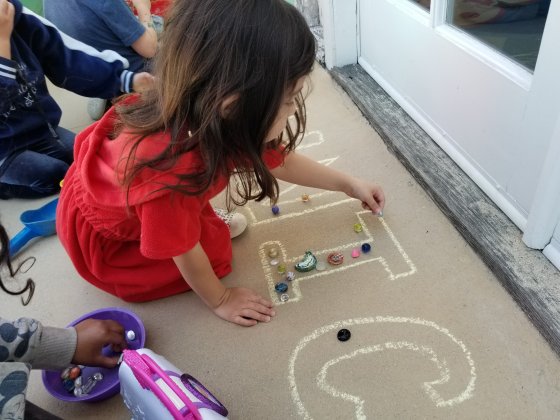
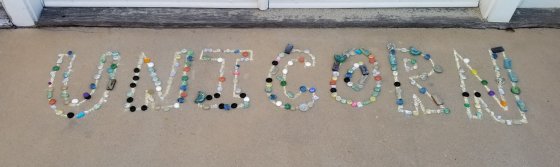

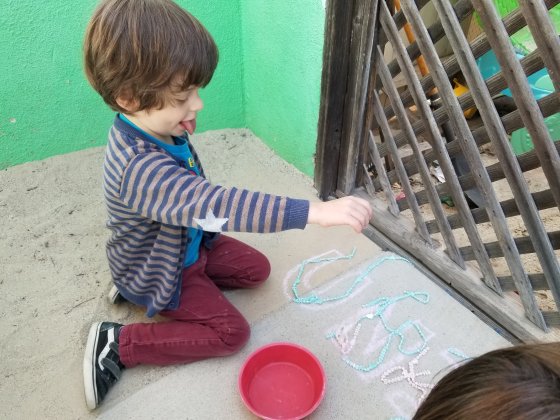
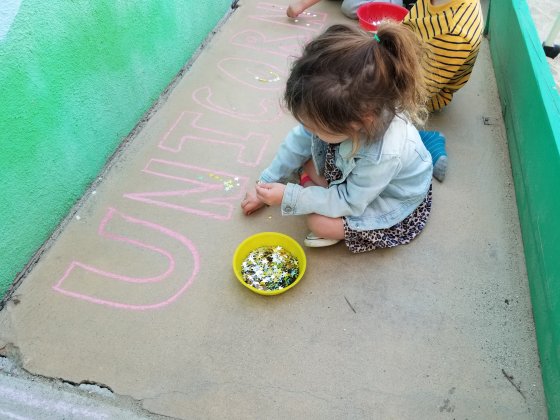


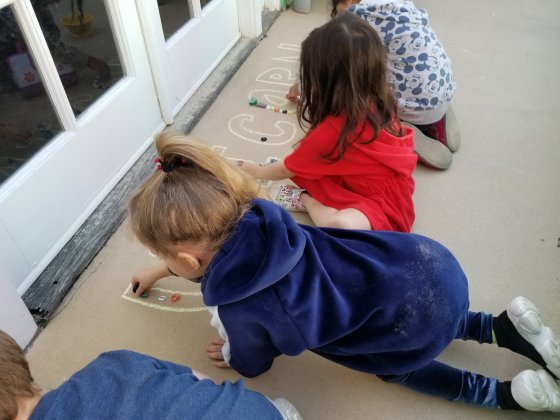
 Rote counting is just reciting the numeral names in order, “One, two, three, four, five…” But counting with one-to-one involves actually touching each object and saying the numeral name aloud, which is a much more complex skill for young children.
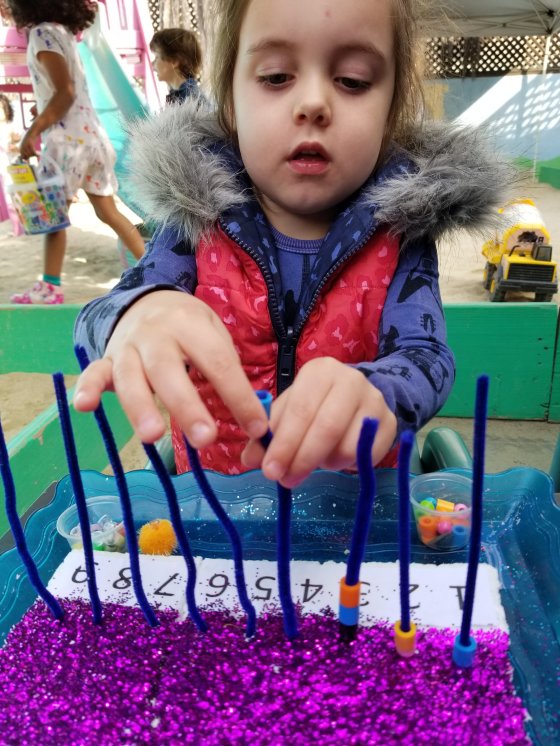
 Activities that involve real objects that children can hold in their hands and manipulate are going to be the most effective for teaching the concept of one-to-one correspondence. One of these activities involved counting with unicorn “horns”. Using pipe cleaners as the “horn”, students slid beads while counting.
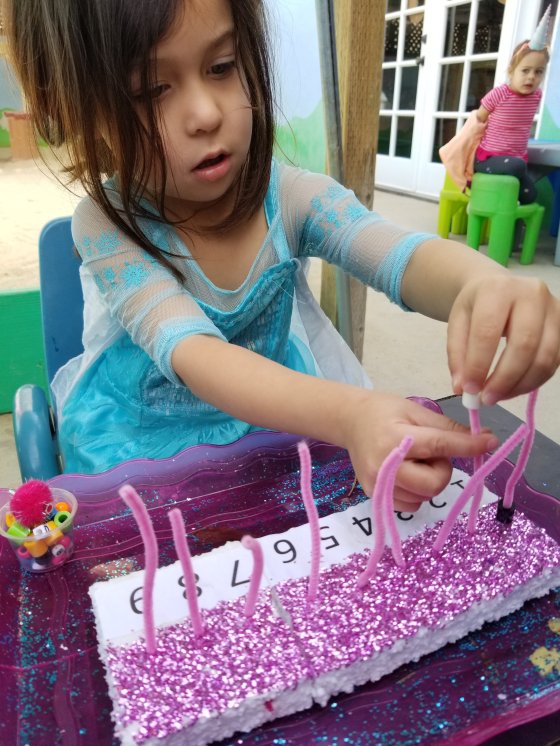 Each “horn” had a number ranging from one to ten. They were directed to slide the number of beads that matched their number. It was so exciting to see how sparkly our “horns” became!
 misscarriescorner