

For young children, the magic of learning occurs in the relationship between cause and effect. Some of the best preschool activities are science related. This occurs because preschool children are inquisitive and open-minded, perfect traits for budding young scientists!
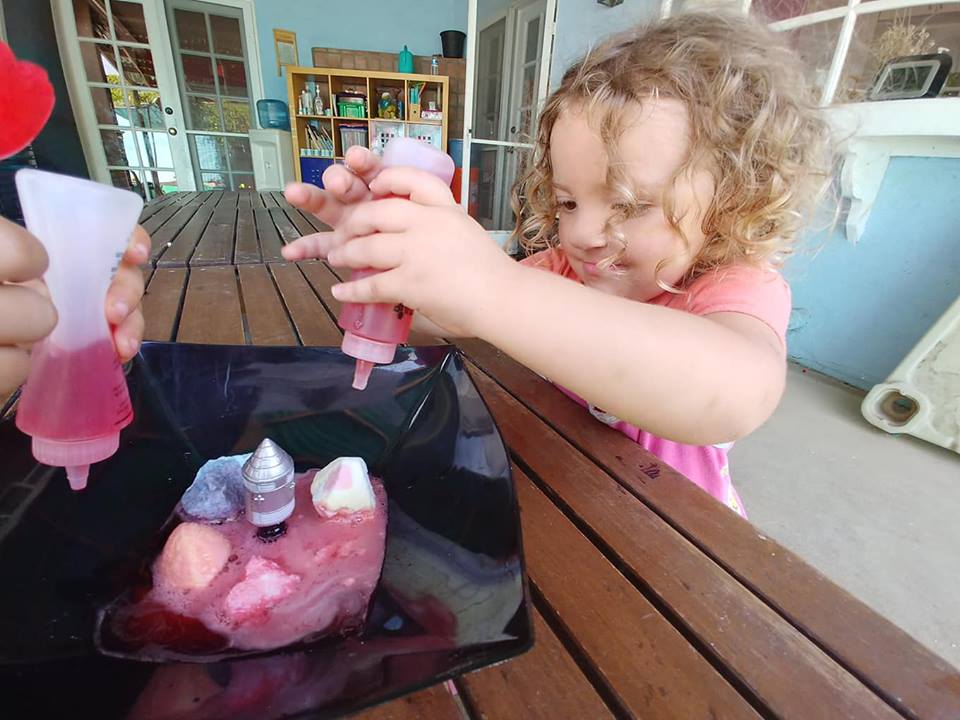
This is a lot of fun for them because young children are truly mesmerized by chemical reactions, love exploring nature, and jump to build things. During our week of rockets, we learned all about rocket fuel.
We talked about how rockets are able to be lifted and how this happens because of planned explosions that occur within the engine.
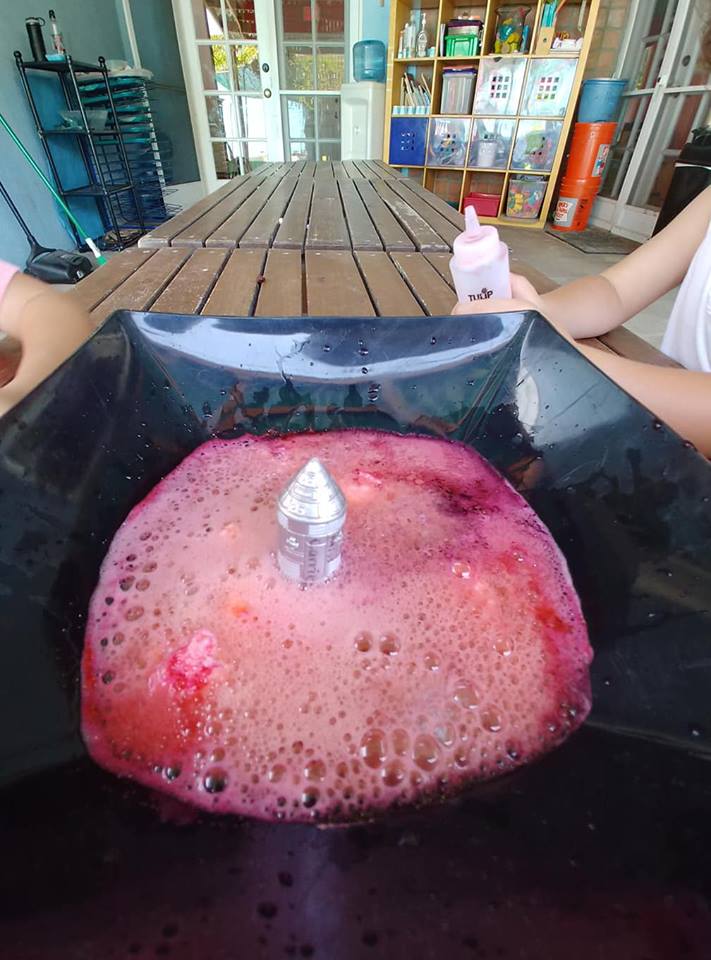
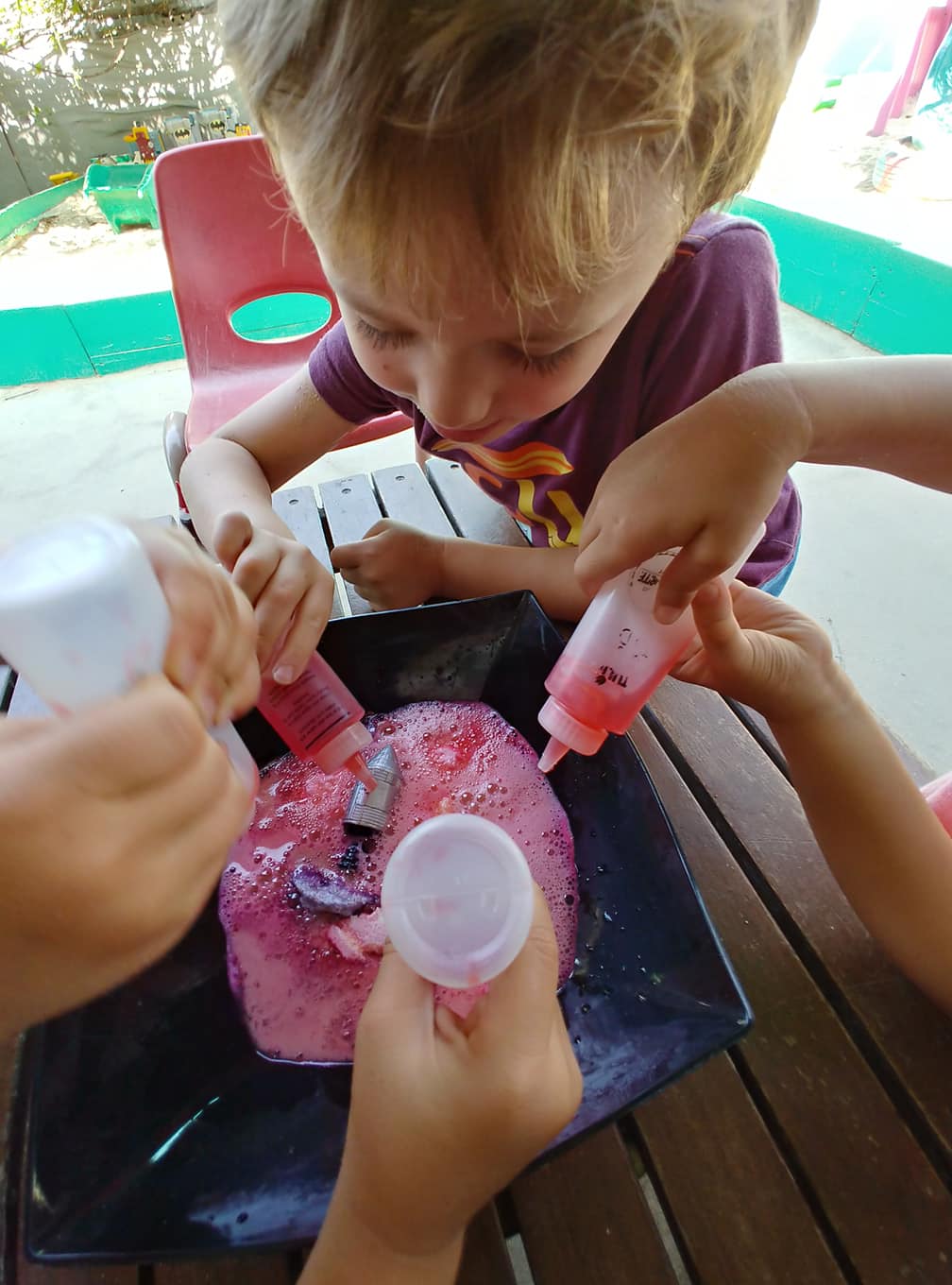
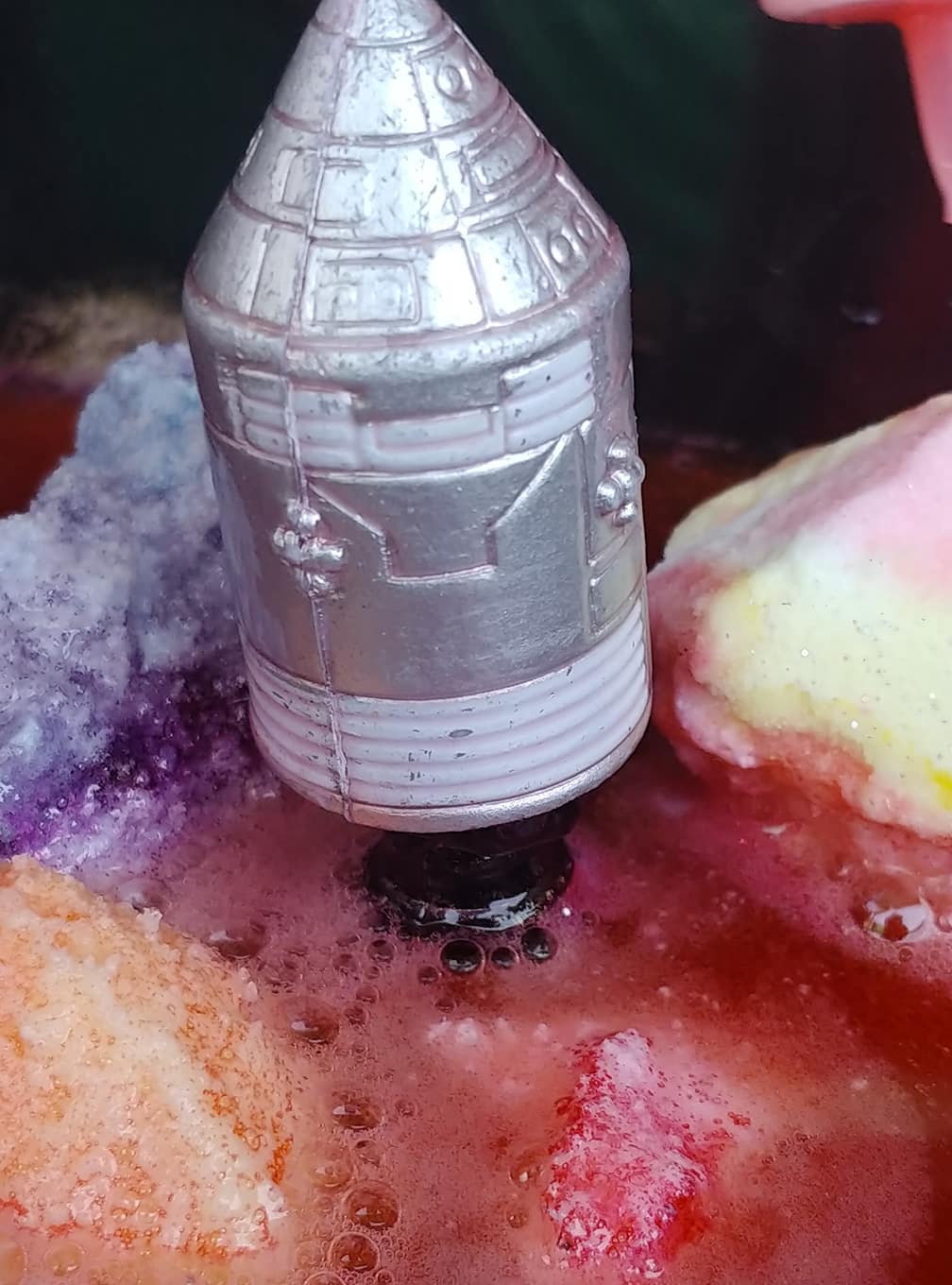
To demonstrate this, we created chemical reactions out of bath bombs. We first placed a rocket inside a bowl and surrounded it with the crystals of the “bombs.” We then added water and watched as the material fizzled and sizzled before our very eyes! In some cases, the reaction was so strong that it knocked the rocket over!
The prestigious title of ‘Princess Royal’ dates back to 1642 when Queen Henrietta Maria, spouse of Charles I, wanted an Anglicised version of the French title ‘Madame Royale’.
The current Princess Royal is Anne, only daughter of the current Queen. The second child of The Duke of Edinburgh and The Queen was born at Clarence.
Because we have been learning all about English royalty this week, we spent one day discussing princesses and their origins.
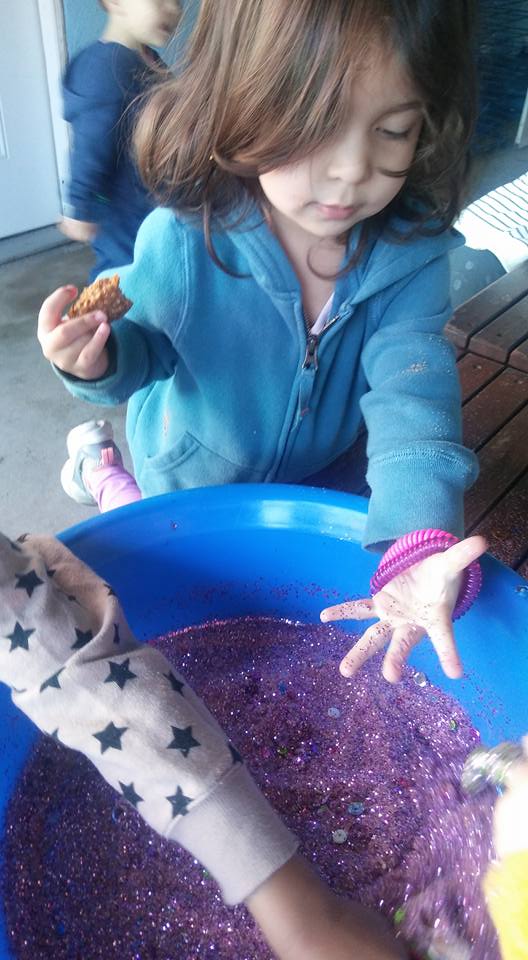
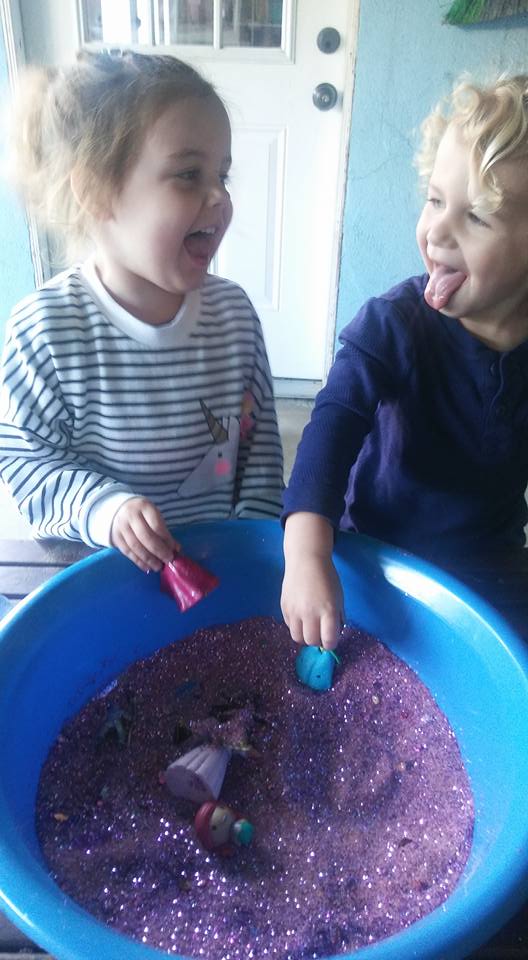
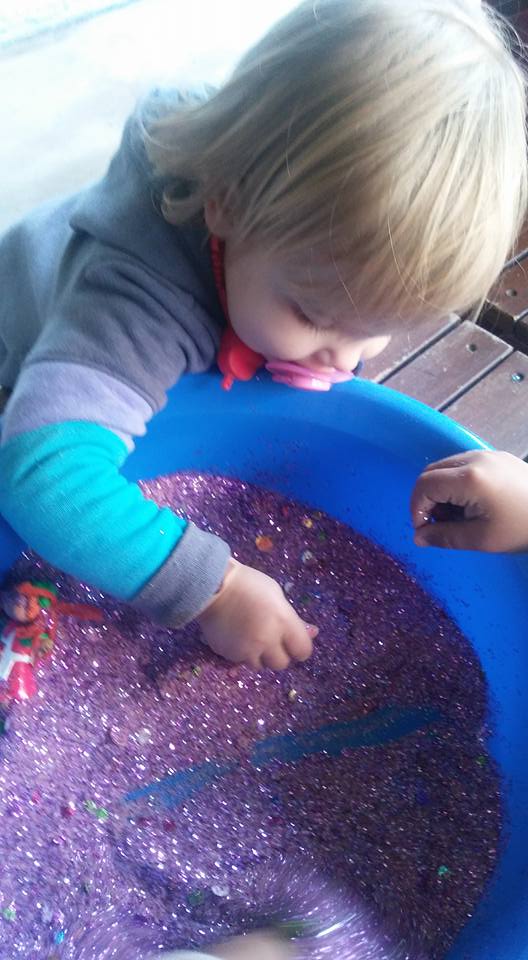
To help us interact with this concept in a physical way, we created our very own princess sand!
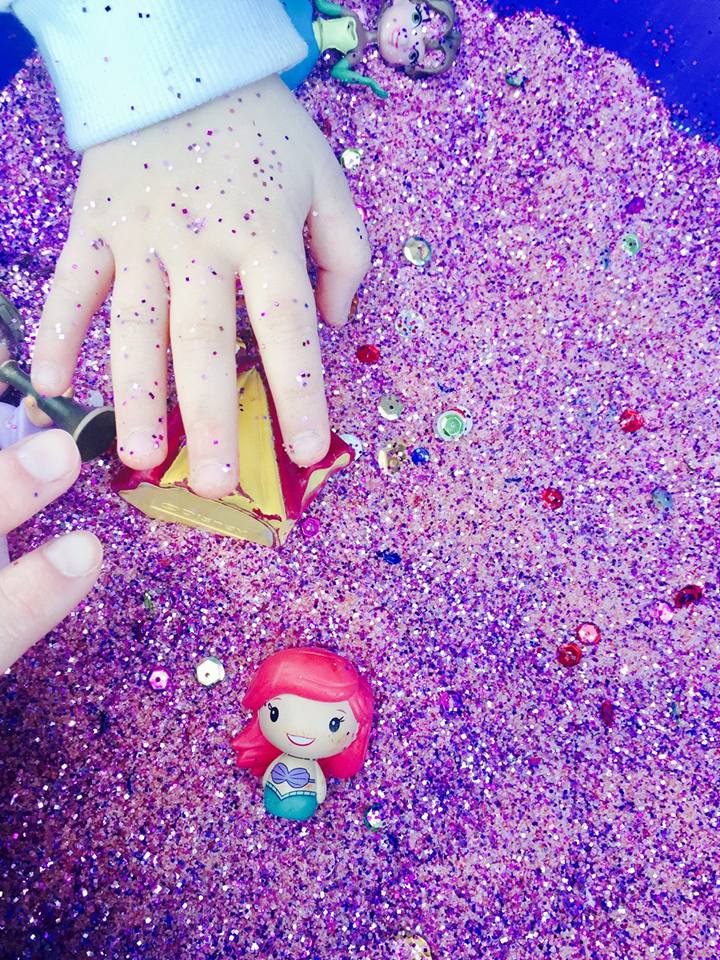
Using salt, glitter and jewels, students manipulated the material along with their very own princes and princesses!
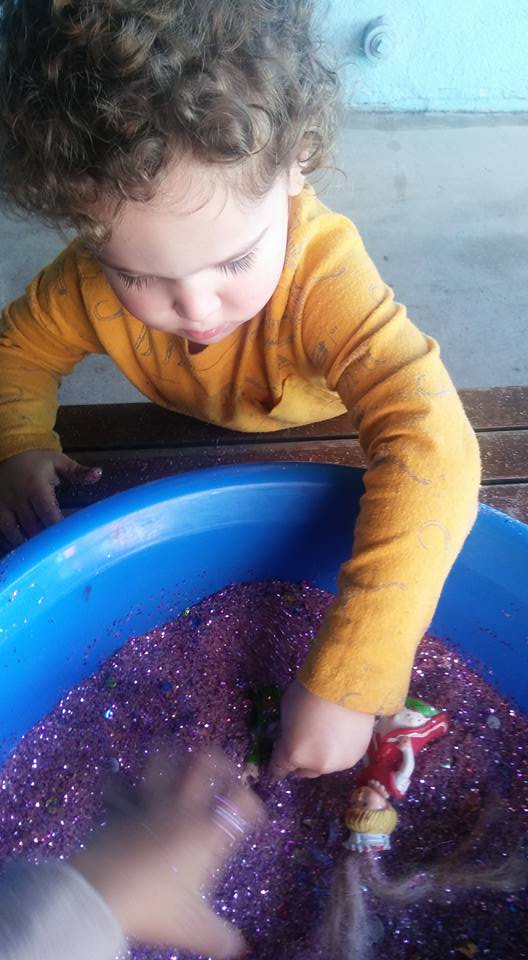
During our week of royalty, we learned about princes and princesses.
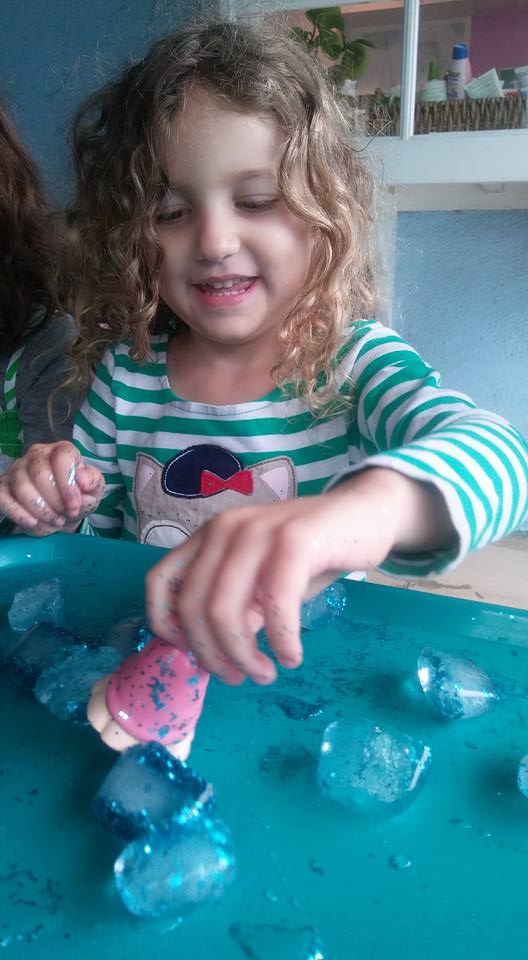
Several students were particularly interested in learning about Queen Elsa from the Disney movie Frozen.
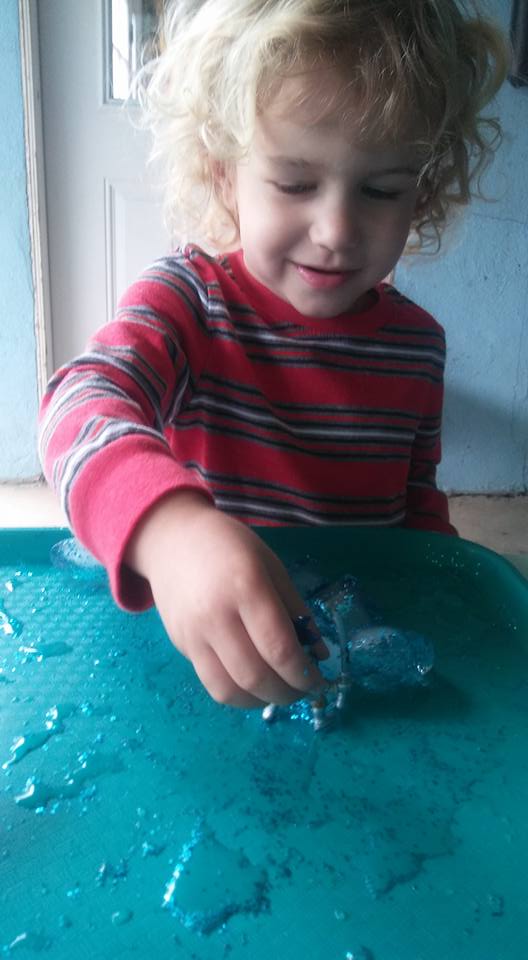
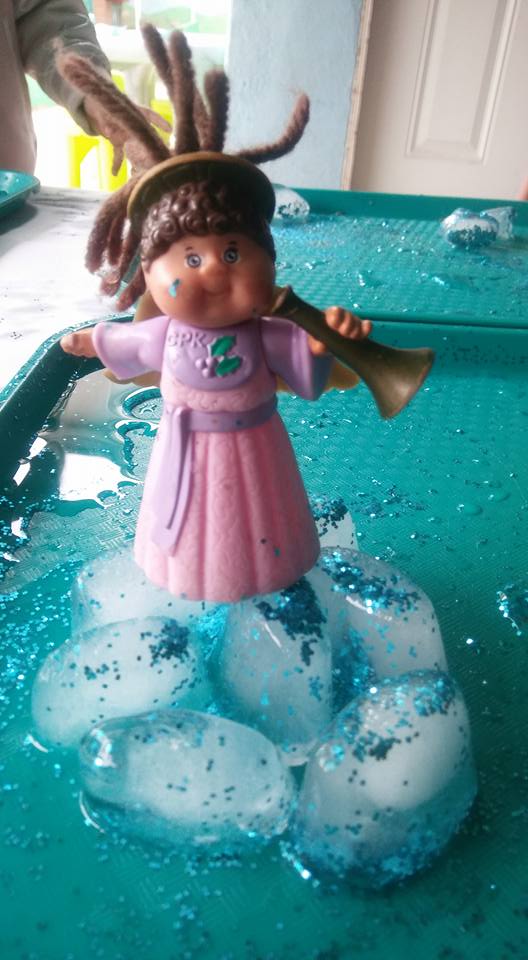
To build upon this interest, we created ice castles out of ice cubes and blue glitter.
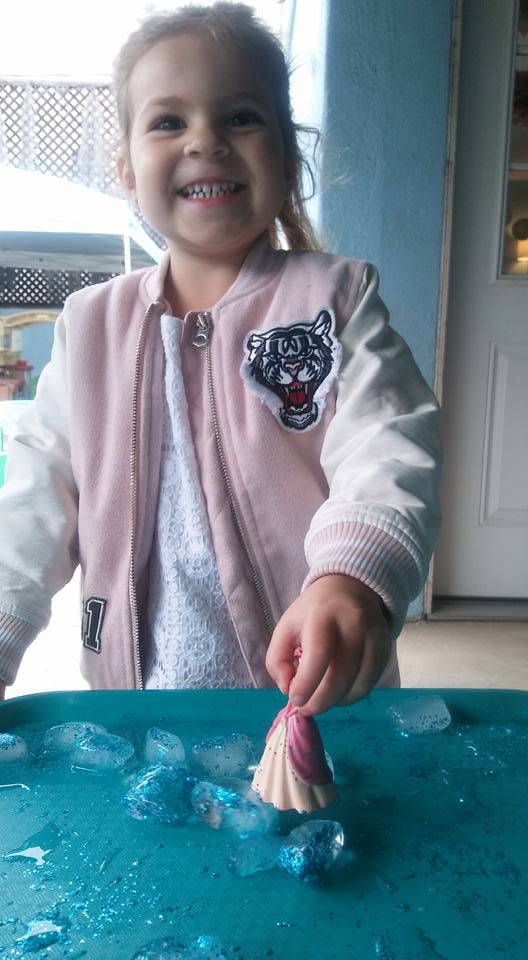
Students selected their favorite princess and built their perfect ice home!
Food preparation is not only a fun, engaging activity for children, but one that can be used for years as an important teaching and development tool for all ages. For one thing, hands-on cooking activities encourage a sense of pride and confidence.
The act of following a recipe can encourage self-direction and independence, while also teaching children to follow directions and use thinking skills to problem solve. Working with food also inspires children’s curiosity, thinking, and problem solving, offering new opportunities to make predictions and observations.
Additionally, creating snacks offers authentic opportunities for students to understand and apply their knowledge of measuring, one-to-one correspondence, numbers, and counting. As they follow a recipe, children organize ingredients, follow a sequence, and carry out multiple directions.
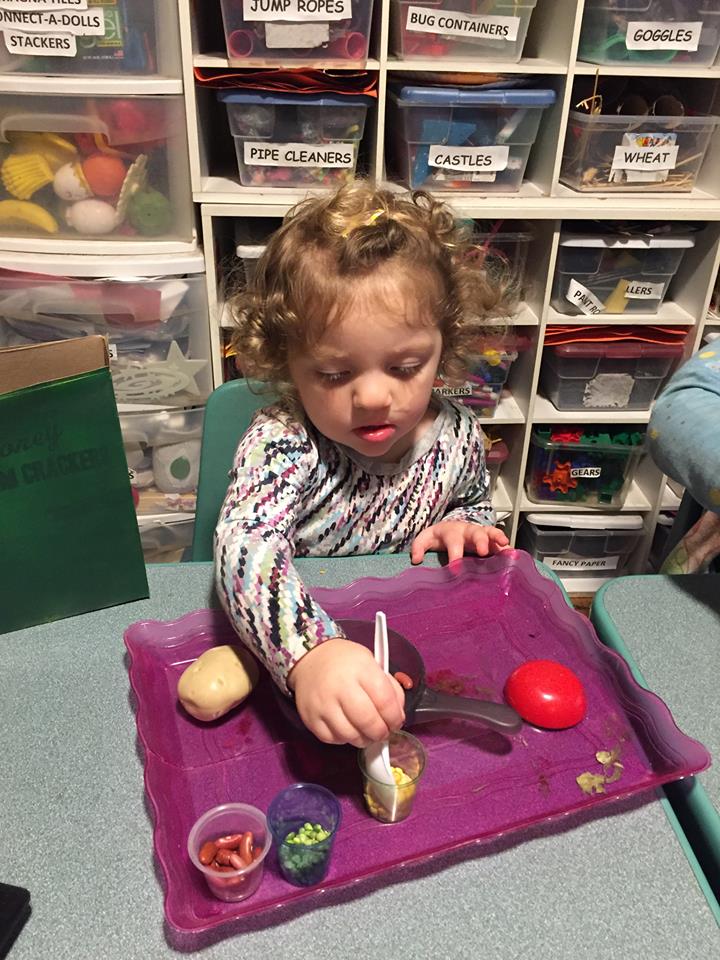
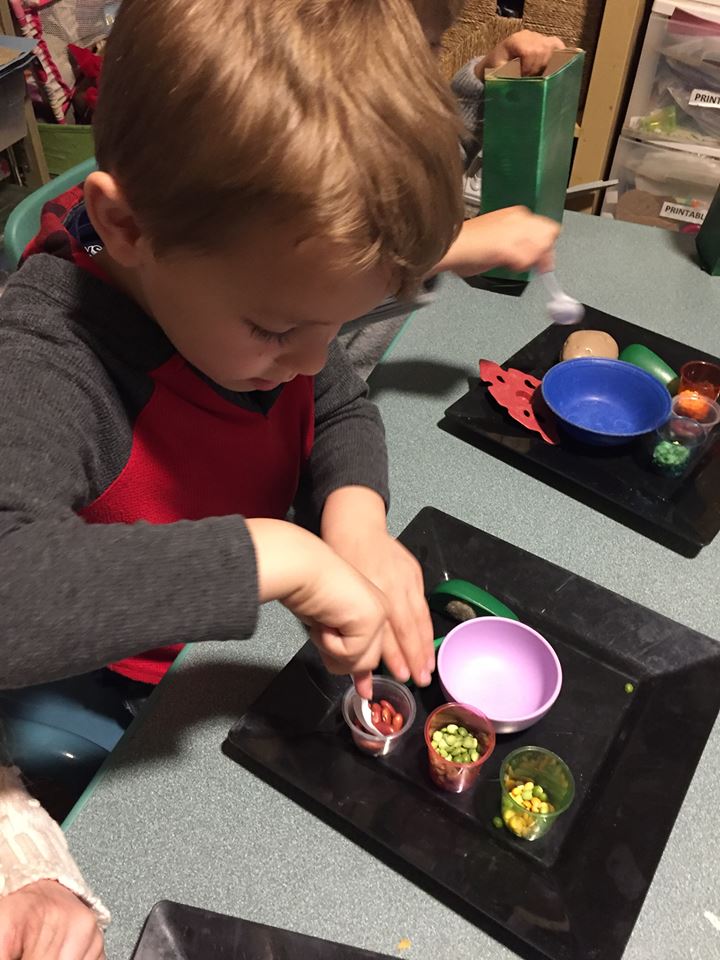
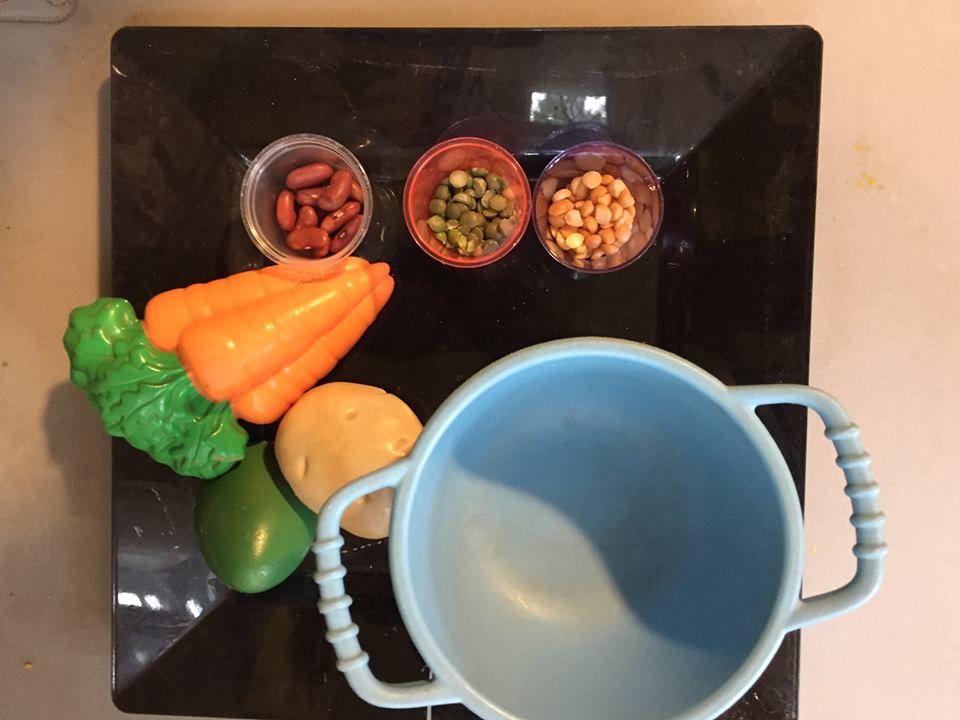
Lastly, chopping, squeezing, mixing, and spreading materials help develop a child’s small muscle control and hand-eye coordination. For this activity, we used a few ingredients to create a medieval stew (a staple in most medieval homes).
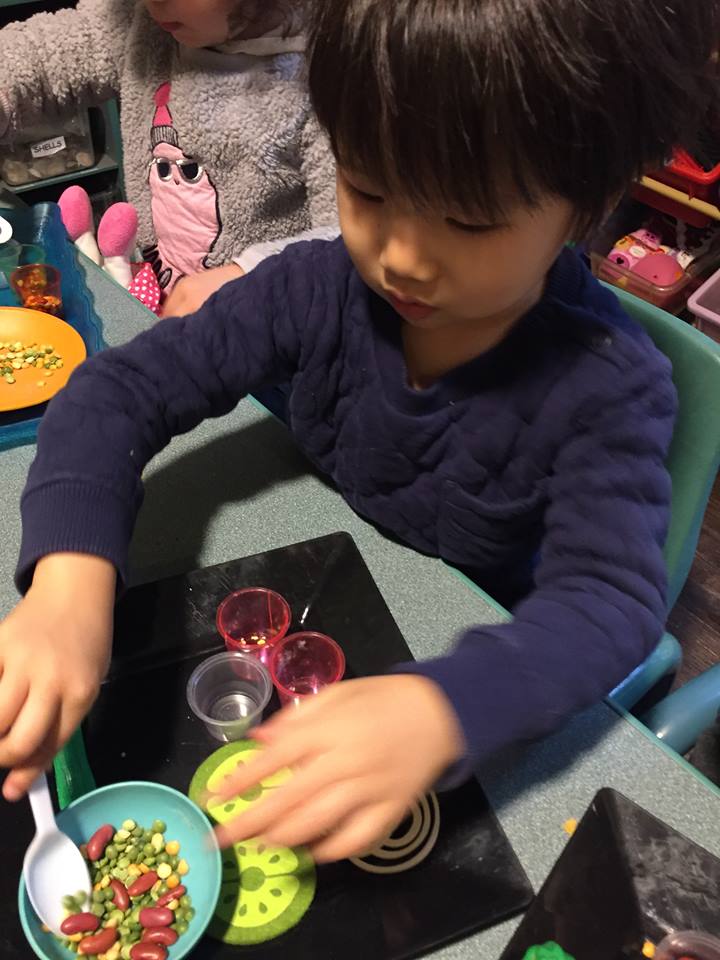
We used a variety of beans, and placed them into bowls! Once we were finished, we pretended to eat up our yummy creations!
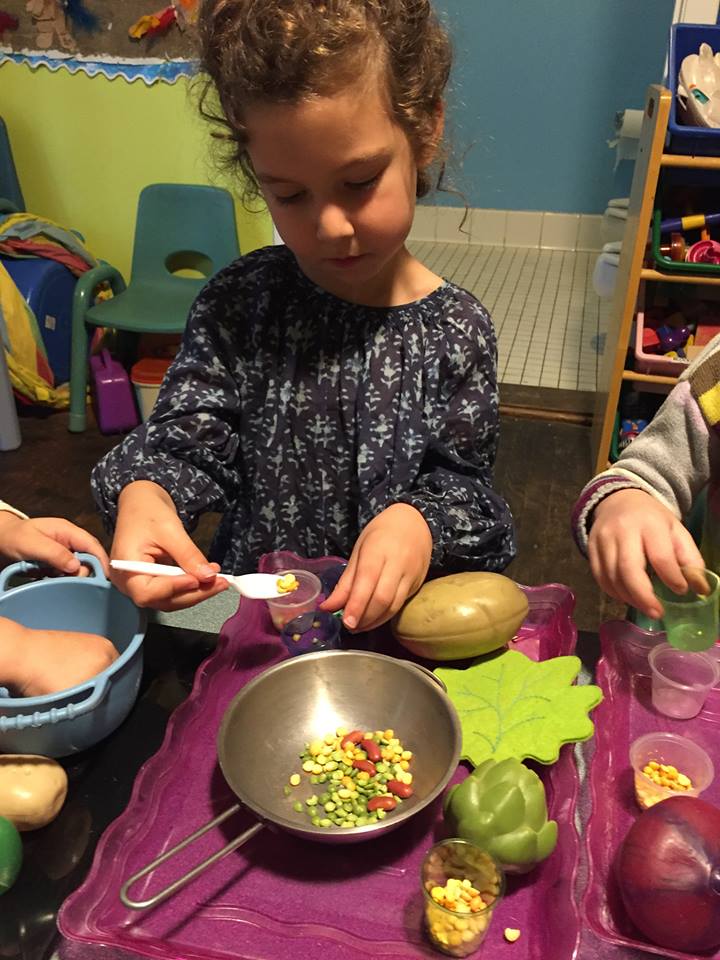
March is Medieval Month! This means that we are learning about all things royal!
Throughout the month, we have been learning about castles, peasants, lords, and ladies. We have learning about how they live, what they live in, and what they wear.
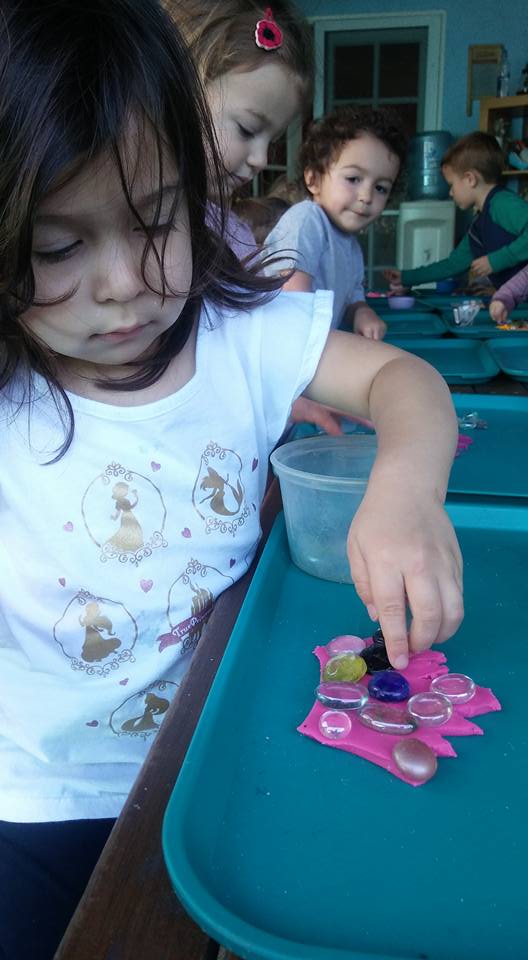
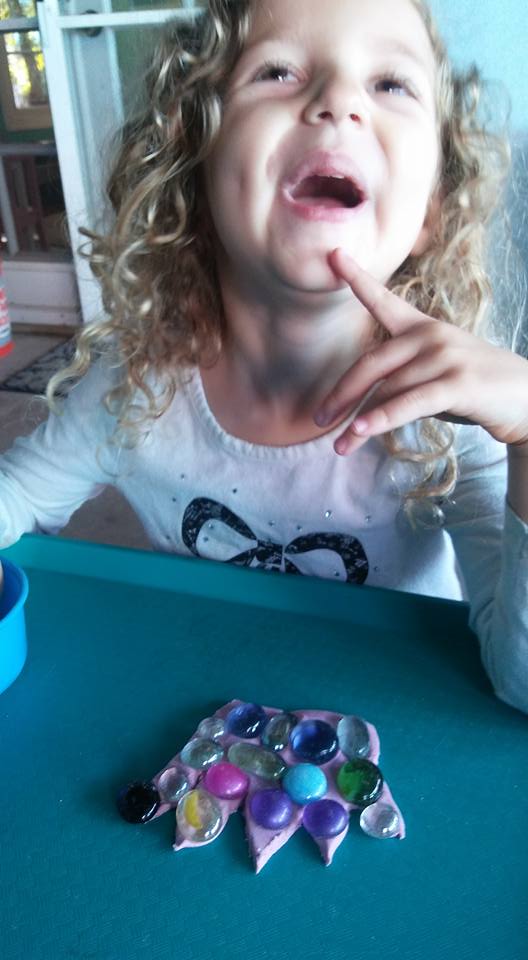
As part of our royalty week, we constructed crowns using play dough and jewels.
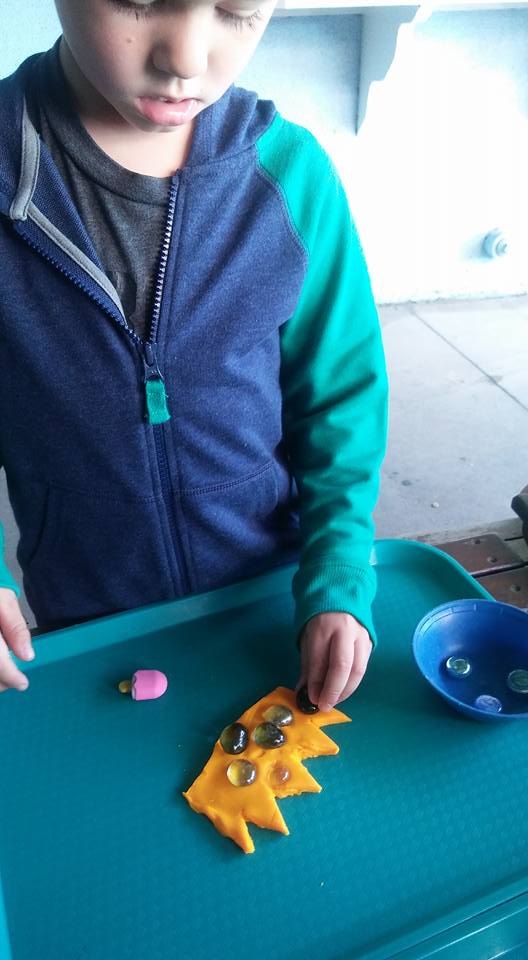
Students enjoyed manipulating their jewels, and were encouraged to count them once all applied.
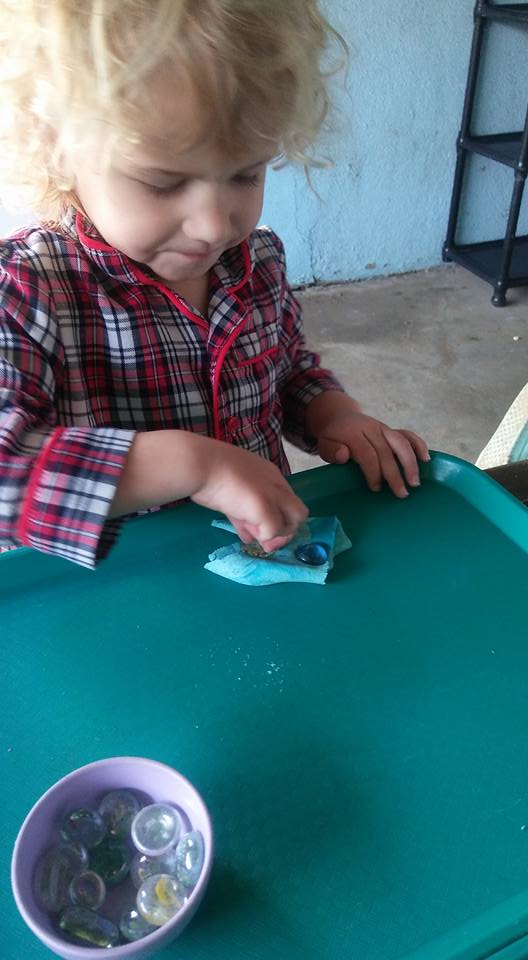
Block play is a great way to build skills that we ordinarily think of as academic or school-related.
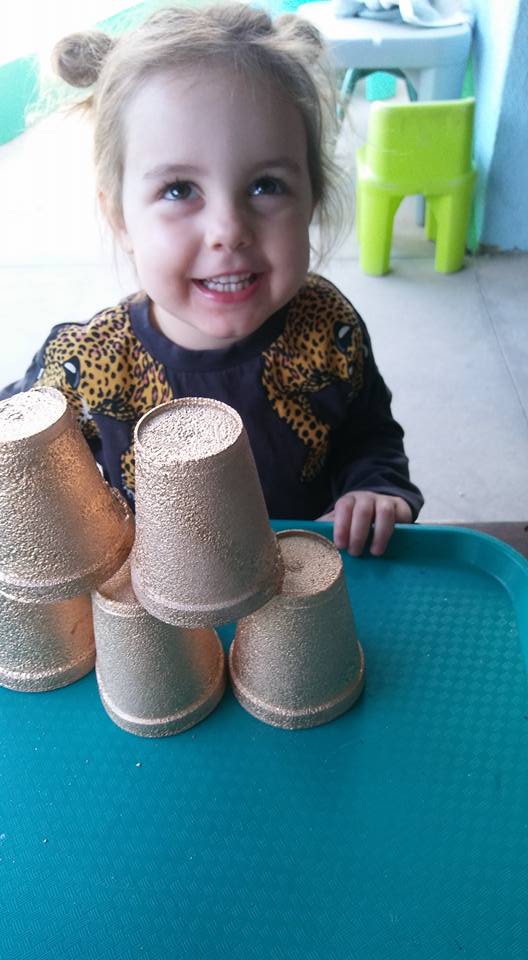
Blocks are especially beneficial when children are allowed to freely explore and manipulate the blocks in a variety of engaging ways. Children’s creativity is further expanded through encouragement to make their own accessories from throw away junk items.
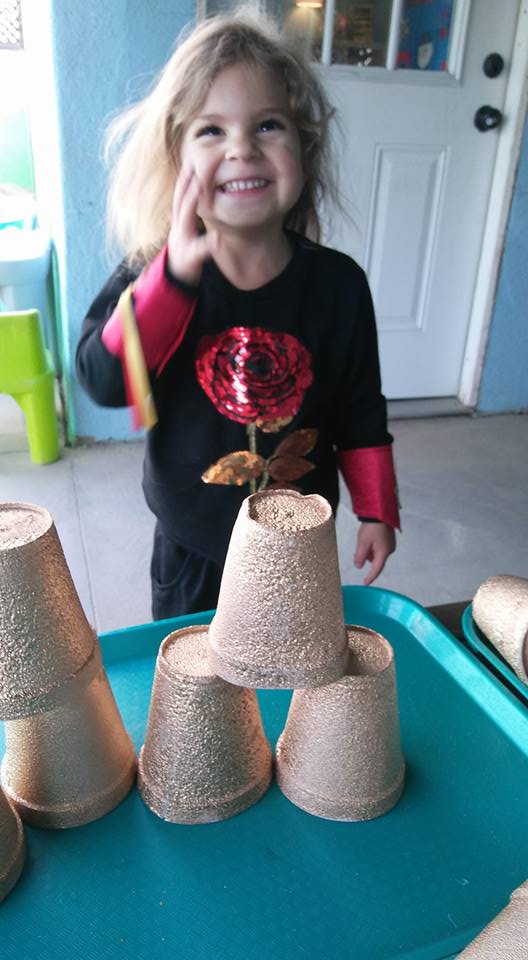
When it comes to blocks, it’s all in their imaginations.. As part of our medieval theme, we spent one week learning about castles. During this week, we constructed castles with a variety of different materials. For this one specifically, we created castles out of golden cups. Students were encouraged to create their structures, and then once finished, to count them.

Provocations are materials or the way we present materials to create a context where the child can explore.
They are designed to encourage to extend their thinking.
Provocations provide a challenge to move children to deeper levels of critical thinking of how to design their structures and how to expand into more complex play.
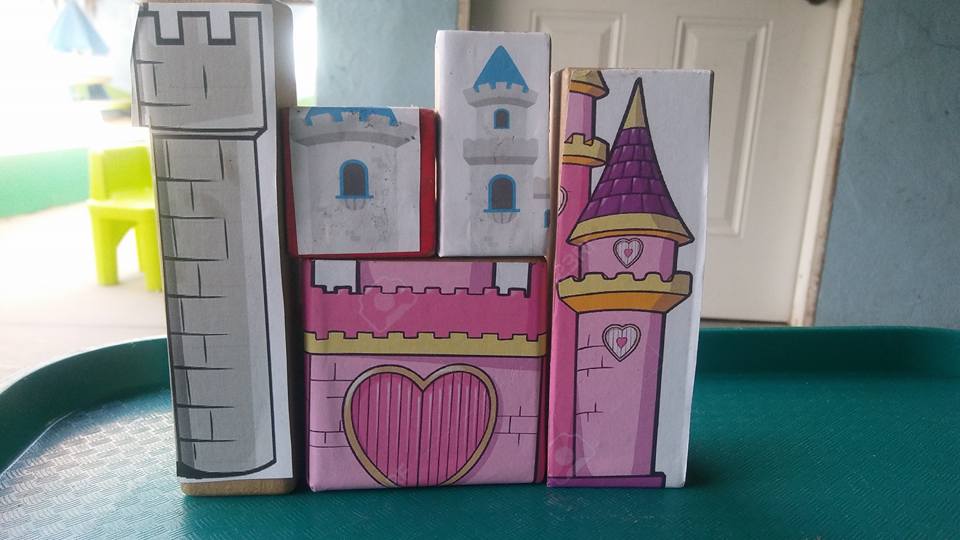
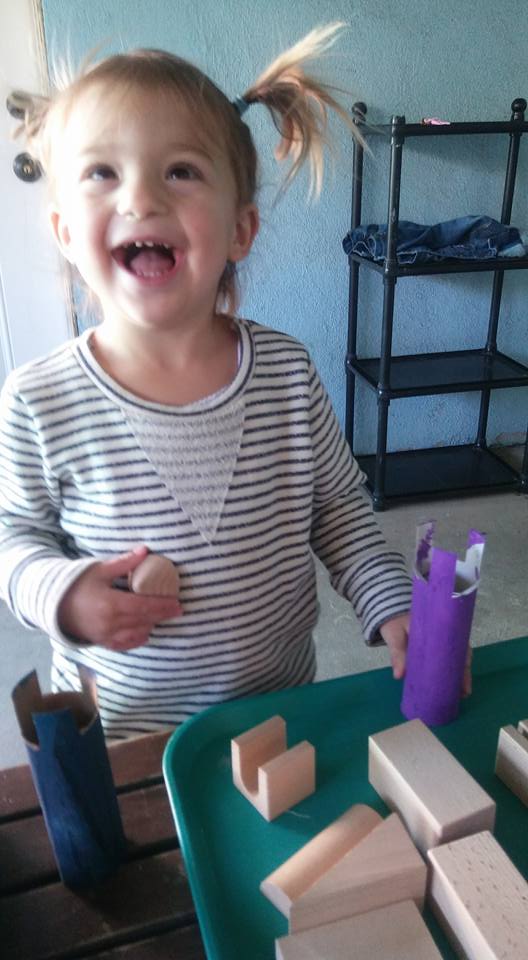
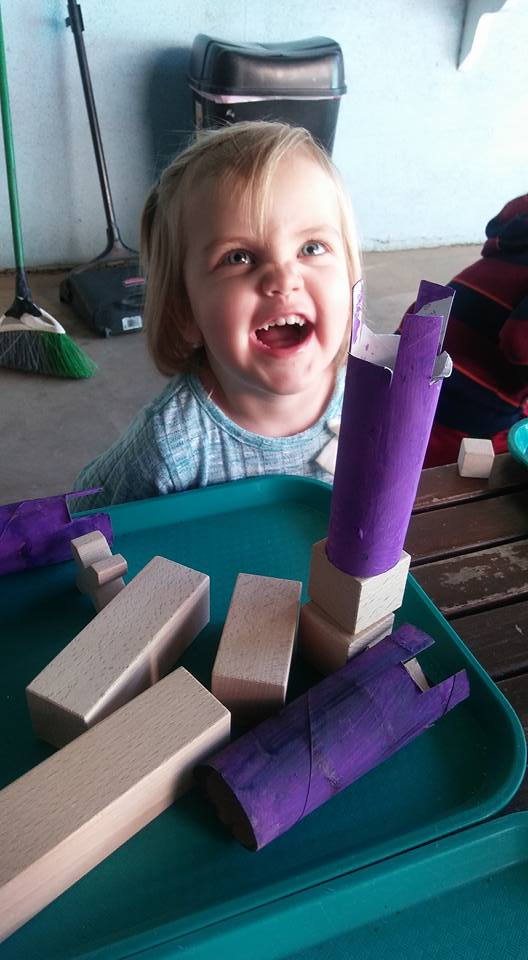
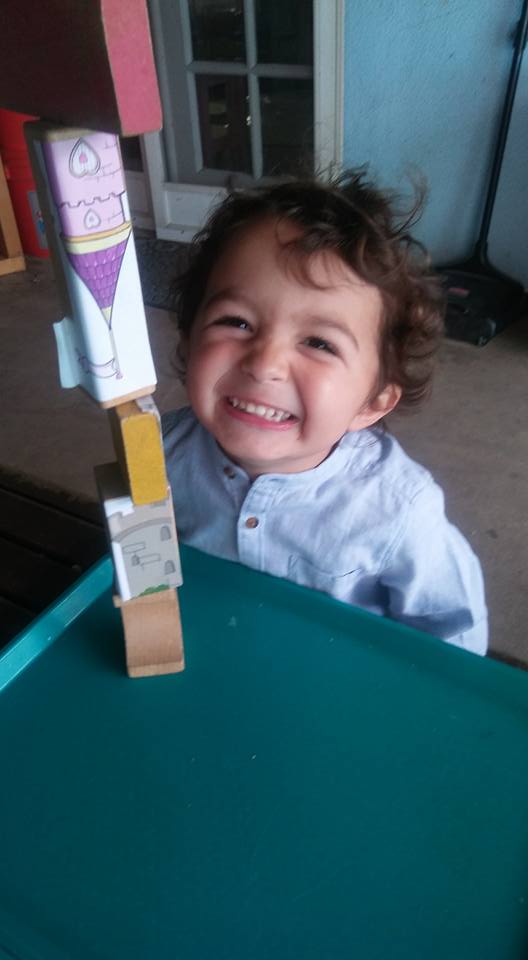
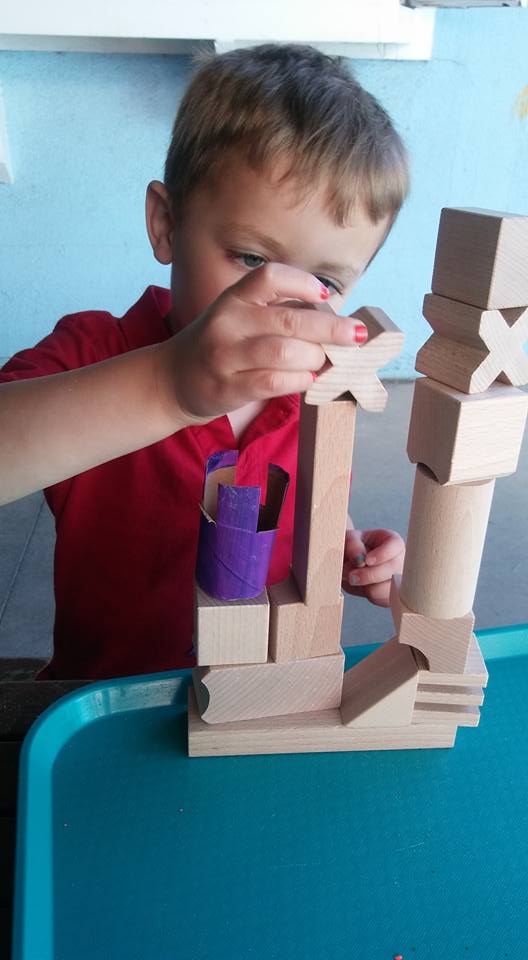
For this provocation, students were presented with regular blocks, castle blocks, and toilet paper tubes.
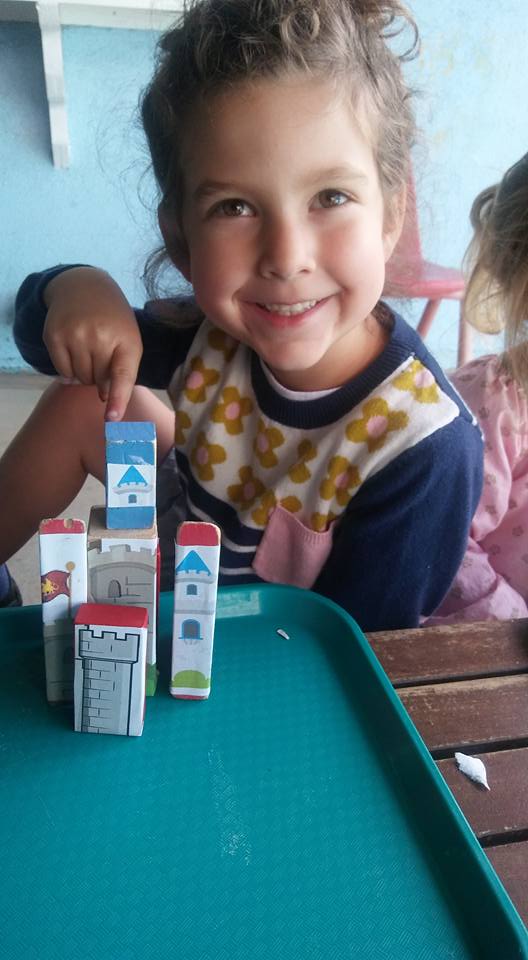
Students were encouraged to construct their “castles” as part of our medieval theme.
The use of group projects in a curriculum can be very useful, especially in bringing difficult concepts to the preschool level. To bring these concepts to fruition, all participants must, in a sense, become learners along with the children.
The teacher has to be careful to not act as a mentor but as a guide; that is, the teacher cannot think solely in terms of a prearranged destination to activity but must focus on offering a sense of discipline to the activity. Feelings and emotions consist of many complex components, and because of this, we must be creative in teaching our little ones about them!
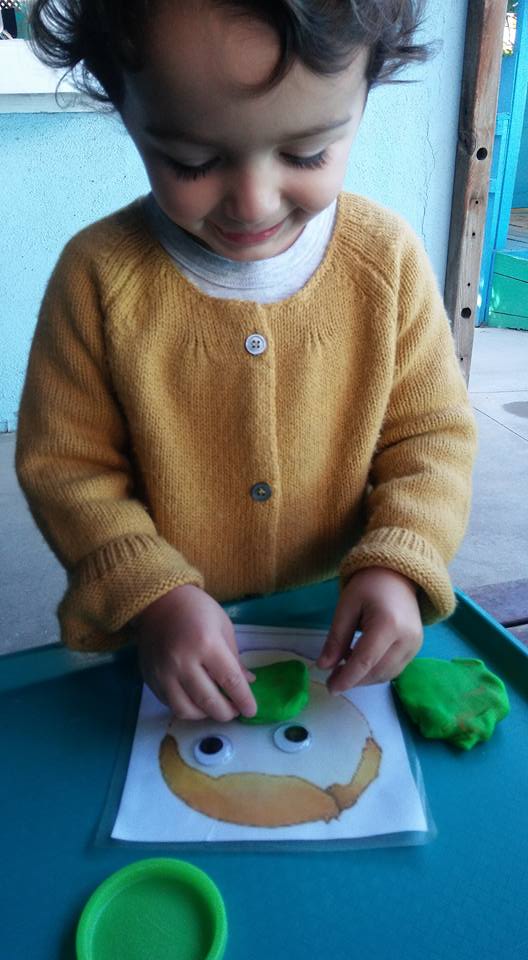
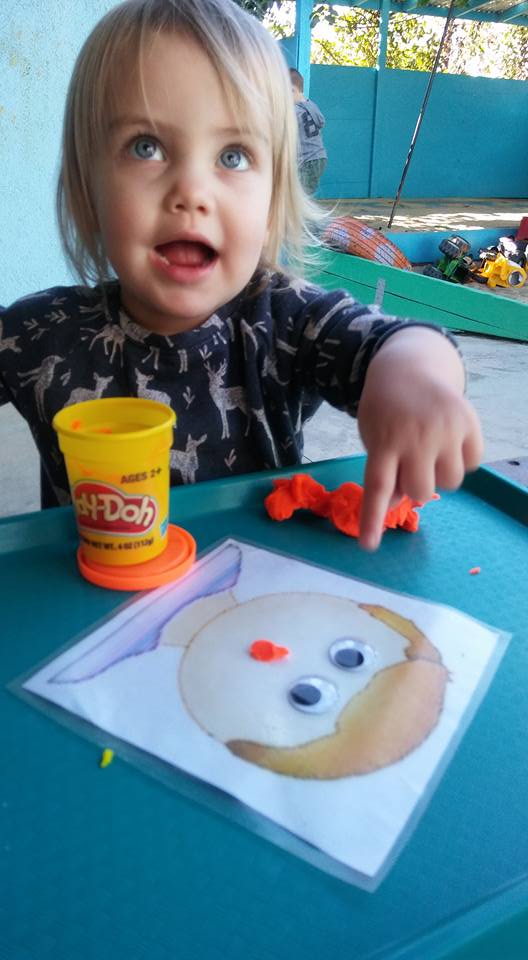
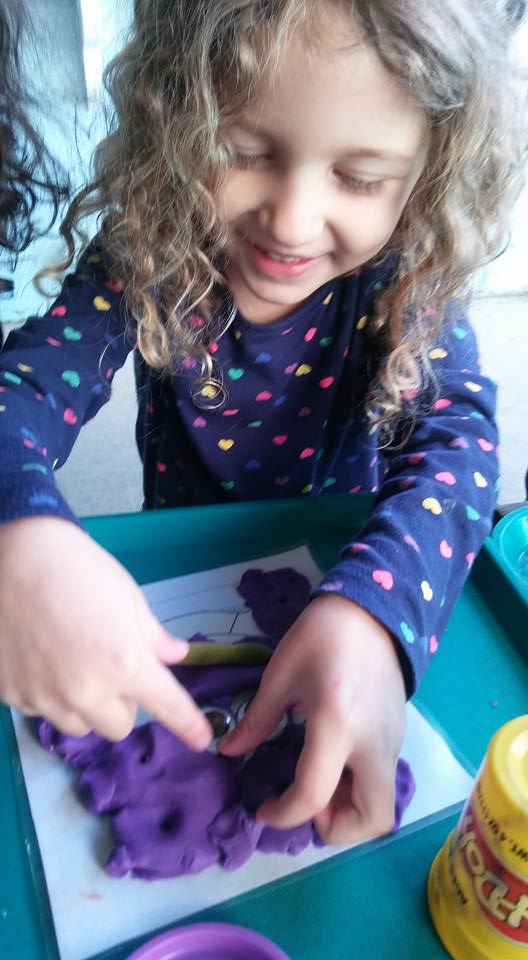
For this activity, we used play dough to convey a variety of emotions. Your little ones worked together to best determine what expression they wanted to portray. Following the construction of these faces, students were asked to name the feelings they created.
Although the formal study of reading and writing does not occur until kindergarten, young children are capable of recognizing letters and their functions.
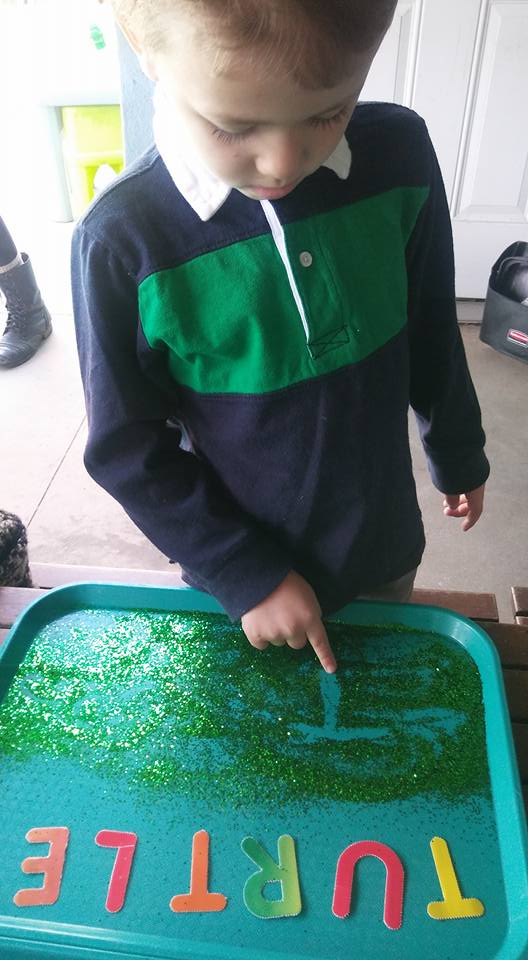
The more they are introduced to pre-reading and pre-writing activities, the more they are able to recognize and understand their meanings.
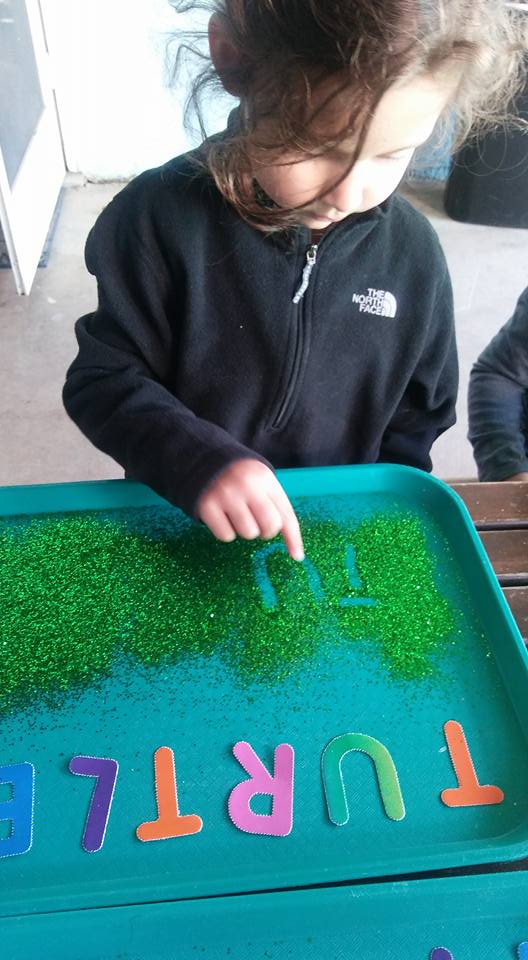
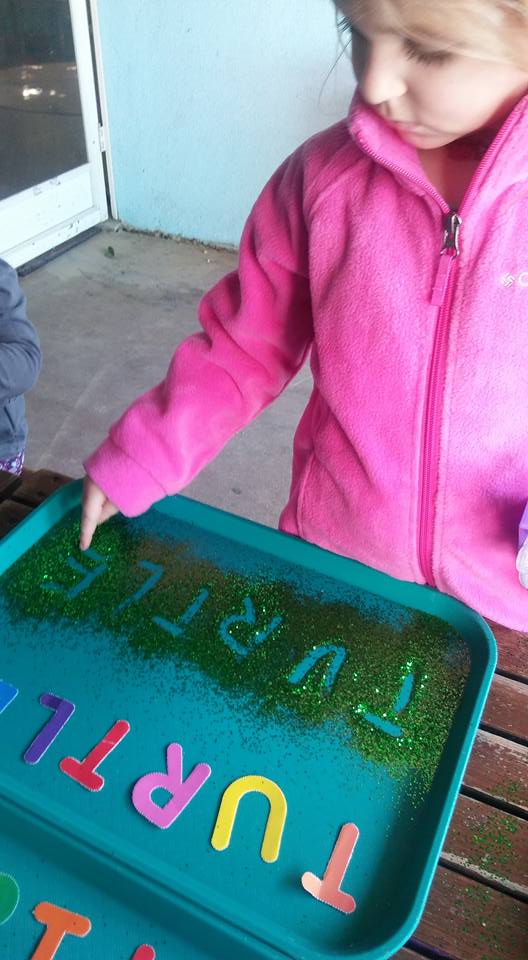
It is for this reason that we are constantly engaging in these types of activities – ones that help students understand abstract concepts through sensory play. For this activity, students traced the word TURTLE into green glitter. They were then asked to recognize cardboard cutouts that matched the letters they traced.
 misscarriescorner