R is for Rock

The tactile experience (touching a letter with your finger) is important for building a memory trace.

rockrock

This enables students to acquaint the name of each letter with a visual representation for the letter sound. For a child who is struggling with their letters, the sooner they can integrate the sound of the letter with what it looks like, the sooner their writing contains more meaning for them.

rockrock1

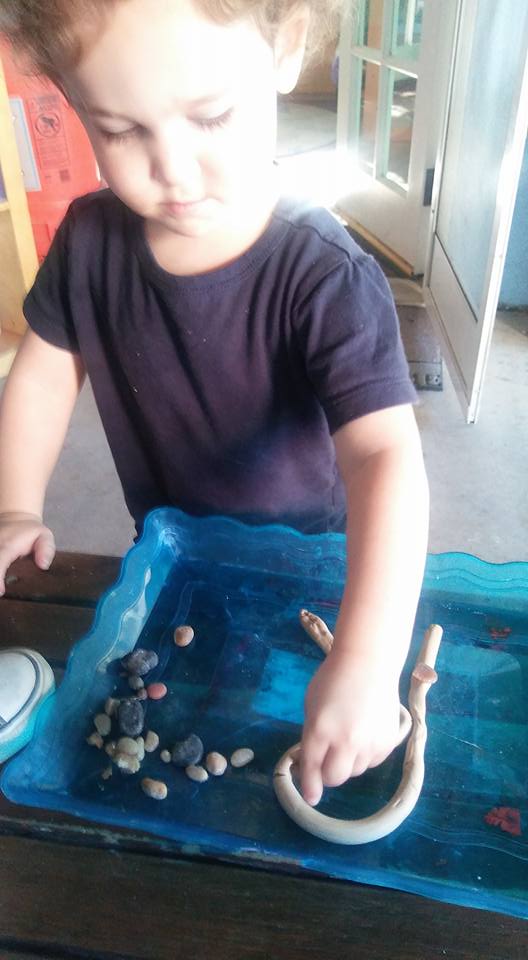
For this activity, we talked about the letters in the word ROCK, particularly the letter R. Throughout the week, your little one has learned how mountains are made up of rocks, so we focused many of our circle times and writing activities around this word.

rockrock2

Using clay, and rocks, students composed Rs out of clay and then placed rocks into them.  Upon finishing, we admired the many wonderful Rs that we created!

rockrock3


Fault Block Mountains

Fault block mountains are distinguished by great sheer rock faces.

fault5

These form when enormous underground pressure forces a whole rock mass to break away from another.

fault4

The line at which this break takes place is called a fault. On one side of this break the rocks rise; on the other side they sink down.

fault

Some of the most spectacular mountain scenery anywhere are the great rock walls of the Sierra Nevada which are actually the sides of huge tilted fault blocks. The Sierra Nevada are in fact the broken upper edge of a huge plate that tilts down toward the west to nearly five miles below the surface of the Pacific Ocean.

fault1

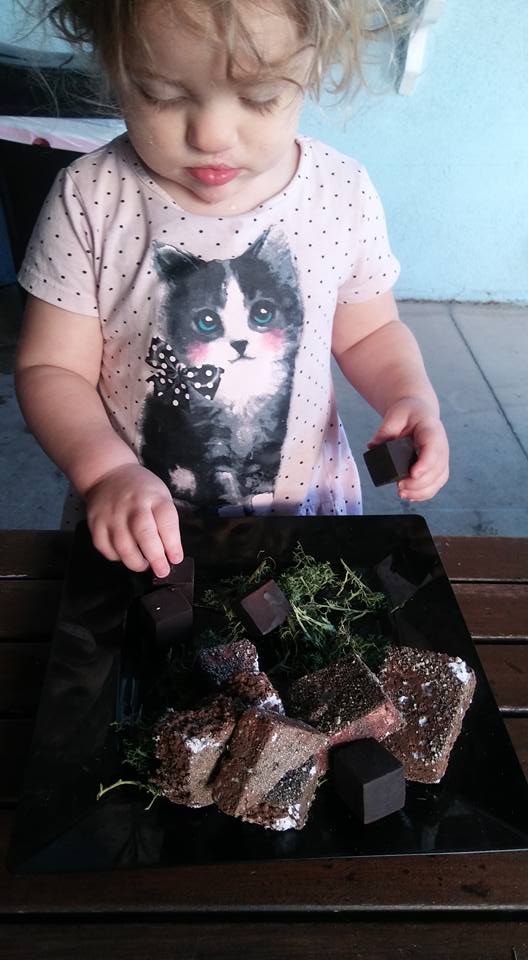
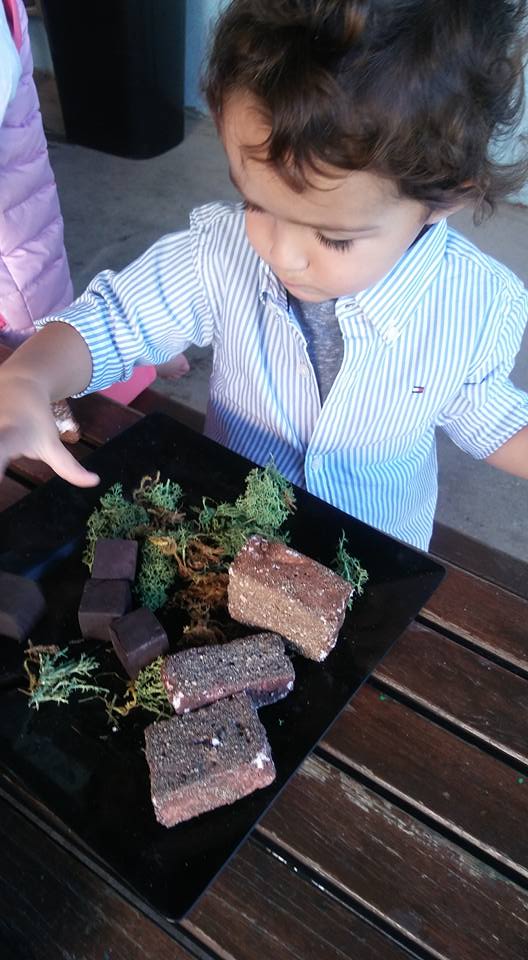
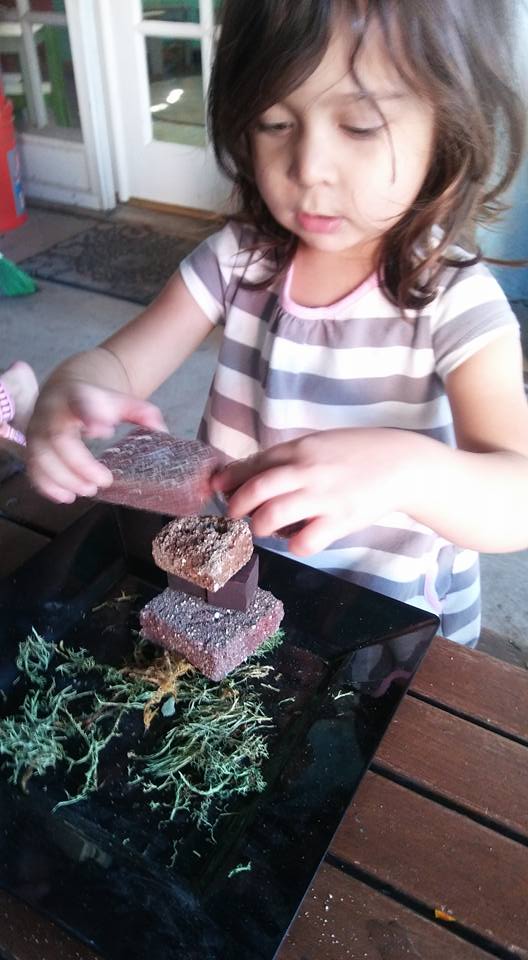
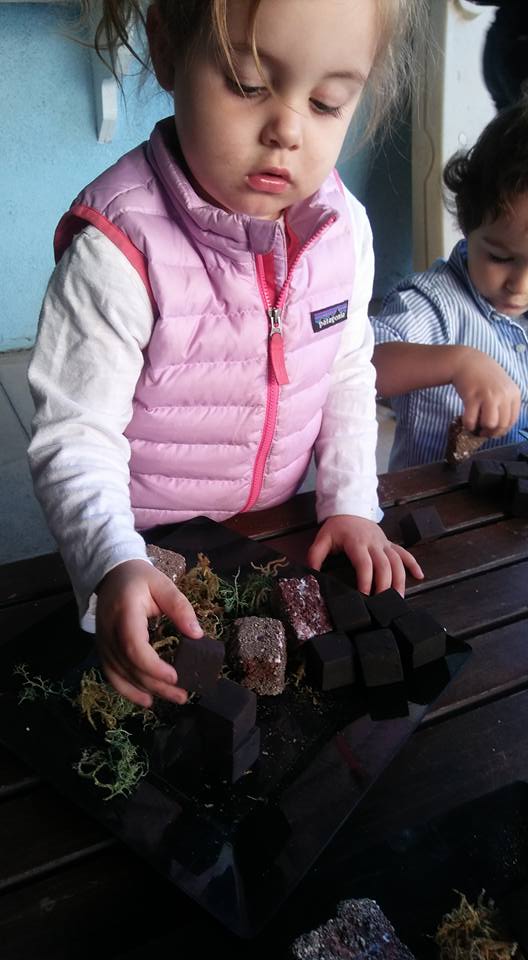
To help us further understand these magnificent structures, we created our own fault block mountains using artificial grass, styrofoam blocks, and regular blocks.

fault3

Sensory Prairies

Children (and adults) learn best and retain the most information when they engage their senses.

pray

By giving children the opportunity to investigate materials with no preconceived knowledge, you’re helping them develop and refine their cognitive, social and emotional, physical, creative and linguistic skillsets.

pray7

These sensory experiences provide open-ended opportunities where the process is more important than the product; how children use materials is much more important than what they make with them.

pray5

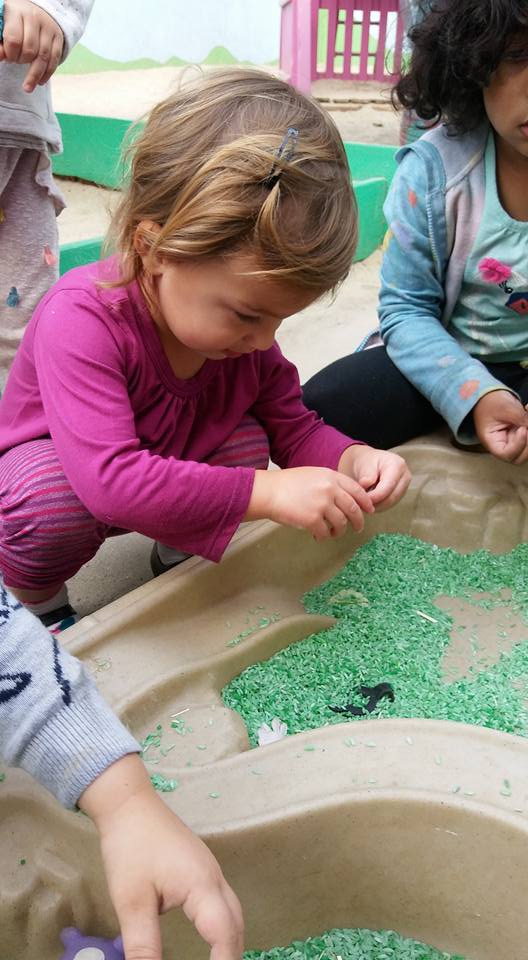
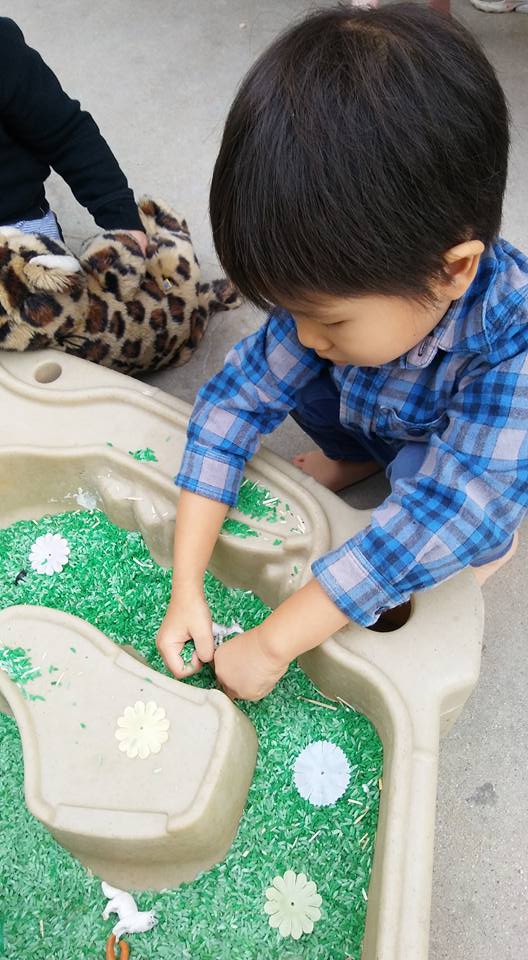
For this activity, we explored the physical properties of a prairie using colored rice. As your little ones manipulated the rice with their hands, they used many different words to describe its texture and temperature, giggling with their friends as they did so!

pray4


The Tree Line

The tree line is the edge of the habitat at which trees are capable of growing. It is found at high elevations and in frigid environments. Beyond the tree line, trees cannot tolerate the environmental conditions (usually cold temperatures or lack of moisture).

line

At the tree line, tree growth is often sparse and stunted, with the last trees forming densely matted bushes, known as krummholtz.

line2

The tree line, like many other natural lines (lake boundaries, for example), appears well-defined from a distance, but upon sufficiently close inspection, it is a gradual transition in most places.

line5

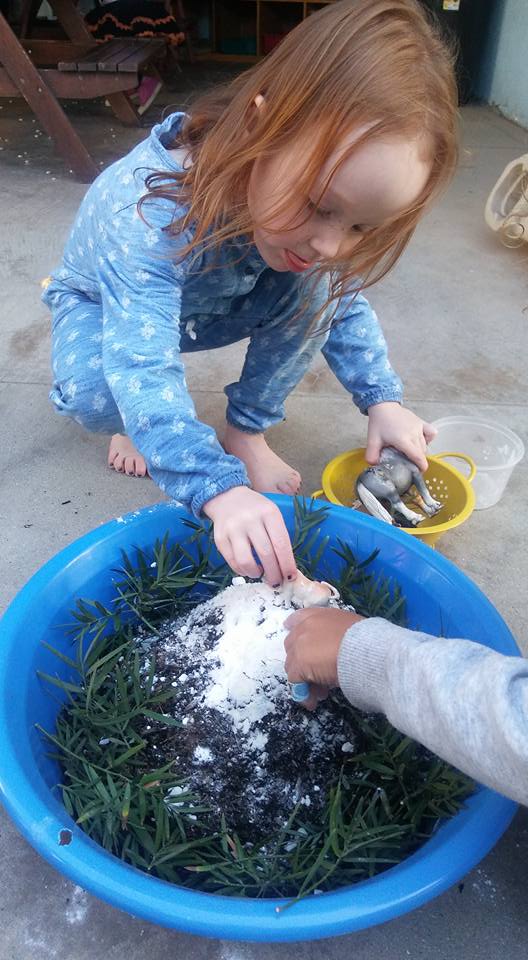
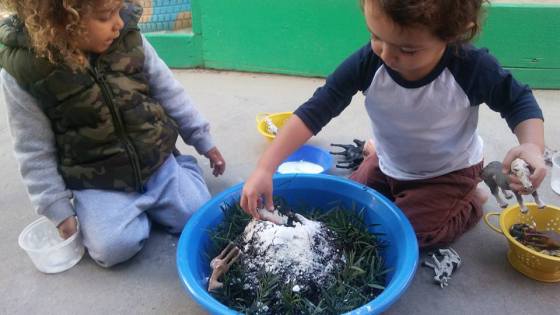
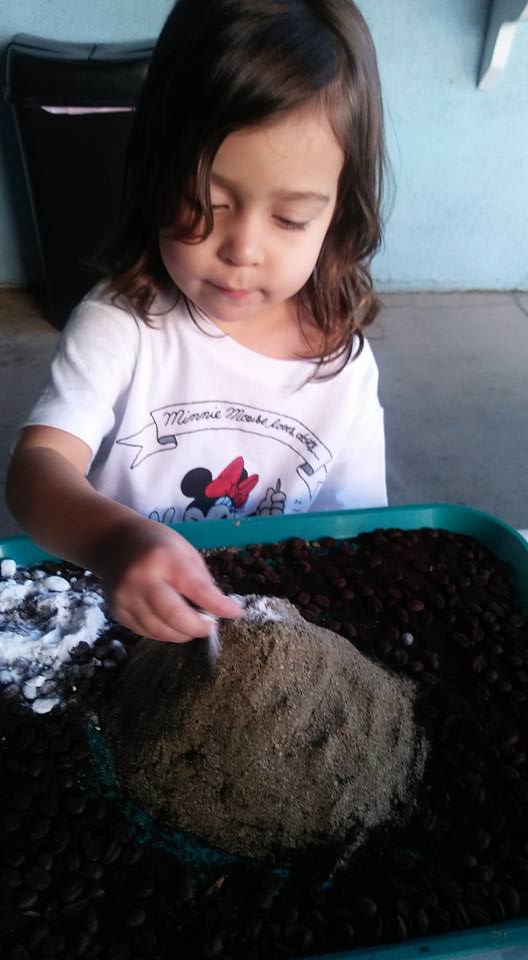
Trees grow shorter towards the inhospitable climate until they simply stop growing. For this activity, we talked about what a tree line was. We then used dirt, branches, and flour to create the tree line. Lastly, we added animals to our mountains and play with them among our friends!

line4

Mount Everest

Mount Everest, also known as Sagarmatha or Chomolungma—is the highest mountain on Earth, as measured by the height of its summit above sea level.

eve3

The mountain, which is part of the Himalayan range in High Asia, is located on the border between Nepal and Tibet.

eve2

Its summit was first reached in 1953 by Edmund Hillary of New Zealand and Tenzing Norgay of Nepal.

eve8

Its exact height is debated, but is approximately 29,000 feet above sea level.

eve6

To include this in our week of mountains, we used a few different materials to create this magnificent mountain.

eve9

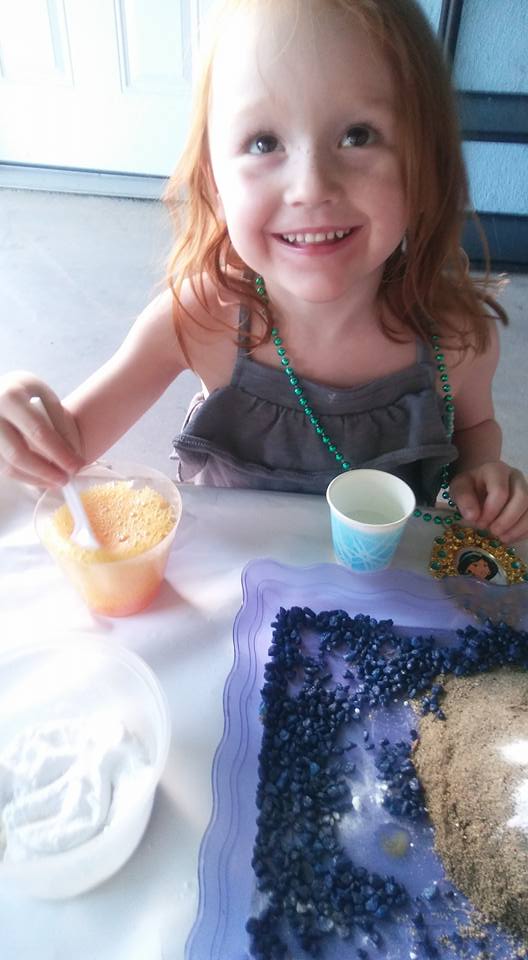
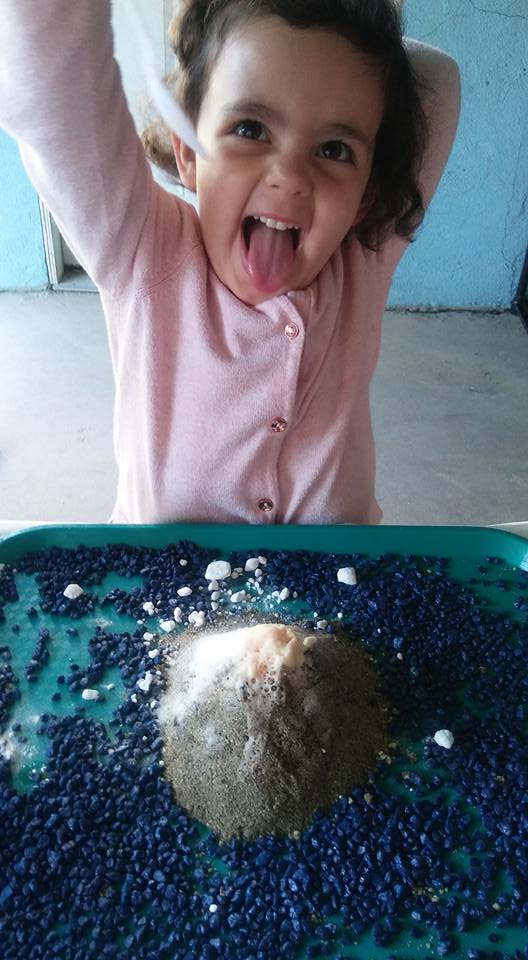
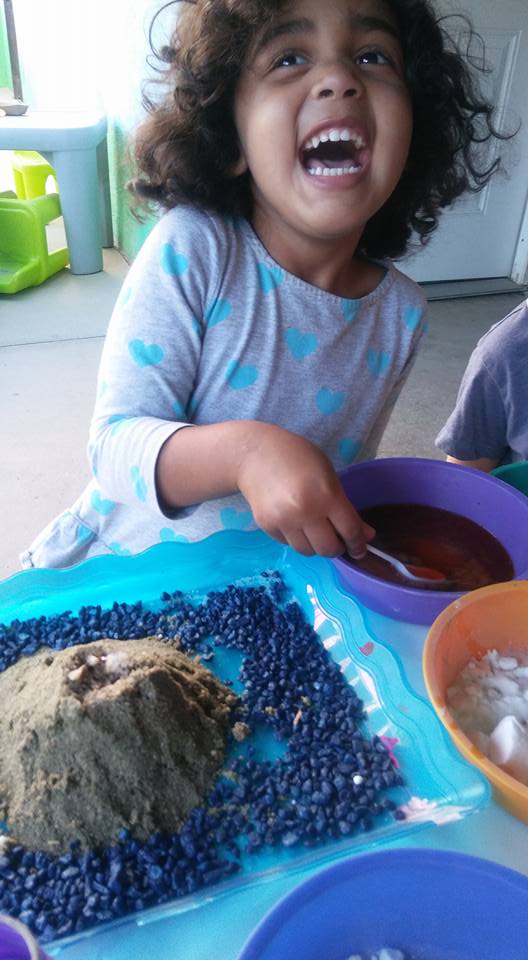
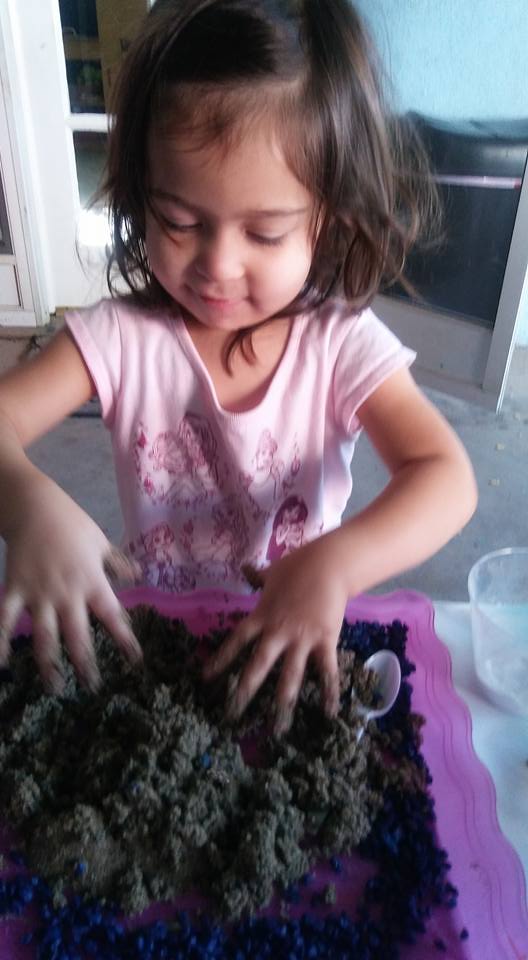
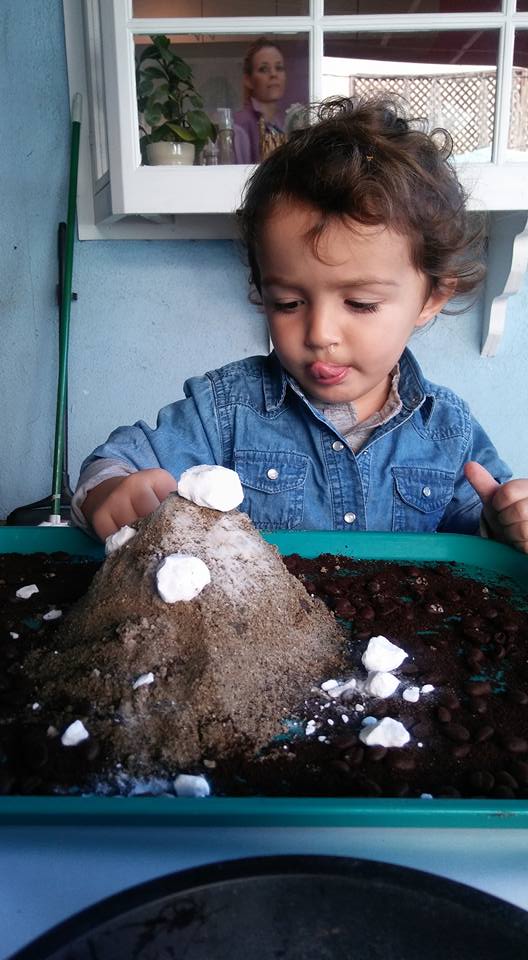
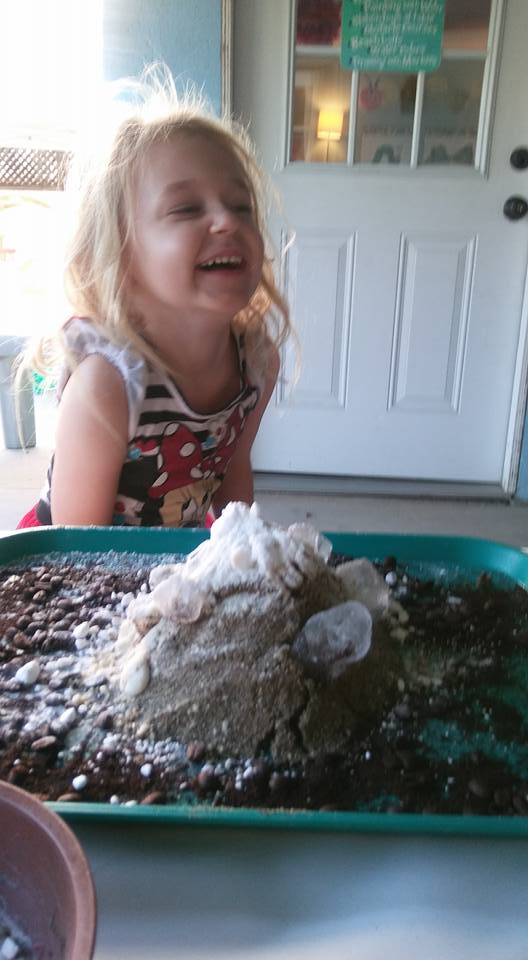
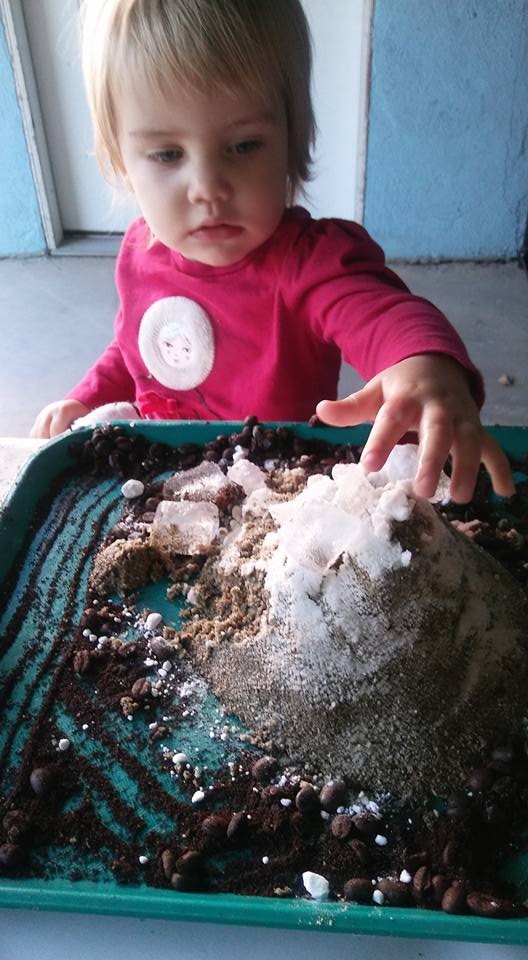
Using ice, dirt, and insta-snow, we enjoyed seeing who could make the tallest mountain among our friends!

eve5

Mountains and Trees

Creative art activities can help children in all areas of development. The first of these involve your little one’s large and small muscle development, as well as their eye-hand coordination.

alpine1

Using crayons, markers, and paint brushes helps children practice the fine motor control they will need for writing later on. The second, involves social development.

alpine4

When children work together in the art area, they learn to share, to interact with others, to be responsible for cleanup, and to put materials away.

alpine2

These are positive and important changes for social learning. The third domain includes cognitive development.

alpine5

Young children can learn the names of colors and shapes through creative art activities.

alpine7

They find out what happens when they mix various shapes together to get a final product.

alpine3

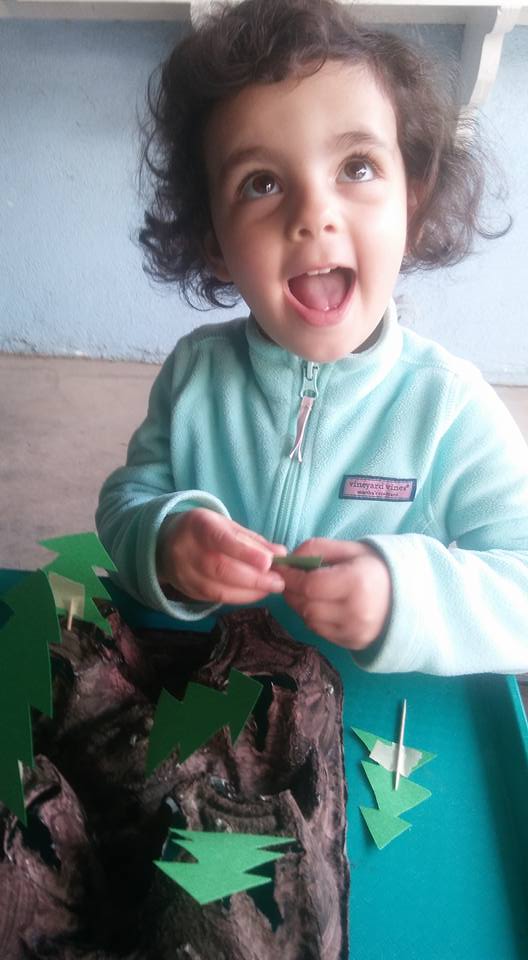
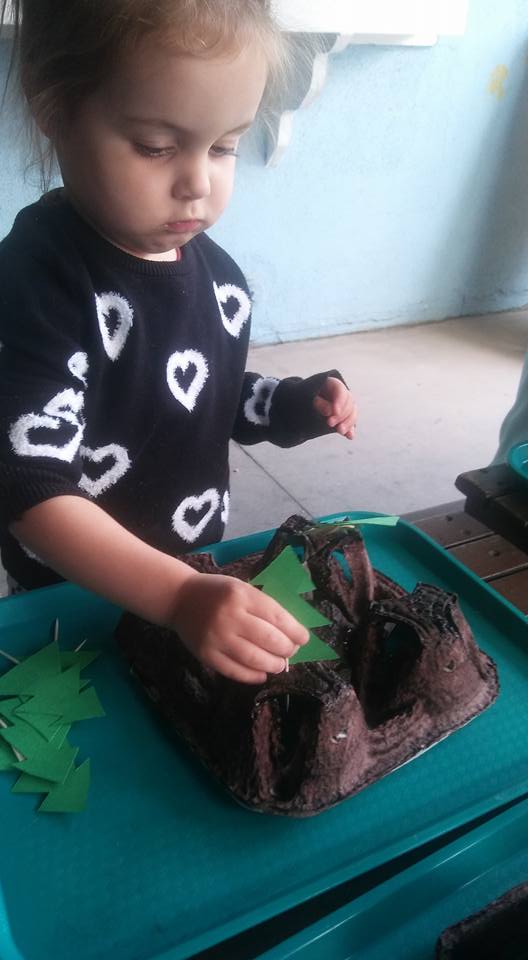
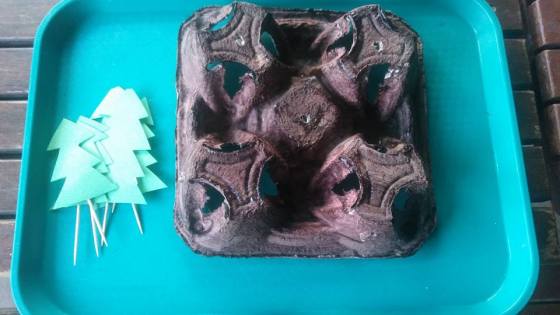
For this creative art activity, we used brown paint, cup holders, toothpicks, tree cut-outs and our thinking minds to create our very own alpine forest!

alpine6

Mountain Climbing

People have climbed mountains for the whole of human history, and they have done so for a variety of reasons—spiritual, strategic, prospecting and hunting, surveying, and probably simple curiosity.

mc1

Mountains were climbed in ancient and classical times, and even before recorded history.

mc3

Mountain climbing, often called “mountaineering” and sometimes “Alpinism,” is the activity of attempting to reach the summits of mountains.

mc4

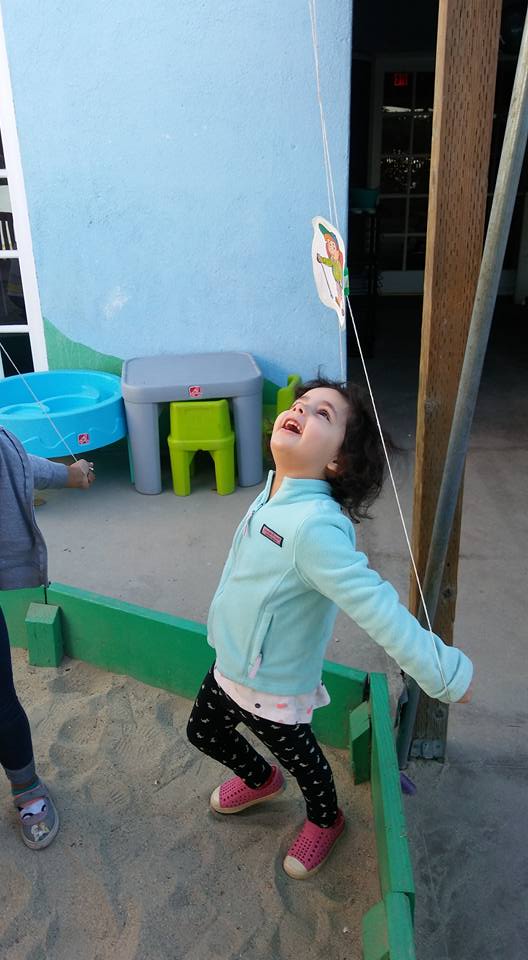
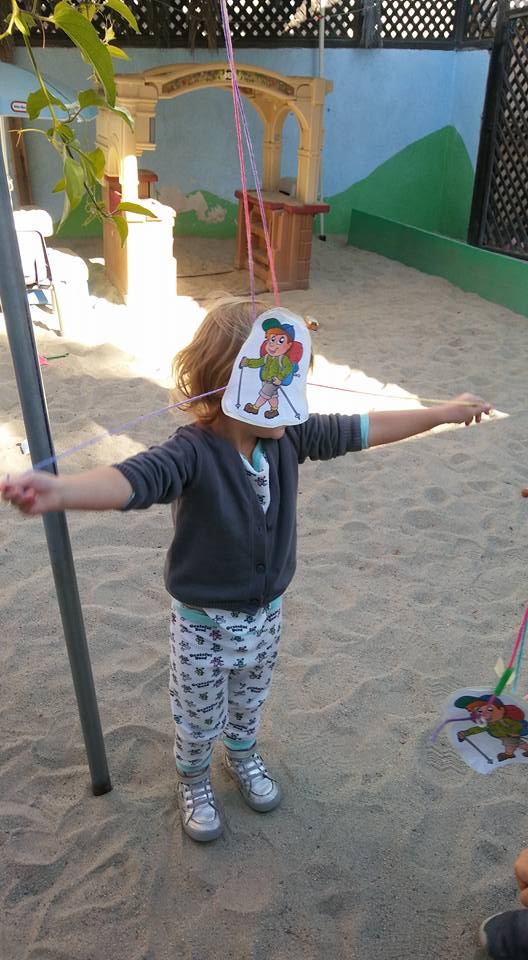
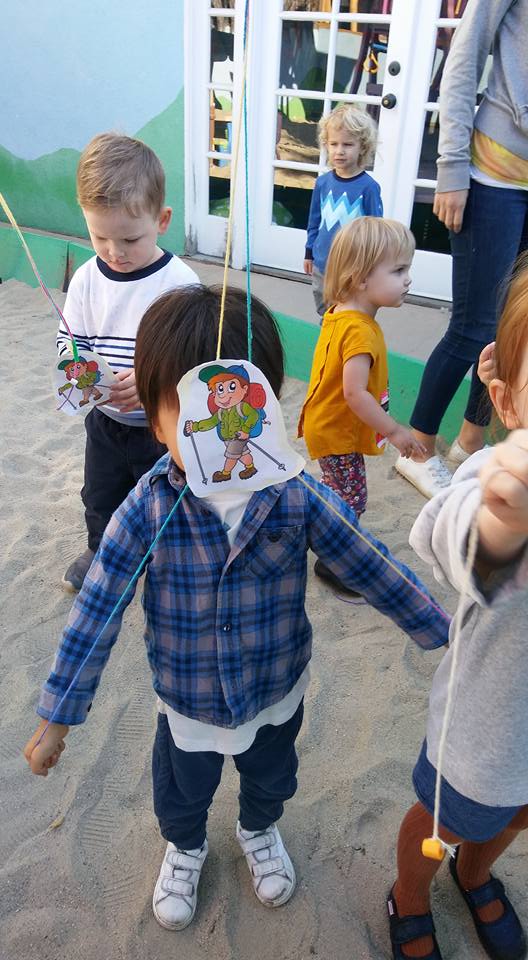
The activity is distinguished from hiking or backpacking by the difficulty of the ascent. For this activity, we used a little bit of engineering to demonstrate the process of “rappelling”.

mc5

Rappelling involves descending a rock face or other near-vertical surface by using a doubled rope coiled around the body and fixed at a higher point.

mc7

Using yarn, beads, pictures of mountain climbers and some engineering, we enjoyed watching our mountain climbers rise and fall with our arm motions!
mc6

Bat Caves – A STEM Activity

Engineering activities, by their nature, are an inquiry-based pedagogical strategy that promotes learning across disciplines.

Engineering curricula introduces students of all ages to everyday applications of science, mathematics, technology and engineering that match their values and view of the world.

This, and many of our other activities are designed to engage students in hands-on STEM experiences in order to improve their understanding of fundamental concepts in a way that capitalizes upon their design, visualization, creativity and teamwork skills and yearnings.

20181024_104510

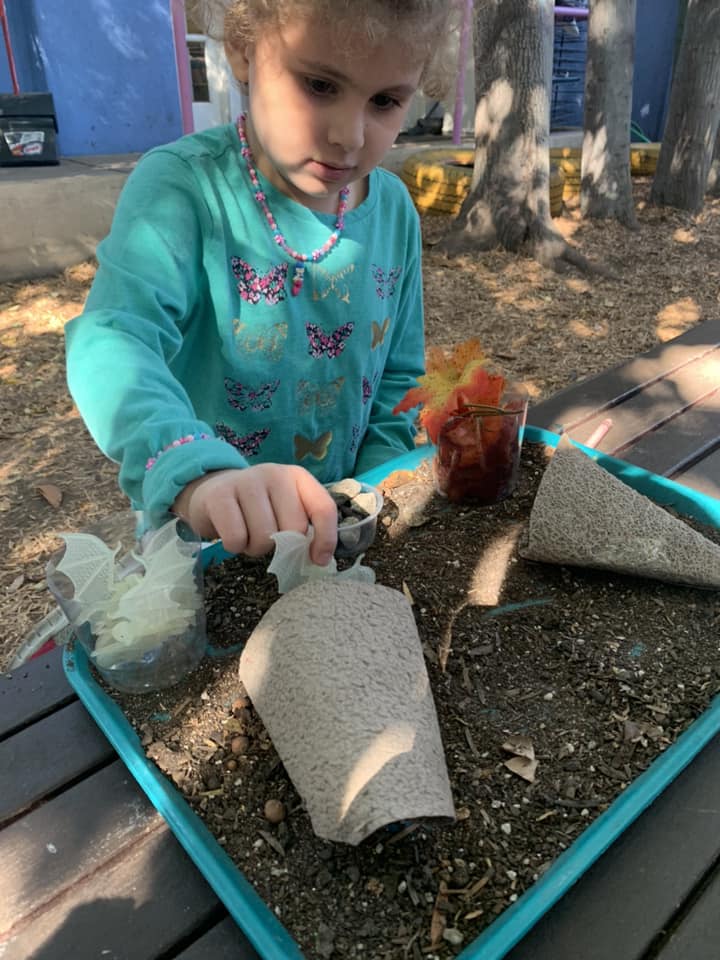
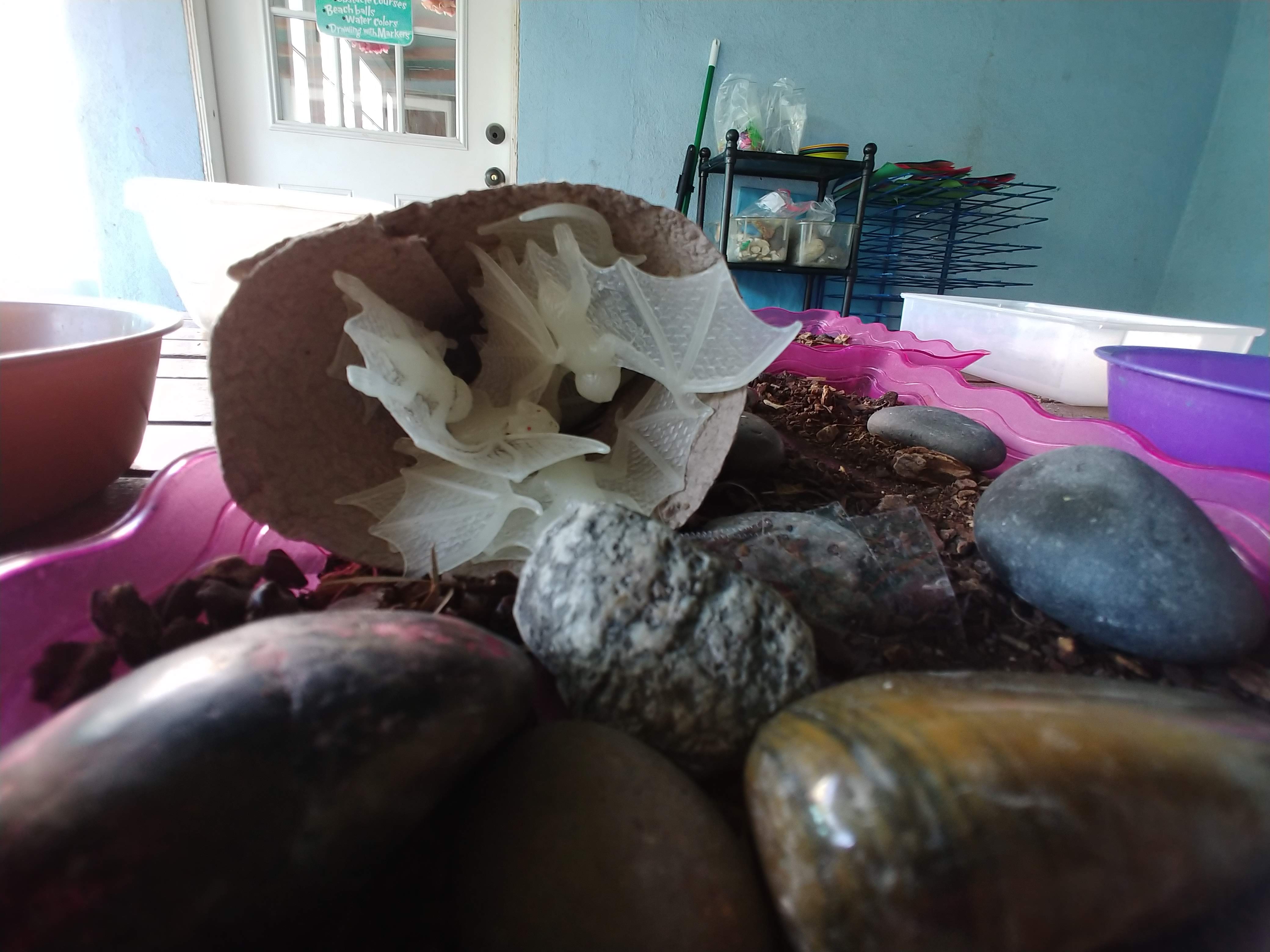
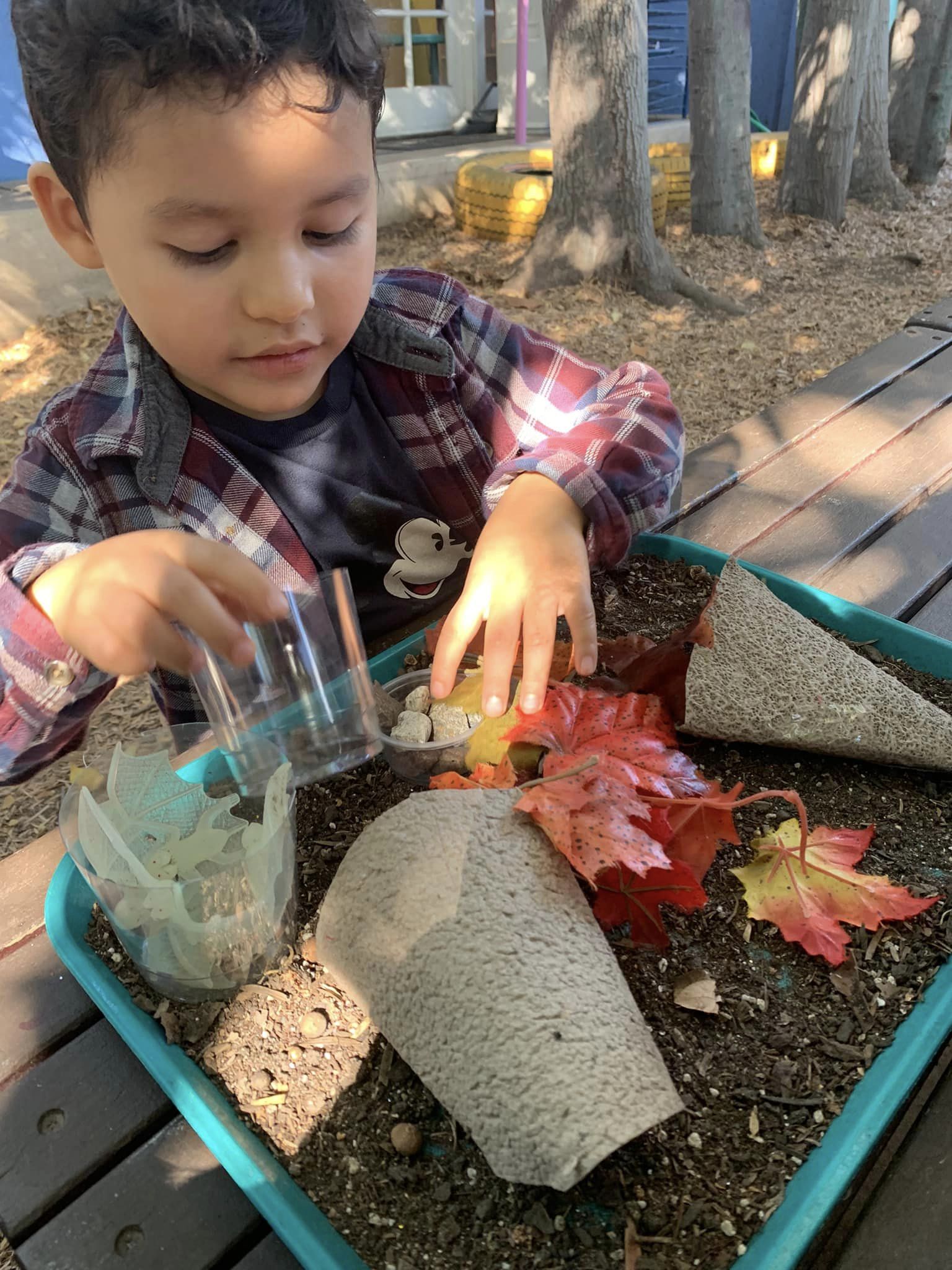
For this activity, students were given sand blocks and toothpicks. They were told to construct a bat cave using the materials. After they finished, they teamed up with their friends to create even bigger structures!


Children learn through experiences, and the earlier they are exposed to STEM-based hands-on learning experiences, the better.

Tracing Ghosts

The tactile experience (touching a letter with your finger) is important for building a memory trace.20181010_100911

This enables students to acquaint the name of each letter with a visual representation for the letter sound.

20181010_100643

For a child who is struggling with their letters, the sooner they can integrate the sound of the letter with what it looks like, the sooner their writing contains more meaning for them.

20181010_100439

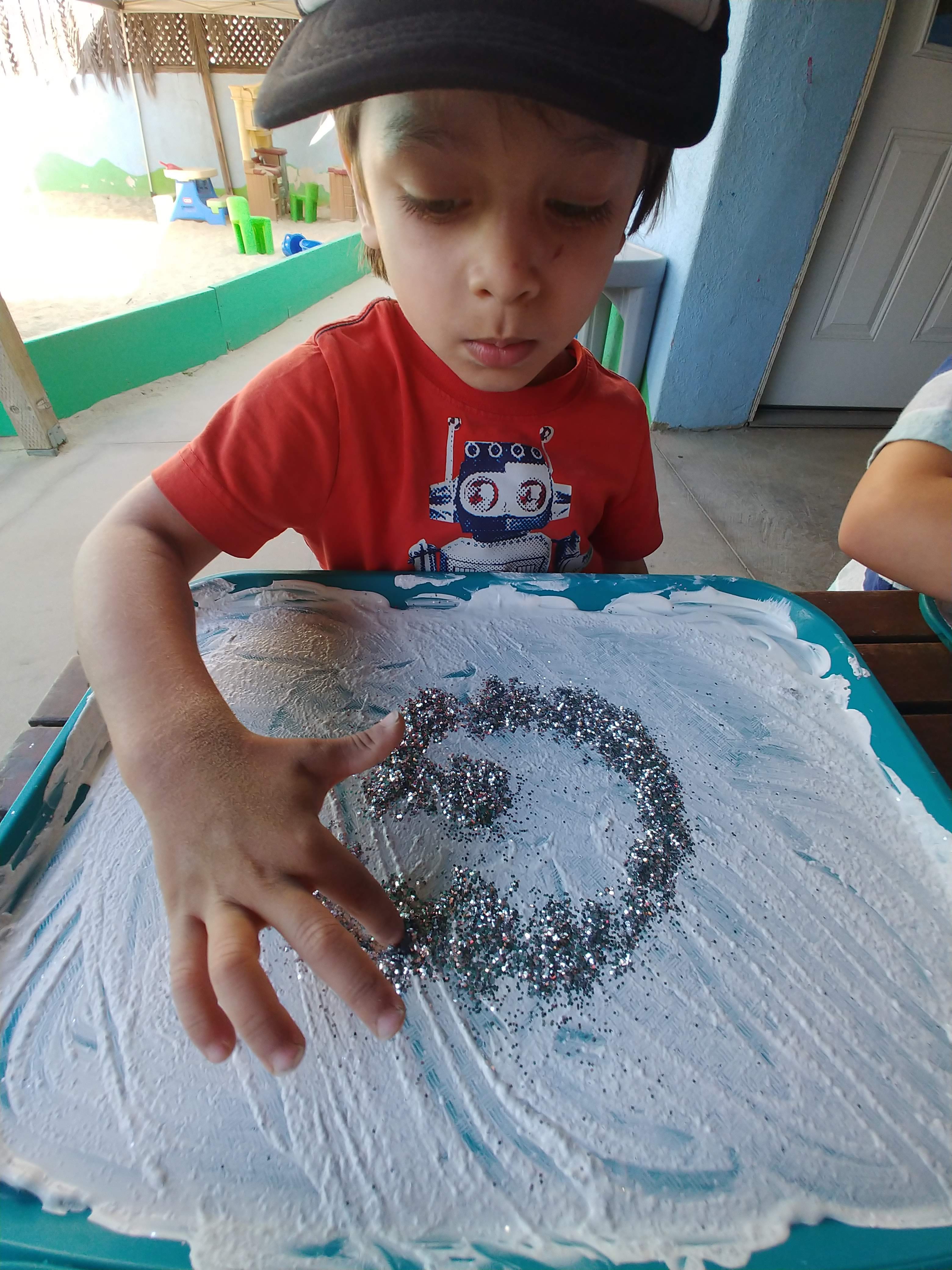
For this activity, we talked about the letters in the word GHOST, particularly the letter G.

20181010_100755

We discussed words that begin with this letter, and then broke up additional letters into their component parts. Using our fingers, we moved to our writing trays, where we traced the letter G, using white paint and glitter.


Exploding Monsters

Preschoolers are actively engaged in scientific learning, both inside the classroom and out. As they ask questions and seek answers to their “how” and “why” questions, they are beginning to practice scientific investigation. Science is also a way to find out about the world through exploration.

22519326_1720527111314450_3684422817253904923_n

Children are investigators by nature. When their natural desire to investigate is nurtured,  young children develop scientific minds. In our classroom, we create environments that engage the senses of our young students and allow them to sort and classify, handle, observe, and ask questions, which is how they construct ideas about the physical and natural world.

22540096_1720526987981129_1115409228089658542_n

For this activity, we used vinegar, baking soda, and play dough to create exploding monsters! Introducing chemistry to young children at the beginning of their academic journeys is very exciting and aids their capacity to grasp more elaborate scientific concepts later on.

22540110_1720527704647724_2250156856904493845_n

Chemistry also provides an exciting supplement to their learning as they perceive and learn about predictable actions. Lastly, experiments conducted independently make them more meaningful to your little scientist!

22491951_1720527411314420_4035996426700214828_n