Instrumental music helps build important cognitive and motor skills which are just starting to develop in the young child. For example, left and right are concepts that are essential in life as well as the piano, and the keyboard is a fun way to demonstrate ideas like these (plus an endless array of other developmental tasks). Our piano classes are so fun, your little ones don’t even realize that they are learning!
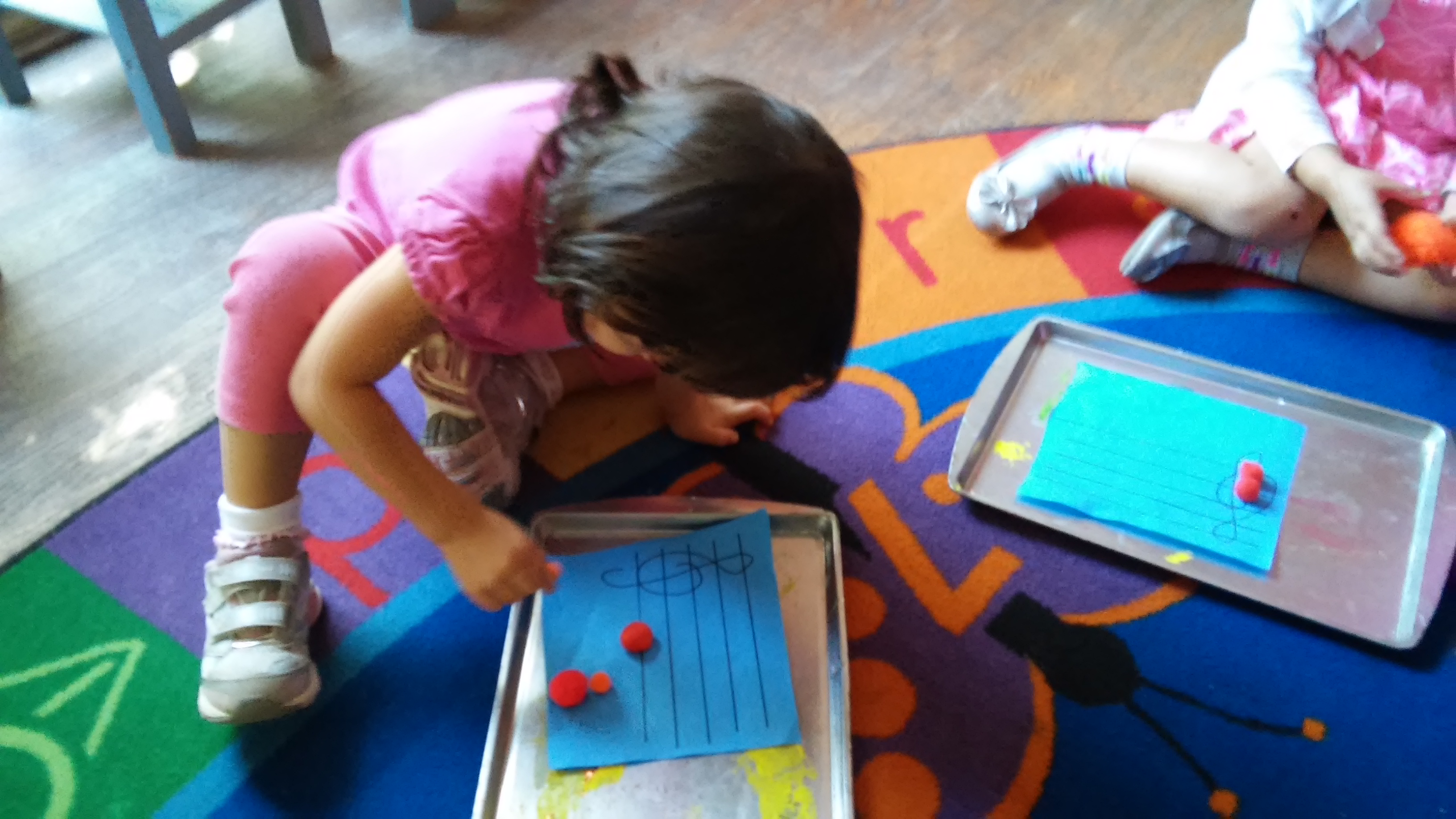
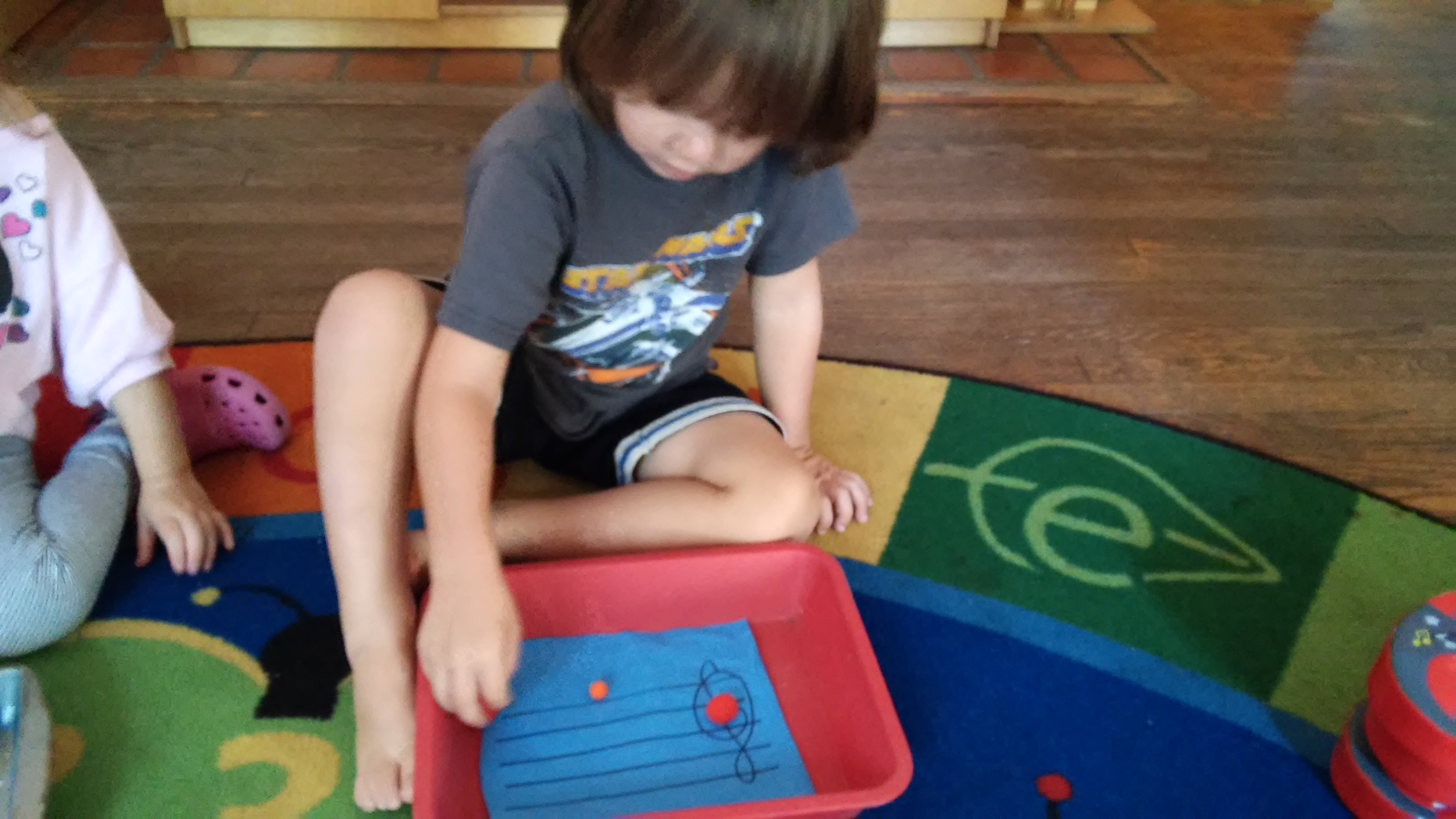
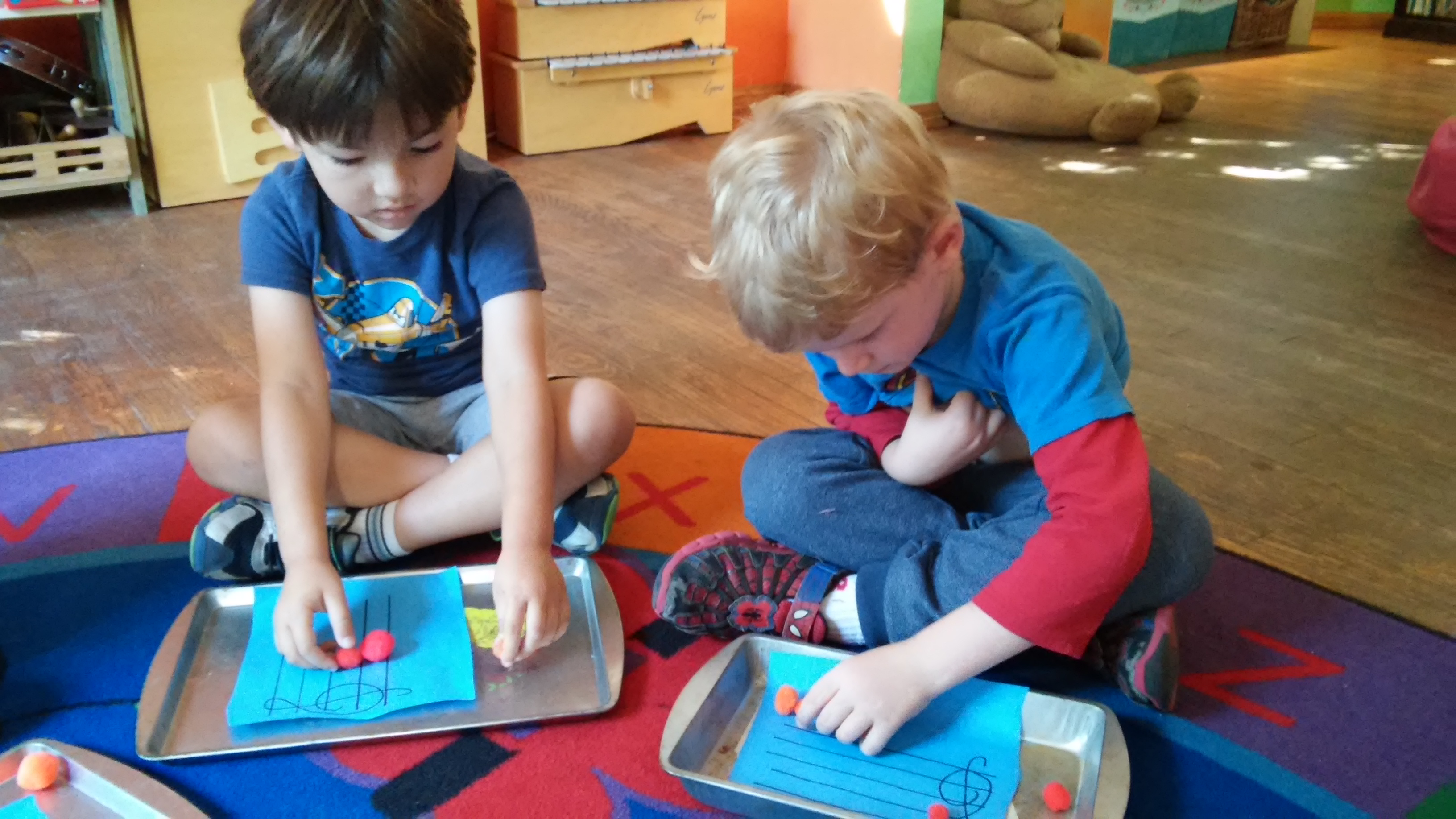
During circle time, we incorporate a color-coded teaching method that uses color-coded notes on a traditional music staff to teach beginning piano to our students!

A color strip sits on the keys and guides the child to the correct key for each note.

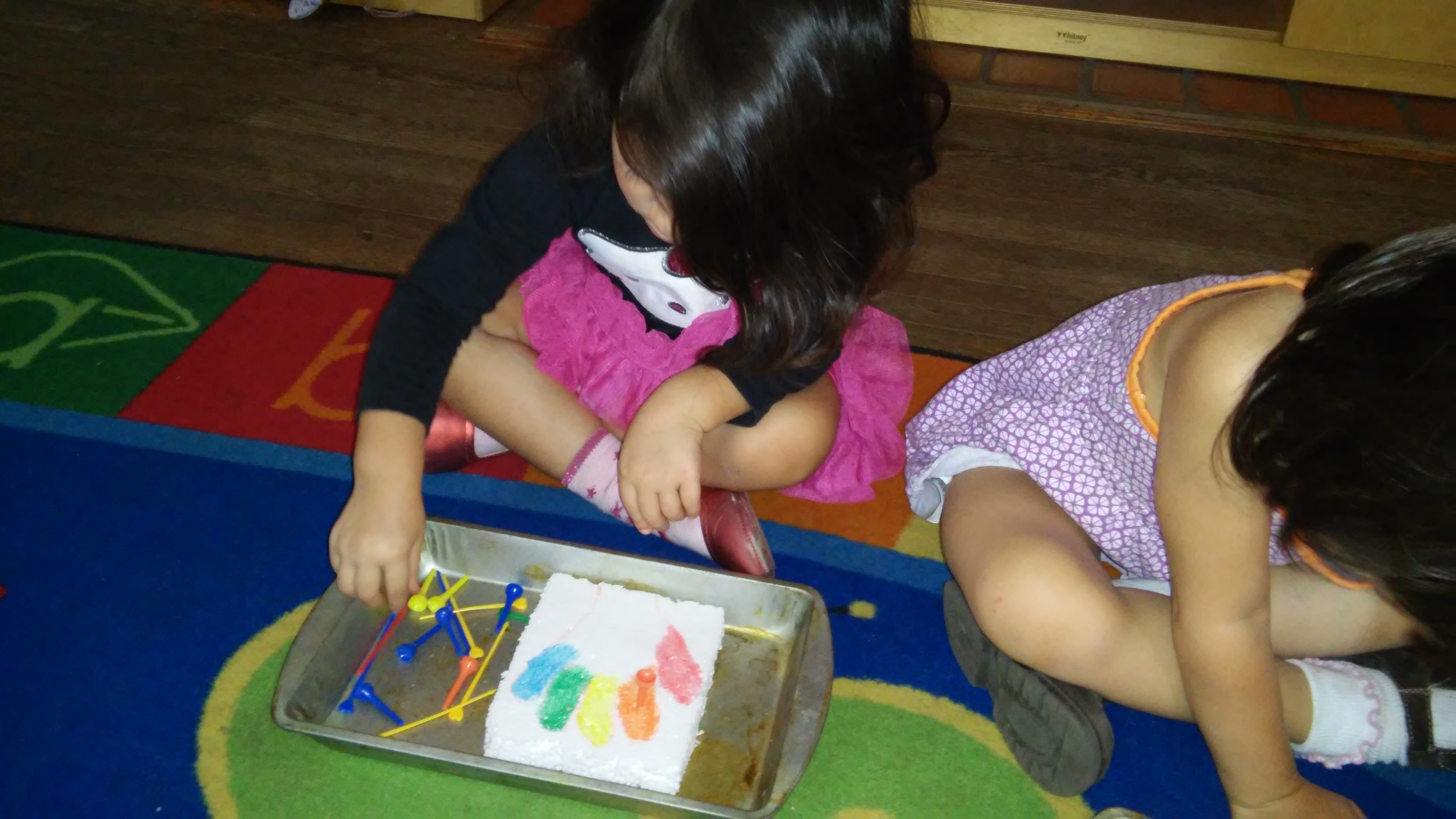
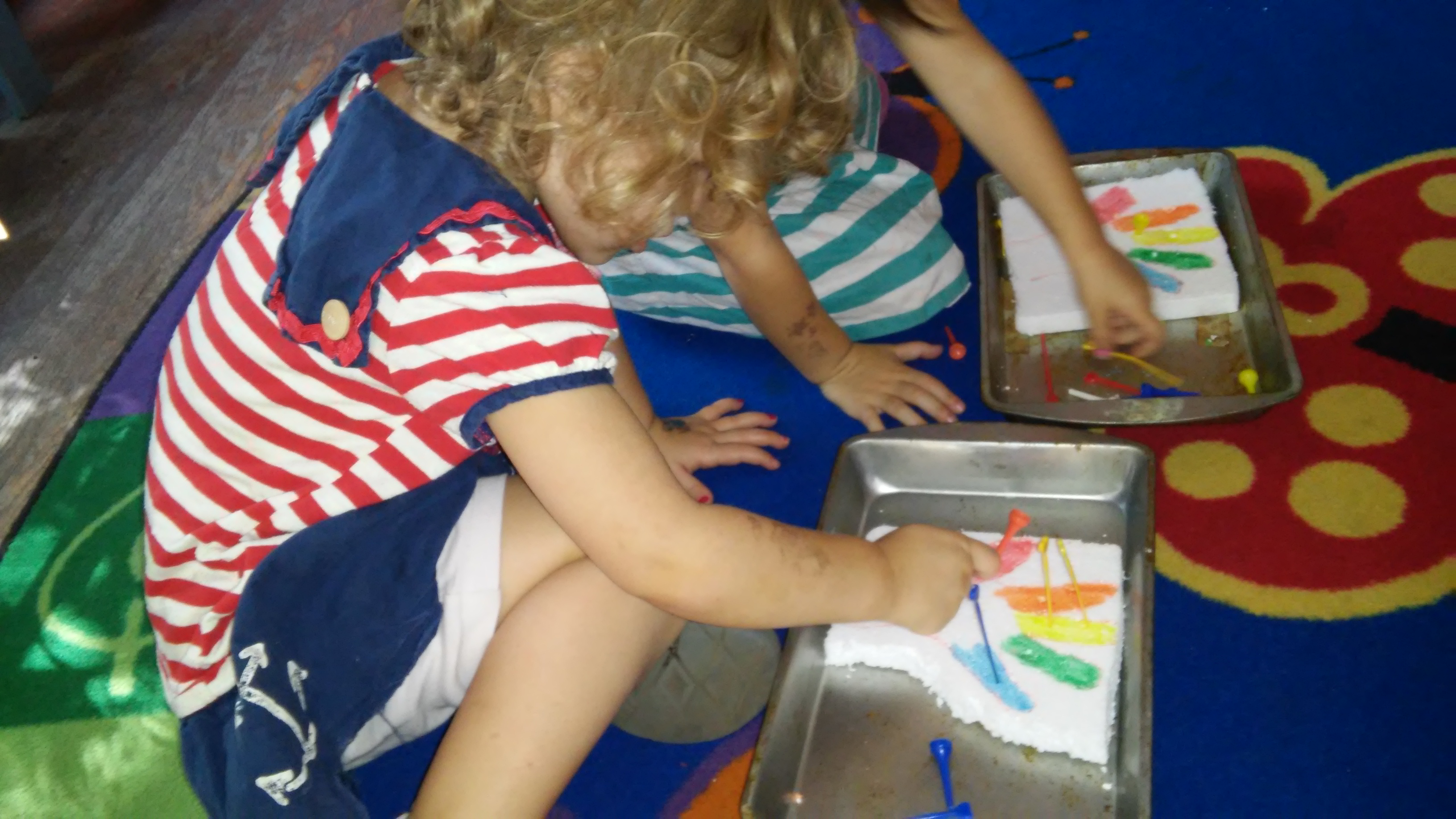
This method of teaching preschool music allows children to begin playing piano as soon as they know their colors. To acquaint your little one with the various colors and their associated fingers, we matched and inserted color-coated golf tees into a styrofoam “hand”.
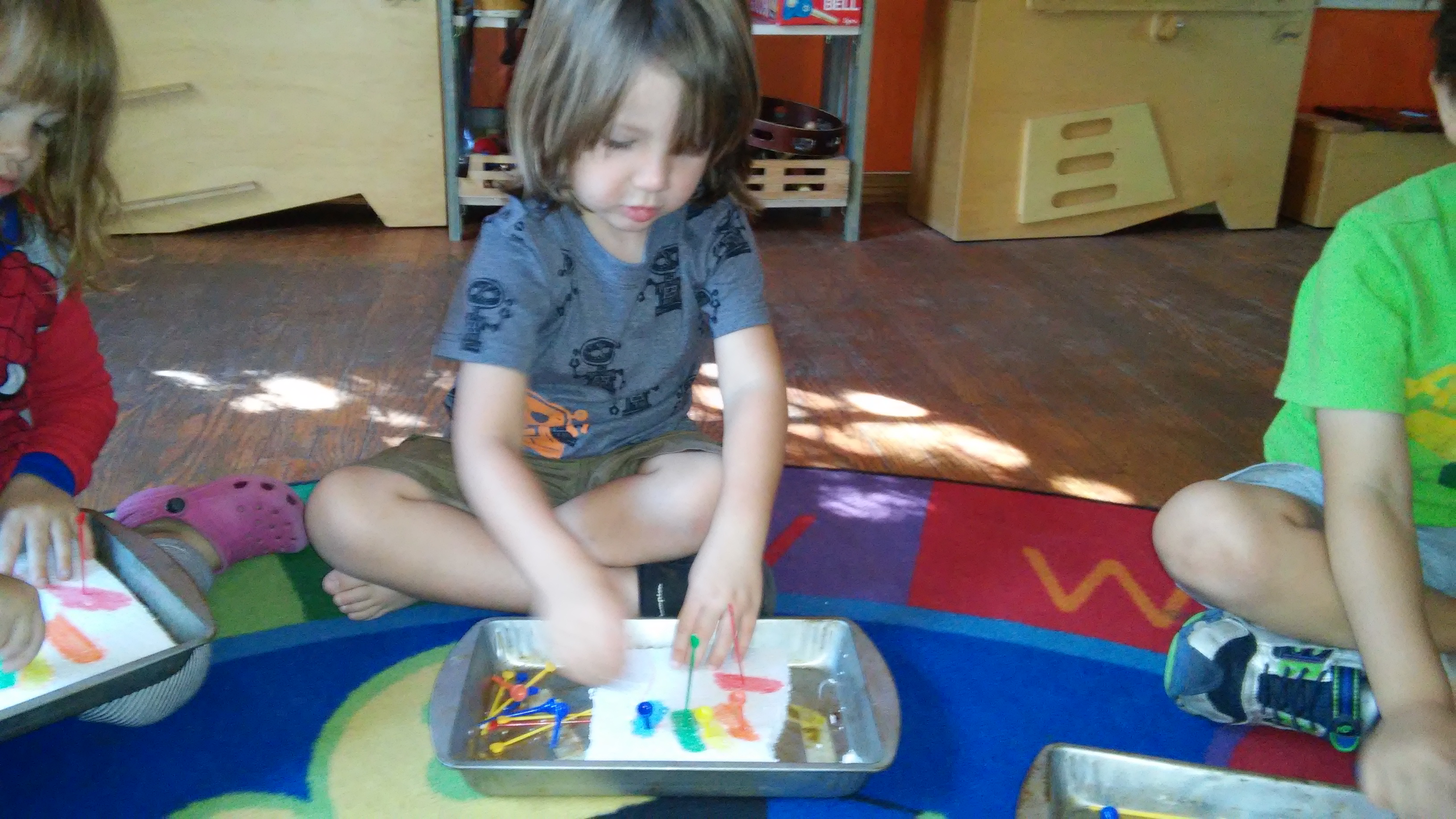
This reinforced that our thumb presses the red key, our index finger presses the orange, our middle finger presses the yellow key, the ring finger presses the green key, and the pinkie presses the blue key.
Piano could, and should be the starting point of the music education beginning from the age of two years old, because the piano is considered to be the ‘king’ of all instruments. Considering its advantages, we will continue to hone our musical skills on this most wonderful instrument.

 misscarriescorner