Train Track Zoo

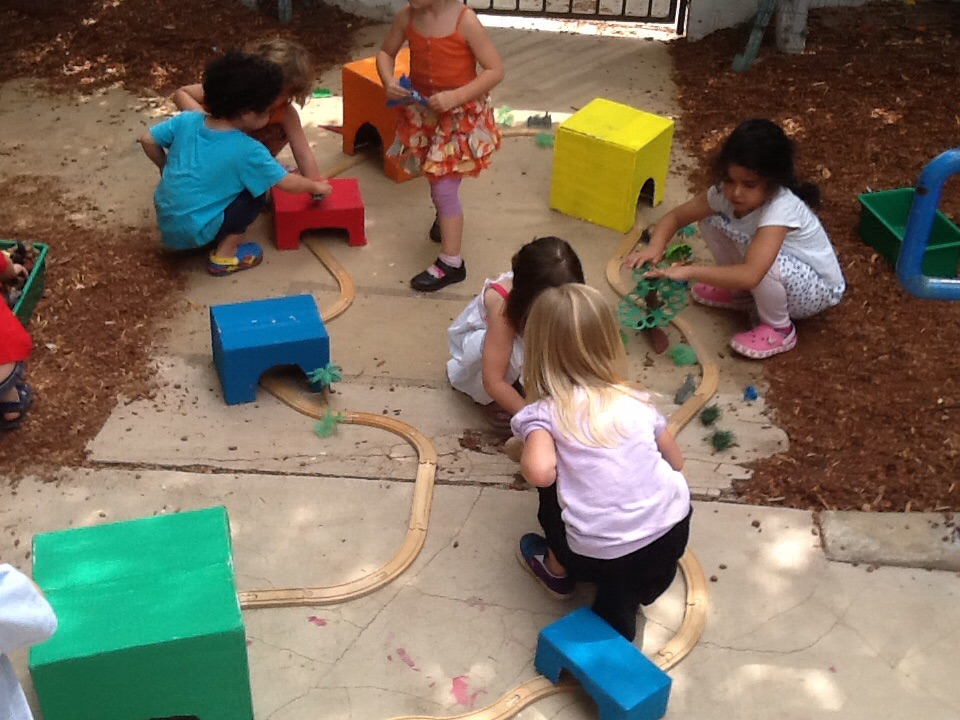
The skills learned from team building are important parts of personal and group development in children.

image

image

image

image

image

During team building activities, children have the chance to communicate with each other and work towards a common goal.

image

image

image

By practicing being an effective team member and team leader, children develop confidence in their own abilities.

image

image

image

image

image

image

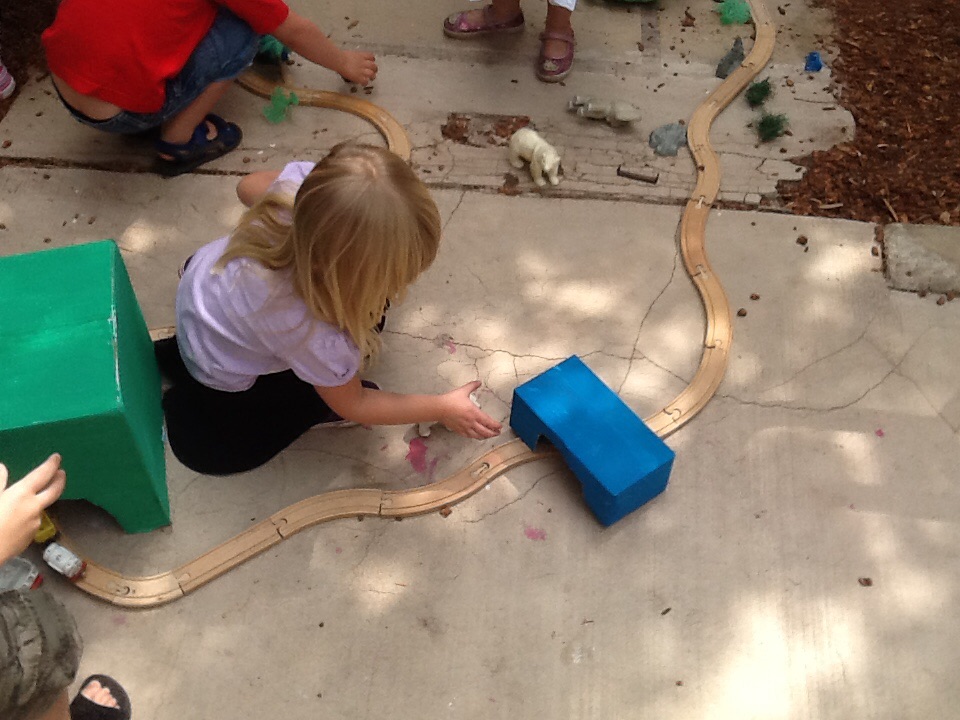
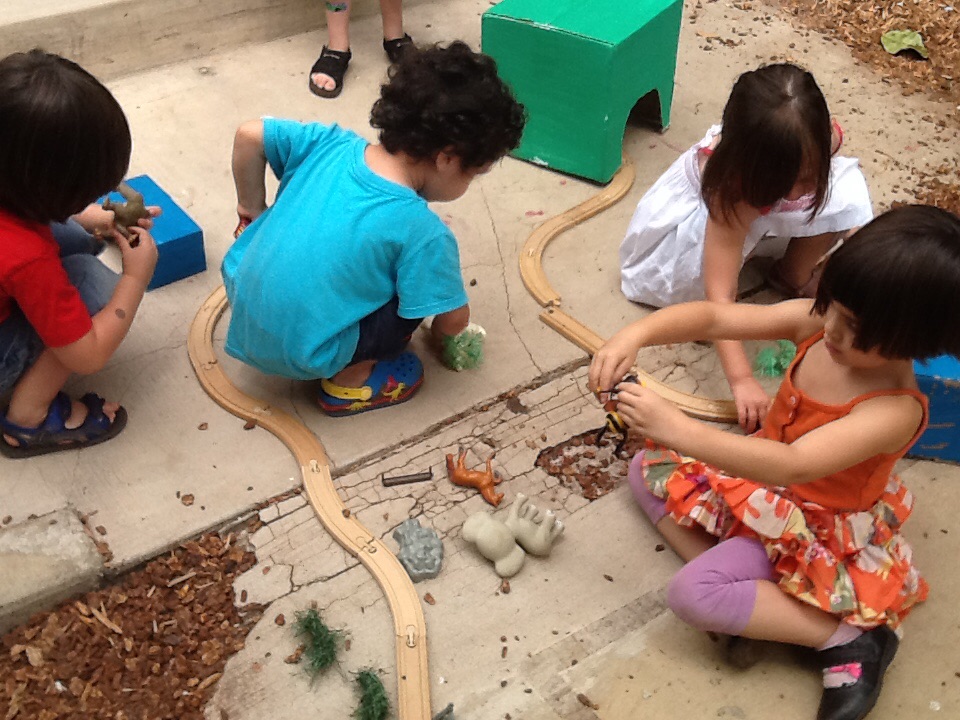
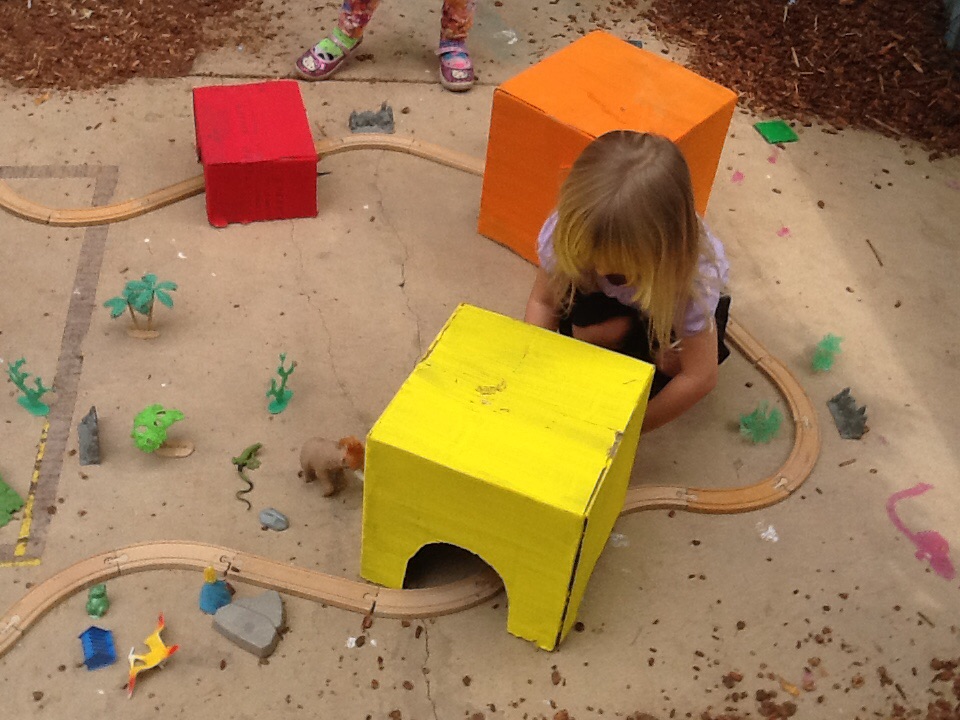
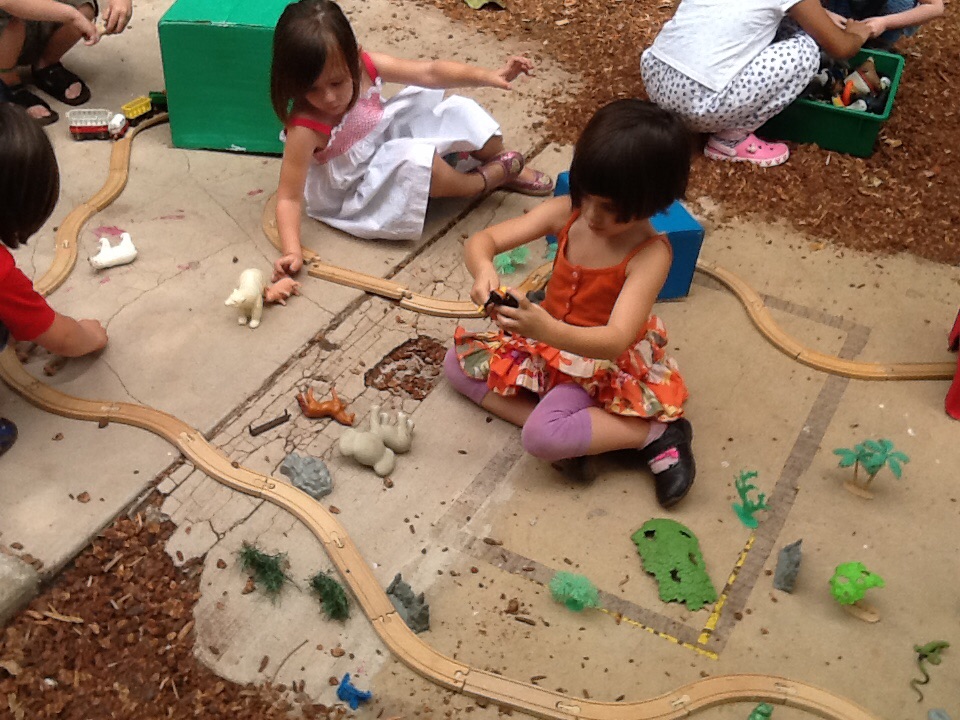
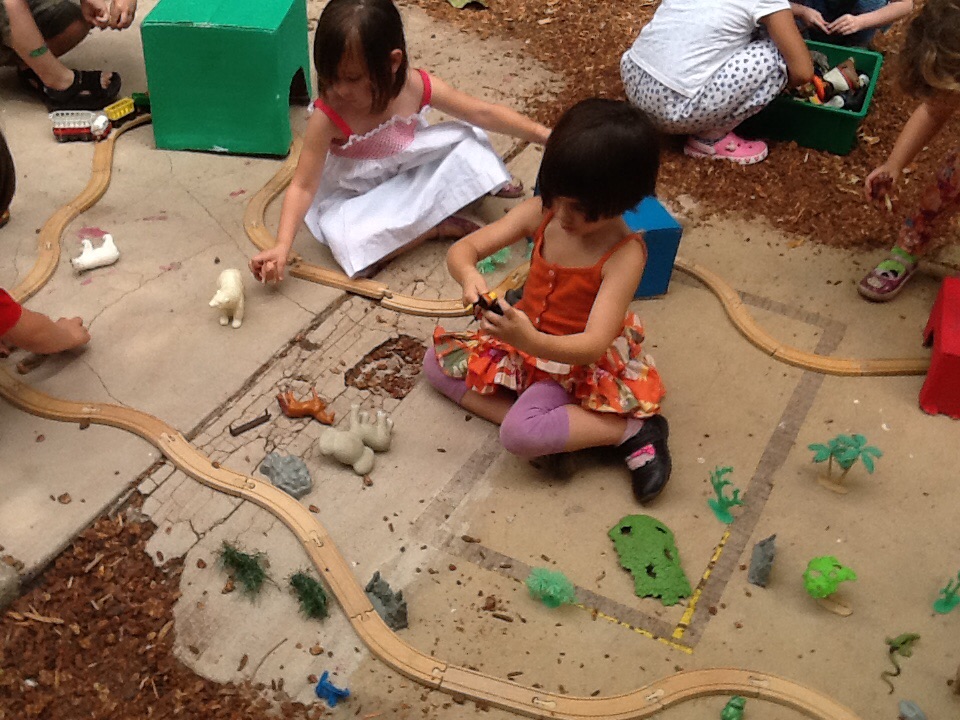
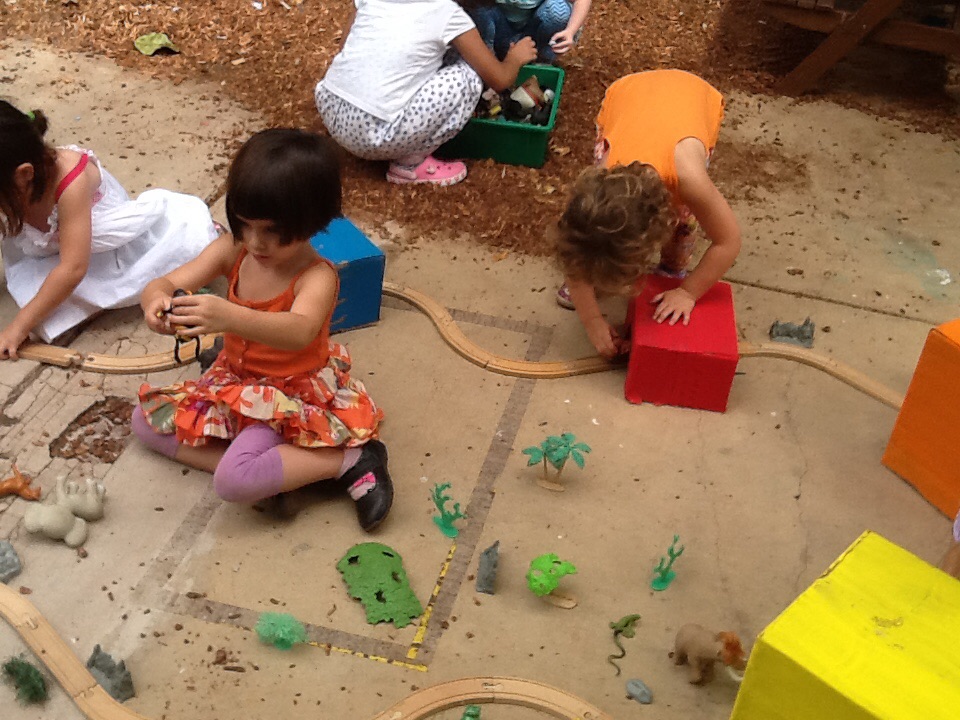
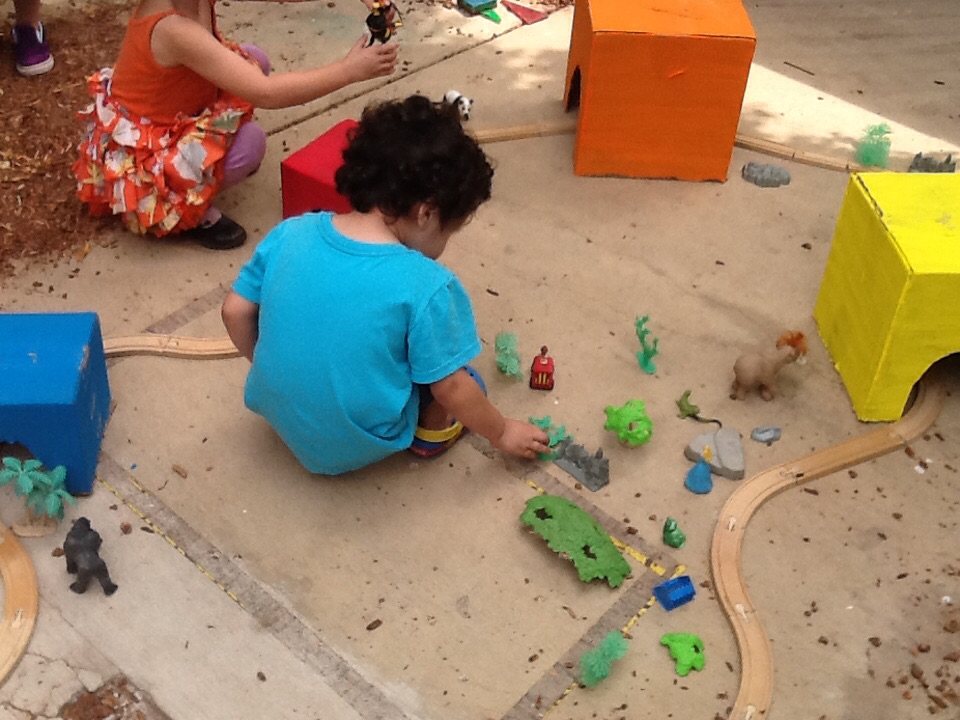
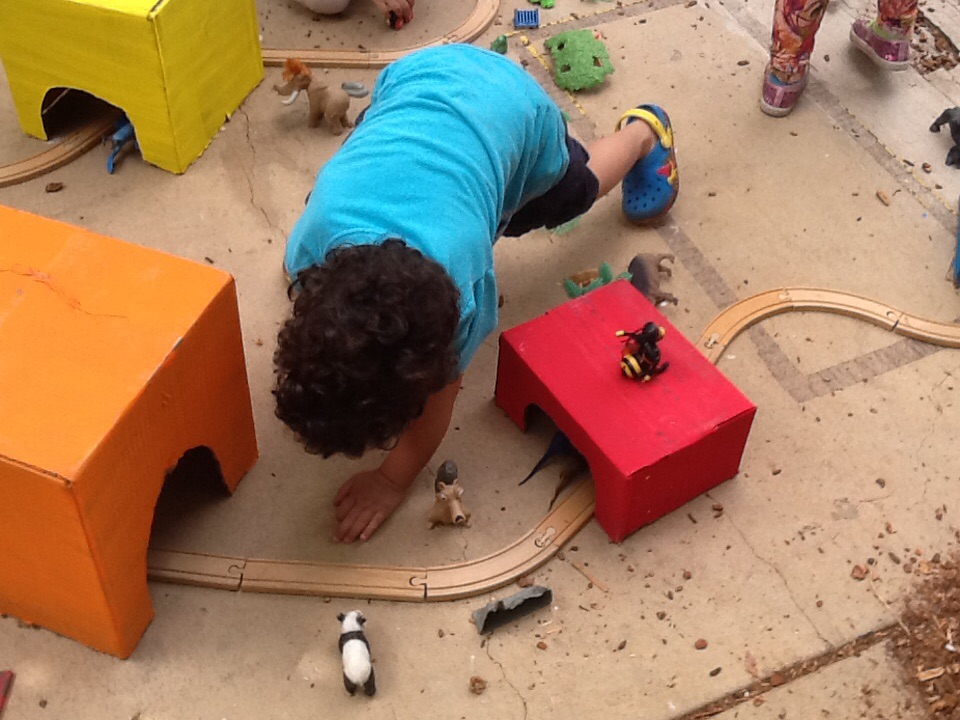
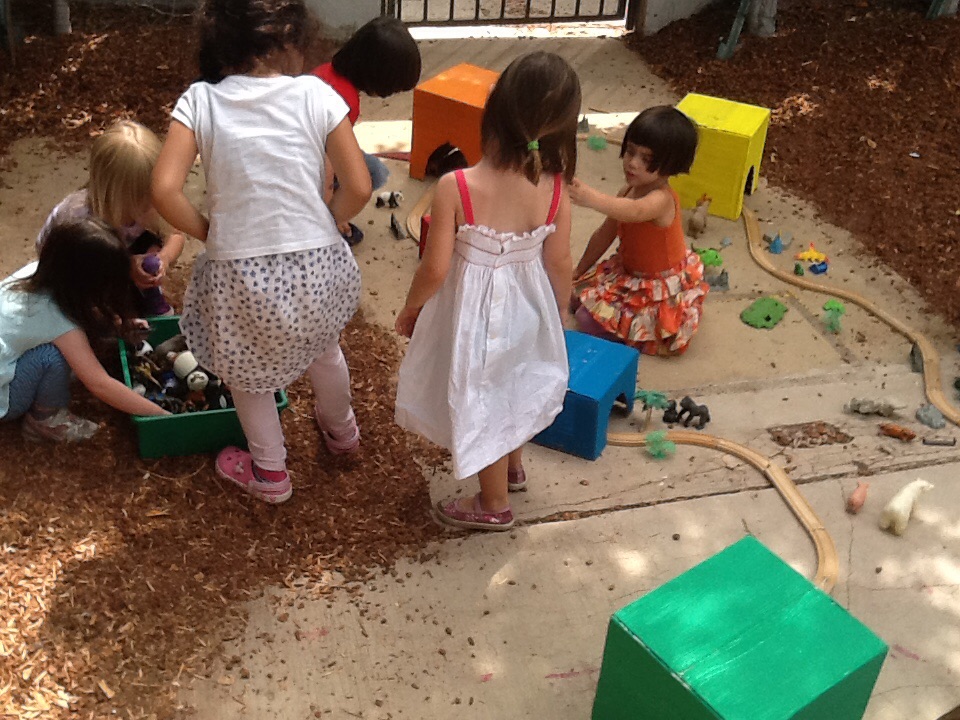
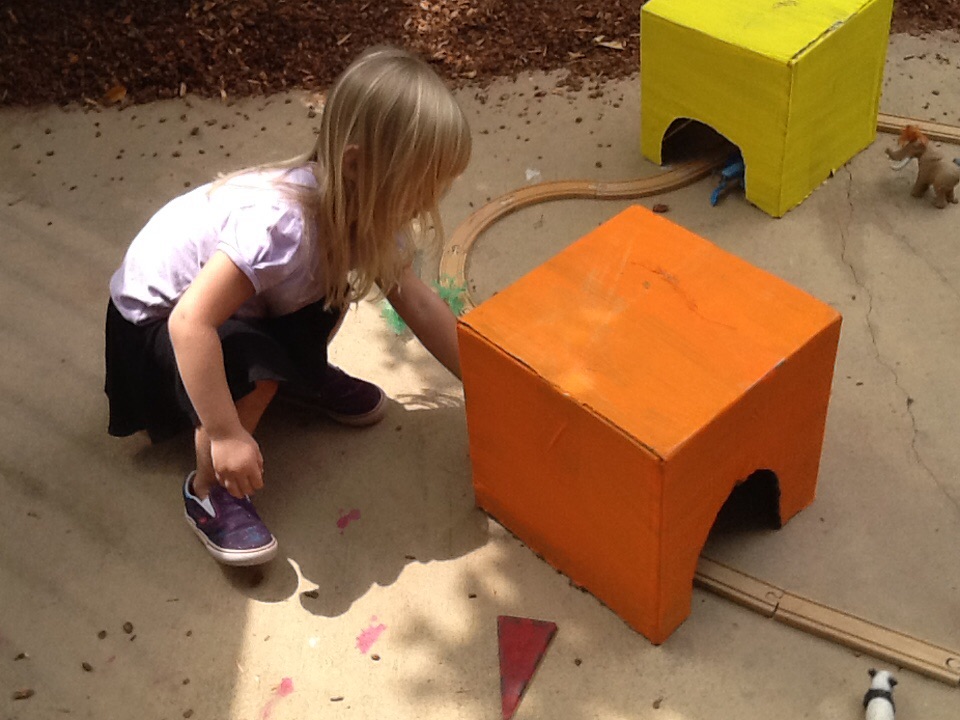
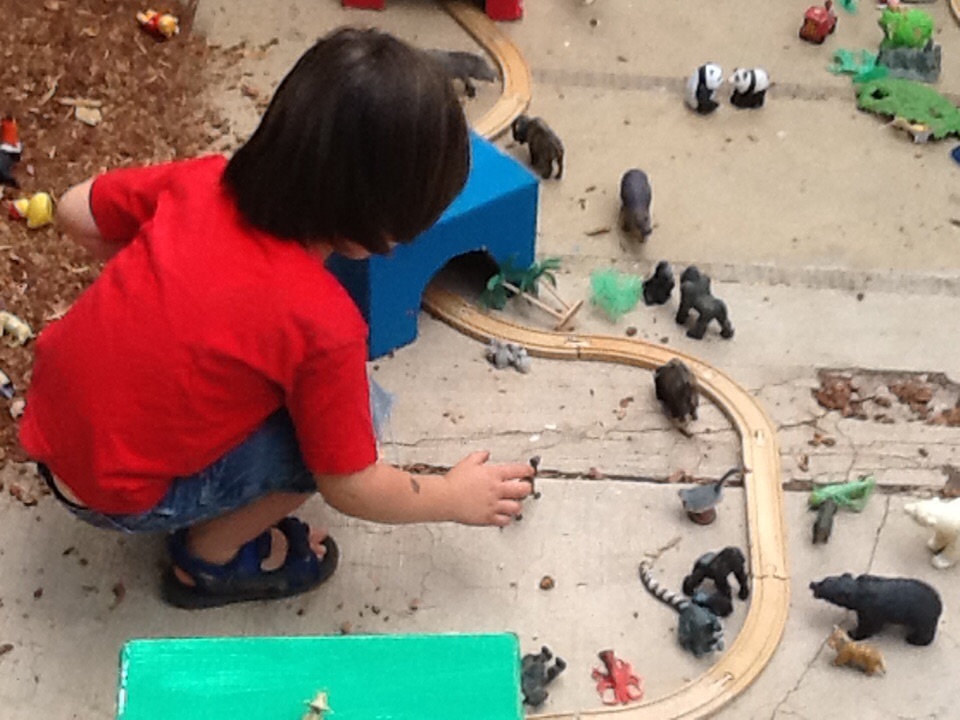
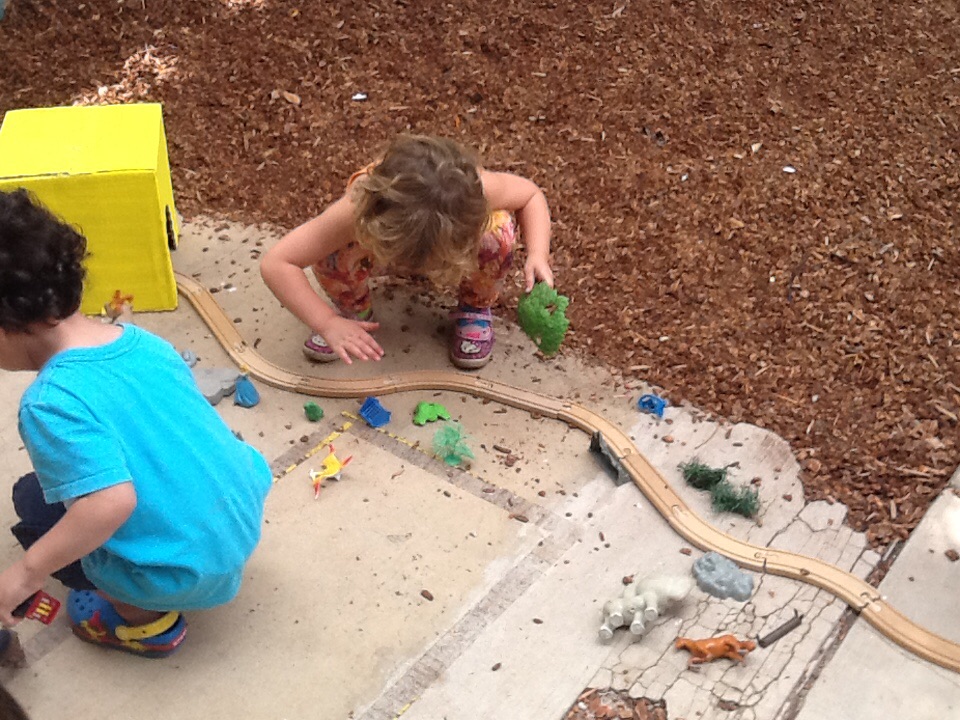
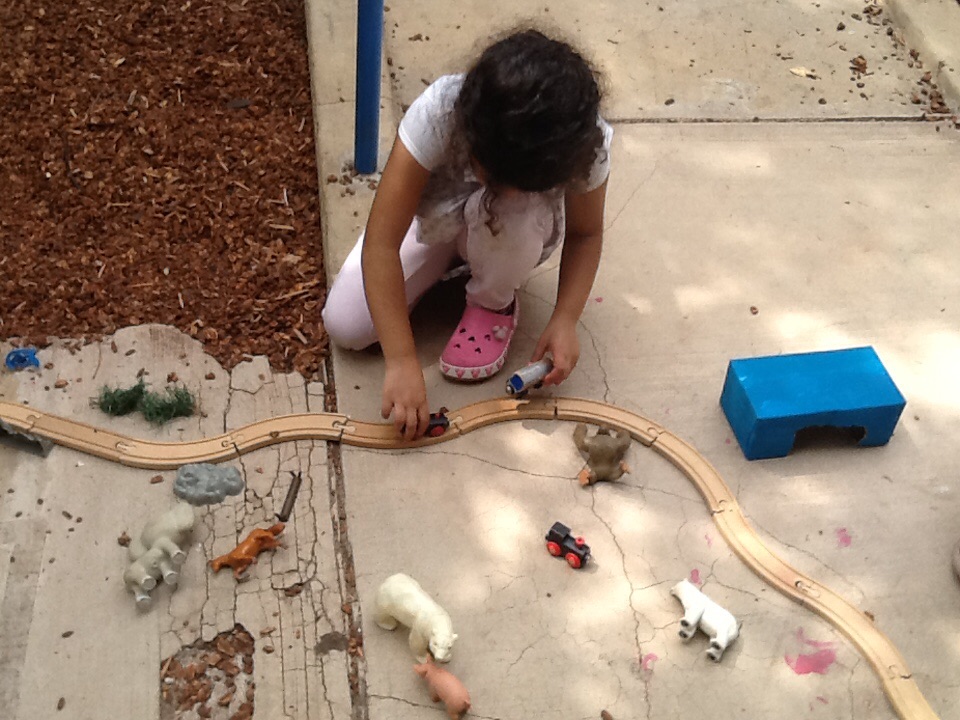
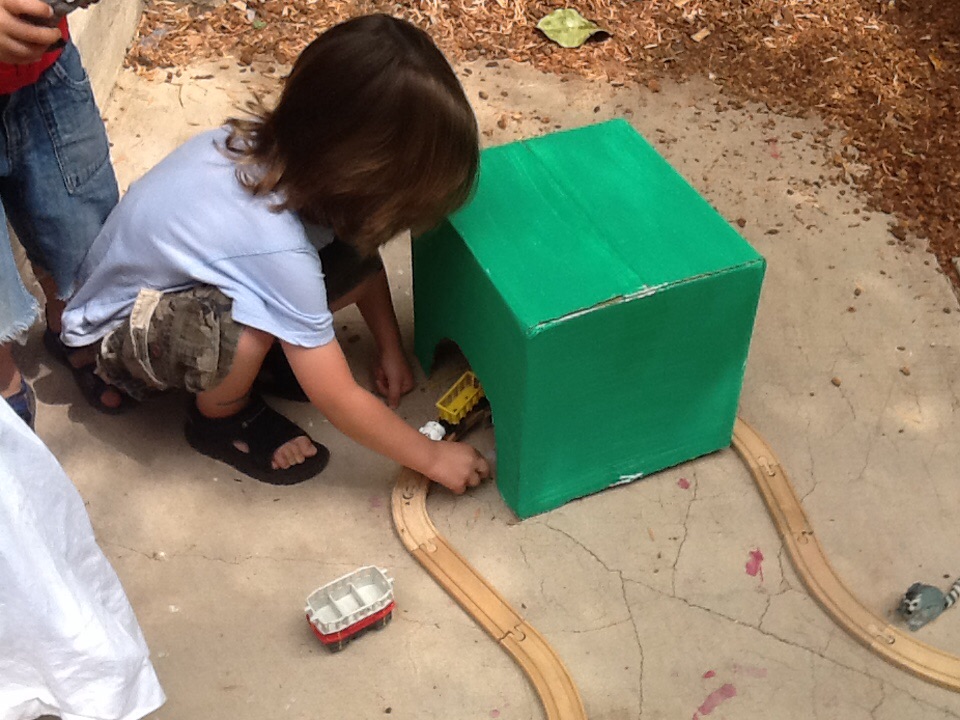
For this team building project, we created a zoo out of trains, cardboard boxes, train tracks, and plastic animals.

image

image

image

image

image

image

Using their imaginations, students created a little world with their friends!

image

image

image

image

image

image

image

image

image

Train Track Cause and Effect

When done well, preschool science is exciting and intellectually meaningful.

image

image

The right preschool science activities can nurture your child’s natural sense of adventure and curiosity, help your child develop his own understanding of the natural world, encourage your child to be a persistent problem solver, and introduce your child to basic elements of scientific reasoning (seeking evidence; testing predictions).

image

image

This activity did just that.

image

image

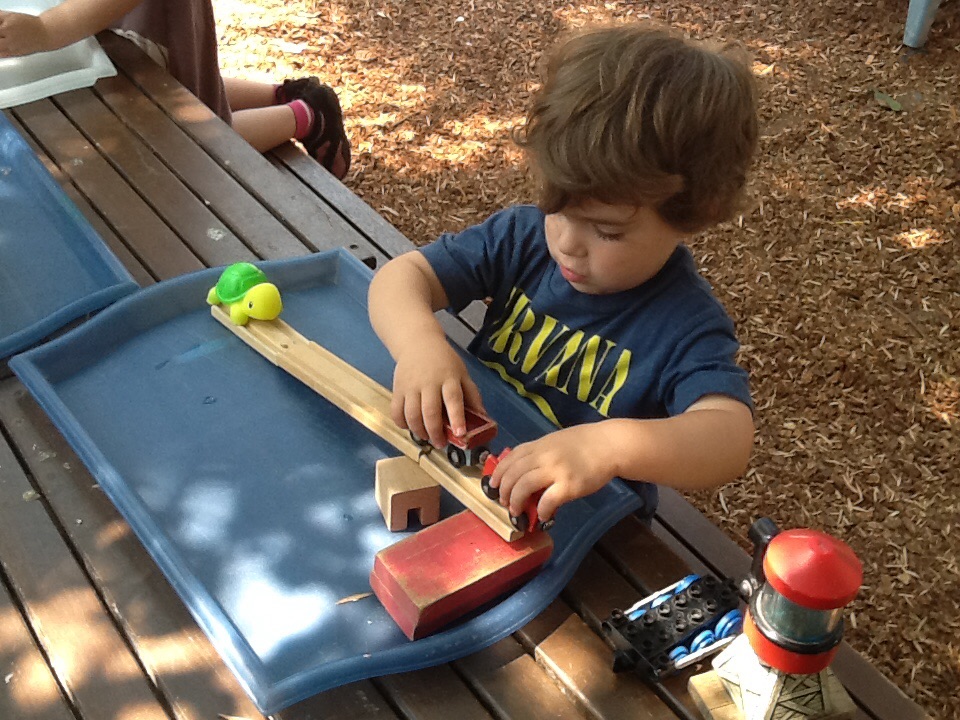
First, it required your little one to think critically about an animal on their train track.

image

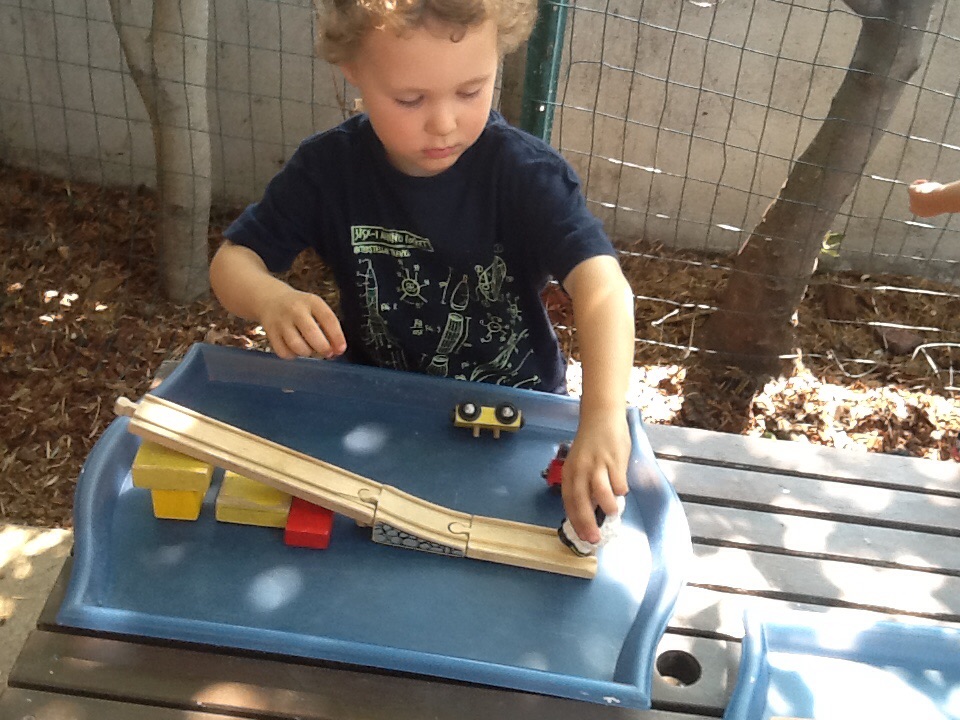
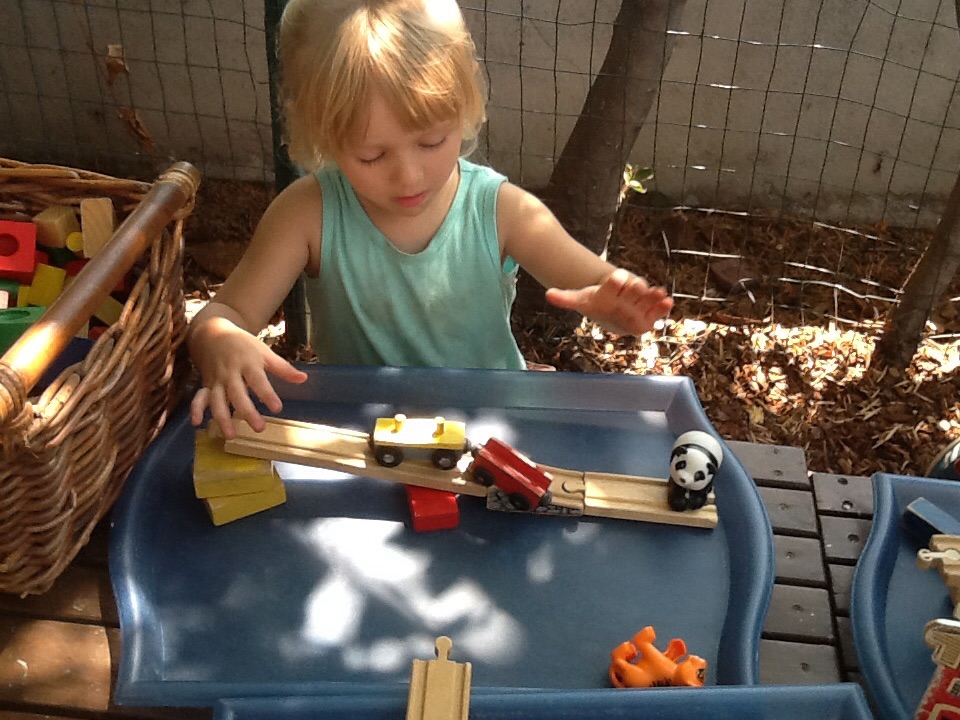
Each student first set up a few pieces of wooden train track.

image

They had to set it up in a way that made it possible for their trains to gain momentum.

image

At the end of the track was a plastic animal. It was up to your little to determine how many trains it would take to push their creature off of the track.

image

Lastly, this activity enabled them to make predictions, problem solve, and apply their understanding of cause and effect.

Choo Choo Snacks

Working with food provides many benefits to your child’s development.

image

By using different items, your little one learns to identify ingredients and what distinguishes them from other items.

image

Pre-math skills, such as sorting and measurement, are also visited.

image

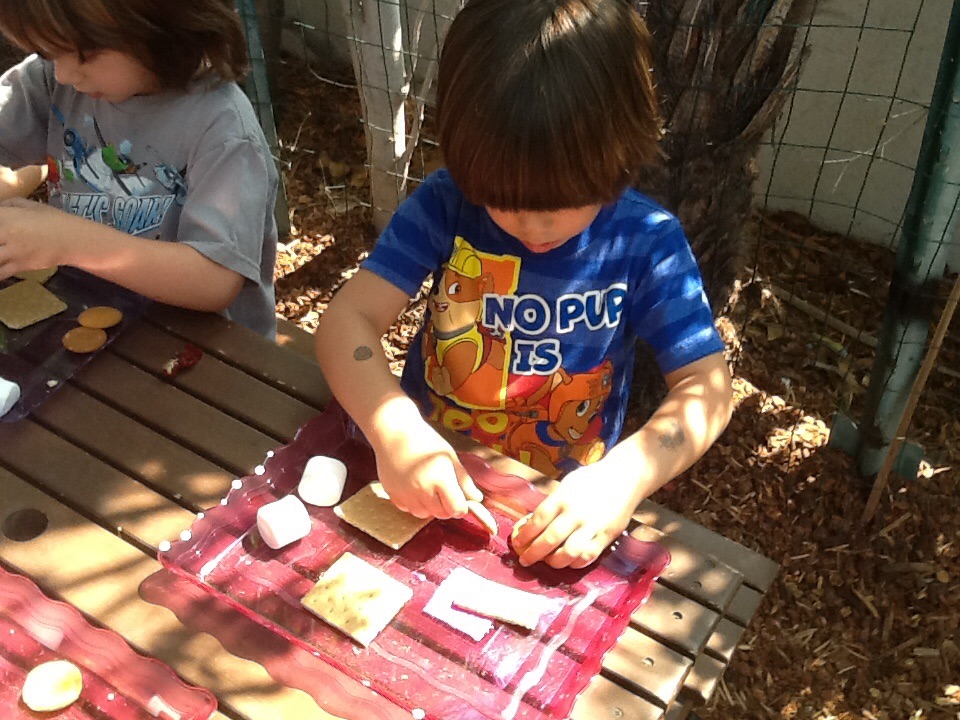
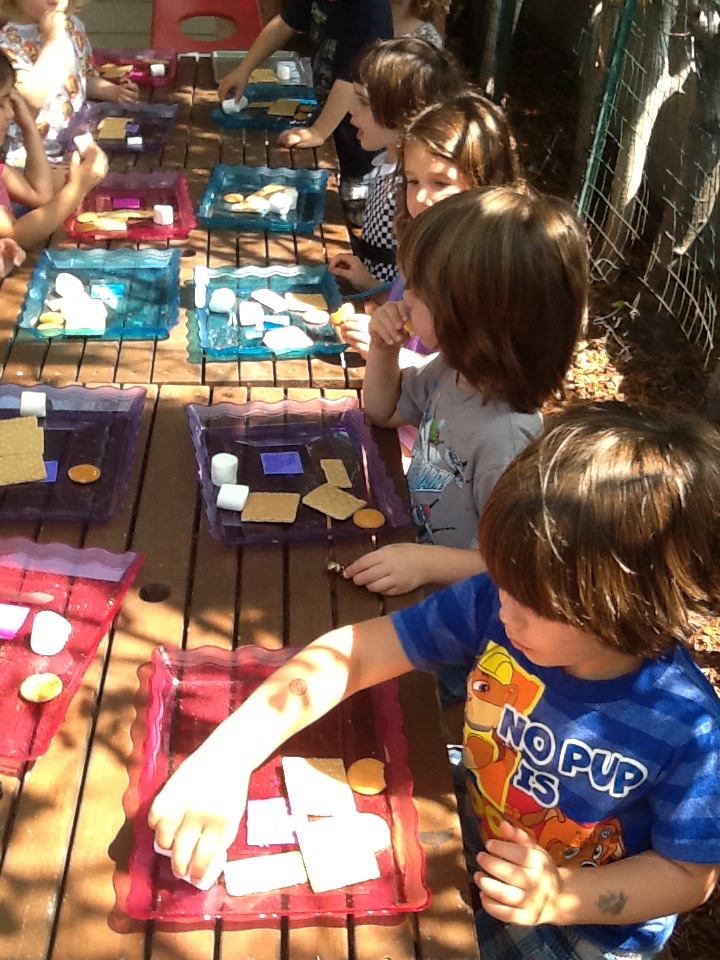
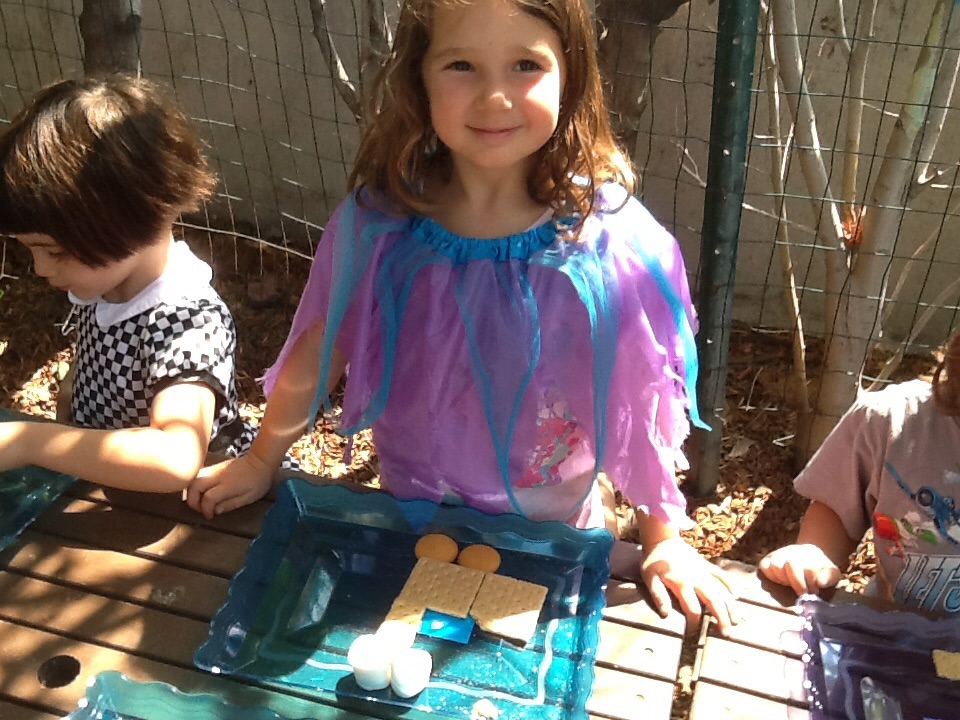
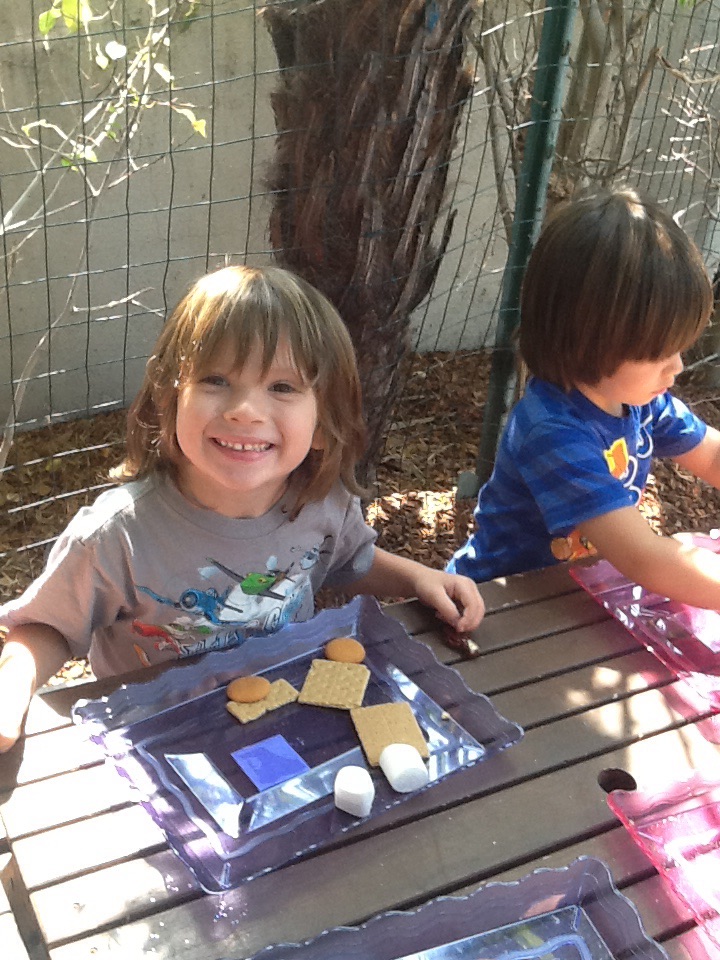
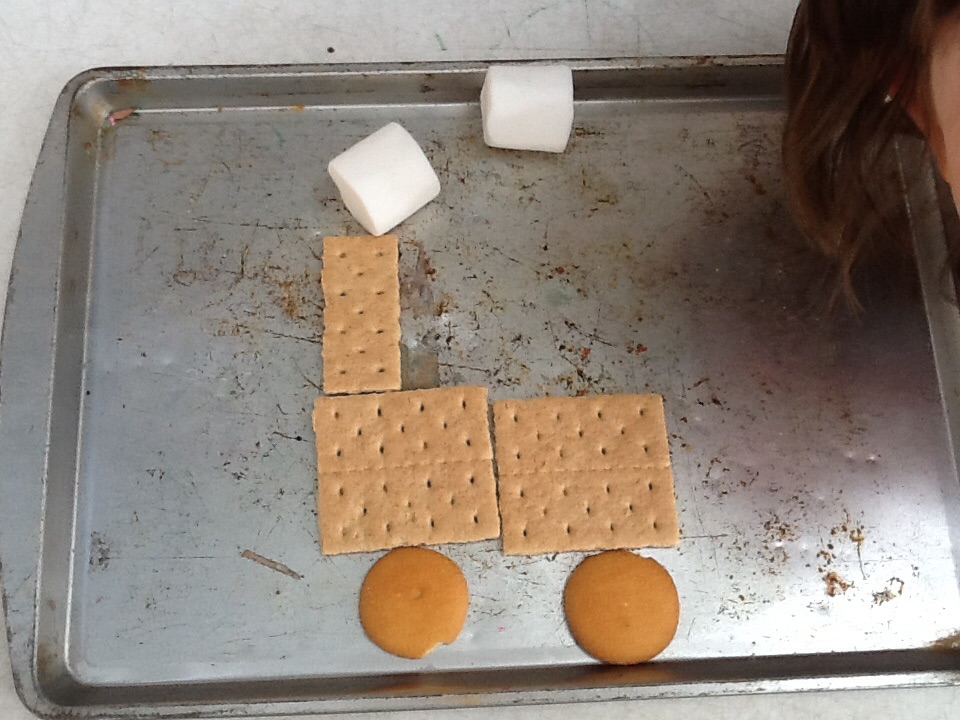
This activity involved using graham cracks, marshmellows, and Nila wafers to create a steam engine.

image

Each item was of a different shape, and it was up to your little one to figure out how they would best fit together!

image

By using materials such as food in a variety of shapes, teachers expose children to various shapes and help them analyze two- and three-dimensional shapes in various sizes and orientations.

image

image

Train Track Hammering

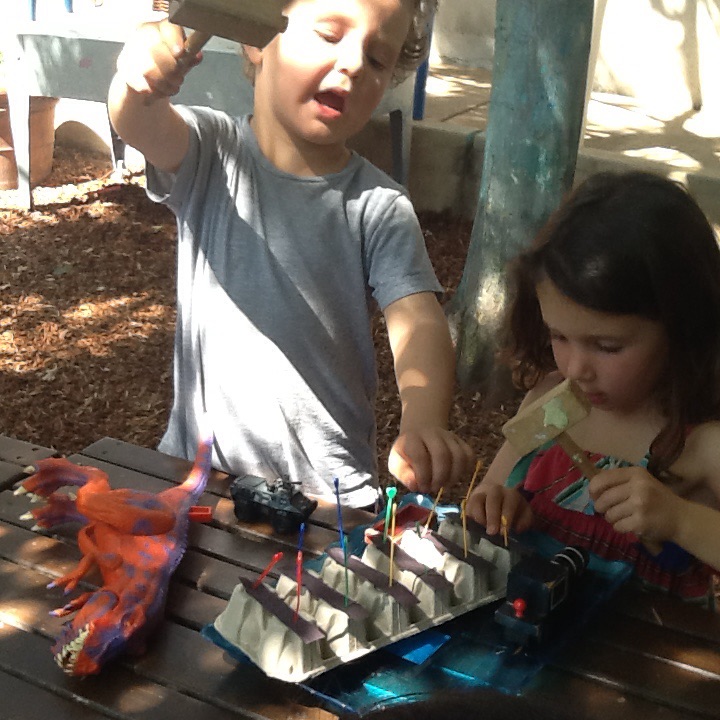
Railroad tracks guide the train, acting as the low-friction surface on which the train runs and often transferring the weight of the train to the ground below.
image

A railroad track consists of two parallel steel rails set a fixed distance apart, called the gauge. The rails are connected to each other by railroad ties, which may be made of wood or concrete.
image

The rails are usually bolted to the ties. The ties are set into the loose gravel or ballast. Ballast often consists of loose stones that help transfer the load to the underlying foundation. The ties “float” on the ballast and the weight of the track keeps them stabilized.
image

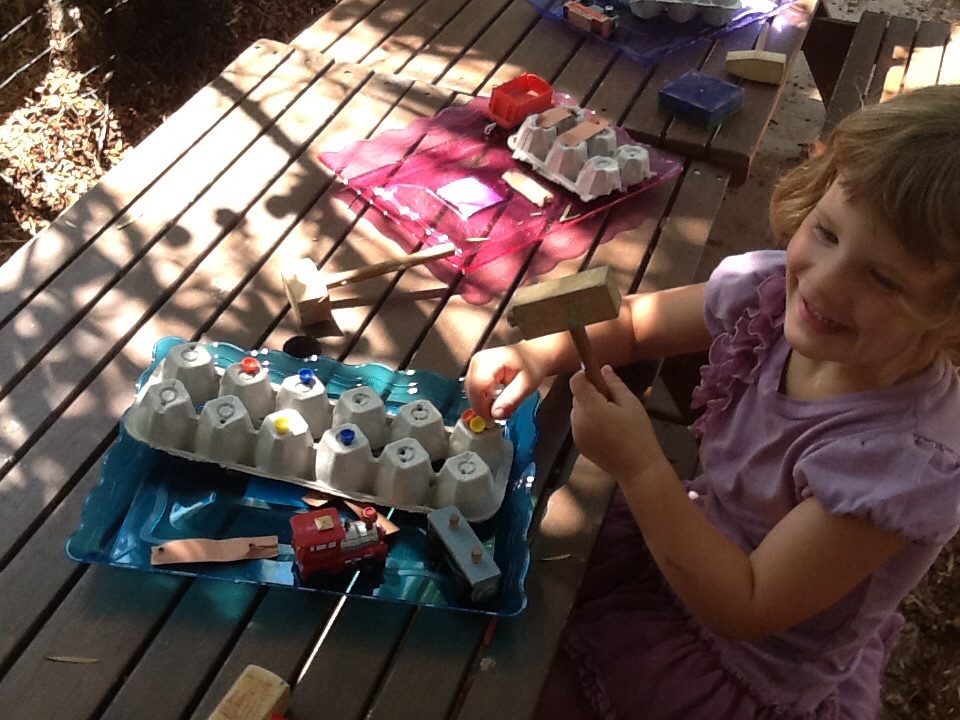
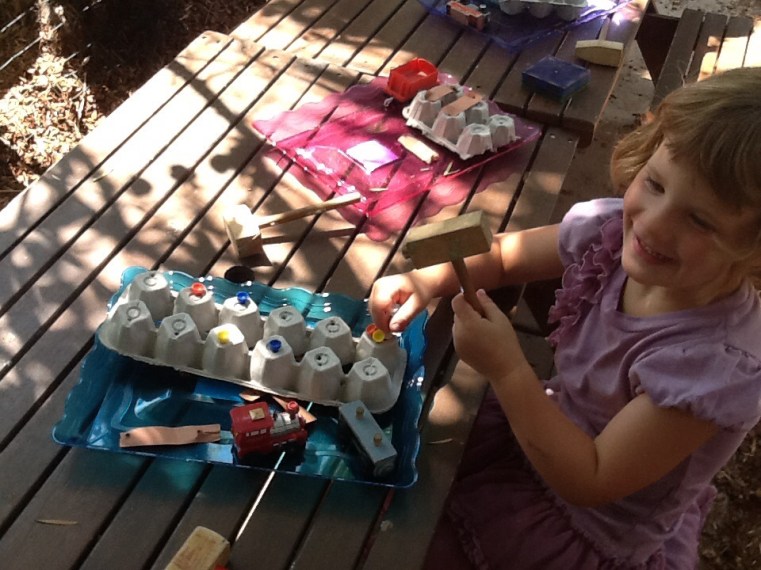
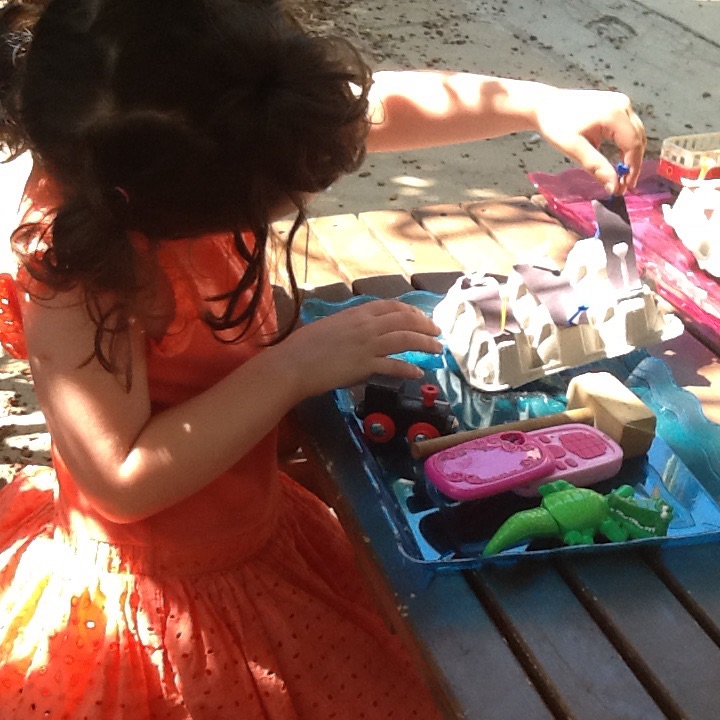
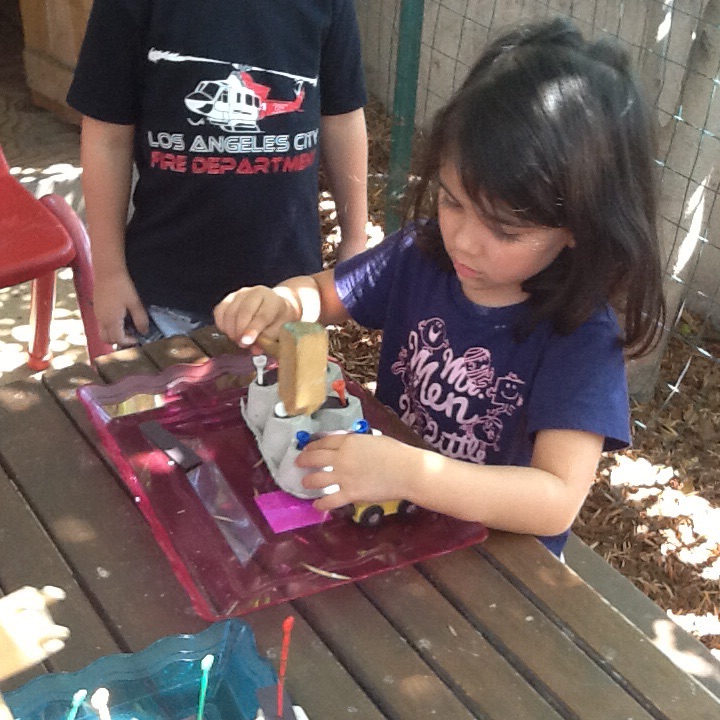
To help your little ones understand this process, we hammered our own train tracks! Using egg cartons, golf tees, and wooden hammers, we practiced a host of important developmental skills!
image

The first skill is that of real work. What is real work? To the young child, real work (work that is representative of the real world) is intrinsically rewarding. It gives them the opportunity to participate in the learning process by “doing” what they are learning about! The second skill lies within the social-emotional realm. This occurs, because engaging in real work that is physically taxing is also a wonderful way to work out feelings of frustration or anger for a young child.
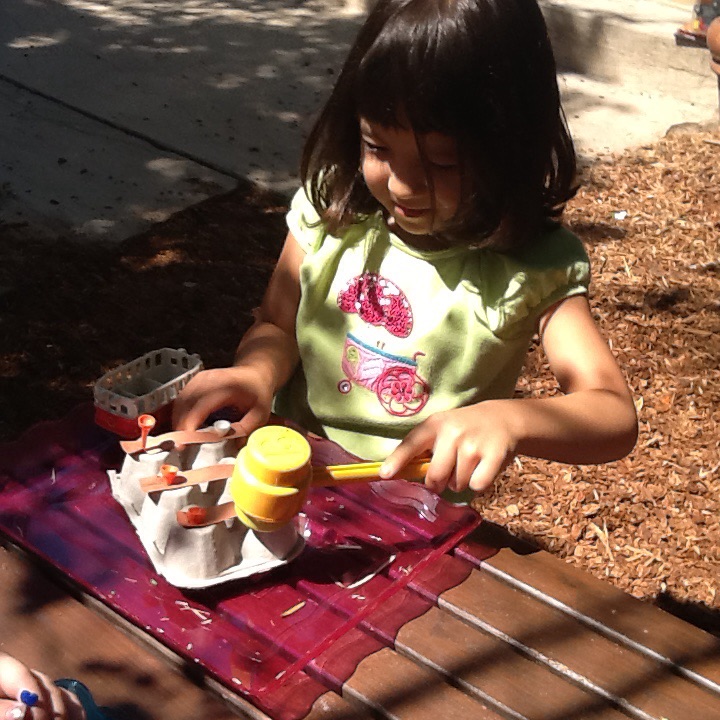
image

Digging a deep hole with a shovel, moving dirt in a wheelbarrow, carrying wood, or hammering nails are all also fantastic outlets for a child’s pent up energy. Hammering nails can become rhythmic (once you get the hang of it) and is very satisfying.
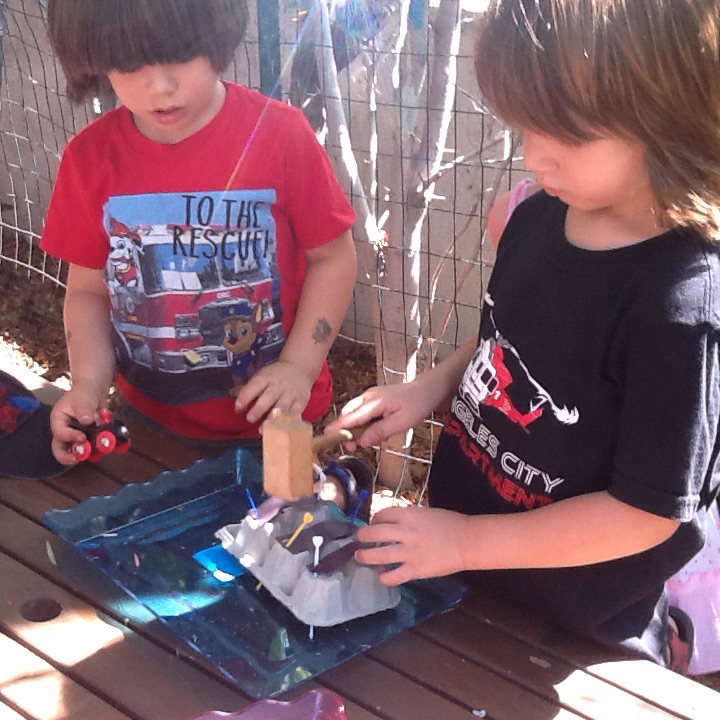
image

Lastly, they can actually see the direct result of their expelled energy as the nail moves into the wood (in our case, a golf tee into an egg carton) after each whack of the hammer. All in all, the completion of these skills help contribute to the development of the whole child. Most importantly, we had fun while doing it!!!
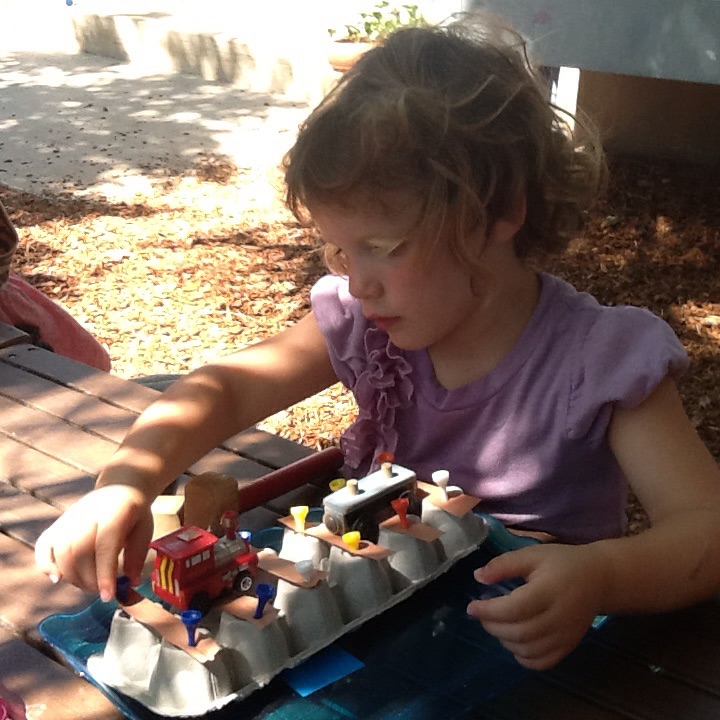
image

Airport Play

Organized activities can be fun and contribute to children’s learning and development.

IMG_0888

But many traditional games, such as Musical Chairs and Duck, Duck, Goose focus on competition and eliminate children from the fun.

IMG_0861

In contrast, cooperative games help preschoolers learn to work together, follow directions, listen, and develop problem-solving and movement skills.

IMG_0872

To continue to learn about transportation and its many facets as we honed our cooperative play skills, we created and played with an airport! Using boxes as our hangars and terminals, we worked with our friends to land our planes!
Airplane Dramatic Play

Pretending is important in child development.

IMG_0777

Through pretend play children learn how to think about themselves and the world, develop complex social and higher order skills, cultivate social and emotional intelligence, and synthesize knowledge and skills.

IMG_0838

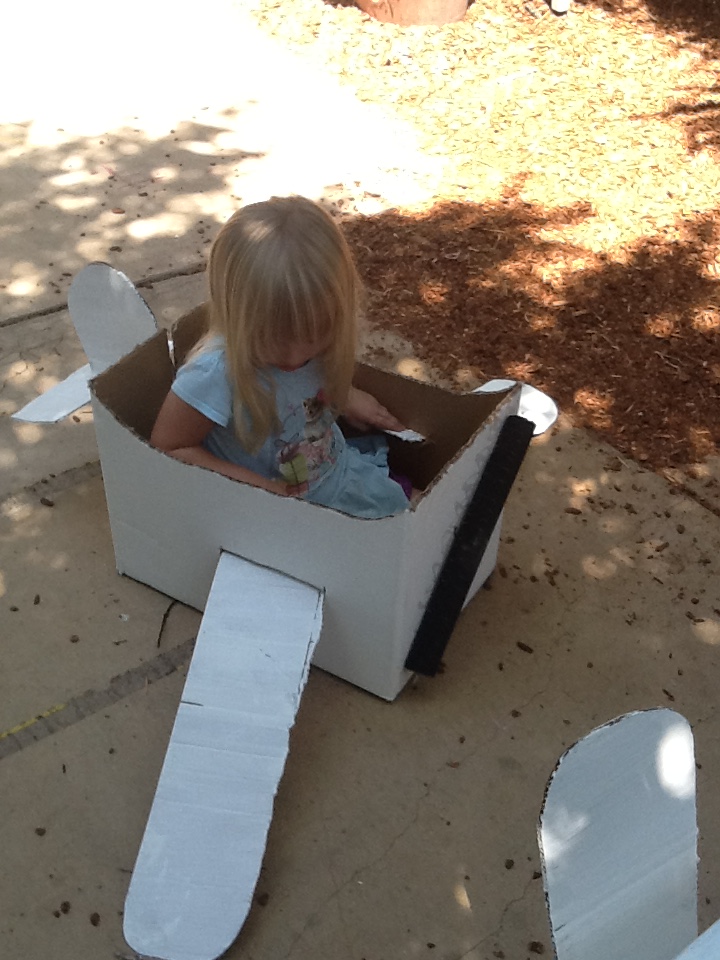
It is for this reason that your little one participated in yet another dramatic play activity with boxes!

IMG_0831

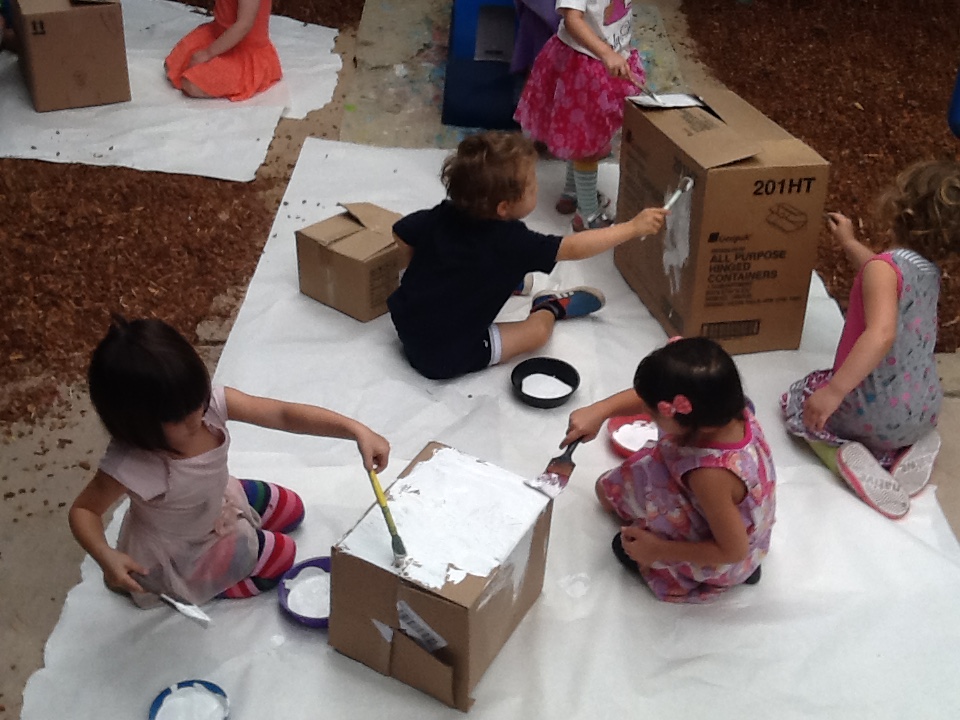
This activity required it to be broken up into two parts.

IMG_0828

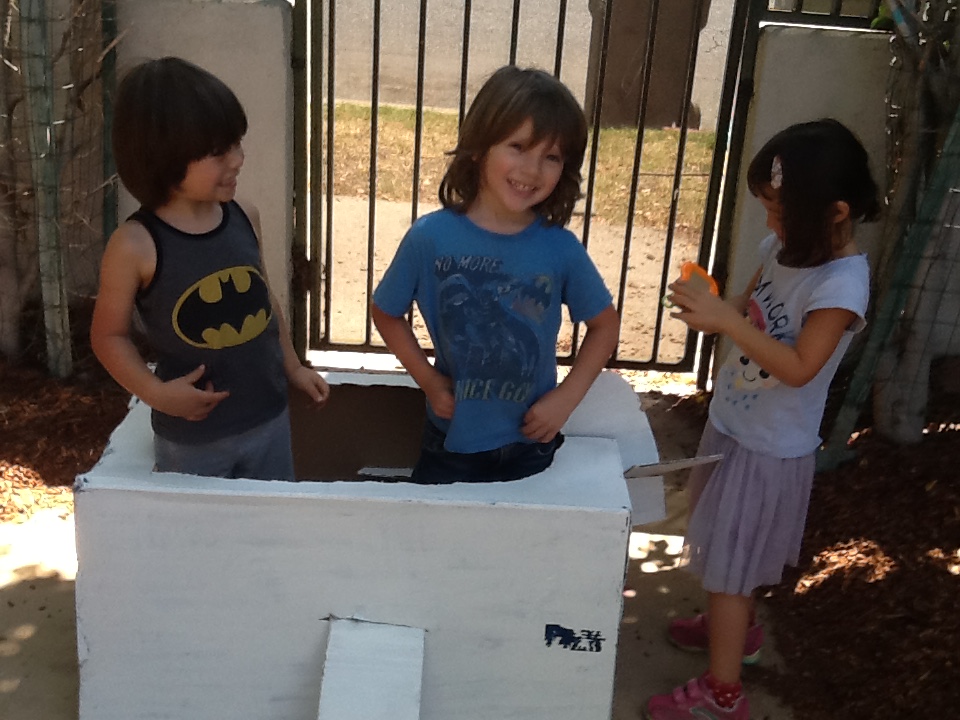
The first part involved painting some boxes white. The second component involved pretending that the boxes were airplanes! Using their imaginations, your little ones soared the friendly skies with their friends!

Salt Trucks

Salt trucks are responsible for de-icing, defined as the removal of existing snow ice and frost from a surface. De-icing of roads has traditionally been done with salt, spread by snowplows or dump trucks designed to spread it, often mixed with sand or gravel, on slick roads.

image

Using a cookie sheet with frozen water as our road, toy trucks, and salt, we created our very own roads to de-ice! Your little one poured salt onto the ice, and then watched with wonder as it turned to slush, making it easier for their toy trucks to drive! Preschool aged children learn science best through hands-on experiences that allow them to discover science concepts on their own.

image

Using ice in the classroom encourages young students to learn about the physical properties of ice and how it interacts with salt. We can help our young learners investigate and learn science by asking questions that encourage your budding scientist to find the answers.

image

Car Wash

Preschool children enjoy using both large and fine motor skills in their play, so we are constantly looking for new ways to integrate them into our curriculum!

image

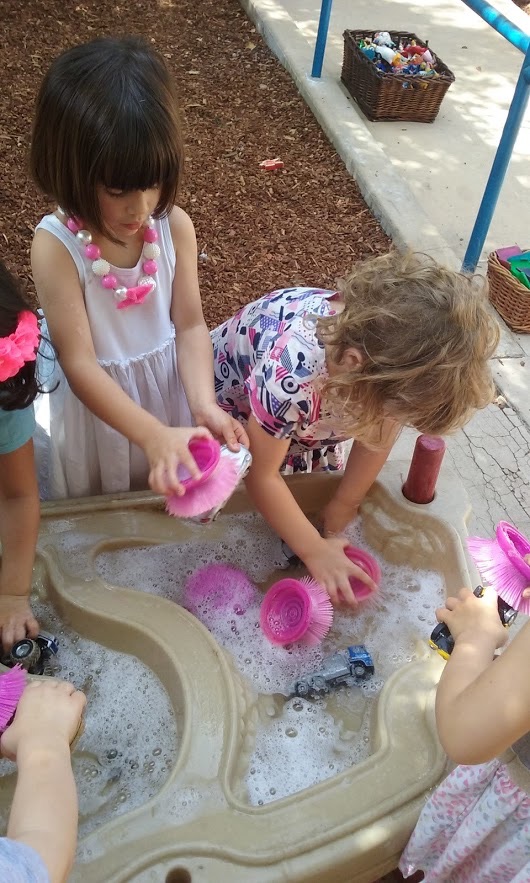
This activity involved two components. First, during project time, we set up an area where the children could pretend to be a car wash.

image

Our water table contained soap and water and each child was given a brush. This activity targeted the social-emotional developmental domain. It did this by promoting sharing and cooperation as as the children worked together washing the cars.

image

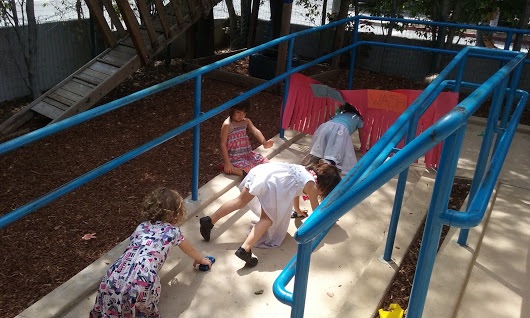
The second portion of this activity involved a dramatic play/gross motor component. Using fabric hanging from poles as our runway, we took turns cleaning ourselves off! One child played the gas attendant (who took the money), one played the drier (situated at the end of the course), and several played customers. Everyone crawled through the car wash, cheering on their friends!image