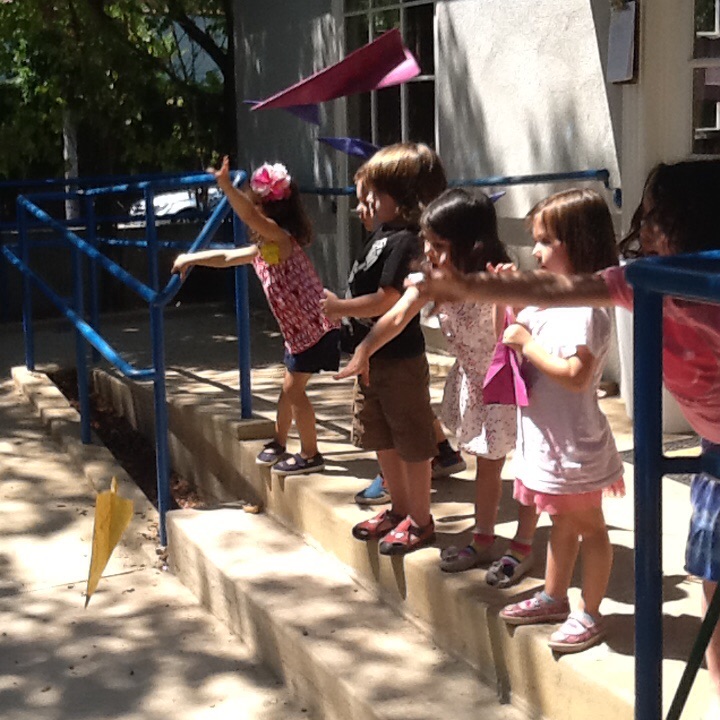
Sailboat Snacks

Working with food is not only a fun, engaging activity for children, but one that has been used for years as an important teaching and development tool for all ages.
image

Hands-on cooking activities help children develop pride and confidence in their skills and abilities. The act of following a recipe can encourage self-direction and independence, while also teaching children to follow directions and use thinking skills to problem solve.

image

Working with food also integrates physical development. Chopping, squeezing, spreading, and mixing are all cooking skills that help develop a child’s small muscle control and eye-hand coordination. It’s impossible to separate hands-on cooking activities from physical development for young children.

image

Thirdly, cooking inspires children’s curiosity, thinking, and problem solving, offering new opportunities to make predictions and observations.
image

Additionally, cooking offers authentic opportunities for students to understand and apply their knowledge of measuring, one-to-one correspondence, numbers, and counting.
image

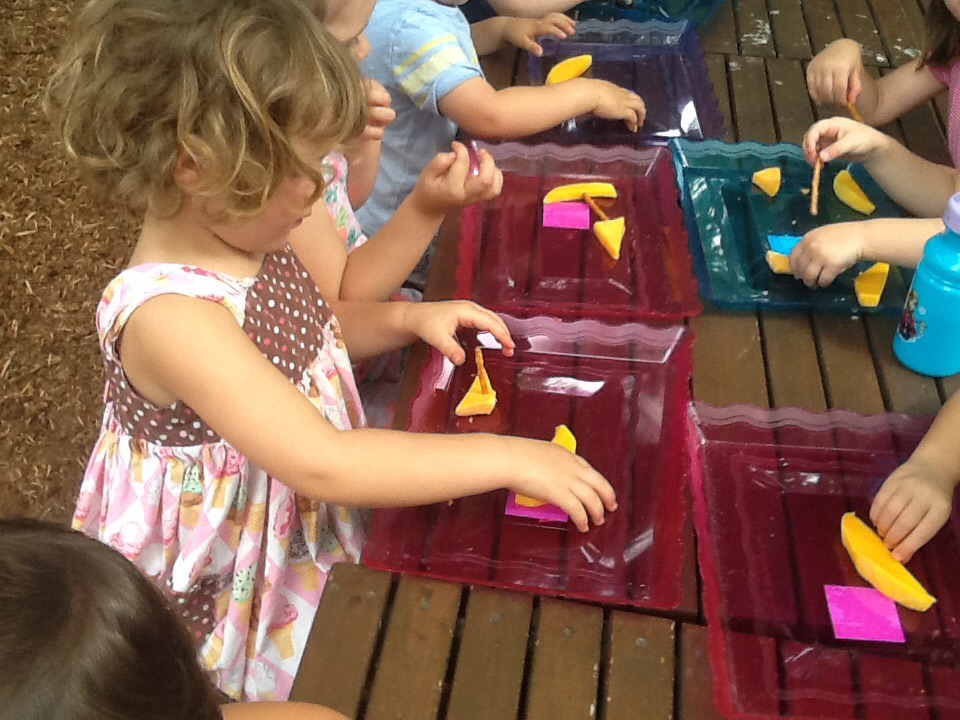
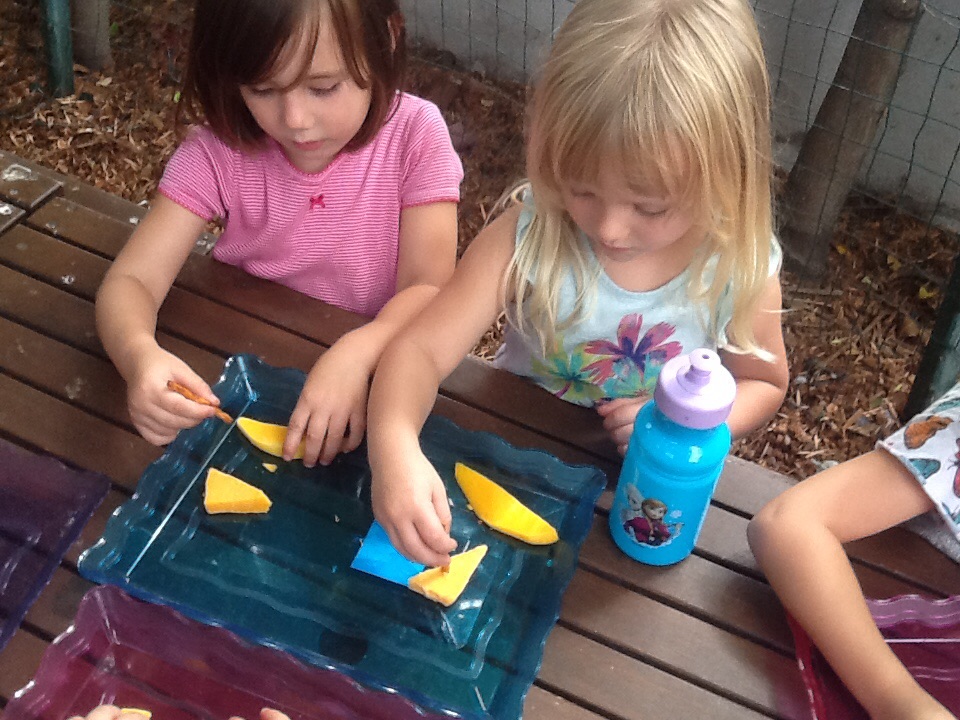
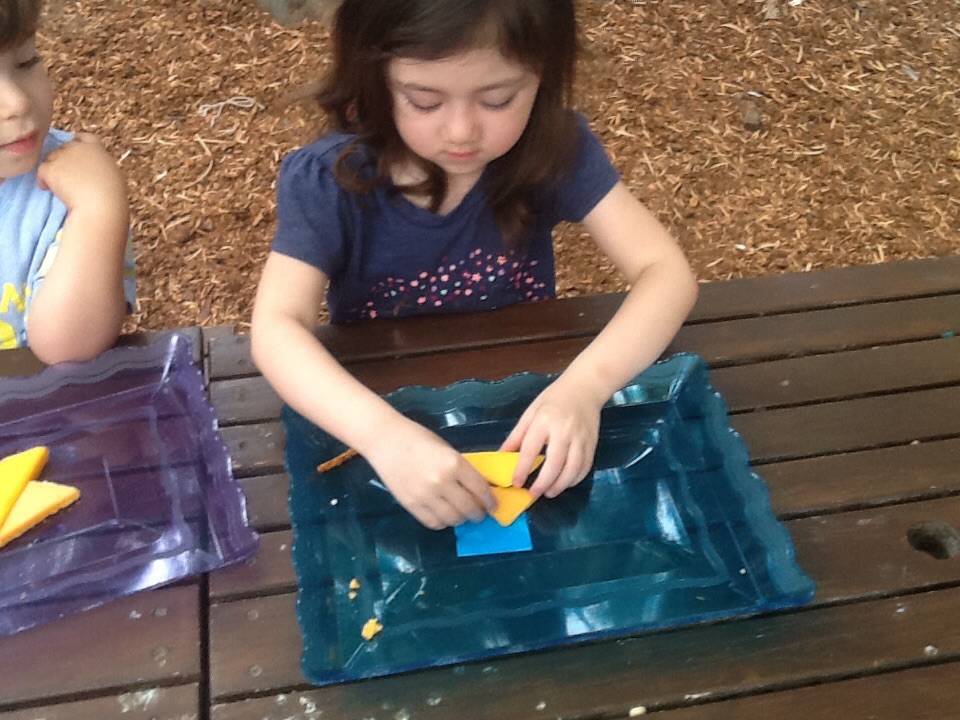
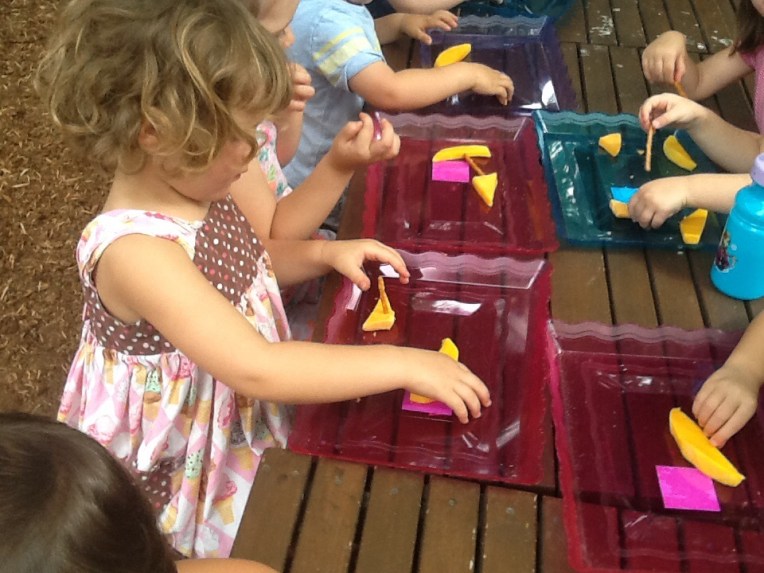
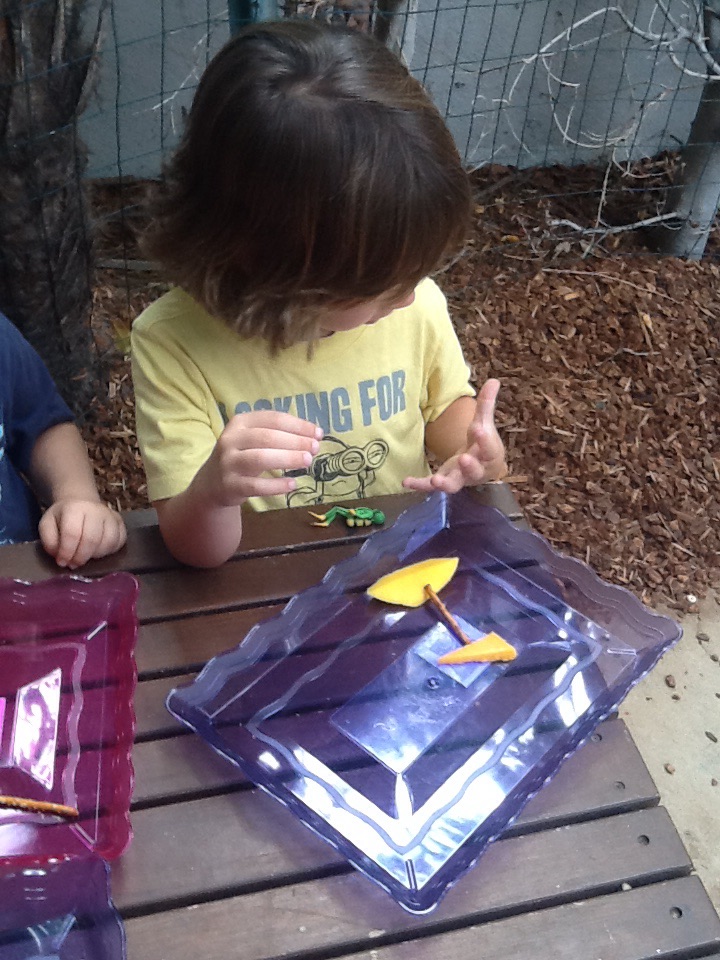
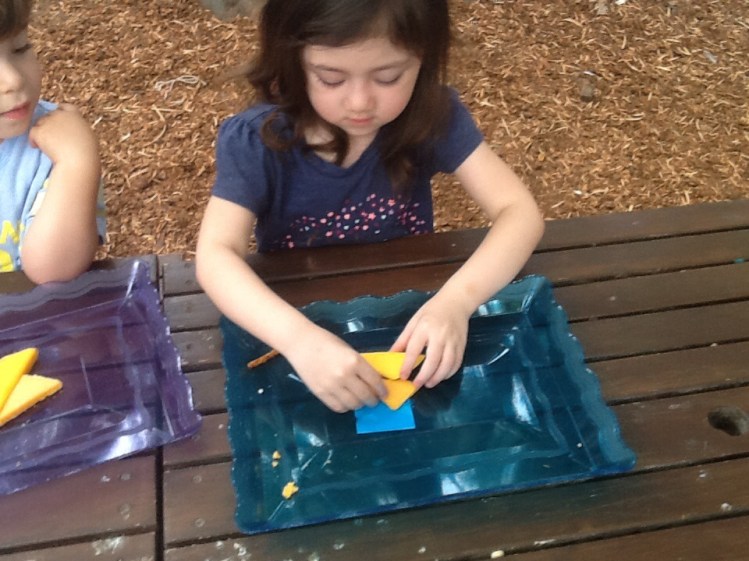
As they follow a recipe, children organize ingredients, follow a sequence, and carry out multiple directions. This activity involved your little ones making boats out of mangoes, cheese, and pretzel sticks.

image

The mango served as the base of the boat, the pretzel was the mast, and the cheese served as a sail! Everyone enjoyed creating and then eating their sailboat snacks!

image

Straws and Sails

Because wind impacts many areas of our lives, the physical implications are observable and available for our learning enjoyment.

image
image
image
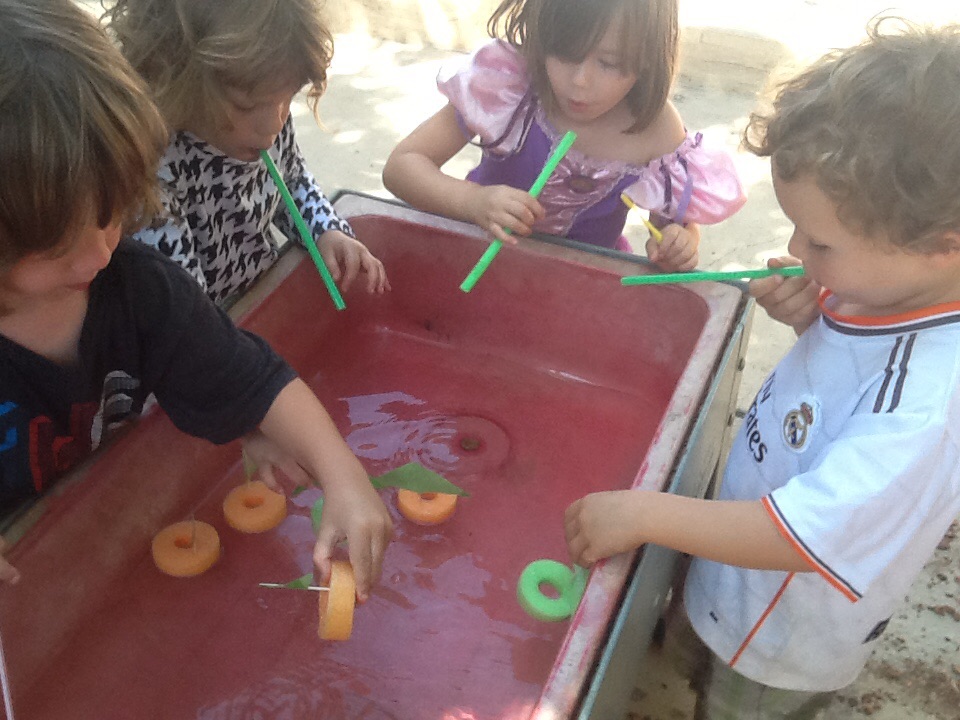
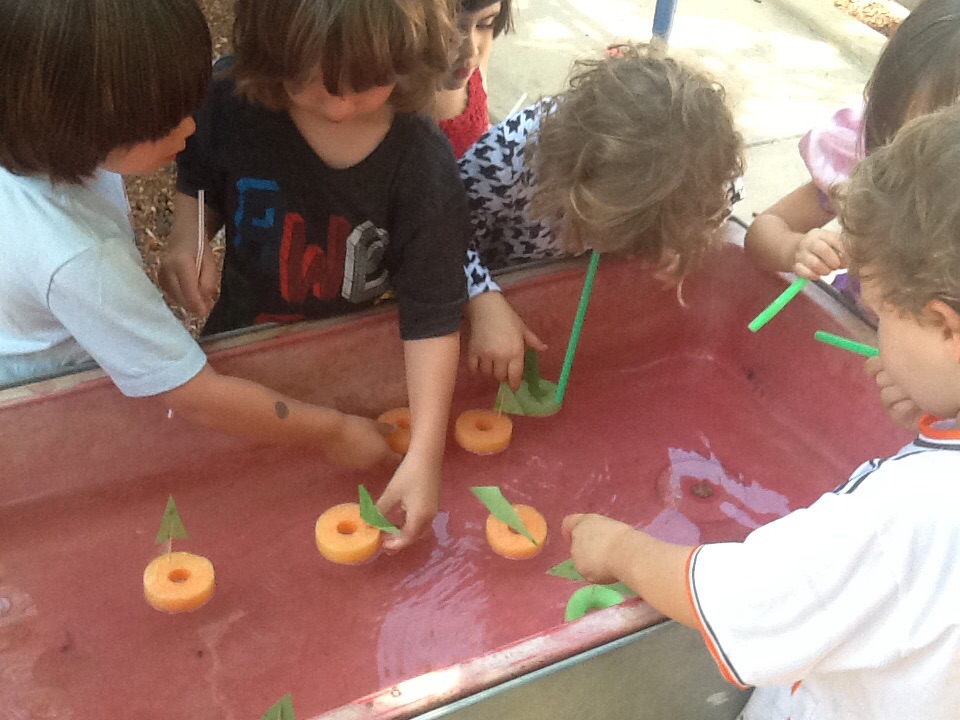
Using straws, paper boats, and our lungs, we learned about how wind can help boats sail the seas.
image
image
We discussed wind direction, and strength in terms that your little one could identify with.
image
With laughter, and some trial and error, we practiced blowing our boats around our “pond”, observing the powerful affects of air on these tiny vessels.
 image

Train Track Builders

If you’ve ever watched children at play, you know they’re fascinated with building things—and with taking things apart to see how they work. In other words, children are natural-born engineers.

image

When children engineer in a school setting, research suggests several positive results. Engineering calls for children to apply what they know about science and math—and their learning is enhanced as a result.

image

At the same time, because engineering activities are based on real-world technologies and problems, they help children see how disciplines like math and science are relevant to their lives.

image

Hands-on, project-based learning is the essence of engineering. As groups of students work together to answer questions like “How large should I make the tower?” or “How much sand will it take to make a castle?” they collaborate, think critically and creatively, and communicate with one another.

image

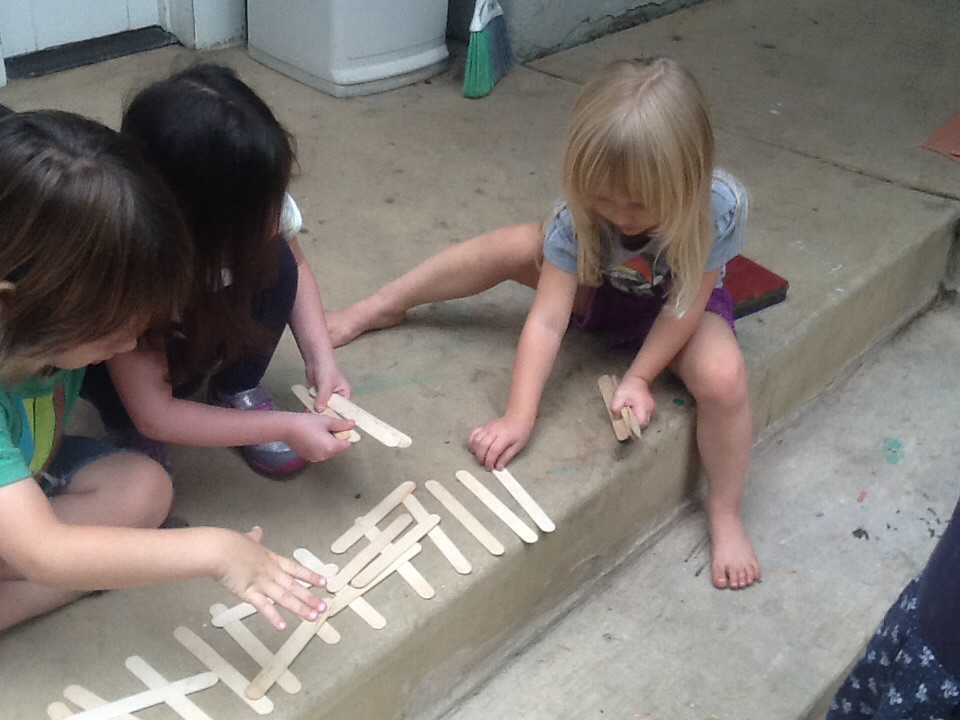
This engineering activity involved your little one making a train track in a group using popsicle sticks! Students worked together to create a wooden masterpiece!

Name Trains

Name recognition is an important skill for preschoolers.

image

One of the first words many children learn to read and write is their name.

image

Children hear their names mentioned all day long.

image

Their names are personal, meaningful, and recognizable.

image

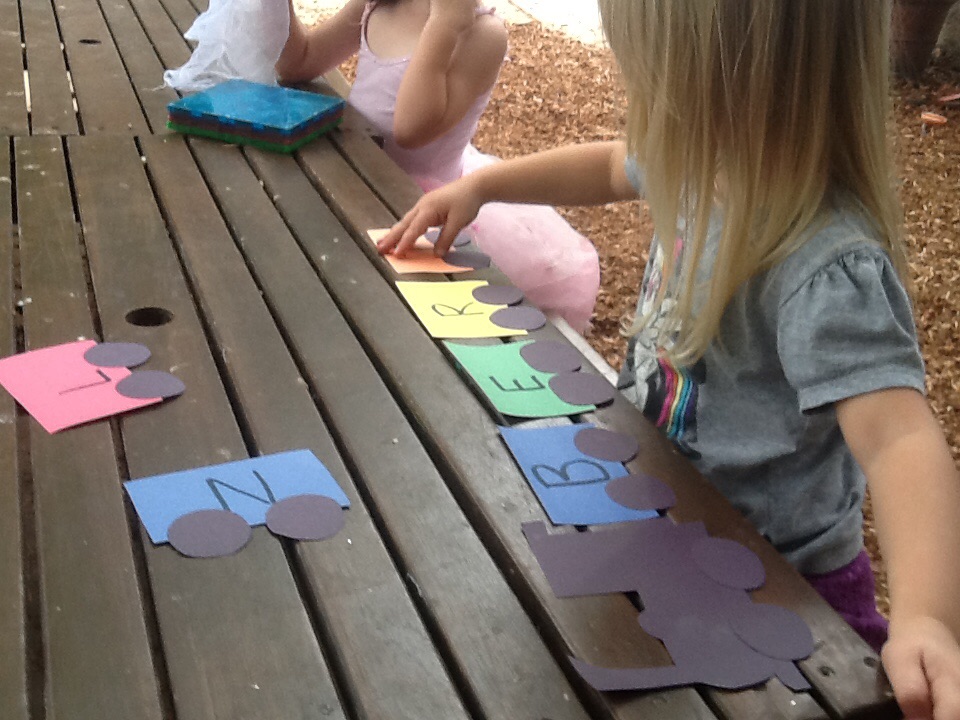
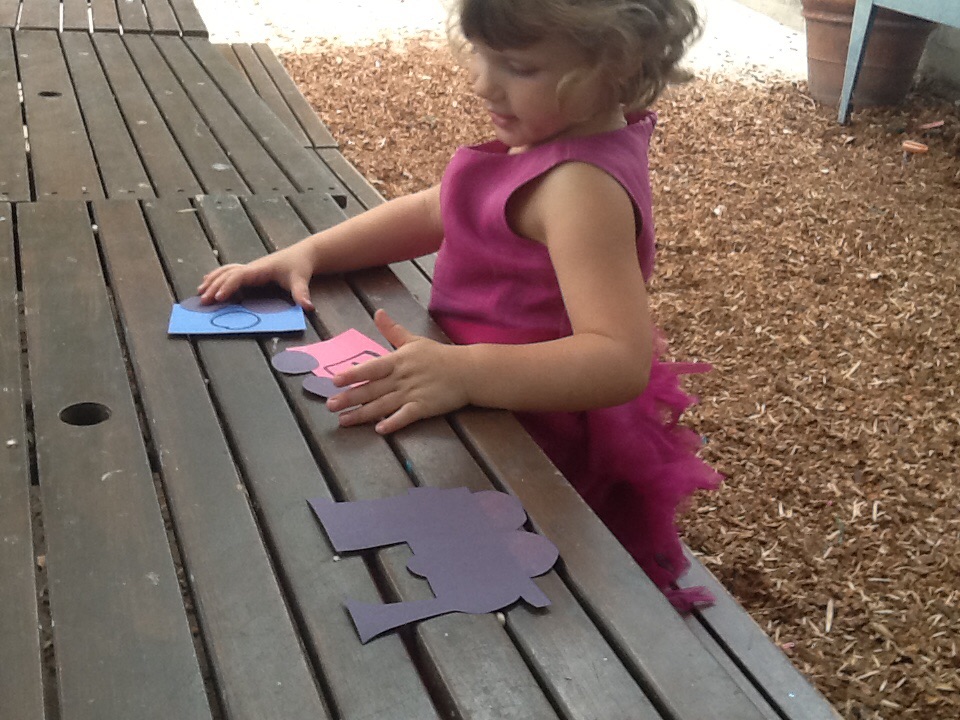
By first learning to recognize their name, children are then inspired to write it! For this activity, each child was given a “name train”, with each car appointed a different letter.

image

It was up to your little one to place the cars in the correct order!

image

Train Track Zoo

The skills learned from team building are important parts of personal and group development in children.

image

image

image

image

image

During team building activities, children have the chance to communicate with each other and work towards a common goal.

image

image

image

By practicing being an effective team member and team leader, children develop confidence in their own abilities.

image

image

image

image

image

image

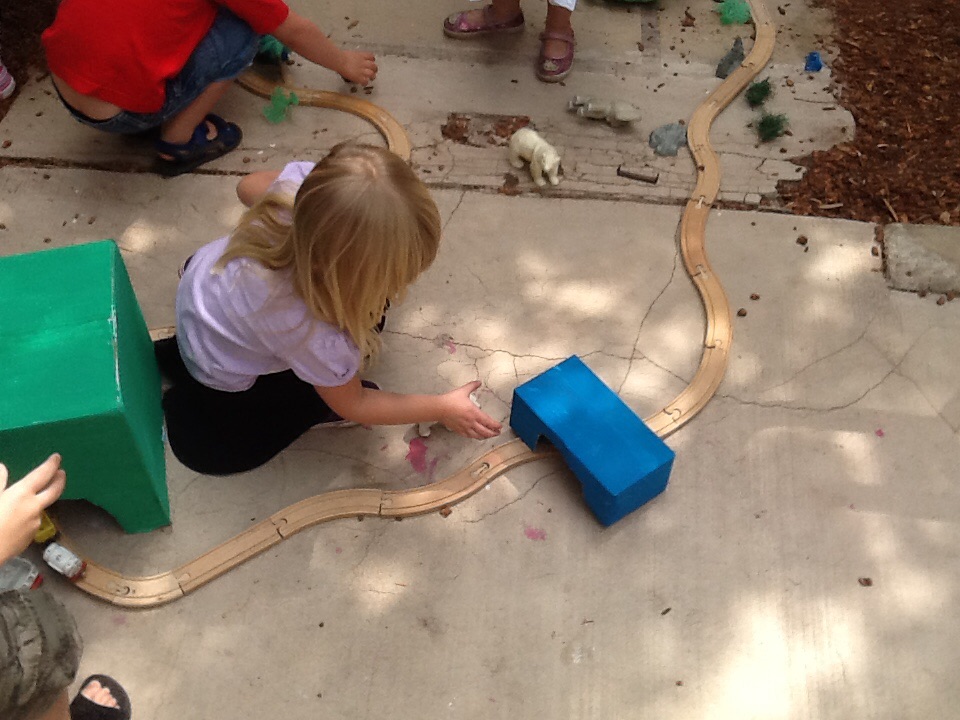
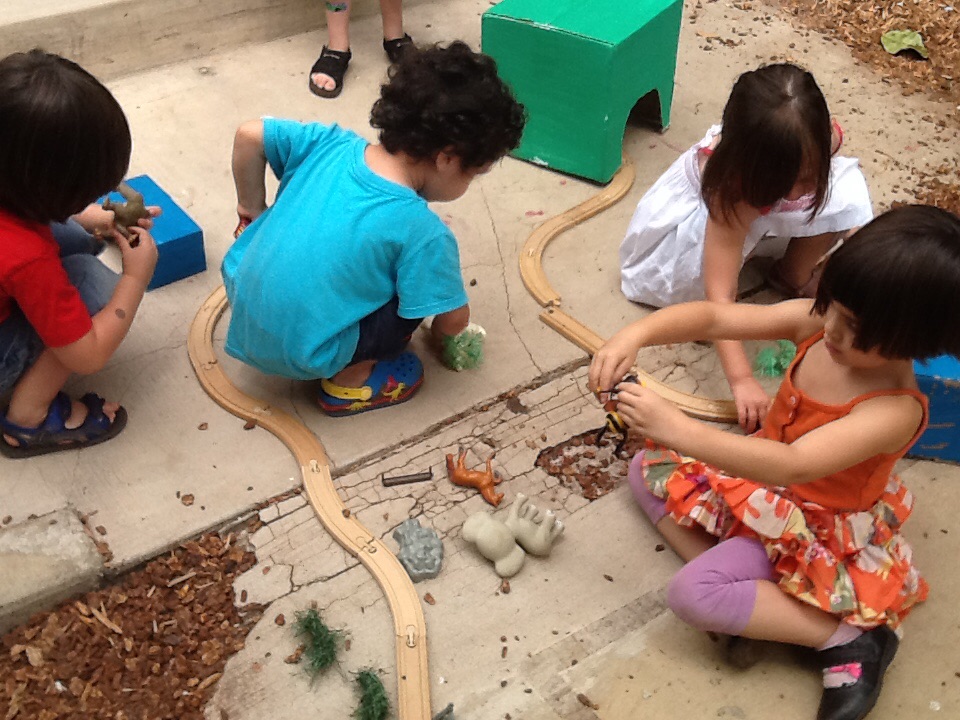
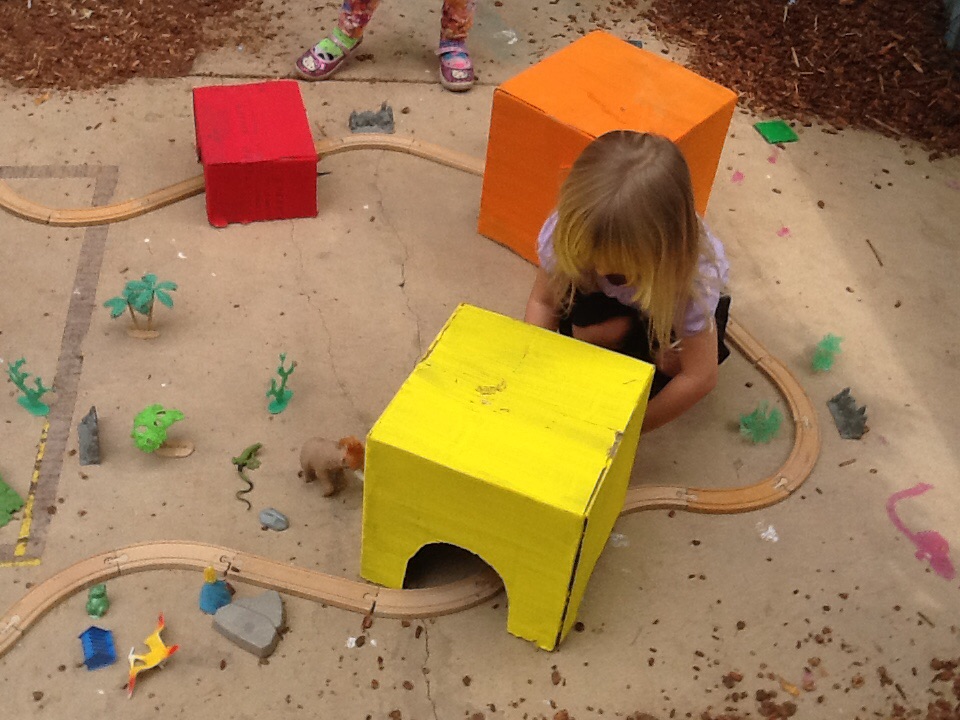
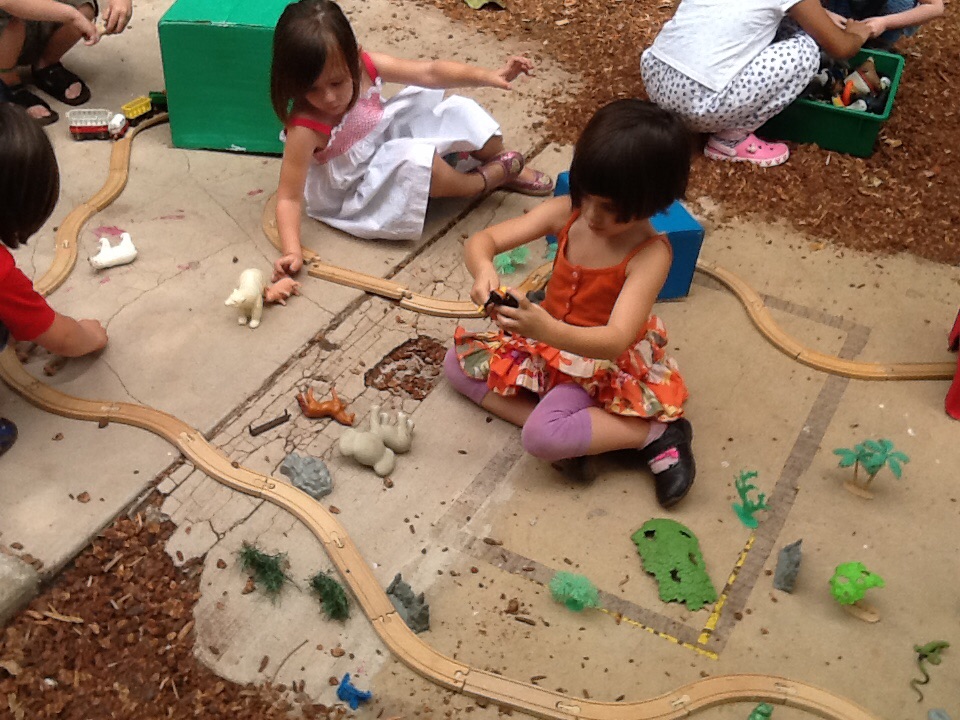
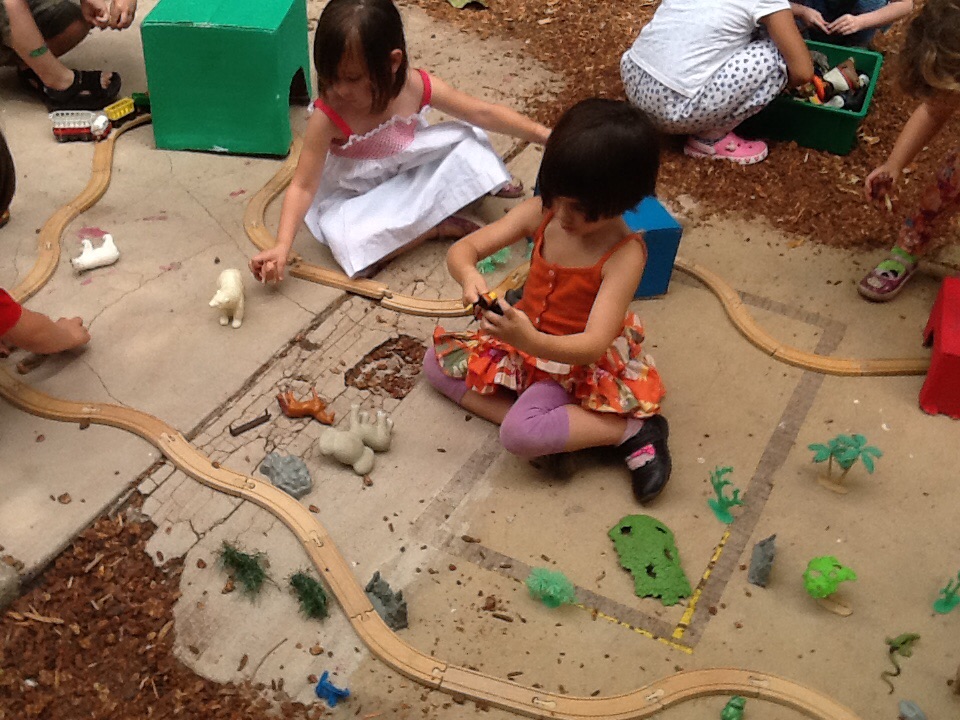
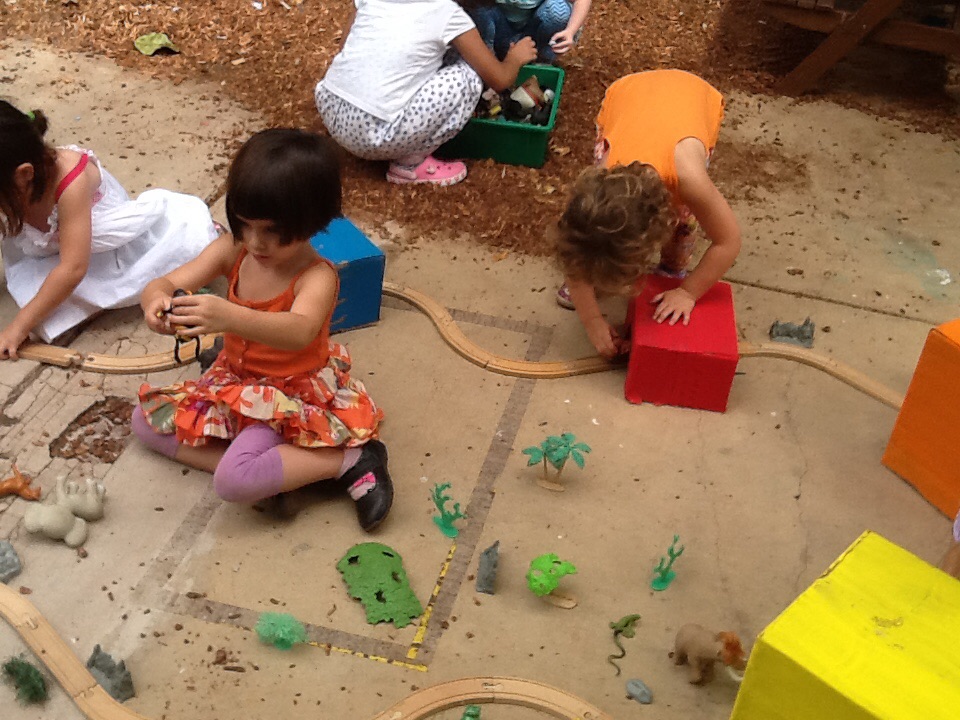
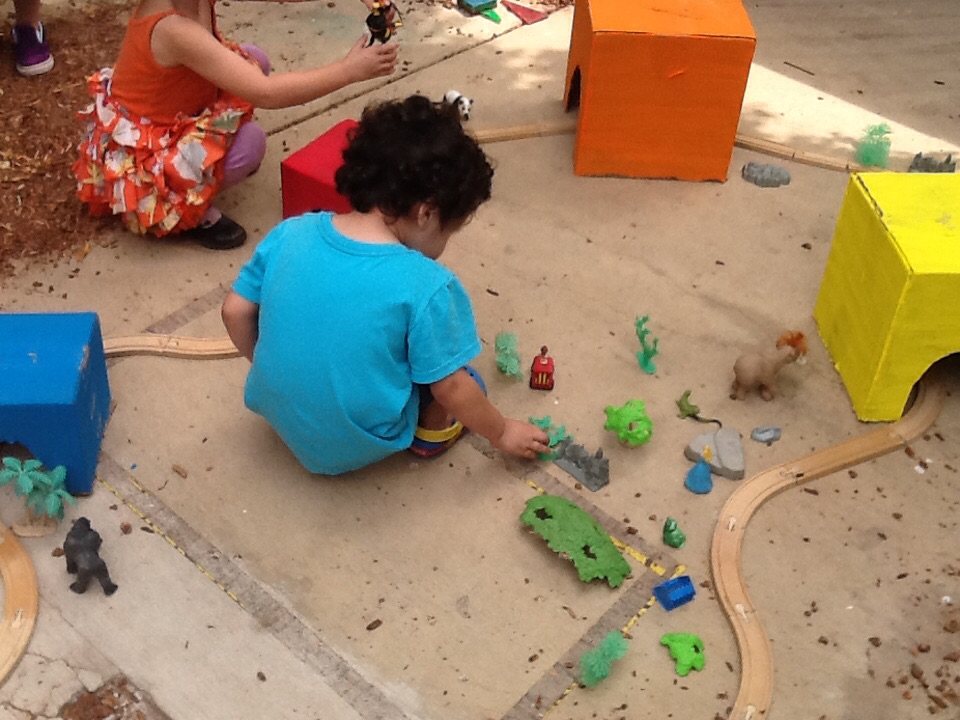
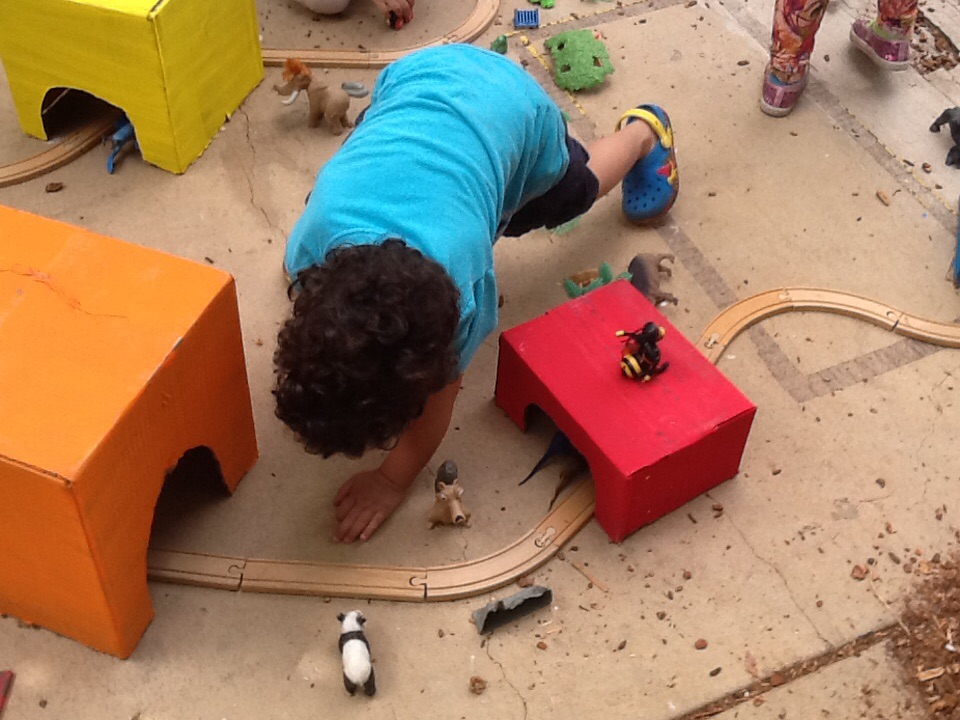
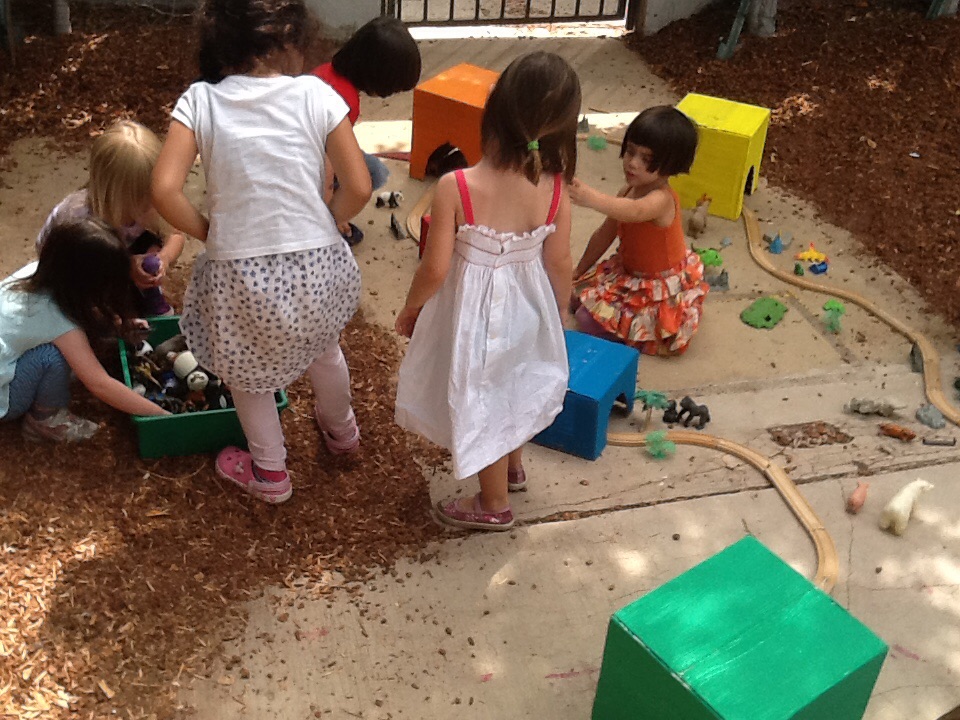
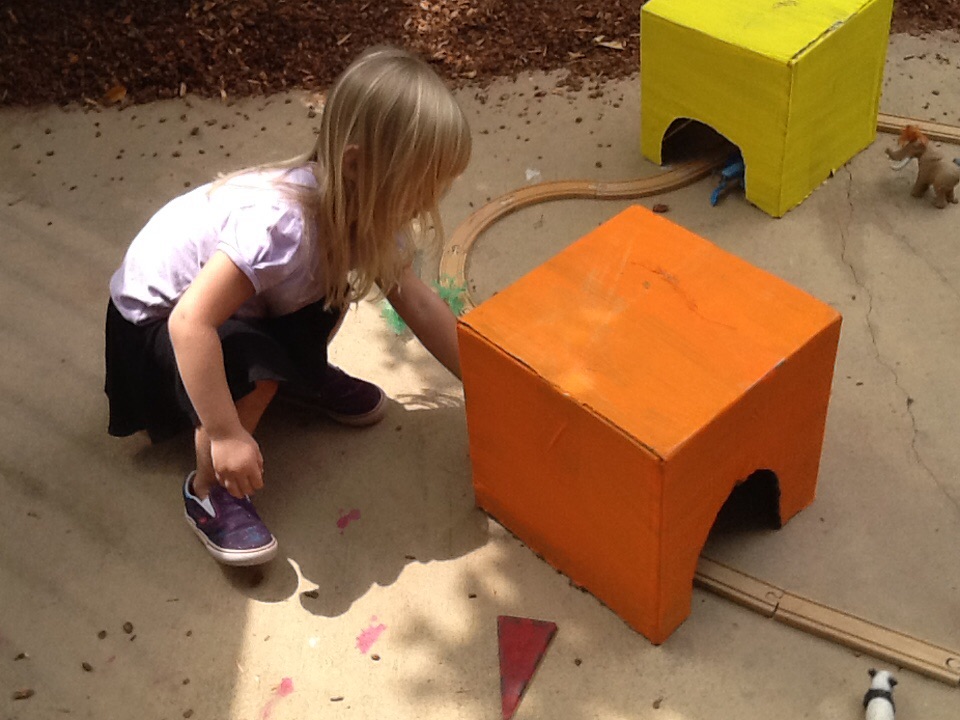
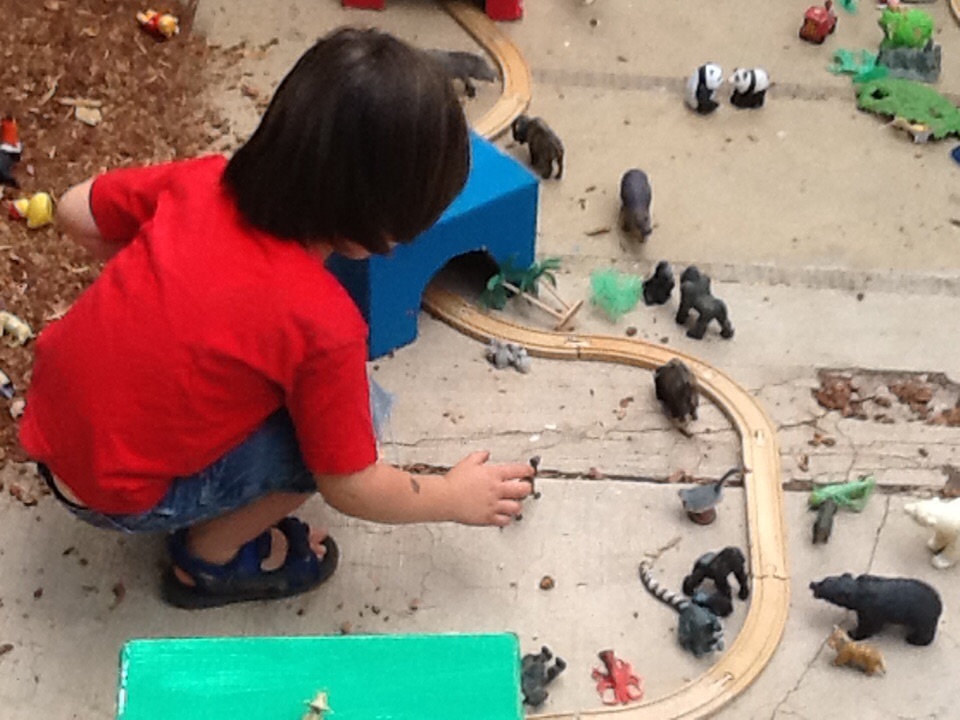
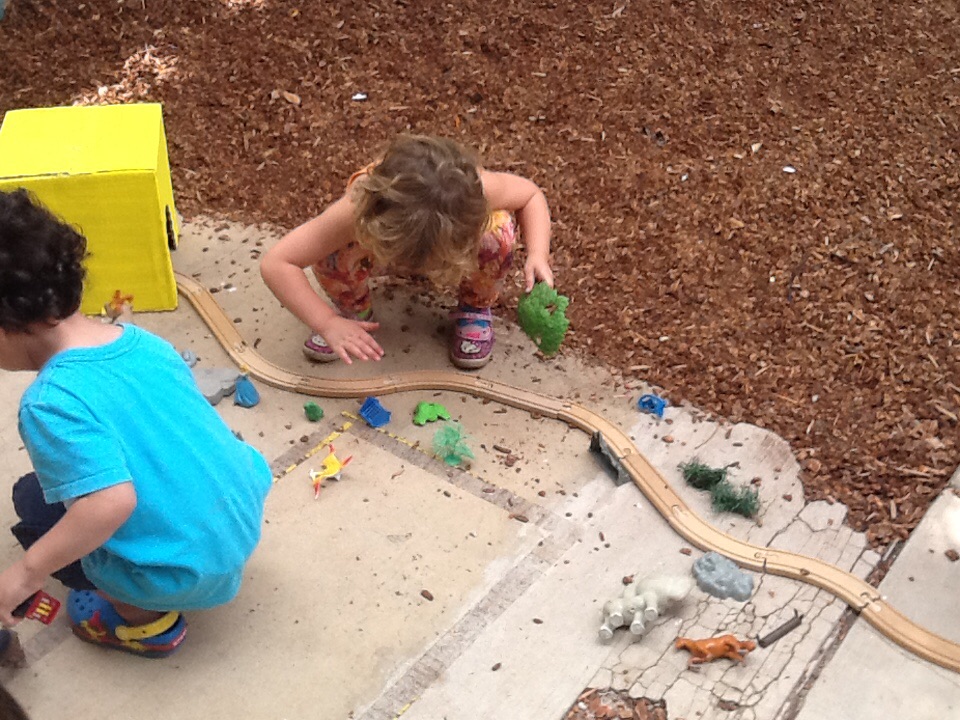
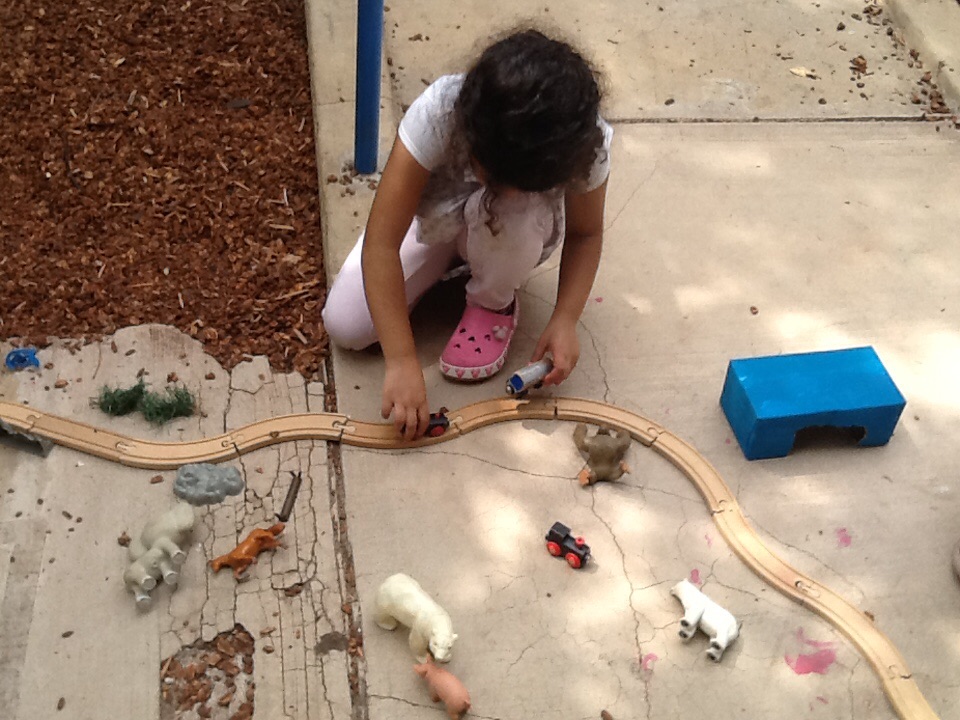
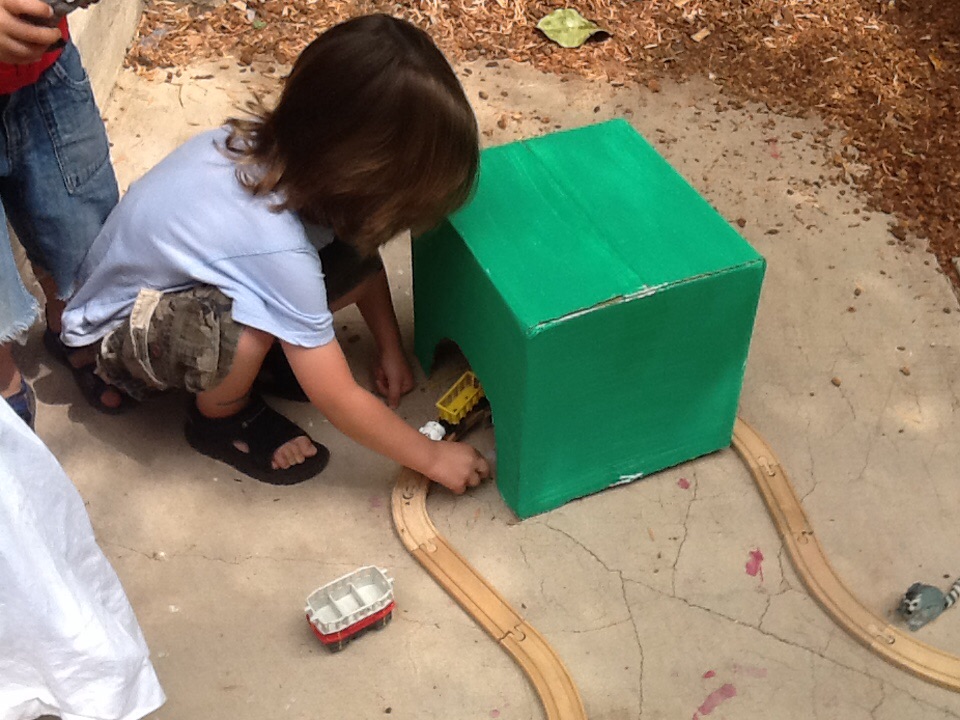
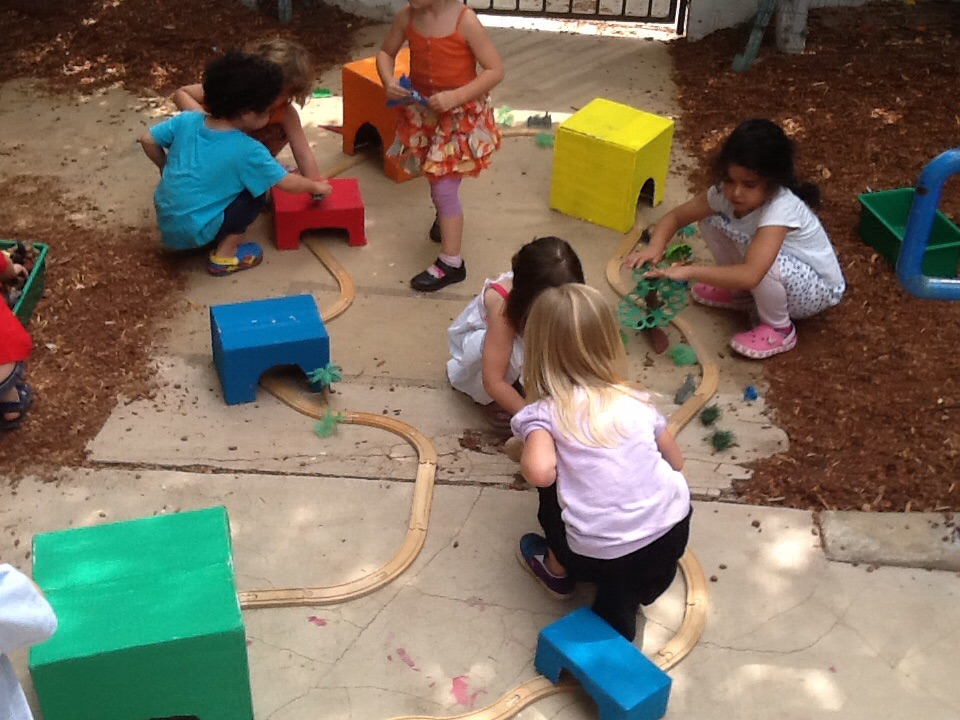
For this team building project, we created a zoo out of trains, cardboard boxes, train tracks, and plastic animals.

image

image

image

image

image

image

Using their imaginations, students created a little world with their friends!

image

image

image

image

image

image

image

image

image

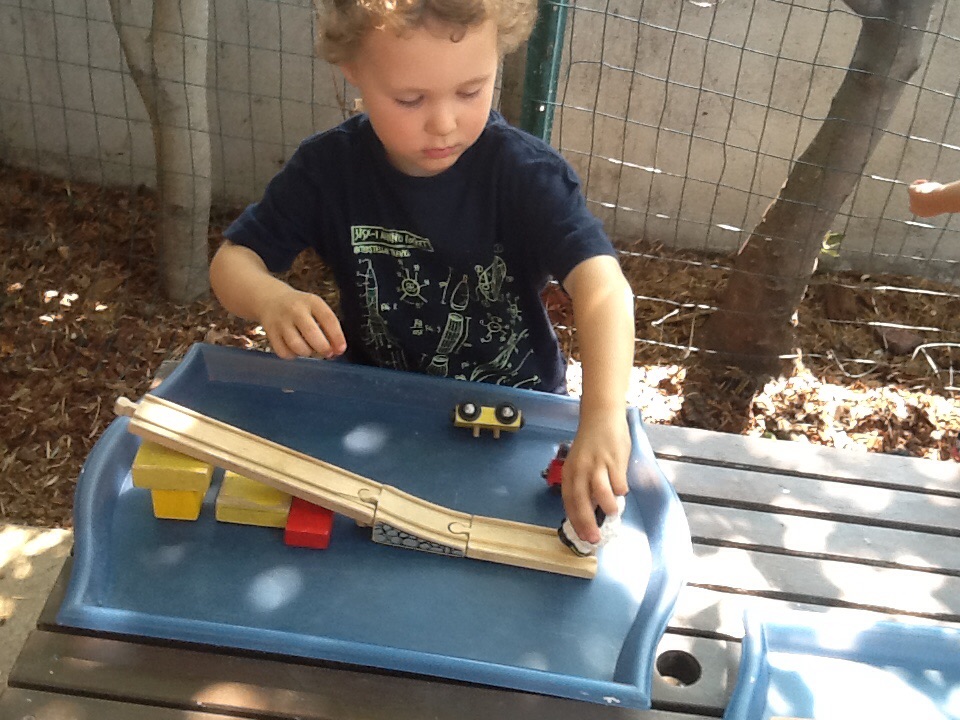
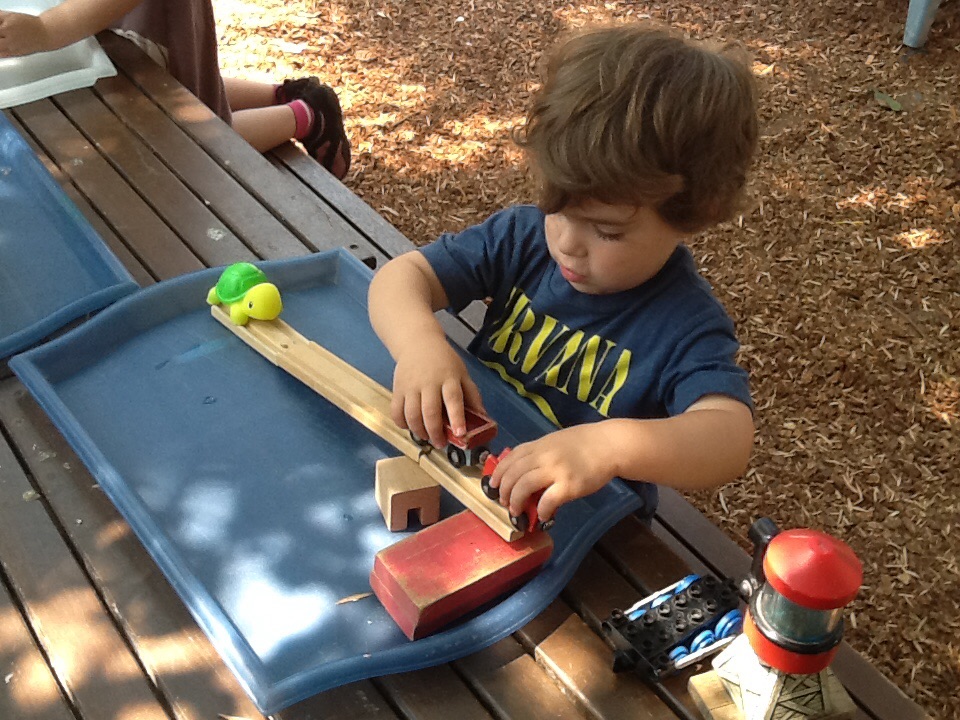
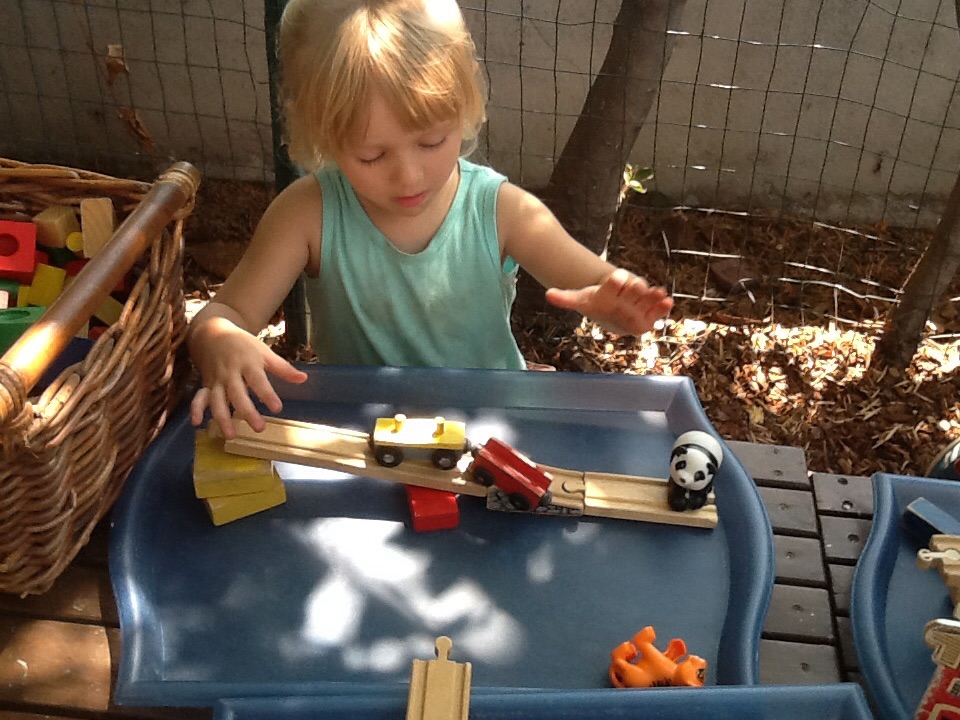
Train Track Cause and Effect

When done well, preschool science is exciting and intellectually meaningful.

image

image

The right preschool science activities can nurture your child’s natural sense of adventure and curiosity, help your child develop his own understanding of the natural world, encourage your child to be a persistent problem solver, and introduce your child to basic elements of scientific reasoning (seeking evidence; testing predictions).

image

image

This activity did just that.

image

image

First, it required your little one to think critically about an animal on their train track.

image

Each student first set up a few pieces of wooden train track.

image

They had to set it up in a way that made it possible for their trains to gain momentum.

image

At the end of the track was a plastic animal. It was up to your little to determine how many trains it would take to push their creature off of the track.

image

Lastly, this activity enabled them to make predictions, problem solve, and apply their understanding of cause and effect.

Choo Choo Snacks

Working with food provides many benefits to your child’s development.

image

By using different items, your little one learns to identify ingredients and what distinguishes them from other items.

image

Pre-math skills, such as sorting and measurement, are also visited.

image

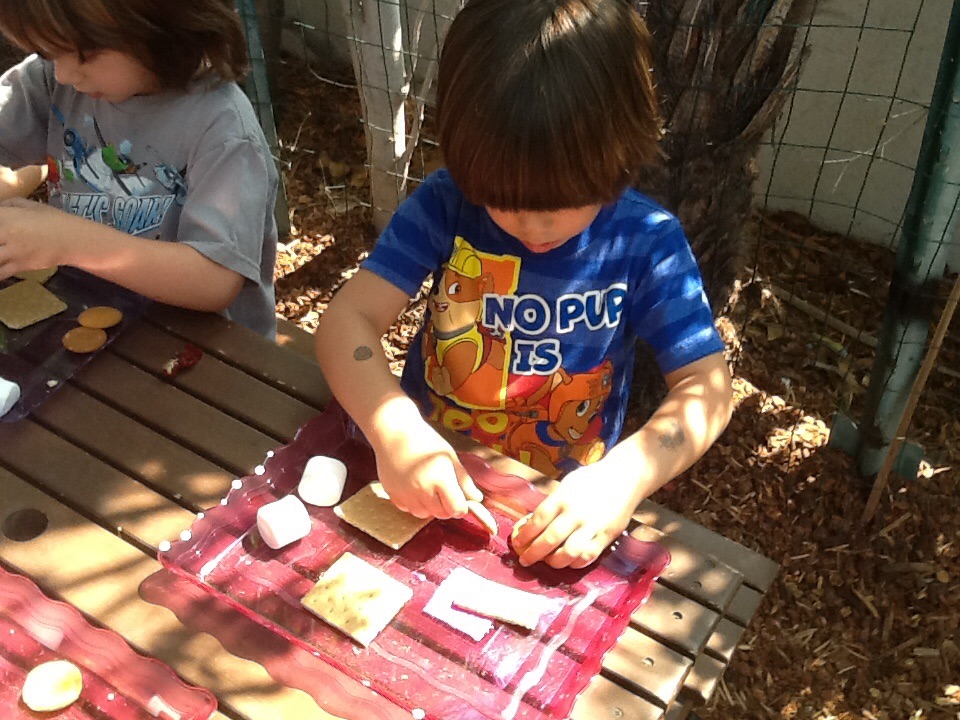
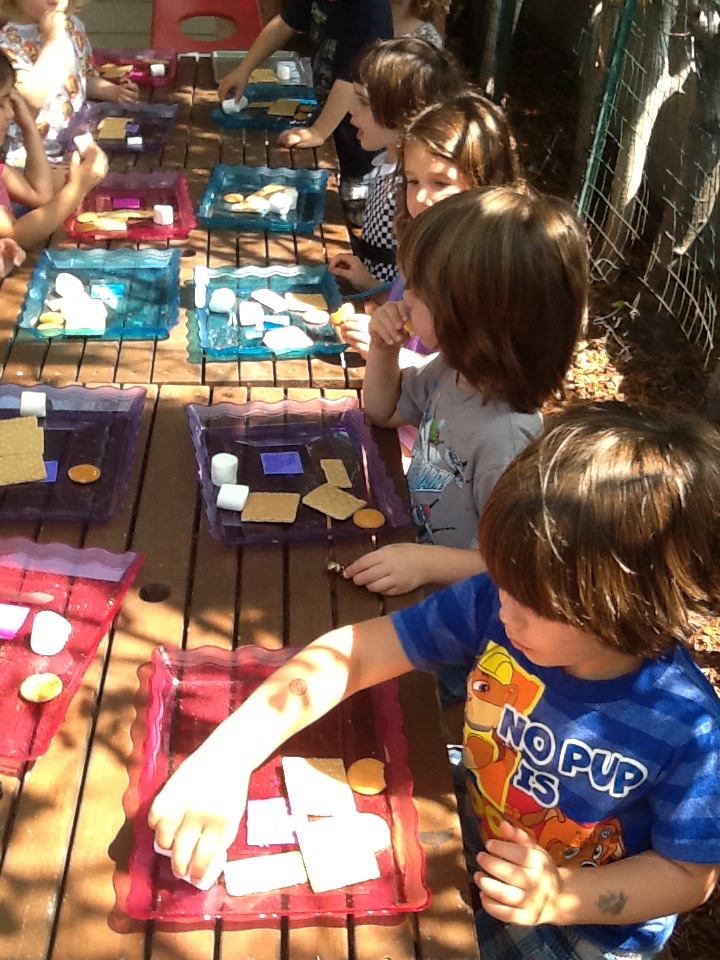
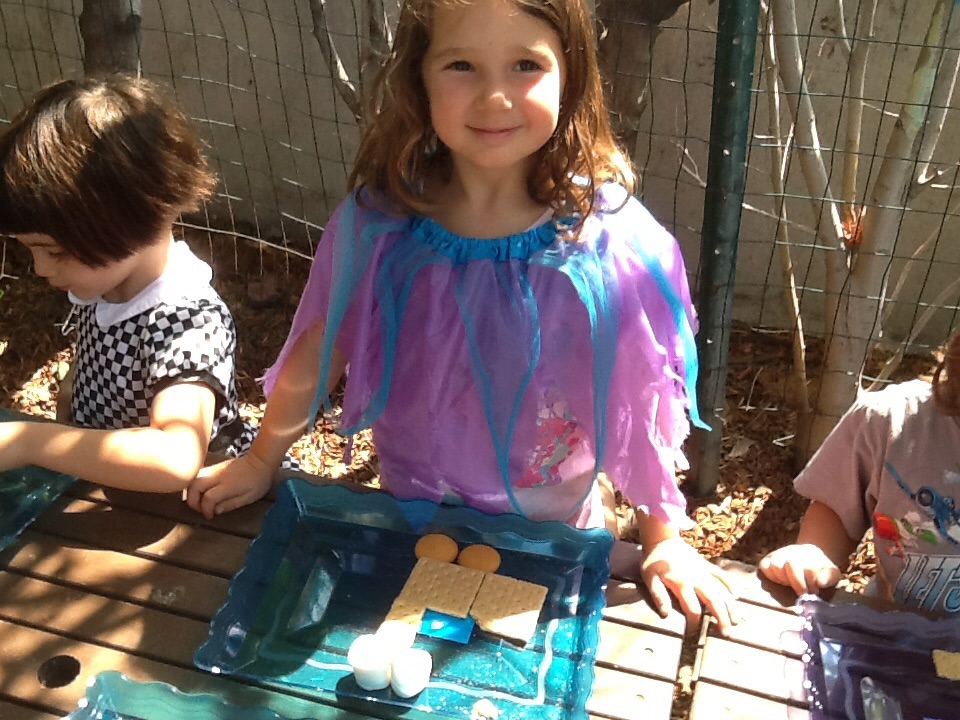
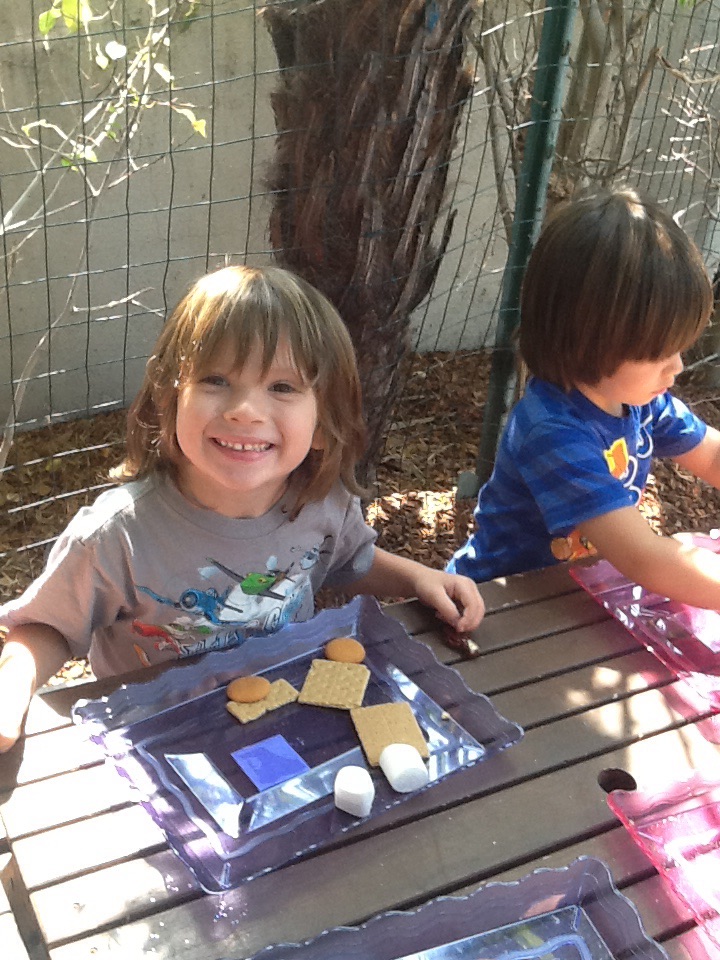
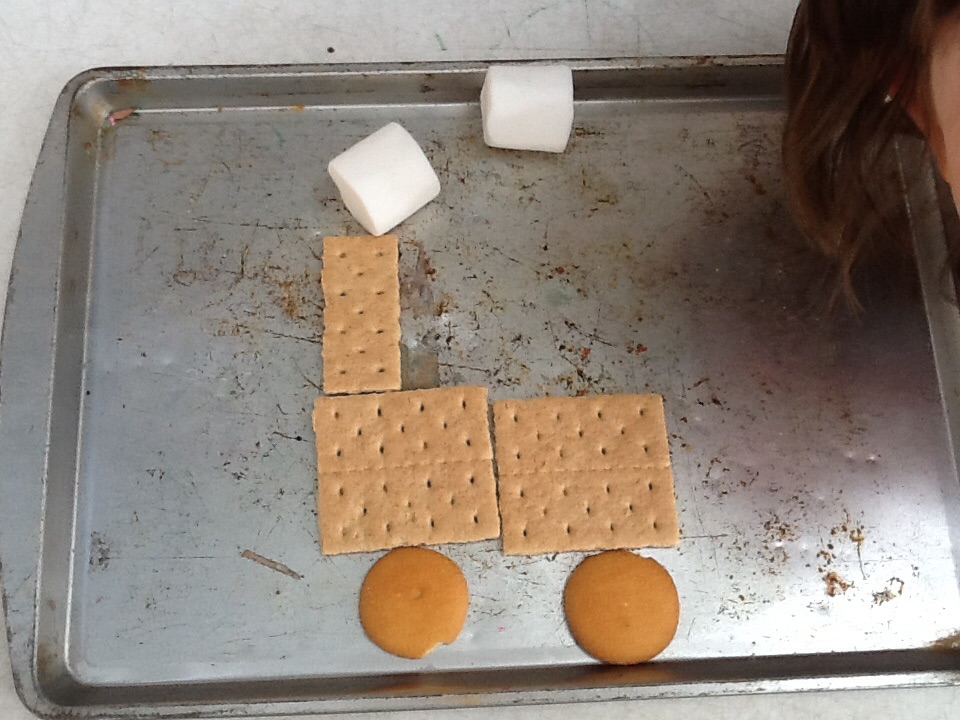
This activity involved using graham cracks, marshmellows, and Nila wafers to create a steam engine.

image

Each item was of a different shape, and it was up to your little one to figure out how they would best fit together!

image

By using materials such as food in a variety of shapes, teachers expose children to various shapes and help them analyze two- and three-dimensional shapes in various sizes and orientations.

image

image

Train Track Hammering

Railroad tracks guide the train, acting as the low-friction surface on which the train runs and often transferring the weight of the train to the ground below.

image

A railroad track consists of two parallel steel rails set a fixed distance apart, called the gauge. The rails are connected to each other by railroad ties, which may be made of wood or concrete.

image

The rails are usually bolted to the ties. The ties are set into the loose gravel or ballast. Ballast often consists of loose stones that help transfer the load to the underlying foundation. The ties “float” on the ballast and the weight of the track keeps them stabilized.

image

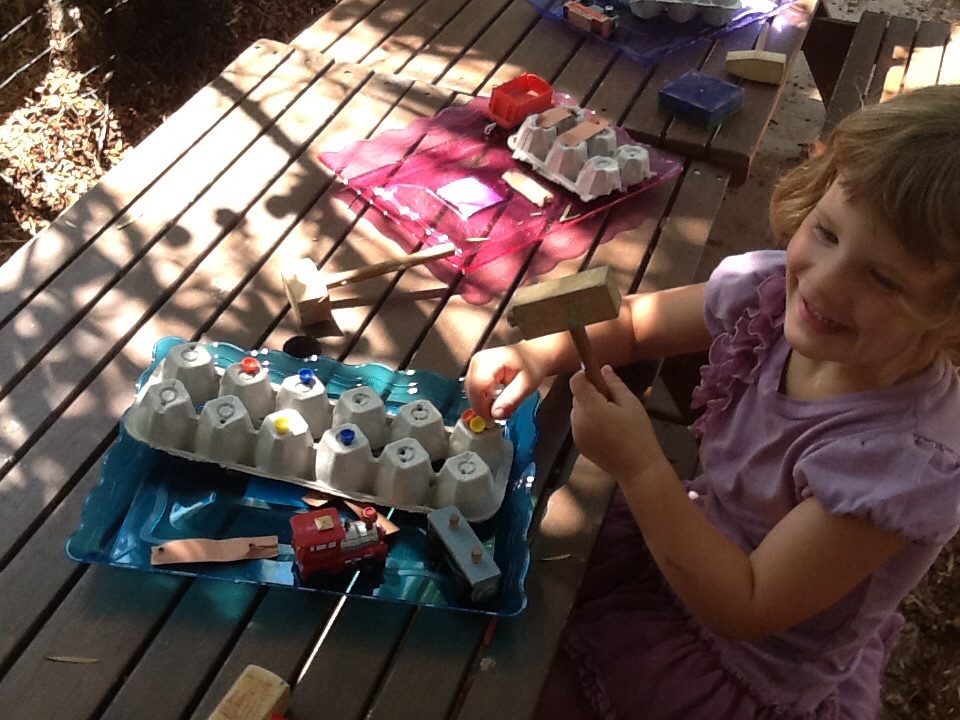
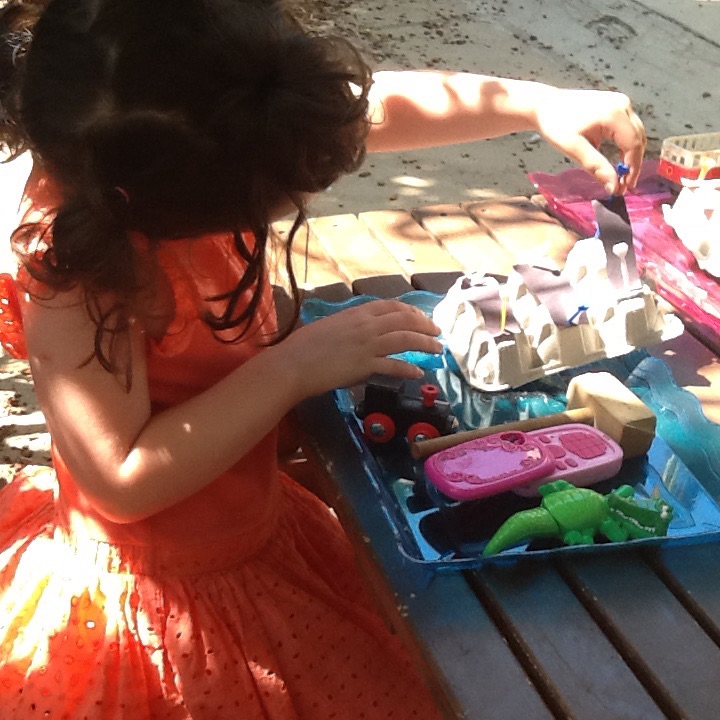
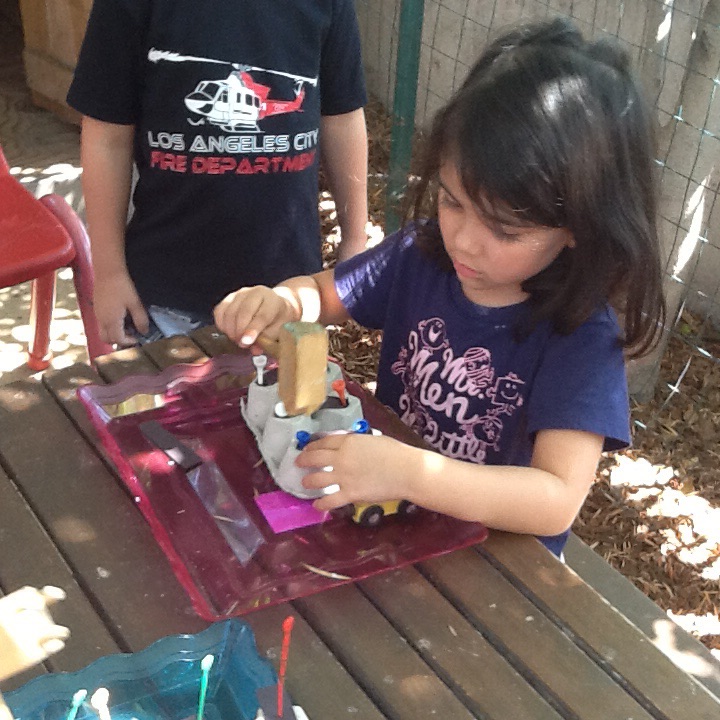
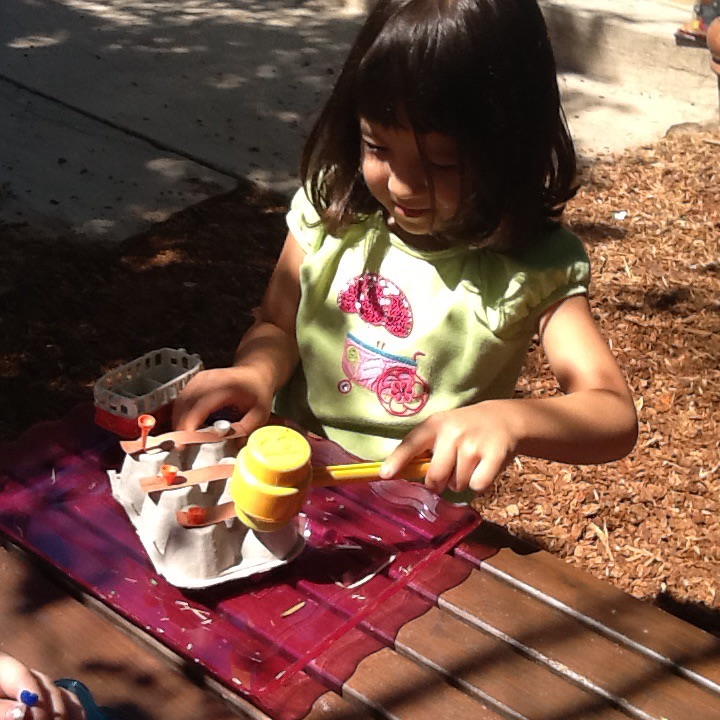
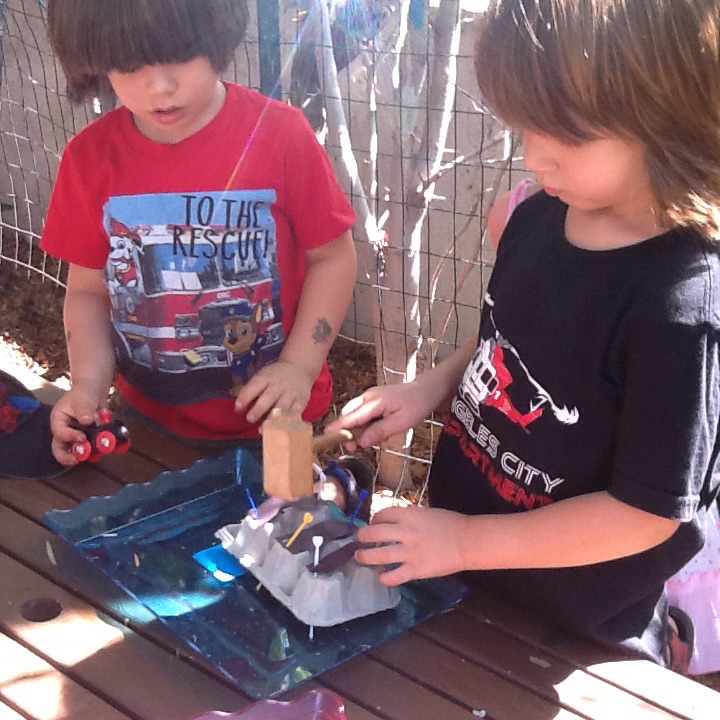
To help your little ones understand this process, we hammered our own train tracks! Using egg cartons, golf tees, and wooden hammers, we practiced a host of important developmental skills!

image

The first skill is that of real work. What is real work? To the young child, real work (work that is representative of the real world) is intrinsically rewarding. It gives them the opportunity to participate in the learning process by “doing” what they are learning about! The second skill lies within the social-emotional realm. This occurs, because engaging in real work that is physically taxing is also a wonderful way to work out feelings of frustration or anger for a young child.
image

Digging a deep hole with a shovel, moving dirt in a wheelbarrow, carrying wood, or hammering nails are all also fantastic outlets for a child’s pent up energy. Hammering nails can become rhythmic (once you get the hang of it) and is very satisfying.

image

Lastly, they can actually see the direct result of their expelled energy as the nail moves into the wood (in our case, a golf tee into an egg carton) after each whack of the hammer. All in all, the completion of these skills help contribute to the development of the whole child. Most importantly, we had fun while doing it!!!

image

Airport Play

Organized activities can be fun and contribute to children’s learning and development.

IMG_0888

But many traditional games, such as Musical Chairs and Duck, Duck, Goose focus on competition and eliminate children from the fun.

IMG_0861

In contrast, cooperative games help preschoolers learn to work together, follow directions, listen, and develop problem-solving and movement skills.

IMG_0872

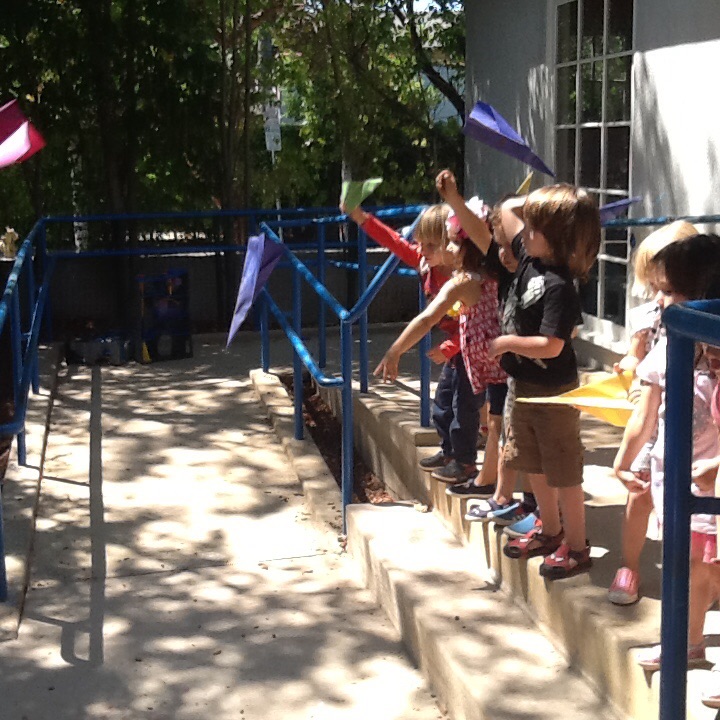
To continue to learn about transportation and its many facets as we honed our cooperative play skills, we created and played with an airport! Using boxes as our hangars and terminals, we worked with our friends to land our planes!