Tree Detectives

For preschoolers, daily life IS learning. Research indicates that all children can learn about anything and should have the opportunity to become scientifically literate as early as possible.  Effective science learning requires hands-on contact with materials, time to investigate and manipulate those materials and time to contemplate the results.

treew1

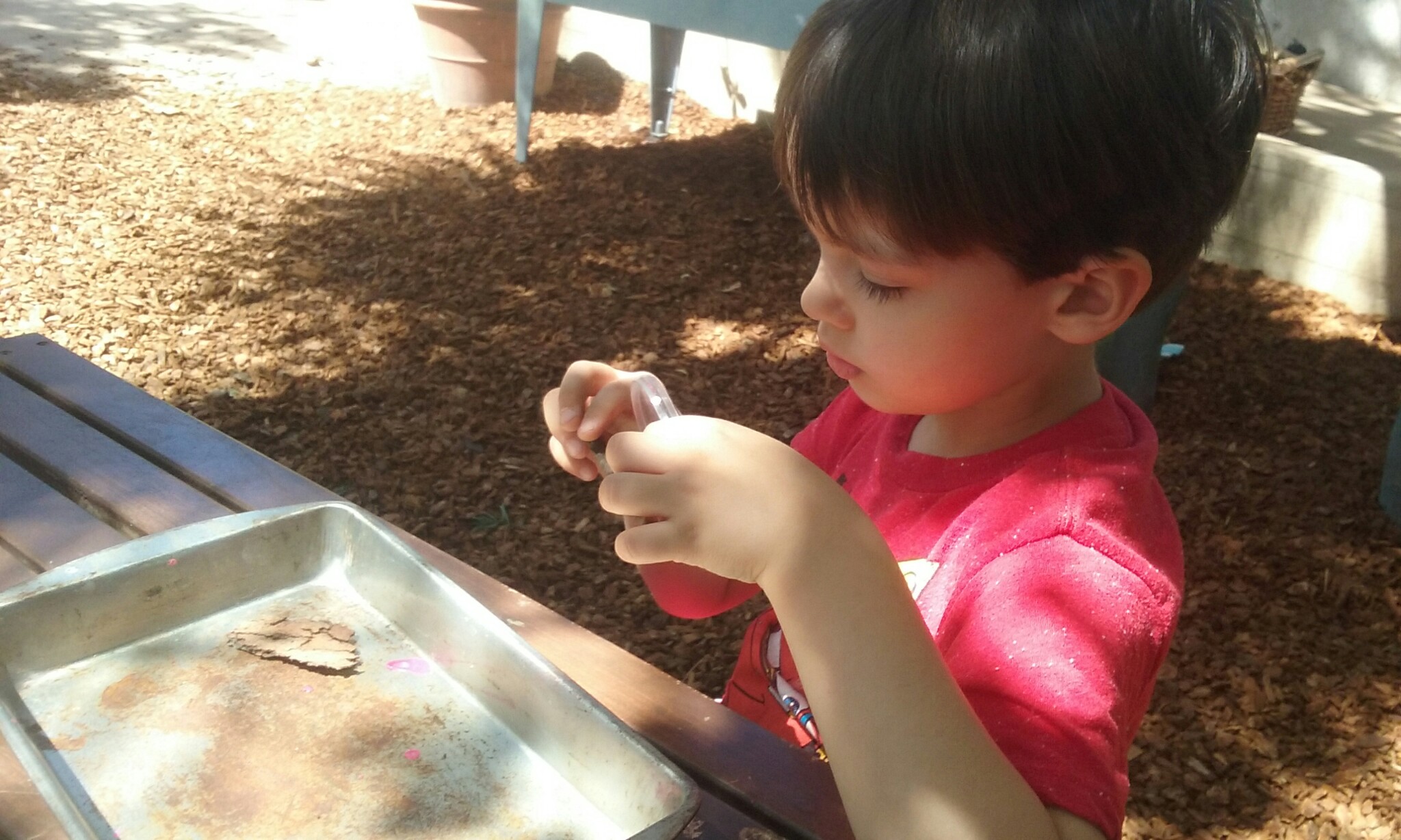
Researchers also note that active, hands-on learning provides the most meaningful and relevant learning experiences for children. It is for this reason that your child was given the opportunity to observe and manipulate the various parts of a tree. To begin with, we read a short book about the various components of a tree.

treew3

Your child learned about the trunk (located underground), the vascular tissue (which carries water from the roots to the leaves), the bark (which protects the inside of the tree), and the leaves. Your child then examined a piece of bark with a magnifying glass, using words to describe it.

treew2

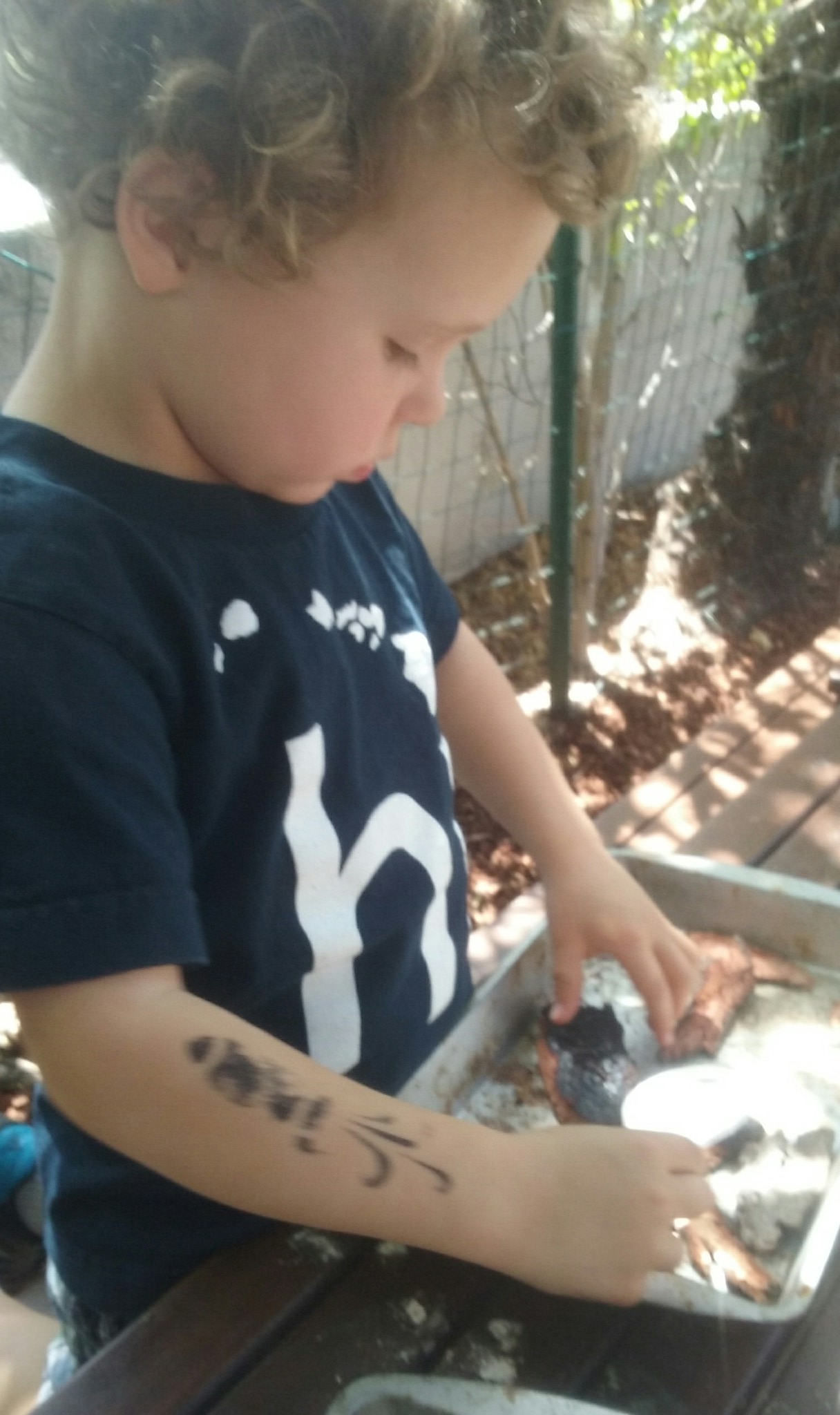
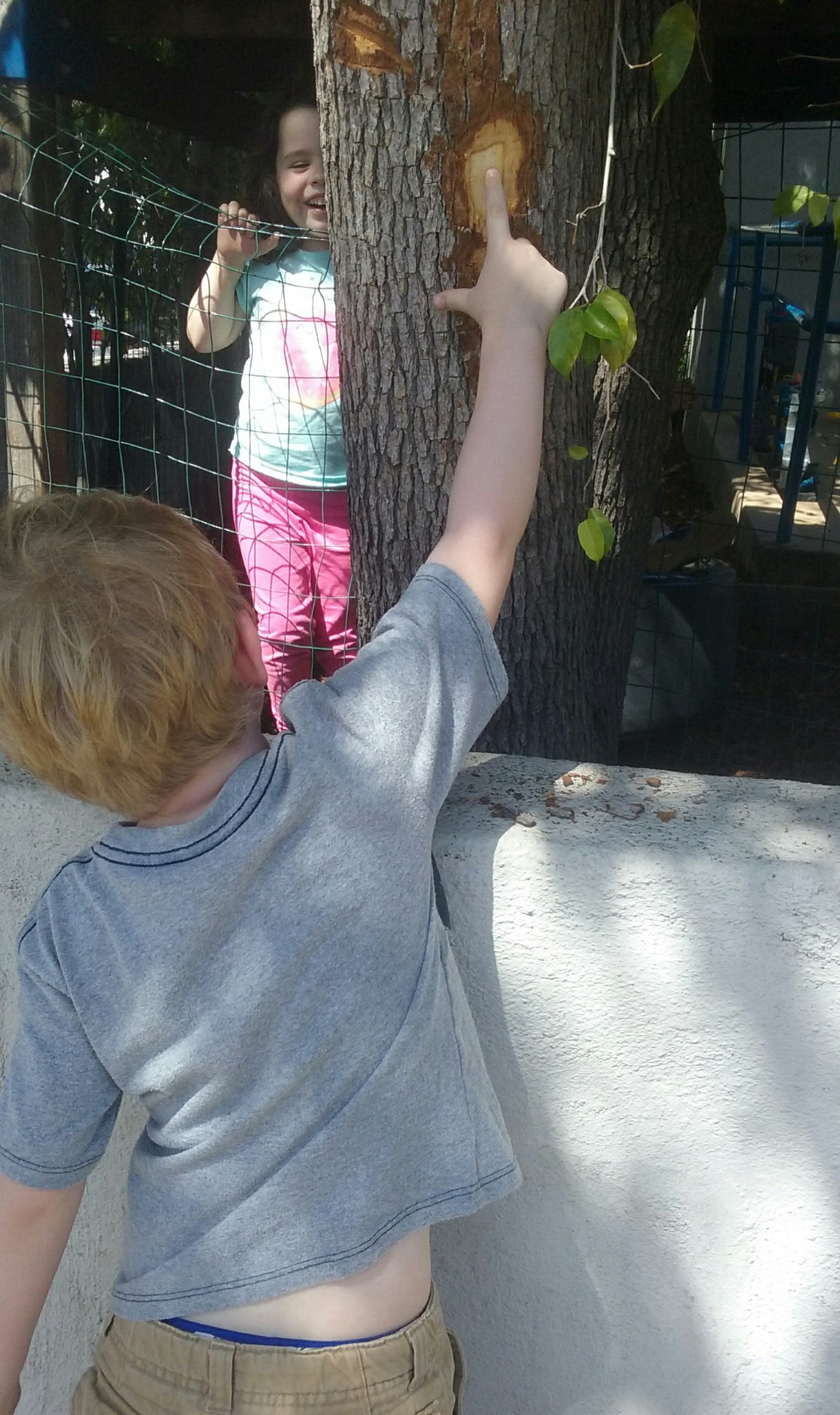
Some students regarded it as bumpy, scratchy, hard, and rubbery. Following this, your child felt both the bark on a real tree, and the vascular tissue underneath.
treew4

Students used words to descibe the vascular tissue as well. Some words they used for this feature was soft, smooth, shiny, and wet.

treew5

Chicka Chicka 1,2, Playdoh

Recent trends in education have focused on an integrated curriculum. Children learn best when subject matter is meaningful and useful, and literature brings meaning to science. Education that is organized in such a way that it cuts across subject-matter lines, bringing together various aspects of the curriculum into meaningful association, provides children with a better understanding of the subject.  It views learning and teaching in a holistic way and reflects the real world, which is interactive.

Since we have been learning all about trees this week, we decided to expand upon this theme with the book, Chicka Chicka 1,2,3. Chicka Chick 1,2,3 is a counting story book that first counts 1-20 as the numbers climb the apple tree.

chicka

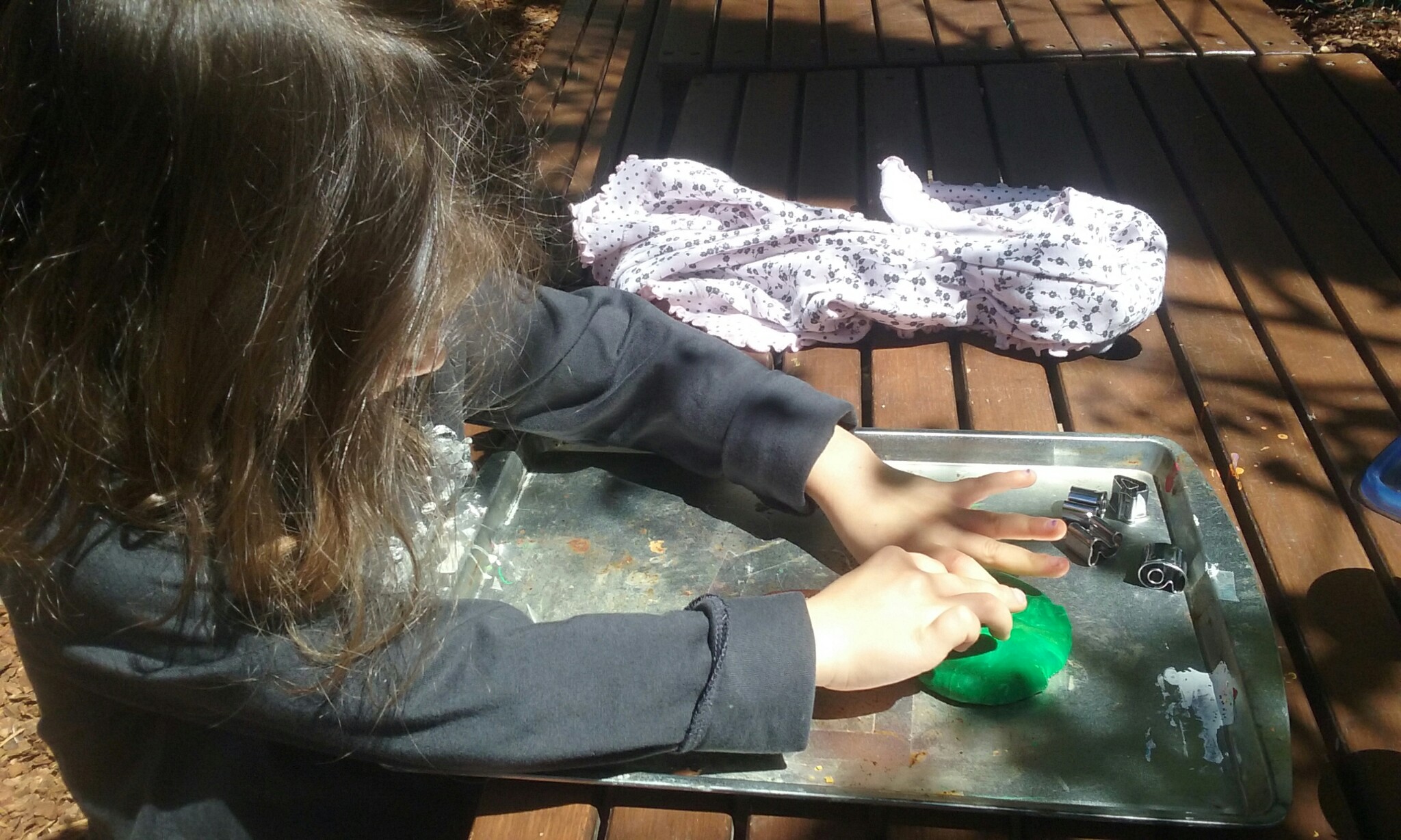
After numbers 1-20 are in the apple tree the story then counts by tens, eventually reaching 100. We initially read this book during snack, and then your little ones built their very own trees with playdoh and cookie cutter numbers.

chicka1

This activity served several developmental purposes. First, it demystified the concept of a large number to, it encouraged counting and one-to-one correspondence, and strengthened students’ fine motor skills as the manipulated the playdoh.
chicka2

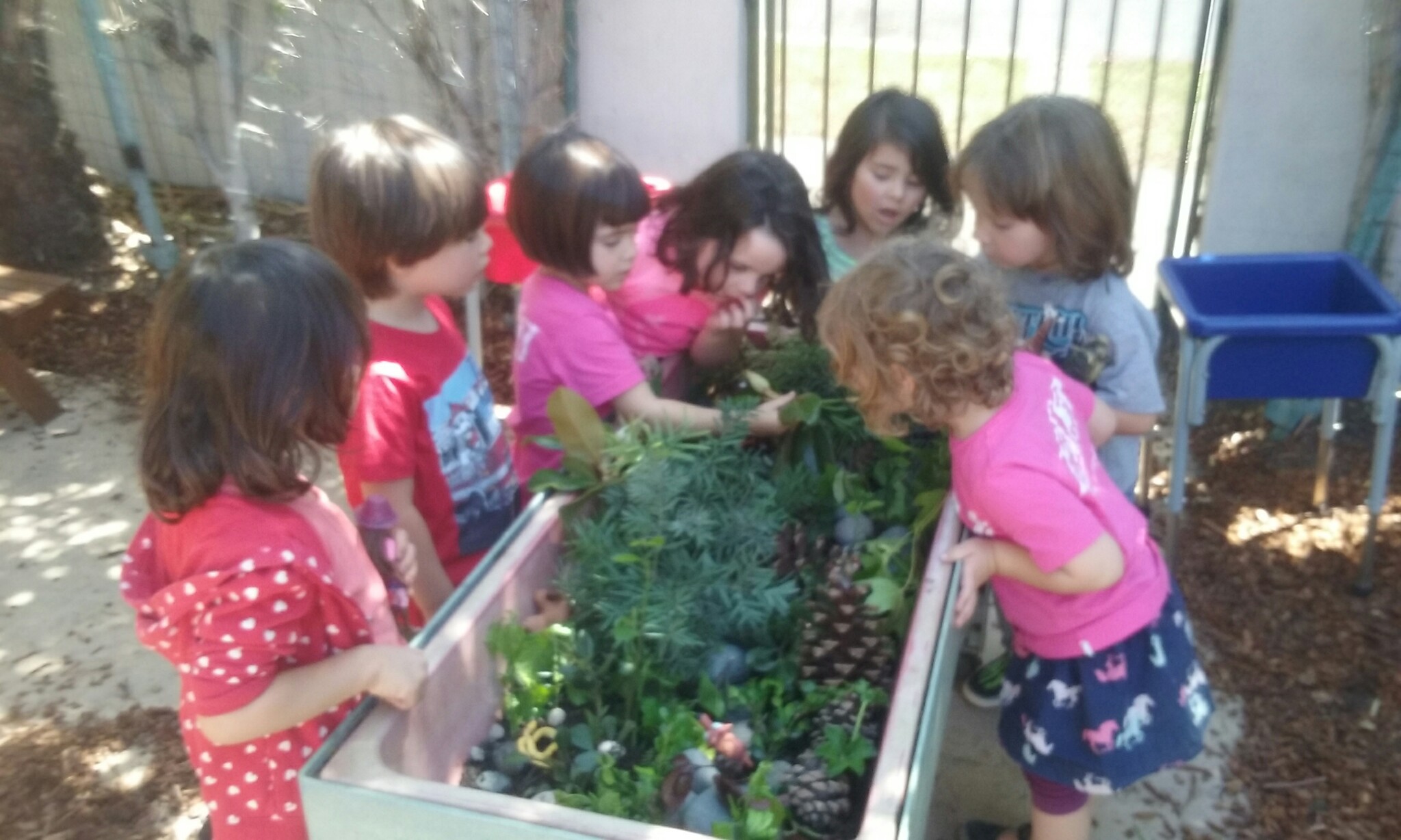
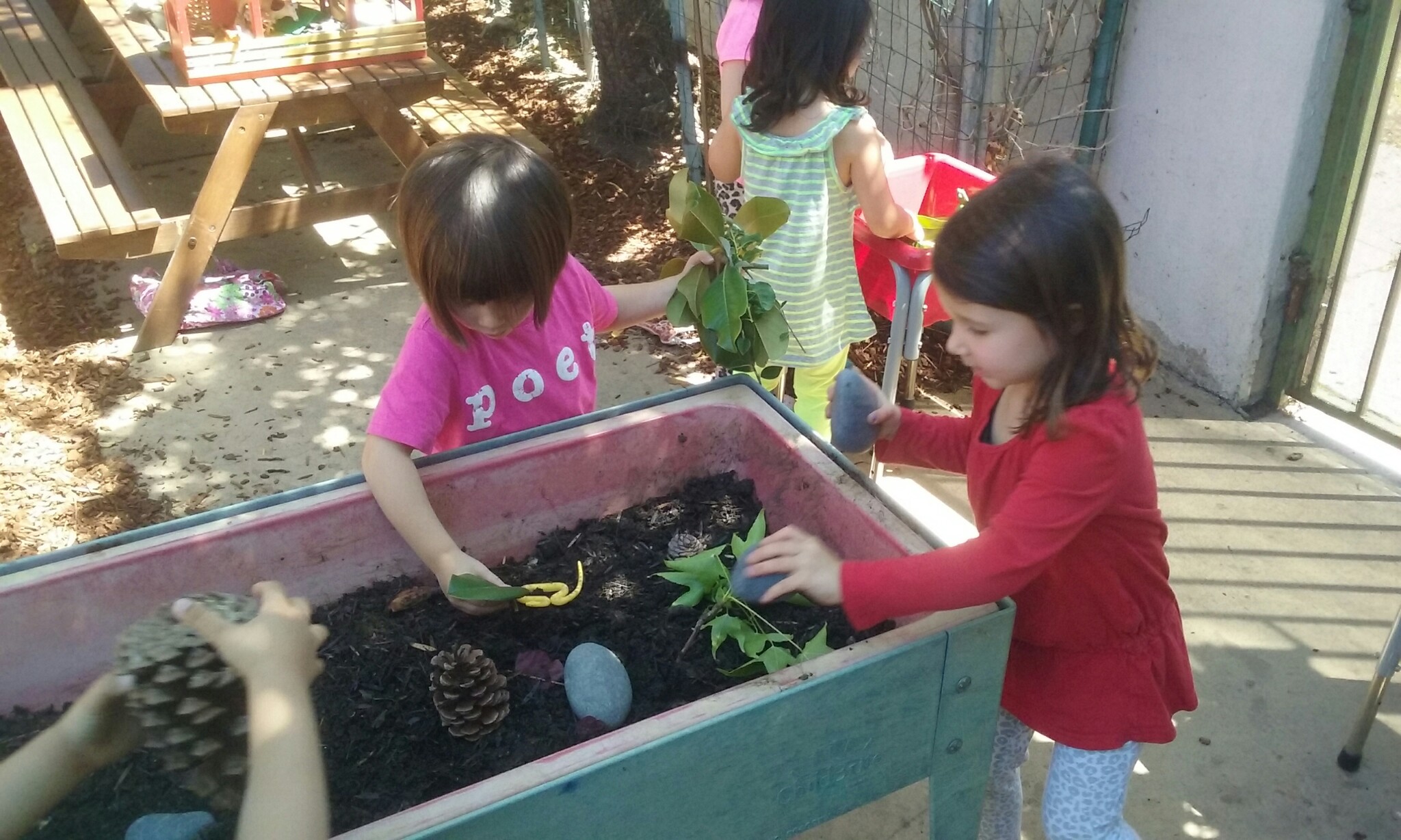
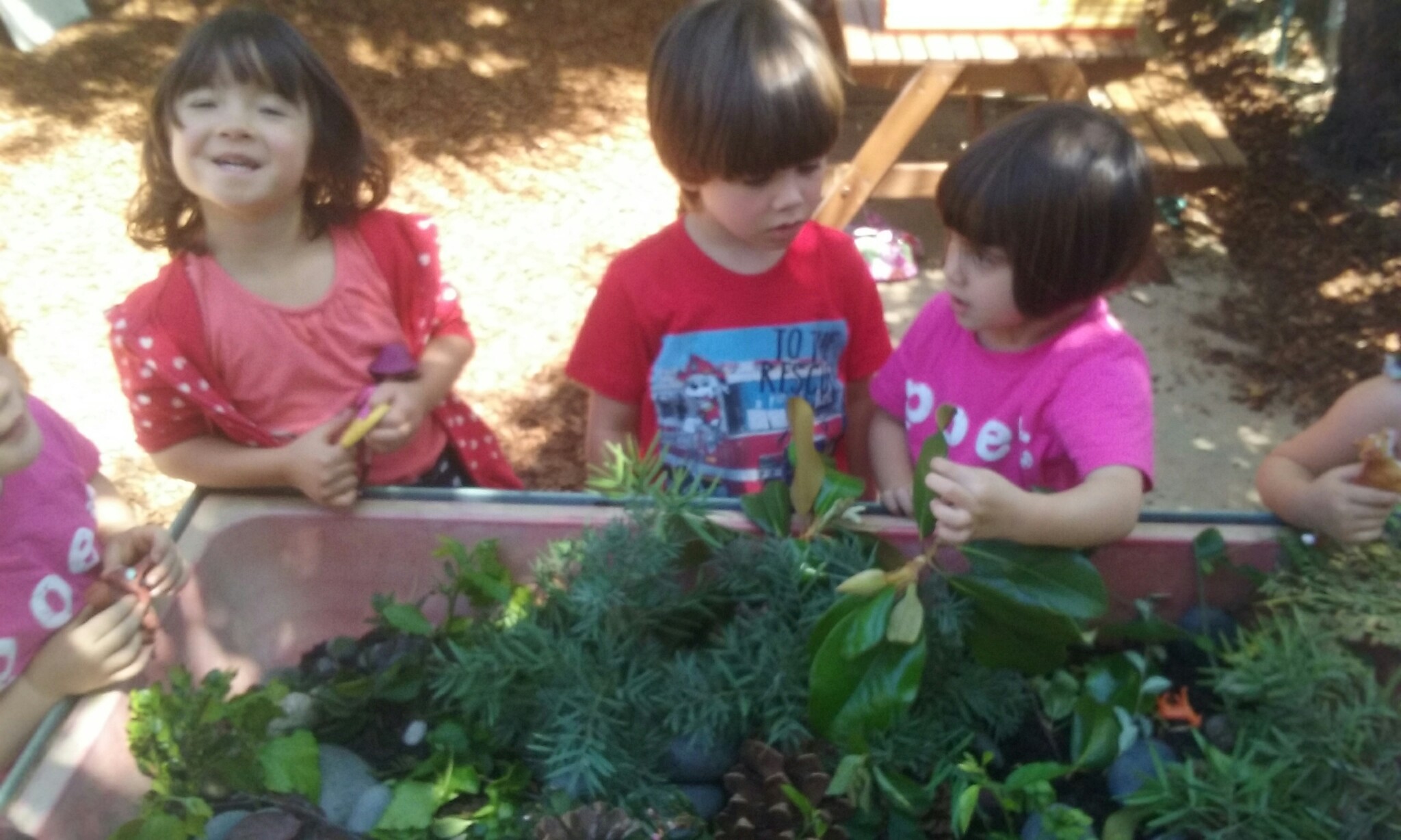
Class Forest – Mediterranean Woodlands

Southern California’s four national forests (Los Padres, Angeles, San Bernardino, and Cleveland) boast some of the nation’s most popular places to hike, camp, picnic, fish and hunt, bird-watch, rock-climb, mountain bike, horseback ride, stargaze, and indulge in a host of other nature-based activities.

califforest4

These are known as Mediterranean forests.  Mediterranean Forests, Woodlands, and Scrub ecoregions are characterized by hot and dry summers, while winters tend to be cool and moist.

califfores5

Most precipitation arrives during these months. To incorporate this type of woodland into our theme, we created an artificial environment of these trees.

califforest6

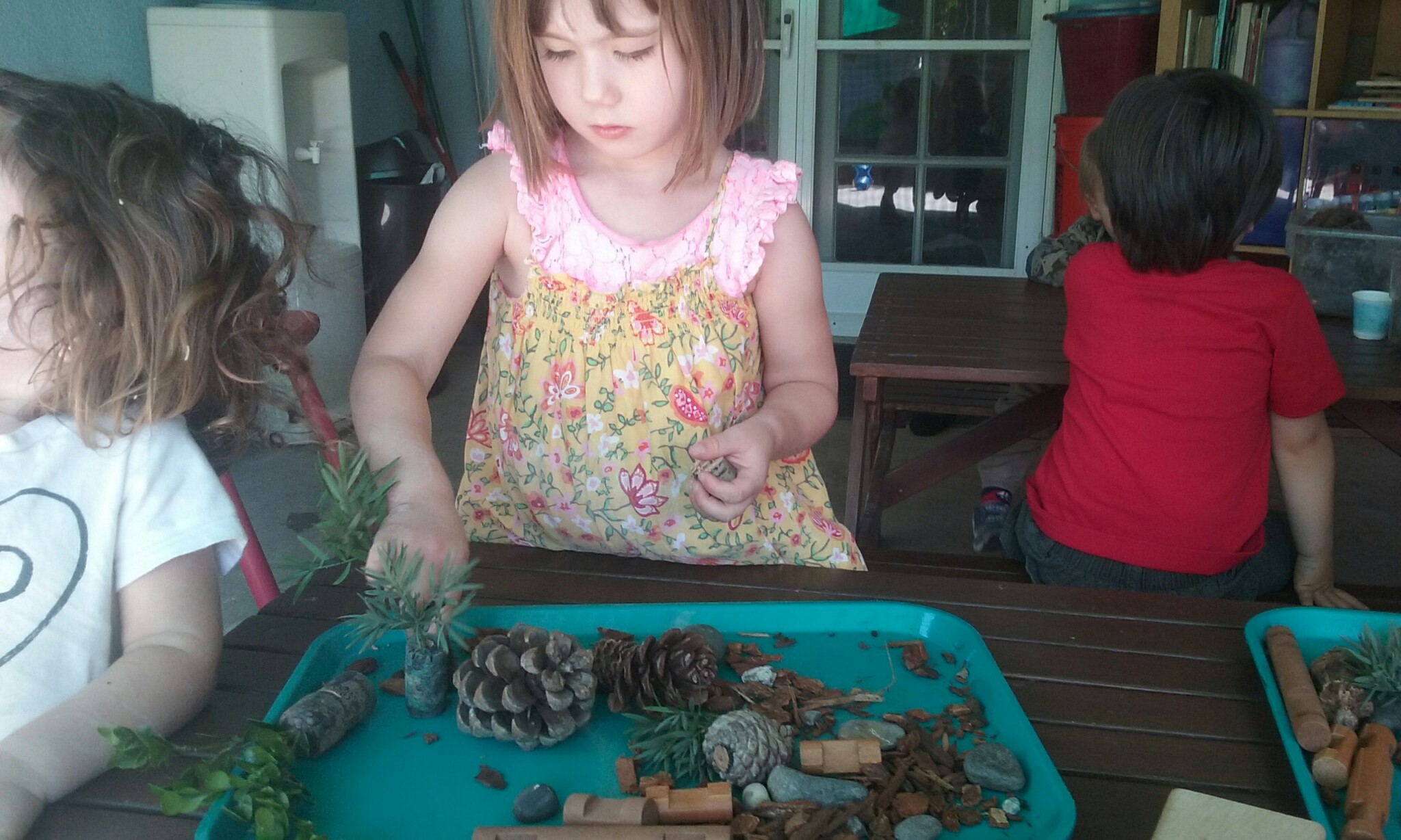
When children create an artificial environment, they bring three-dimensional reality to any concept.

califforest

Though your little ones are aware of what a forest is, they may not fully comprehend what they look like, how they support life, and how important they are to our planet.

califforest3

To help our budding arborists connect to this idea, we decided to create our very own mediterrean forest!


Tropical Biomes

The severe seasonal droughts that help define this forest type have led to some unusual animal adaptations among certain amphibians and insects such as estivation, a summer-long sleep similar to hibernation.

biome6

Other animals show increased mobility as they seek out distant water holes and creek beds to wait out the scorching heat until the rains return.

biome44

biome

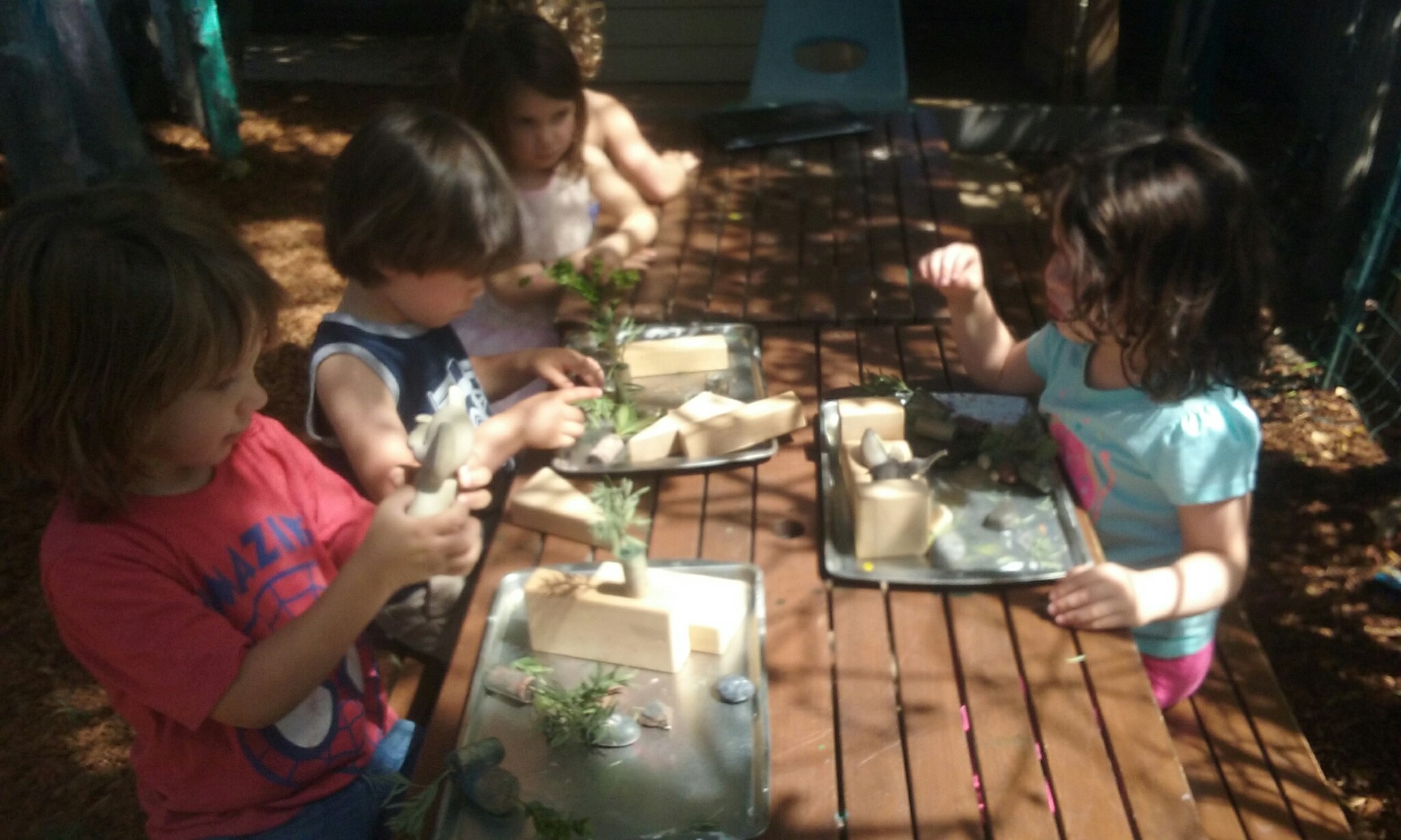
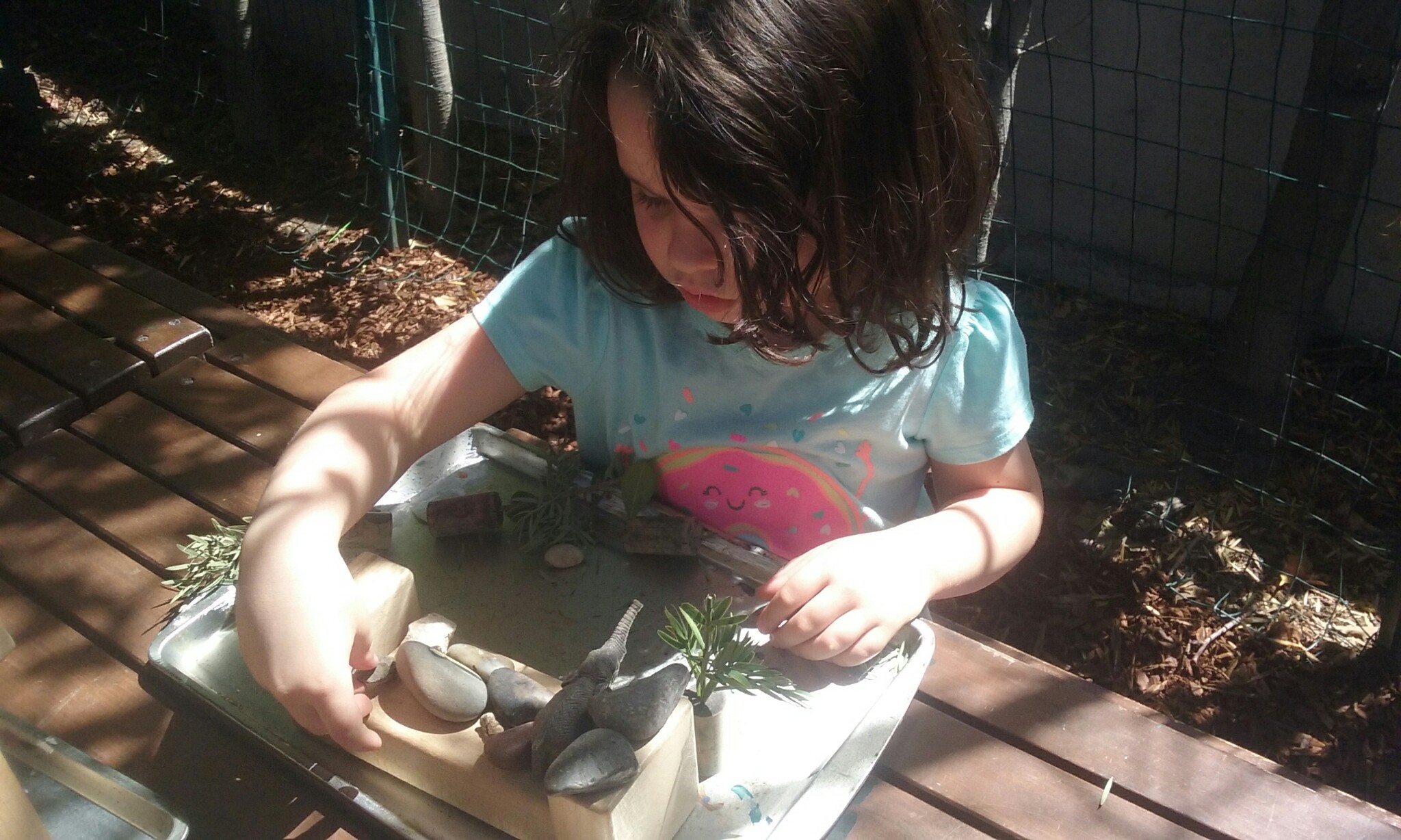
To help us understand the dynamics of this fascinating biome, we created our very own tropical dry forests with wine cork trees, rocks, wood shavings, and animals.

biome66

biome55

biome3

Your little ones initially learned about where these forests are located.

biome77

biome5

They tend were shown a globe to see specifically what regions of the globe house these amazing wonders. Lastly, they created their own!

biome2

Sorting Recyclables

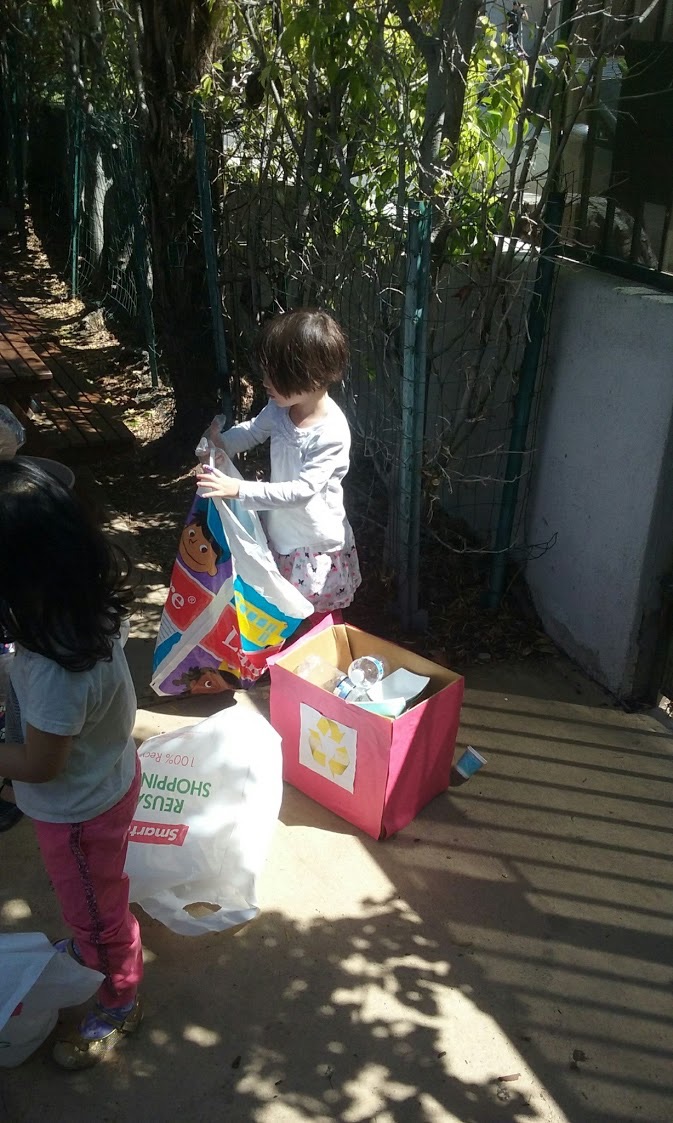
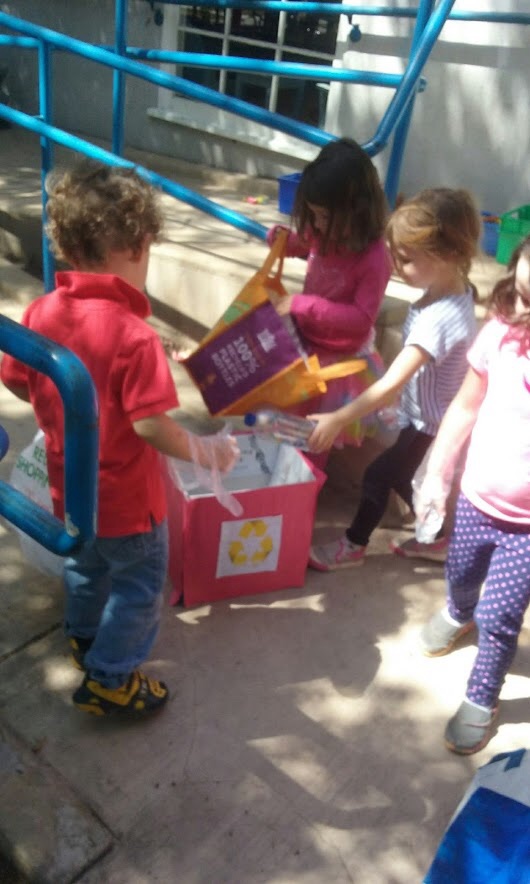
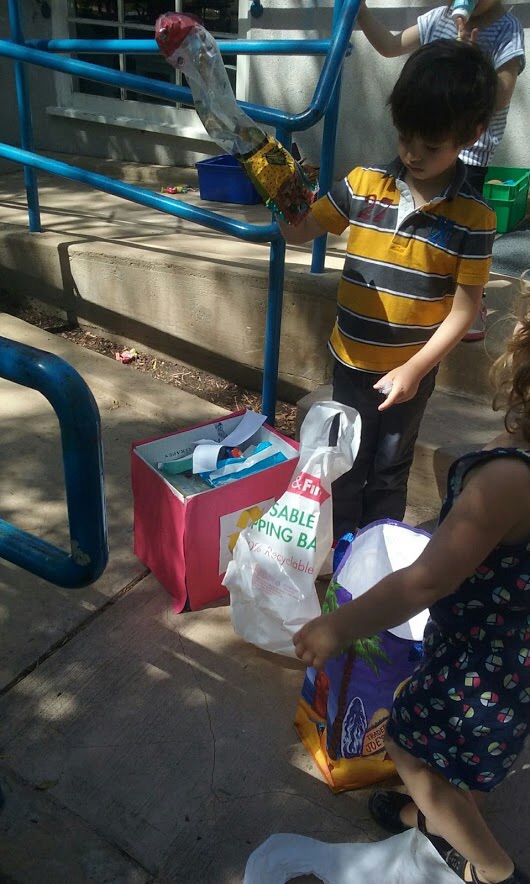
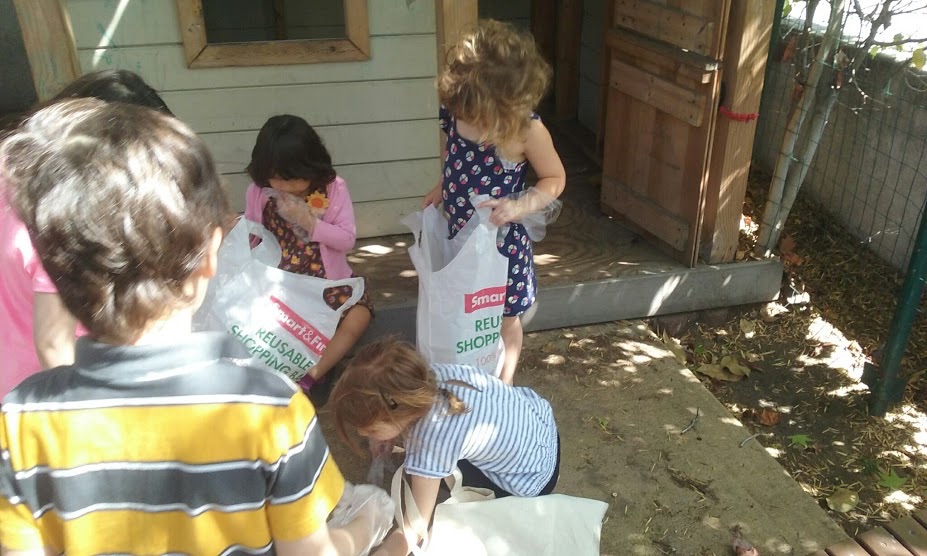
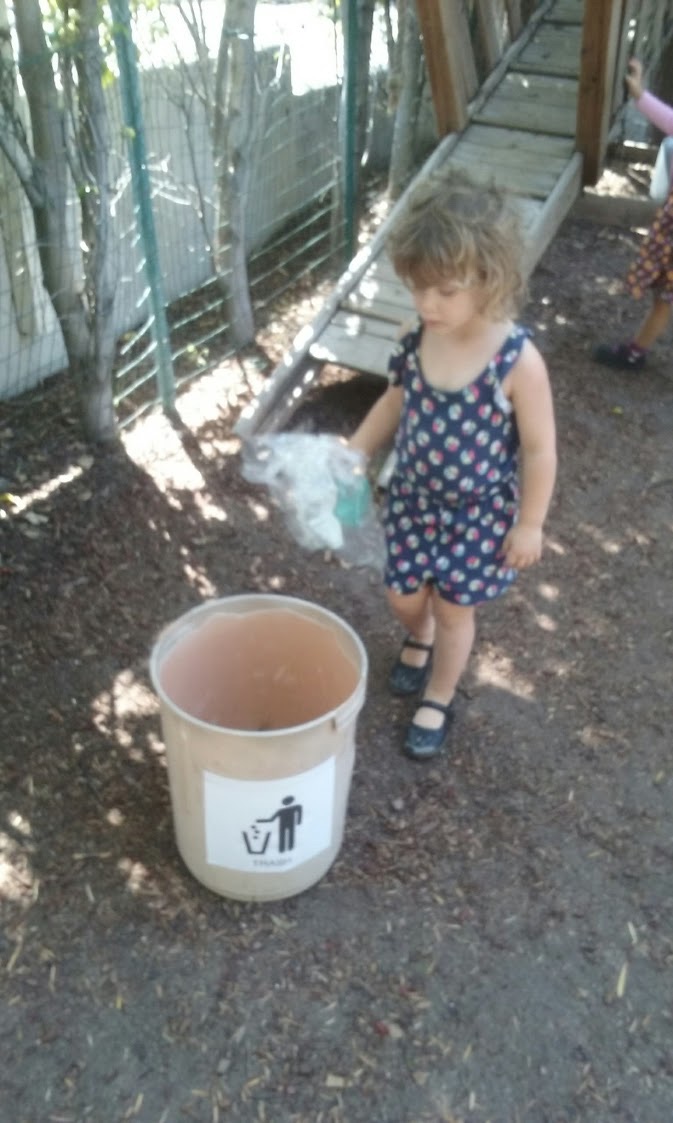
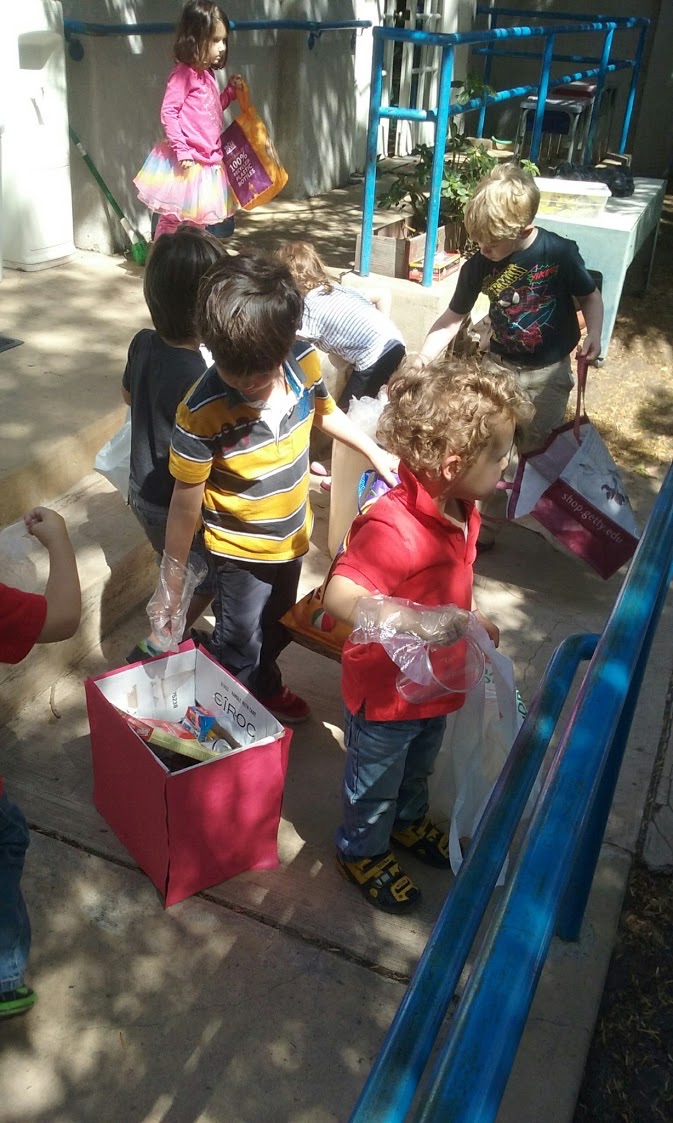
Because we are still focusing on all things recycling, we learned about how important it is to clean up after ourselves.

image

image image  image  image

image

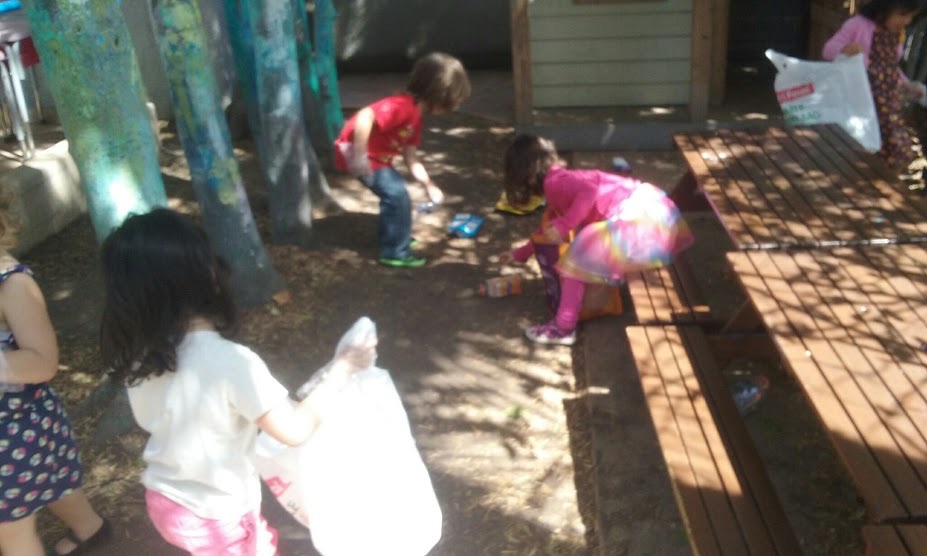
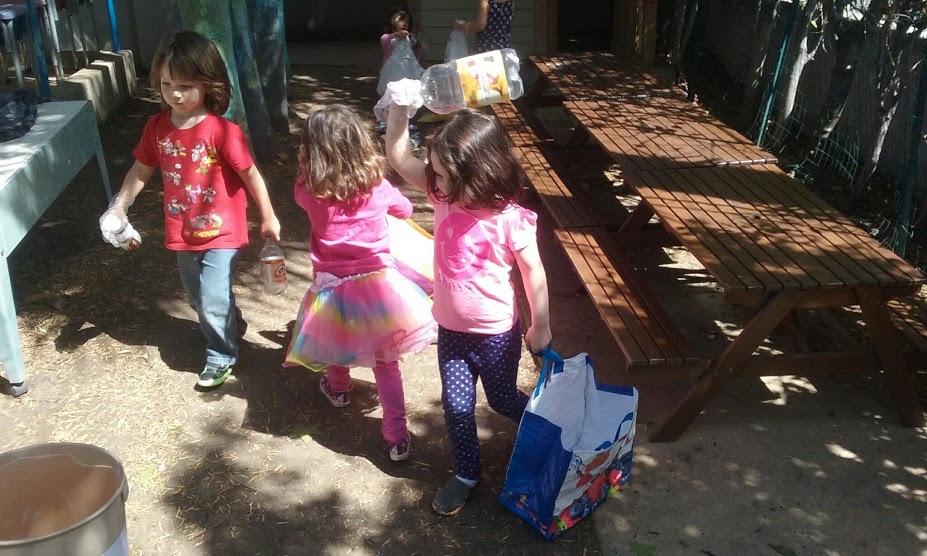
We initially learned about what the word “litter” and “recycle” mean, and then we went on a make believe clean-up in the front yard playground.

image

image

image

The children sorted their trash according to “cans” and “other trash”.

image

image

image

By teaching out little ones about conservation, we are encouraging them to be good custodians of their own future.

image

image

Playdoh Planets

Young children do not think in two dimensions.

20180716_102306_hdr

If they are presented with a picture, they are often unable to truly grasp its meaning, because they are not yet capable of symbolic thought.

20180716_154028

It is therefore imperative that they are given every opportunity to participate in their learning on three dimensions.

20180716_153850_hdr

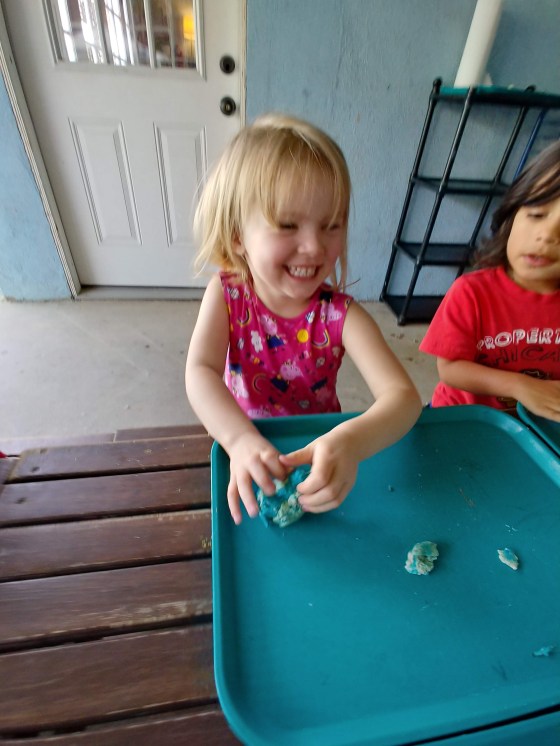
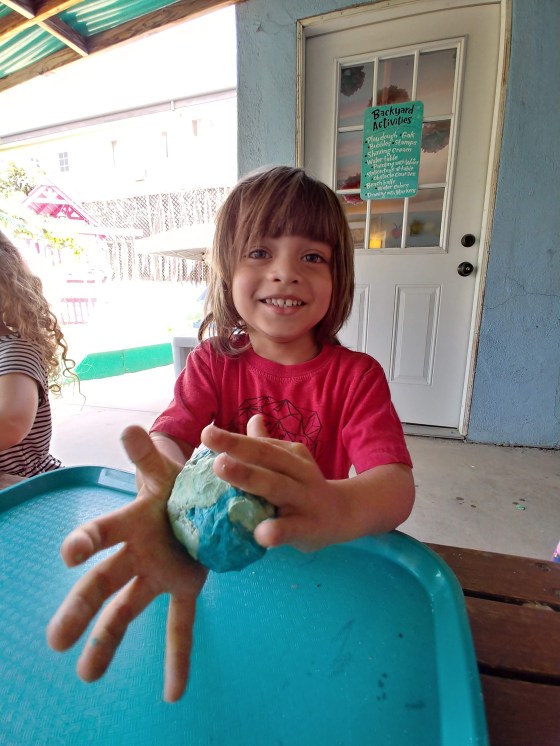
Play dough provides the perfect medium for this. For this activity, we created the planet Earth out of blue and green play dough.
20180716_102109_hdr

Our older students then used a tape measure to measure the circumference of their planets. The tactile experience of manipulating play dough helps children develop a deeper understanding of how matter changes (physics) and encourages them to use scientific thinking as they observe changes, make predictions, and talk through differences in the materials they are using. The fine motor skills needed for writing and drawing are also refined as children roll, poke, and shape their play dough creations.


Trash Sculptures

Preschoolers love to explore the world around them.

trash5

trash

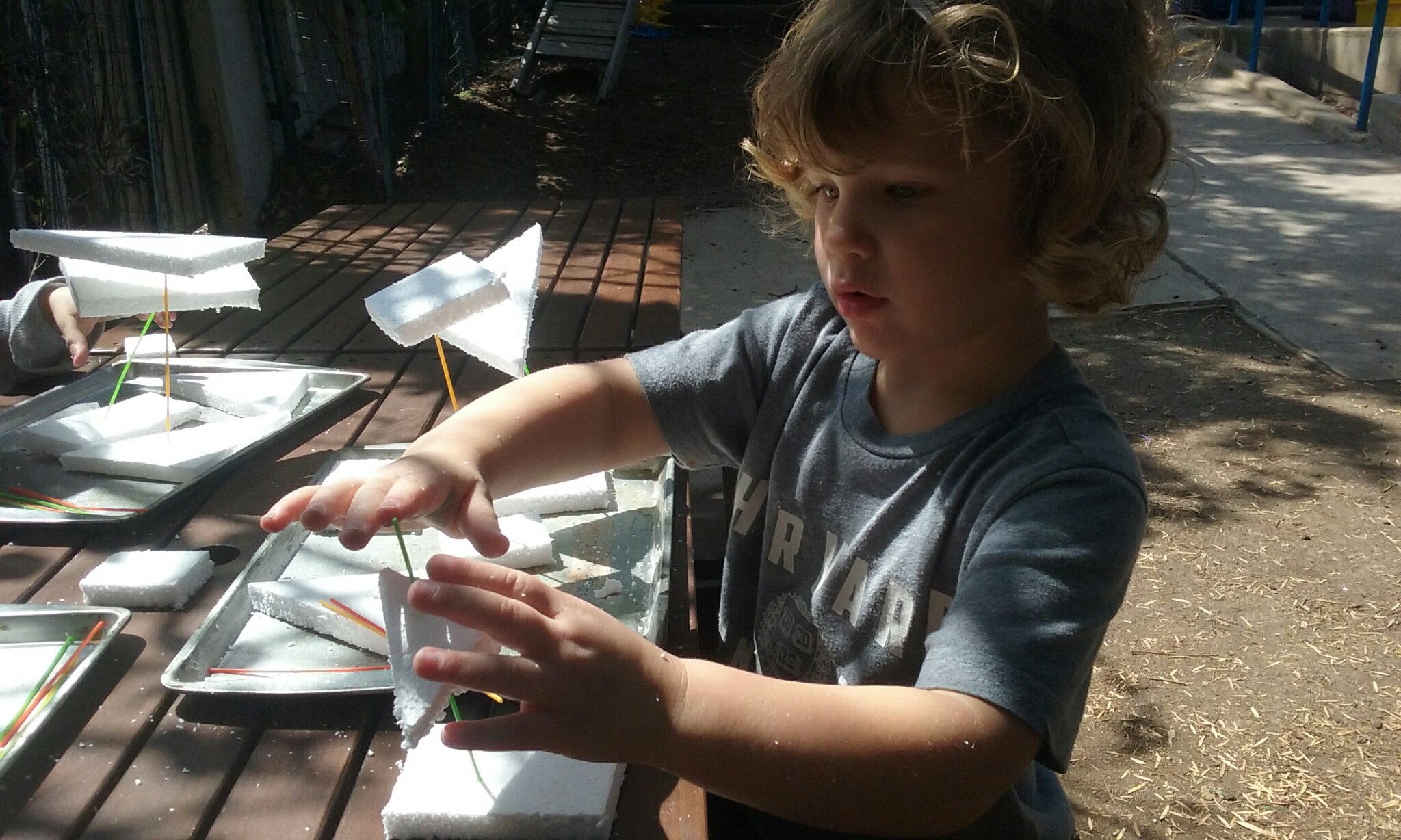
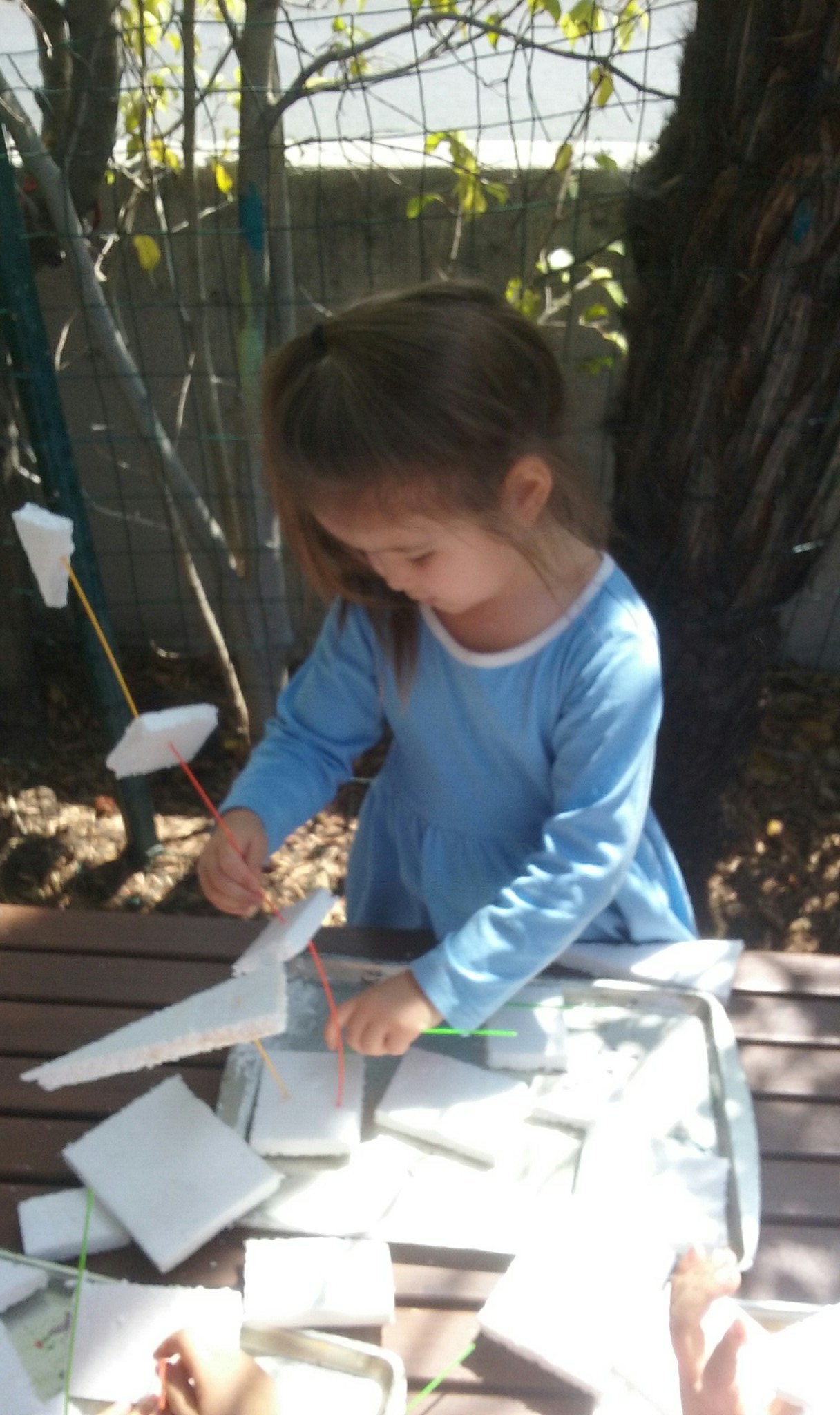
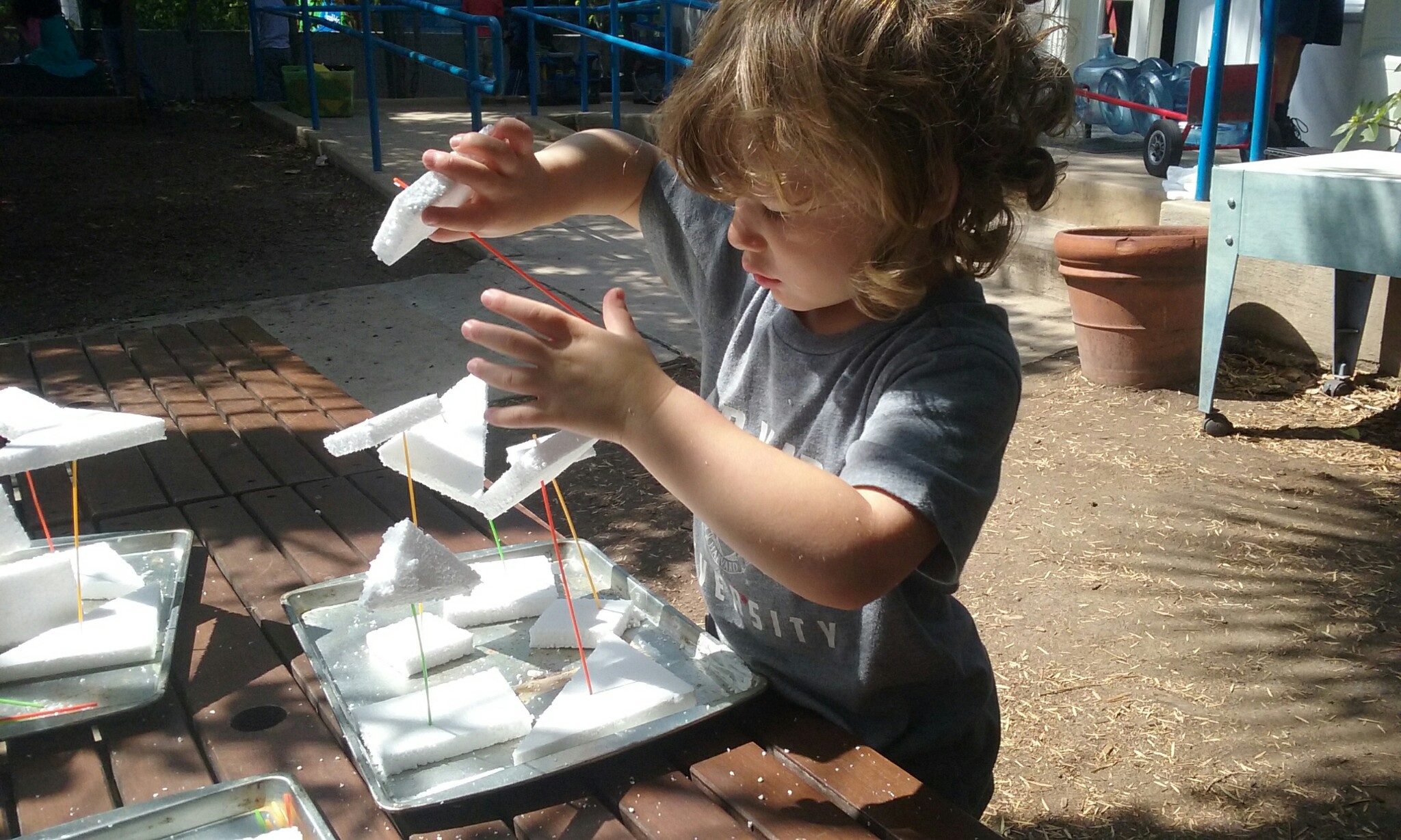
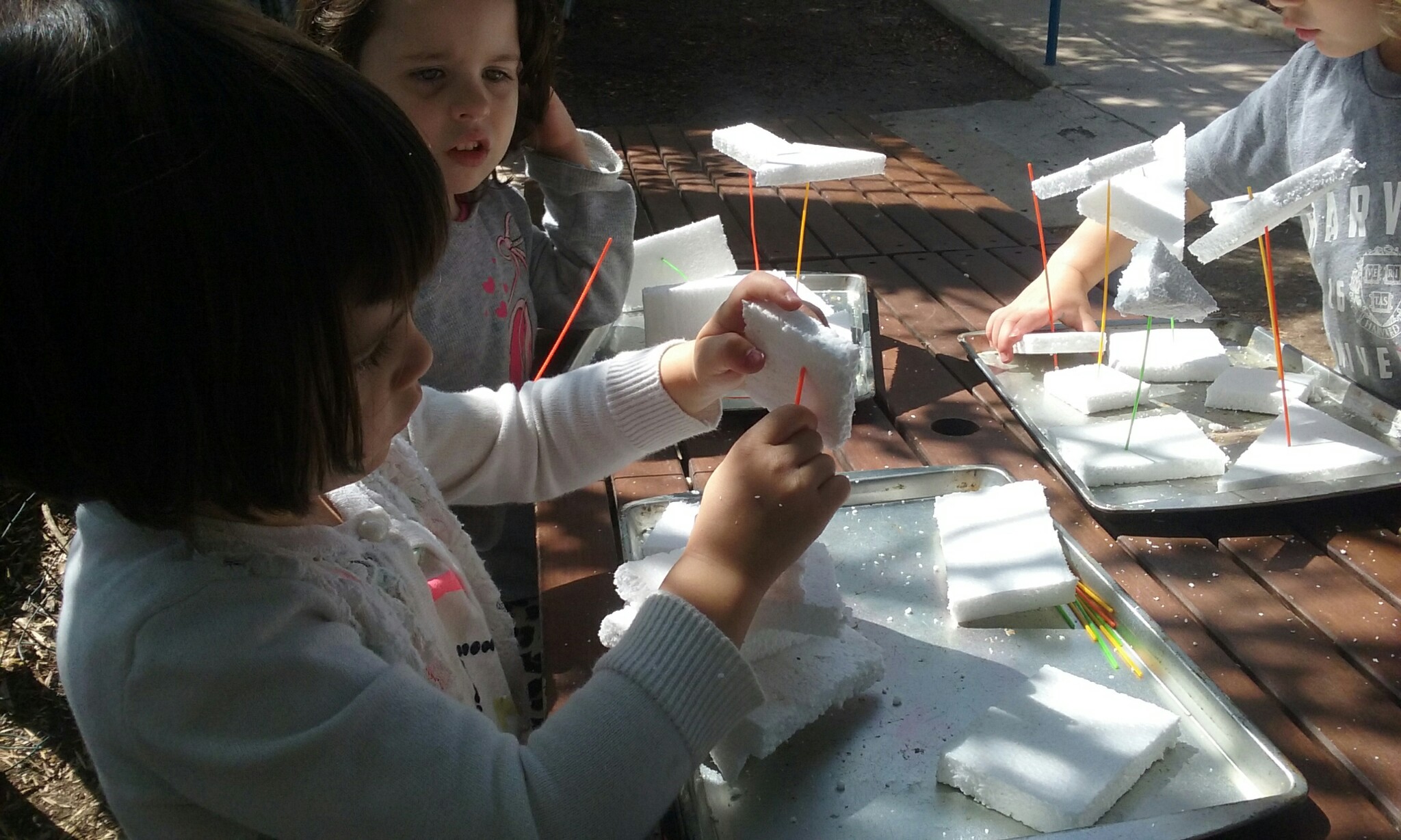
To help teach your little ones about the principles of recycling, we created sculptures out of trash!

trash2

This activity allowed for the repurposing of discarded materials (styrofoam) to help your students learn about the importance of reusing materials.

trash6

trash3

This project also enabled your children to access their imaginations and creativity by providing them with three-dimensional materials.

trash7

trash4

Waltzing Threes

Recent research tells us that young children are naturally curious about math in the world around them. Preschoolers love to learn by doing — engaging their minds, connecting with their senses, and tapping into their enthusiasm. Research reinforces the value of letting them learn about math through hands-on games and activities they enjoy.

waltz

One surprising research finding is that, while young children appear to learn to read best by mastering skills in an orderly, linear fashion (e.g., print awareness first, then phonics, etc.), the “normal” learning curve in math can vary from one child to the next.

waltz2

In fact, some children seem to be able to understand and engage in certain math activities without first having mastered other, simpler counting and math-related tasks. Since we have been learning about the number 3, your little one participated in an activity designed to strengthen their understanding of it.

waltz3

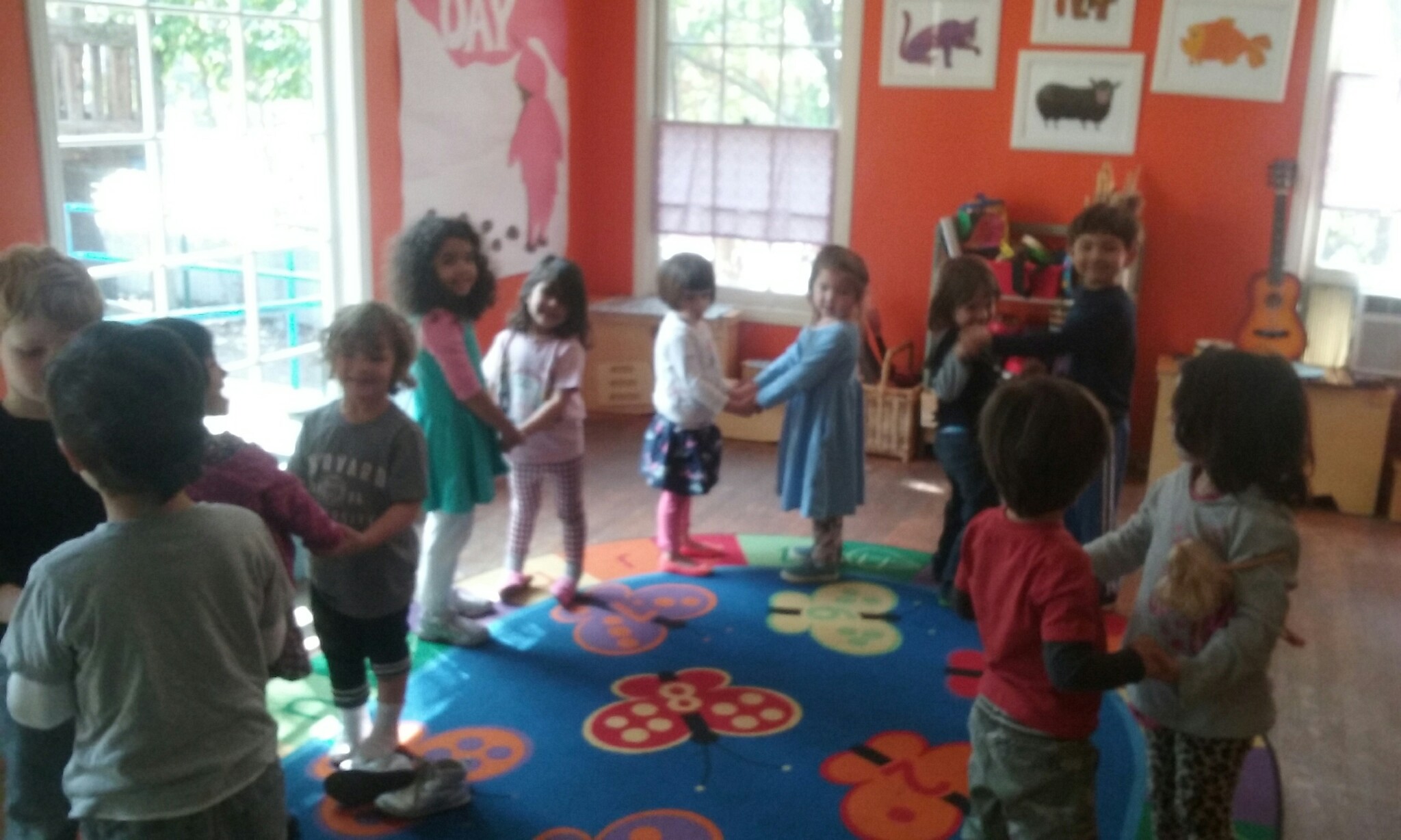
We learned about the waltz, and how it is composed of the beats 1-2-3. With a partner, your little ones practiced chanting “1,2,3” as they danced around the room to the Blue Danube Waltz.

waltz4

Calendar Time

Time is a hard concept for preschoolers.

calendar

It isn’t something that they can touch, feel and explore. Without the ability to tangibly interact with time, children need adults who understand the concept to help them learn about time.

calendar4

For our class, we use a calendar that we visit every day at circle time! We use words while doing so to indicate time such as yesterday, today and tomorrow.

calendar2

When these words are used in context, especially in conjunction with a calendar, it helps make the concept of time more concrete.

calendar5

To help make learning the month of April more individualized to your little one, each student is given their own calendar that they work with every day during circle time. Using stars, we mark off the days together! By participating in the act of counting the days, they are able to gain a stronger grasp on how time passes.

calendar3