Sensory Play on Mars

Sensory Play includes any activity that stimulates your young child’s senses: touch, smell, taste, movement, balance, sight and hearing.

Sensory activities facilitate exploration and naturally encourage children to use scientific processes while they play, create, investigate and explore.

The sensory activities allow children to refine their thresholds for different sensory information helping their brain to create stronger connections to process and respond to sensory information.

20180719_101722

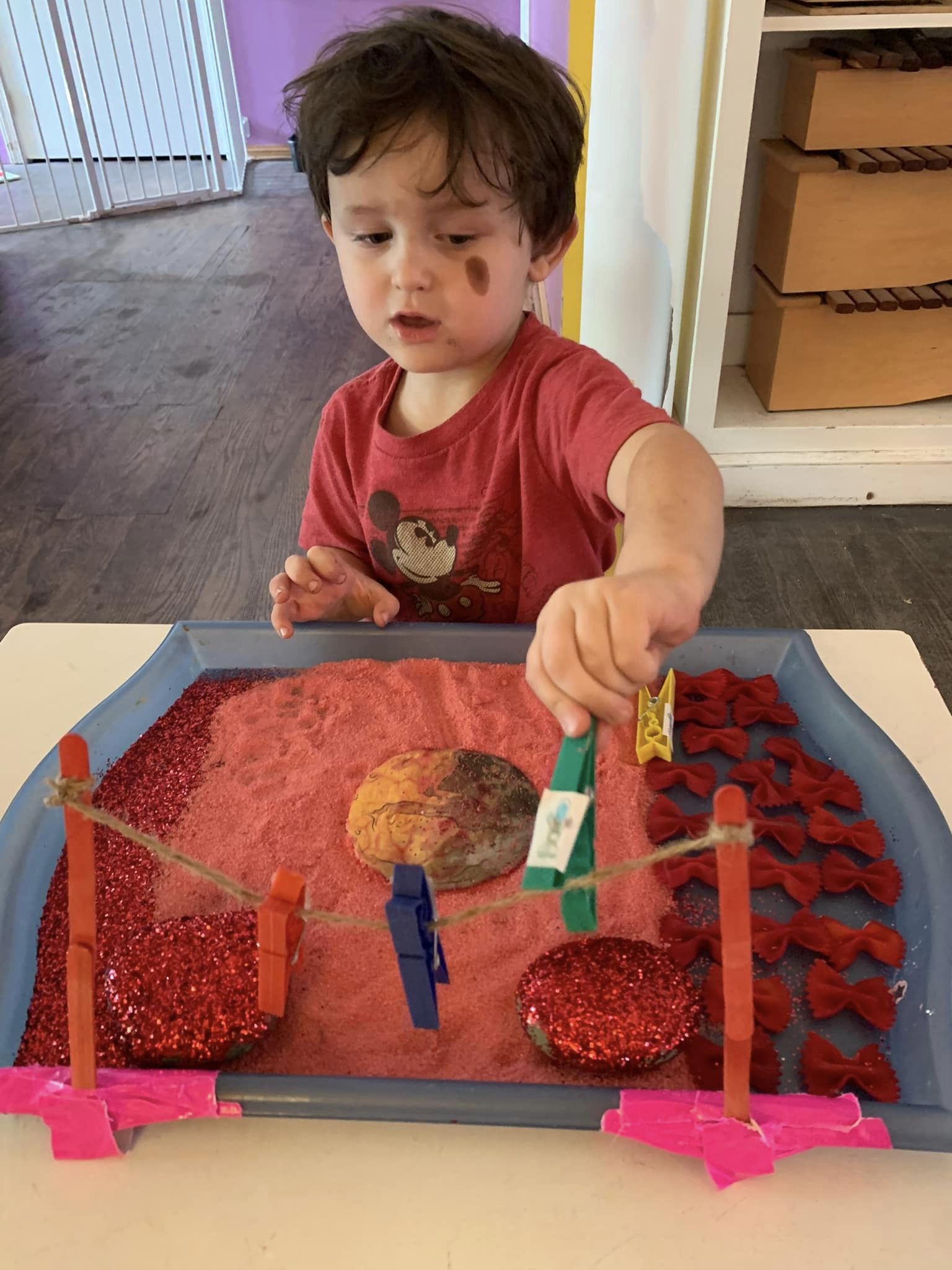
As part of our Planet’s week, we decided to create the surface of Mars.

With some pasta, red sand, and kidney beans, we learned about the composition of the soil on Mars, and then we made it!

Neptune: Planet of Diamonds

Scientists have long thought that massive planets like Neptune and Uranus which contain relatively tiny rocky cores covered with a mantle of slurried water, ammonia, and methane ices and surrounded by a thick atmosphere—are subject to rain made with literal diamonds.

20180718_154435_hdr

Now researchers have synthesized the process in a lab, showing how such conditions might occur. Their results support this idea.

20180718_154041_hdr

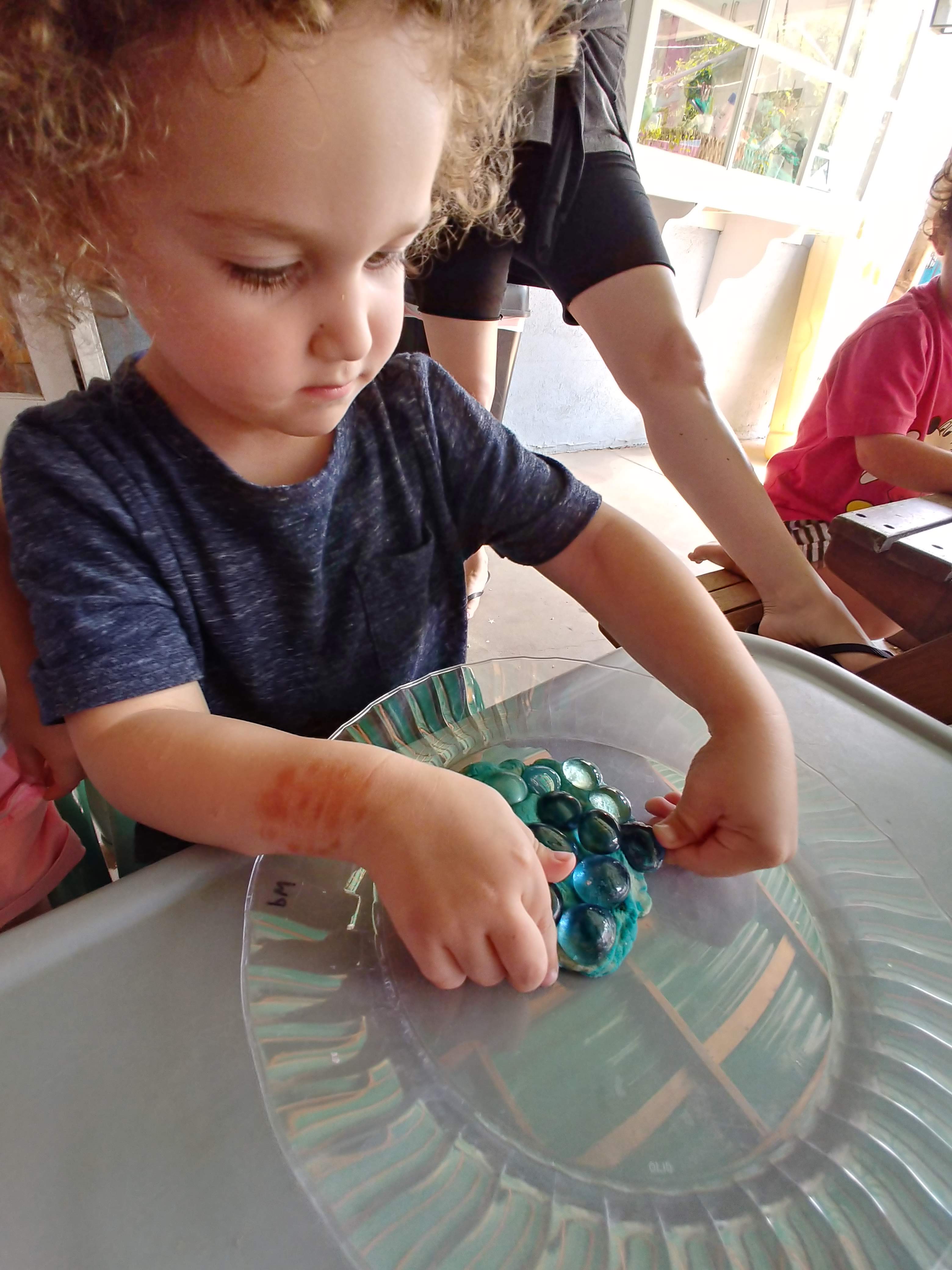
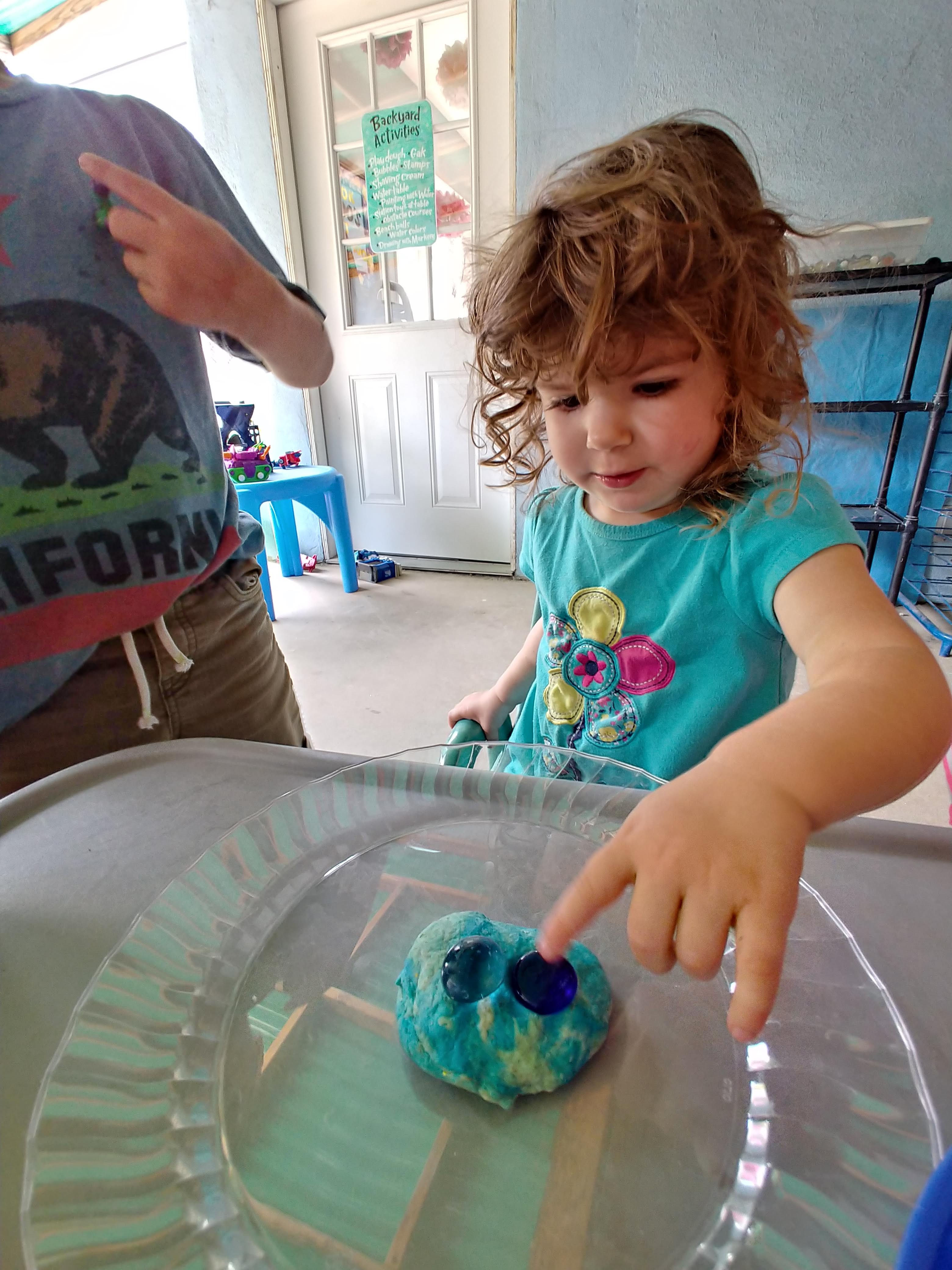
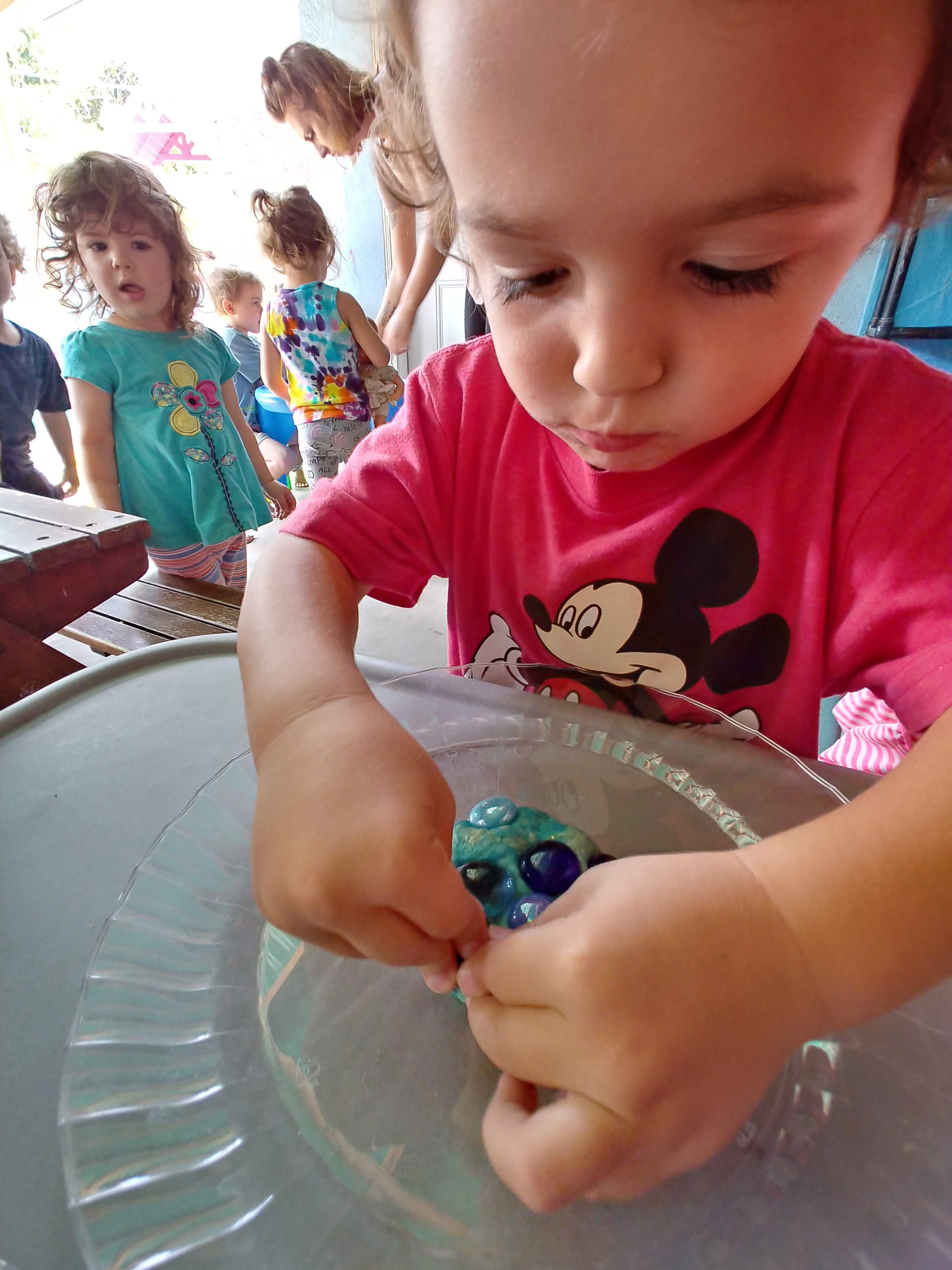
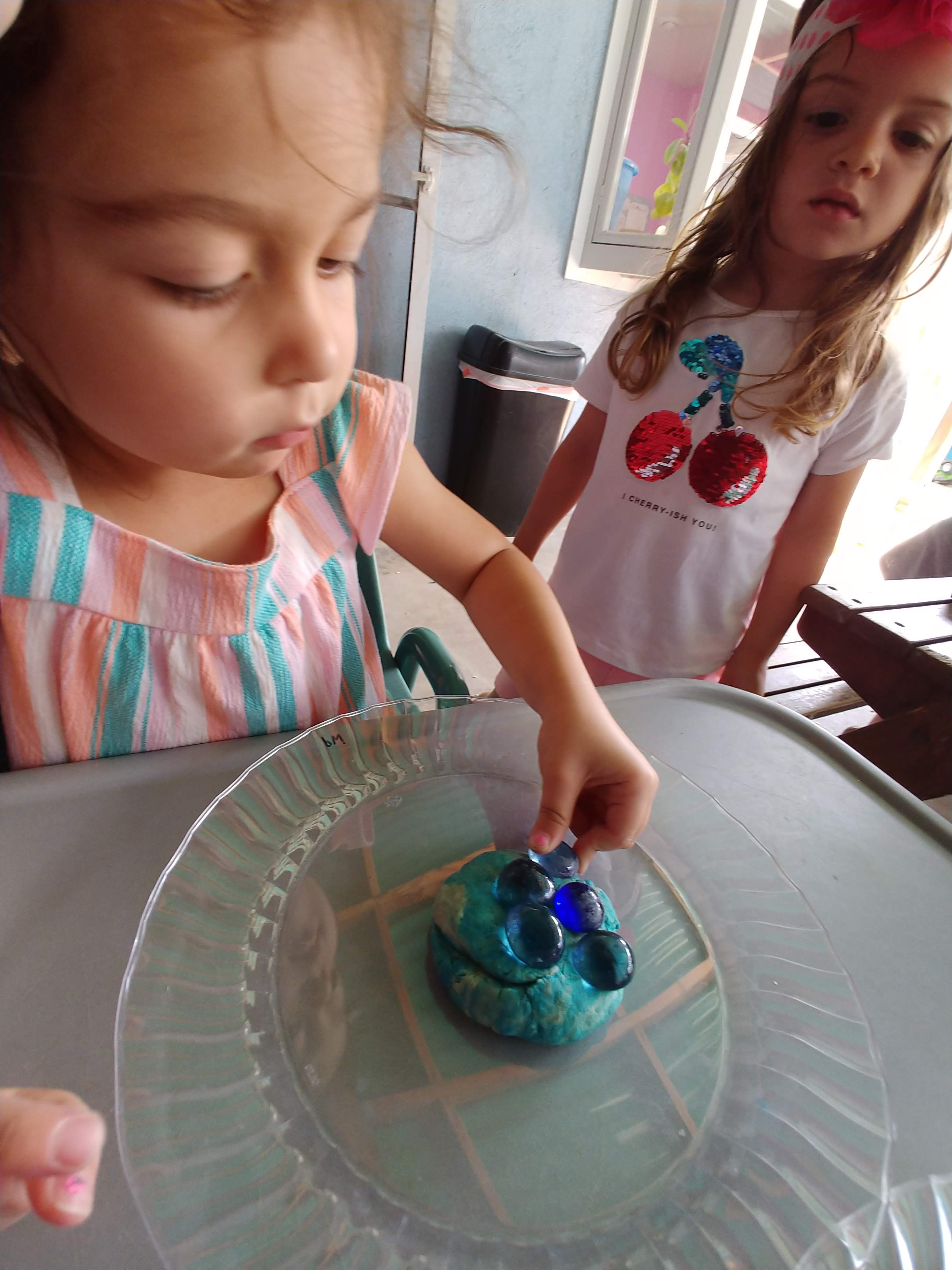
To recreate this process in our class, we created our very own Neptune s with glass beads and play dough. In our classroom, we love to play with play dough because it has so many developmental benefits!

20180718_153853_hdr

For one, improves fine motor skills as students manipulate the dough. Secondly, it encourages divergent thinking as students build their own creations. Lastly, it builds creativity, as students use their imaginations!

20180718_153802

Dissolving Neptune

Dark, cold and whipped by supersonic winds, ice giant Neptune is the eighth and most distant planet in our solar system.

20180718_102713

More than 30 times as far from the Sun as Earth, Neptune is the only planet in our solar system not visible to the naked eye. Neptune’s atmosphere is made from about 80 percent hydrogen and 19 percent helium.

20180718_102812_hdr

It also contains a small amount water and methane, which give rise to the green-bluish color. The dark blue and bright white features of the atmosphere help distinguish Neptune from Uranus.

20180718_102625_hdr

The thin cirrus-like white clouds contain methane ice. When hydrocarbon snowflakes form in Neptune’s atmosphere they melt before reaching the surface because of the high pressure. The fastest winds in the Solar System blow on Neptune.

20180718_102057

With speeds of about 1,240 mph, they are five times faster than the strongest winds on Earth! To help your little ones understand the vast gases of Neptune, we created our very own!

20180718_102659

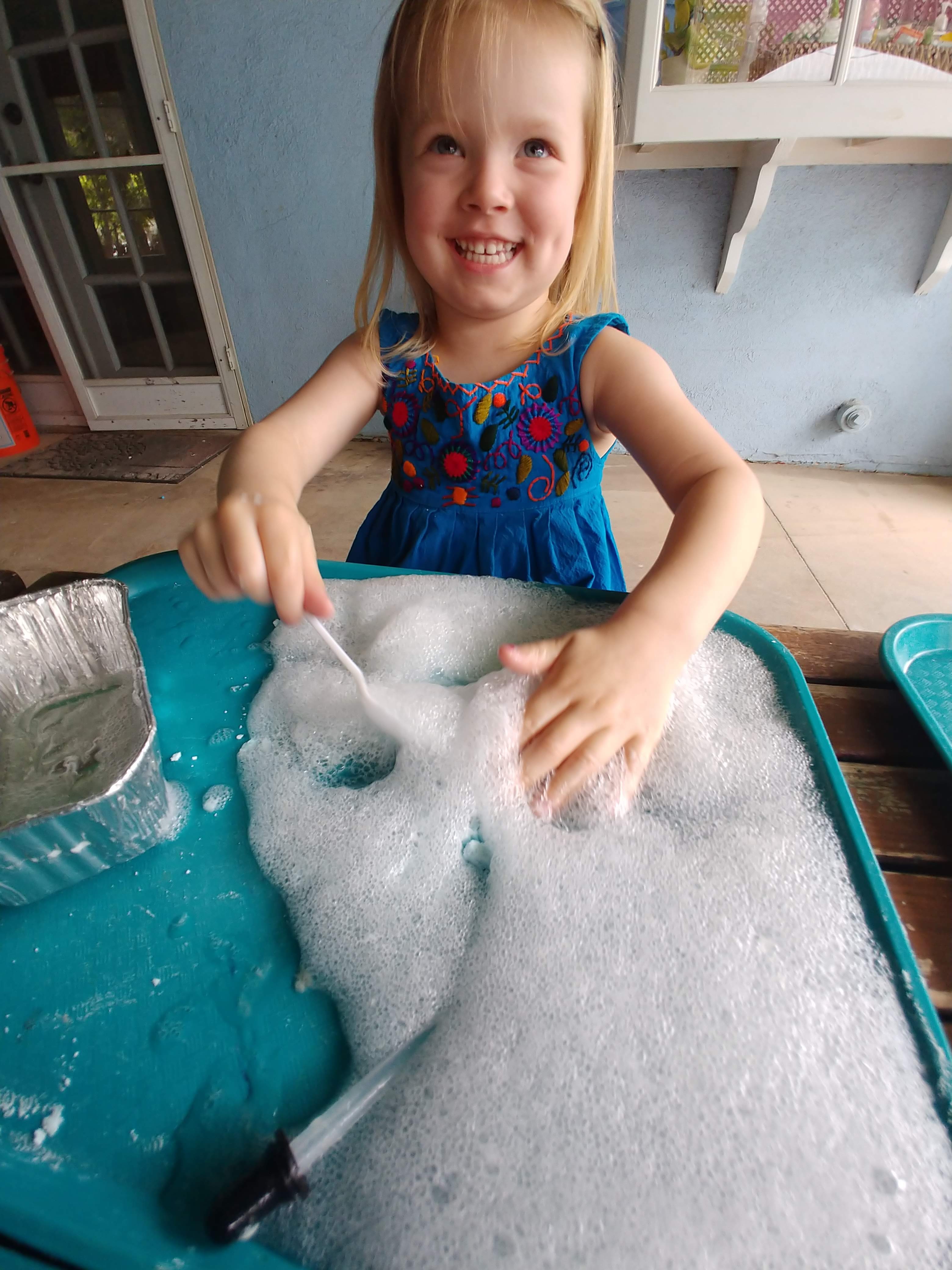
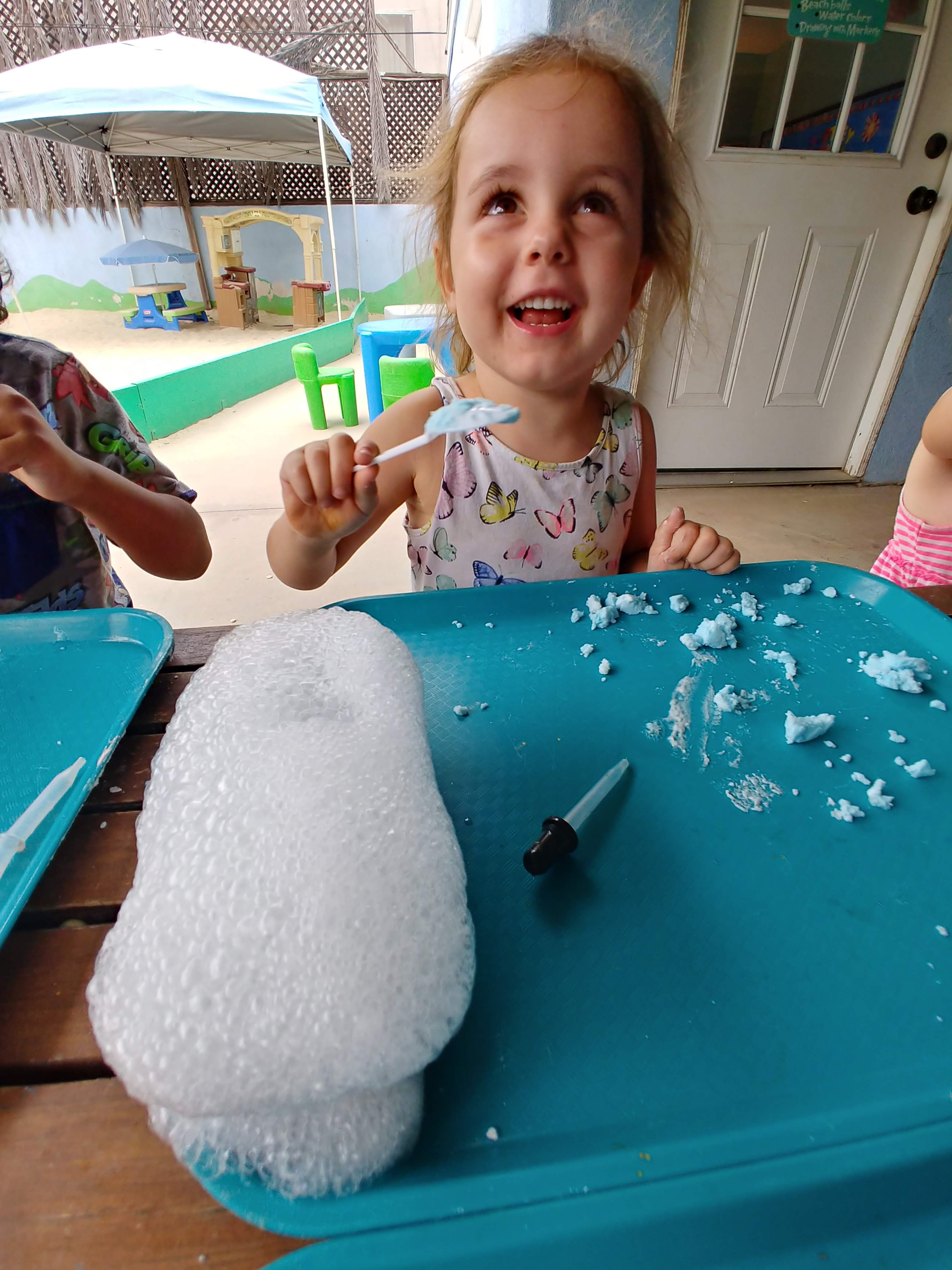
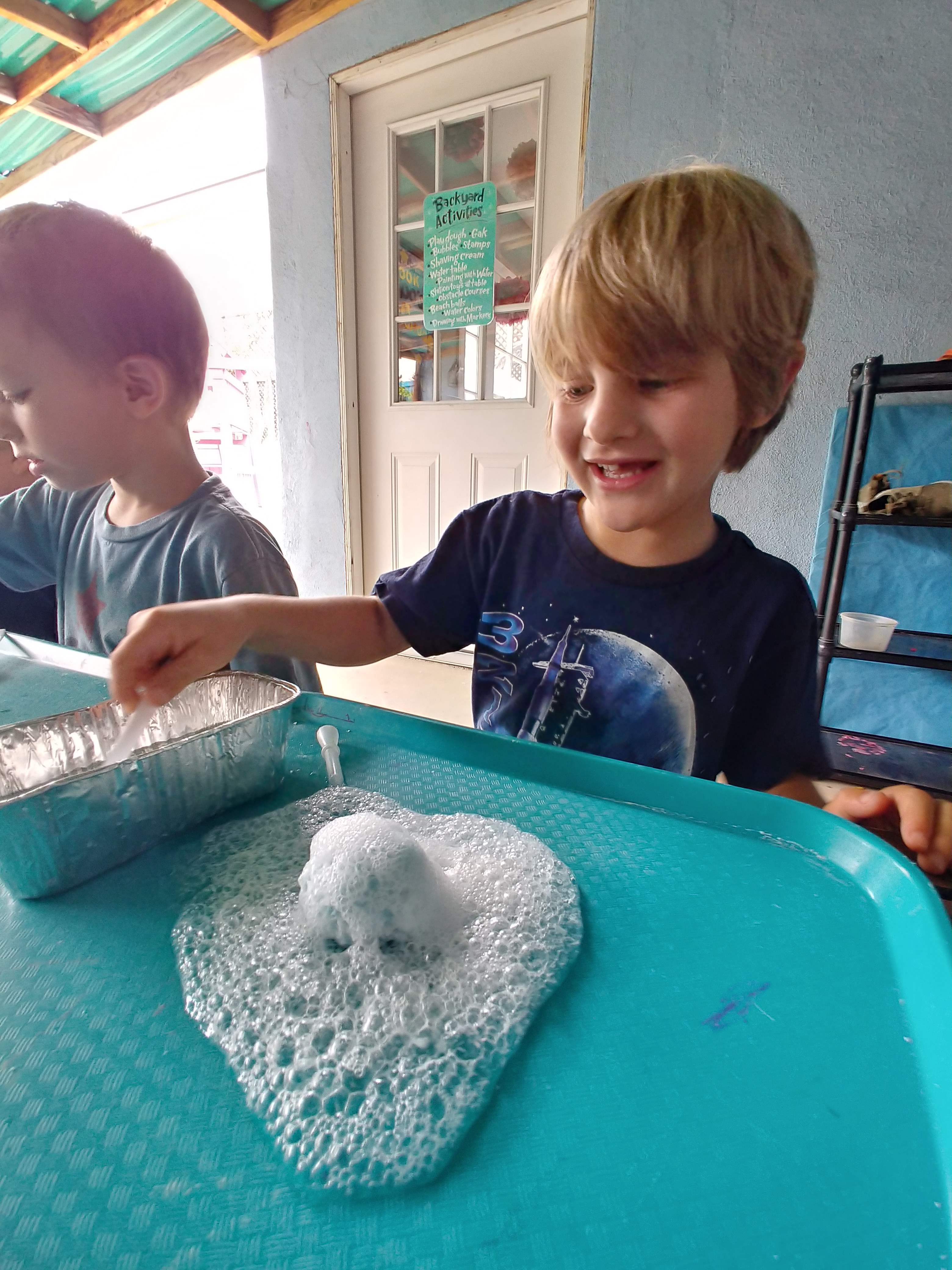
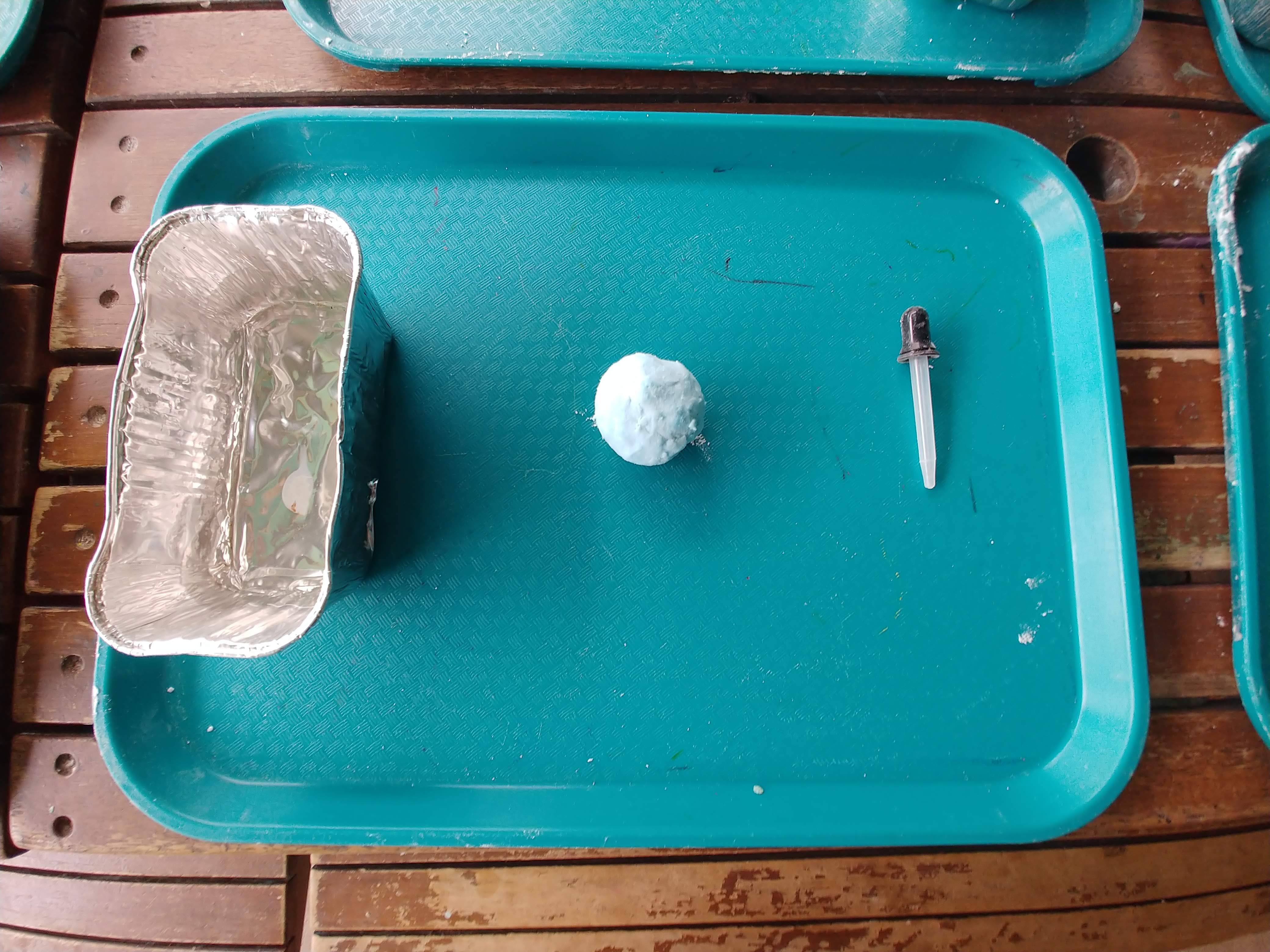
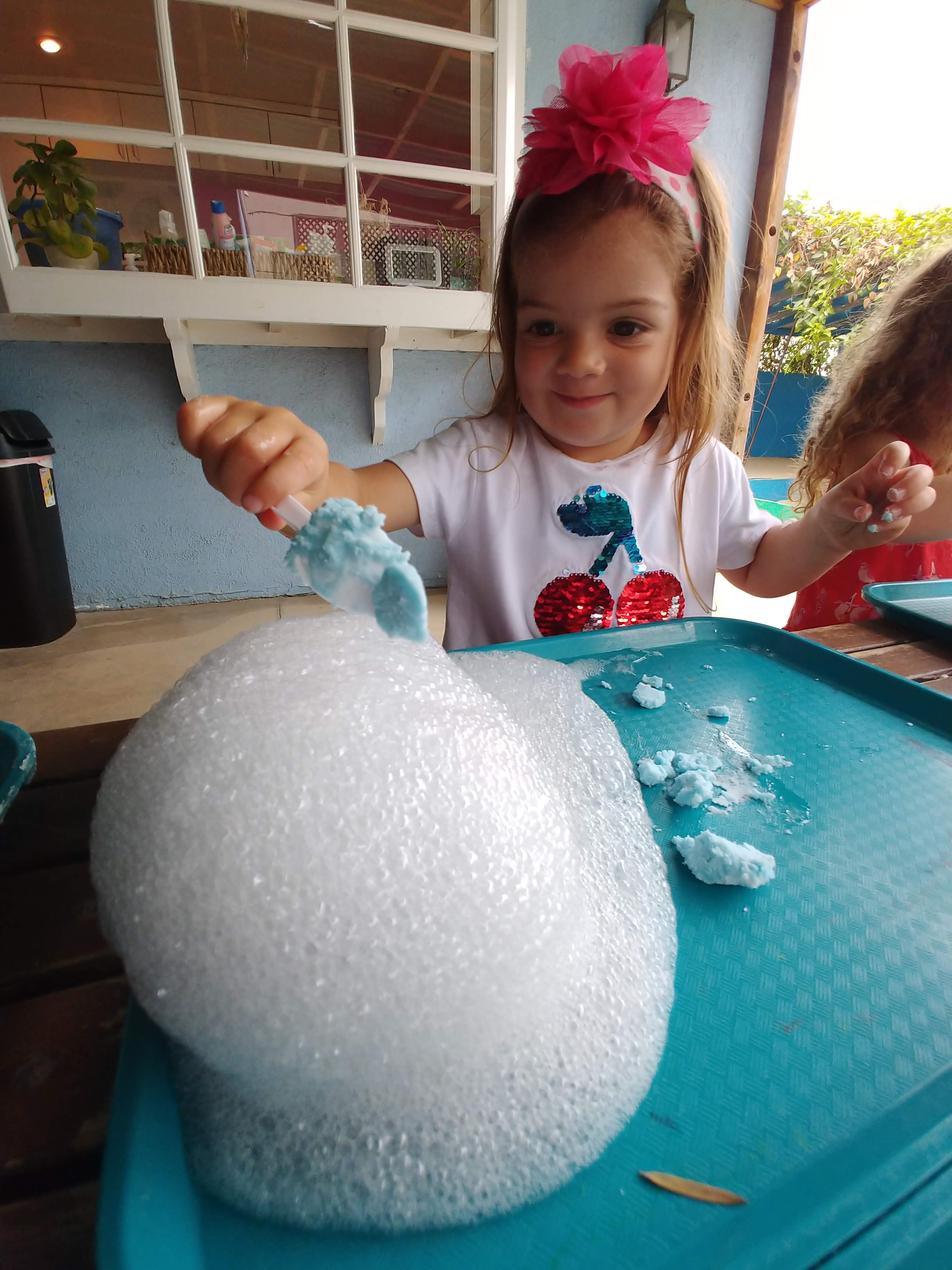
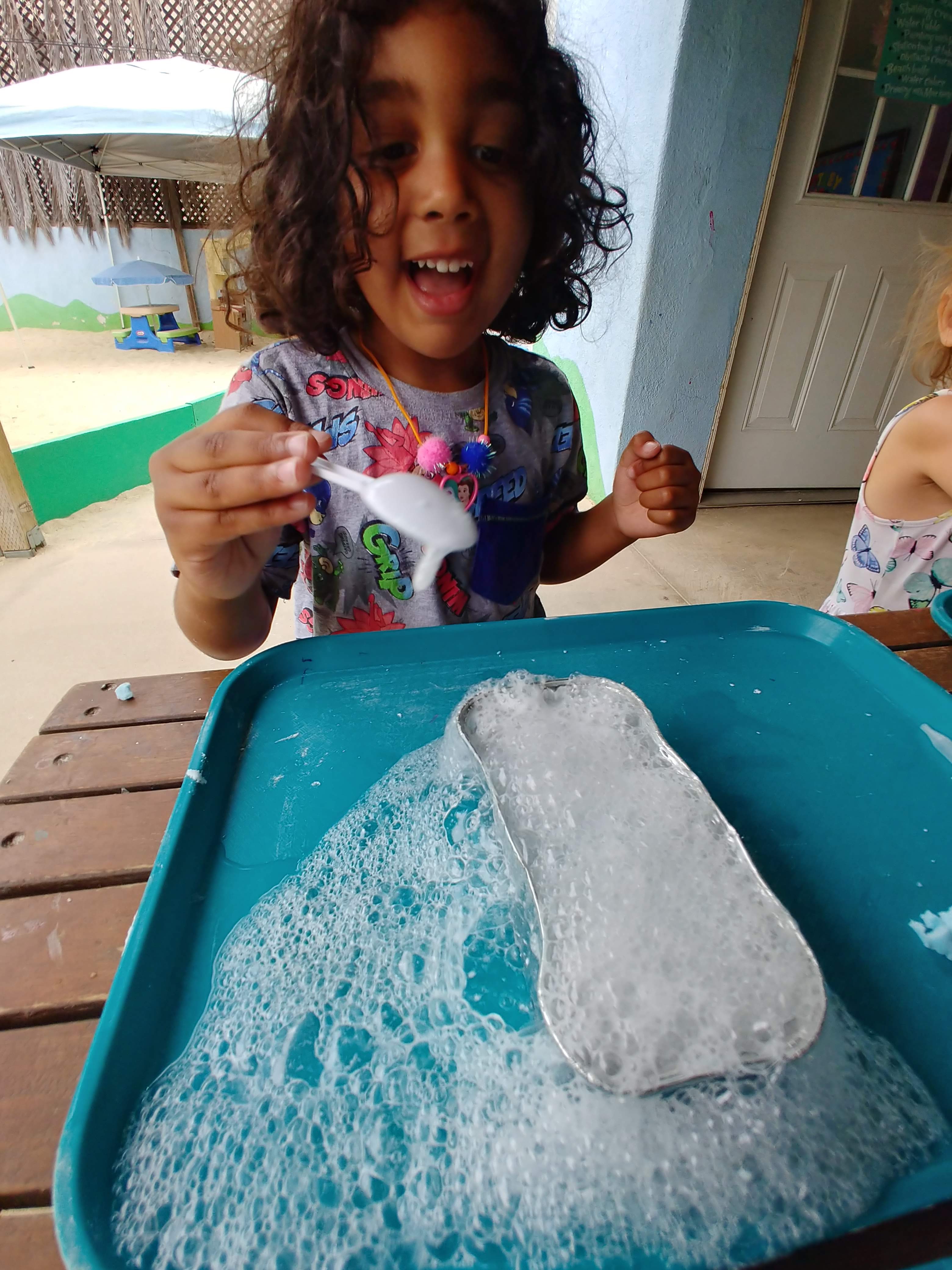
Using baking soda and lotion as our play dough, we constructed spheres that resembled the planet. We then used eye droppers to add vinegar to the dough, laughing as we watched.

20180718_102820_hdr


Rocket Blocks

Hands-on learning is an integral component in early childhood education.
The manipulation and experimenting of materials provide a reference of learned concepts, and enables young children to construct meaningful experiences that aid their ability to commit new information to memory.
For this activity, your little one learned about how rockets are built.
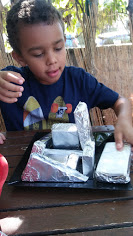
To help them connect with this idea, they created rockets out of blocks covered in aluminum foil.  rocketblock1

Explosion Science

For young children, the magic of learning occurs in the relationship between cause and effect. Some of the best preschool activities are science related. This occurs because preschool children are inquisitive and open-minded, perfect traits for budding young scientists!

fizzyspace1

This is a lot of fun for them because young children are truly mesmerized by chemical reactions, love exploring nature, and jump to build things. During our week of rockets, we learned all about rocket fuel.

fizzyspace3

We talked about how rockets are able to be lifted and how this happens because of planned explosions that occur within the engine.

fizzyspace2

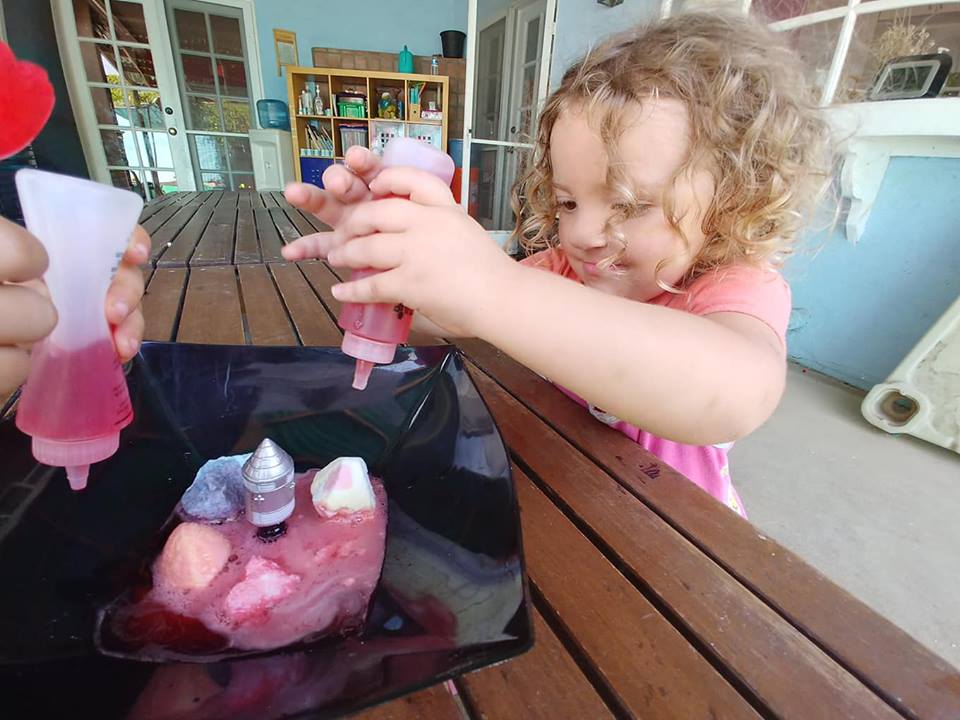
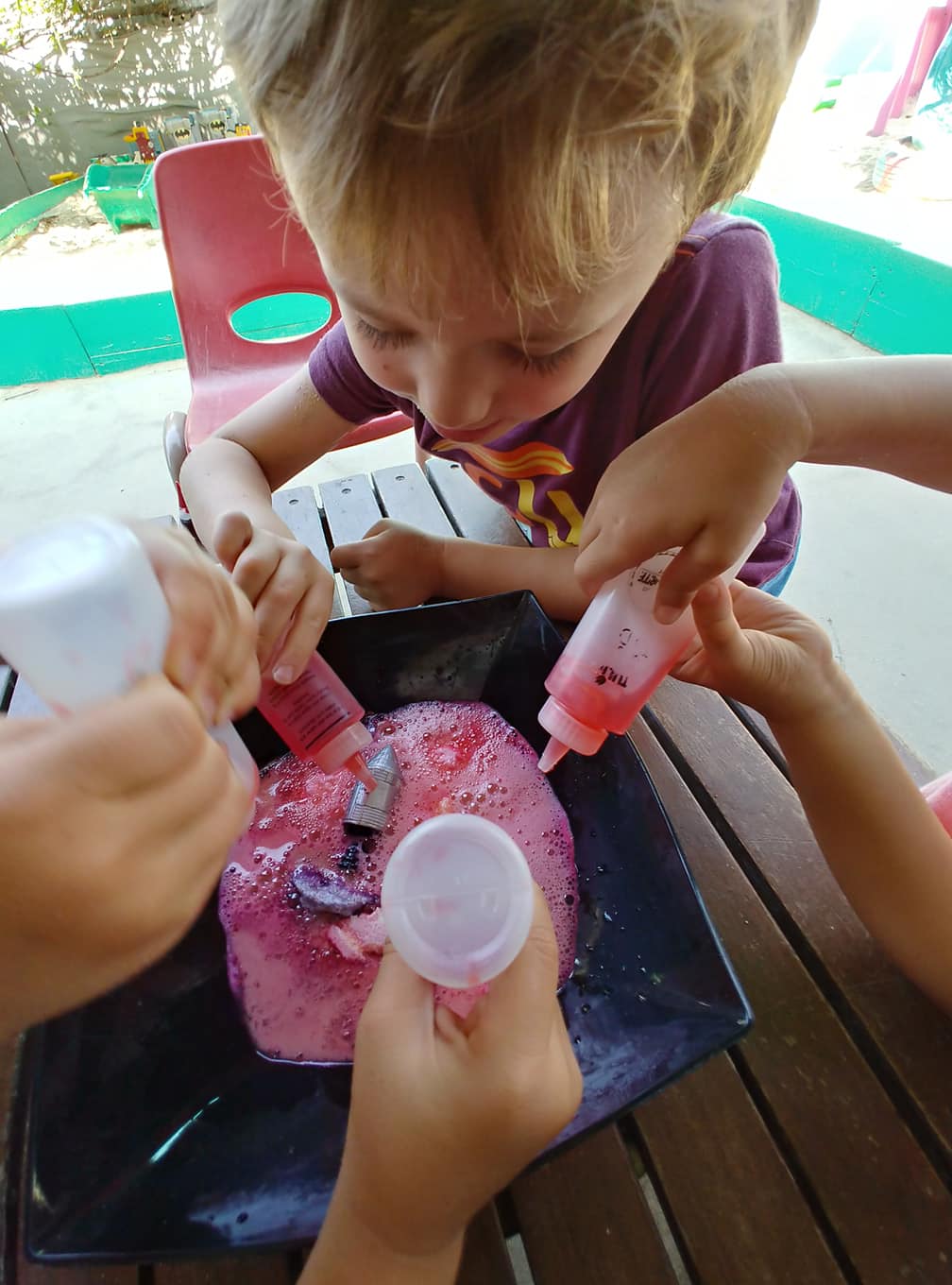
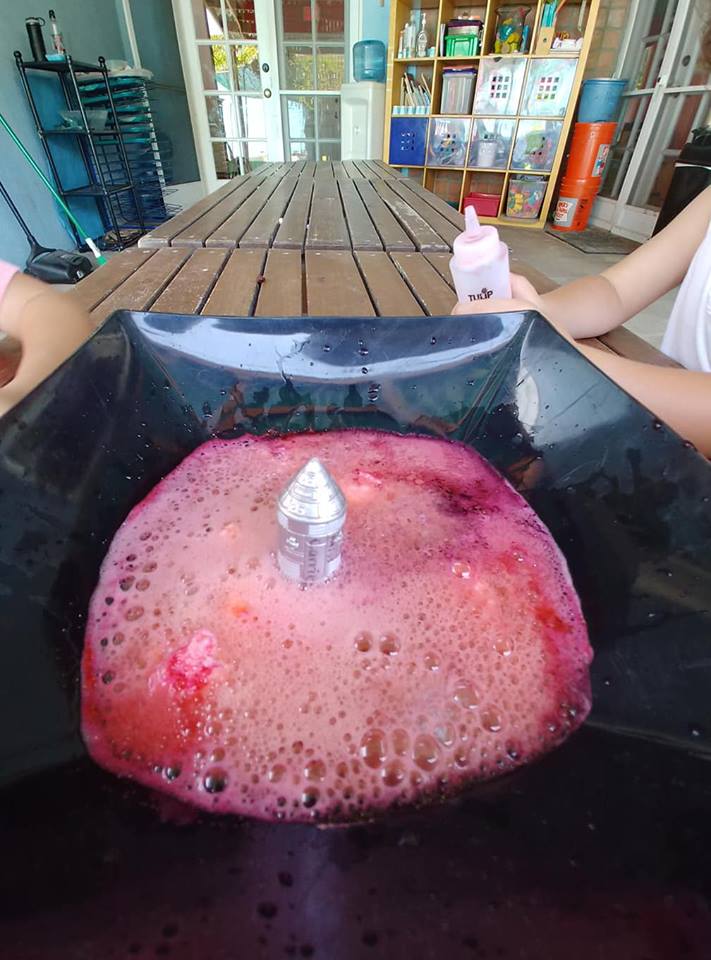
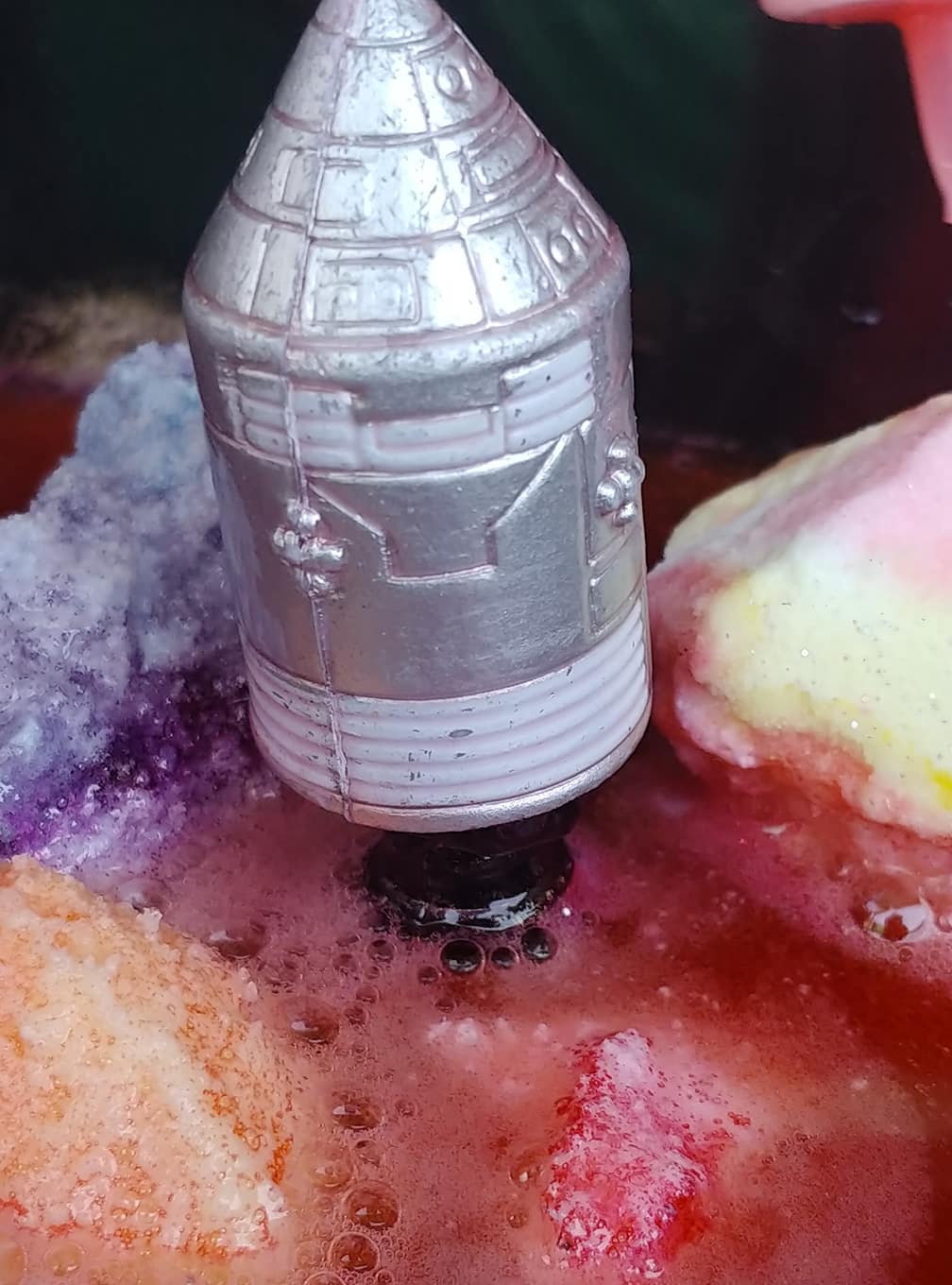
To demonstrate this, we created chemical reactions out of bath bombs. We first placed a rocket inside a bowl and surrounded it with the crystals of the “bombs.” We then added water and watched as the material fizzled and sizzled before our very eyes! In some cases, the reaction was so strong that it knocked the rocket over!

fizzyspace

Planet Sequencing

Although the concept of planet order is an abstract one for young learners to understand, the ability to sequence objects is not.

20180717_103411

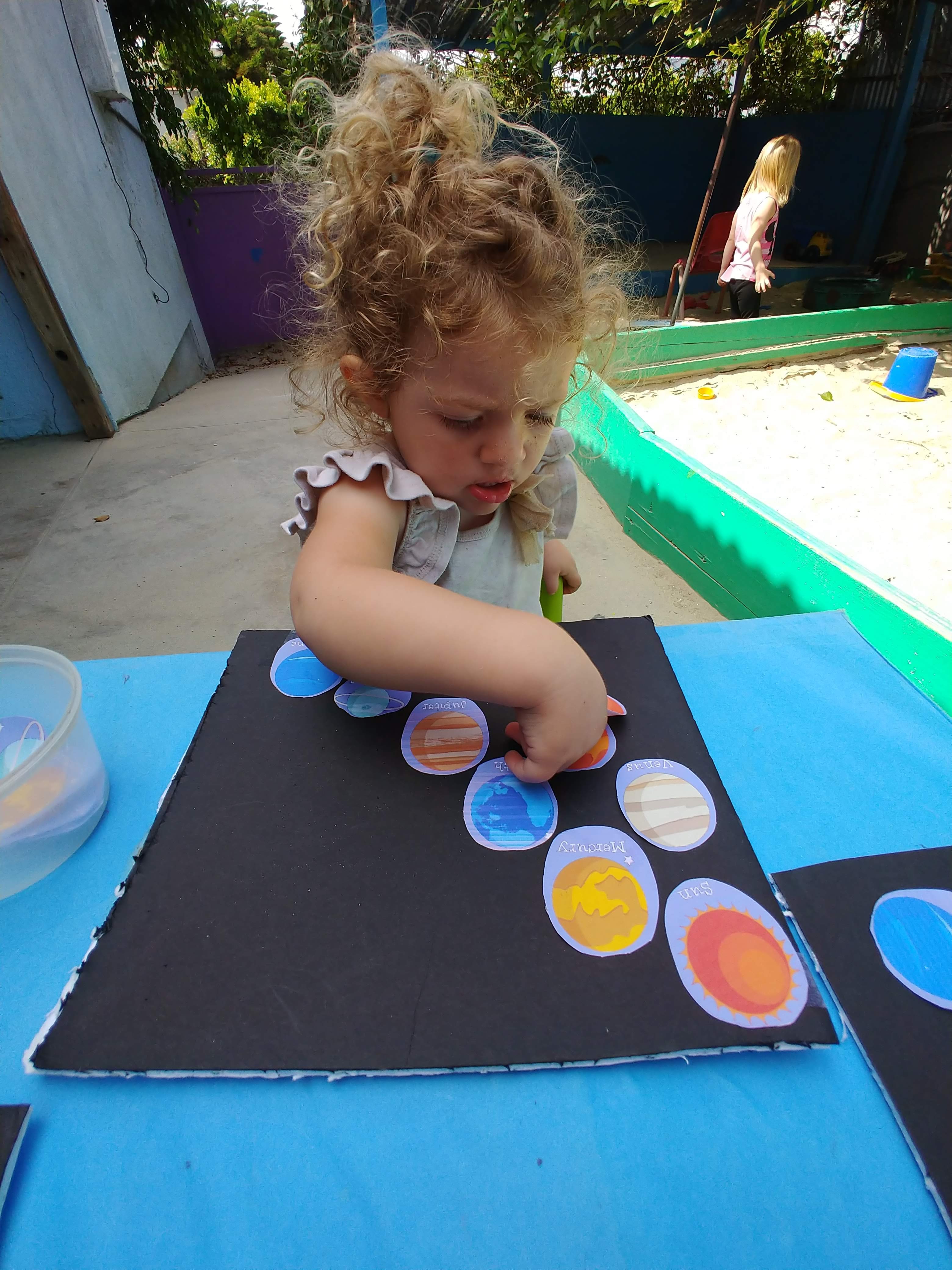
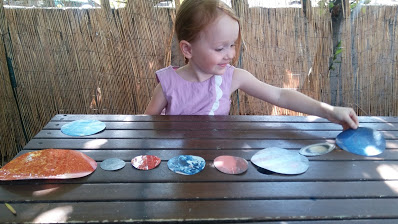
For this activity, we placed the eight planets in order, starting with the sun. To learn the names of each planet, we sang a song during circle time that we practiced every day for a week.


20180717_103141_hdr

We sang to the tune of Skip to My Lou, and the lyrics involved the words: Mercury, Venus, Earth, Mars. Jupiter, Saturn, among the stars.

20180717_102124

Uranus, and Neptune, too. Spin around the sun it’s true. Spinning, spinning around the sun. Spinning, spinning, everyone.

20180717_102807

The Earth is ours, it’s number three. It’s atmosphere is right for me. In addition to this, we created planet Earths out of play dough and played various games during circle time, where each student took turns being the sun, and the planets that rotated around him/her. It was definitely a week of fun and learning!

planet

Rocket Materials

Whens somebody mentions construction play, you may think of children being creative. Designing their own structures. Making something new.
rocket2

That sort of play is beneficial and exciting for development.
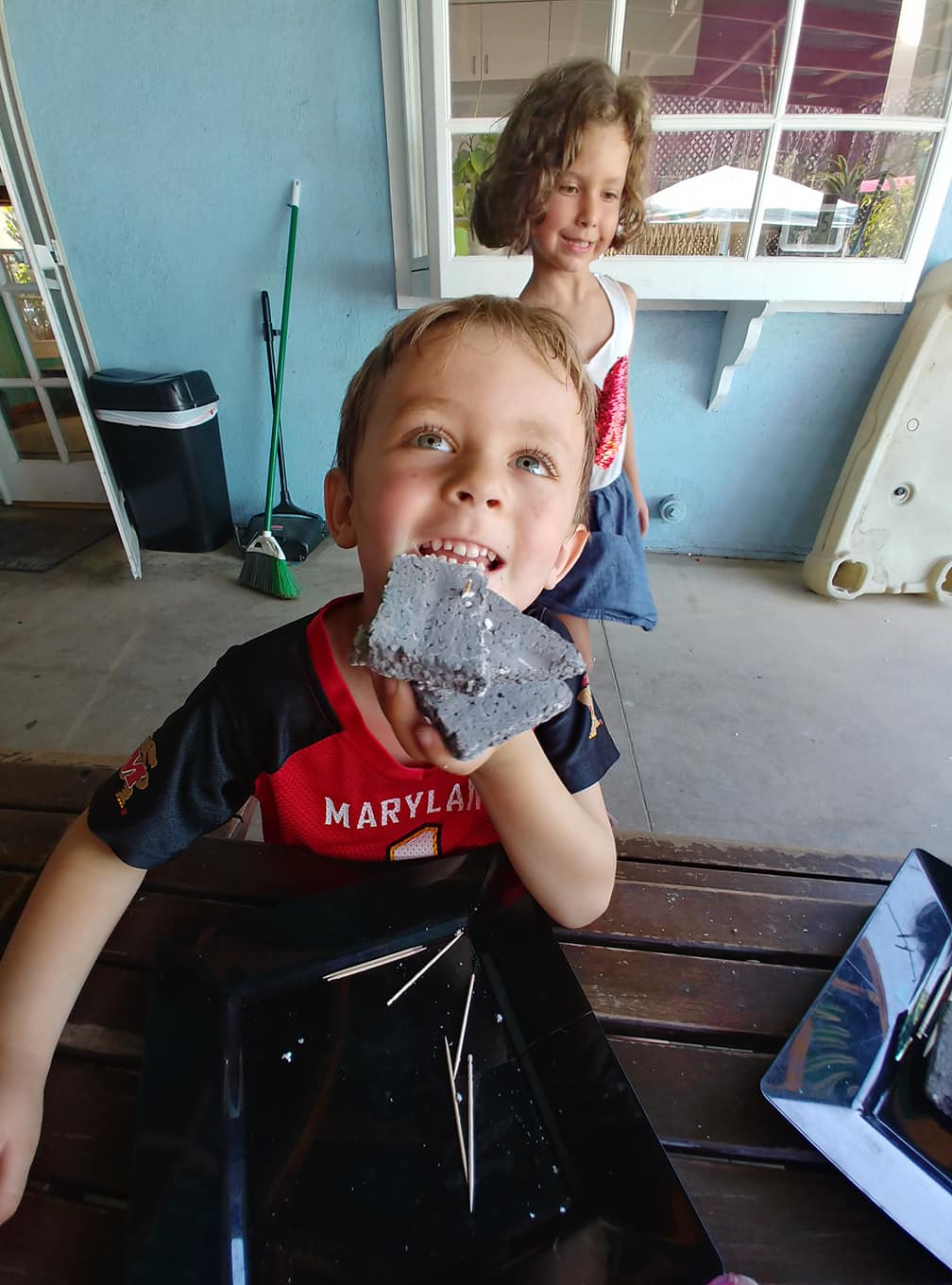
styrocket

It is known among child development professionals that block play may foster a wide range of abilities, including motor skills, spatial skills, language skills, and divergent thinking.

styrocket1

But not all play is free-wheeling. There is another way to have fun with construction toys, and it might help children develop a special package of skills.
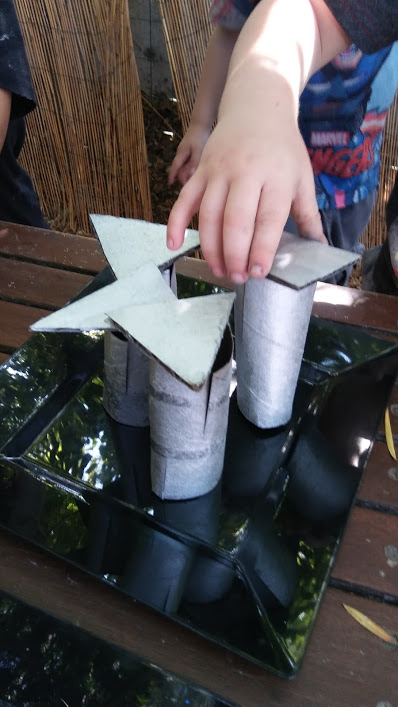
ROCKET3

It is called structured block play, and it’s what happens when children try to recreate a construction by consulting a model or blueprint. Kids must analyze what they see, perceive the parts that make up the whole, and figure out how the parts relate to each other.
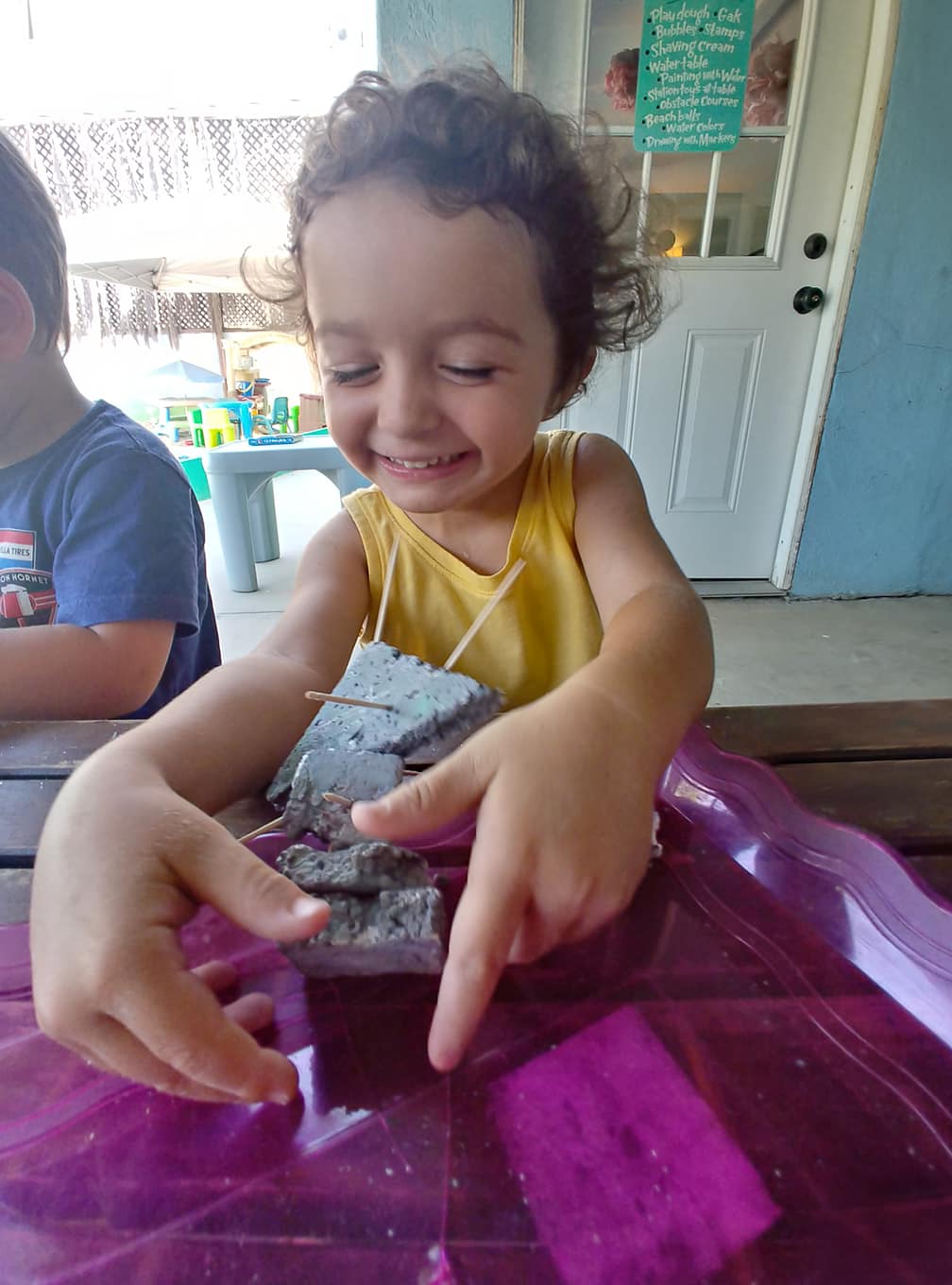
styrocket3

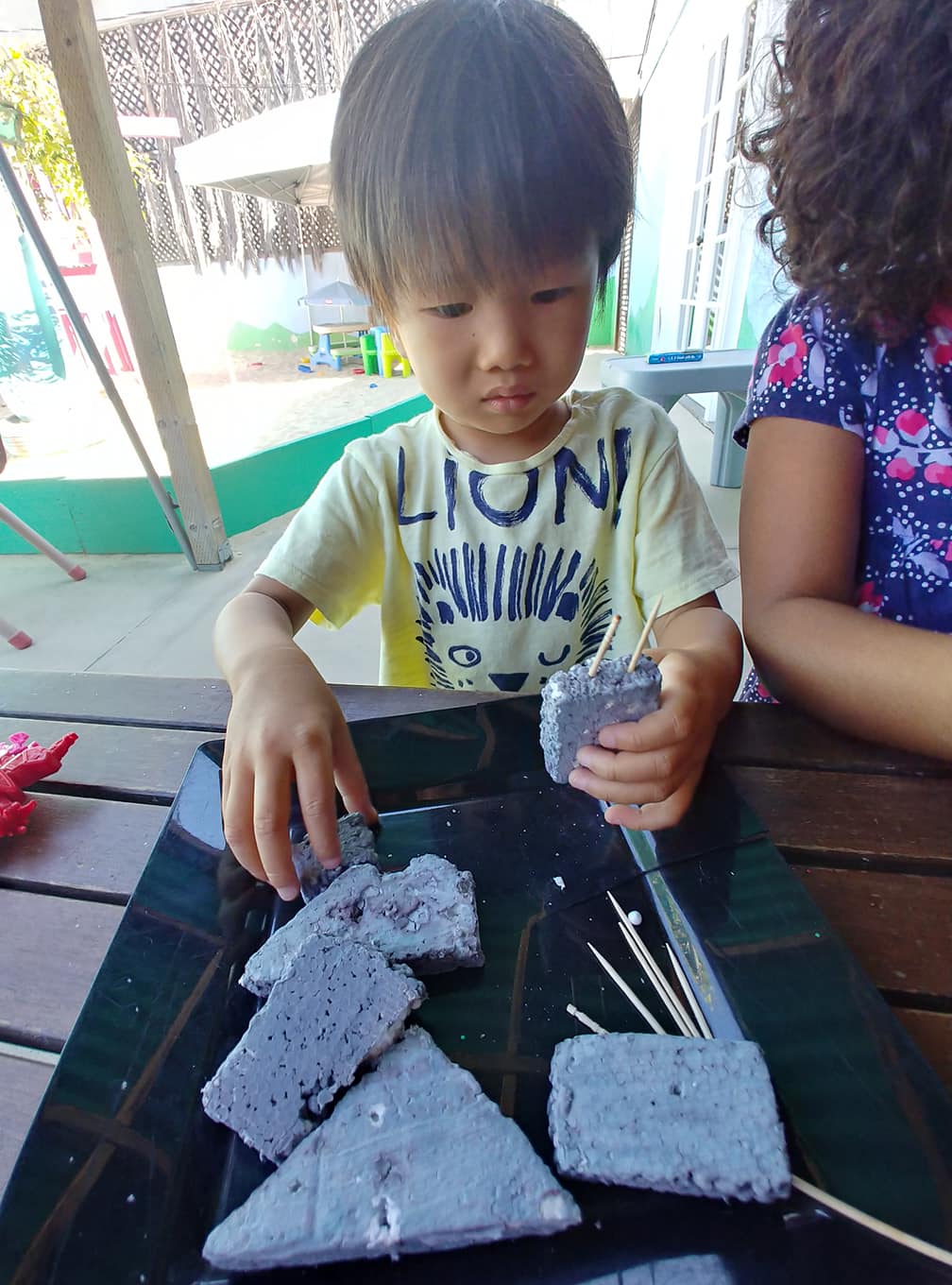
To be really successful, kids also need to think quantitatively, and be able to rotate geometric shapes in the mind’s eye. To apply these STEM skills to our week of rockets, we created rockets out of a variety of materials.

styrocket2

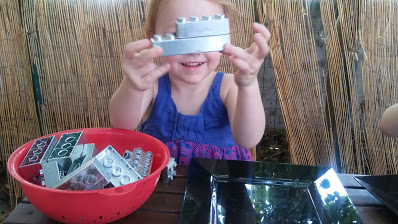
We began with silver-painted Legos, moved on with silver painted cardboard tubes, and finished with creating rockets out of silver Styrofoam.Before creating this magnificent machines, we looked at several pictures of rockets (primarily those used by NASA).
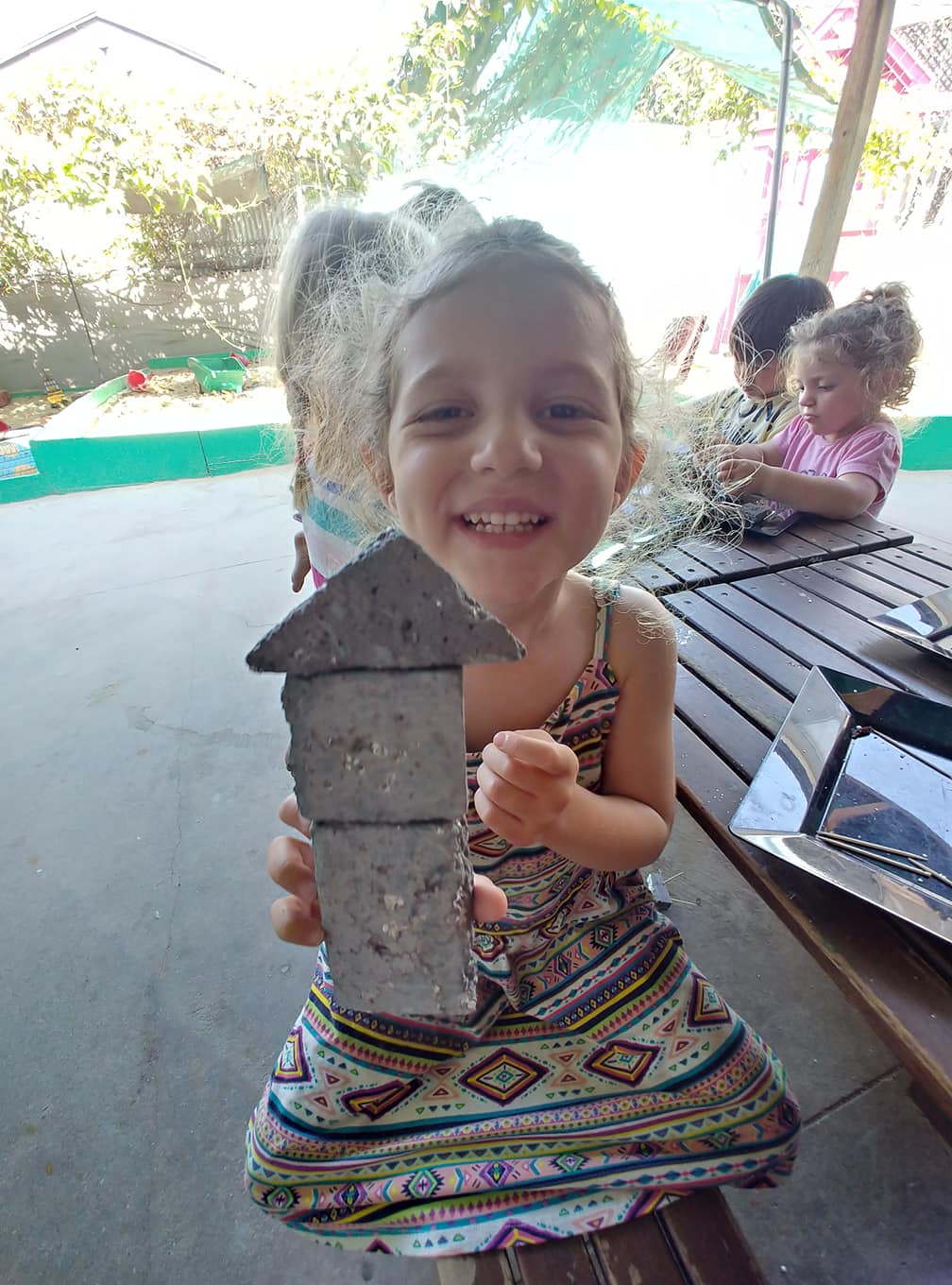
styrocket4

Some of these included the Improved Orion, the Black Bryant VB/VC, the Terrier-Malemute, and the Terrier-Oriole. We also learned about how rockets take off in stages. Lastly, we looked at various blueprints of the different machines, making whichever one we wanted to. This was a week-long project, as we experimented with different materials.
styrocket5

Constellation Play Dough

During our week of “stars”, we learned all about constellations.

constellationdough5

We made them with a variety of materials, we played gross motor games aimed at teaching the major constellations (such as Orion and Andromeda), and finally, we used play dough!

constellationdough3

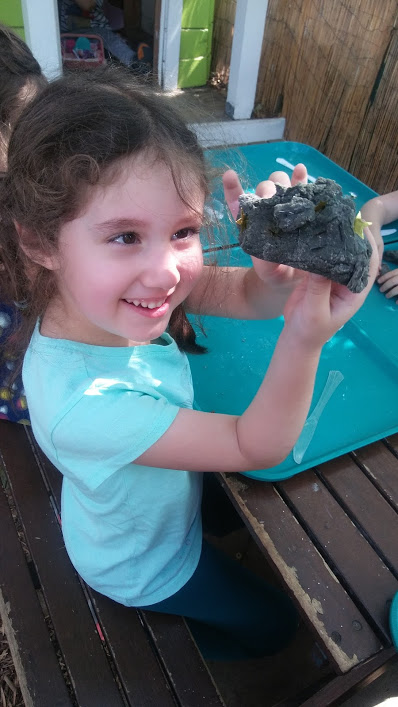
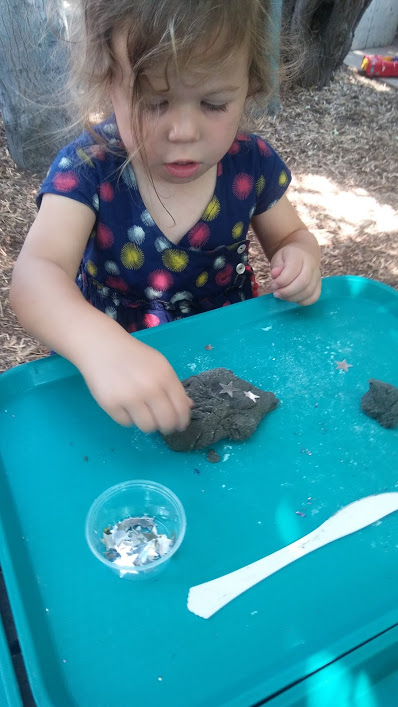
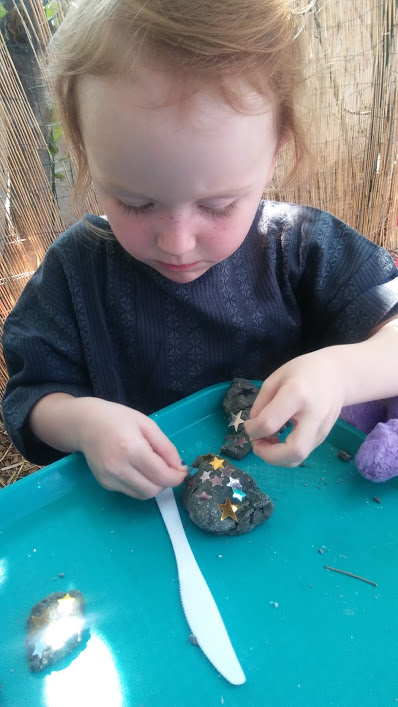
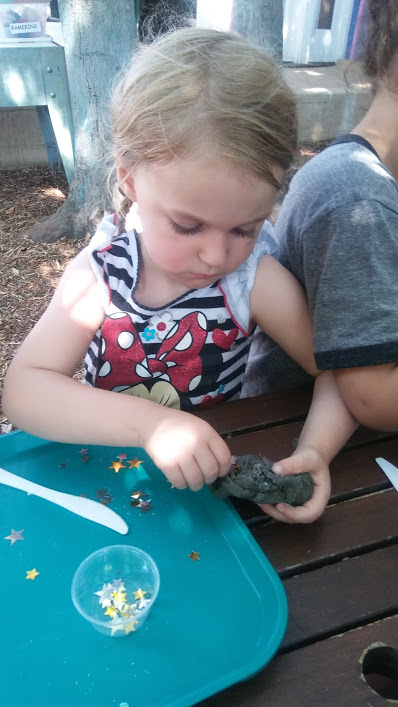
For this activity, students added confetti stars to black play dough.

constellationdough1

They then used plastic knives to cut their dough into a variety of shapes.

constellationdough4

Following this, they named their constellation.

constellationdough2

Finally, students compared their names (most of which were silly) to their friends!

constellationdough

Lunar Rover Vehicles

After an amazingly brief seventeen months of designing and testing, the Lunar Rover or “Moon Buggy” was used from 1971-1972 as a key component for missions fifteen through seventeen of the Apollo program.

lunar1

Created primarily to extend the range of terrain that the two Apollo crew members could explore during their stay on the Moon’s surface, four fully space worthy lunar rovers along with seven test models were built in preparations for these J-Missions.

lunar2

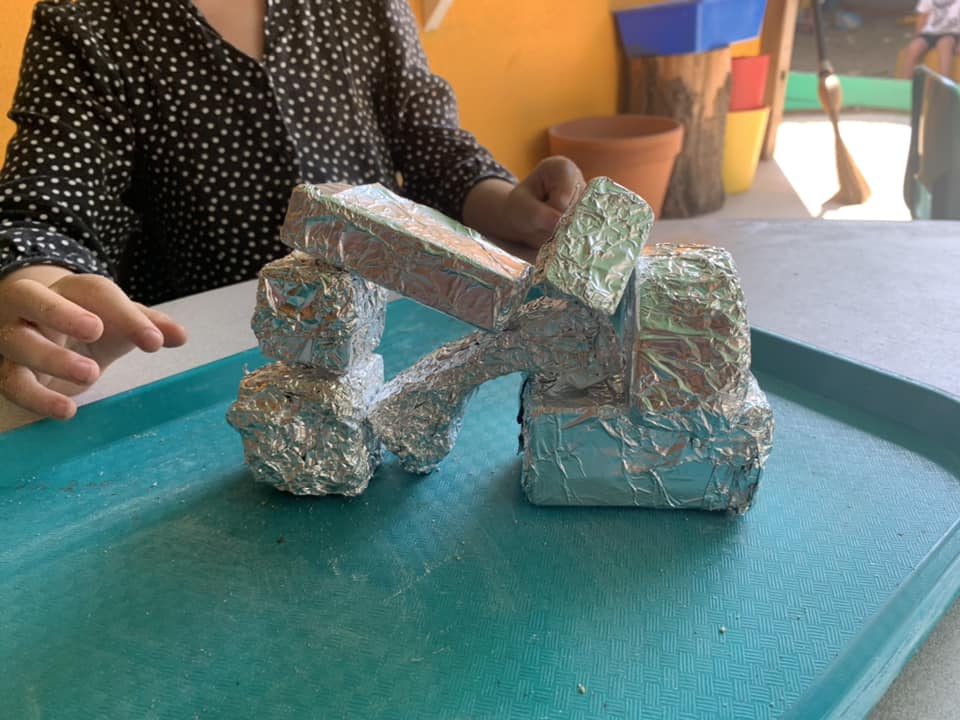
The fourth sibling from the LRV family, however, never had the opportunity to enter space, as after the announced dissolution of the Apollo program, it was relegated to providing spare parts for the other rovers. To recreate this fascinating machine, we used aluminum foil covered blocks. Armed only with a toy astronaut and about five blocks each, students created their version of the Lunar Rover!

lunar

Playdoh Planets

Young children do not think in two dimensions.

20180716_102306_hdr

If they are presented with a picture, they are often unable to truly grasp its meaning, because they are not yet capable of symbolic thought.

20180716_154028

It is therefore imperative that they are given every opportunity to participate in their learning on three dimensions.

20180716_153850_hdr

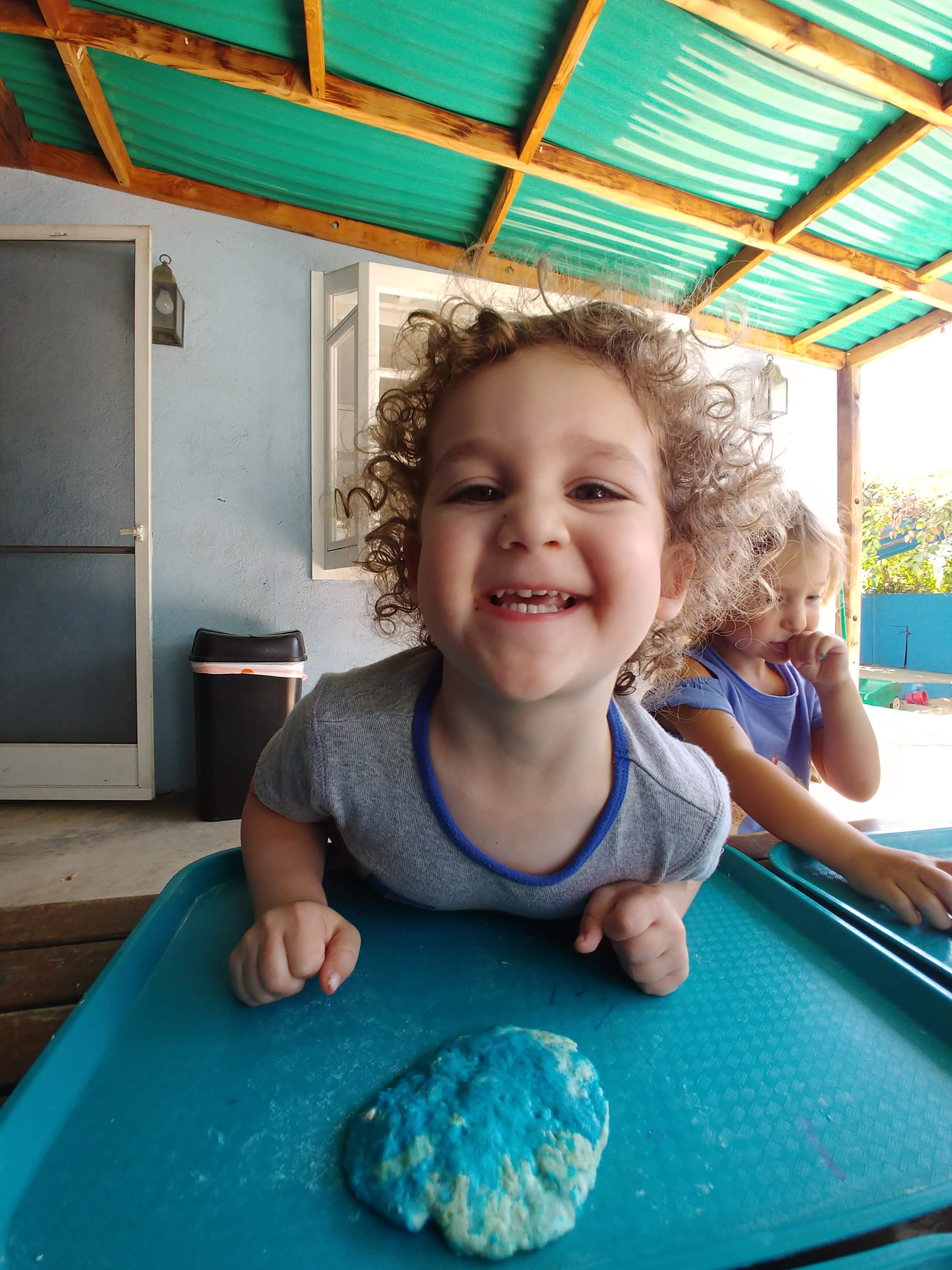
Play dough provides the perfect medium for this. For this activity, we created the planet Earth out of blue and green play dough.

20180716_102109_hdr

Our older students then used a tape measure to measure the circumference of their planets. The tactile experience of manipulating play dough helps children develop a deeper understanding of how matter changes (physics) and encourages them to use scientific thinking as they observe changes, make predictions, and talk through differences in the materials they are using. The fine motor skills needed for writing and drawing are also refined as children roll, poke, and shape their play dough creations.