Boreal Forests of Dough

Boreal forests are only found in the northern hemisphere of Earth, mainly between latitudes 50° and 60° N. With short, cool summers and long, cold winters, these forests form an almost contiguous belt around the Earth, sandwiched between temperate deciduous forests to the south and tundra to the north.

20181109_101616

Due to the short growing season in these regions, deciduous trees don’t have enough time to regrow their leaves, and very few of them are able to survive.

20181109_101607

Instead, coniferous dominate because they don’t have to regrow their leaves and are better adapted for a colder climate.

20181109_101610

As part of our forest theme, we learned about all kinds of forests: temperate, tropical and boreal! We talked not only about the trees and the weather, but the animals that inhabitate them!

20181109_101546

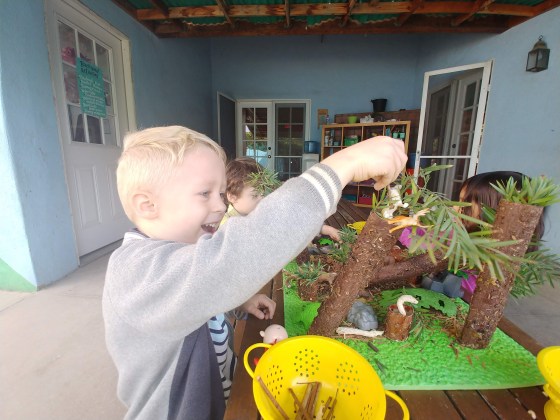
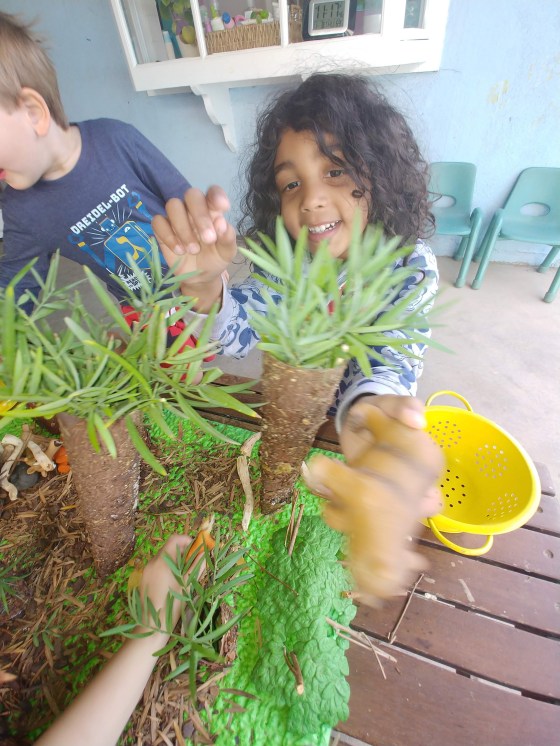
With this activity, we created boreal forests out of branches, sticks, play dough and animals such as the arctic hare and arctic fox!

20181109_101529

Students enjoyed construction their own forests and then collaborating with their friends!

20181109_101556

Temperate Forest Collaboration

Temperate forests are those found in the moderate climates between the tropics and boreal regions in both the Northern and Southern Hemispheres.

20181108_103026

They may also be called “four-season forests” because the midlatitude climates harboring them tend to experience four distinct seasons.

20181108_102907

A vast diversity of different forest types make up this broad category, from the broadly distributed temperate deciduous forests to pine woods and relatively geographically restricted temperate rainforests.

20181108_102310

As part of forest theme, we created our own temperate forest.

20181108_101641

We also learned about the kinds of animals that live there, such as bears, squirrels, foxes, and deer!

20181108_101746

Quadrupod Aviaries

Developing a child’s pencil grasp correctly is not just about helping them learn how to write, it is about teaching them how to grip. That is why we are constantly engaging in activities that help your little ones strengthen their fine motor skills, specifically their pencil grasp.

20181113_095814

By age 3 to 4 a young child will learn how to write using the static tripod grasp or quadrupod grasp. This grasp consists of them holding writing utensils crudely and using the whole pads of their fingers on the writing utensil.

20181113_100926

There also may still be some wrist and forearm movement to move the pencil, with the fingers not moving, or static. For this activity, we practiced strengthening the muscles responsible for this grasp with a squeezing activity.

20181113_100401

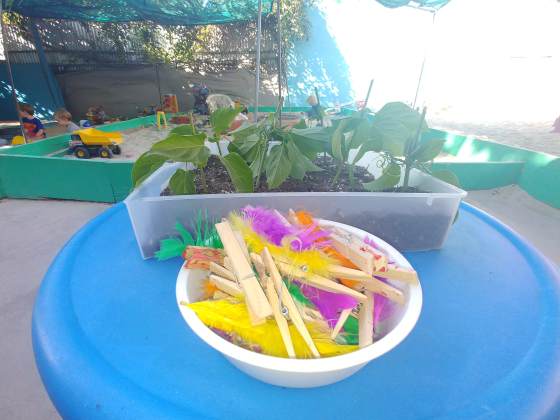
As part of our “birds” week, we manipulated feathered clothespins, placing them onto trees in our “rainforests”. Students used their quadrupod grasp to grip the pins, creating a very colorful aviary!