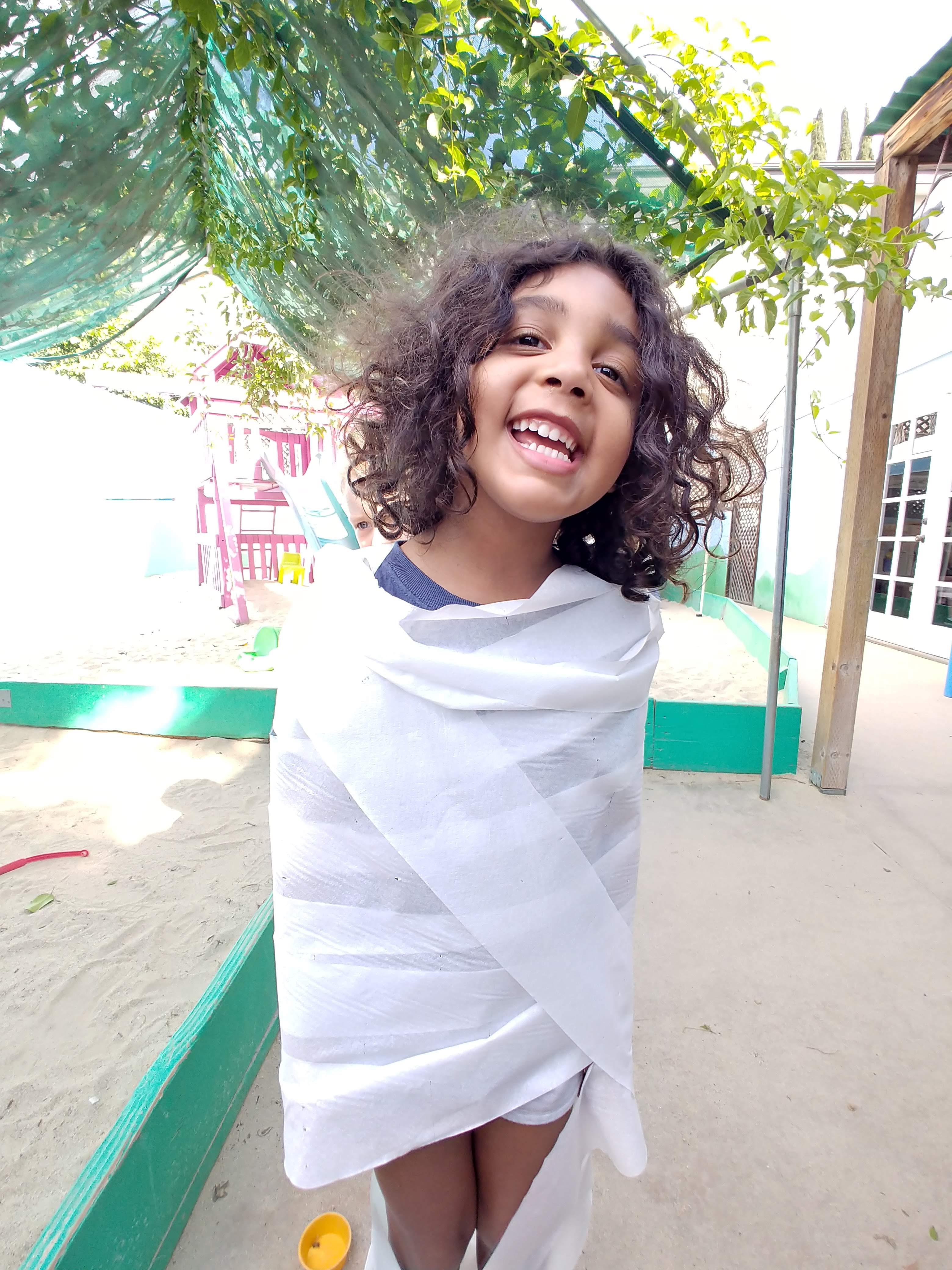
Paper Pumpkin Faces

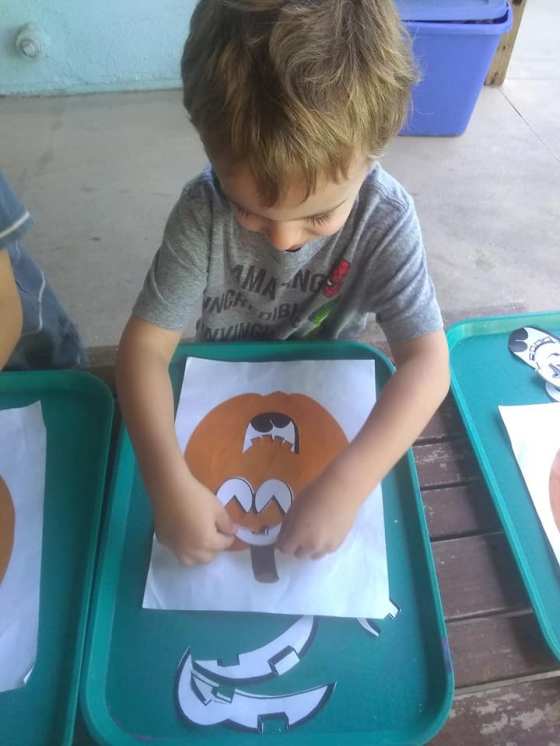
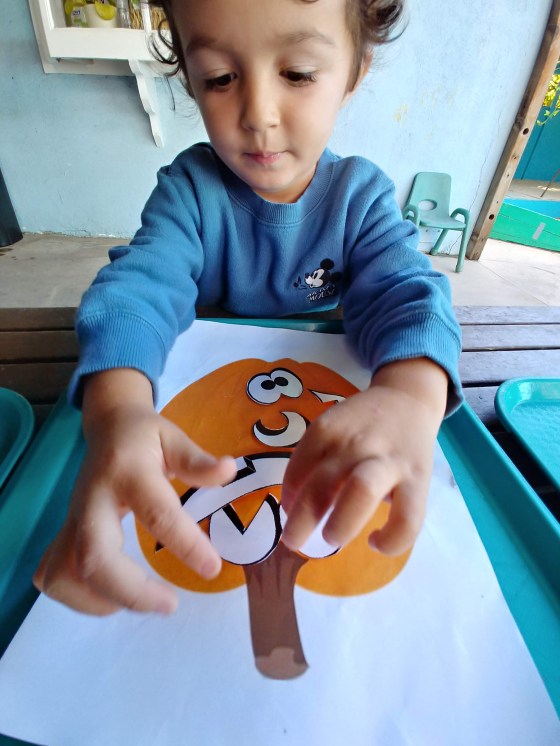
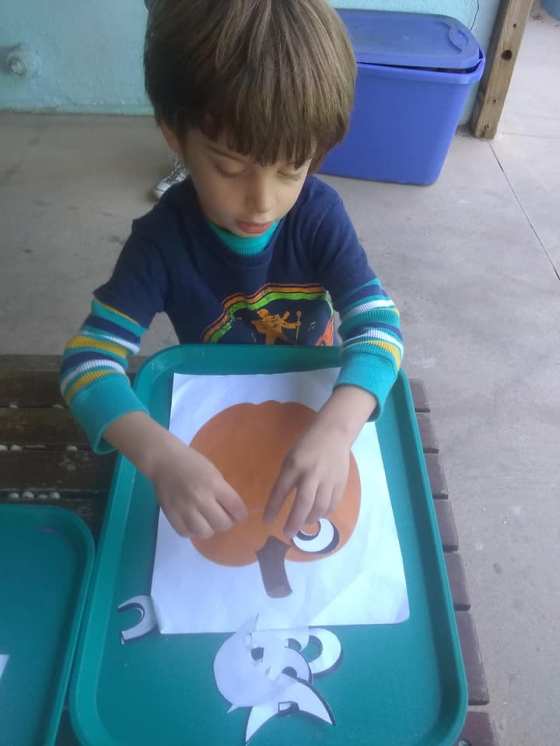
Jack-o-Lanterns can be a great way to explore feelings and emotions with young children.

71250482_2746519325381885_9009354963251363840_n (1)

During our week of the pumpkin, we created a variety of different jack-o-lanterns.

71747536_2746520118715139_4485481728739115008_n

We used a variety of items to construct different facial expressions, all the while discussing the different emotional states behind them.

20181004_100834_HDR

For this activity specifically, we constructed these expressions using paper pieces.

71140476_2746519848715166_5972404337236770816_n

Spider Puzzles

Measurement concepts are often a part of children’s interactions. “My dad is bigger,” “I can jump higher,” and “I have more play dough than you!” are common comparisons that children make.

20181023_102027_HDR

From the child’s perspective, these statements compare quantity; however, they also provide a nice introduction to measurement. Unfortunately, it is an often neglected content standard in early childhood classrooms.

20181023_101911_HDR

Throughout the many projects we do throughout the week, we are constantly measuring, comparing, and contrasting items related to the theme. For this activity, your little one was presented with a problem. They were each given a picture of a spider separated into seven sections.

20181023_101954_HDR

These sections were of different sizes and shapes and it was their quest to see how they all fit together! When children work on puzzles, they are actually “putting the pieces together” in more ways than one. Puzzles help children build the skills they need to read, write, solve problems, and coordinate their thoughts and actions—all of which they will use in elementary school and beyond. A puzzle with a picture that has particular interest for a child may help her begin to recognize colors and letters, and come to realize that the sum of parts make up a whole—a concept that will help her with math later on.
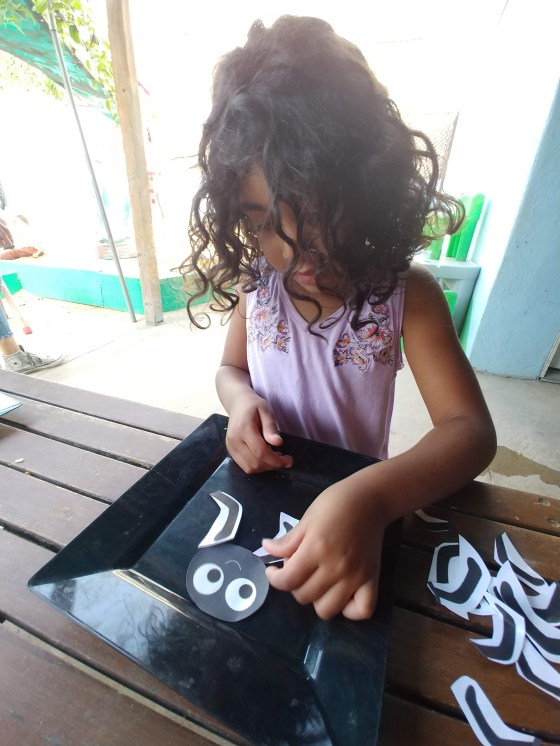
20181023_101832_HDR

By inserting pieces into the puzzle, children also develop the muscle group used for writing, or the “pincer” grasp. Children can work on puzzles by themselves, without the help of adults or other children. They can also work together on large puzzles and practice compromising and getting along. By inserting pieces into the puzzle, children also develop the muscle group used for writing, or the “pincer” grasp. Children can work on puzzles by themselves, without the help of adults or other children.

20181023_102037_HDR

They can also work together on large puzzles and practice compromising and getting along. Because each child must concentrate on the puzzle individually, he experiences a sense of satisfaction as he picks up a piece, rotates it, and discovers the spot in which it fits. Piece by piece, he begins to recognize the picture that the puzzle represents.
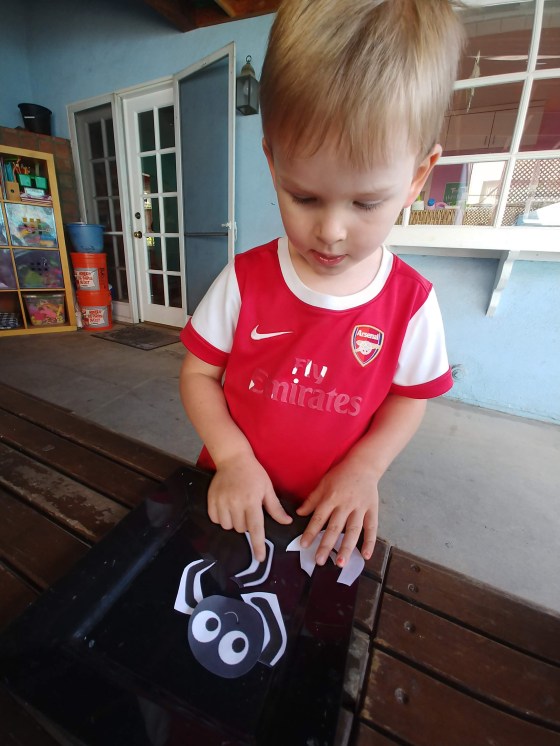
20181023_102018_HDR

Bat Caves – A STEM Activity

Engineering activities, by their nature, are an inquiry-based pedagogical strategy that promotes learning across disciplines.

Engineering curricula introduces students of all ages to everyday applications of science, mathematics, technology and engineering that match their values and view of the world.

This, and many of our other activities are designed to engage students in hands-on STEM experiences in order to improve their understanding of fundamental concepts in a way that capitalizes upon their design, visualization, creativity and teamwork skills and yearnings.

20181024_104510

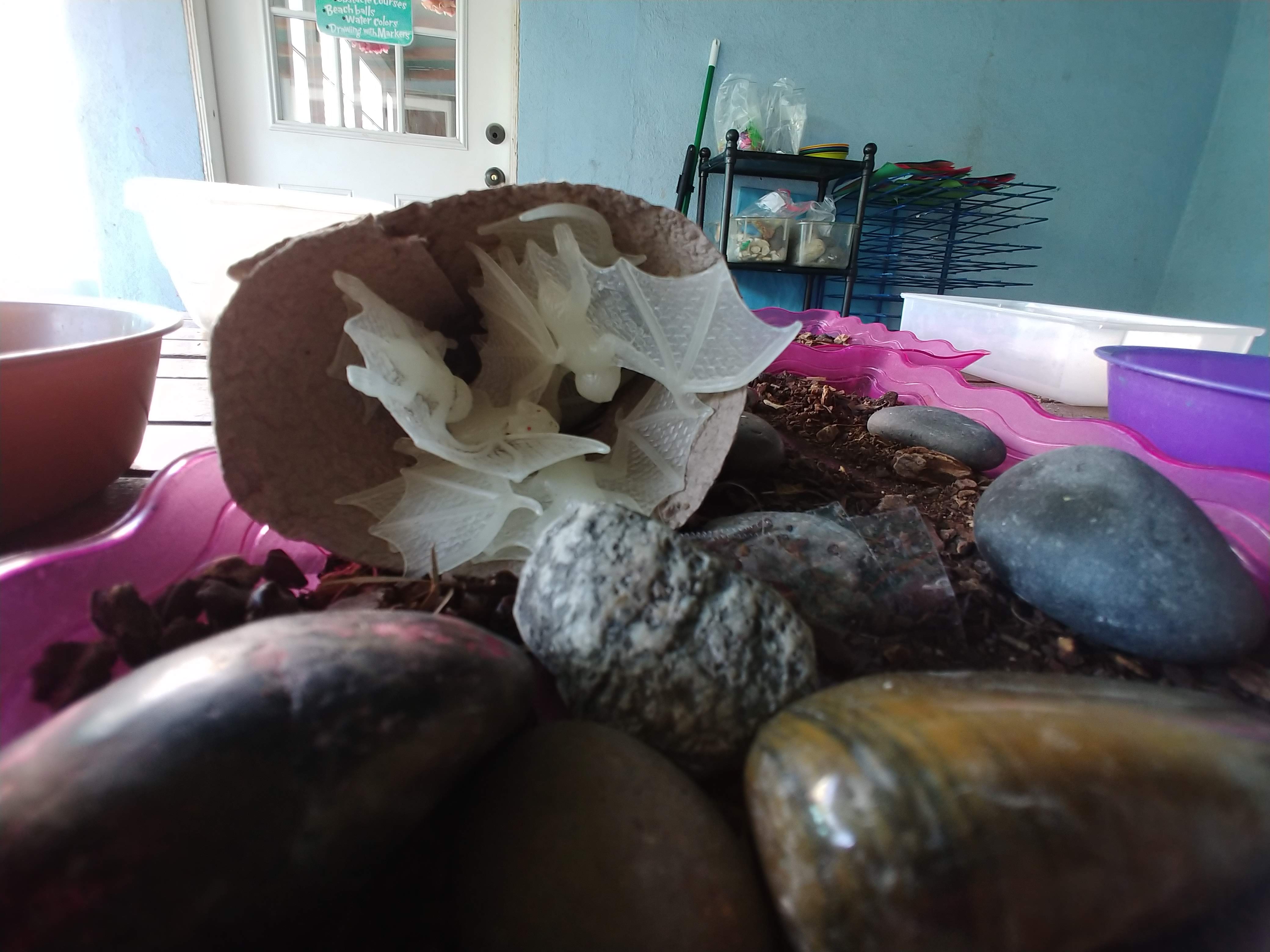
For this activity, students were given sand blocks and toothpicks. They were told to construct a bat cave using the materials. After they finished, they teamed up with their friends to create even bigger structures!


Children learn through experiences, and the earlier they are exposed to STEM-based hands-on learning experiences, the better.

Tracing Ghosts

The tactile experience (touching a letter with your finger) is important for building a memory trace.20181010_100911

This enables students to acquaint the name of each letter with a visual representation for the letter sound.

20181010_100643

For a child who is struggling with their letters, the sooner they can integrate the sound of the letter with what it looks like, the sooner their writing contains more meaning for them.

20181010_100439

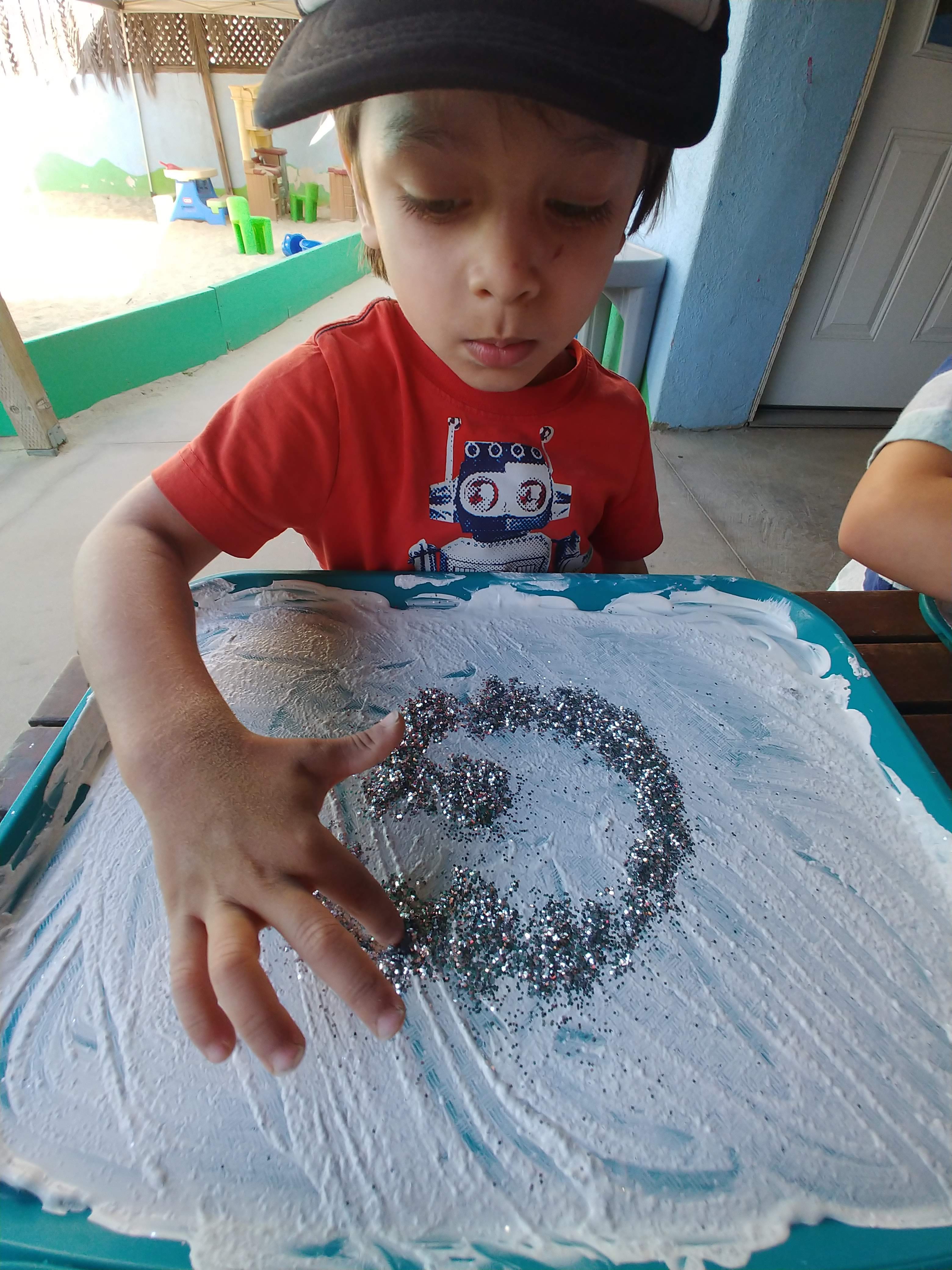
For this activity, we talked about the letters in the word GHOST, particularly the letter G.

20181010_100755

We discussed words that begin with this letter, and then broke up additional letters into their component parts. Using our fingers, we moved to our writing trays, where we traced the letter G, using white paint and glitter.


Exploding Monsters

Preschoolers are actively engaged in scientific learning, both inside the classroom and out. As they ask questions and seek answers to their “how” and “why” questions, they are beginning to practice scientific investigation. Science is also a way to find out about the world through exploration.

22519326_1720527111314450_3684422817253904923_n

Children are investigators by nature. When their natural desire to investigate is nurtured,  young children develop scientific minds. In our classroom, we create environments that engage the senses of our young students and allow them to sort and classify, handle, observe, and ask questions, which is how they construct ideas about the physical and natural world.

22540096_1720526987981129_1115409228089658542_n

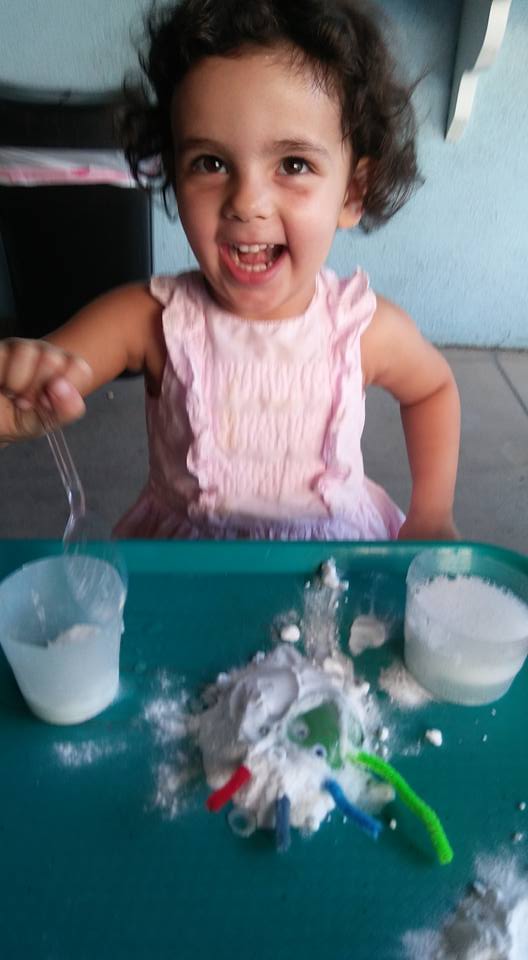
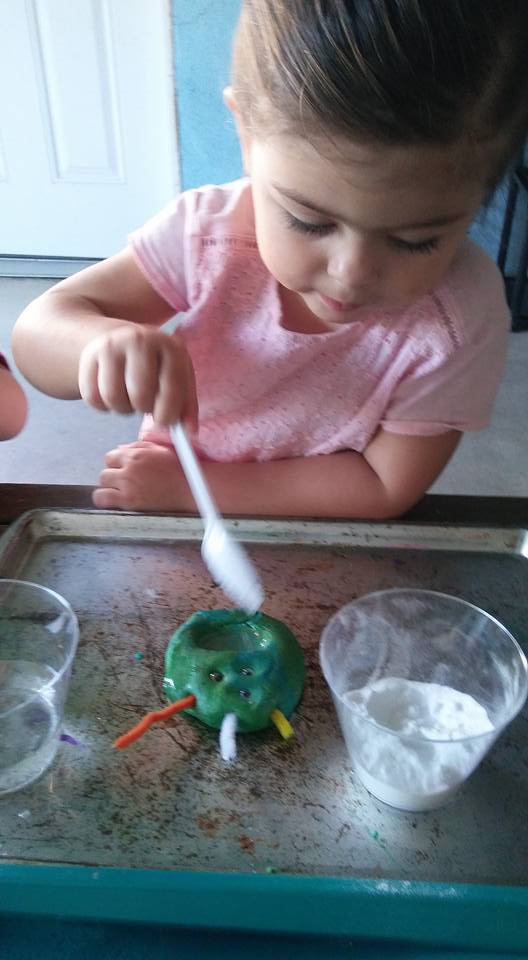
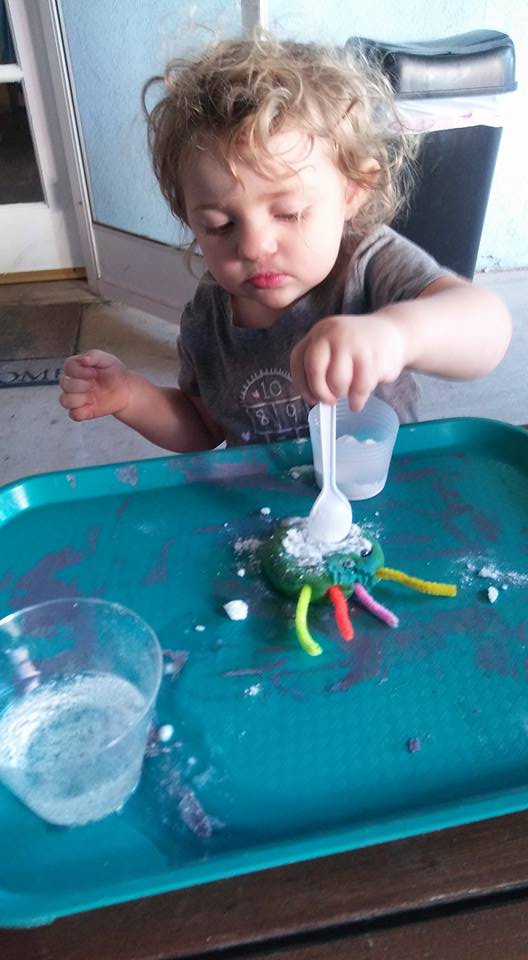
For this activity, we used vinegar, baking soda, and play dough to create exploding monsters! Introducing chemistry to young children at the beginning of their academic journeys is very exciting and aids their capacity to grasp more elaborate scientific concepts later on.

22540110_1720527704647724_2250156856904493845_n

Chemistry also provides an exciting supplement to their learning as they perceive and learn about predictable actions. Lastly, experiments conducted independently make them more meaningful to your little scientist!

22491951_1720527411314420_4035996426700214828_n

Expanding Monsters

Activities that stimulate curiosity, teach science concepts, and avoid overwhelming or boring children with lessons are developmentally appropriate for the preschool classroom. When done well, preschool science is exciting and intellectually meaningful.

22540180_1721424434558051_9062191007175037093_n

The right preschool science activities can nurture your child’s natural sense of adventure and curiosity, help your child develop his own understanding of the natural world, encourage your child to be a persistent problem solver, and introduce your child to basic elements of scientific reasoning (seeking evidence; testing predictions). Because we are learning about monsters this week, we decided to combine vinegar and baking soda to create monster faces!

22549928_1721424394558055_6558198015369769997_n

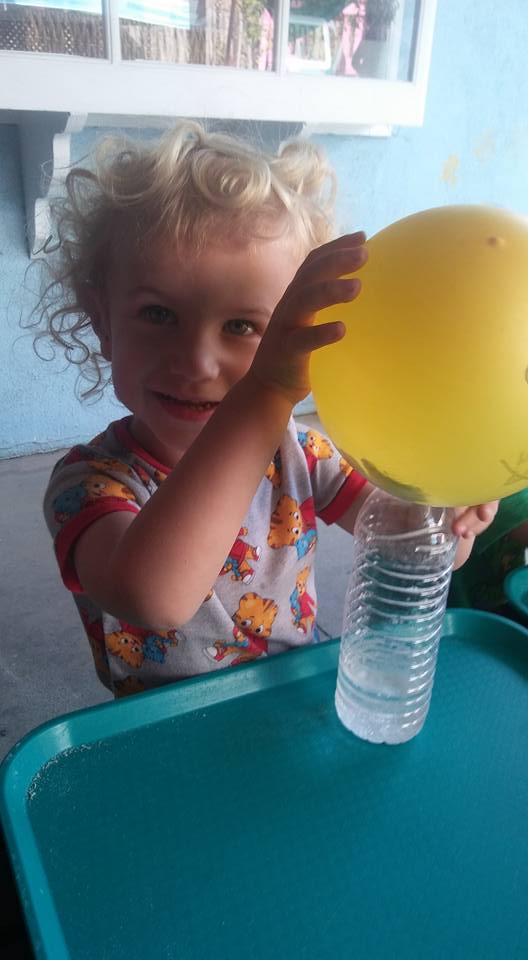
We first poured 1/2 cup of vinegar into an empty water bottle. Then, we drew a face on the balloons while they were deflated. After that, we placed the funnel into the open end of the deflated balloon and poured in the baking soda. Following, we secured the open end of the balloon onto the top of the bottle being careful not to dump the contents of the balloon into the bottle quite yet.

22550020_1721424307891397_5387577639238397101_n

Finally, we held the balloon upright, allowing the baking soda to fall into the bottle and mix with the vinegar! So, why does this work? Your little one learned that the product of the vinegar and baking soda is carbon dioxide, a gas present when we breathe out. The carbon dioxide inflates the balloon. It’s that simple!

22552293_1721424484558046_8123917822565940191_n

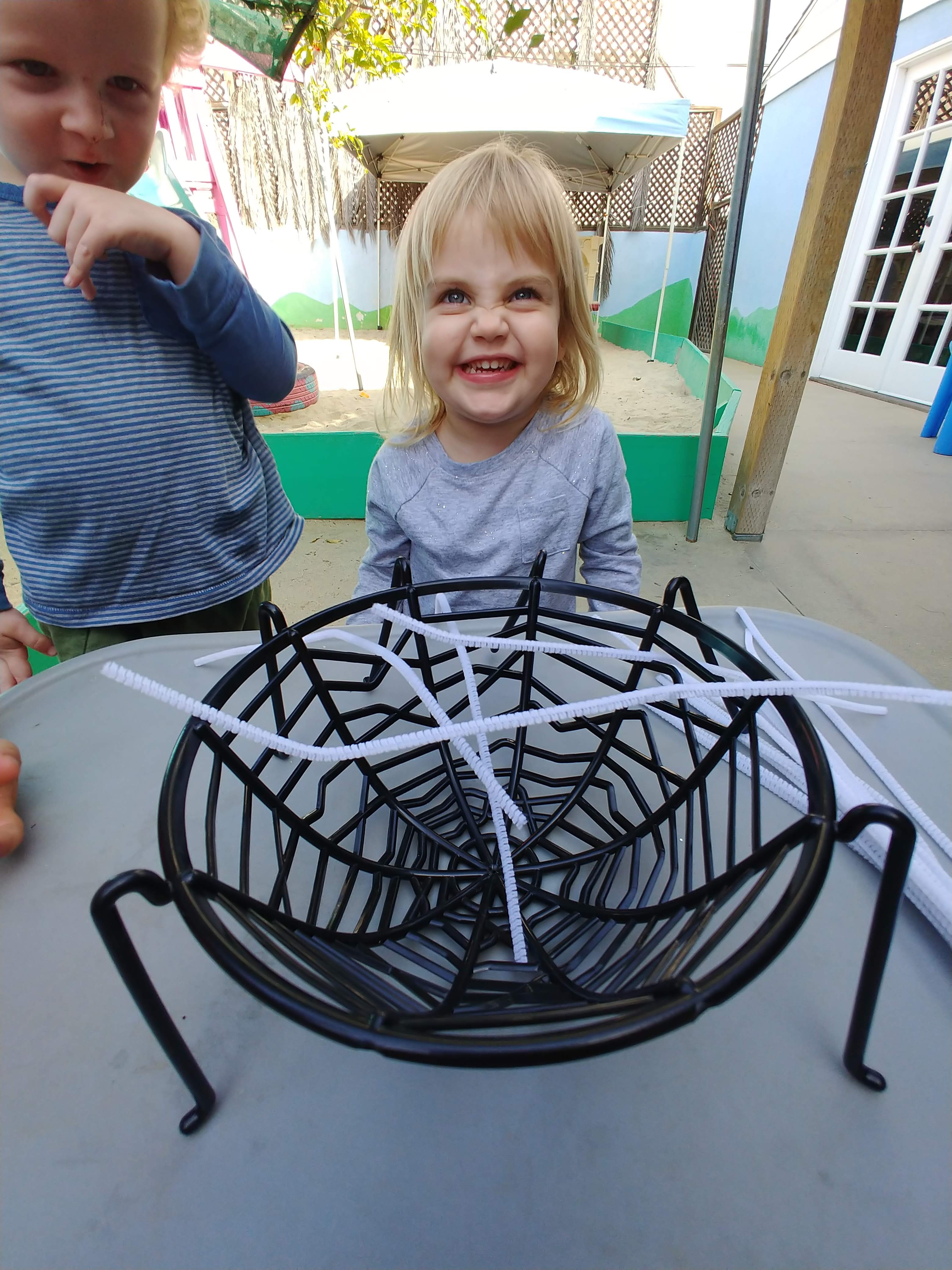
Spider Web – Visual Discrimination Activity

Although most children develop the ability to focus visually and to make fine discriminations in visual images as they grow, some children will take longer to develop these skills and may need some additional help, or additional practice.

Good visual perception is an important skill, especially for school success.

20181025_100532_hdr

Children need good visual perception to discriminate, copy text accurately, develop visual memory of things observed, develop good eye-hand coordination and integrate visual information while using other senses in order to perform tasks like recognizing the source of a sound, etc.

This activity accessed these pertinent skills.

20181025_100105

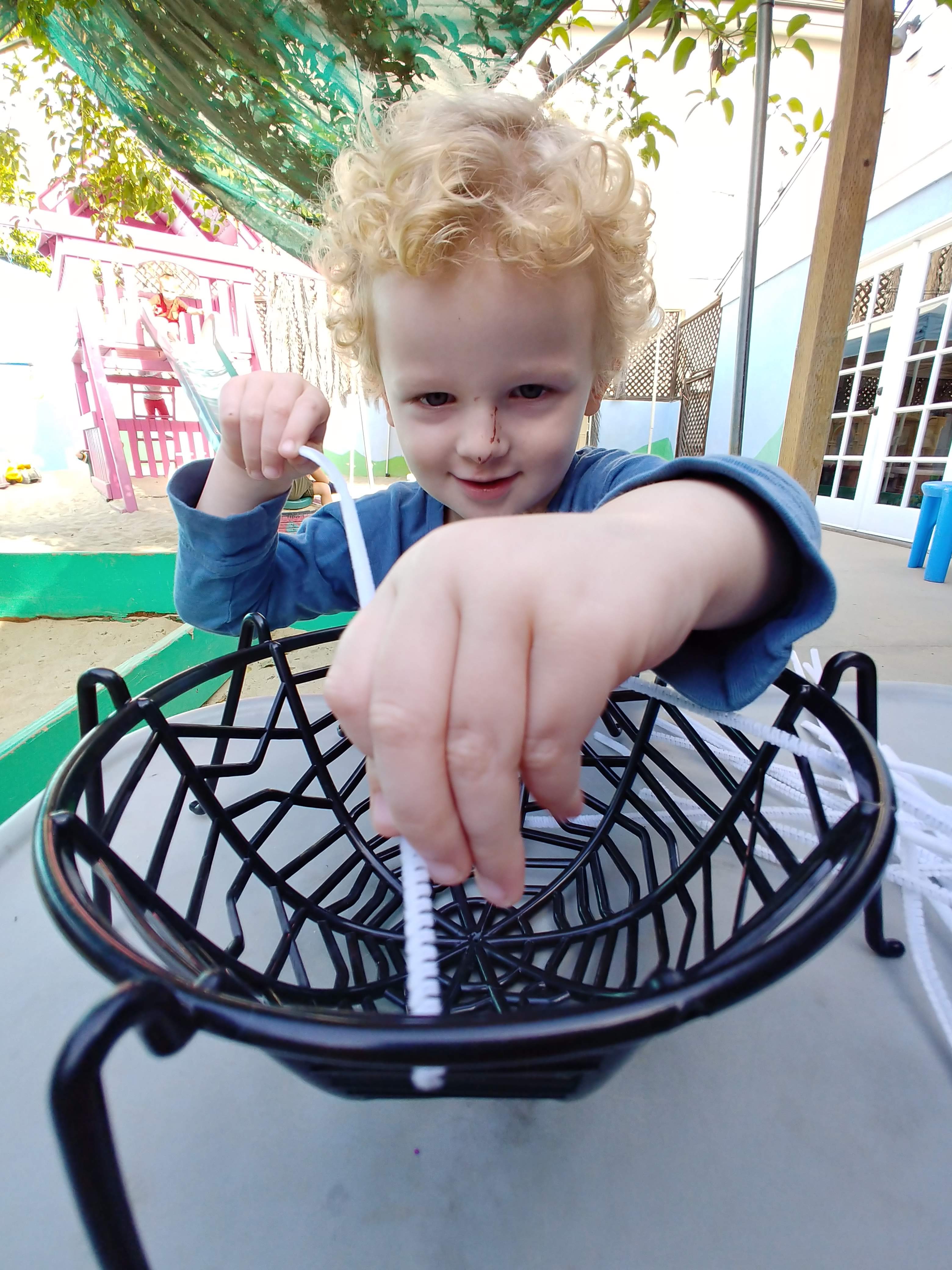
Using a variety of different colanders, your little ones weaved spiders into a web of string, which targeted their ability to perceive spatial relations.

20181025_095953_hdr

Spider Web Collaborative

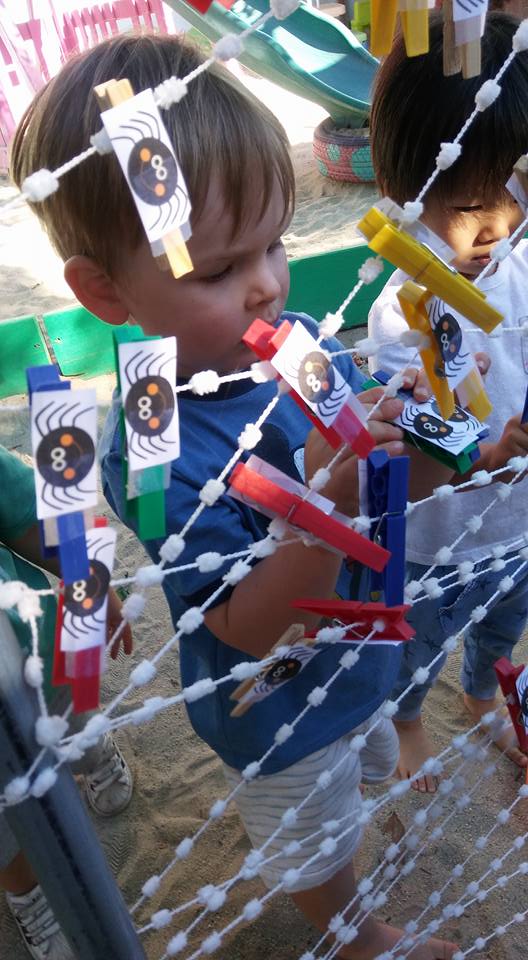
Using yarn and clothespins (with pictures of spiders on them), we created our very own spider web!

22780236_1728355673864927_8435448483550584634_n

This was a collaborative group project, and your little one enjoyed making our back yard a little more festive by attaching clothespins onto white yarn that represented the silk of a spider’s web!

22730089_1728356237198204_8382051030813973667_n

This activity incorporated the developmental domain of fine motor movement.  When attaching the clothespins to the yarn, your little one was practicing fine motor control and hand eye coordination.

22730205_1728355900531571_1707081077906571548_n

The importance of hand eye coordination lies in your child’s ability to manipulate their environment.  Simple hand-eye coordination techniques, such as weaving, beading, and manipulating small objects, are a great way to help your little one learn how to control their mind and their hands. 

22729085_1728355953864899_3314142984684799142_n

These skills are transferable to literacy, and when your little student is then exposed to holding a pencil, crayon or pair of scissors, the coordination will be in place.

22491543_1728356167198211_1926820347383450084_n

Cloudy Bones

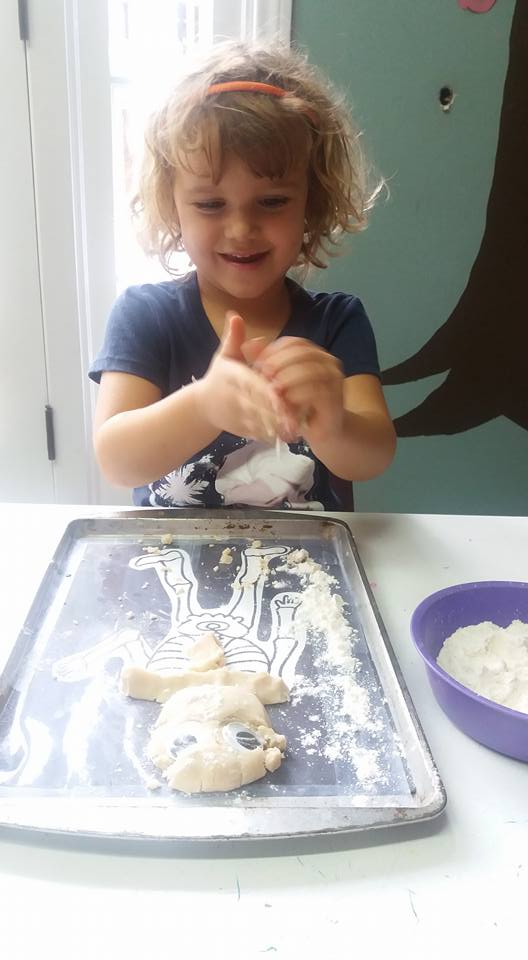
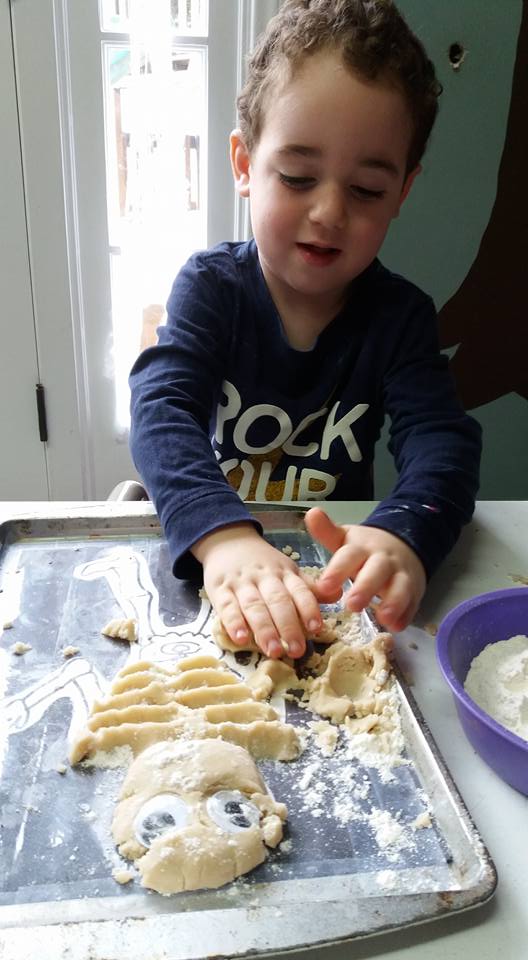
As part of simple, tactile play – cloud dough can be squashed, squeezed, rolled, flattened, chopped, cut, scored, raked, punctured, poked and shredded! Each one of these different actions aids fine motor development in a different way, not to mention hand-eye coordination and general concentration.

doughskel2

It is for these reasons that I use cloud dough so often, and for some many different learning experiences. Many young children are tactile learners and require the sense of touch to interact with the world around them. Because we are learning about all things related to skeletons, I combined cloud dough, a diagram of skeleton, and our thinking minds to learn more about anatomy!

doughskel1

There were two components of this activity. Students first named three different bones (the skull, ribs, sternum, and femur).   They then used their fingers to roll up cloud dough (baby oil and corn starch) into the different bones. Lastly (with help from Miss Carrie), they connected their pieces to create a full skeleton!

skel3