Spider Web Habitats

Your little one participated in yet another fun sensory activity!

spider4

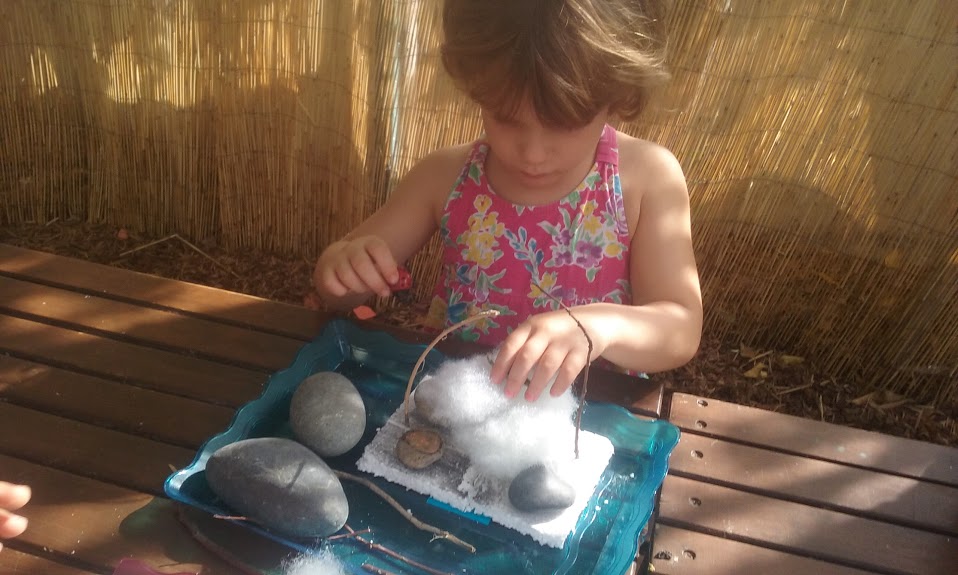
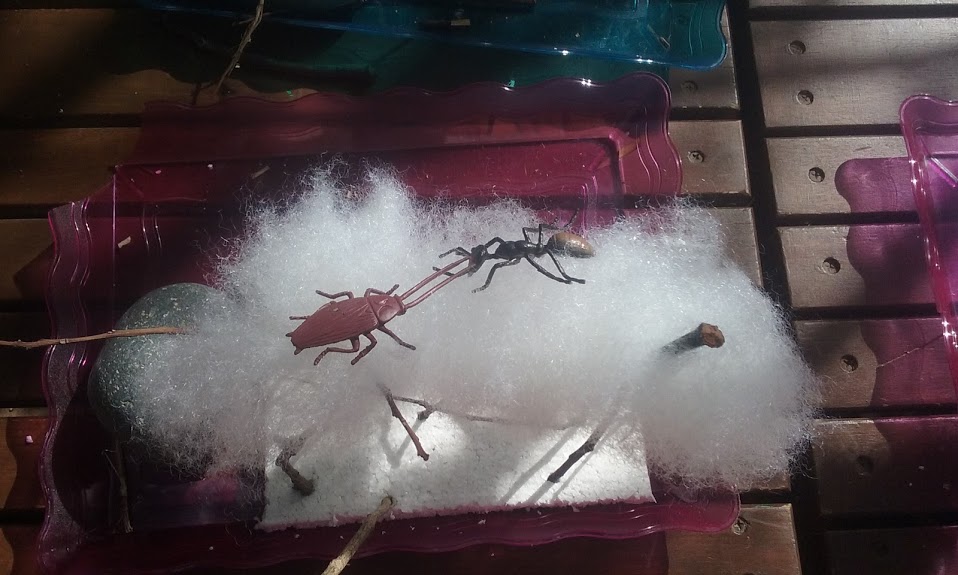
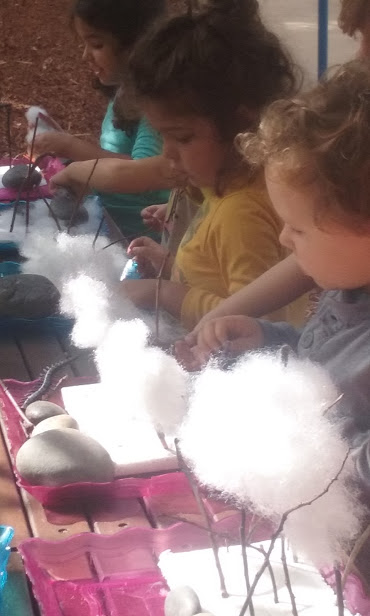
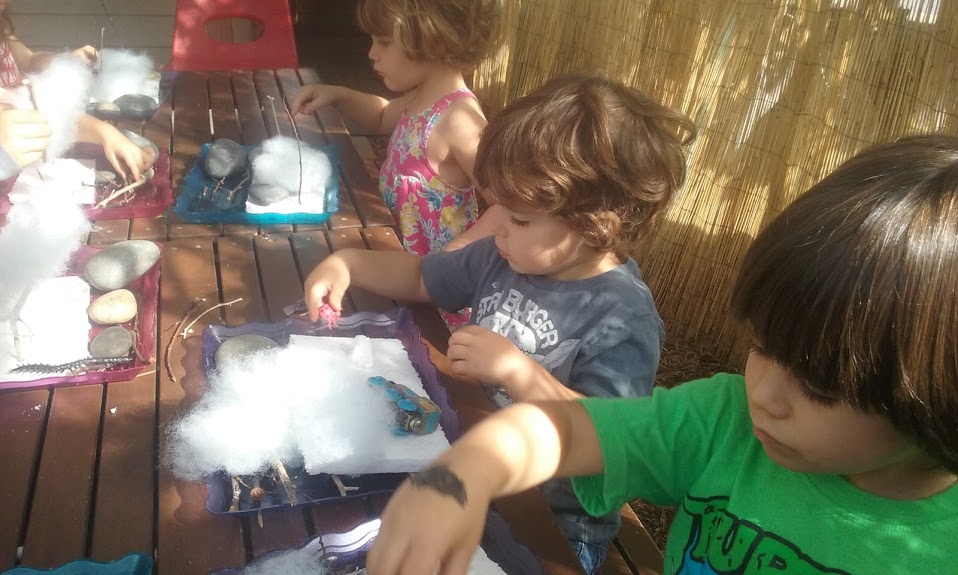
Using styrofoam as our base, white web material, sticks, and plastic bugs, your little one created their very own spider habitat!

spider5

spider

We began this activity with a discussion and review of the spiders and other bugs that we have been learning about. We then talked about where these creatures lived.

spider1

Our discussion concluded with a review of the new vocabulary that we have been learning, such as insect, web, arachnid, antenna, web, and silk.  

spider2

Your little arachnid enthusiast then happily constructed the perfect living space for his spider friends.

spider10

spider3

Witch Potions

Young children love to pour and dump, and derive much joy from engaging their senses to investigate their surroundings.

witch7

witch

As they manipulate various substances, they are observing the physical properties of the world around them.

witch6

witch1

By transferring materials and exploring how they interact, they are learning about density, weight, and volume, which form the foundation for critical thought.

witch2

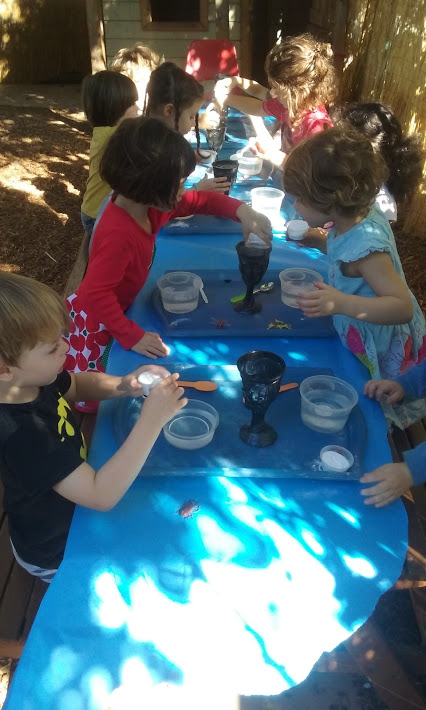
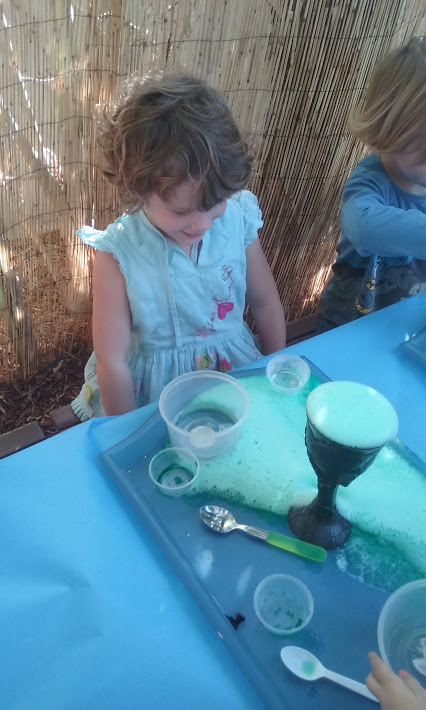
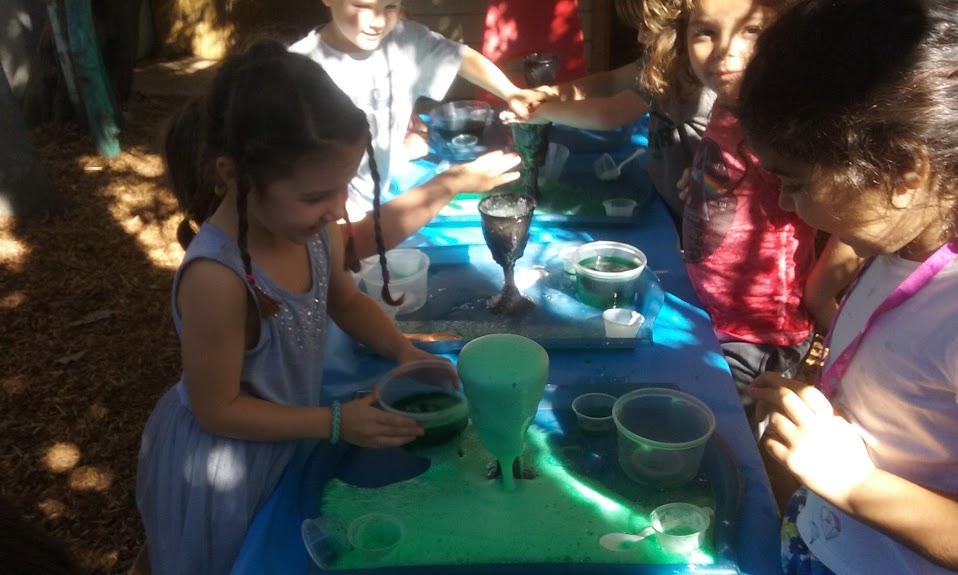
For this particular activity, we combined baking soda and vinegar to create witch’s potions.

witch4

Each child enjoyed watching their potions foam and come to life!

witch5

Frankenstein Foam

Preschoolers are constantly doing math, even when they are not aware of it. It enables them to problem solve, and make sense of the world around them. Because young children learn best by doing, opportunities that enable them to participate at a hands-on level yield the most promising results.

22519617_1722437244456770_7192865600472654468_n

When they participate in their own learning experiences, they construct meaning as they communicate and represent their understanding of complicated concepts. To help improve our counting skills, we created “Frankensteins” out of flower foam.

22528318_1722437271123434_815844566030999701_n

Using golf tees as the mouth, nose, and eyes, we counted how many golf tees were needed to construct the “faces”, and then recorded our results.

22539991_1722437314456763_6048528550726714340_n

As they assembled their creations, they were encouraged, not only to count, but to write down what they were counting. This enabled them to observe the relationship between the object in their hands and the symbol that represented what they were seeing.

22549560_1722441064456388_8184991402533794250_n


Spider Web Puzzles

When children work on puzzles, they are actually “putting the pieces together” in more ways than one. Puzzles help children build the skills they need to read, write, solve problems, and coordinate their thoughts and actions—all of which they will use in school and beyond.

A puzzle with a picture that has particular interest for a child may help her begin to recognize colors and letters, and come to realize that the sum of parts make up a whole—a concept that will help her with math later on.

By inserting pieces into the puzzle, children also develop the muscle group used for writing, or the “pincer” grasp.

Children can work on puzzles by themselves, without the help of adults or other children.

They can also work together on large puzzles and practice compromising and getting along.

Because each child must concentrate on the puzzle individually, he experiences a sense of satisfaction as he picks up a piece, rotates it, and discovers the spot in which it fits.

Piece by piece, he begins to recognize the picture that the puzzle represents.

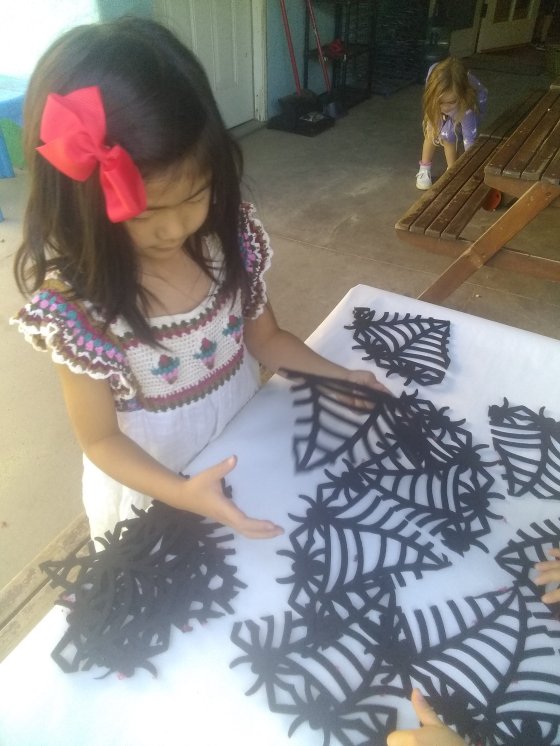
For this activity, your little ones took pieces of a spider web, and combined them to create their own spooky webs!

Roll and Cover Monster Dice

There are a plethora of skills your preschooler accesses when they use a die.
The math skills your preschooler practices include subitizing (looking at the dots and knowing right away what number they represent instead of counting each dot), number recognition, counting, matching, comparing, and adding.
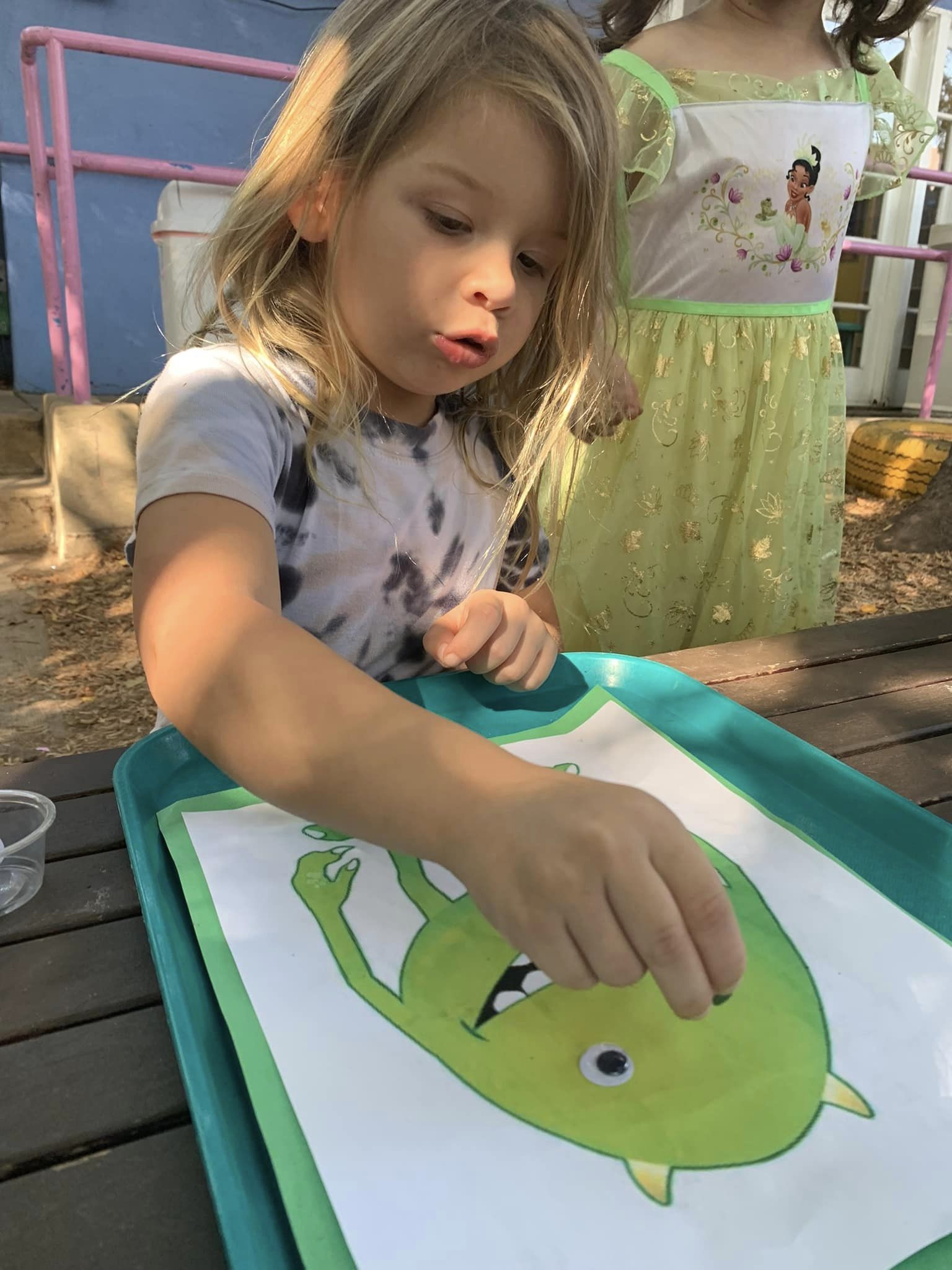
This game involved rolling a die and counting the number that was rolled. Once the numeral was recognized, your little one placed the corresponding amount of eyes onto their monsters.
We love dice around here.  We love them so much that they’re always disappearing! This week we incorporated the mathematical developmental domain with a roll and count game.
There are a plethora of skills your preschooler accesses when they use a die.
The math skills your preschooler practices include subitizing (looking at the dots and knowing right away what number they represent instead of counting each dot), number recognition, counting, matching, comparing, and adding.
This game involved rolling a die and counting the number that was rolled. Once the numeral was recognized, your little one placed the corresponding amount of eyes onto their monsters.

Expanding Ghost Experiment

Young children are naturally curious and passionate about learning. In their pursuit of knowledge, they’re prone to poking, pulling, tasting, pounding, shaking, and experimenting.
20181012_120141_HDR

From birth, children want to learn and they naturally seek out problems to solve.
ghost9

Young children should learn science (and all other areas of study) through active involvement – that is, through first-hand, investigative experiences.
20181012_114906

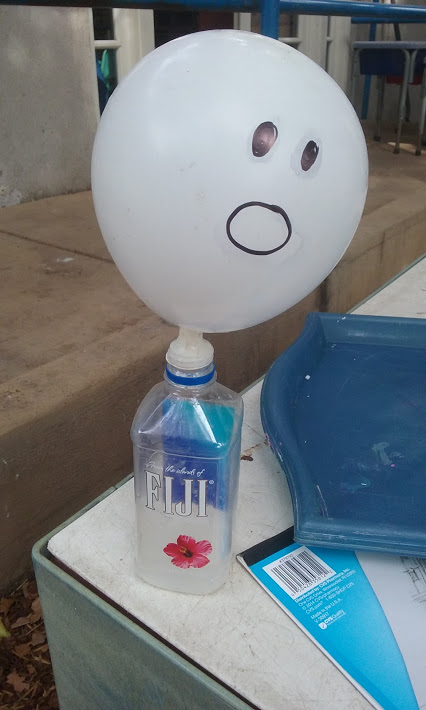
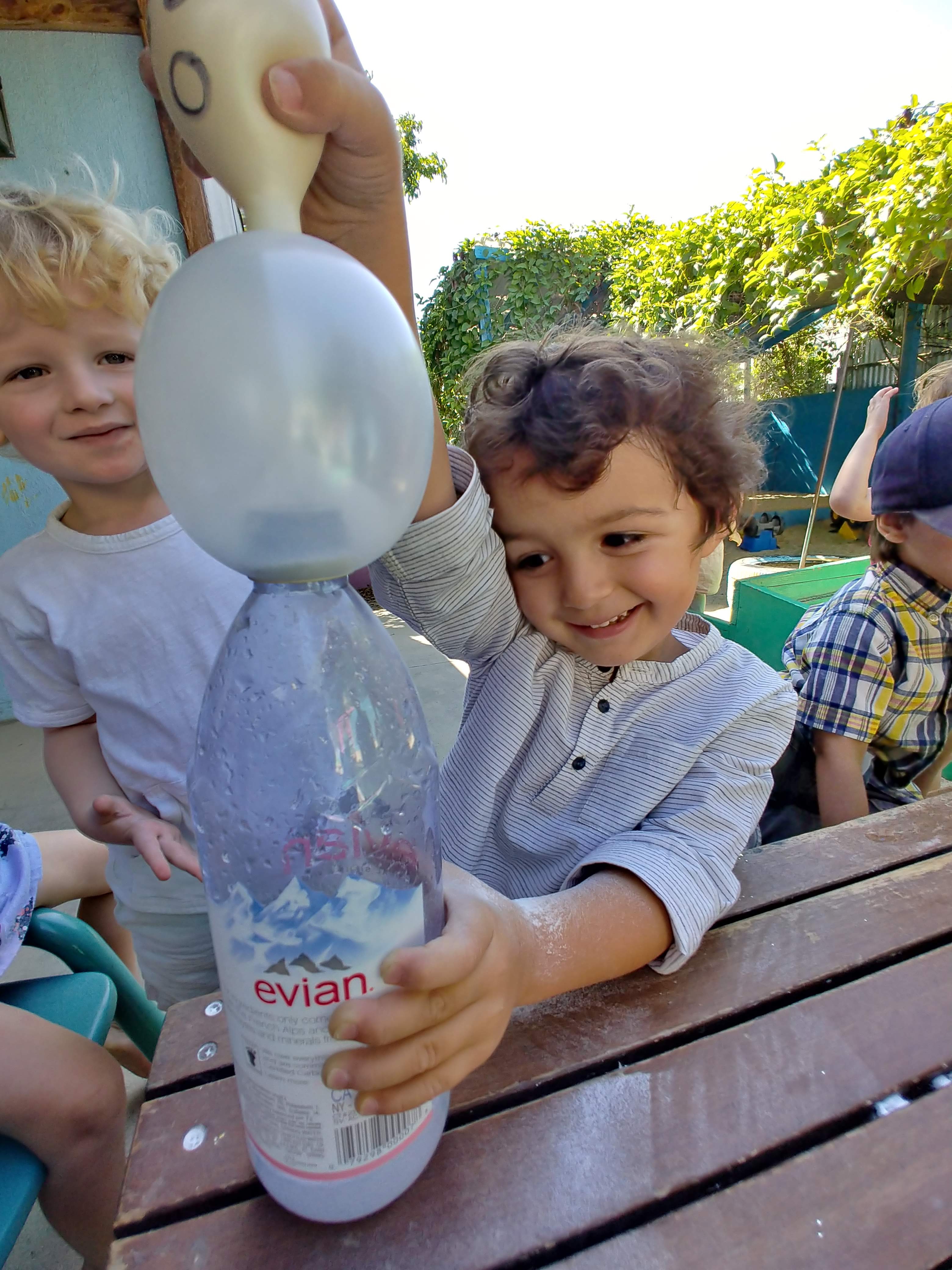
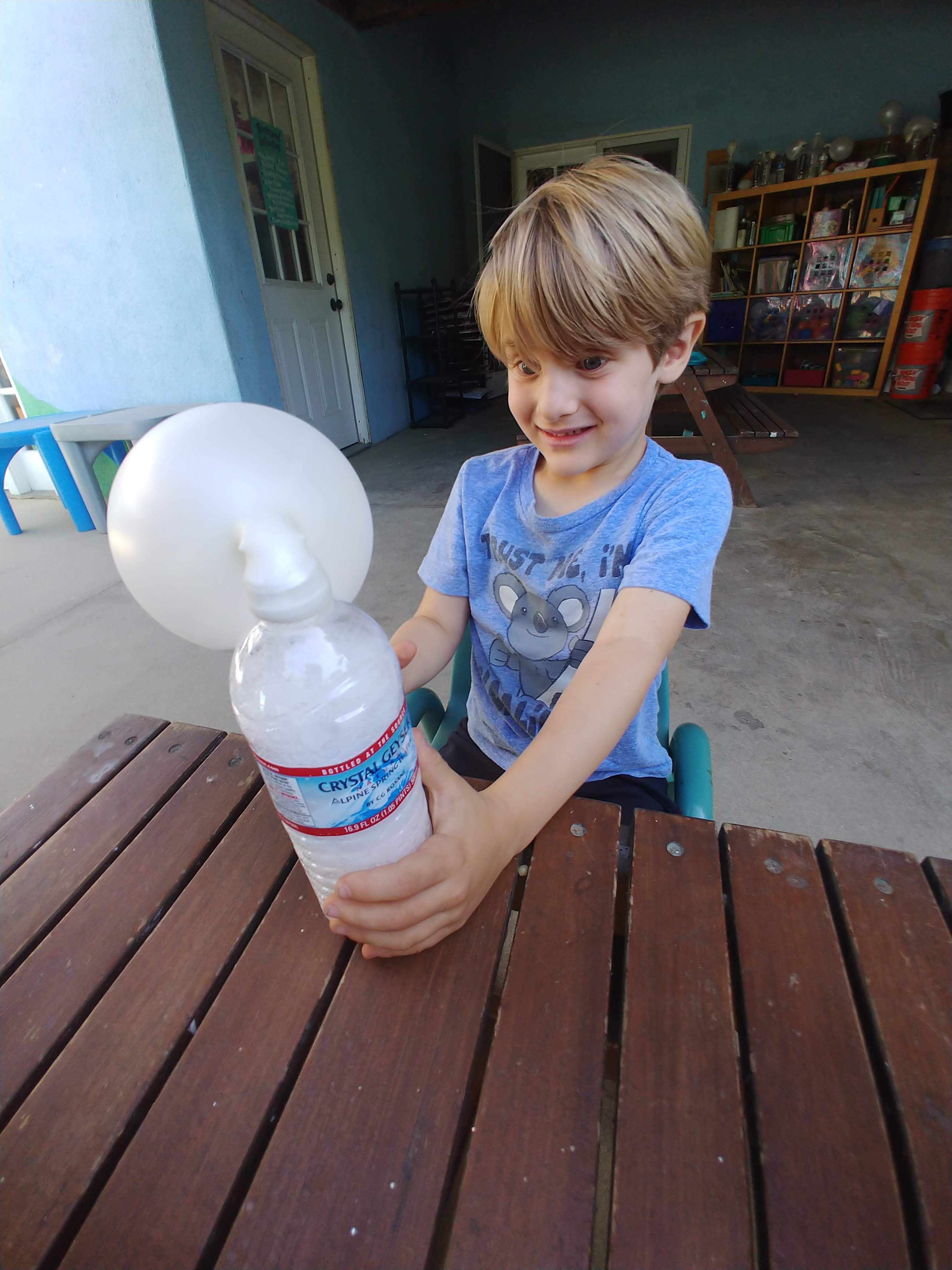
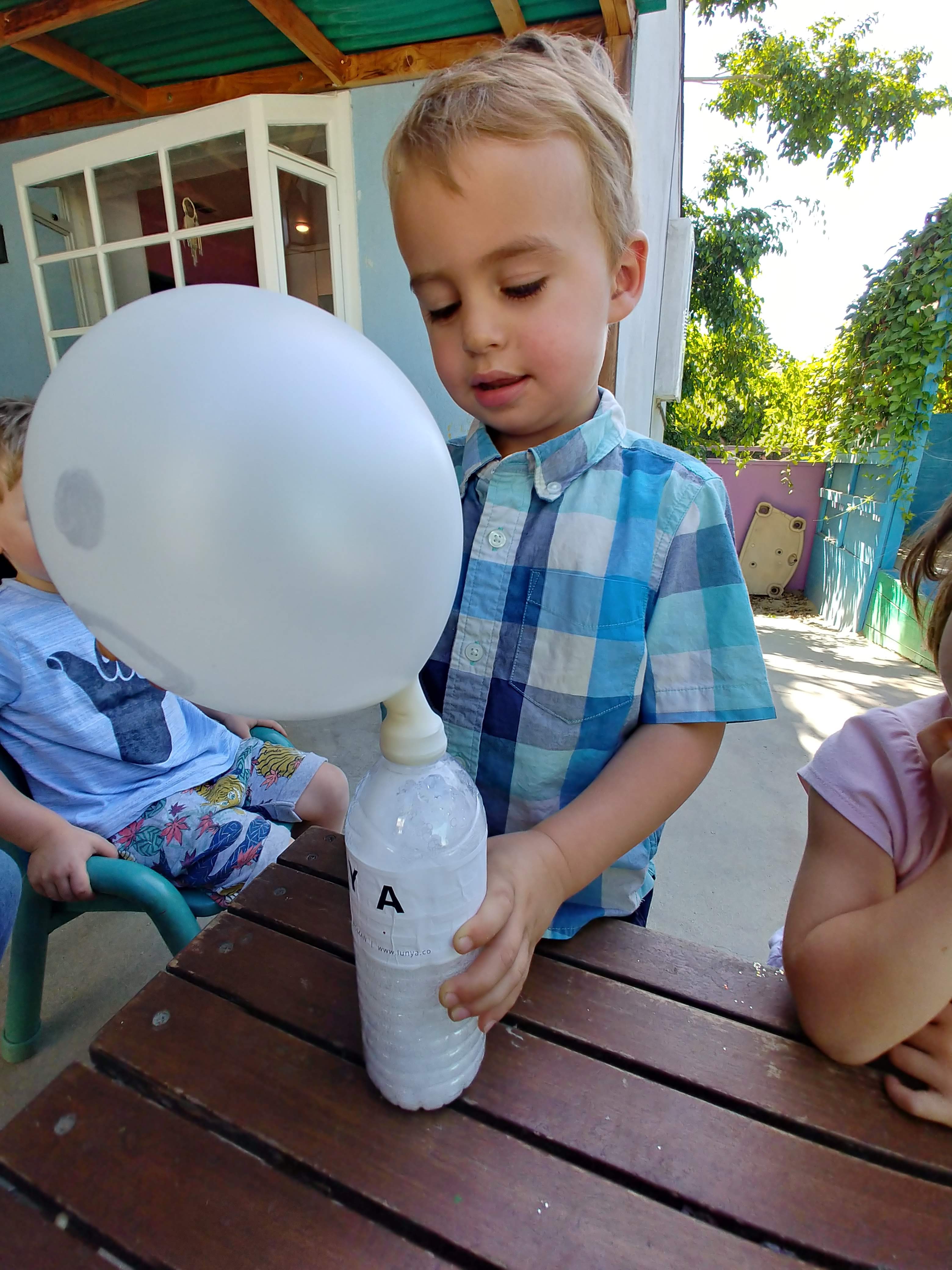
For this activity, we learned about the interaction between carbon dioxide and oxygen. Through our Expanding Ghost experiment, your little ones observed, predicted, and explored the physical properties of these two gases. We began by pouring a half cup of vinegar into an empty water bottle.
20181012_114329

We than drew a face onto our deflated balloons.

20181012_113617_HDR

Next, we placed the funnel into the open end of the deflated balloon and poured in baking soda.
20181012_115704_HDR

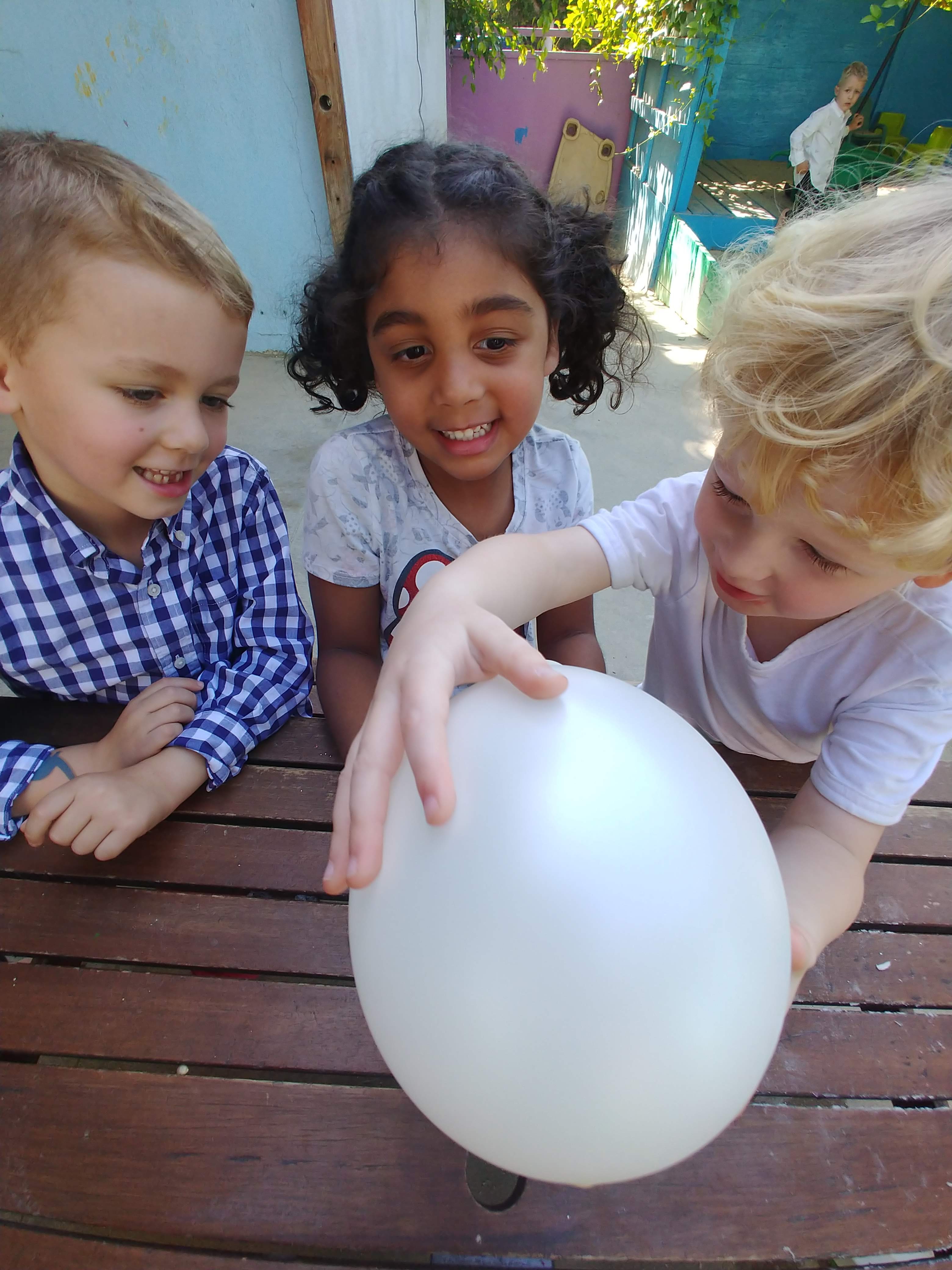
After that, we secured the open end of the balloon onto the top of the bottle, careful not to dump the contents of the balloon into the bottle quite yet. Finally, we held the balloon upright, allowing the baking soda to fall into the bottle and mix with the vinegar. The result is an expanding ghost! How does it work? The product of the vinegar and baking soda is carbon dioxide, a gas present when we breathe out. The carbon dioxide inflates the balloon.

20181012_113157_HDR

Science activities benefit your child in several ways. It involves asking questions, probing for answers, conducting investigations, and collecting data.

20181012_114637_HDR

Science, rather than being viewed as the memorization of facts, becomes a way of thinking and trying to understand the world. This approach allows children to become engaged in the investigative nature of science and to experience the joy of having wonderful ideas.
Halloween Playdough – Imaginative and Sensory Play

Squishing, rolling, sculpting, molding . . . young children love to play with playdough. Add some props from around the home and playdough play becomes a powerful way to support your child’s learning.

20141017_102045

This simple preschool staple lets children use their imaginations and strengthen the small muscles in their fingers—the same muscles they will one day use to hold a pencil and write.

20141017_101518

Using playdough with you, a friend, or siblings supports your child’s social skills such as sharing, taking turns, and enjoying being with other people.

20141017_101454

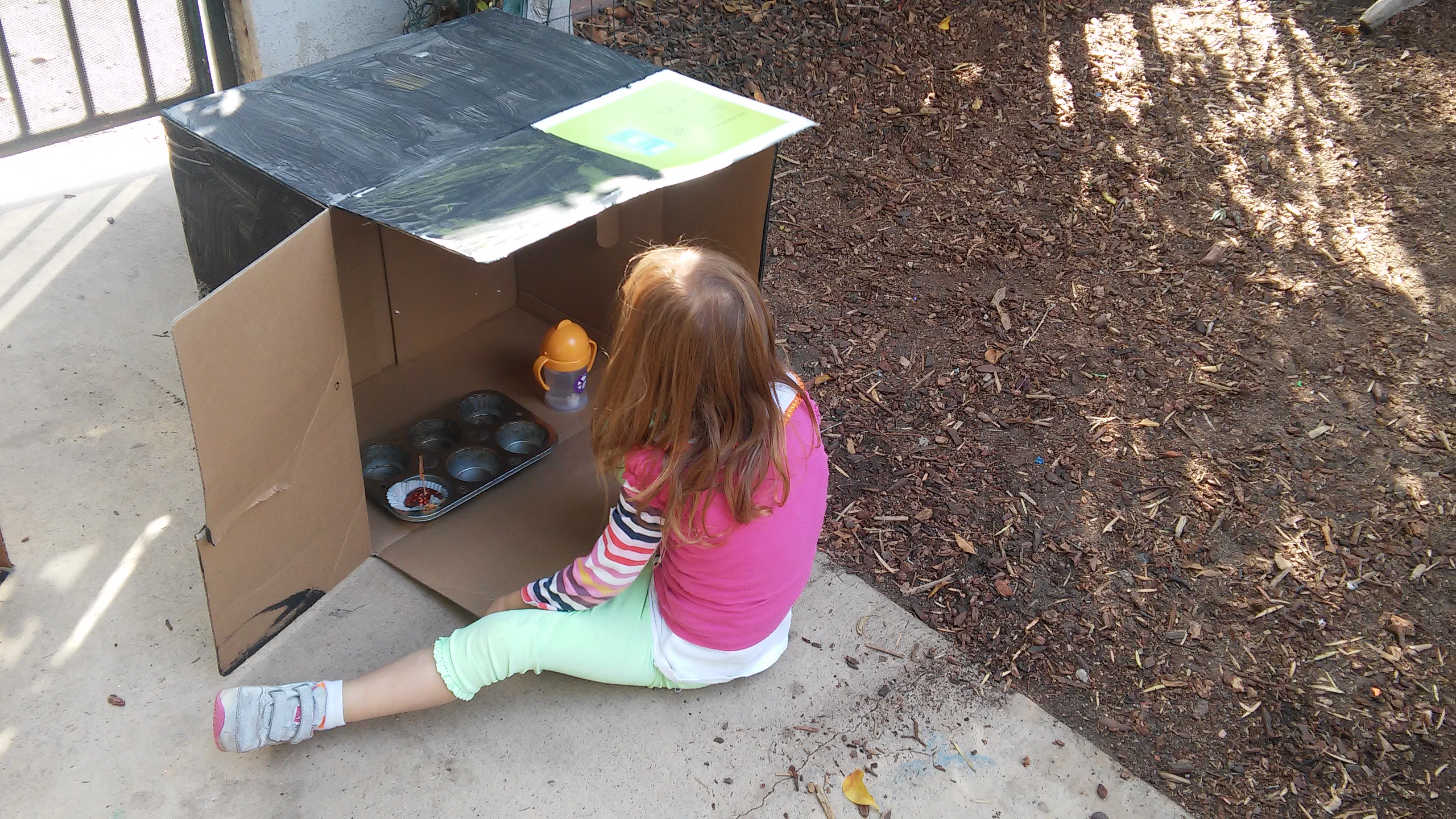
Playdough also encourages children’s language and literacy, science, and math skills—all at the same time! For this activity, we used orange playdough, plastic knives, rolling pins, ovens (made from boxes), and baking accessories to create Halloween treats!

20141017_102105

Monster Masks

Art activities stimulate the preschool child’s imagination and creativity, aiding their physical and mental development. Research has shown that art activities develop brain capacity in early childhood. Art engages children’s senses in open-ended play and supports the development of cognitive, social-emotional, and multi-sensory skills. For this activity, we created monster masks. As your child explored the materials (glue, paper eyes, and paper ovals), it was noticeable how involved they got creating masks. They delighted in applying the glue themselves. This experience enabled them to build important life skills. While creating this mask, we focused on the letter M, and the many words that begin with it.

20141015_104340

This activity also targeted specific fine motor skills, as your child glued and adhered pieces of paper to their creations. We introduced this activity by reading and discussing the book Go Away, Big Green Monster! by Ed Emberley. Following our discussion, students were informed that they would be creating their very own monsters.

20141015_104350

As a class, we brainstormed what our monsters might look like. How many eyes will they have? Will they have horns? Hair? Warts? What colors will they be? Each child was then given a pre-cut mask, and covered it in ovals. As a result, we learned that monsters do not have to be scary! By creating and proudly displaying their art, each student was able to access their own sense of individuality, self-respect, and an appreciation for others’ work.


Exploring Emotions with Jack-O-Lanterns

Exploring feelings and emotions with children is powerful learning!

72710784_2748502408516910_5342725405377822720_n

These investigations give us insight into how we interact with the world around us.

71792389_2748502305183587_5863328226801090560_n

Often children do not have the vocabulary to explain how they feel.

71592770_2748502131850271_3853599517312024576_n

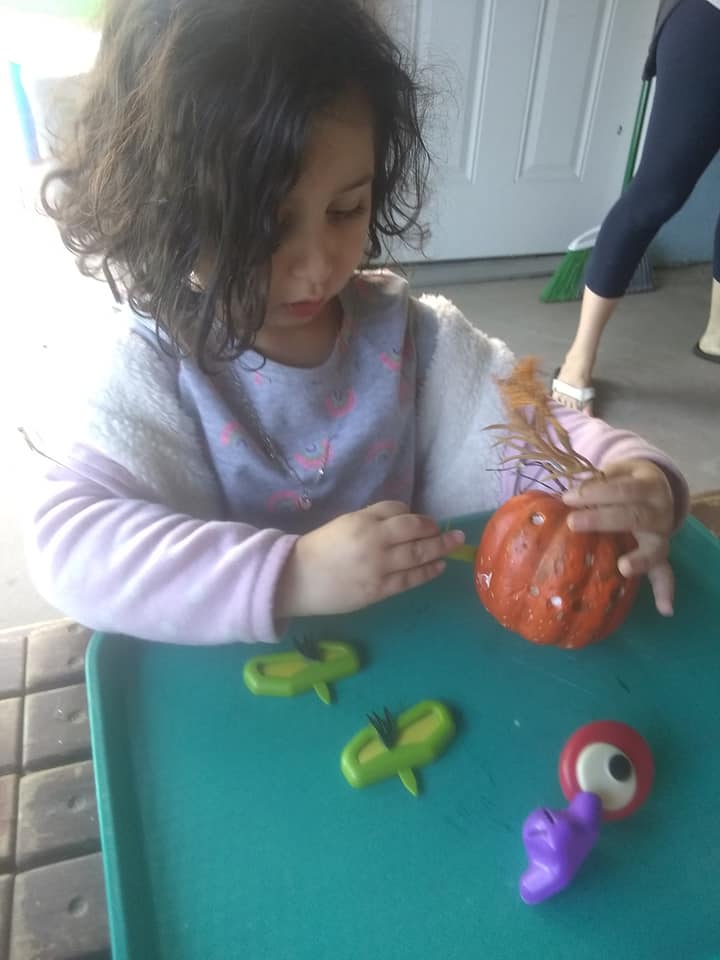
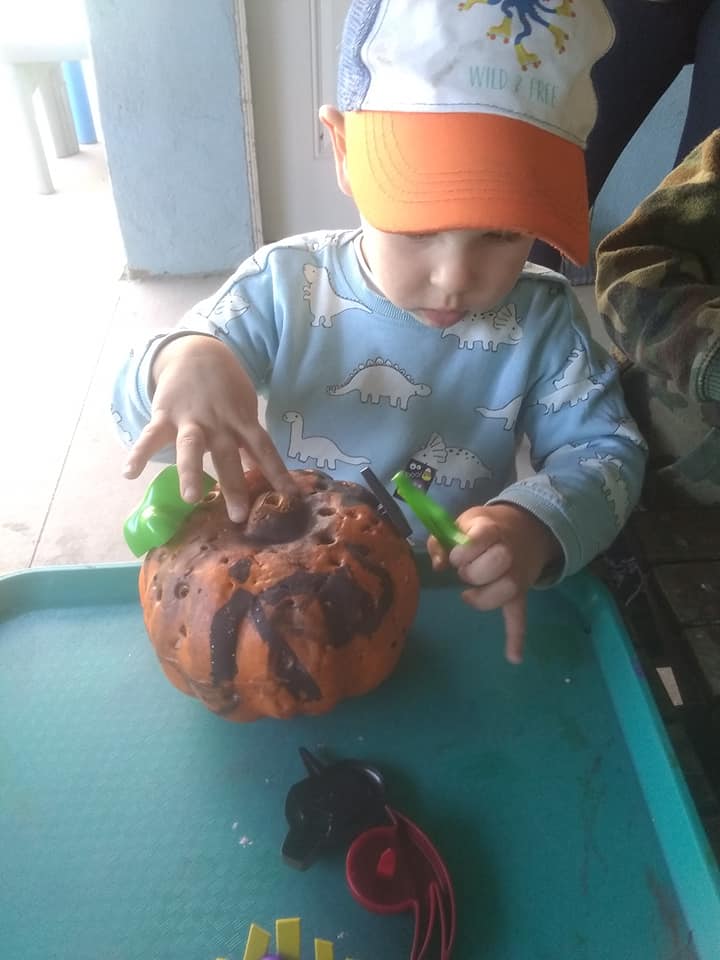
By using plastic pieces on a jack-o-lantern as a means to create an array of facial expressions, children learn, discuss, and explore different feelings and emotions.

20181003_101832_HDR

As a result, they learn how to give a voice to the many emotions they experience.

71495997_2748502058516945_8049468672114163712_n


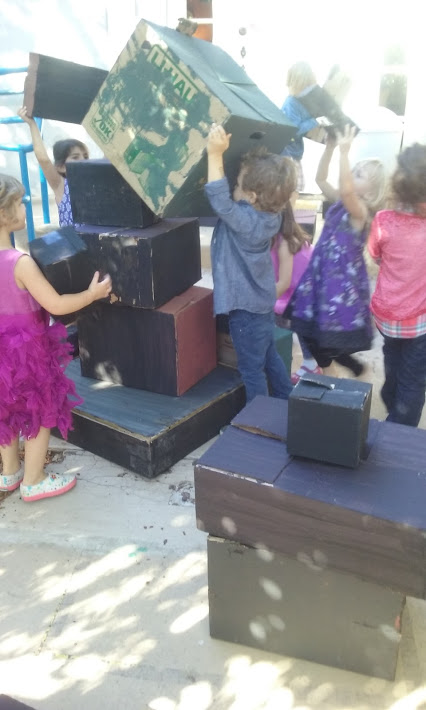
Collaborative Haunted House

Collaborative learning is a teaching style that has evolved over the last thirty years and is still evolving.

haunt

There are three primary aims that encompass the collaborative process.

haunt1

First, by working together, learners are empowered, as they collaborate with every other learner in the class in a playful, but purposeful way.

haunt3

Second, collaborative projects communicate increasingly complex ideas by presenting them in concrete, visual and tactile ways.

haunt5

They do this by removing abstract thinking out of heads and giving it a physical presence. Third, collaborative projects encourage exploratory talk in the classroom.

haunt2

There is increasing evidence that new meanings are developed by the combination of thinking and communicating with others.

haunt4

There is also evidence that talk has been neglected in our classrooms and this has widened the gap in attainment.

haunt6

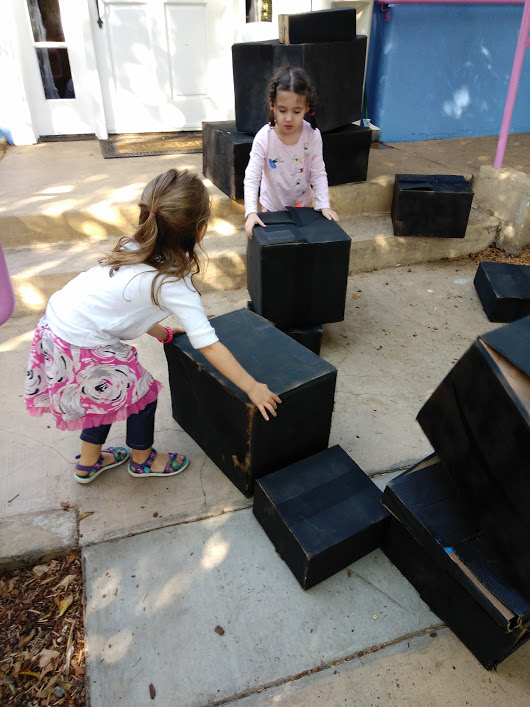
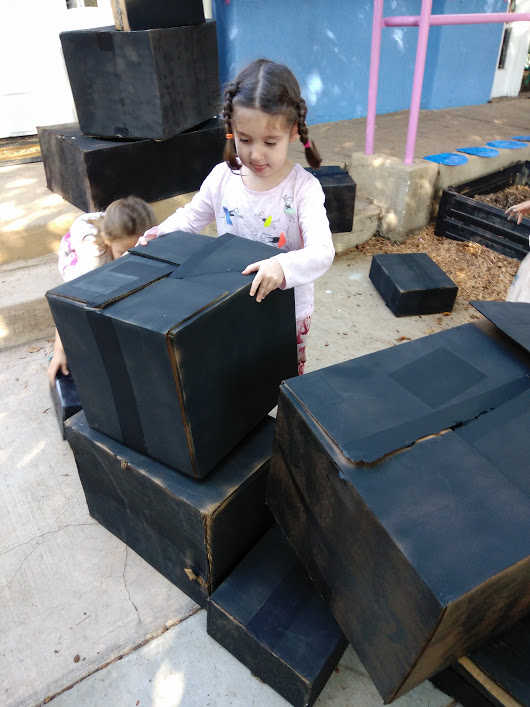
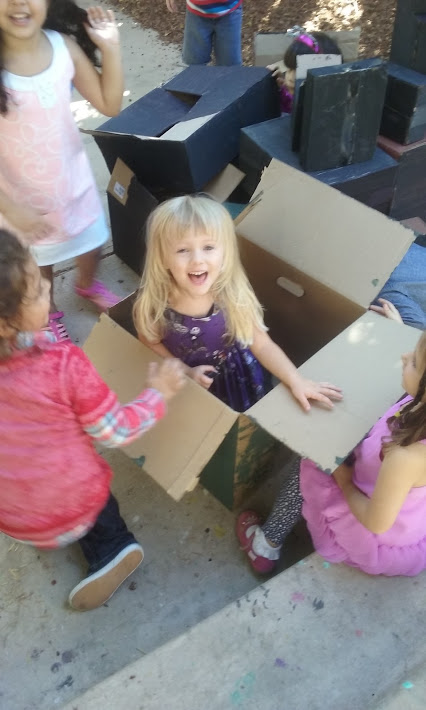
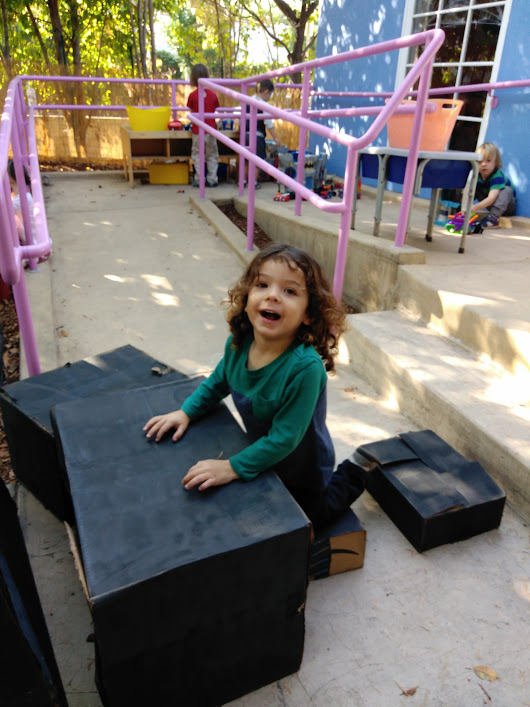
For this activity, we collaborated to construct a haunted house!

haunt7

Using boxes and black paint, we all created the building blocks, and then, worked together to make our structure come alive!

haunt8