
































March is a traditional time for flying kites, so your preschooler was able to learn all about it on this breezy day.
To begin with, our class looked at the leaves on the trees in our front yard to see if it was a good day to fly kites.

It was then explained that kites fly because the wind pushes on its face — trying to blow the kite away — while gravity pulls on it — trying to make the kite come down.
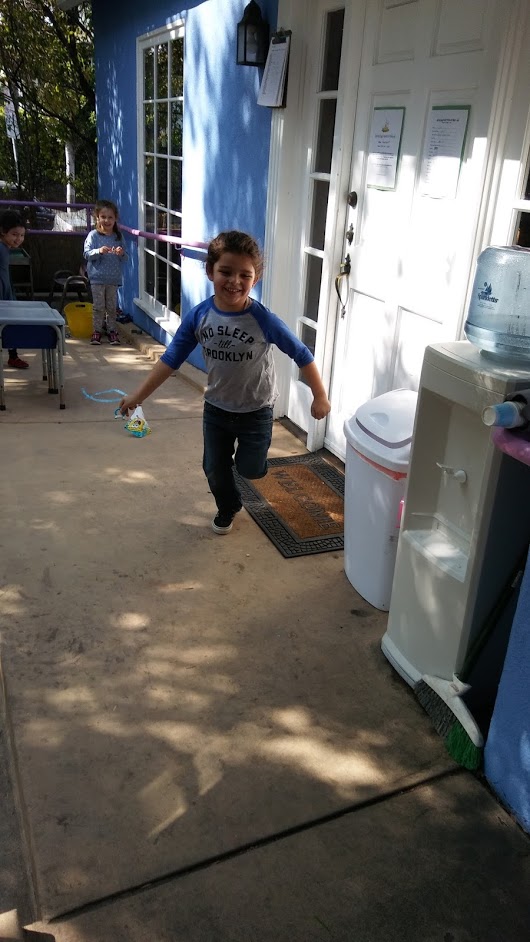
Using real kites, we first launched out kites (without the string) from the stairs in the front yard, to see how far they would fly.
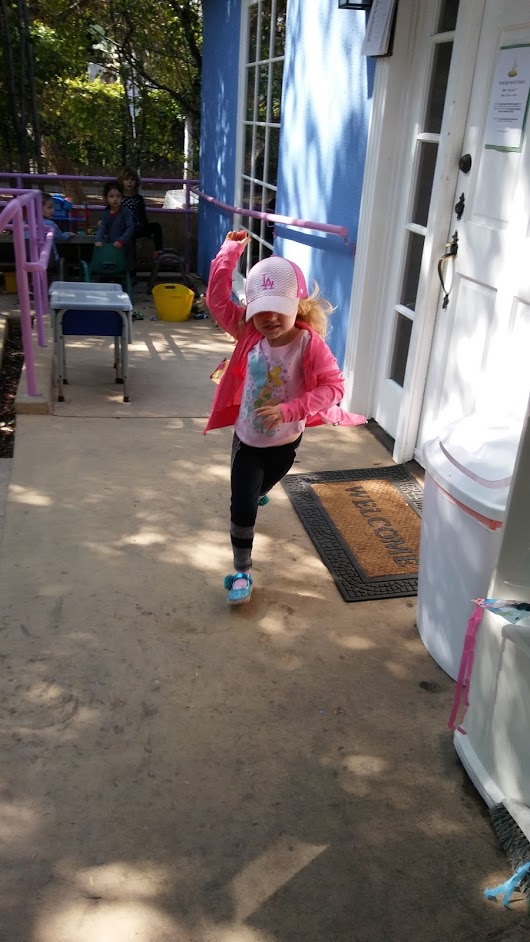
We then took our kites to the back play ground, and practiced running up and down the area with our kites.

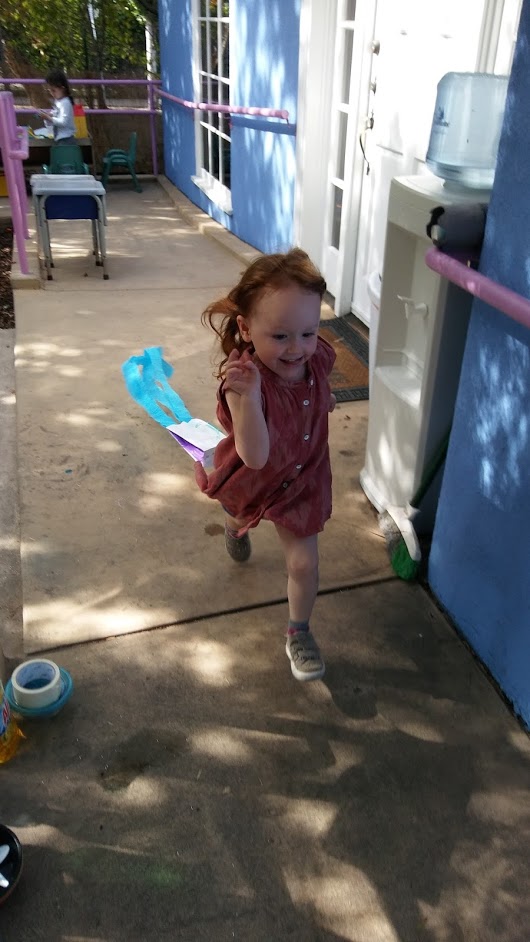
Some students were even able to get their kites into the air! We then created our own kites with streamers and paper bags, and tried to fly those as well!

Art is important for children especially during their early development.

Research shows that art activities develop brain capacity in early childhood. Art engages children’s senses in open-ended play and supports the development of cognitive, social-emotional and multi-sensory skills.

As children progress into elementary school and beyond, art continues to provide opportunities for brain development, mastery, self-esteem and creativity. It is for this reason that we included an art project into our spring weather theme. Because we are learning about all things solar specifically, we painted with our very own suns!

Using yellow balloons as our inspiration, we dipped these into yellow paint and stamped some “suns” onto construction paper.

We spend about 30 minutes writing every day. Twenty of these minutes are spent writing on worksheets, and ten of these minutes are spent writing with tactile materials.

In all of my experience, I have learned that children learn more from meaningful experiences than they do with two-dimensional materials, such as paper.
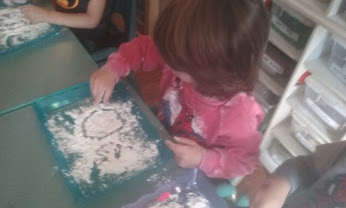
It is for this reason that we write on everything! On walls, the sidewalk, and even the table! We also use EVERYTHING we can find to write: markers, crayons, chalk, play dough, and even mud!

For these two activities, we explored two different letters that corresponded to our month of weather. The first of these letters was C for cloud, and the second of these letters was S for sun. For the cloud portion, we traced letter Cs into flour. A few weeks later, we traced the letter Ss into orange glitter.

The sun is the source of energy and heat for our planet. On Friday, we taught your little one that the sun’s energy travels through space, into the earth’s atmosphere, and finally onto earth’s surface. The sun’s radiation warms the earth’s atmosphere and surface and this process is called heat transfer. To help your little one understand this, we studied how heat transfer affects matter. To a child, matter is anything that they can touch.

Because heat transfer can be an abstract concept for the young learner, we did a variety of activities that enabled your child to interact with it in a hands-on way. It is for this reason that we created mud pies!
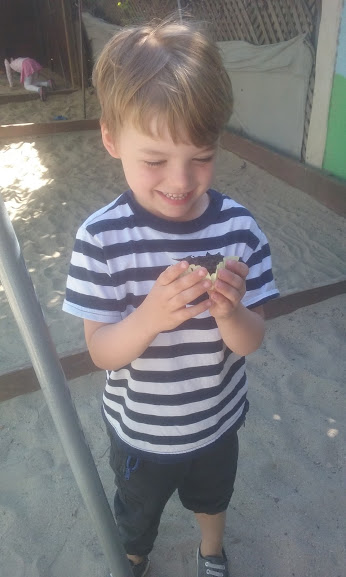
By making mud pies and allowing them to dry over night, your little one was able to experience how the sun works with their eyes and their hands.
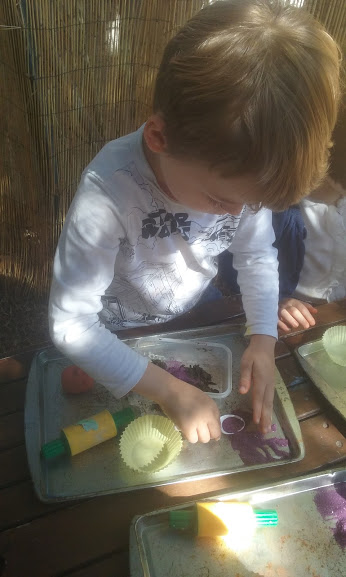
This enabled them to experience the process of heat transfer in a way that they could understand.

This week, many of our students tried watercolor painting for the first time.
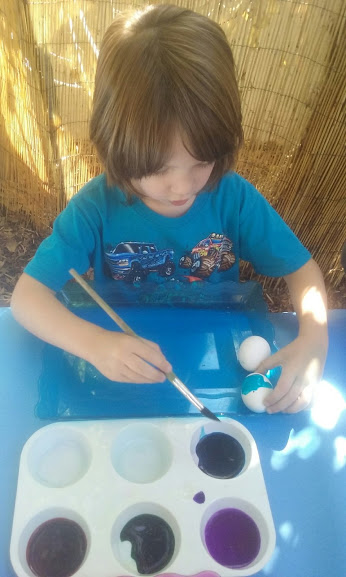
We added a variety of these colors to real eggs and enjoyed showing them to our friends.
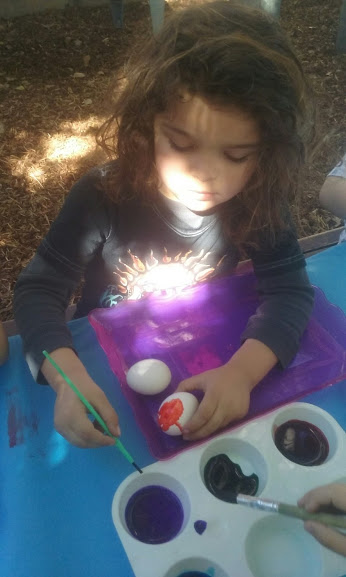 It was one of the most fun art techniques we’ve done in a long time and the whole process from start to finish was absolutely beautiful.
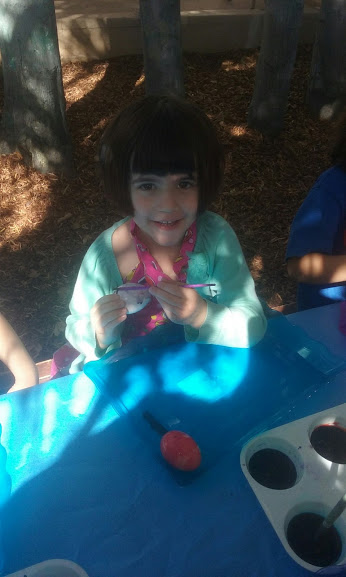
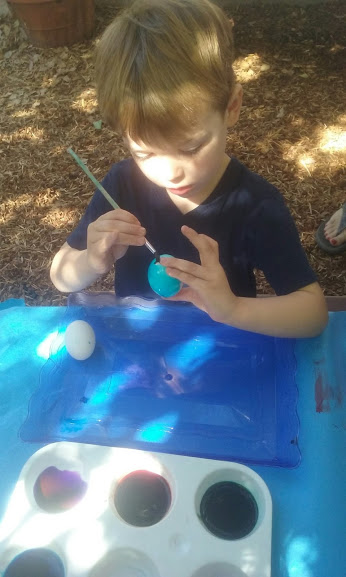 Because this activity is a messy one, we capitalized on that fact by doing the activity in an area where it was okay for the kids to get as messy as they wanted, and an area where the mess was contained and easily cleaned up!
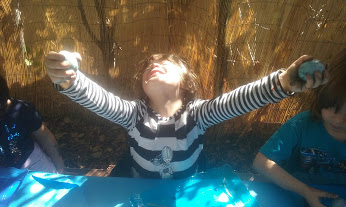
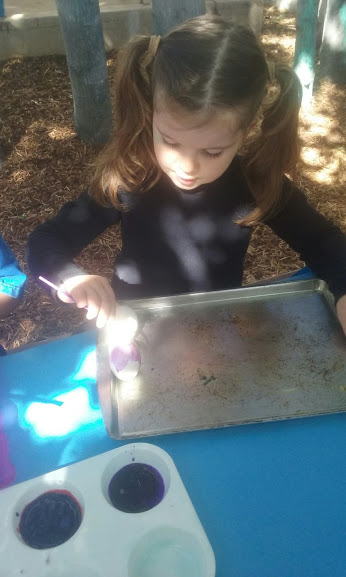
Win-win! And we had even MORE fun than last year!
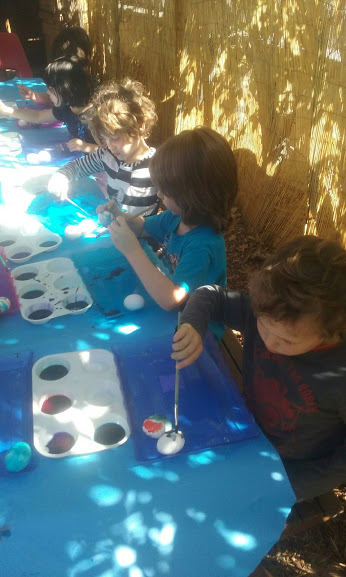
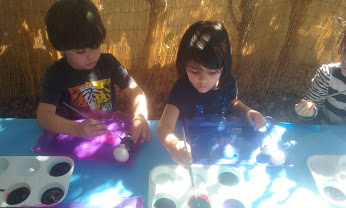
We love learning all about letters is Miss Carrie’s class.
 During the course of our spring theme, your little one participated in many hands-on activities, aimed at helping them learn the letter of the week, which was C for cloud.
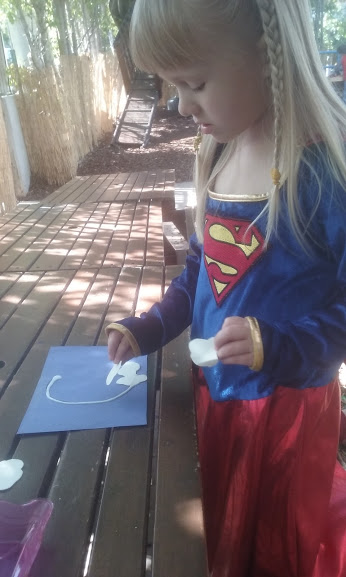
 This activity involved your little one placing paper “clouds” onto the letter C.
Children investigate shadows indoors and outside to develop their understanding of the sun as a light source and how it’s apparent motion across the sky changes the size and direction of the shadows they see.

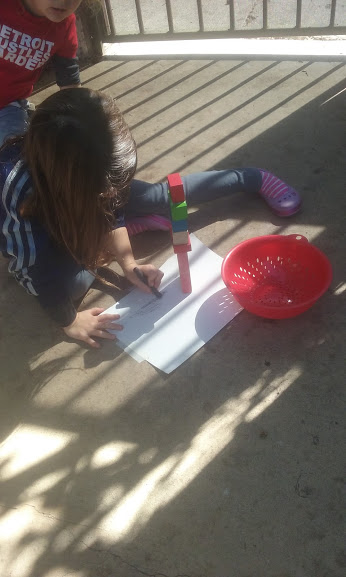
Because no unit on spring weather would be complete without some fun with the sun (and the shadows it creates), we constructed our very own shadow structures. Students were first given blocks and a white piece of paper.
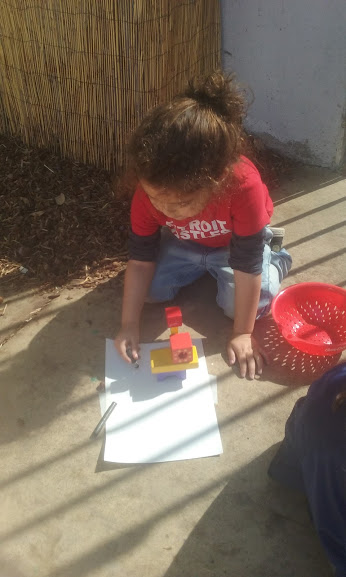
They were then told to build a tower with their blocks.
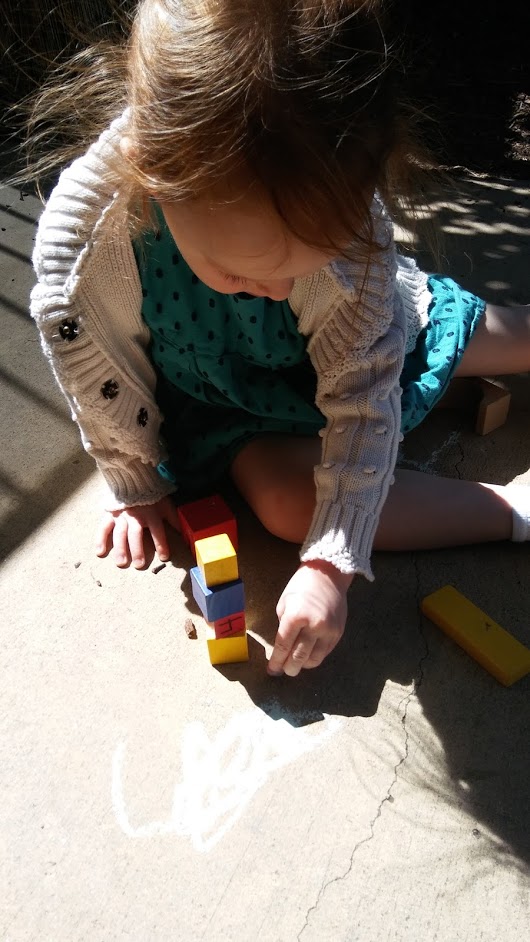
Next, they used crayons to draw the shadow of their structures.

Lastly, we talked about how the sun makes shadows!




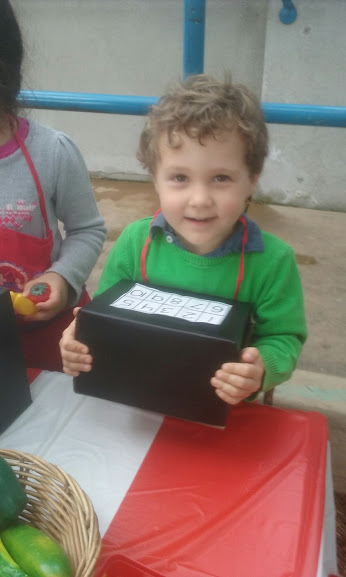
Your preschooler consistently expresses her preference for tactile play.
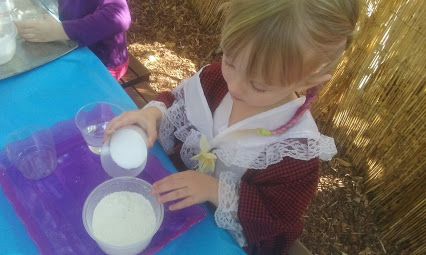 As young children seek to grasp new information, this form of play provides the perfect forum to apply newly acquired concepts.

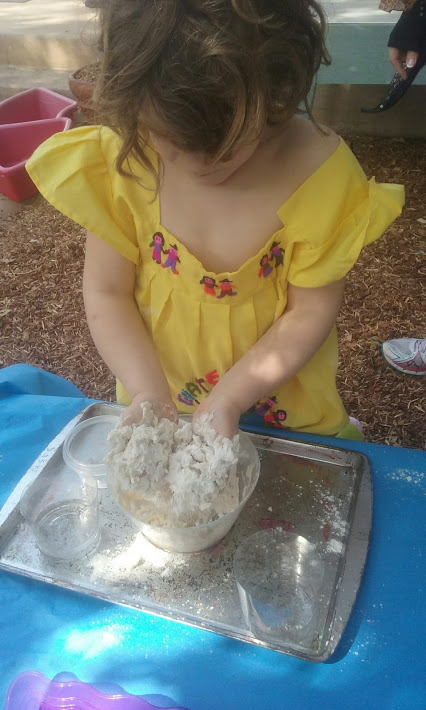 As they interact with peers, their teacher, and provided materials, your budding ornithologist forms relationships to learned notions that enable them to make sense of their world.
 For this particular activity, we learned about how baby birds are born. Because they are reptiles, most birds lay eggs. Using play dough, tiny birds, sticks, and rocks, we created our very own bird nests!
 We first made the play dough (using salt, flour and water), and then created our nests!
 Your little scientist enjoyed spinning elaborate tales of baby birds cavorting through the “forest” as they followed their “parents”.
 Their conversations allowed for the processing of new vocabulary and the enjoyment of working together toward an idealized goal.

 misscarriescorner