Hanukkah Feast

Hanukkah is one of the most significant periods in the Jewish calendar, celebrated by millions worldwide. Also known as the Festival of Lights, it is observed by lighting one candle on the menorah candelabrum each day.

bim6

Hanukkah is celebrated in November or December in the western calendar. The holiday begins on ninth month of the ecclesiastical year on the Hebrew calendar, and is celebrated for eight days.
bim5

Observing the Jewish peoples’ struggle for religious freedom, the word Hanukkah means “rededication”. The festival marks the rededication of the Second Temple in Jerusalem during the second century BC, when the Israelites, led by the Maccabees, gained victory over the Greek-Syrian oppressors. Hanukkah is celebrated in a number of ways, from the traditional lighting of the menorah to special foods and games.

bim8

As Hanukkah celebrates the miracle of oil, it is traditional to eat fried foods such as sufganiyot – jam-filled doughnuts. Traditional foods include potato pancakes, known as latkes in Yiddish, particularly among Ashkenazi families. According to rabbinic literature, there is also a tradition of eating dairy products, such as cheese, during Hanukkah.
bim

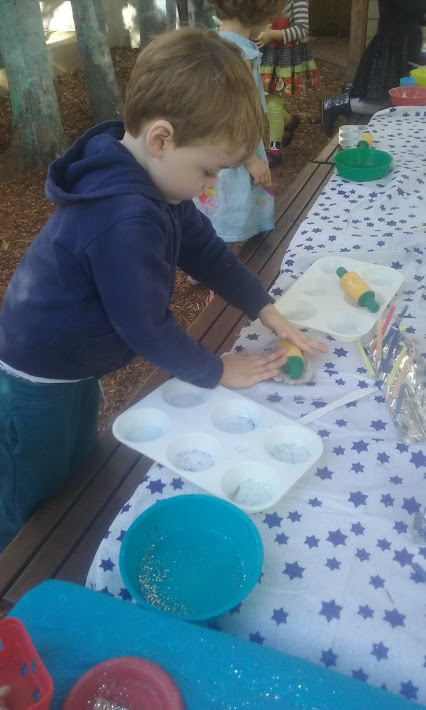
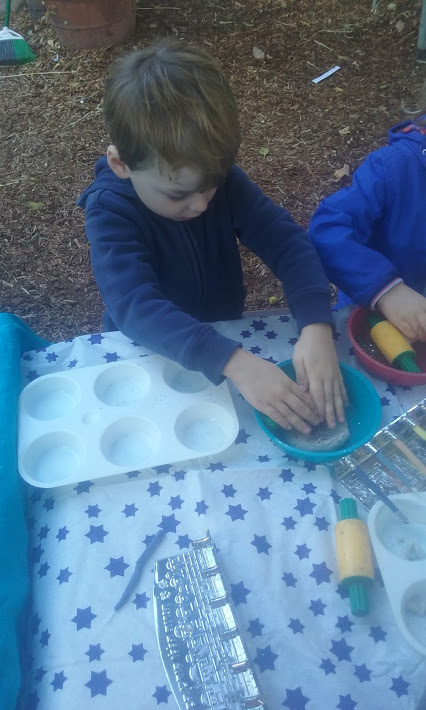
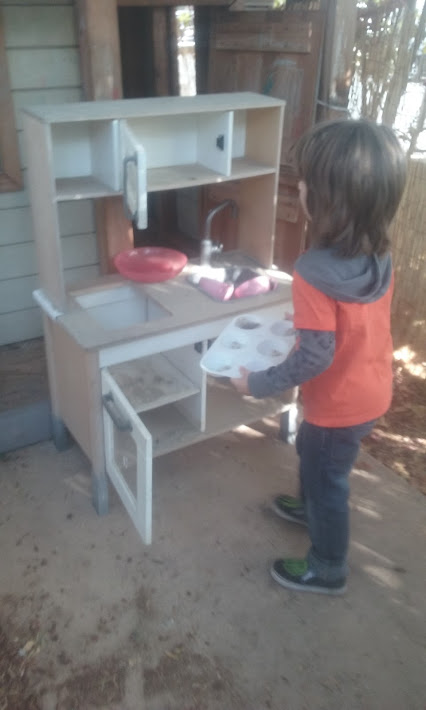
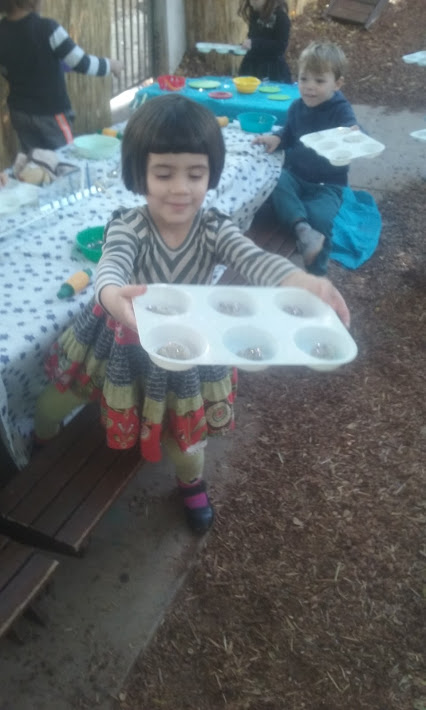
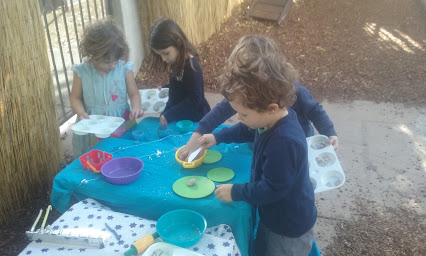
For this activity, we talked about these different fried foods. We then created a number of them out of play dough, and pretended to cook and serve them to our friends!

bim9

bim1

Cooking and dramatic play activities are not only a fun, engaging activity for children, but one that can be used as an important teaching and development tool.
bim2

For instance, the act of following a recipe or creating a dish can encourage self-direction and independence, while also teaching children to follow directions and use thinking skills to problem solve.
bim3

Also, when children come together in a dramatic play experience, they are learning many things! They not only negotiate roles, but cooperate and listen to one another to bring their ideas to life. And by recreating some of the experiences they actually face, they learn how to integrate new material with previous learned information.
bim4

Fine Motor Menorahs

Fine motor skills encompass a variety of tasks that color all aspects of our lives.
Screenshot_2019-02-05-01-36-23.png
For little ones, these skills enable them to thrive in their daily environments.
img_20191218_102700343_burst000_cover_top
These skills are not only the precursors to writing, but include a variety of tasks, including manipulating objects, operating scissors, opening and closing lids, turning pages, and completing puzzles.
img_20191218_101905138
Because we have been talking about the menorah, your little one participated in an activity that honed in on these skills.
Screenshot_2019-02-05-01-35-47.png
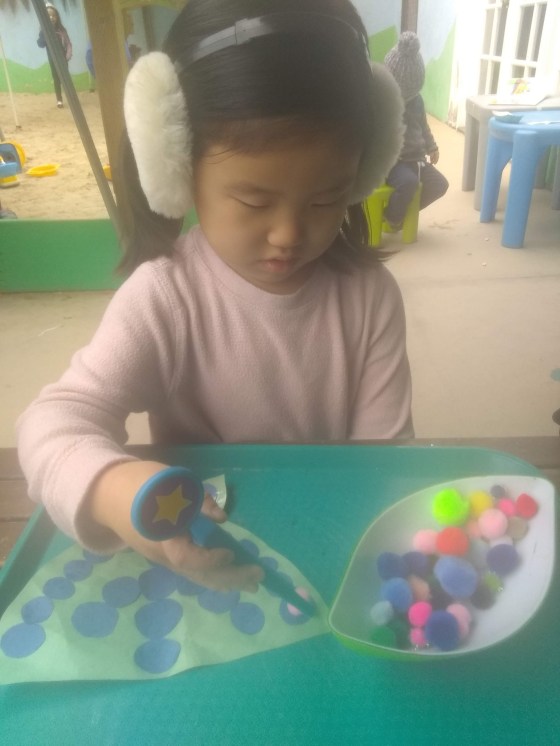
Using tweezers and pom poms, students created their very own menorahs!
motormenorahs4
They had so much fun transferring pom poms to their menorahs and laughing with their friends!
img_20191218_100938193

Play Dough Menorahs

Using play dough (or in fact any type of dough) with young children is beneficial in so many ways.

Screenshot_2019-02-05-02-25-07.png

The malleable properties of play dough make it fun for investigation and exploration as well as building up strength in all the tiny hand muscles and tendons,  making young writers ready for pencil and scissor control later on.

Screenshot_2019-02-05-02-29-55.png

Screenshot_2019-02-05-02-25-25.png

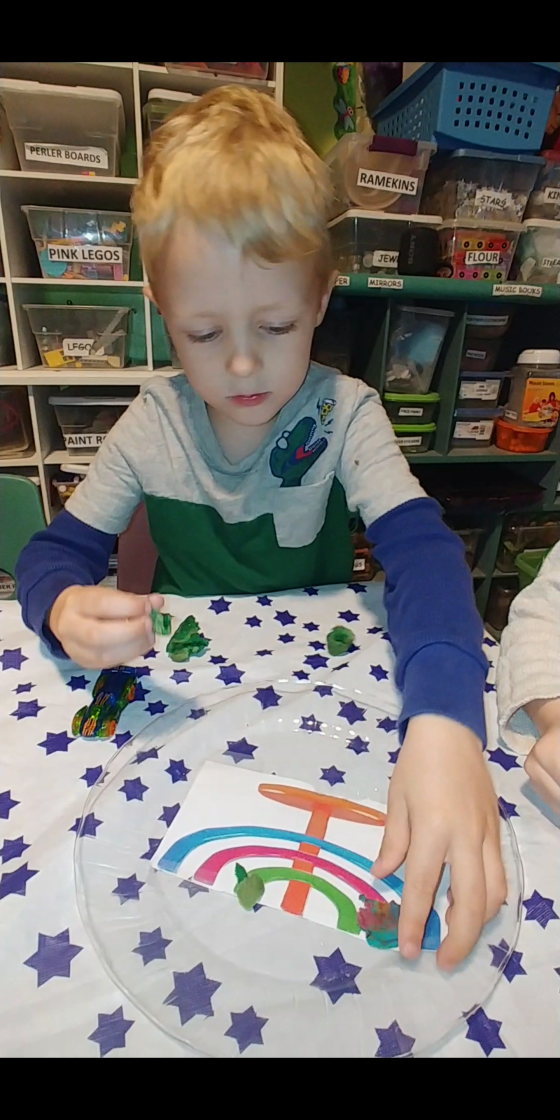
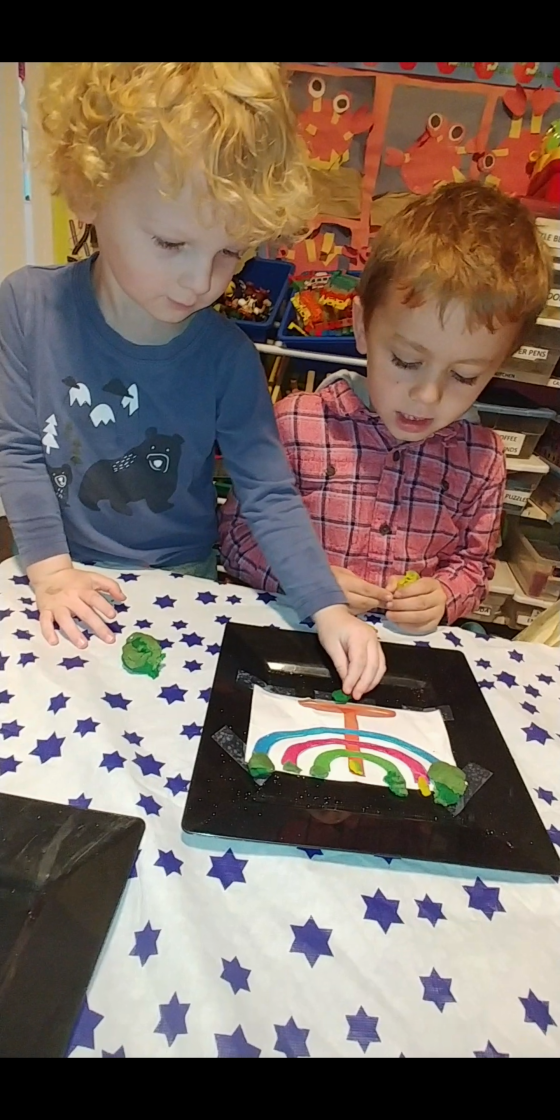
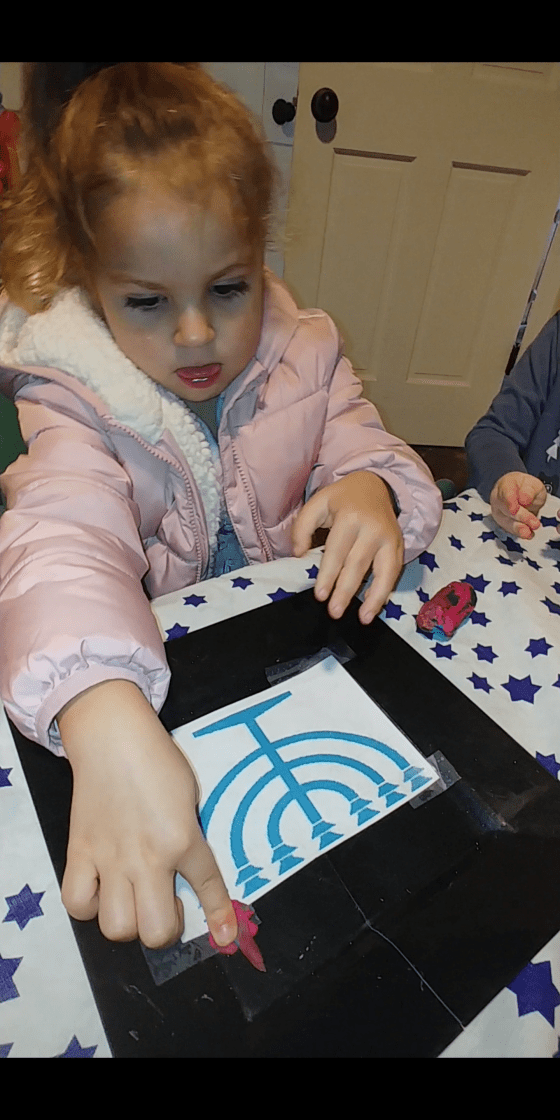
For this activity, we used play dough and menorah play dough mats to teach your little ones about the menorah.

Screenshot_2019-02-05-02-25-40.png

doughmenorah2

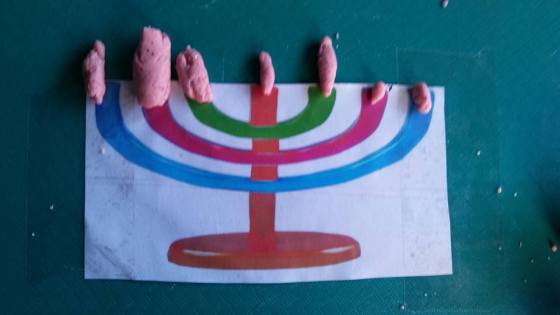
Using their hands, they practiced rolling their play dough into candles to put onto their menorahs!

Screenshot_2019-02-05-02-26-16.png

doughmenorah5

When finished, students counted how many candles they had.

Screenshot_2019-02-05-02-29-25.png

doughmenorah3

Ursus Maritimus

Your little one participated in yet another fun sensory activity!

14068315_1286230801410752_8401587915833770388_n

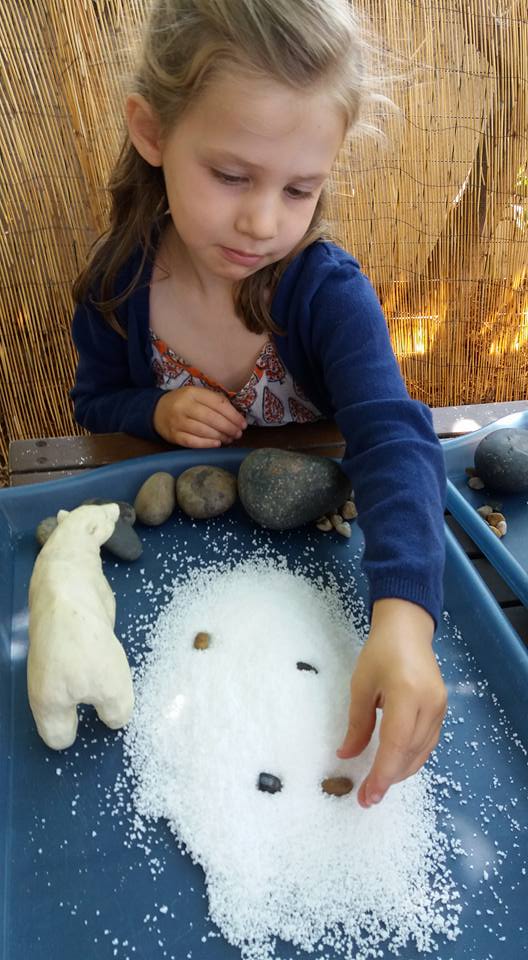
Using insta-snow,  rocks, and  toy polar bears, your little one created their very own winter wonderland!

14068319_1286231001410732_8619250389290906189_n

We began this activity with a discussion and review of the various bears that we have been learning about this week.

14102549_1286230858077413_6173104217366294487_n

We then talked about the polar bear and the kind of environments that the polar bear prefers.

14183724_1286230838077415_4989407327656595339_n

Our discussion concluded with a review of the new vocabulary that we have been learning, such as glacier, blubber, the Arctic Circle, and carnivore.

14183827_1286231028077396_3702017276364823366_n

Your little explorer then happily constructed the perfect living space for their arctic creature.

14191900_1286230881410744_576631998871423813_n

This was the definite favorite for the week, as your little one applied their understanding of various vocabulary and scientific concepts.

14184536_1286231114744054_8203583640166001139_n


Sensory Play with Insta-Snow

Children (and adults) learn best and retain the most information when they engage their senses.

insta

By giving children the opportunity to investigate materials with no preconceived knowledge, you’re helping them develop and refine their cognitive, social and emotional, physical, creative and linguistic skillsets.

insta1

These sensory experiences provide open-ended opportunities where the process is more important than the product; how children use materials is much more important than what they make with them.

insta4

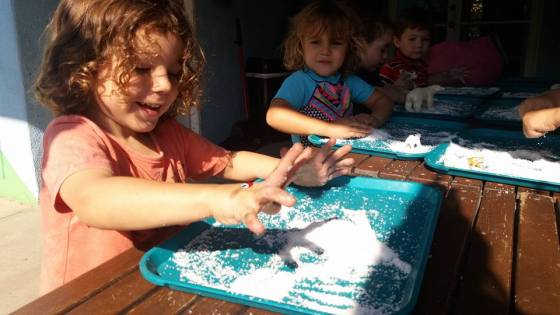
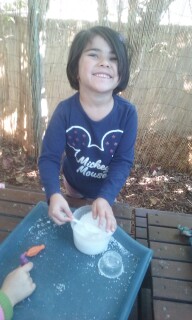
For this activity, we explored the physical properties of insta-snow. As your little ones manipulated the snow with their hands, they used many different words to describe its texture and temperature, giggling with their friends as they did so!

insta3

Green Apple Trees

Food preparation is not only a fun, engaging activity for children, but one that has been used for years as an important teaching and development tool for all ages.

apple

For one thing, hands-on cooking activities encourage a sense of pride and confidence. The act of following a recipe can encourage self-direction and independence, while also teaching children to follow directions and use thinking skills to problem solve.

apple5

Working with food also inspires children’s curiosity, thinking, and problem solving, offering new opportunities to make predictions and observations. Additionally, creating meals offers authentic opportunities for students to understand and apply their knowledge of measuring, one-to-one correspondence, numbers, and counting. As they follow a recipe, children organize ingredients, follow a sequence, and carry out multiple directions.

apple1

Lastly, chopping, squeezing, spreading, and mixing materials help develop a child’s small muscle control and eye-hand coordination.
apple6

apple2


apple7

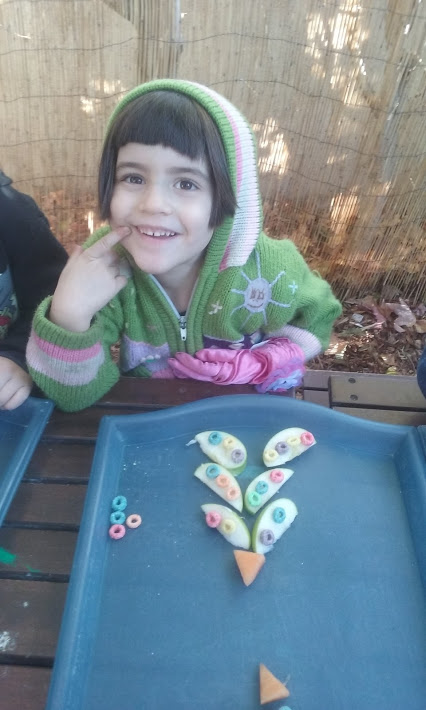
For this activity, we used our thinking minds and our strong muscles to create Christmas trees!

apple4

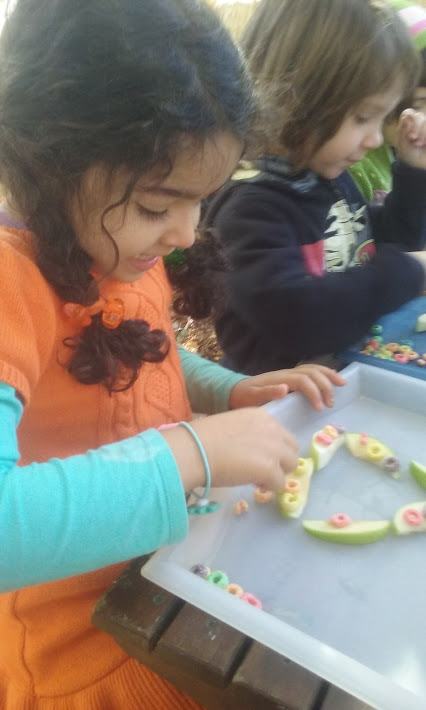
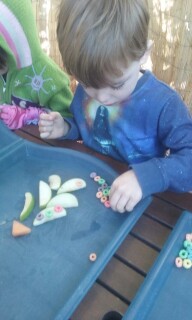
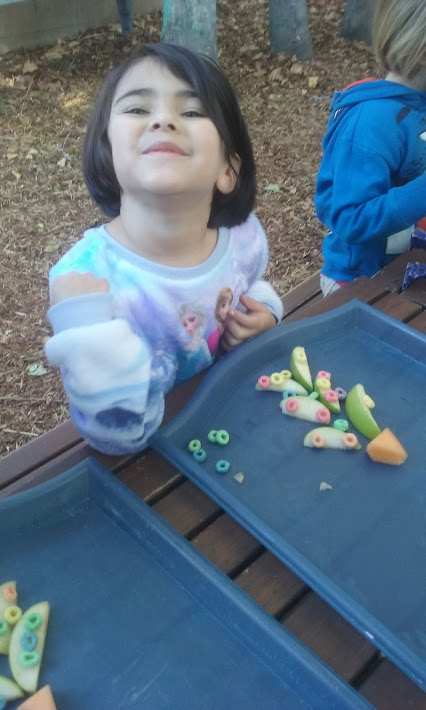
Using apples as our “trees”, cereal as our “ornaments,” and cheese as our “stars”, we enjoyed following a recipe (with the assistance of colorful illustrations), constructing a tree, and then devouring our yummy snacks!

apple3

f

Dissolving Snowman

A primary vehicle to scientific instruction is that of example.

Dissolve1

mansnow

Because the study of scientific concepts incorporate both observation and experimentation, our classroom activities strive to both display and apply this type of instruction.

Dissolve

Dissolve2

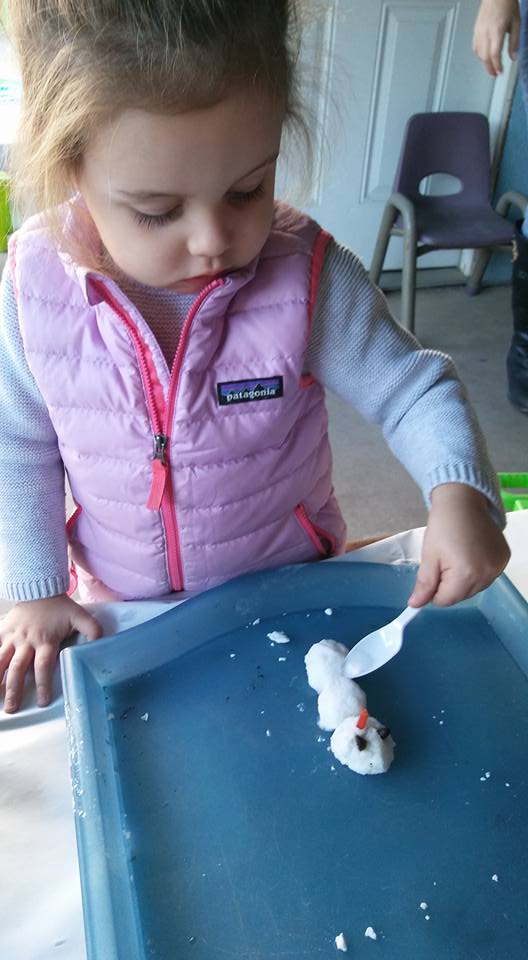
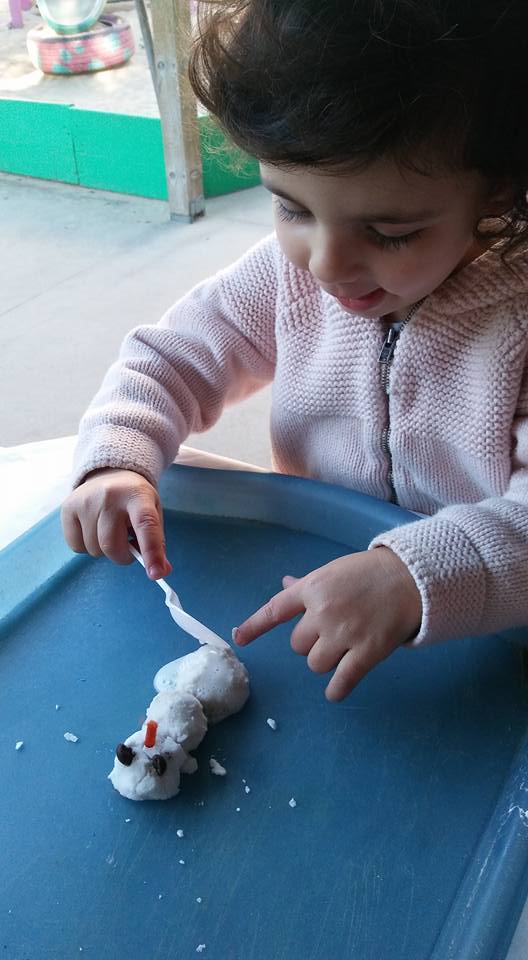
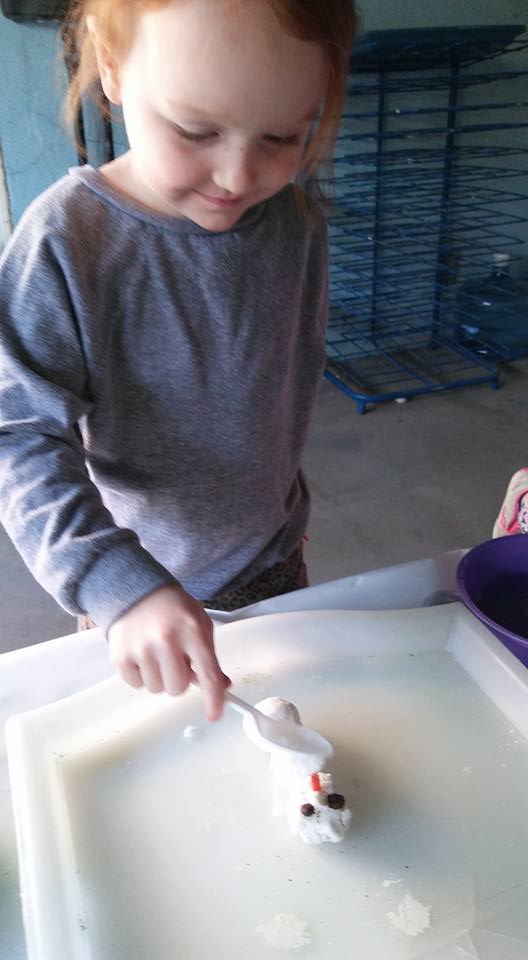
This activity involved the science of how things dissolve.

Dissolve3

Your budding chemist first learned that all things are made up of molecules.

Dissolve4

mansnow3

We talked about how when some molecules interact, exciting things happen, and the word that describes this (in our experiment) phenomena is dissolution.
Dissolve11

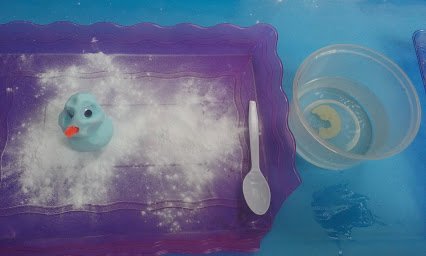
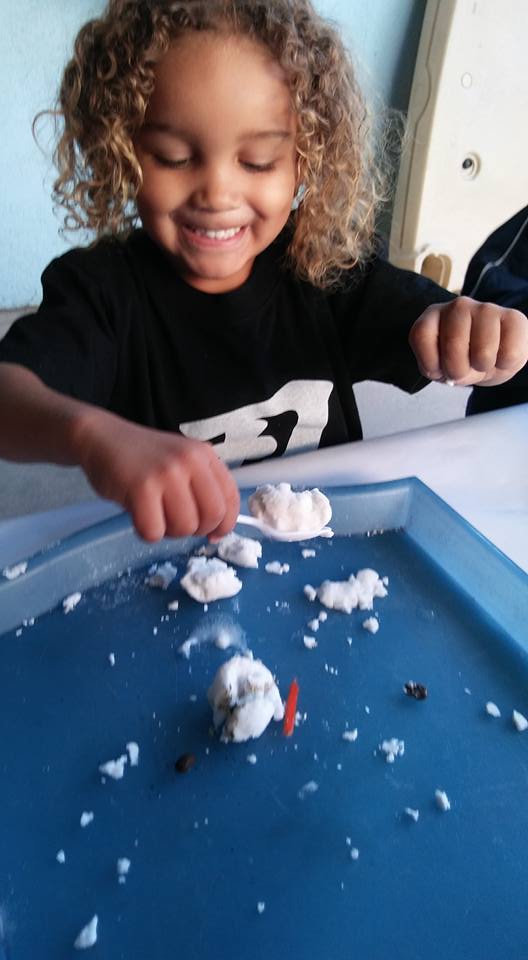
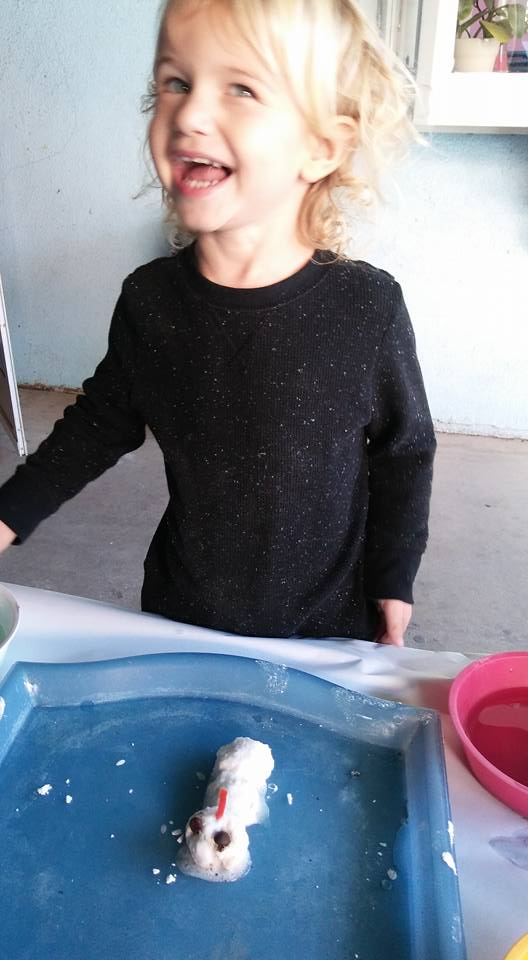
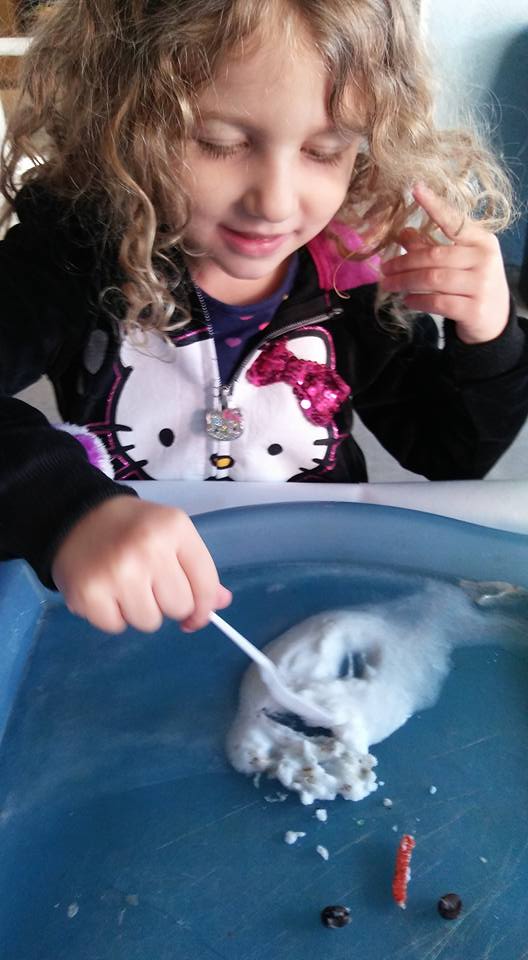
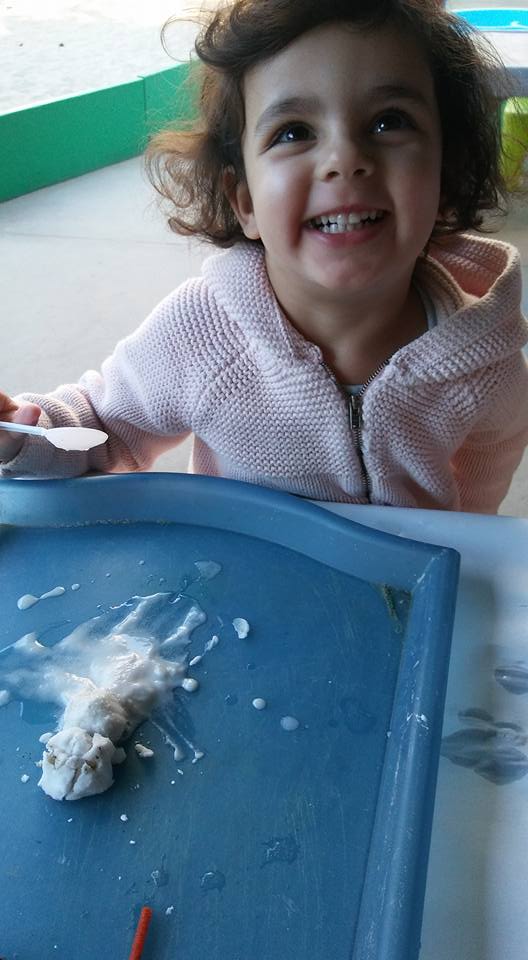
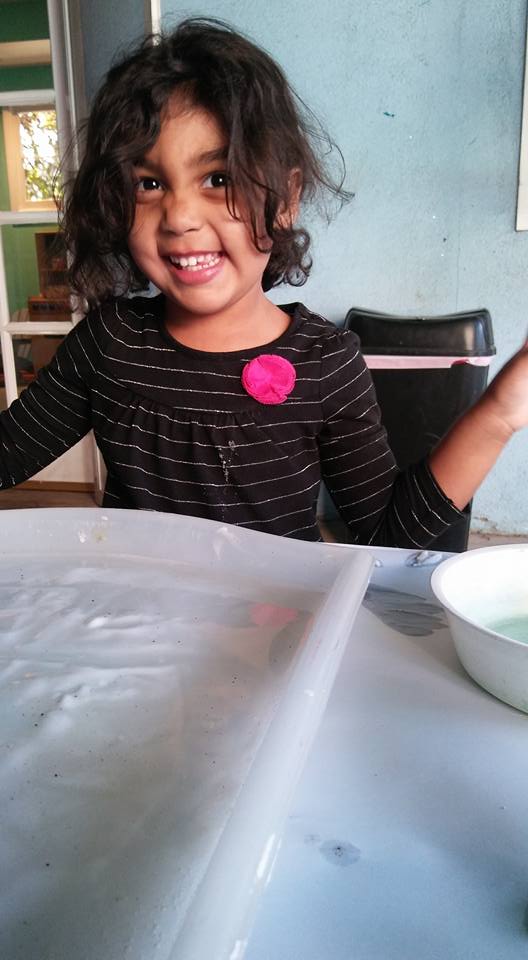
Using two different materials (baking soda and soap), we constructed snowmen and observed how our creations dissolved once we added vinegar to them.
Dissolve10

We then discussed why we thought some snowmen “disappeared” faster than others.

Dissolve6

Everyone enjoyed constructing and then watching as their creations disappeared!

Dissolve12

Christmas Tree Play Dough

The evergreen fir tree has traditionally been used to celebrate winter festivals (pagan and Christian) for thousands of years. Pagans used branches of it to decorate their homes during the winter solstice, as it made them think of the spring to come. The Romans used fir trees to decorate their temples at the festival of Saturnalia.

ctree

Nobody is really sure when fir trees were first used as Christmas trees. It probably began about 1000 years ago in Northern Europe. Many early Christmas Trees seem to have been hung upside down from the ceiling using chains (hung from chandeliers/lighting hooks). To create our own version of the early Christmas tree, we created our very own using play dough and jewels!

ctree1

Using play dough helps a child practice using certain physical skills with the hands when they manipulate the dough with their fingers. Children can practice skills such as pinching, squeezing or poking while they play with the dough. Lastly, using play dough helps a child practice using imagination and other cognitive abilities such imitation, symbolism and problem solving. This helps our little ones learn more about their environment as they make and mimics everyday objects with the play dough.

ctree2


Turkey Nests

Wild Turkeys live year-round in open forests with interspersed clearings in 49 states (excluding Alaska), parts of Mexico, and parts of southern Alberta, Ontario, Manitoba, and Saskatchewan, Canada.

turknest

Turkeys in northeastern North America use mature oak-hickory forests and humid forests of red oak, beech, cherry, and white ash.

turknest1

They nest on the ground in dead leaves at the bases of trees, under brush piles or thick shrubbery, or occasionally in open hayfields.

turknest2

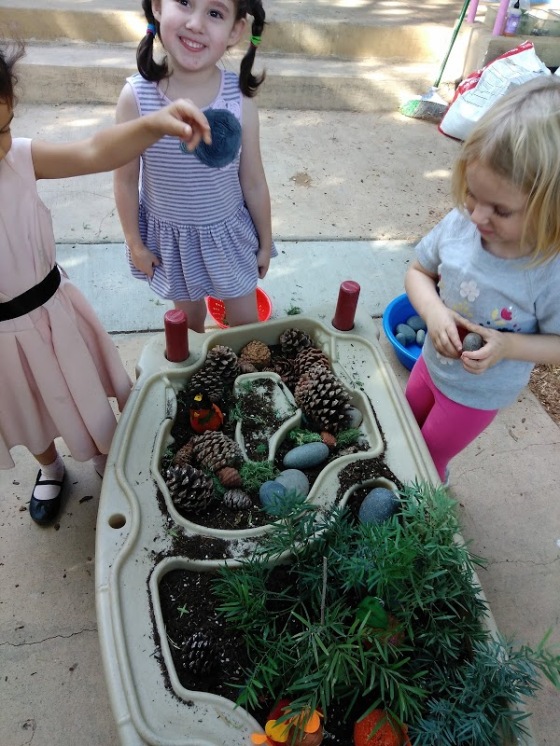
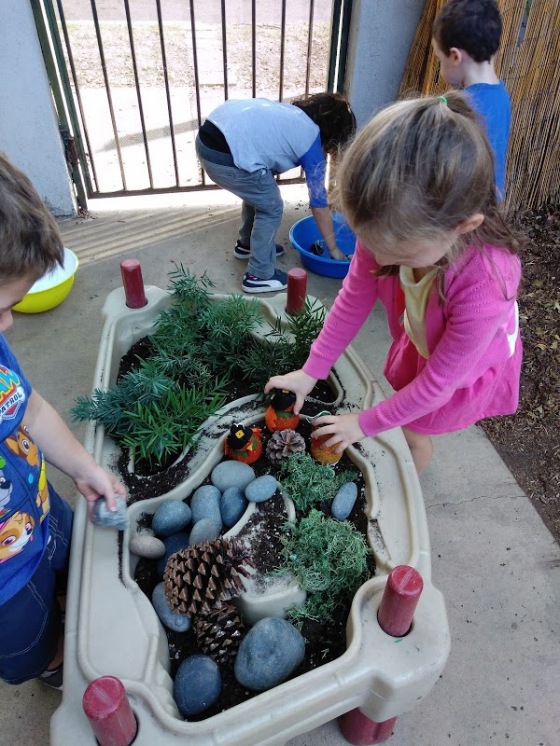
To help us understand the world of the turkey, we created our very own turkey nests!

turknest3


Turkey Feather Ts

There are so many ways to strengthen pre-reading and pre-writing skills that have nothing to do with books or worksheets!

featherturk

Young children can easily become frustrated with writing, because their gross motor skills are developing faster than their fine motor skills.

featherturk7

It is not until they turn five or six that they can truly master writing implements.

featherturk1

But… that doesn’t mean that they still can’t have fun with letters! In Miss Carrie’s class, we like to think outside of the box. For this activity your little ones were encouraged to read and write in a very special way.

featherturk6

Because our activities relate to a theme (in this case, Thanksgiving), we tend to keep them within certain parameters.

featherturk2

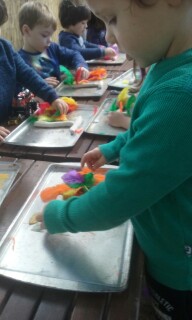
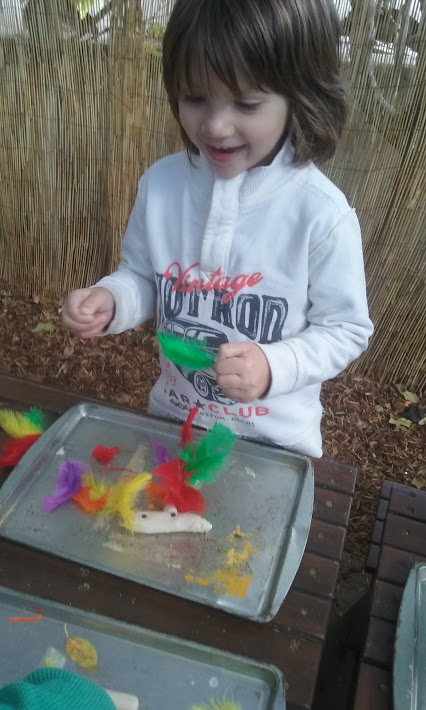
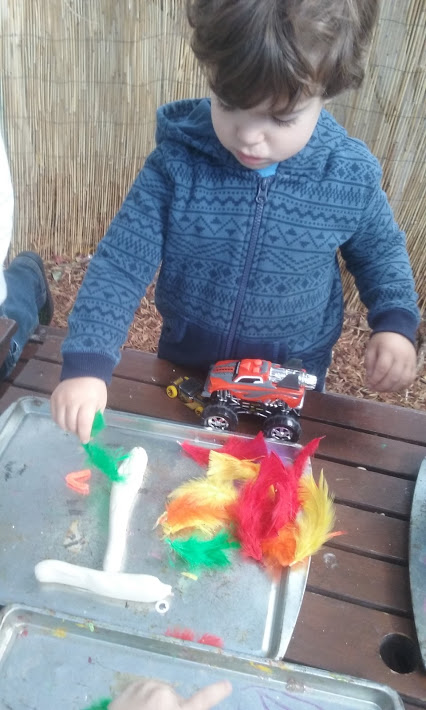
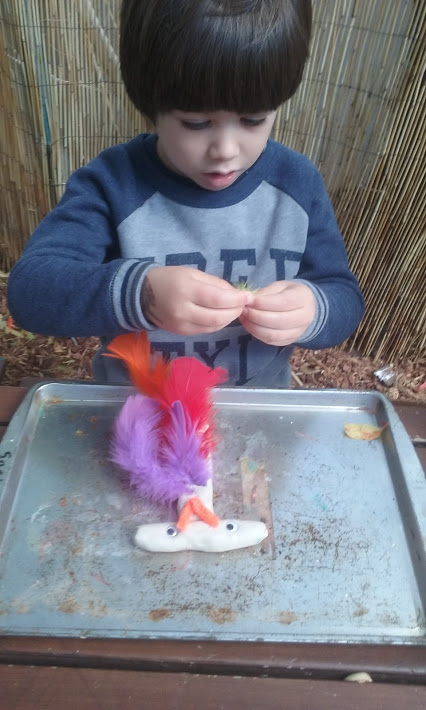
This particular week involved learning all about turkeys and the letter T. This was a two part activity. First, students were given play dough that they were told to roll into two separate rolls.

featherturk5

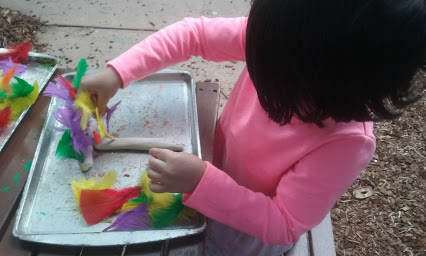
Then they connected each roll to form a T. Next, they placed feathers into the T. Lastly, they added feathers, googly eyes, and a pipe cleaner (for the beak) to create letter T turkeys!

featherturk3