Tiger Count and Sort

When young children categorize items by number, they are beginning to perceive the relationships between them.

16 - 1

As they evolve in their ability to recognize and count the written numeral, they start to understand how they work together.

16 - 1 (1)

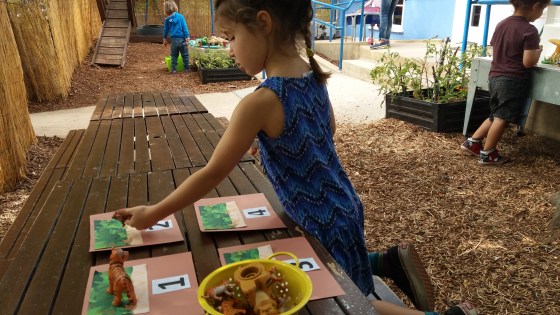
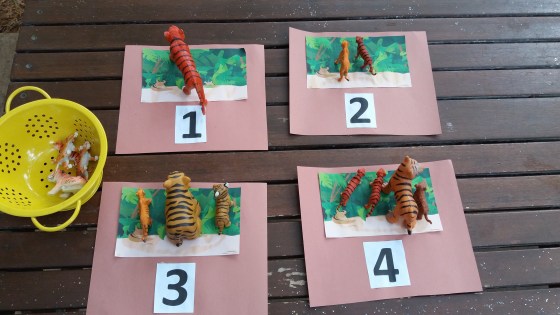
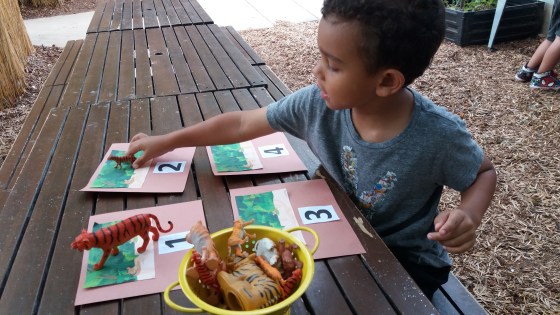
In this activity, your budding mathematicians learned how to recognize and count tigers within the scope of our tiger theme.

16 - 1 (2)

Using toy tigers and pictures of a jungle, students placed these items onto four different pictures, counting and naming the numbers while doing so.

16 - 1 (3)


The Lion Guard Story Tray

Children can find it very difficult to re-tell stories and even harder to make them up. This is particularly so if they have not had much experience with stories and story telling in the preschool classroom.

Story Tray

There are a variety of ways to involve children with texts, and the use of ‘story trays’  is one that does not only spark an interest in reading but also involves much talk and discussion, which is why we include them in our curriculum!

Story Tray 1

A story tray is a tray or similar item containing a book, plus items associated with the story, which might include characters in the form of toys or puppets. There might also be a non-fiction book on a similar theme, which allows children to experience different types of text.

Story Tray 2

These items are used to help bring the story to life. They provide a visual and tactile stimulus that the children can use to take part in the telling or re-telling of the story.

Story Tray 3

Children of all abilities enjoy using them but they can be particularly useful in helping children who are not interested in reading, for whatever reasons, to enjoy books.

Story Tray 4

For this activity, we used a variety of items to re-tell the story of Disney’s The Lion Guard. Each child was given a character in the story, and as the story was read, they would add their item to the tray. This enabled everyone to participate in one of their favorite stories!

Tiger Towers

Children learn through experiences, and the earlier they are exposed to STEM-based hands-on learning experiences, the better.

Tiger block

Engineering activities, by their nature, are an inquiry-based pedagogical strategy that promotes learning across disciplines.

Tiger block 1

Engineering curricula introduces students of all ages to everyday applications of science, mathematics, technology and engineering that match their values and view of the world.

Tiger block 2

This, and many of our other activities are designed to engage students in hands-on STEM experiences in order to improve their understanding of fundamental concepts in a way that capitalizes upon their design, visualization, creativity and teamwork skills and yearnings.

Tiger block 7

Tiger block 3

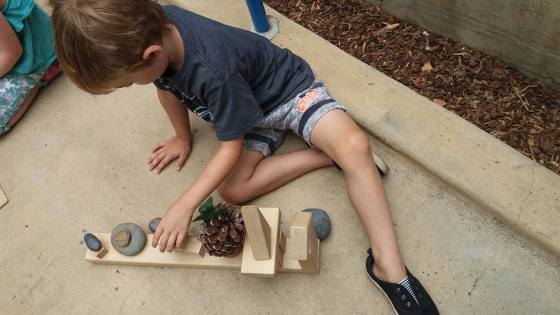
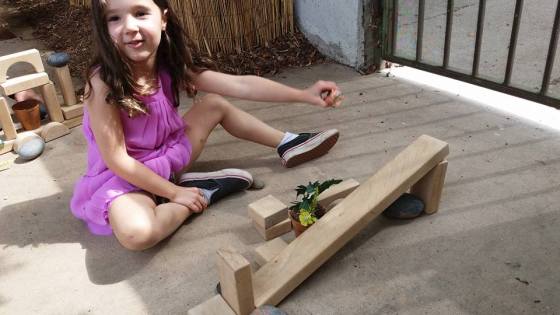
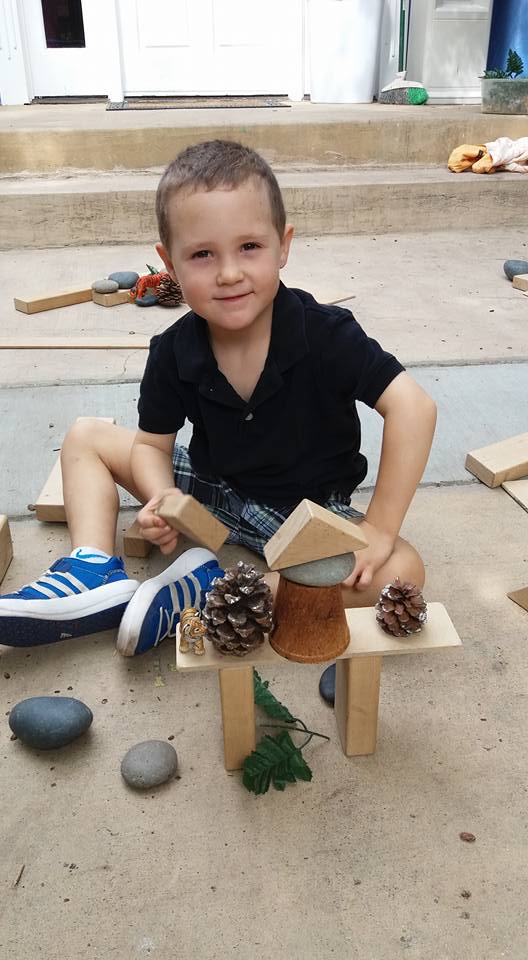
For this activity, students were given toy tigers, rocks, pine cones, and blocks.

Tiger block 6

They were told to construct a structure using the materials.

Tiger block 5

After they finished, they teamed up with their friends to create even bigger structures!

Tiger block 4

Tiger Habitats

The tiger is the largest of the four big cats, and one that is very fascinating to people all over the world.

Tiger

Tigers are fierce predators that make them a formidable member of the food chain. They have been able to successfully evolve from ancient tigers for almost 2 million years, continually adapting well to their surroundings.

Tiger 1

These fascinating creatures live in Asia, which is where their natural habitats are. They are most likely found in the swamps, grasslands and rain forests of Southeast Asia, China, Korea and Russia.

Tiger 2

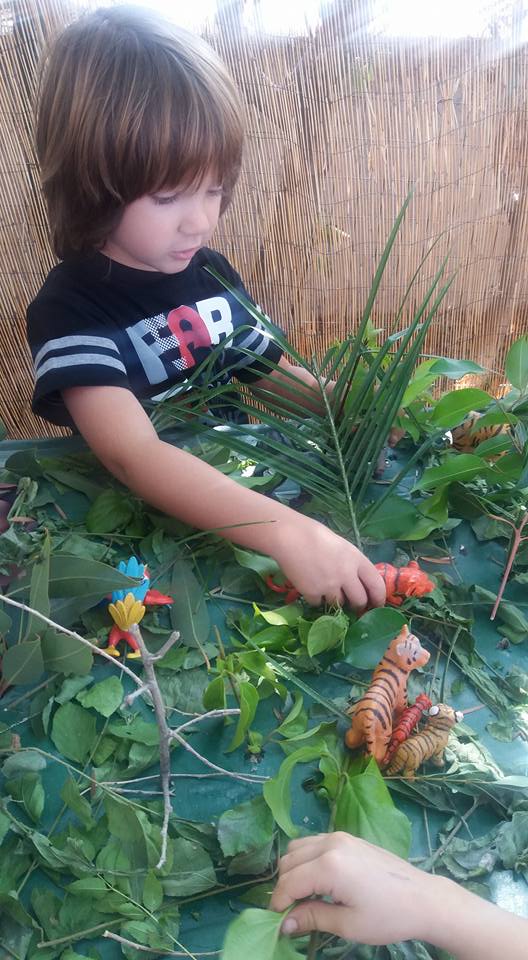
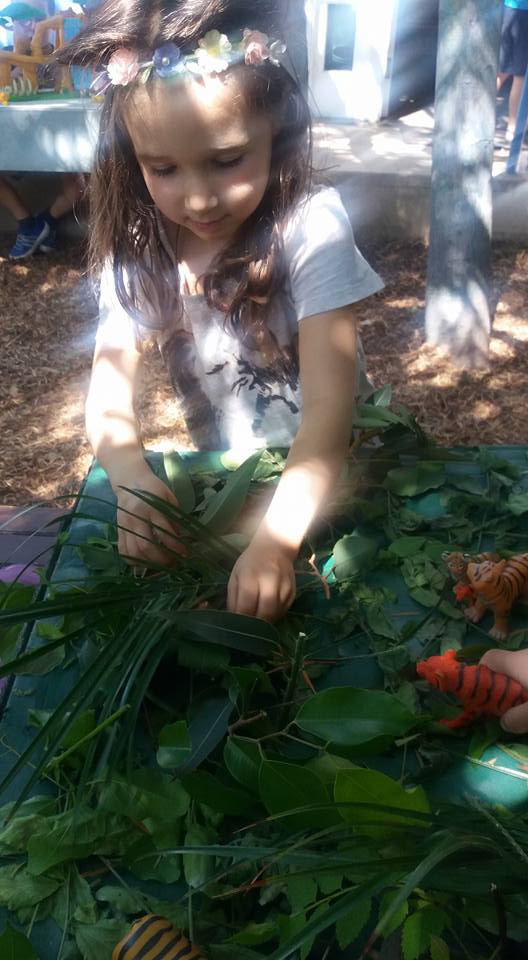
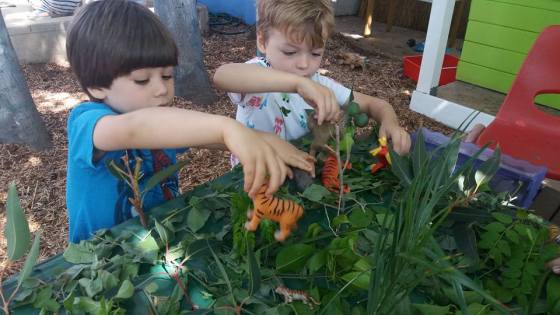
For this activity, we created a habitat for our tigers, resembling the rain forests of Southeast Asia. Together with their friends, your little ones used toy tigers and leaves to make a lush home for their creatures!

Tiger 3


Panda Bear Sanctuary

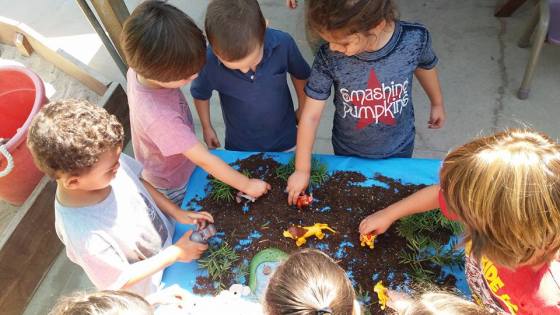
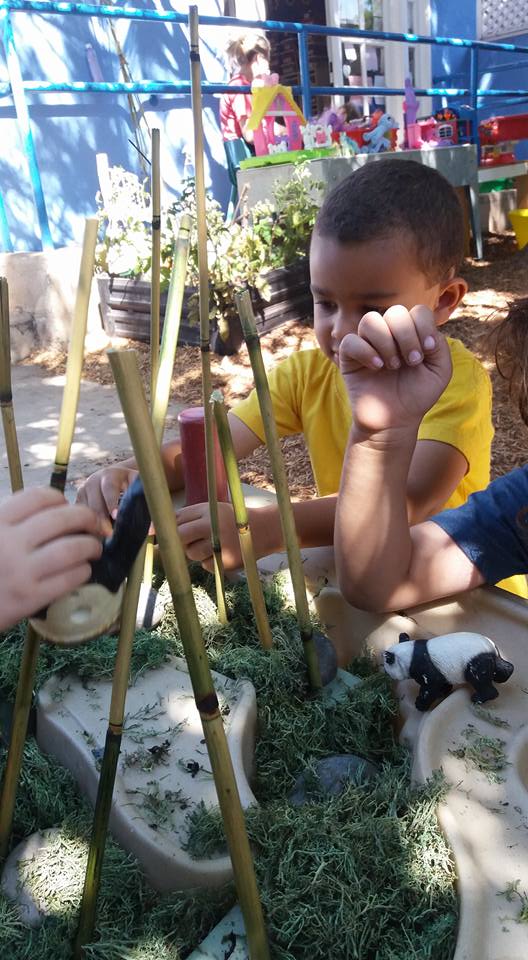
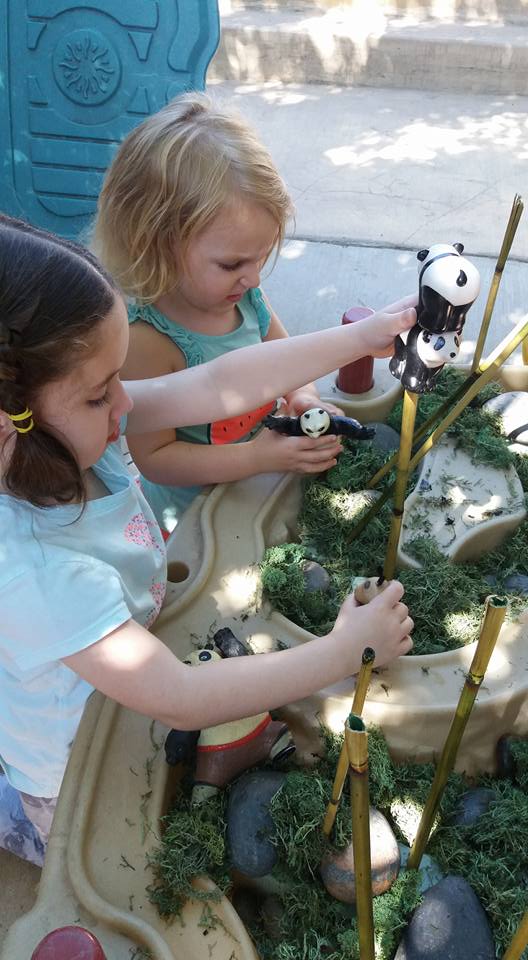
For this activity, we combined bamboo, rocks, and dirt to learn about panda bears!

panda

By using these materials, we created habitats for our little creatures and learned a new word: omnivore!

panda1

Physiologically, giant pandas are carnivores — they are made to eat meat — but they prefer a vegetarian diet.

panda2

Herbivores are, by definition, anatomically suited to a plant-based diet.

panda3

The giant panda is no herbivore. He’s essentially a vegetarian, a carnivore that eats little meat.

panda4

Throughout the activity, your little explorers delighted in manipulating the materials, and providing the perfect home for their little panda bear.
panda5

Group projects (such this one) can help preschoolers develop a host of skills that are increasingly important in their budding development.

panda6

Properly structured, group projects can reinforce skills that are relevant to both group and individual work, including the ability to break complex tasks into parts and steps, refine understanding through discussion and explanation, and develop stronger communication skills.
panda7

panda8


Sequencing Bears

Young children are constantly assessing the patterns in their worlds.

Sequence

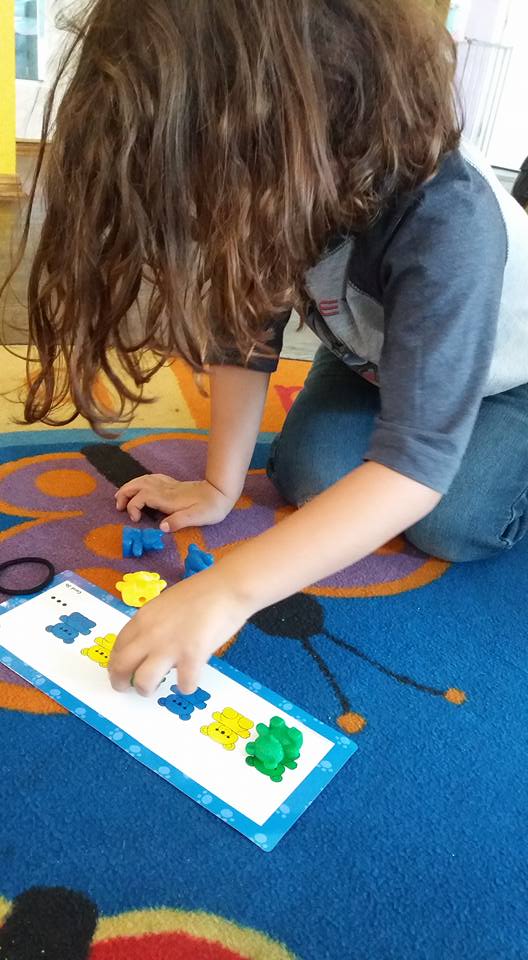
From how items fit together, to the similarities between objects in their environments, their awareness of logic and order compose a significant part of their play. To cultivate this, we used a variety of colored bears to create sequences!

Sequence 1

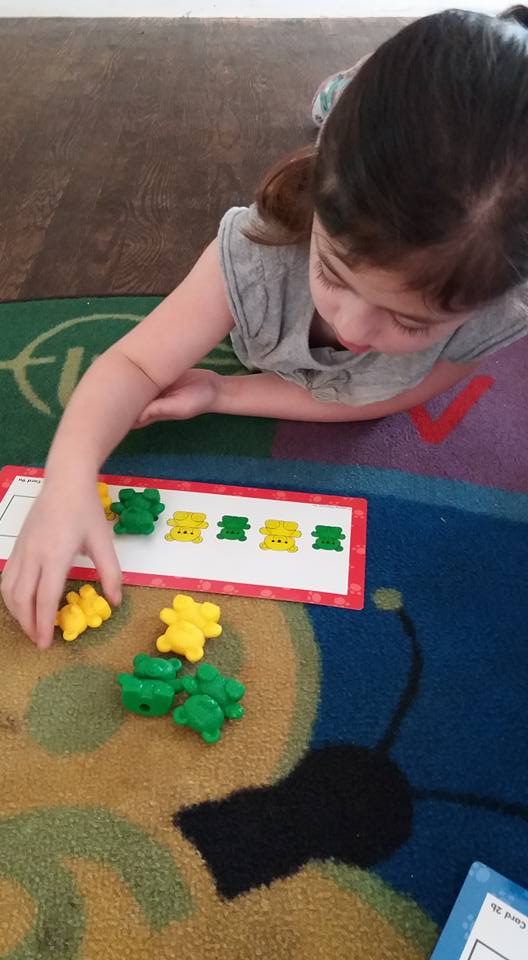
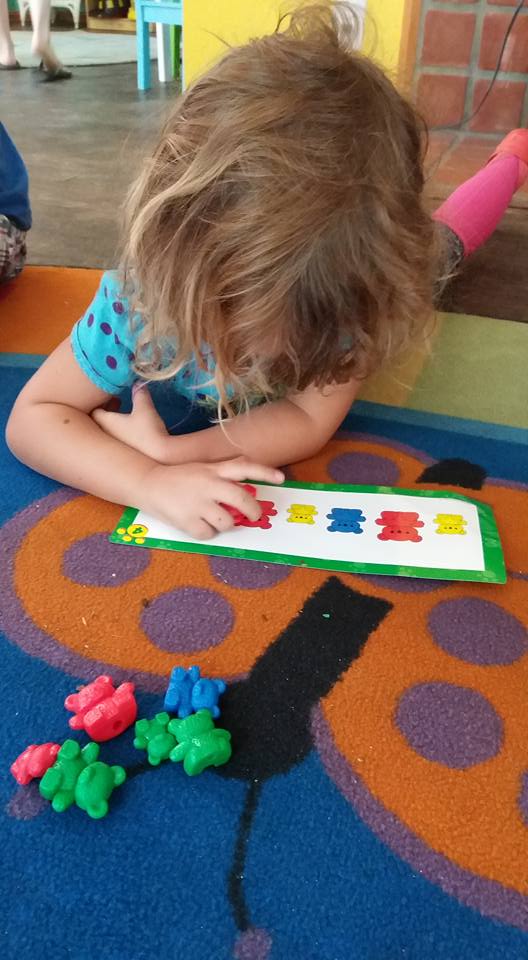
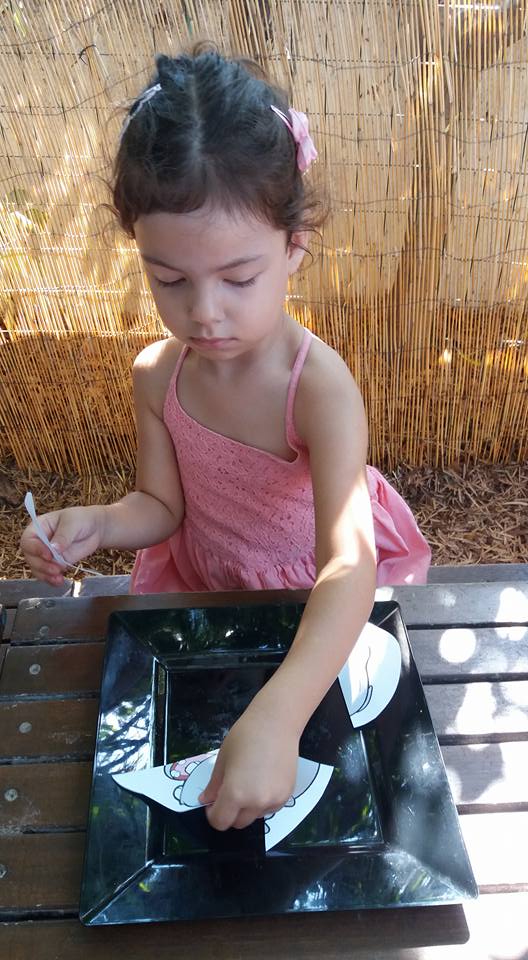
Sequencing hosts an array of developmental benefits; it enables your little one to see how items are alike and different; it helps visual acuity; AND, it fosters critical thinking skills. This activity consisted of students matching bears to a diagram. Each diagram contained a missing item, and it was up to the student to determine what item it was. Through some trial and error, we enjoyed manipulating a variety of colorful bears, laughing and learning in the process!
Sequence 2

Hippo Sorting

Measurement concepts are often a part of children’s interactions. “My dad is bigger,” “I can jump higher,” and “I have more play dough than you!” are common comparisons that children make. From the child’s perspective, these statements compare quantity; however, they also provide a nice introduction to measurement.
Hippo Sort 1

Unfortunately, it is an often neglected content standard in early childhood classrooms. Throughout the many projects we do throughout the week, we are constantly measuring, comparing, and contrasting items related to the theme.  For this activity, your little one was presented with a problem.

Hippo Sort 2

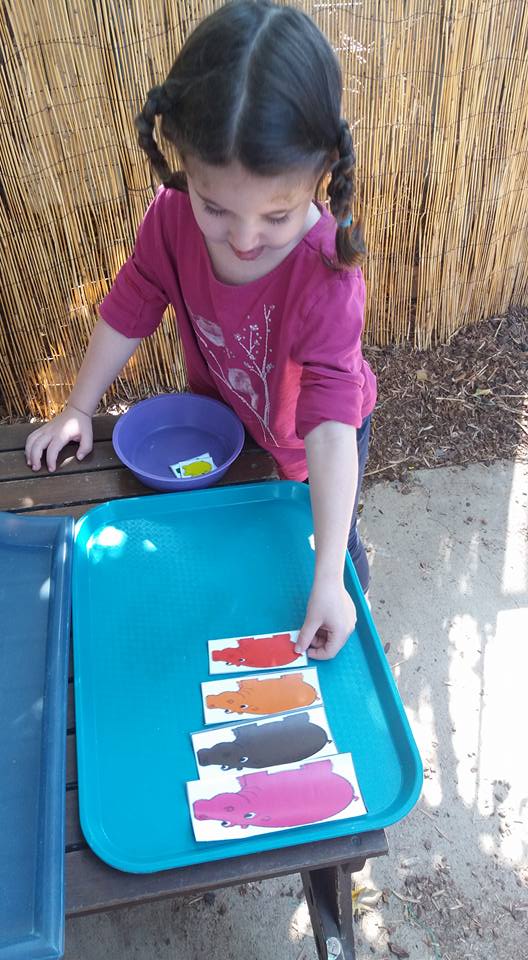
They were each given seven pictures of hippos that were of varying length. They were then asked to sort them by size. The target words for this activity were long, longer, and longest.

Hippo Sort

Hippo Sort 3

Hippopotamus Puzzles

When children work on puzzles, they are actually “putting the pieces together” in more ways than one. Puzzles help children build the skills they need to read, write, solve problems, and coordinate their thoughts and actions—all of which they will use in elementary school and beyond.

Hippo puzzle 1

A puzzle with a picture that has particular interest for a child may help her begin to recognize colors and letters, and come to realize that the sum of parts make up a whole—a concept that will help her with math later on.

Hippo Puzzle 2

By inserting pieces into the puzzle, children also develop the muscle group used for writing, or the “pincer” grasp. Children can work on puzzles by themselves, without the help of adults or other children. They can also work together on large puzzles and practice compromising and getting along. Because each child must concentrate on the puzzle individually, he experiences a sense of satisfaction as he picks up a piece, rotates it, and discovers the spot in which it fits.

Hippo Puzzle 3

Piece by piece, he begins to recognize the picture that the puzzle represents. For this activity, your little ones took pieces of a hippopotamus, and combined them to create their own large hippopotamus!


Coffee Ground Bears

Sensory painting is a great sensory art activity that appeals not only to the visual side of your child, but to his olfactory sense as well.

Coffee

This kind of “sensory” art is so important for children,  giving them a way to examine, discover, categorize and make sense of the world around them.

Coffee3

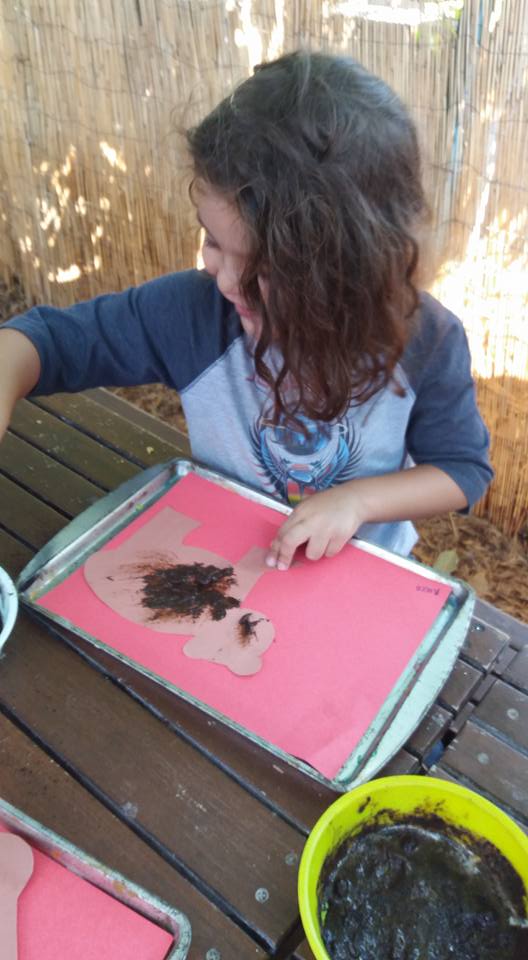
For this activity, we painted brown bears with coffee grounds and white paint.

Coffee1

Using paint brushes, students “scooped” the coffee grounds and paint onto their papers, creating their very own brown bears!

Coffee4

Hippo Counting

In the preschool classroom, being able to count includes both procedural skills and conceptual understandings. For the young child, this includes a few key components. First of all, is the ability for them to be able to follow the procedure of saying the number words in the correct order; to demonstrate one-to-one correspondence by saying only one of these counting words as they point to each item.

Hippo Counting 1

Secondly, is the capacity for students to understand conceptually that when counting is executed correctly, the final number is the answer to how many and thus represents the manyness or quantity of the set. This is called understanding cardinality.

Hippo Counting 2

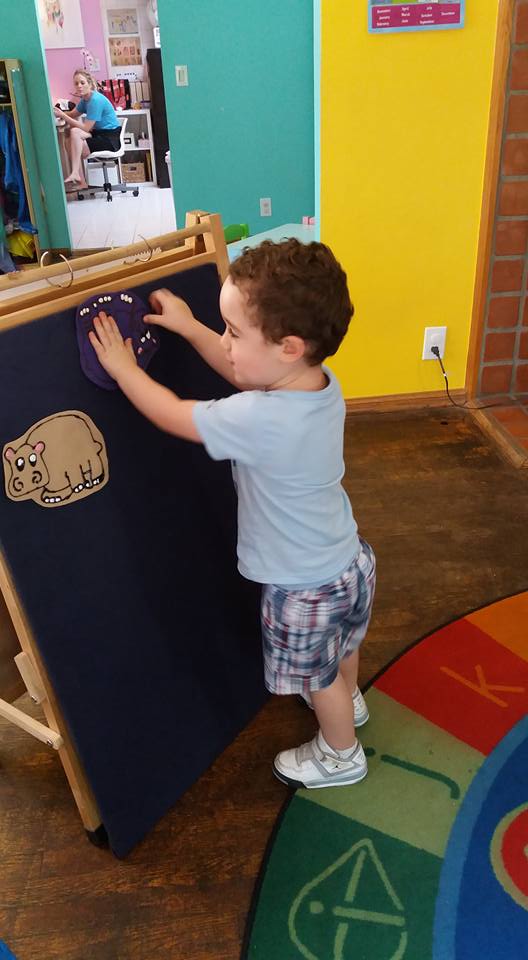
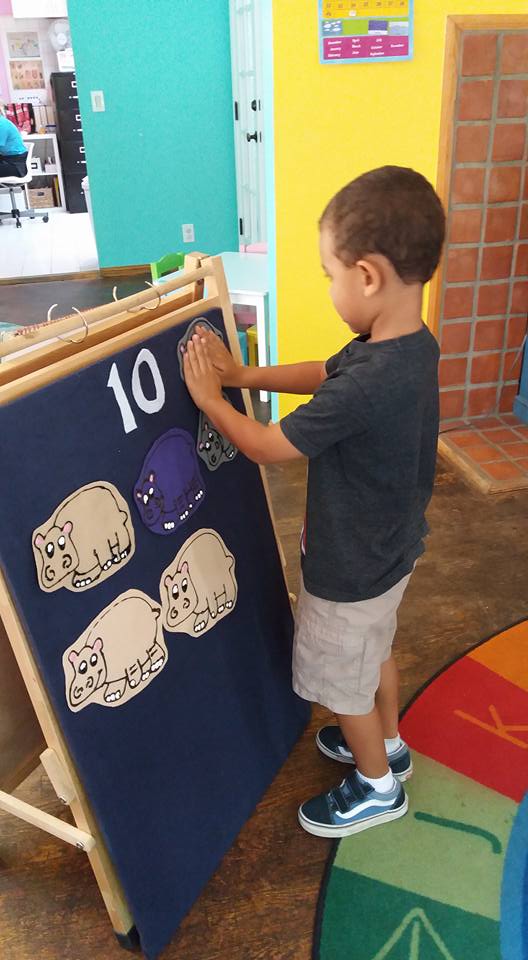
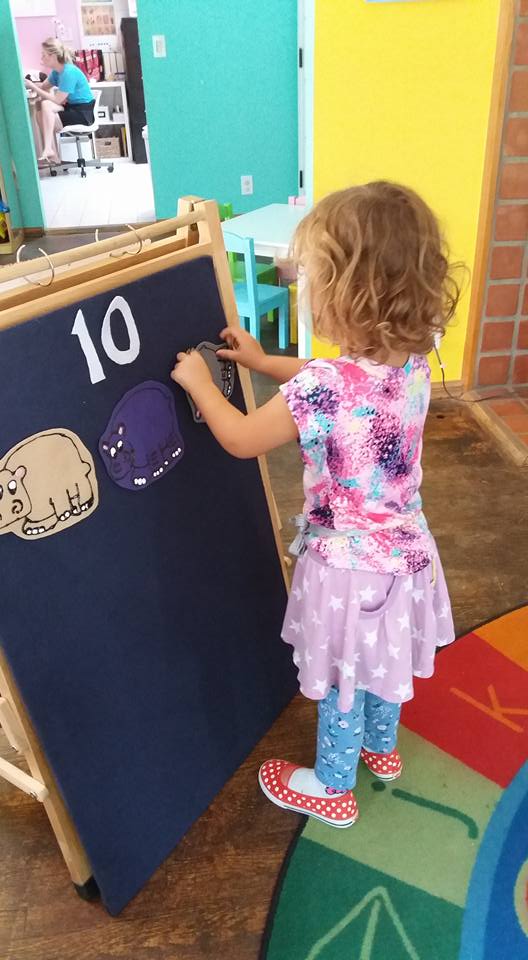
In our classroom, we integrate counting into all of our activities.We not only have a number of the week, but a daily activity that reinforces the number. During the week of the hippopotamus, we talked about the number 10. For a circle time activity, students were each given a hippo made out of felt. One by one, they brought their hippos to a giant felt board as they counted from 1 to 10. Following this, we sang a silly song called Ten Little Hippos. Lastly, we practiced adding and subtracting hippos, to see how this changed the quantity.

Hippo Counting 3