Thirsty Cactus

The desert is a hostile setting for plants. Arid conditions trigger an array of adaptations, such as the extensive root systems of cacti, which maximize the ability of desert plants to suck up and retain precious groundwater.

gplus1463699724 (1)

To demonstrate this quality to our young saguaro specialists, we talked about the root systems of cacti. We talked about how they are like straws that suck water up out of the sand.

gplus-1899147261

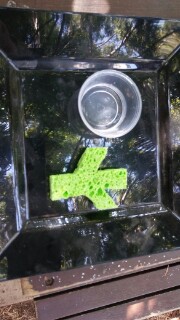
Using cactus shaped sponge, we practiced soaking water up out of ramekins. Students love the cause and effect of the water absorbing and then releasing from the sponges.

17 - 1 (1)


Zucchini Cactus

For many of our play dough activities, your little one is engaging in the important skill of bilateral coordination.

gplus-1011628030

This refers to coordinating the left and right sides of the body in a purposeful way.

gplus-107539476

When students use two hands to manipulate dough (as they did in this project), they are learning how to attune the fine motor movement associated with the left side of the brain to the right. Play dough is one of our favorite ways to learn, because it is so easy and so fun!

gplus387023099

Because our second week of desert activities revolved around vegetation, your little one participated in creating several cacti and succulents out of a variety of materials. For this activity specifically, students were encouraged to place toothpicks into play dough. Once situated, they were then directed to slide pink beads onto the toothpicks.

gplus739065211 (1)

This entire week involved reading a book about the Sonoran Desert, so we enjoyed talking about the great saguaro. We started the week with creating cacti out of play dough, and then moved onto zucchini (using most of the same materials)! Students loved creating their plants out of food for Tuesday’s project. When finished, we displayed our creations, while using the extra pieces as a yummy snack!


D-E-S-E-R-T Tracing

Activities that develop a child’s control of the small muscles of the hands (fine motor skills) allow children to make the precise movements necessary for forming letters and improve hand/eye coordination.

gplus-548683014

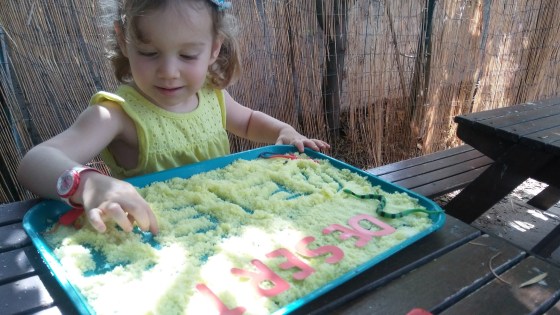
For this activity, we talked about the letters in the word DESERT. We then talked about which sounds each letter makes.

gplus724210062

Lastly, we traced the letters D-E-S-E-R-T into yellow sand. Through each week of our desert theme, we picked a different word to study.

gplus1630747816 (1)

During circle (and project) time, we created these words in a variety of ways. Doing so allows your little one to use their different senses to practice their pre-writing and pre-reading skills.

Death Valley Dunes

Many first time visitors to Death Valley are surprised it is not covered with a sea of sand. Less than one percent of the desert is covered with dunes, yet the shadowed ripples and stark, graceful curves define “desert” in our imaginations.

For dunes to exist there must be a source of sand, prevailing winds to move the sand, and a place for the sand to collect.

The eroded canyons and washes provide plenty of sand, the wind seems to always blow (especially in the springtime), but there are only a few areas in the park where the sand is “trapped” by geographic features such as mountains.

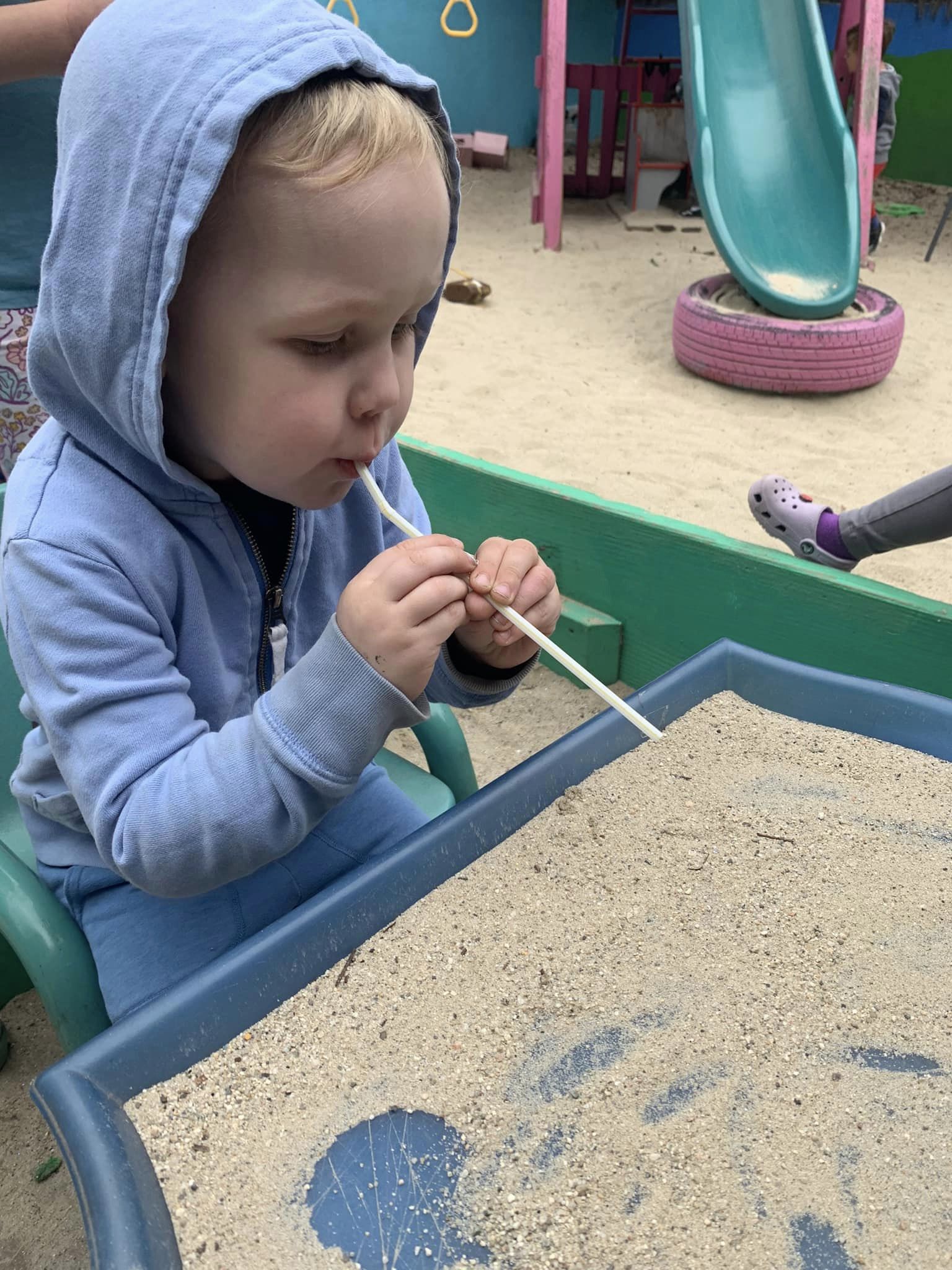
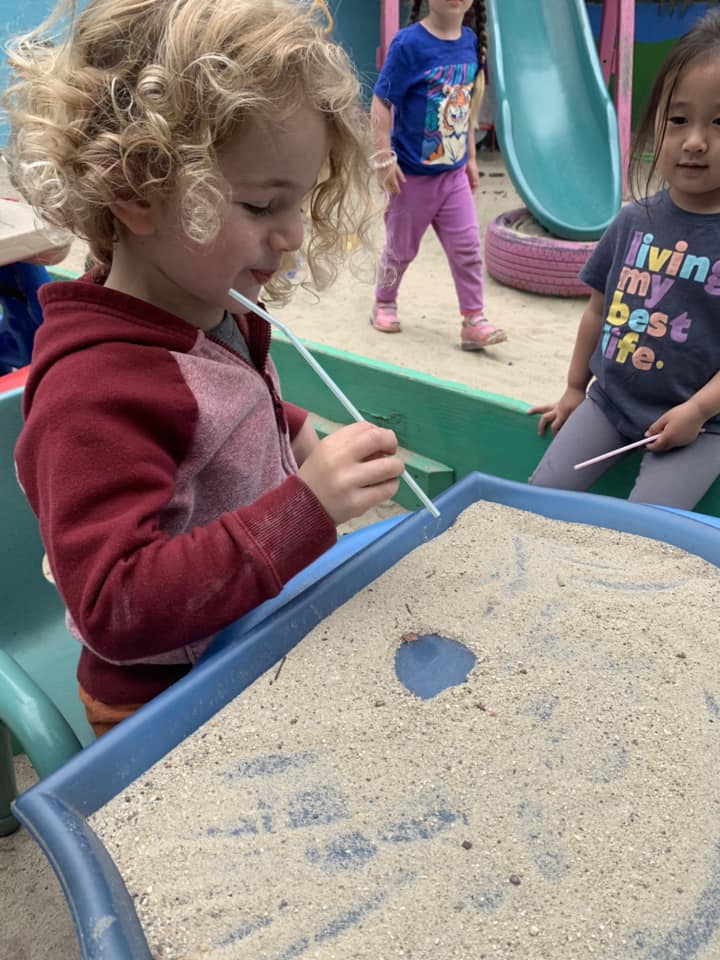
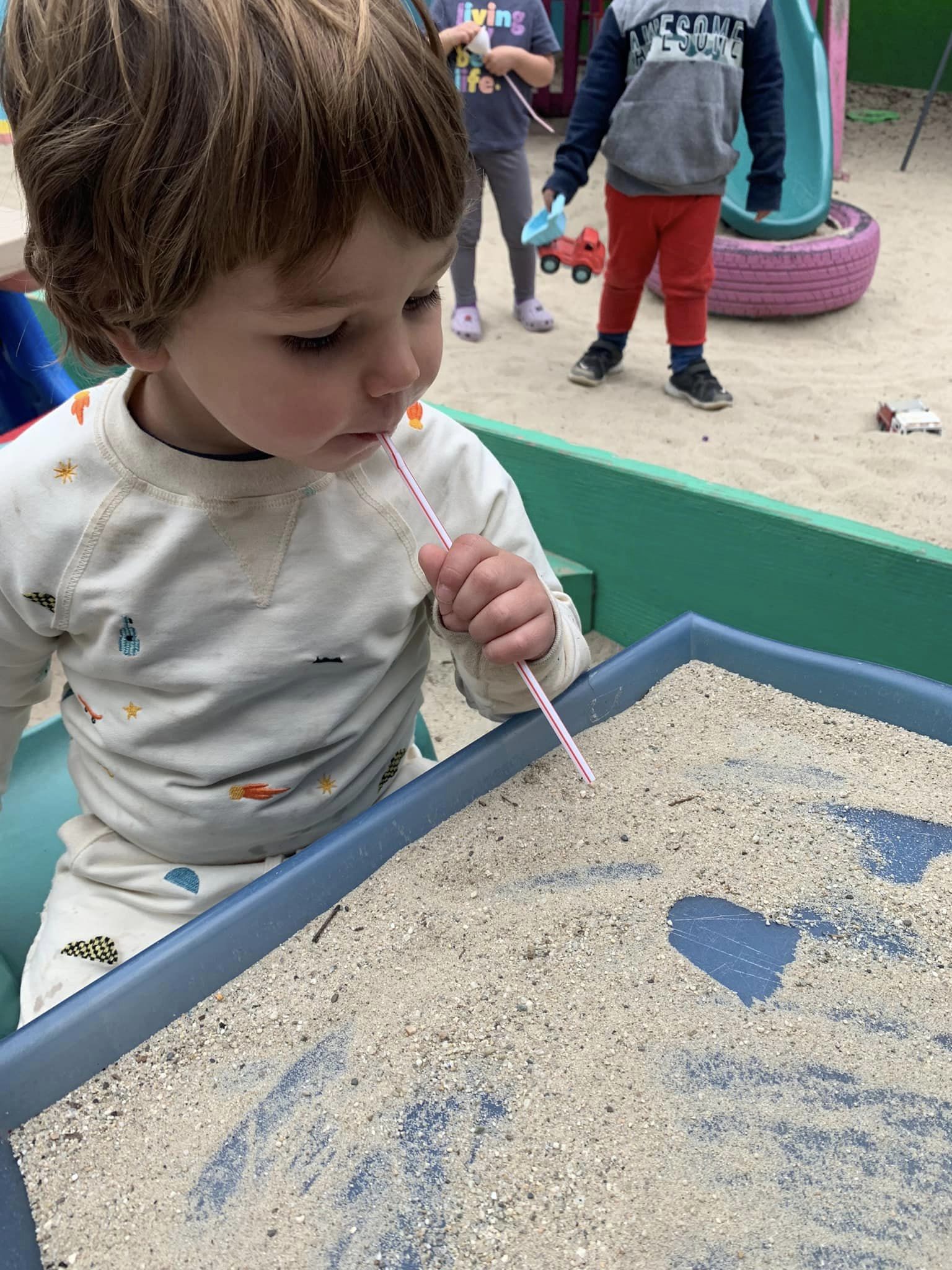
To recreate the famous Mesquite Flat Dunes of Death Valley, we used straws and sand to create ripples in small trays.

We noticed how the shape of the sand changed when we blew into the straws. Students enjoyed adding new words to the changes they saw, and giggled as they cleared their trays of sand!

Desert Landscapes

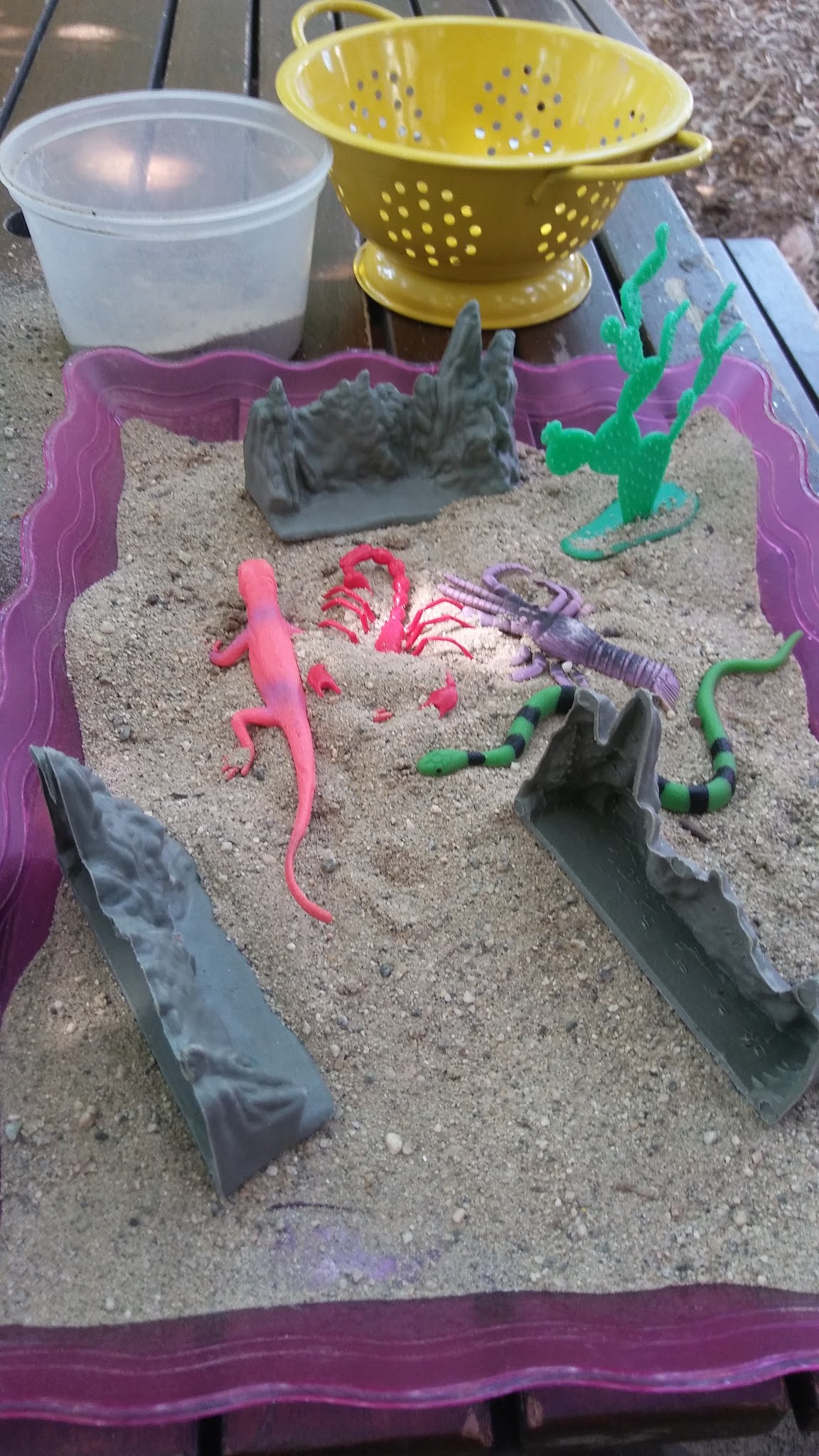
Small world [lay enables young learners to recreate some of the environments that they have been learning about in class.

gplus1257911512

Since the first week of our desert theme involved the physical geography of the desert, we used a variety of materials to create this.

gplus-778690411

Using sand, toy cacti, toy creatures, and rocks, we designed and later interacted with our very own desert landscapes!

gplus1075252358

Planet Sequencing

Although the concept of planet order is an abstract one for young learners to understand, the ability to sequence objects is not.

20180717_103411

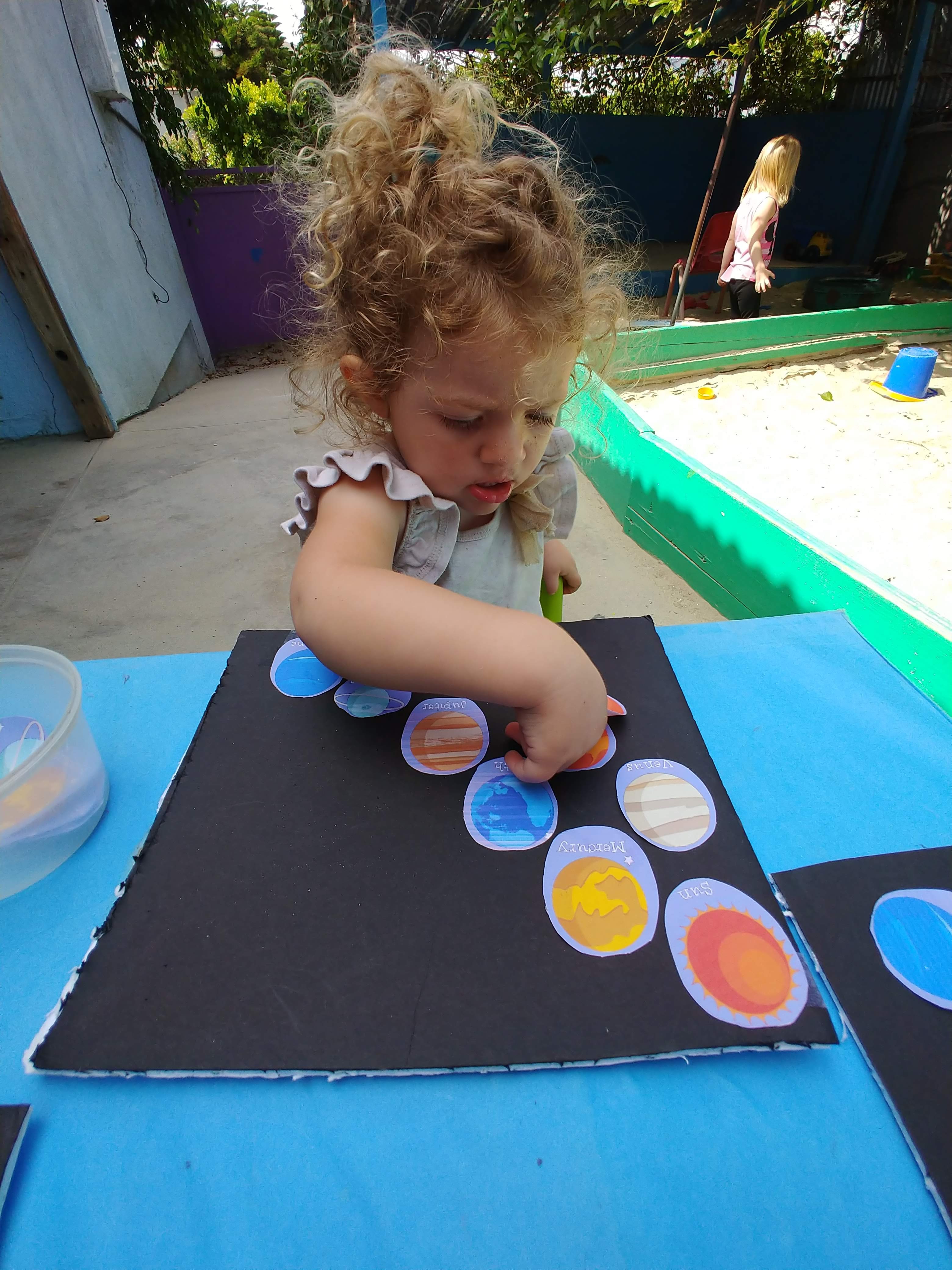
For this activity, we placed the eight planets in order, starting with the sun. To learn the names of each planet, we sang a song during circle time that we practiced every day for a week.


20180717_103141_hdr

We sang to the tune of Skip to My Lou, and the lyrics involved the words: Mercury, Venus, Earth, Mars. Jupiter, Saturn, among the stars.

20180717_102124

Uranus, and Neptune, too. Spin around the sun it’s true. Spinning, spinning around the sun. Spinning, spinning, everyone.

20180717_102807

The Earth is ours, it’s number three. It’s atmosphere is right for me. In addition to this, we created planet Earths out of play dough and played various games during circle time, where each student took turns being the sun, and the planets that rotated around him/her. It was definitely a week of fun and learning!

planet

Rocket Materials

Whens somebody mentions construction play, you may think of children being creative. Designing their own structures. Making something new.

rocket2

That sort of play is beneficial and exciting for development.

styrocket

It is known among child development professionals that block play may foster a wide range of abilities, including motor skills, spatial skills, language skills, and divergent thinking.

styrocket1

But not all play is free-wheeling. There is another way to have fun with construction toys, and it might help children develop a special package of skills.

ROCKET3

It is called structured block play, and it’s what happens when children try to recreate a construction by consulting a model or blueprint. Kids must analyze what they see, perceive the parts that make up the whole, and figure out how the parts relate to each other.

styrocket3

To be really successful, kids also need to think quantitatively, and be able to rotate geometric shapes in the mind’s eye. To apply these STEM skills to our week of rockets, we created rockets out of a variety of materials.

styrocket2

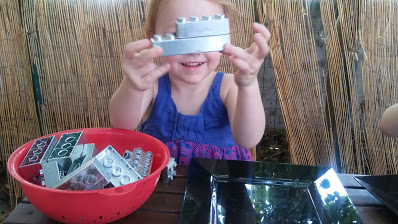
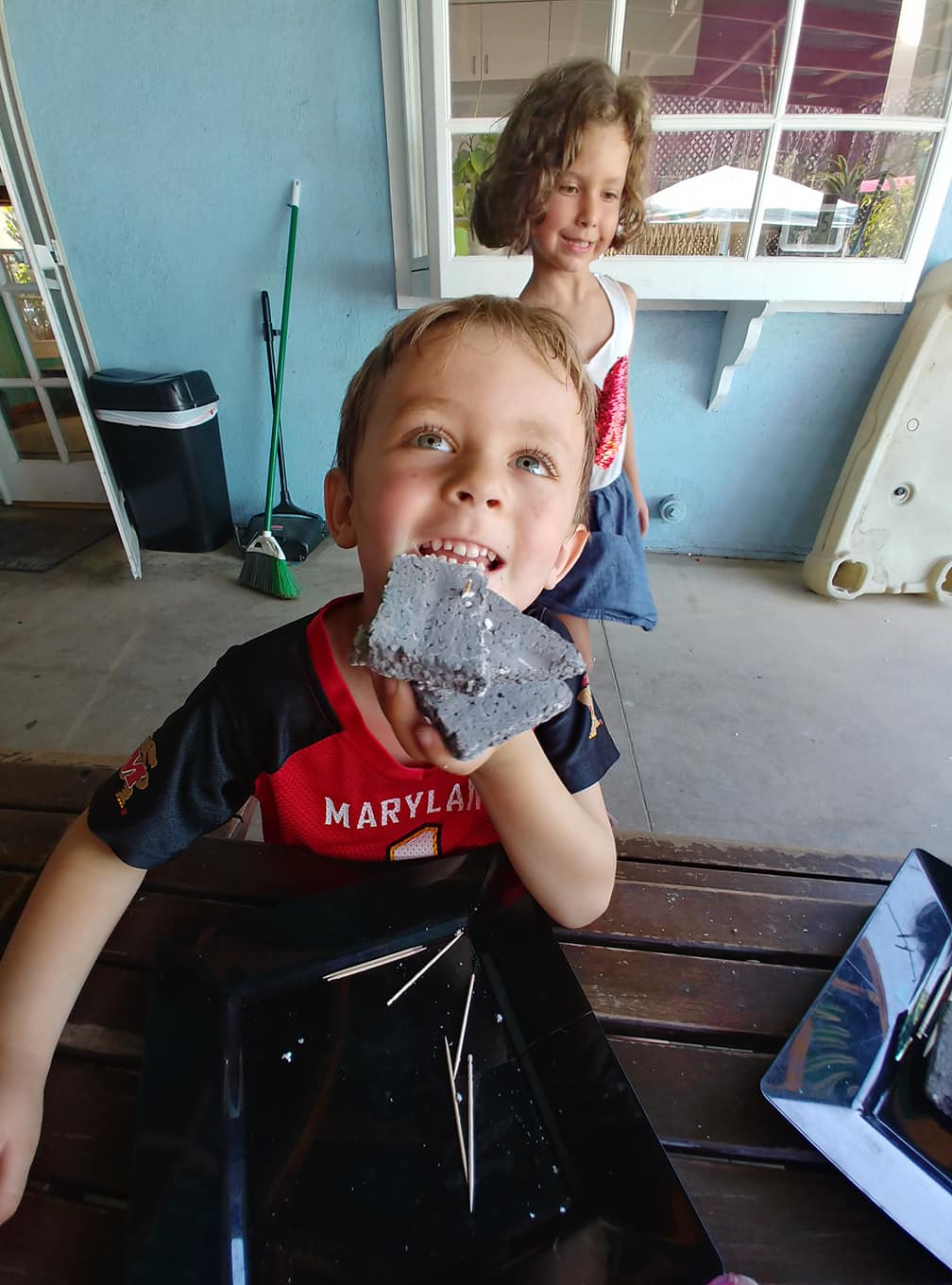
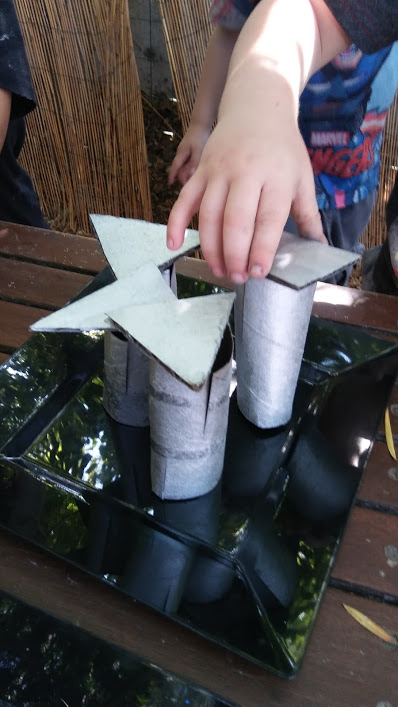
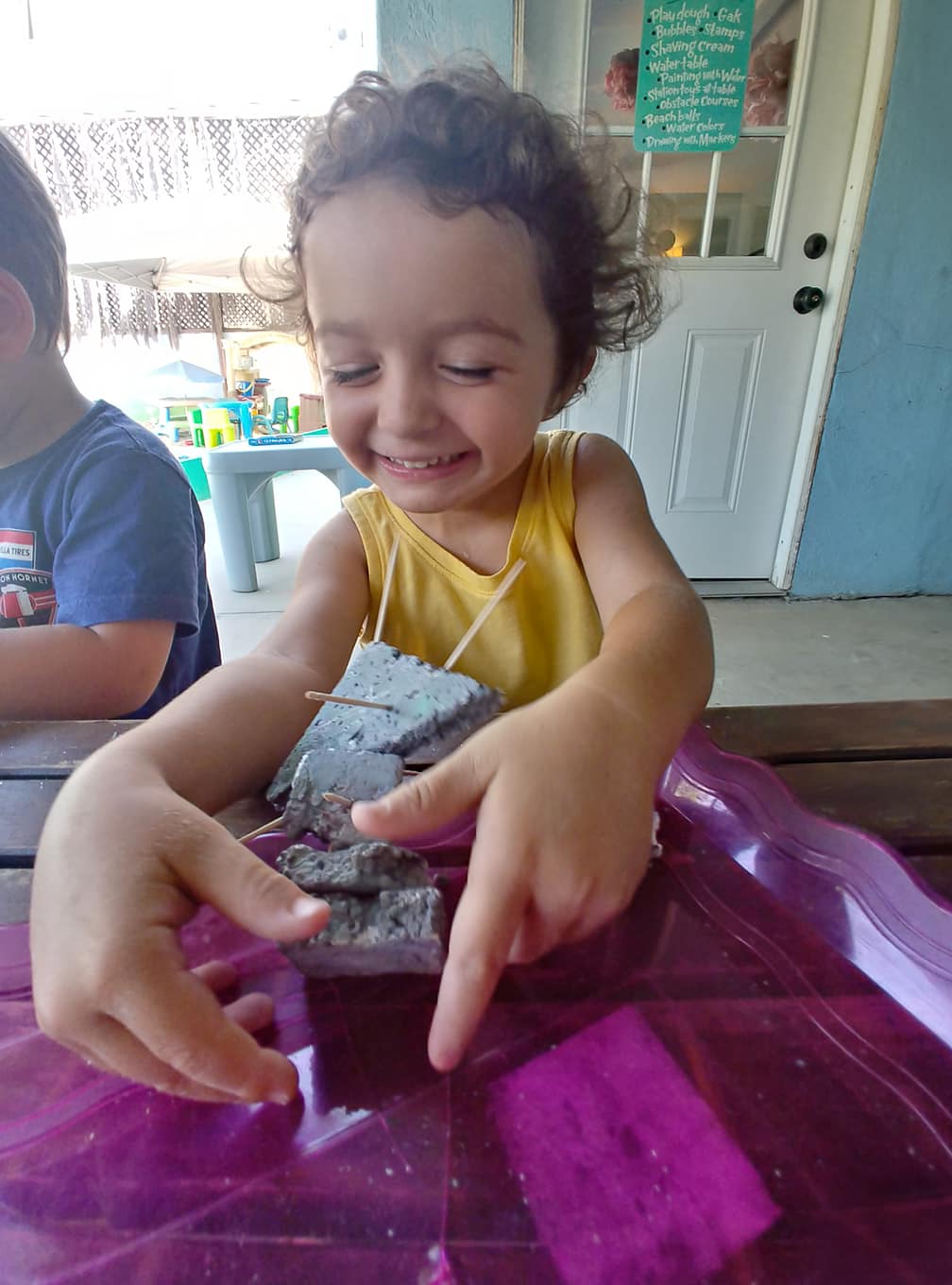
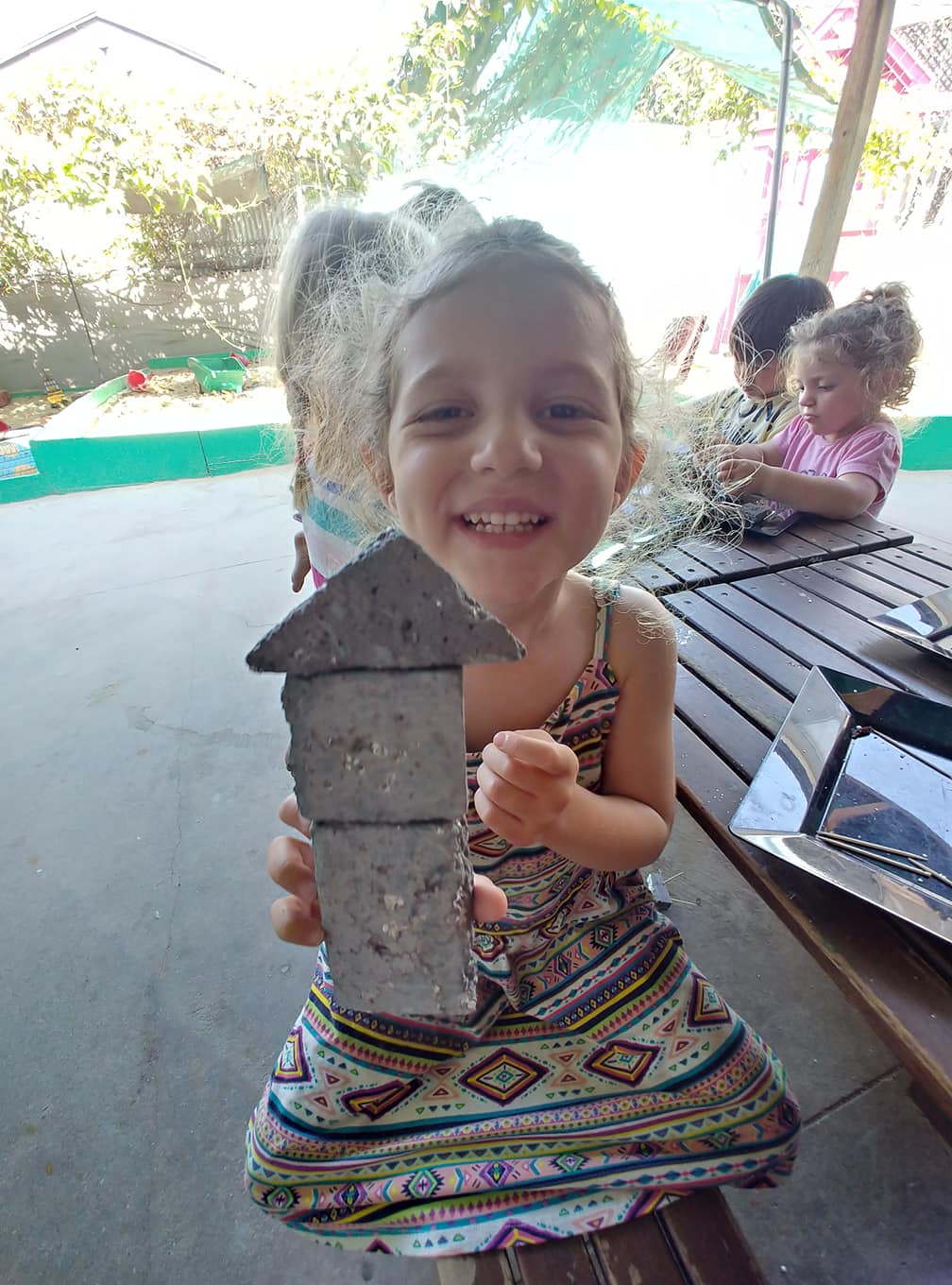
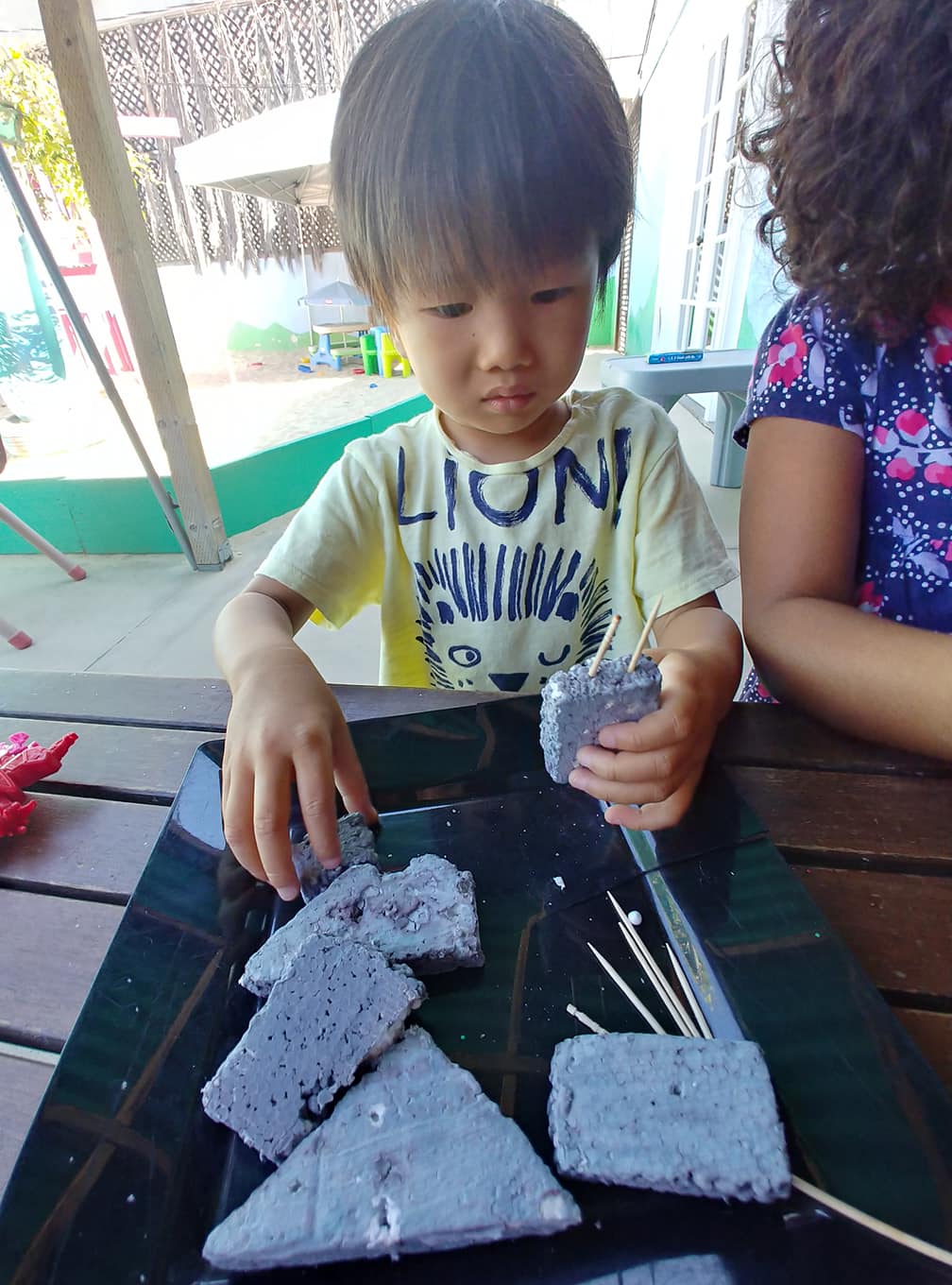
We began with silver-painted Legos, moved on with silver painted cardboard tubes, and finished with creating rockets out of silver Styrofoam.Before creating this magnificent machines, we looked at several pictures of rockets (primarily those used by NASA).

styrocket4

Some of these included the Improved Orion, the Black Bryant VB/VC, the Terrier-Malemute, and the Terrier-Oriole. We also learned about how rockets take off in stages. Lastly, we looked at various blueprints of the different machines, making whichever one we wanted to. This was a week-long project, as we experimented with different materials.

styrocket5

Constellation Play Dough

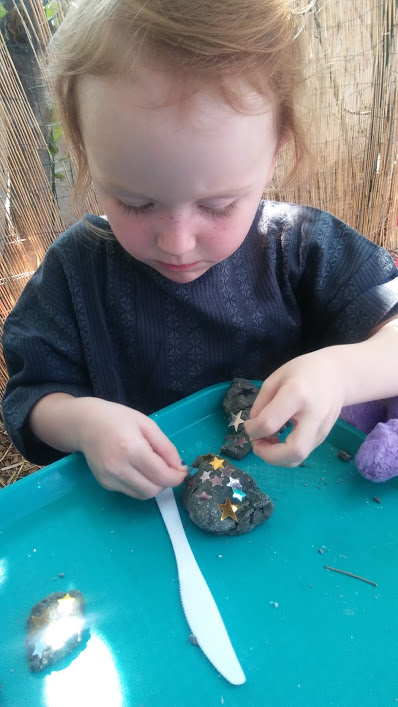
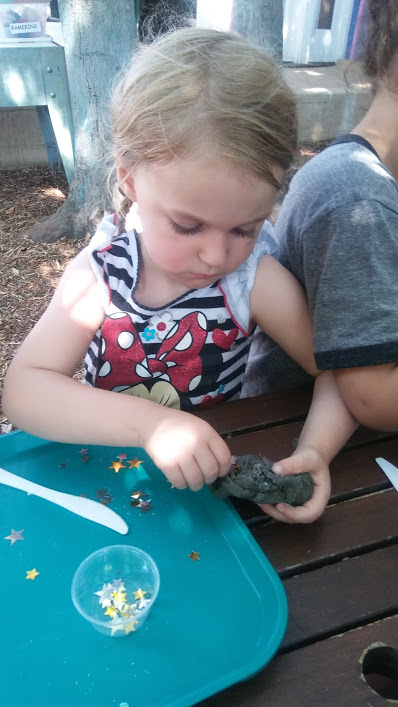
During our week of “stars”, we learned all about constellations.

constellationdough5

We made them with a variety of materials, we played gross motor games aimed at teaching the major constellations (such as Orion and Andromeda), and finally, we used play dough!

constellationdough3

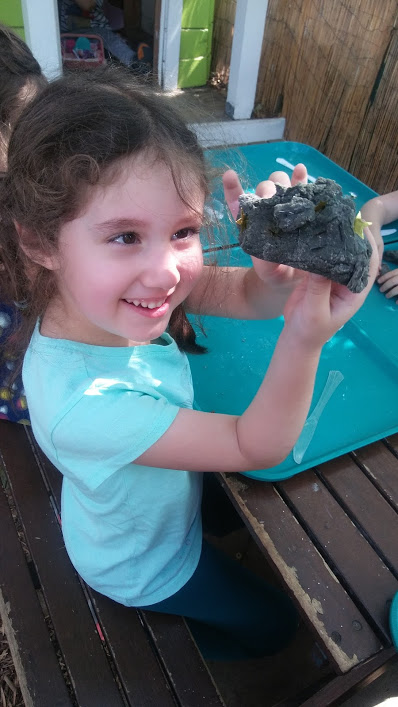
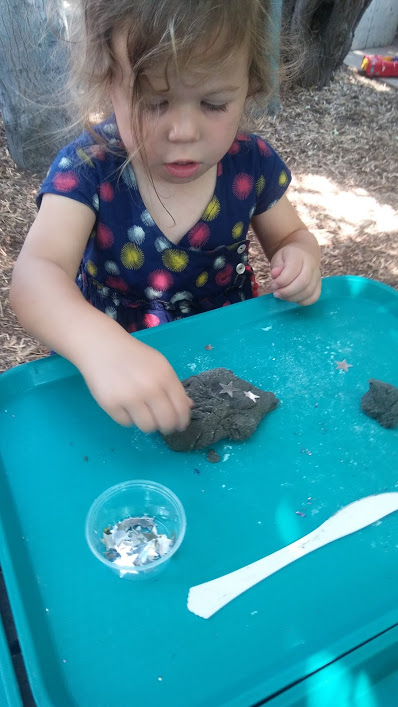
For this activity, students added confetti stars to black play dough.

constellationdough1

They then used plastic knives to cut their dough into a variety of shapes.

constellationdough4

Following this, they named their constellation.

constellationdough2

Finally, students compared their names (most of which were silly) to their friends!

constellationdough

Lunar Rover Vehicles

After an amazingly brief seventeen months of designing and testing, the Lunar Rover or “Moon Buggy” was used from 1971-1972 as a key component for missions fifteen through seventeen of the Apollo program.

lunar1

Created primarily to extend the range of terrain that the two Apollo crew members could explore during their stay on the Moon’s surface, four fully space worthy lunar rovers along with seven test models were built in preparations for these J-Missions.

lunar2

The fourth sibling from the LRV family, however, never had the opportunity to enter space, as after the announced dissolution of the Apollo program, it was relegated to providing spare parts for the other rovers. To recreate this fascinating machine, we used aluminum foil covered blocks. Armed only with a toy astronaut and about five blocks each, students created their version of the Lunar Rover!

lunar

Glittery Mermaid Letters

Writing is a skill that most people use every single day, whether it be writing a note to a friend or writing a check to a utility company. Even in the age of technology, the written word is still everywhere. But how do you teach a young child the proper way to write? The first step is simple… pre-writing. Pre-writing is learning the skills necessary to begin writing.

mermaid1

Pre-writing is an important step because it teaches children the correct way to hold a pencil, how to use a good, firm grip, and emphasizes the use of fine motor skills. Pre-writing also helps children with the development of hand/eye coordination, learn that words go left to right, and that lines of writing go top to bottom on a page. For this activity, we traced the letter M into trays full of glitter. Students were first instructed to trace a pre-made letter, and then were guided to create their own! Although it was much more fun to create mountains out of the glitter, we are very proud of some of the magnificent letters we created!

mermaid