Stretching for more than 1200 miles in the Central Pacific, Hawaiian coral reefs account for about 85 percent of all coral reefs in the United States.
 Because it is under water and not visible, the importance of the reef remains largely hidden – including its importance not only to the ocean environment and its inhabitants, but also to humans.
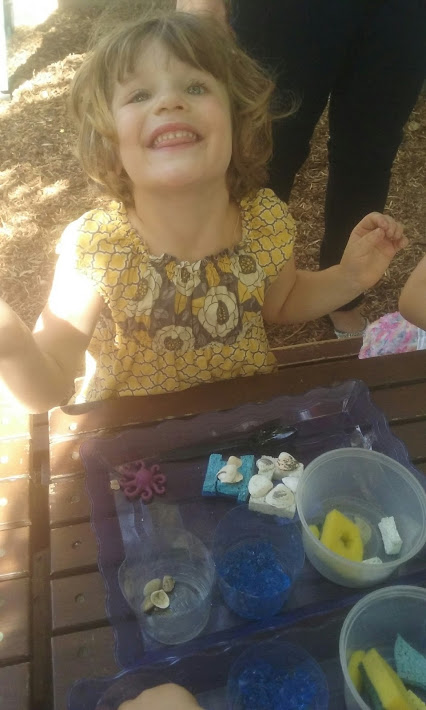
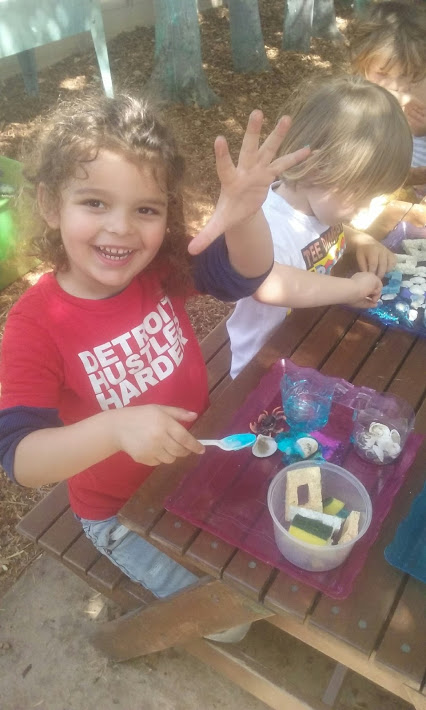
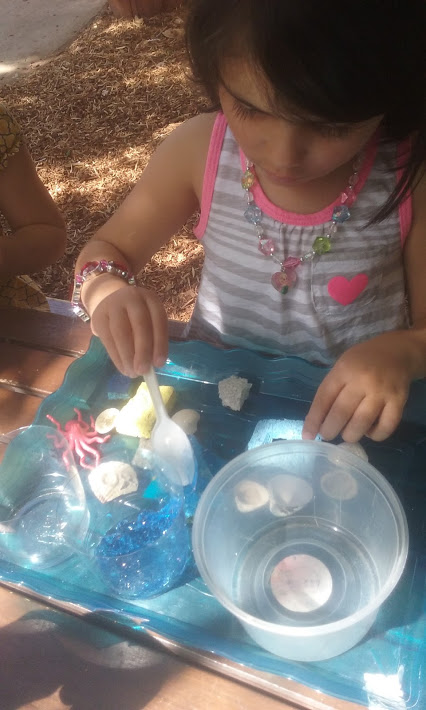 To help us better understand these complex life systems, we created our very own coral reefs out of sponges, sea shells, blue gel, and toy sea creatures.
 The objective of our many projects, is to develop the concept (in this case, a coral reef) first.
 By using concrete materials, your little ones can learn the basic concepts of ideas that they cannot experience firsthand.
 Your young students use concrete hands-on learning materials that make abstract concepts more clear.




































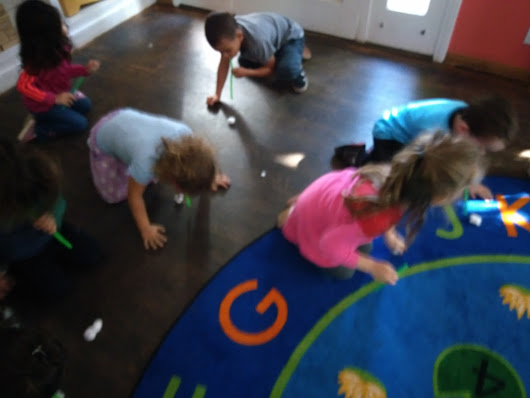
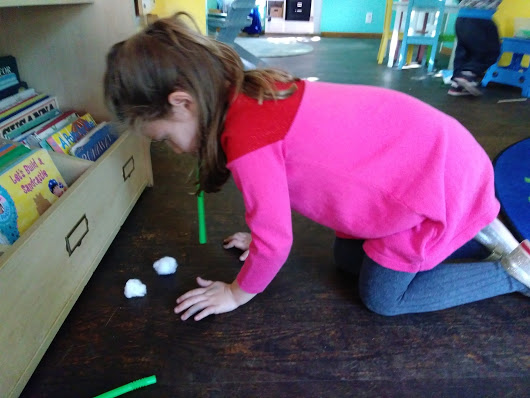

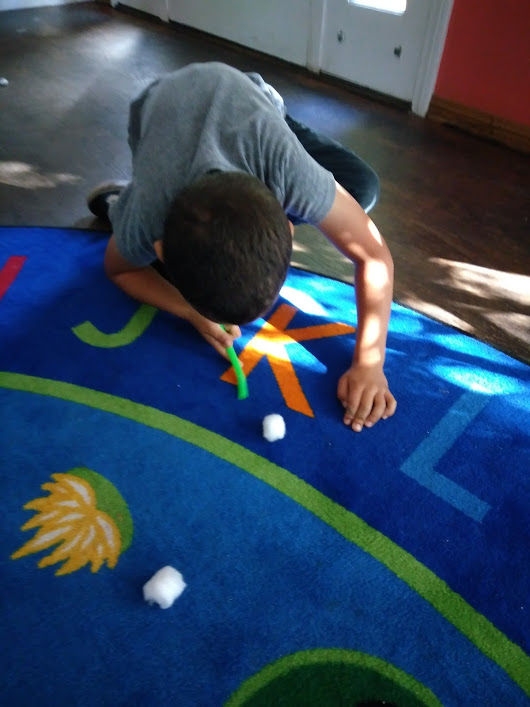
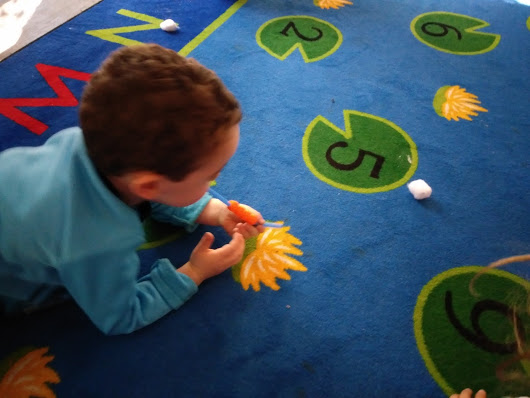

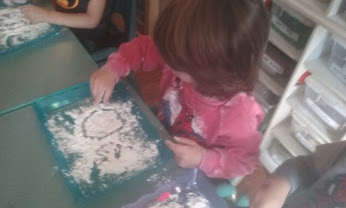


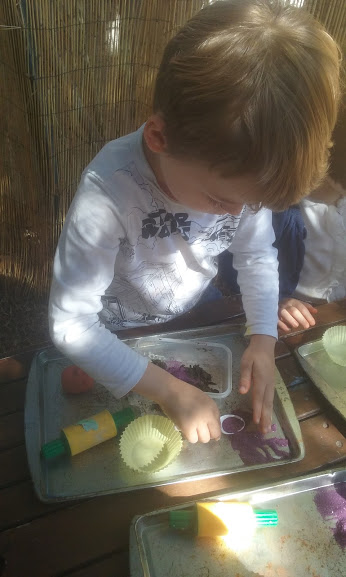

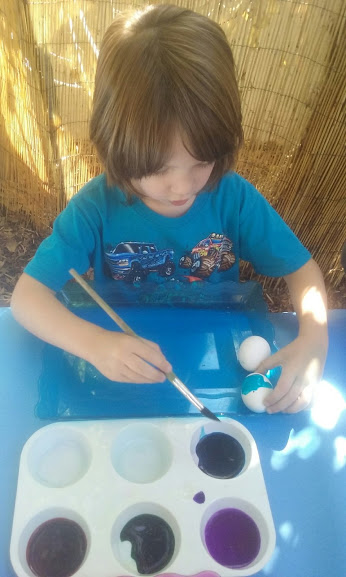
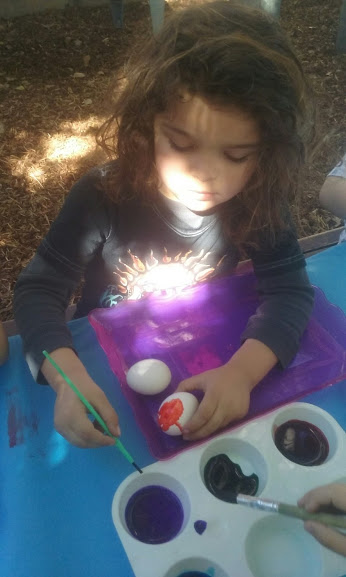 It was one of the most fun art techniques we’ve done in a long time and the whole process from start to finish was absolutely beautiful.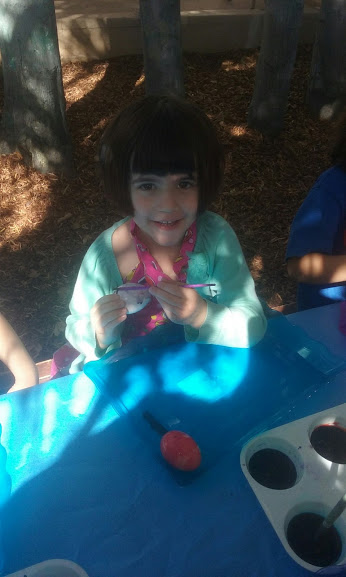
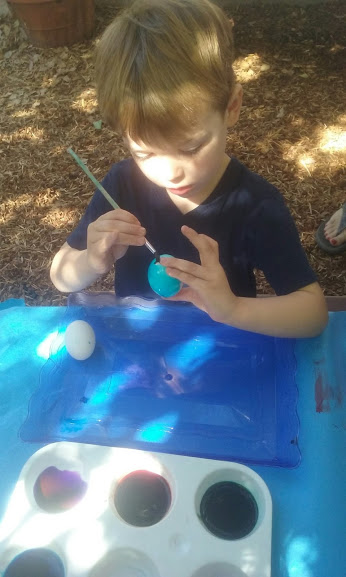 Because this activity is a messy one, we capitalized on that fact by doing the activity in an area where it was okay for the kids to get as messy as they wanted, and an area where the mess was contained and easily cleaned up!
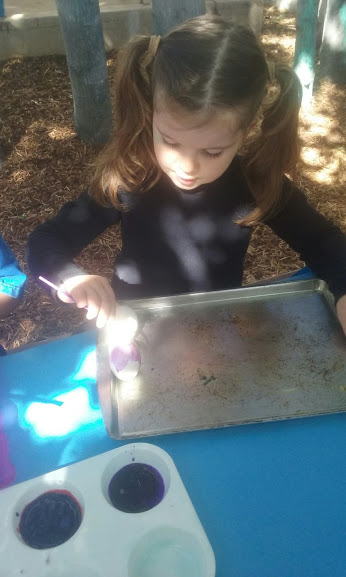
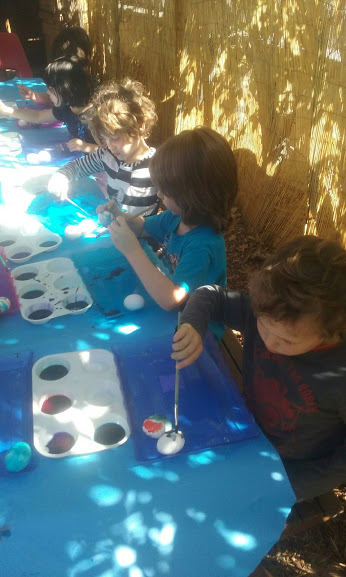
 During the course of our spring theme, your little one participated in many hands-on activities, aimed at helping them learn the letter of the week, which was C for cloud.
 This activity involved your little one placing paper “clouds” onto the letter C.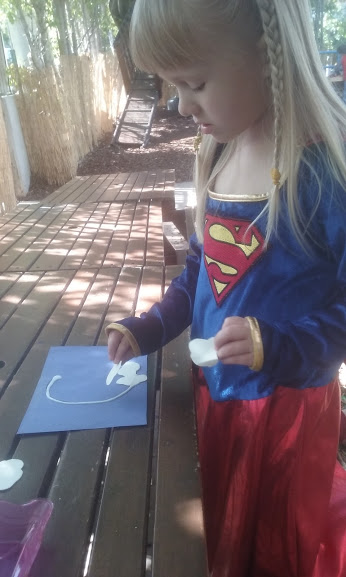


 misscarriescorner