Unifix Cubes and Measurement

Measurement allows us to analyze the objects in our world.

cube

We are constantly doing it.

cube1

Before they are even aware of this new vocabulary, young children are constantly measuring items.

cube2

Fostering an awareness of measurement can not only help them master everyday tasks, but nourish their growing ability to think critically.

cube3

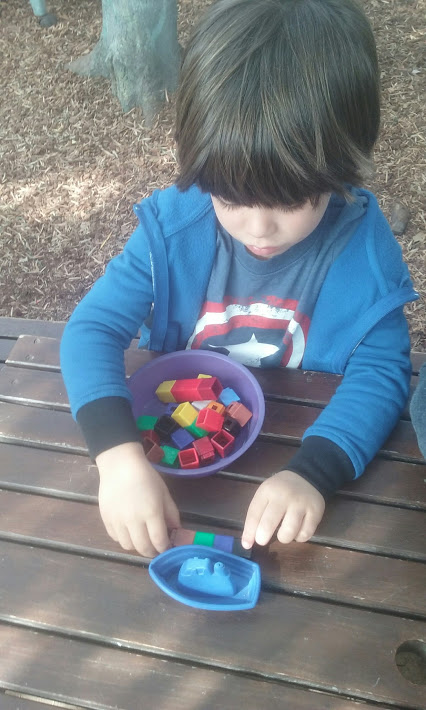
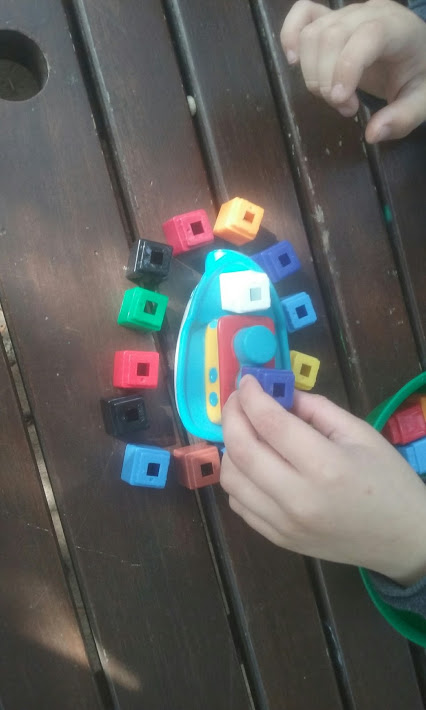
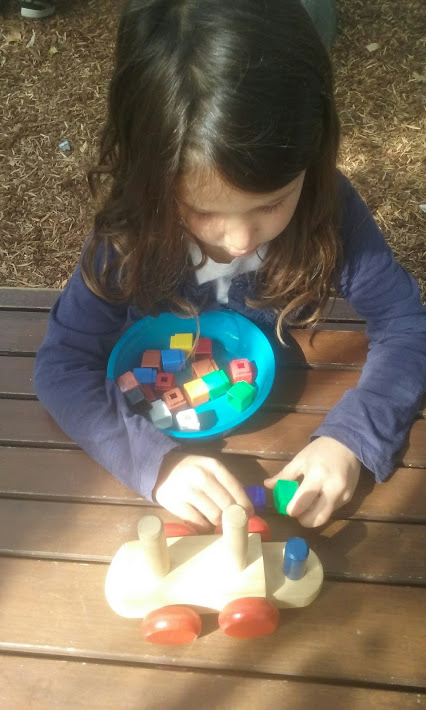
For this particular activity, we discussed the difference between height and width.

cube4

We then measured the length of a three different toys with Unifix cubes.

cube5


Numbers Bingo

“Bingo!” Who doesn’t like the thrill of finding the last item on your list, jumping out of your chair, and shouting you won?

bingo

Bingo is an incredibly fun game to play in group, is very easy to play, and can help rehearse anything from language vocabulary to math and historical facts.

bingo1

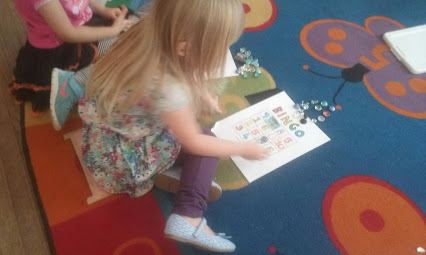
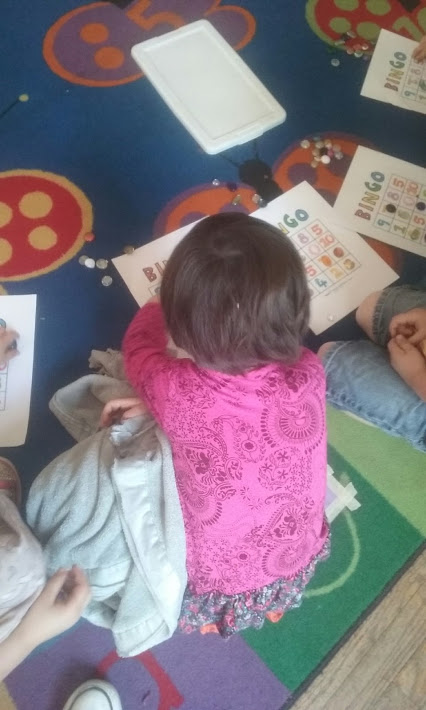
Everyone can play the game together, regardless of level. And best of all, everyone wins! For this activity, we played Bingo using the numbers 1-10.

bingo3

The students loved covering their numbers and shouting as they filled up their boards!

Pipe Numbers

In an attempt to foster their students’ academic development, many well meaning educators may be tempted to provide flash cards as an initial learning tool.

pipes

This is not the best method for teaching young children math skills with understanding.

pipes5

Many four-year-olds may be able to identify a 4, but they don’t understand what 4 means.

pipes4

It’s important to understand the difference between conceptual learning and skill development.

pipes1

Instead of flashcards, children can count things that are familiar to them. Counting socks, toy cars, or other toys will maintain their attention because these items have meaning to them. For this activity, we practiced counting numbers 9-14.

pipes2

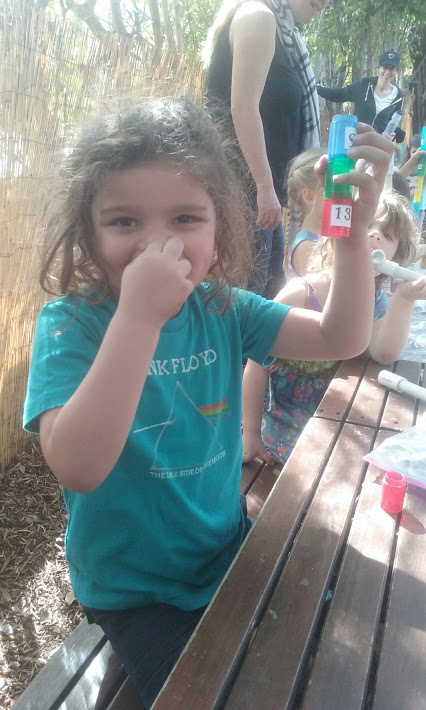
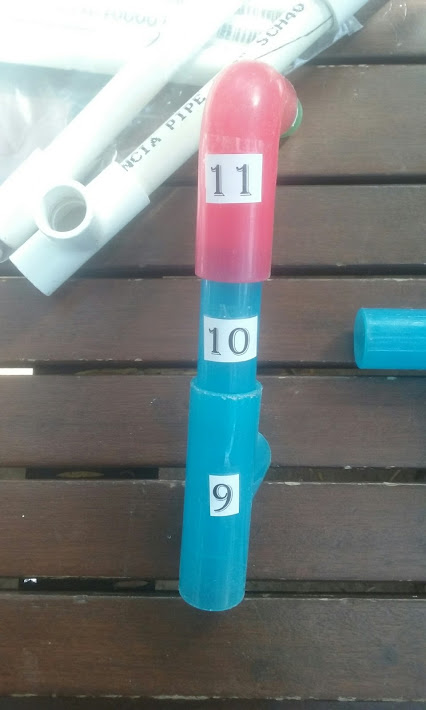
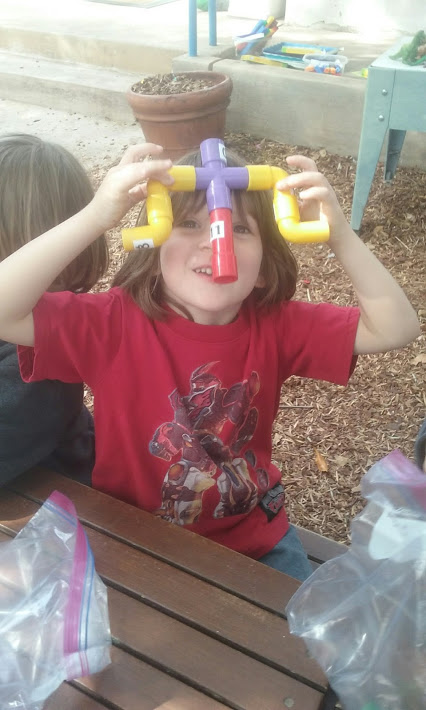
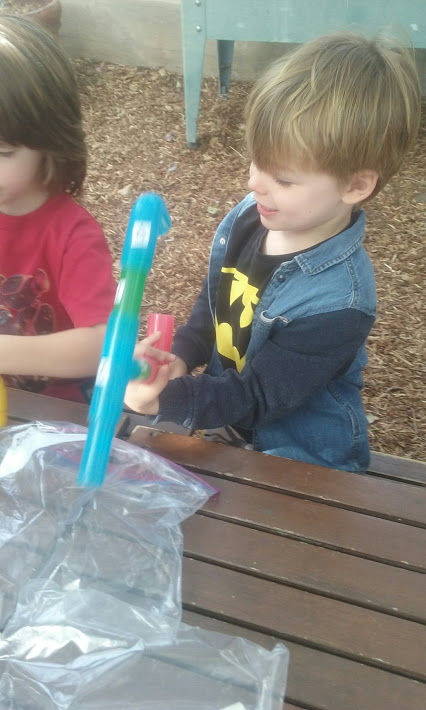
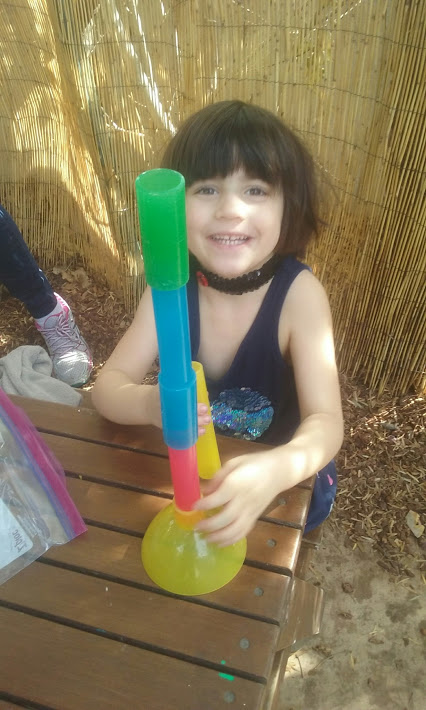
Students were given plastic pipes with numbers affixed to them. They were then directed to connect them together, starting with 9 and ending with 14. This helped them not only understand what numbers look like, but their function.

pipes3

Counting Cups

Early math is not about the rote learning of discrete facts like how much 5 + 7 equals. Rather, it’s about children actively making sense of the world around them. Unlike drills or worksheets with one correct answer, open-ended, playful exploration encourages children to solve problems in real situations.

cups

Because the situations are meaningful, children can gain a deeper understanding of number, quantity, size, patterning, and data management.

cups4

For example, it is easier to understand what six means when applied to a real-life task such as finding six beads to string on a necklace or placing one cracker on each of six plates.

cups1

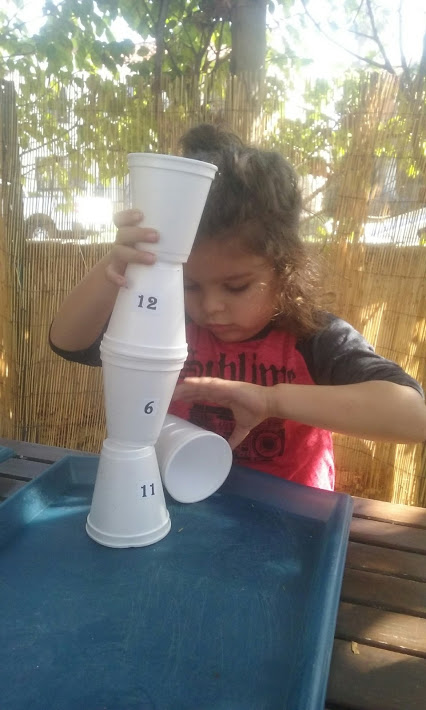
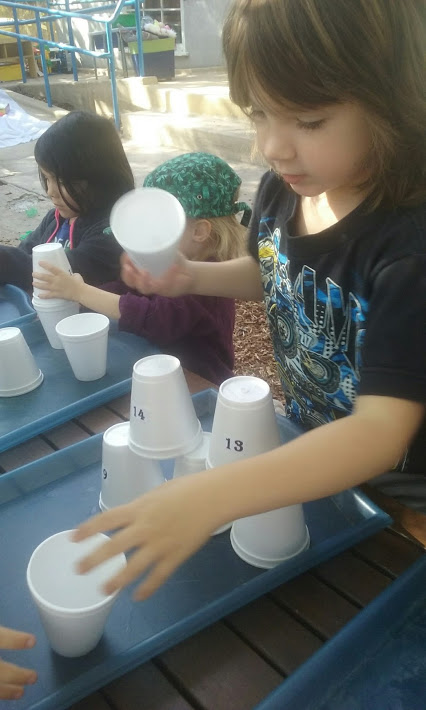
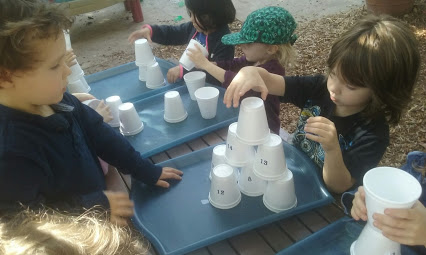
It is for this reason that we used cups and numbers to practice our counting, adding, and subtracting. To fit this into our numbers theme, we used white cups,numbered 9-14, and stacked them on top of one another. We have been talking a lot about these numbers, and have been creating inventive ways to learn about them!

cups2

They started by stacking the cups in no particular order. Once they mastered this task, they stacked them (while counting out loud) placing the number nine on the bottom and the number fourteen on the top. Next, they practiced adding and subtracting different cups and counting them. Everyone enjoyed seeing their structures come to life, and laughed as they stacked and then re-stacked their cups.

cups3


Unifix Numbers

Numbers present themselves to us in several ways; through the repeated images on license plate numbers, to the recipes of our favorite foods.

uni

Understanding these numbers will influence your little ones’ future mathematical endeavors, because understanding numbers requires an understanding of how they work together.

uni1

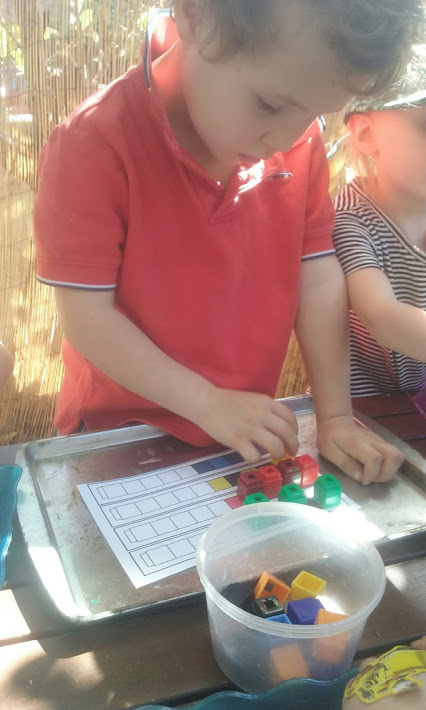
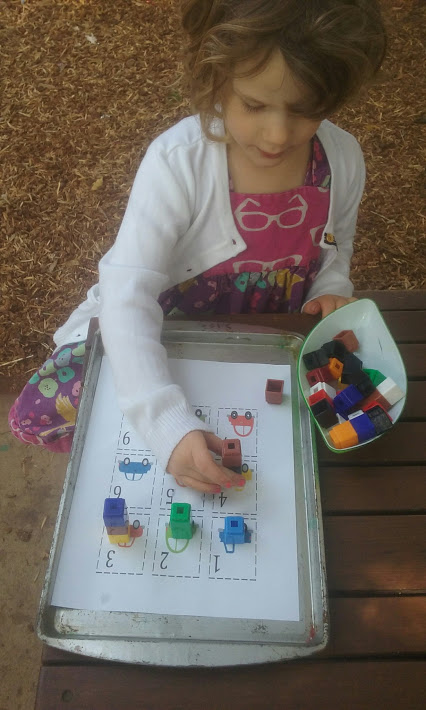
Using Unifix cubes and a colorful diagram, we practiced our own sorting and numeral recognition skills! Students counted, and then placed the correct amount of Unifix cubes onto predetermined numbers. Once finished, they checked their answers by counting their cubes again!

uni2

Parking Lot Numbers

We are always striving to improve our counting and math skills! Using toy cars, a piece of craft foam, and our thinking minds, we created our very own parking lot!

lot

We began the lesson with a review of numbers one through eight. We then practiced tracing the numbers with our fingers. Following that, we counted each numeral, one at a time.

lot1

Lastly, we parked our cars onto the correct numbers. Experiences that allow the application of mathematical principles are an integral factor in the development of mathematical concepts. This activity also fostered sequencing skills, as many of our budding mathematicians found pleasure in arranging their cars by color.

lot2

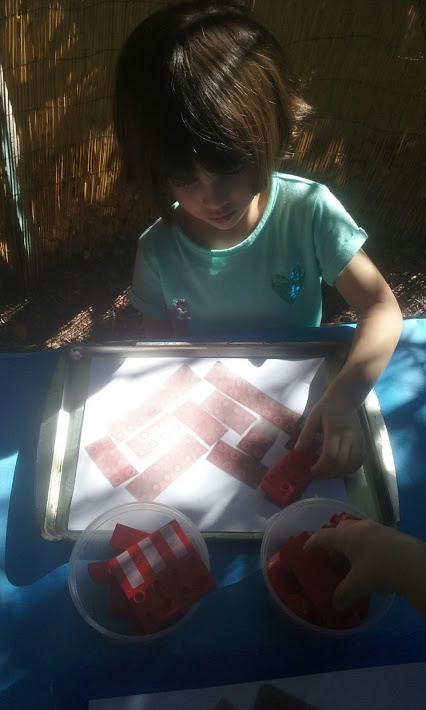
Lego Hearts

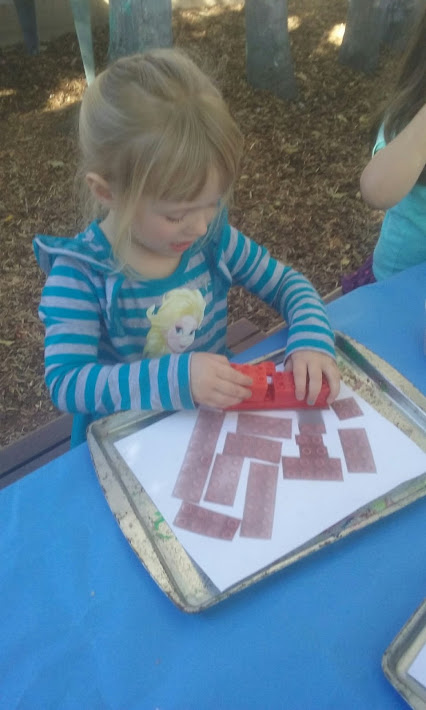
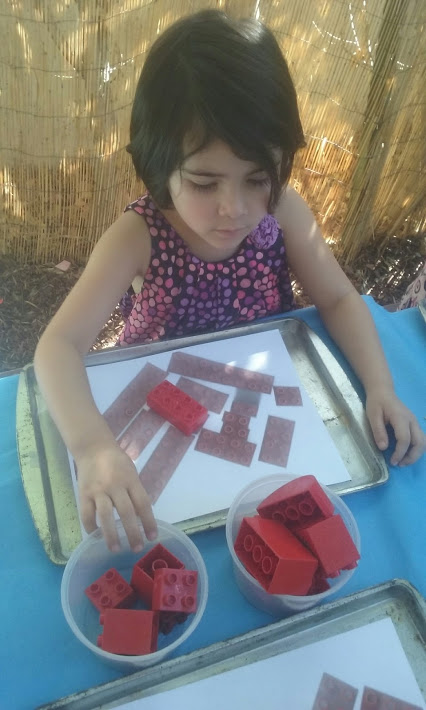
Since we are learning about Valentines Day, we decided to create our very own Lego hearts! To accomplish this, your little one was given a picture of a Lego heart as a visual organizer.

heartlego

We then sorted our Legos into the various shapes on the heart. This activity fulfilled several developmental tasks. First, your little one learned about the various shapes of Legos by pairing the visual shape with the three-dimensional object.

heartlego1

Secondly, we discussed several vocabulary words, such as right, left, on top, and around. Lastly, your budding mathematician practiced several premath skills, such as patterning and sequence making.

heartlego2

Lego Matching

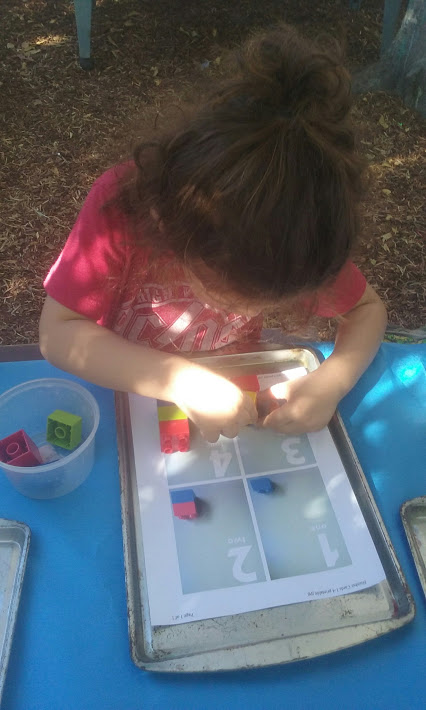
Using Legos and number boards with illustrations, we learned and revisited counting and Arabic numerals! Each child was given a group of Legos, and a number board with different illustrations of Legos on it.

legostackThe children were then asked what the number was, to put their Legos on the quantity, and to count their Legos as they did so. These Legos ranged from 1-4. Once again, we are using things that our little ones are naturally interested in to teach about counting, numeral recognition, and patterns!
legostack1

Not limited to just numbers, preschool math incorporates a broad range of skill sets and knowledge including sorting, colors and recognizing groups and patterns. These activities teach our little ones about problem solving and using logic. This activity also involved fine motor skills, as they manipulated their Legos and attached them to their rows.

legostack2

Fishing for Numbers

We are having so much fun playing and learning with numbers.

numfish

Today we fished for magnetic numbers in our water table!

numfish4

Each child used a fishing pole to catch a number and transfer it to its matching mat.

numfish1

As they caught each number, they were encouraged to say the name of the number.

numfish2

They then placed it on a mat, and continued to catch numbers until all of them were gone!

numfish3

This fun challenge enabled your little one to practice their number recognition and pre-math skills!

numfish5