Asteroid Dig

The Asteroid Belt is a region between the inner planets and outer planets where thousands of asteroids are found orbiting around the sun. We spent a significant portion of our week discussing asteroids and what they mean to us as Earthlings.

20140917_104916

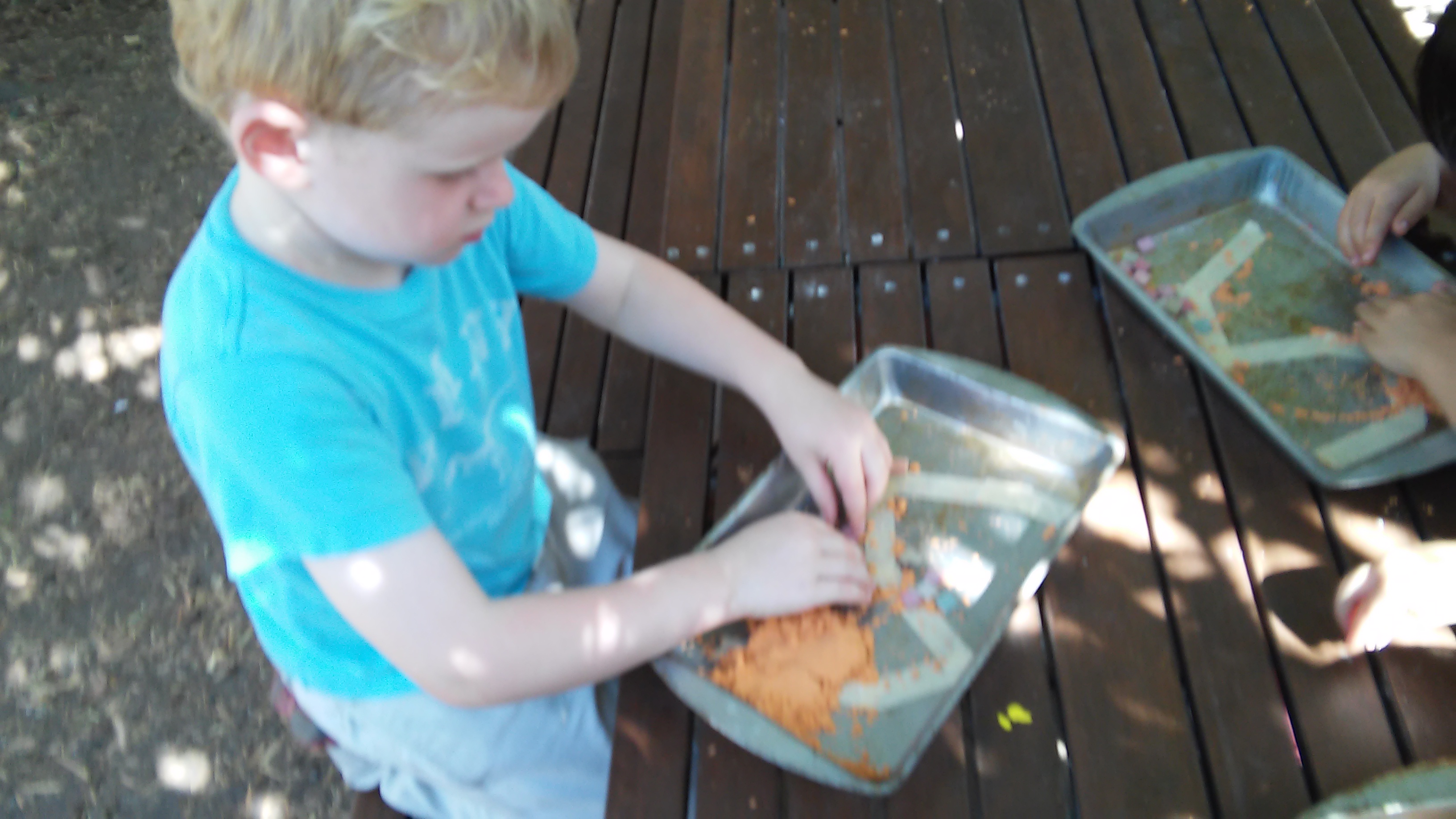
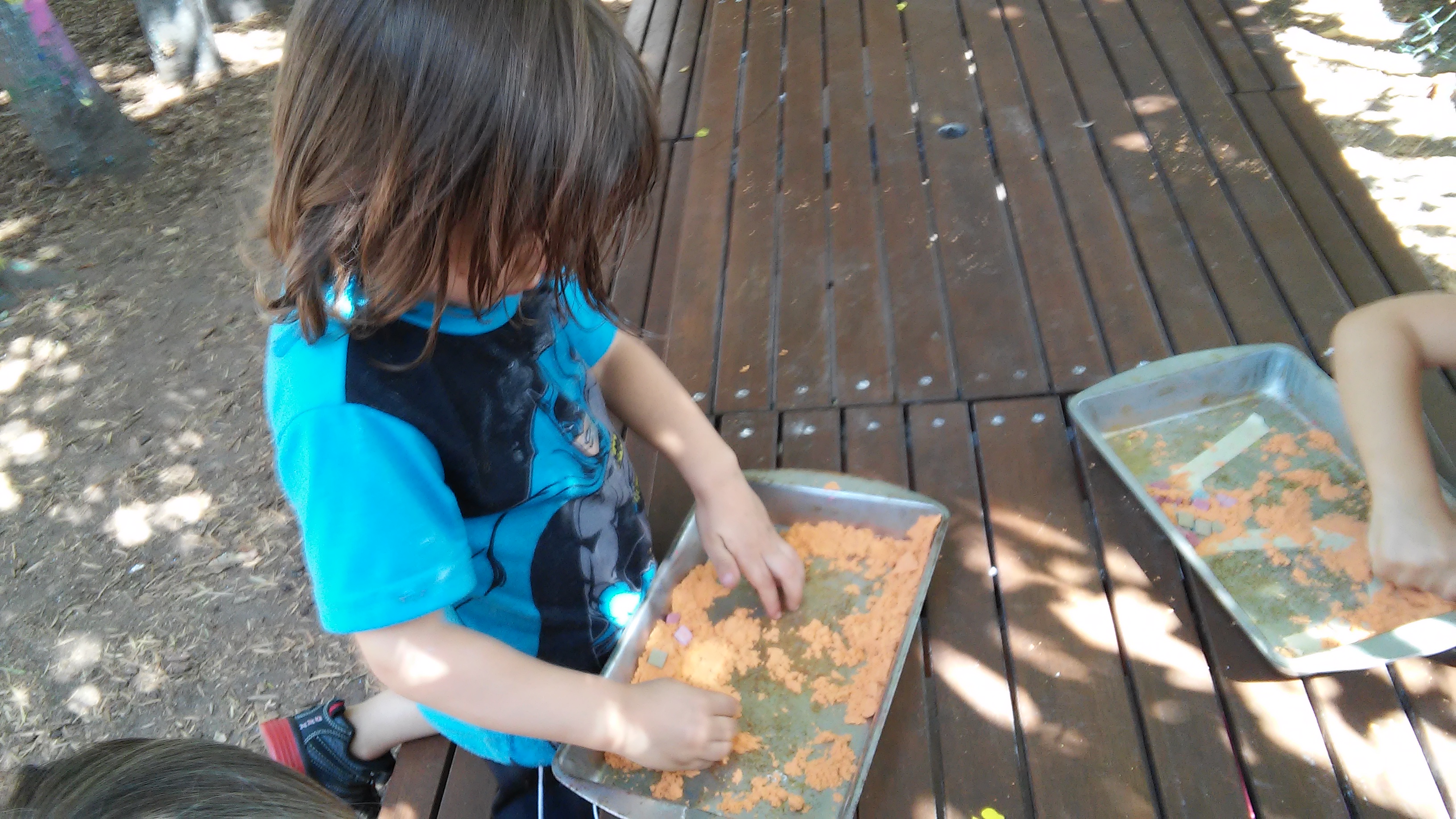
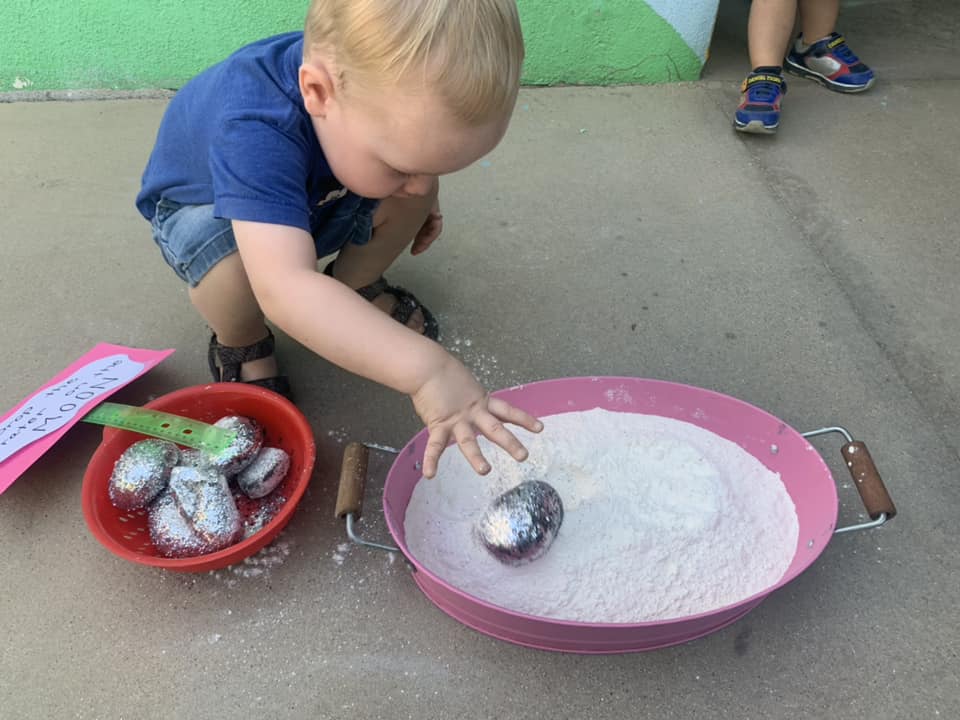
Following a lengthy discussion on the various inhabitants of the asteroid belt, we decided to dig for our own!

20140916_103248

To incorporate multiple objectives, students were encourage to “dig” for their asteroids and then place them onto a pre-made letter A. Doing so encouraged the practice of fine motor  skills, hand eye coordination, and phonemic awareness.
 

Impact Craters

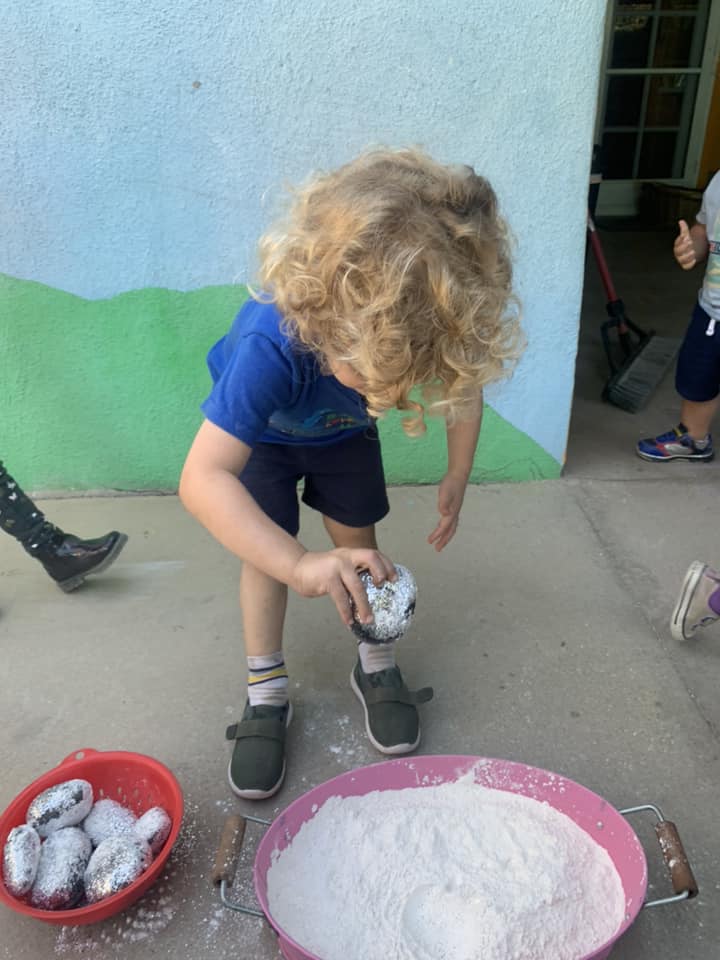
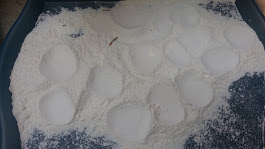
For this activity, students created impact craters with rocks, and then examined the associated features.
They then observed images of lunar craters and explored how mass, shape, and velocity affected the size of the crater.
As a result, your child learned about constructing models, which can be tools for understanding the natural world. crater3 They also experimented with cause and effect, and practiced their critical thinking skills!
Impact craters are caused when an impactor collides with a planet or moon. A crater’s size and features depend on the mass, velocity, and angle of the incoming impactor.
This fascinating phenomenon provides insight into the age and geology of a planet’s surface.
For this activity, students created impact craters with rocks, and then examined the associated features.
They then observed images of lunar craters and explored how mass, shape, and velocity affected the size of the crater.
As a result, your child learned about constructing models, which can be tools for understanding the natural world. crater3 They also experimented with cause and effect, and practiced their critical thinking skills!

Asteroid Science

Asteroids can be thought of as minor planets. They are made up of most of the same stuff as planets, but are much smaller. The four largest known are spherical, or ball-shaped, like the Earth, and have diameters between 100 and 500 miles.

20140918_104628

To introduce the asteroid to your budding cosmologist, students learned a few important facts about asteroids.  They learned that asteroids are space rocks that are composed of rock, metals, and other elements.

20140918_100321

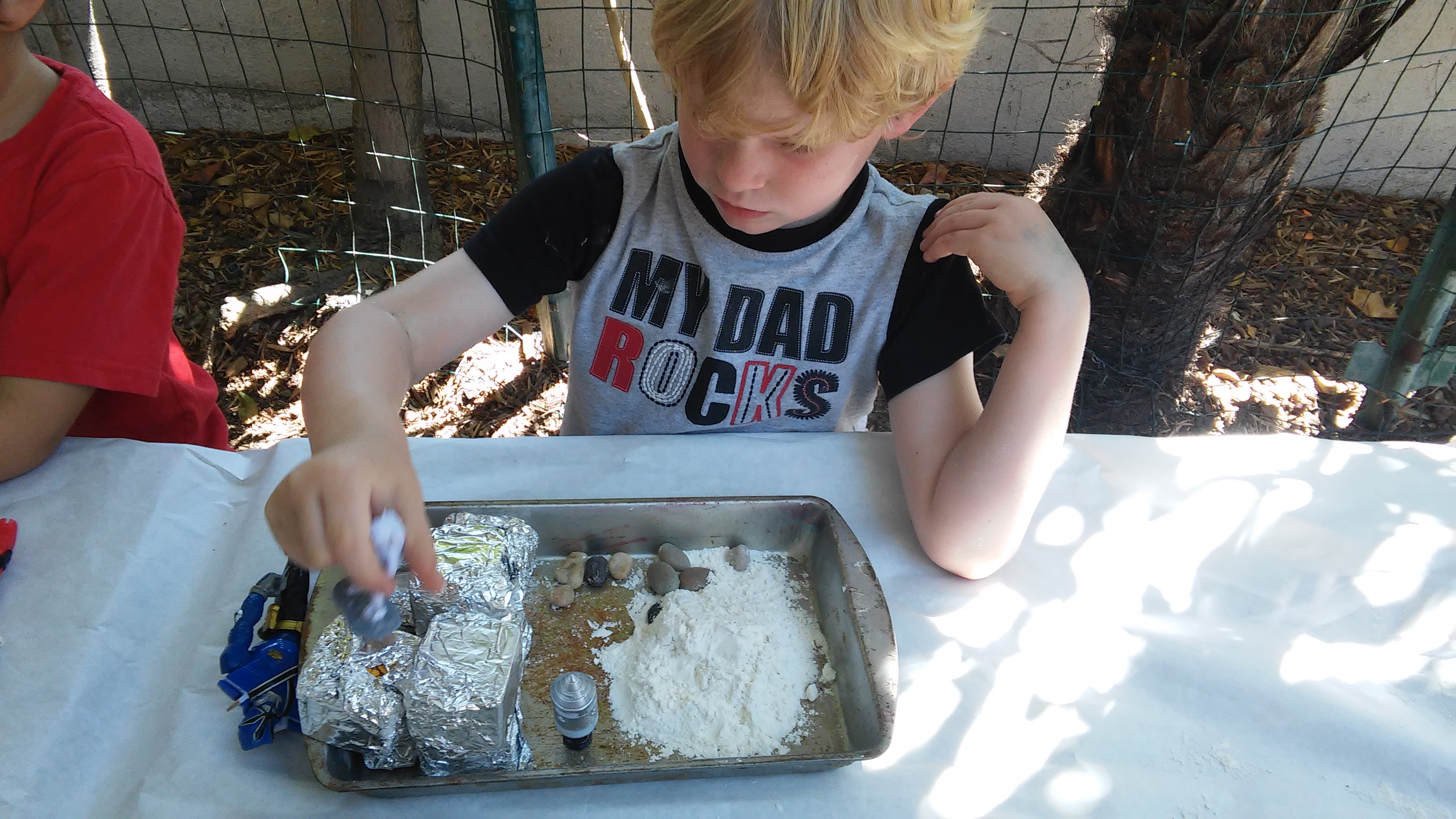
There are a host of asteroids that vary in their composition and size, and we created a few of them in our class! Our first endeavor was the siliceous asteroid.  These asteroids are comprised of silicate, nickel, and iron. Using moon sand, and rocks, we replicated this most exciting planetoid.

20140918_104539 (1)

The second asteroid we created was the carbonaceous asteroid. This asteroid is made up of clay and silcate rocks. To construct this type of asteroid, we used clay and rocks.

20140918_104741

This activity accessed several developmental areas, including spatial reasoning, technical problem solving, and critical thinking skills.  How did they do this? First, as they combined materials, they visualized the most beneficial means to navigate space. Then they had to evaluate new information by breaking it into meaningful components. Finally, they had to convert their understanding of an idea into a physical model.

Countdown to the Number Line

Hands-on activities are essential in teaching math concepts to the preschool learner. Number line activities will give your preschoolers a concrete way to learn about numbers and counting. When teaching math skills to preschool children, it is important to present ideas in a variety of ways to help students really understand a concept.

20140905_114351

For this activity, your little one was introduced to the number line by “being” the number line. Students were told that they could use number lines to help with counting, comparing numbers, adding, and other math skills.  Numbers were randomly passed out to each student. I then called out each number, one at a time, and directed the child with that number to stand in a particular place in line along our number “string”.  At the end, we reflected on the number line we had just created. Students were asked questions such as, What do you notice about it? Are the numbers in order? Where is the smallest number? As your little ones learn more and more about the number line, they can use it to solve problems that become increasingly more complex.

Mission Control

Space: Planets, stars, the moon, “To Infinity and Beyond”!

20140910_112315

This theme is endless in possible activities and adventures your preschoolers can participate in!

20140910_113456

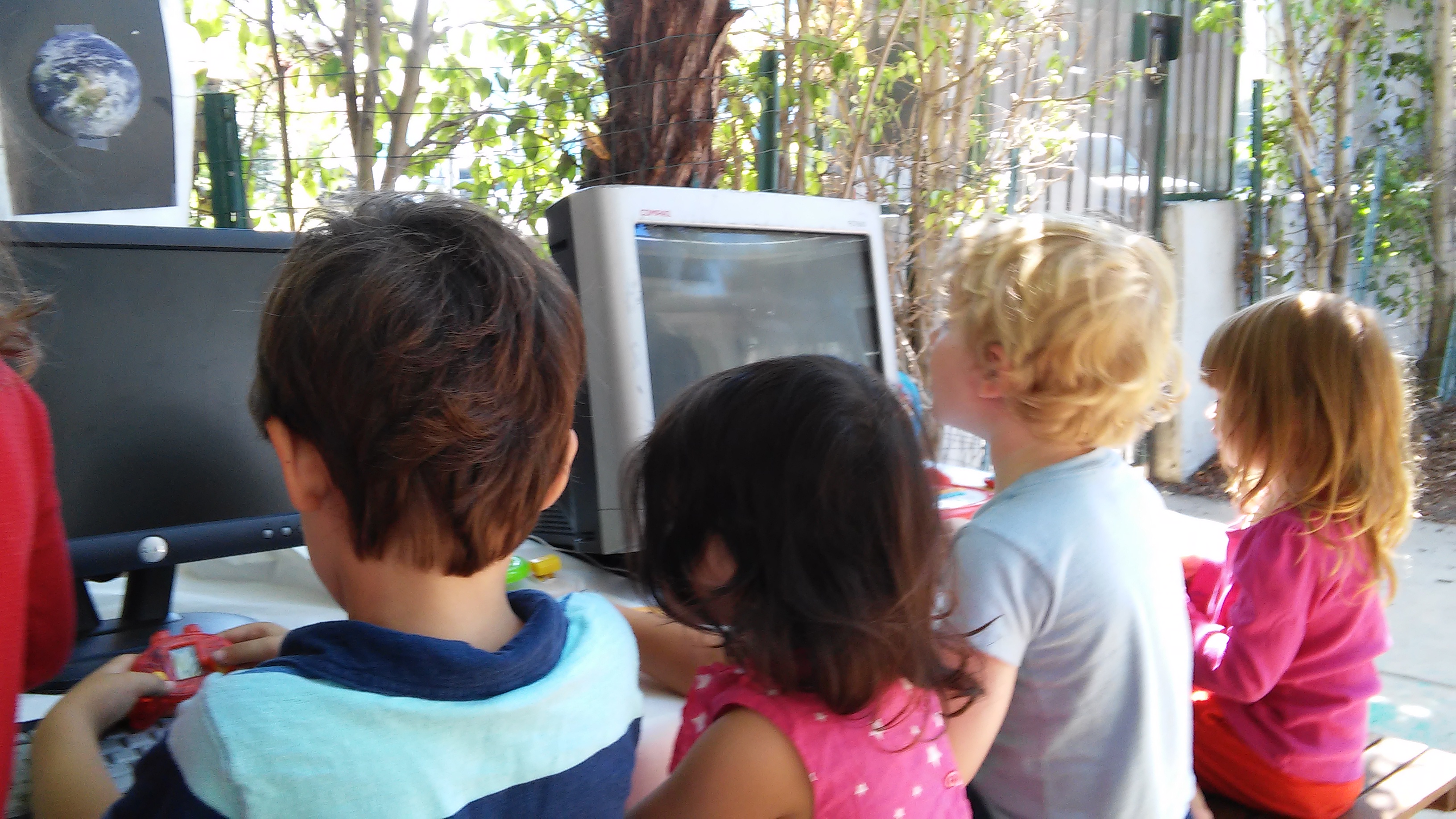
Dramatic play can take place anywhere children are – their imaginations can soar far, so we decided to replicate Mission Control!

20140910_113503-1

Using real computers, phones, and toy gadgets, we engaged in sending several missions to the moon, Mars, and even the asteroid belt!

20140910_113516

In addition to accessing our ability to visualize the world of NASA, this activity enabled us to access our problem solving skills, enhance our language development, and learn to read and give linguistic cues. Please enjoy!

20140910_112237

20140910_112344

Creating the International Space Station

The International Space Station is the largest, most complex international science project in history.  The permanently crewed orbital laboratory enables scientific research supporting innovation on Earth and future deep space exploration.

20140909_105932

For this activity, students were introduced to the International Space Station, with information about its structure, operation, and key experiments. Before starting, the children engaged one another with questions such as: What do you think it is like to live in space? Would you float instead of walk? How would you sleep? What would you eat? This project was designed to answer these questions, and many more.

20140909_105900

Using foil-covered blocks, astronaut figurines, and plastic space toys, we created our version of the International Space Station. As a result, students acquired new vocabulary as they experimented with visual perception, spatial orientation, and coordination.

M is for Moon Pre-Writing Activity

It all begins with scribbles. Aside from the decorative swirls, a few letters, and perhaps even their own names, most preschoolers start school not knowing how to write. Fortunately, this does not have to be as challenging as many parents believe.  From tracing the ABCs (culminating in higher level thinking skills like forming, organizing, and expressing complete thoughts), to using a pen and pencil on lined paper, writing is a learning adventure, similar to all of the other ones your child has experienced!

20140909_100451

The key to learning how to write is to break it into small, manageable steps. To prepare your child for this most exciting endeavor, we participate in an array  of “pre-writing” activities that make writing fun.

20140909_100433


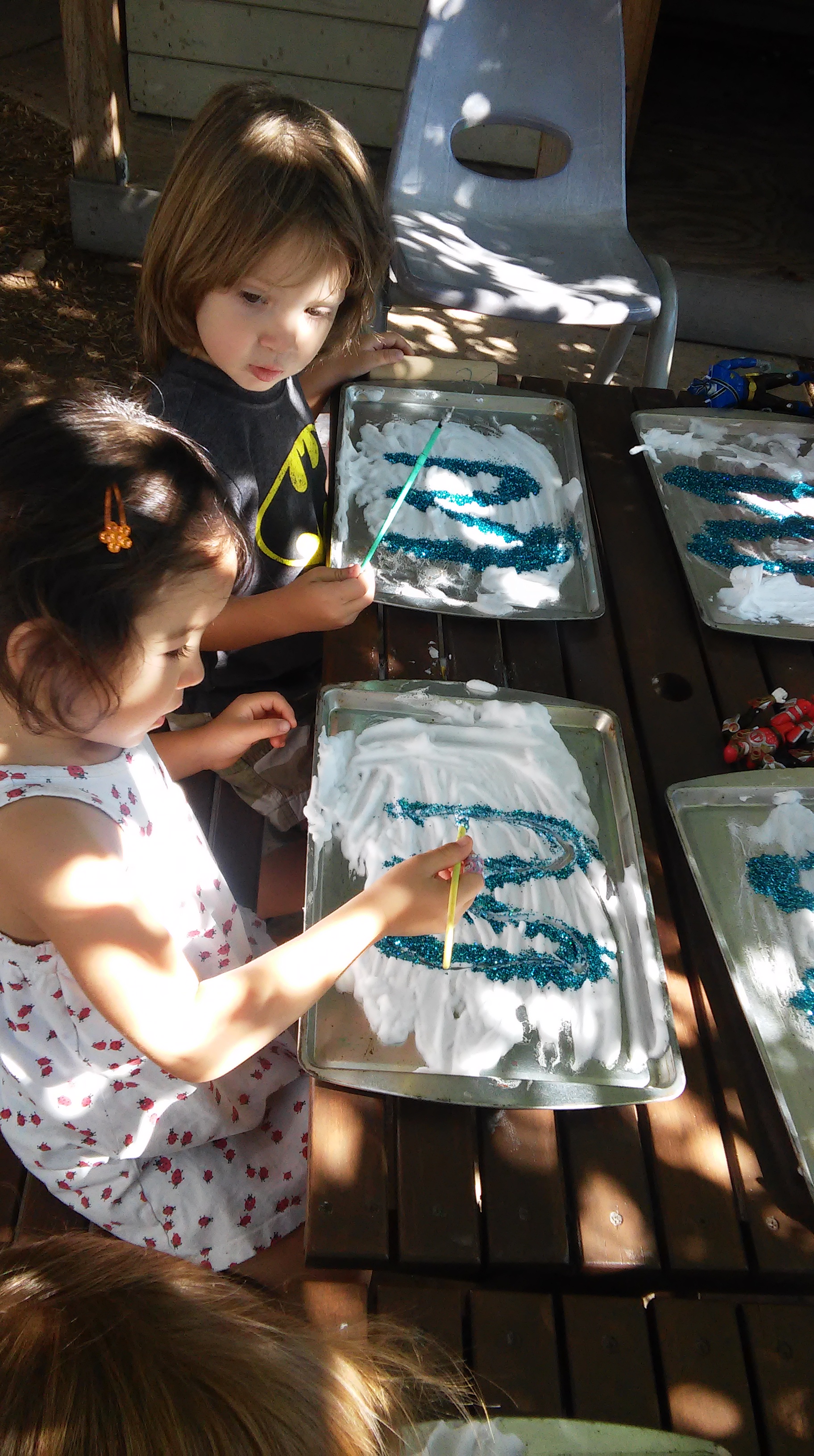
For this one in particular, we practiced writing the letter M, using shaving cream and glitter. With their paint brushes, your little one learned that all letter making starts from up to down and left to right. A paint brush is a nice introductory implement, because they are familiar, and easy to grasp. Lastly, this activity aided your budding writer in their continual mastery of the tripod grasp.

20140909_100439

20140909_100505


Star Grid Game

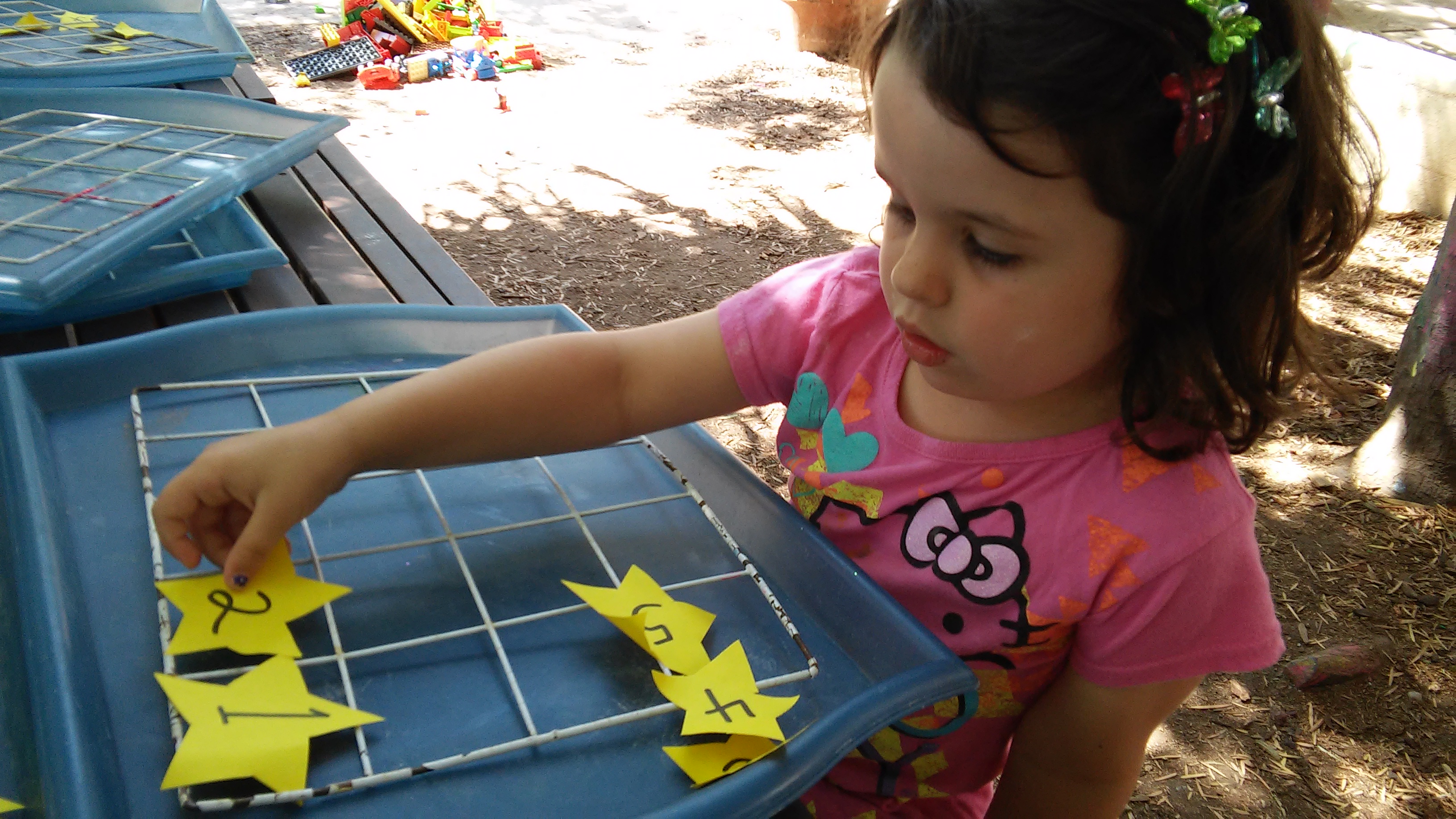
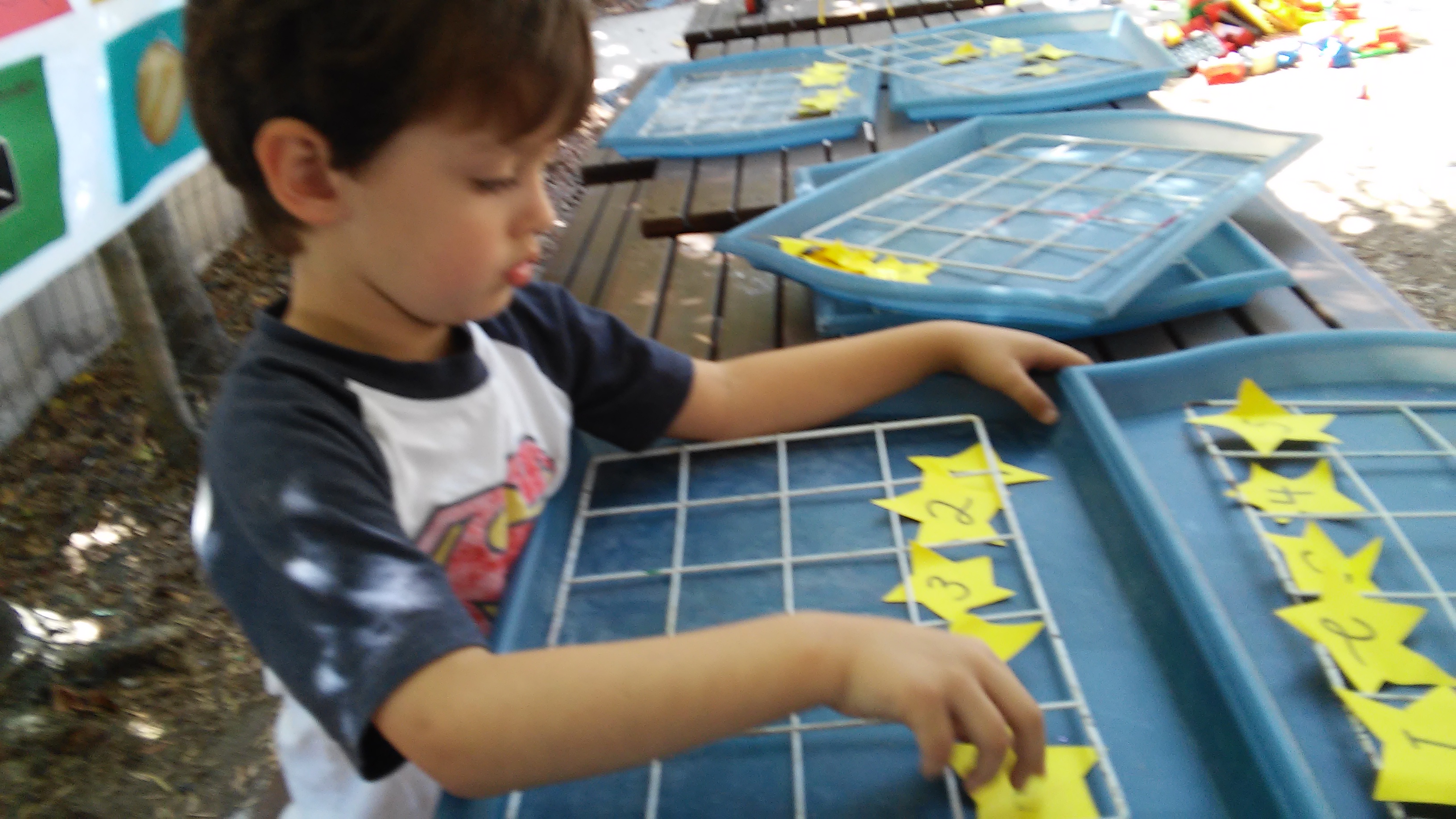
Grid games teach one to one correspondence, counting, and numeral identification to the preschool learner. To play this grid game, students rolled a game die, identified the numeral, and counted out that amount of manipulatives.

20140911_113533

Each manipulative was placed over a star in the grid. We played until the whole grid was full! These grids are a really useful tool when teaching young children counting and math. Displaying a specific range of numbers is also easy for students to read and allow for a range of activities.

20140911_113631


Hurricane Dramatic Play

Dramatic play is a wonderful way for young children to act out roles and express themselves. Providing dress up costumes and pretend real life items encourages them to get into character, express their feelings, and gain mastery over new concepts.  20140827_111123

When your child continues to play a new role and theme over and over again, it is a sign that they are applying and processing the concepts that may be too complicated for them to integrate from a book. In this activity, we prepared our “house” for an upcoming hurricane.

20140828_114538

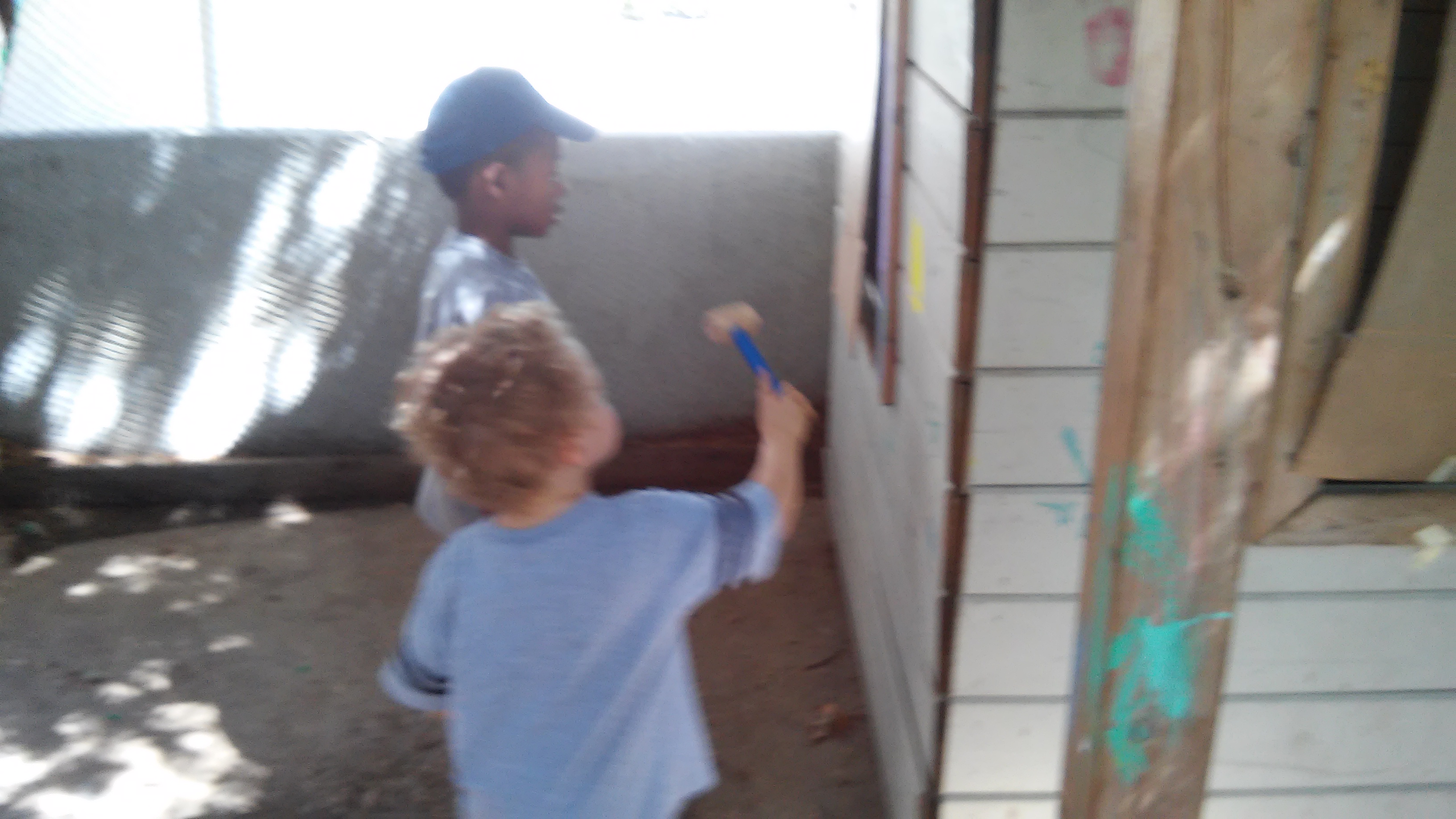
We packed emergency kits, boarded up our windows, and crouched as Miss Carrie used instruments to recreate the sounds of a hurricane outside.

20140827_110955

Hurricane Emergency Kits

Young children are constantly exploring their environments. They enlist the help of other children and adults to give them the language to describe what they see. Because hurricanes are not a part of their everyday experience, your child may have a difficult time truly understanding what they are, and what happens when they strike. By creating emergency kits,  your little one was able to integrate concepts from this portion of our theme.

20140827_110157

Initially, your little one learned  that for those living in areas frequented by hurricanes, it makes sense to be familiar with emergency procedures put in place by local and national governments. It was then explained to your children that emergency kits are necessary during any natural disaster.

20140827_110229

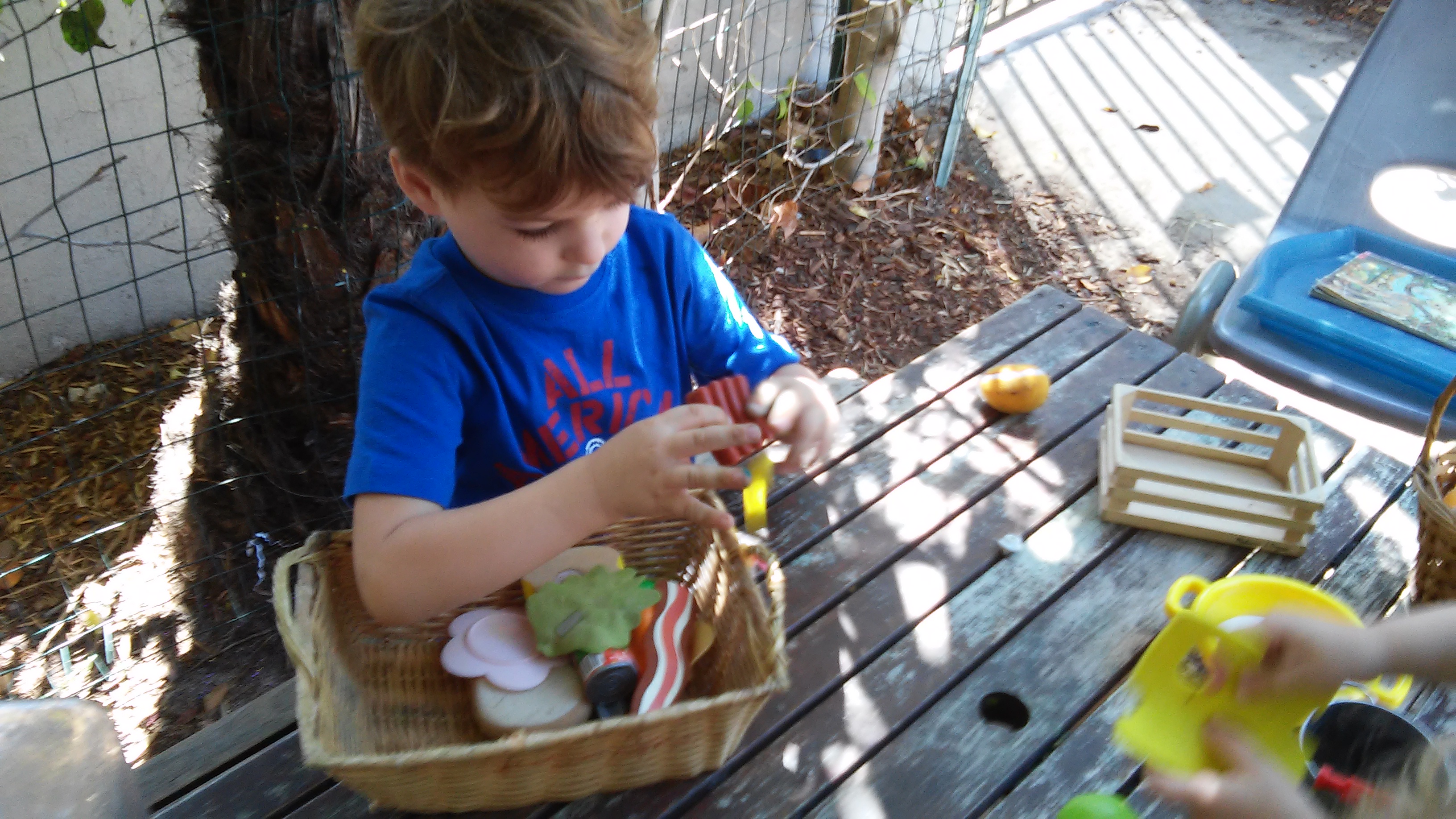
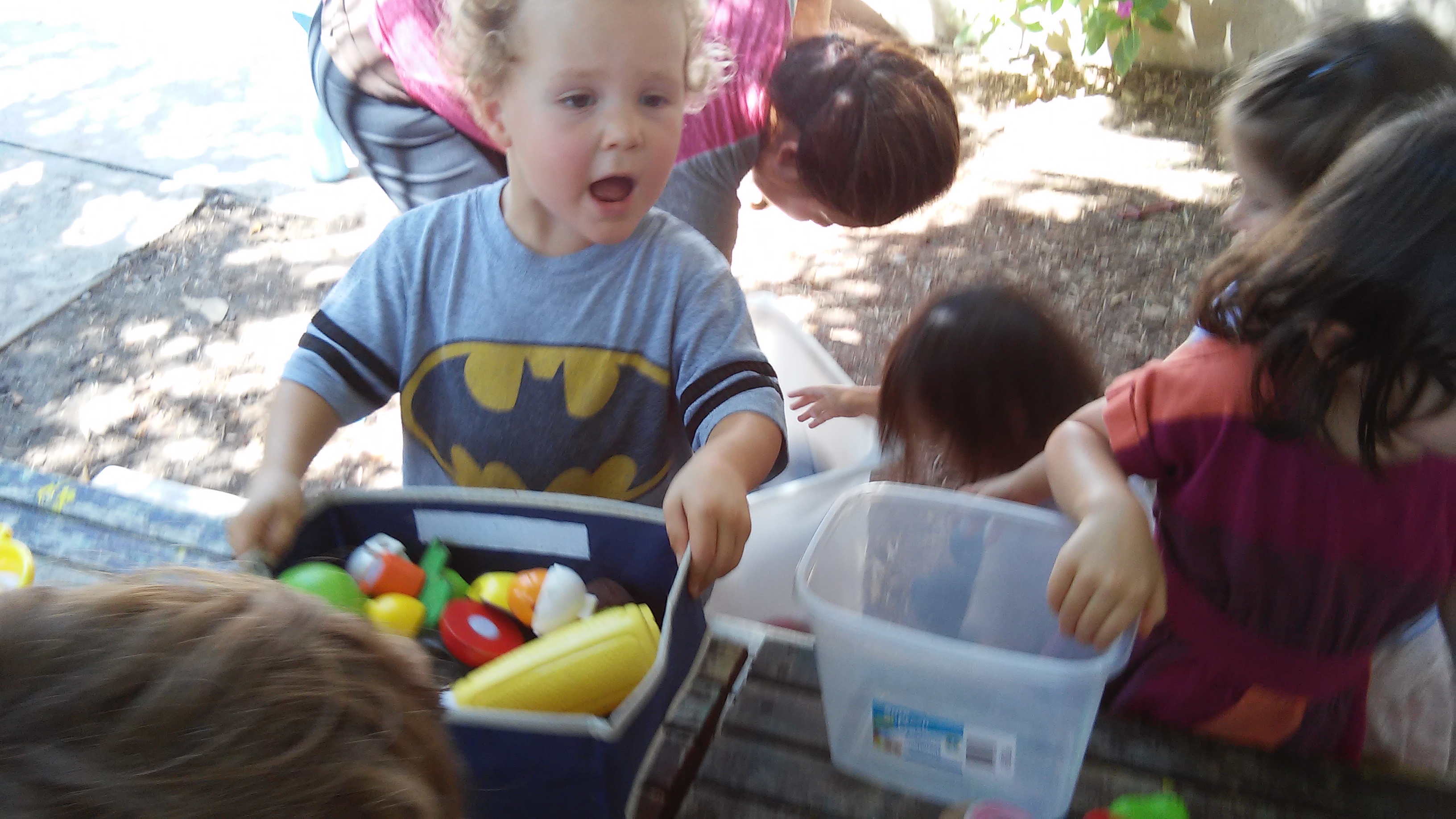
For this component, we had bins and bowls filled with band-aids, plastic food, bottled water, toys, and flashlights. Your little one was given a wooden crate to use as their “kit”, to place their necessary items inside. Before the “hurricane” commenced, your little one was urged to check on their friends, and as a group, go into the playhouse with their kits.20140827_110239

As you may know, dramatic play invites learning and promotes all different kinds of development. By providing a few interesting tools to our classroom, we had writing, communication, social development, fine motor development, cooperation, organization, and the exploration of new material to enjoy.

20140828_114557 (1)