Buffalo Dramatic Play

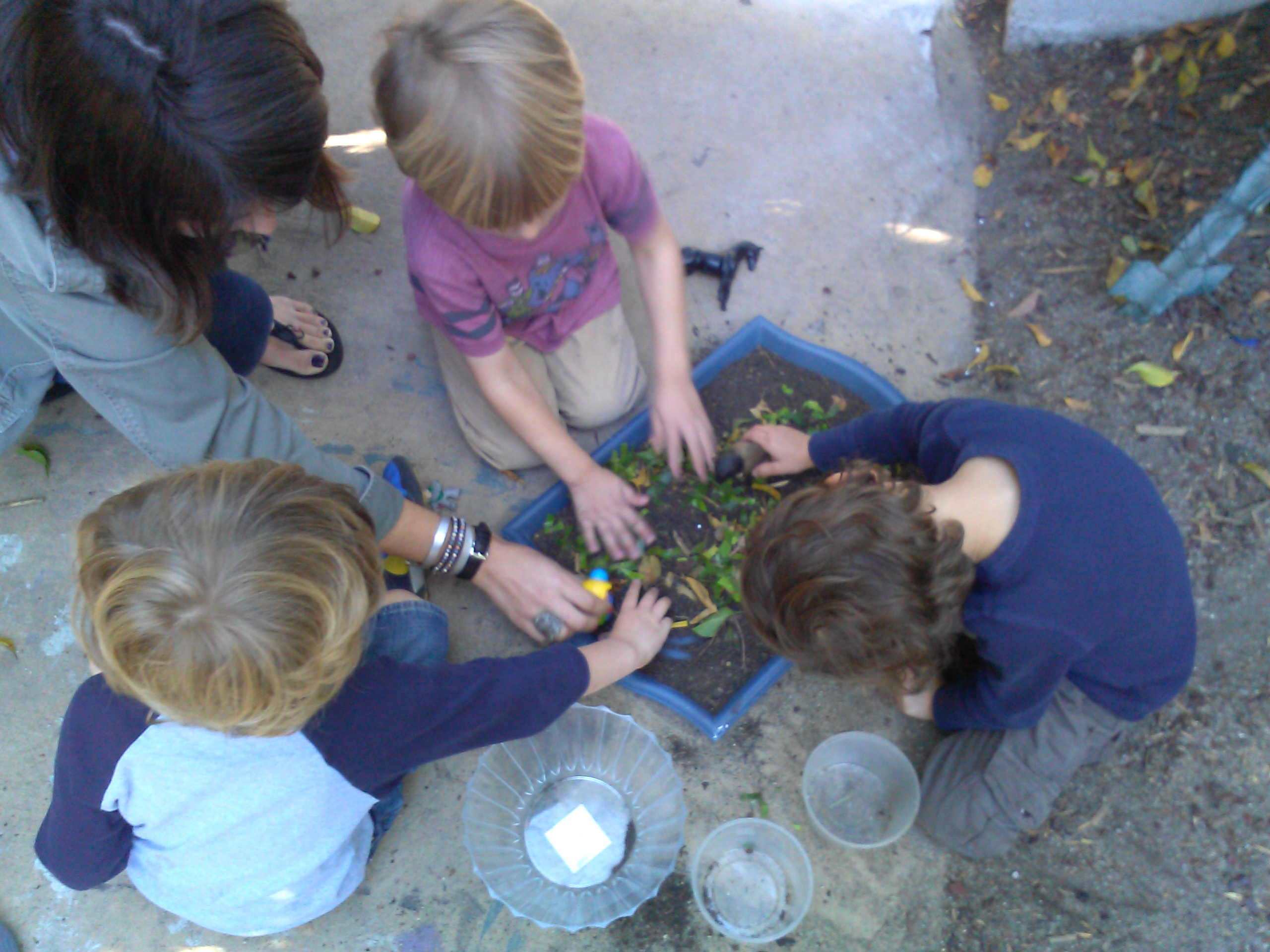
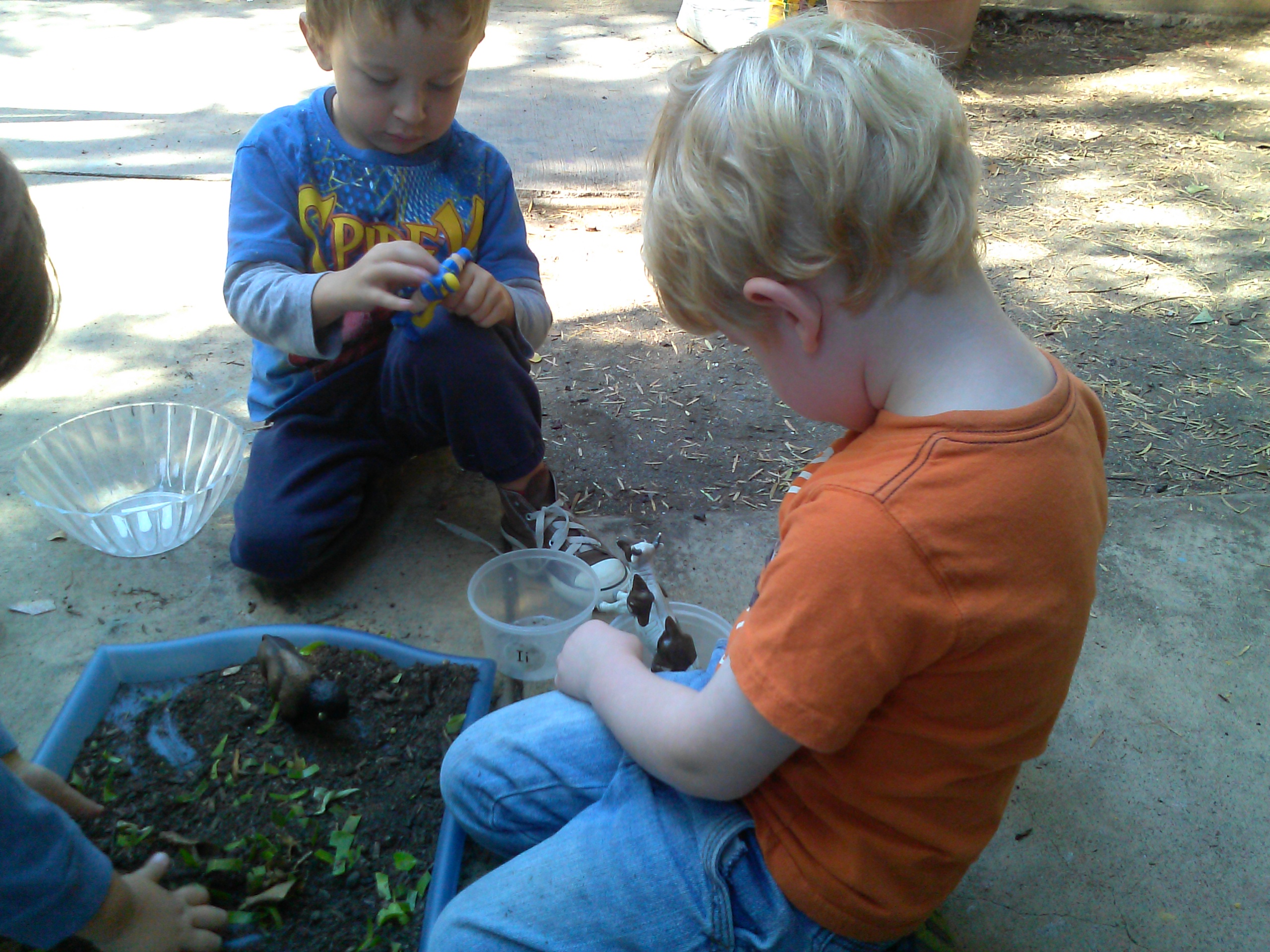
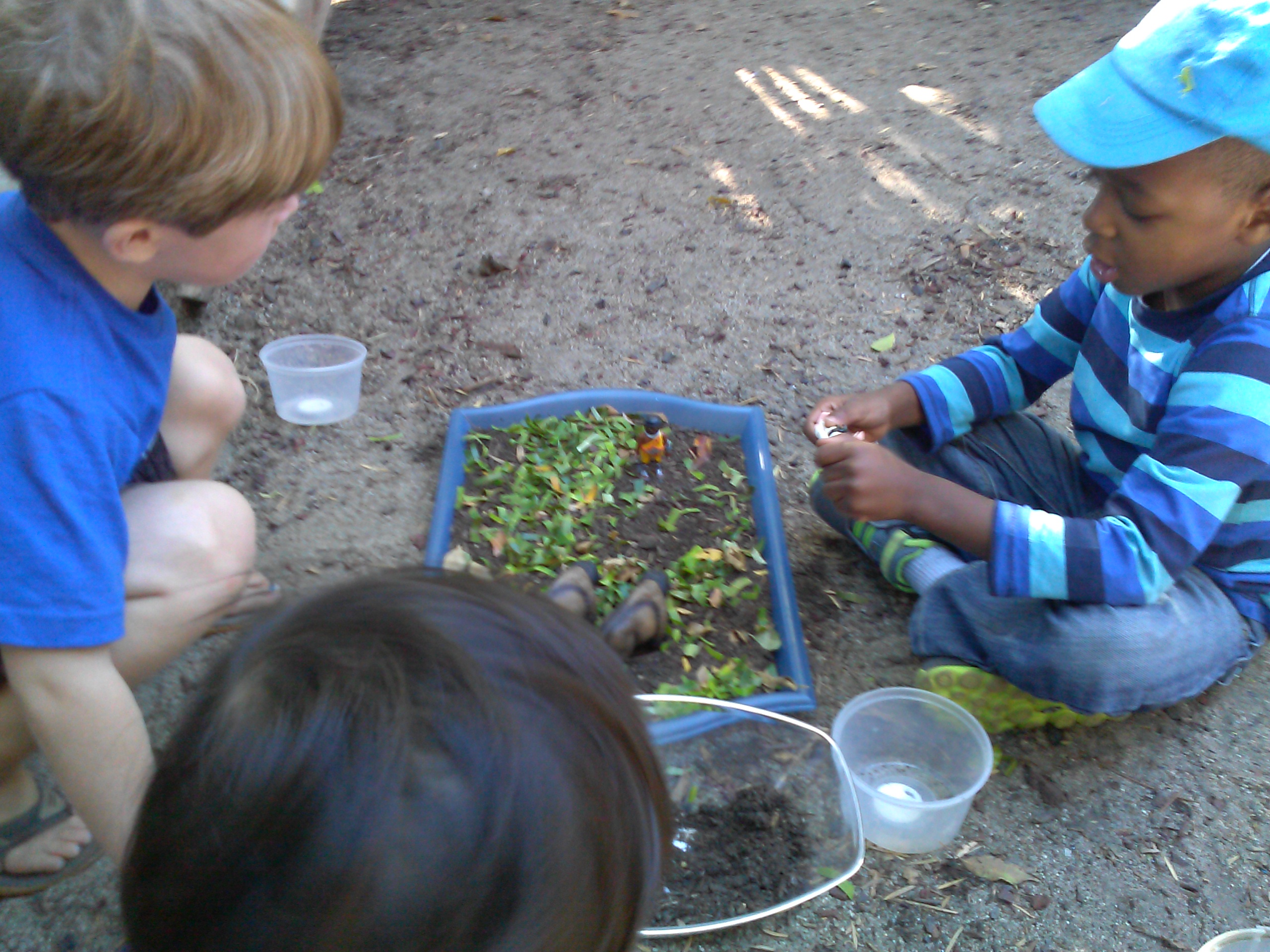
During Circle Time, we talked about the vast array of American Indians that composed what we call the United States today. A favoite of this week was the Plains Indians and their continual dependence upon the buffalo for their survival. Before the Europeans (and our Pilgrim friends) arrived, American Indians would hunt these large beasts on foot. Your little historian was introduced to this exciting ritual, where Plains Indians would often disguise themselves as wolves to assist them in the chase. To encourage our understanding of this adventure, we decided to recreate our understanding of the buffalo hunt. Using plastic buffaloes, grass, plastic indians, and dirt, we reconstructed the Great Plains.
Image

Image

Image

Image

Nut Sorting

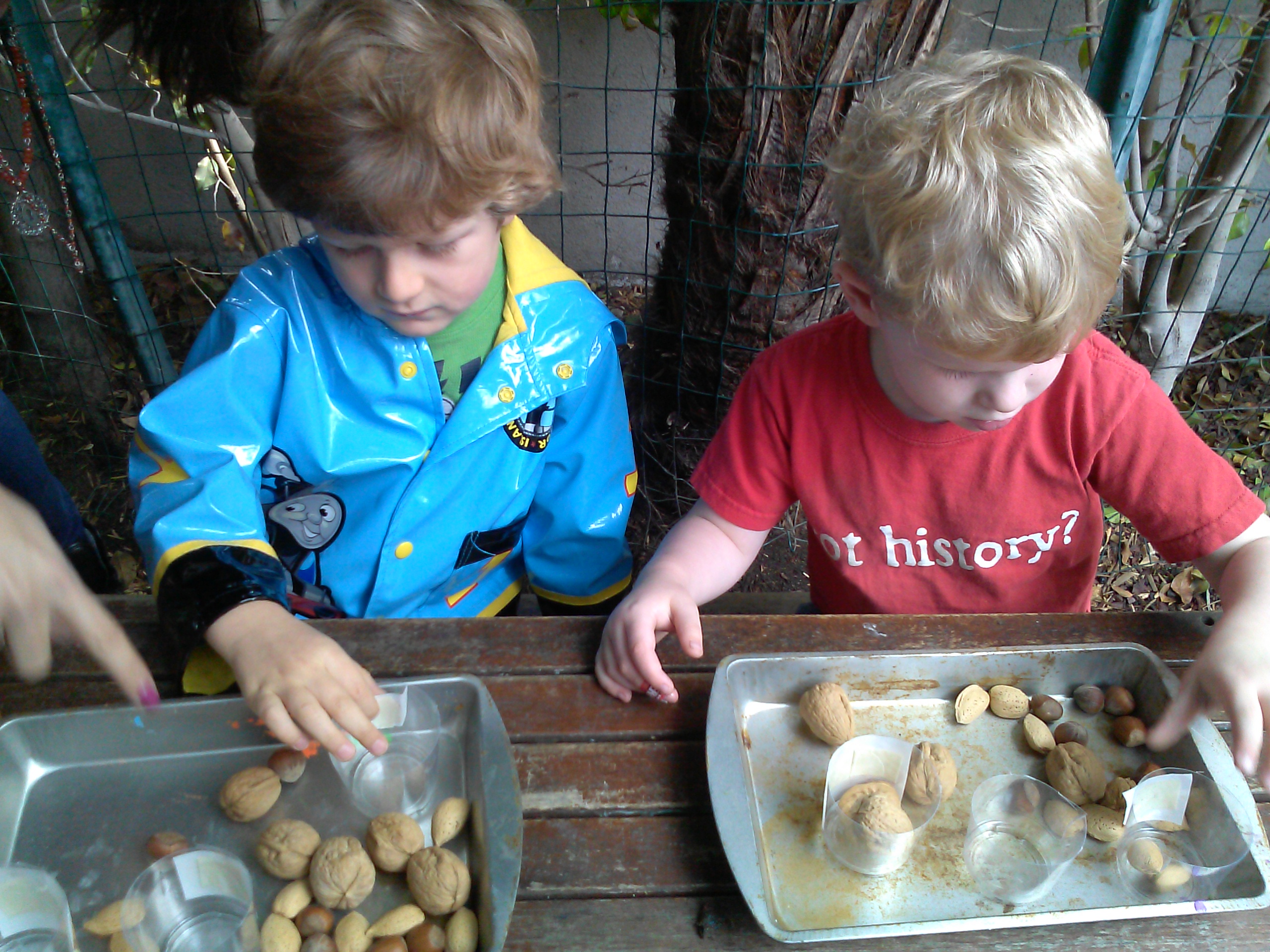
The Wamponoags showed the Pilgrims how to gather nuts during their first winter. Using pictures, and real nuts, we sorted walnuts, almonds, and hazelnuts into three piles. Sorting and classifying objects help children begin to notice how items are alike and different, and creates an awareness that is vital for math learning. Learning to distinguish between things feels like a major accomplishment for preschool children, and using real nuts made the activity that much more fun!

ImageImageImageImage

Q is for Quail

There are many myths surrounding the Thanksgiving feast. According to historians, this festive celebration most likely occurred between September 21st and November 11th in 1621. Though turkey is the professed staple of this holiday, it is more likely that the American Indians introduced our colonist friends to an array of fowl.

quail1

Having never experienced a North American winter, these newcomers were inexperienced in gathering and hunting the sustenance necessary for their survival. The Wampanoag Indians remedied this situation by introducing the Pilgrims to quails.

quail

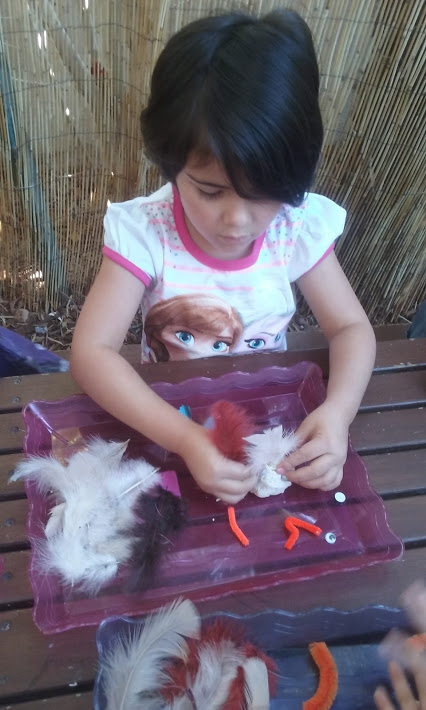
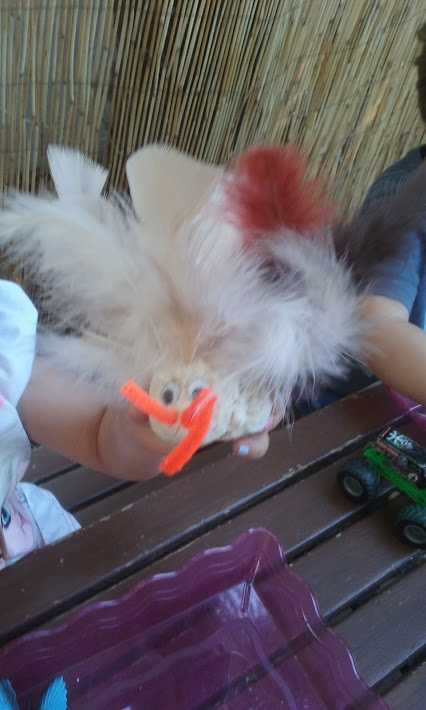
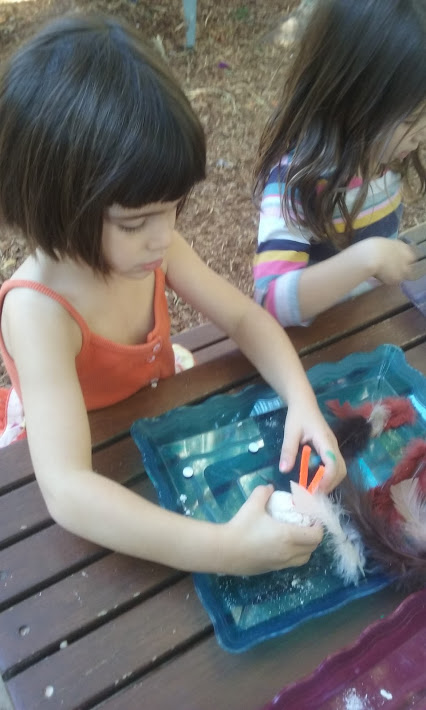
Your little pilgrim learned about the history of the quail, and its role in the Thanksgiving celebration. They then used feathers, plastic eyes, pipe cleaners, and clay to create their own version of a quail.

quail3

Manipulating malleable materials, like clay, has a calming affect on young children. As they roll, coil, and mold their creations into an observable shape, they are engaging in a process of discovery and exploration. Clay also provides immediate tactile and visual feedback.

quail2

Husking Corn

Corn was a staple of the first Thanksgiving celebration, so we have incorporated it into our Thanksgiving curriculum! We not only learned about the history of corn, but its anatomy, how it grows, and most importantly, how to eat it!

husk

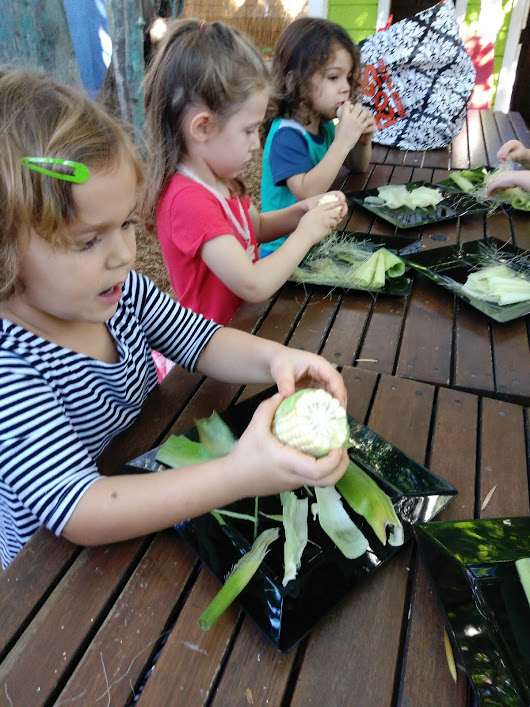
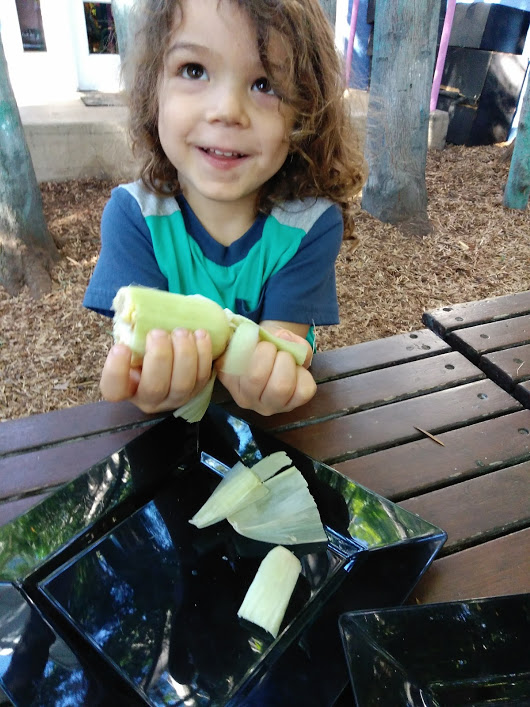
Using our fingers, we removed the husks from sweet corn, cooked it, and ate it for snack! When children are involved with food experience and food preparation, they are more interested in trying it.

husk1

Husking corn gives children an opportunity to see how corn looks when it leaves the field. They are learning that corn simply does not come out of the freezer or a can off the shelf. It is an opportunity to touch, see the husk of the corn kernels, and hear the snap and crackle of the corn husk as it is pulled off of the ear.

husk2


Corn Begins with C

Young children need a variety of ways to learn about letters. Between the ages of three and five, your little one is just learning how to distinguish letters from shapes, identify the sounds they make, and are working on strengthening the tiny muscles in their hands.

corn

Using our large tweezers, magnetic letters, and kernels of corn, we searched for the letter C, and then placed the correct letter onto a mat with its match! This activity improved your little ones’ fine motor skills, encouraged hand-eye coordination, and fostered their ability to differentiate between items that are alike and different.

corn1


Sink or Float

Young children enjoy learning about how things work.

float

By participating in a vast array of science activities, they are learning important critical thinking and observation skills.

float1

These activities also promote their inherent sense of curiosity about the world.

float2

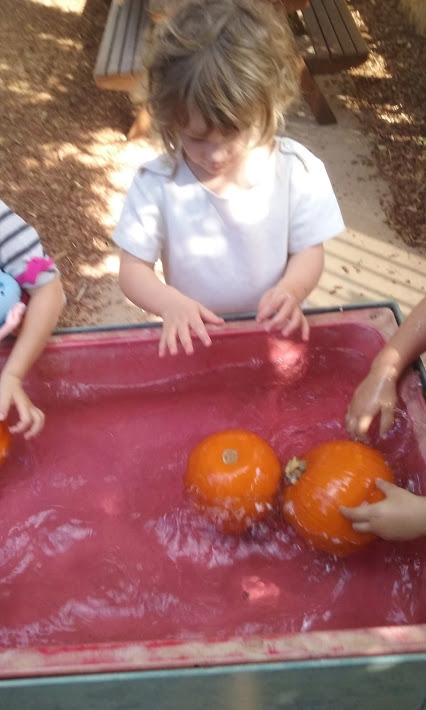
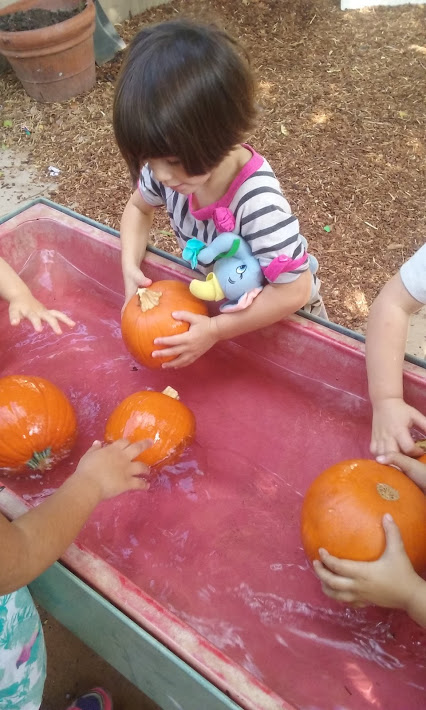
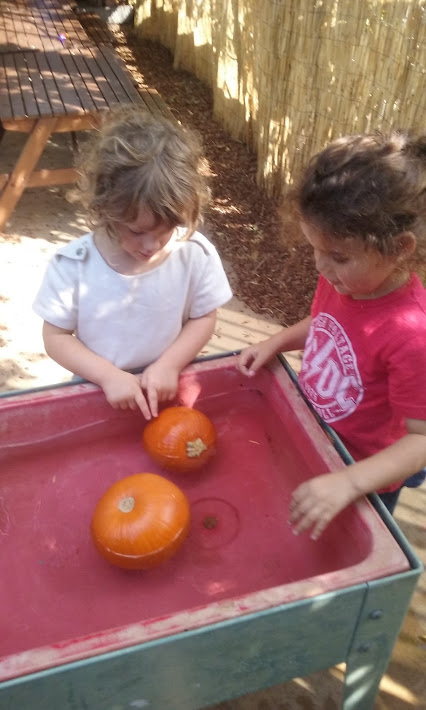
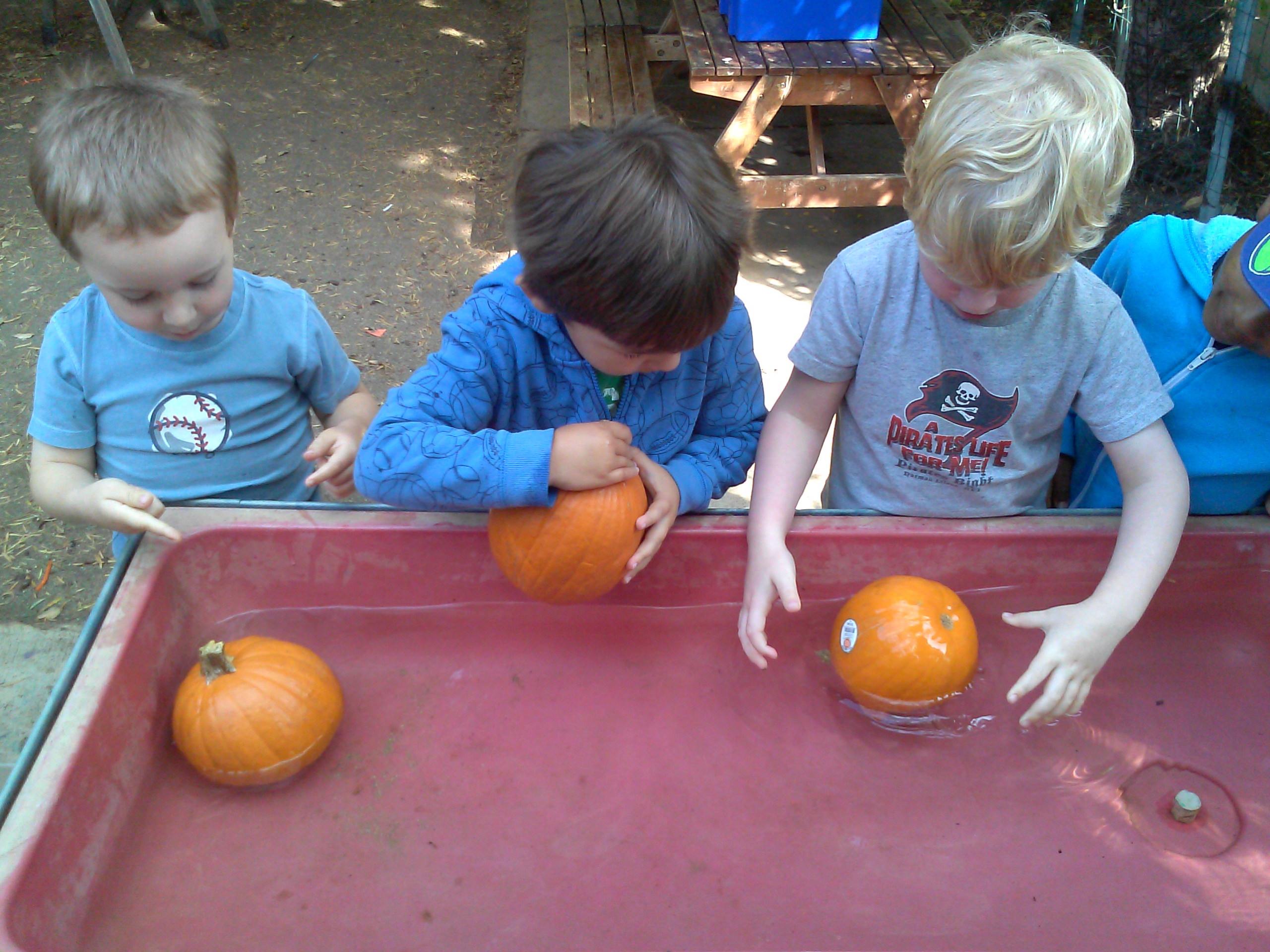
For this activity we experimented with sinking and floating.

float4

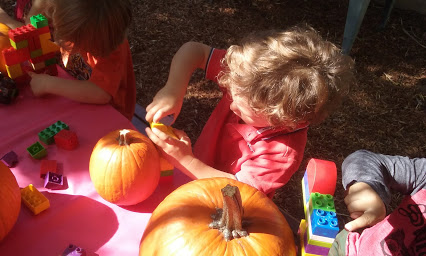
Using real pumpkins, we placed them in water to observe whether they would sink or float.

float5


Legos and Measurement

Measurement allows us to analyze the objects in our world.

measure

We are constantly doing it.

measure1

We measure the ingredients in food, objects, space, and time.

measure2

Before they are even aware of this new vocabulary, young children are constantly measuring items.

measure3

Fostering an awareness of measurement can not only help them master everyday tasks, but nourish their growing ability to think critically.

measure4

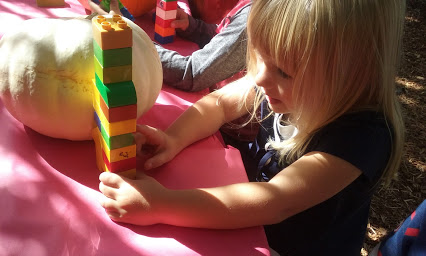
For this particular activity, we discussed the difference between height and width.

measure5

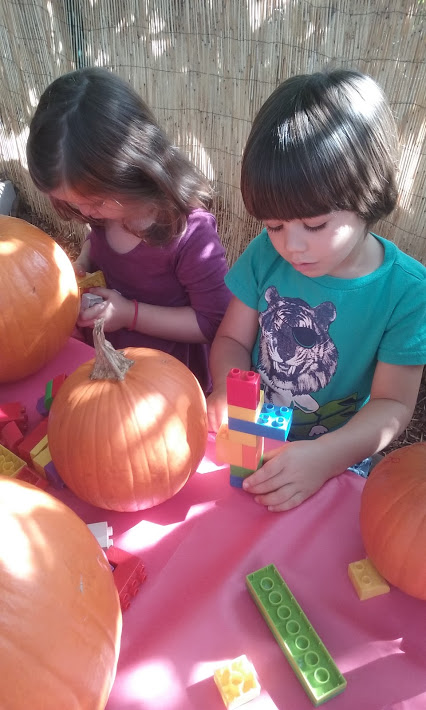
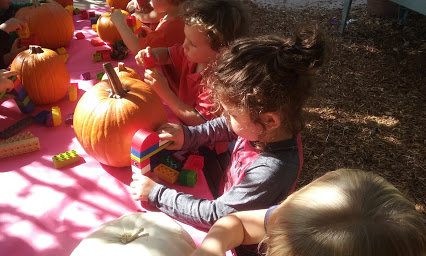
We then measured the height of a pumpkin with Legos.

measure6


Valentine Heart Sequencing

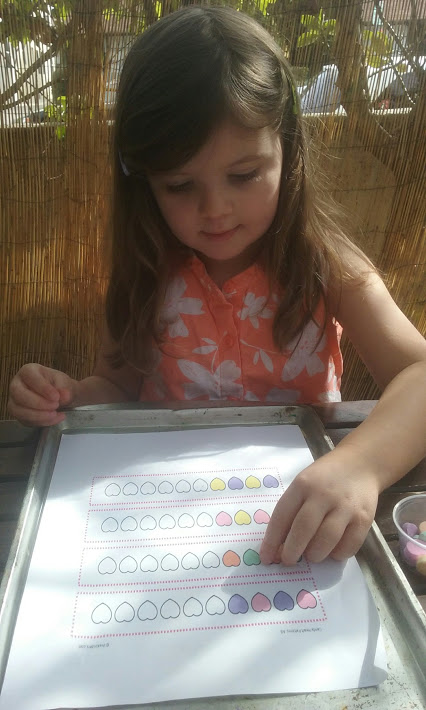
Using candy hearts, colored sequencing worksheets, and our minds, we learned about what a sequence is! We used colored hearts to demonstrate this. Your little one would name the order of colors, and then complete the sequence on their own!

20150209_160420

Young children can learn about sequencing by putting familiar events, ideas, and objects into their logical order. Key vocabulary words for sequential order are “first”, “second”, “next”, “then”, and “finally”.

vheart

Ordinal numbers are also important vocabulary words for sequential order.

vheart1

Helping children understand the concept of sequence develops math skills, literacy, and scientific inquiry skills.

20150209_160352

Banana Ghosts

Strong counting skills will help your preschoolers progress as mathematical  concepts become more complex.

22310618_1716948048339023_2065436702423582933_n

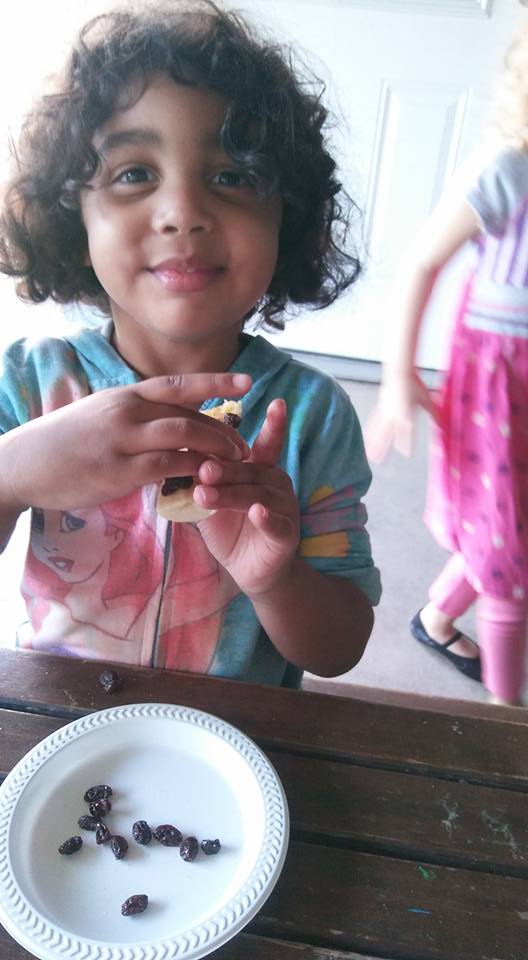
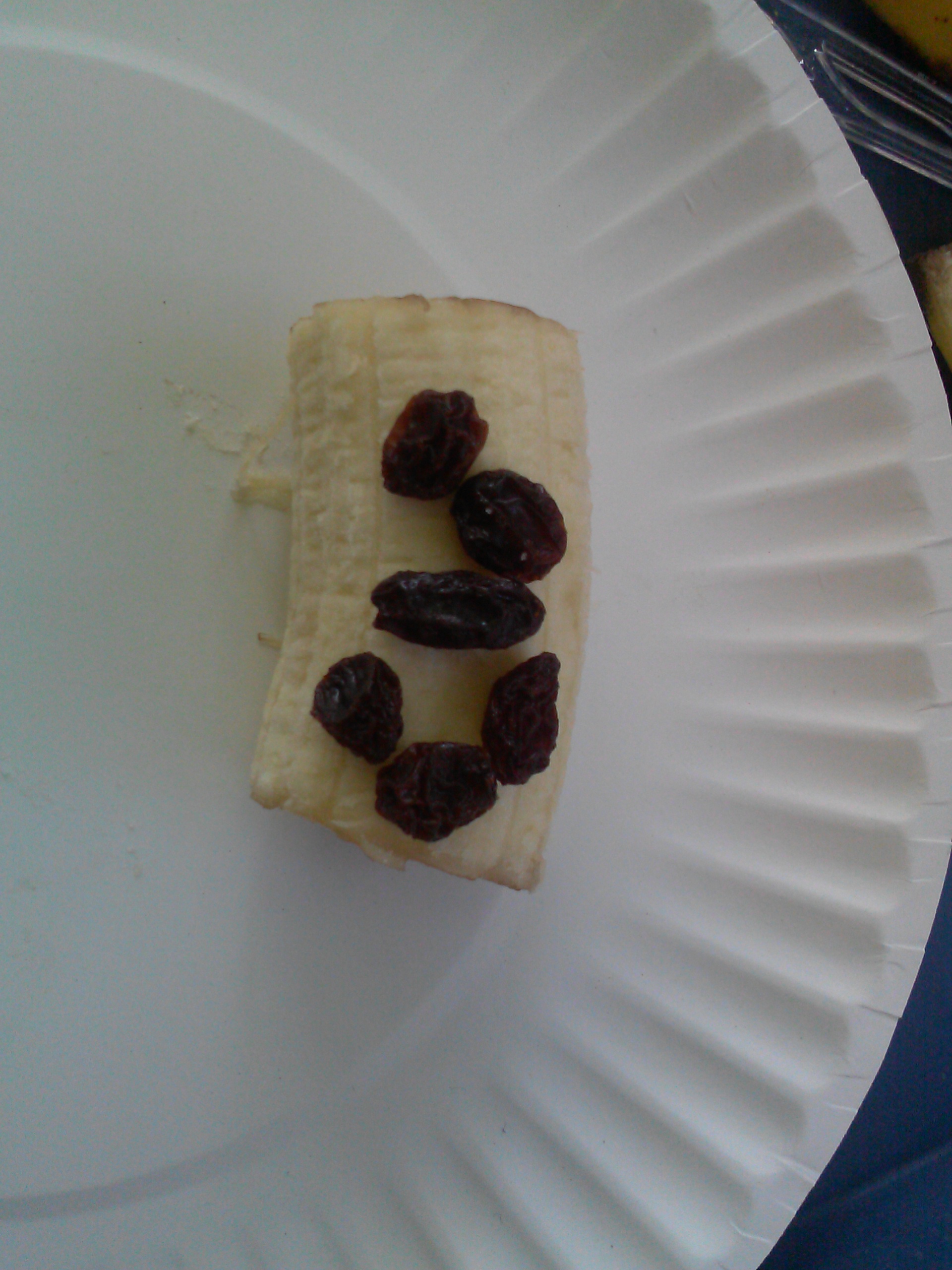
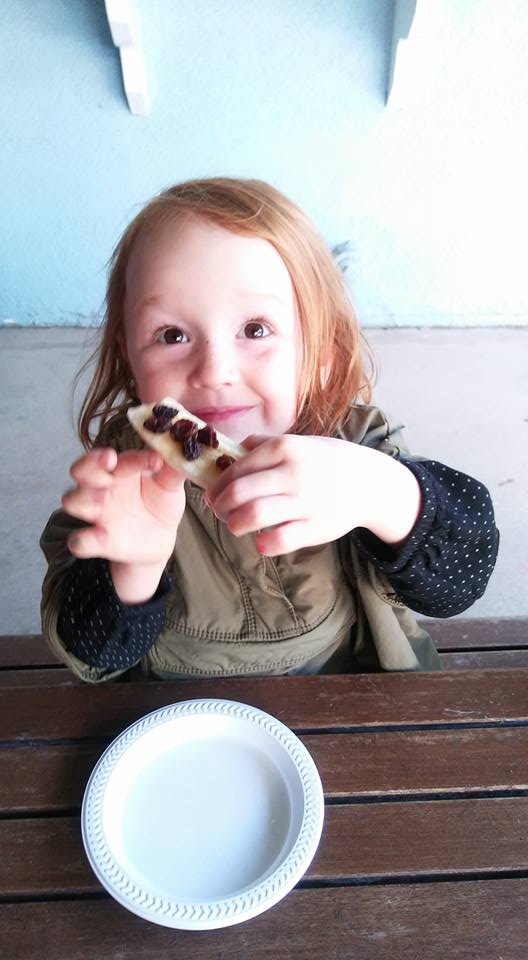
There are several ways to practice counting. To integrate this task into our theme, we created ghosts out of bananas and raisins.

22406279_1716948105005684_4236216793681419227_n

We discussed how many eyes the ghost should have and then counted the number on our fingers.

22448142_1716948131672348_5340328946260743663_n

We then acknowledged that we all have only one nose, and that more raisins would be required to create a mouth.
22491955_1716948158339012_1500809041173818626_n

Mastering number facts, such as sequencing and its application to real world experience, are necessary for the continual development of pre-math skills.

Image