Gooey Ghosts

Young children perceive their world through their hands. They are constantly on the move, manipulating things and arranging items as a means to understand their functions.
22281709_1713018288731999_247255160134511726_n

Providing materials and experiences that contribute to the acclimation on new concepts facilitates discovery and intrigue.

22282118_1713018338731994_8187020413376372157_n

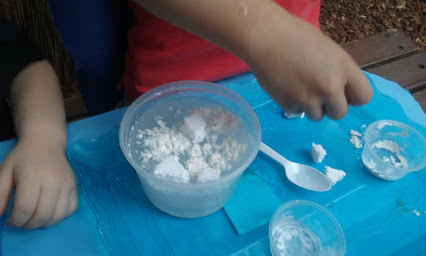
Using black pasta pieces, shaving cream, and baking soda, we created our own ghosts!

22366741_1713018405398654_3130627192393417776_n

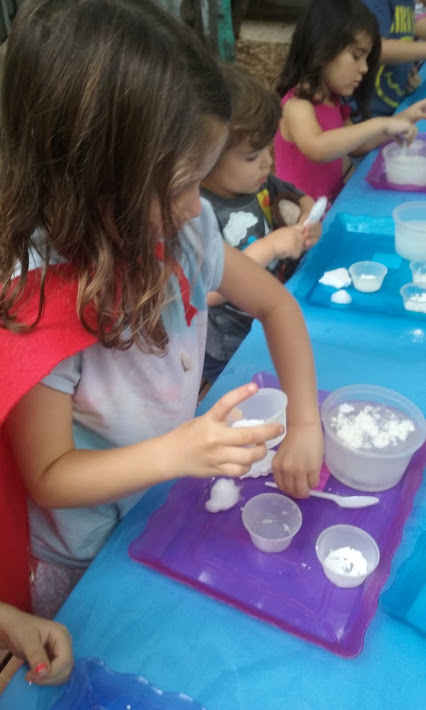
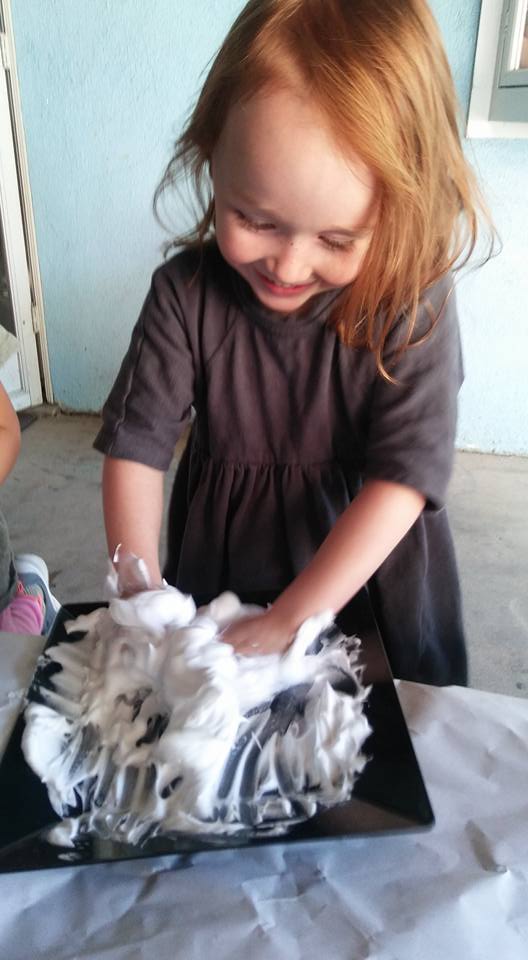
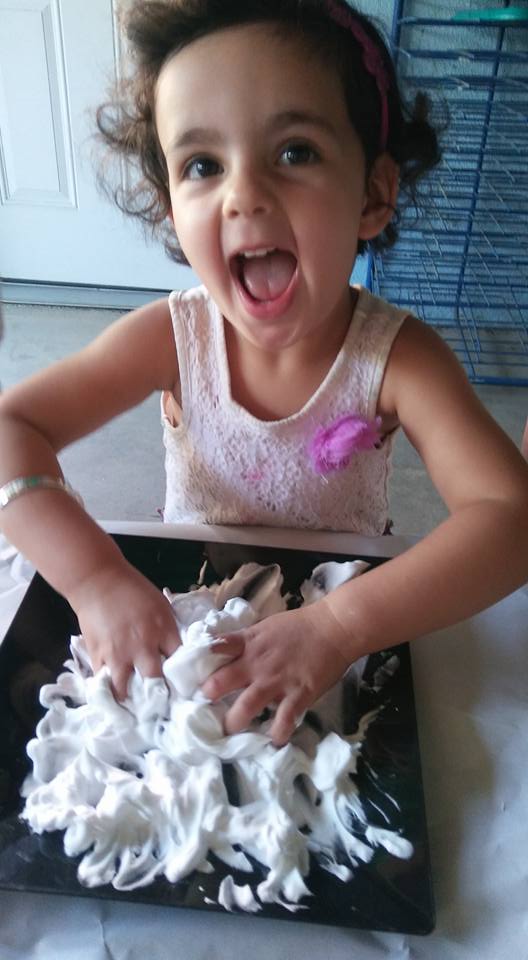
Your little one squirted shaving foam out of a can and combined it with baking soda to create a dough.
22405496_1713018198732008_4089984372940040837_n (1)

They then added pasta pieces for the eyes. Lastly, they added vinegar, as they watched their ghosts foam and fizzle!


Ghost Patterns

When young children categorize items, they are beginning to perceive the relationships between things. As they evolve in their ability to compartmentalize objects, they start to understand how things work together. In this activity, your budding mathematician learned how to recognize and continue number patterns within the scope of our ghost theme. Using buttons, black pasta, and plastic eye balls, we placed five items onto three paper ghosts, counting and naming the patterns that emerged as a result. We rearranged items, extended patterns, and described the differences we saw.

ImageImageImage

Ghosts in a Jar – Density Experiment

A primary vehicle to scientific instruction is that of example.

jar

Because the study of scientific concepts incorporate both observation and experimentation, our classroom activities strive to both display and apply this type of instruction.

jar1

Your budding chemist learned that all things are made up of molecules.

jar5

We talked about how some molecules are bound really close together while some molecules are bound further apart, and the word that describes this phenomena is known as “Density”.

jar2

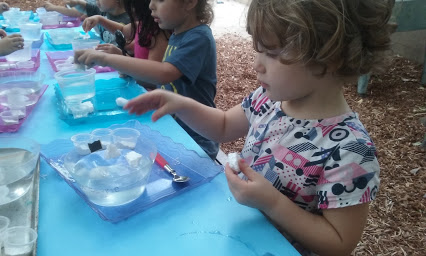
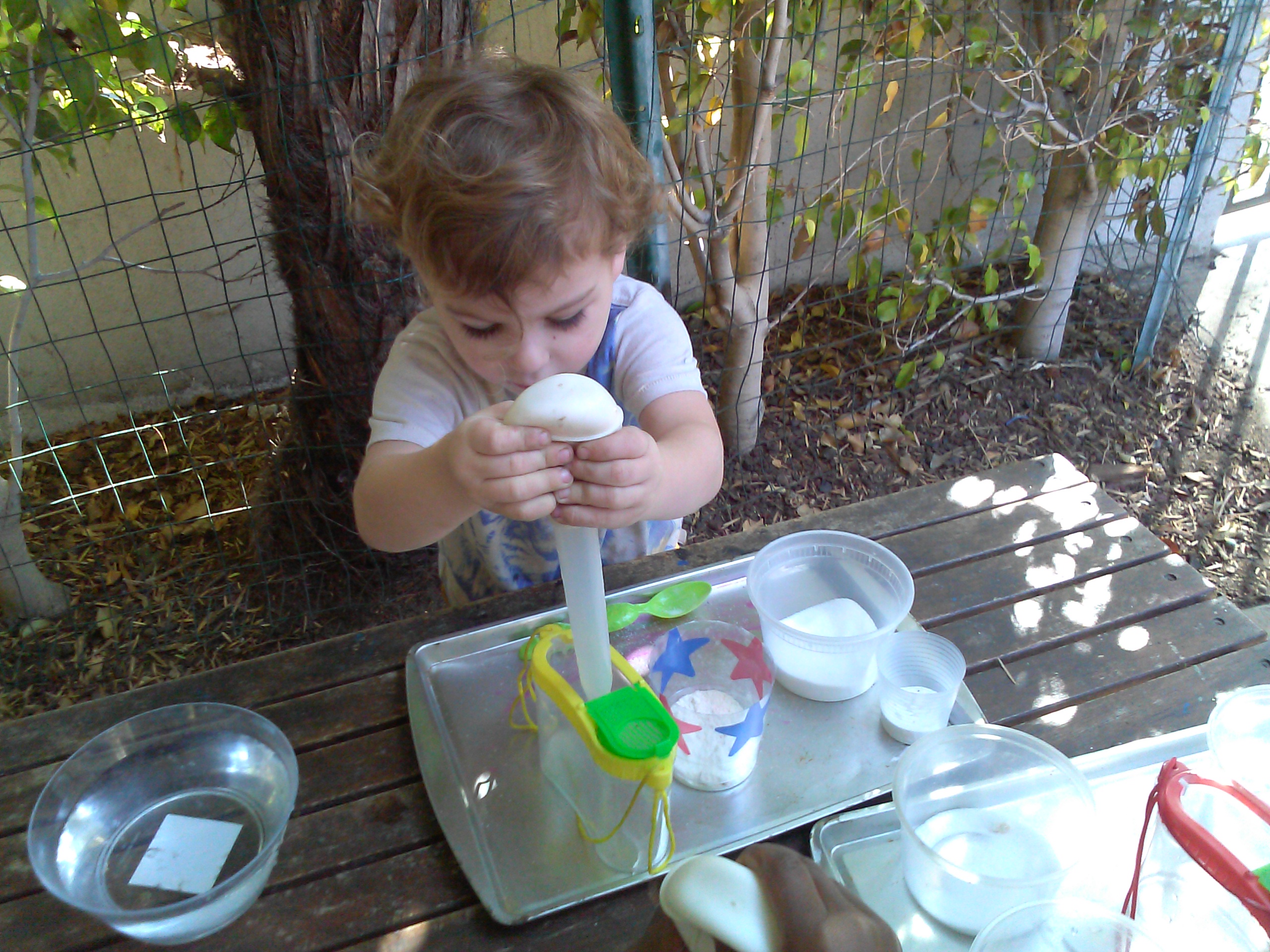
Using three different materials (all the color white to go with our ghost theme), we placed each into a bowl of water and observed how each material dissolved.

jar4

We then discussed why we thought some materials “disappeared” faster than others.

jar3


Parking Posts

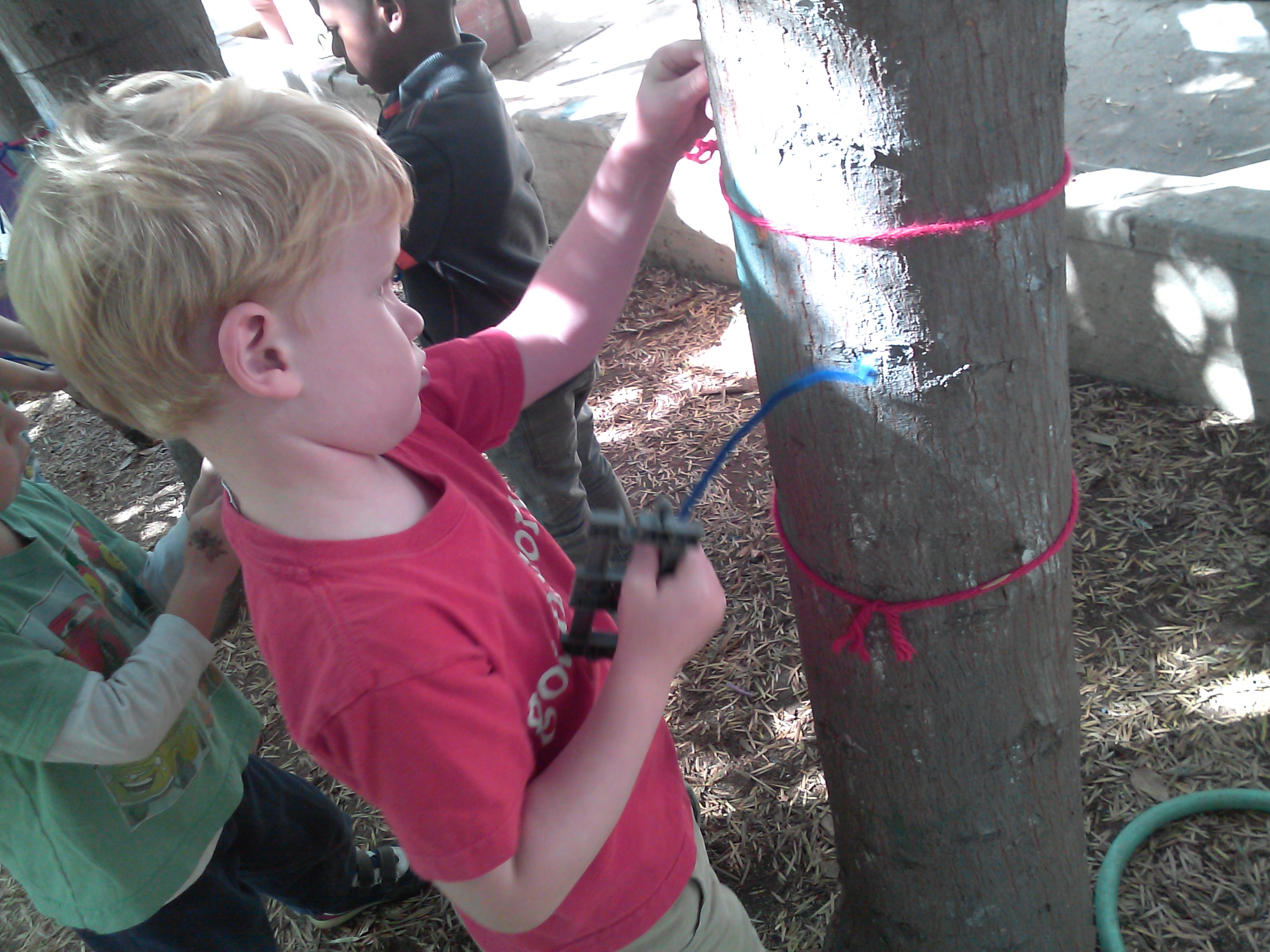
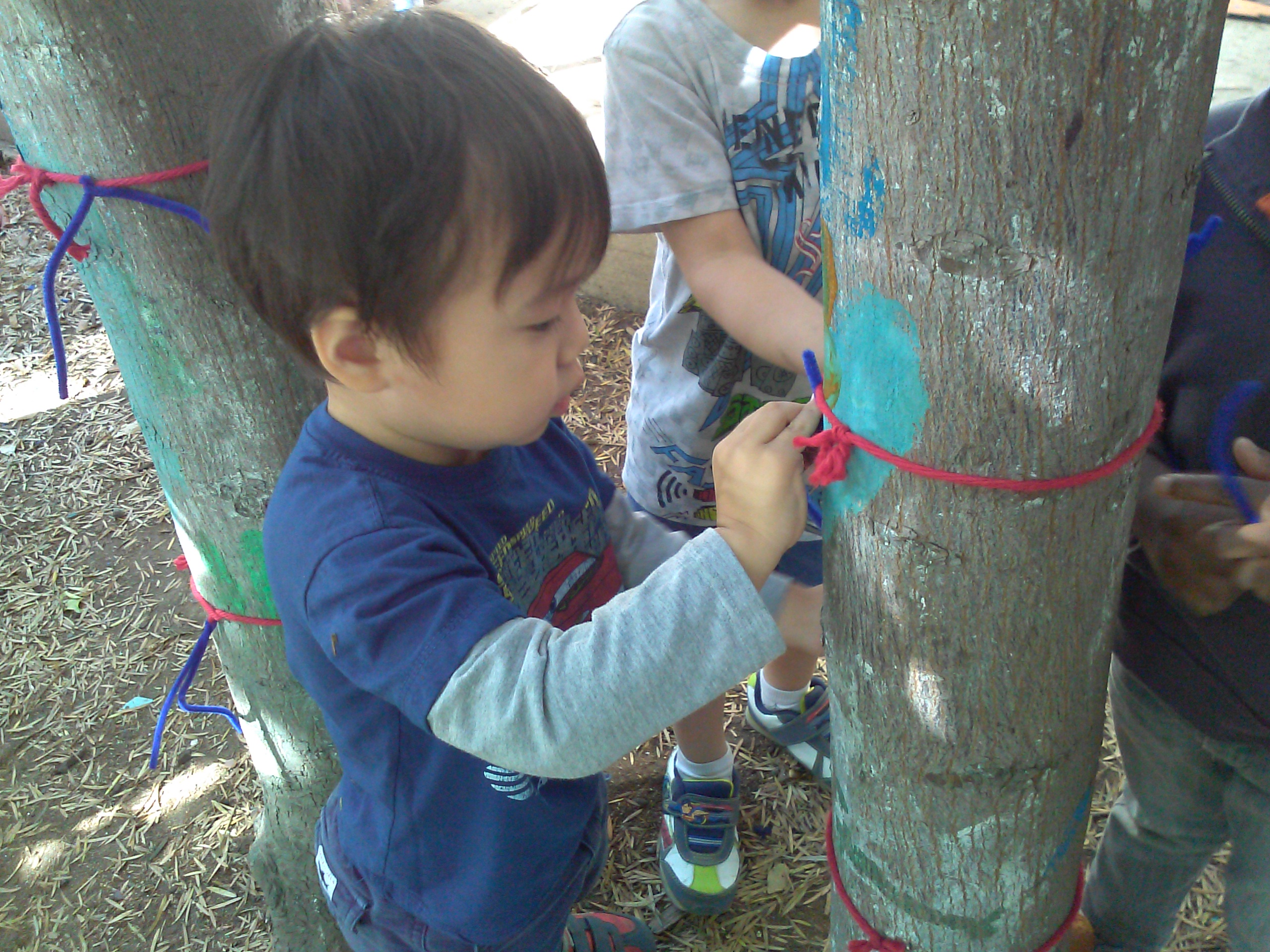
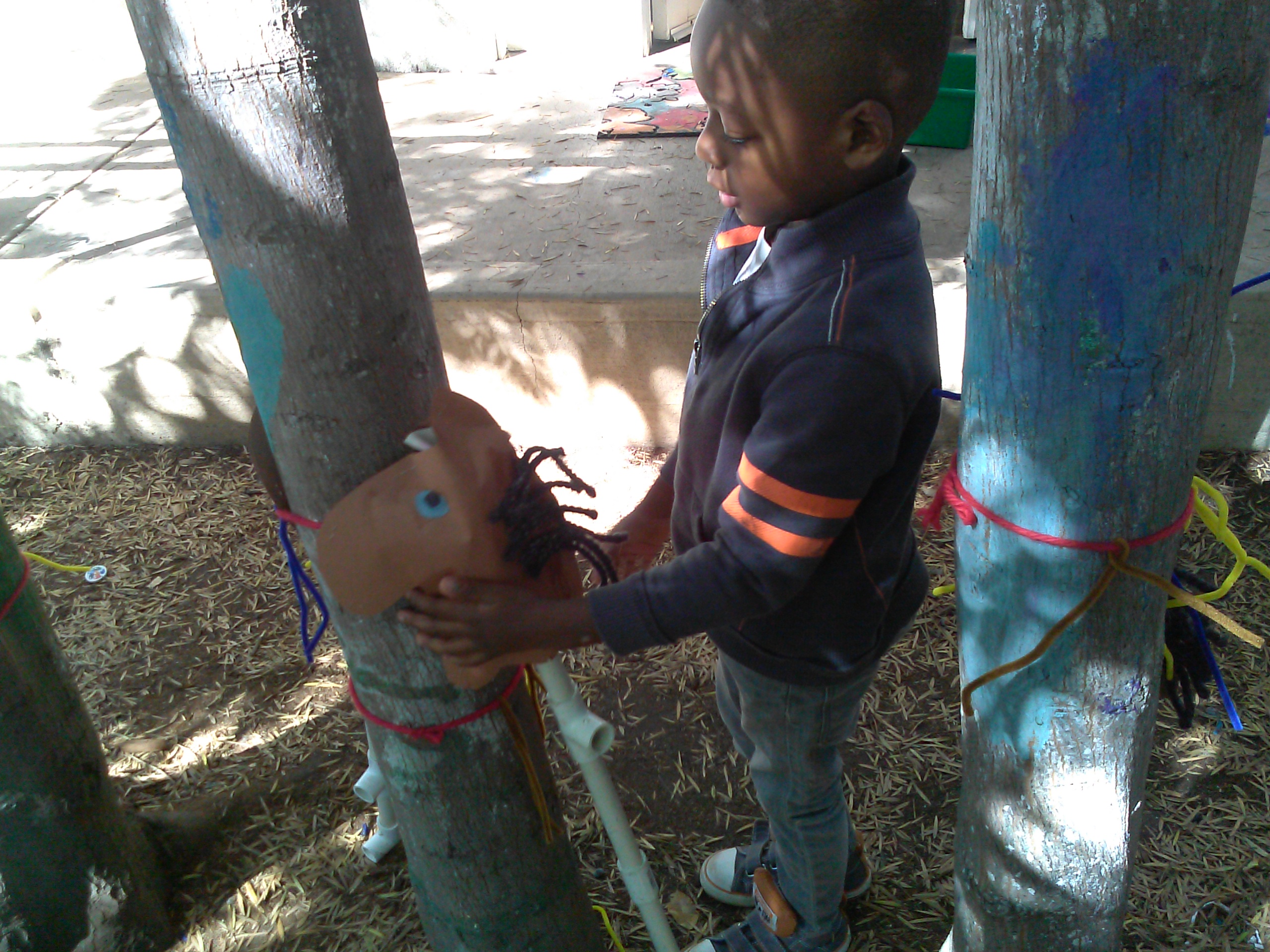
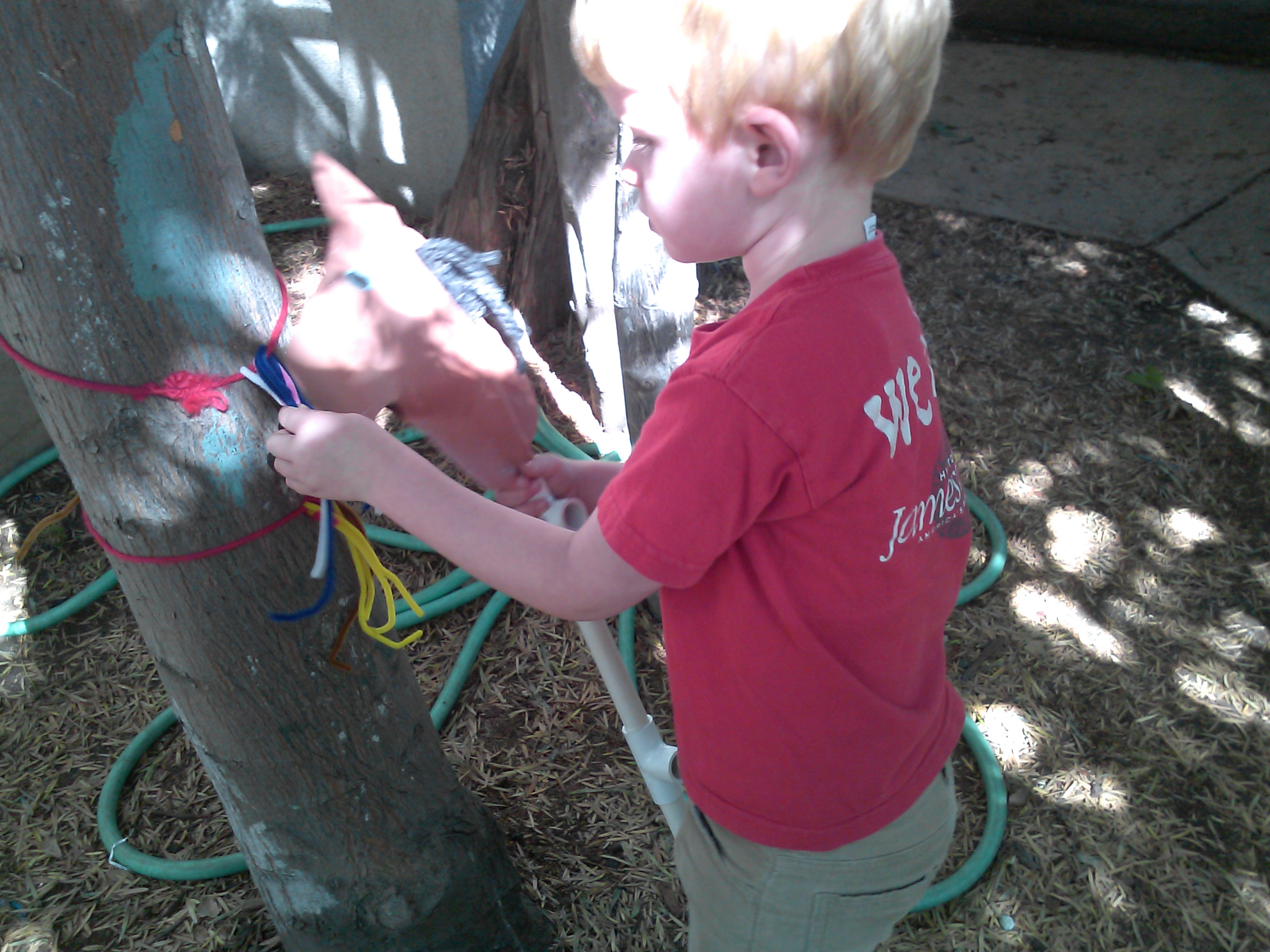
Medieval residents did not enjoy the paved parking lots that we take for granted today. Horses were the preferred mode of transportation. As travelers shopped, visited friends, and went about their days, they would hitch their horses to posts. These were often adorned with varying colors to indicate class and wealth. The first component of this activity included decorating our “posts” with colorful pipe cleaners and yarn. Each child selected a variety of pipe cleaners that they were to “attach” to their preferred post. This fostered fine motor skills as it involved your little one twisting and fastening the pipe cleaner to make it adhere to the tree. The second component involved dramatic play. Here, your little one rode around on their own horses, exploring their medieval villages and parking their horses when they needed to rest. Dramatic play provides a host of social skills for your little one to practice. When they engage in pretend play, they exercise their negotiation and cooperation skills. They are encouraged to share and dictate roles. As they relate to one another, they foster their problem solving abilities and impulse control. Lastly, they learn to appreciate each actor’s role in the play. These all contribute to building important life skills.

Image

ImageImageImageImageImageImageImageImageImageImage

Cobblestone Roads

Cobblestone roads have been used to fulfill transportation needs since ancient times. They appealed to medieval residents because of their durability in harsh weather. Though they were poorly maintained, they provided an integral component to medieval life. To facilitate our understanding of what a cobblestone road is, we created our own! Using cardboard for our roads, glue, and wood pieces as our “stones”, your little one constructed their own version of a cobblestone road. By fabricating their own roads, your little one was applying their awareness of what a cobblestone road is, and how it functions. Doing this also enabled them to practice a variety of skills imperative to their educational repertoire. By manipulating the “stones” they were practicing physical and cognitive skills. As they arranged them within the scope of a predetermined shape, they were learning spatial skills, logical and mathematical skills. Lastly, it encouraged creative thinking on account of the planning that was involved.ImageImageImage

Mead

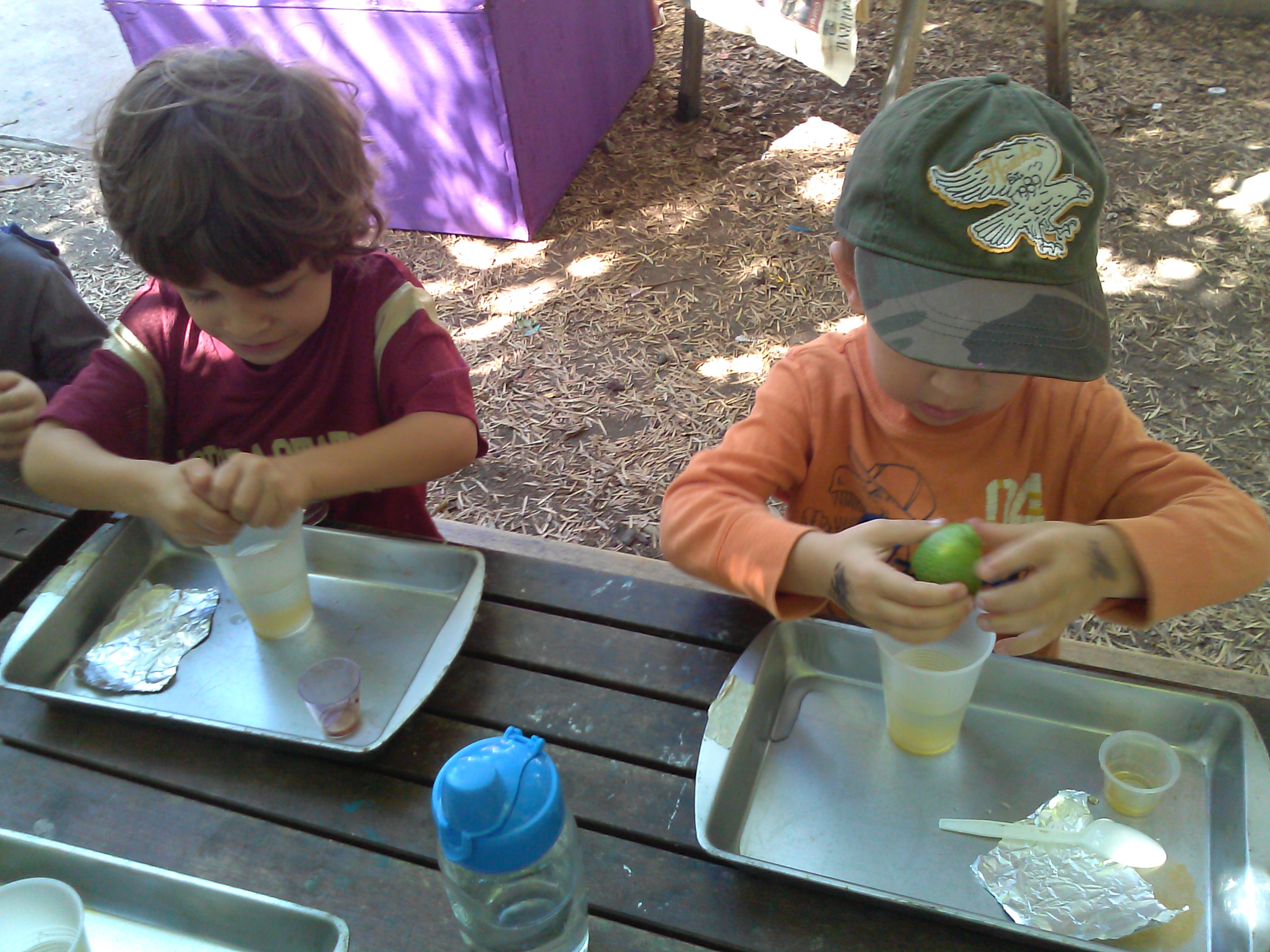
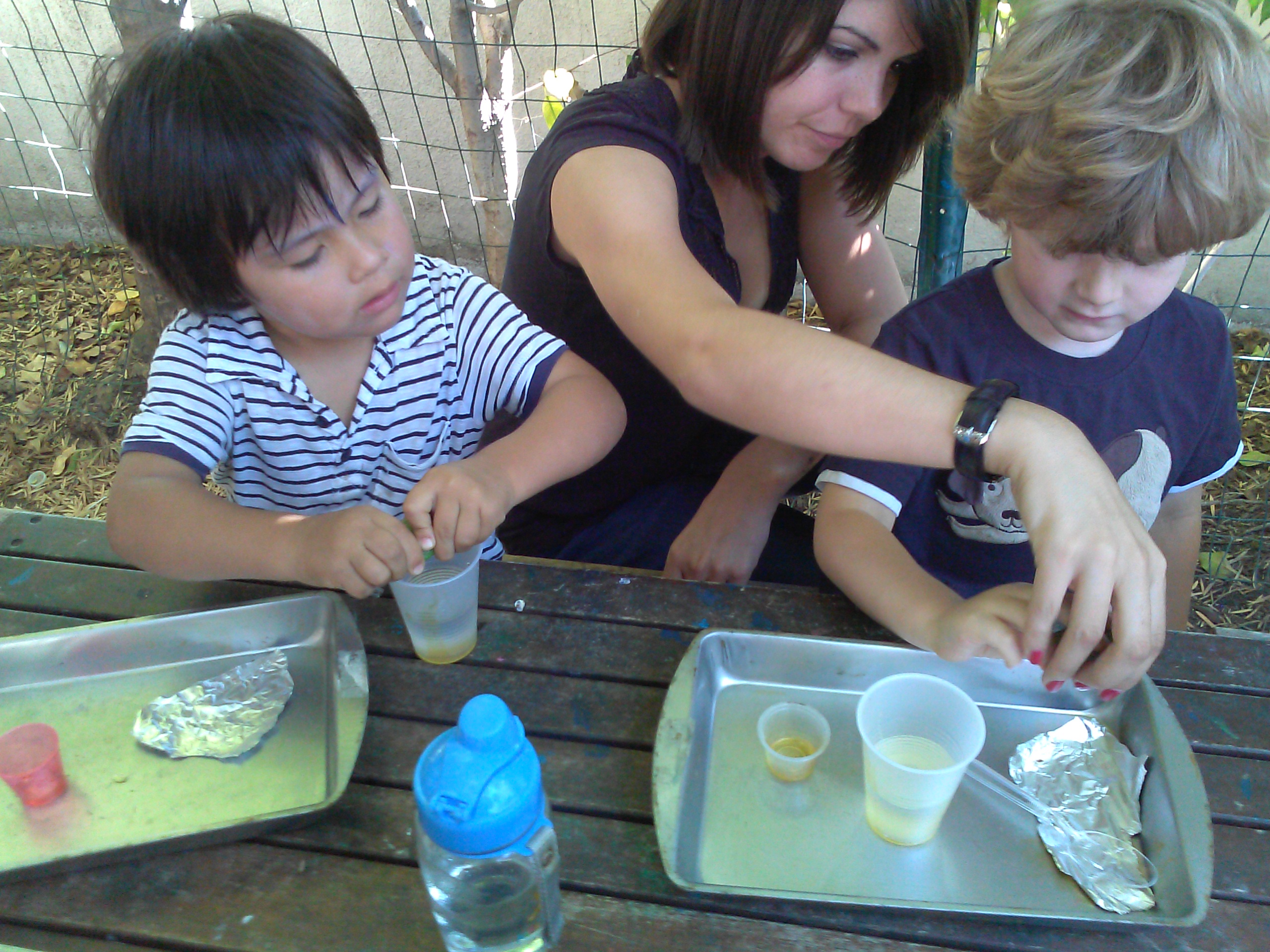
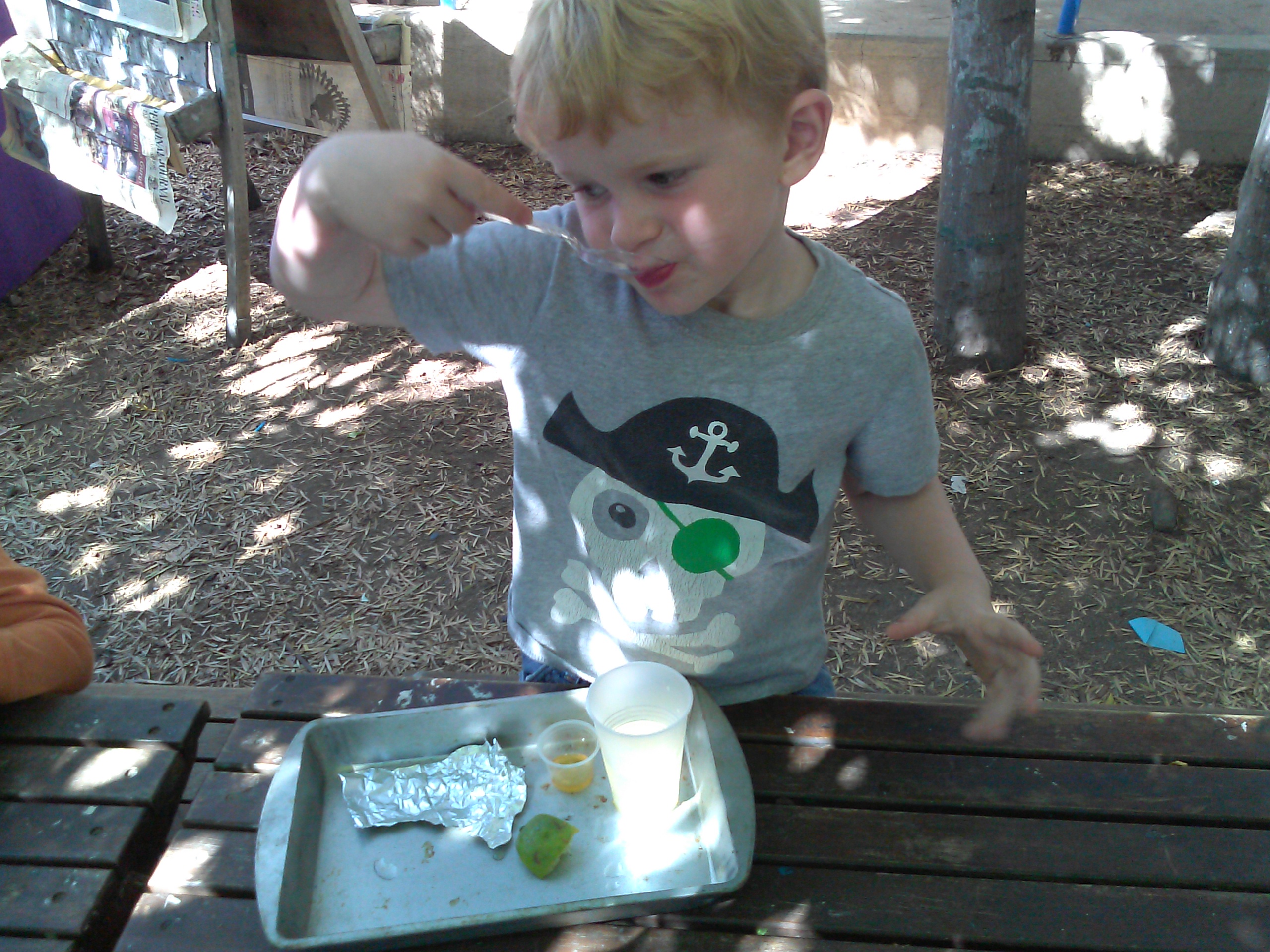
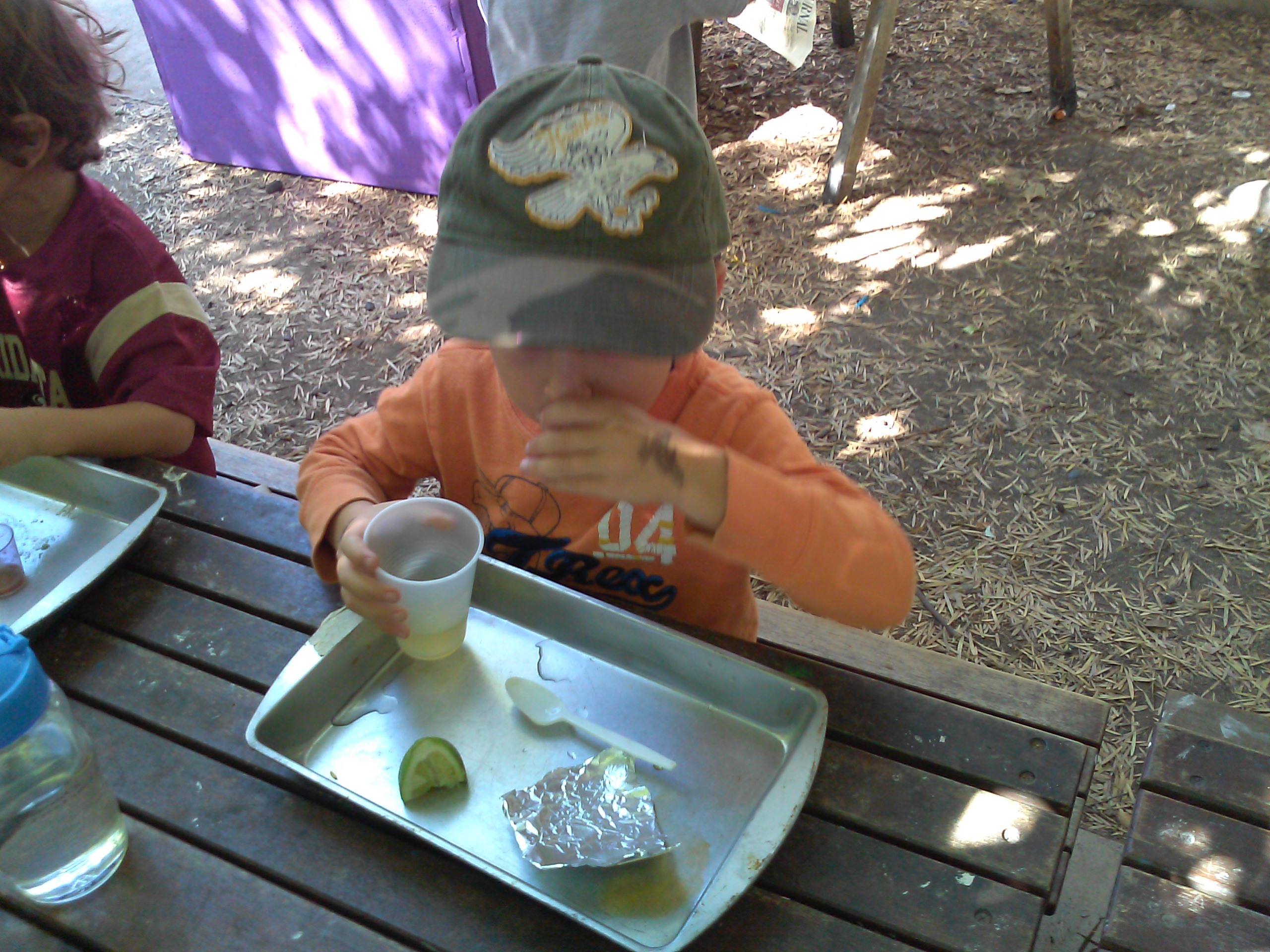
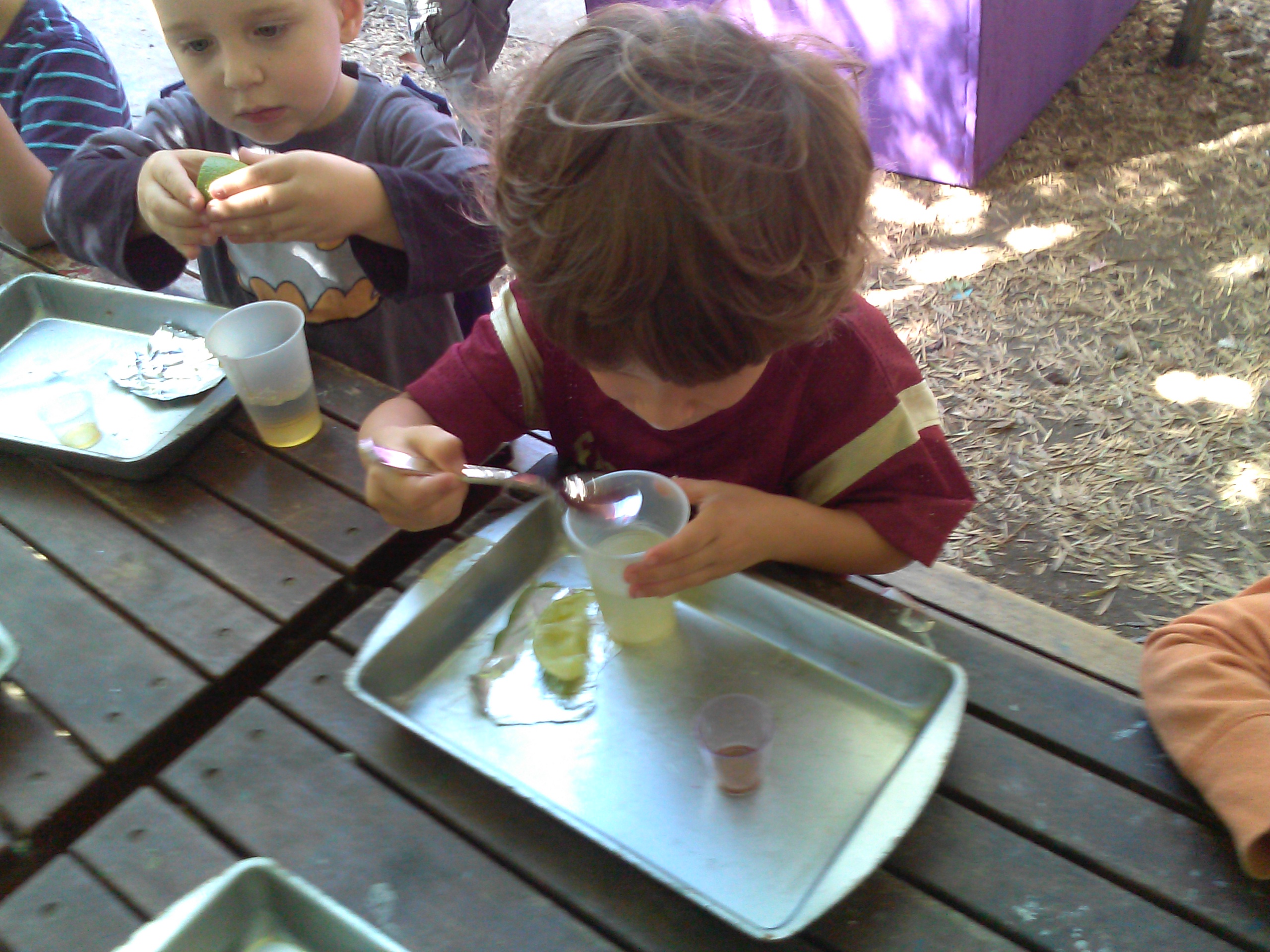
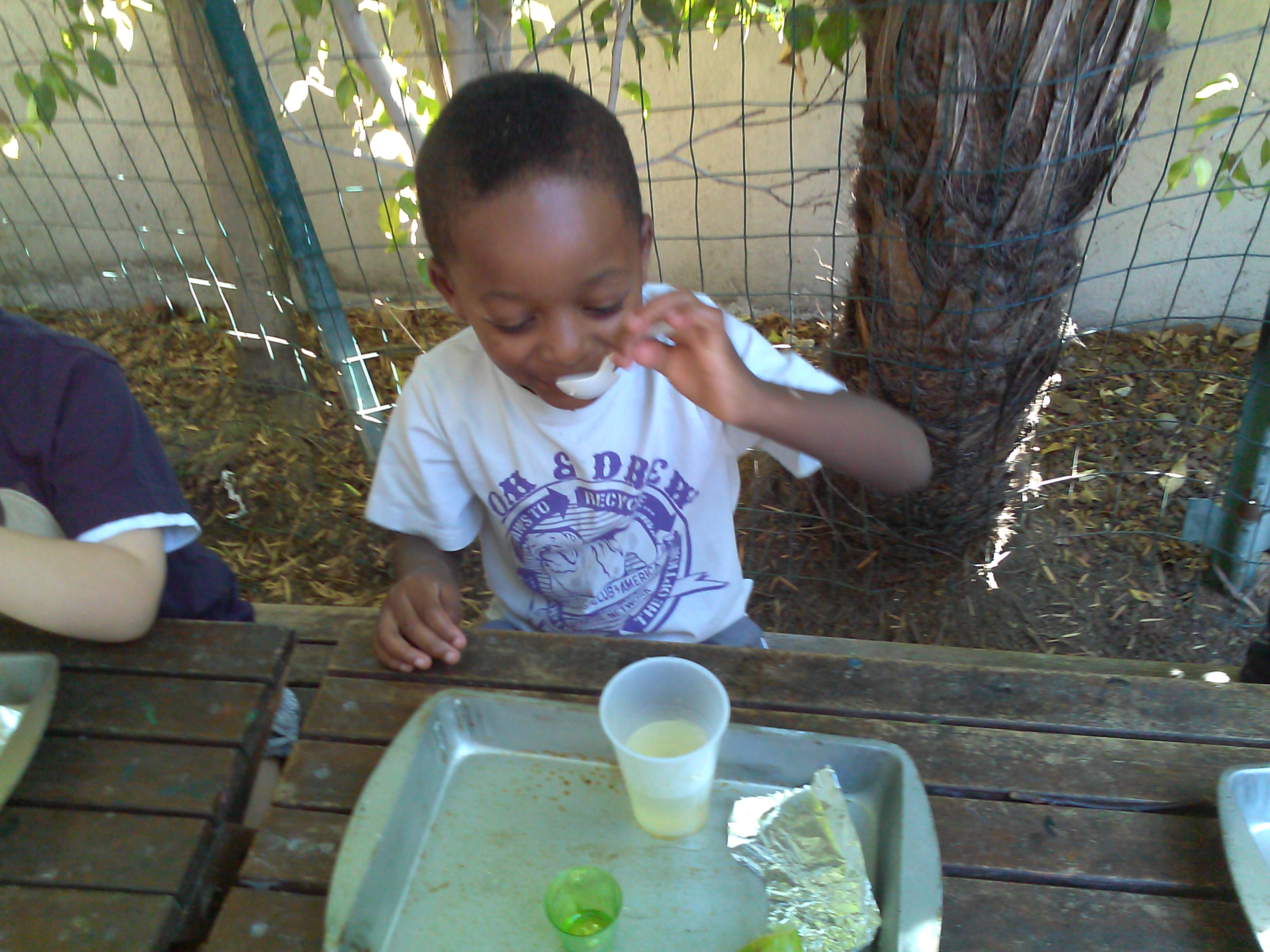
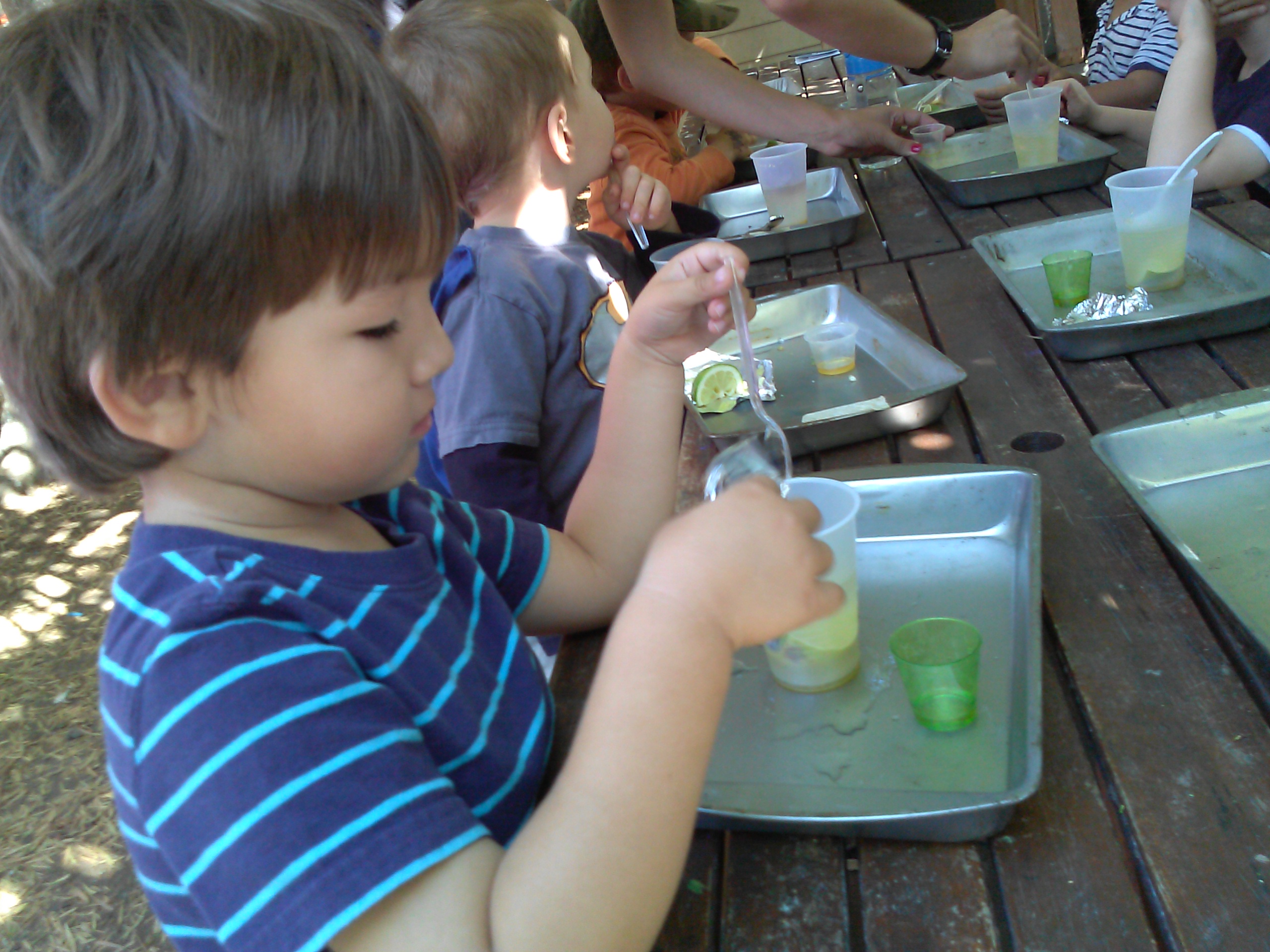
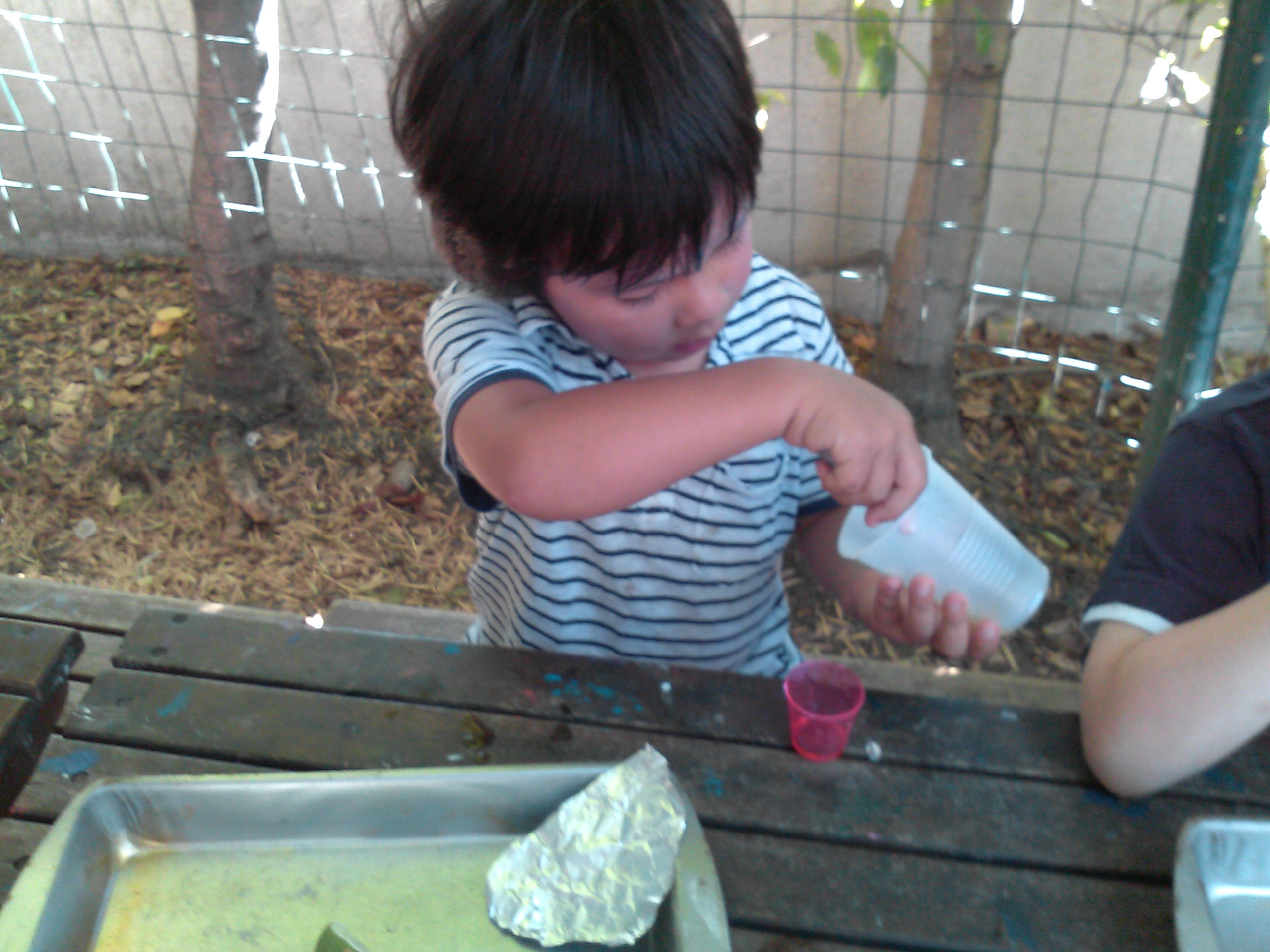
The people of the medieval ages did not enjoy water as we do today. Most citizens received their water from wells and other communal sources. This water was almost always tainted with bacteria, caused by human waste and poor sanitation. To compensate, people would add alcohol, honey, and other fruits to the water to make it “cleaner” for consumption. Using honey, limes, and water, we created our own version of mead. Before we began this activity, we discussed what germs were and how important it is to exercise proper hygiene. Your budding historian also learned about why medieval water was so dirty, and how they can ensure cleanliness in their own lives. When young children are active in creating their learning experiences, they foster meaningful connections between new information and their understanding of it. This is an important component in the capacity to problem solve. As they add and manipulate levels of ingredients, they amplify their ability to think creatively, as they create new and unique combinations of ideas and materials.ImageImage

ImageImageImageImageImageImageImageImage

Knights and Shields

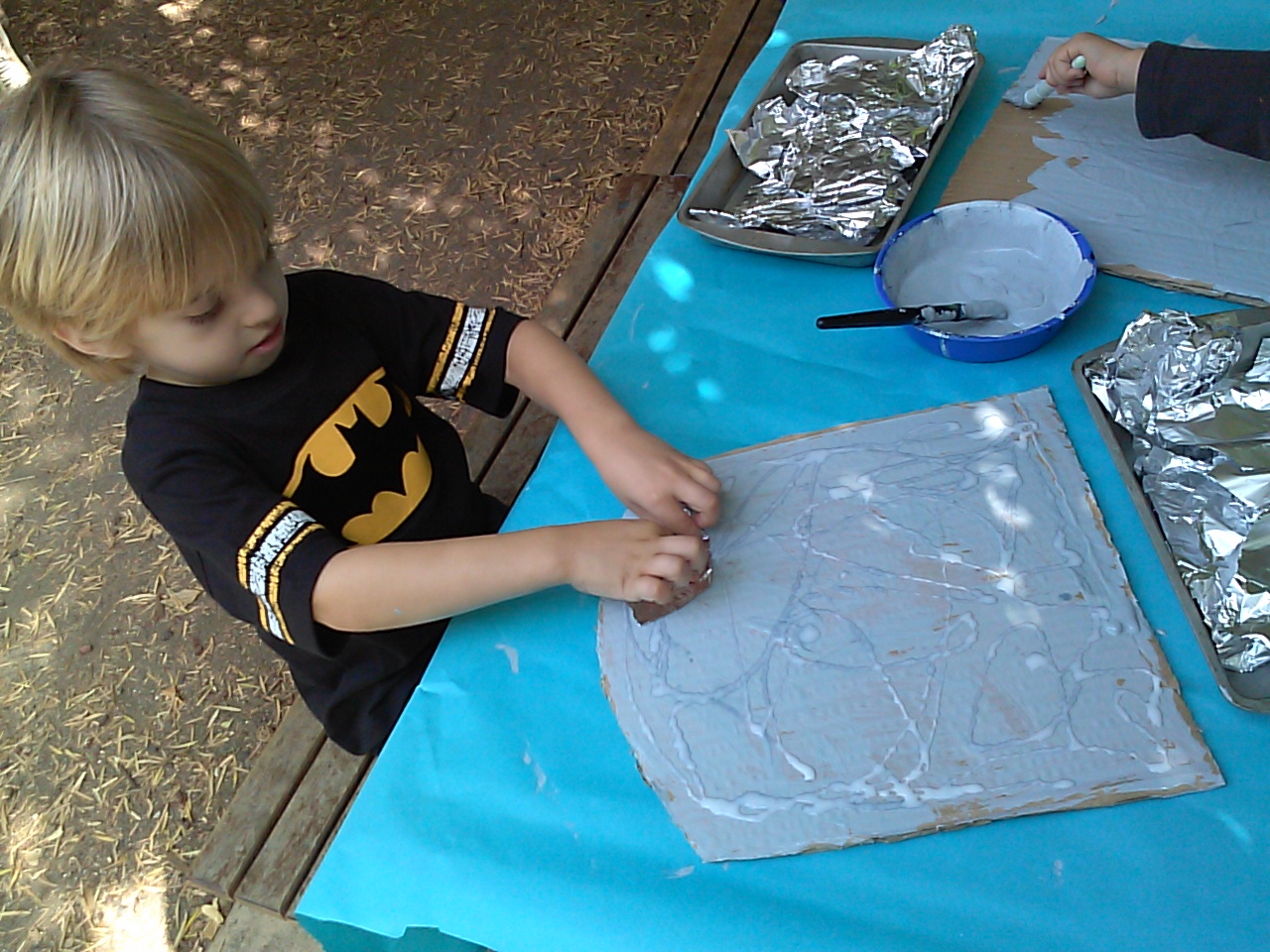
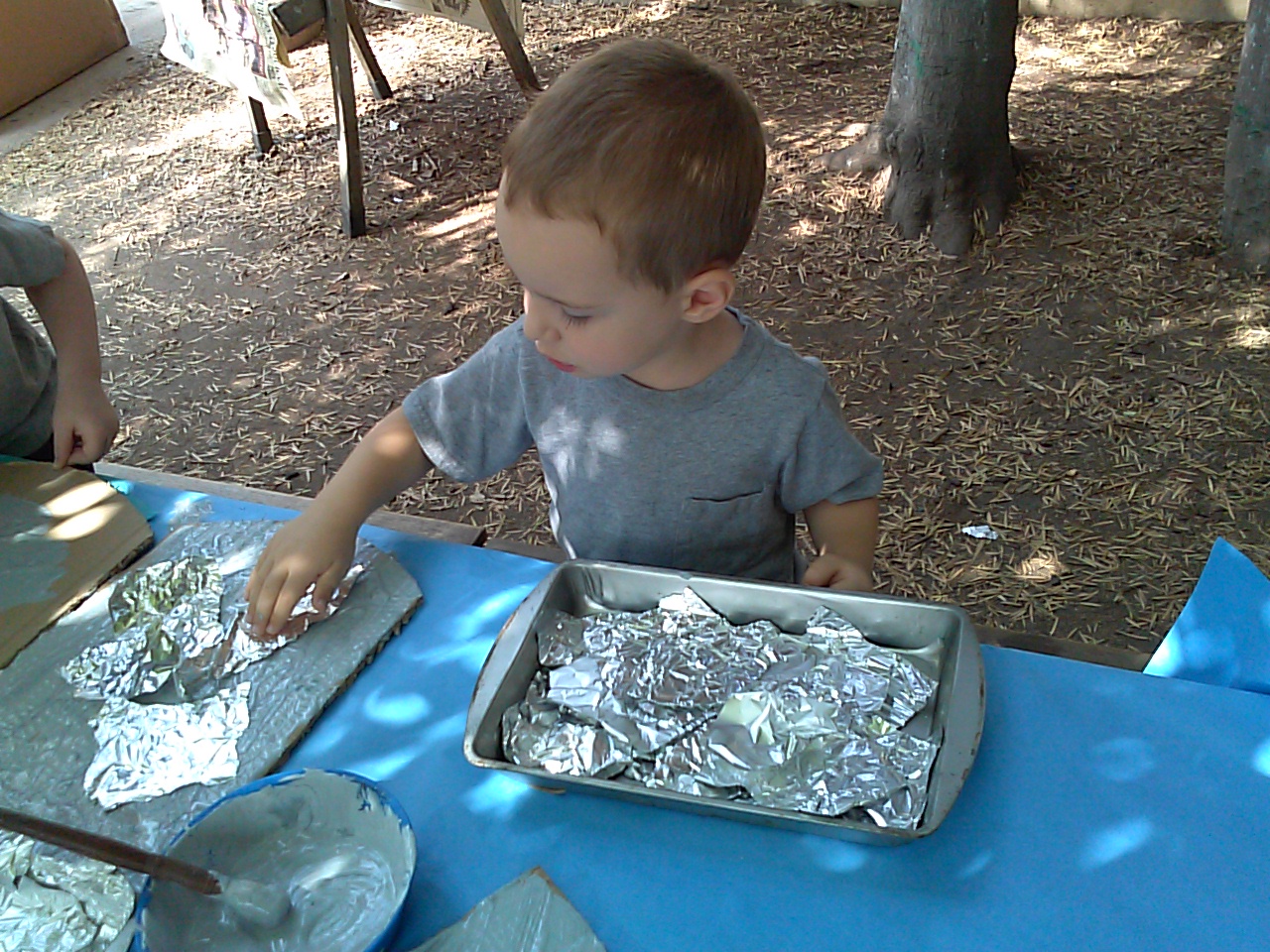
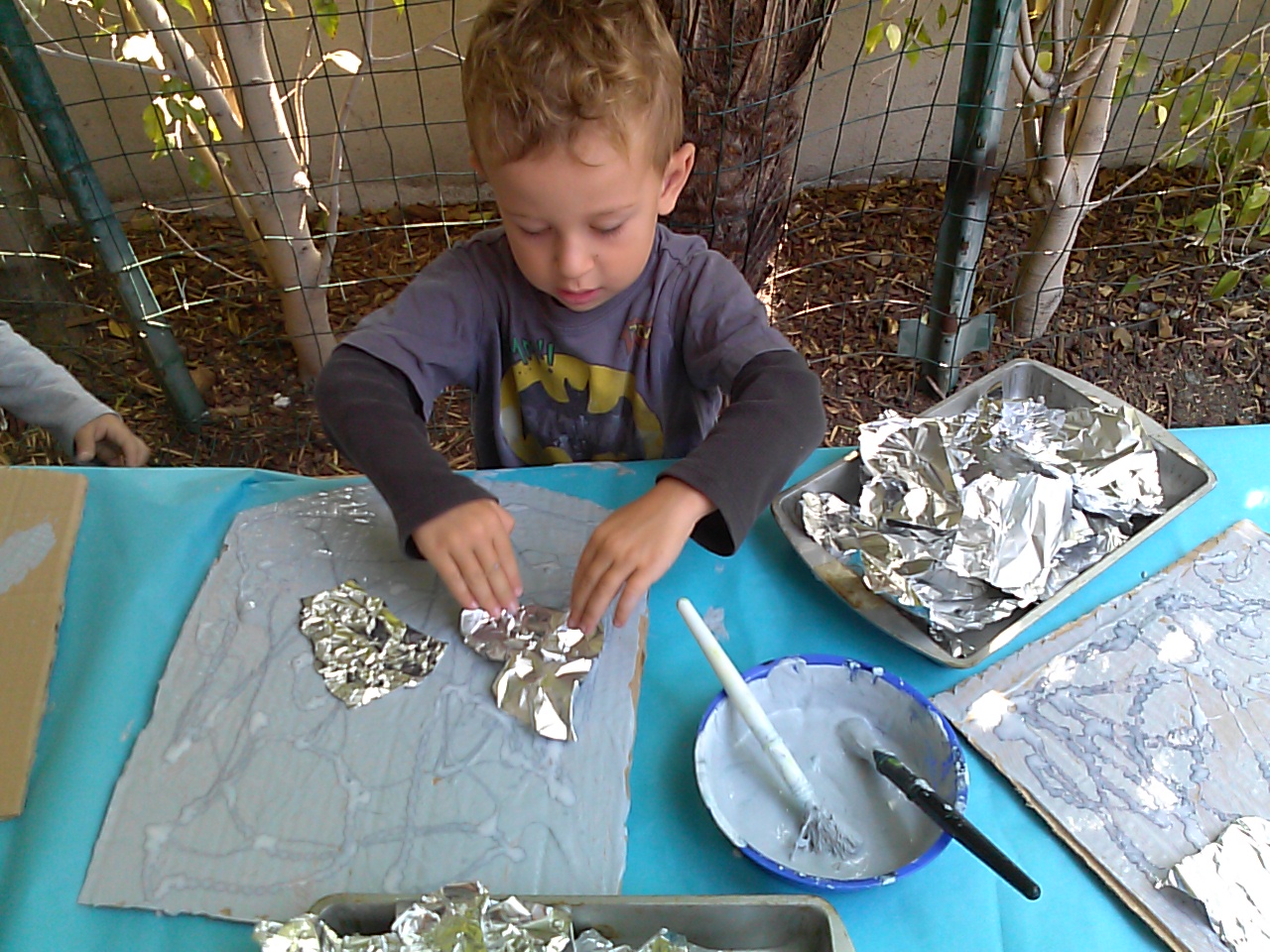
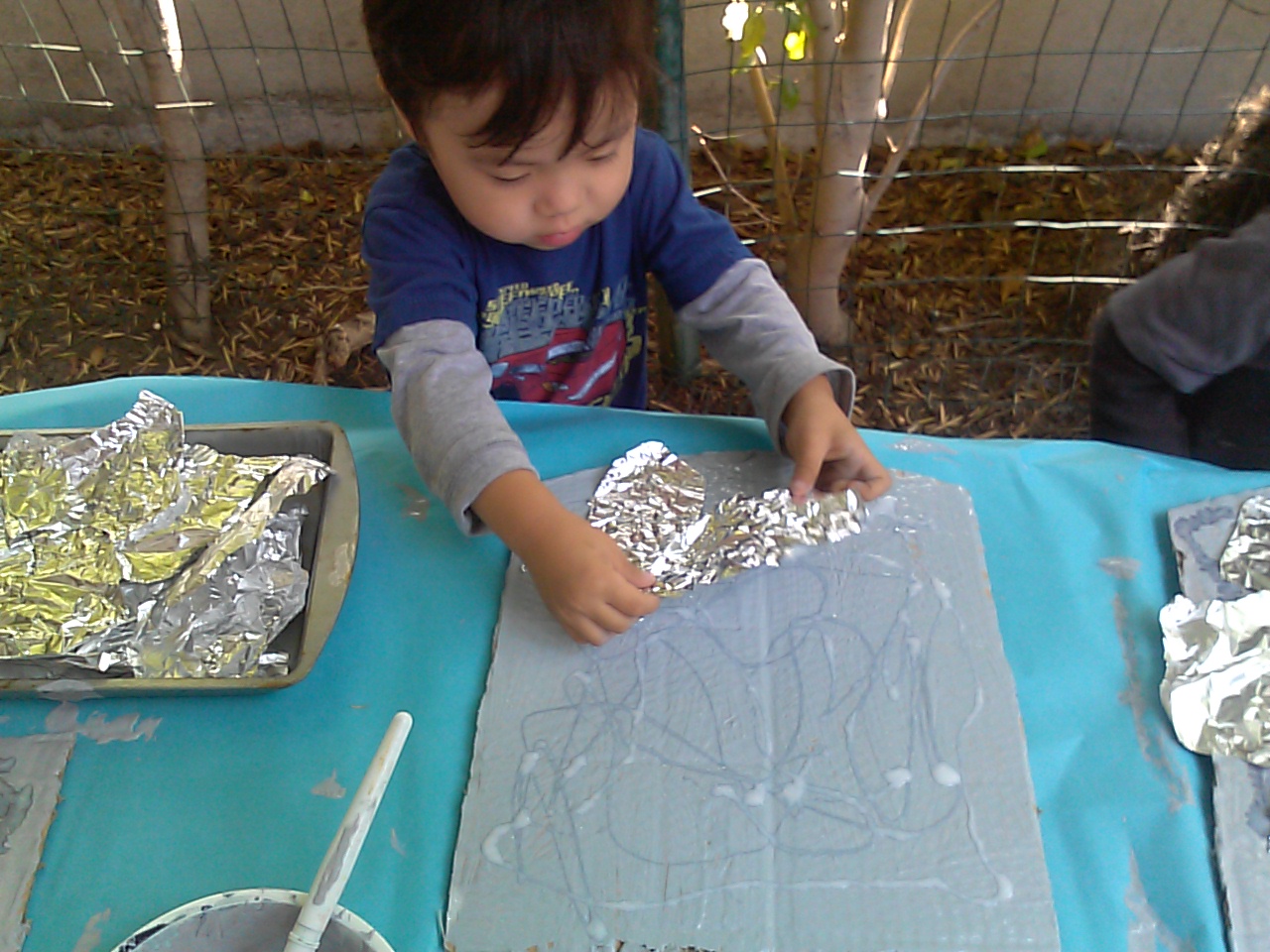
Medieval shields were designed to protect a knight or “soldier” from their enemies. They were also used as weapons throughout the middle ages. Learning how to manipulate a shield required years of training, aimed at increasing skills such as strength and agility. These weapons of war were also decorated with symbols that served to identify the knight, both in tournaments, and on the battle field. Using foil, cardboard, and glue, we created our own shields! This activity hosted a variety of developmental skills. As your child placed the foil on the cardboard, they practiced their fine motor skills and hand eye coordination. As they arranged the foil on the shield, they engaged their ability to manipulate space.

Image

Image

ImageImageImage

Custard Tarts

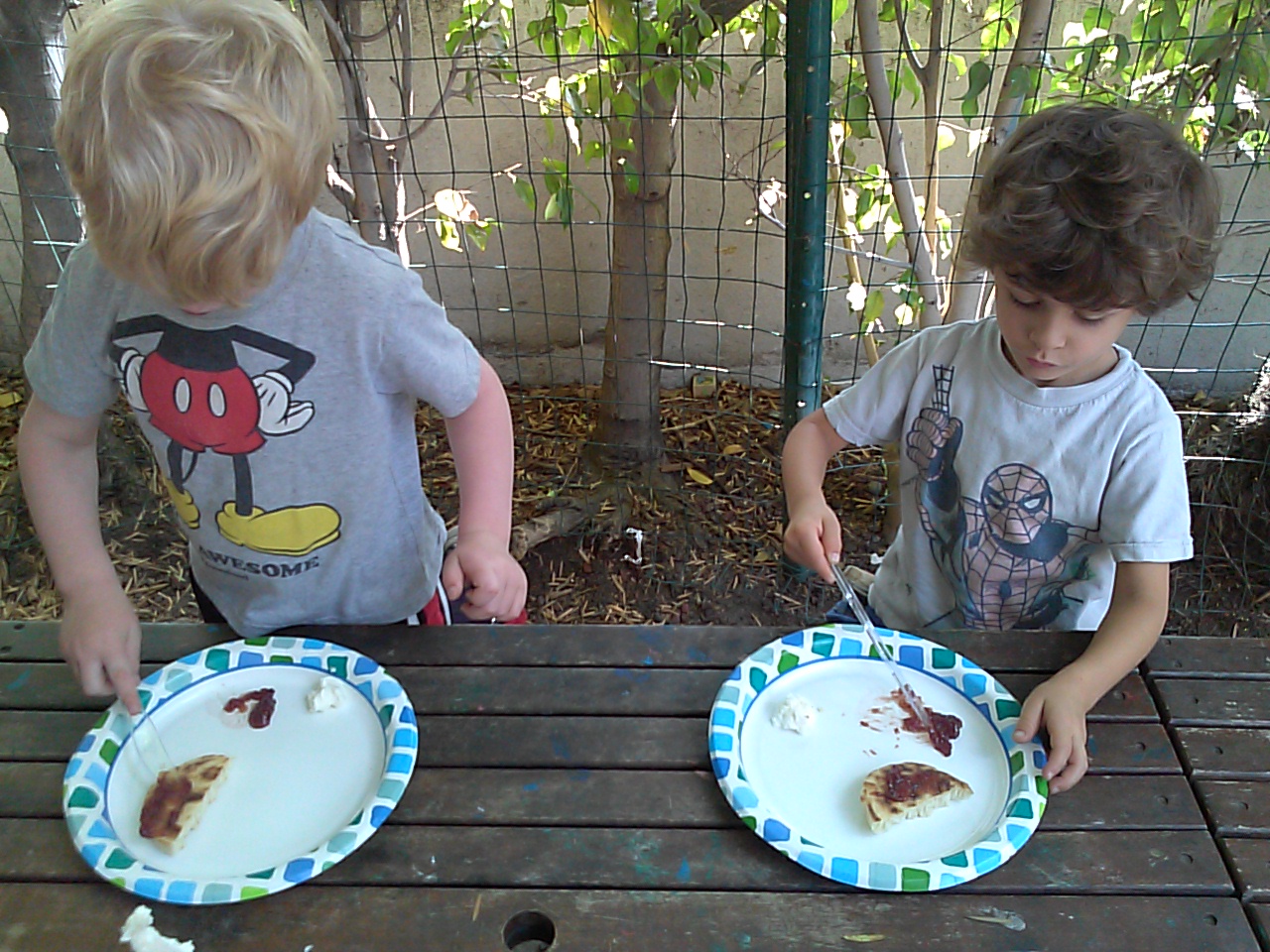
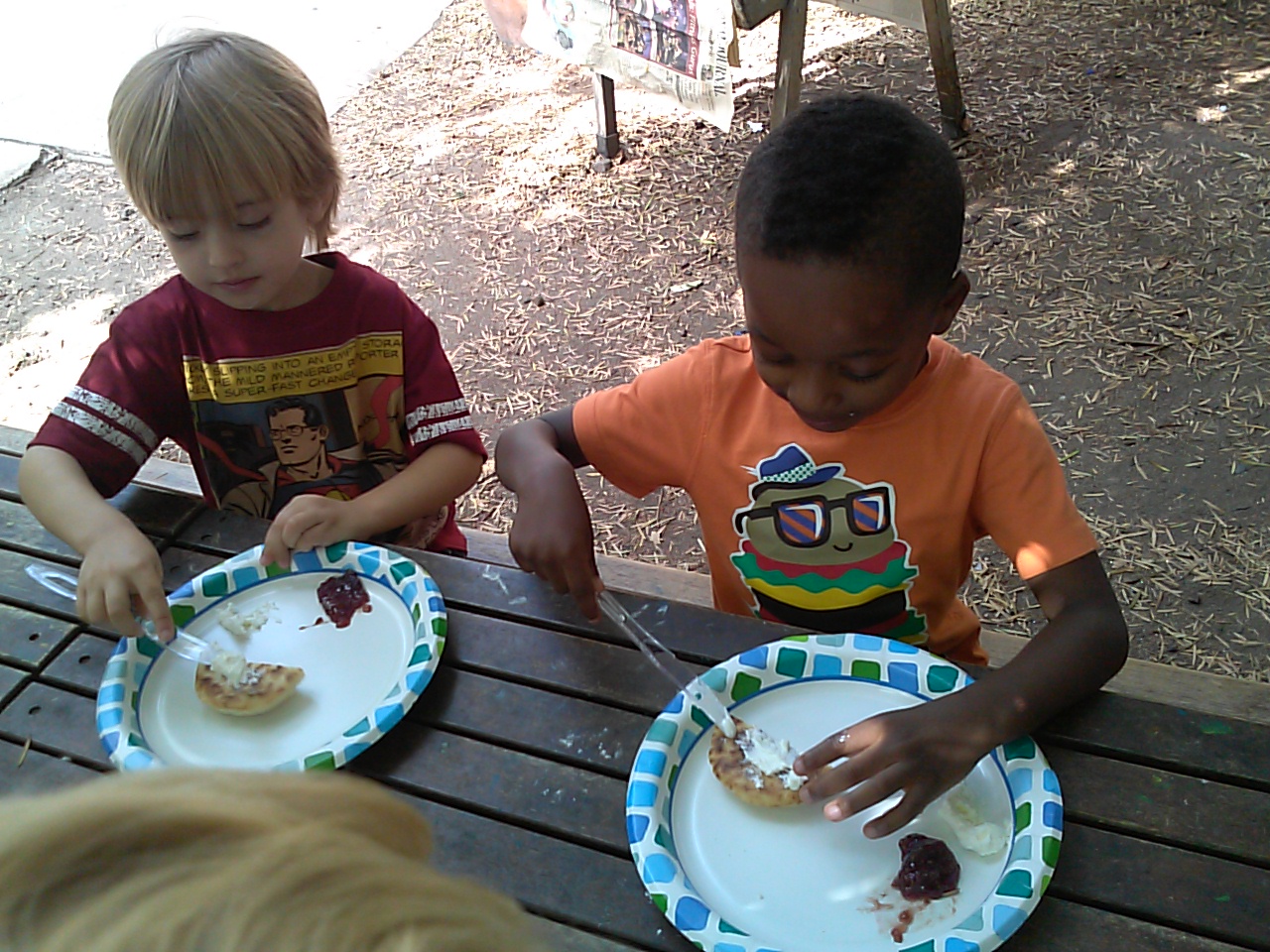
Custard tarts first emerged in Britain during the middle ages. They were a popular treat among people of all classes, and were flavored in several different ways. To enable your budding historian to grasp a better understanding of the middle ages, we explored the ingredients in this tasty treat. Using crumpets, jam, cream cheese, and plastic knives, we made our own custard tarts! When young children are given opportunities to prepare food, they are practicing a host of important life skills. When they are given the ingredients to create their masterpiece, they are practicing listening skills. As they are instructed to add ingredients to create their treat, they are learning order of operations. Lastly, as they learn about new foods, they are acquiring new vocabulary, which promotes literacy.

ImageImageImage

Dragon Slime

Sensory activities play a key role in the maturation process of young children. Activities that require manipulation and touch enable children to heighten the adaptive response through their senses.

slime1

They are an integral component in early childhood education. They not only engage the child, but stimulate cognitive development.  To access this, your young one participated in an activity where they made dragon slime!
slime2

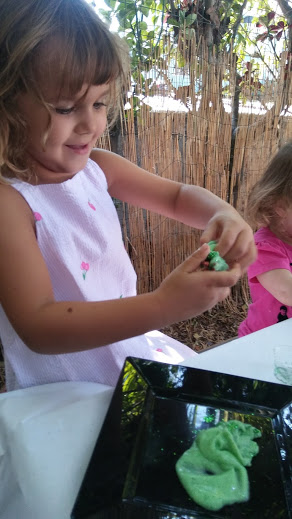
Using corn starch, food coloring, water, and glitter, we manipulated and created various combinations to create the perfect consistency for our goo!
slime