Bread and Grains Observation

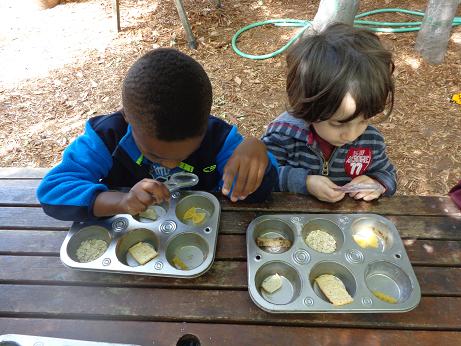
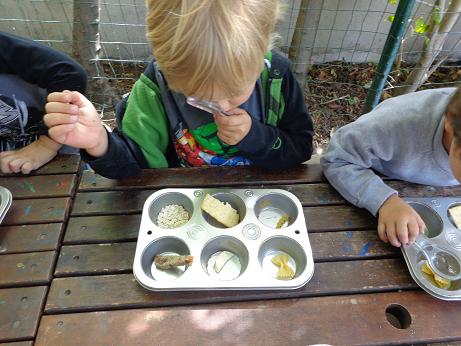
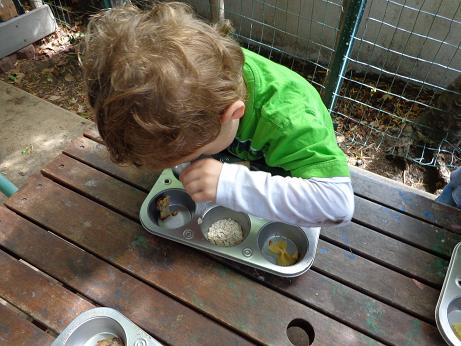
The breads and grains food group is diverse, and includes a bountiful selection of breads, pastas, cereal, and rice! This group is even further delineated into groups of whole grains and refined grains. Introducing the diversity of this exciting food group and comparing various items helps your budding foodie to make healthy choices. Through observation and documentation (recording what they see), your child is learning to make associations and differentiate between how things look and taste. Using magnifying glasses, we initially compared six different grain items (oats, rice, bow tie pasta, spiral pasta, bread, and a cracker), discussed how they compared and contrasted (These are smooth. These are soft. These are curly.), and then recorded what we saw!
ImageImageImageImageImageImageImageImageImagebrea
Baking Bread with Clay

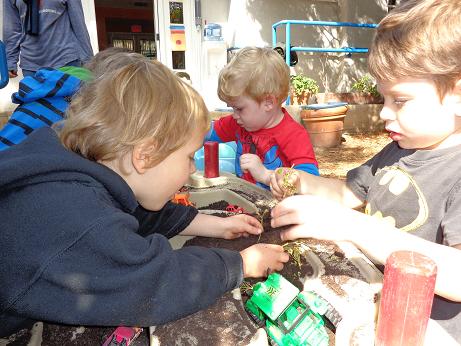
When young children are given clay, they are instinctively motivated to explore its responsive sensory qualities. As they poke it, squeeze it, and pound it, the clay responds. For a preschooler, this empowers them to continue experimenting! As they experiment, they recognize that their actions have consequences. Their curiosity continues to empower their learning experience, as they construct and reconstruct a variety of shapes and forms. Before we began this activity, we discussed how bread was made. With pictures and a simple story, your little one was introduced to each step of the process. They were then encouraged to bake their own bread! By doing this, they applied their understanding of a concept, and continued to develop their hand eye coordination and the small muscles in their hands.
ImageImageImageImageImageImageImage

Muffin Tin Patterns

Preschoolers are naturally curious, and are constantly noticing the patterns they encounter in their daily lives.

Muffin

Fostering this skill is an important foundation for the future application of math skills, spatial reasoning, and critical thought.

Muffin1

Image

Using pom poms, a simple diagram, and a muffin tin, your little one reconstructed a variety of patterns, continuing to hone their problem solving and fine motor skills.

Image

Q-Tip and Bingo Dauber Writing!

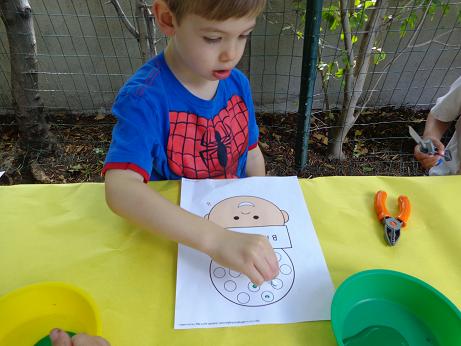
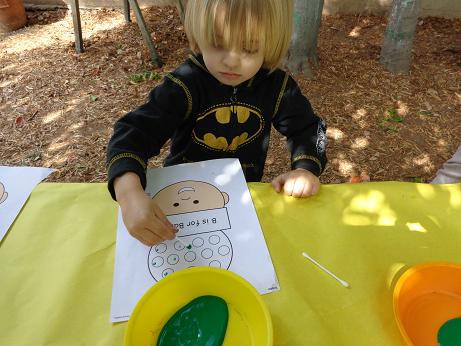
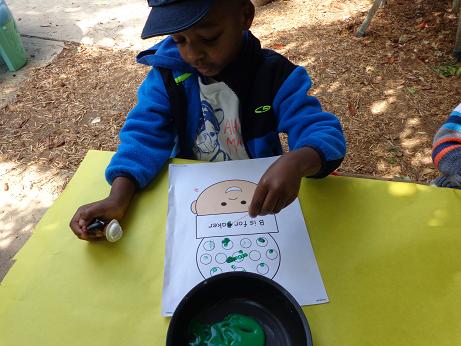
We have been doing several activities with the letter B, and one of our favorite community helpers, the baker! Using Q-tips and bingo dauber worksheets, we practice placing points of color into each circle. This simple activity accessed several developmental domains. By holding the Q-tips, your little one continued to practice how they manipulate a writing utensil, an important precursor to writing. Q-tips are unique addition to this practice because they force your budding writer to focus on the fingers weakest in the formation of the tripod grasp. Your little one also continued to hone their fine motor skills, hand eye coordination, and their ability to concentrate and follow-through on a task!

ImageImageImageImageImageImage

Creating Our Very Own Bagel Snacks!

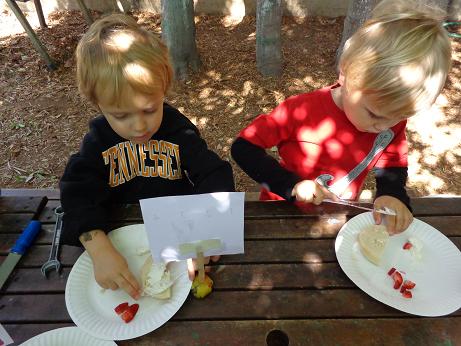
Bagels are a traditional staple in a variety of cultures worldwide. They are among the most versatile food around, enjoyed in increasing popularity. Using pictures with numbered instructions, bagels, fruit, cream cheese, and plastic knives, your little baker created their very own snack! This activity incorporated several areas of development for your little one to enjoy. The numbered instructions fostered pre-reading skills, as each child followed the pictures from left to right. Manipulating the plastic knives to spread the cream cheese onto their bagels accessed self-help and fine motor skills, which are imperative for autonomy, confidence, and future writing endeavors. Lastly, following the instructions in order allowed your little one to understand sequencing (the order in which things happen) and strengthened their counting skills!

ImageImageImageImageImageImageImage

Wheat Farming!

Wheat grows globally in bountiful supply. Because it can be harvested in winter and spring, it is utilized abundantly.

wheat

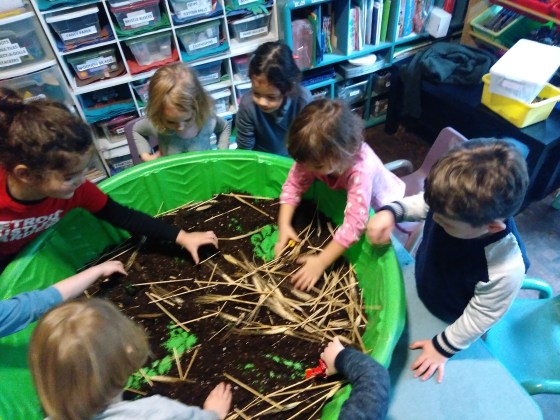
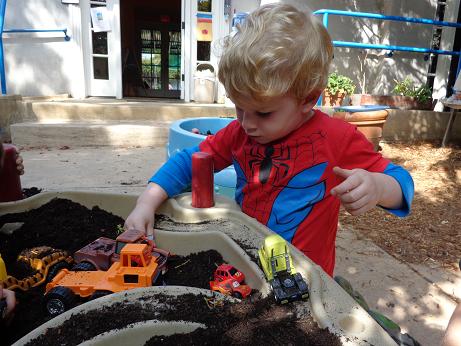
Using tractors, baby wheat plants, and shovels, your little farmer harvested their own wheat! They learned that these crops require constant care and upkeep.

wheat3

Producing wheat is an intensive process, and your little one learned about the many technological advances that allow all of us to enjoy our bread, cereal, and pasta!

wheat1

They were introduced to the words “swather” (to cut and bind wheat) and “combine” (a process in which trucks cut and loosen wheat from its stem). By harvesting their own crops, your little one was able to apply their understanding of new vocabulary and complicated concepts.

wheat2

ImageImageImageImageImageImageImageImage

B is for Bugs

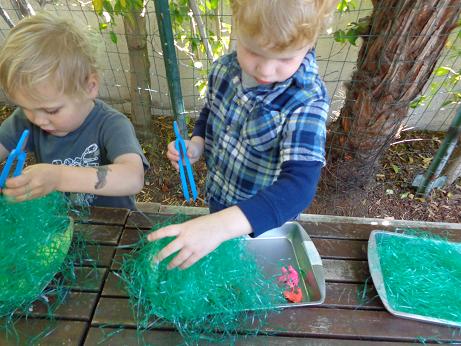
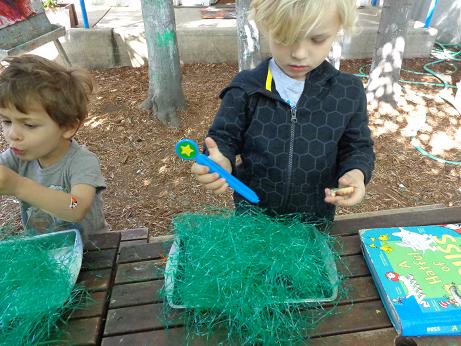
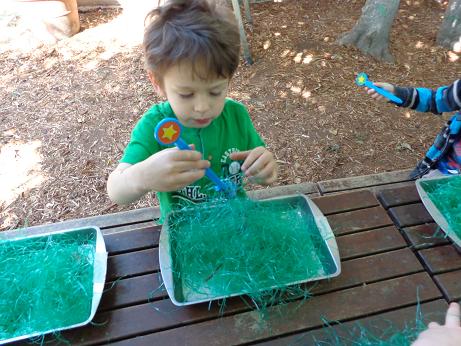
Every spring, migrating birds return to areas affected by snow and cold weather. These birds feast on the great flood of insects that return at the same time. Using tweezers, plastic bugs, and plastic grass, we pretended to be birds looking for these scrumptious treats. Before we began this activity, we talked about why bugs are important during this time of year. Your little one learned that a wide variety of flowering plants and songbirds owe their existence to these tiny creatures. They not only pollinate plants, but transport organic compounds throughout the soil. This activity encouraged fine motor development, the application of new subject matter, and hand-eye coordination.

ImageImageImageImageImage

Cumulus Clouds and Shaving Cream

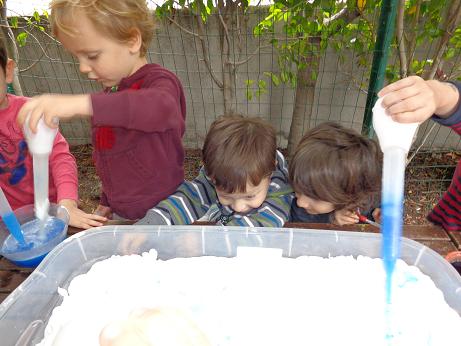
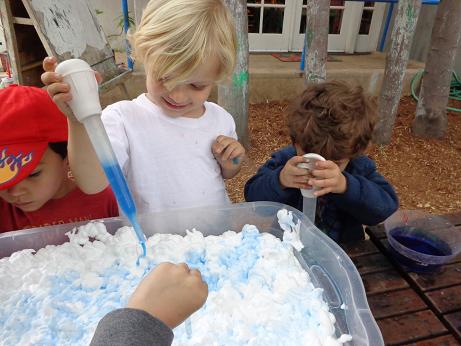
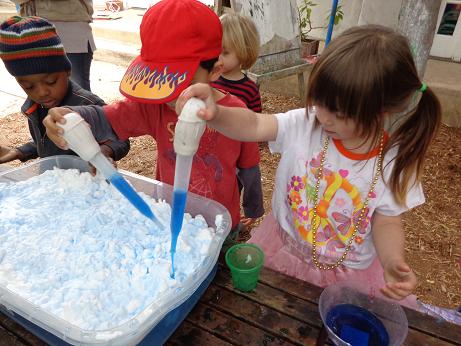
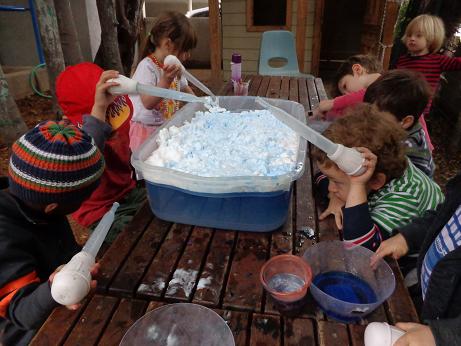
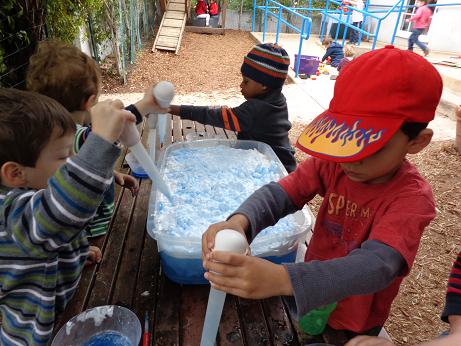
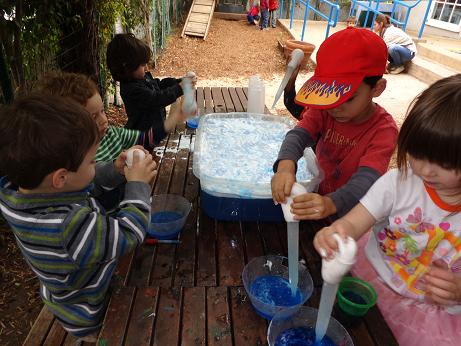
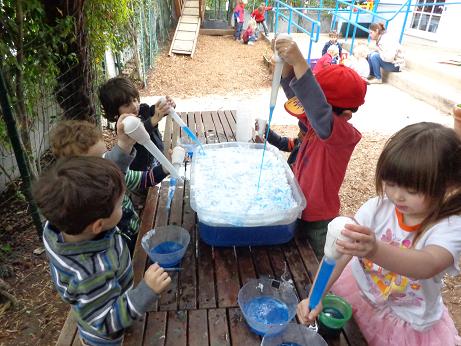
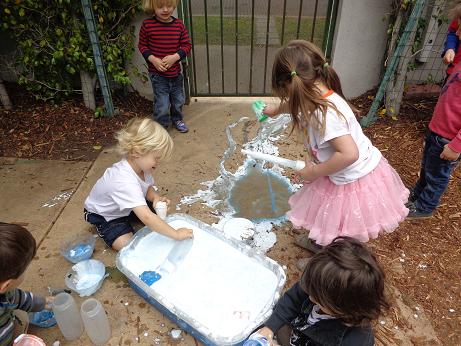
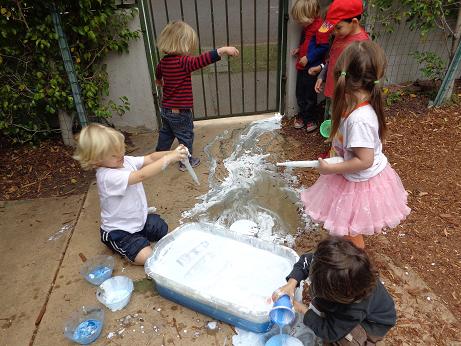
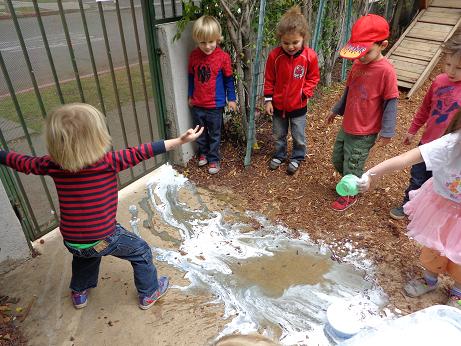
On Tuesday, we read about cumulus clouds during circle time. Our discussion involved defining and identifying cumulus clouds, and discovering their formation! Using preschool-friendly terms, we learned that clouds are created by moisture, sunlight, water, and ice! We also explored words associated with rain, and revisited our lesson on rain formation. Our shaving cream clouds were a natural extension of our lesson! Using turkey basters, your budding scientists dropped blue water into the shaving cream. They were transfixed as the color seeped through the “clouds” into the water. Your little meteorologist was then given ample opportunity to explore the “process” on their own. They were very intrigued, and decided, once they had used all of their water, that it would be more fun to move the clouds to the ground. Everyone delighted in pouring the “clouds” onto the ground and dancing in the remains. Activities that provide open ended learning foster a lifelong love of science and discovery. Young children are naturally curious, and need little motivation to promote their wonder and fascination of the world. Our messy cumulus clouds project provided the opportunity to fulfill some of that wonder.

ImageImageImageImageImageImageImageImageImageImageImageImageImageImageImage

ImageImageImageImageImageImageImageImage

What Happens to Rain?

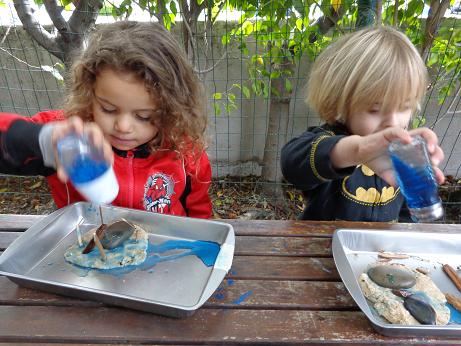
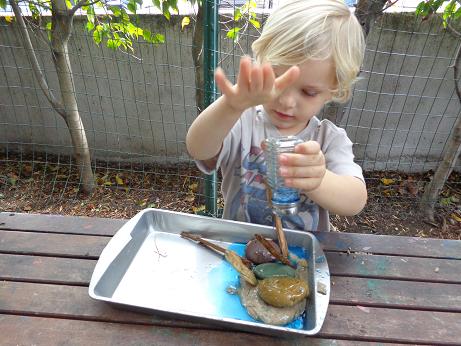
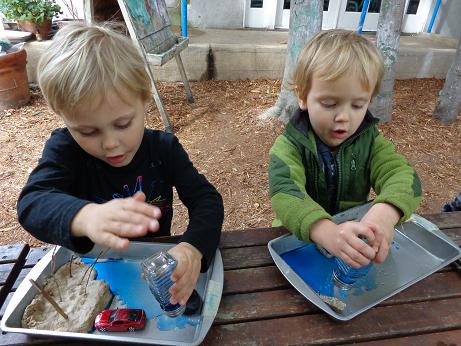
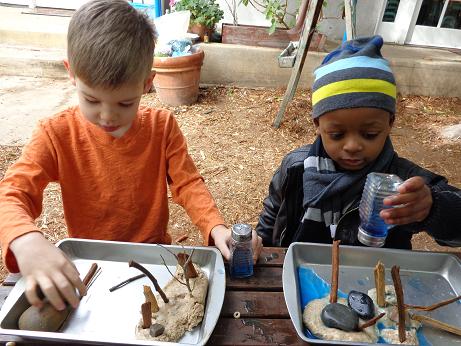
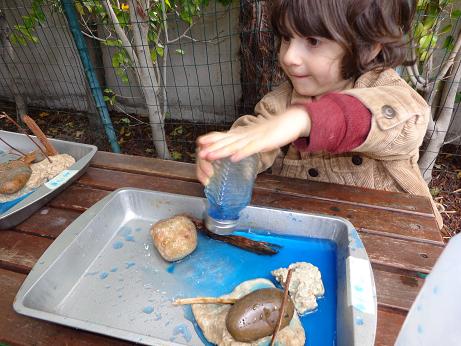
Teaching scientific concepts to young children poses unique challenges, so in our classroom, we use simple vocabulary and fun projects to keep them captivated! Water rotation is an ideal introduction to rain formation, so we talked about where rain comes from and where it goes! With Playdoh, sticks, salt shakers, and blue water, we practiced making it rain on our “land” and then watched as it returned to the “ocean”. Hands-on activities such as these reinforce complicated concepts and allow your preschoolers to grasp how rain works!

ImageImageImageImageImageImageImageImageImageImage

Seasons Trees

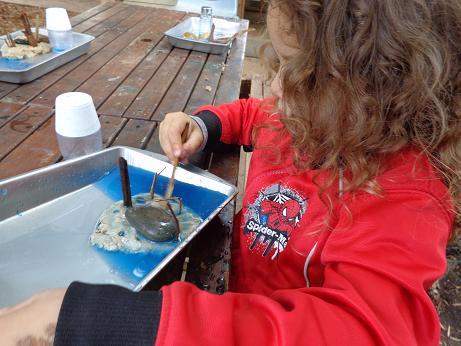
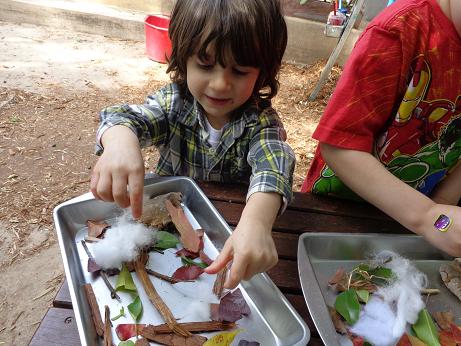
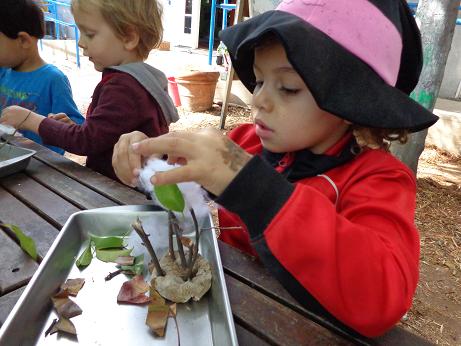
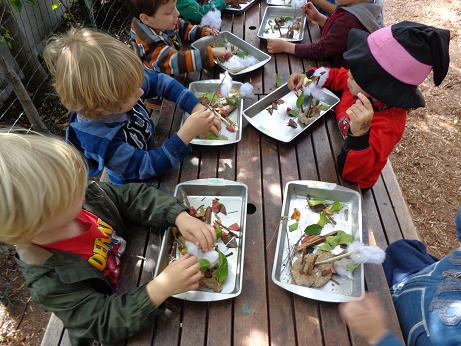
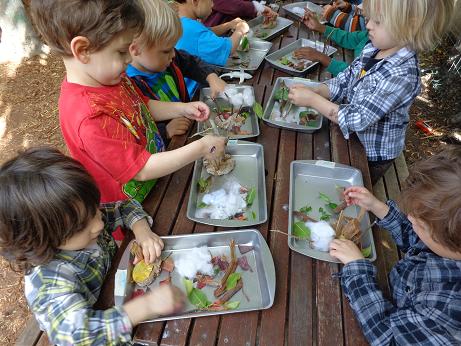
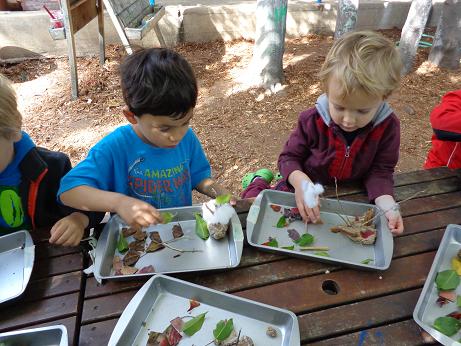
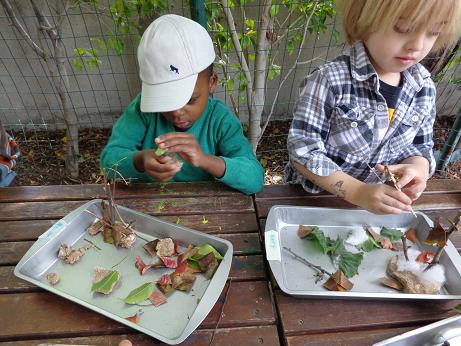
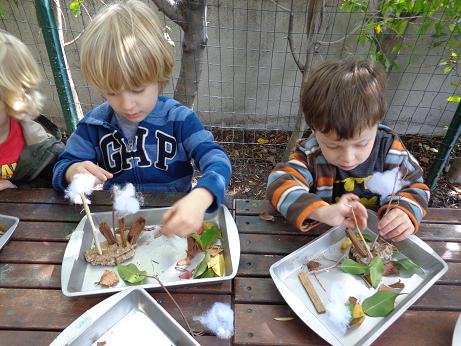
Young children are aware of the seasons, and can recognize the changes they perceive throughout the year. Because they are naturally curious, they question the differences that distinguish one season from the other. This activity served to do just that! Using sticks, different colored leaves, cotton, and Playdoh, we created our very own trees! These trees were special because they transformed throughout the changing seasons. We began with spring, discussed its characteristics, and constructed our trees to resemble the abundance and newness of life. As we continued through the seasons, our trees changed. Leaves changed color, fell, and were eventually covered by snow. As your little one moved from season to season, they were given vocabulary to describe the changes they were experiencing. By building and rebuilding their trees, your little one was able to practice and apply their understanding of new concepts, and had fun while doing it!

ImageImageImageImageImageImageImageImageImageImageImageImageImageImageImageImageImage