Fortune Cookie Painting

The origin of fortune cookies is a mystery. While their Japanese origins aren’t disputed, nobody knows exactly where the modern fortune cookie came from. It’s widely reported that they made their first American appearance at San Francisco’s Japanese Tea Garden in the 1890s, however, nobody knows who invented them specifically.
15 - 1 (45)

Several people have claimed to be the sole inventor of the fortune cookie, including the founder of Los Angeles’ Hong Kong Noodle Company, David Jung, who claimed that he invented them in 1918, and Seiichi Koto, a Los Angeles restaurant owner who claimed that he got the idea to insert fortunes into cookies from slips that are sold at temples in Japan, and sold them to restaurants in the city.
15 - 1 (43)

In fact, they’re based on a Japanese recipe. In several regions of Japan, a cookie called sujiura senbei is sold on the new year for good luck, and these are widely believed to be the origin of the modern fortune cookie. The fortunes are actually baked into the cookies, however, and they’re larger and use a different recipe. Fortune cookies didn’t make their way to China until 1989, and they were sold as “genuine American fortune cookies”.

15 - 1 (44)

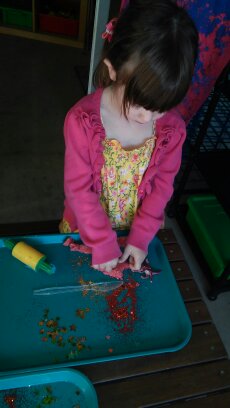
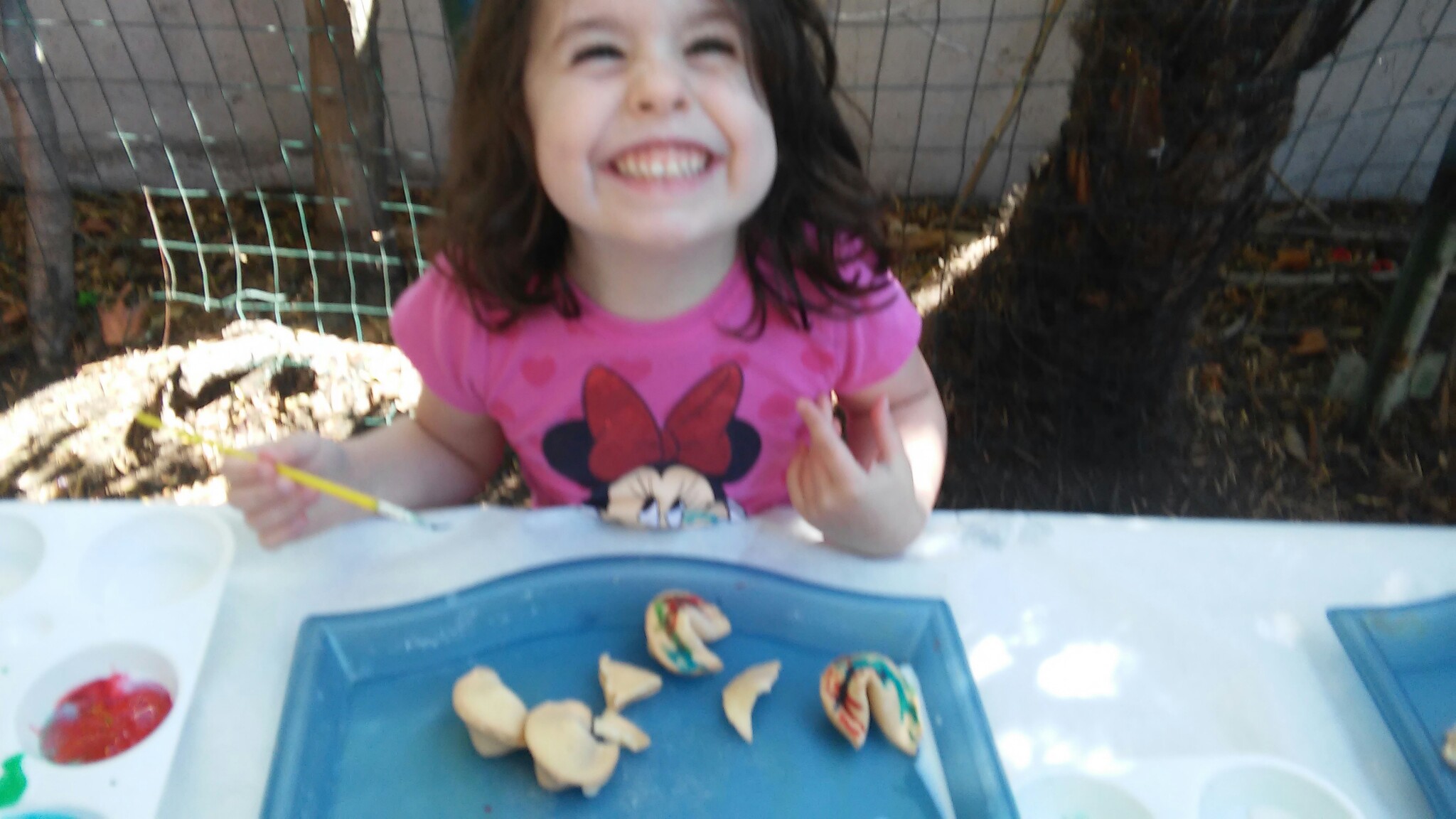
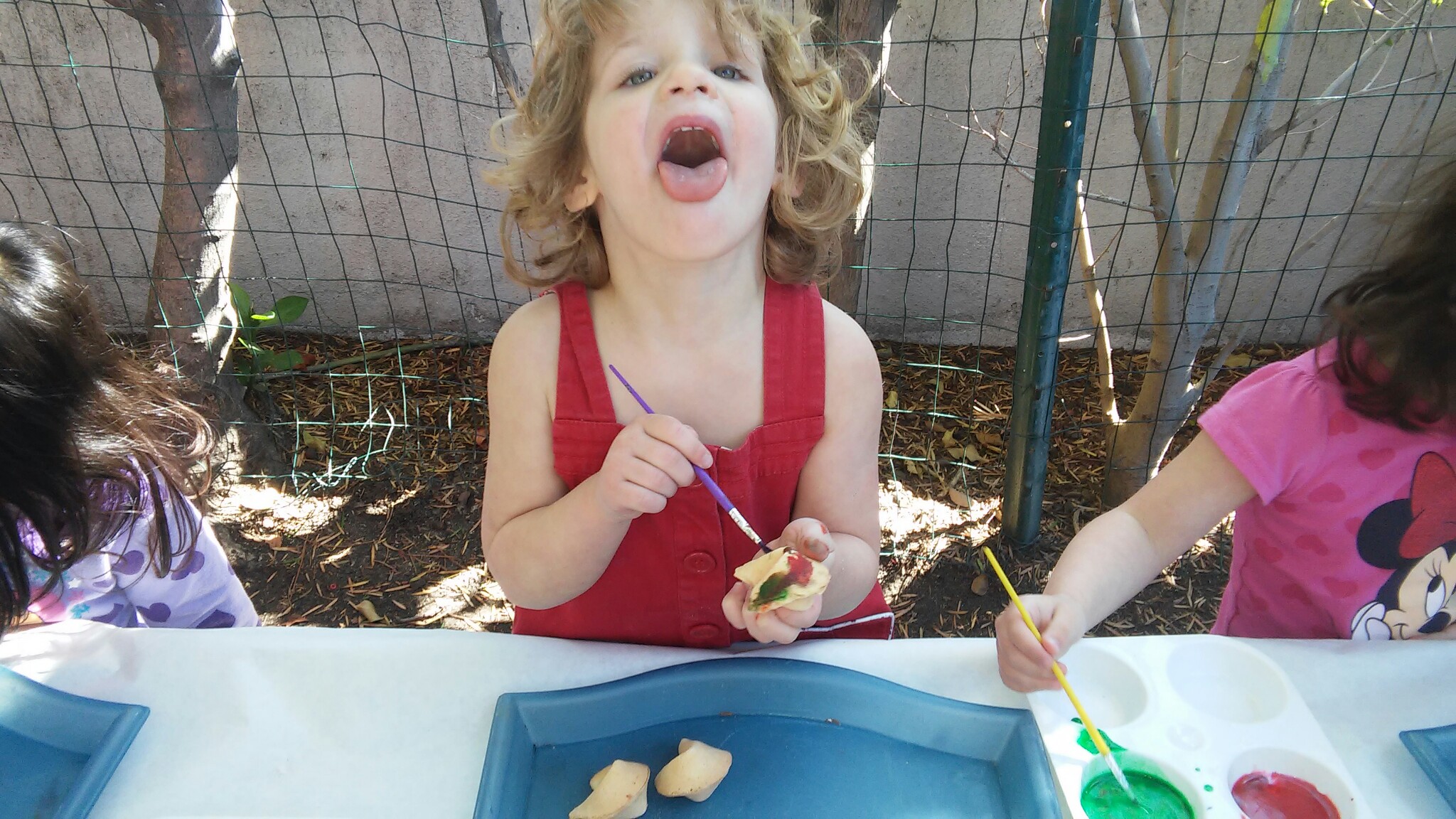
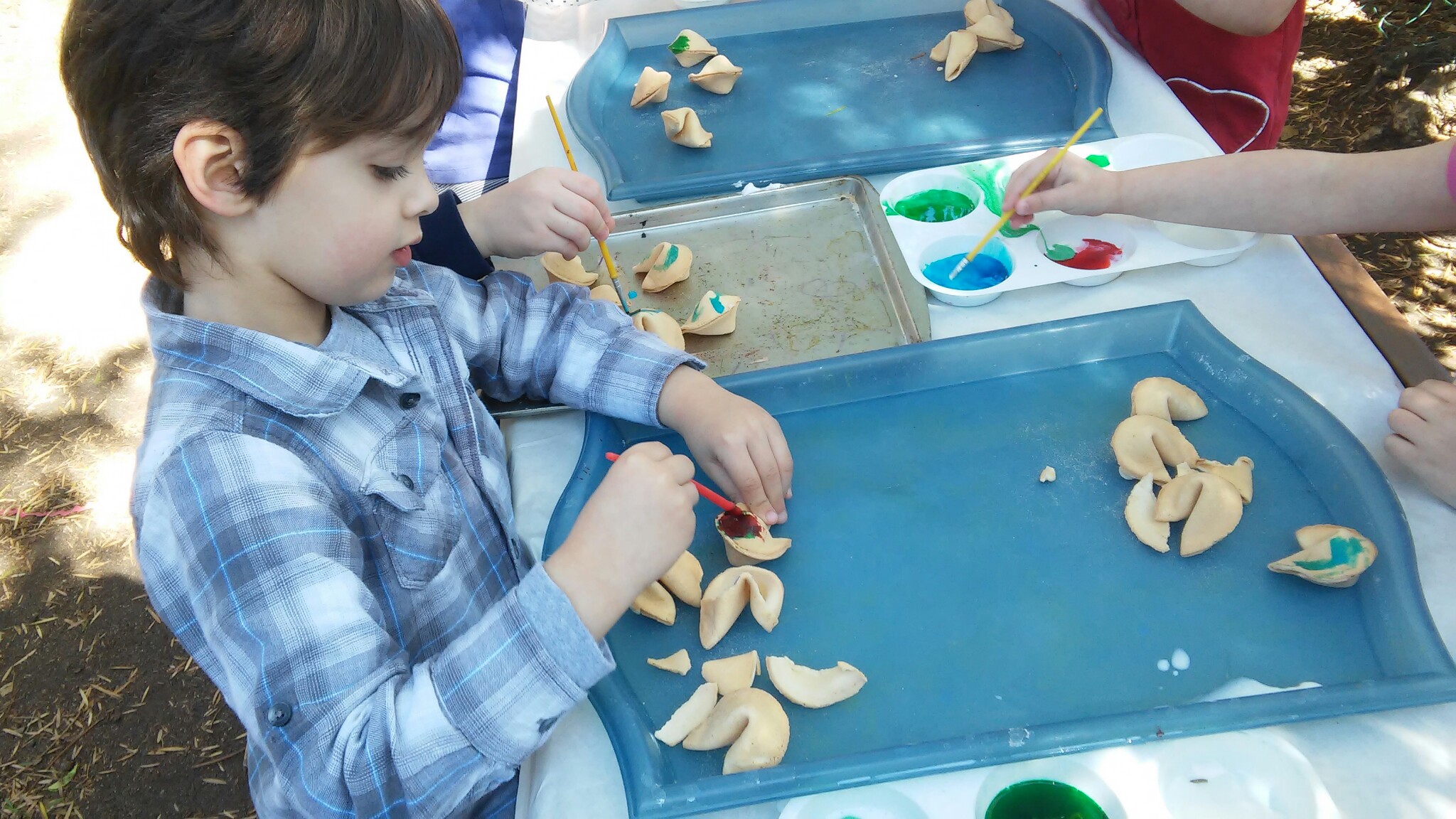
Regardless of their origins, they are currently a popular component for the Chinese New Year celebration, and so, for this activity, we painted fortune cookies for a special Chinese New Year’s treat. We used regular fortune cookies, food coloring, a little milk, a tray, and paint brushes.

15 - 1 (46)

On their path towards discovery, young children need to use all of their senses. We include food in many of our activities because children learn best by exploring, feeling, tasting, smelling, and even playing with materials. These play experiences teach them not only about food but give them tangible experiences to then build on for future discussion.

15 - 1 (47)

 15 - 1 (48)

Red and Gold Playdoh

Our week was filled with a host of sensory items!
15 - 1 (42)
To incorporate the colors of the Chinese Lunar New Year (and the good fortune that they symbolize), we used several different materials to recreate the flag for our young ones, and combined Playdoh, glitter, jewels, and other moldable materials to create opportunities for dialogue, new vocabulary, and learning!
15 - 1 (38)
Young children learn and process new information by using their sense of touch, and are more engaged if they can “feel” and manipulate a variety of materials. This not only fosters creativity; it enhances cause and effect, provides opportunities for problem solving, and most importantly, teaches children the physical properties of different materials.
15 - 1 (39)
By manipulating several kinds of materials they see how materials mix, and how they are affected by different combinations. Sensory play is one of the most engaging activities that your little ones partake in, and is a constant delight as it provides a significant amount of learning and fun.
15 - 1 (40)
15 - 1 (41)

Chinese Tangrams

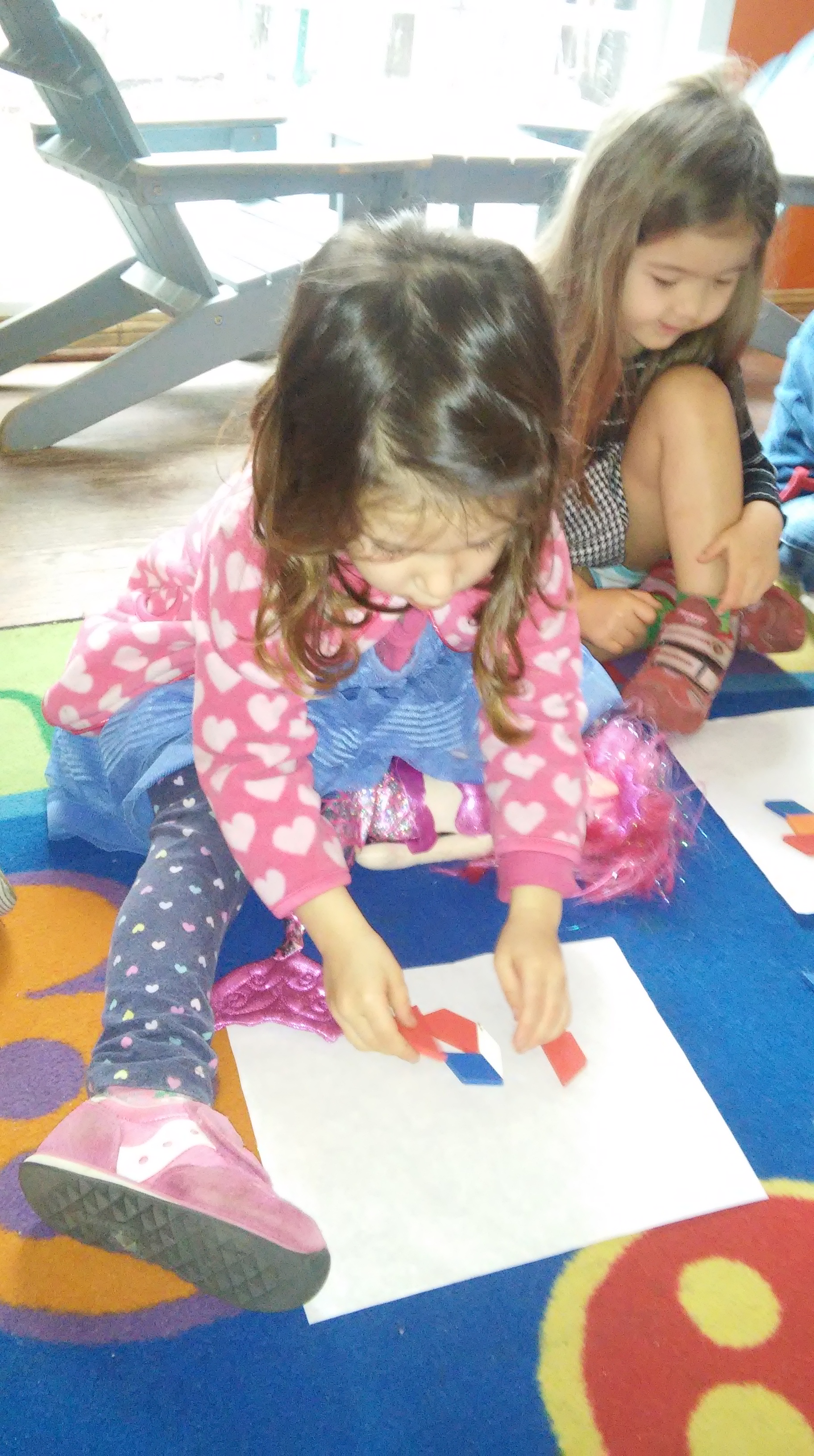
Tangrams are a popular form of puzzle in China, so we spent about fifteen minutes putting together pictures of flowers, butterflies, boats and houses, using colorful wooden shapes.

20150227_102630

Puzzles help promote cognitive development, and by manipulating the colorful tiles, our little ones not only had fun, but were able to understand concepts related to shape and color as formed their own theories about them.
20150227_102635

Chinese Spring Rolls

A mental operation, according to Jean Piaget (a noted psychologist) is the ability to accurately imagine the consequences of something happening without it actually needing to happen.

15 - 1 (27)

15 - 1 (26)

During a mental operation, children imagine “what if” scenarios which involve the imaginal transformation of mental representations of things they have experienced in the world; people, places and things.

15 - 1 (30)

15 - 1 (28)

At four years old, children must experience new information with their senses in a three-dimensional setting.

15 - 1 (32)

15 - 1 (31)

They cannot simply see a picture of an item to fully integrate its existence, they must see it, feel it and touch it.

15 - 1 (33)

This is why we are constantly “doing” our projects rather than just reading a book about a particular subject.

15 - 1 (34)

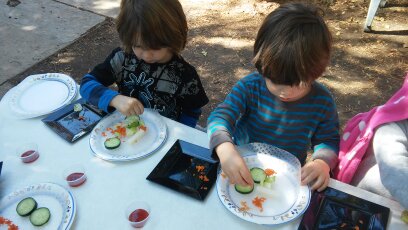
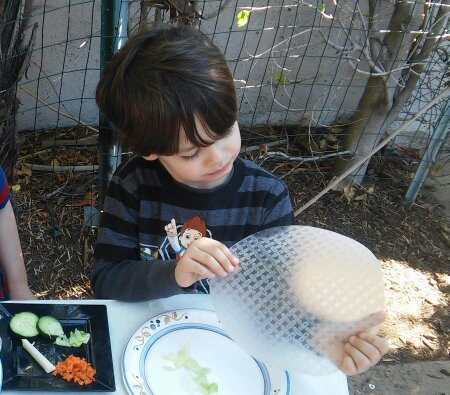
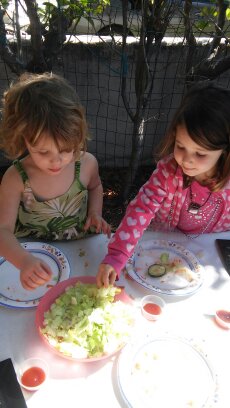
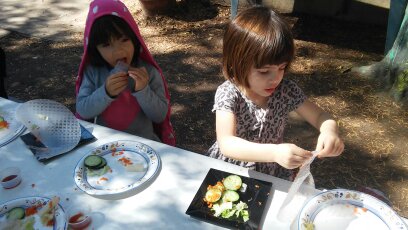
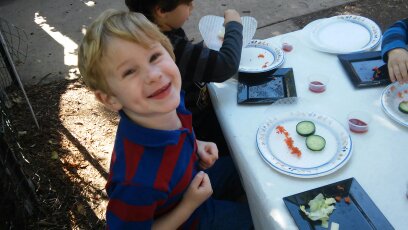
For this activity, we made spring rolls to help celebrate the Chinese New Year!

15 - 1 (35)

In Chinese culture, spring rolls are a savoury treat, created with cabbage, rice paper, and other vegetable fillings.

15 - 1 (36)

They are usually eaten during the Spring Festival (Chinese New Year), hence their name.

15 - 1 (37)

Counting Coins

You can’t miss these glittery, shiny coins during the Chinese New Year season! These coins (placed into red envelopes) are supposed to signify prosperity and good luck. Your little ones were drawn to these coins straightaway! Besides being a great chocolate treat, these coins can be used for learning in great ways!

15 - 1 (21)

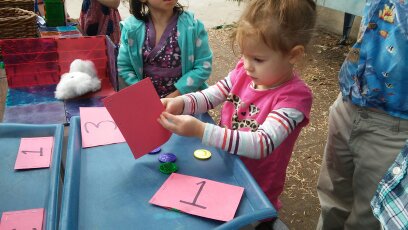
For this activity, your little ones Teach were taught how to count by using one to one correspondence according to the numbered envelopes shown! Students identified the numeral and counted the matching amount of coins that they slipped into the envelope. Young children’s development of mathematics knowledge and skills is receiving increasing attention in research and practice.

15 - 1 (22)

The mathematics foundations (or developmental domains) cover the following five strands: number sense, classification and patterning, measurement, geometry, and mathematical reasoning. We are constantly exercising these skills in the many activities we do throughout the week!

15 - 1 (25)

Interactive Panda Bear Habitats

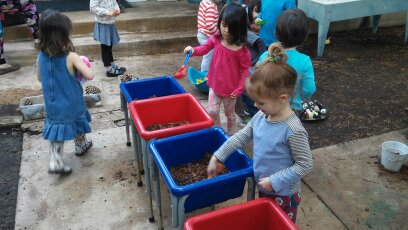
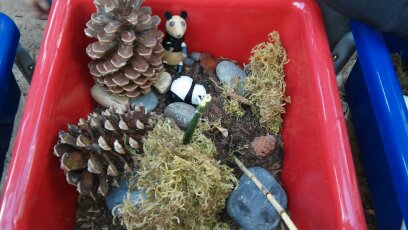
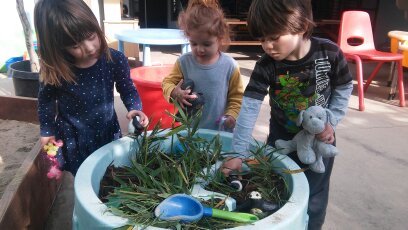
For this activity, we combined bamboo, rocks, and dirt to learn about panda bears!

15 - 1 (7)

By using these materials, we created habitats for our little creatures and learned a new word: omnivore!

15 - 1 (8)

Physiologically, giant pandas are carnivores — they are made to eat meat — but they prefer a vegetarian diet.

15 - 1 (9)

Herbivores are, by definition, anatomically suited to a plant-based diet.

15 - 1 (11)

The giant panda is no herbivore. He’s essentially a vegetarian, a carnivore that eats little meat.

15 - 1 (12)

Throughout the activity, your little explorers delighted in manipulating the materials, and providing the perfect home for their little panda bear.

15 - 1 (13)

Group projects (such this one) can help preschoolers develop a host of skills that are increasingly important in their budding development.

15 - 1 (14)

Properly structured, group projects can reinforce skills that are relevant to both group and individual work, including the ability to break complex tasks into parts and steps, refine understanding through discussion and explanation, and develop stronger communication skills.

15 - 1 (15)

Chopsticks and Food Boxes

The Chinese have been wielding chopsticks since at least 1200 B.C., and by A.D. 500 the slender batons had swept the Asian continent from Vietnam to Japan. From their humble beginnings as cooking utensils to paper-wrapped bamboo sets at the sushi counter, there’s more to chopsticks than meets the eye.

15 - 1 (5)

The fabled ruins of Yin, in Henan province, provided not only the earliest examples of Chinese writing but also the first known chopsticks—bronze sets found in tombs at the site. Capable of reaching deep into boiling pots of water or oil, early chopsticks were used mainly for cooking. It wasn’t until A.D. 400 that people began eating with the utensils.

15 - 1 (4)

This happened when a population boom across China sapped resources and forced cooks to develop cost-saving habits. They began chopping food into smaller pieces that required less cooking fuel—and happened to be perfect for the tweezers-like grip of chopsticks. To help hone our fine motor skills, we practiced using chop sticks to grasp yarn “noodles” out of Chinese food containers!

15 - 1 (6)

Dot and Cut Spirals

The physical health and development domain (as stated by the California Department of Education) includes three elements: gross motor skills, fine motor skills, and health status and practices. Each of these elements supports children’s overall health and physical fitness and can enhance a child’s progress in other domains. For example, gross motor skills lead to growing confidence and pride in accomplishments (social and emotional development, self-concept).

15 - 1

Children use their fine motor skills to experiment with writing tools and materials (literacy, early writing).  Fine motor skills involve use of the small muscles found in individual body parts, especially those in the hands and feet. Children use their fine motor skills to grasp, hold, and manipulate small objects and tools. As they gain eye-hand coordination, they learn to direct the movements of their fingers, hands, and wrists to perform more complex tasks.

15 - 1 (1)

With access to appropriate materials and activities, children can practice and refine both their fine and gross motor skills during a variety of experiences and while performing self-help routines. To encourage this behavior we do various cutting activities, just like today’s dot and cut! We started out with four blank sheets of paper that we drew shapes on; a spiral which your little ones dotted with blue paint.

15 - 1 (3)

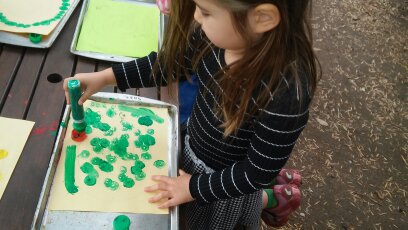
The dotting in itself is a fine motor skill because students have to aim their dots onto the spiral. Once the dots were dry, we got a scissors out to practice our cutting. Students either cut along the lines drawn or from dot to dot which ever was easier and grabbed their fancy!

15 - 1 (2)