How Many Legs?

Young children experience a great sense of accomplishment when they learn how to distinguish between different amounts.

image

By noting differences in numbers, they are building a foundation for more complex mathematical thinking.

image

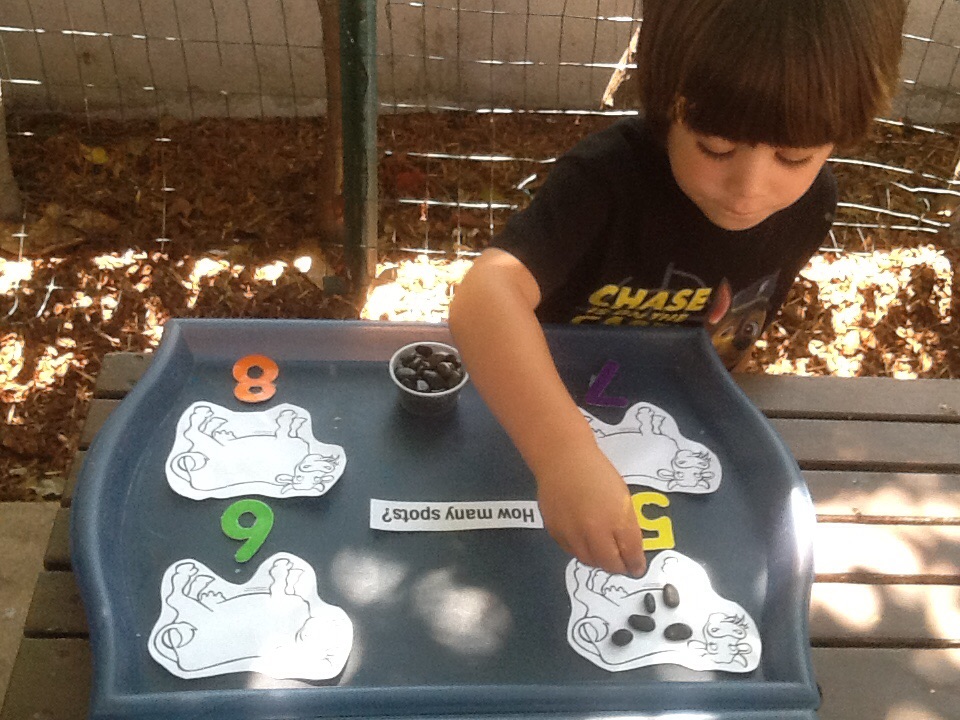
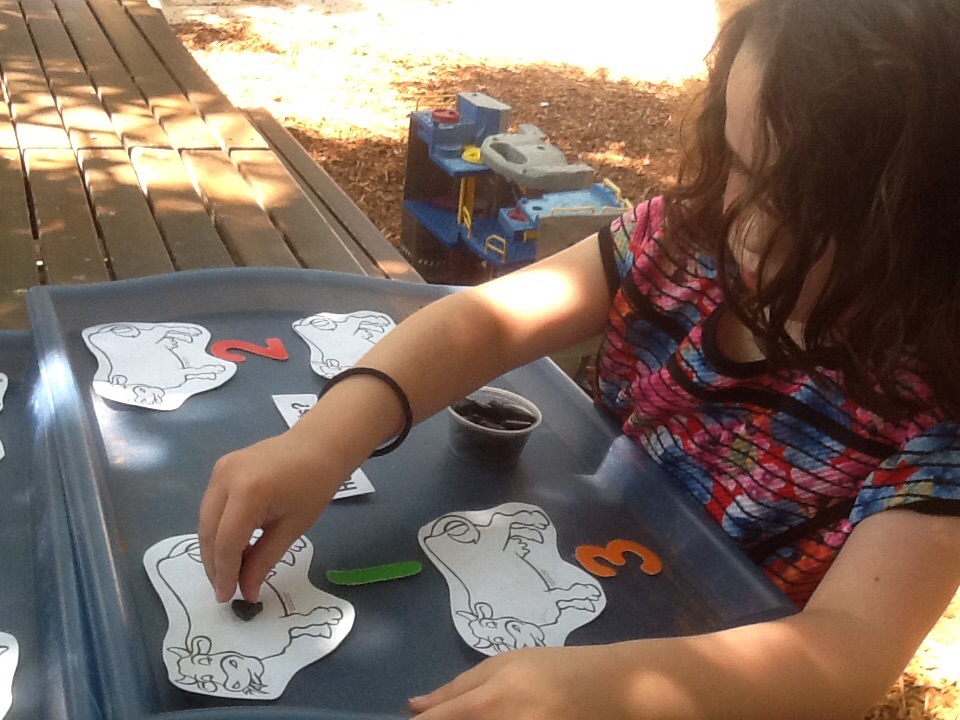
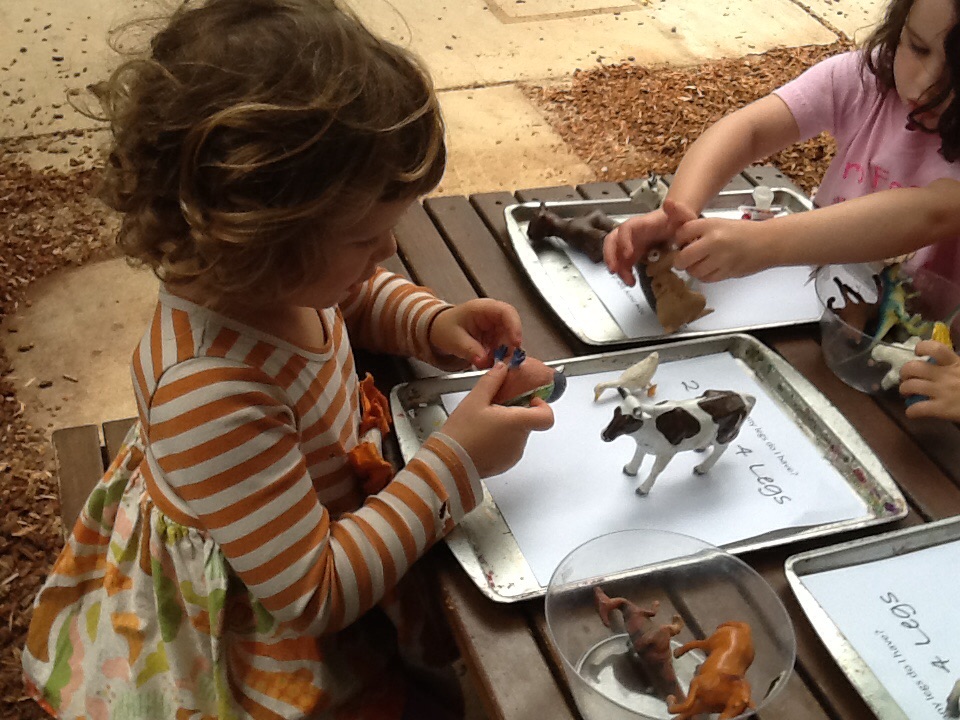
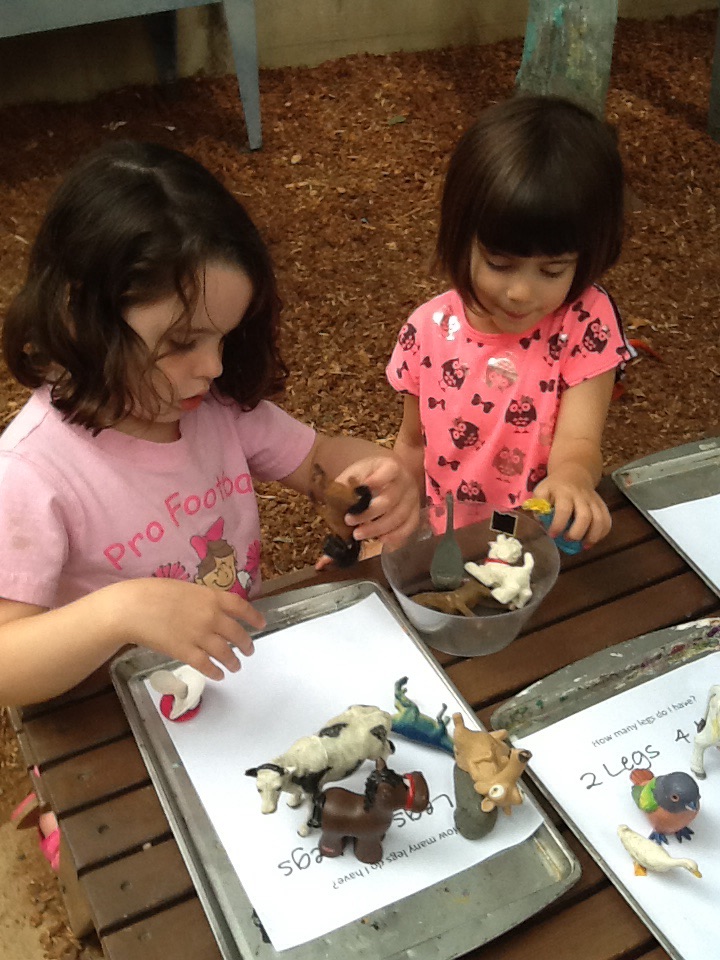
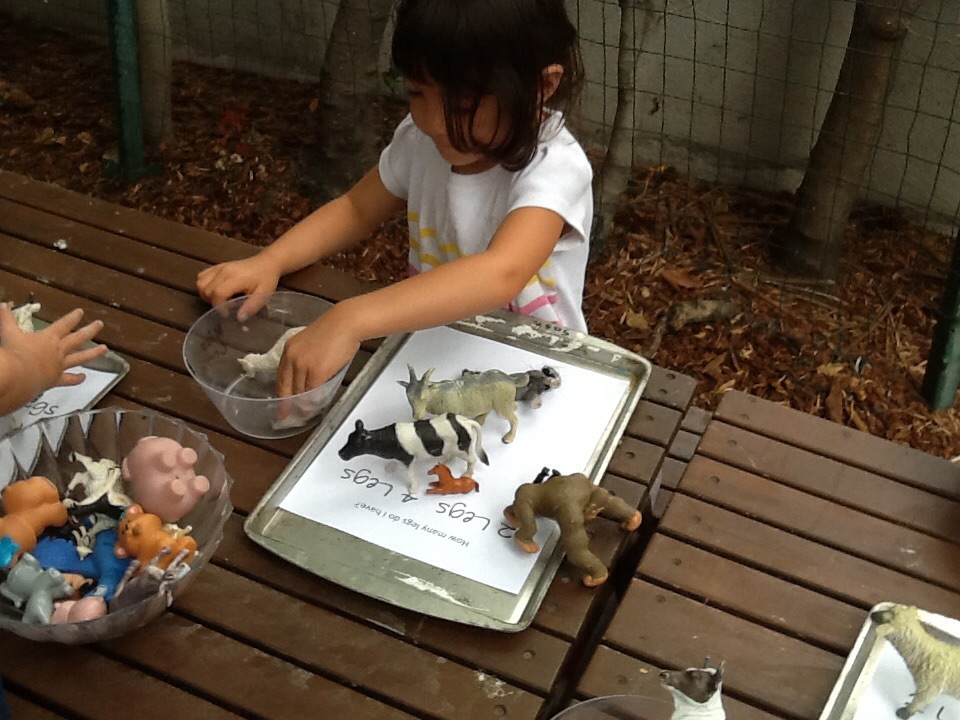
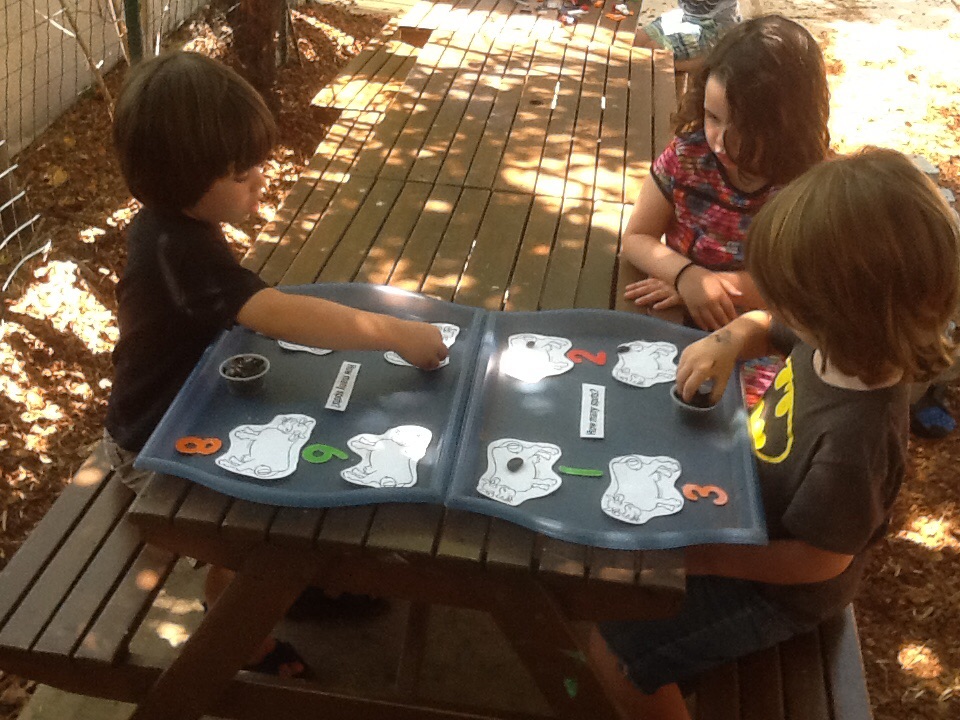
Using picture diagrams, we practiced sorting and counting some of our favorite farm critters!

image

There were two categories: animals with two legs, and animals with four legs. Each student placed their creatures under the correct number after counting the number of legs.

image

Hopping Corn

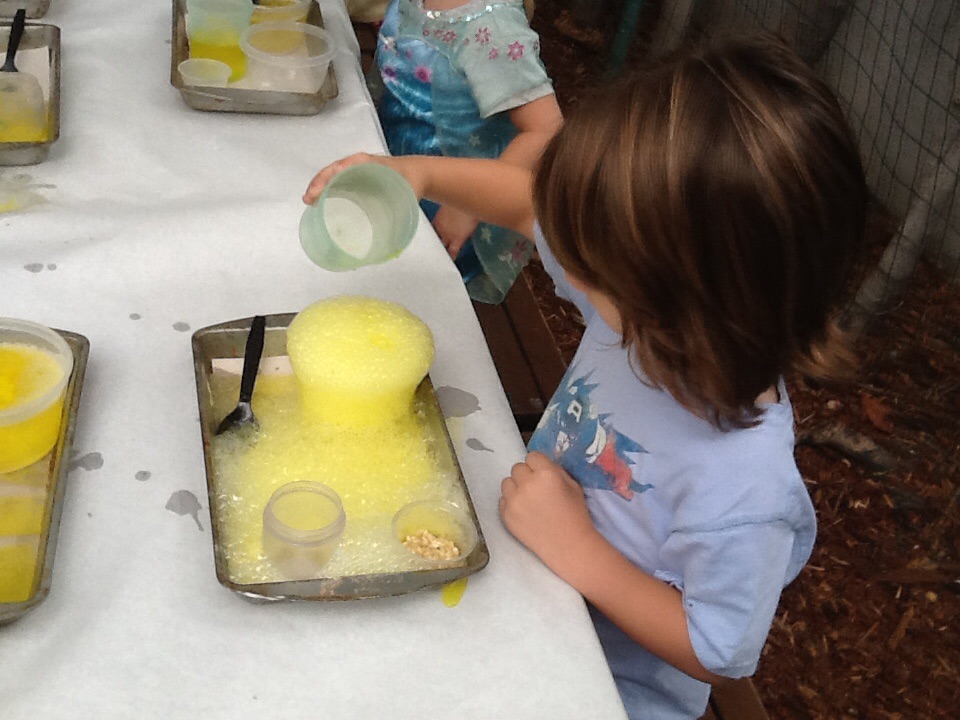
This was a really entertaining science activity meant to teach your little farmers that corn has multiple uses! With a few steps, we made popping corn become HOPPING corn!

image

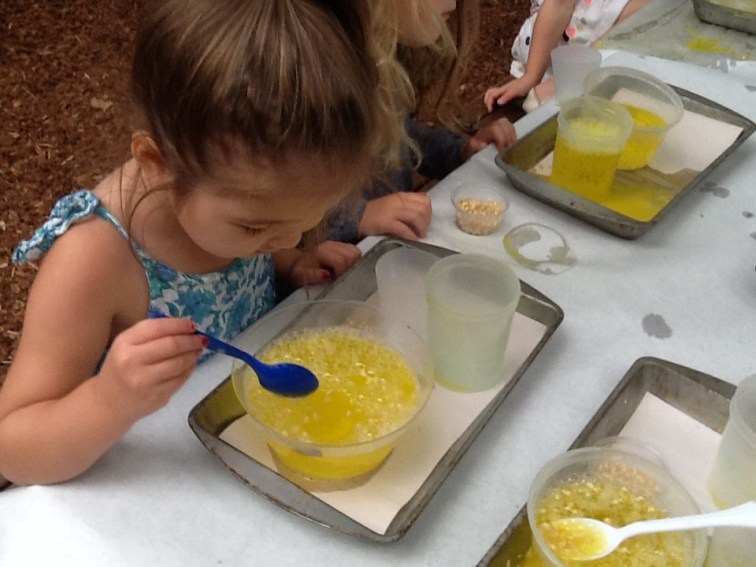
This corn hopped up and down repeatedly in each container for over an hour.
image

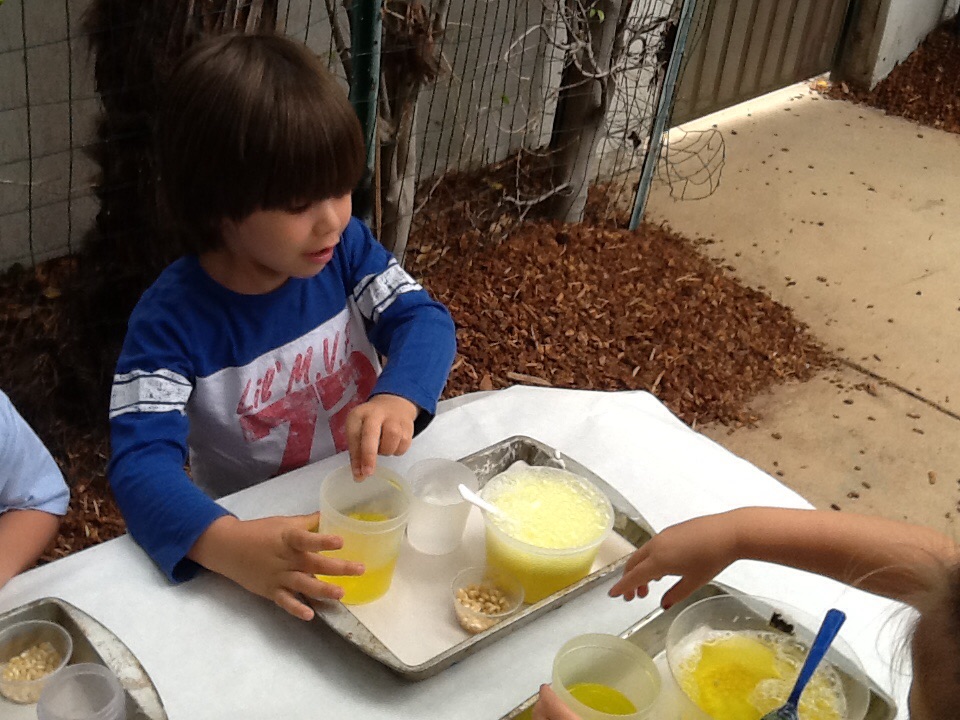
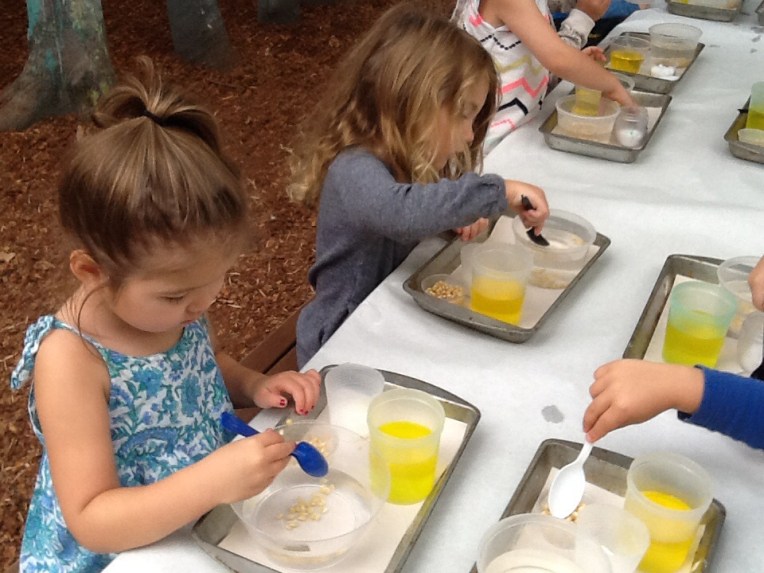
It’s so much fun to watch (mesmerizing would be the best word to describe it) and it created a great opportunity to talk about gases, liquids, and solids with your budding agriculturalists. Each child first filled their jars with water and added a couple drops of food coloring.

image

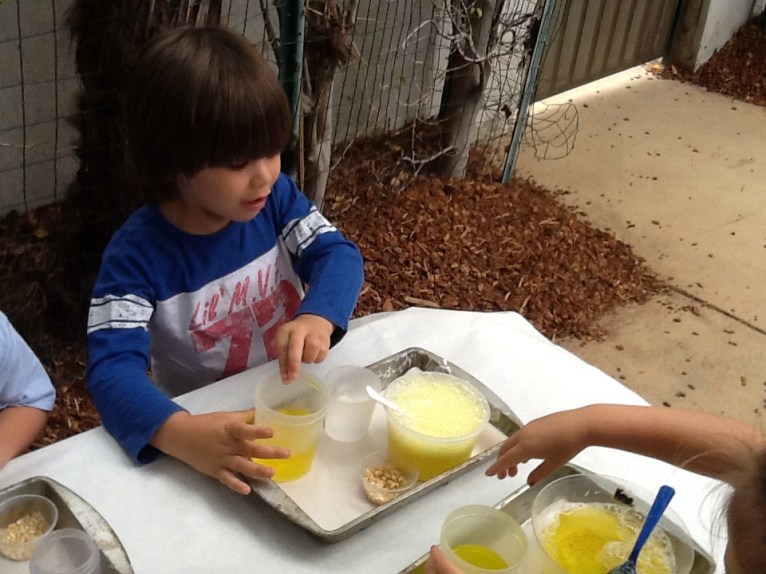
They then added baking soda and stirred until it was all dissolved. Following that, we added a small handful of popping corn kernels. Lastly, we added the vinegar and watched the corn start to hop up and down!  The science behind the activity is that when the baking soda and vinegar combine, they react to form carbon dioxide (CO2) gas.
image

The gas forms bubbles in the water which circle around the corn kernels.
image

The bubbles lift the kernels up to the surface and when they get there they pop and the kernels sink again.

image

The “hopping” continues until the vinegar and baking soda have finished reacting. For us, it lasted over an hour!
Harvesting Corn

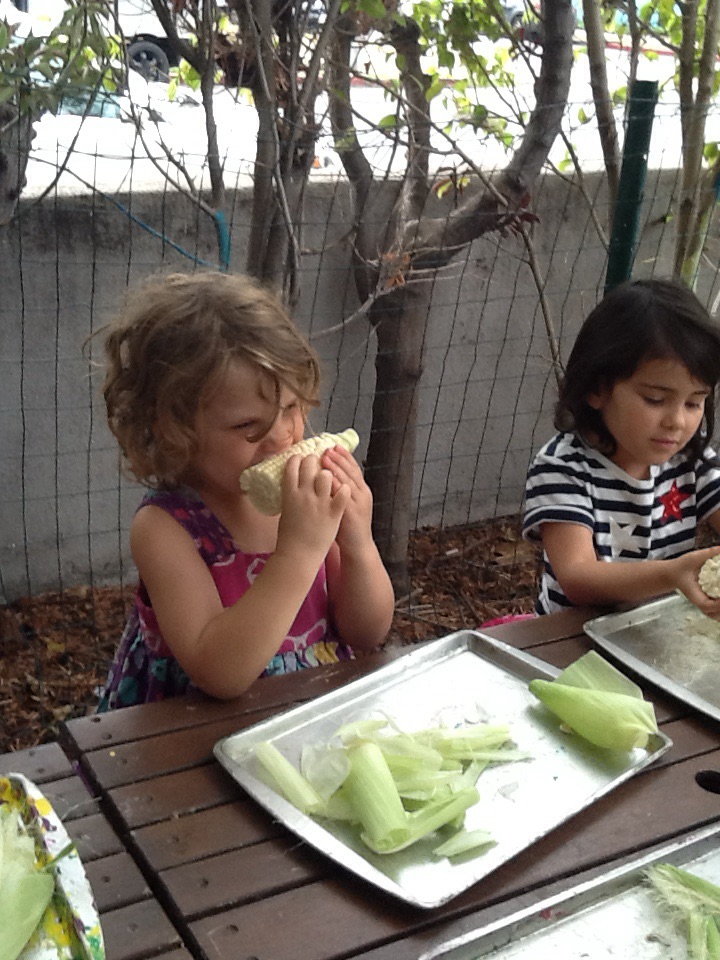
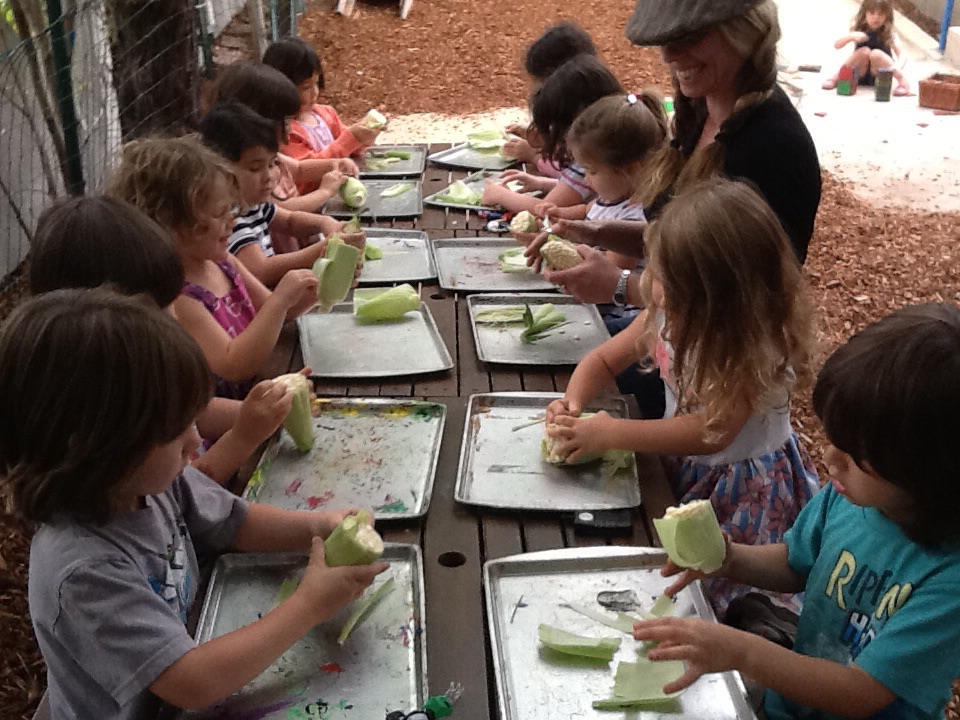
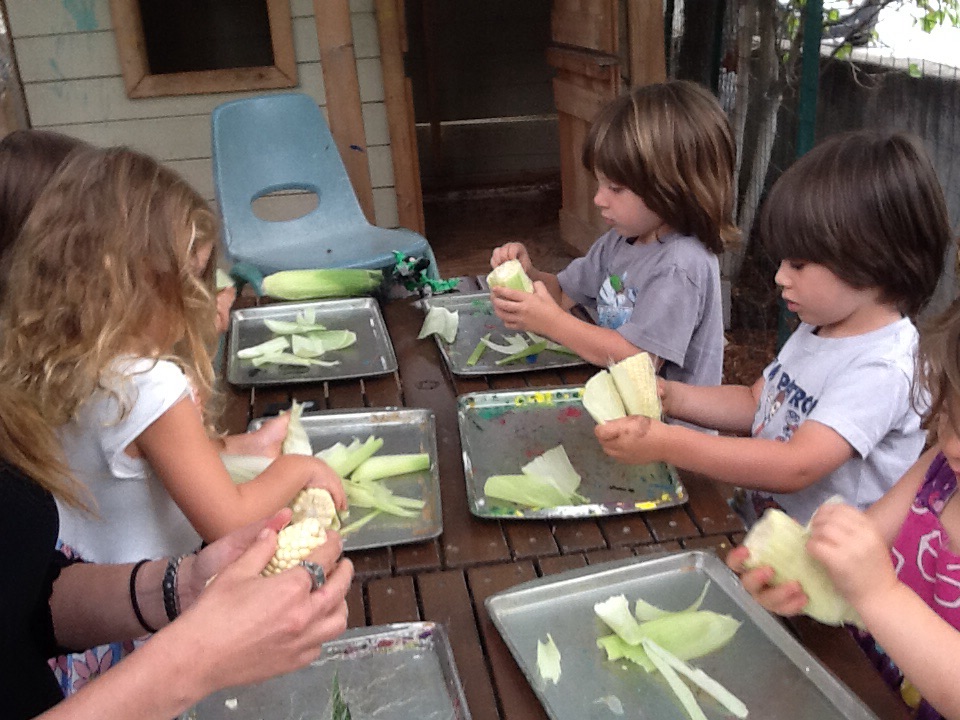
We not only learned about the history of corn, but its anatomy, how it grows, and most importantly, how to eat it! Using our fingers, we removed the husks from sweet corn, cooked it, and ate it for snack!
image

image

When children are involved with food experience and food preparation, they are more interested in trying it.

image

Husking corn gives children an opportunity to see how corn looks when it leaves the field.

image

They are learning that corn simply does not come out of the freezer or a can off the shelf.

image

image

It is an opportunity to touch, see the husk of the corn kernels, and hear the snap and crackle of the corn husk as it is pulled off of the ear.

Ocean Addition

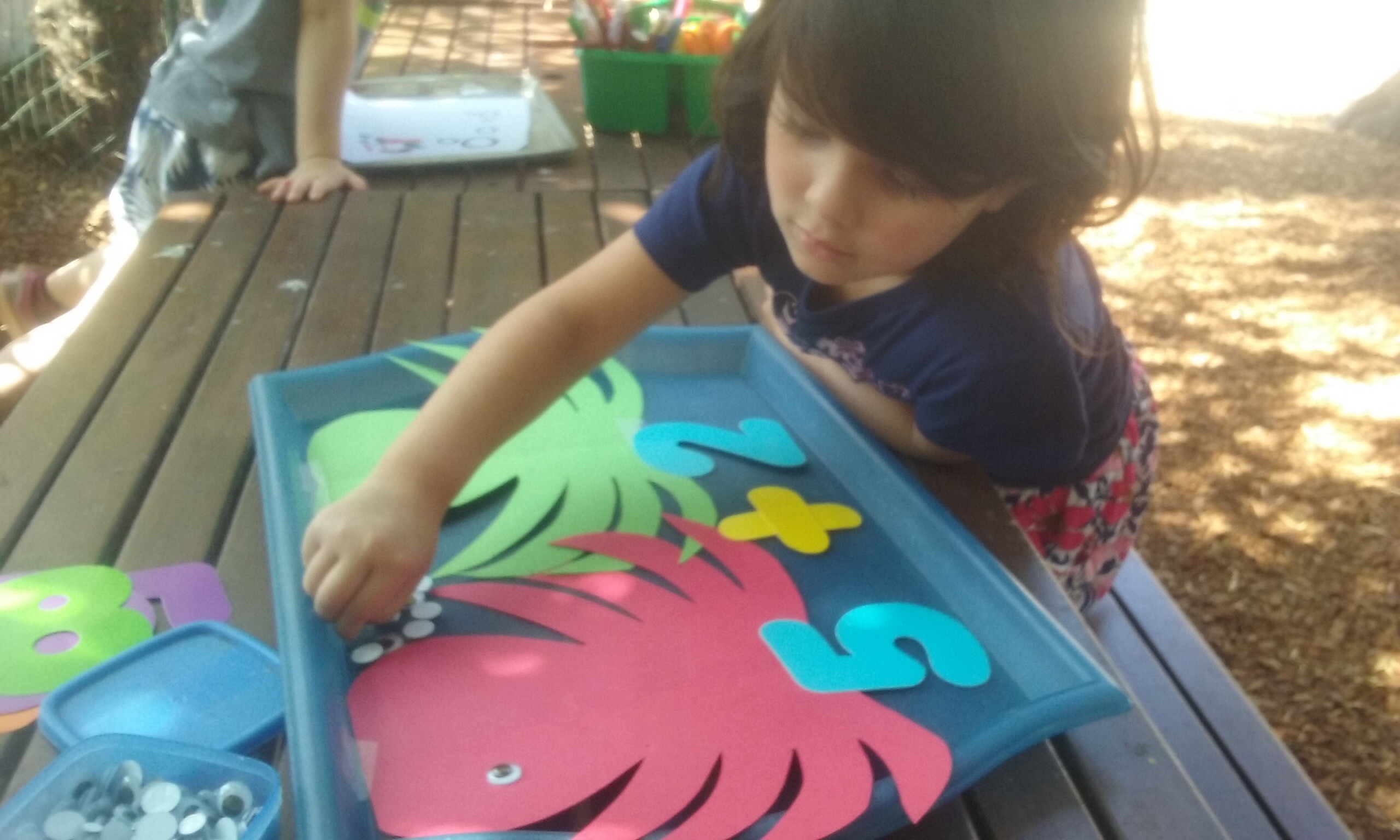
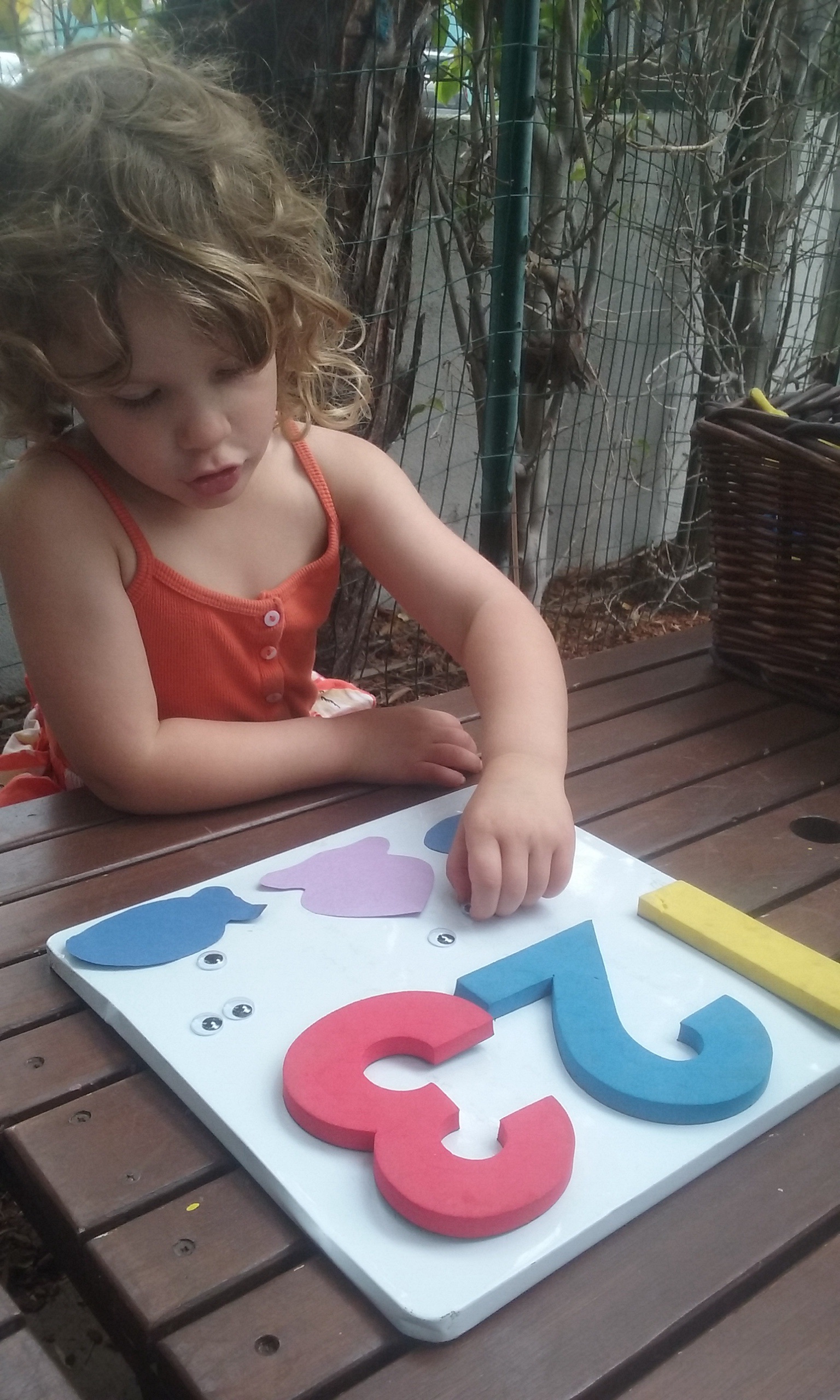
With the aid of colorful illustrations (including googly eyes) we discussed what it means to add something to an object. In this case, there were two paper sea creatures.

image

Underneath each creature was a number. Between each creature was a “plus” sign.

image

A class discussion was then initiated as a means to relay the meaning of this exciting symbol.

image

We then added a counting element to this activity. Using googly eyes, we practiced adding them to our marine friends. Using real life items illustrates this complicated concept for young children, and enables them to make connections not allotted by simply using a paper and pencil.

image

Manipulating colorful materials also provides instant feedback, which enables students to create meaningful connections between a concept and its application to real world situations.

Marine Mammal Matching

Though preschoolers are unable to yet read, there are several activities they can partake in that promote literacy.

image

One of these activities is recognizing letters.

image

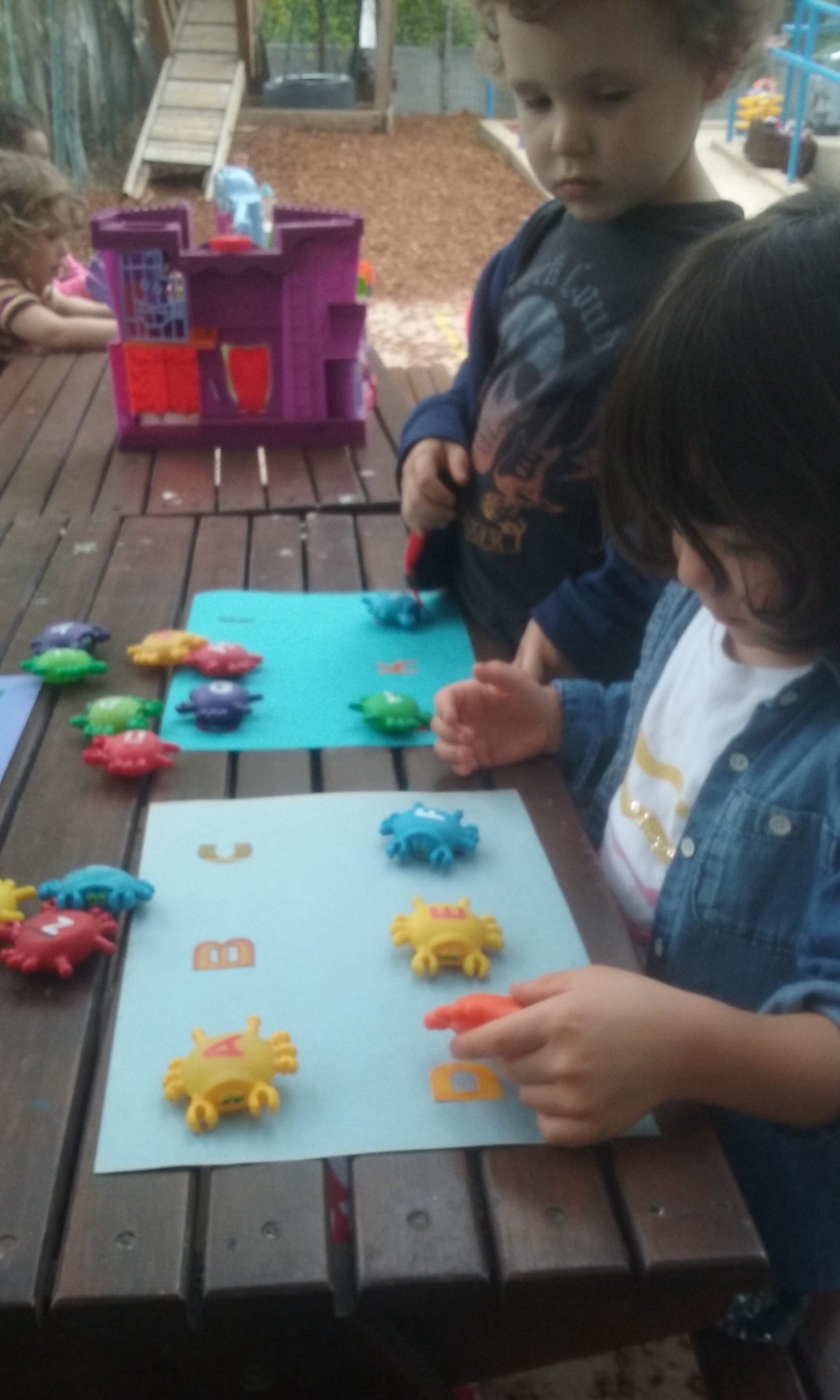
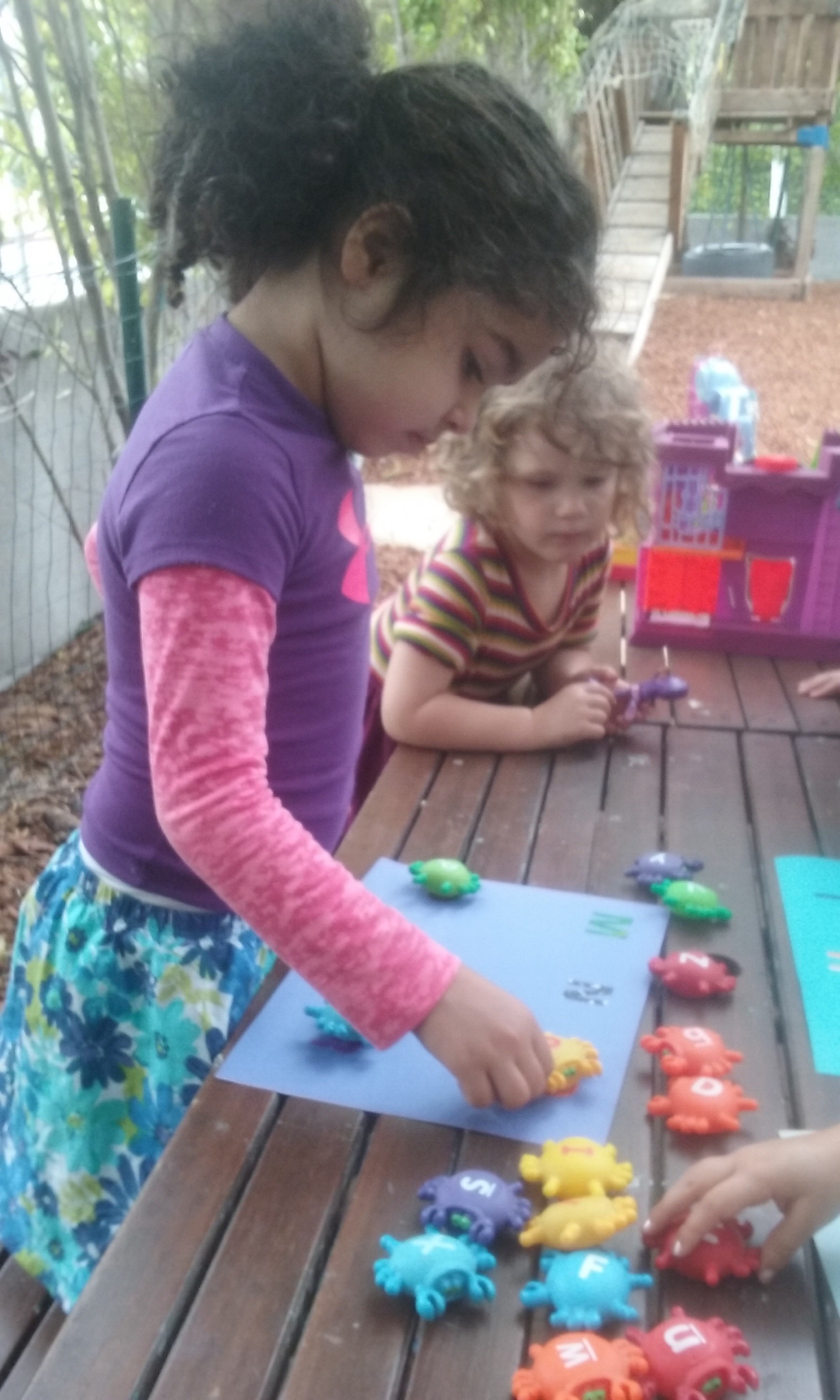
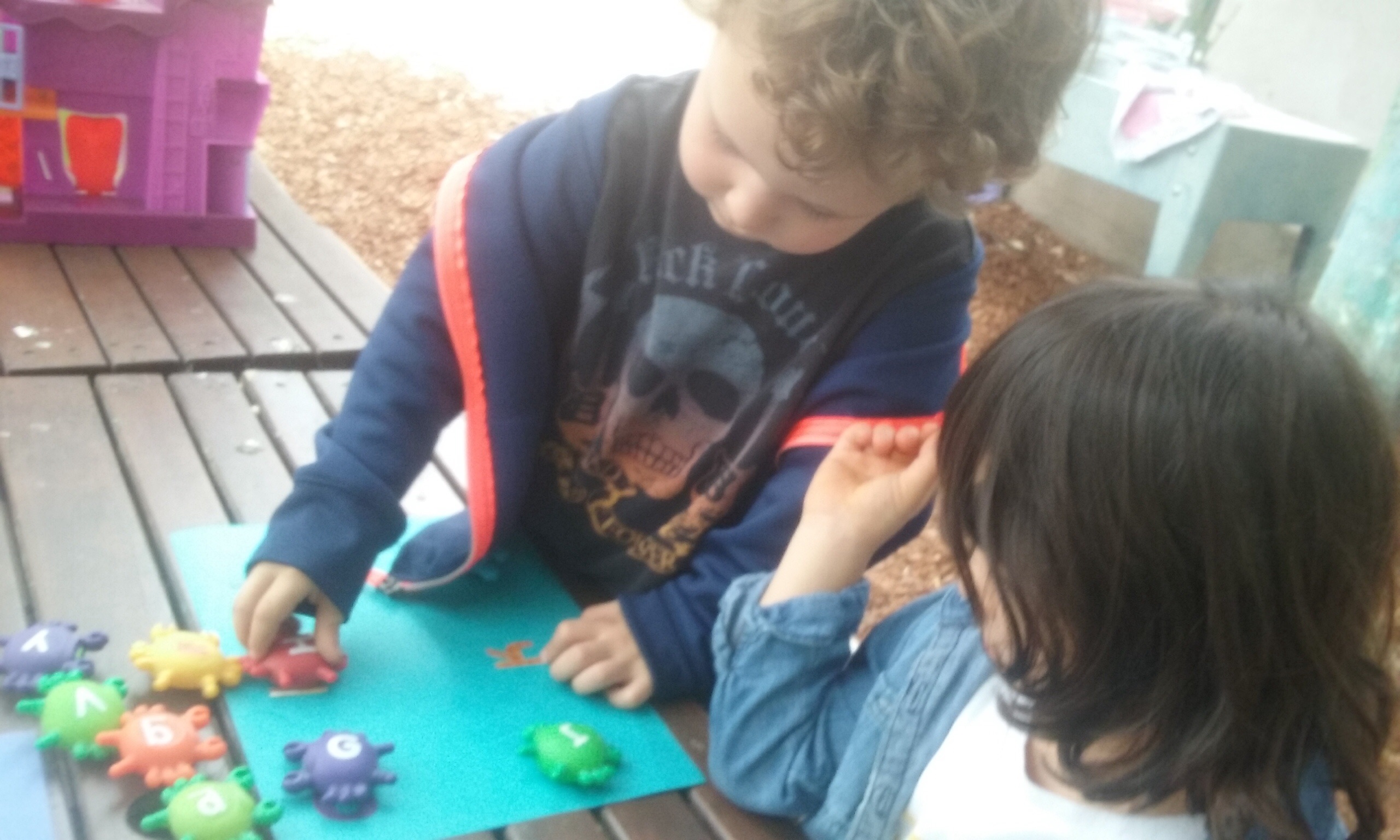
To encourage focus, and promote an experience that will facilitate their pre-reading skills, your little one played a matching game.

image

image

For this activity, your little matched upper and lowercase letters (placed on plastic crabs) with letter stickers on a piece of paper, and paired each one with it’s match.

image

image

Sea Creature Counting

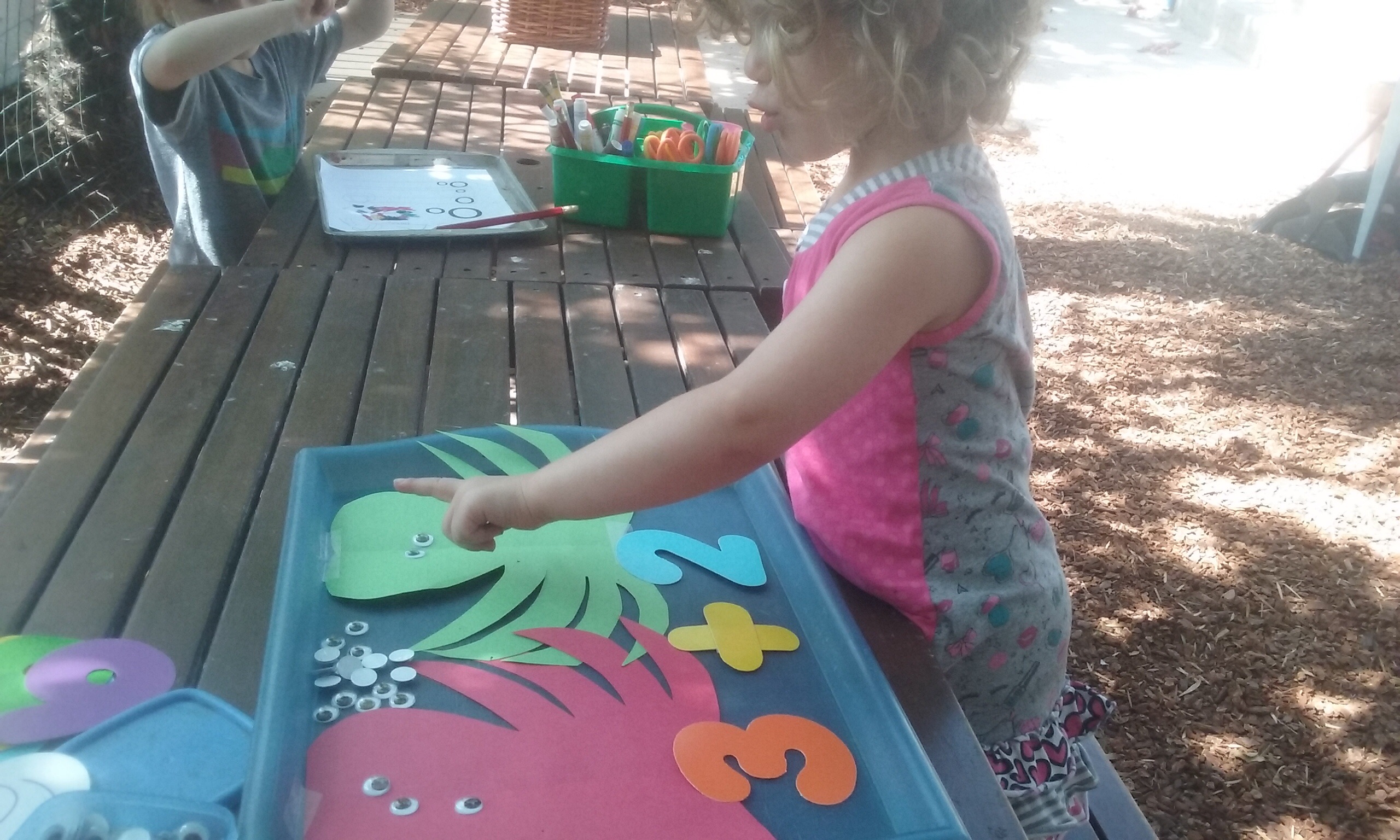
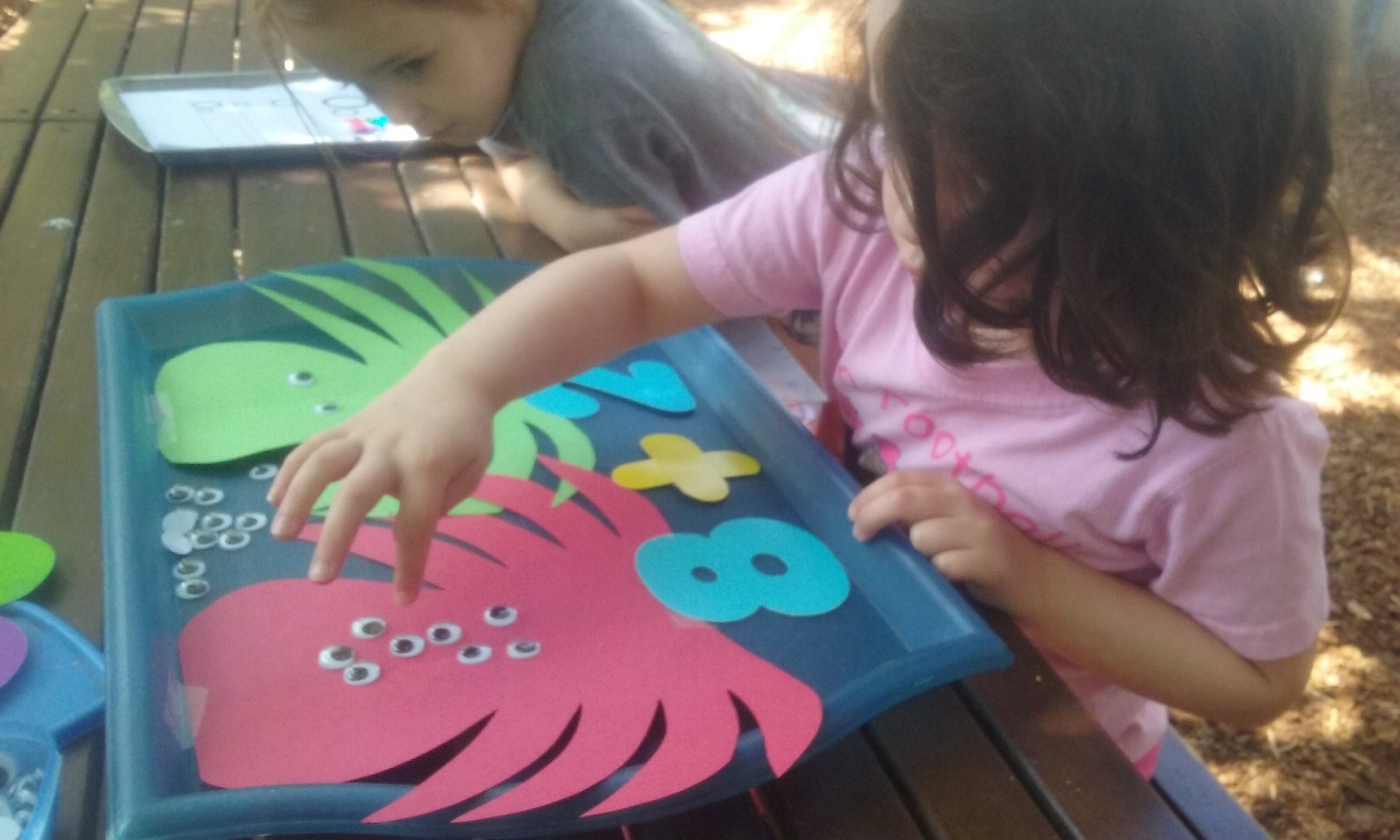
I am very excited to talk about our adventures in math! By using googly eyes and paper cut-outs of sea creatures, we had the opportunity to practice our counting and number recognition. For the activity, each participant was given googly eyes and sea creatures with various numbers written on them.

image

They then placed the correct number of googly eyes on the paper, counting as they did so. After this, we talked about what the various numbers looked like. How “1” has a straight line like a pole, how “2” looks like a seahorse, and how “3” looks like bear ears. By counting, young children gain an understanding of concrete relationships. As they coordinate the counting with the adding of the eyes, your students learn that each object gets one number.

image

In gaining insight of concrete relationships, they further their comprehension that things can be given many different labels, and still have the same meaning. Preschoolers also need experiences to relay the meaning of symbols. They may look at a number on a piece of paper, but not make the association between that number and an amount. By providing the opportunity to see the number and count actual three dimensional objects, students participate in an effective developmental experience.

image

Marine Biologists

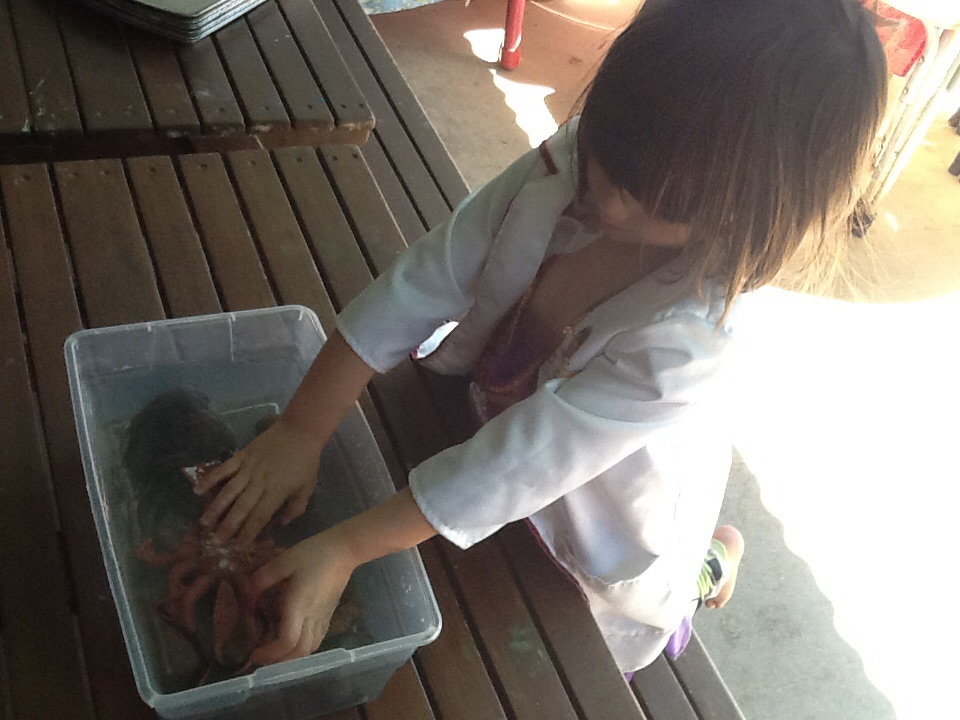
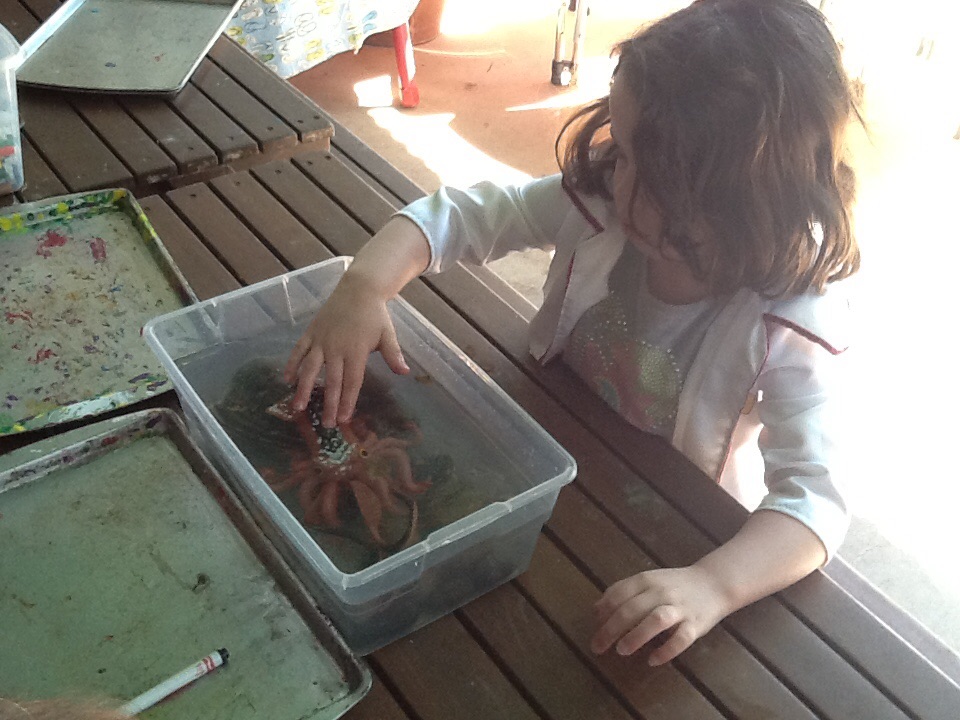
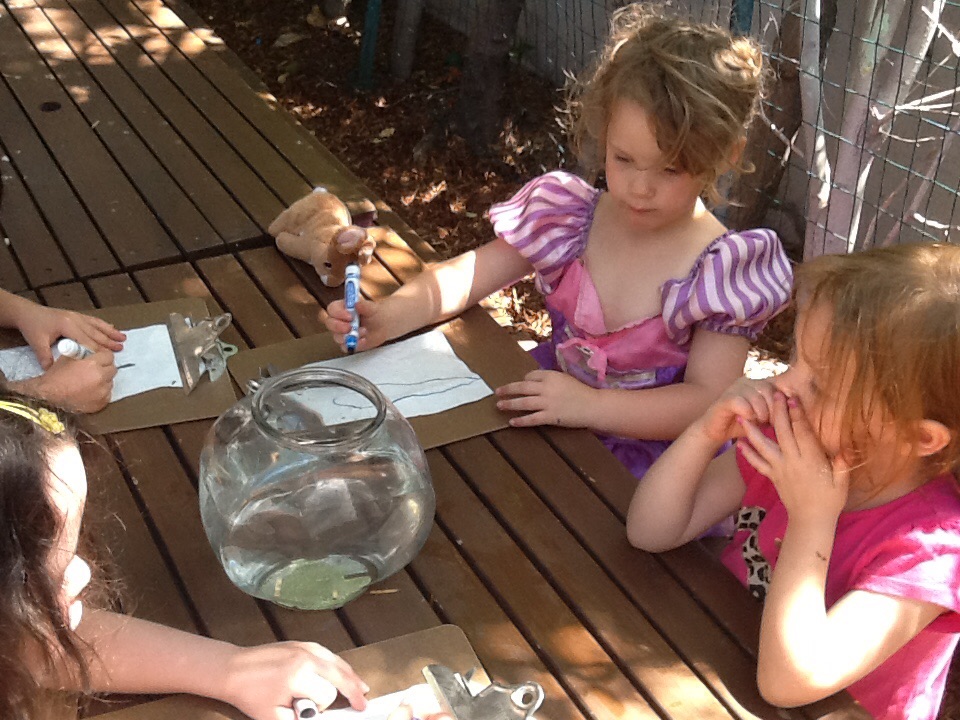
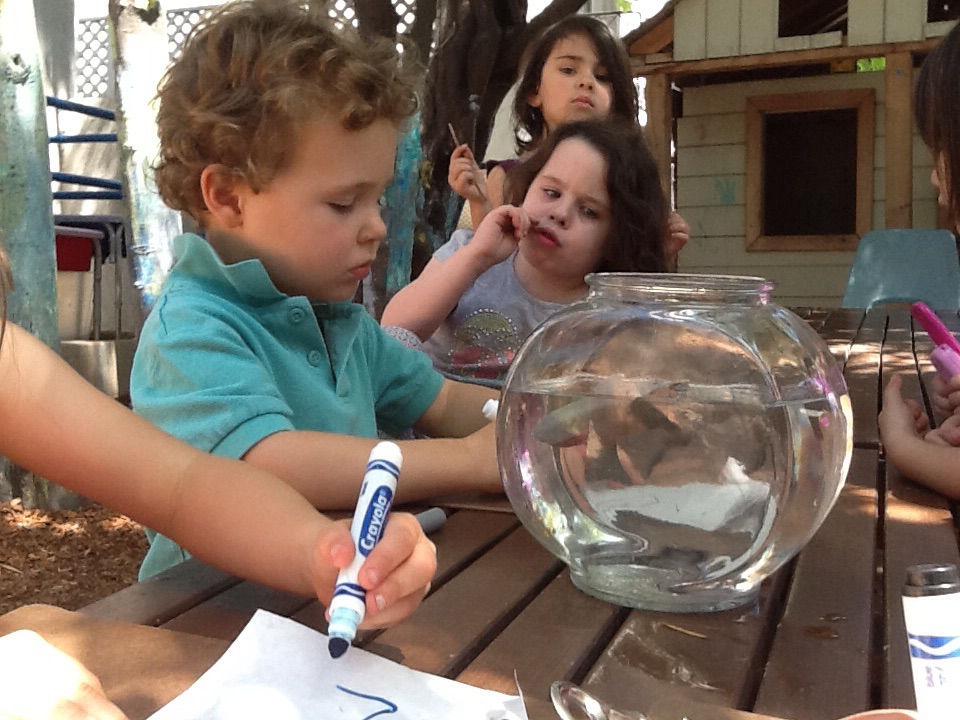
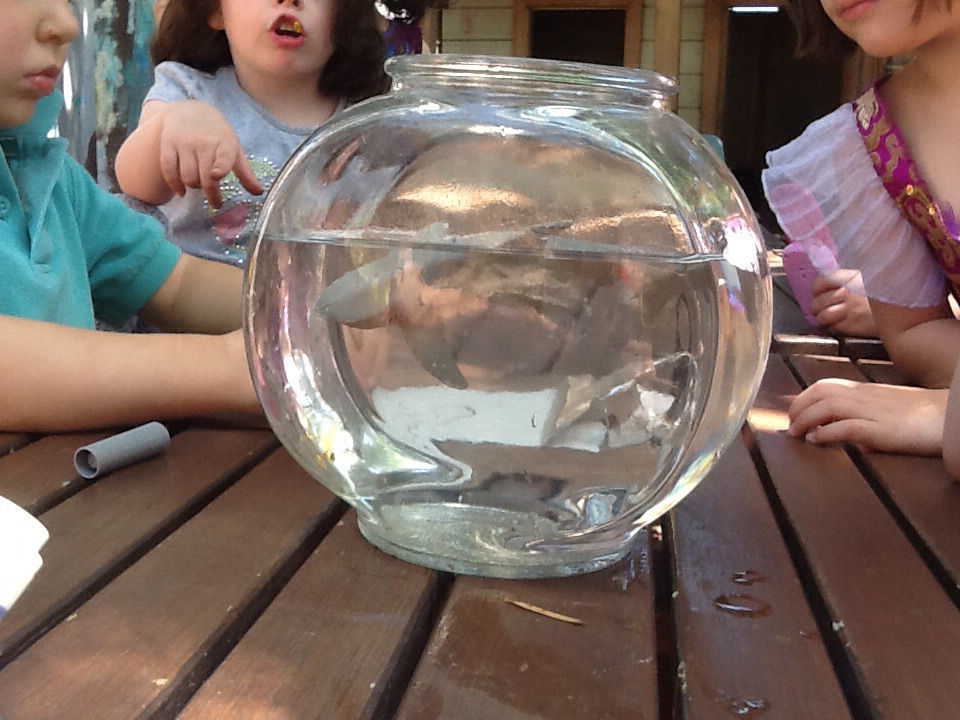
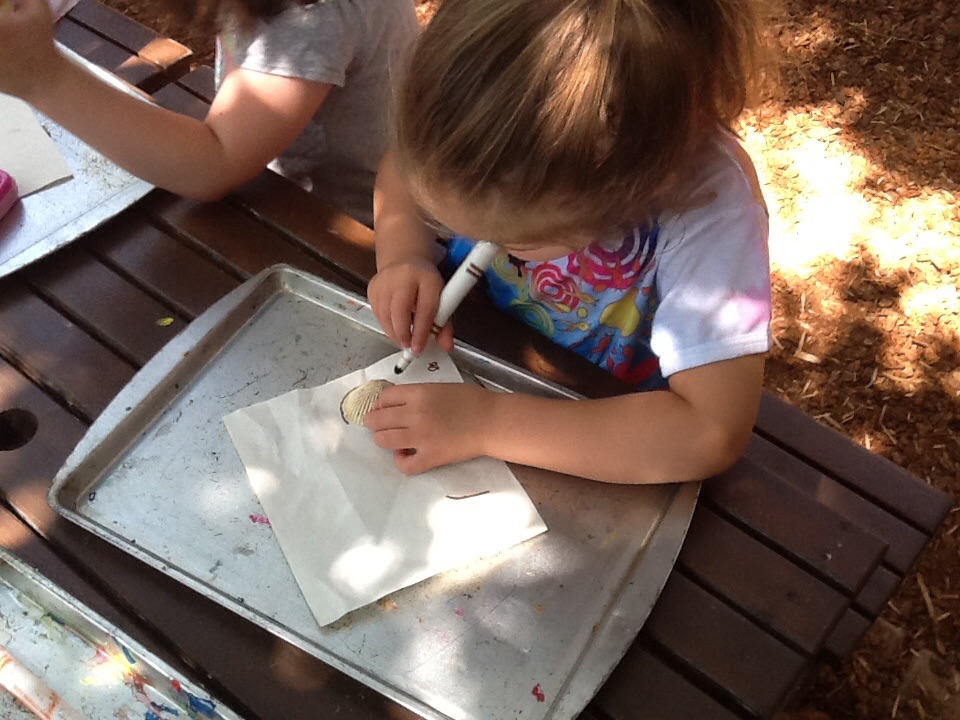
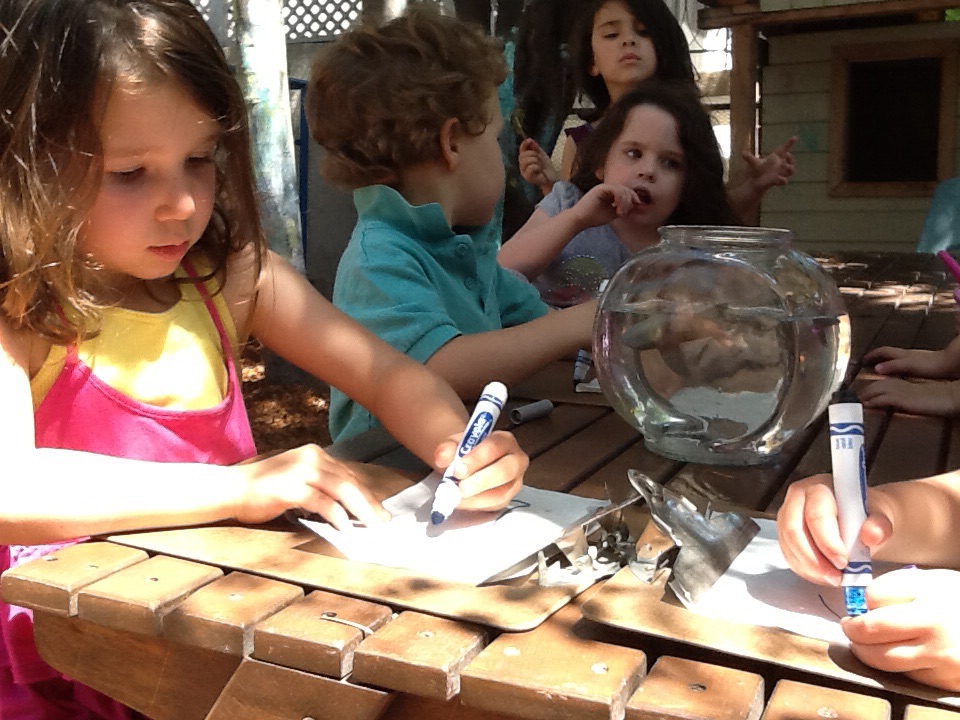
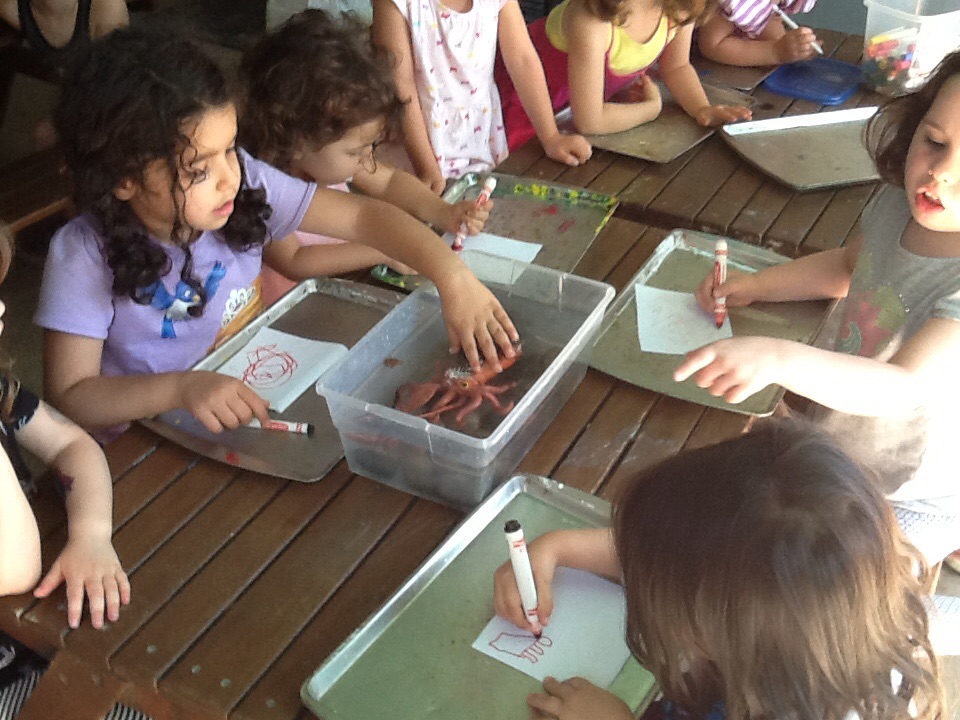
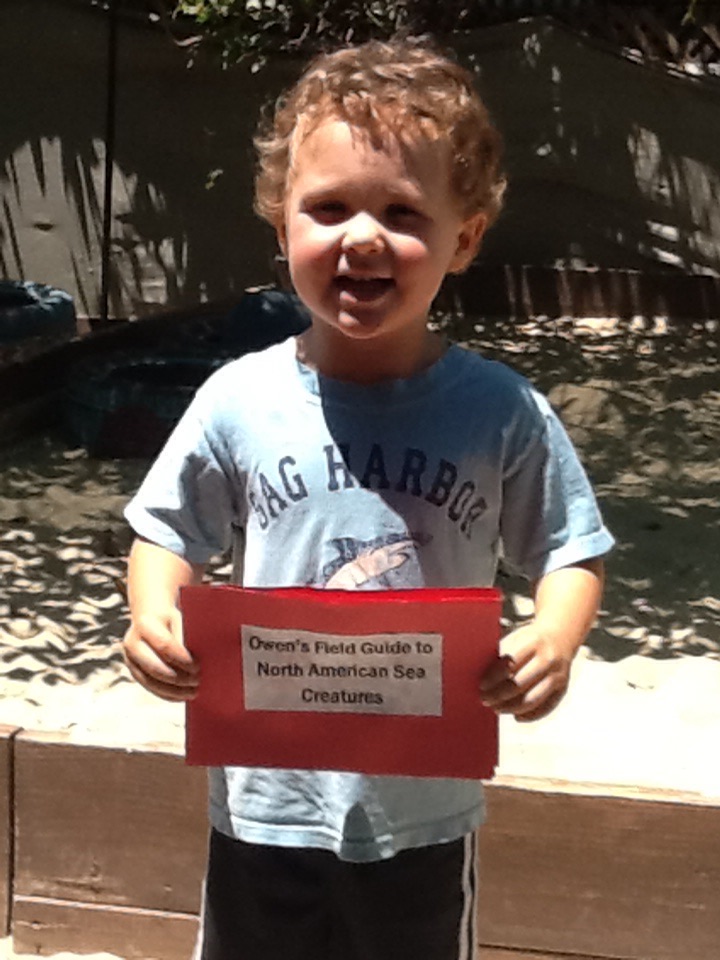
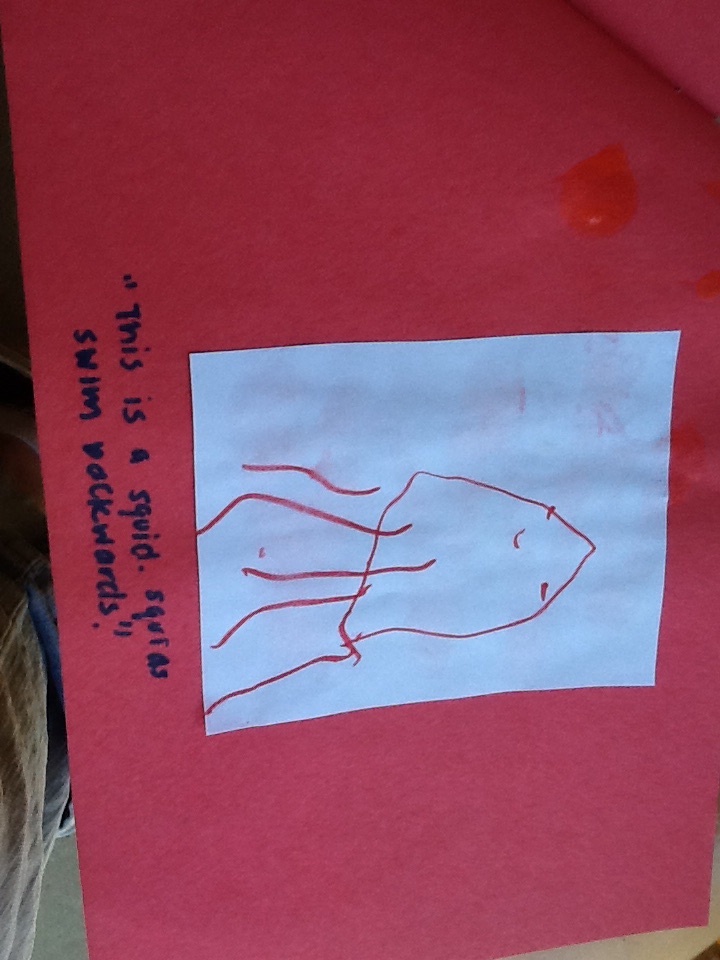
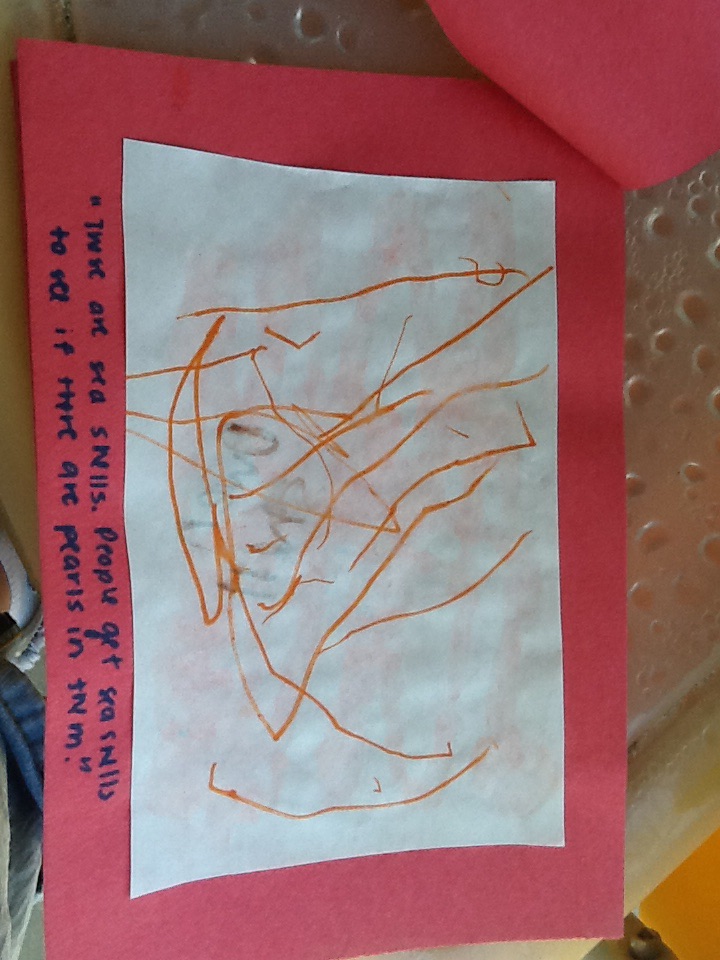
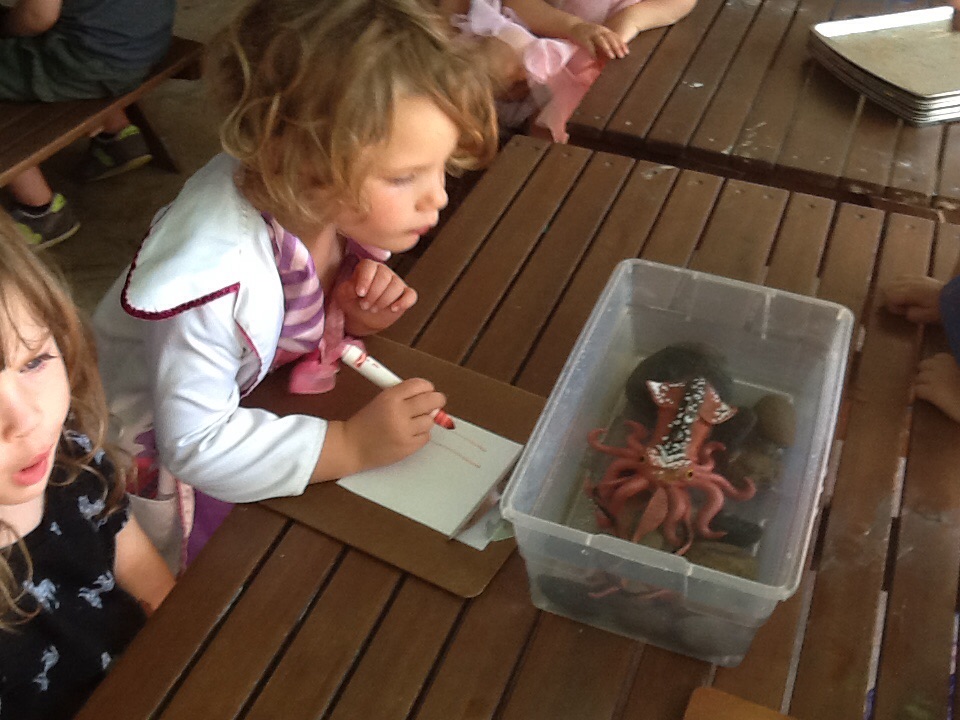
Role play is a type of pretend play where children get into character and act out a role or real life context. While role play is a fun, and playful activity, it is also a key component of learning.  It is an active, social activity where children can get into character and use their imaginations to reflect on and develop their knowledge. This kind of learning is therefore an effective way for children to make sense of the world around them. For this activity, we pretended to be marine biologists! Using markers, paper, and clipboards, your little one looked at a variety of observation stations and recorded what they saw. These observation stations were set up like real ones in the field. Plastic animals were submerged in water and your little ones observed them like real scientists! They then compiled their findings into notebooks that they took home!

image

image

image

image

image

image

image

image

image

image

image

image

image

image

image

image

image

image


Goldfish Math

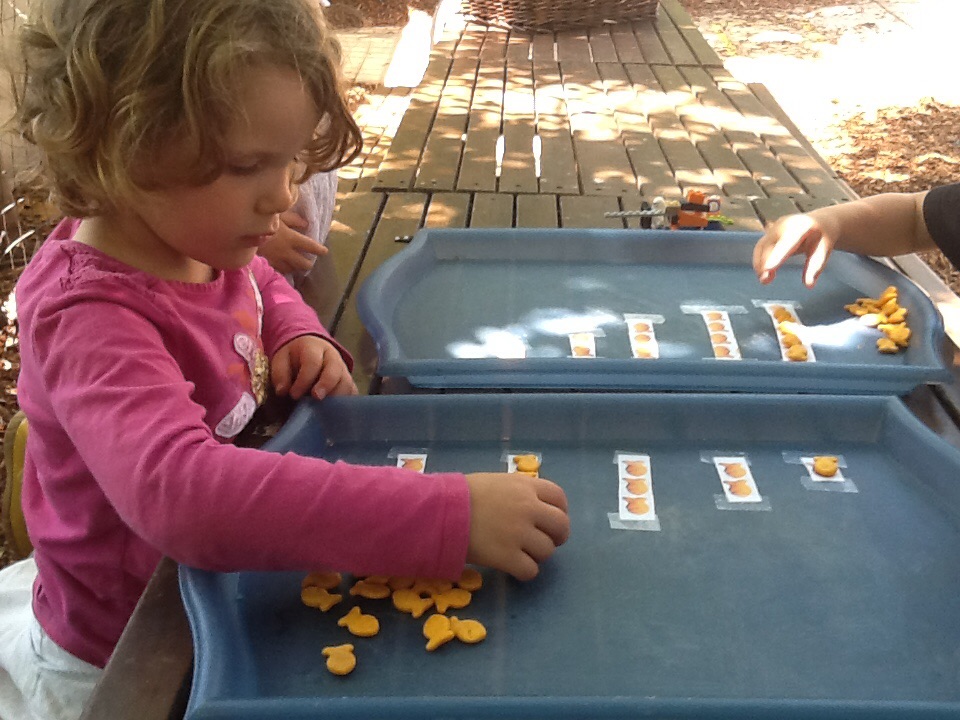
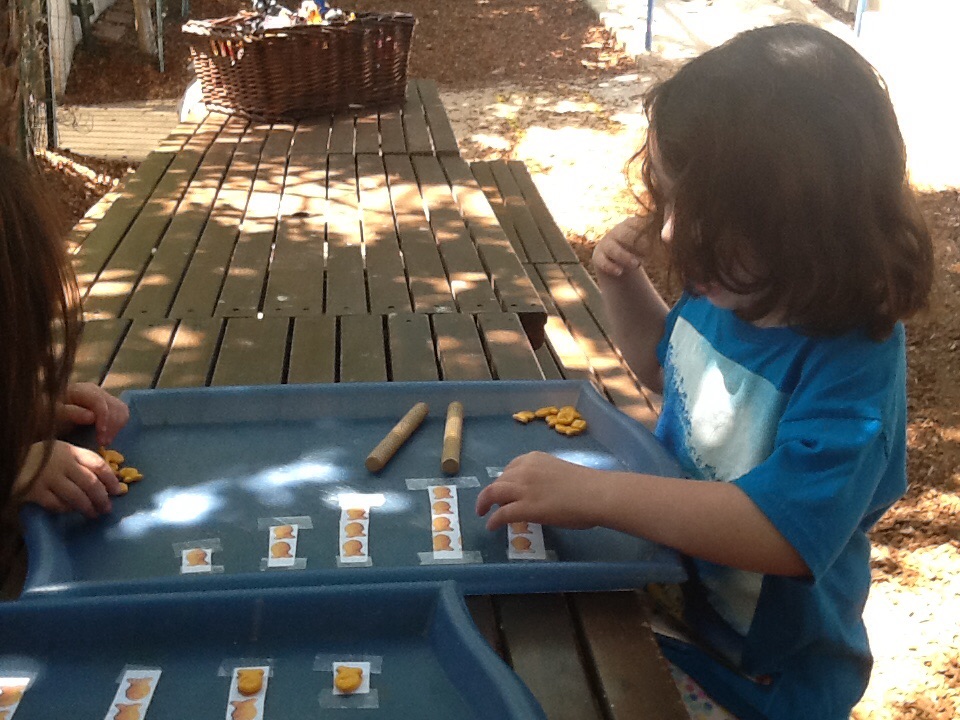
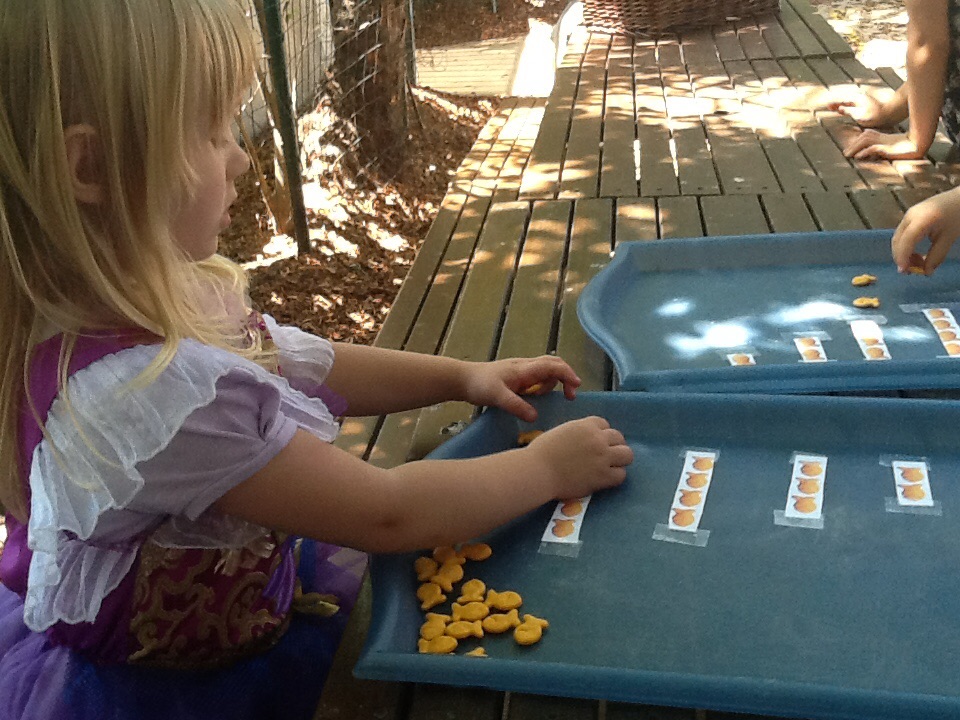
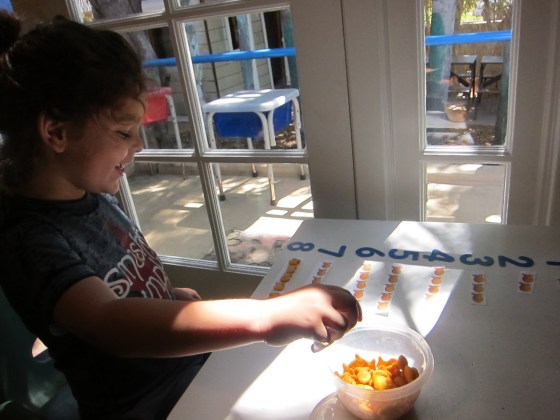
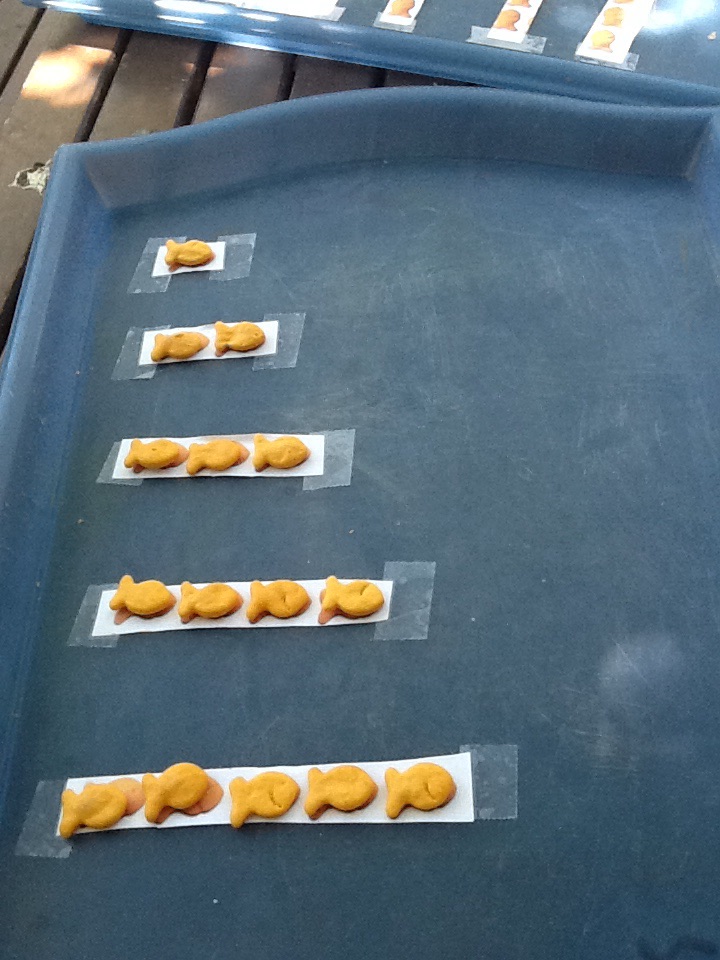
Using crackers and fish diagrams of varying numbers and amounts, we learned and revisited counting and Arabic numerals!

image

Each child was given a group of goldfish crackers, and a row with a different number on it.

IMG_2133

The children were then asked what the number was, to put their fish on the quantity (displayed as fish), and to count their fish as they did so. These goldfish rows ranged from 1-10.

image

Once again, we are using things that our little ones are naturally interested in to teach about counting, numeral recognition, and patterns!

IMG_2143

Not limited to just numbers, preschool math incorporates a broad range of skill sets and knowledge including sorting, colors and recognizing groups and patterns.

image

These activities teach our little ones about problem solving and using logic. This activity also involved fine motor skills, as they manipulated Their fish and attached them to their rows.

image

image

Crab Habitats

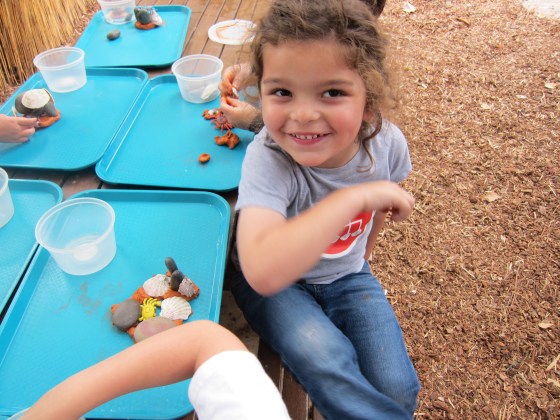
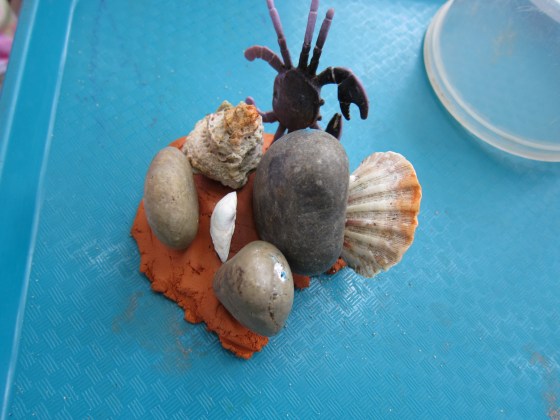
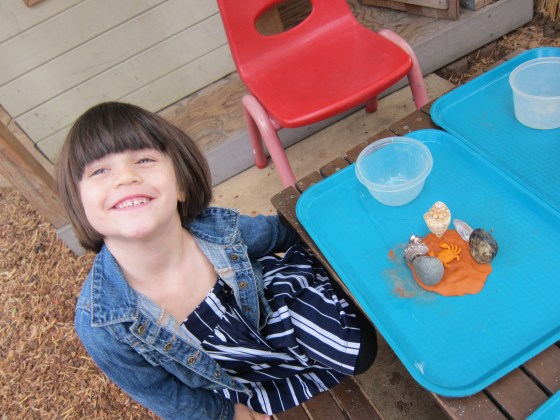
For this activity, we combined clay, rocks, and sea shells to learn about crabs!

IMG_1439

By using clay, we created habitats for our little creatures and learned a new word: detrivore!

IMG_1436

Crabs live among the rocks, and often eat the remains of what other fish live behind. This is what a detrivore is! The children delighted in manipulating the clay, and providing the perfect home for their little crab.

IMG_1446


Lagoon Collaborative

Hands-on learning is an integral component in early childhood education. The manipulation and experimenting of materials provide a reference of learned concepts, and enables young children to construct meaningful experiences that aid their ability to commit new information to memory.

image

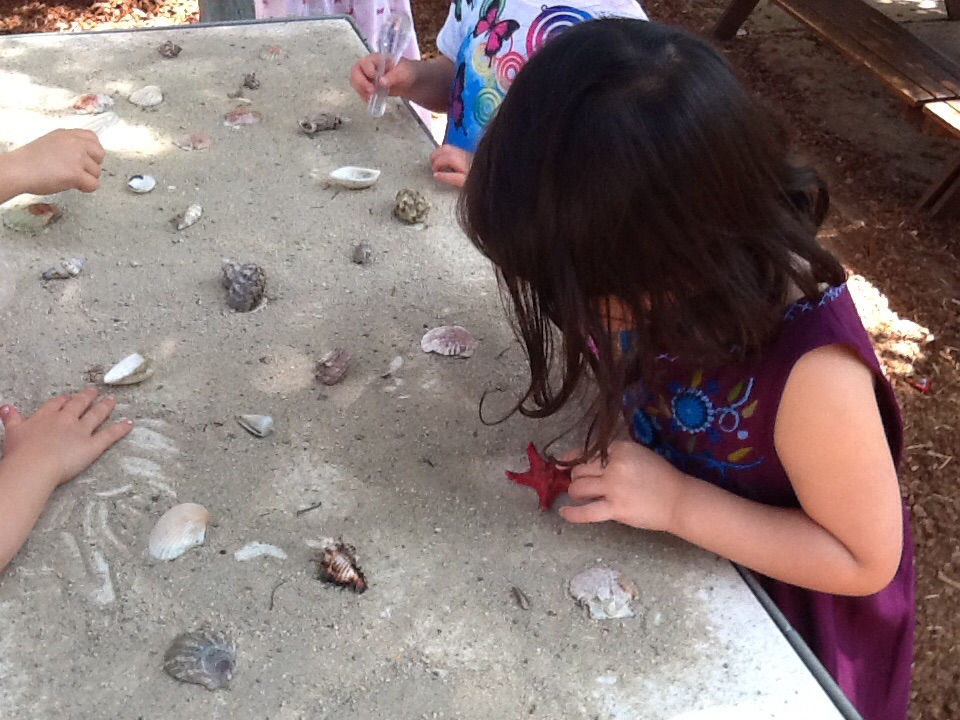
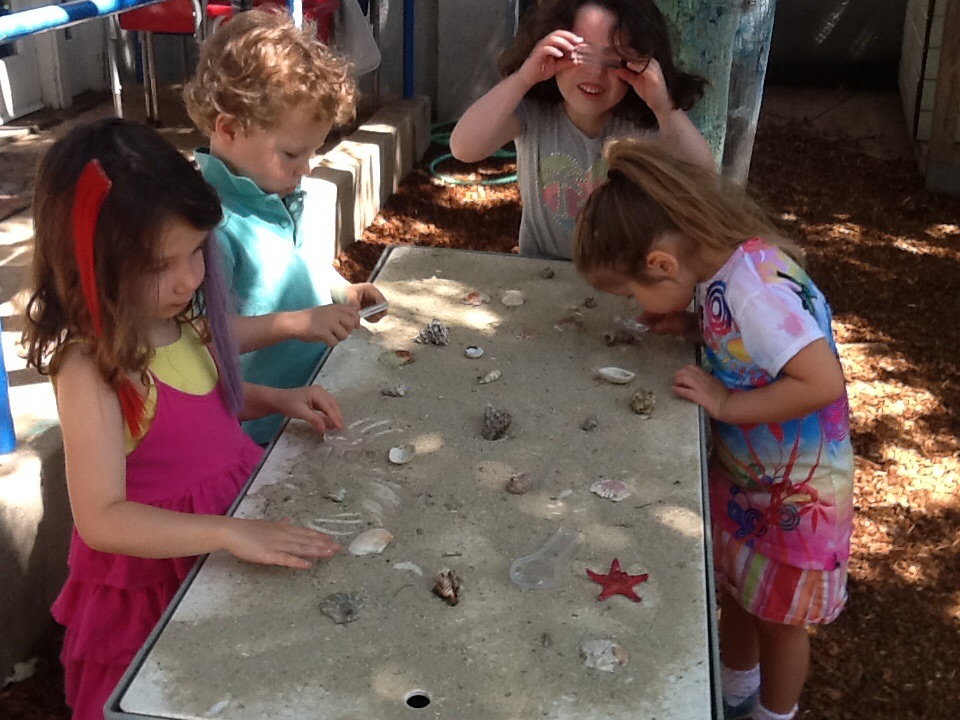
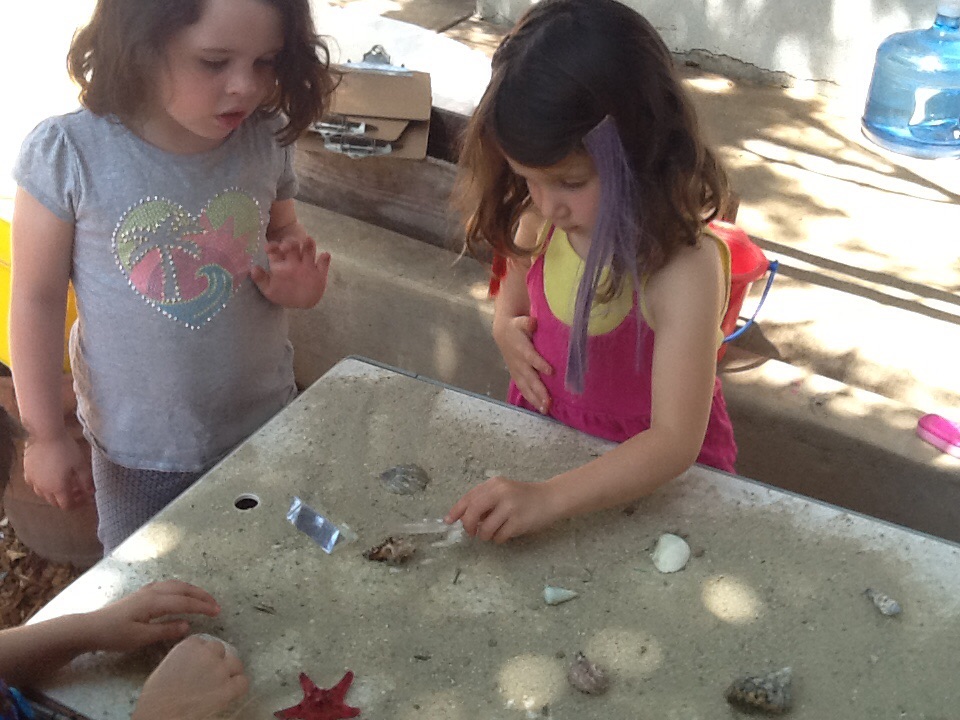
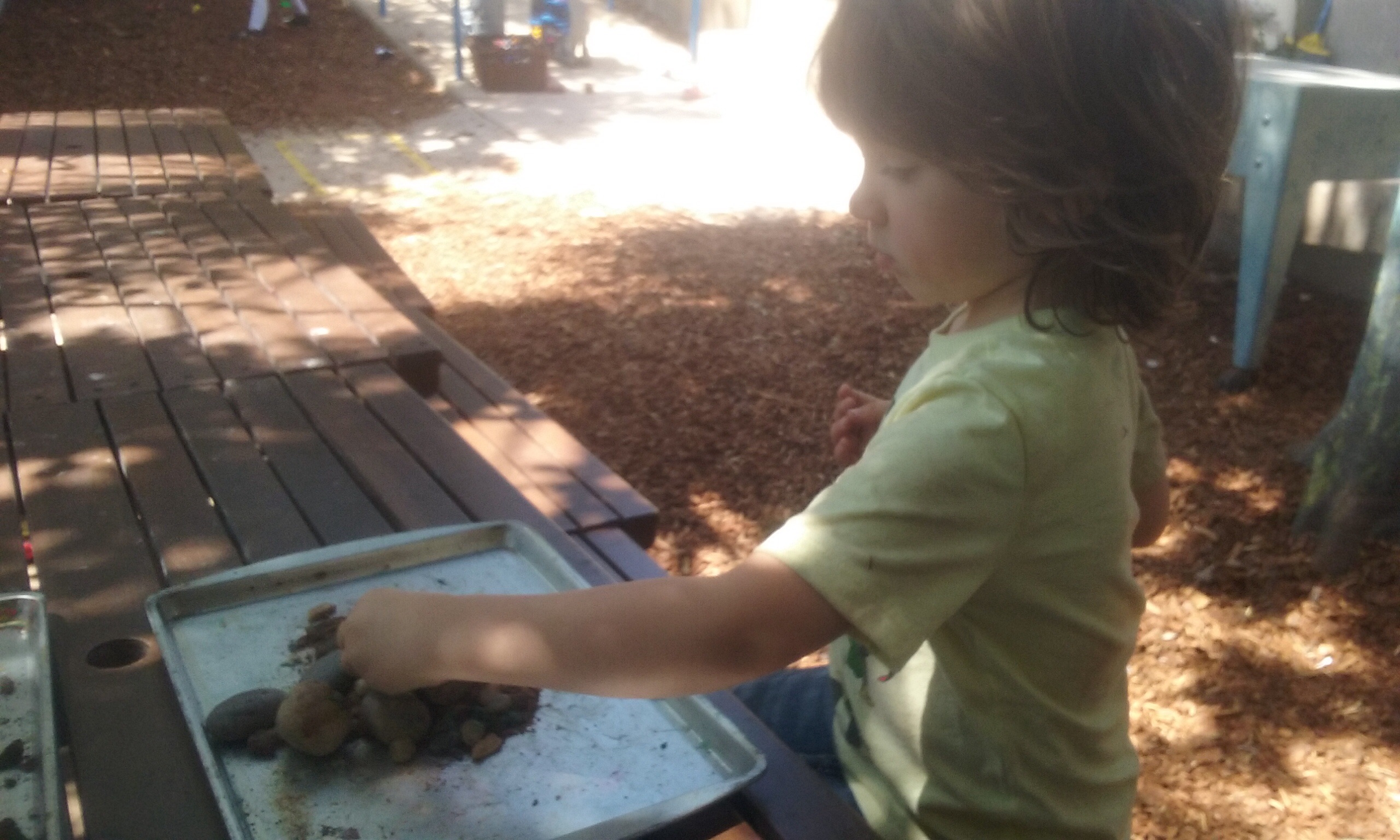
Your little one learned that a lagoon is a shallow body of water, separated from the ocean by a reef or sandbank. They also learned that these water bodies are quiet, and can vary in length. Using rocks, shells, sand, and water, we created our own lagoon!

image

We created two bodies of water. The larger of the two was the “ocean”, and the smaller, the “lagoon”. We then used rocks as the “reef”, and then added sand and sea creatures to supplement our play.

image